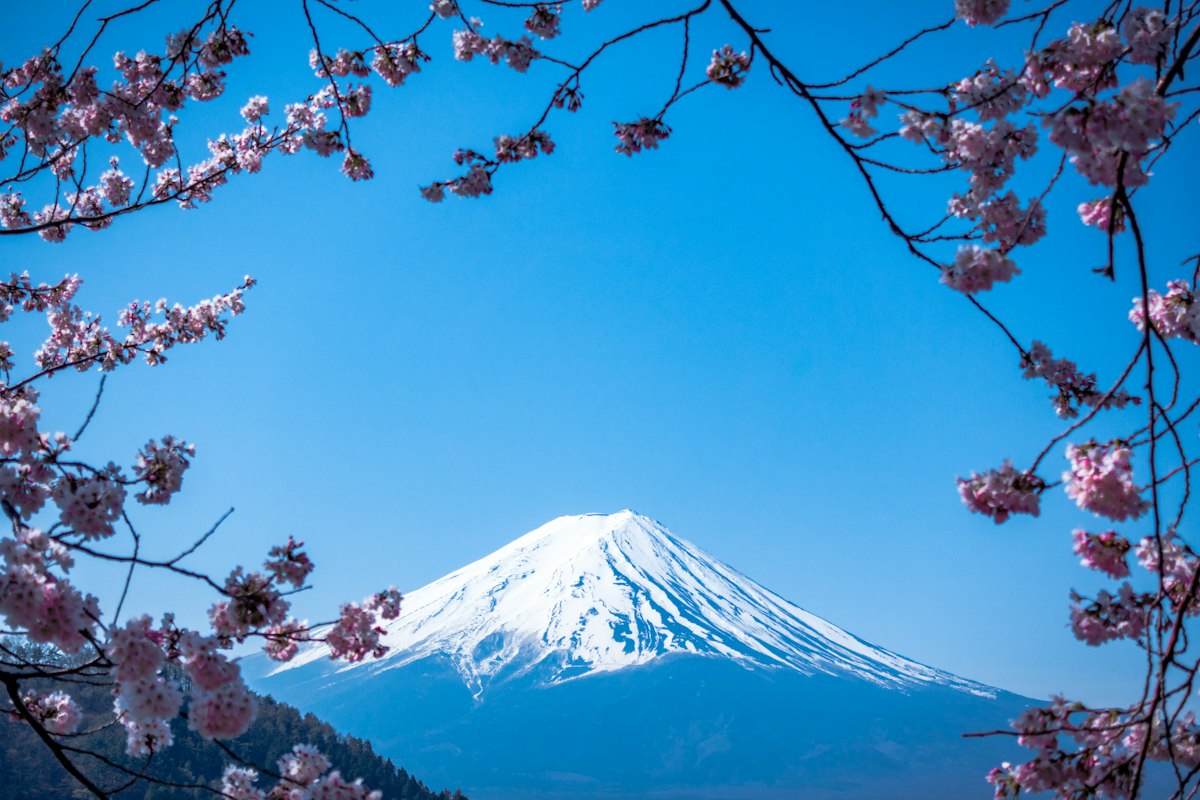
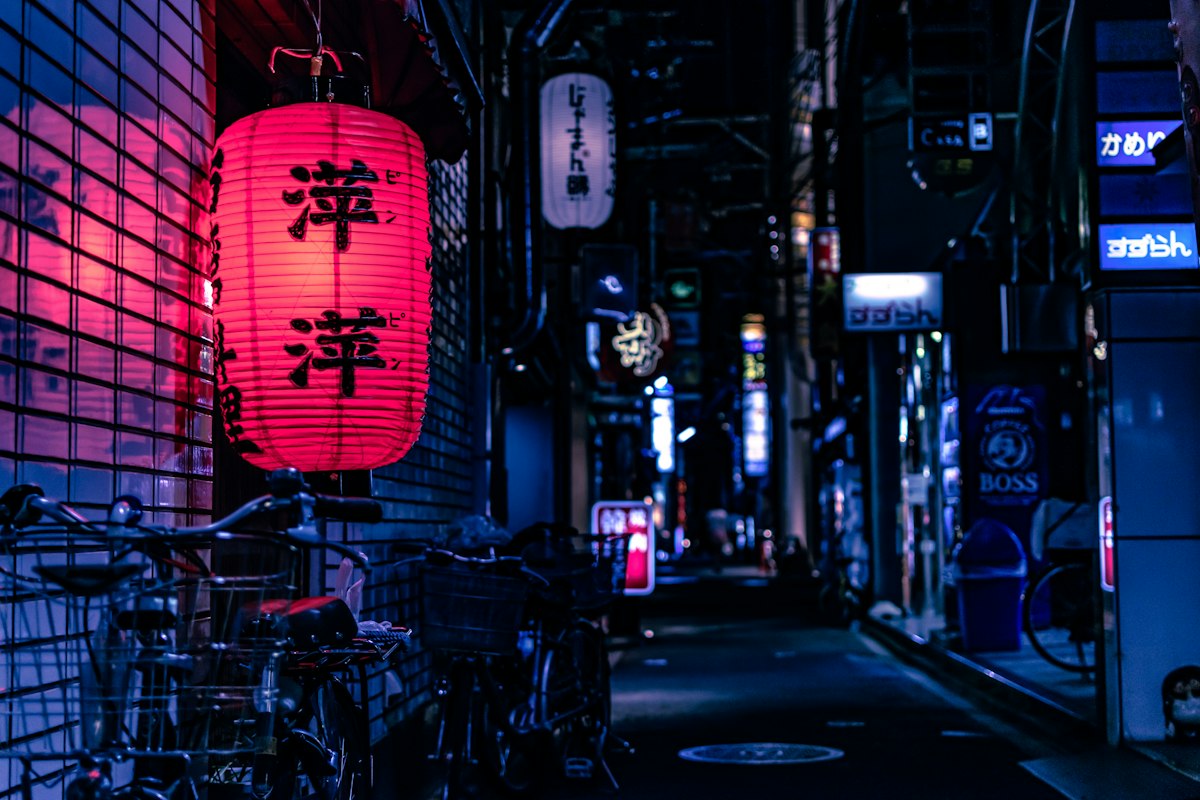
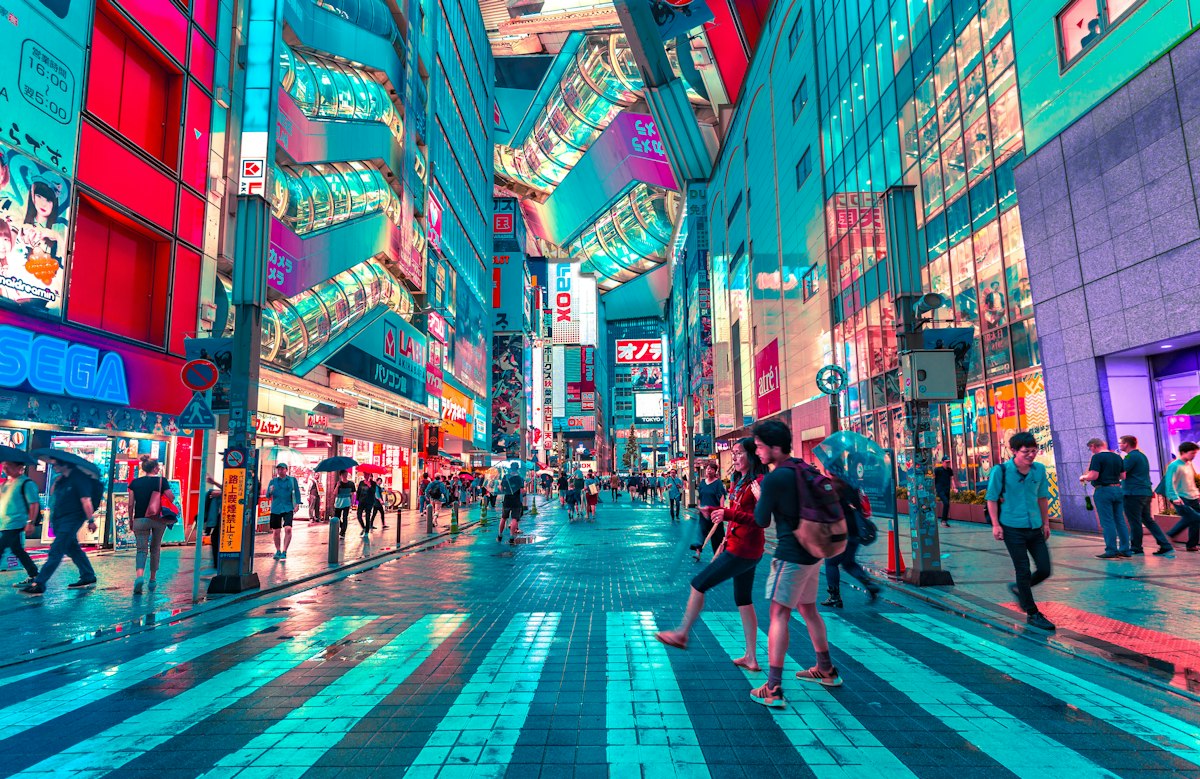
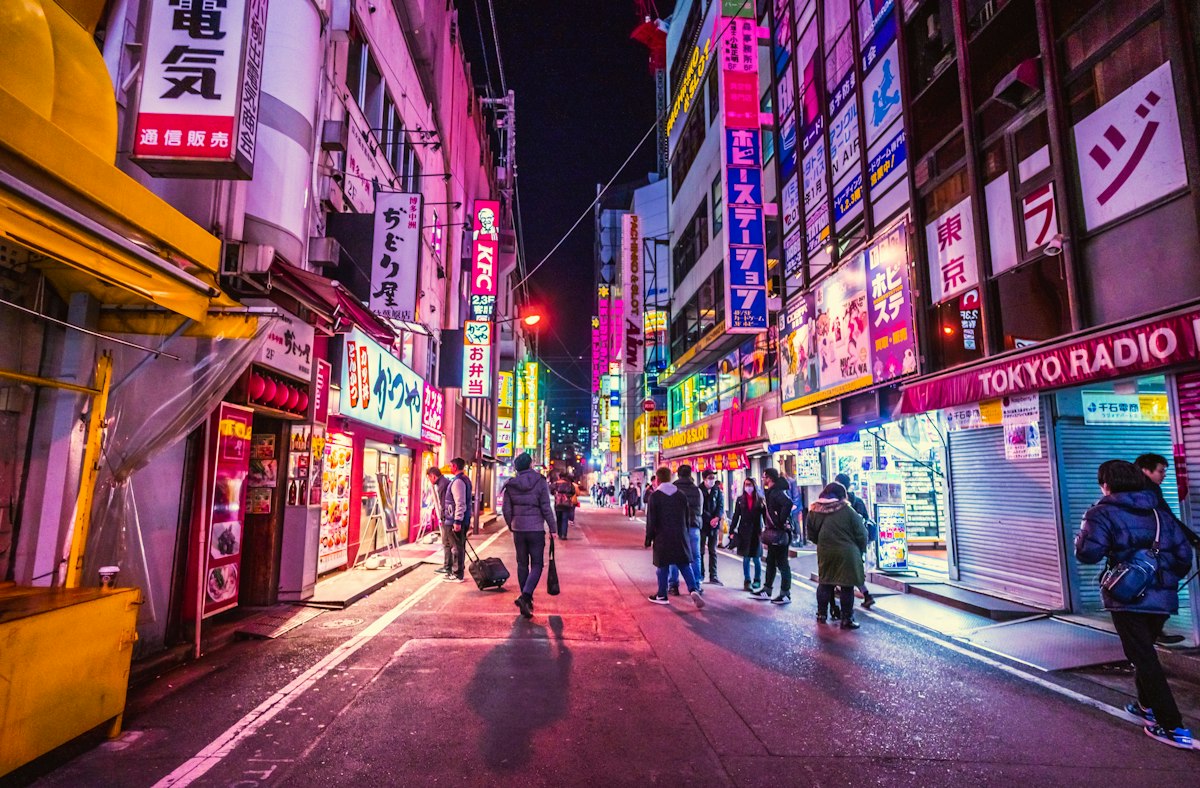
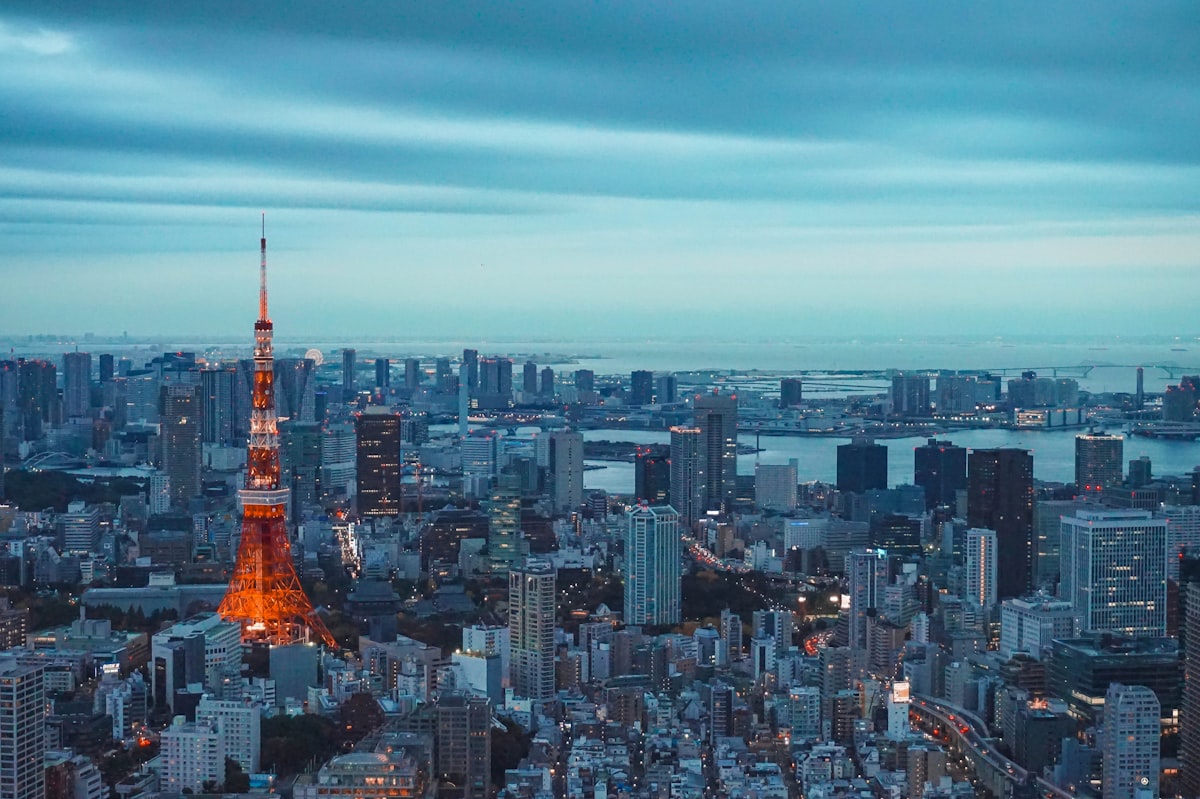

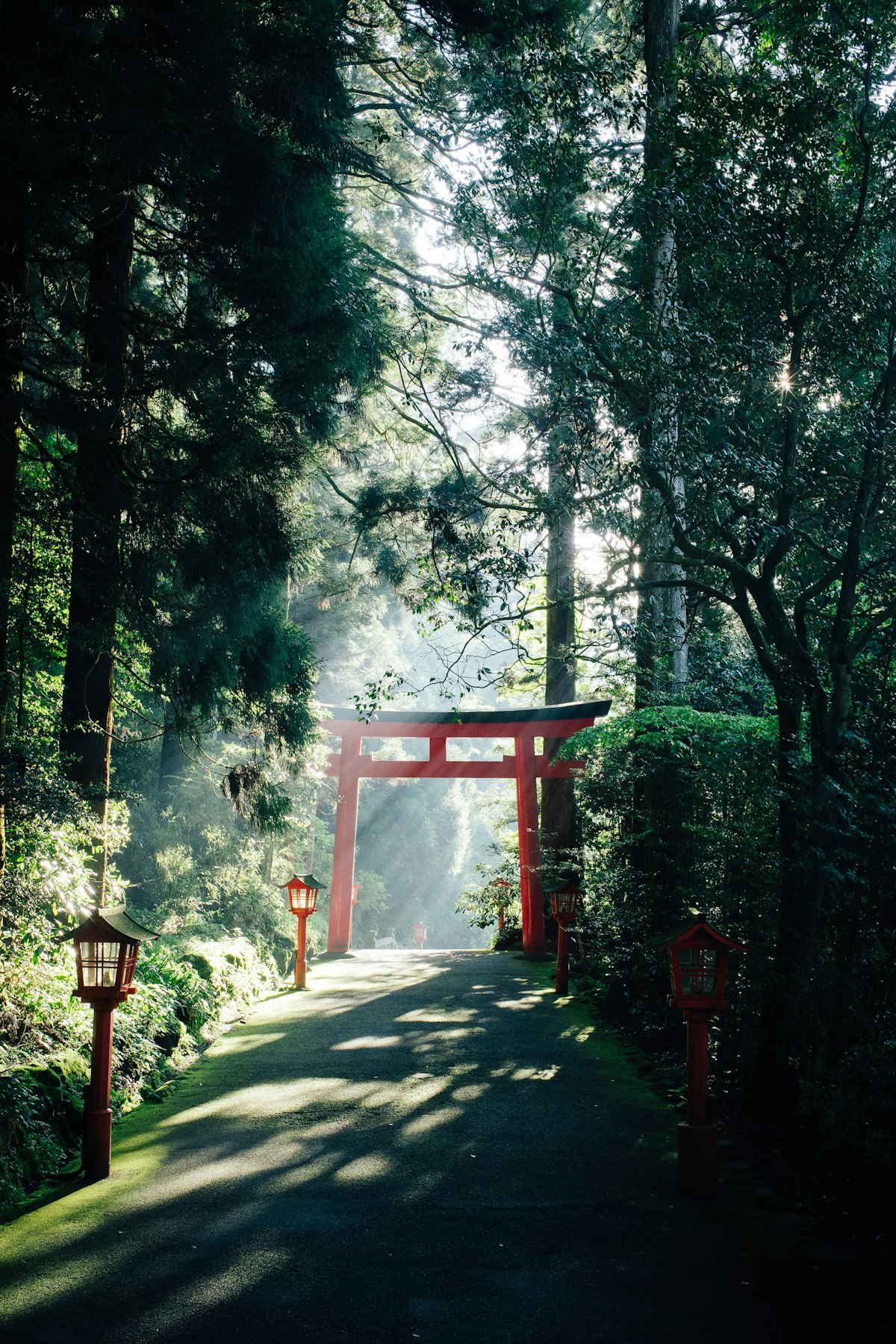
Showing: Nov · David Edelstein / Unsplash
Japan · East Asia
Best time to visit Tokyo
November
Recommended based on your preference for quieter conditions and good weather. Nov offers reliable weather conditions.
All 12 months — click any to expand
Nov
David Edelstein / Unsplash
Peak autumn foliage — arguably Tokyo's most beautiful month, rivalling cherry blossom.
16.6°C
High
8.7°C
Low
93mm
Rain
5.9h
Sun/day
What you gain
- ↑Koyo peak: ginkgo trees gold, maples deep red — Shinjuku Gyoen, Meiji Jingu and Hamarikyu spectacular
- ↑Comfortable cool temperatures: 16°C, far more pleasant than spring's crowds and rain
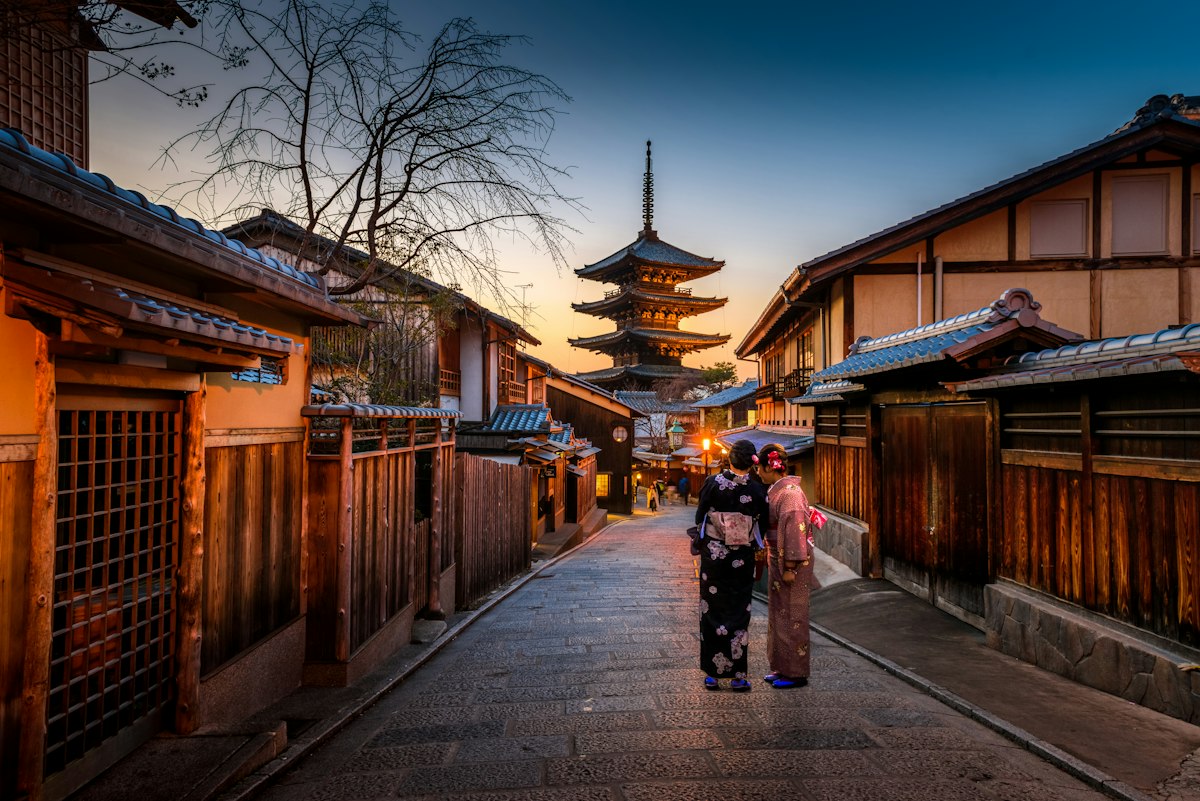
- ↑Shichi-go-san shrine ceremonies (mid-November) — children in kimono at every major shrine
What you sacrifice
- ↓Hotel prices rival spring: book 2–3 months ahead or pay peak rates
- ↓Popular foliage spots (Rikugien, Kokedera in Kyoto) sell out weeks in advance
- ↓International tourist numbers have grown sharply in recent years — no longer the secret season
Recommended based on your preference for quieter conditions and good weather. Nov offers reliable weather conditions.
Nov
Peak autumn foliage — arguably Tokyo's most beautiful month, rivalling cherry blossom.
16.6°C
High
93mm
Rain
5.9h
Sun
- ↑Koyo peak: ginkgo trees gold, maples deep red — Shinjuku Gyoen, Meiji Jingu and Hamarikyu spectacular
- ↑Comfortable cool temperatures: 16°C, far more pleasant than spring's crowds and rain
- ↑Shichi-go-san shrine ceremonies (mid-November) — children in kimono at every major shrine
- ↓Hotel prices rival spring: book 2–3 months ahead or pay peak rates
- ↓Popular foliage spots (Rikugien, Kokedera in Kyoto) sell out weeks in advance
- ↓International tourist numbers have grown sharply in recent years — no longer the secret season
Top travel windows
★ BestNovember
Best overall
Highest combined score
16.6°C
High
93mm
Rain
5.9h
Sun
January
Best for value
Lowest prices & fees
9.8°C
High
52mm
Rain
6.1h
Sun
January
Fewest crowds
Quietest month
9.8°C
High
52mm
Rain
6.1h
Sun
Breakdown by priority
Best for weather
November
16.6°C high · 93mm rain · 5.9hrs sun/day
Best for budget
January
Hotels 30–40% cheaper than cherry blossom season
Fewest crowds
January
New Year (Oshōgatsu) celebrations at Meiji Shrine are a once-in-a-lifetime experience if you're willing to brave the queue
Month by month breakdown
January#3▾
Gains
- ↑New Year (Oshōgatsu) celebrations at Meiji Shrine are a once-in-a-lifetime experience if you're willing to brave the queue
- ↑Hotels 30–40% cheaper than cherry blossom season
- ↑Low humidity makes the cold feel crisper and more manageable than European winters of the same temperature
Sacrifices
- ↓Cold enough (2°C overnight) to make long outdoor days uncomfortable without proper layering
- ↓Some seasonal food vendors and outdoor markets closed until spring
- ↓Shorter daylight hours limit photography and exploration time
February#4▾
Gains
- ↑Tokyo's lowest hotel rates before the March-April surge
- ↑Setsubun bean-throwing ceremonies at temples are quietly spectacular
- ↑Museums and cultural attractions uncrowded — National Museum at its most accessible
Sacrifices
- ↓No colour in the landscape: parks bare, trees leafless
- ↓Cold enough that sightseeing requires planning around warmth
- ↓Early plum blossom (Ume) can arrive but cherry blossom still weeks away
March#5▾
Gains
- ↑Late March cherry blossom (Somei Yoshino) transforms parks into something genuinely magical
- ↑Ueno Park hanami picnics: a collective national joy worth experiencing once
- ↑Spring awakening energy across the entire city
Sacrifices
- ↓Hotel prices rise 40–60% compared to February — book 3–4 months in advance
- ↓March is statistically Tokyo's rainiest month — blossom can be washed off early
- ↓Extremely popular parks require patience; Shinjuku Gyoen sells out timed slots weeks ahead
April#8▾
Gains
- ↑Full cherry blossom season (early April is typically peak): parks and riverbanks genuinely spectacular
- ↑Golden Week (late April–early May) brings festival energy across the city
- ↑Warm, comfortable daytime temperatures: ideal walking weather at 19°C
Sacrifices
- ↓Absolute peak hotel prices — among the most expensive weeks of the Tokyo travel calendar
- ↓Asakusa and Ueno overwhelmed: 2-hour queues for some popular spots
- ↓Golden Week domestic travel surge (late April) means Shinkansen tickets book out weeks ahead
May#6▾
Gains
- ↑Comfortable 23°C days: ideal for long walking days through neighbourhoods
- ↑Golden Week passes (early May) — domestic tourists leave and prices drop mid-month
- ↑Fresh green in parks and gardens replaces the blossom crowds
Sacrifices
- ↓Golden Week (first week of May) keeps prices elevated and Shinkansen crowded
- ↓Rain increases as tsuyu (rainy season) approaches
- ↓Blossom gone — the Instagram moment passed
June#11▾
Gains
- ↑Very low tourist numbers — budget accommodation available with no advance booking
- ↑Hydrangea (ajisai) blooms at temples like Meigetsuin in Kamakura: a hidden gem
- ↑Prices drop significantly from spring peaks
Sacrifices
- ↓Tsuyu rainy season: 168mm, frequent grey days, and persistent humidity above 70%
- ↓Outdoor exploration significantly hampered — Tokyo without outdoor walking is Tokyo halved
- ↓Heavy, muggy air makes physical exertion uncomfortable
July#9▾
Gains
- ↑Sumida Fireworks Festival (late July): one of Japan's most famous — book viewing spots well in advance
- ↑Matsuri (festival) season: local neighbourhood festivals most evenings
- ↑Budget-level accommodation by Tokyo standards
Sacrifices
- ↓Heat index regularly exceeds 35°C when humidity is factored in — outdoor time must be rationed
- ↓Afternoon thunderstorms common and sudden
- ↓Cooling centres and shade mandatory for any outdoor itinerary
August#12▾
Gains
- ↑Obon (mid-August): traditional lantern ceremonies and bon odori dances at local temples — uniquely Japanese
- ↑Fireworks festivals continue through the month
- ↑Asakusa Samba Carnival is unexpectedly spectacular
Sacrifices
- ↓Peak heat: 32°C average high with humidity that makes it feel 40°C
- ↓Obon week (mid-August) drives domestic travel — Shinkansen sells out
- ↓Being outside between 11am–4pm requires significant heat management strategy
September#10▾
Gains
- ↑Lower prices as summer tourism wanes
- ↑Heat beginning to ease by late September
- ↑Crowds thin significantly compared to spring and summer festivals
Sacrifices
- ↓Statistically the rainiest month: 210mm — typhoons a real risk, not just theoretical
- ↓Plans can be disrupted for 2–3 days with little warning during typhoon events
- ↓Heat still oppressive in early September before autumn arrives
October#2▾
Gains
- ↑Autumn koyo (foliage) begins arriving late October: Shinjuku Gyoen and Rikugien extraordinary
- ↑Perfect temperature for long walking days: 22°C with low humidity
- ↑Tokyo Marathon energy throughout the city in early October
Sacrifices
- ↓Rainfall still relatively high at 197mm — not as clear as spring
- ↓Autumn foliage crowds building by mid-month, especially at popular spots
- ↓Increasing international tourist numbers as "second cherry blossom season" reputation grows
November#1▾
Gains
- ↑Koyo peak: ginkgo trees gold, maples deep red — Shinjuku Gyoen, Meiji Jingu and Hamarikyu spectacular
- ↑Comfortable cool temperatures: 16°C, far more pleasant than spring's crowds and rain
- ↑Shichi-go-san shrine ceremonies (mid-November) — children in kimono at every major shrine
Sacrifices
- ↓Hotel prices rival spring: book 2–3 months ahead or pay peak rates
- ↓Popular foliage spots (Rikugien, Kokedera in Kyoto) sell out weeks in advance
- ↓International tourist numbers have grown sharply in recent years — no longer the secret season
December#7▾
Gains
- ↑Roppongi Hills and Midtown illuminations: genuinely excellent winter light installations
- ↑Year-end ōmisoka atmosphere: a contemplative, distinctly Japanese close to the year
- ↑Low humidity and clear skies: Mt. Fuji visible from observation decks on crisp days
Sacrifices
- ↓Prices spike sharply around Christmas and New Year's Eve (31 Dec–1 Jan)
- ↓Countdown to New Year at Shibuya very crowded — public transport overwhelmed
- ↓Cold evenings (4°C) — outdoor activities require proper winter clothing
How this is calculated
Climate data
Open Meteo ERA5
30-year normals (1991–2020). Temperature, rainfall, sunshine, humidity.
Price & crowd
Tourism research
Seasonal pricing from tourism authority data. Directional — compares months within a destination only.
Personalisation
Weighted scoring
Your priorities change the weights. Budget-first users get different results than weather-first users.