Berlin · Month comparison
July vs May
May ranks #1 overall vs July at #9. Berlin at its most liveable — warm days, long evenings, and the summer festival season just getting started.
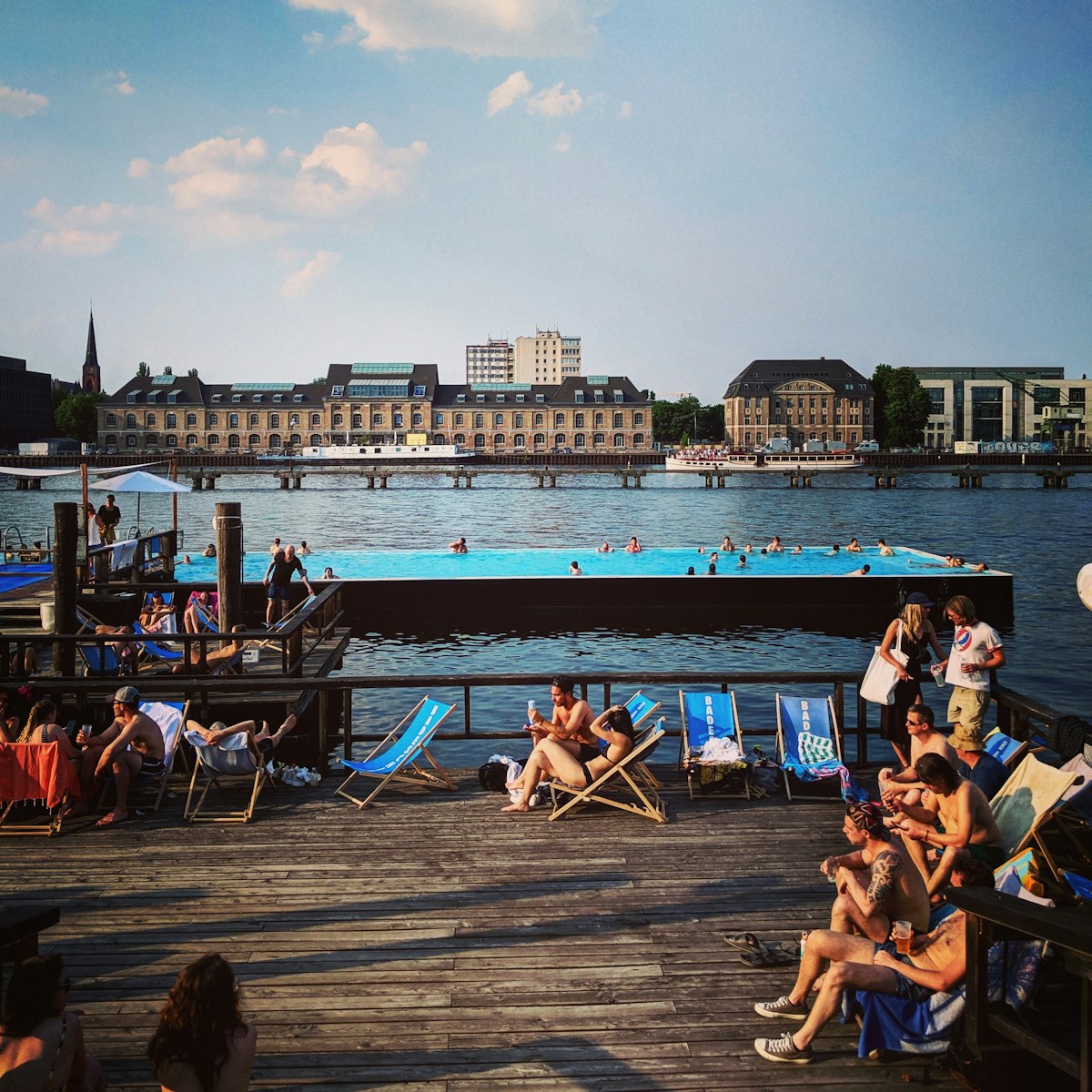
July
#9 of 12 months
Strong option
Peak summer heat and the busiest streets of the year — Berlin's outdoor energy at maximum, prices to match.
- ↑24°C days and 15°C nights: Berlin's lakes (Wannsee, Müggelsee) make a genuine summer playground just 30 minutes from Mitte
- ↑Street festivals across all major districts; the Spree riverbank and Tempelhofer Feld park packed with outdoor culture
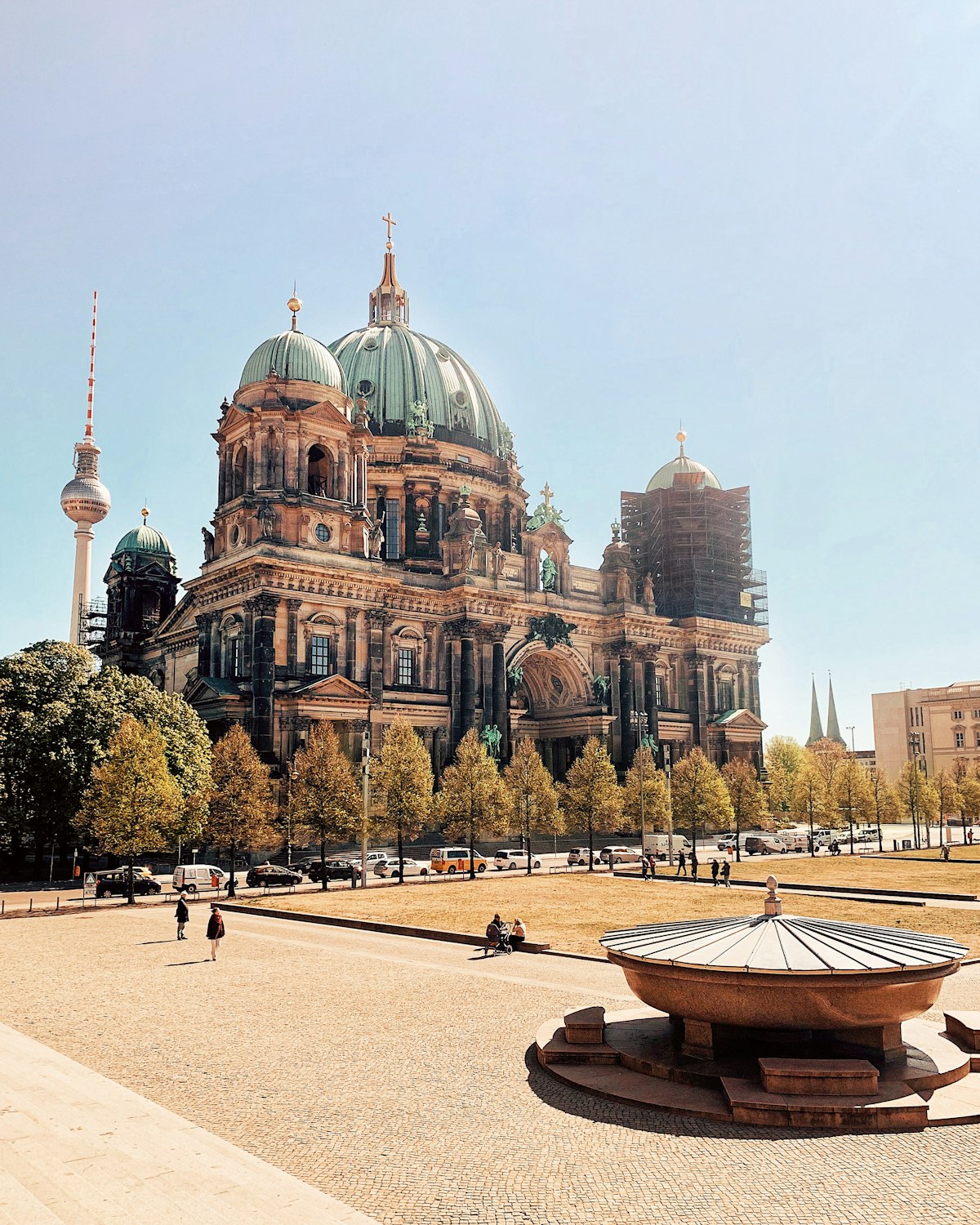
May
#1 of 12 months
Best match
Berlin at its most liveable — warm days, long evenings, and the summer festival season just getting started.
- ↑Highest sunshine hours of any spring month (7.8h daily) with ideal 19°C temperatures for cycling and outdoor exploration
- ↑Carnival of Cultures preparation energises Kreuzberg and Neukölln; street food markets and outdoor bars operating at full capacity
| Factor | July | May |
|---|---|---|
| Weather score | 8 | 8 |
| Value score | 3 | 6 |
| Crowd score | 3 | 6 |
| Events score | 7 | 7 |
| Atmosphere | 7 | 8 |
| Avg high temp | 24.7°C | 19.4°C |
| Monthly rain | 53mm | 54mm |
| Daily sunshine | 7.2hrs | 7.8hrs |
July trade-offs
- ↓Tourist peak begins: Museum Island, Reichstag, and Checkpoint Charlie require significant advance booking or long waits
- ↓Central accommodation at peak pricing — comparable to Western European capitals that offer more for the same money in summer
- ↓Tempelhofer Feld and Tiergarten packed on weekends; the city loses some of its under-the-radar character
May trade-offs
- ↓Tourist numbers climbing steadily — popular sites like the Reichstag dome now require advance booking
- ↓May bank holidays (Labour Day 1 May, Ascension, Whit Monday) cause price spikes and occasional protests along May Day route
- ↓Rainfall increases to 54mm — afternoon thunderstorms possible during spring warm-up
Scores compare months within Berlin. Climate data: Open Meteo ERA5 30-year normals (1991–2020). Methodology →