Cook Islands · Month comparison
February vs May
May ranks #1 overall vs February at #11. Dry season opens — the crowd-to-value sweet spot before New Zealand winter school holidays.
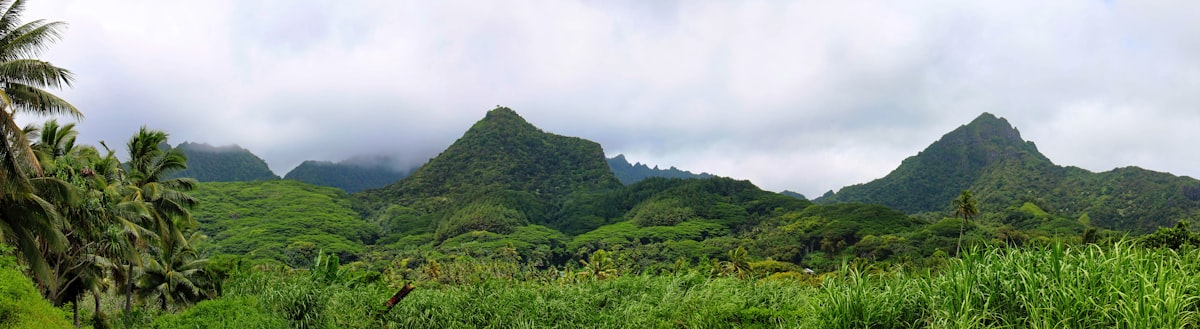
February
#11 of 12 months
Worth considering
The wettest month of the year at 200mm — and the peak of cyclone season.
- ↑Accommodation prices well below the dry-season peak
- ↑Rarotonga's waterfalls run at full volume after sustained rainfall
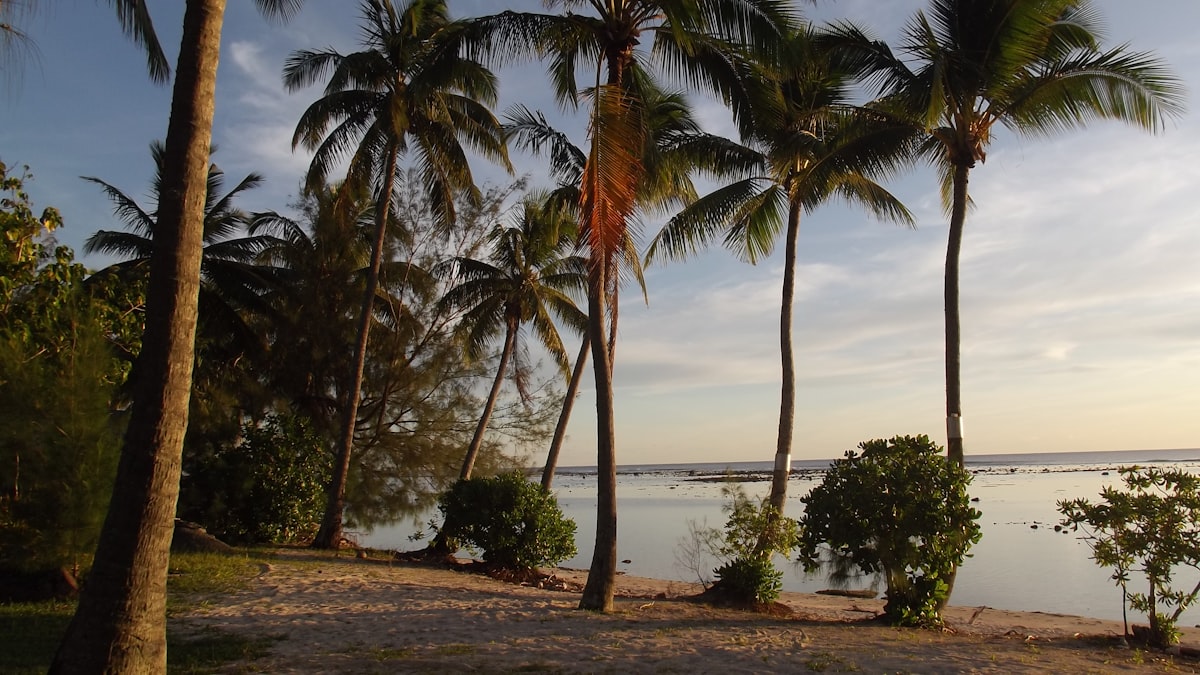
May
#1 of 12 months
Best match
Dry season opens — the crowd-to-value sweet spot before New Zealand winter school holidays.
- ↑85mm of rain is genuinely manageable — most days are dry and clear
- ↑Prices still below the June–August premium before school holidays hit
| Factor | February | May |
|---|---|---|
| Weather score | 3 | 8 |
| Value score | 6 | 7 |
| Crowd score | 6 | 7 |
| Events score | 5 | 5 |
| Atmosphere | 6 | 8 |
| Avg high temp | 28°C | 24°C |
| Monthly rain | 200mm | 85mm |
| Daily sunshine | 6hrs | 7hrs |
February trade-offs
- ↓200mm rainfall is the annual peak — persistent heavy showers disrupt outdoor plans daily
- ↓Cyclone risk highest of any month: travel insurance essential
- ↓Aitutaki lagoon cruises frequently cancelled or modified due to weather conditions
May trade-offs
- ↓Evenings noticeably cooler than summer — pack a layer for open-air dinners
- ↓Some activities (lagoon cruises, sailing) operate reduced schedules before the main season
- ↓Less vibrant green in the interior as dry season bites
Scores compare months within Cook Islands. Climate data: Open Meteo ERA5 30-year normals (1991–2020). Methodology →