Sydney · Month comparison
February vs October
October ranks #1 overall vs February at #12. Spring at full bloom — warm, bright, beach season begins again. Sydney genuinely shines in October.
February
#12 of 12 months
Worth considering
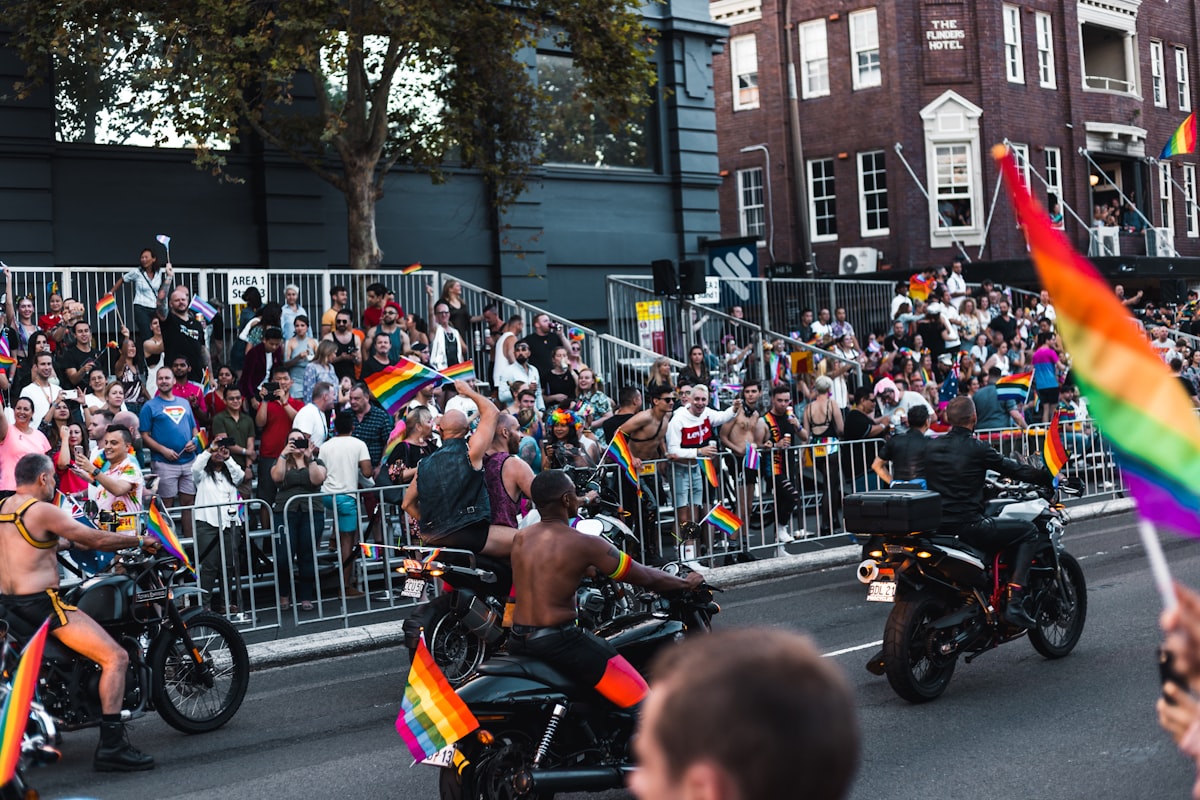
Hottest, wettest month — but Sydney Gay & Lesbian Mardi Gras season begins with real energy.
- ↑Mardi Gras season kicks off: the Oxford Street precinct and Darlinghurst alive with events throughout February
- ↑Still 26°C and excellent beach weather between the summer rain bursts — harbour swimming at Manly and Balmoral
October
#1 of 12 months
Best match
Spring at full bloom — warm, bright, beach season begins again. Sydney genuinely shines in October.
- ↑Ocean warming to 21°C — Bondi, Manly, and Coogee return to swimming conditions; the beach season properly restarts
- ↑7.2 hours of sunshine and 22°C highs: outdoor Sydney at its most consistently excellent without peak-crowd pressure
| Factor | February | October |
|---|---|---|
| Weather score | 6 | 9 |
| Value score | 3 | 6 |
| Crowd score | 3 | 7 |
| Events score | 8 | 7 |
| Atmosphere | 7 | 9 |
| Avg high temp | 26°C | 22°C |
| Monthly rain | 117mm | 76mm |
| Daily sunshine | 7.2hrs | 7.2hrs |
February trade-offs
- ↓Highest rainfall of the year (117mm) — February storms can be intense and genuinely disruptive to beach days
- ↓Humidity peaks alongside temperature, making the city feel muggy between rain events
- ↓Still in school holiday pricing territory until mid-February; accommodation rates remain elevated
October trade-offs
- ↓Prices beginning to climb toward summer peak — October still reasonable but the trend is upward
- ↓October school holidays (two weeks, mid-month) bring domestic family crowds to beaches and tourist attractions
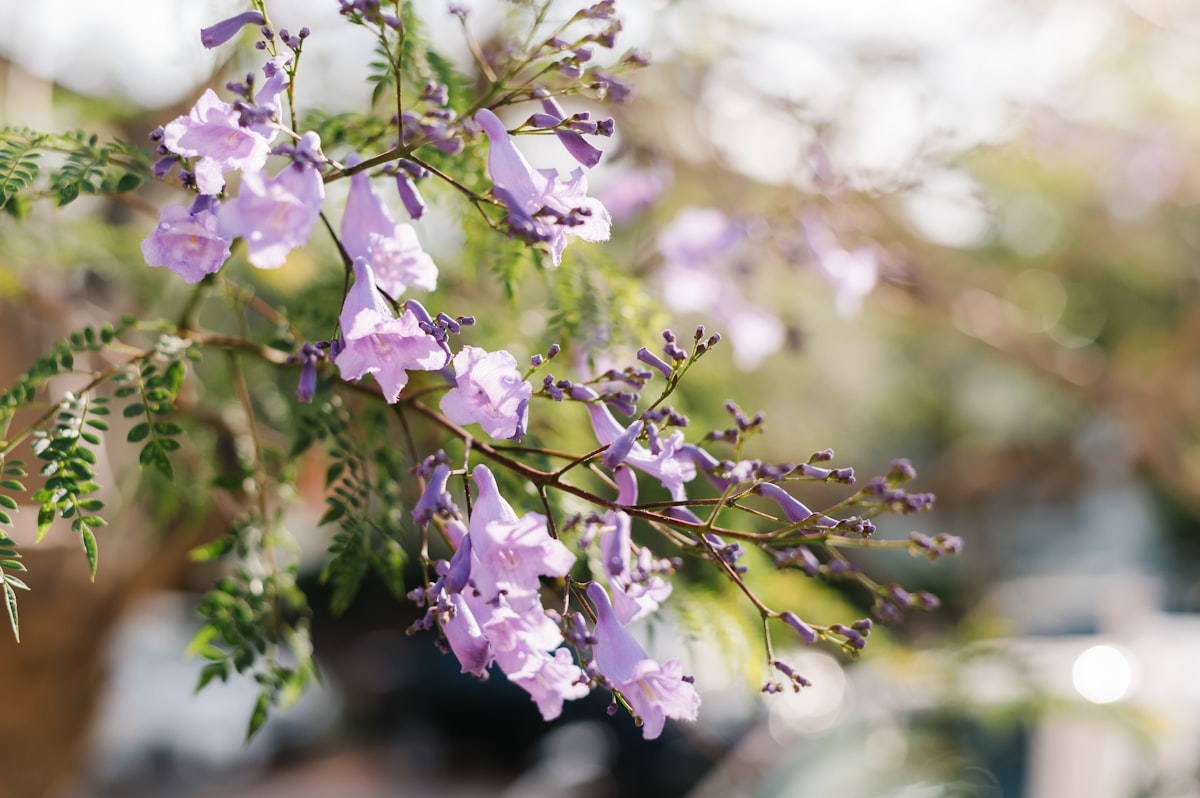
- ↓Jacaranda trees peak in late October–November: beautiful but an explosion of purple petals means footpath slipperiness
Scores compare months within Sydney. Climate data: Open Meteo ERA5 30-year normals (1991–2020). Methodology →