Sydney · Month comparison
January vs October
October ranks #1 overall vs January at #11. Spring at full bloom — warm, bright, beach season begins again. Sydney genuinely shines in October.
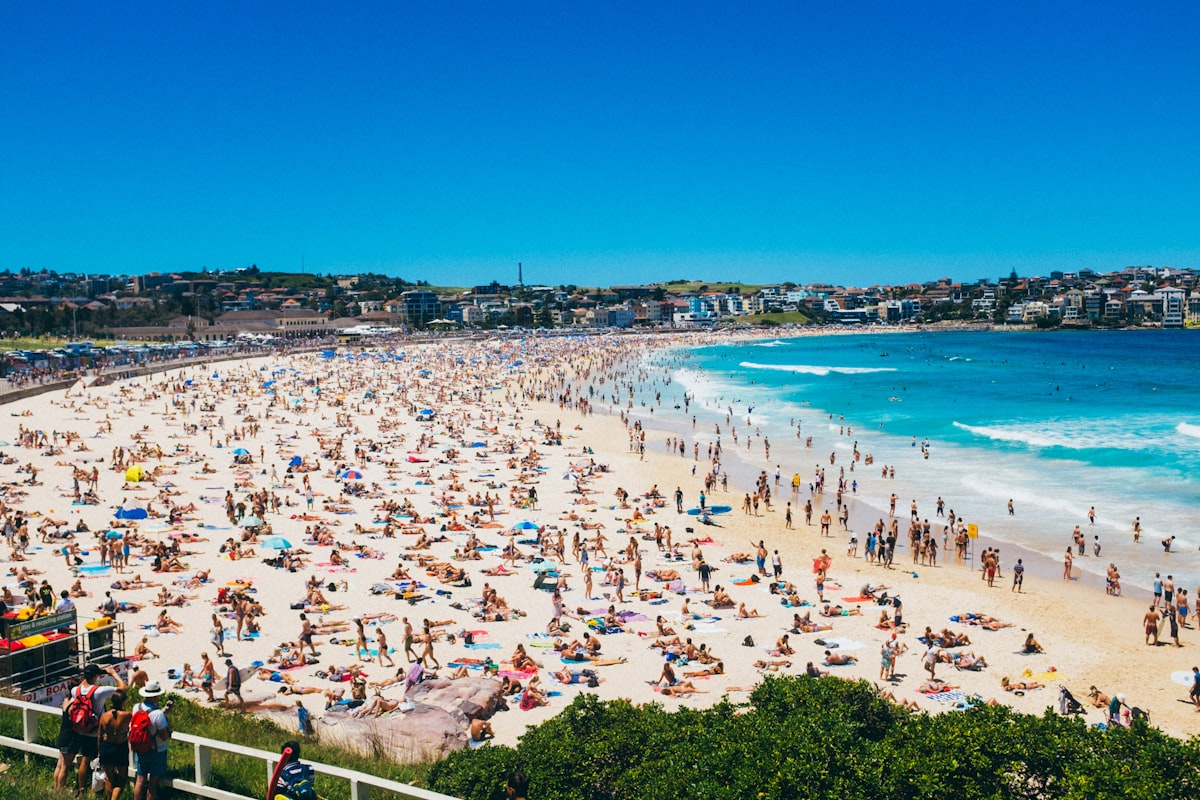
January
#11 of 12 months
Worth considering
Peak summer — Bondi packed, prices at their highest, but 26°C and 7.5 hours of sun deliver.
- ↑Bondi Beach at its absolute best: warm water, lifeguards on patrol, and beach culture in full swing
- ↑Sydney Festival throughout January — three weeks of free and ticketed outdoor performances city-wide
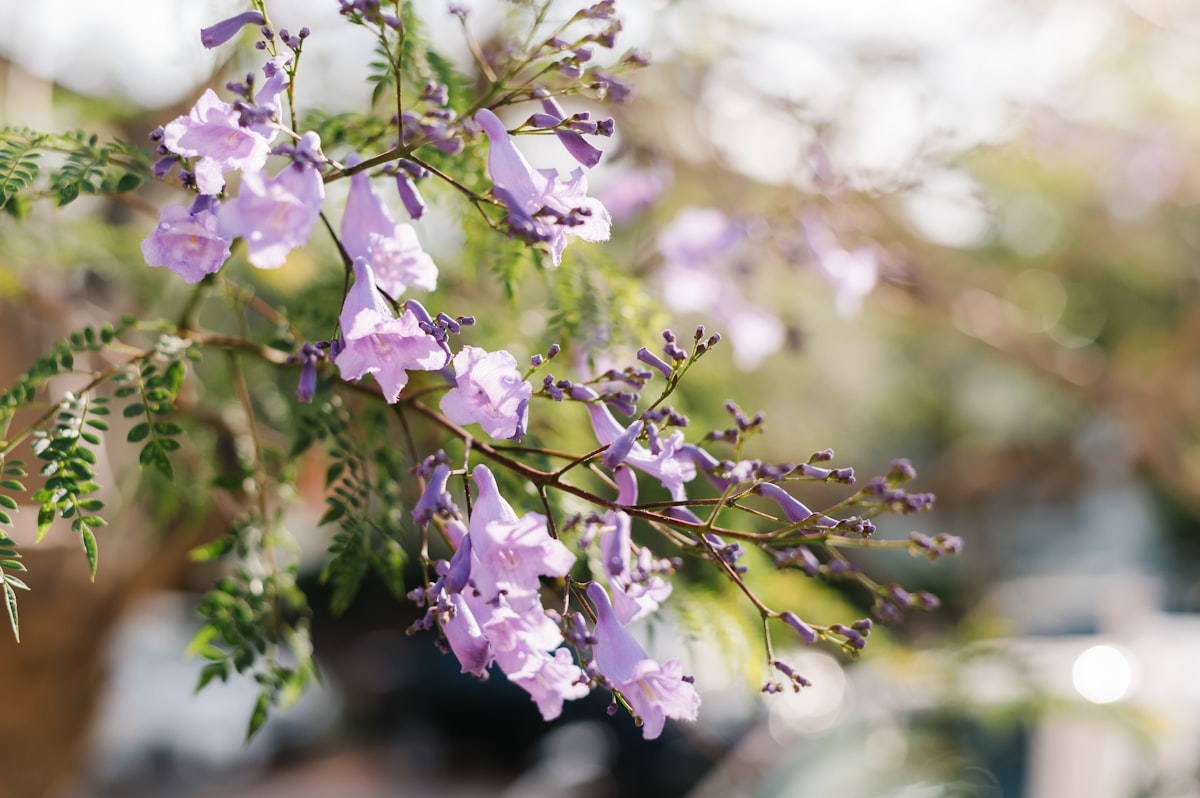
October
#1 of 12 months
Best match
Spring at full bloom — warm, bright, beach season begins again. Sydney genuinely shines in October.
- ↑Ocean warming to 21°C — Bondi, Manly, and Coogee return to swimming conditions; the beach season properly restarts
- ↑7.2 hours of sunshine and 22°C highs: outdoor Sydney at its most consistently excellent without peak-crowd pressure
| Factor | January | October |
|---|---|---|
| Weather score | 7 | 9 |
| Value score | 2 | 6 |
| Crowd score | 2 | 7 |
| Events score | 7 | 7 |
| Atmosphere | 8 | 9 |
| Avg high temp | 26°C | 22°C |
| Monthly rain | 103mm | 76mm |
| Daily sunshine | 7.5hrs | 7.2hrs |
January trade-offs
- ↓Australian summer school holidays drive peak prices — Bondi accommodation among the most expensive in the country
- ↓Beaches genuinely crowded — Bondi on a January weekend is wall-to-wall; consider Coogee or Maroubra instead
- ↓Summer thunderstorms can arrive fast and heavily; 103mm rainfall is real but typically falls in short intense bursts
October trade-offs
- ↓Prices beginning to climb toward summer peak — October still reasonable but the trend is upward
- ↓October school holidays (two weeks, mid-month) bring domestic family crowds to beaches and tourist attractions
- ↓Jacaranda trees peak in late October–November: beautiful but an explosion of purple petals means footpath slipperiness
Scores compare months within Sydney. Climate data: Open Meteo ERA5 30-year normals (1991–2020). Methodology →