Taipei · Month comparison
February vs November
November ranks #1 overall vs February at #7. The best month for most travellers — perfect 23°C days, lower rain, and the city at its most liveable.

February
#7 of 12 months
Strong option
Lunar New Year and the Pingxi Sky Lantern Festival — extraordinary atmosphere, very heavy rain.
- ↑Lunar New Year festivities transform Taipei — Lungshan Temple ceremonies, temple fairs, and fireworks are spectacular if you time it right
- ↑Pingxi Sky Lantern Festival (Lantern Festival, 15 days after Lunar New Year) is one of Asia's most photographed events — book accommodation 3 months ahead
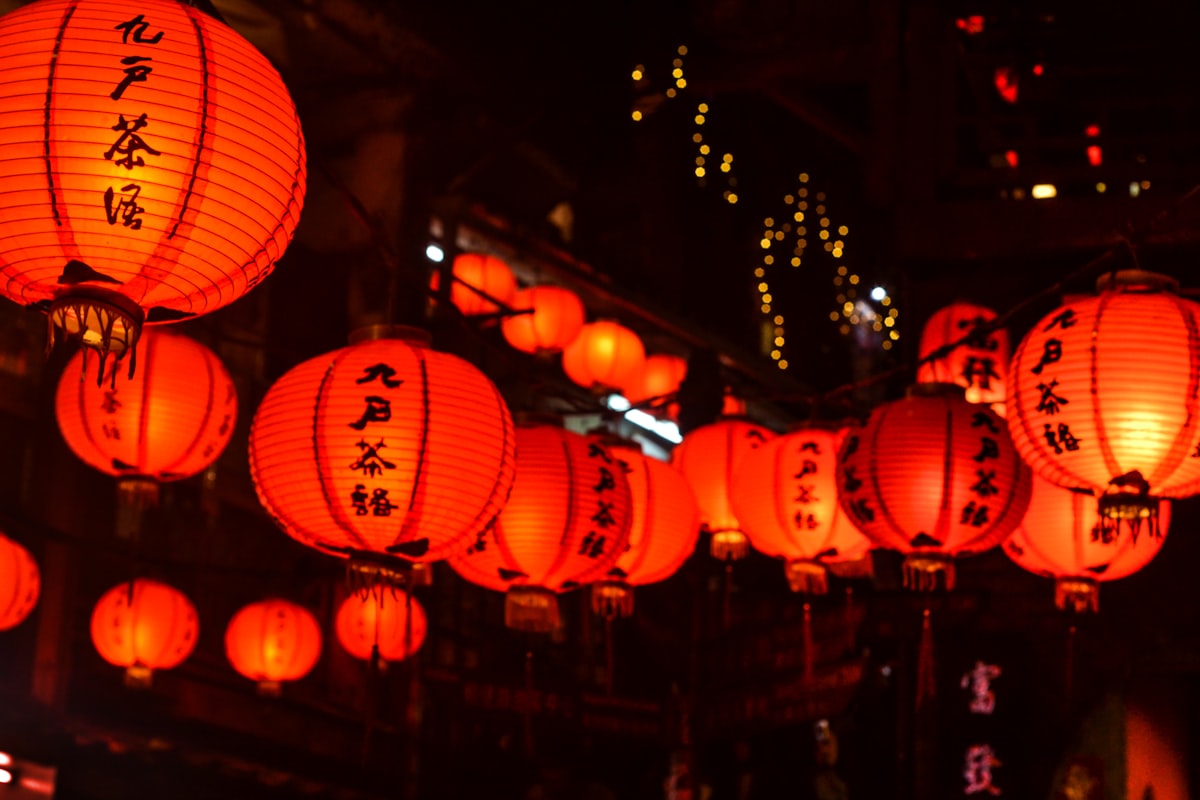
November
#1 of 12 months
Best match
The best month for most travellers — perfect 23°C days, lower rain, and the city at its most liveable.
- ↑23°C with 76% humidity — Taipei's most comfortable temperatures of the year; all-day outdoor exploration without heat or cold compromise
- ↑Jiufen, Yangmingshan, and Beitou hot springs all operating at full capacity with clear views and reliable conditions
| Factor | February | November |
|---|---|---|
| Weather score | 4 | 8 |
| Value score | 6 | 7 |
| Crowd score | 4 | 6 |
| Events score | 10 | 6 |
| Atmosphere | 8 | 8 |
| Avg high temp | 19°C | 23°C |
| Monthly rain | 165mm | 87mm |
| Daily sunshine | 2hrs | 5hrs |
February trade-offs
- ↓Highest rainfall of the year at 165mm, with only 2 hours of sunshine per day — expect persistent grey drizzle
- ↓Lunar New Year week shuts many restaurants and businesses for up to a week; check opening hours carefully
- ↓Accommodation prices spike sharply around New Year and the Lantern Festival — book early or pay significantly more
November trade-offs
- ↓Sunshine hours drop slightly to 5 per day as the season progresses; cloud cover increases toward December
- ↓Some rain remains at 87mm — the same as January, so occasional grey days are part of the deal
- ↓Night temperatures drop to 17°C by month's end — evenings require a layer, especially in the mountains
Scores compare months within Taipei. Climate data: Open Meteo ERA5 30-year normals (1991–2020). Methodology →