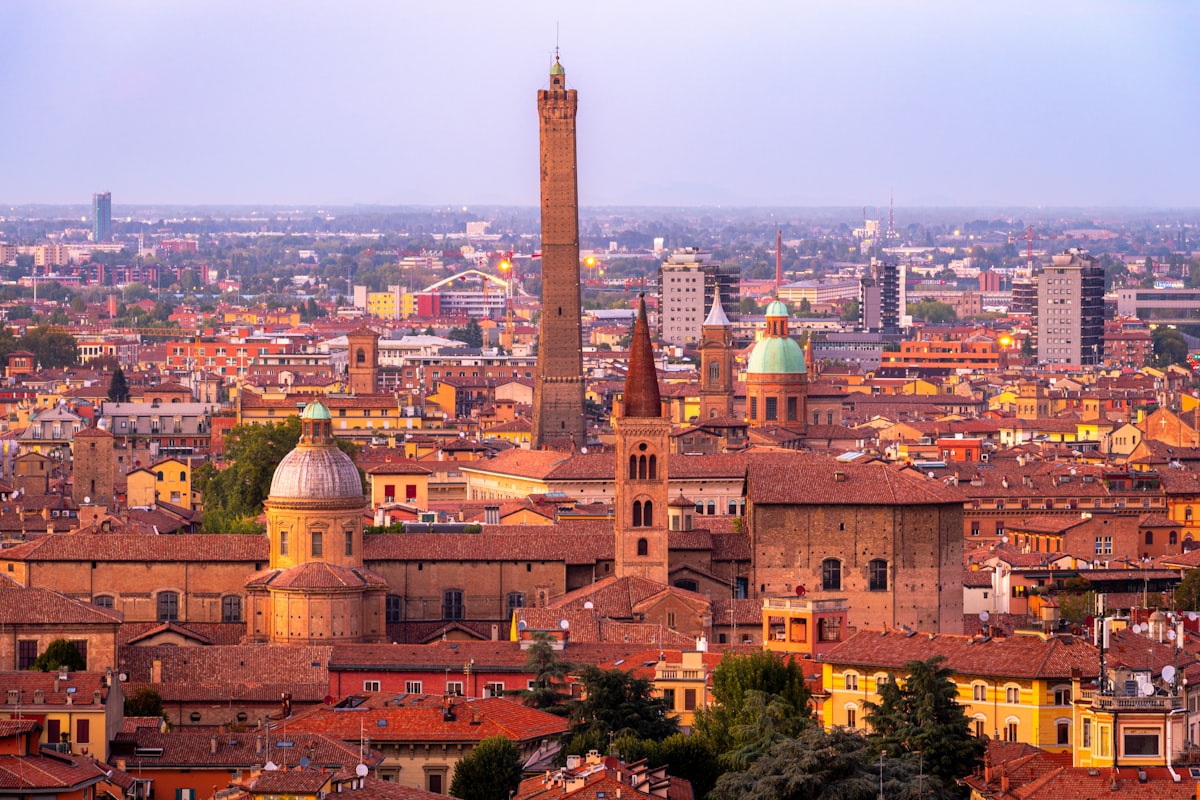
Bologna
Bolognina
Petr Slováček / Unsplash
Working-class and multicultural north of the station — Bologna's most authentic and up-and-coming quarter.
Bolognina was built to house factory workers in the early 20th century and has evolved into Bologna's most genuinely multicultural neighbourhood, home to Moroccan bakeries, Bangladeshi grocers, Chinese restaurants, and the city's growing creative class who have been priced out of the centre. The Mercato delle Erbe on Via Ugo Bassi marks the transition from centre to neighbourhood; north of the station, streets become quieter, food cheaper, and the atmosphere entirely local. A significant urban renewal project has been transforming the area around the former Staveco military barracks.
Scores
Walkability
Transit
Price
Local feel
Nightlife
Family-friendly
Centrality
What you gain
- ↑Lowest accommodation prices within walking distance of the historic centre — 40% below Piazza Maggiore rates
- ↑Authentic multicultural food scene: North African pastries, Asian street food, and old-school Bolognese osterie
- ↑Bologna Centrale station is on the doorstep — ideal for day trips to Florence, Venice, or Modena
What you sacrifice
- ↓A 15-minute walk or short bus ride from Piazza Maggiore — not quite within the UNESCO portico network
- ↓The neighbourhood is mid-gentrification: some streets feel rough around the edges
- ↓Fewer traditional Bolognese restaurants than the Quadrilatero area; the food scene is eclectic rather than classically Emilian
Best for
Avoid if
Other Bologna neighbourhoods
The medieval heart — Two Towers, Neptune fountain, UNESCO porticoes, and the finest food shopping in Italy.
The student district — university buildings, the Quadrilatero edge, and the city's densest bar and food scene.
The upscale residential quarter — Margherita park, quieter streets, good restaurants without tourist pricing.
Know where to stay — now find when to go.
Best time to visit Bologna →