Lyon
Vieux Lyon
Unsplash / Unsplash
Medieval UNESCO old town with traboules, bouchons, and the most atmospheric streets in France — but heavily touristed.
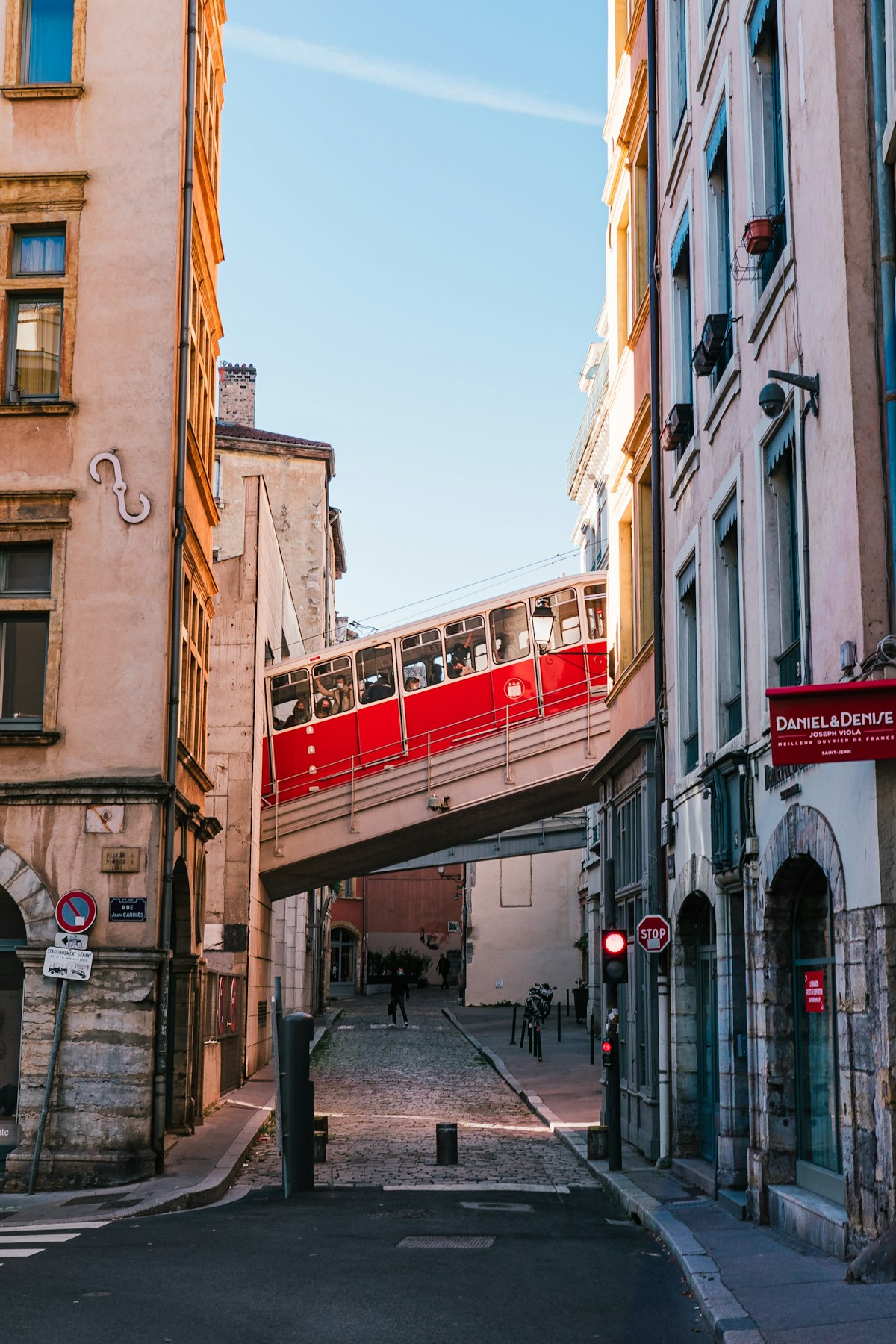
Vieux Lyon is the best-preserved Renaissance quarter in France and a UNESCO World Heritage Site. Its defining feature is the traboules — covered passageways threading through courtyard after courtyard between the streets, originally used by silk traders and later by the Résistance. The main street, Rue Saint-Jean, is lined with bouchons and tourist restaurants; venture into the side streets and hidden courtyards and the authentic medieval city asserts itself. In summer the tourist pressure is considerable; in winter or early spring it's extraordinary.
Scores
Walkability
Transit
Price
Local feel
Nightlife
Family-friendly
Centrality
What you gain
- ↑Traboule network: self-guided exploration of Lyon's secret Renaissance passageways — the single most unique urban experience in the city
- ↑Best-preserved medieval streetscape in France; the golden stone, oriel windows, and cobblestones are genuine 15th–16th century architecture
- ↑Funicular station directly to Fourvière basilica and the Roman amphitheatres — both UNESCO sites within 10 minutes of the neighbourhood
What you sacrifice
- ↓Rue Saint-Jean in summer is a tourist gauntlet; the restaurants nearest the main street are mostly mediocre at tourist prices
- ↓Accommodation options limited and expensive; most visitors stay on the Presqu'île and visit Vieux Lyon on foot
- ↓No supermarkets or practical day-to-day infrastructure — this is a neighbourhood for visiting, not self-sufficient living
Best for
Avoid if
Other Lyon neighbourhoods
Lyon's city-centre peninsula — the best base for access, shopping, dining, and Fête des Lumières.
The weavers' hill — bohemian, market-driven, and the neighbourhood where Lyonnais actually want to live.
Lyon's business and transport hub — functional, well-connected, and significantly cheaper than the Presqu'île.
Know where to stay — now find when to go.
Best time to visit Lyon →