Montevideo
Palermo & Parque Rodó
Christian von Koenig / Unsplash
Bohemian arts quarter — street murals, independent restaurants, and the city's creative scene.
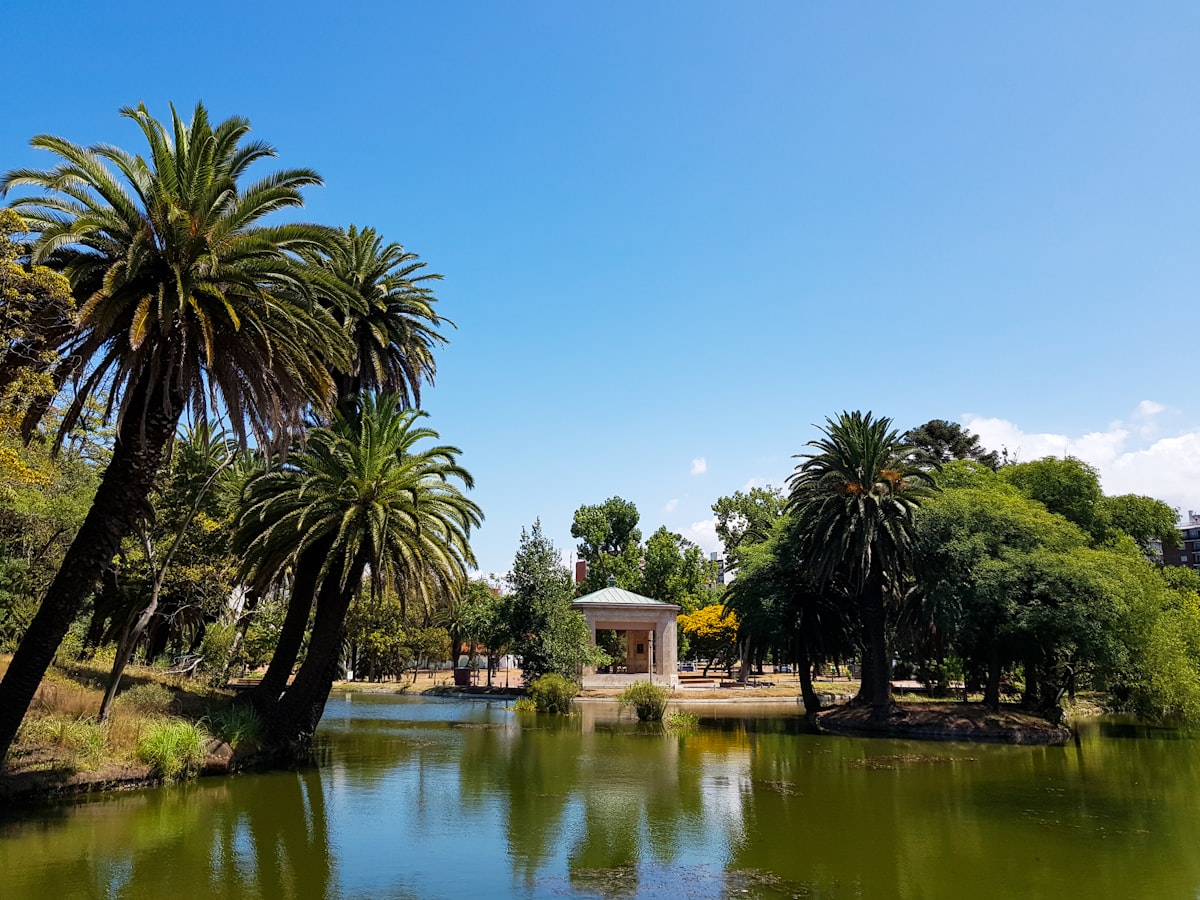
Palermo and its adjacent Parque Rodó district form Montevideo's most bohemian axis: candombe murals on every corner, craft cocktail bars, and a density of independent restaurants that makes it the food neighbourhood of choice for people who actually live here. Parque Rodó itself has a lake, an amusement park, and the Museo Nacional de Artes Visuales — all within a genuinely beautiful green space that's mostly used by locals.
Scores
Walkability
Transit
Price
Local feel
Nightlife
Family-friendly
Centrality
What you gain
- ↑Barrio Sur and Palermo are the birthplace of candombe — the best neighbourhood to hear live drumming at street level during Carnival
- ↑Most concentrated independent restaurant scene in Montevideo: quality Uruguayan cooking at prices aimed at locals not tourists
- ↑Parque Rodó lake and green space: excellent for morning runs and afternoon mate sessions away from the Rambla crowds
What you sacrifice
- ↓Less polished than Pocitos — some streets feel rough at the margins, especially north of Avenida 18 de Julio at night
- ↓Not the most convenient base for Ciudad Vieja — requires a bus or a 30-minute walk
Best for
Avoid if
Other Montevideo neighbourhoods
The commercial spine — Tres Cruces transport hub, Punta Carretas mall, and everyday Montevideo life.
The colonial old town — Mercado del Puerto, Palacio Salvo, and the city's most atmospheric streets.
Upscale beach neighbourhood — Rambla café culture, expat community, and Montevideo's most liveable feel.
Know where to stay — now find when to go.
Best time to visit Montevideo →