Montréal
Little Burgundy / Griffintown
Unsplash / Unsplash
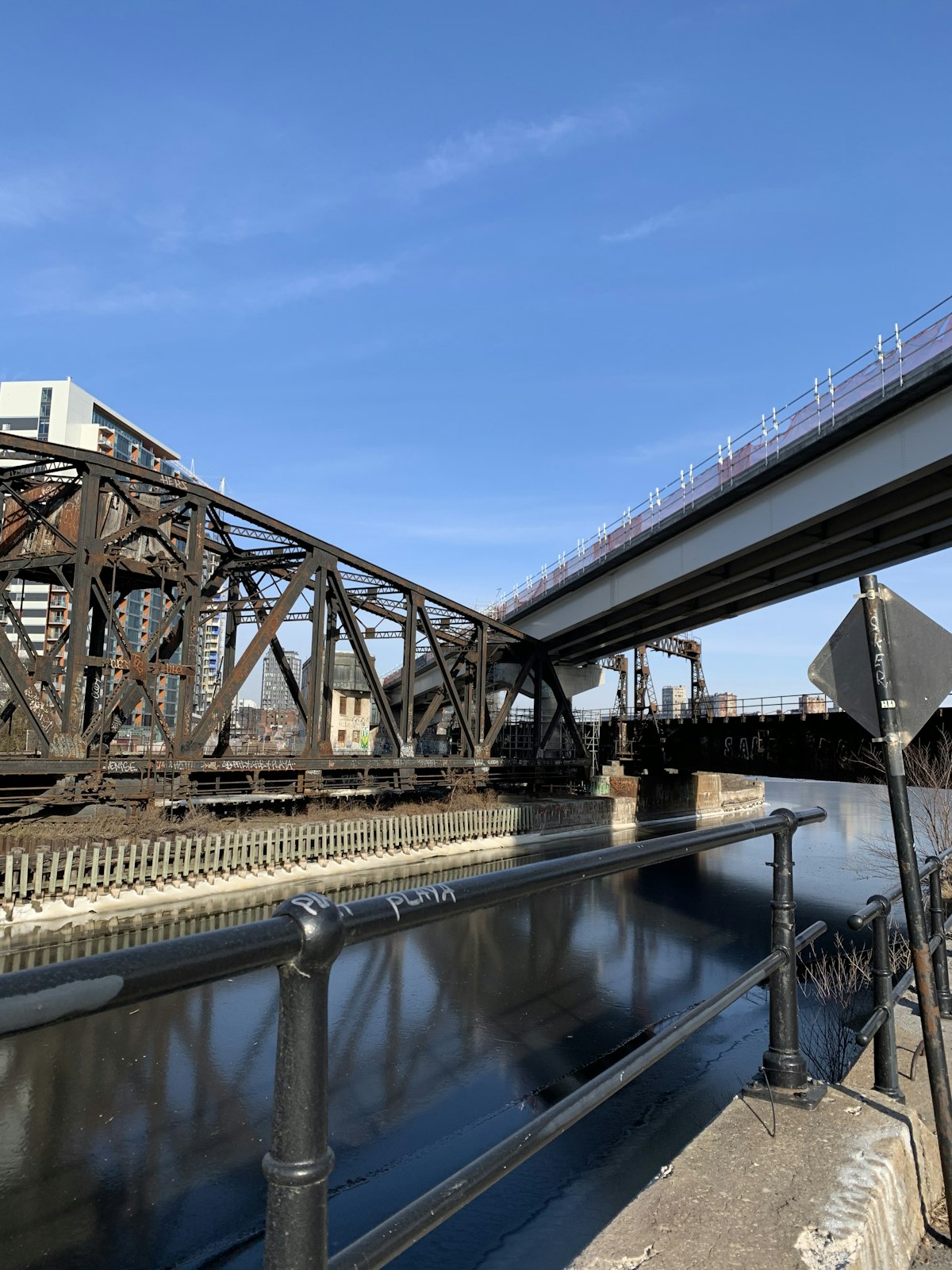
Post-industrial canal district — Joe Beef's restaurant row, converted lofts, craft breweries, and the Lachine Canal cycling path.
Up-and-coming post-industrial canal district — Joe Beef's restaurant row, converted lofts, craft breweries, and the Lachine Canal cycling path. Little Burgundy and Griffintown represent Montréal's most rapid neighbourhood transformation, driven by the restaurant reputation that Joe Beef created and the loft conversion that followed.
Scores
Walkability
Transit
Price
Local feel
Nightlife
Family-friendly
Centrality
What you gain
- ↑Joe Beef, Vin Papillon, and Liverpool House on Notre-Dame Ouest represent the finest restaurant cluster in Canada: Joe Beef's food (Québec terroir, charcuterie, and seafood in a maximalist dining room) has consistently ranked among the 50 best restaurants in the world, and the three adjacent restaurants make this 100-metre stretch the finest restaurant block in the country
- ↑The Lachine Canal cycling path (14km, flat, traffic-free) is the finest urban cycling infrastructure in Montréal: the converted 19th-century industrial canal connects Griffintown to the Lachine suburb through a landscape of industrial heritage and waterway ecology that is particularly beautiful in spring and autumn
- ↑The craft brewery scene in Griffintown has produced some of the finest examples of Québécois brewing: Brasserie Harricana, Dunham, and the satellite taps of other Québec craft producers in the neighbourhood represent a drinking culture that is specifically Montréalais in its combination of French influences and North American brewing innovation
What you sacrifice
- ↓The neighbourhood's rapid transformation has created uneven quality: Griffintown in particular has sections of active construction and undeveloped industrial land that make walking between destinations feel fragmented
- ↓Joe Beef and its siblings require advance booking weeks ahead: visitors who arrive without reservations will find the neighbourhood's primary draw unavailable, and the walk-in experience at the bars is good but does not substitute for the full dining experience
Best for
Avoid if
Other Montréal neighbourhoods
Montréal's creative heartland — Victorian triplexes, outdoor staircases, terrasse culture, and the city's best independent restaurant scene.
The commercial spine — McGill University, Sainte-Catherine shopping strip, and the most practical central Montréal base.
Bohemian enclave where Francophone, Jewish, Greek, and hipster cultures overlap — bagels, vintage shops, and record stores.
Know where to stay — now find when to go.
Best time to visit Montréal →