Azores · Month comparison
March vs May
May ranks #1 overall vs March at #8. The hydrangea season begins — the Azores in full flower, whale diversity at its peak, and conditions at their most photogenic.
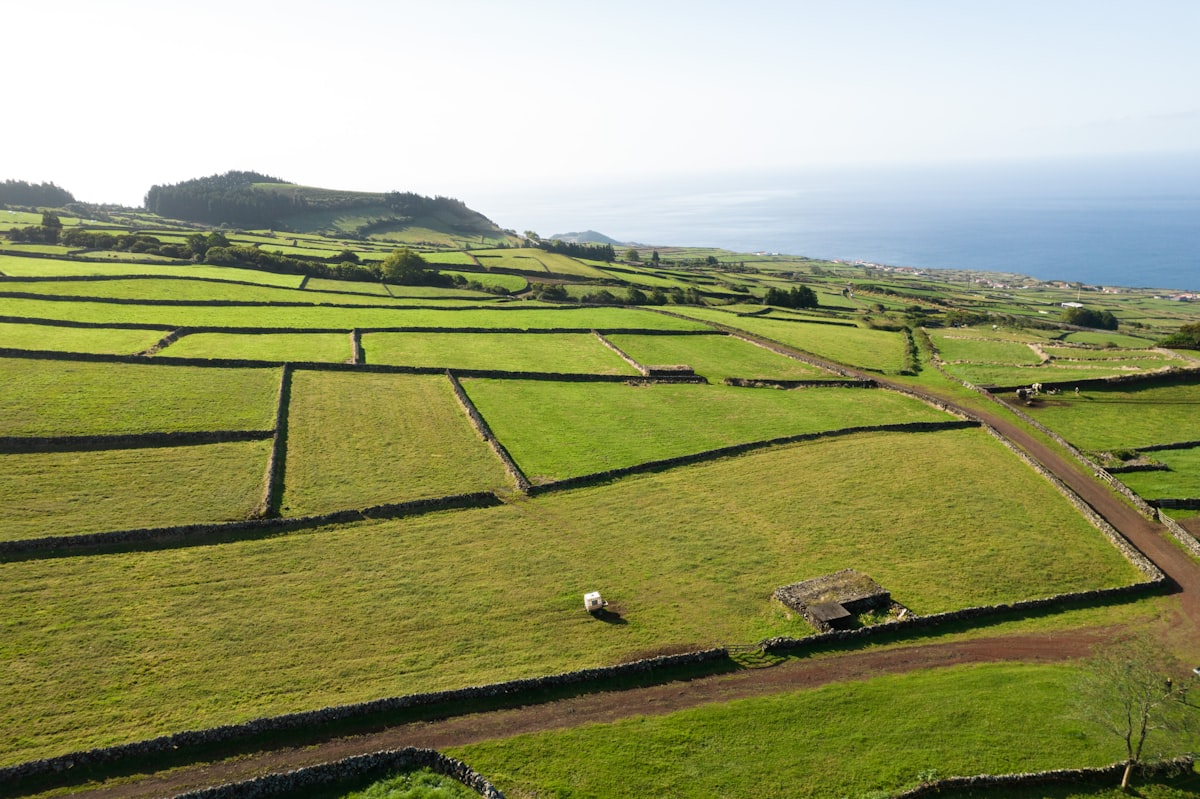
March
#8 of 12 months
Strong option
Spring begins — hydrangeas start appearing on the roadsides and the first clear days open the crater lake views.
- ↑The whale watching season intensifies in March as migrating blue whales, sei whales, and fin whales join the resident sperm whales in the deep-water channels between islands; the Azores is the best whale watching destination in Europe and March marks the beginning of the peak season for cetacean diversity
- ↑Spring light in the Azores has a clarity that the summer humidity obscures: the first clear days of March reveal the full scale of the islands — Pico's 2,351m volcano (the highest point in Portugal) visible from Faial across 8km of cobalt Atlantic, the Corvo caldera lake from the air, the Sete Cidades twin lakes in the morning light
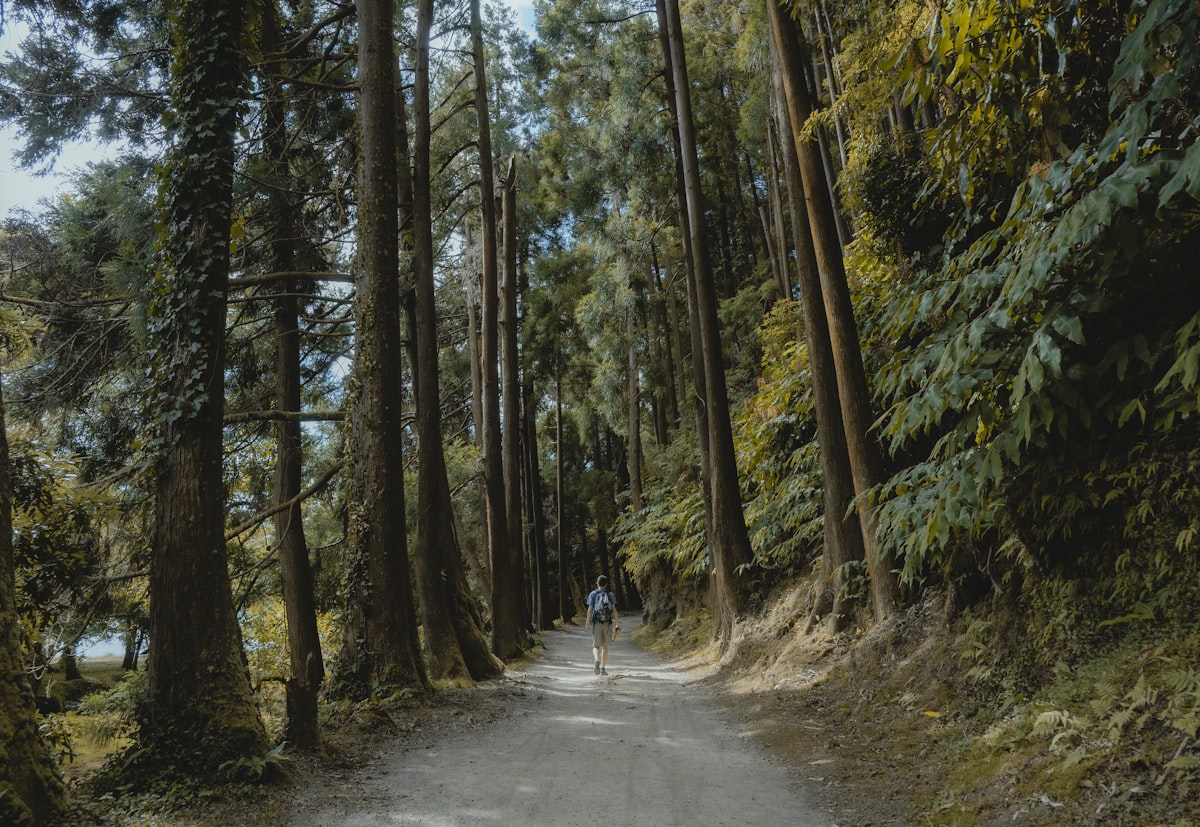
May
#1 of 12 months
Best match
The hydrangea season begins — the Azores in full flower, whale diversity at its peak, and conditions at their most photogenic.
- ↑Hydrangea peak season begins in late May on São Miguel and Faial: the volcanic roads disappear between walls of blue, pink, and white Hortensia so dense that the landscape is defined by them; the Sete Cidades crater lake rim road and the Faial cliffs above Capelo are the most spectacular; the combination of vivid blue flowers, black lava stone, and the turquoise lake surface below is the defining Azorean landscape image
- ↑May whale watching is outstanding — blue whales and fin whales are reliably present before they depart for northern feeding grounds, sperm whales remain year-round, and bottlenose and common dolphins are visible on nearly every trip; the Azores Whale Watch operators in Lajes do Pico and Madalena use traditional land-based whale spotting techniques inherited from the whaling era
| Factor | March | May |
|---|---|---|
| Weather score | 4 | 7 |
| Value score | 8 | 7 |
| Crowd score | 8 | 7 |
| Events score | 5 | 7 |
| Atmosphere | 7 | 9 |
| Avg high temp | 18°C | 21°C |
| Monthly rain | 90mm | 50mm |
| Daily sunshine | 5hrs | 7.5hrs |
March trade-offs
- ↓March remains within the wet season — 90mm of rain and variable cloud cover still compromise the crater lake views; the same flexibility needed in winter applies to early spring
- ↓Pico mountain summit hiking (the primary bucket-list activity on the volcanic island) is still unreliable in March; the summit is frequently in cloud and the trail requires good visibility for safe descent
- ↓International flight availability to Ponta Delgada airport begins increasing in March but direct routes from outside Lisbon are still limited; connections via TAP from Lisbon are reliable but add to journey time
May trade-offs
- ↓May is the beginning of the European tourist season — Ponta Delgada on São Miguel sees a meaningful increase in visitors from Lisbon and Northern Europe; the best guided whale watch operators, the most popular trailheads (Sete Cidades, Lagoa do Fogo), and the standout accommodation start booking out at the short end
- ↓Rainfall is still possible (50mm) — the Azores Atlantic location means even the best months can deliver a wet day or two; the Furnas caldeira valley and the Lagoa do Fogo crater lake are sometimes in cloud even in May
- ↓Senhor Santo Cristo festival crowds in Ponta Delgada (if falling in May) can temporarily pack the city's infrastructure beyond capacity — accommodation within 5km of the city centre is essentially unavailable at any price during the festival weekend
Scores compare months within Azores. Climate data: Open Meteo ERA5 30-year normals (1991–2020). Methodology →