Azores · Month comparison
May vs July
May ranks #1 overall vs July at #6. The hydrangea season begins — the Azores in full flower, whale diversity at its peak, and conditions at their most photogenic.
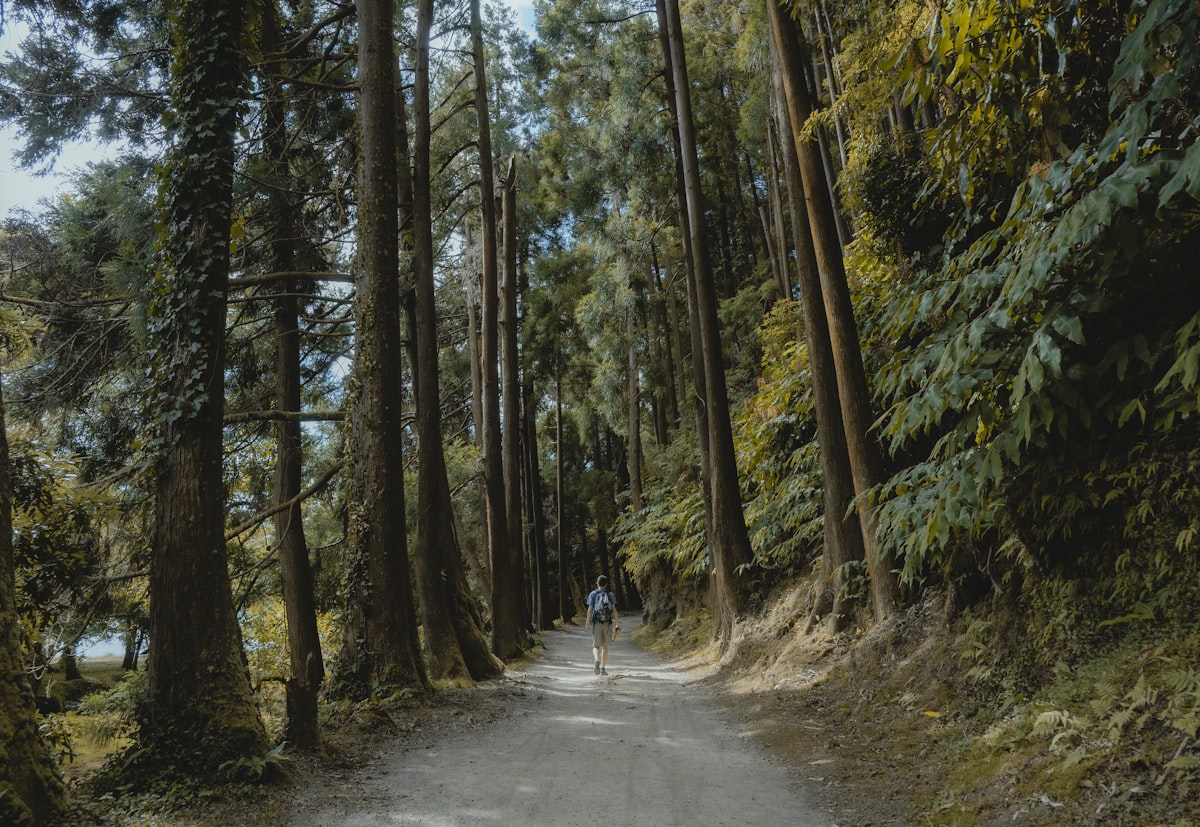
May
#1 of 12 months
Best match
The hydrangea season begins — the Azores in full flower, whale diversity at its peak, and conditions at their most photogenic.
- ↑Hydrangea peak season begins in late May on São Miguel and Faial: the volcanic roads disappear between walls of blue, pink, and white Hortensia so dense that the landscape is defined by them; the Sete Cidades crater lake rim road and the Faial cliffs above Capelo are the most spectacular; the combination of vivid blue flowers, black lava stone, and the turquoise lake surface below is the defining Azorean landscape image
- ↑May whale watching is outstanding — blue whales and fin whales are reliably present before they depart for northern feeding grounds, sperm whales remain year-round, and bottlenose and common dolphins are visible on nearly every trip; the Azores Whale Watch operators in Lajes do Pico and Madalena use traditional land-based whale spotting techniques inherited from the whaling era
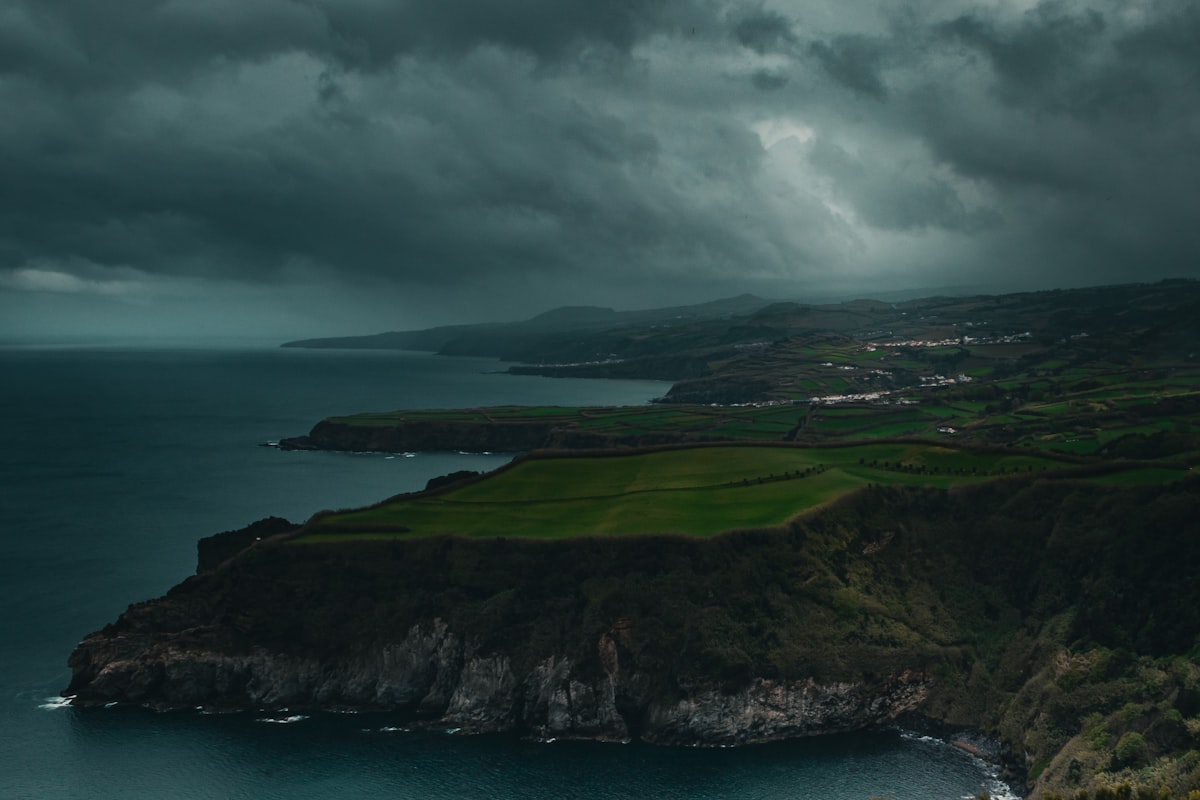
July
#6 of 12 months
Strong option
Peak season — the best weather of the year, the most visitors, and the Azores at its warmest and most accessible.
- ↑July is the sunniest and warmest month in the Azores — 9.5 hours of daily sunshine, 26°C days, and sea temperatures reaching 23°C make swimming at volcanic beach pools (Mosteiros on São Miguel, Porto Pim on Faial, Biscoitos on Terceira) genuinely comfortable without a wetsuit
- ↑Sperm whale watching in July has the longest, most stable sea conditions of the year — 4–6 hour whale watch trips venture 20–40km offshore in flat-calm water, and encounters with resident sperm whale family units (females and calves) are at their most prolonged
| Factor | May | July |
|---|---|---|
| Weather score | 7 | 9 |
| Value score | 7 | 4 |
| Crowd score | 7 | 3 |
| Events score | 7 | 7 |
| Atmosphere | 9 | 7 |
| Avg high temp | 21°C | 26°C |
| Monthly rain | 50mm | 18mm |
| Daily sunshine | 7.5hrs | 9.5hrs |
May trade-offs
- ↓May is the beginning of the European tourist season — Ponta Delgada on São Miguel sees a meaningful increase in visitors from Lisbon and Northern Europe; the best guided whale watch operators, the most popular trailheads (Sete Cidades, Lagoa do Fogo), and the standout accommodation start booking out at the short end
- ↓Rainfall is still possible (50mm) — the Azores Atlantic location means even the best months can deliver a wet day or two; the Furnas caldeira valley and the Lagoa do Fogo crater lake are sometimes in cloud even in May
- ↓Senhor Santo Cristo festival crowds in Ponta Delgada (if falling in May) can temporarily pack the city's infrastructure beyond capacity — accommodation within 5km of the city centre is essentially unavailable at any price during the festival weekend
July trade-offs
- ↓July is the most crowded month in the Azores — Ponta Delgada has a cruise ship terminal that receives vessels weekly in July–August, and the combined effect of cruise visitors, Azorean diaspora returning for summer, and the European tourism peak creates genuine pressure at the main sites; Sete Cidades viewpoints at 11am have 50+ vehicles
- ↓Accommodation reaches peak pricing in July — good hotels on São Miguel are fully booked weeks in advance; last-minute July bookings in the Azores require either significant overpayment or accepting a distant or inferior property
- ↓Hydrangeas are past their peak by mid-July — the June bloom is more vibrant; July visitors see the tail of the hydrangea season before the flowers fade
Scores compare months within Azores. Climate data: Open Meteo ERA5 30-year normals (1991–2020). Methodology →