Azores · Month comparison
November vs May
May ranks #1 overall vs November at #9. The hydrangea season begins — the Azores in full flower, whale diversity at its peak, and conditions at their most photogenic.
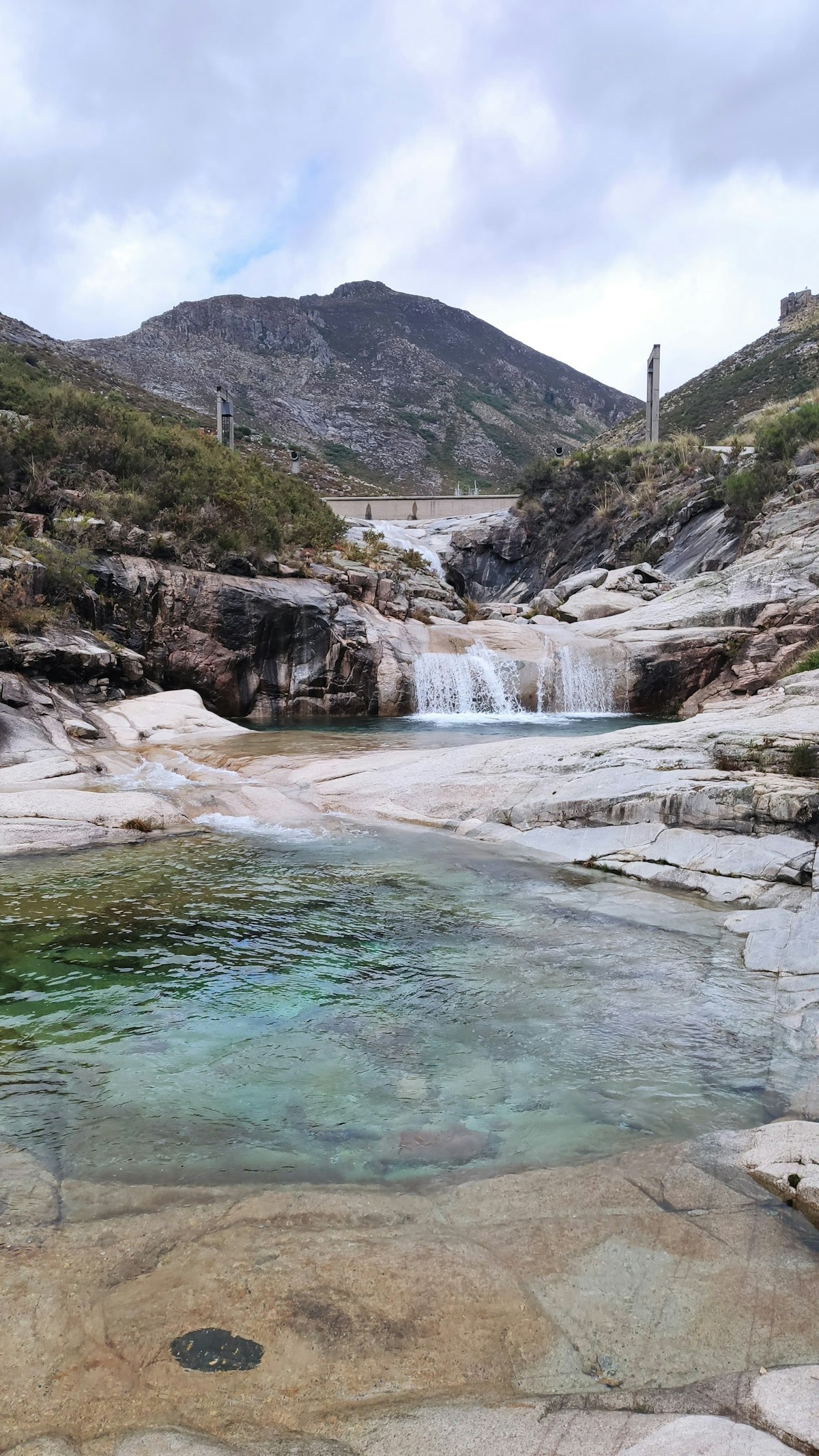
November
#9 of 12 months
Worth considering
Deep shoulder season — dramatic Atlantic light between storms, almost no tourists, and the Azores stripped back to its essential character.
- ↑Surfing season reaches its peak in November: world-class big wave conditions develop at Praia do Norte (Faial), Santa Barbara (São Miguel), and the reef breaks around São Jorge; November is when the Azores serious surf community is most active
- ↑The Azores endemic forest comes alive in November rain: the laurissilva vegetation (the same ancient laurel forest that covers Madeira's Levada trails) is at its most lushly green in the wet months; the Caldeira do Faial trail, the Parque Florestal das Sete Fontes on São Jorge, and the caldeira trails on Flores are extraordinary in the November mist
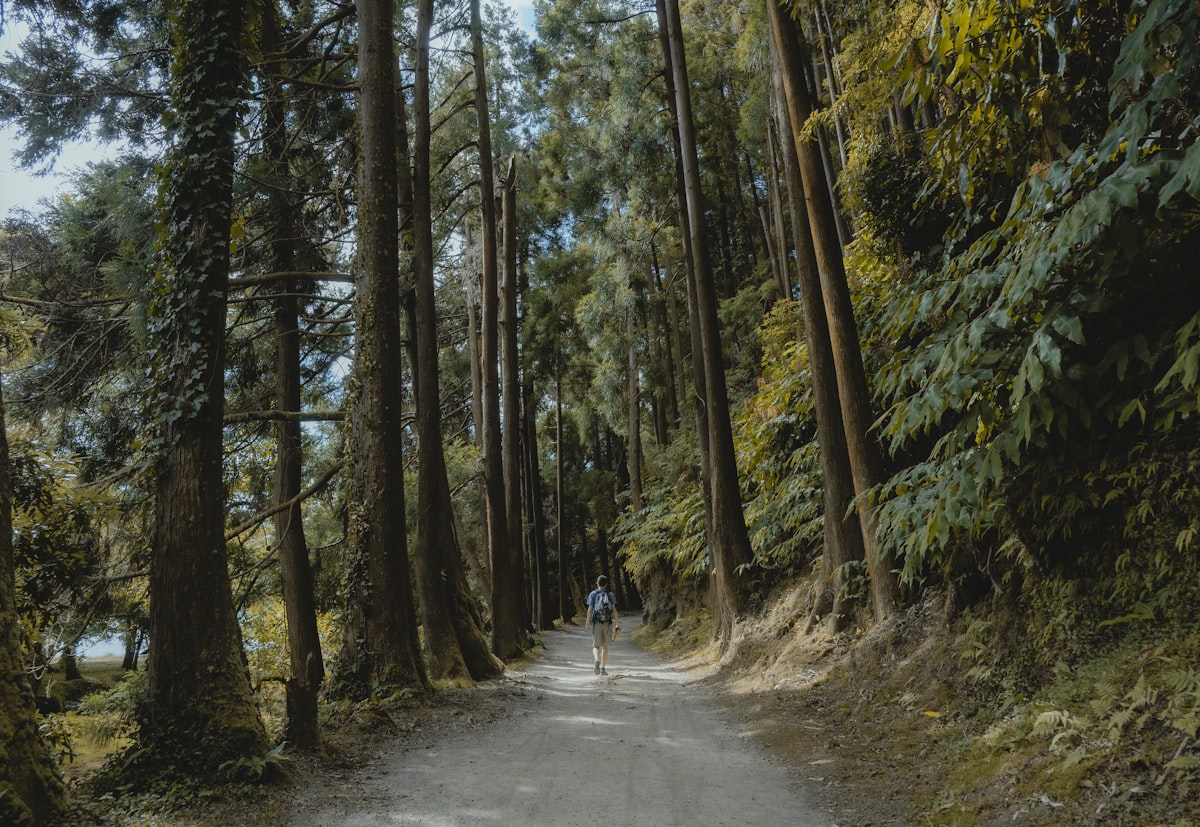
May
#1 of 12 months
Best match
The hydrangea season begins — the Azores in full flower, whale diversity at its peak, and conditions at their most photogenic.
- ↑Hydrangea peak season begins in late May on São Miguel and Faial: the volcanic roads disappear between walls of blue, pink, and white Hortensia so dense that the landscape is defined by them; the Sete Cidades crater lake rim road and the Faial cliffs above Capelo are the most spectacular; the combination of vivid blue flowers, black lava stone, and the turquoise lake surface below is the defining Azorean landscape image
- ↑May whale watching is outstanding — blue whales and fin whales are reliably present before they depart for northern feeding grounds, sperm whales remain year-round, and bottlenose and common dolphins are visible on nearly every trip; the Azores Whale Watch operators in Lajes do Pico and Madalena use traditional land-based whale spotting techniques inherited from the whaling era
| Factor | November | May |
|---|---|---|
| Weather score | 3 | 7 |
| Value score | 9 | 7 |
| Crowd score | 9 | 7 |
| Events score | 4 | 7 |
| Atmosphere | 6 | 9 |
| Avg high temp | 19°C | 21°C |
| Monthly rain | 100mm | 50mm |
| Daily sunshine | 4.5hrs | 7.5hrs |
November trade-offs
- ↓November is wet and often grey — 100mm of rainfall and only 4.5 hours of sunshine; a November trip to the Azores can deliver 4–5 consecutive overcast days with limited outdoor visibility; it is a trip for those who find dramatic atmospheric weather appealing rather than those seeking sun
- ↓Most tourist infrastructure on smaller islands reduces to minimum service in November — some restaurants close entirely, whale watch operators run reduced schedules, and the cultural attractions (the Museu dos Baleeiros on Pico, the museums in Angra) become the primary indoor activities
- ↓Inter-island travel disruptions are frequent — the November storm season brings regular ferry suspension and small aircraft delays
May trade-offs
- ↓May is the beginning of the European tourist season — Ponta Delgada on São Miguel sees a meaningful increase in visitors from Lisbon and Northern Europe; the best guided whale watch operators, the most popular trailheads (Sete Cidades, Lagoa do Fogo), and the standout accommodation start booking out at the short end
- ↓Rainfall is still possible (50mm) — the Azores Atlantic location means even the best months can deliver a wet day or two; the Furnas caldeira valley and the Lagoa do Fogo crater lake are sometimes in cloud even in May
- ↓Senhor Santo Cristo festival crowds in Ponta Delgada (if falling in May) can temporarily pack the city's infrastructure beyond capacity — accommodation within 5km of the city centre is essentially unavailable at any price during the festival weekend
Scores compare months within Azores. Climate data: Open Meteo ERA5 30-year normals (1991–2020). Methodology →