Bora Bora · Month comparison
April vs May
May ranks #1 overall vs April at #6. Dry season begins — the lagoon turns its iconic turquoise, temperatures are pleasant, and the humpback whale season opens.
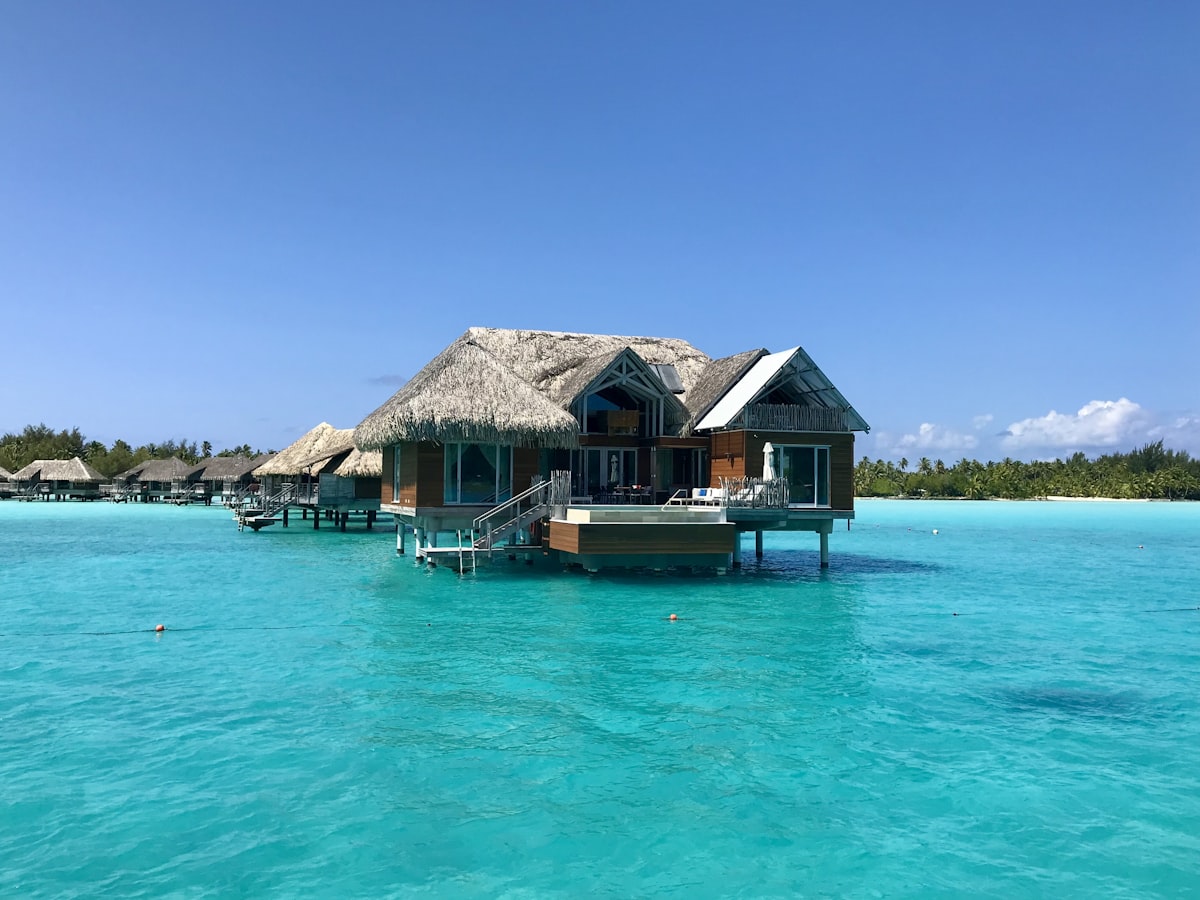
April
#6 of 12 months
Best match
The shoulder begins — rainfall drops significantly, sunshine increases, and the lagoon colour starts achieving its full turquoise.
- ↑April marks the genuine improvement in Bora Bora's weather: rainfall drops by a third from March to 145mm, sunshine increases to 8 hours, and the humidity eases; the lagoon colour in April sunshine begins to approach the vivid turquoise of the dry season — a meaningfully different visual experience from the wet season months
- ↑April is the start of humpback whale season in French Polynesia: humpback whales begin arriving in Polynesian waters for their breeding season (April–November), and Bora Bora's lagoon passages are a recognised humpback corridor; surface sightings from the overwater bungalows and encounters with singing males on snorkel trips are possible from late April
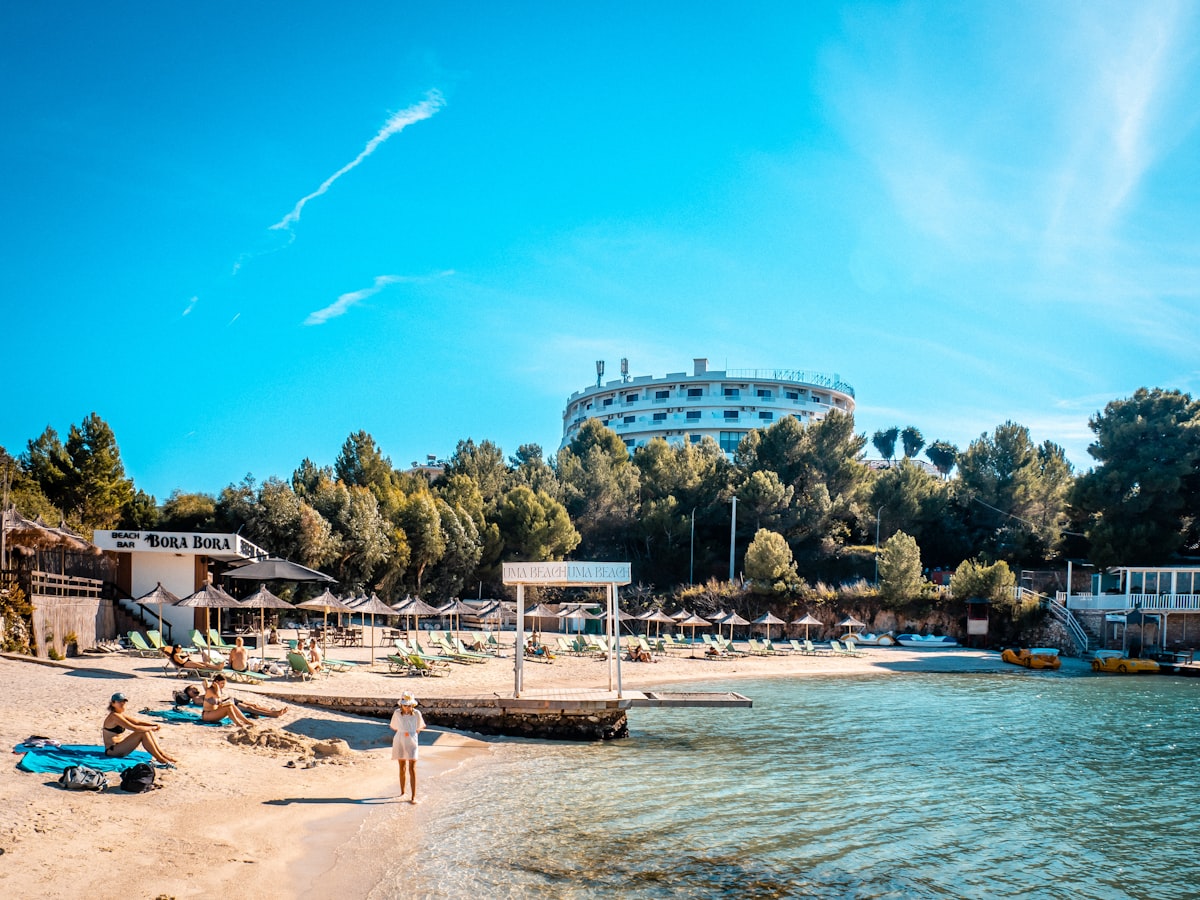
May
#1 of 12 months
Best match
Dry season begins — the lagoon turns its iconic turquoise, temperatures are pleasant, and the humpback whale season opens.
- ↑May marks the beginning of Bora Bora's dry season: rainfall drops to 90mm, the trade winds arrive from the southeast bringing clear skies and a comfortable breeze that takes the edge off the tropical heat, and the lagoon achieves the vivid turquoise colour that defines Bora Bora in the global imagination — the combination of the coral sand motu, the turquoise lagoon, and Mount Otemanu in clear sky is at its best from May onwards
- ↑Humpback whale season fully opens in May — whales arrive from their Antarctic feeding grounds and use French Polynesia's warm waters for breeding and calving; boat tours from the Bora Bora pier offer encounters (the whales approach the boats out of curiosity), and snorkelling alongside a 15-metre humpback is among the most singular wildlife experiences available in the Pacific
| Factor | April | May |
|---|---|---|
| Weather score | 6 | 8 |
| Value score | 7 | 7 |
| Crowd score | 7 | 6 |
| Events score | 5 | 6 |
| Atmosphere | 8 | 9 |
| Avg high temp | 29°C | 28°C |
| Monthly rain | 145mm | 90mm |
| Daily sunshine | 8hrs | 8.5hrs |
April trade-offs
- ↓April rainfall at 145mm is still classified as heavy — while significantly improved from the wet season, rainy half-days remain common; the turquoise lagoon colour is present on clear days but overcast skies still suppress it
- ↓Humpback whale encounters in April are early-season and not guaranteed — the whales arrive in larger numbers in July–August; April sightings are possible but should be considered a bonus rather than a reliable activity
- ↓Some years the wet-to-dry transition is delayed and April delivers more wet season character than average; the shoulder month weather involves genuine variability
May trade-offs
- ↓Some residual rainfall remains in May (90mm) — the dry season in Bora Bora is never bone-dry; brief tropical showers are still possible daily, though they typically last 30 minutes and are followed by sunshine
- ↓Crowds begin building in May as European visitors target the shoulder season and Tahiti-based tour packages ramp up; the best overwater bungalow categories fill up 3–4 months in advance for May stays
- ↓Temperatures drop slightly from the wet season highs — 28°C days with the trade wind chill create what is subjectively the most comfortable temperature range of the year, but those who equate tropical with very hot may find May slightly cool for extended lagoon swimming
Scores compare months within Bora Bora. Climate data: Open Meteo ERA5 30-year normals (1991–2020). Methodology →