Bora Bora · Unsplash / Unsplash
French Polynesia · South Pacific
Best time to visit Bora Bora
May
May scores highest overall — reliable weather and good value. Set your priorities below to personalise this result.
What matters most to you?
All 12 months — click any to expand
May
Unsplash / Unsplash
Dry season begins — the lagoon turns its iconic turquoise, temperatures are pleasant, and the humpback whale season opens.
28°C
High
21°C
Low
90mm
Rain
8.5h
Sun/day
What you gain
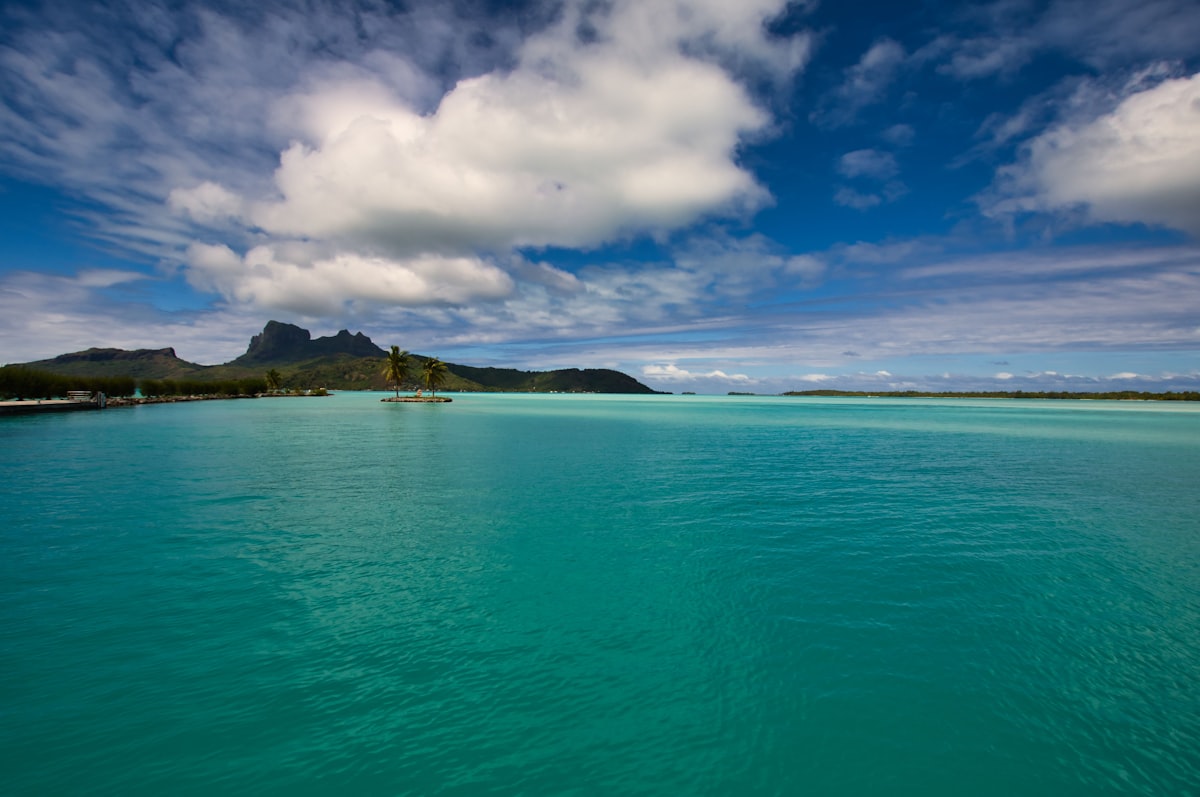
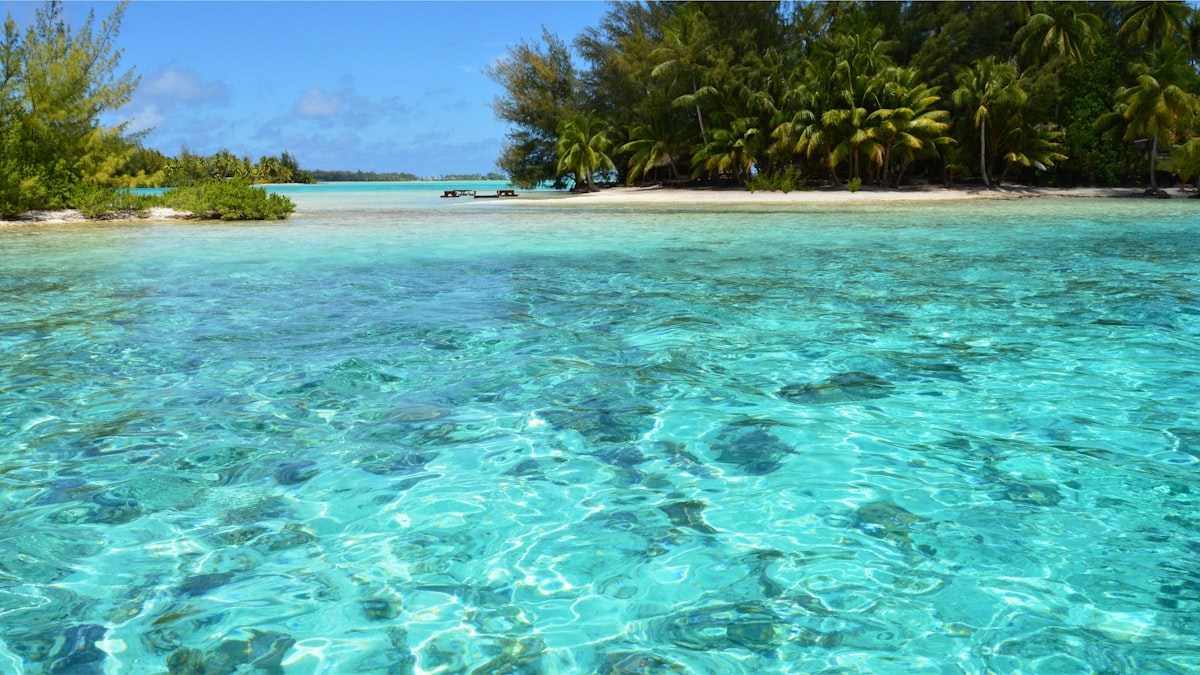
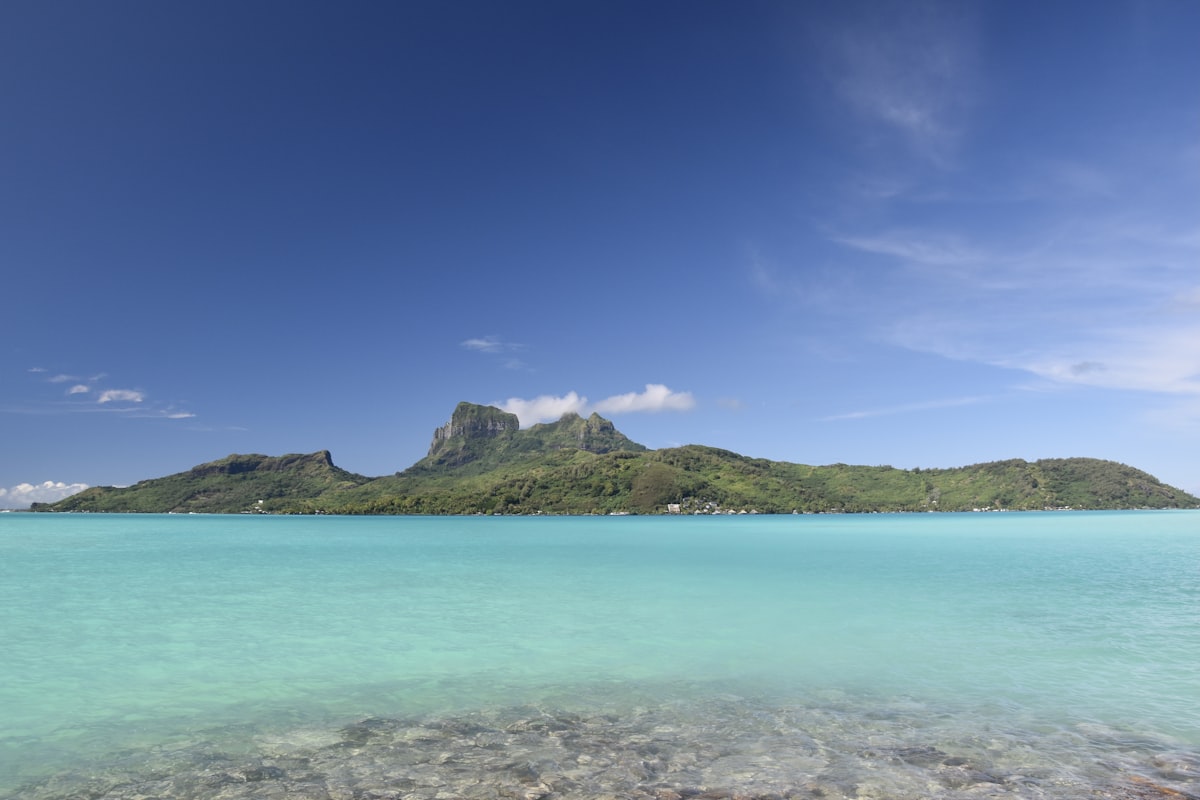
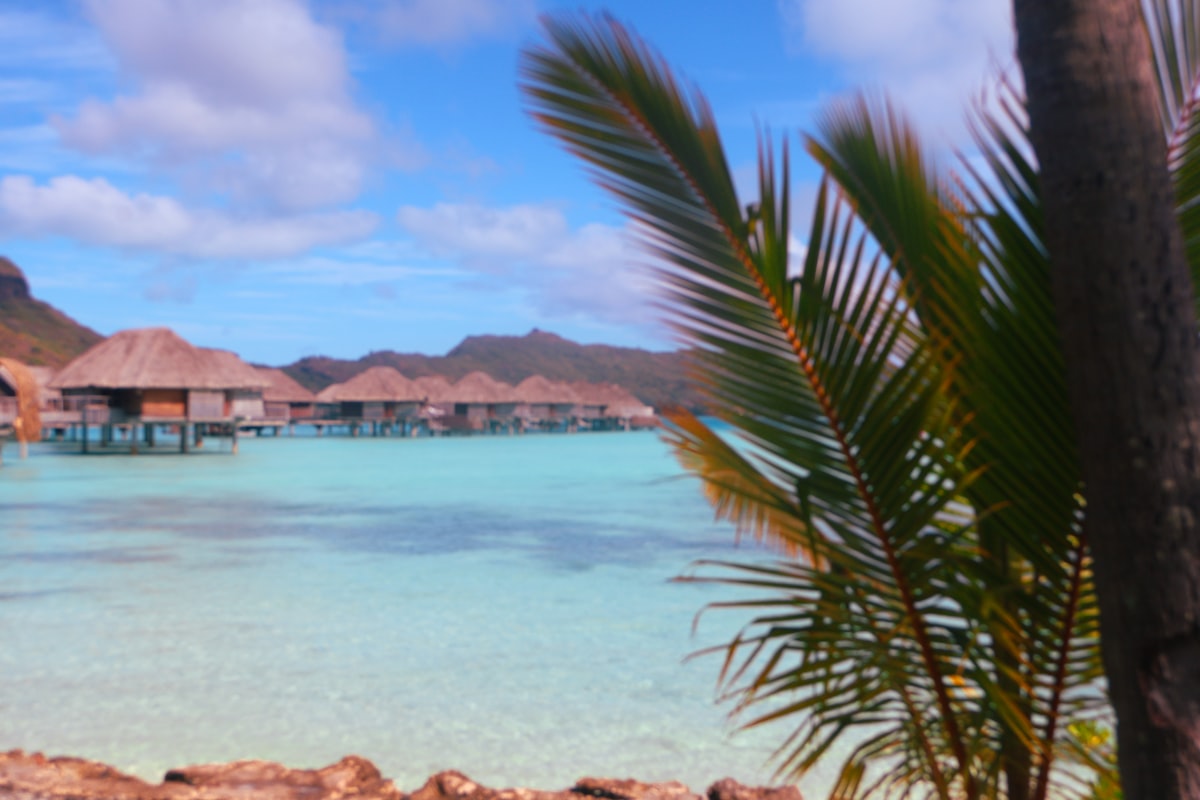
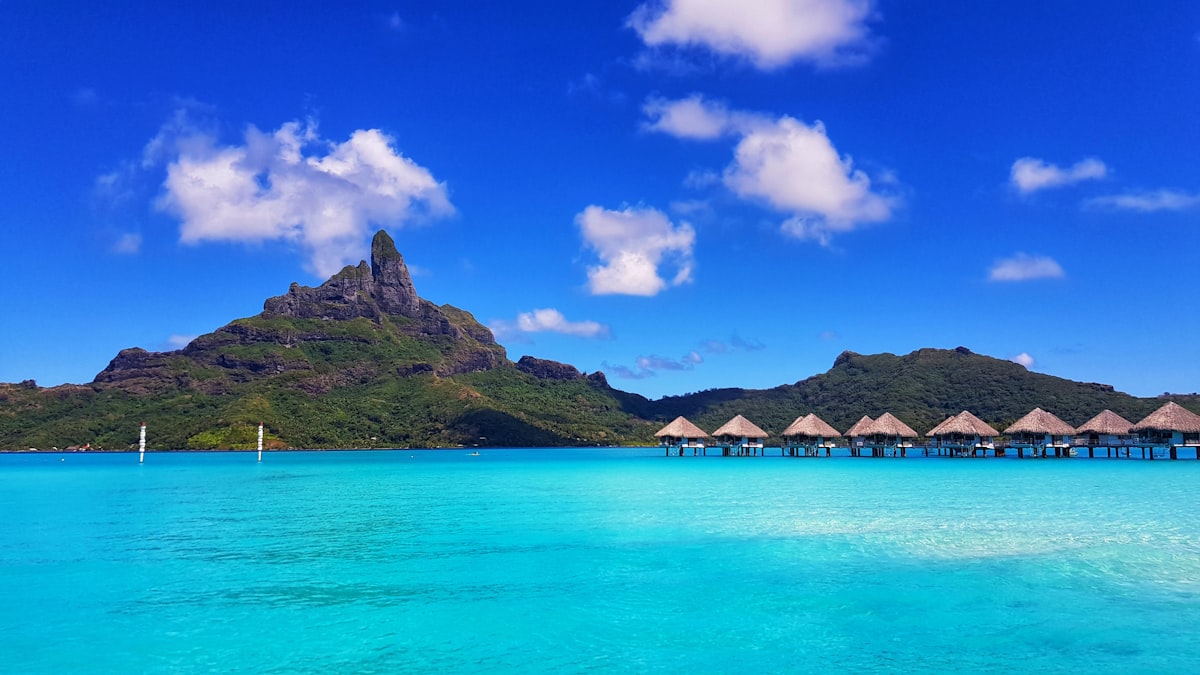
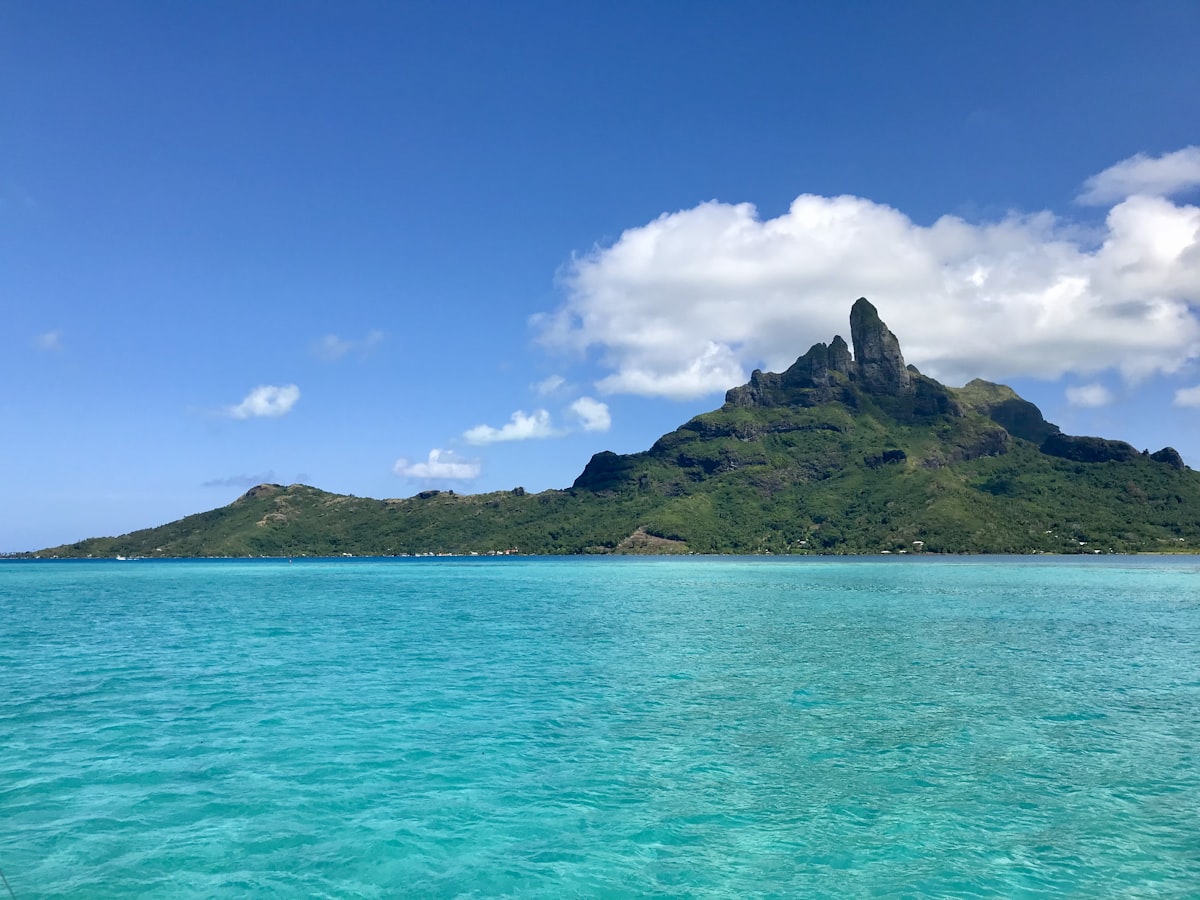
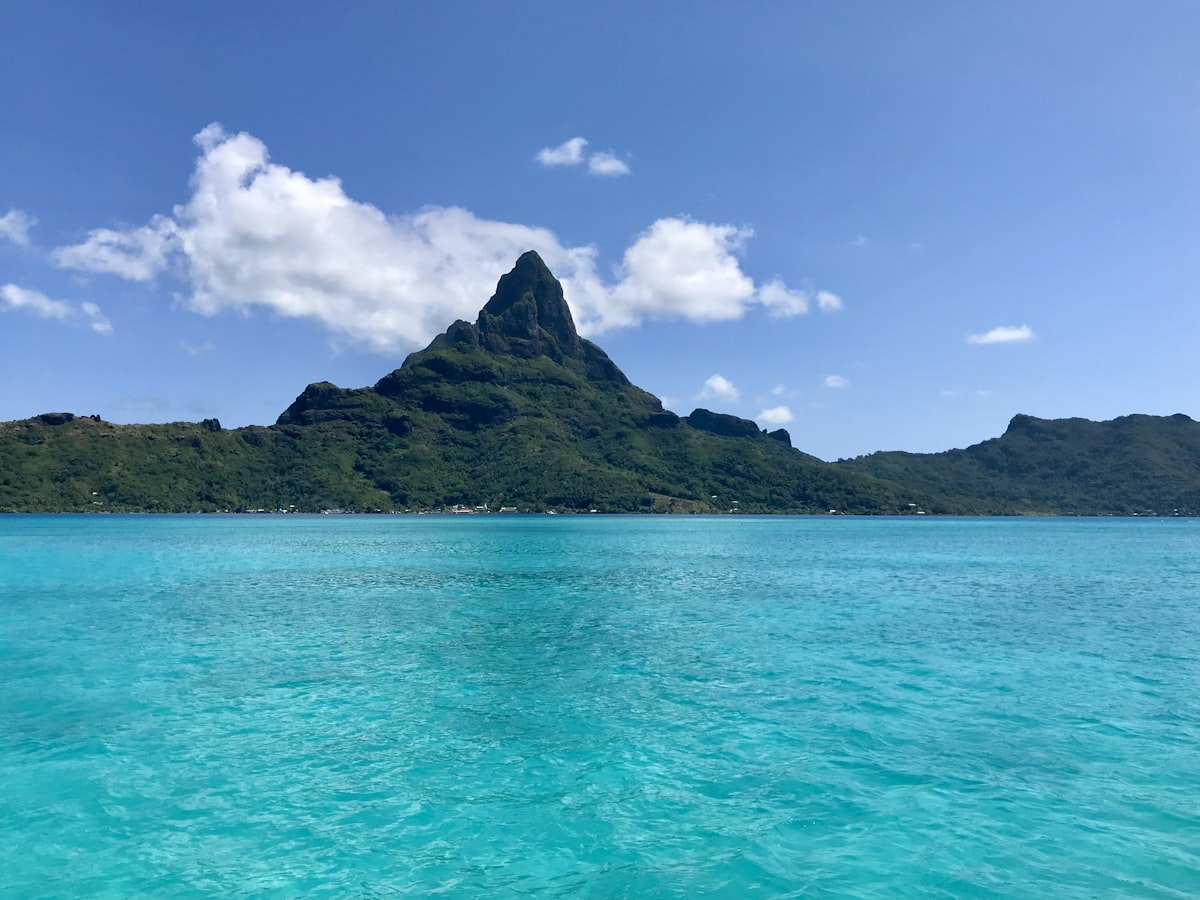
- ↑May marks the beginning of Bora Bora's dry season: rainfall drops to 90mm, the trade winds arrive from the southeast bringing clear skies and a comfortable breeze that takes the edge off the tropical heat, and the lagoon achieves the vivid turquoise colour that defines Bora Bora in the global imagination — the combination of the coral sand motu, the turquoise lagoon, and Mount Otemanu in clear sky is at its best from May onwards
- ↑Humpback whale season fully opens in May — whales arrive from their Antarctic feeding grounds and use French Polynesia's warm waters for breeding and calving; boat tours from the Bora Bora pier offer encounters (the whales approach the boats out of curiosity), and snorkelling alongside a 15-metre humpback is among the most singular wildlife experiences available in the Pacific
- ↑May pricing sits between the wet season discounts and the July–September peak: 20–30% below high season but with genuine dry season conditions; the optimal value window for those targeting the best combination of quality and cost
What you sacrifice
- ↓Some residual rainfall remains in May (90mm) — the dry season in Bora Bora is never bone-dry; brief tropical showers are still possible daily, though they typically last 30 minutes and are followed by sunshine
- ↓Crowds begin building in May as European visitors target the shoulder season and Tahiti-based tour packages ramp up; the best overwater bungalow categories fill up 3–4 months in advance for May stays
- ↓Temperatures drop slightly from the wet season highs — 28°C days with the trade wind chill create what is subjectively the most comfortable temperature range of the year, but those who equate tropical with very hot may find May slightly cool for extended lagoon swimming
May scores highest overall — reliable weather and good value. Set your priorities below to personalise this result.
May
Dry season begins — the lagoon turns its iconic turquoise, temperatures are pleasant, and the humpback whale season opens.
28°C
High
90mm
Rain
8.5h
Sun
- ↑May marks the beginning of Bora Bora's dry season: rainfall drops to 90mm, the trade winds arrive from the southeast bringing clear skies and a comfortable breeze that takes the edge off the tropical heat, and the lagoon achieves the vivid turquoise colour that defines Bora Bora in the global imagination — the combination of the coral sand motu, the turquoise lagoon, and Mount Otemanu in clear sky is at its best from May onwards
- ↑Humpback whale season fully opens in May — whales arrive from their Antarctic feeding grounds and use French Polynesia's warm waters for breeding and calving; boat tours from the Bora Bora pier offer encounters (the whales approach the boats out of curiosity), and snorkelling alongside a 15-metre humpback is among the most singular wildlife experiences available in the Pacific
- ↑May pricing sits between the wet season discounts and the July–September peak: 20–30% below high season but with genuine dry season conditions; the optimal value window for those targeting the best combination of quality and cost
- ↓Some residual rainfall remains in May (90mm) — the dry season in Bora Bora is never bone-dry; brief tropical showers are still possible daily, though they typically last 30 minutes and are followed by sunshine
- ↓Crowds begin building in May as European visitors target the shoulder season and Tahiti-based tour packages ramp up; the best overwater bungalow categories fill up 3–4 months in advance for May stays
- ↓Temperatures drop slightly from the wet season highs — 28°C days with the trade wind chill create what is subjectively the most comfortable temperature range of the year, but those who equate tropical with very hot may find May slightly cool for extended lagoon swimming
Top travel windows
★ BestMay
Best overall
Highest combined score
28°C
High
90mm
Rain
8.5h
Sun
February
Best for value
Lowest prices & fees
30°C
High
250mm
Rain
7h
Sun
February
Fewest crowds
Quietest month
30°C
High
250mm
Rain
7h
Sun
Breakdown by priority
Best for weather
July
26°C high · 35mm rain · 9.5hrs sun/day
Best for budget
February
Valentine's Day creates a short demand spike but the overall February volume remains well below the dry season; a February 14 overwater bungalow package at the St. Regis or Conrad costs US$800–1,200 per night versus US$1,800–2,500 in July
Fewest crowds
February
February offers the best-value overwater bungalow access in the Bora Bora calendar: the combination of low season pricing and the off-peak visitor volume means last-minute deals at the resort properties are possible; the lagoon is unchanged
Where to stay in Bora Bora
All neighbourhoods →Matira Beach & the South
The only public beach on Bora Bora — a kilometre of white sand open to all, the most affordable accommodation zone, and the island's best snorkelling coral.
8/10
Central
6/10
Walk
4/10
Transit
Overwater Resort Strip
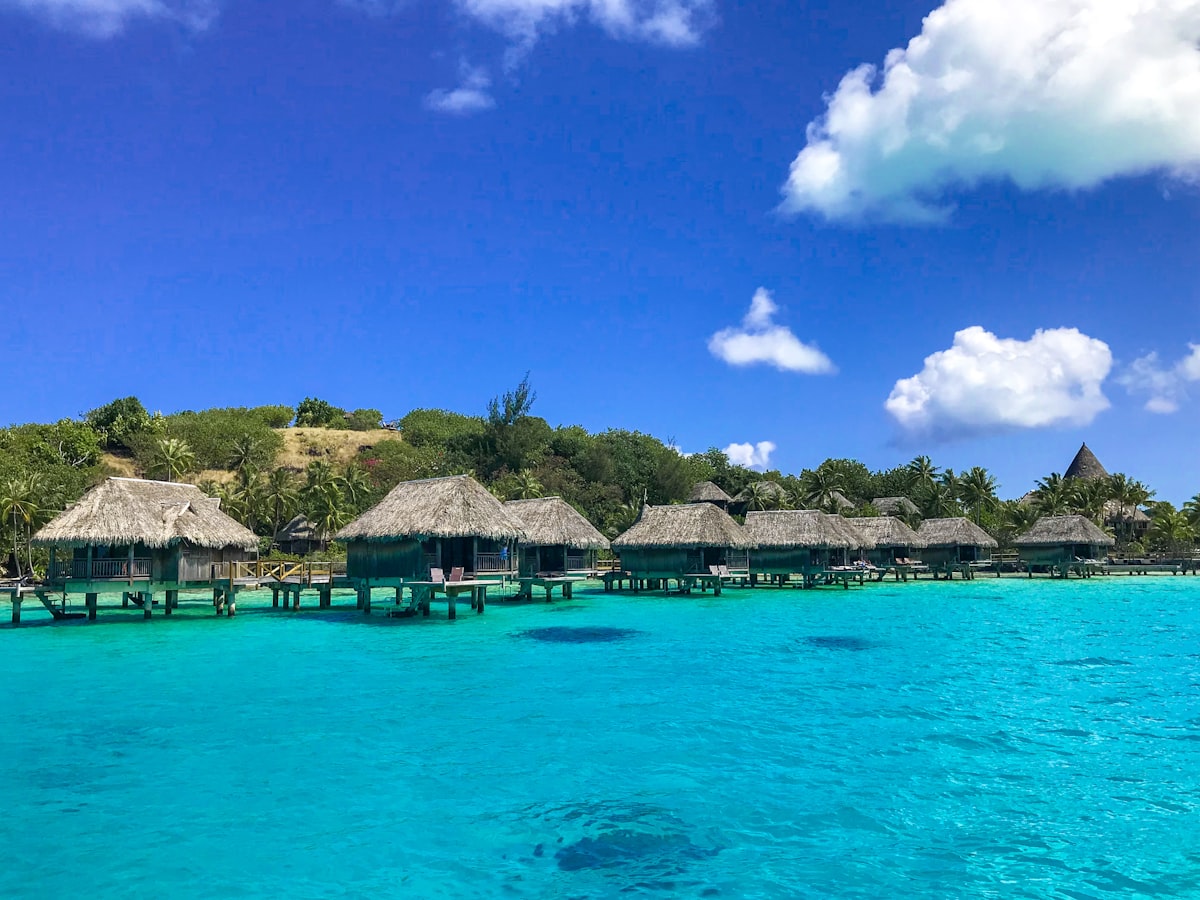
The world's most iconic resort experience — overwater bungalows above the turquoise lagoon, direct ladder access to the coral gardens, and Mount Otemanu framed in every direction.
9/10
Central
3/10
Walk
3/10
Transit
Also exploring
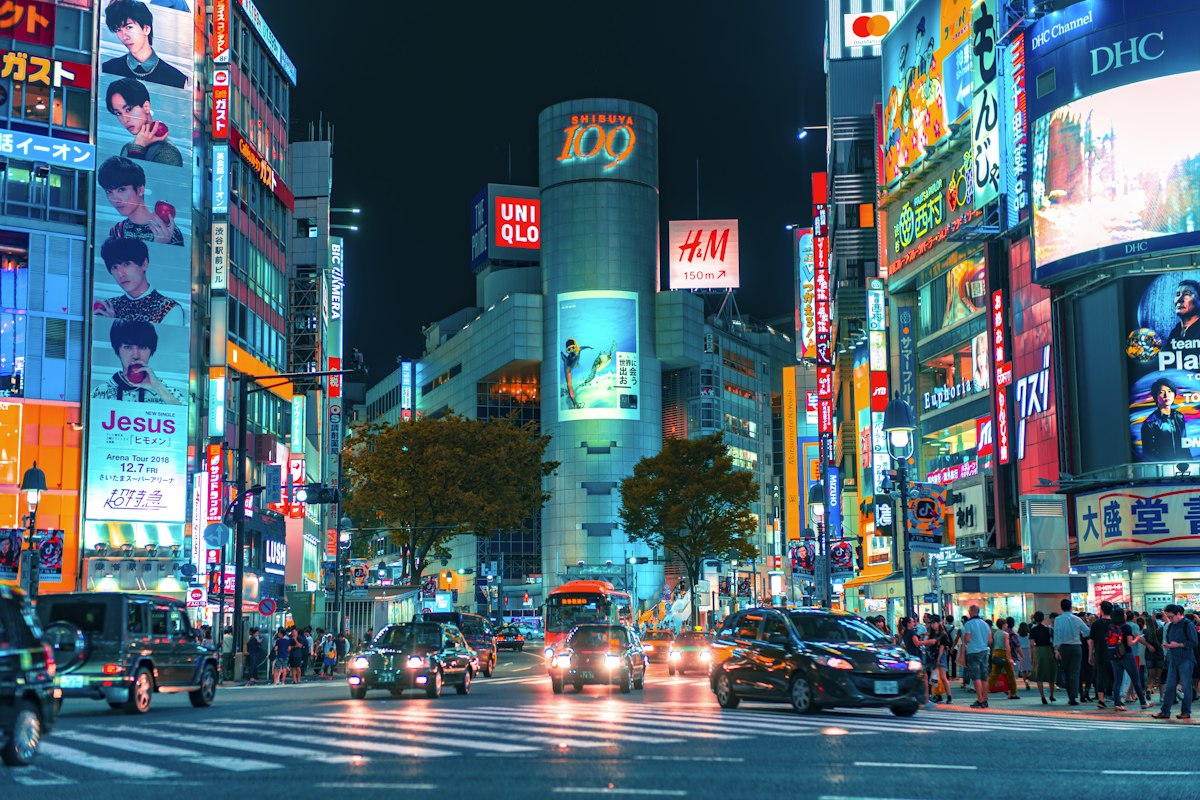
Tokyo
Japan
A city of dramatic seasonal contrasts — cherry blossom crowds, oppressive summer humidity, and golden autumn foliage — where the wrong timing can make or break the trip.
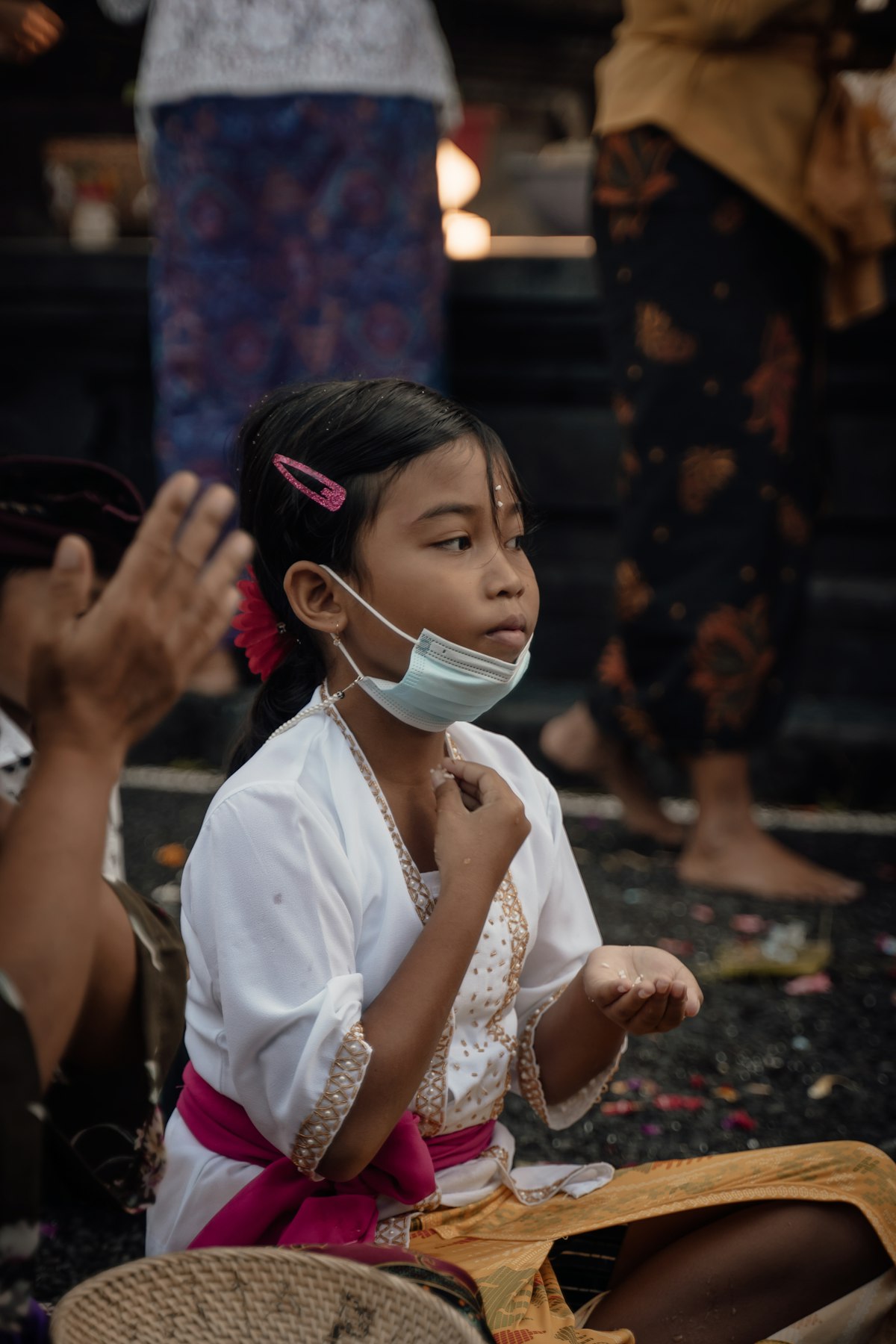
Bali
Indonesia
A Hindu island of rice terraces, temple ceremonies, and surf breaks where the monsoon makes timing genuinely binary — the difference between dry and wet season is not subtle.
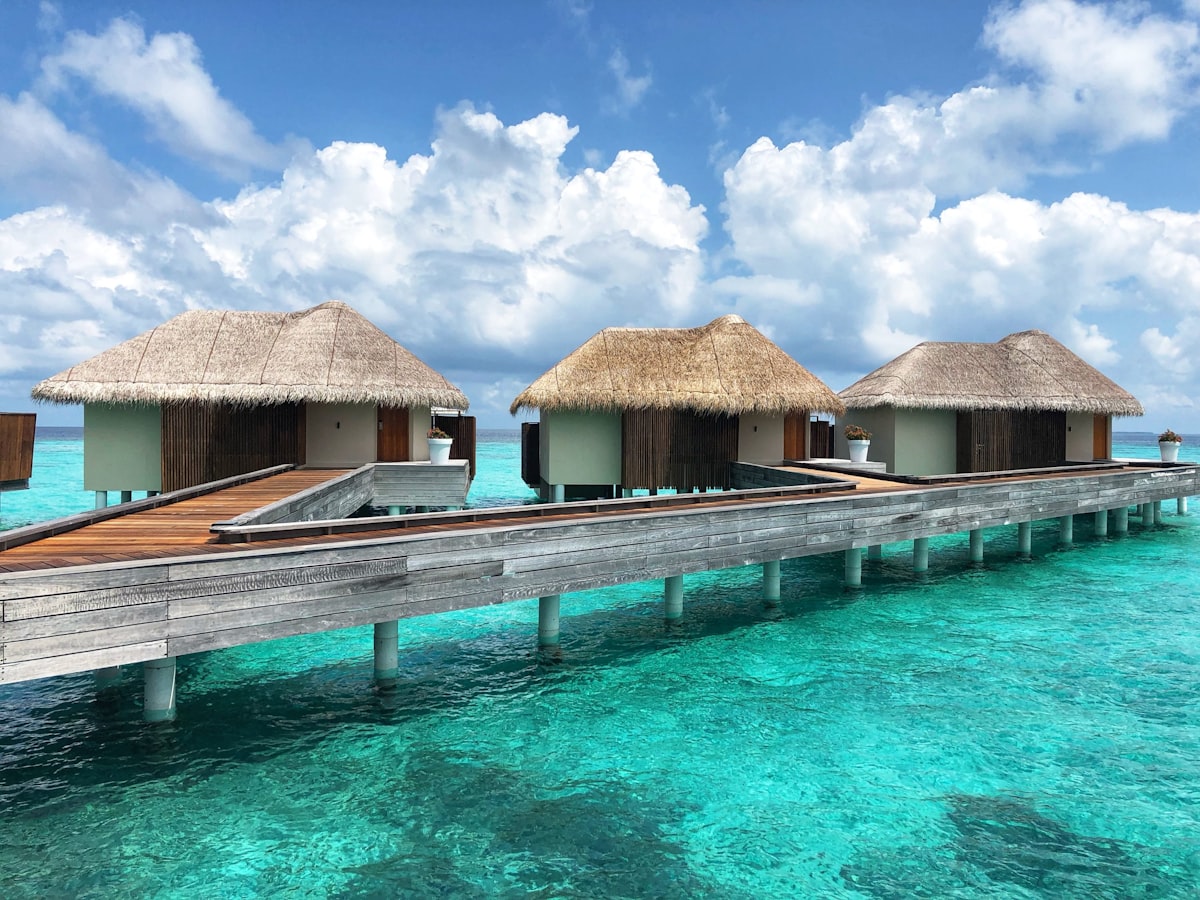
Maldives
Maldives
A destination defined almost entirely by its monsoon calendar — the difference between the NE dry season (November–April) and SW wet season (May–October) is not subtle and shapes every aspect of the experience.
Worth knowing
May scores highest overall. July is the most crowded month — avoid if you can. See crowd-free ranking →
Month by month breakdown
January#11▾
Gains
- ↑Bora Bora's lagoon is year-round warm (29°C), and even the wet season delivers clear, sunny periods between the tropical downpours; the underwater visibility in the lagoon remains excellent regardless of surface rain, and the black-tip reef sharks, manta rays, and stingrays in the Bora Bora lagoon are present every month
- ↑January prices are significantly lower than the July–September dry season peak — overwater bungalows at the Four Seasons, St. Regis, and Conrad can be 30–40% cheaper than their July rates; the lagoon quality is unchanged
- ↑The wet season brings tropical abundance: lush vegetation on Mount Otemanu's slopes, waterfalls visible from the lagoon, and the flower density in the resort gardens at its most vivid; the tropical light between rain showers has a saturated quality that dry season harsh sun does not produce
Sacrifices
- ↓January is the heart of the wet season — 280mm of rain over the month arrives in heavy tropical downpours rather than persistent drizzle; typically 1–3 hours of intense rain per day followed by sunshine, but on bad days the cloud cover can suppress the famous turquoise lagoon colour
- ↓Cyclone risk in the South Pacific peaks between November and April — while direct cyclone hits on Bora Bora are rare (the island sits at the northern edge of the cyclone belt), tropical systems can bring sustained cloud, swell, and disrupted resort operations for 3–7 days; check seasonal forecasts and buy cancellation insurance
- ↓The inter-island Air Tahiti connections (the only way to reach Bora Bora from Tahiti's Faa'a airport) can be temporarily suspended during severe weather events; buffer time before international departure is essential in the wet season
February#9▾
Gains
- ↑February offers the best-value overwater bungalow access in the Bora Bora calendar: the combination of low season pricing and the off-peak visitor volume means last-minute deals at the resort properties are possible; the lagoon is unchanged
- ↑Valentine's Day creates a short demand spike but the overall February volume remains well below the dry season; a February 14 overwater bungalow package at the St. Regis or Conrad costs US$800–1,200 per night versus US$1,800–2,500 in July
- ↑The underwater environment in February is particularly rich: the lagoon's warm water supports abundant coral growth and fish diversity year-round, and February's green sea turtles (nesting season September–February) are at maximum activity in the shallow inner lagoon near the motus
Sacrifices
- ↓February rainfall remains very high at 250mm — similar wet season pattern to January; extended sunny periods alternate with heavy downpours
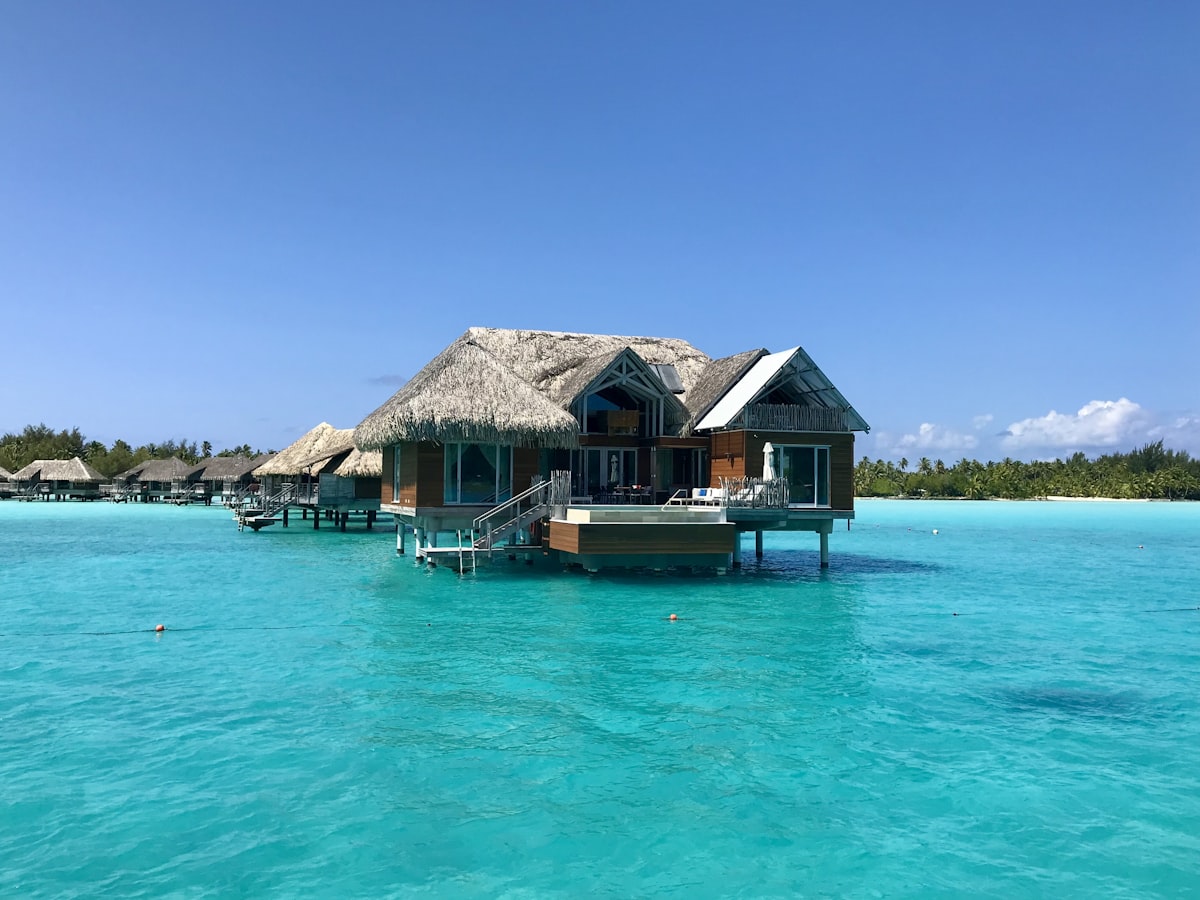
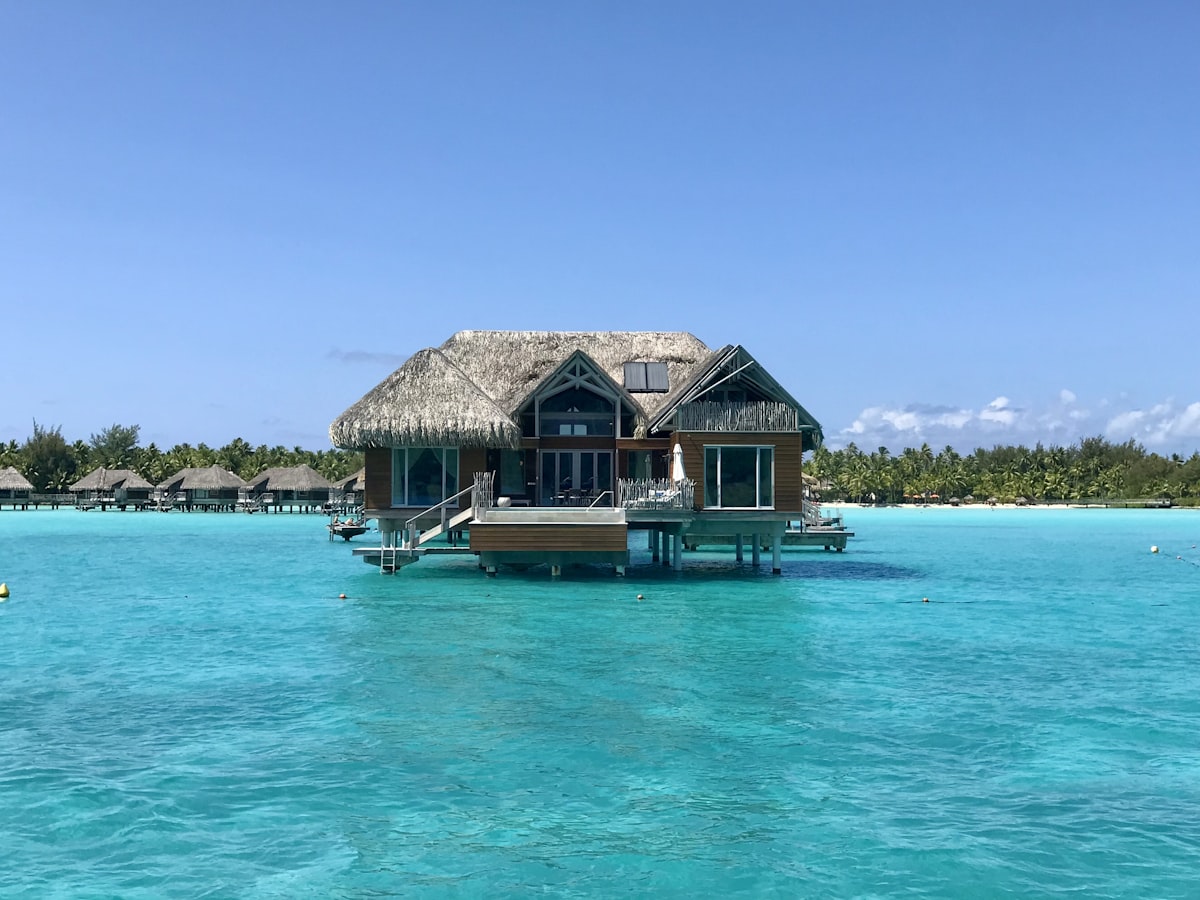
- ↓The famous Bora Bora "overwater bungalow shot" (bungalow over turquoise water with Mount Otemanu behind) requires specific lighting conditions — overcast wet season skies can suppress the turquoise colour that makes this image iconic; photography-focused visits should target June–September
- ↓Snorkelling and water sports can be disrupted by heavy rain events — not by the rain itself (you're wet anyway) but by the runoff that temporarily reduces lagoon clarity near river mouths
March#8▾
Gains
- ↑March is the transition month — rainfall remains high but the heaviest wet season precipitation is behind; sunshine hours improve meaningfully (7.5 vs 7.0 in February), and the stretches of clear blue-sky weather begin to lengthen
- ↑Manta ray season: the Bora Bora lagoon's cleaning stations (where mantas hover while small wrasse remove parasites) are most reliably visited in the wet months (November–March); the Tapu manta ray site is the most accessible and productive in French Polynesia for snorkelling encounters
- ↑Easter holidays create a brief demand surge but the wet season pricing baseline still applies; a March Easter visit to Bora Bora is more affordable than a September visit despite similar peak-adjacent timing
Sacrifices
- ↓220mm of rain keeps March within the high-rainfall bracket; days of 2–4 hours of heavy tropical rain interspersed with warm sunshine remain the pattern
- ↓Cyclone season technically continues through April — the risk reduces markedly from March onward, but travel insurance covering weather disruption remains important
- ↓The main island loop road and some of the Mount Otemanu hiking trails become slippery and muddy in the wet season; the 4WD tour around the island's WWII gun emplacements and interior is best in the dry season
April#6▾
Gains
- ↑April marks the genuine improvement in Bora Bora's weather: rainfall drops by a third from March to 145mm, sunshine increases to 8 hours, and the humidity eases; the lagoon colour in April sunshine begins to approach the vivid turquoise of the dry season — a meaningfully different visual experience from the wet season months
- ↑April is the start of humpback whale season in French Polynesia: humpback whales begin arriving in Polynesian waters for their breeding season (April–November), and Bora Bora's lagoon passages are a recognised humpback corridor; surface sightings from the overwater bungalows and encounters with singing males on snorkel trips are possible from late April
- ↑The shoulder month pricing gives access to the premium resort properties at 20–25% below the July–September peak; April is the optimal month for those who want the improving weather trend without paying the full dry season premium
Sacrifices
- ↓April rainfall at 145mm is still classified as heavy — while significantly improved from the wet season, rainy half-days remain common; the turquoise lagoon colour is present on clear days but overcast skies still suppress it
- ↓Humpback whale encounters in April are early-season and not guaranteed — the whales arrive in larger numbers in July–August; April sightings are possible but should be considered a bonus rather than a reliable activity
- ↓Some years the wet-to-dry transition is delayed and April delivers more wet season character than average; the shoulder month weather involves genuine variability
May#1▾
Gains
- ↑May marks the beginning of Bora Bora's dry season: rainfall drops to 90mm, the trade winds arrive from the southeast bringing clear skies and a comfortable breeze that takes the edge off the tropical heat, and the lagoon achieves the vivid turquoise colour that defines Bora Bora in the global imagination — the combination of the coral sand motu, the turquoise lagoon, and Mount Otemanu in clear sky is at its best from May onwards
- ↑Humpback whale season fully opens in May — whales arrive from their Antarctic feeding grounds and use French Polynesia's warm waters for breeding and calving; boat tours from the Bora Bora pier offer encounters (the whales approach the boats out of curiosity), and snorkelling alongside a 15-metre humpback is among the most singular wildlife experiences available in the Pacific
- ↑May pricing sits between the wet season discounts and the July–September peak: 20–30% below high season but with genuine dry season conditions; the optimal value window for those targeting the best combination of quality and cost
Sacrifices
- ↓Some residual rainfall remains in May (90mm) — the dry season in Bora Bora is never bone-dry; brief tropical showers are still possible daily, though they typically last 30 minutes and are followed by sunshine
- ↓Crowds begin building in May as European visitors target the shoulder season and Tahiti-based tour packages ramp up; the best overwater bungalow categories fill up 3–4 months in advance for May stays
- ↓Temperatures drop slightly from the wet season highs — 28°C days with the trade wind chill create what is subjectively the most comfortable temperature range of the year, but those who equate tropical with very hot may find May slightly cool for extended lagoon swimming
June#2▾
Gains
- ↑June delivers the conditions that define Bora Bora globally: 9 hours of sunshine, trade wind breezes, 55mm of rain (the lowest months are July and August), and the turquoise lagoon at its most vivid; Mount Otemanu reflected in the still early-morning lagoon, overwater bungalows above the coral gardens in clear water, and sunset from the motu beach create the complete Bora Bora visual vocabulary
- ↑Humpback whales are fully established in French Polynesian waters by June — encounters on the half-day whale watch boat tours are reliable, and snorkelling with calves and mothers (the most gentle and prolonged interactions) becomes possible from the north and west passages of Bora Bora's lagoon
- ↑Heiva i Bora Bora (July festival) preparation: the Heiva festival — French Polynesia's annual cultural celebration of traditional dance, music, and outrigger canoe racing — begins in Papeete in July and is preceded by inter-island competitions in June; watching traditional tamure and ori Tahiti dance performances and outrigger va'a racing at the Bora Bora municipal dock in June is an authentic cultural experience alongside the resort stay
Sacrifices
- ↓Prices in June move decisively into premium territory — the Four Seasons, St. Regis, and Conrad overwater bungalows reach US$1,800–2,500+ per night; Bora Bora in the dry season is among the most expensive destinations on Earth and June marks the start of that pricing tier
- ↓The Bora Bora airport (Motu Mute) is accessible only by tender boat from the resort pier — the 20-minute transfer is comfortable but adds complexity; and the island itself has only one road, one main town (Vaitape), and limited options for independent exploration beyond the resort ecosystem
- ↓Crowds are building in June: the French Polynesia summer holiday season (schools off in France from late June) and the global honeymoon season create the highest demand of the year from this month onwards
July#4▾
Gains
- ↑July is the climatic peak of the Bora Bora year: the driest month (35mm), the most sunshine (9.5 hours), and the trade winds at their most consistent — creating the condition where the lagoon is simultaneously perfectly still in the mornings (for the mirror-flat turquoise reflection shot) and gently breezy in the afternoons; the iconic overwater bungalow image was almost certainly taken in July
- ↑Humpback whale encounters peak in July–August: the entire French Polynesia population of 200+ humpbacks congregates in the island group's warm waters, and Bora Bora's lagoon channels see surface breaching, slapping, and singing males audible underwater on snorkel; a half-day whale watch in July in Bora Bora is among the finest cetacean experiences in the Pacific
- ↑Heiva i Bora Bora in July: the traditional Polynesian cultural festival — featuring ori Tahiti dance competitions with elaborate headdresses and pareo costumes, outrigger canoe (va'a) racing on the lagoon, and javelin throwing competitions — is one of the most spectacular displays of traditional Pacific culture available to visitors
Sacrifices
- ↓July is the most expensive month in Bora Bora — overwater bungalows at the Four Seasons and St. Regis reach US$2,200–3,000+ per night; the Conrad and Intercontinental at US$1,400–1,800; there is no affordable accommodation on the island and the luxury tier is at its most expensive
- ↓Advance booking is essential — July stays at any Bora Bora property require 4–6 months' advance reservation; last-minute July bookings are essentially impossible at any price
- ↓The Heiva festival brings additional Polynesian and French visitors to Bora Bora in the first two weeks of July; the island's small permanent population (10,000) is dwarfed by the July visitor volume, and the resort grounds and lagoon tours feel their busiest
August#5▾
Gains
- ↑August matches July in weather quality and humpback whale abundance — the slight difference is that European school holidays (August is the peak French holiday month) add a family tourism dimension alongside the honeymooner demographic; the resort atmosphere in August is slightly more mixed in character than July's uniformly romantic intensity
- ↑Diving in August: the lagoon's visibility peaks (25–30m) and water temperature is perfectly comfortable (28°C) — the reef sharks, rays, and sea turtles of Bora Bora's lagoon are all at maximum activity; the Tupai atoll day trip (a heart-shaped atoll 25km north of Bora Bora) is at its most spectacular in the dry season
- ↑Motu picnic excursions: the outer motu islets of the lagoon (particularly Motu Tapu, the private reef islet used as a film location for several movies) are accessed by resort speedboat or private charter; a half-day motu picnic with a Polynesian guide, snorkelling the outer reef drop-off, and watching the sunset over Mount Otemanu from the motu beach represents the quintessential Bora Bora experience
Sacrifices
- ↓August is as expensive as July across all accommodation categories and advance booking is equally essential
- ↓The humpback whale encounters that peak in July–August are on snorkel trips that depend on whale behaviour — encounters are not guaranteed; operators are prohibited from approaching within specified distances and the whale must choose to approach; allow 2–3 trips for a high probability encounter
- ↓Peak season trade wind strength can occasionally make afternoon lagoon activities uncomfortable: consistent 25-knot trade winds create choppy conditions on the outer lagoon that make some speedboat excursions rough; morning excursions before the trade wind builds (before 11am) are consistently smoother
September#3▾
Gains
- ↑September is the final month of the dry season and retains near-peak conditions: 8.5 hours of sunshine, 60mm of rain, and the trade winds present; the lagoon remains in full turquoise and the humpback whales are still present in declining numbers before their October departure southward
- ↑The post-August crowd reduction creates a noticeably quieter resort atmosphere from mid-September: the most photogenic resort areas (pool decks, overwater jetties) feel less occupied, and the guided lagoon tours are smaller groups; the September sweet spot between weather quality and crowd density is excellent
- ↑Sea temperatures in September (28°C) are at their warmest for the year — water that has been accumulating solar heat through the dry season provides the most comfortable snorkelling conditions of the entire calendar
Sacrifices
- ↓Prices remain in the high-season bracket through September — the difference from August is marginal; October is where meaningful price reductions begin
- ↓Late-season humpback encounters are less reliable as the whale population prepares to depart southward; September visits should treat humpback encounters as a possible bonus rather than a core itinerary item
- ↓The transition to the wet season can begin in late September in some years — brief tropical showers reappear in the final 10 days of September, and the trade wind consistency reduces
October#7▾
Gains
- ↑October represents the best value window in the Bora Bora calendar: the dry season conditions are mostly over but the wet season has not fully arrived; clear days still dominate, lagoon colour remains strong, and the resort prices have dropped 20–30% from their July–September peak
- ↑The most intimate version of Bora Bora is in October: the peak season crowd has departed, the resorts are quieter, the motu excursions have fewer participants, and the Polynesian staff have more time for the personal interaction that makes a French Polynesia trip exceptional rather than merely luxurious
- ↑Birdwatching on the motus: October is the resident seabird breeding season on Bora Bora's outer motus — frigatebirds, red-tailed tropicbirds, and the Tahitian swiftlet nest on the reef islets; the low-visitor October period allows the motu excursions to focus on natural history
Sacrifices
- ↓October rainfall at 100mm represents the return of tropical shower activity — not the wet season proper, but a meaningful increase in daily rain probability; clear day planning requires flexibility
- ↓Humpback whales have departed southward by October — the whale watch season effectively ends in late September; October lagoon tours focus on sharks, rays, and coral gardens rather than cetaceans
- ↓The transition season weather can be frustratingly variable: an October visit may deliver 5 clear days or 5 partly cloudy days with limited lagoon colour; the risk premium over the dry season is real
November#10▾
Gains
- ↑Manta ray season opens in November: the Bora Bora lagoon cleaning stations (where manta rays hover while cleaner wrasse remove parasites) are visited most reliably in the wet season months (November–March); a manta ray snorkelling encounter — hovering above a 4-metre wingspan gliding through the turquoise water — is one of the finest lagoon experiences available
- ↑November is still early enough in the wet season that extended rain events are less frequent than December–February; many days deliver sunshine for 6–7 hours with tropical showers in the late afternoon
- ↑Prices drop further in November — the combination of manta ray season and lower wet season pricing makes November the best value month for those specifically targeting manta encounters alongside overwater bungalow access
Sacrifices
- ↓At 175mm, November rain is substantial — heavy tropical downpours become a daily feature; the famous turquoise lagoon colour is suppressed on overcast days
- ↓Cyclone season opens in November — while the probability of a direct cyclone hit in any given November is low, the risk exists and travel insurance covering weather disruption is non-optional
- ↓Some resort activities (kayak circumnavigation of the main island, longer motu excursions) become weather-dependent in November in a way that July excursions are not
December#12▾
Gains
- ↑Christmas and New Year create a demand spike that pushes Bora Bora December prices toward peak levels despite the wet season — for those committed to a December visit, booking 3–4 months in advance is essential; the festive atmosphere in the resorts (Polynesian dance performances, special beach dinners, New Year's Eve fireworks over the lagoon) is genuinely distinctive
- ↑Water temperature peaks in December at 29–30°C — the warmest swimming and snorkelling conditions of the year; the lagoon's tropical fish are most active in the warmest months, and the December-start manta ray season is in full swing
- ↑The New Year's Eve experience in Bora Bora is among the most unusual in the world: the island crosses midnight ahead of most of the world due to its position west of the International Date Line; a midnight swim in the warm lagoon with Mount Otemanu silhouetted against a firework sky is available in no other timezone
Sacrifices
- ↓December is deep wet season — 235mm of rain and the heaviest tropical downpours of the year; the turquoise lagoon colour that defines Bora Bora is suppressed on overcast days, and consecutive fully grey days are possible
- ↓Christmas week prices are premium despite the wet season: the December 23 – January 2 period sees pricing similar to July at the main resort properties; the value rationale of visiting in the wet season is largely eliminated during Christmas week
- ↓Cyclone risk is at its maximum in December–January; adequate travel insurance and buffer flights before critical international connections are essential
How this is calculated
Climate data
Open Meteo ERA5
30-year normals (1991–2020). Temperature, rainfall, sunshine, humidity.
Price & crowd
Tourism research
Seasonal pricing from tourism authority data. Directional — compares months within a destination only.
Personalisation
Weighted scoring
Your priorities change the weights. Budget-first users get different results than weather-first users.
Share this result
May is the best time to visit Bora Bora
Travel timing updates
New destinations and timing guides, when they land.
No spam. Unsubscribe anytime.