
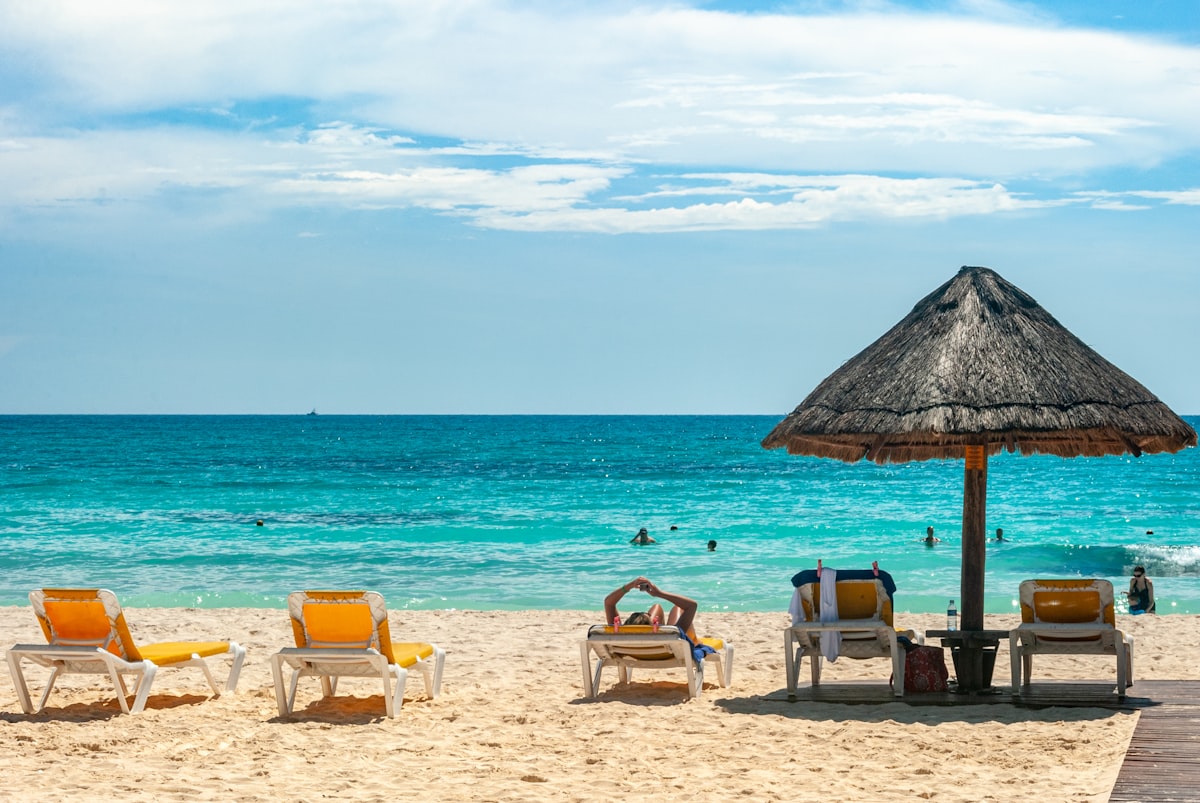
Showing: Nov · Unsplash / Unsplash
Mexico · Caribbean
Best time to visit Cancun
November
Nov scores highest overall — reliable weather and good value. Set your priorities below to personalise this result.
What matters most to you?
All 12 months — click any to expand
Nov
Unsplash / Unsplash
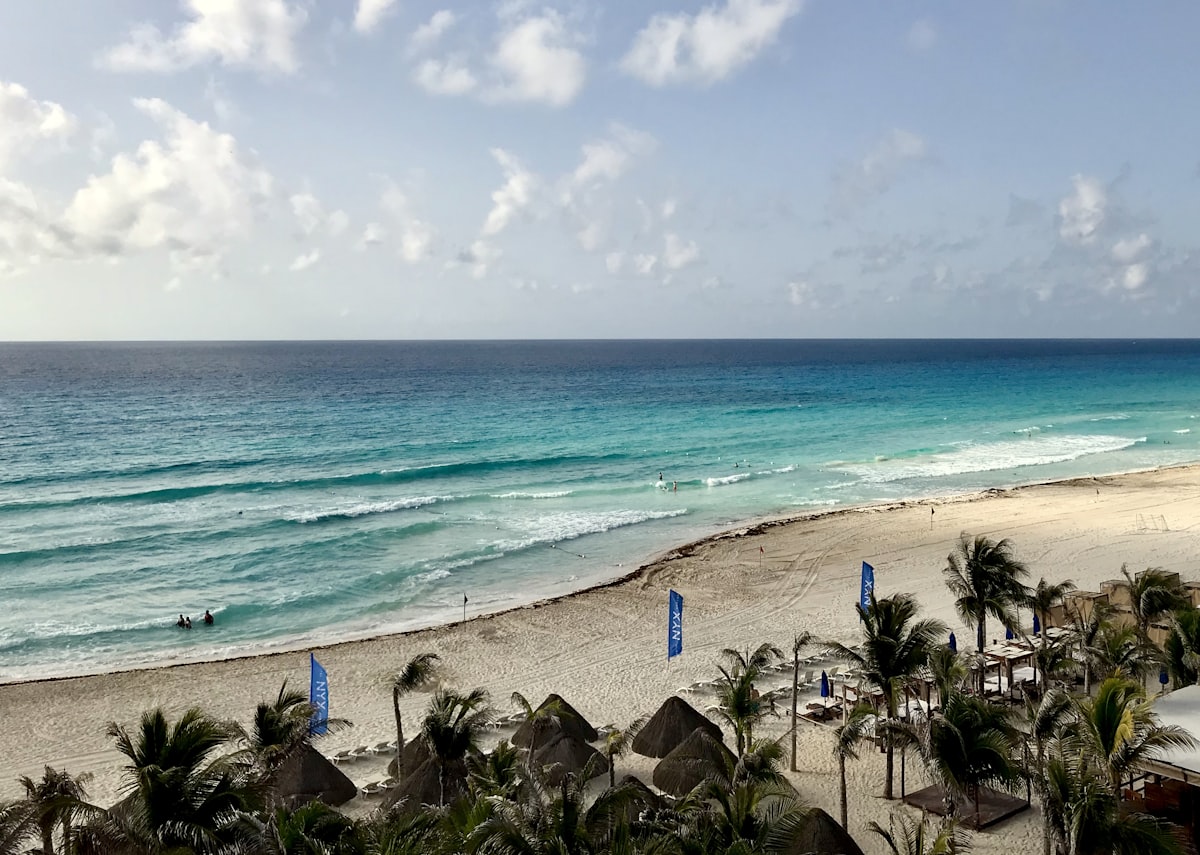
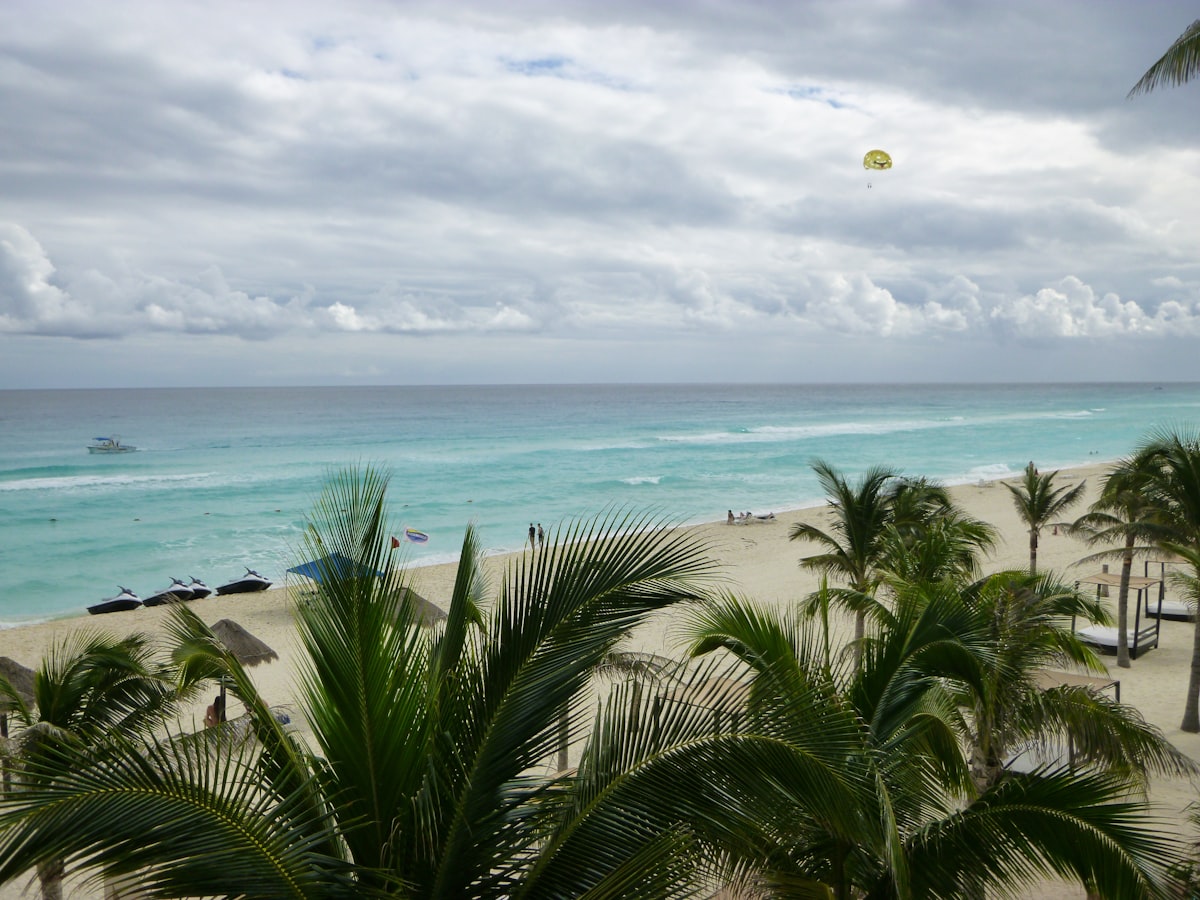
The underrated shoulder: hurricane season over, dry season beginning, prices still reasonable.
29°C
High
22°C
Low
90mm
Rain
7h
Sun/day
What you gain
- ↑Hurricane season officially ends November 30 — the existential weather risk disappears and dry-season conditions begin rebuilding
- ↑Día de los Muertos (Nov 1–2): Downtown Cancun celebrates with authentic altar displays, marigold-lined streets, and cemetery ceremonies the Hotel Zone completely ignores — one of Mexico's most extraordinary cultural events
- ↑Cenote visibility improving as water levels drop and silt settles; cenotes like Dos Ojos and Ik Kil resuming optimal clarity
What you sacrifice
- ↓Still 90mm of rain — noticeably wetter than the January–April dry season window
- ↓Hotel Zone atmosphere somewhat subdued; the annual resort machine hasn't fully spun back up after the low season
- ↓Shoulder pricing means better value than December but the gap narrows quickly as US Thanksgiving (late November) drives a brief demand spike
Nov scores highest overall — reliable weather and good value. Set your priorities below to personalise this result.
Nov
The underrated shoulder: hurricane season over, dry season beginning, prices still reasonable.
29°C
High
90mm
Rain
7h
Sun
- ↑Hurricane season officially ends November 30 — the existential weather risk disappears and dry-season conditions begin rebuilding
- ↑Día de los Muertos (Nov 1–2): Downtown Cancun celebrates with authentic altar displays, marigold-lined streets, and cemetery ceremonies the Hotel Zone completely ignores — one of Mexico's most extraordinary cultural events
- ↑Cenote visibility improving as water levels drop and silt settles; cenotes like Dos Ojos and Ik Kil resuming optimal clarity
- ↓Still 90mm of rain — noticeably wetter than the January–April dry season window
- ↓Hotel Zone atmosphere somewhat subdued; the annual resort machine hasn't fully spun back up after the low season
- ↓Shoulder pricing means better value than December but the gap narrows quickly as US Thanksgiving (late November) drives a brief demand spike
Top travel windows
★ BestNovember
Best overall
Highest combined score
29°C
High
90mm
Rain
7h
Sun
September
Best for value
Lowest prices & fees
31°C
High
175mm
Rain
6h
Sun
September
Fewest crowds
Quietest month
31°C
High
175mm
Rain
6h
Sun
Breakdown by priority
Best for weather
January
28°C high · 55mm rain · 8hrs sun/day
Best for budget
September
Cheapest month of the year by a significant margin — Hotel Zone resorts at 60–70% below Spring Break rates
Fewest crowds
September
Cheapest month of the year by a significant margin — Hotel Zone resorts at 60–70% below Spring Break rates
Worst time to visit
September
Peak of the Atlantic hurricane season: September is the month when Category 3–5 storms most frequently track through the Yucatan. Cancun has taken direct hits from Wilma (2005), Gilbert (1988), and several other major storms in September
Where to stay in Cancun
All neighbourhoods →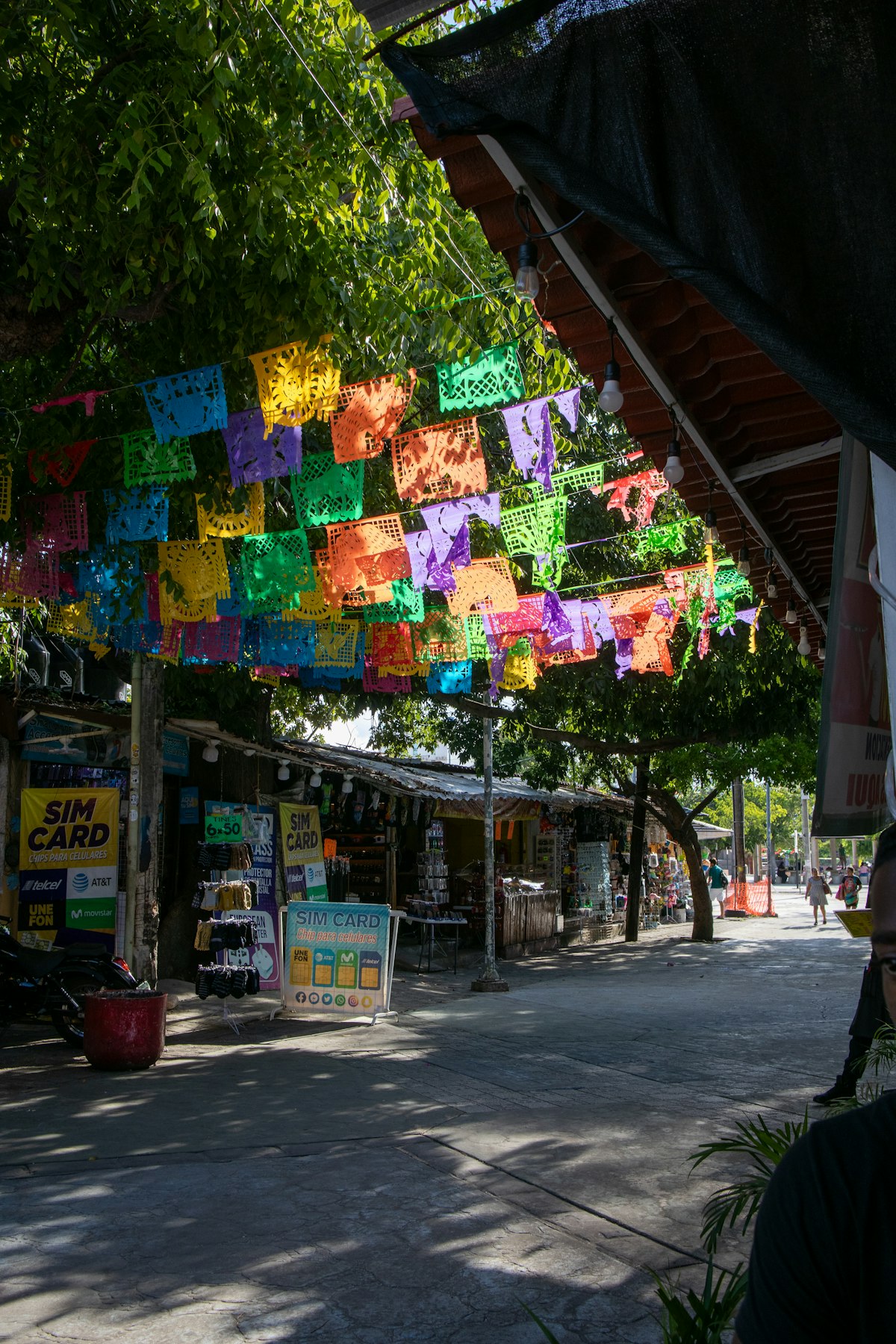
Centro (Downtown Cancun)
The real Cancun — where 700,000 Mexicans actually live, eat, and celebrate.
4/10
Central
8/10
Walk
9/10
Transit
Zona Hotelera Sur / Punta Cancun
The Hotel Zone's party hub — Coco Bongo, Mandala, and the main club strip on the Caribbean.
8/10
Central
6/10
Walk
5/10
Transit
Also exploring

New York
USA
A city that never fully quiets — but its personality shifts dramatically by season, from sweltering humid summers to crisp autumn perfection to blizzard-prone winters.
Rio de Janeiro
Brazil
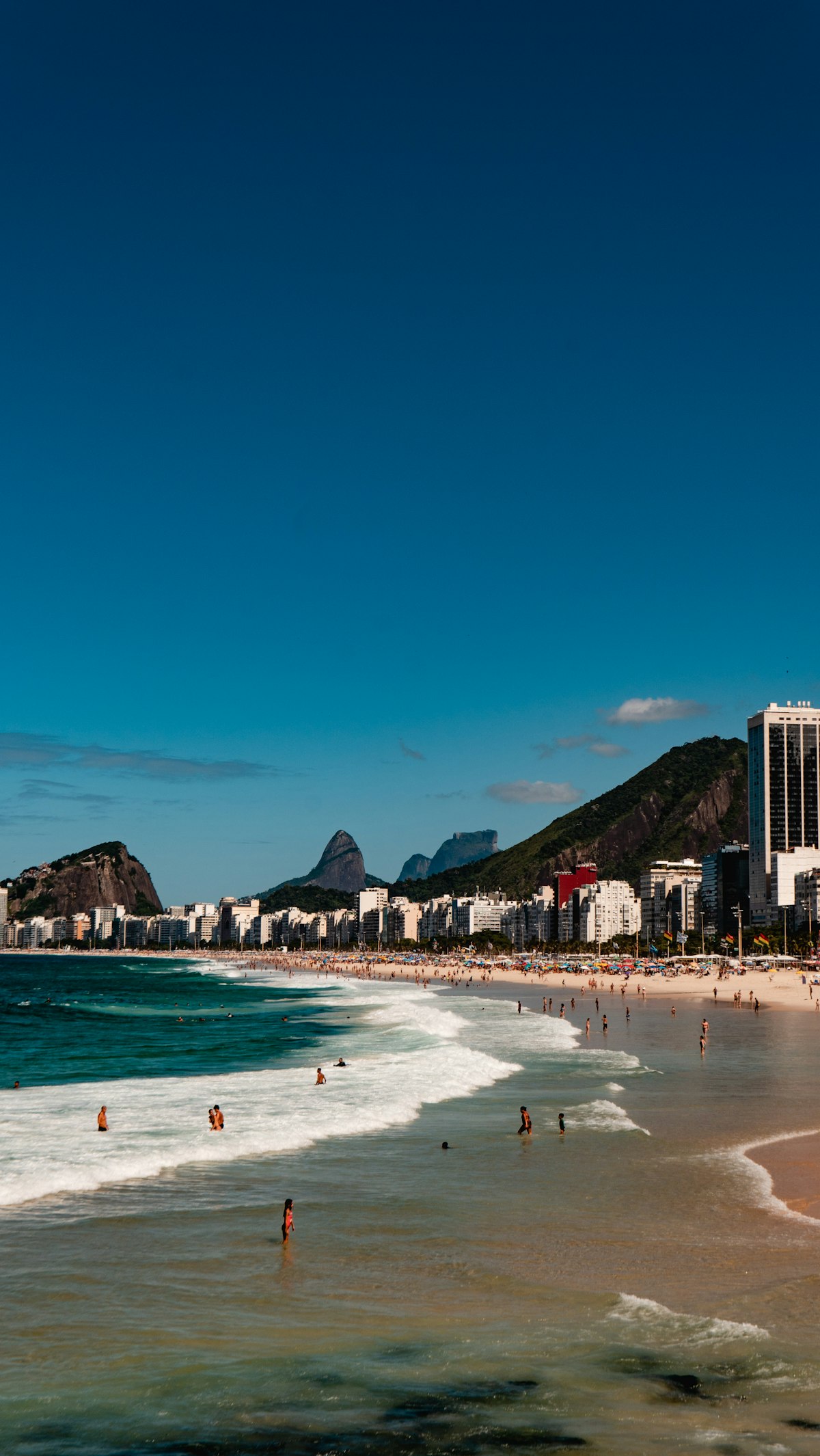
A Southern Hemisphere city where summer (December–March) brings Carnival and 264mm of rain simultaneously, and the real sweet spot is the dry Southern winter — June to September — when most travellers don't think to come.
Mexico City
Mexico
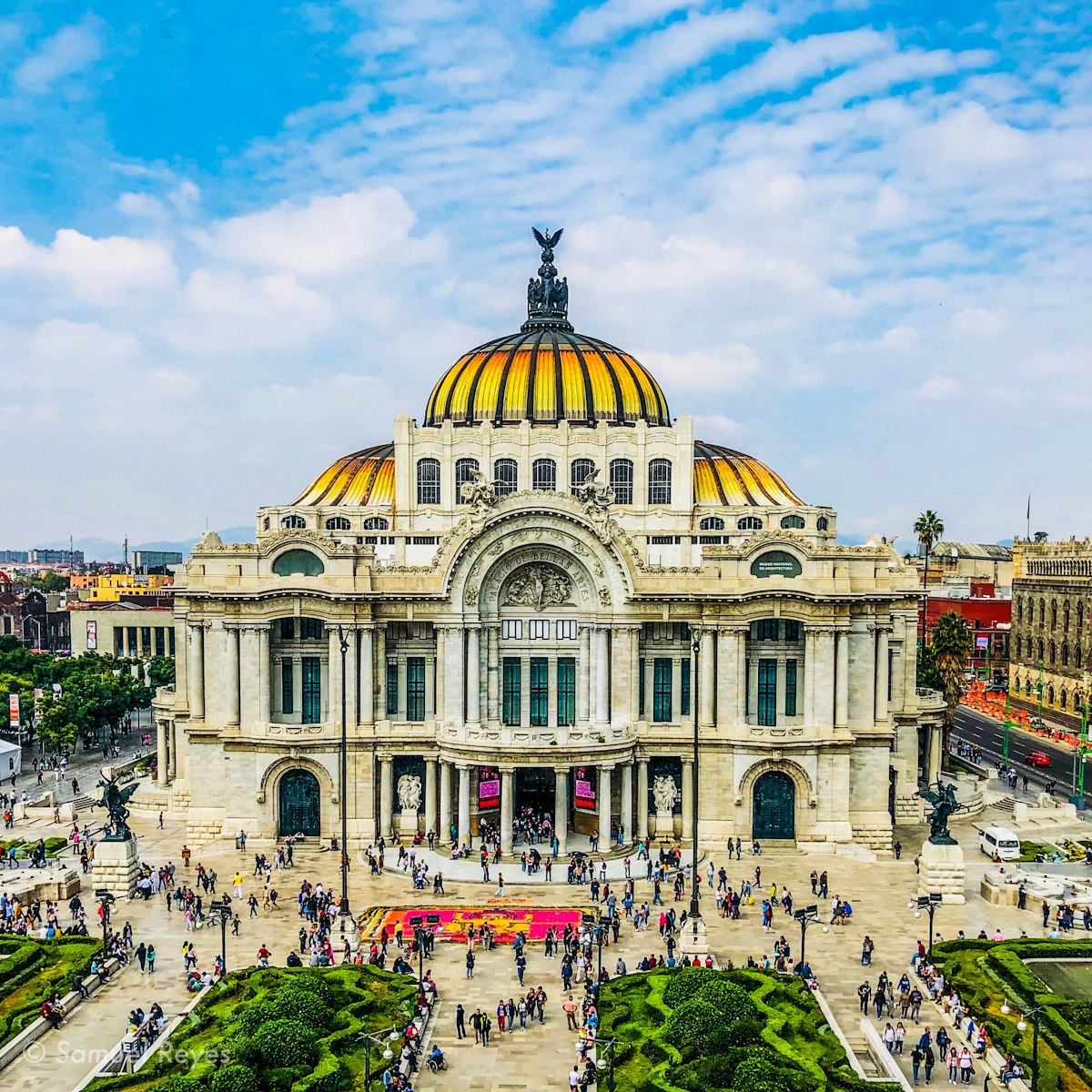
A highland metropolis at 2,240 metres where the altitude tempers the heat to perpetual spring in the dry months, Día de Muertos transforms Mixquic and Azcapotzalco into one of the world's great ceremonies, and the October–April dry season gives the clearest conditions for exploring what is genuinely one of the planet's finest food, museum, and architecture cities.
Worth knowing
November scores highest overall. March is the most crowded month — avoid if you can. See crowd-free ranking →
Month by month breakdown
January#2▾
Gains
- ↑Calm, clear Caribbean water at Playa Delfines and Playa Caracol — ideal visibility for snorkelling and cenote diving
- ↑Hotel Zone occupancy below summer peaks; hotel rates at their most negotiable before Spring Break premiums hit
- ↑Cenote water levels and visibility at their best — underground rivers run cleaner after the dry season takes hold
Sacrifices
- ↓January prices are still 20–30% above true shoulder months like May or November
- ↓Occasional cold fronts (nortes) can bring brief overcast days and choppy seas for 1–2 days at a time
- ↓Downtown Cancun's Día de los Reyes (Jan 6) passes unnoticed in the Hotel Zone — you'll need a taxi to Centro to experience it
February#3▾
Gains
- ↑Driest month of the year: 38mm total means multi-day rain events are effectively impossible
- ↑Sea conditions settle — snorkelling Isla Mujeres and the Mesoamerican Reef at their most consistent
- ↑Valentine's week brings a couples-oriented atmosphere; romantic dinner specials throughout the Hotel Zone
Sacrifices
- ↓February prices tick up slightly above January as demand grows — book accommodation 6–8 weeks out
- ↓Crowds beginning to build toward the March Spring Break wave; Hotel Zone noticeably busier by mid-month
- ↓Limited authentic Mexican cultural events in the Hotel Zone — Centro remains the only place to find real carnival activity
March#10▾
Gains
- ↑Objectively perfect beach weather: 30°C, 9 daily sunshine hours, virtually no rain
- ↑Spring Break (mid-March through early April) is a genuine spectacle — if that's your trip, the energy is unmatched
- ↑Cenote and reef diving conditions exceptional — water clarity peaks as dry season reaches its furthest point
Sacrifices
- ↓Hotel Zone prices during Spring Break (March 8–April 12 in typical years) reach their annual peak — rates 3–4× January prices for the same room
- ↓Coco Bongo, Mandala, and the main club strip running at maximum capacity; queues and noise extend well into residential-adjacent streets
- ↓The Hotel Zone becomes effectively inaccessible to non-Spring-Break visitors — a frat-party atmosphere blankets every beach club and pool bar
April#8▾
Gains
- ↑Weather at its absolute peak: 31°C, 9 hours of sun, barely 32mm of rain across the whole month
- ↑Late April sees Spring Break crowds dissipate — Hotel Zone returns to a more manageable holiday atmosphere
- ↑Semana Santa (Easter week) brings Mexican domestic tourism to Centro; authentic family celebrations in Downtown
Sacrifices
- ↓Early April still carries Spring Break premium pricing — rates don't fall meaningfully until late month
- ↓Semana Santa (Holy Week) causes its own domestic surge: bus terminals and Centro restaurants packed with Mexican families
- ↓Humidity begins its climb toward summer levels — 70% is the last comfortable month before the wet season builds
May#5▾
Gains
- ↑Prices 35–45% below Spring Break peak — the same Hotel Zone properties at significantly better value
- ↑Crowds at their thinnest since January; beaches walkable, restaurant tables available without reservations
- ↑Rain arrives mainly as short afternoon showers, not all-day events — mornings and evenings consistently clear
Sacrifices
- ↓Humidity jumps to 73% — noticeably stickier than the December–April dry season
- ↓First light rains signal the beginning of the transition; cenote water levels begin their seasonal rise (still fine for diving)
- ↓Hurricane season is three weeks away — travel insurance now a sensible precaution rather than an optional extra
June#7▾
Gains
- ↑Hotel rates at their lowest of the year: 50–60% below Spring Break pricing, same facilities, same beaches
- ↑Hotel Zone essentially crowd-free outside family resort guests — the beach is genuinely yours
- ↑Whale shark season begins off Isla Mujeres (June–September): the largest fish in the ocean, a world-class encounter unavailable dry-season
Sacrifices
- ↓Official hurricane season begins June 1 — comprehensive travel insurance is non-negotiable from this month
- ↓135mm of rain concentrated into afternoon and evening thunderstorms; outdoor beach time reliably limited to mornings
- ↓Some water sports operators begin reducing schedules; catamaran tours increasingly subject to weather cancellations
July#11▾
Gains
- ↑Whale shark season peak: tours from Isla Holbox and Isla Mujeres running daily to aggregations of 50–100 sharks
- ↑Mexican school holiday surge brings a domestic family market that gives the Hotel Zone a more Latin, less American atmosphere
- ↑Slightly less rain than June (115mm vs 135mm) and more sunshine (7.5h vs 7h) — mornings consistently usable for beach
Sacrifices
- ↓Mexican school holiday demand pushes prices back to moderate levels — the June discount disappears
- ↓Afternoon thunderstorms remain a near-daily occurrence; any trip built around afternoon beach time will be repeatedly disrupted
- ↓Still firmly within hurricane season; a named storm makes landfall somewhere in the Caribbean most years this month
August#12▾
Gains
- ↑Late-August domestic crowds dissipate as Mexican school holidays end — Hotel Zone quiets markedly
- ↑Whale shark season still active; late August offers the final reliable window before September dispersal
- ↑Sea surface temperatures at their warmest (29–30°C): excellent for those who want bath-warm Caribbean water despite the weather risk
Sacrifices
- ↓130mm of rain with only 7 hours of daily sunshine — statistically the cloudiest beach holiday in North America you could choose
- ↓August historically produces active Atlantic hurricanes; peak sea surface temperatures fuel storm intensification
- ↓Humidity at 78% with heat indices frequently above 38°C — oppressive if you're not spending most of the day in the water or air conditioning
September#9▾
Gains
- ↑Cheapest month of the year by a significant margin — Hotel Zone resorts at 60–70% below Spring Break rates
- ↑Hotel Zone essentially empty: if a storm doesn't materialise, you'll have entire beaches to yourself
- ↑For the very risk-tolerant, the cost savings over a two-week trip are substantial — hundreds of dollars per night
Sacrifices
- ↓Peak of the Atlantic hurricane season: September is the month when Category 3–5 storms most frequently track through the Yucatan. Cancun has taken direct hits from Wilma (2005), Gilbert (1988), and several other major storms in September
- ↓Only 6 hours of daily sunshine and 175mm of rain — even without a hurricane, it's a reliably poor beach month
- ↓Many resort staff ratios reduced; some operators suspend tours entirely; evacuation infrastructure activated at short notice when storms threaten
October#6▾
Gains
- ↑Hurricane risk declining through October; the back half of the month sees materially lower storm probability than September
- ↑Día de los Muertos preparation begins — Centro's markets fill with marigolds, sugar skulls, and altars in the final week
- ↑Prices remain at near-September lows: excellent value for those willing to accept October's rain-heavy first half
Sacrifices
- ↓145mm of rain and only 6.5 daily sunshine hours — still well below the dry-season standard even as improvement begins
- ↓Named storms remain statistically possible through October 31; Hurricane Mitch (1998) and Hurricane Zeta (2020) both struck the region in late October
- ↓Hotel Zone feels operationally reduced — some seasonal staff have left, some tour operators have suspended for the low season
November#1▾
Gains
- ↑Hurricane season officially ends November 30 — the existential weather risk disappears and dry-season conditions begin rebuilding
- ↑Día de los Muertos (Nov 1–2): Downtown Cancun celebrates with authentic altar displays, marigold-lined streets, and cemetery ceremonies the Hotel Zone completely ignores — one of Mexico's most extraordinary cultural events
- ↑Cenote visibility improving as water levels drop and silt settles; cenotes like Dos Ojos and Ik Kil resuming optimal clarity
Sacrifices
- ↓Still 90mm of rain — noticeably wetter than the January–April dry season window
- ↓Hotel Zone atmosphere somewhat subdued; the annual resort machine hasn't fully spun back up after the low season
- ↓Shoulder pricing means better value than December but the gap narrows quickly as US Thanksgiving (late November) drives a brief demand spike
December#4▾
Gains
- ↑Dry season fully re-established: 65mm rain and 7.5 sunshine hours signal the return of reliable Caribbean beach weather
- ↑Christmas and New Year in the Hotel Zone is genuinely festive — large-scale events, poolside celebrations, and NYE beach parties throughout the strip
- ↑Centro's Las Posadas (Dec 16–24) and Christmas markets offer authentic Mexican celebration within a 20-minute taxi of any Hotel Zone resort
Sacrifices
- ↓Christmas and New Year weeks (Dec 22–Jan 2) command rates approaching Spring Break levels — the second most expensive window of the year
- ↓Hotel Zone crowds spike sharply over the holiday period; beach loungers and restaurant tables require advance planning
- ↓The best rooms in the best resorts are booked months ahead for the festive period — last-minute availability is limited and expensive
How this is calculated
Climate data
Open Meteo ERA5
30-year normals (1991–2020). Temperature, rainfall, sunshine, humidity.
Price & crowd
Tourism research
Seasonal pricing from tourism authority data. Directional — compares months within a destination only.
Personalisation
Weighted scoring
Your priorities change the weights. Budget-first users get different results than weather-first users.
Share this result
November is the best time to visit Cancun
Travel timing updates
New destinations and timing guides, when they land.
No spam. Unsubscribe anytime.