Showing: Jun · Crispin Jones / Unsplash
Tanzania · East Africa
Best time to visit Zanzibar
June
Jun scores highest overall — reliable weather and good value. Set your priorities below to personalise this result.
What matters most to you?
All 12 months — click any to expand
Jun
Crispin Jones / Unsplash
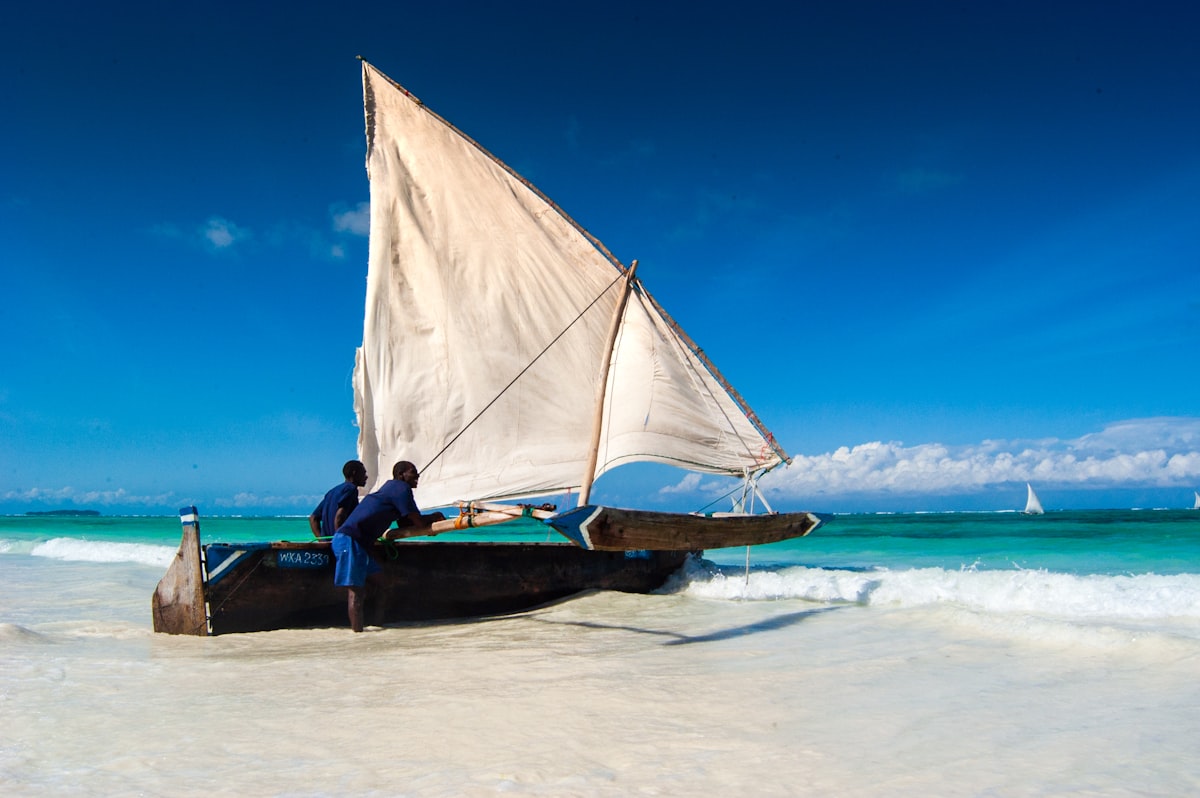
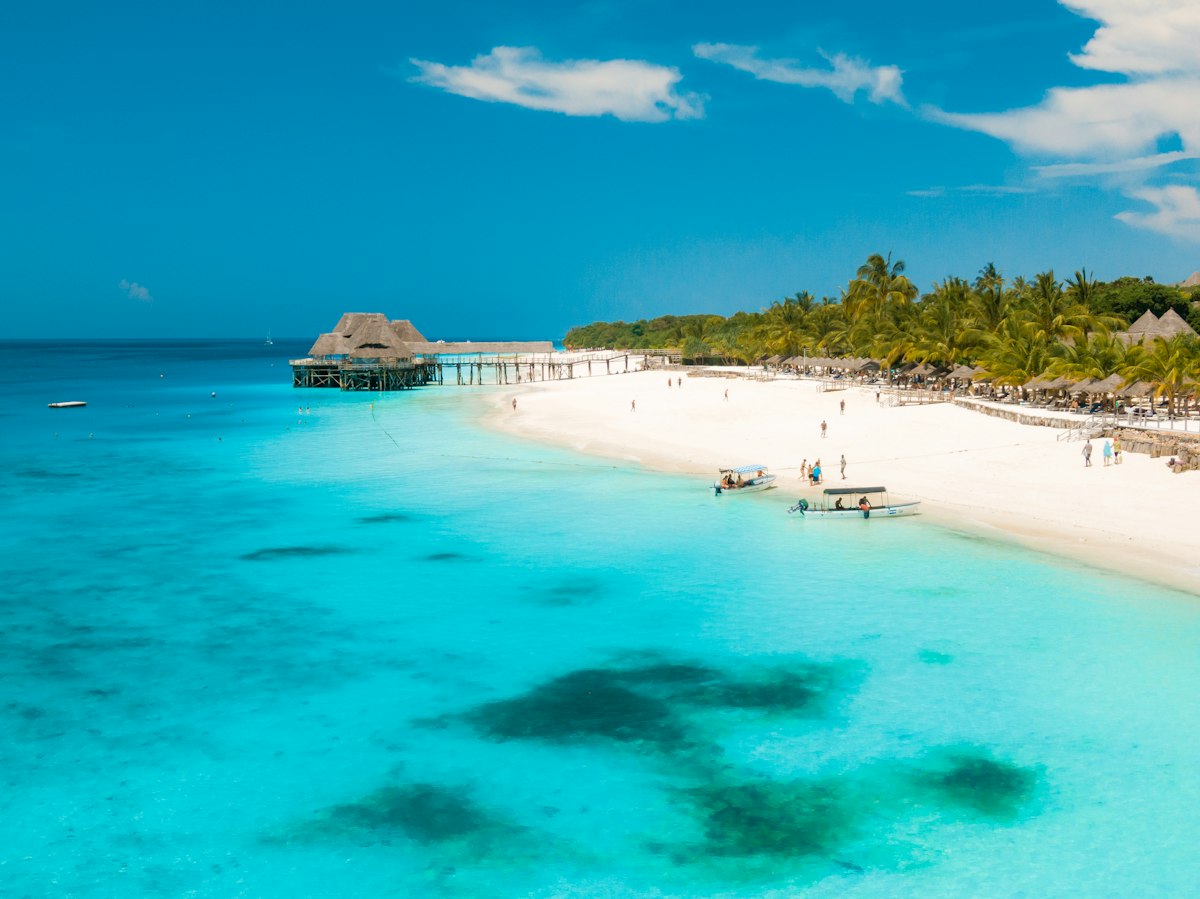
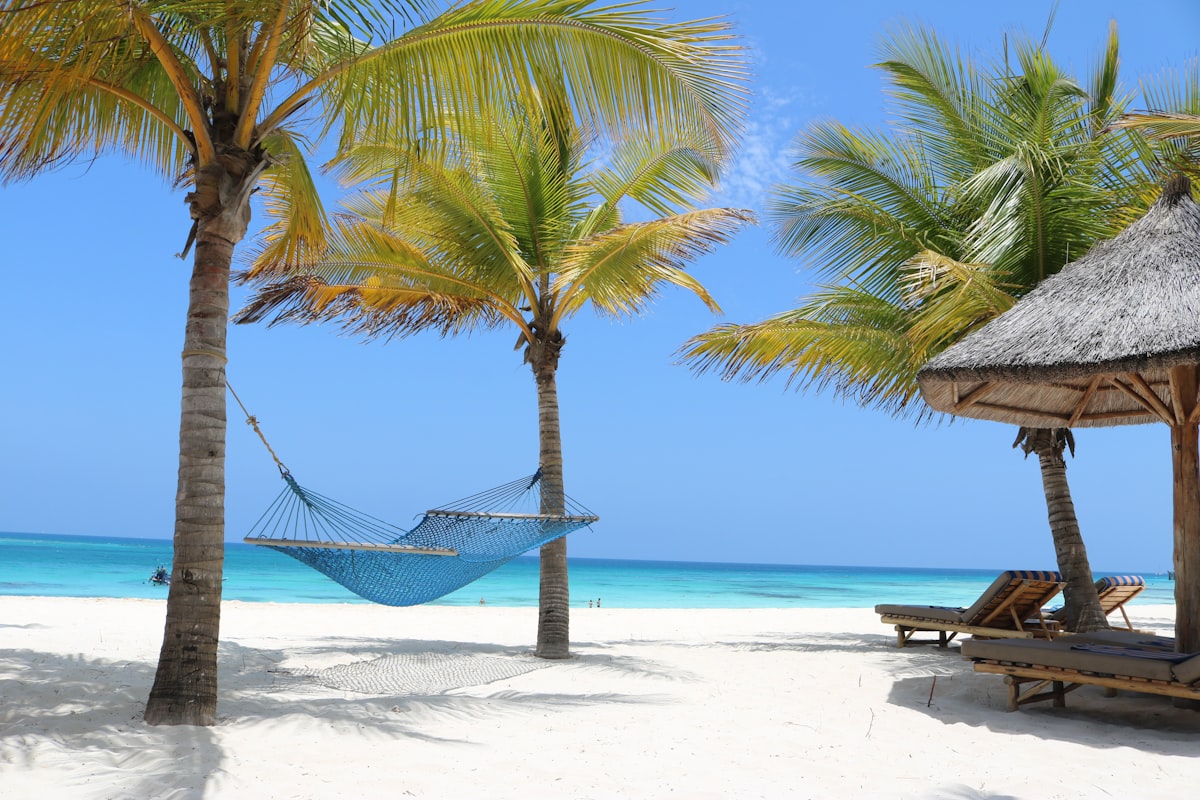
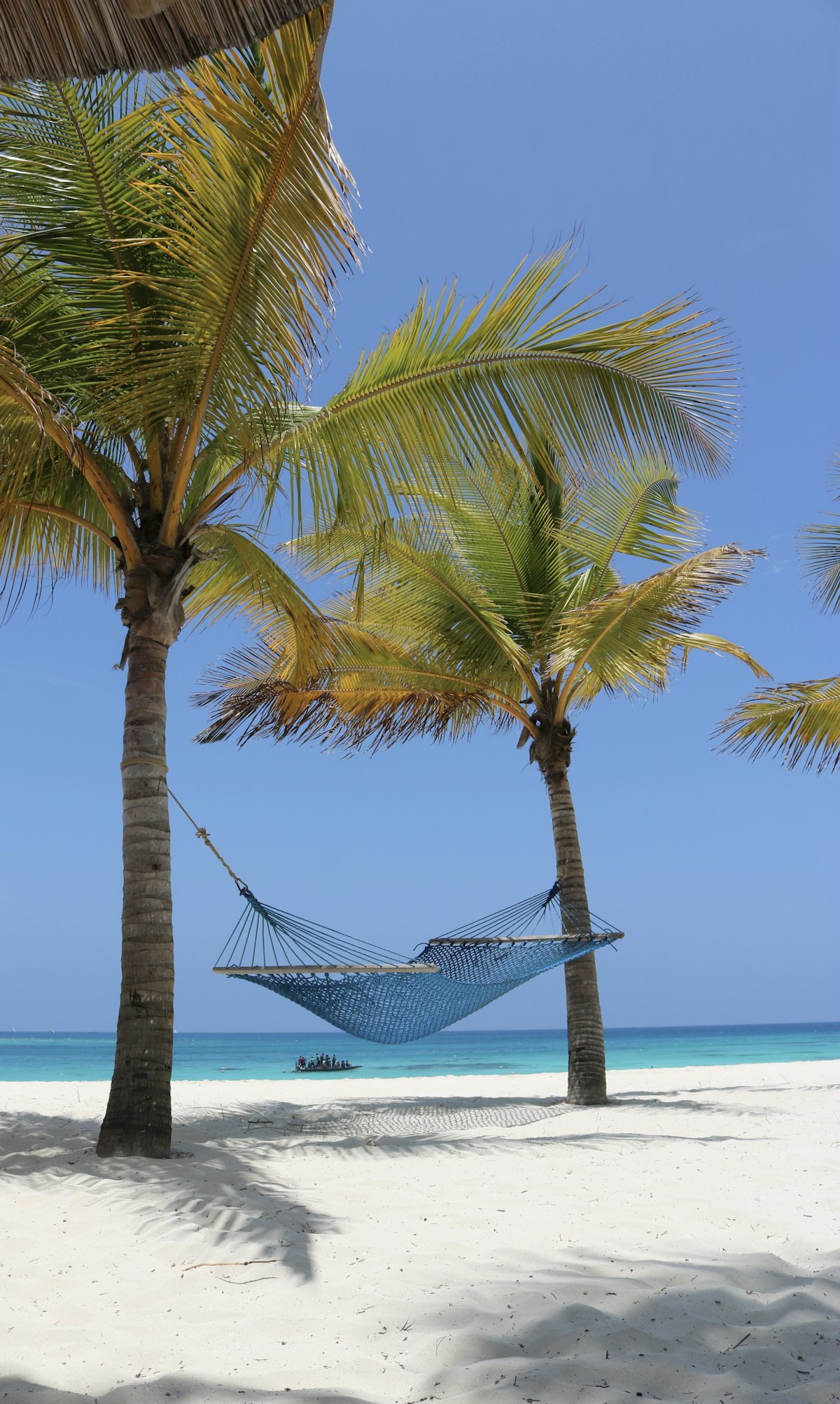
The dry season opens — whale sharks arrive, ZIFF kicks off, and Zanzibar is at its most rewarding.
27°C
High
21°C
Low
42mm
Rain
7.8h
Sun/day
What you gain
- ↑Whale shark season begins (June–September) — snorkelling with whale sharks off the south coast near Diani is one of East Africa's most extraordinary wildlife encounters, and Zanzibar is one of the most reliable locations in the world for it
- ↑Zanzibar International Film Festival (ZIFF) runs in late June to early July — Stone Town's Old Fort hosts outdoor screenings, concerts, and cultural events in what is the island's most important annual event after Sauti za Busara
- ↑The long rains have ended and the island is fully operational again: kite schools, dive operators, resorts, and tour companies are all open; prices are moderate rather than peak
What you sacrifice
- ↓It's the coolest month of the year by Zanzibar standards at 27°C — still warm, but the evenings can feel genuinely cool for those acclimatised to tropical heat; bring a light layer for Stone Town evenings
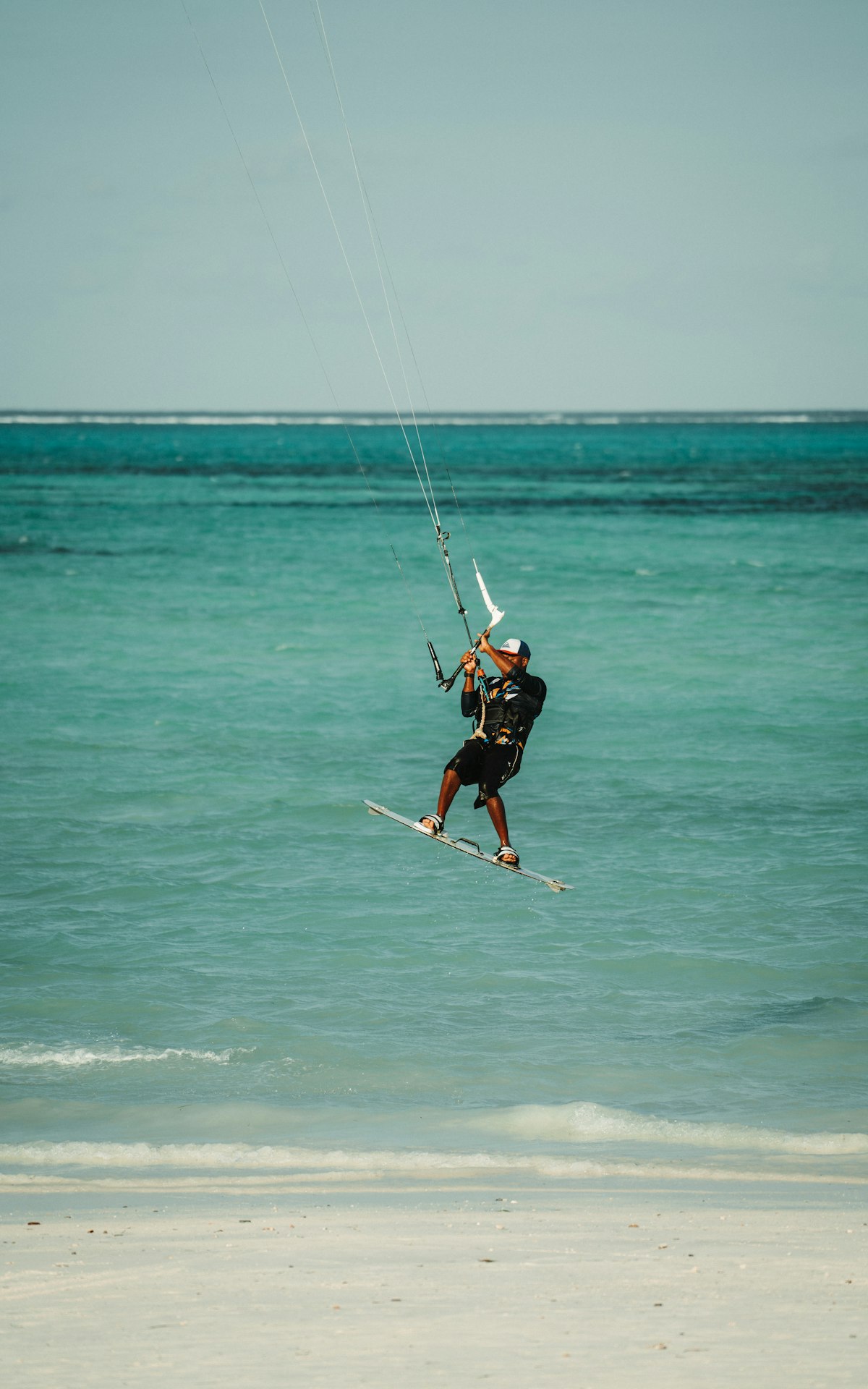
- ↓The south-east trade winds (kaskazi) blow through June with some strength — excellent for kite surfers but creating choppier conditions for snorkelling on exposed reefs
- ↓ZIFF brings a spike in Stone Town accommodation demand in its specific week — book ahead for the festival period
Jun scores highest overall — reliable weather and good value. Set your priorities below to personalise this result.
Jun
The dry season opens — whale sharks arrive, ZIFF kicks off, and Zanzibar is at its most rewarding.
27°C
High
42mm
Rain
7.8h
Sun
- ↑Whale shark season begins (June–September) — snorkelling with whale sharks off the south coast near Diani is one of East Africa's most extraordinary wildlife encounters, and Zanzibar is one of the most reliable locations in the world for it
- ↑Zanzibar International Film Festival (ZIFF) runs in late June to early July — Stone Town's Old Fort hosts outdoor screenings, concerts, and cultural events in what is the island's most important annual event after Sauti za Busara
- ↑The long rains have ended and the island is fully operational again: kite schools, dive operators, resorts, and tour companies are all open; prices are moderate rather than peak
- ↓It's the coolest month of the year by Zanzibar standards at 27°C — still warm, but the evenings can feel genuinely cool for those acclimatised to tropical heat; bring a light layer for Stone Town evenings
- ↓The south-east trade winds (kaskazi) blow through June with some strength — excellent for kite surfers but creating choppier conditions for snorkelling on exposed reefs
- ↓ZIFF brings a spike in Stone Town accommodation demand in its specific week — book ahead for the festival period
Top travel windows
★ BestJune
Best overall
Highest combined score
27°C
High
42mm
Rain
7.8h
Sun
April
Best for value
Lowest prices & fees
30°C
High
295mm
Rain
5h
Sun
May
Fewest crowds
Quietest month
28°C
High
258mm
Rain
5.5h
Sun
Breakdown by priority
Best for weather
July
26°C high · 28mm rain · 8.2hrs sun/day
Best for budget
April
The cheapest month of the year: resorts that remain open offer rates that would be unrecognisable to January visitors; for the very budget-conscious with flexibility and rain tolerance, April offers remarkable value
Fewest crowds
May
Rainfall begins easing from April's peak and temperatures drop slightly to a more comfortable 28°C — the tail end of the long rains is marginally more tolerable than April even if still wet
Worst time to visit
April
295mm of rain in April is serious and persistent — this is the long rains (Masika) at their heaviest; sustained beach days are effectively impossible and outdoor activities require significant tolerance for tropical downpours
Where to stay in Zanzibar
All neighbourhoods →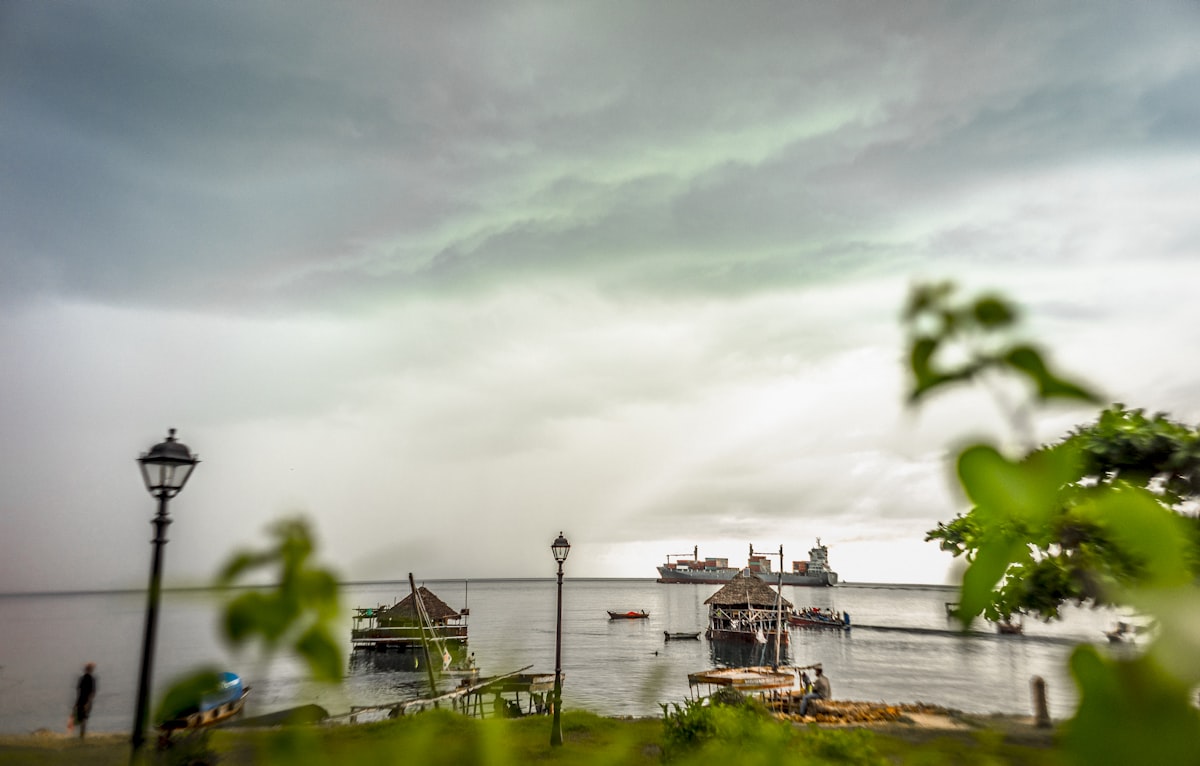
Stone Town
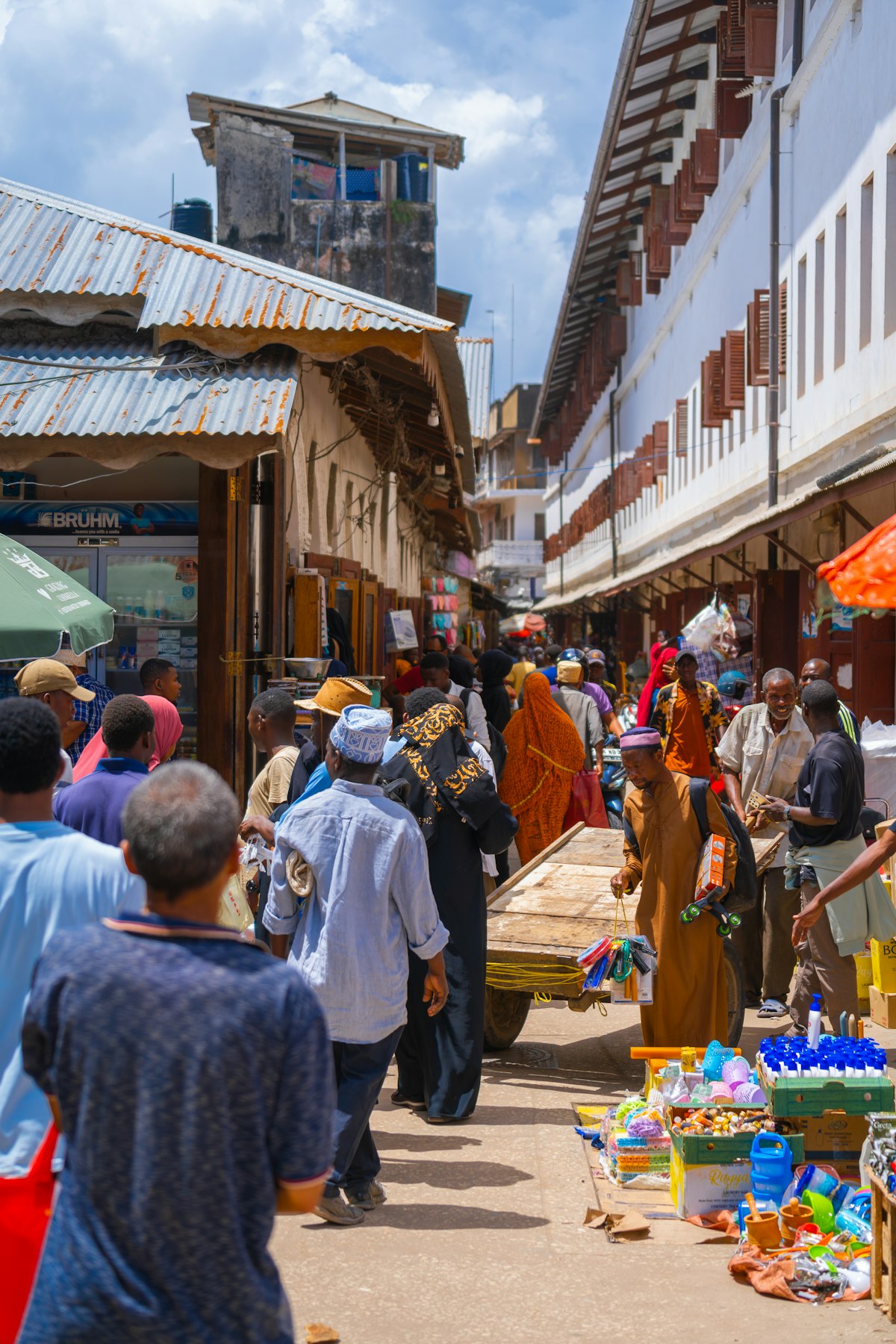
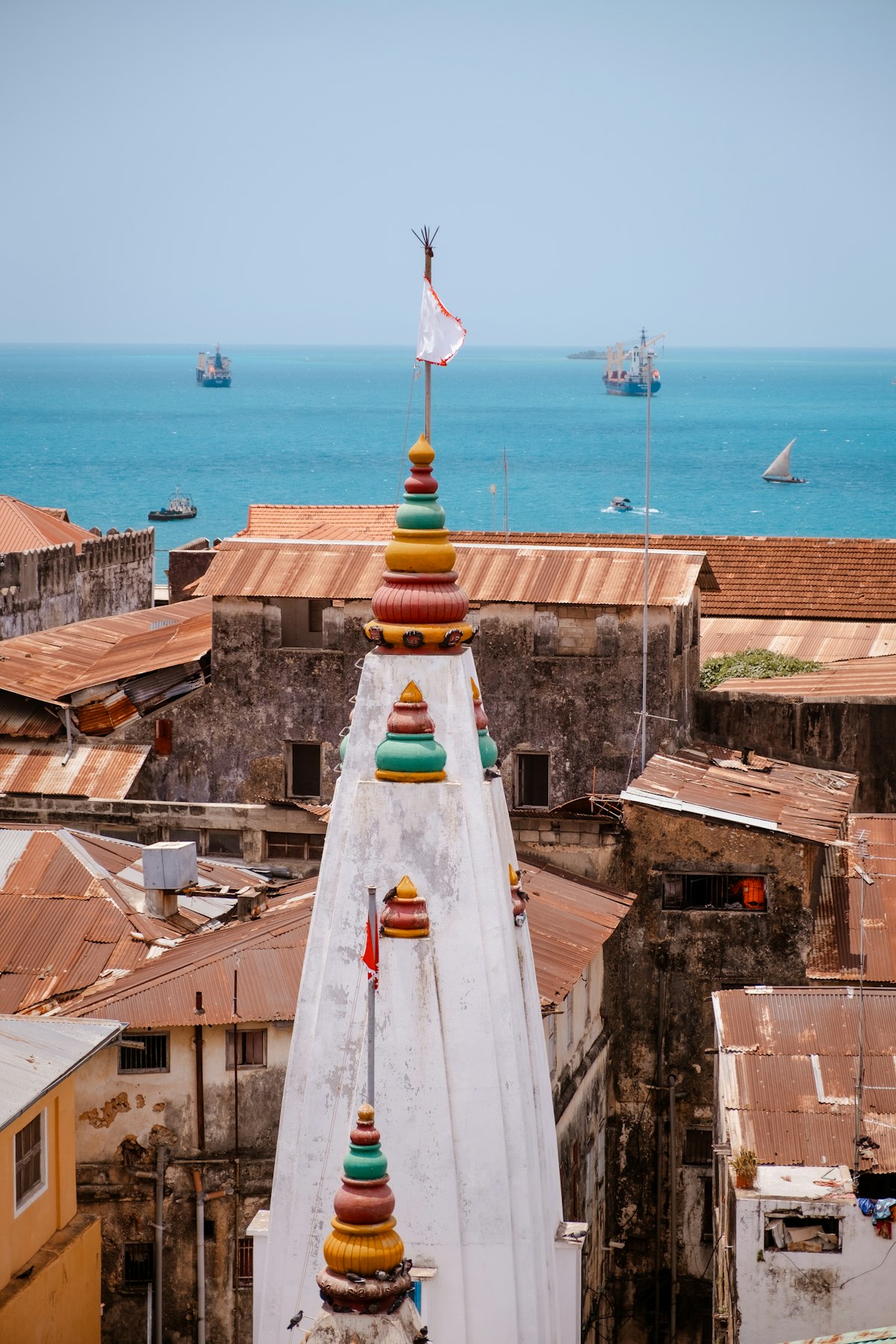
The UNESCO-listed heart of Zanzibar — carved wooden doors, the old slave market, Freddie Mercury's birthplace, and a spice-scented labyrinth of Swahili streets.
10/10
Central
9/10
Walk
5/10
Transit
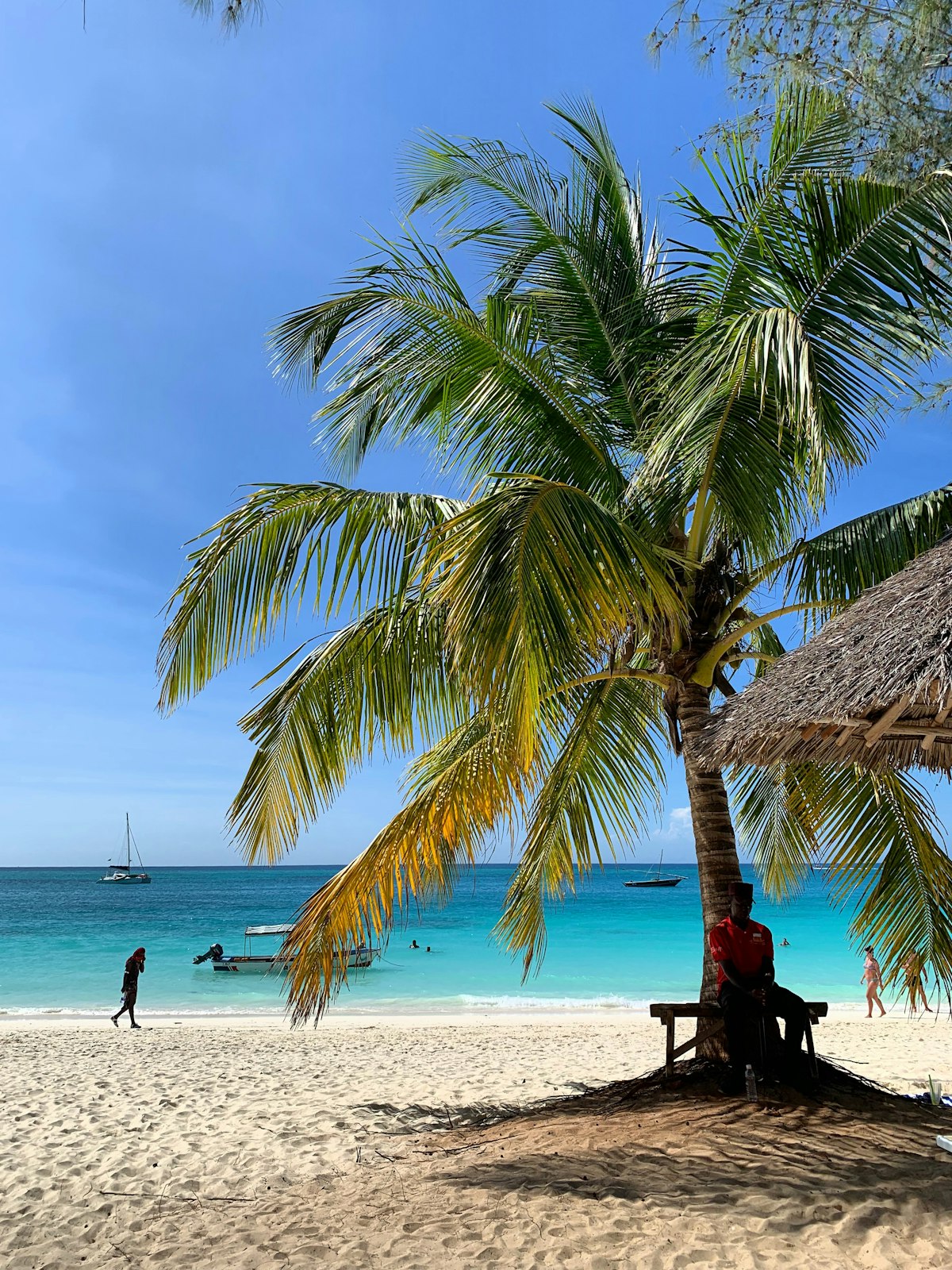
Paje / Jambiani
The kite surfing capital of East Africa — a wide lagoon, consistent southeast trade winds, and a more local and budget-friendly east coast.
3/10
Central
4/10
Walk
2/10
Transit
Also exploring
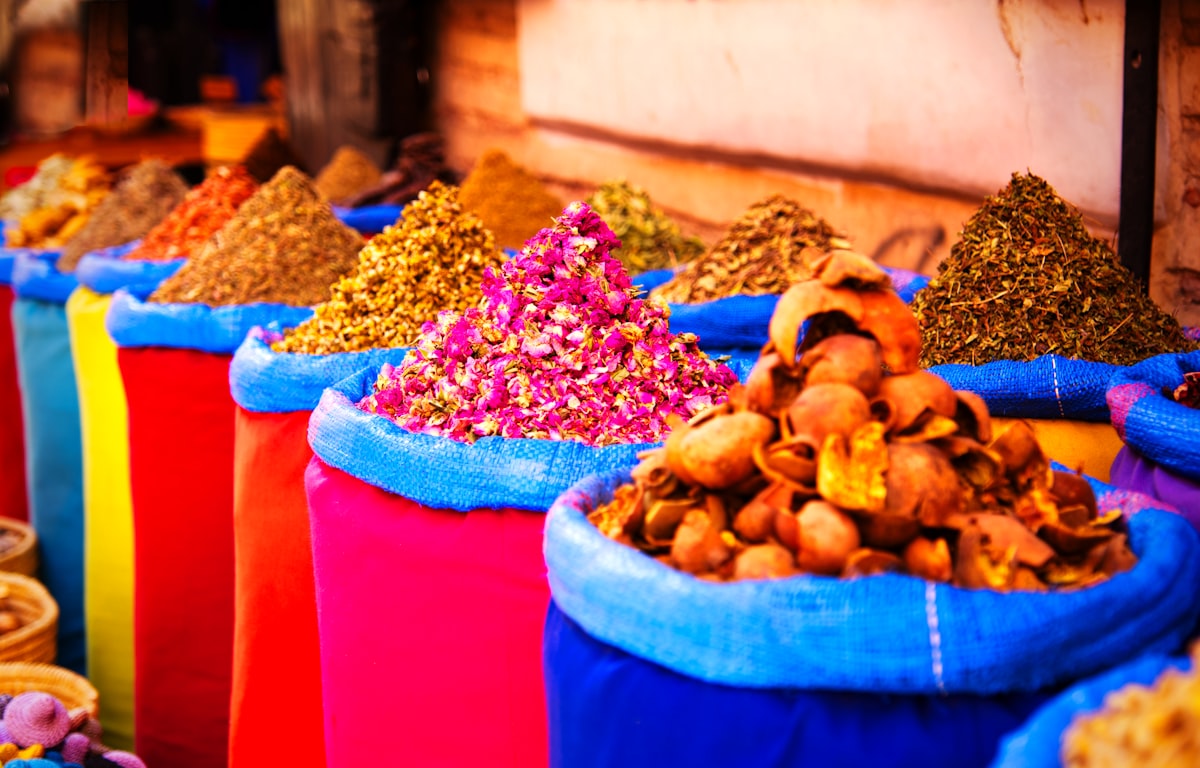
Marrakech
Morocco
A city of medieval medina markets, orange groves, and Atlas Mountain views where summer heat is genuinely dangerous and spring timing is everything.
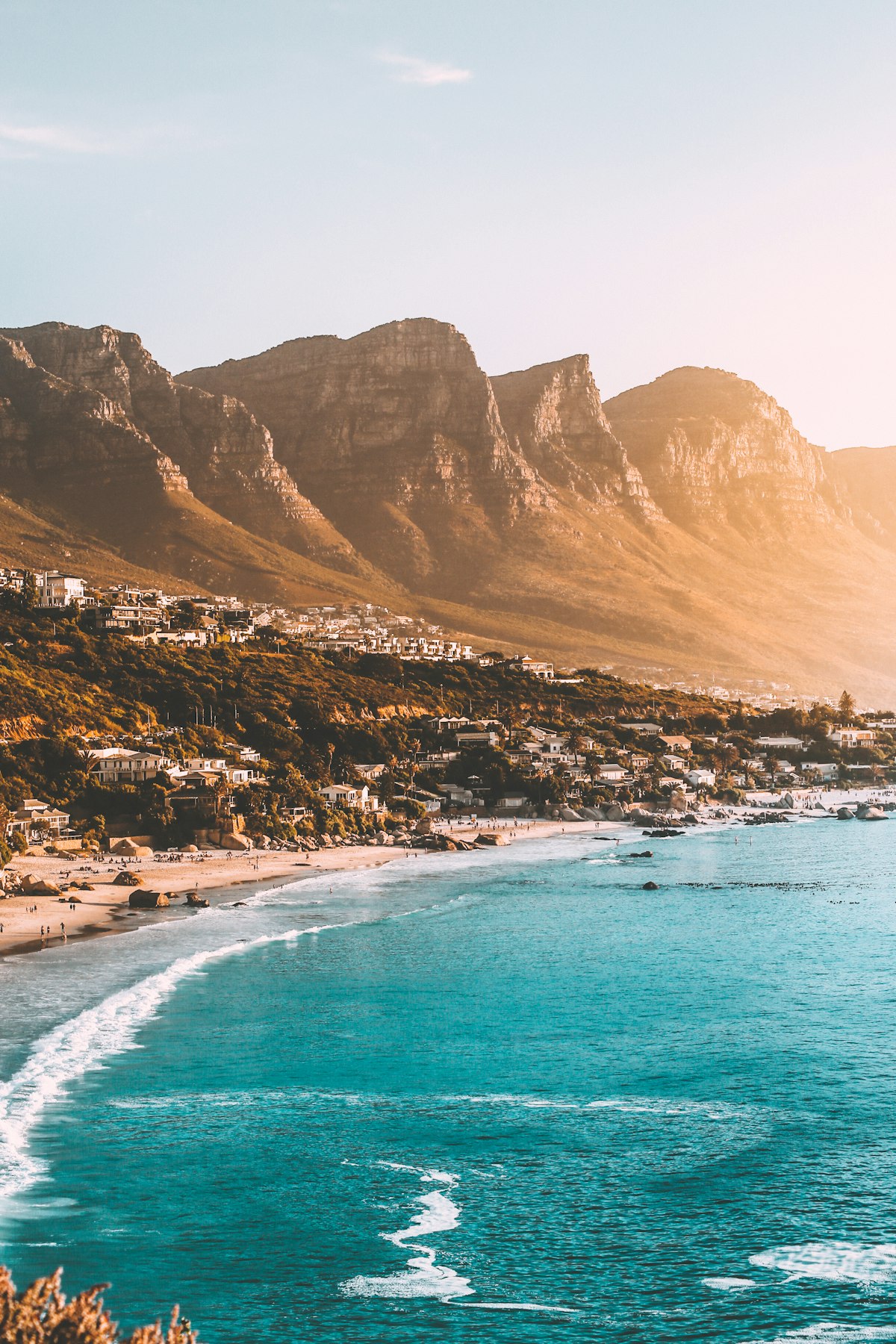
Cape Town
South Africa
Africa's most dramatic city — where timing means choosing between the dry, sunny austral summer (November–March) for beaches and hiking, and the cooler winter months when southern right whales arrive in False Bay and the wildflowers transform the West Coast.
Worth knowing
June scores highest overall. February is the most crowded month — avoid if you can. See crowd-free ranking →
Month by month breakdown
January#7▾
Gains
- ↑The driest and most reliably sunny period of the year: 8.5 sunshine hours daily with only 66mm of rain spread thinly across the month — beach days on Nungwi or Paje are consistently excellent
- ↑Kite surfing conditions at Paje are excellent in January with consistent south-easterly winds; the kite schools are busy but well-run and the flat-water lagoon is ideal for beginners and intermediates alike
- ↑January falls between the short rains of November and the long rains of April — a genuine dry-season window with warm temperatures, clear water, and fully operational resorts across the island
Sacrifices
- ↓Peak season pricing: resorts on the north coast and in Stone Town are at their highest rates, with quality accommodation requiring advance booking and commanding significant premiums
- ↓Crowds are at their seasonal peak — Nungwi's sunset strip is busy, Stone Town's market is tourist-facing, and the island's best beach positions require early arrival or prior reservation
- ↓Heat is intense: 32°C with 76% humidity is oppressive outside of beach and pool environments; midday activities away from the water require genuine tolerance for tropical conditions
February#4▾
Gains
- ↑Sauti za Busara (Swahili for "Sounds of Wisdom") in mid-February is one of Africa's finest music festivals — held in the Old Fort of Stone Town, it brings together musicians from across the continent and the Indian Ocean islands for four nights of extraordinary live performance; genuinely worth building a trip around
- ↑February is statistically Zanzibar's driest month: 48mm across the month and 8.8 sunshine hours daily — the best beach weather of the year by the numbers
- ↑Warm, clear Indian Ocean water perfect for snorkelling around Mnemba Atoll and diving on the reefs off Matemwe — visibility is at its best in the dry season
Sacrifices
- ↓Sauti za Busara week brings a spike in accommodation demand in Stone Town — book festival period accommodation months in advance or face very limited options
- ↓Still peak pricing across the island; February is among the more expensive months and the combination of dry season and a major festival means deals are scarce
- ↓Heat is identical to January — 32°C with 74% humidity remains the baseline; the beach is the right place to spend midday
March#10▾
Gains
- ↑Prices ease from the peak season rates of December–February; March represents the beginning of the shoulder season and accommodation rates start to become more negotiable
- ↑Kite surfing season at Paje extends into March with decent wind consistency — the full infrastructure of kite schools and accommodation is operational and less crowded than January
- ↑The crowds of peak season have thinned — Stone Town's narrow lanes and spice market are more navigable and the best restaurants are accessible without the wait times of January and February
Sacrifices
- ↓Rainfall picks up significantly: 108mm marks the beginning of the pre-rainy season transition, with showers becoming more frequent and less predictable; beach days still happen but require flexibility
- ↓The long rains (Masika) are approaching — March can feel oppressive with the combination of heat, humidity, and increasing cloud cover; the reliably dry beach weather of January and February has ended
- ↓Some seasonal operations — particularly the whale shark encounter tours around Diani — wind down before the April rains; check specific activities before booking in March
April#12▾
Gains
- ↑Stone Town exploration remains viable during April — the historic quarter's narrow alleys, carved doors, and covered markets provide shelter, and the absence of tourists makes the culture genuinely accessible
- ↑The cheapest month of the year: resorts that remain open offer rates that would be unrecognisable to January visitors; for the very budget-conscious with flexibility and rain tolerance, April offers remarkable value
- ↑Zanzibar's vegetation is at its most lush and green after the rains begin; the island's spice plantations and interior landscapes are extraordinarily beautiful even if the beach is unusable
Sacrifices
- ↓295mm of rain in April is serious and persistent — this is the long rains (Masika) at their heaviest; sustained beach days are effectively impossible and outdoor activities require significant tolerance for tropical downpours
- ↓Many resorts, dive operators, kite schools, and tour operators close entirely for the long rains season; the island's tourism infrastructure is operating at minimum capacity
- ↓Sunshine drops to 5.0 hours daily and the Indian Ocean becomes rough and murky — snorkelling and diving conditions deteriorate markedly, and the brilliant turquoise water that defines the island's appeal is greyish and choppy
May#11▾
Gains
- ↑Rainfall begins easing from April's peak and temperatures drop slightly to a more comfortable 28°C — the tail end of the long rains is marginally more tolerable than April even if still wet
- ↑Budget accommodation at exceptional rates continues — for safari-and-beach combinations where the beach days are treated as secondary, May offers the cheapest possible Zanzibar extension
- ↑A few tour operators and kite schools start reopening toward the end of May as the rains ease; timing a late-May visit correctly can mean low prices and improving conditions
Sacrifices
- ↓258mm of rain — still the long rainy season; May is not meaningfully better than April for beach purposes and the same infrastructure closures apply across most of the island
- ↓The combination of rain, humidity, and overcast skies makes Zanzibar in May feel oppressive rather than tropical; this is not the Indian Ocean paradise of the brochures
- ↓Mosquito and insect populations peak during and immediately after the rainy season — health precautions including antimalarials and repellent are non-negotiable
June#1▾
Gains
- ↑Whale shark season begins (June–September) — snorkelling with whale sharks off the south coast near Diani is one of East Africa's most extraordinary wildlife encounters, and Zanzibar is one of the most reliable locations in the world for it
- ↑Zanzibar International Film Festival (ZIFF) runs in late June to early July — Stone Town's Old Fort hosts outdoor screenings, concerts, and cultural events in what is the island's most important annual event after Sauti za Busara
- ↑The long rains have ended and the island is fully operational again: kite schools, dive operators, resorts, and tour companies are all open; prices are moderate rather than peak
Sacrifices
- ↓It's the coolest month of the year by Zanzibar standards at 27°C — still warm, but the evenings can feel genuinely cool for those acclimatised to tropical heat; bring a light layer for Stone Town evenings
- ↓The south-east trade winds (kaskazi) blow through June with some strength — excellent for kite surfers but creating choppier conditions for snorkelling on exposed reefs
- ↓ZIFF brings a spike in Stone Town accommodation demand in its specific week — book ahead for the festival period
July#2▾
Gains
- ↑The driest and clearest month of the cool season: 28mm of rain, 8.2 sunshine hours, and the best underwater visibility of the year — Mnemba Atoll diving and Nungwi snorkelling are at their finest
- ↑Whale shark season peaks in July and August — encounters are more frequent than June and the south coast tours are fully operational with experienced guides and well-maintained equipment
- ↑Festival of the Dhow Countries (mid-July) runs alongside the ZIFF finale — a celebration of Indian Ocean culture across music, film, and crafts that makes Stone Town extraordinary to visit for the combined two-week festival period
Sacrifices
- ↓International school holidays bring European visitors in numbers — Stone Town's narrow lanes and the best beach positions are at their busiest for the year, and accommodation prices reflect demand
- ↓At 26°C, July is the coolest month of the year — ideal for activity but the evenings are genuinely cool; not the sweaty tropical heat of January, which some visitors prefer
- ↓The trade winds are at their most consistent — kite surfers love it, but swimmers and snorkellers on exposed beaches will encounter more chop than in the calmer months of December and January
August#5▾
Gains
- ↑Whale shark encounters continue at peak reliability through August — the season's most productive months are July and August, and south coast tours run almost daily with high sighting rates
- ↑The best diving conditions of the year continue: warm shallow reefs, clear visibility, and Mnemba Atoll accessible from Matemwe and Nungwi — one of the most biodiverse marine environments in the Indian Ocean
- ↑Nungwi and Kendwa beaches on the north coast are at their best — sheltered year-round from tidal variation, the swimming is excellent and the sunset strip is at full energy
Sacrifices
- ↓European school summer holidays peak in August — this is the busiest month for international tourism and accommodation prices reflect it; quality resorts require booking months ahead
- ↓Crowds on the north coast beaches and in Stone Town's key sites are at their annual maximum — the Freddie Mercury birthplace, the Arab Fort, and the spice market all feel genuinely packed
- ↓The trade winds continue — reliable for kite surfing, but the kite schools at Paje are at maximum capacity in August and lessons should be booked in advance
September#3▾
Gains
- ↑Whale shark season closes in September — a final month of high-reliability encounters before the season ends; if seeing whale sharks is the goal, September is the last viable window
- ↑European school holidays have ended and international crowds drop significantly — beaches are less crowded than August, and Stone Town's restaurants and attractions are accessible without the peak-season intensity
- ↑Prices ease from the August peak as demand normalises; September represents good value in the dry season for those who missed the July–August rush
Sacrifices
- ↓Rainfall starts to return as the short rains approach — September can see the first showers of the transition period, though 35mm across the month is still genuinely dry by any reasonable measure
- ↓The trade winds begin easing which improves snorkelling conditions but can reduce kite surfing reliability; the kite season's best window is June–August rather than September
- ↓The kaskazi (north-east monsoon) is approaching — sea conditions can become more variable toward the end of September as the seasonal transition begins
October#6▾
Gains
- ↑Temperatures warm back up to 29°C as the island moves out of the cool dry season — the beach weather improves and the Indian Ocean water temperature climbs back toward its summer peak
- ↑Low crowds and moderate prices make October one of the better value months for an independently minded traveller who can live with occasional showers
- ↑Kite surfing season begins again in October as the north-east trade winds establish — Paje's flat-water lagoon becomes active again and kite schools reopen with fresh enthusiasm after the quieter dry season closing period
Sacrifices
- ↓October sits in the pre-short rains period — rainfall of 72mm is moderate but showers are increasingly common; beach days are possible but not as reliable as July or August
- ↓The island is in a transitional state: some seasonal operations have closed for the between-seasons period while others are in pre-season mode; the full Zanzibar experience requires some navigation
- ↓Islamic calendar events including Idd el Fitr and Maulid (dates vary year to year) can affect some services and create periods of heightened local activity; check the Islamic calendar for your specific dates
November#8▾
Gains
- ↑The short rains (Vuli) are meaningfully different from the April–May long rains: showers tend to be intense but brief, often clearing within an hour, with sunshine following — beach days are still possible in a way they aren't in April
- ↑Kite surfing at Paje is excellent in November — the north-east trade winds blow strongly and consistently, making it one of the best kite surfing months; the flat-water lagoon is in ideal condition
- ↑Low prices and genuinely quiet beaches — particularly on the east coast at Paje and Jambiani — make November a good budget option for travellers who prioritise kite surfing, diving, or cultural exploration over reliable beach days
Sacrifices
- ↓148mm of rain is significant — November is wetter than any month in the dry season and outdoor plans need flexibility; some days will be genuinely rainy and the beach unusable
- ↓Some resort facilities and tour operators scale back for the short rains; not the full closures of April–May, but the operational infrastructure is not at peak capacity
- ↓Humidity climbs back toward 78% as temperatures rise and the rains bring moisture — the cool, dry comfort of July and August has ended; the combination of heat and wetness can feel oppressive
December#9▾
Gains
- ↑The short rains have typically ended by mid-December and conditions improve rapidly: sunshine hours climb back to 8.0 daily and the Indian Ocean returns to its brilliant turquoise clarity — the peak season beach experience begins again
- ↑Kite surfing remains excellent in December as the north-east monsoon continues — the combination of kite season and improving beach weather makes December a strong choice for dual-activity visitors
- ↑Christmas and New Year bring a festive atmosphere to Stone Town and the major beach resorts; the island's restaurants and bars are at their most lively, and the combination of warm weather and celebration creates genuine energy
Sacrifices
- ↓Peak pricing returns: Christmas and New Year weeks push accommodation to annual maximum rates across quality properties; Nungwi and Kendwa beach resorts in particular need booking months in advance
- ↓Early December can still see residual rainfall from the short rains — the transition from November's wetter conditions to the reliable dry weather of January takes time; early December visitors should allow flexibility
- ↓The combination of high international demand and a genuinely small island means that popular excursions — Delos day trips, whale watching, spice tours — book out quickly in the Christmas period; plan the itinerary before arriving
How this is calculated
Climate data
Open Meteo ERA5
30-year normals (1991–2020). Temperature, rainfall, sunshine, humidity.
Price & crowd
Tourism research
Seasonal pricing from tourism authority data. Directional — compares months within a destination only.
Personalisation
Weighted scoring
Your priorities change the weights. Budget-first users get different results than weather-first users.
Share this result
June is the best time to visit Zanzibar
Travel timing updates
New destinations and timing guides, when they land.
No spam. Unsubscribe anytime.