Showing: Jul · Selina Bubendorfer / Unsplash
Costa Rica · Central America
Best time to visit Costa Rica
July
Jul scores highest overall — good value and manageable crowds. Set your priorities below to personalise this result.
What matters most to you?
All 12 months — click any to expand
Jul
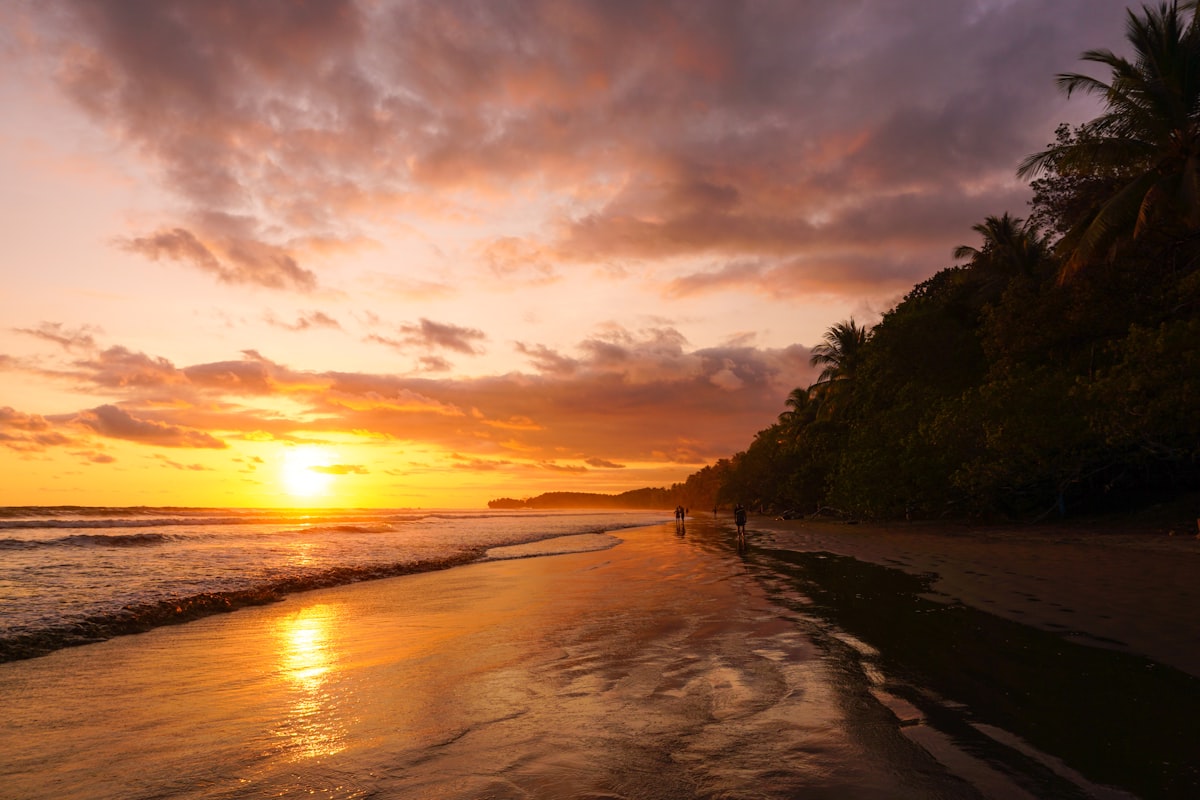
Selina Bubendorfer / Unsplash
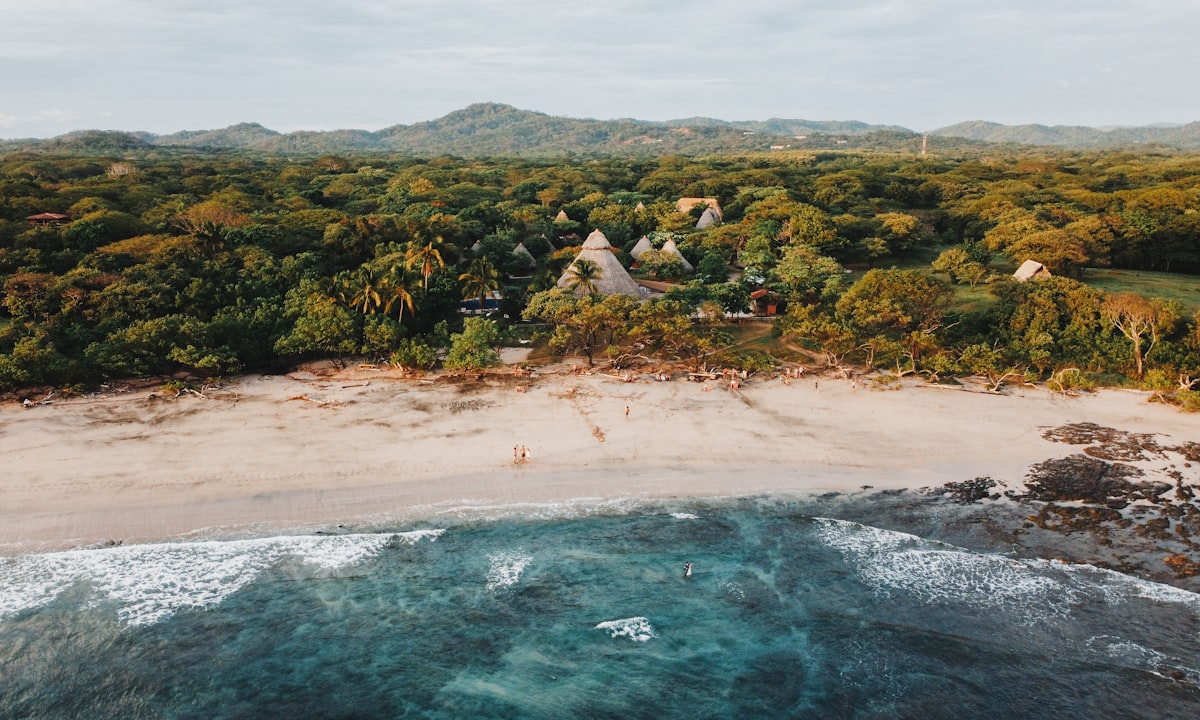
Humpback whales arrive off the Pacific coast and sea turtles begin nesting at Tortuguero.
25°C
High
18°C
Low
211mm
Rain
5.3h
Sun/day
What you gain
- ↑Humpback whale watching season opens off the Pacific south coast (Marino Ballena National Park, Drake Bay) — the July–October migration of humpbacks from Antarctica is one of the world's great wildlife spectacles, viewable on day boats
- ↑Green turtle nesting begins at Tortuguero National Park on the Caribbean coast — guided night beach walks to watch turtles lay eggs are among the most extraordinary wildlife experiences in Central America
- ↑A "veranillo" (little summer) often occurs in mid-July on the Pacific — a brief dry window of 1–2 weeks where weather improves, offering unexpected good beach days
What you sacrifice
- ↓Pacific rainfall continues at 211mm: the morning-clear, afternoon-wet pattern holds, and planning activities for early morning is essential
- ↓Tortuguero turtle tours require advance booking through licensed operators — only a limited number of visitors allowed on the beach each night; reserve weeks ahead
- ↓Still low season pricing which means infrastructure is quieter; some upscale lodges and tour operators work at reduced capacity
Jul scores highest overall — good value and manageable crowds. Set your priorities below to personalise this result.
Jul
Humpback whales arrive off the Pacific coast and sea turtles begin nesting at Tortuguero.
25°C
High
211mm
Rain
5.3h
Sun
- ↑Humpback whale watching season opens off the Pacific south coast (Marino Ballena National Park, Drake Bay) — the July–October migration of humpbacks from Antarctica is one of the world's great wildlife spectacles, viewable on day boats
- ↑Green turtle nesting begins at Tortuguero National Park on the Caribbean coast — guided night beach walks to watch turtles lay eggs are among the most extraordinary wildlife experiences in Central America
- ↑A "veranillo" (little summer) often occurs in mid-July on the Pacific — a brief dry window of 1–2 weeks where weather improves, offering unexpected good beach days
- ↓Pacific rainfall continues at 211mm: the morning-clear, afternoon-wet pattern holds, and planning activities for early morning is essential
- ↓Tortuguero turtle tours require advance booking through licensed operators — only a limited number of visitors allowed on the beach each night; reserve weeks ahead
- ↓Still low season pricing which means infrastructure is quieter; some upscale lodges and tour operators work at reduced capacity
Top travel windows
★ BestJuly
Best overall
Highest combined score
25°C
High
211mm
Rain
5.3h
Sun
September
Best for value
Lowest prices & fees
24°C
High
305mm
Rain
4.6h
Sun
September
Fewest crowds
Quietest month
24°C
High
305mm
Rain
4.6h
Sun
Breakdown by priority
Best for weather
February
26°C high · 5mm rain · 8.2hrs sun/day
Best for budget
September
Cheapest month to visit Costa Rica by a clear margin: budget airlines, rock-bottom accommodation rates, and tours at reduced prices — the same country at a fraction of high-season cost
Fewest crowds
September
Tortuguero turtle nesting continues through September — the late-season nesting is often less crowded with visitors; combine with a Caribbean dry-season beach extension
Where to base yourself in Costa Rica
All regions →Arenal & Monteverde
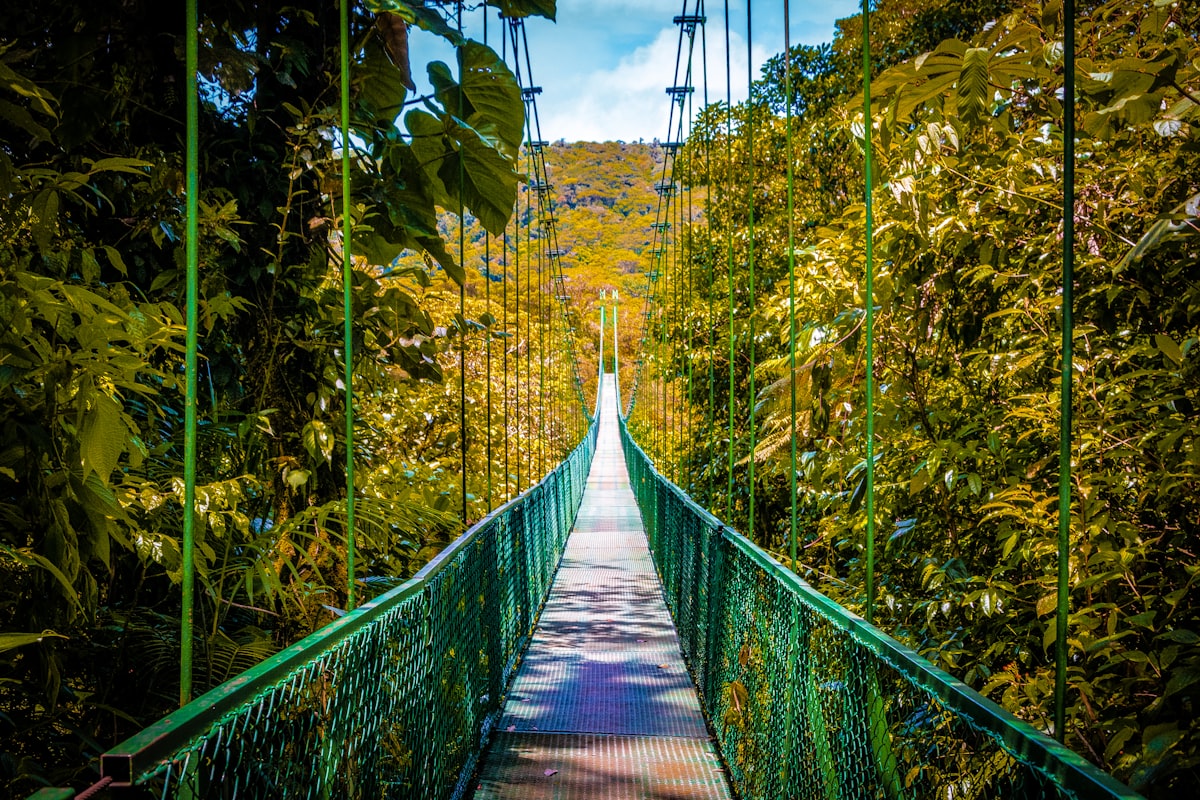
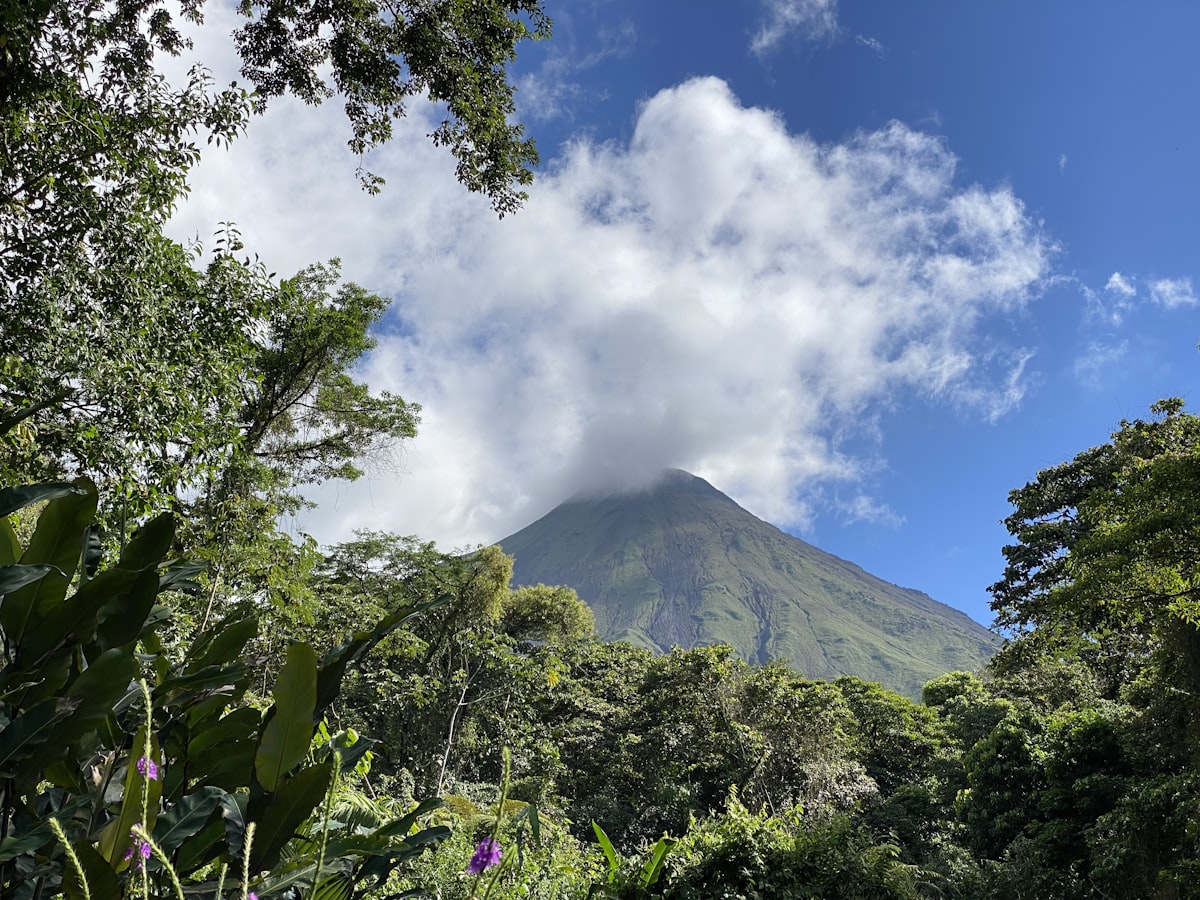
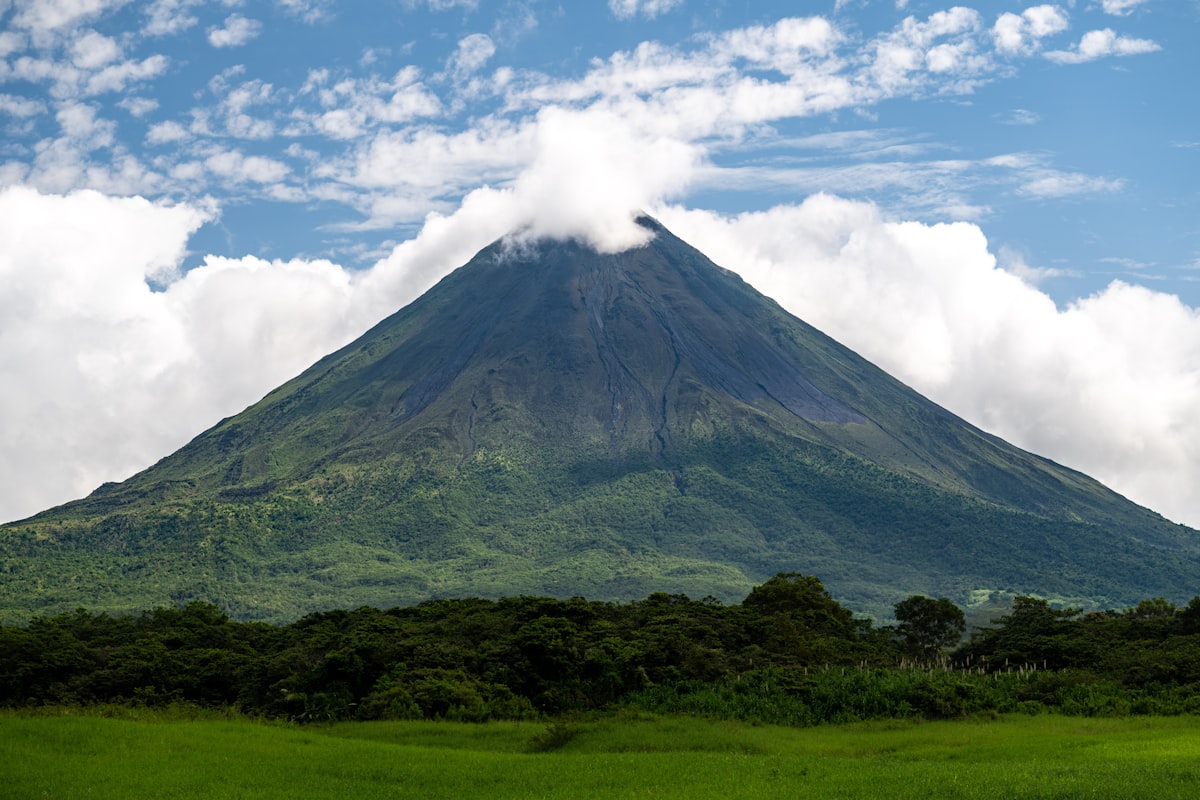
An active volcano, geothermal hot springs, and cloud forest hanging bridges — the most iconic inland Costa Rica.
10/10
Central
5/10
Walk
7/10
Transit
Caribbean Coast
Afro-Caribbean culture, reggae bars, sea turtle nesting at Tortuguero, and Costa Rica's most authentic other half.
5/10
Central
7/10
Walk
6/10
Transit
Also exploring

New York
USA
A city that never fully quiets — but its personality shifts dramatically by season, from sweltering humid summers to crisp autumn perfection to blizzard-prone winters.
Rio de Janeiro
Brazil
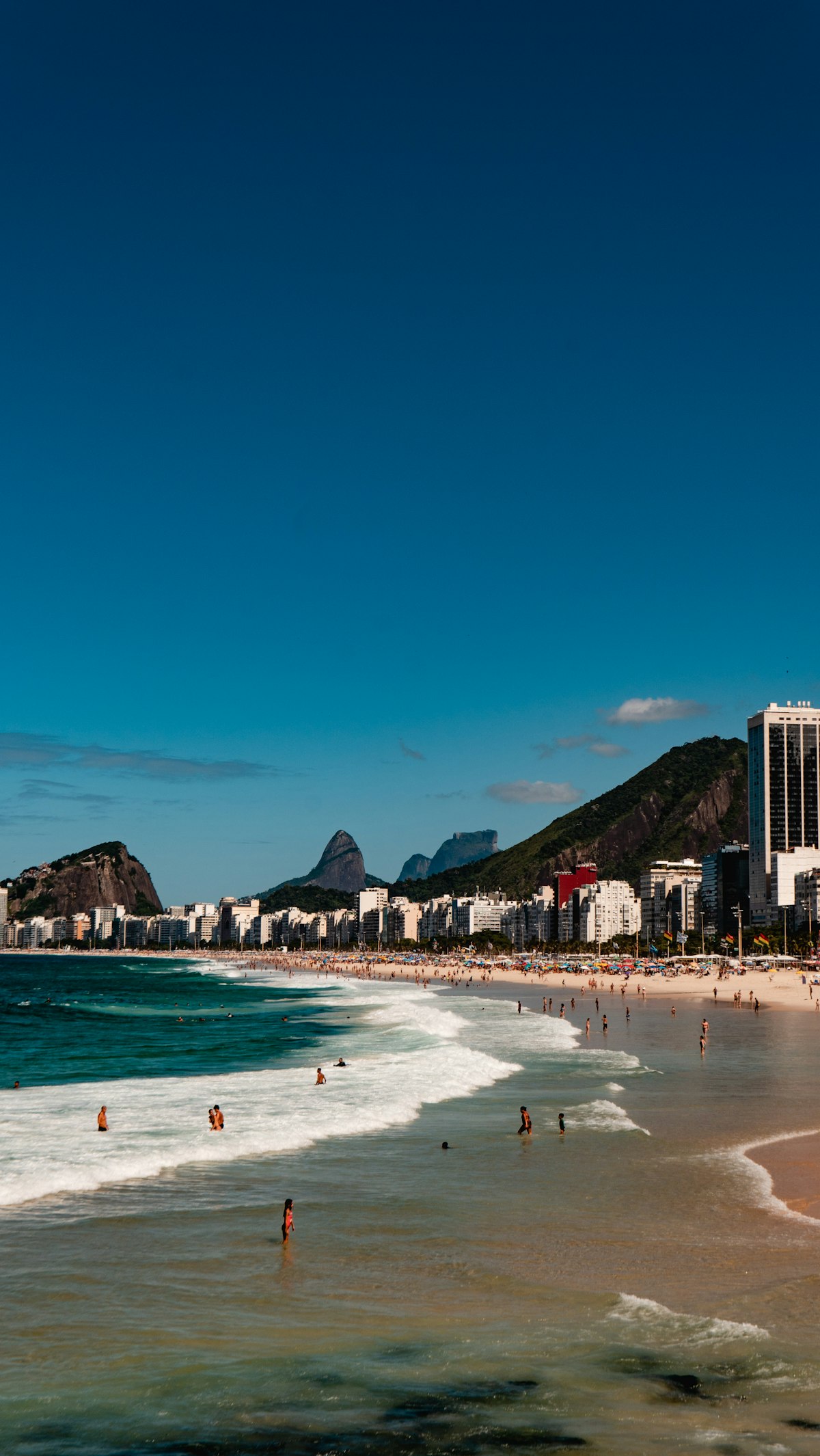
A Southern Hemisphere city where summer (December–March) brings Carnival and 264mm of rain simultaneously, and the real sweet spot is the dry Southern winter — June to September — when most travellers don't think to come.
Mexico City
Mexico
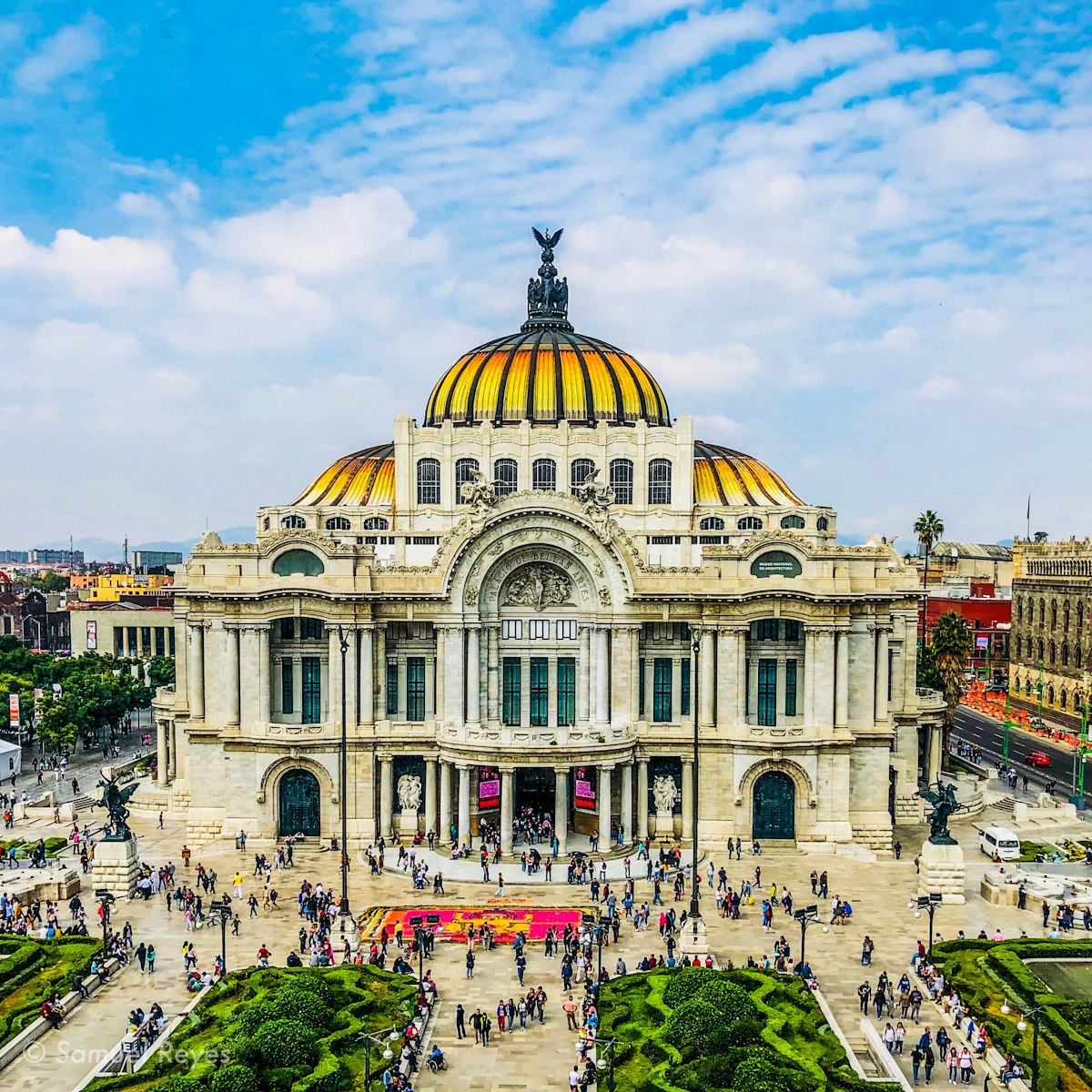
A highland metropolis at 2,240 metres where the altitude tempers the heat to perpetual spring in the dry months, Día de Muertos transforms Mixquic and Azcapotzalco into one of the world's great ceremonies, and the October–April dry season gives the clearest conditions for exploring what is genuinely one of the planet's finest food, museum, and architecture cities.
Worth knowing
July scores highest overall. February is the most crowded month — avoid if you can. See crowd-free ranking →
Month by month breakdown
January#12▾
Gains
- ↑Guanacaste and the Pacific North are in full dry season: Tamarindo, Nosara, and Playa Conchal deliver reliably sunny days, calm seas, and ideal beach conditions
- ↑Best month for spotting dry-forest wildlife in Guanacaste — without leaf cover, animals including howler monkeys, iguanas, and coatis are far easier to see
- ↑Quetzal season is open: the resplendent quetzal is active in cloud forests from Monteverde to San Gerardo de Dota through to May
Sacrifices
- ↓Peak prices across the board — accommodation, flights, tours, and rental cars are at annual highs; January is the most expensive month after Christmas week
- ↓Most popular national parks (Manuel Antonio, Arenal, Corcovado) are at their busiest; advance booking essential for accommodation and park entry
- ↓Caribbean coast (Puerto Viejo, Tortuguero) is in its rainy season — if the Caribbean is your goal, this is not the right month
February#6▾
Gains
- ↑February is statistically Costa Rica's driest month on the Pacific coast: 5mm is virtually nothing, and Guanacaste's beaches are as reliably sunny as anywhere in the Americas
- ↑Monteverde Music Festival (mid-February) brings classical and world-music performances to one of the country's most atmospheric settings — cloud forest by day, concerts by night
- ↑Quetzal sightings are at their most reliable in cloud forests; February is nesting season for the resplendent quetzal, making it the best single month to see them
Sacrifices
- ↓The most expensive month of the year alongside December: hotels in Tamarindo, Manuel Antonio, and Arenal area require significant budgets and advance booking
- ↓Main tourist sites are at capacity — the hanging bridges at Monteverde and the Manuel Antonio beach trail can feel crowded by mid-morning
- ↓Pacific surf is at its calmest (good for swimming, poor for surfers); if you came to surf, the green season is your better bet
March#9▾
Gains
- ↑Pacific coast conditions remain excellent through March: minimal rainfall, warm temperatures, and calm enough seas for snorkelling at Caño Island and Isla del Caño
- ↑Spring break (US and European) brings energy to beach towns; Tamarindo and Santa Teresa have a lively atmosphere without being overwhelmed
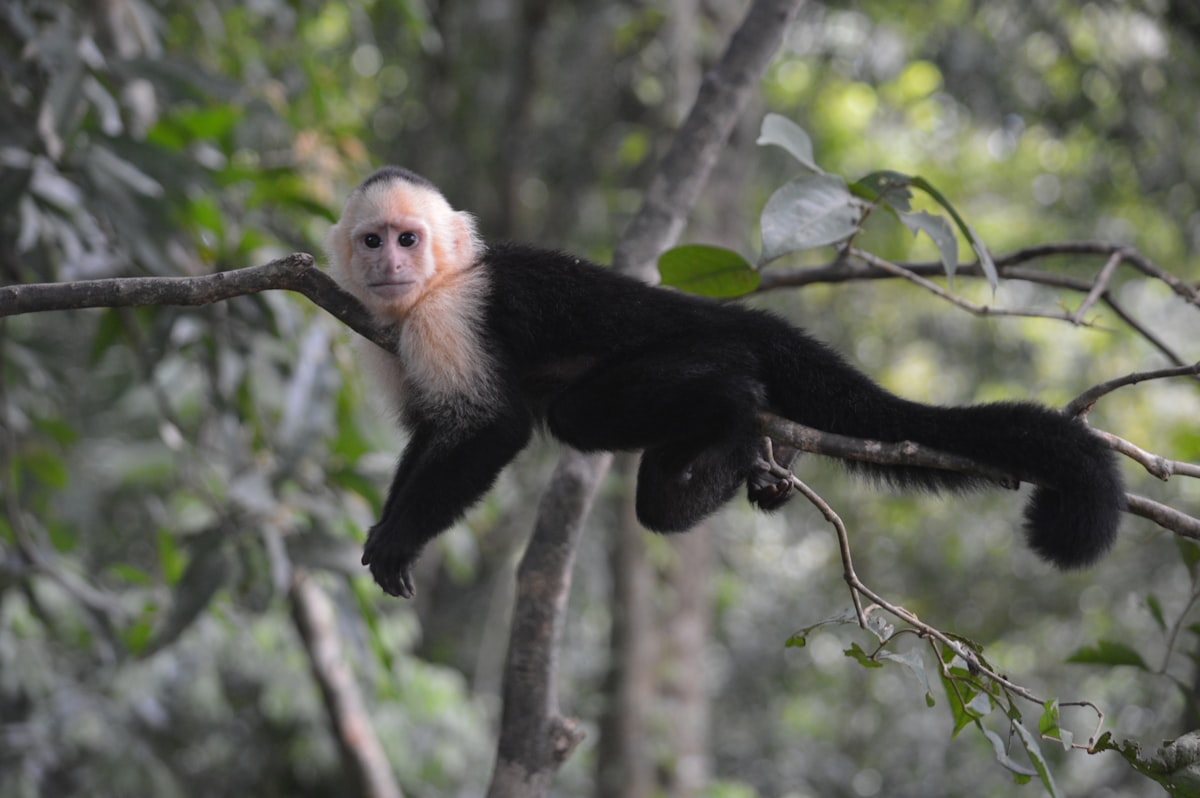
- ↑Manuel Antonio National Park is spectacular in March — the wildlife (white-faced monkeys, sloths, scarlet macaws) is easier to photograph in the lower vegetation of dry season
Sacrifices
- ↓Prices remain near-peak through mid-March; spring break weeks push accommodation in beach towns to high-season levels
- ↓Temperatures hit their hottest of the dry season — 27°C with growing humidity as the transition approaches; beach afternoons can feel intense
- ↓End of March signals the first rains arriving on the Pacific; some years the green season arrives early and April showers begin in the final days of March
April#10▾
Gains
- ↑Semana Santa (Holy Week, Easter) is a major Costa Rican cultural moment: the country travels internally, popular beaches fill with Tico families, and the festive atmosphere is genuinely local and lively
- ↑Pacific conditions are still mostly good — afternoon showers begin but mornings are reliably clear for parks and beaches; the rains that arrive are brief and warm
- ↑Prices begin to soften from peak levels in the weeks before Easter; post-Holy Week April represents reasonable value with better-than-average weather
Sacrifices
- ↓Holy Week itself (Easter week) causes domestic tourism to spike — coastal highways and popular beach towns become very busy with Costa Rican travellers; book well ahead
- ↓Increasing rainfall (46mm) and cloud build-up mean Arenal Volcano is often shrouded; cloud forest destinations like Monteverde become misty
- ↓The Pacific's surf season hasn't fully woken up yet; waves remain small compared to the green-season swell that arrives from May
May#4▾
Gains
- ↑Accommodation prices fall sharply as green season begins — 30–50% below peak rates, with no compromise on the quality of nature, food, or infrastructure
- ↑Pacific surf season awakens: south swells begin arriving in May, making Playa Hermosa, Pavones, and Nosara genuinely excellent for experienced surfers through November
- ↑Vegetation transforms almost overnight — waterfalls run at full power, forests are vivid green, and the landscape becomes the lush version most people picture when they imagine Costa Rica
Sacrifices
- ↓229mm of rainfall means serious rain — typically afternoon downpours lasting 2–4 hours; mornings are generally clear and usable, but flexibility is essential
- ↓Some Pacific beach days are compromised by wind and swell; calm swimming conditions are less predictable than dry season
- ↓Arenal Volcano cloud cover increases significantly — waiting days for a volcano view is normal; the hot springs and hanging bridges are enjoyable rain or shine
June#7▾
Gains
- ↑The cheapest month to visit: accommodation, tours, and car hire at annual lows — the same national parks, wildlife, and experiences at a fraction of peak cost
- ↑National parks and hiking trails are essentially to yourself; Corcovado, Manuel Antonio, and Tortuguero trails have almost no other visitors
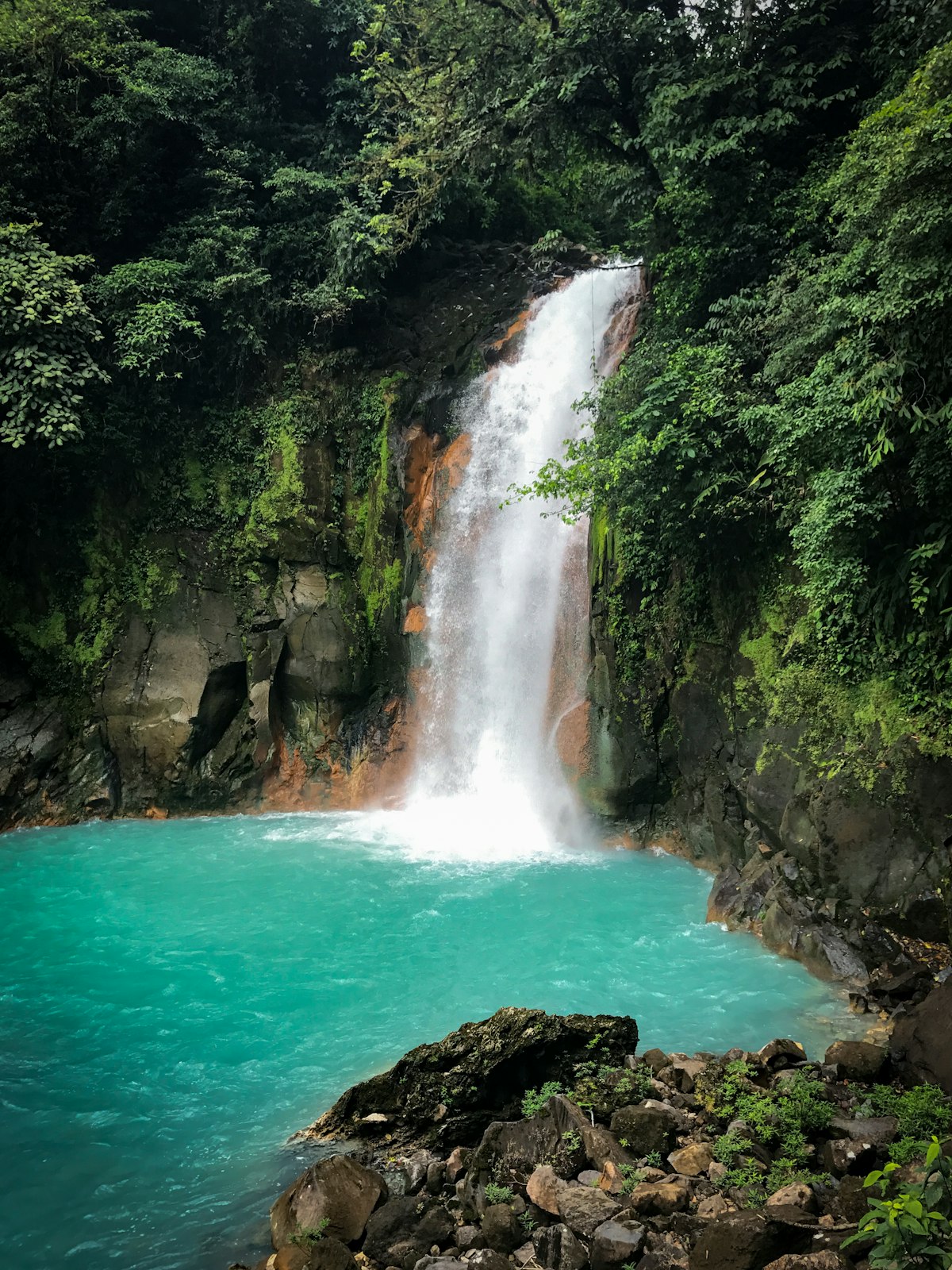
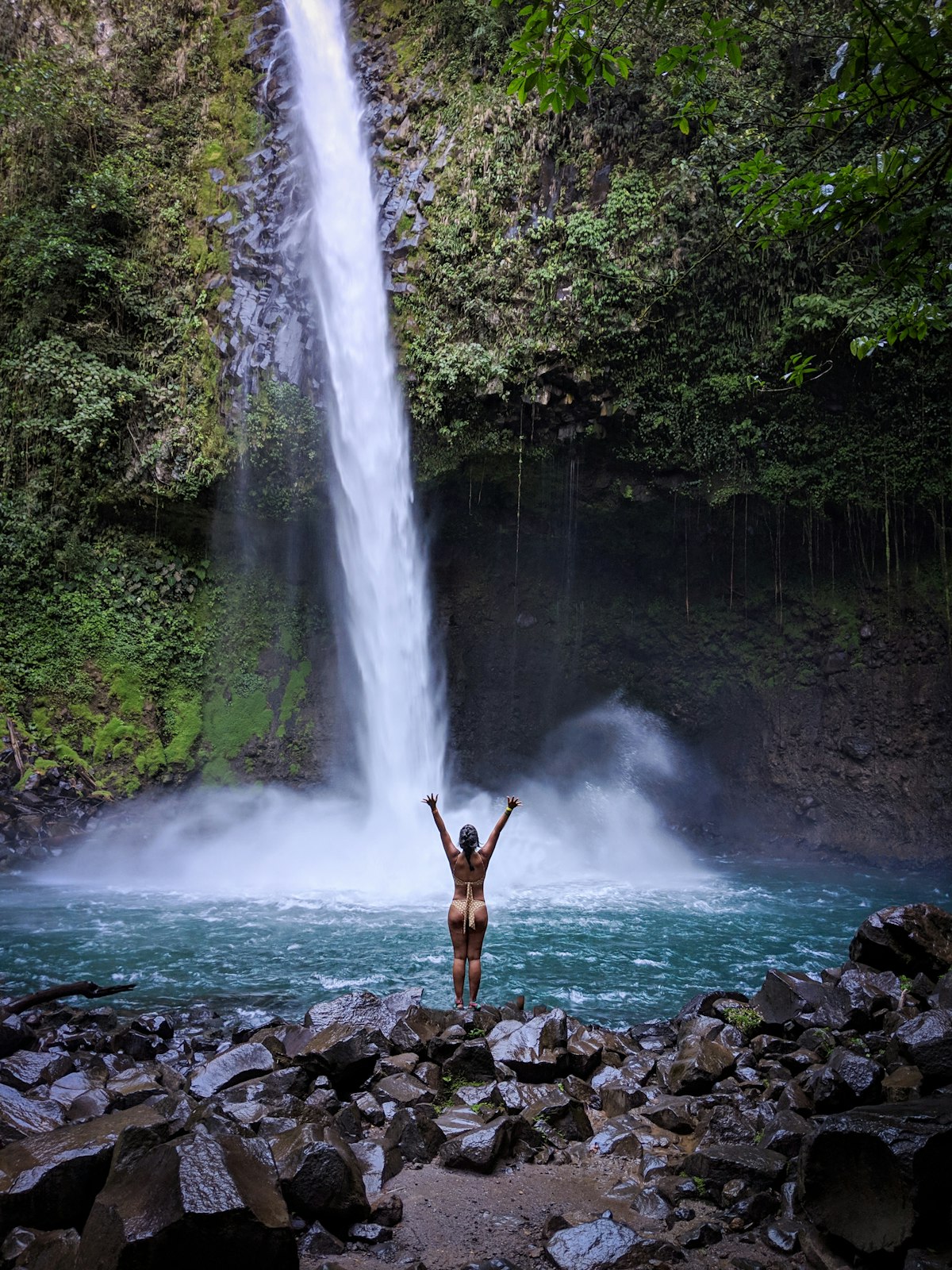
- ↑Waterfalls are at their most powerful — Nauyaca, La Paz, and La Fortuna Falls run at full capacity and are spectacular; rivers for white-water rafting are at peak levels
Sacrifices
- ↓Heavy daily rainfall (241mm) is the trade-off for all the value; mornings often start clear but afternoons are reliably wet — plan activities for 7–11am
- ↓Sunshine hours drop to 5.1 daily and overcast conditions are common; photography of beaches and landscapes requires patience
- ↓Some tour operators and smaller lodges run reduced schedules or close for maintenance; fewer options at the budget end of the market
July#1▾
Gains
- ↑Humpback whale watching season opens off the Pacific south coast (Marino Ballena National Park, Drake Bay) — the July–October migration of humpbacks from Antarctica is one of the world's great wildlife spectacles, viewable on day boats
- ↑Green turtle nesting begins at Tortuguero National Park on the Caribbean coast — guided night beach walks to watch turtles lay eggs are among the most extraordinary wildlife experiences in Central America
- ↑A "veranillo" (little summer) often occurs in mid-July on the Pacific — a brief dry window of 1–2 weeks where weather improves, offering unexpected good beach days
Sacrifices
- ↓Pacific rainfall continues at 211mm: the morning-clear, afternoon-wet pattern holds, and planning activities for early morning is essential
- ↓Tortuguero turtle tours require advance booking through licensed operators — only a limited number of visitors allowed on the beach each night; reserve weeks ahead
- ↓Still low season pricing which means infrastructure is quieter; some upscale lodges and tour operators work at reduced capacity
August#5▾
Gains
- ↑Humpback whale watching at its best: August is peak whale month on the Pacific south coast, with high probability of sightings from Uvita and Drake Bay
- ↑Tortuguero sea turtle nesting peaks in August — green turtles are nesting in the highest numbers, and leatherback and hawksbill turtles are also present
- ↑The Pacific coast surf is excellent all month — consistent south swells make August one of the best months for surfing at Playa Hermosa (near Jacó) and Pavones
Sacrifices
- ↓241mm of rain — the heaviest green-season month alongside June; Pacific beaches are wet by afternoon and the landscape is vibrantly tropical in a way that limits sunbathing
- ↓Lowest sunshine hours of the year (5.0 daily): if a beach holiday with clear skies is the goal, August is genuinely the wrong month on the Pacific
- ↓Some roads to remote beaches (particularly Osa Peninsula) can become difficult in heavy rain; a 4WD vehicle is advisable for exploring off the main routes
September#2▾
Gains
- ↑Cheapest month to visit Costa Rica by a clear margin: budget airlines, rock-bottom accommodation rates, and tours at reduced prices — the same country at a fraction of high-season cost
- ↑Caribbean coast (Puerto Viejo de Talamanca, Cahuita National Park) enters its own mini-dry season in September–October: while the Pacific drowns, the Caribbean enjoys better weather, calmer seas, and excellent reef snorkelling
- ↑Tortuguero turtle nesting continues through September — the late-season nesting is often less crowded with visitors; combine with a Caribbean dry-season beach extension
Sacrifices
- ↓305mm of rain is serious: September is the wettest month on the Pacific coast, with long heavy downpours that can last all day rather than the predictable afternoon pattern of other months
- ↓Sunshine hours fall to 4.6 daily and coastal roads can flood; rivers swell and some adventure activities (white-water rafting class grades increase, can close) become more intense or limited
- ↓The Pacific beaches are genuinely difficult to enjoy in September — this is not a month for beach holidays on the Pacific side; the Caribbean coast requires a plan B mentality
October#3▾
Gains
- ↑Humpback whale watching peaks in October on the Pacific south coast — the Antarctic humpback migration is at maximum density, with excellent sighting rates from Marino Ballena and Drake Bay
- ↑Caribbean coast mini-dry season continues: Puerto Viejo and Cahuita enjoy their calmest, sunniest period while the Pacific remains wet — a genuinely counter-intuitive good-weather window
- ↑Budget travel at its best: combined with September as the cheapest window, October offers extreme value with no reduction in wildlife quality
Sacrifices
- ↓300mm of rain on the Pacific — October is the second-wettest month and conditions remain very wet; activities on the Pacific side require serious weather flexibility
- ↓Arenal Volcano is almost always shrouded in cloud in October; visiting La Fortuna for the hot springs, hanging bridges, and La Fortuna Waterfall makes sense, but volcano views require exceptional luck
- ↓Some transport links and small ferries (Montezuma, Nicoya Peninsula) can be disrupted in heavy rains; the Osa Peninsula requires a well-researched itinerary
November#8▾
Gains
- ↑Pacific rainfall drops sharply from 300mm to 145mm as the dry season approaches — sunny mornings are increasingly reliable and beach conditions improve through the month
- ↑Prices remain below peak while conditions are meaningfully improving: November is Costa Rica's underrated sweet spot for travellers willing to accept some rain in exchange for affordability and space
- ↑National parks are nearly empty by high-season standards; Corcovado and Manuel Antonio trails are quiet, wildlife viewing is uncrowded, and the forest is still lush from green season rains
Sacrifices
- ↓First half of November can still bring significant rain — the transition doesn't happen uniformly and some years November remains wet through to its last week
- ↓Caribbean coast transitions back toward its rainy season in November, ending the mini-dry window of September–October; timing a dual-coast trip around this requires planning
- ↓Not a month with compelling specific events; the wildlife spectacles of whale watching and turtle nesting have wound down, and the December festive energy hasn't yet arrived
December#11▾
Gains
- ↑Pacific coast dries out rapidly through December: by mid-month, Guanacaste beaches are back to dry-season reliability, and the timing coincides with the start of peak visitor season
- ↑Christmas and New Year are festive throughout Costa Rica — San José's Plaza de la Cultura and beach towns like Tamarindo and Manuel Antonio have a genuinely celebratory atmosphere through the holidays
- ↑December offers the unusual combination of improving weather and the full range of wildlife still visible: Manuel Antonio's monkeys and sloths, Arenal's hanging bridges, and early dry-season Guanacaste conditions
Sacrifices
- ↓Christmas week (Dec 23–Jan 2) is the single most expensive and crowded period in Costa Rica's calendar: hotels near beaches and national parks are booked months ahead, prices hit annual peaks
- ↓Domestic travel surges over the holidays as Costa Ricans join international visitors at the coast; roads to popular beaches are congested and parking at national parks reaches capacity by 7am
- ↓Early December (before the 20th) is a genuine sweet spot with improving weather and pre-peak pricing — arriving mid-December or later requires exceptional advance planning and budget
How this is calculated
Climate data
Open Meteo ERA5
30-year normals (1991–2020). Temperature, rainfall, sunshine, humidity.
Price & crowd
Tourism research
Seasonal pricing from tourism authority data. Directional — compares months within a destination only.
Personalisation
Weighted scoring
Your priorities change the weights. Budget-first users get different results than weather-first users.
Share this result
July is the best time to visit Costa Rica
Travel timing updates
New destinations and timing guides, when they land.
No spam. Unsubscribe anytime.