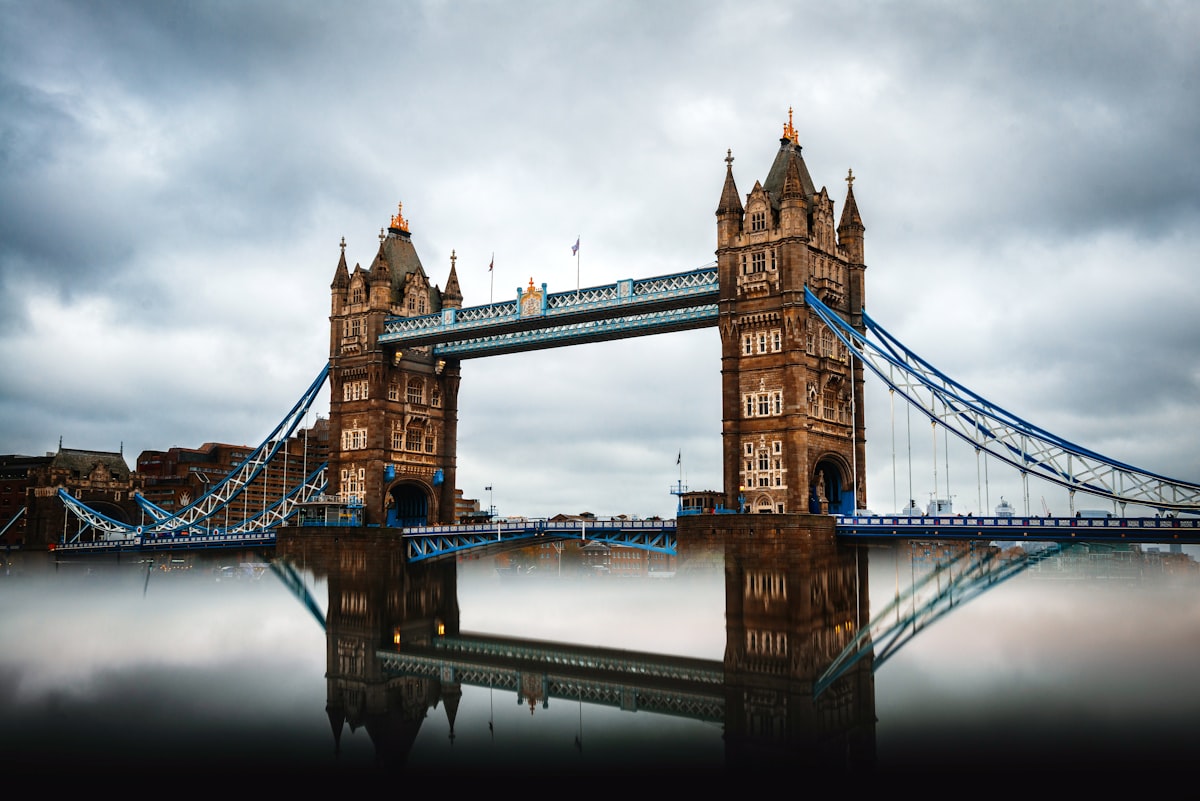

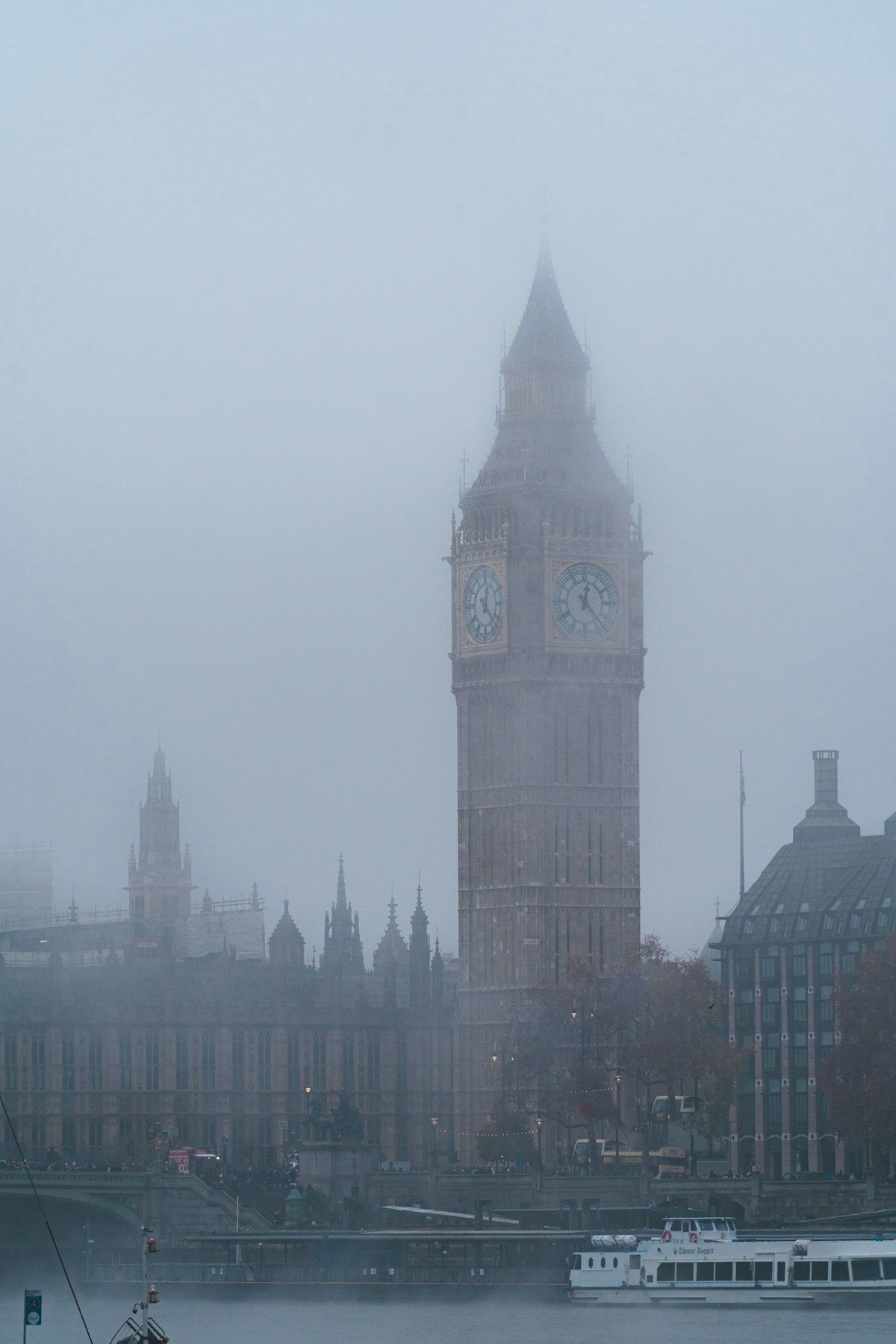
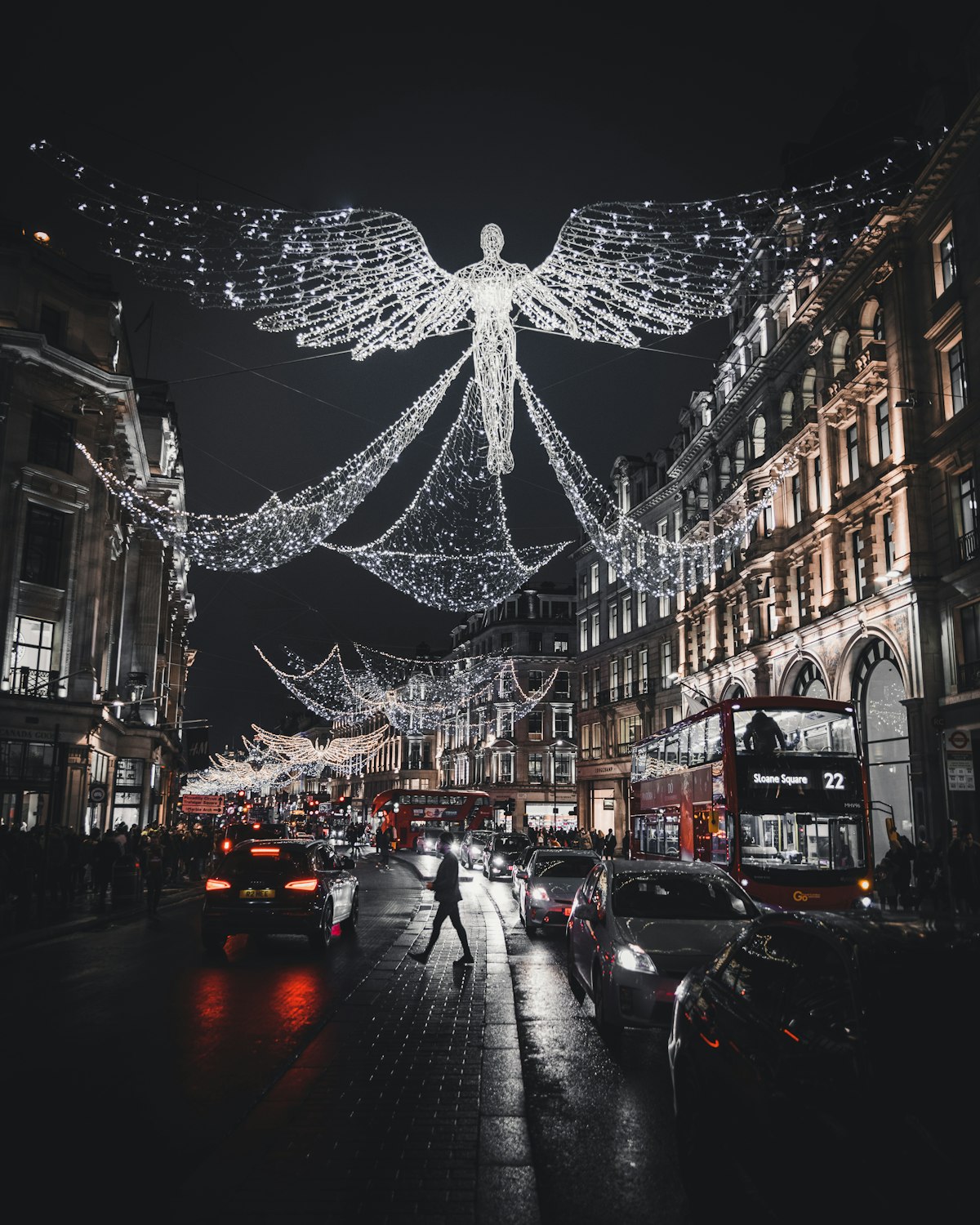
London · V2F / Unsplash
United Kingdom · Northern Europe
Best time to visit London
May
May scores highest overall — reliable weather and strong local atmosphere. Set your priorities below to personalise this result.
What matters most to you?
All 12 months — click any to expand
May
V2F / Unsplash
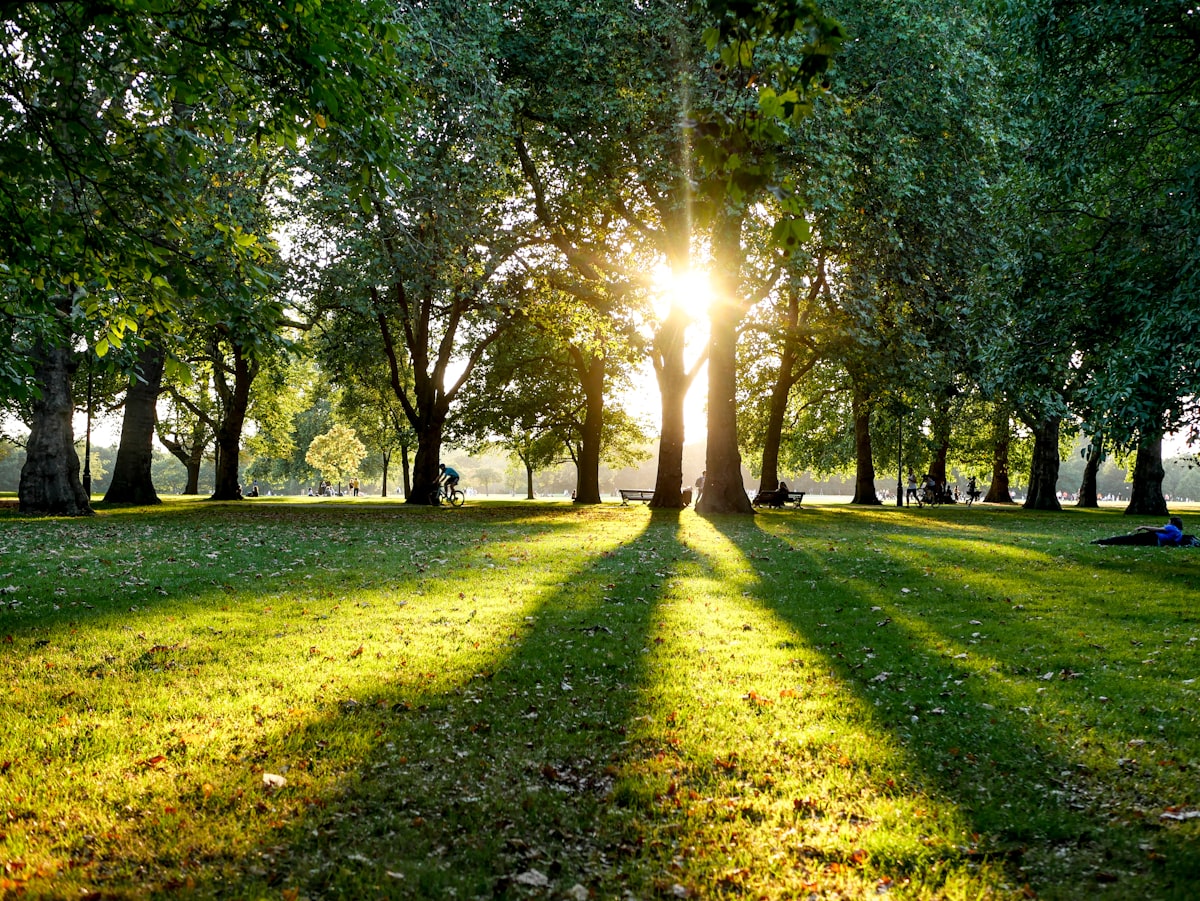
Chelsea Flower Show, warm parks, 18°C — London at its most seductive before summer prices arrive.
18°C
High
10°C
Low
49mm
Rain
6.4h
Sun/day
What you gain
- ↑Chelsea Flower Show (third week of May): world-famous garden event with real local excitement around it
- ↑Royal Parks in full green: Londoners picnic in Hyde Park, Regent's Park, and Hampstead Heath in earnest
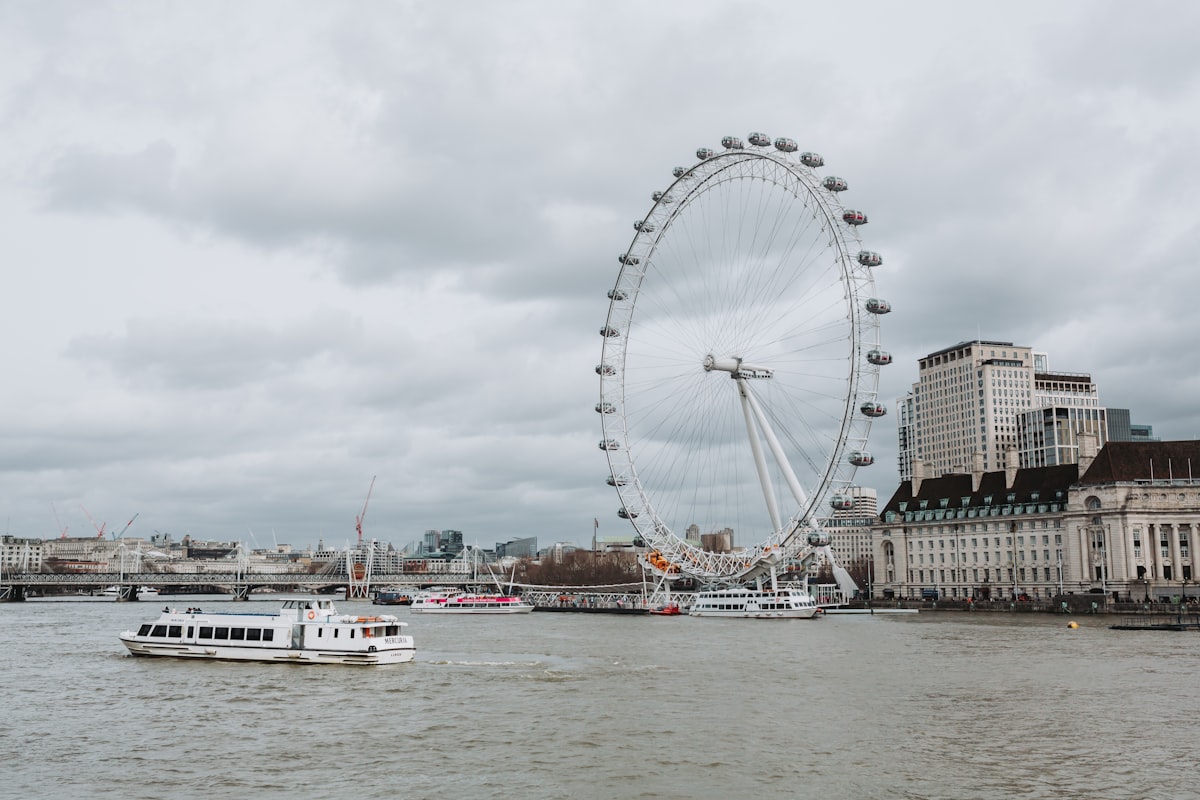
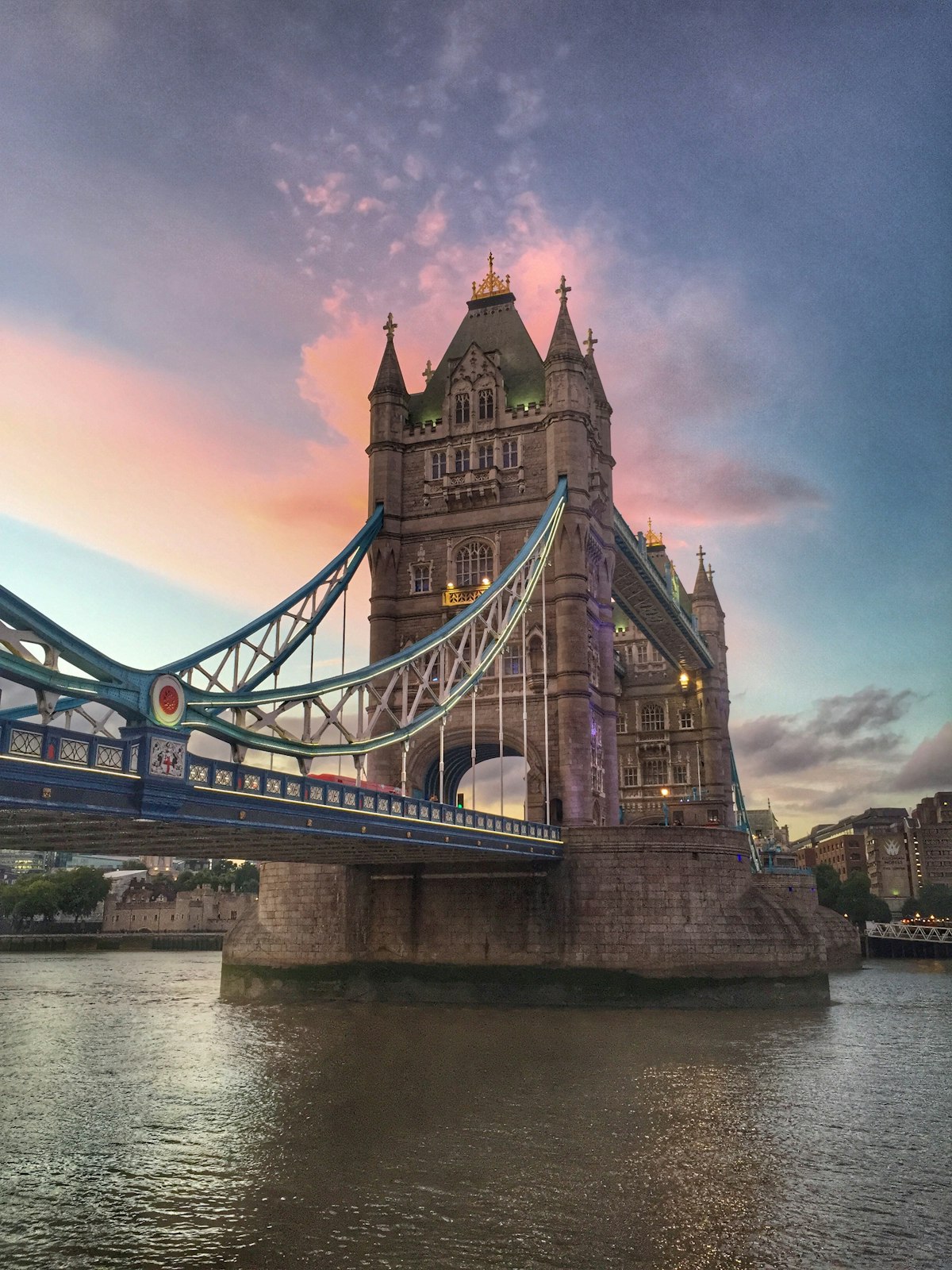
- ↑Sunset at 21:00 and 18°C highs make evening walks along the Thames or South Bank genuinely lovely
What you sacrifice
- ↓Prices climbing toward summer — a week at a 3-star central hotel costs noticeably more than March
- ↓Chelsea Flower Show week sees south-west London traffic disruption and accommodation pressure
- ↓Half-term (late May bank holiday) briefly crowding family attractions across the city
May scores highest overall — reliable weather and strong local atmosphere. Set your priorities below to personalise this result.
May
Chelsea Flower Show, warm parks, 18°C — London at its most seductive before summer prices arrive.
18°C
High
49mm
Rain
6.4h
Sun
- ↑Chelsea Flower Show (third week of May): world-famous garden event with real local excitement around it
- ↑Royal Parks in full green: Londoners picnic in Hyde Park, Regent's Park, and Hampstead Heath in earnest
- ↑Sunset at 21:00 and 18°C highs make evening walks along the Thames or South Bank genuinely lovely
- ↓Prices climbing toward summer — a week at a 3-star central hotel costs noticeably more than March
- ↓Chelsea Flower Show week sees south-west London traffic disruption and accommodation pressure
- ↓Half-term (late May bank holiday) briefly crowding family attractions across the city
Top travel windows
★ BestMay
Best overall
Highest combined score
18°C
High
49mm
Rain
6.4h
Sun
February
Best for value
Lowest prices & fees
9°C
High
40mm
Rain
2.8h
Sun
February
Fewest crowds
Quietest month
9°C
High
40mm
Rain
2.8h
Sun
Breakdown by priority
Best for weather
July
24°C high · 45mm rain · 6.9hrs sun/day
Best for budget
February
February is London's driest winter month (40mm) — statistically the best odds of a clear winter day
Fewest crowds
February
BAFTA Film Awards (typically mid-February) bring a quiet cinephile energy to the Southbank and West End
Also exploring
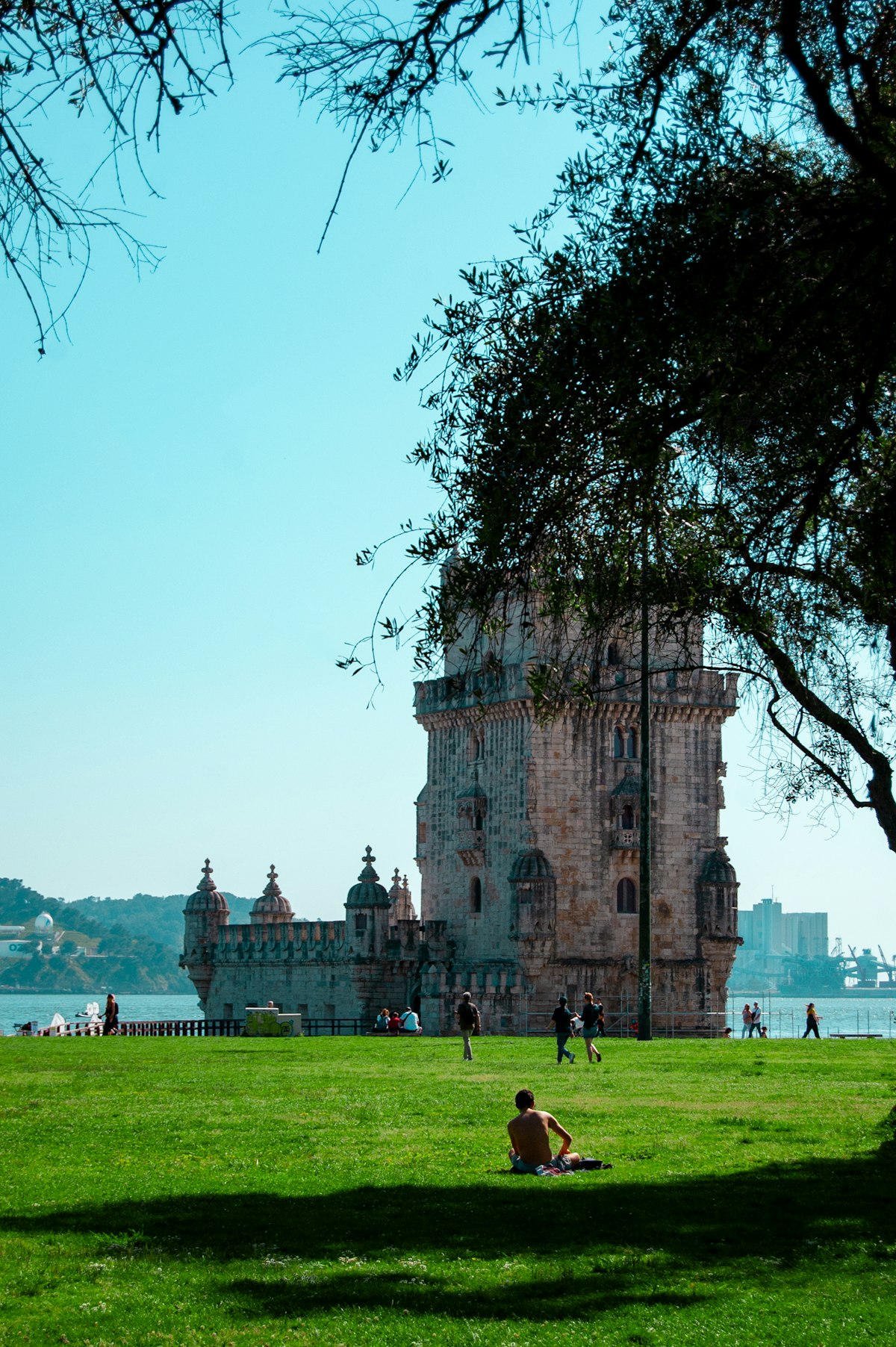
Lisbon
Portugal
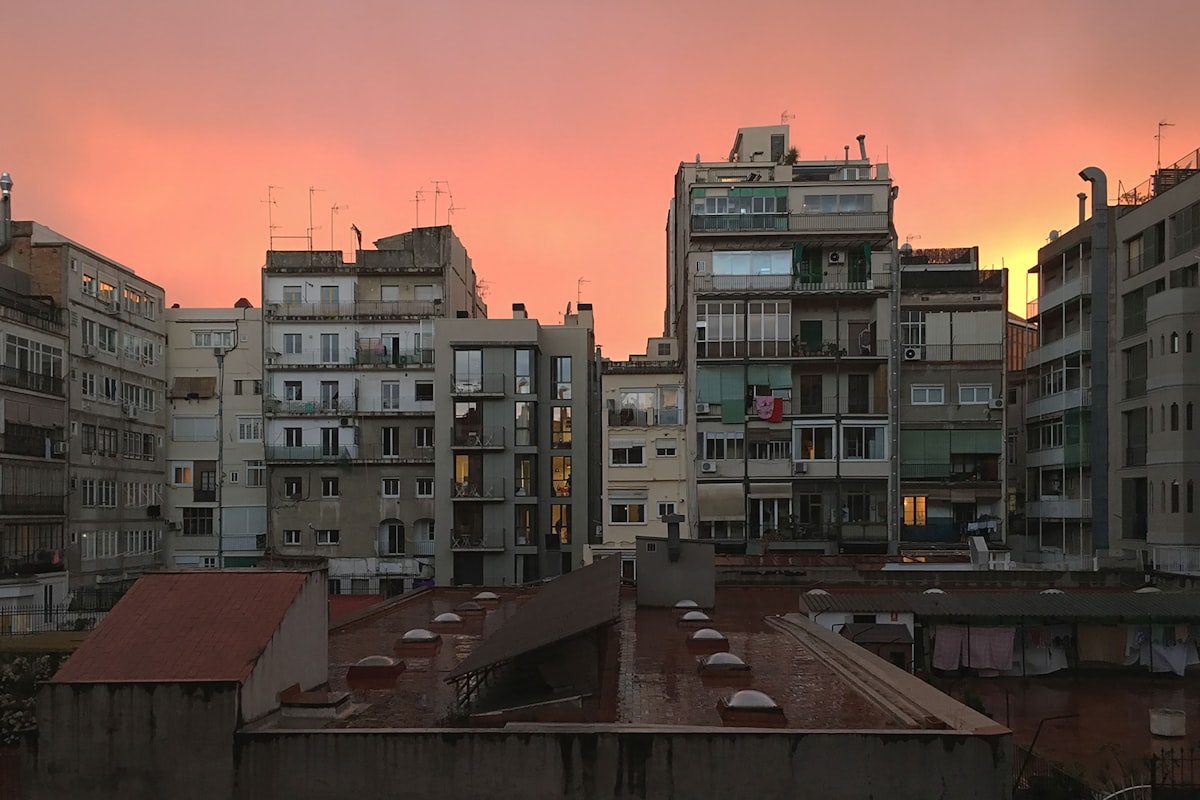
A sun-drenched Atlantic capital where tram lines weave through hilltop neighbourhoods and prices stay genuinely affordable by Western European standards.
Barcelona
Spain
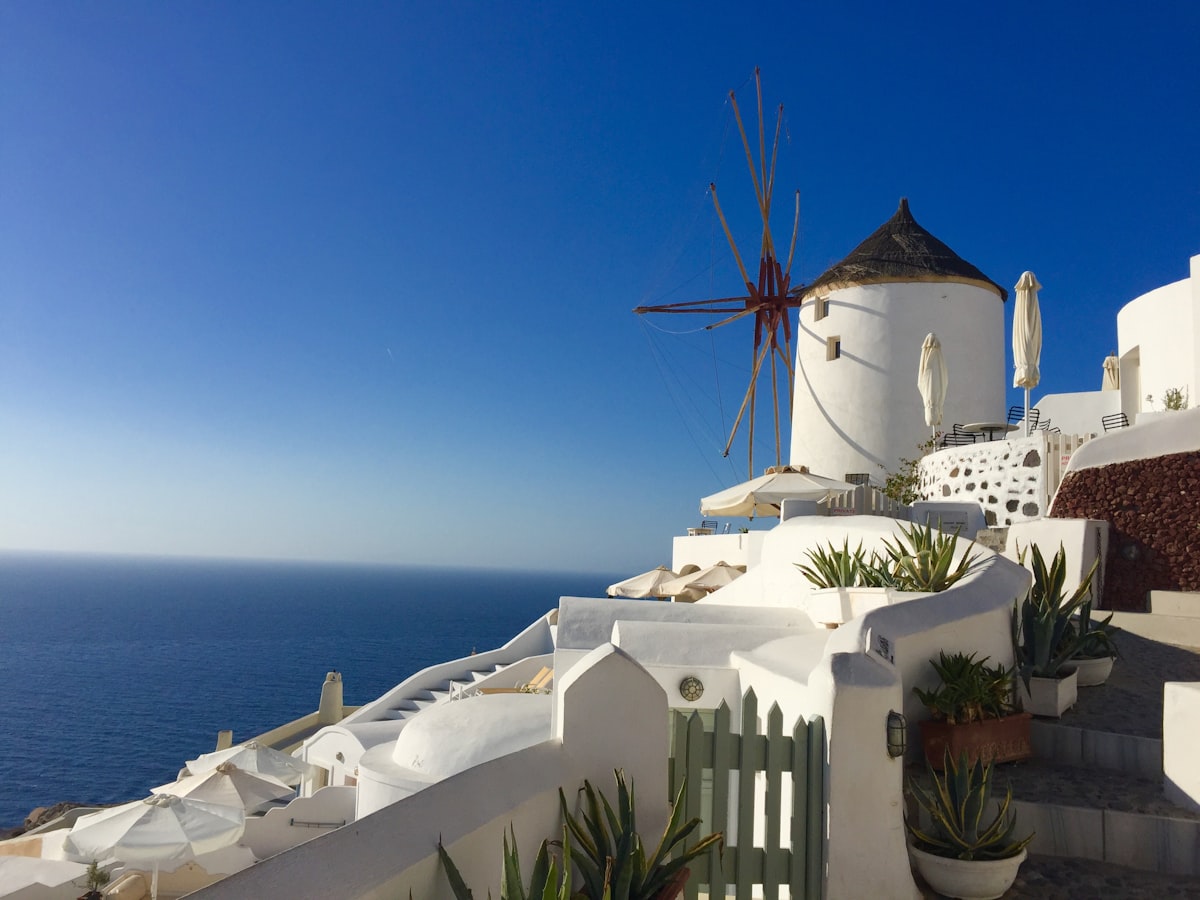
A Mediterranean city that runs on architecture, food markets, and beach culture — with a tourism problem that makes timing absolutely critical.
Santorini
Greece
The caldera sunsets and white-washed cliffside villages are real — but so is a tourism infrastructure that was never designed for 3 million annual visitors.
Where to stay in London
All neighbourhoods →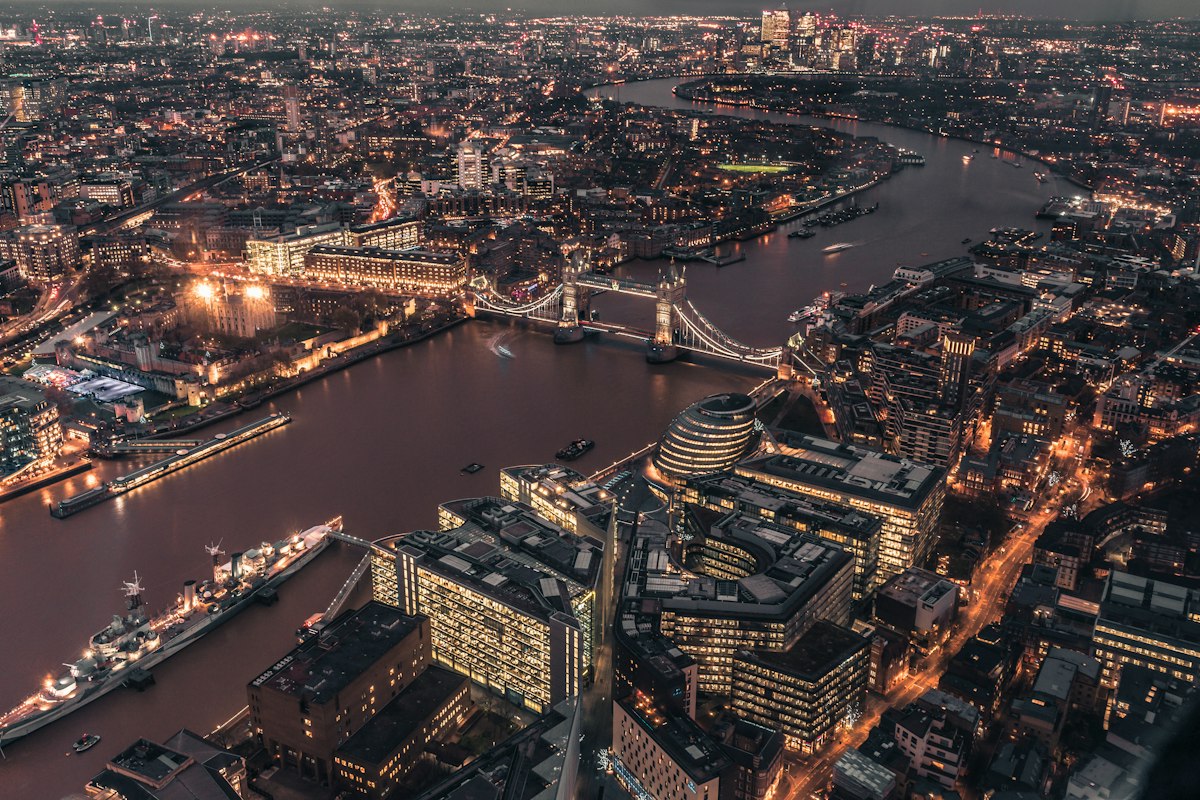
Covent Garden & Soho
London's theatrical heart — maximum central convenience, maximum tourist density, excellent eating.
10/10
Central
10/10
Walk
10/10
Transit
Southwark & South Bank
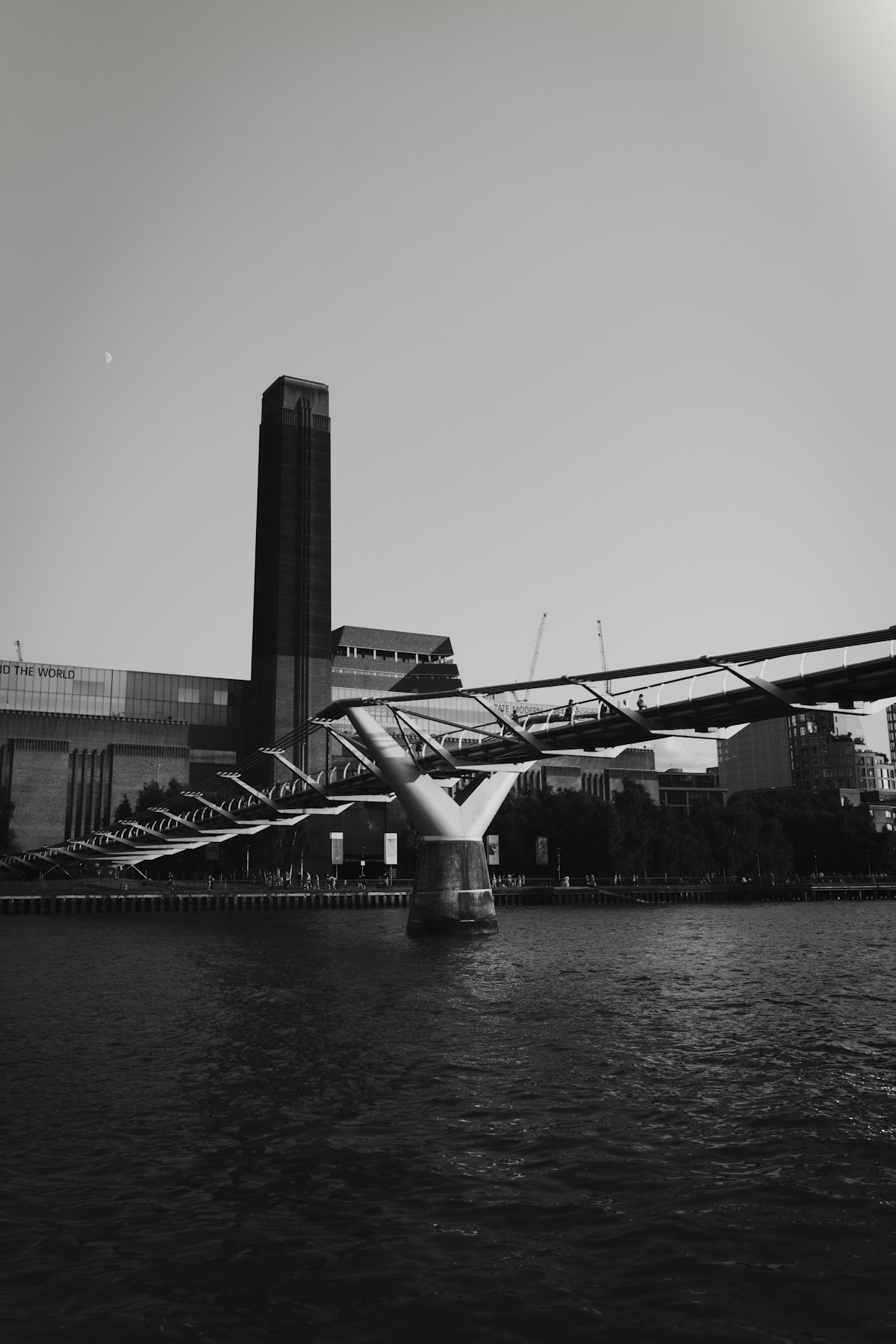
Tate Modern, Borough Market, Shakespeare's Globe — London's most walkable cultural mile along the Thames.
8/10
Central
9/10
Walk
9/10
Transit
Worth knowing
May scores highest overall. August is the most crowded month — avoid if you can. See crowd-free ranking →
Month by month breakdown
January#11▾
Gains
- ↑The British Museum and National Gallery at their emptiest — no timed slots, no queues, proper unhurried visits
- ↑Central London hotel rates at annual lows — 4-star hotels at prices that would be budget in August
- ↑Post-Christmas London has a quiet authenticity: locals reclaim the city and pubs feel genuinely neighbourly
Sacrifices
- ↓Only 1.8 hours of usable sunshine daily — the city is dark before 4pm and grey most of the day
- ↓Cold (3°C overnight) and persistently damp; the famous London drizzle is at its most relentless
- ↓Hyde Park and the Royal Parks are stark and leafless — no outdoor London to speak of
February#9▾
Gains
- ↑February is London's driest winter month (40mm) — statistically the best odds of a clear winter day
- ↑BAFTA Film Awards (typically mid-February) bring a quiet cinephile energy to the Southbank and West End
- ↑London Fashion Week brings designer energy to the East End and Mayfair without affecting most visitors
Sacrifices
- ↓Still only 2.8 hours of sun per day — the cold and grey are essentially unchanged from January
- ↓Half-term school holidays (mid-February) briefly spike family attractions and some hotel rates
- ↓The theatre and gallery calendar hasn't yet reached the richness of spring and autumn seasons
March#6▾
Gains
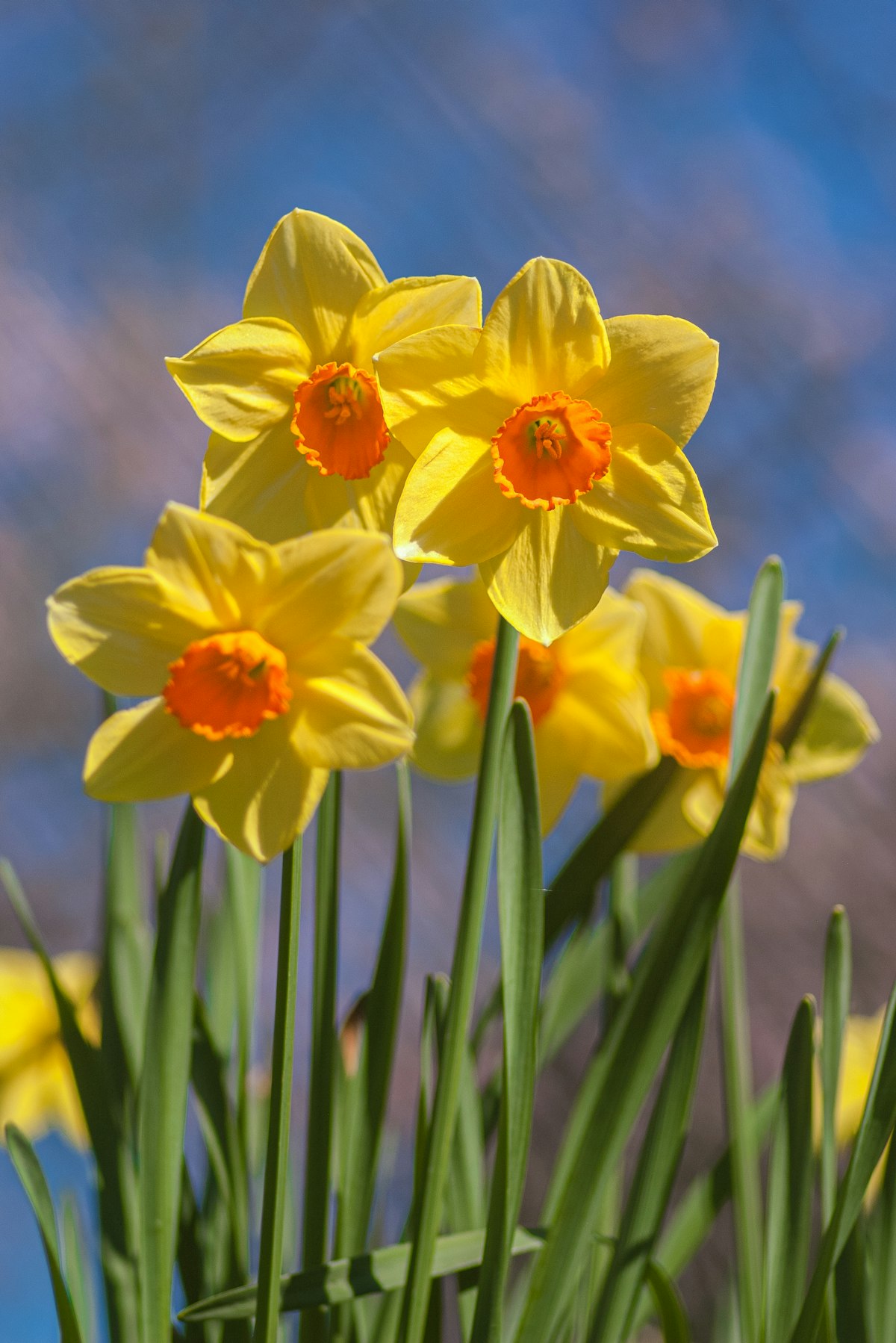
- ↑Daffodils blanket Hyde Park and St James's Park by mid-March — London's first real colour after winter
- ↑Four hours of sunshine daily marks a genuine psychological shift; outdoor walks become viable again
- ↑Oxford Street and Regent Street before the tourist surge — shopping without the summer crowds
Sacrifices
- ↓Easter can fall in March (check the year) — triggering a sudden crowd and price spike
- ↓Still cool and changeable; a warm day in mid-March can be followed by a cold snap within 48 hours
- ↓Major spring events (Chelsea Flower Show, Trooping the Colour) are still months away
April#3▾
Gains
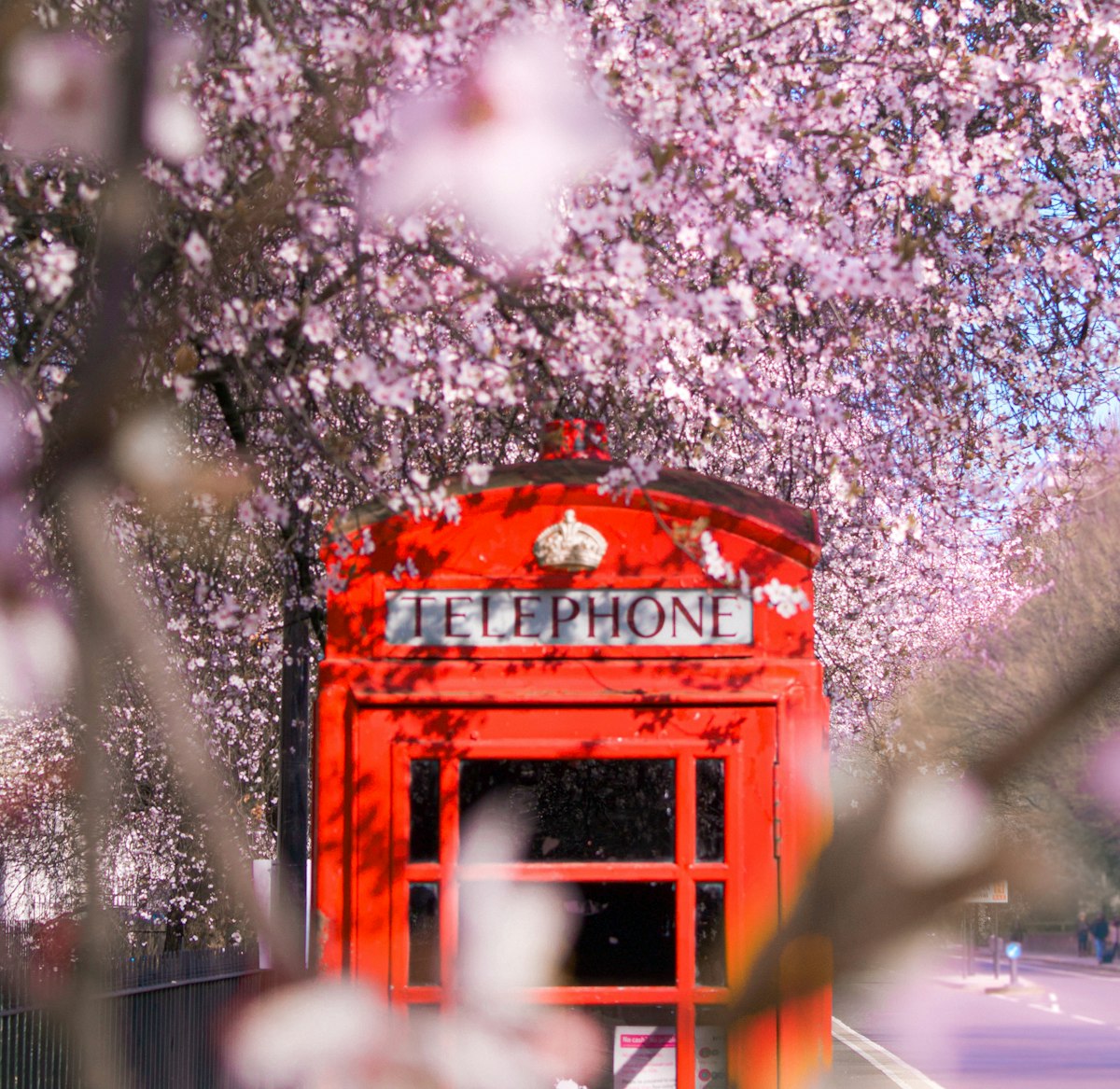
- ↑Blossom season in the Royal Parks: Greenwich, Kew Gardens, and Richmond Park at their most beautiful
- ↑London Marathon (late April) transforms the city — street festival atmosphere along the 26.2-mile route
- ↑Consistent 5+ hours of sunshine, 15°C highs — the first genuinely pleasant outdoor London month
Sacrifices
- ↓Easter holiday timing (if in April) can spike crowds at major attractions and push up hotel rates
- ↓Spring rain can arrive without warning — the 43mm average is spread across many short, unpredictable showers
- ↓Not yet warm enough for al fresco dining without a jumper — evenings cool quickly after sunset
May#1▾
Gains
- ↑Chelsea Flower Show (third week of May): world-famous garden event with real local excitement around it
- ↑Royal Parks in full green: Londoners picnic in Hyde Park, Regent's Park, and Hampstead Heath in earnest
- ↑Sunset at 21:00 and 18°C highs make evening walks along the Thames or South Bank genuinely lovely
Sacrifices
- ↓Prices climbing toward summer — a week at a 3-star central hotel costs noticeably more than March
- ↓Chelsea Flower Show week sees south-west London traffic disruption and accommodation pressure
- ↓Half-term (late May bank holiday) briefly crowding family attractions across the city
June#2▾
Gains
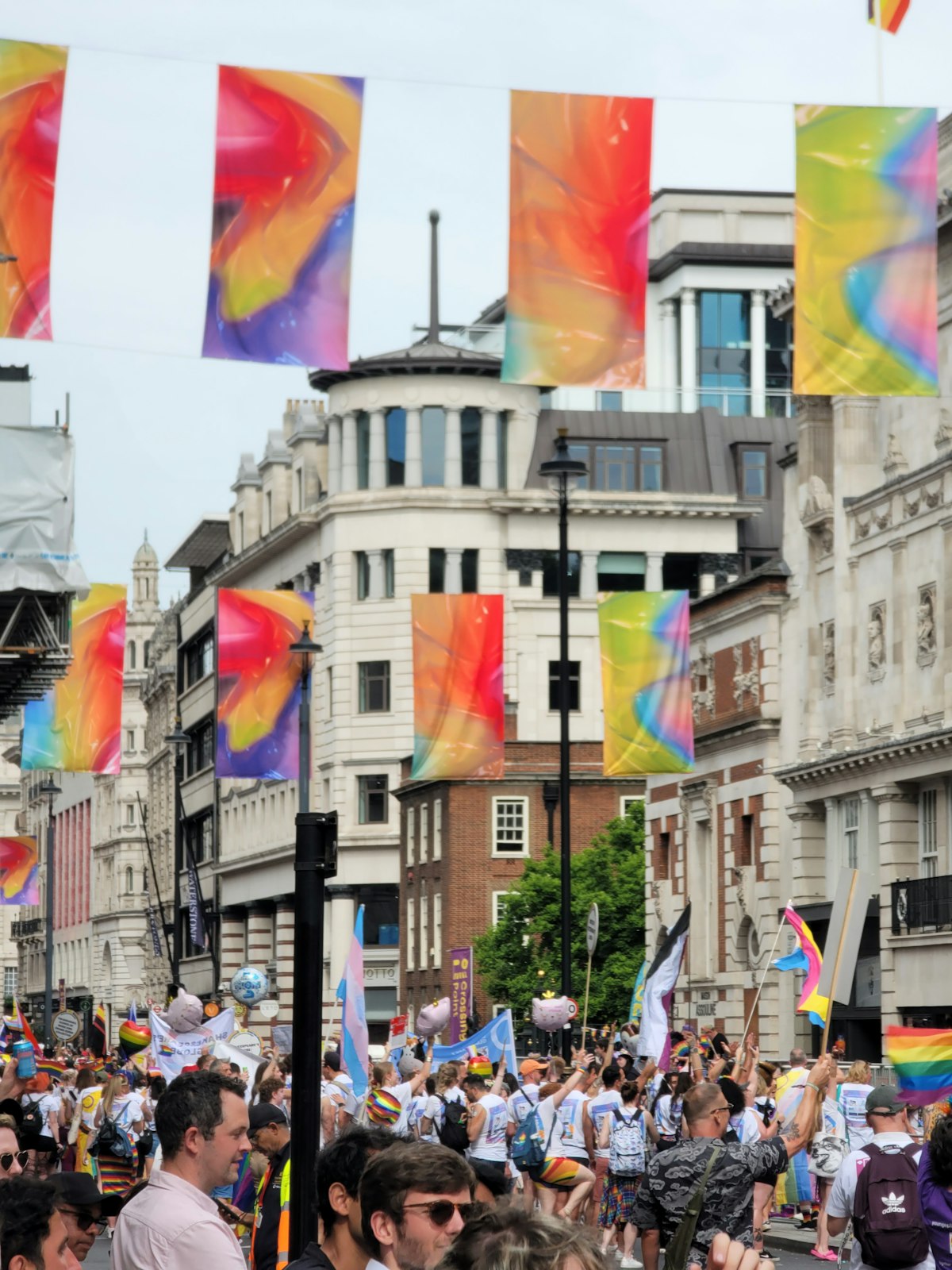
- ↑Pride London (late June): one of Europe's largest Pride marches transforming Soho and central London for a weekend
- ↑Trooping the Colour (second Saturday of June): the King's Birthday Parade — a genuinely spectacular ceremonial spectacle
- ↑Sunset at 21:20 means outdoor London stretches long — rooftop bars, pub gardens, and the Southbank all peak this month
Sacrifices
- ↓Prices firmly in peak territory — central hotels 50–70% above January rates
- ↓Wimbledon begins in late June — southwest London accommodation books out and transport gets strained
- ↓Tourism is in full swing; the major museums require advance booking and queues are unavoidable at peak attractions
July#5▾
Gains
- ↑Wimbledon fortnight (late June into July): the world's most famous tennis tournament — a genuinely iconic London event
- ↑Hyde Park Summer Series and open-air concerts at Hampton Court Palace: live music in historic settings
- ↑London at its warmest (24°C highs) — the city genuinely moves outdoors; pub gardens packed, parks full until 10pm
Sacrifices
- ↓School holidays begin (late July) — crowds at every major attraction increase sharply from that point
- ↓Hotel rates at annual highs; central London accommodation is aggressively priced
- ↓The Tower of London, Buckingham Palace, and the British Museum all require advance booking; spontaneous visits fail
August#8▾
Gains
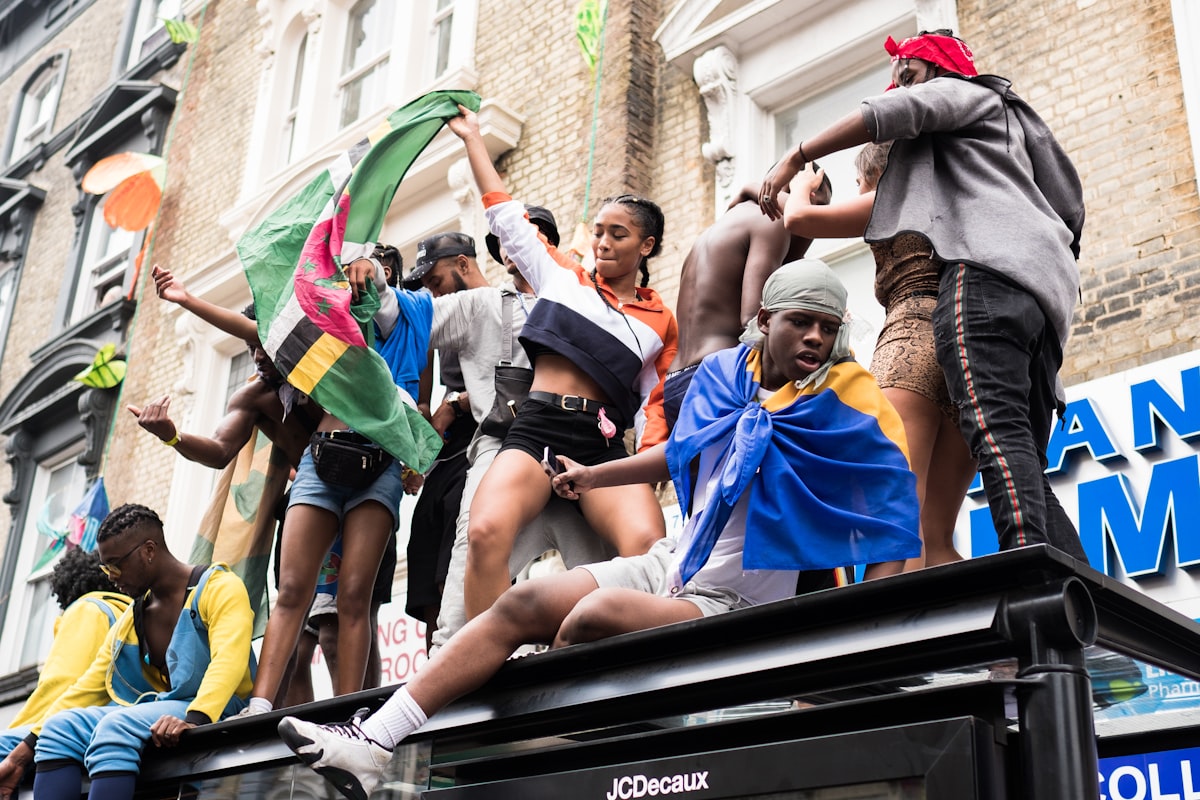
- ↑Notting Hill Carnival (August bank holiday weekend): Europe's largest street festival — two days of Caribbean food, sound systems, and costumed bands through west London
- ↑Edinburgh Fringe spill-over energy as performers pass through London on their way north
- ↑Still 24°C and long days — the outdoor city is fully open; lido swimming, riverside walks, and rooftop bars all active
Sacrifices
- ↓Highest crowds of the year — Londoners leave for the Med and are replaced by international summer tourism en masse
- ↓Notting Hill Carnival weekend means acute accommodation shortage and price spikes in W11 and Kensington
- ↓The tube in August is brutal without air conditioning on many lines — central London travel requires patience
September#4▾
Gains
- ↑Schools return in September — family tourist crowds evaporate almost overnight after the August bank holiday
- ↑London Design Festival, Totally Thames, and the full Southbank autumn programme make the cultural calendar excellent
- ↑Open House London (mid-September): hundreds of private buildings open to the public — one of London's most unique free events
Sacrifices
- ↓Sunshine drops to 4.9 hours — the days noticeably shorter from August; evenings cool more quickly
- ↓Prices remain 30–40% above winter rates while the city transitions out of peak season
- ↓The Proms (BBC) at Royal Albert Hall run through September — tickets in high demand for top concerts
October#7▾
Gains
- ↑London Film Festival (mid-October): two weeks of world cinema at the BFI and venues across the city — tickets accessible without industry accreditation
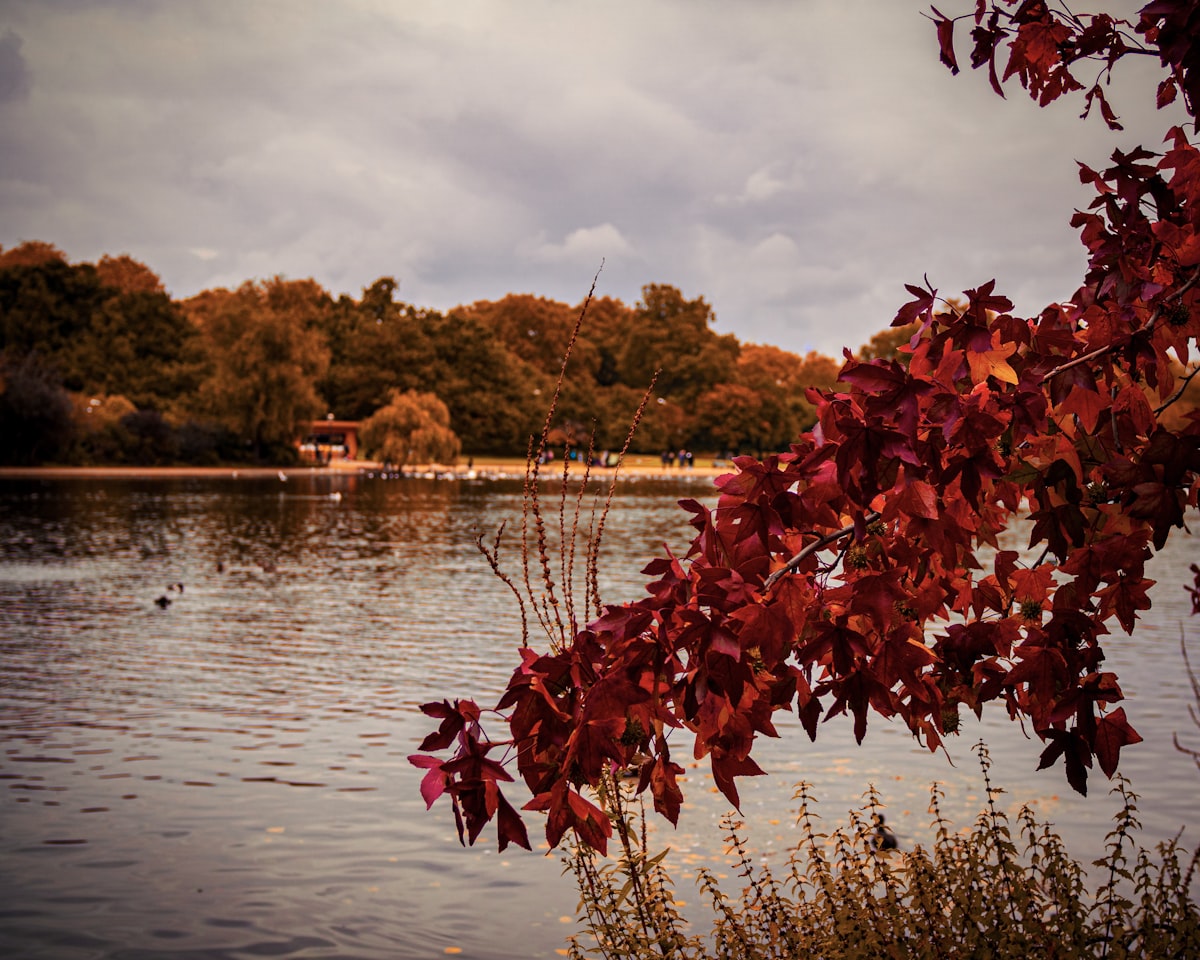
- ↑Autumn colour in Kew Gardens, Richmond Park, and the Royal Parks genuinely beautiful in mid-October
- ↑Prices down 30–40% from summer peak — a comfortable central hotel costs what a budget room did in August
Sacrifices
- ↓October half-term (late October) briefly crowds family attractions and spikes some accommodation rates
- ↓Rainfall rising (65mm) and sunshine falling to 3.4 hours — outdoor London increasingly weather-dependent
- ↓The clocks go back in late October — sudden short days require adjusting afternoon plans
November#10▾
Gains
- ↑West End theatre at some of the year's best prices before December pantomime season — last-minute tickets viable
- ↑The National Gallery, Tate Modern, and Victoria & Albert Museum nearly empty mid-week in November
- ↑Guy Fawkes Night (5 November): Alexandra Palace and Battersea Park firework displays — a genuinely local tradition
Sacrifices
- ↓Only 2.1 hours of sunshine daily — the city is oppressively grey; this is London's most challenging atmospheric month
- ↓Cold (6°C overnight) and consistently wet; 62mm rainfall spread across most of the month
- ↓Little outdoor appeal — the parks are dull, the Thames walks uninviting; this is very much an indoor-London month
December#12▾
Gains
- ↑Oxford Street and Carnaby Street Christmas lights — free, spectacular, and best experienced on a weekday evening
- ↑Borough Market at its most festive: mulled wine, roast chestnuts, and seasonal produce in a covered market atmosphere
- ↑NYE fireworks over the Thames (31 December) — one of the world's most televised celebrations; ticketed viewing spots book months ahead
Sacrifices
- ↓Fewest sunshine hours of the year — only 1.5 hours daily; the city is dark by 3:45pm
- ↓Christmas week and NYE see hotel rates spike to peak-summer levels or beyond in central areas
- ↓Post-Christmas London (26–30 December) is a retail and transport oddity — many restaurants closed, tubes disrupted, city in limbo
How this is calculated
Climate data
Open Meteo ERA5
30-year normals (1991–2020). Temperature, rainfall, sunshine, humidity.
Price & crowd
Tourism research
Seasonal pricing from tourism authority data. Directional — compares months within a destination only.
Personalisation
Weighted scoring
Your priorities change the weights. Budget-first users get different results than weather-first users.
Share this result
May is the best time to visit London
Travel timing updates
New destinations and timing guides, when they land.
No spam. Unsubscribe anytime.