
Showing: Feb · Joshua Kettle / Unsplash
Singapore · Southeast Asia
Best time to visit Singapore
February
Feb scores highest overall — reliable weather and strong local atmosphere. Set your priorities below to personalise this result.
What matters most to you?
All 12 months — click any to expand
Feb
Joshua Kettle / Unsplash
The inter-monsoon window — noticeably drier and sunnier, and often the best weather month of the year.
31°C
High
24°C
Low
112mm
Rain
7.1h
Sun/day
What you gain
- ↑February is statistically the driest and sunniest month in Singapore's calendar — 112mm is modest by local standards, and sunshine hours jump to 7.1 daily
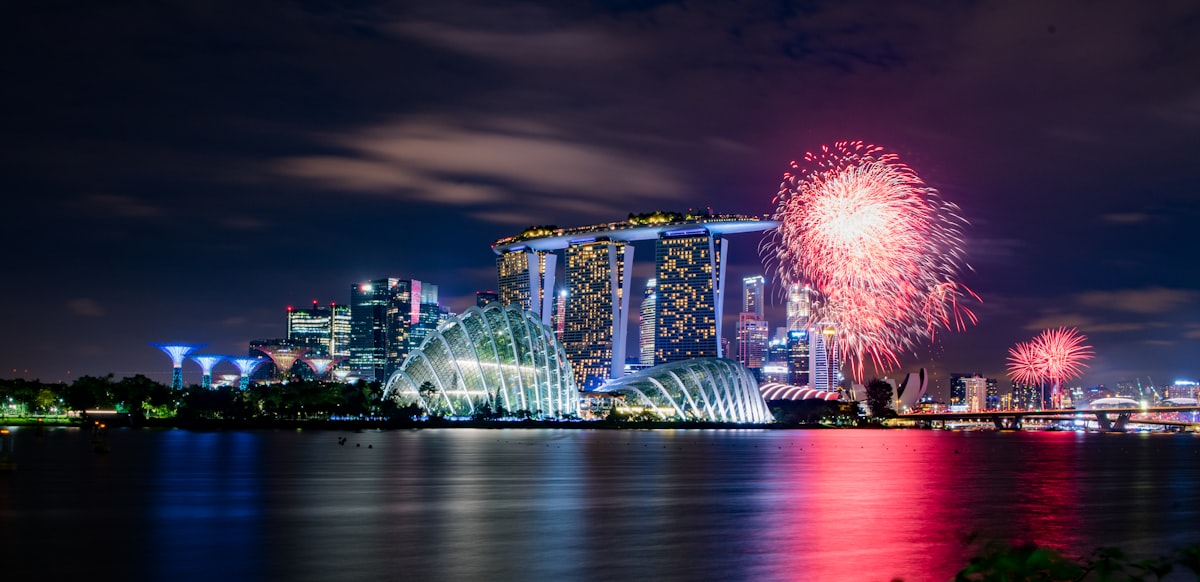
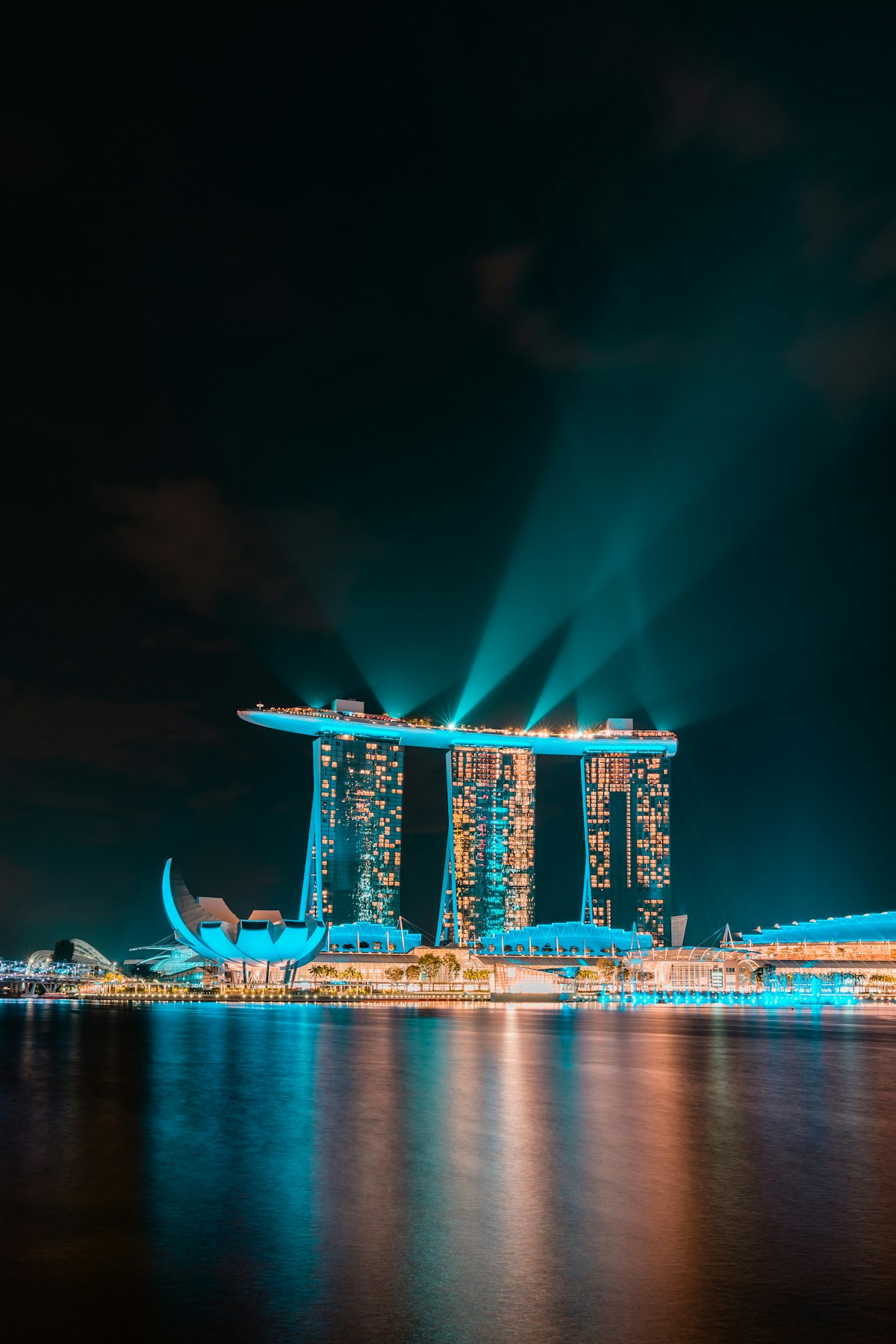
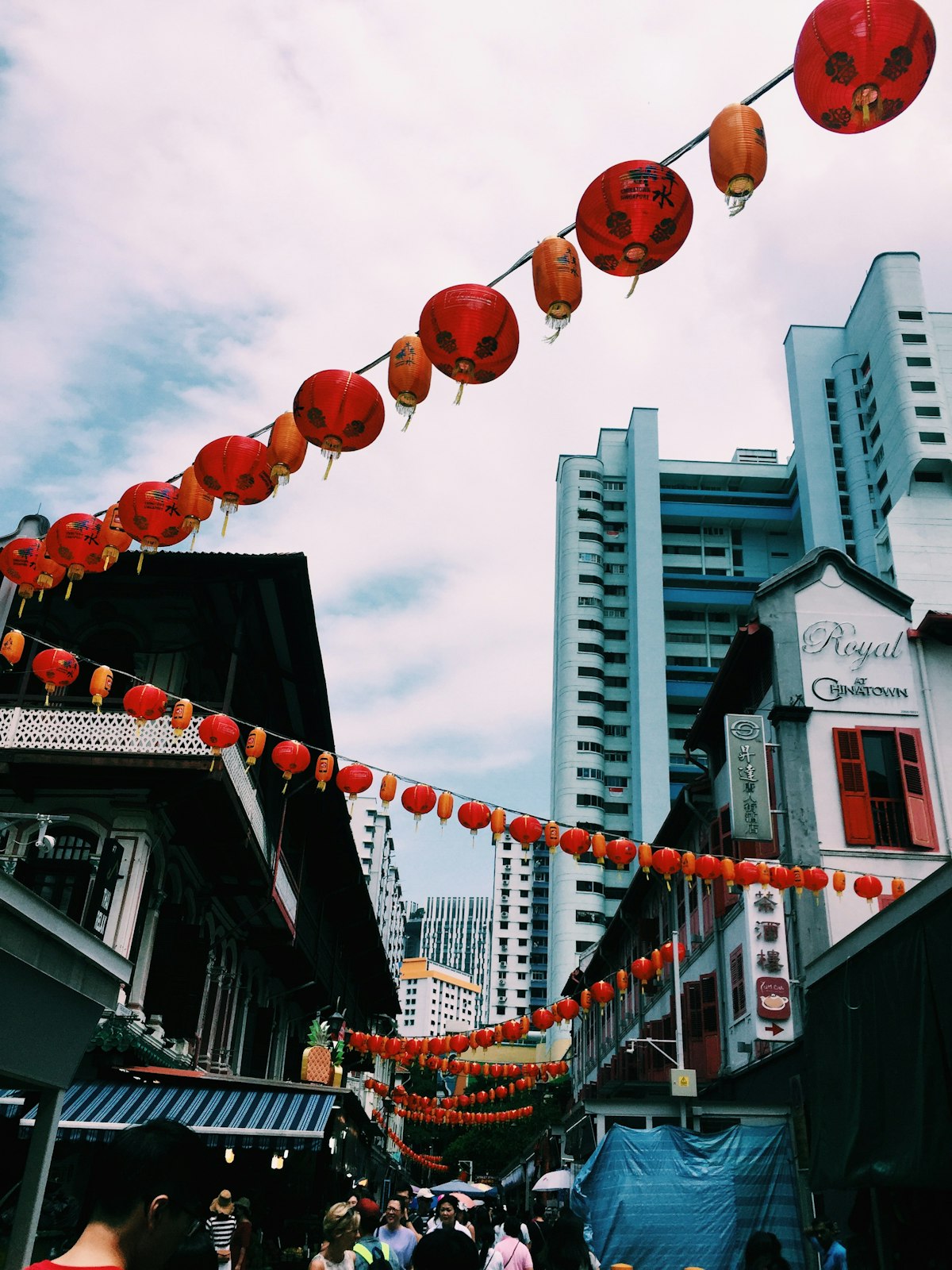
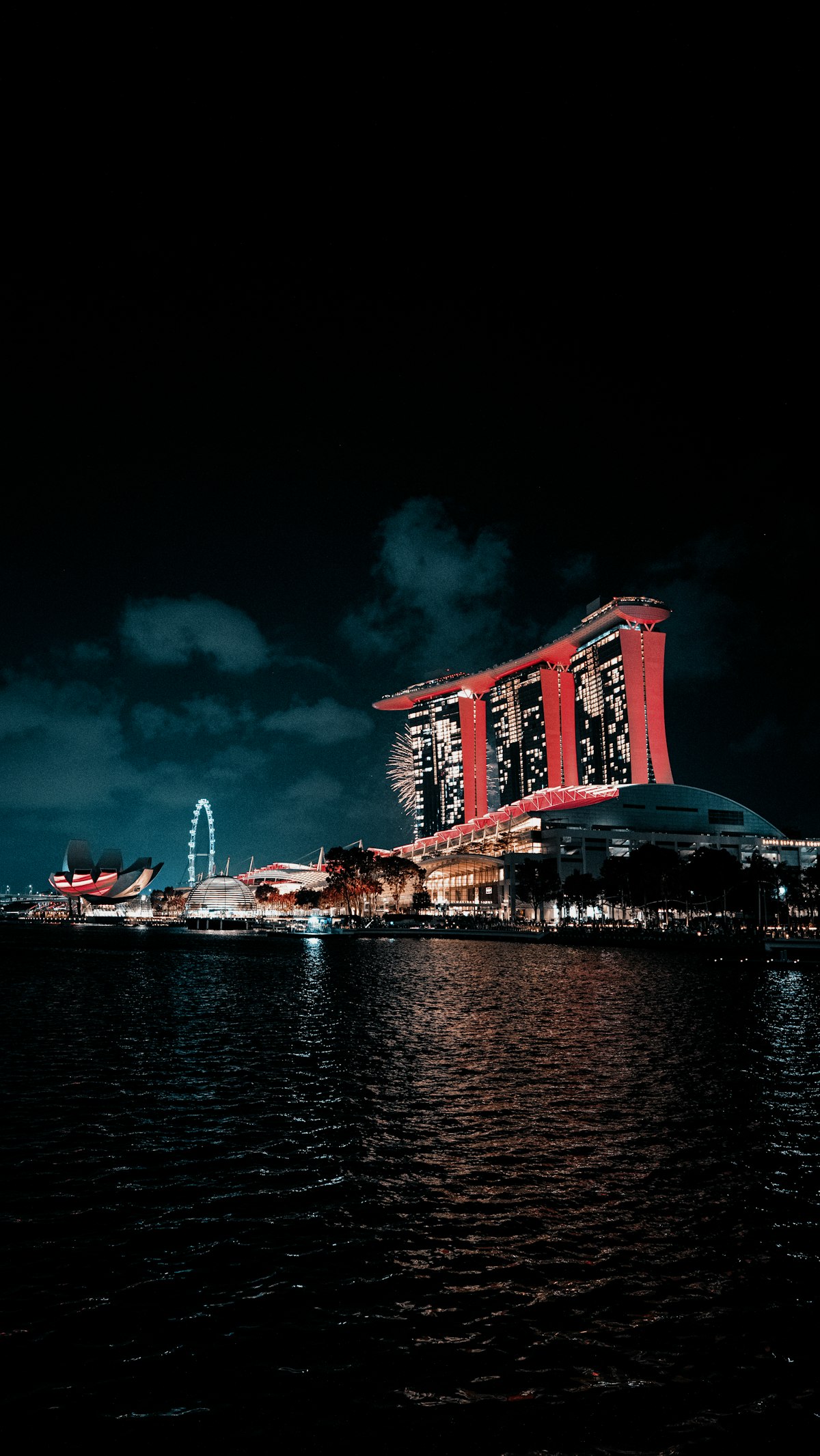
- ↑Chinese New Year (if it falls in February) transforms the city: Chinatown, River Hongbao at Marina Bay, and city-wide celebrations
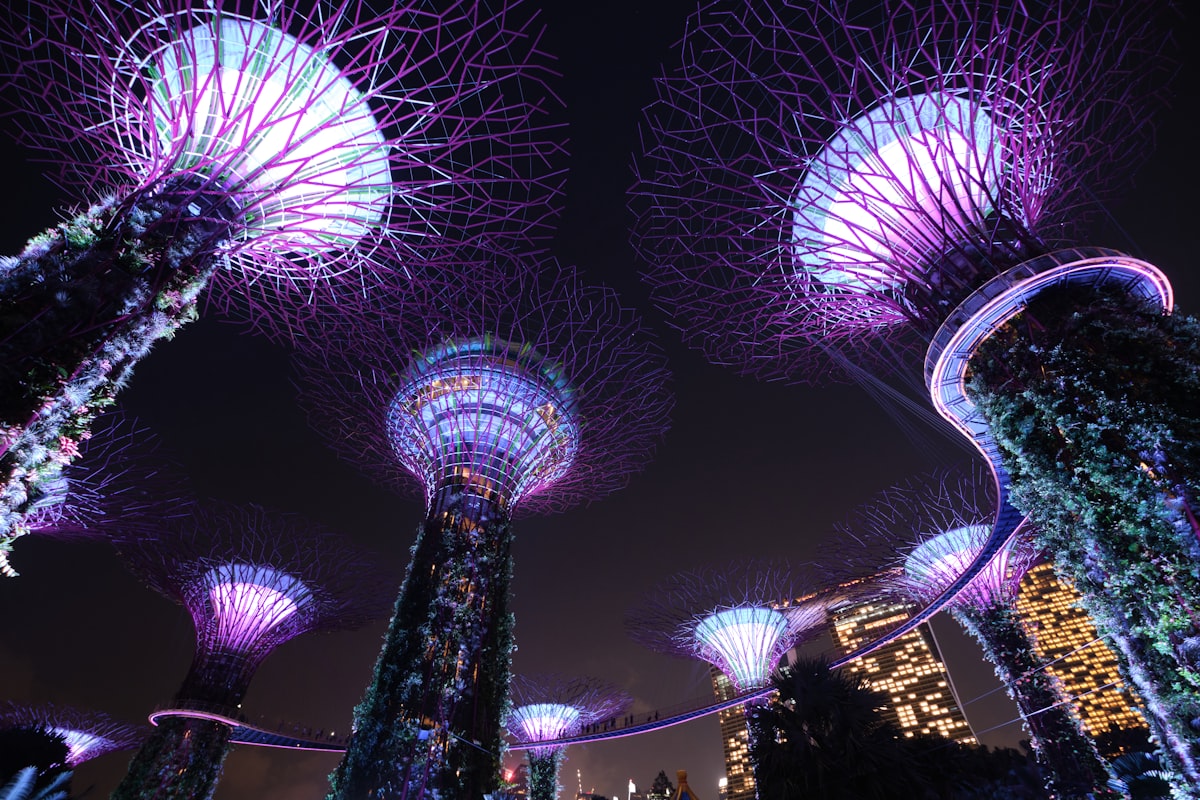
- ↑The best month for outdoor exploration: Gardens by the Bay, East Coast Park, the Southern Ridges walk — all at their most viable
What you sacrifice
- ↓If Chinese New Year falls in February, hotel demand spikes significantly for the festival week — plan and book early
- ↓Still hot and humid by any non-tropical standard: 31°C with 83% humidity is the baseline regardless of month
- ↓Prices reflect February's reputation as a good month — not the cheapest window
Feb scores highest overall — reliable weather and strong local atmosphere. Set your priorities below to personalise this result.
Feb
The inter-monsoon window — noticeably drier and sunnier, and often the best weather month of the year.
31°C
High
112mm
Rain
7.1h
Sun
- ↑February is statistically the driest and sunniest month in Singapore's calendar — 112mm is modest by local standards, and sunshine hours jump to 7.1 daily
- ↑Chinese New Year (if it falls in February) transforms the city: Chinatown, River Hongbao at Marina Bay, and city-wide celebrations
- ↑The best month for outdoor exploration: Gardens by the Bay, East Coast Park, the Southern Ridges walk — all at their most viable
- ↓If Chinese New Year falls in February, hotel demand spikes significantly for the festival week — plan and book early
- ↓Still hot and humid by any non-tropical standard: 31°C with 83% humidity is the baseline regardless of month
- ↓Prices reflect February's reputation as a good month — not the cheapest window
Top travel windows
★ BestFebruary
Best overall
Highest combined score
31°C
High
112mm
Rain
7.1h
Sun
May
Best for value
Lowest prices & fees
33°C
High
172mm
Rain
7h
Sun
March
Fewest crowds
Quietest month
32°C
High
193mm
Rain
6.8h
Sun
Breakdown by priority
Best for weather
February
31°C high · 112mm rain · 7.1hrs sun/day
Best for budget
May
Great Singapore Sale (May to August) — the city's biggest retail event with deals across Orchard Road, Marina Bay Sands, and beyond
Fewest crowds
March
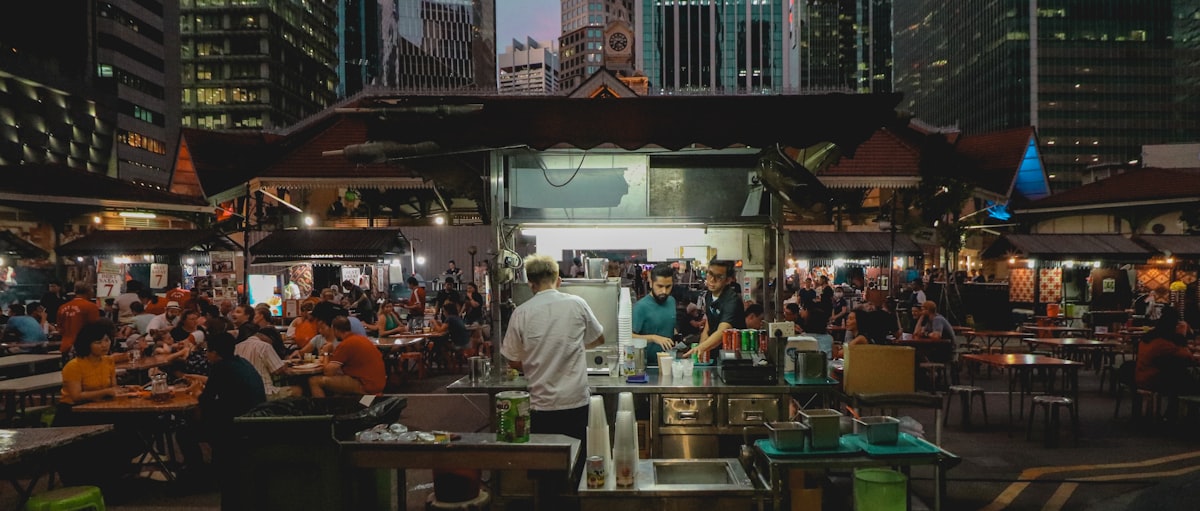
The city is genuinely quieter than the Chinese New Year and holiday peaks; hawker centres and attractions without the usual queues
Also exploring
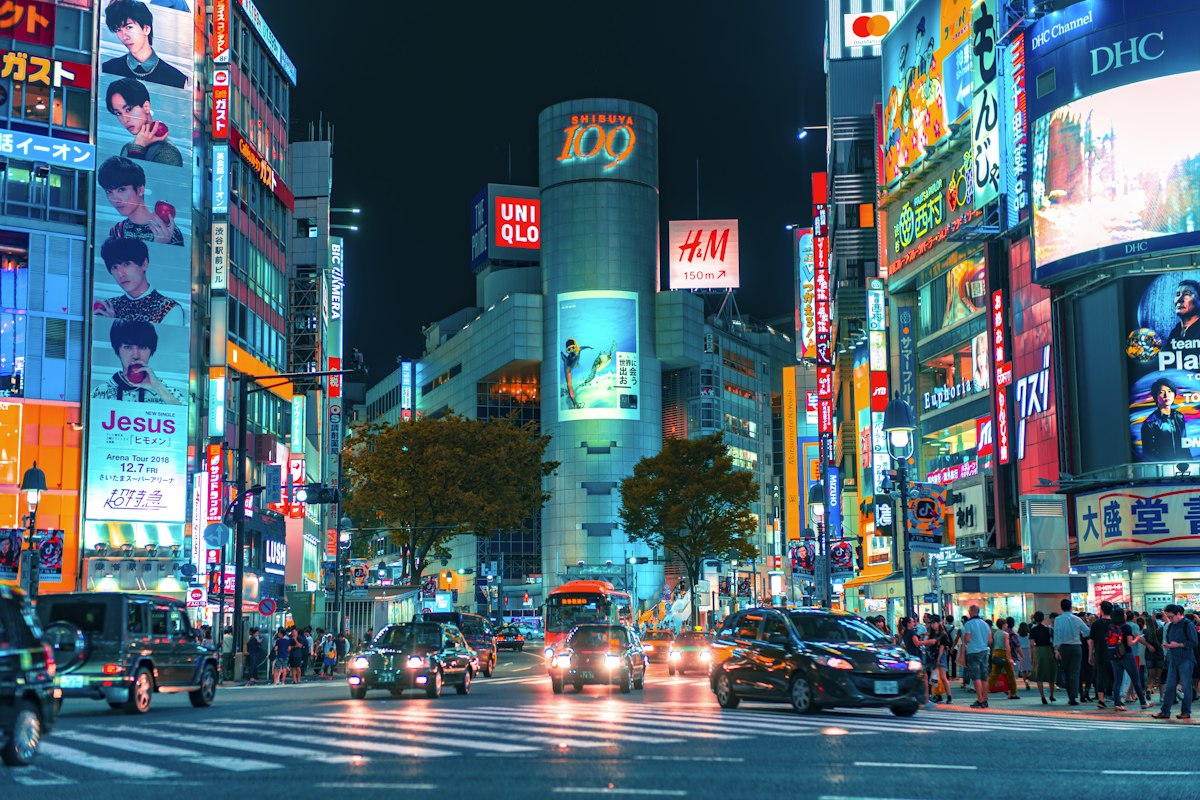
Tokyo
Japan
A city of dramatic seasonal contrasts — cherry blossom crowds, oppressive summer humidity, and golden autumn foliage — where the wrong timing can make or break the trip.
Bali
Indonesia
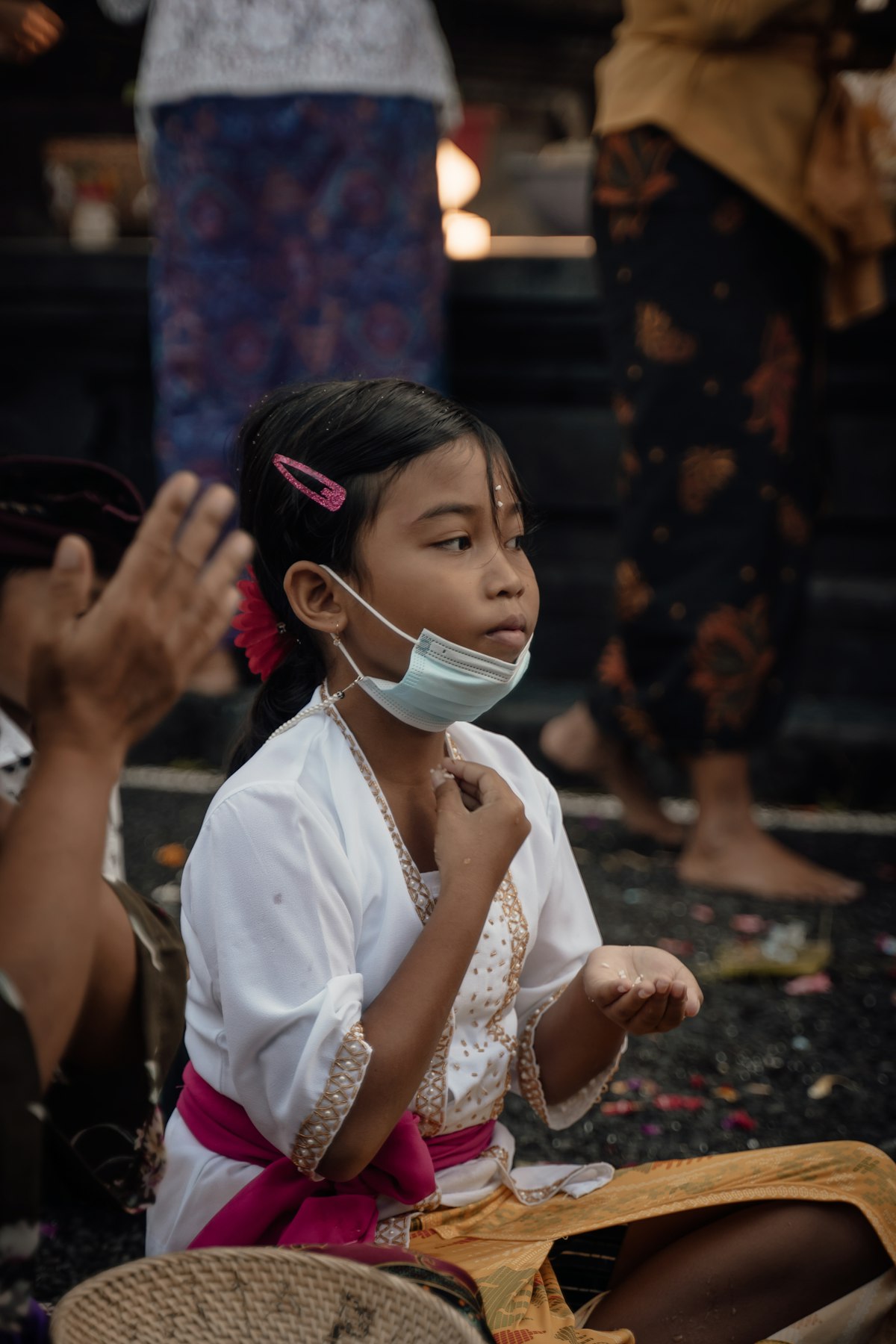
A Hindu island of rice terraces, temple ceremonies, and surf breaks where the monsoon makes timing genuinely binary — the difference between dry and wet season is not subtle.
Maldives
Maldives
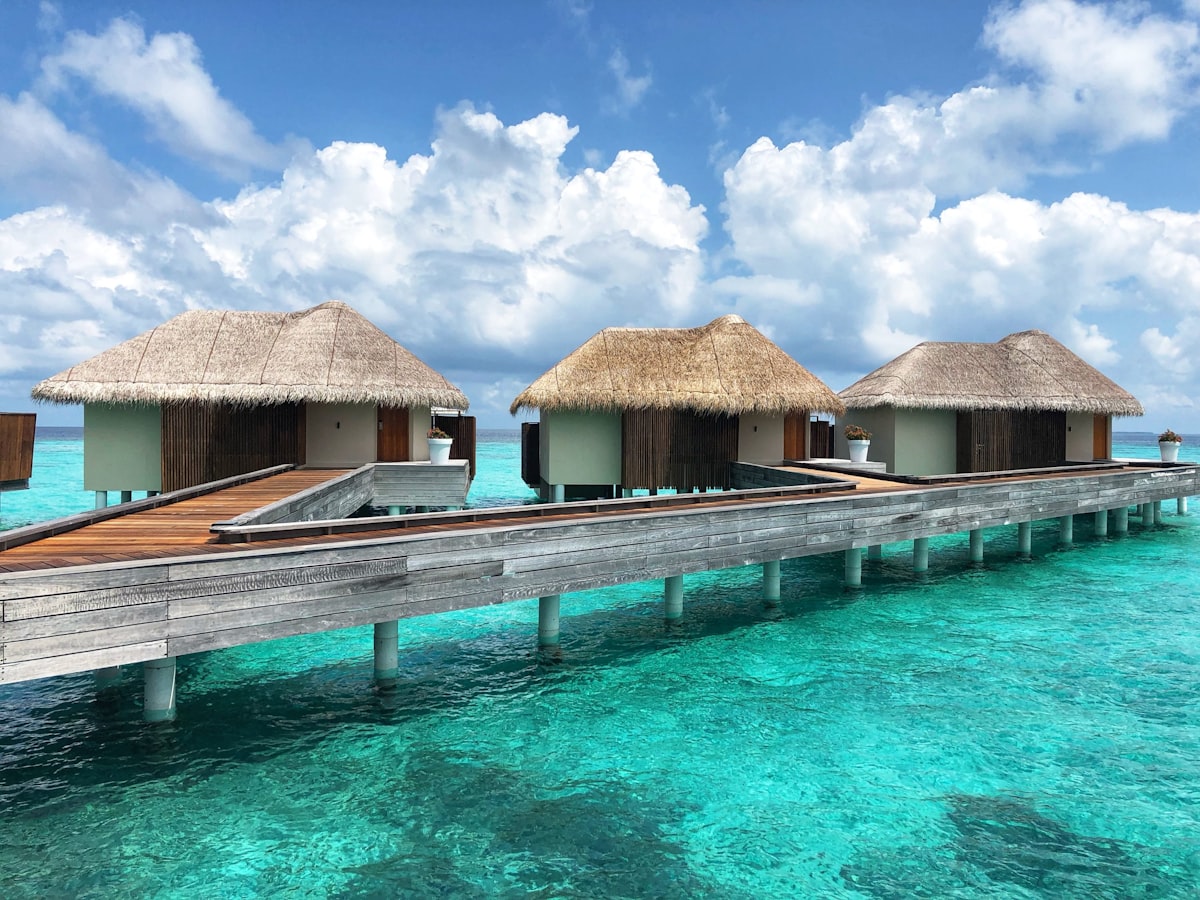
A destination defined almost entirely by its monsoon calendar — the difference between the NE dry season (November–April) and SW wet season (May–October) is not subtle and shapes every aspect of the experience.
Where to stay in Singapore
All neighbourhoods →Chinatown / Tanjong Pagar
Heritage shophouses meet Singapore's best bar street — the most layered neighbourhood in the city.
9/10
Central
9/10
Walk
9/10
Transit
Little India / Kampong Glam
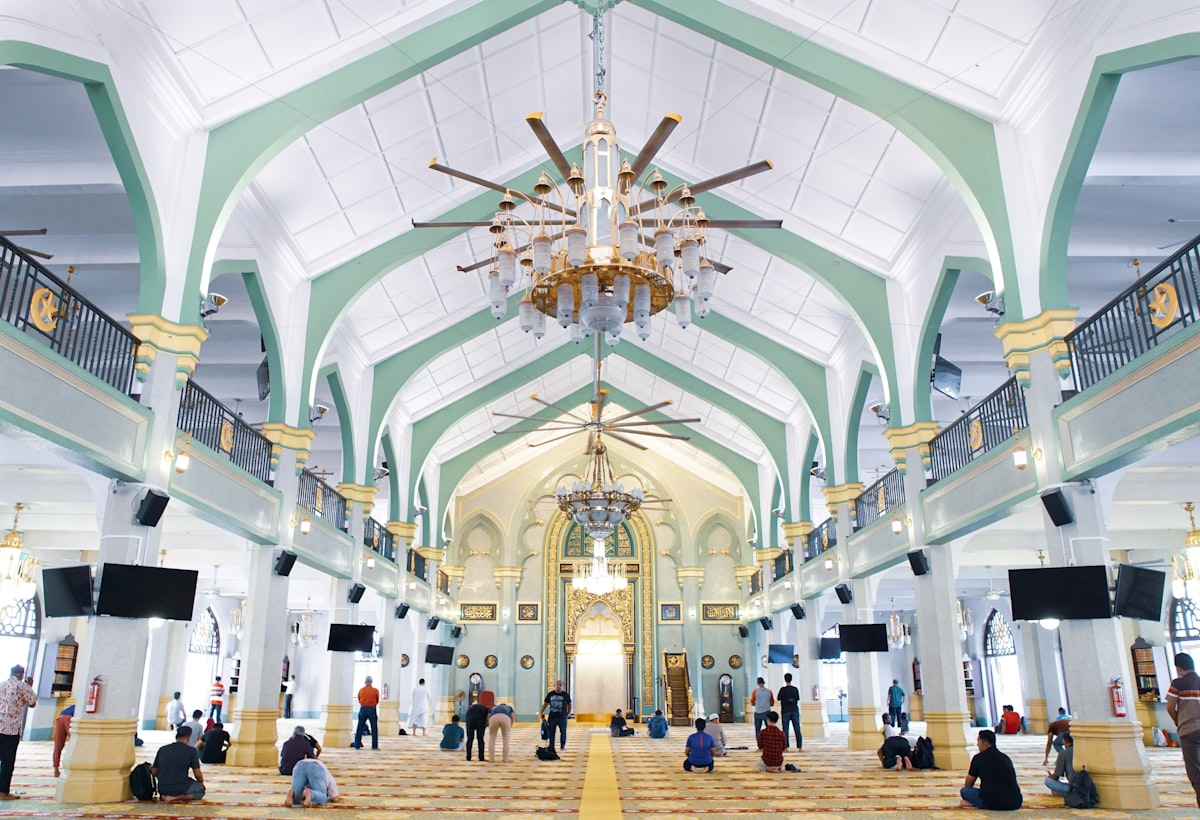
The most culturally rich pair of neighbourhoods in Singapore — Tekka Market, Arab Street, Haji Lane.
7/10
Central
9/10
Walk
7/10
Transit
Worth knowing
February scores highest overall. December is the most crowded month — avoid if you can. See crowd-free ranking →
Month by month breakdown
January#10▾
Gains
- ↑Chinese New Year (late January or February, date changes annually with the lunar calendar) fills Chinatown with lanterns, lion dances, and street markets — the most atmospheric event in the Singapore calendar
- ↑Rain is heavy but warm and brief; afternoon thunderstorms last 1–2 hours before clearing, rarely disrupting full days
- ↑Hotel rates are mid-range rather than peak — the CNY period aside, January offers reasonable value for a city that is never cheap
Sacrifices
- ↓Northeast Monsoon: 243mm across the month is the second-wettest period of the year — outdoor plans need flexibility
- ↓Sunshine hours at their annual low (5.9 hours daily) — the famous Singapore skyline is often shrouded in grey
- ↓Chinese New Year week itself pushes hotel rates and restaurant demand sharply upward; book well ahead if visiting during the festival
February#1▾
Gains
- ↑February is statistically the driest and sunniest month in Singapore's calendar — 112mm is modest by local standards, and sunshine hours jump to 7.1 daily
- ↑Chinese New Year (if it falls in February) transforms the city: Chinatown, River Hongbao at Marina Bay, and city-wide celebrations
- ↑The best month for outdoor exploration: Gardens by the Bay, East Coast Park, the Southern Ridges walk — all at their most viable
Sacrifices
- ↓If Chinese New Year falls in February, hotel demand spikes significantly for the festival week — plan and book early
- ↓Still hot and humid by any non-tropical standard: 31°C with 83% humidity is the baseline regardless of month
- ↓Prices reflect February's reputation as a good month — not the cheapest window
March#8▾
Gains
- ↑Hotel rates are in the affordable tier — one of the better value windows in Singapore's year-round expensive calendar
- ↑The city is genuinely quieter than the Chinese New Year and holiday peaks; hawker centres and attractions without the usual queues
- ↑Temperatures hit their annual highs (32°C) — if you like heat, this is genuinely warm even by Singapore standards
Sacrifices
- ↓193mm of rain across March with reliable afternoon thunderstorms — outdoor plans need a two-hour buffer after lunch
- ↓The event calendar is relatively quiet compared to the festive January-February period or the F1-and-National Day second half of the year
- ↓Haze from regional agricultural burning can occasionally affect air quality and visibility in March
April#9▾
Gains
- ↑Affordable hotel pricing continues — genuinely good value for a city where prices rarely relent
- ↑The Singapore Zoo, Night Safari, and River Safari are comfortably visited without peak-season crowds
- ↑Orchard Road and the city's shopping scene accessible without the school-holiday or festival-period crowds
Sacrifices
- ↓Heavy inter-monsoon rainfall: 188mm with daily afternoon thunderstorms limits outdoor flexibility
- ↓The hottest and most humid months of the year arrive in April — 33°C with 84% humidity is notable even for Singapore
- ↓No major festivals or events to drive atmosphere; the city is doing its normal thing, which is efficient and pleasant but not energised
May#5▾
Gains
- ↑Great Singapore Sale (May to August) — the city's biggest retail event with deals across Orchard Road, Marina Bay Sands, and beyond
- ↑Rainfall is heavy but slightly less than April, and sunshine hours recover to 7.0 daily — outdoor mornings are reliably viable
- ↑Vesak Day (Buddha's birthday, exact date varies) — temples across the island are beautifully lit and open; Little India and Chinatown see gentle celebrations
Sacrifices
- ↓School holidays begin in late May, pushing hotel prices up and increasing crowd pressure at family attractions
- ↓Still 33°C with 83% humidity — the heat is persistent and unrelenting for unacclimatised visitors
- ↓172mm of rain means outdoor plans still require afternoon contingencies
June#6▾
Gains
- ↑Lowest rainfall of the dry-ish season: 130mm and 7.5 sunshine hours daily — the most reliably outdoor-viable month outside of February
- ↑Singapore Food Festival celebrates the city's extraordinary hawker culture with special events, chef collaborations, and market nights
- ↑The city is humming: school holidays bring a festive energy to Sentosa, Universal Studios, and the waterfront areas
Sacrifices
- ↓School holiday period (June is peak family travel): hotel prices are firmly moderate-to-expensive, and family attractions have genuine queues
- ↓The Great Singapore Sale continues but crowds in malls and on Orchard Road are at their most intense
- ↓Despite being drier, 130mm and afternoon rain remains common — outdoor planning still requires flexibility
July#4▾
Gains
- ↑Singapore's National Day (August 9) preparations ramp up — daily aerial displays and rehearsals over Marina Bay are visible throughout late July
- ↑Good sunshine (7.3 hours daily) and moderate rainfall make this one of the more outdoor-friendly months
- ↑The city's calendar is active: art exhibitions, the Singapore Night Festival preparations, and a generally excellent restaurant scene
Sacrifices
- ↓School holidays continue through July, keeping hotel prices elevated and family venues busy
- ↓While moderate by Singapore standards, 158mm of rain still means regular afternoon disruptions to outdoor plans
- ↓Not a "special" month — the major events of August and September are approaching but haven't arrived yet
August#2▾
Gains
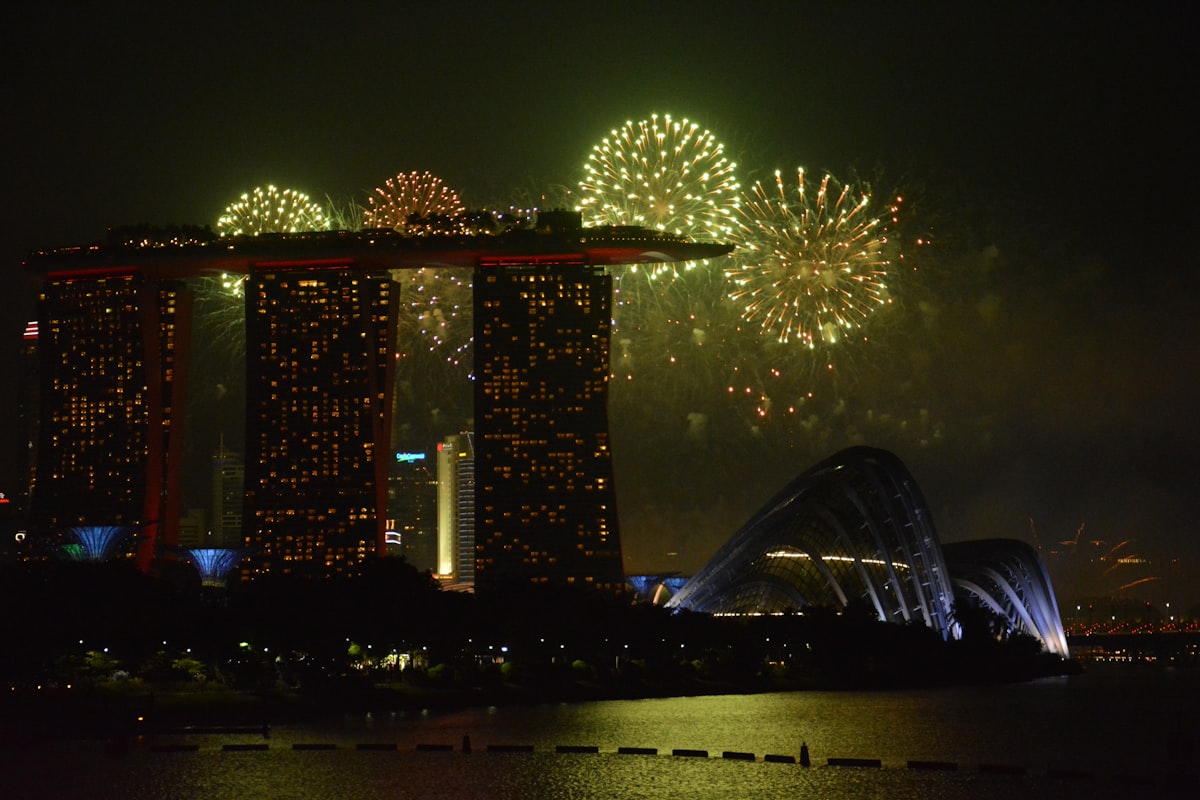
- ↑National Day (August 9) parade and fireworks over Marina Bay — the most spectacular and emotionally charged event in Singapore's calendar; the whole city celebrates
- ↑Singapore Night Festival lights up the Bras Basah/Bugis heritage district with light installations and performances — free and genuinely impressive
- ↑The city is at its most confident: Singapore's combination of culture, food, and infrastructure is fully on display
Sacrifices
- ↓National Day week pushes hotel rates up sharply — book well in advance for any property near Marina Bay or the Padang
- ↓Rainfall climbs back to 174mm; the dry window of June-July closes and afternoon thunderstorms become reliable again
- ↓The school holidays are ending but the city has not yet quietened — August is busy throughout
September#3▾
Gains
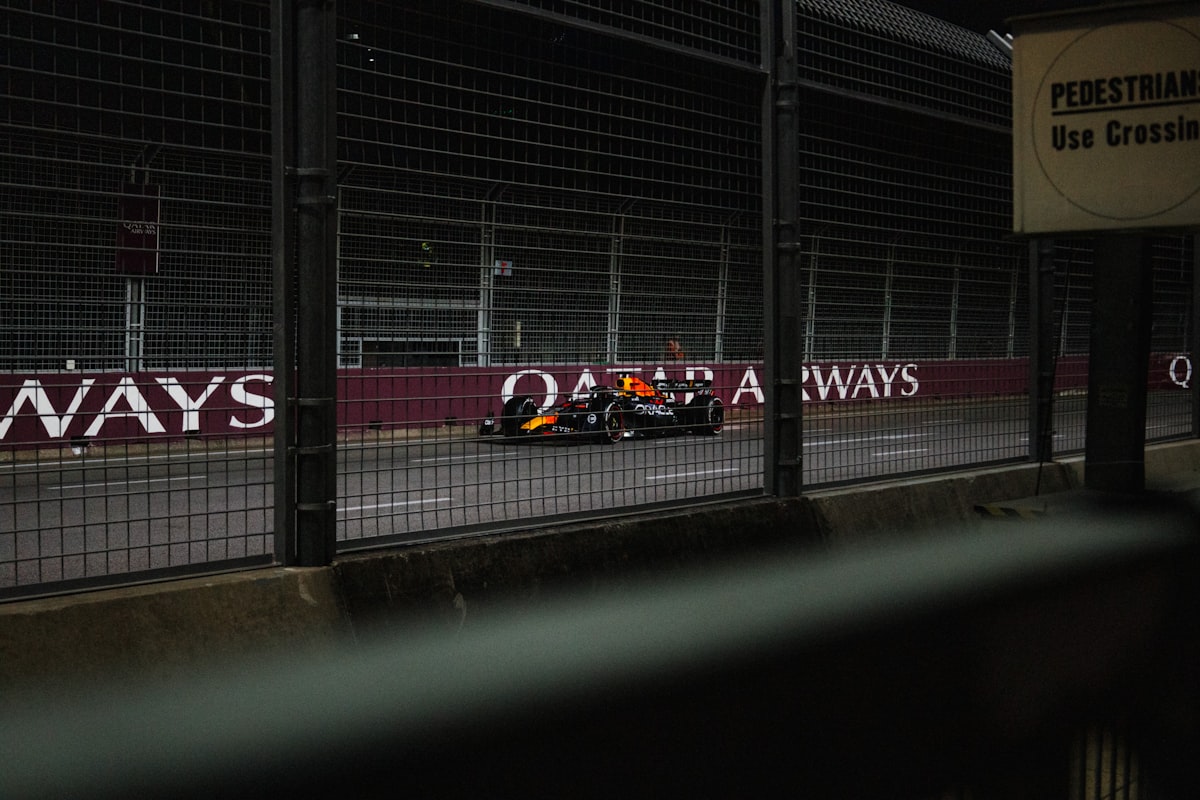
- ↑F1 Singapore Grand Prix (typically third or fourth weekend of September) — the world's only night race, Marina Bay Street Circuit, and the most spectacular urban sporting event in Asia; it is genuinely worth building a trip around
- ↑The city is at peak atmosphere: the F1 paddock zone transforms the Marina Bay area for the entire race weekend, with concerts, hospitality, and the extraordinary sight of F1 cars under lights
- ↑Beyond F1, Singapore's food and culture scene is operating at full capacity — restaurants with Michelin stars are running; the hawker centres need no event to be world-class
Sacrifices
- ↓F1 race weekend pushes hotel prices to their annual peak — some properties at 3–4× normal rates; book months in advance or time around the specific race weekend
- ↓Marina Bay and the CBD are heavily restricted during Grand Prix weekend; getting around the city requires planning
- ↓If you're not interested in the F1, September has high prices driven by an event you won't attend — consider October instead
October#7▾
Gains
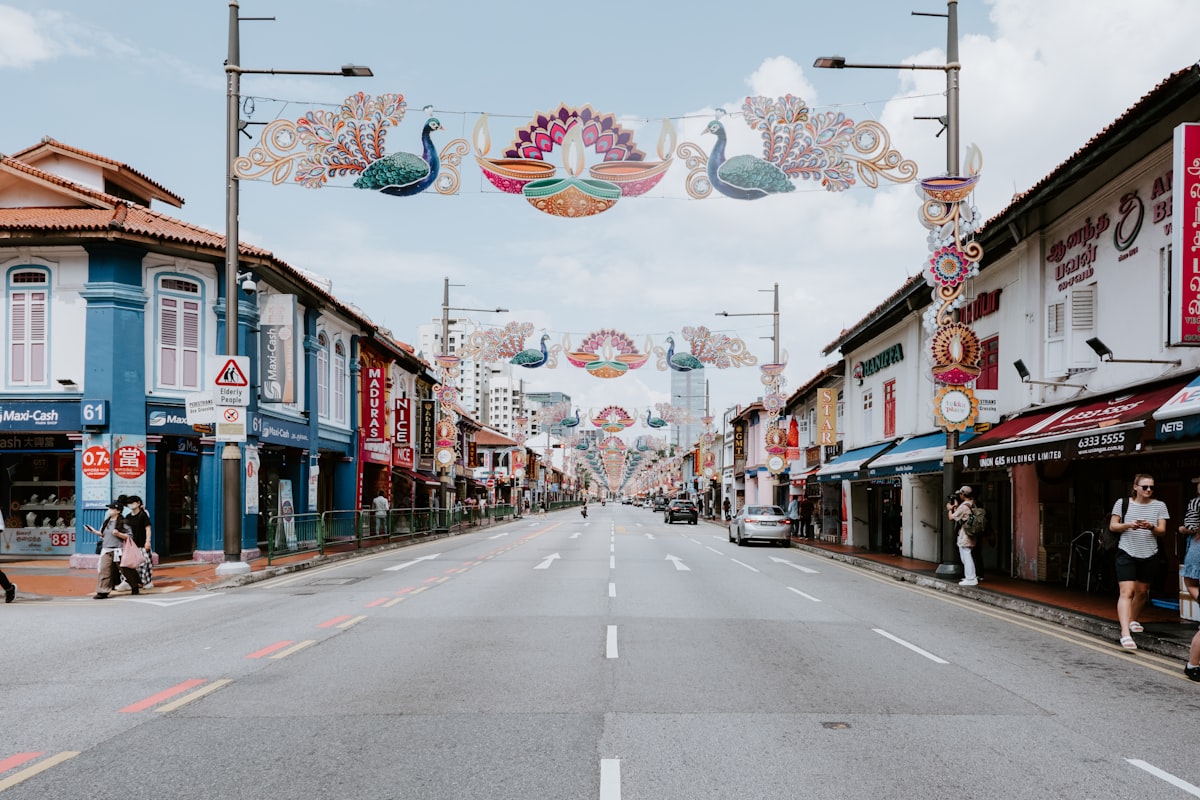
- ↑Deepavali (exact date varies with the Hindu calendar, typically October-November) turns Little India into a blaze of lights, colour, and communal cooking — the street decorations on Serangoon Road are extraordinary
- ↑Post-F1 prices normalise: hotel rates drop back to moderate from the September peak
- ↑The city's cultural calendar remains active: gallery openings, food events, and the Singapore International Film Festival in November approaching
Sacrifices
- ↓Rainfall climbs to 185mm as the Northeast Monsoon begins building — afternoon downpours return with increasing frequency
- ↓Not a month with a single headline event beyond Deepavali; the city is operating at its normal excellent but not exceptional level
- ↓The Singapore school exam period (PSLE) creates a quieter, more domestic atmosphere — less of the school-holiday buzz
November#11▾
Gains
- ↑Singapore's world-class indoor culture is untouched by monsoon: museums, hawker centres, malls, aquariums — the best urban infrastructure in Southeast Asia built for exactly this
- ↑Hotel prices are moderate — not cheap, but notably below the December peak that follows
- ↑Singapore International Film Festival (mid-November) brings the arts calendar to a strong close for the year
Sacrifices
- ↓257mm of rain in November is serious — outdoor attractions including East Coast Park and Gardens by the Bay walking become unreliable
- ↓Sunshine drops to 5.6 hours daily and overcast skies dominate; photography of the famous skyline requires patience and luck
- ↓If your vision of Singapore involves outdoor exploration and blue-sky walks through its parks, November is not the right month
December#12▾
Gains
- ↑Orchard Road Christmas lights (entire month) — Singapore's annual themed display is one of the finest in Asia, running the full length of the shopping belt
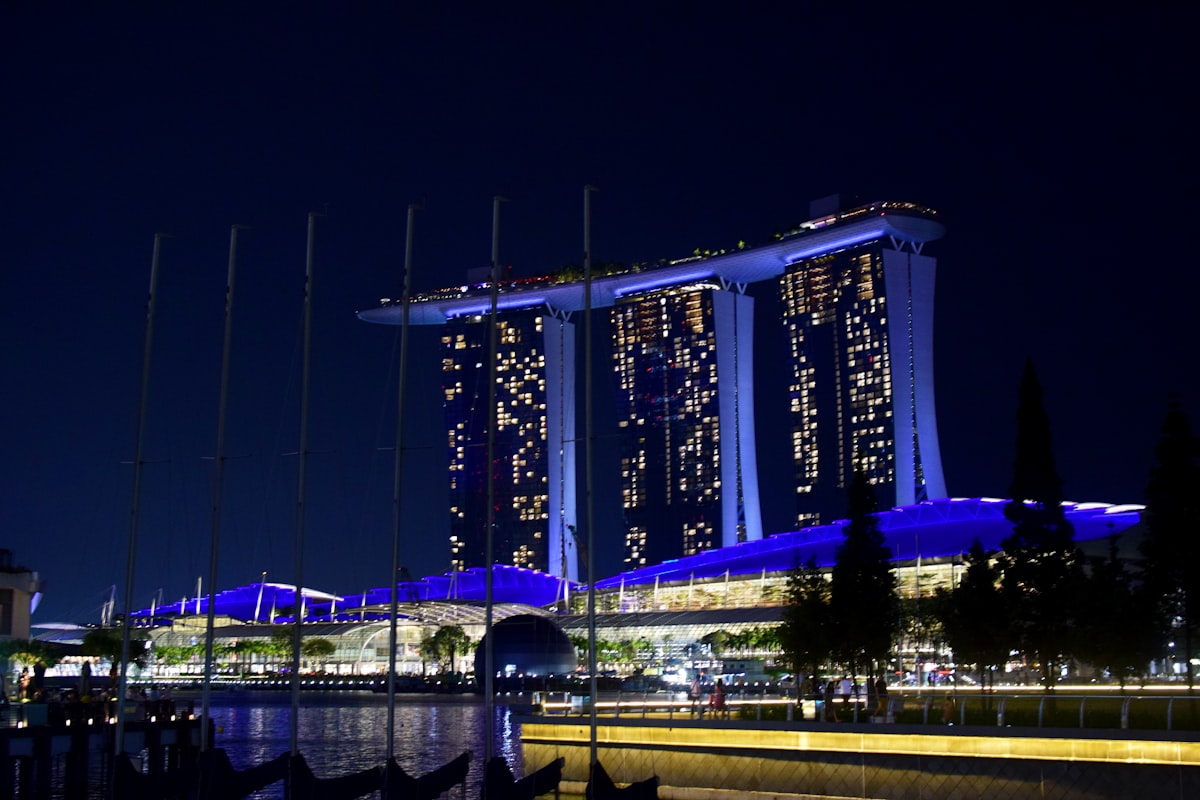
- ↑New Year's Eve at Marina Bay Sands is extraordinary: one of the great countdown celebrations, with the city's skyline as backdrop and fireworks reflecting in the bay
- ↑The festive atmosphere transforms the city: Gardens by the Bay Christmas Garden, Sentosa year-end events, and the city's restaurants operating at their most celebratory
Sacrifices
- ↓288mm of rain makes December Singapore's wettest month — the monsoon is at peak intensity; carry an umbrella everywhere
- ↓Peak pricing across the board: hotel rates at their annual maximum, popular restaurants booked weeks ahead, Sentosa resorts at capacity
- ↓The combination of peak crowds and heavy rain requires significant advance planning for every element of a trip
How this is calculated
Climate data
Open Meteo ERA5
30-year normals (1991–2020). Temperature, rainfall, sunshine, humidity.
Price & crowd
Tourism research
Seasonal pricing from tourism authority data. Directional — compares months within a destination only.
Personalisation
Weighted scoring
Your priorities change the weights. Budget-first users get different results than weather-first users.
Share this result
February is the best time to visit Singapore
Travel timing updates
New destinations and timing guides, when they land.
No spam. Unsubscribe anytime.