Showing: Oct · Syadza Salsabyla / Unsplash
Japan · Asia Pacific
Best time to visit Kyoto
October
Oct scores highest overall — reliable weather and strong local atmosphere. Set your priorities below to personalise this result.
What matters most to you?
All 12 months — click any to expand
Oct
Syadza Salsabyla / Unsplash
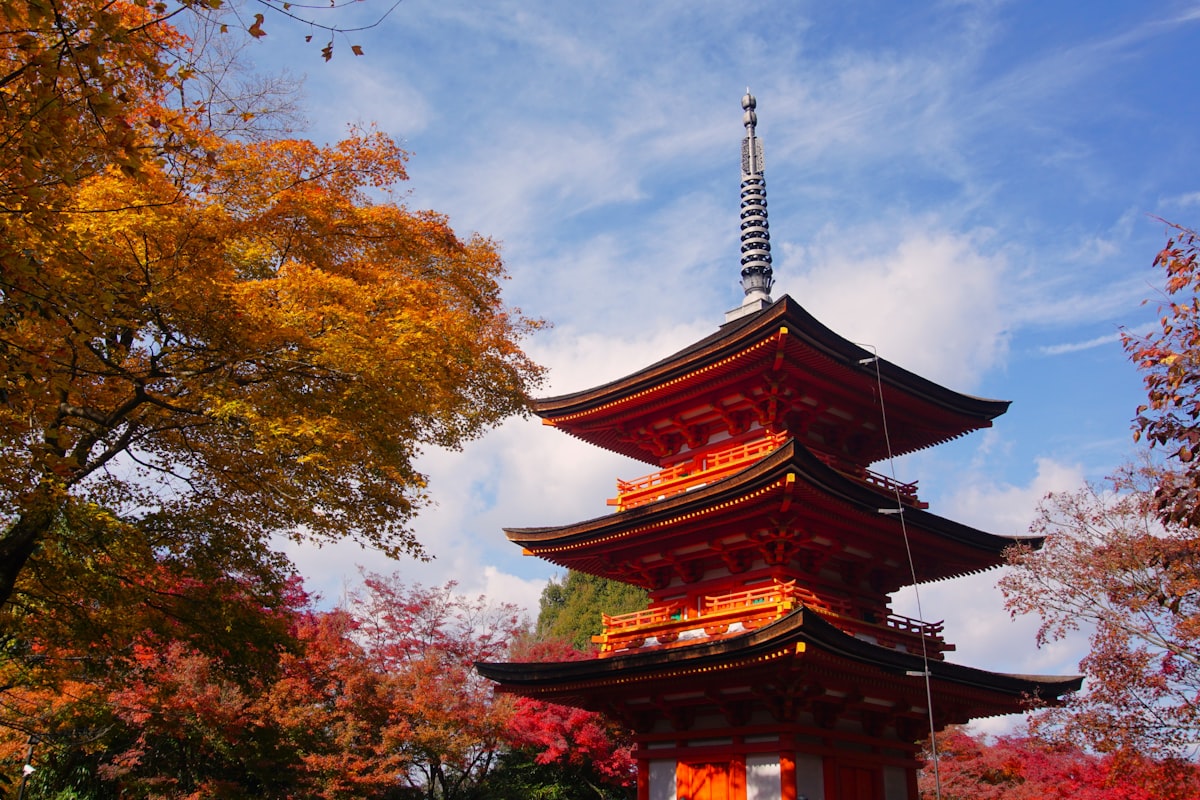
The intelligent choice — Jidai Matsuri festival, ideal temperatures, and foliage building toward November.
22.8°C
High
14.7°C
Low
103mm
Rain
5.5h
Sun/day
What you gain
- ↑Jidai Matsuri (Oct 22): the Festival of Ages — 2,000 participants in historical costume from every era of Japanese history
- ↑Ideal temperatures: 23°C highs with low humidity — perfect for full-day temple circuits
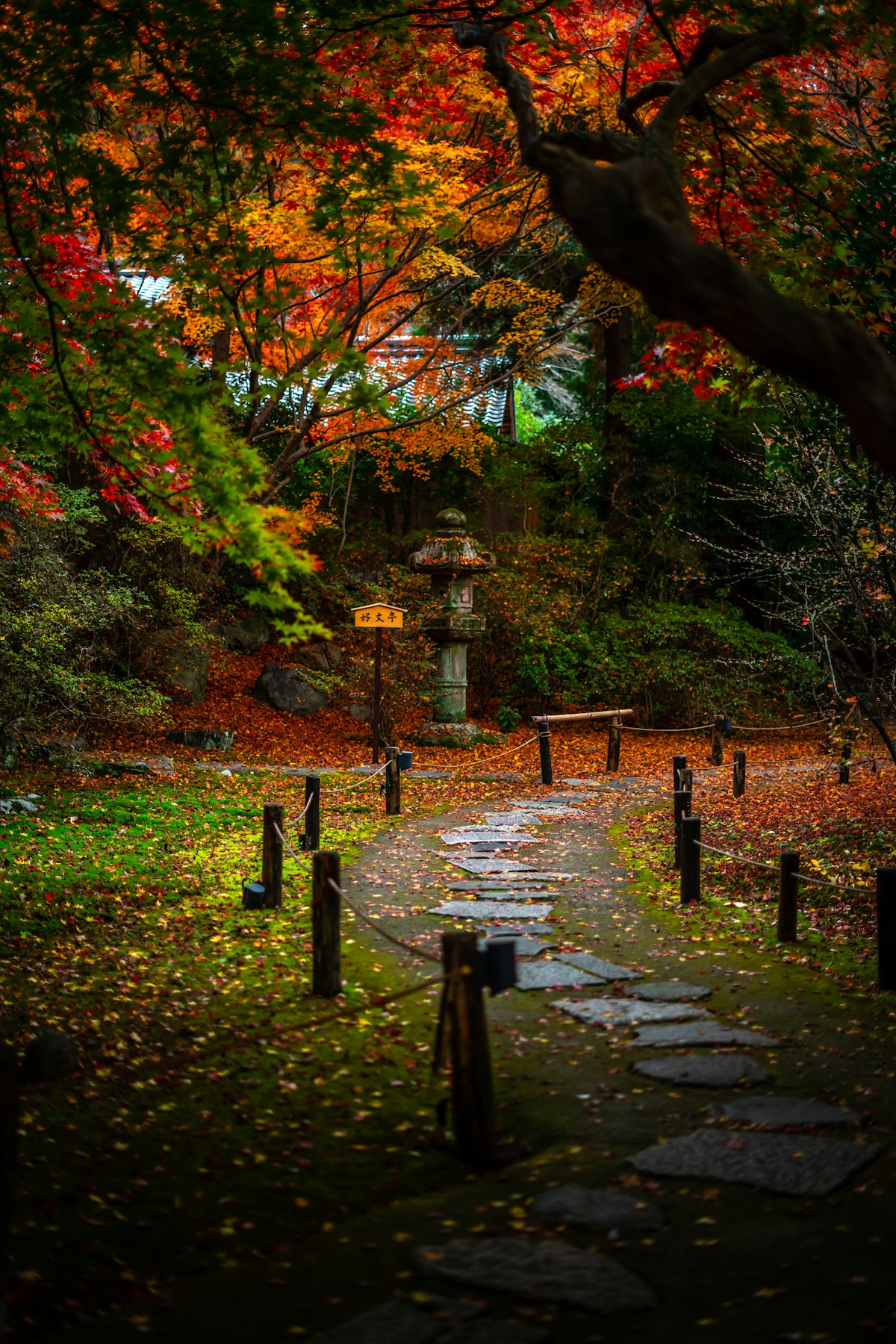
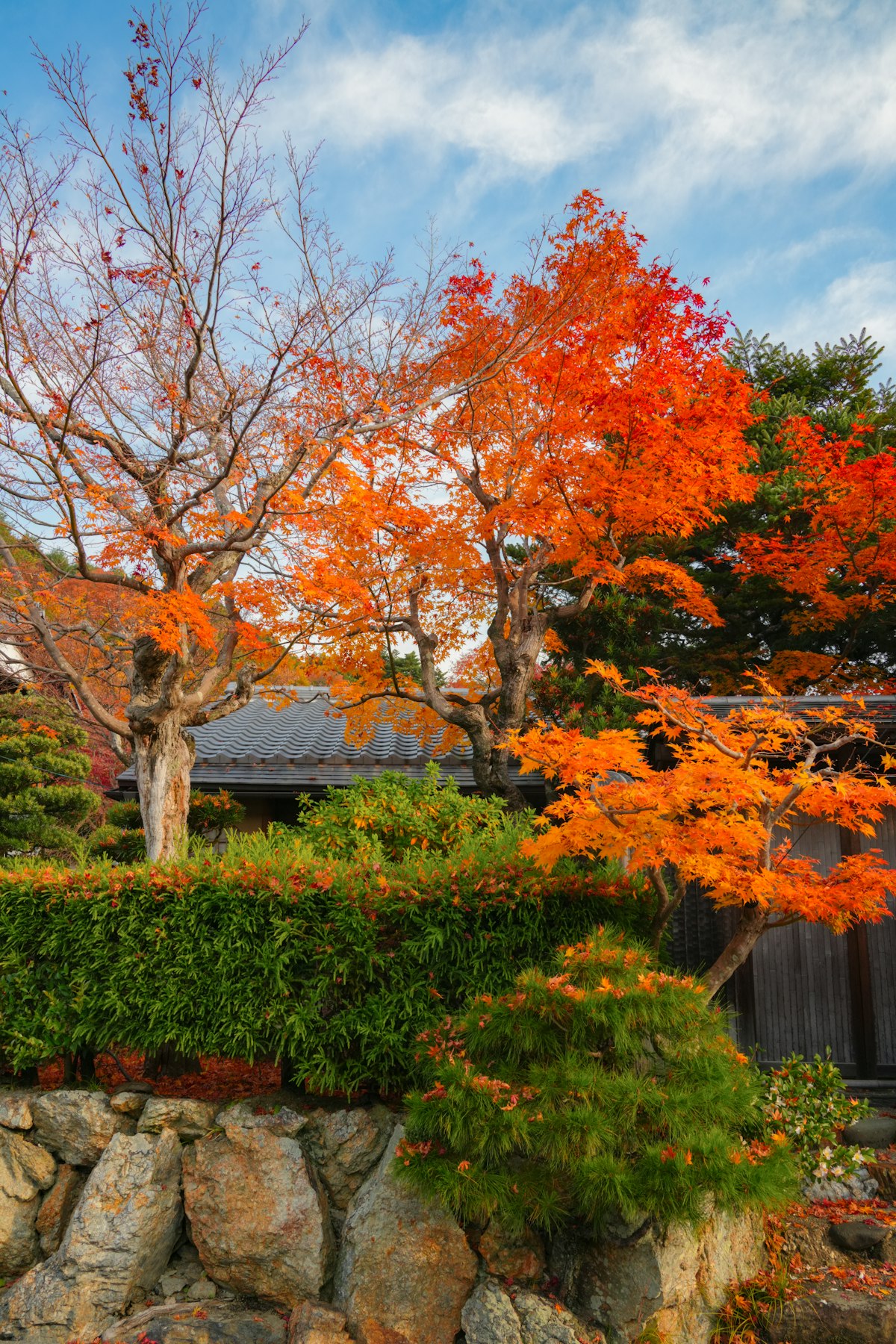
- ↑Early foliage at higher elevations; Kurama and Kibune show colour before the city
What you sacrifice
- ↓Crowds building toward the November foliage peak — accommodation prices rising from mid-October
- ↓Foliage not yet at peak; visitors seeking the full autumn colour should wait for November
- ↓103mm of rainfall across the month; October showers can disrupt outdoor plans
Oct scores highest overall — reliable weather and strong local atmosphere. Set your priorities below to personalise this result.
Oct
The intelligent choice — Jidai Matsuri festival, ideal temperatures, and foliage building toward November.
22.8°C
High
103mm
Rain
5.5h
Sun
- ↑Jidai Matsuri (Oct 22): the Festival of Ages — 2,000 participants in historical costume from every era of Japanese history
- ↑Ideal temperatures: 23°C highs with low humidity — perfect for full-day temple circuits
- ↑Early foliage at higher elevations; Kurama and Kibune show colour before the city
- ↓Crowds building toward the November foliage peak — accommodation prices rising from mid-October
- ↓Foliage not yet at peak; visitors seeking the full autumn colour should wait for November
- ↓103mm of rainfall across the month; October showers can disrupt outdoor plans
Top travel windows
★ BestOctober
Best overall
Highest combined score
22.8°C
High
103mm
Rain
5.5h
Sun
February
Best for value
Lowest prices & fees
10.1°C
High
62mm
Rain
5.5h
Sun
February
Fewest crowds
Quietest month
10.1°C
High
62mm
Rain
5.5h
Sun
Breakdown by priority
Best for weather
October
22.8°C high · 103mm rain · 5.5hrs sun/day
Best for budget
February
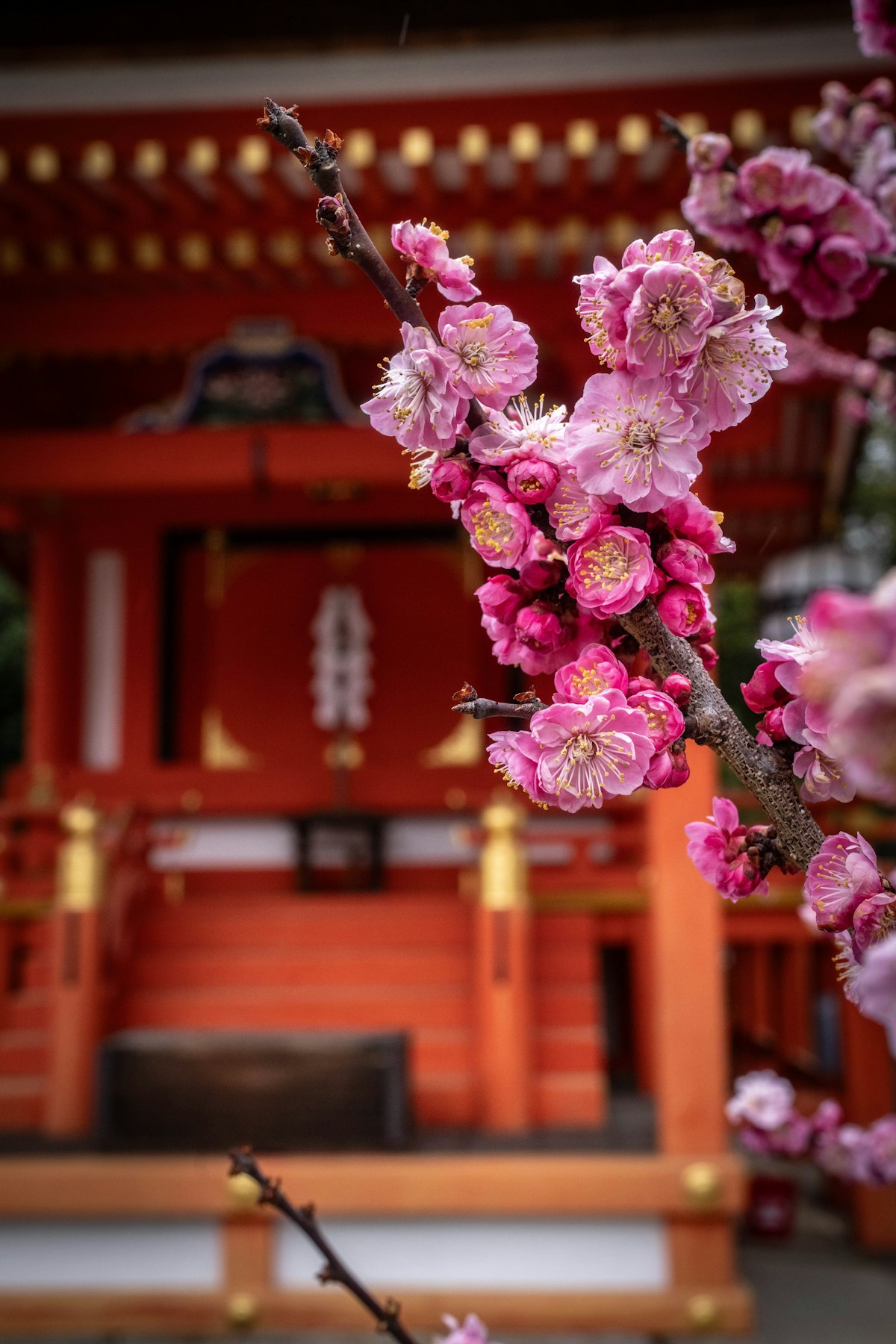
Plum blossom season begins at Kitano Tenmangu and Jonangu — underrated and uncrowded
Fewest crowds
February
Statistically the least crowded month: major temples genuinely peaceful, no queues anywhere
Where to stay in Kyoto
All neighbourhoods →
Downtown (Kawaramachi)
Kyoto's practical heart — the best transit connections, Nishiki Market, and Pontocho for dinner.
8/10
Walk
6/10
Price
5/10
Local
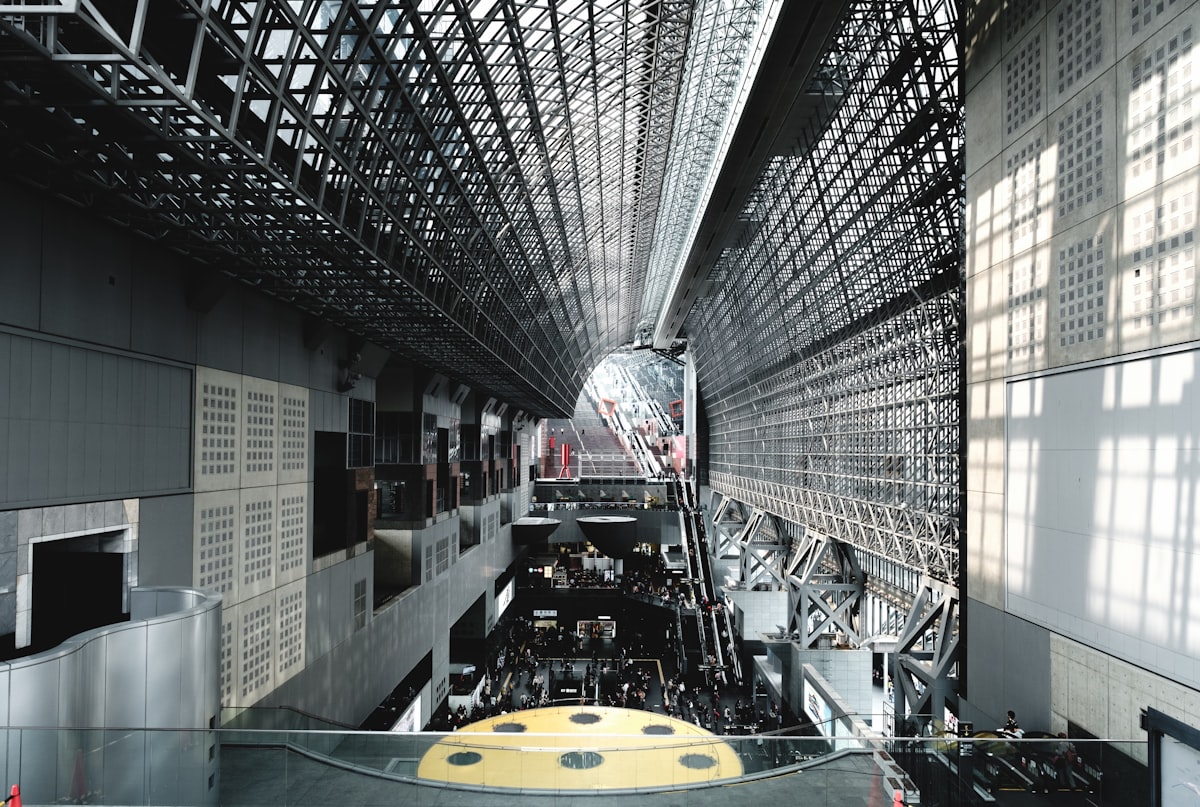
Kyoto Station
Maximum transit convenience — Shinkansen hub, affordable hotels, and Fushimi Inari two stops south.
7/10
Walk
7/10
Price
3/10
Local
Month by month breakdown
January#5▾
Gains
- ↑Lowest hotel rates of the year — Gion ryokan at prices impossible in spring or autumn
- ↑Kinkakuji and Ryoanji walkable without pre-booking; queue times near zero
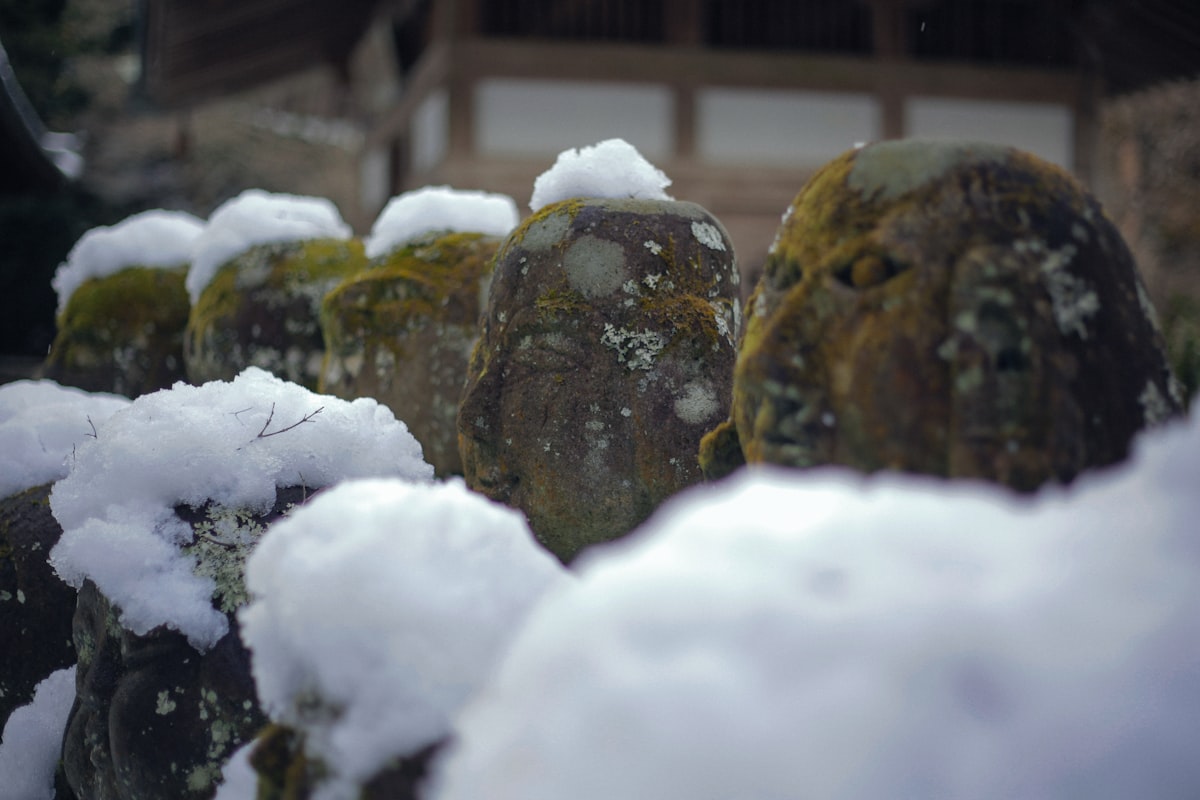
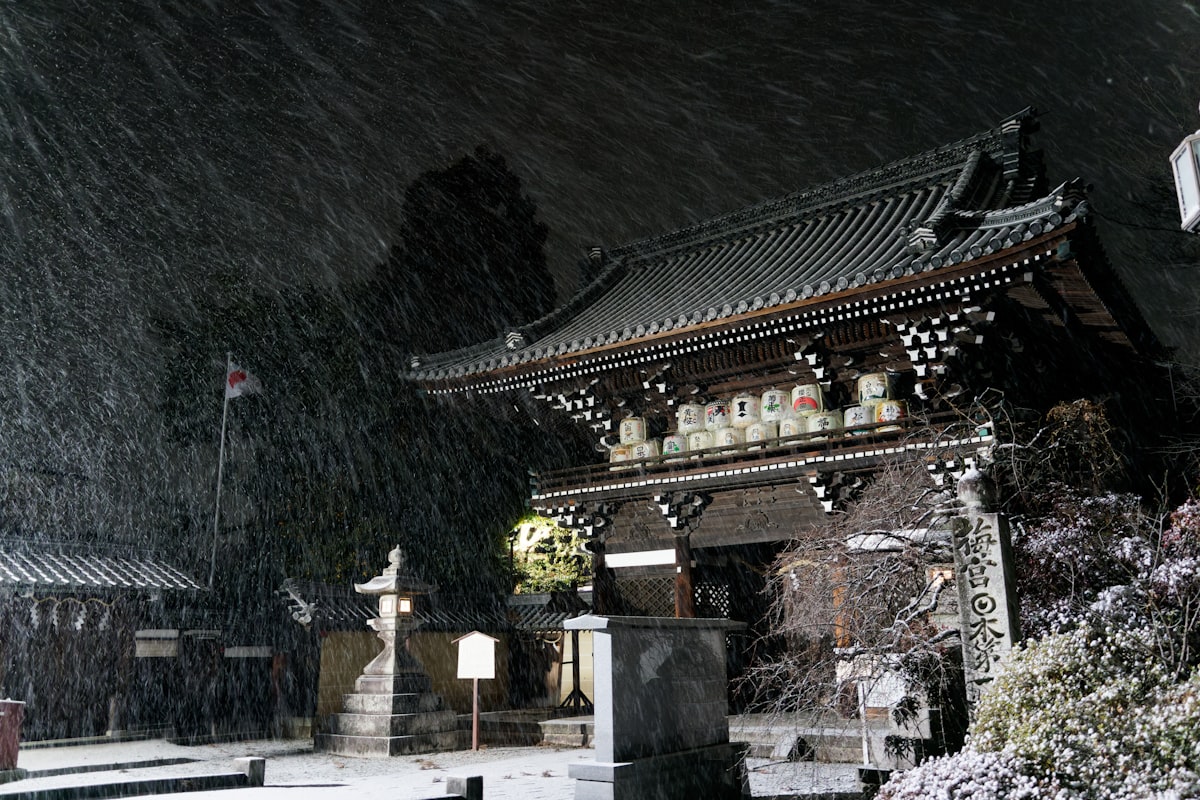
- ↑Rare snowfall transforms the temple gardens into something almost never photographed
Sacrifices
- ↓Cold enough (2°C nights) to make all-day temple-hopping exhausting without proper layering
- ↓Some outdoor garden sections reduced or closed for winter maintenance
- ↓New Year crowd spike (Dec 31–Jan 3) pushes prices and queues sharply upward
February#3▾
Gains
- ↑Statistically the least crowded month: major temples genuinely peaceful, no queues anywhere
- ↑Plum blossom season begins at Kitano Tenmangu and Jonangu — underrated and uncrowded
- ↑Budget hotel rates at their lowest; best time to splurge on a ryokan at off-peak prices
Sacrifices
- ↓Still cold: 3°C lows require full winter layers throughout the day
- ↓Limited cherry blossom coverage — plum blossoms are lovely but a niche draw
- ↓Grey overcast days common; Kyoto's famous landscapes are less photogenic without blue sky
March#2▾
Gains
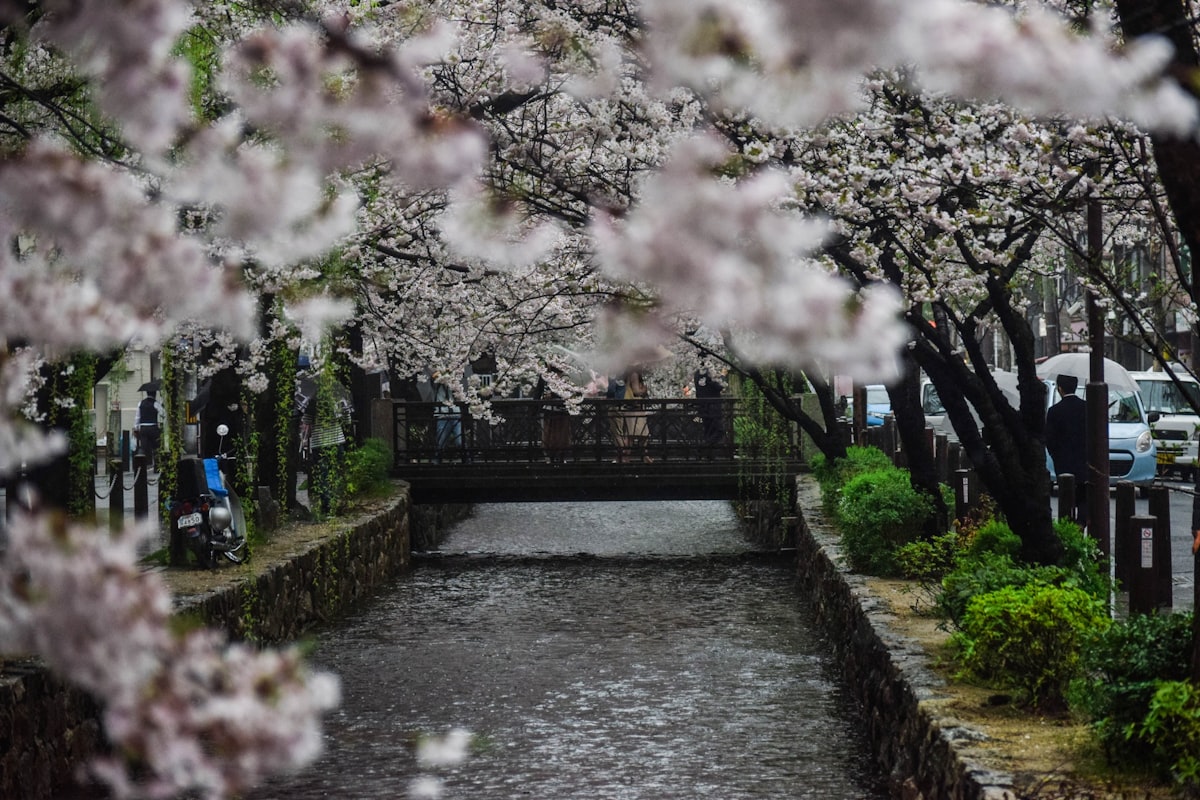
- ↑Early cherry blossoms arrive late March at Maruyama Park and the Philosopher's Path — one of the great sights in Japan
- ↑Higashiyama Hanatoro lantern festival mid-March: stone-paved lanes lit at night, before the peak crowds arrive
- ↑Temperatures comfortable for all-day walking: 14°C highs without summer humidity
Sacrifices
- ↓Prices rising sharply from mid-March as cherry blossom season approaches
- ↓Accommodation books out weeks ahead for late March — advance planning essential
- ↓Spring rain days common; 89mm across the month means waterproof layers are necessary
April#7▾
Gains
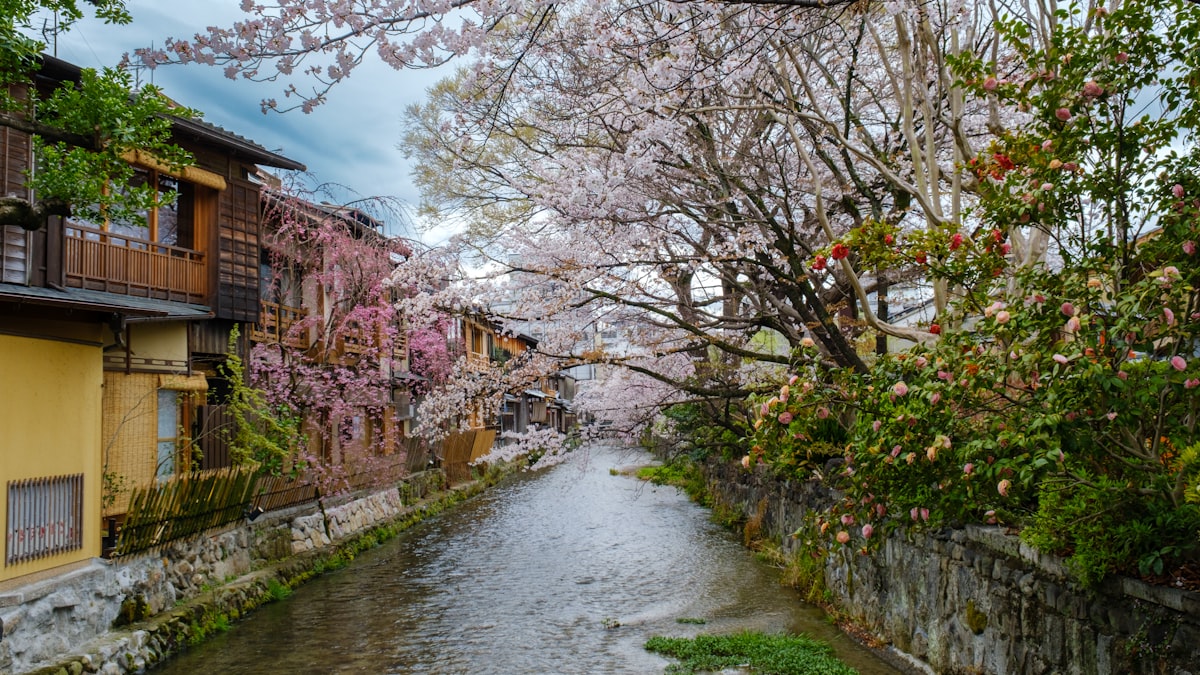
- ↑Cherry blossom peak (early April): Maruyama Park, Philosopher's Path, and Kiyomizudera in full bloom — one of the great natural spectacles
- ↑Miyako Odori geisha dance performances at Gion Kobu Kaburenjo throughout April
- ↑20°C temperatures: perfect for outdoor temple-hopping without heat or rain
Sacrifices
- ↓Peak hotel prices: ryokan and mid-range hotels at annual highs — often 3× January rates
- ↓Major temples impossible without advance booking; Fushimi Inari and Kiyomizudera overwhelmed by 9am
- ↓Cherry blossom window is only 7–10 days; bad weather or an early warm spell can shift it significantly
May#4▾
Gains
- ↑Aoi Matsuri (May 15): one of Kyoto's three great annual festivals — 500 participants in Heian-era costume from the Imperial Palace to Shimogamo Shrine
- ↑Fresh green: the temple gardens after cherry blossom are lush and photogenic in a completely different way
- ↑Temperatures warm and pleasant without the oppressive humidity of summer
Sacrifices
- ↓Golden Week (May 3–5): domestic holiday brings massive domestic crowds — the worst window in the month
- ↓Prices remain elevated from cherry blossom season through mid-May
- ↓120mm of rain across the month; Kyoto's spring showers can last all day
June#9▾
Gains
- ↑Lowest international tourist numbers of the year: major temples genuinely accessible
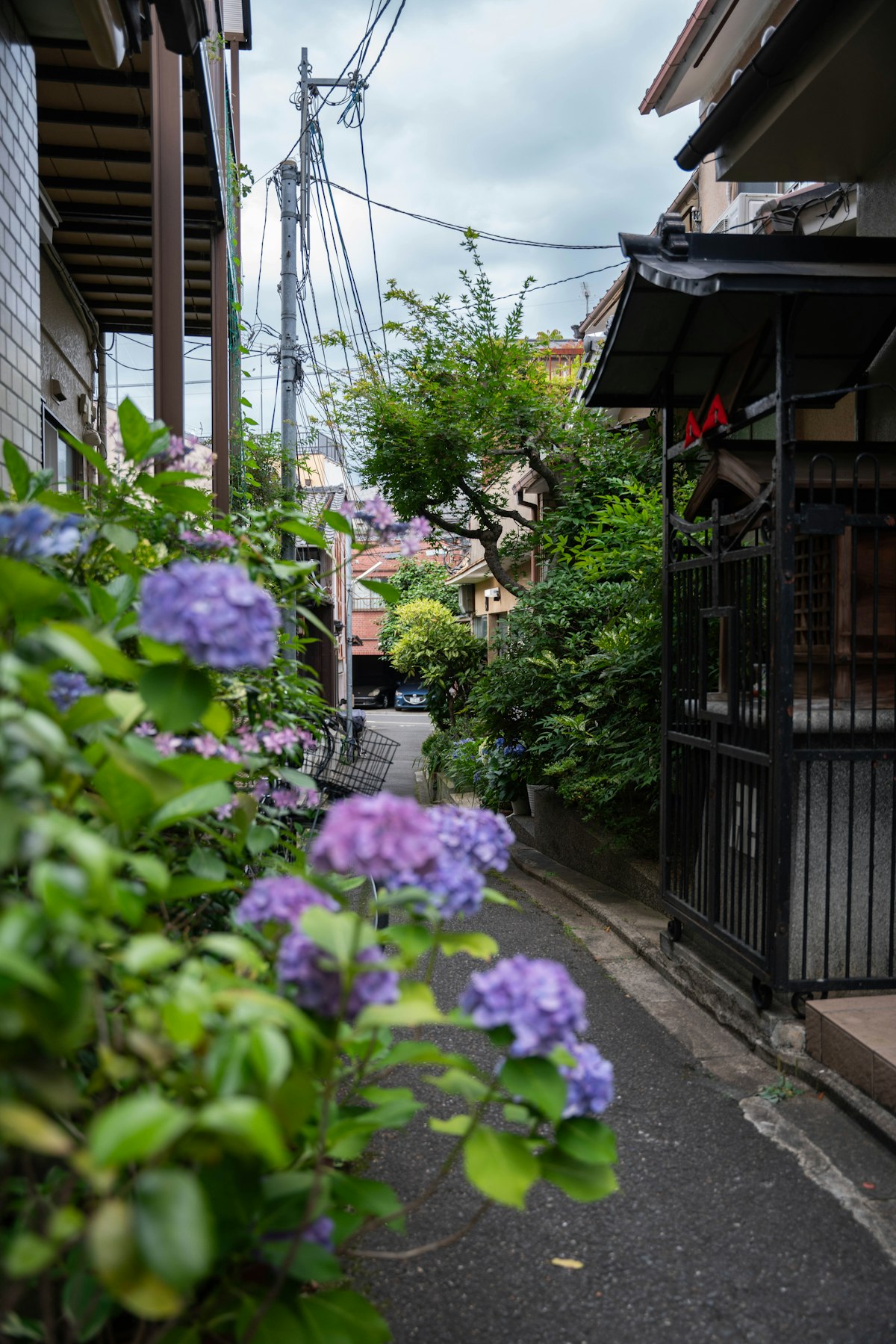
- ↑Hydrangea season at Mimurotoji and Fujinomori: a less-photographed side of Kyoto in full colour
- ↑Hotel rates drop significantly: budget windows open at mid-range properties
Sacrifices
- ↓183mm of rainfall: tsuyu (plum rain) means frequent all-day overcast or rain — outdoor plans need flexibility
- ↓Hot and humid: 21°C lows with high moisture make the air feel heavier than the temperature suggests
- ↓Limited sunshine (5 hours daily); temple gardens lose their colour under grey skies
July#11▾
Gains
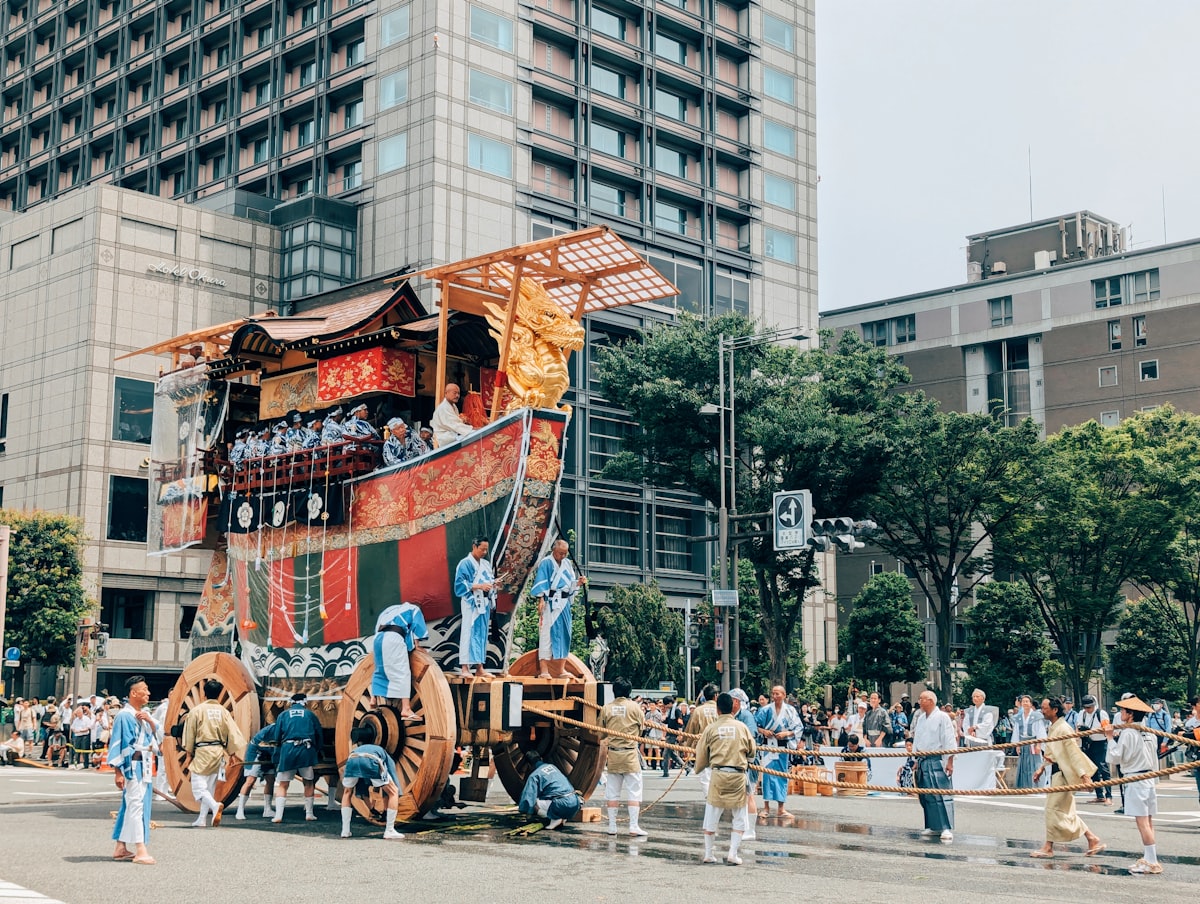
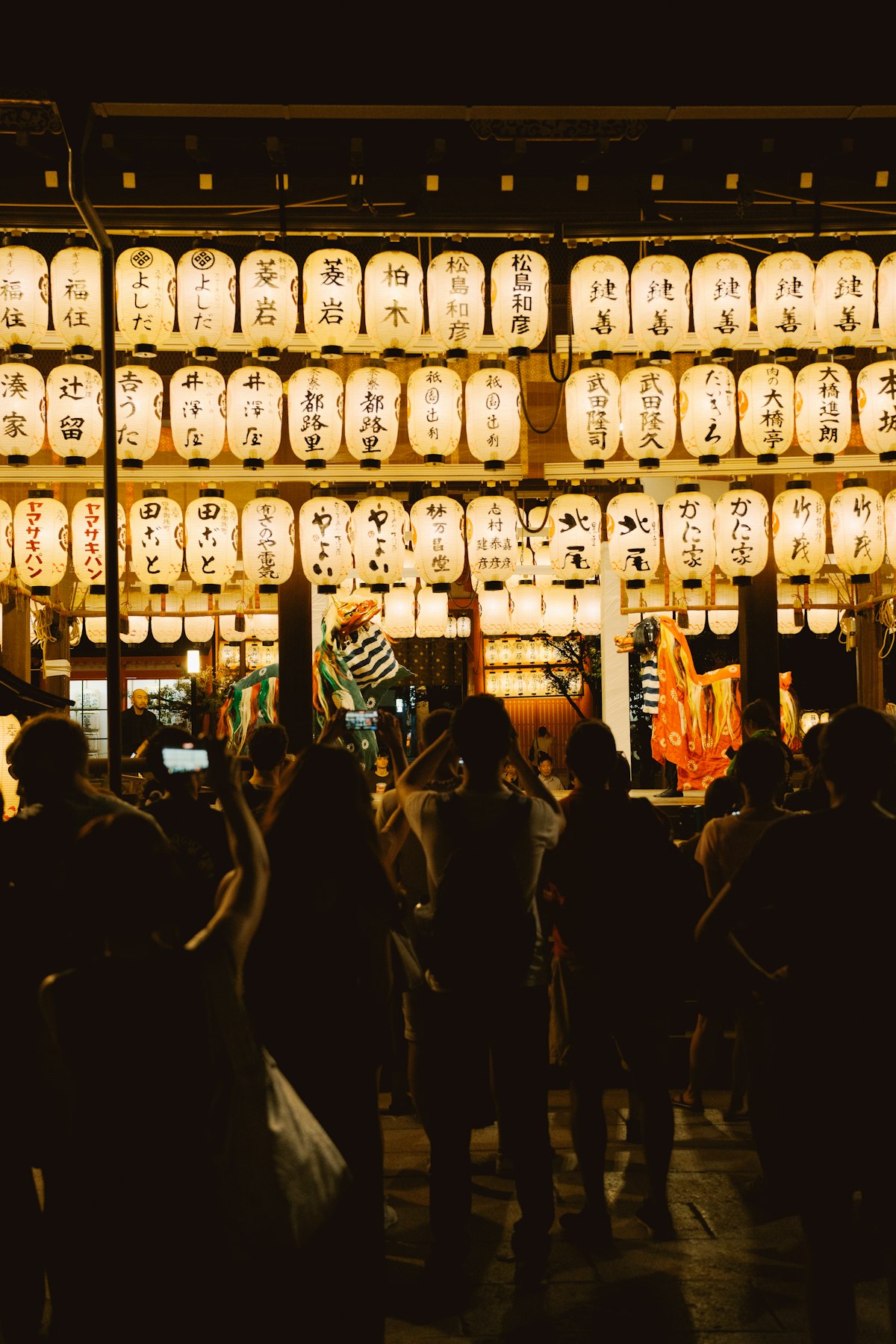
- ↑Gion Matsuri: the most important festival in Japan runs all month, culminating in the Yamaboko Junko float parades on July 17 and 24 — an extraordinary spectacle
- ↑Summer Kamo River dining (kawayuka): restaurants extend platforms over the river for evening meals in the breeze
- ↑Longest days: evening light on the temples until 7pm
Sacrifices
- ↓Hottest, most humid month: 32°C highs with 75% humidity makes midday sightseeing genuinely uncomfortable
- ↓218mm of rainfall — heaviest month; rain is intense but often brief
- ↓Gion Matsuri crowds: the central festival area around Shijo and Karasuma is impassable on parade nights
August#12▾
Gains
- ↑Daimonji Gozan Okuribi (August 16): five mountain bonfires lit simultaneously at dusk — the most visually dramatic event in Kyoto's calendar
- ↑Obon lantern floating on the Kamo River: intimate and moving
- ↑Most sunshine of the year (7 hours daily): temple gardens at their most photogenic in good early-morning light
Sacrifices
- ↓Hottest month: 34°C highs and oppressive humidity — temple visits before 9am or after 4pm are strongly advised
- ↓Obon holidays (mid-August) push domestic travel demand; accommodation prices spike
- ↓High UV and heat risk for children and elderly travellers
September#8▾
Gains
- ↑Sharp drop in tourist numbers after Obon: temple access returns to manageable levels
- ↑Temperatures falling from the August peak: 28°C highs with lower humidity than July–August
- ↑Budget accommodation rates persist; September is consistently undervalued
Sacrifices
- ↓168mm of rainfall with typhoon season risk: late September can bring significant disruption to travel plans
- ↓Still humid and warm in early September — the relief from August comes gradually
- ↓Foliage has not yet begun; the colour payoff is still 6–8 weeks away
October#1▾
Gains
- ↑Jidai Matsuri (Oct 22): the Festival of Ages — 2,000 participants in historical costume from every era of Japanese history
- ↑Ideal temperatures: 23°C highs with low humidity — perfect for full-day temple circuits
- ↑Early foliage at higher elevations; Kurama and Kibune show colour before the city
Sacrifices
- ↓Crowds building toward the November foliage peak — accommodation prices rising from mid-October
- ↓Foliage not yet at peak; visitors seeking the full autumn colour should wait for November
- ↓103mm of rainfall across the month; October showers can disrupt outdoor plans
November#10▾
Gains
- ↑Tofukuji, Eikan-do, and Arashiyama in peak autumn colour: red, gold, and orange across every temple — the equal of cherry blossom season
- ↑Special evening illuminations at major temples: Kiyomizudera and Kodaiji lit after dark
- ↑Cool and dry: 17°C highs with only 61mm of rain — the best walking weather of the year
Sacrifices
- ↓Equal to April for crowds: Tofukuji on a November weekend is effectively impassable; pre-booking everything essential
- ↓Peak hotel prices match cherry blossom season — ryokan rates at their annual high
- ↓Foliage window is 2–3 weeks and varies year to year; early or late arrivals can miss the peak entirely
December#6▾
Gains
- ↑Early December (1–10): late foliage colour still visible at Tofukuji and Eikan-do without November crowds
- ↑Driest month of the year: 38mm rainfall — the clearest skies for temple photography
- ↑Budget hotel rates from mid-December; one of the best value windows in the calendar
Sacrifices
- ↓Cold: 4°C lows from mid-December require serious layering for full-day outdoor visits
- ↓New Year spike: Dec 28–Jan 3 sees prices surge and Fushimi Inari hatsumode crowds become enormous
- ↓Winter garden closures at some temples reduce the total itinerary available
How this is calculated
Climate data
Open Meteo ERA5
30-year normals (1991–2020). Temperature, rainfall, sunshine, humidity.
Price & crowd
Tourism research
Seasonal pricing from tourism authority data. Directional — compares months within a destination only.
Personalisation
Weighted scoring
Your priorities change the weights. Budget-first users get different results than weather-first users.
Share this result
October is the best time to visit Kyoto