
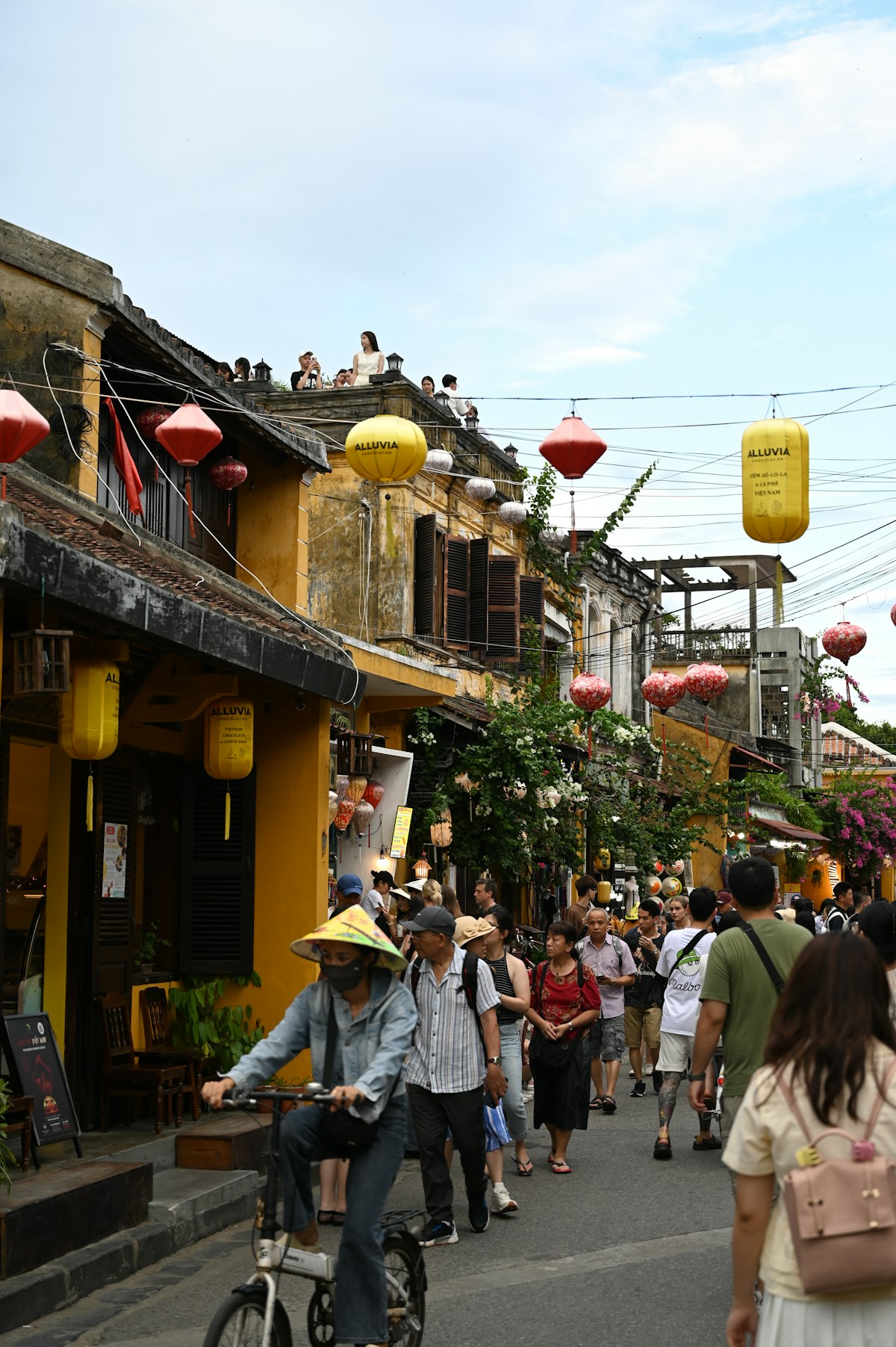



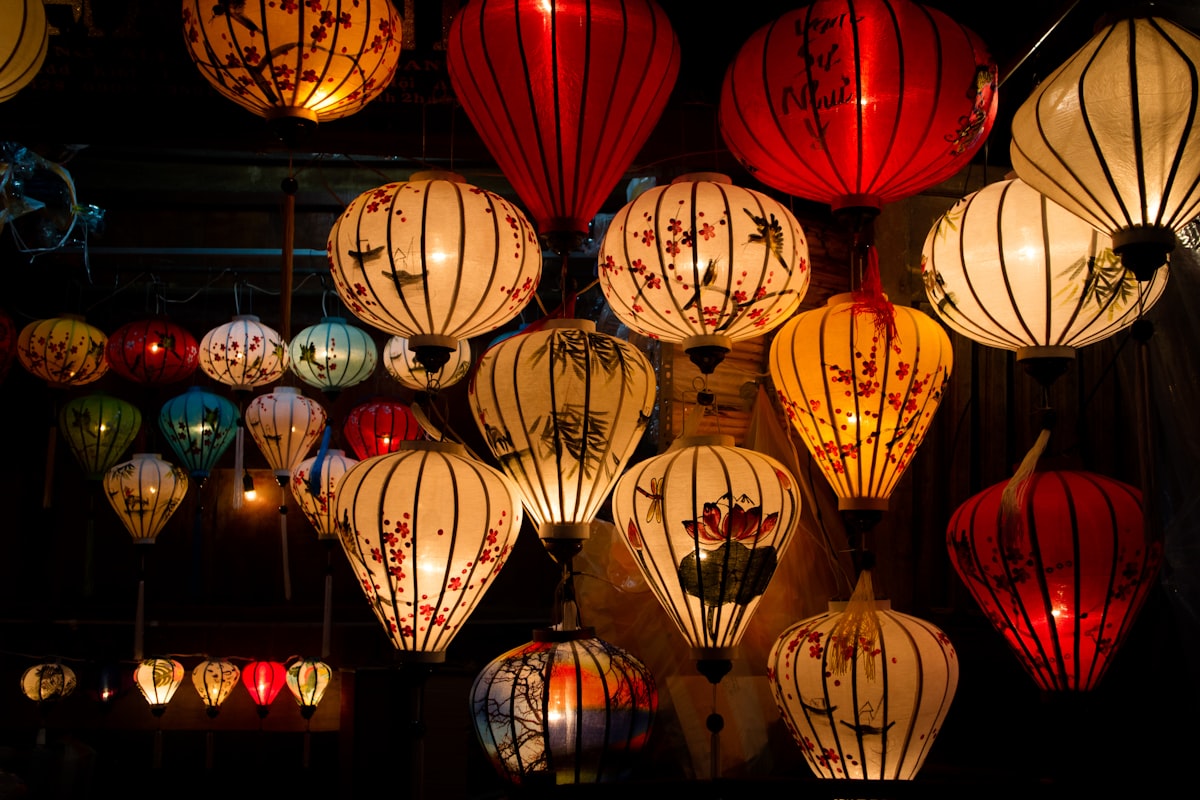


Showing: Feb · allPhoto Bangkok / Unsplash
Vietnam · Southeast Asia
Best time to visit Hoi An
February
Feb scores highest overall — reliable weather and good value. Set your priorities below to personalise this result.
What matters most to you?
All 12 months — click any to expand
Feb
allPhoto Bangkok / Unsplash
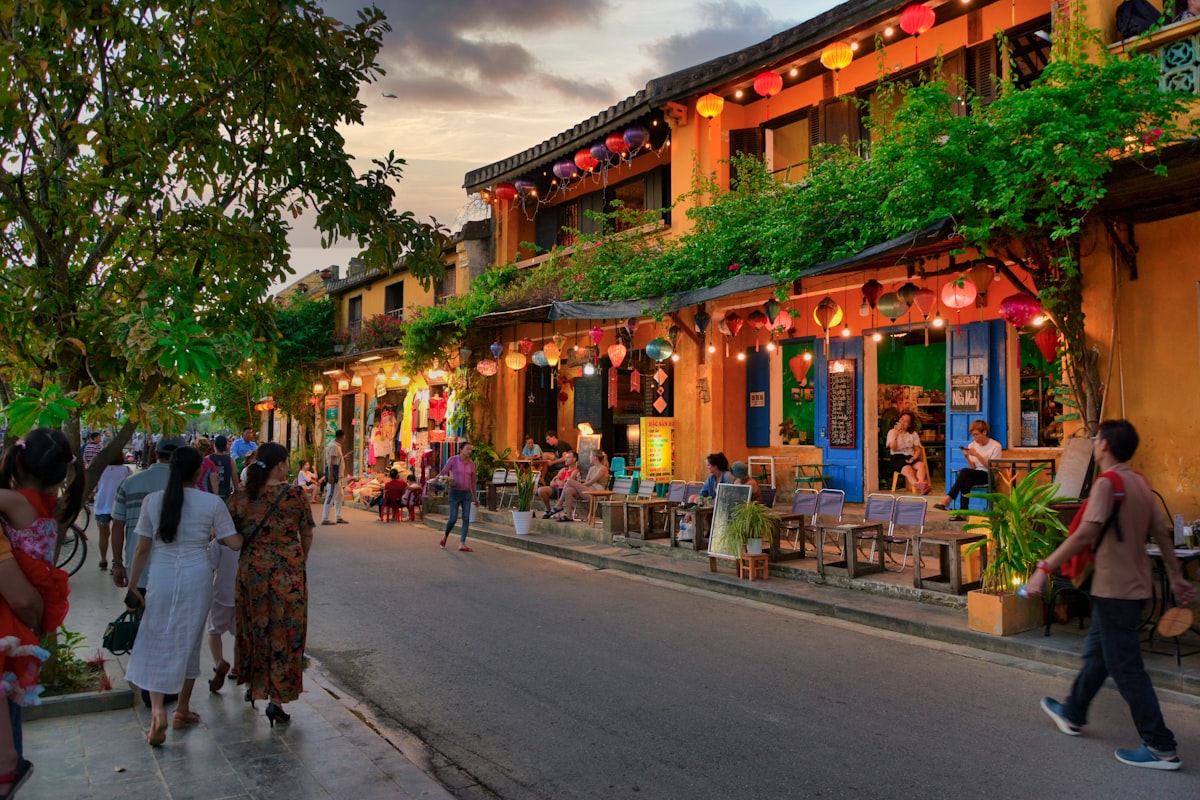
The driest month — warm, sunny, and still calm enough to enjoy the Old Town without peak crowds.
26°C
High
18°C
Low
30mm
Rain
8.2h
Sun/day
What you gain
- ↑Only 30mm of rain: the driest month in Hoi An's calendar — beach days at An Bang Beach are reliable for the first time
- ↑8.2 daily sunshine hours and 26°C highs: ideal for cycling the countryside and exploring the Ancient Town on foot
- ↑Tet celebrations (if falling in February): the Old Town transforms with flowers, lanterns, and Vietnamese New Year atmosphere
What you sacrifice
- ↓International visitor numbers building toward the March peak — popular tailor shops book out 2–3 days ahead
- ↓Some Tet-period closures affect restaurants and family-run tailors for 3–5 days around the holiday
- ↓Humidity at 82% means evenings are warmer than the temperature suggests
Feb scores highest overall — reliable weather and good value. Set your priorities below to personalise this result.
Feb
The driest month — warm, sunny, and still calm enough to enjoy the Old Town without peak crowds.
26°C
High
30mm
Rain
8.2h
Sun
- ↑Only 30mm of rain: the driest month in Hoi An's calendar — beach days at An Bang Beach are reliable for the first time
- ↑8.2 daily sunshine hours and 26°C highs: ideal for cycling the countryside and exploring the Ancient Town on foot
- ↑Tet celebrations (if falling in February): the Old Town transforms with flowers, lanterns, and Vietnamese New Year atmosphere
- ↓International visitor numbers building toward the March peak — popular tailor shops book out 2–3 days ahead
- ↓Some Tet-period closures affect restaurants and family-run tailors for 3–5 days around the holiday
- ↓Humidity at 82% means evenings are warmer than the temperature suggests
Top travel windows
★ BestFebruary
Best overall
Highest combined score
26°C
High
30mm
Rain
8.2h
Sun
October
Best for value
Lowest prices & fees
29°C
High
567mm
Rain
4.8h
Sun
October
Fewest crowds
Quietest month
29°C
High
567mm
Rain
4.8h
Sun
Breakdown by priority
Best for weather
February
26°C high · 30mm rain · 8.2hrs sun/day
Best for budget
October
The cheapest month of the year by a significant margin — five-star riverside hotels at one-third of peak rates
Fewest crowds
October
Almost no tourists: the Ancient Town is entirely local — a once-in-a-year glimpse of a non-tourist Hoi An
Also exploring

Tokyo
Japan
A city of dramatic seasonal contrasts — cherry blossom crowds, oppressive summer humidity, and golden autumn foliage — where the wrong timing can make or break the trip.

Bali
Indonesia
A Hindu island of rice terraces, temple ceremonies, and surf breaks where the monsoon makes timing genuinely binary — the difference between dry and wet season is not subtle.

Maldives
Maldives
A destination defined almost entirely by its monsoon calendar — the difference between the NE dry season (November–April) and SW wet season (May–October) is not subtle and shapes every aspect of the experience.
Where to stay in Hoi An
All neighbourhoods →
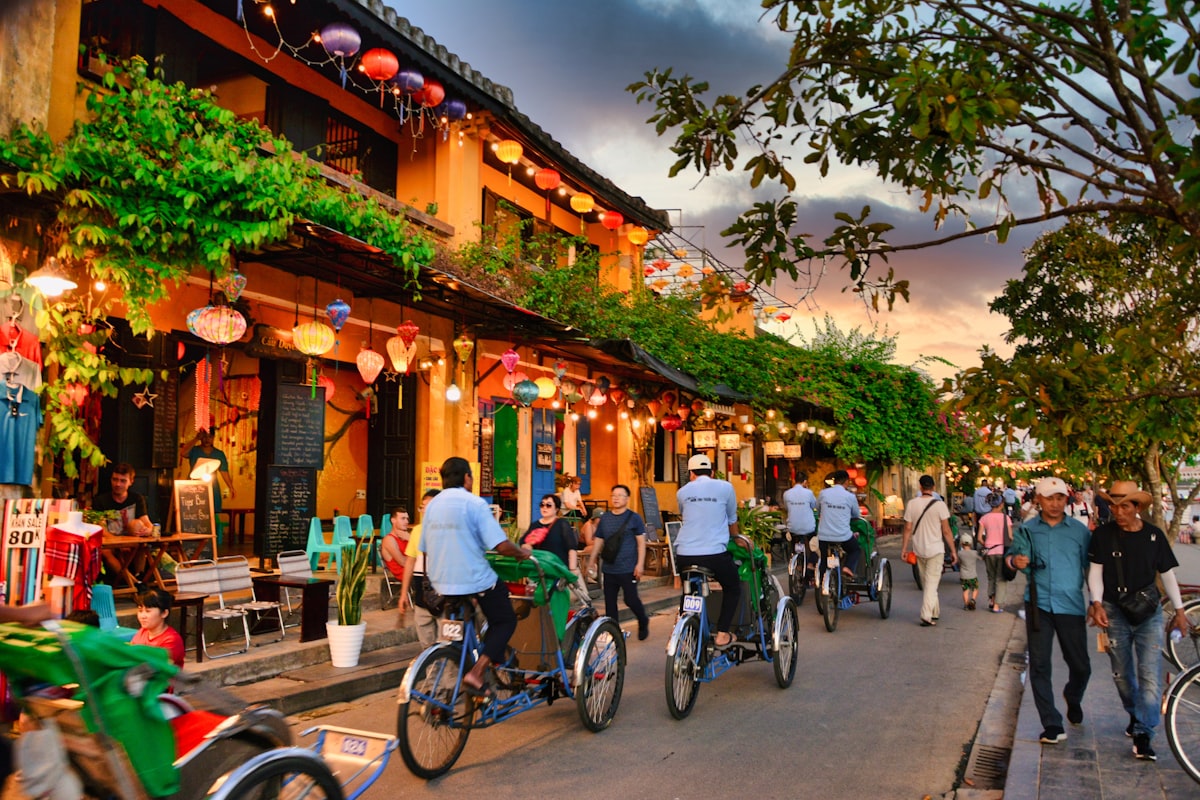
Hội An Ancient Town (Old Town)
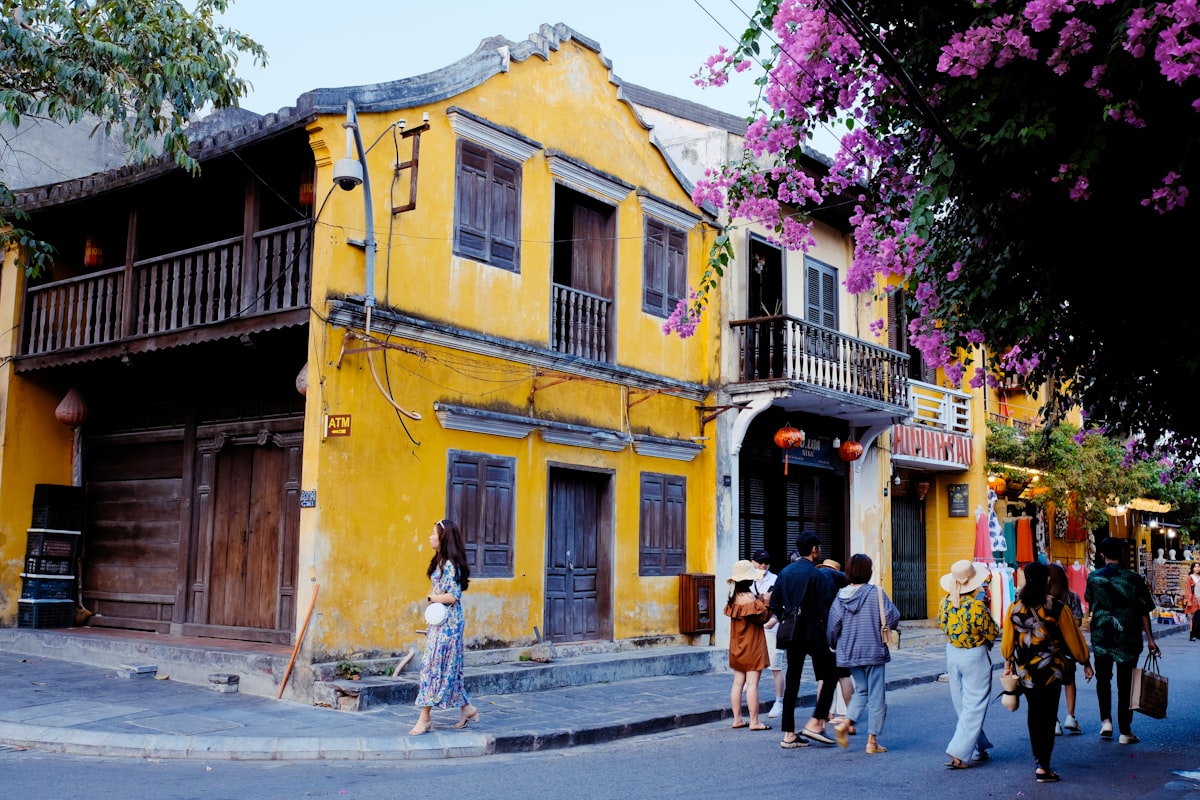
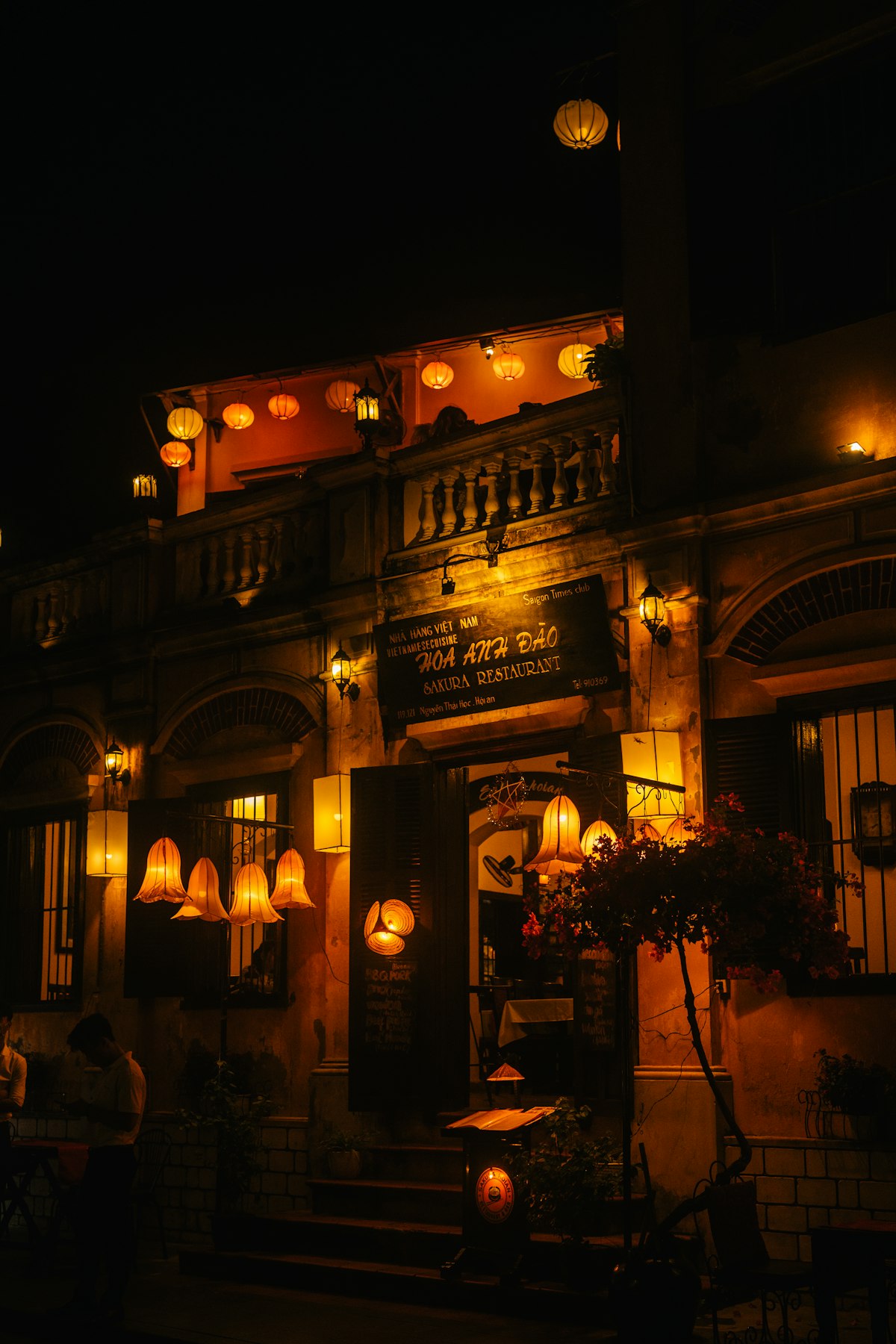
The UNESCO-listed heart of Hoi An — lantern-lit lanes, merchant houses, and the Japanese Covered Bridge.
10/10
Central
10/10
Walk
4/10
Transit
Cam Nam Island
A quiet island across the footbridge — local rice-paddy life at the cheapest prices closest to the Old Town.
7/10
Central
7/10
Walk
4/10
Transit
Worth knowing
February scores highest overall. June is the most crowded month — avoid if you can. See crowd-free ranking →
Month by month breakdown
January#3▾
Gains
- ↑Full Moon Lantern Festival on the 14th of the lunar month: electric lights extinguished, the Ancient Town glows with hundreds of silk lanterns
- ↑Cooler temperatures (17–24°C) make walking the Old Town and cycling to An Bang Beach genuinely comfortable
- ↑Quieter than peak months with good accommodation availability and mid-range prices
Sacrifices
- ↓100mm of rain with overcast skies — the Ancient Town is atmospheric but beach days are unreliable
- ↓Tet (Lunar New Year, late Jan/early Feb) brings domestic tourism surges and some restaurant closures
- ↓Humidity sits at 86%: not oppressive but noticeable in the evenings
February#1▾
Gains
- ↑Only 30mm of rain: the driest month in Hoi An's calendar — beach days at An Bang Beach are reliable for the first time
- ↑8.2 daily sunshine hours and 26°C highs: ideal for cycling the countryside and exploring the Ancient Town on foot
- ↑Tet celebrations (if falling in February): the Old Town transforms with flowers, lanterns, and Vietnamese New Year atmosphere
Sacrifices
- ↓International visitor numbers building toward the March peak — popular tailor shops book out 2–3 days ahead
- ↓Some Tet-period closures affect restaurants and family-run tailors for 3–5 days around the holiday
- ↓Humidity at 82% means evenings are warmer than the temperature suggests
March#2▾
Gains
- ↑28mm of rain and 9.1 sunshine hours: the best weather month in Hoi An — An Bang Beach fully operational and uncrowded versus summer
- ↑79% humidity is the year's lowest: afternoons feel genuinely fresh by Southeast Asian standards
- ↑Perfect tailoring conditions: book 3 days minimum for multiple fittings; dozens of ateliers operating at full capacity
Sacrifices
- ↓Spring break and Easter traffic starting to arrive: March 15–31 sees a noticeable uptick in Western tourists
- ↓Hotel prices are 10–15% above January; advance booking needed for river-view guesthouses in the Old Town
- ↓Popular cooking classes and cycling tours fill up — book ahead more than you would in January
April#5▾
Gains
- ↑9.4 daily sunshine hours: the sunniest month — An Bang Beach at its absolute best for swimming
- ↑Still very low rainfall (36mm): outdoor cycling tours, countryside visits, and boat trips fully reliable
- ↑31°C heat is manageable with early morning starts; the Old Town empties of day-trippers by 9am
Sacrifices
- ↓Easter holiday peak: European and Australian spring-break tourists make the Ancient Town feel crowded at weekends
- ↓Hottest spell of the dry season — midday sightseeing in the Old Town requires seeking shade frequently
- ↓Accommodation prices at a seasonal high; budget guesthouses near the Japanese Covered Bridge often fully booked
May#6▾
Gains
- ↑Prices dropping from April peak as Western tourist volumes fall — tailor shops have same-day availability
- ↑78mm rain is still relatively low: most days remain sunny and beach-viable at An Bang
- ↑Crowds noticeably thinner than March–April; the Ancient Town and Japanese Covered Bridge photographable without jostling
Sacrifices
- ↓33°C heat with increasing humidity (78%): midday walking in the Old Town becomes uncomfortable
- ↓Afternoon showers starting to appear — flexible evening plans are sensible
- ↓An Bang Beach sees occasional rough days as the weather pattern begins shifting
June#9▾
Gains
- ↑Nine daily sunshine hours: An Bang Beach fully viable and the sun reliably appears each morning
- ↑34°C and minimal rain (68mm) still acceptable if you are disciplined about mornings and evenings only
- ↑Full Moon Lantern Festival continues monthly: June evenings in the lantern-lit Old Town are genuinely beautiful
Sacrifices
- ↓Peak Western summer crowds: the Old Town is at its most congested and tailors are fully booked for days ahead
- ↓34°C heat with 77% humidity makes afternoon outdoor activity genuinely miserable — most people hide in cafés from noon to 4pm
- ↓Hotel prices at their second highest of the year despite this being far from the optimal weather window
July#10▾
Gains
- ↑An Bang Beach at maximum viability: calm seas, consistent sun, and beach bars operating at full capacity
- ↑Brief afternoon rain showers (usually 15–30 minutes) actually provide relief from the 34°C heat
- ↑Full Moon Lantern Festival: July evenings with lanterns reflecting in the Thu Bon River are genuinely memorable
Sacrifices
- ↓Peak tourist month: the narrow lanes of the Ancient Town are genuinely congested from 9am–6pm
- ↓34°C with 76% humidity — the hottest, stickiest combination of the year; energy drains fast outdoors
- ↓Hotel and tour prices at yearly high; custom tailoring requires 4–5 days of lead time due to backlogged workshops
August#11▾
Gains
- ↑115mm rain means cooler temperatures than July — 33°C feels more manageable
- ↑Prices beginning to ease from July peak as conditions deteriorate
- ↑Beach bar culture at An Bang still operating; most days have a usable morning window
Sacrifices
- ↓Rain increasing significantly from July: 115mm is nearly double June — afternoon downpours becoming reliable
- ↓Countryside flooding beginning in low-lying areas; cycling routes outside town can become muddy or cut off
- ↓Typhoon season approaching: regional weather forecasts require monitoring from this month onward
September#8▾
Gains
- ↑September is the cheapest month for accommodation — luxury riverside properties available at budget rates
- ↑Visitor numbers drop sharply: the Ancient Town and cooking schools have genuine availability
- ↑Dramatic river and sky photography: the Thu Bon swollen and fast, dramatic monsoon cloud formations
Sacrifices
- ↓272mm of rain is the beginning of the worst weather period: heavy daily rainfall with little predictability
- ↓Typhoon risk at its peak — named storms regularly track across central Vietnam in September, with trip-cancelling potential
- ↓An Bang Beach completely unusable: rough seas, dangerous surf, most beach bars shuttered
October#12▾
Gains
- ↑The cheapest month of the year by a significant margin — five-star riverside hotels at one-third of peak rates
- ↑Almost no tourists: the Ancient Town is entirely local — a once-in-a-year glimpse of a non-tourist Hoi An
- ↑Full Moon Lantern Festival still occurs, and the flooded-street lantern reflections are photographically extraordinary — if you can reach them
Sacrifices
- ↓567mm of rain: the most of any month by far — the Thu Bon River regularly floods An Hoi Island and large sections of the Ancient Town, making streets impassable on foot
- ↓Properties closest to the river have documented annual flood insurance claims; guests can be stranded or evacuated
- ↓Beach completely off-limits, many restaurants and shops closed, and travel insurance typically requires typhoon/flood coverage for this month
November#7▾
Gains
- ↑Prices remain near October lows while flooding risk begins to decrease through the month
- ↑Late November starts to see some drier windows — a visit from the 20th onward carries meaningfully lower risk
- ↑Full Moon Lantern Festival returns: with fewer crowds and lower prices, it's one of the most intimate versions of the month
Sacrifices
- ↓358mm of rain: still the second wettest month; flooding events remain common through mid-November
- ↓Typhoon tail season: storms can still make landfall in November, disrupting access to the region
- ↓An Bang Beach remains closed for most of the month — rough seas and debris from the rainy season make it unusable
December#4▾
Gains
- ↑December Full Moon Lantern Festival combined with Christmas decorations: the Ancient Town is at its most atmospheric
- ↑Temperatures cooling to 24°C — the most comfortable walking conditions since April
- ↑Visitor numbers moderate: not the chaos of July, and the rain keeps casual tourists away — those who come tend to be intentional
Sacrifices
- ↓193mm of rain is still significant — beach days at An Bang are unreliable and some rural cycling routes remain waterlogged
- ↓Humidity at 87%: the cool temperatures feel damp rather than refreshing
- ↓Christmas week prices spike for river-view and Old Town hotels; book 6–8 weeks ahead for the best guesthouses
How this is calculated
Climate data
Open Meteo ERA5
30-year normals (1991–2020). Temperature, rainfall, sunshine, humidity.
Price & crowd
Tourism research
Seasonal pricing from tourism authority data. Directional — compares months within a destination only.
Personalisation
Weighted scoring
Your priorities change the weights. Budget-first users get different results than weather-first users.
Share this result
February is the best time to visit Hoi An
Travel timing updates
New destinations and timing guides, when they land.
No spam. Unsubscribe anytime.