Hoi An
Hội An Ancient Town (Old Town)
Christian / Unsplash
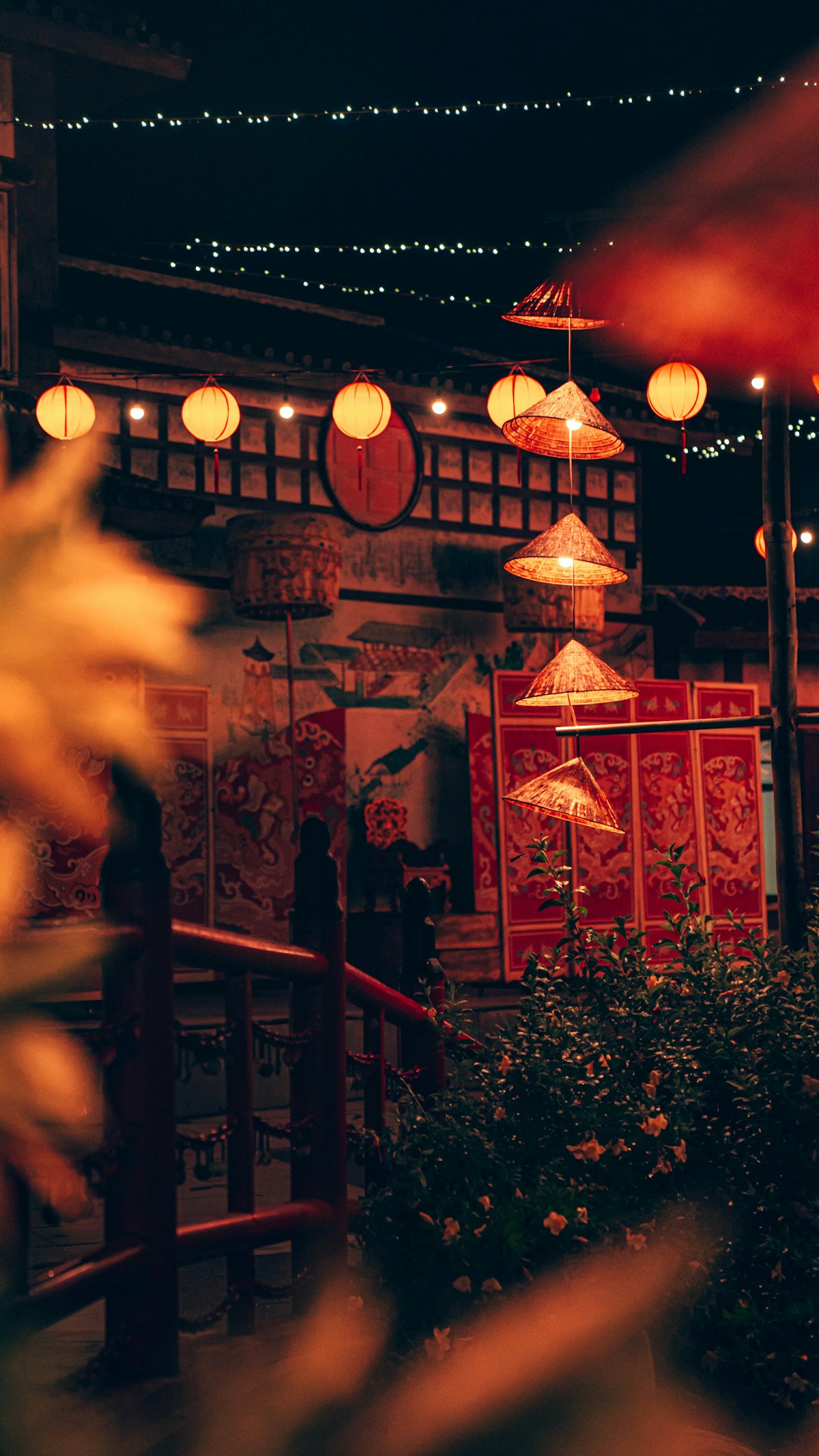
The UNESCO-listed heart of Hoi An — lantern-lit lanes, merchant houses, and the Japanese Covered Bridge.
The Ancient Town is why people come to Hoi An: a remarkably intact 15th-century trading port with yellow-washed shophouses, Chinese assembly halls, and streets that close to motorbikes at night so the lantern light dominates. Staying inside the heritage zone means the Full Moon Festival happens outside your door, and the atmosphere before 8am and after 9pm is unlike anything else in Vietnam. The trade-off is that it's the most touristic square kilometre in central Vietnam — accommodation prices reflect the address, and the lanes between the Japanese Covered Bridge and the river are densely crowded from mid-morning through sunset.
Scores
Walkability
Transit
Price
Local feel
Nightlife
Family-friendly
Centrality
What you gain
- ↑Full Moon Lantern Festival (14th of each lunar month) happens literally on the streets outside — electric lights off, Ancient Town lit entirely by silk lanterns
- ↑Walking distance to every tailoring atelier, cooking class, and heritage house without needing a motorbike or Grab
- ↑The best 6am window in Vietnam: the Old Town before tourists wake is extraordinary — street vendors, locals on bicycles, mist off the canal
What you sacrifice
- ↓Most expensive accommodation location in Hoi An — a modest guesthouse on a prime lane costs more than a resort pool room in Cam Chau
- ↓Congested from 9am to 6pm in high season; the lanes near the Covered Bridge feel theme-park crowded in June–August
Best for
Avoid if
Other Hoi An neighbourhoods
A quiet island across the footbridge — local rice-paddy life at the cheapest prices closest to the Old Town.
Mid-range hotels and a second restaurant strip — good value and great access, but the most flood-vulnerable location in Hoi An.
A laid-back beach village 5km from the Old Town — the expat and long-stay alternative to Da Nang.
Know where to stay — now find when to go.
Best time to visit Hoi An →