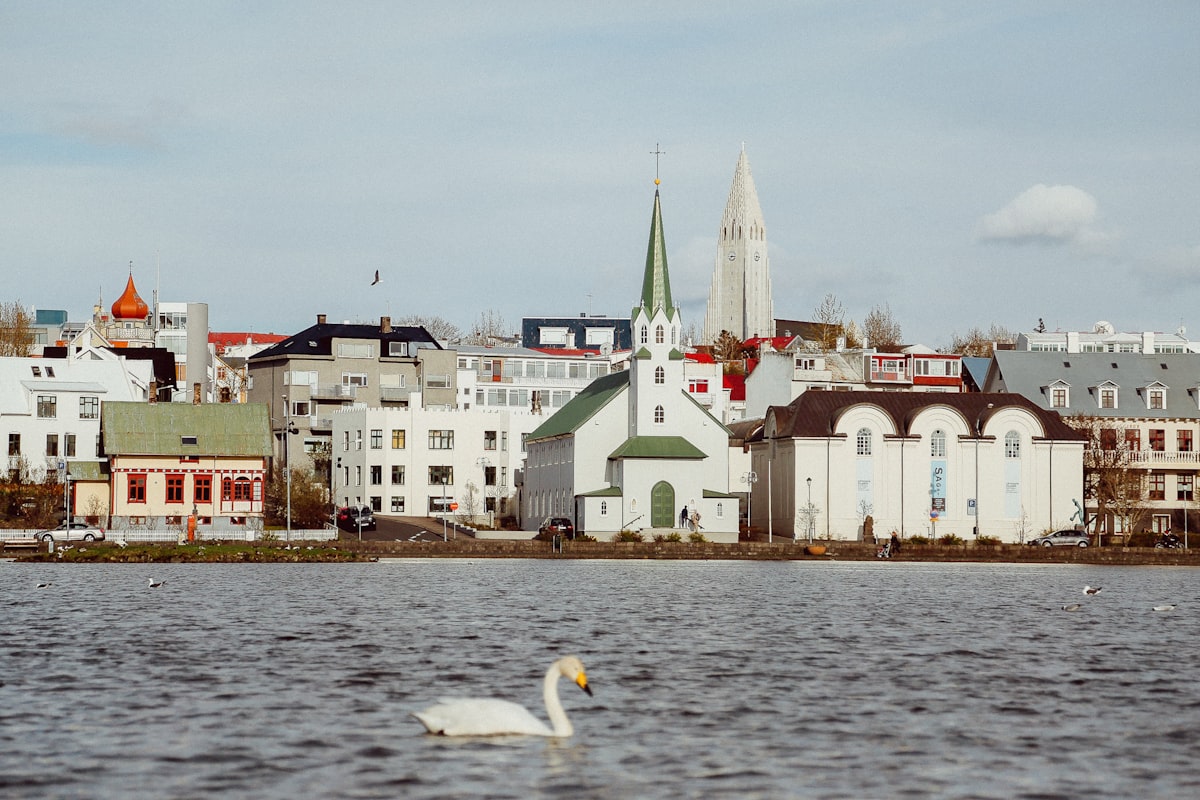
Showing: Sep · Jonatan Pie / Unsplash
Iceland · Northern Europe
Best time to visit Iceland
September
Sep scores highest overall — manageable crowds and strong local atmosphere. Set your priorities below to personalise this result.
What matters most to you?
All 12 months — click any to expand
Sep
Jonatan Pie / Unsplash
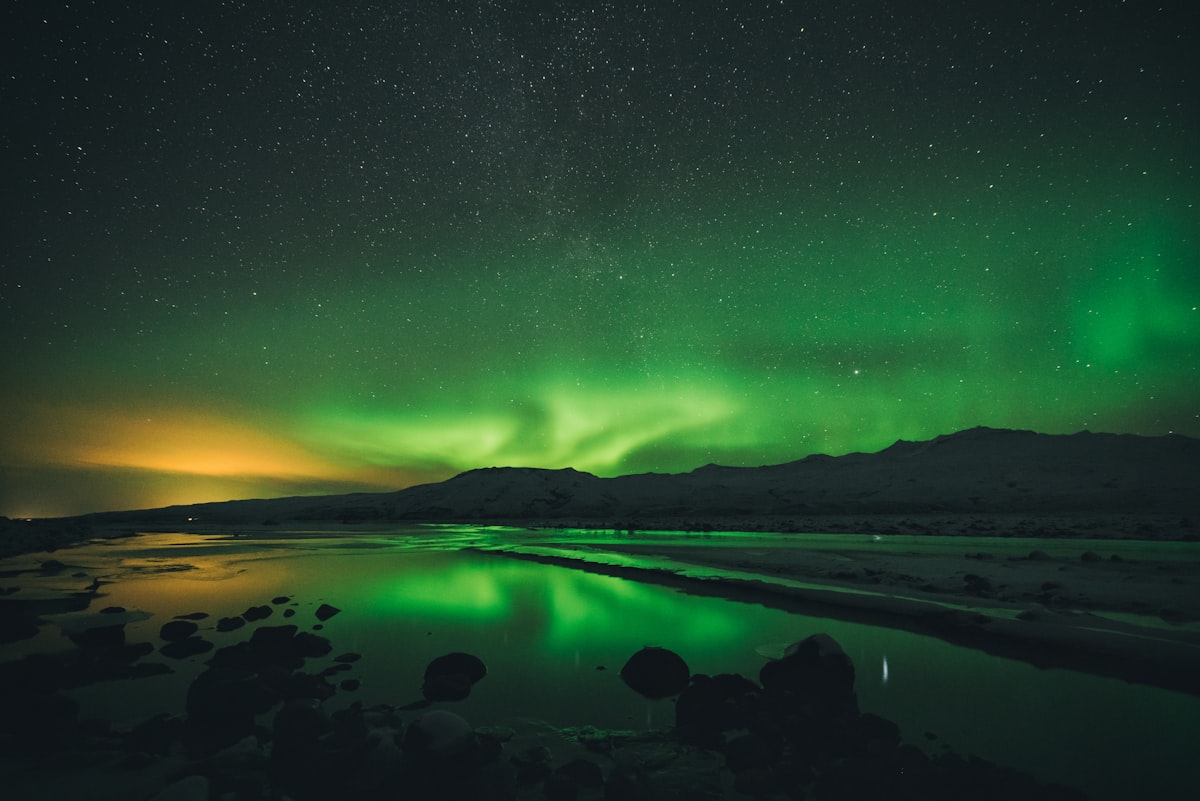
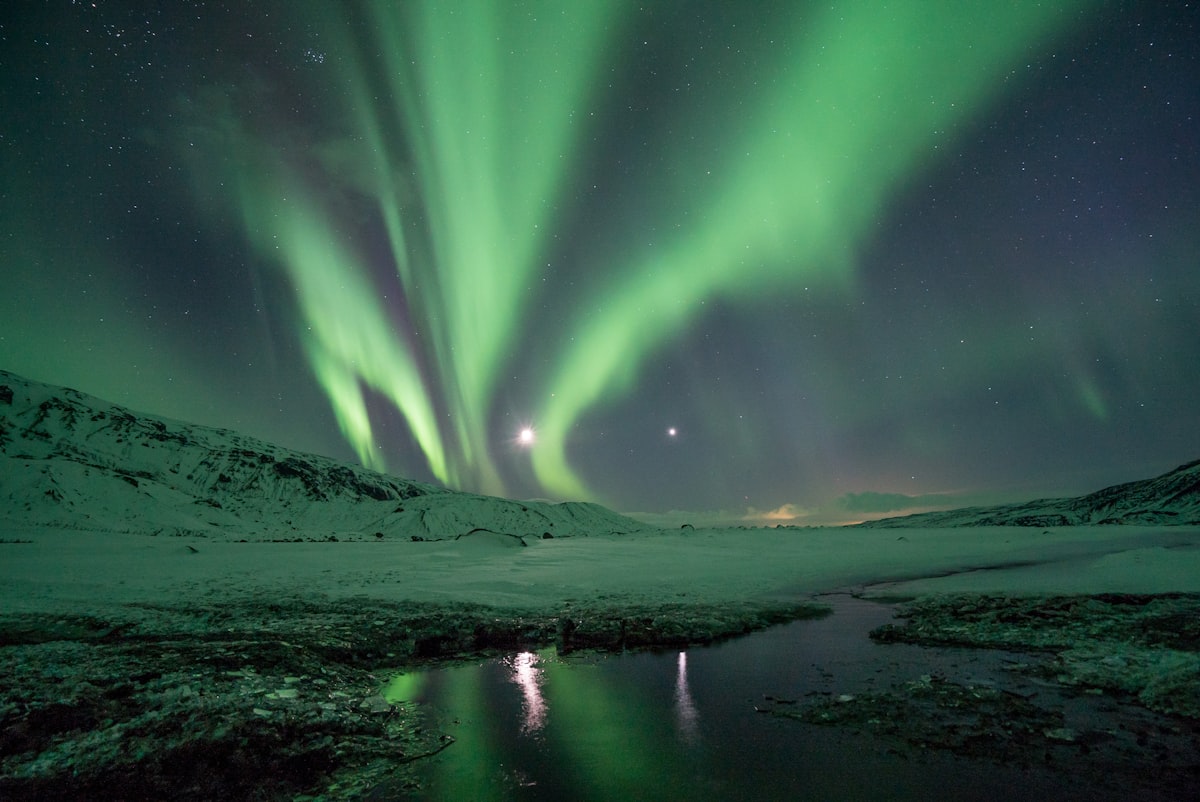
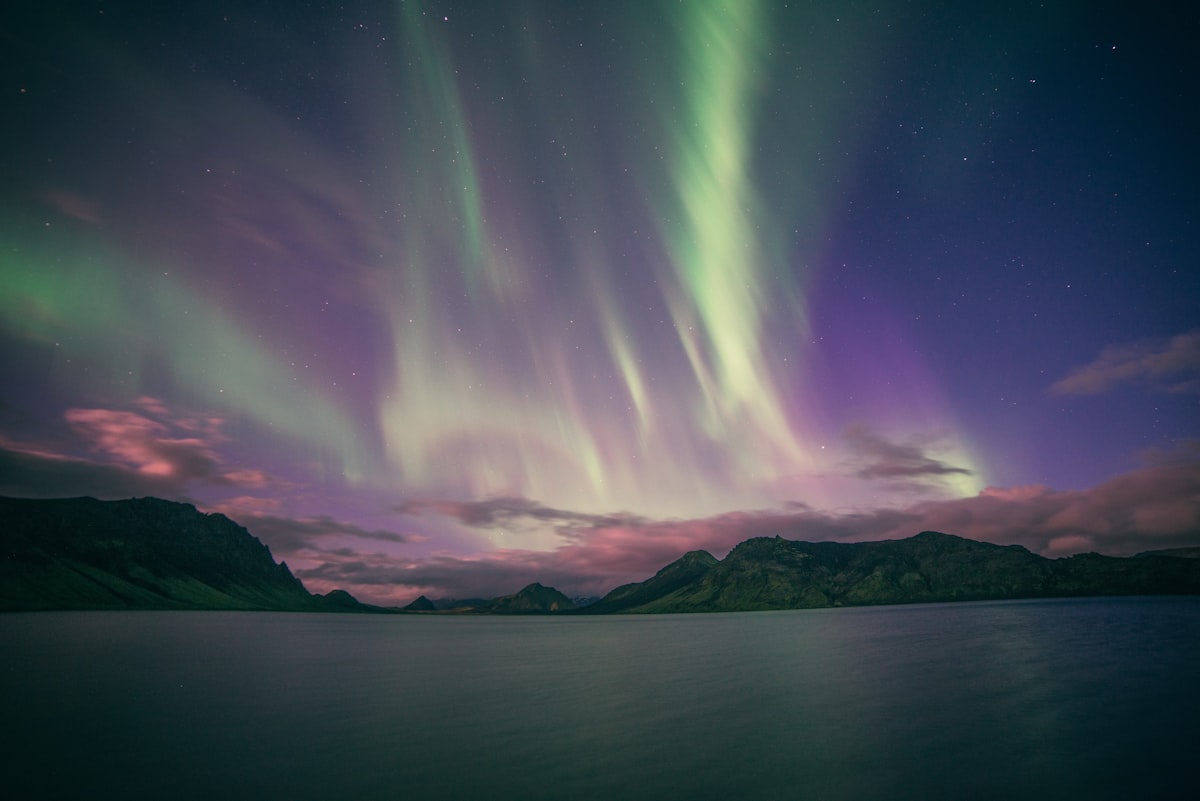
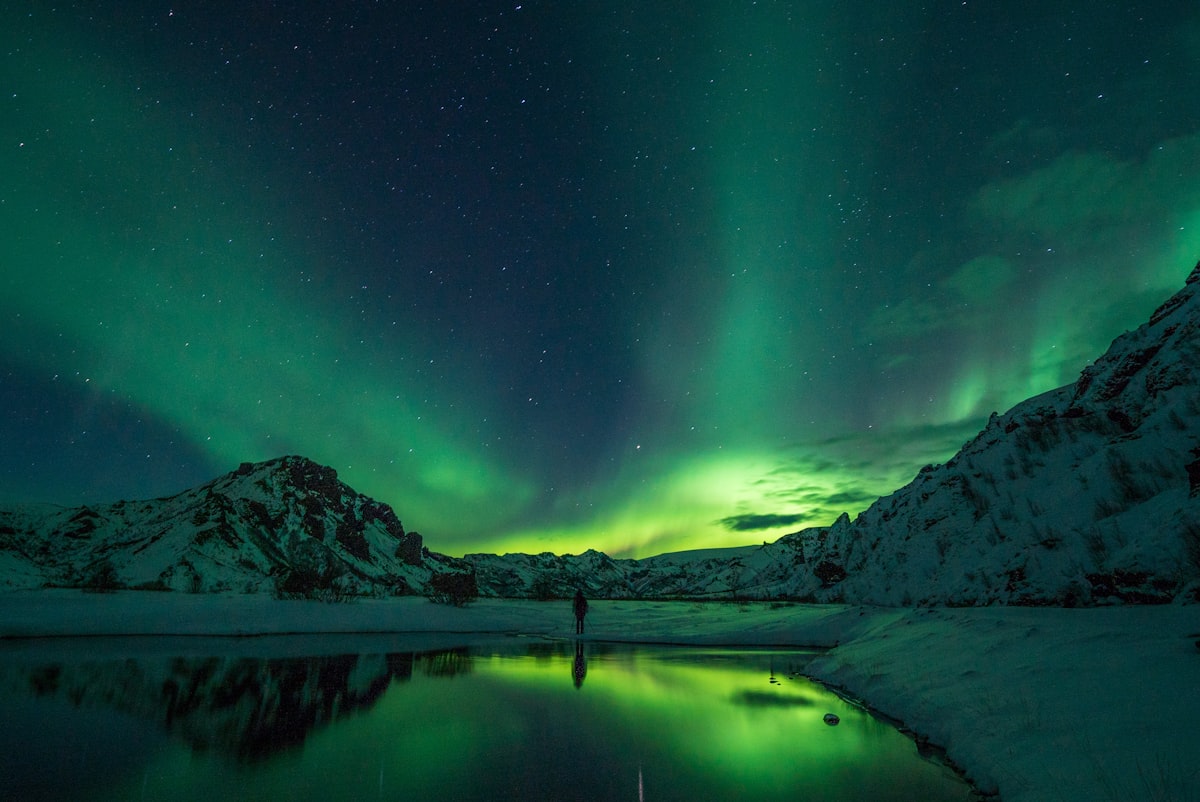
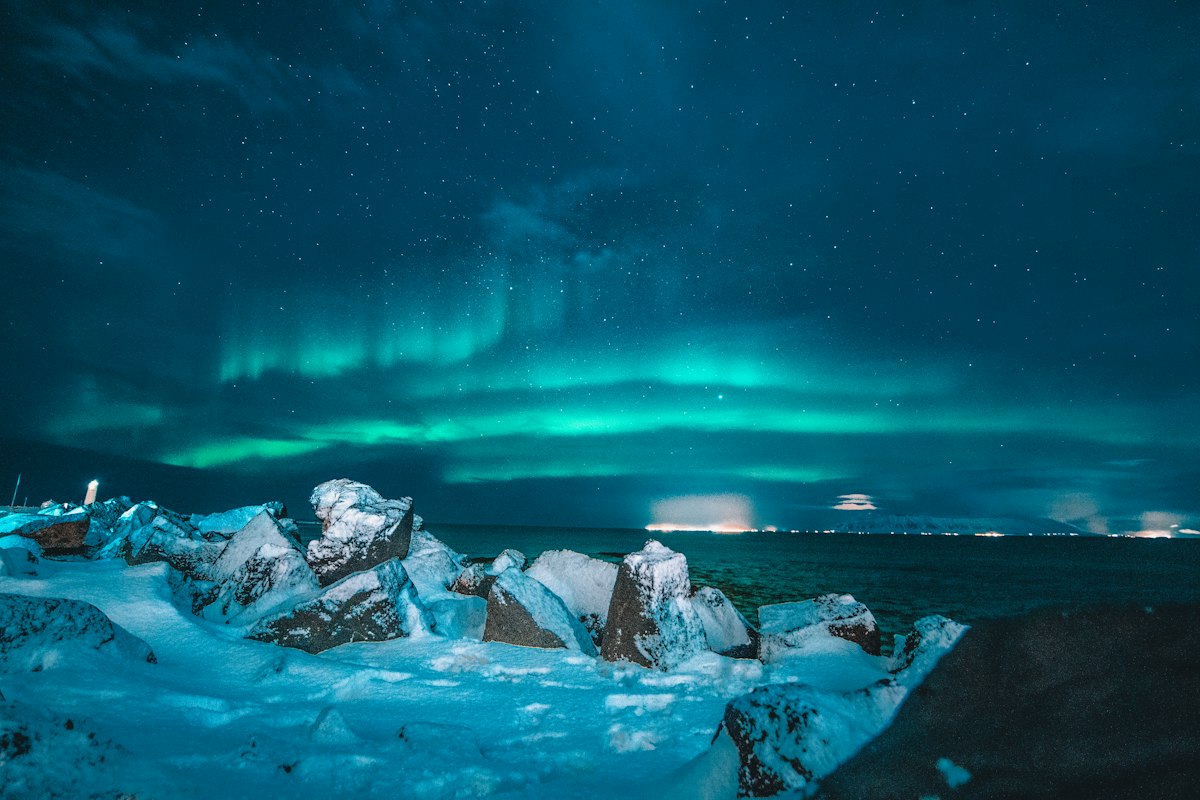
Aurora returns, autumn colours explode, crowds drop — the most atmospheric month in Iceland.
10°C
High
5°C
Low
67mm
Rain
8.5h
Sun/day
What you gain
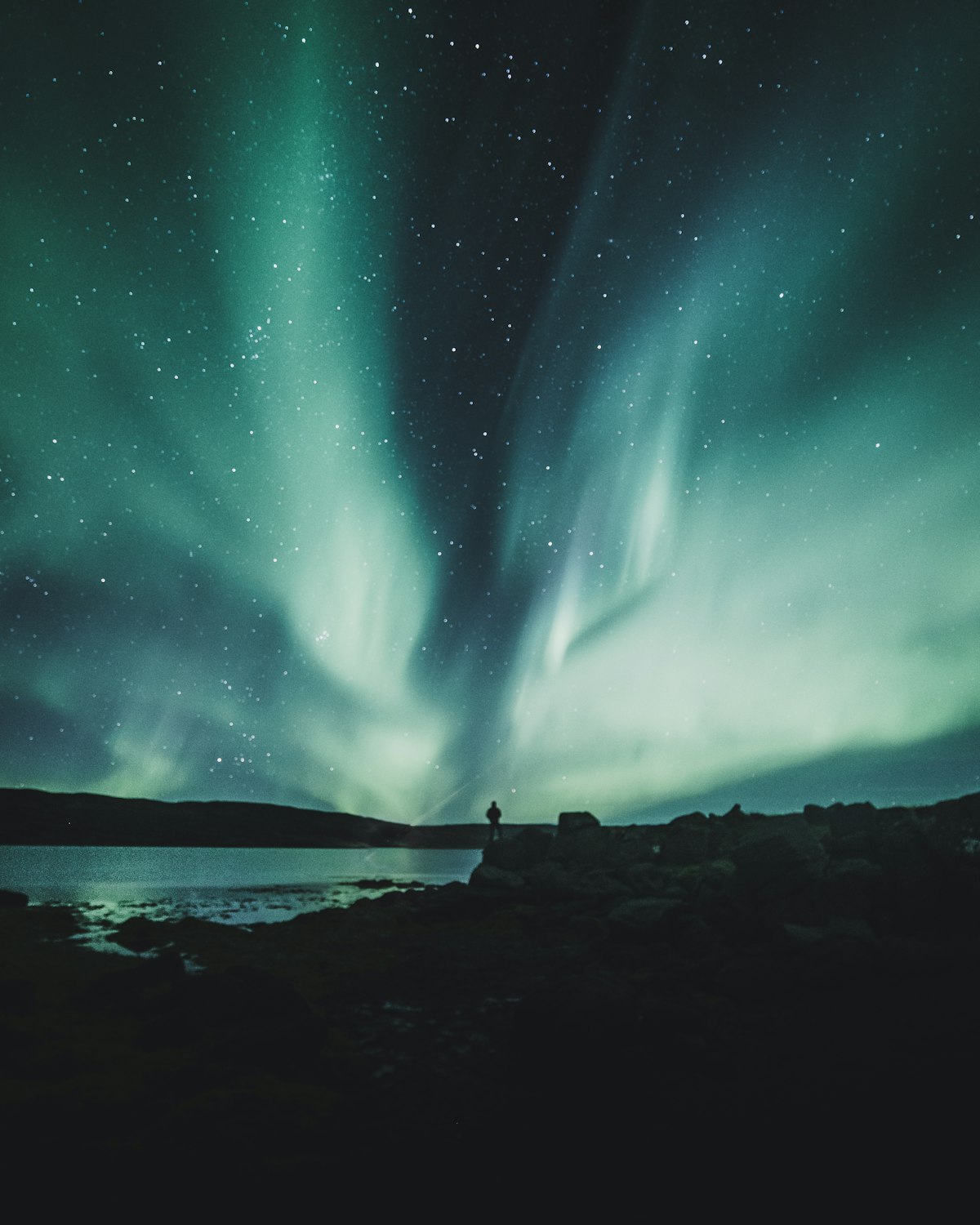
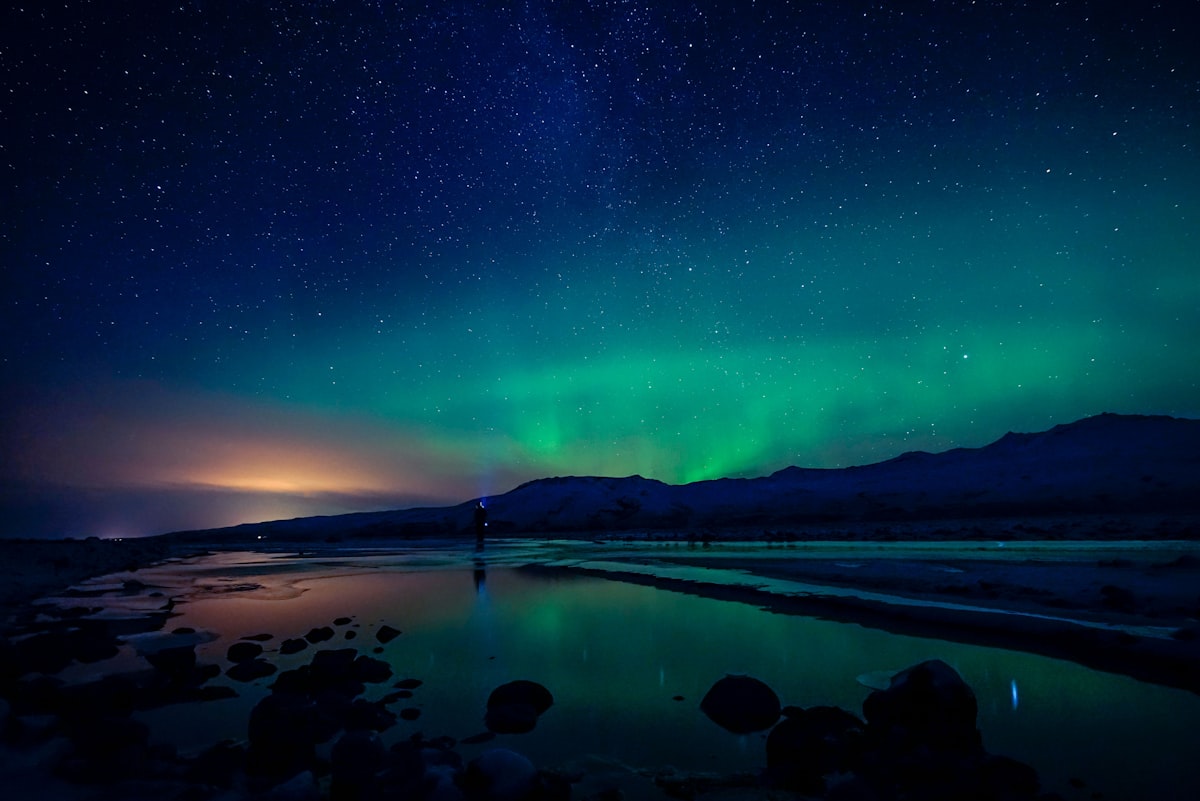
- ↑Aurora borealis returns from early September as nights grow long enough — first sightings of the new season
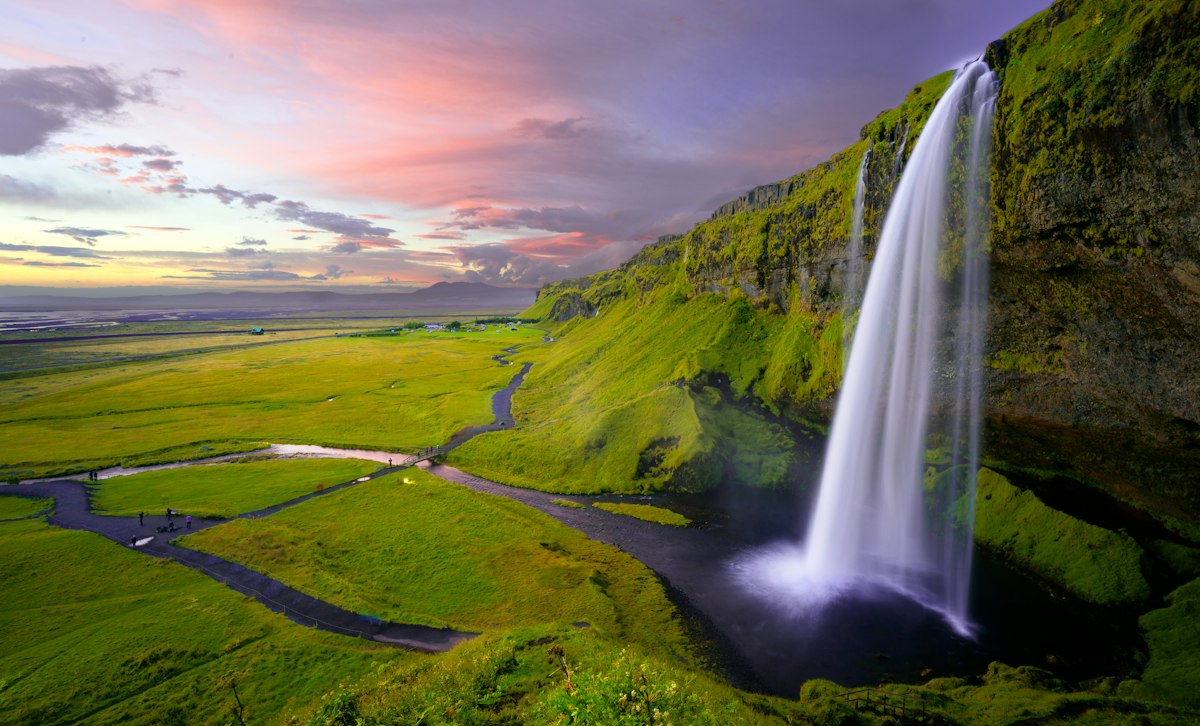
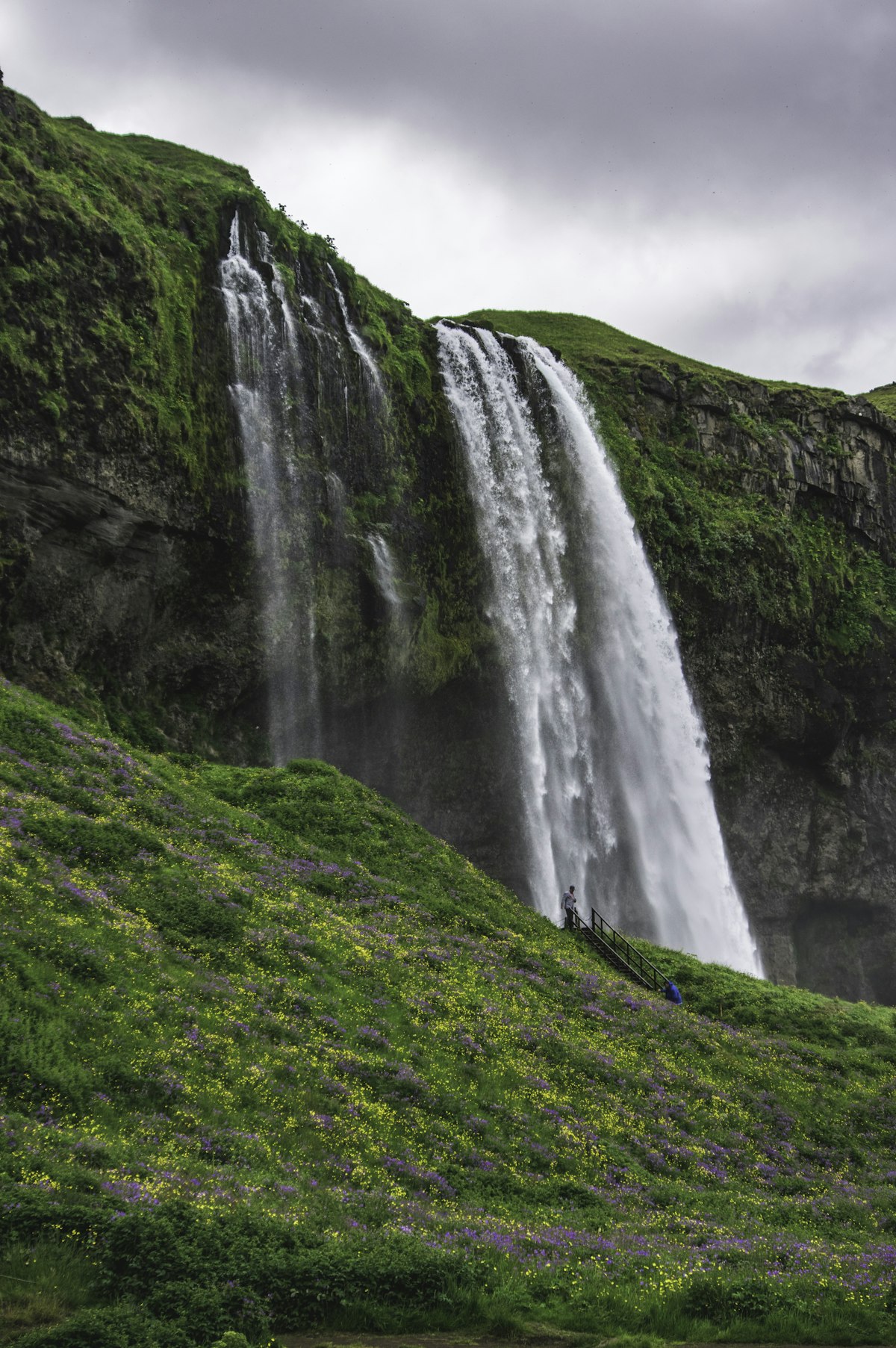
- ↑Autumn colours (yellows, reds, oranges across the highlands) peak in September — uniquely photogenic landscapes
- ↑Reykjavik Marathon (mid-September); crowds significantly lower than July–August, prices 25–30% below peak
What you sacrifice
- ↓Temperatures drop quickly (10°C high); warm layers essential and weather windows shorter
- ↓Highland F-roads closing progressively through September — some interior routes blocked by late month
- ↓Aurora is back but not yet at winter frequency — nights still shorter than January–March
Sep scores highest overall — manageable crowds and strong local atmosphere. Set your priorities below to personalise this result.
Sep
Aurora returns, autumn colours explode, crowds drop — the most atmospheric month in Iceland.
10°C
High
67mm
Rain
8.5h
Sun
- ↑Aurora borealis returns from early September as nights grow long enough — first sightings of the new season
- ↑Autumn colours (yellows, reds, oranges across the highlands) peak in September — uniquely photogenic landscapes
- ↑Reykjavik Marathon (mid-September); crowds significantly lower than July–August, prices 25–30% below peak
- ↓Temperatures drop quickly (10°C high); warm layers essential and weather windows shorter
- ↓Highland F-roads closing progressively through September — some interior routes blocked by late month
- ↓Aurora is back but not yet at winter frequency — nights still shorter than January–March
Top travel windows
★ BestSeptember
Best overall
Highest combined score
10°C
High
67mm
Rain
8.5h
Sun
January
Best for value
Lowest prices & fees
2°C
High
76mm
Rain
4.5h
Sun
February
Fewest crowds
Quietest month
3°C
High
72mm
Rain
6.1h
Sun
Breakdown by priority
Best for weather
July
14°C high · 52mm rain · 12.8hrs sun/day
Best for budget
January
Prices 40–50% below peak summer rates; guesthouses and car hire at cheapest of the year
Fewest crowds
February
Lowest crowd levels of the year; tours and attractions at minimal capacity
Also exploring
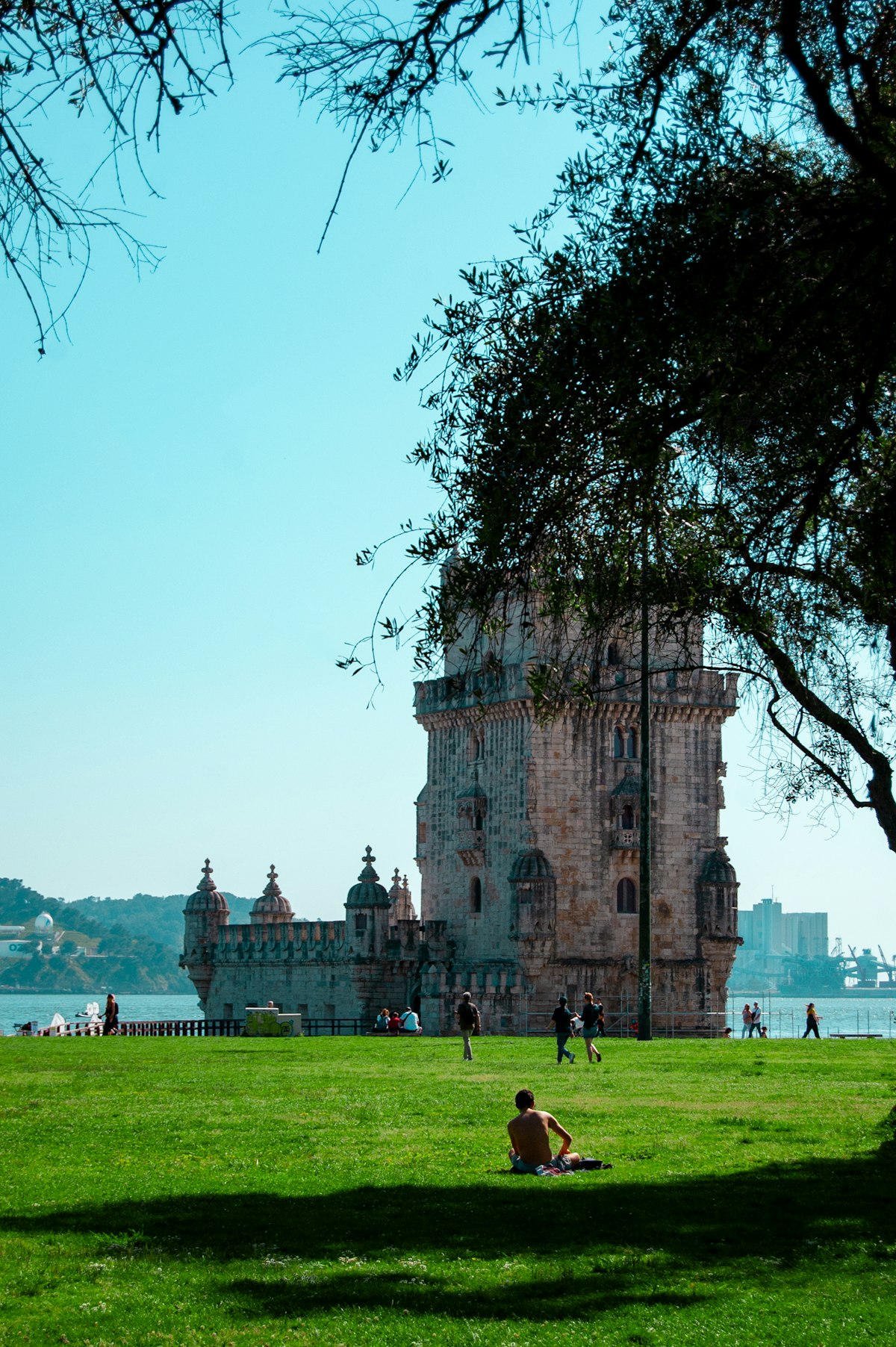
Lisbon
Portugal
A sun-drenched Atlantic capital where tram lines weave through hilltop neighbourhoods and prices stay genuinely affordable by Western European standards.
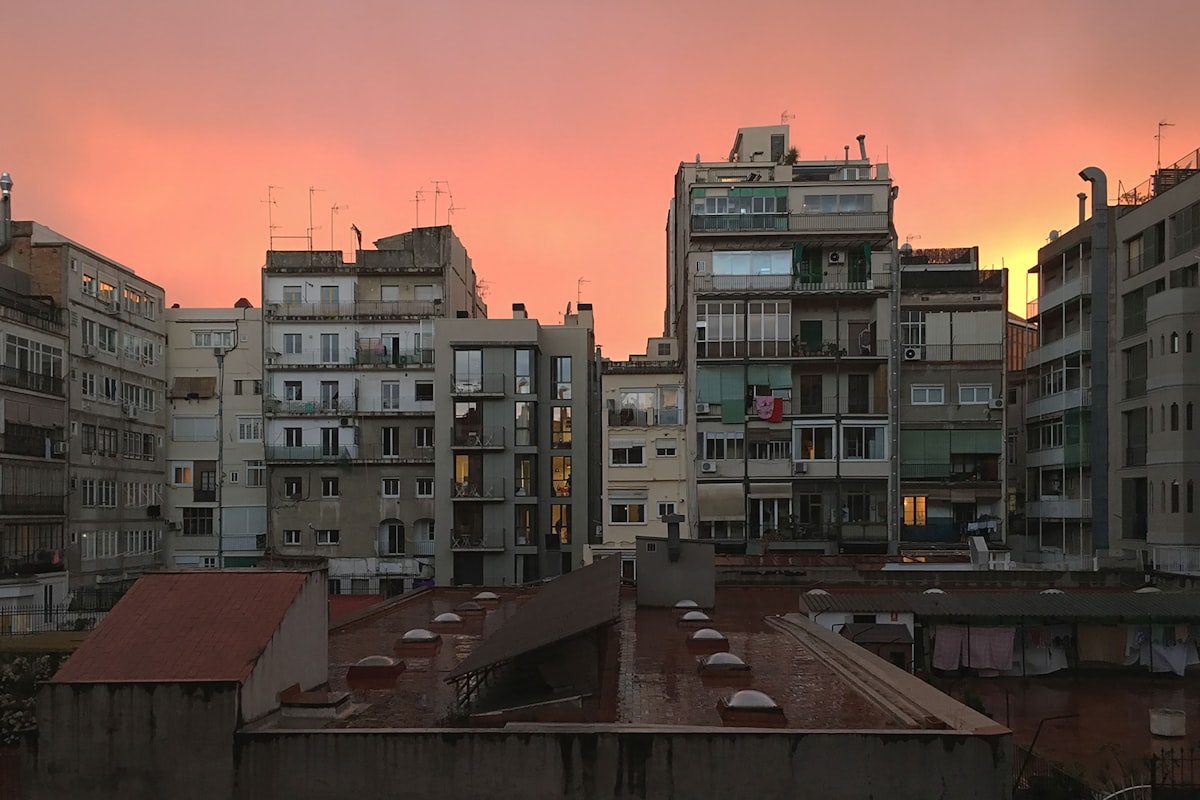
Barcelona
Spain
A Mediterranean city that runs on architecture, food markets, and beach culture — with a tourism problem that makes timing absolutely critical.
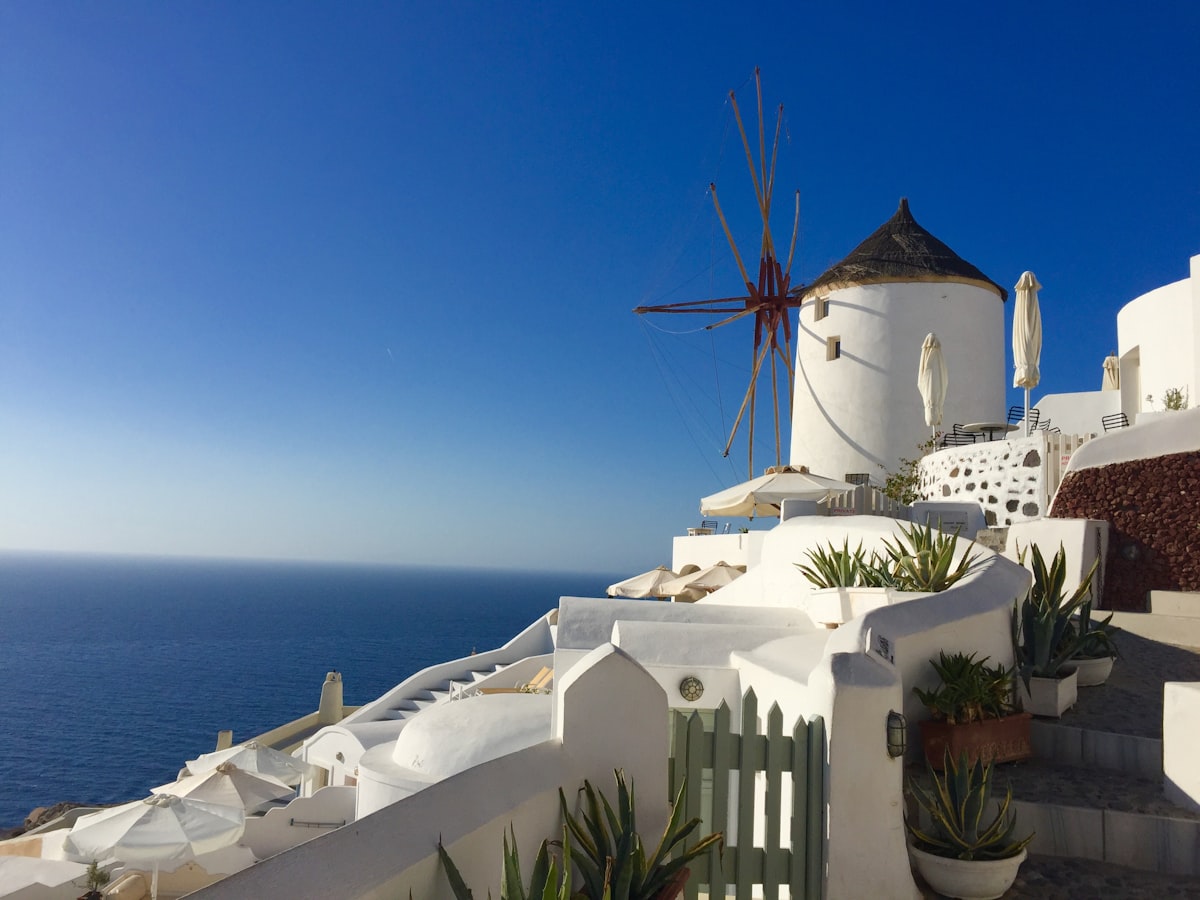
Santorini
Greece
The caldera sunsets and white-washed cliffside villages are real — but so is a tourism infrastructure that was never designed for 3 million annual visitors.
Where to stay in Iceland
All neighbourhoods →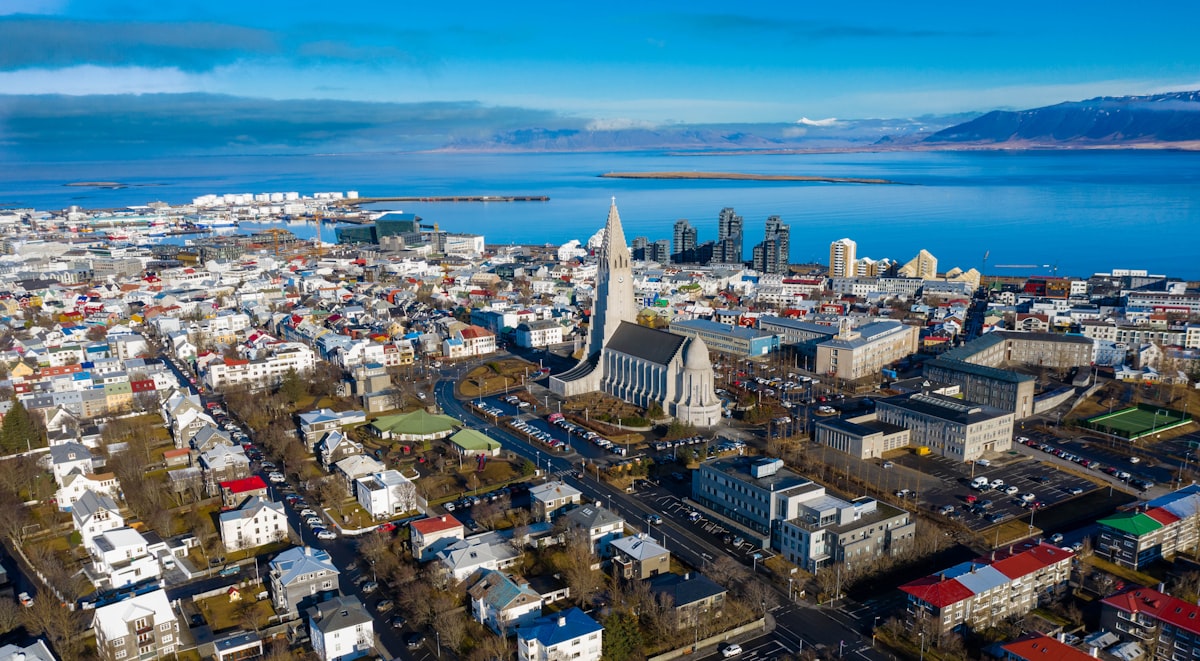
101 Reykjavik City Centre
The walkable core — Laugavegur shopping street, Hallgrímskirkja, and the best restaurants all on foot.
10/10
Central
9/10
Walk
7/10
Transit
Grandi / Old Harbour
Reykjavik's creative revival quarter — whale watching, seafood, and art without the tourist density.
7/10
Central
8/10
Walk
6/10
Transit
Worth knowing
September scores highest overall. July is the most crowded month — avoid if you can. See crowd-free ranking →
Month by month breakdown
January#5▾
Gains
- ↑Aurora borealis visible every clear night with only 4–5h of daylight — no other month offers more darkness
- ↑Crowds at annual lows: Golden Circle, Seljalandsfoss, and Geysir almost entirely to yourself
- ↑Prices 40–50% below peak summer rates; guesthouses and car hire at cheapest of the year
Sacrifices
- ↓Only 4–5 hours of usable daylight sharply limits sightseeing time
- ↓Cold and icy road conditions require a 4WD; highland F-roads completely closed
- ↓Clear skies (essential for aurora) are far from guaranteed — cloud cover is frequent
February#3▾
Gains
- ↑Reykjavik Winter Lights Festival (mid-Feb): free outdoor light installations across the city for 4 nights
- ↑Days visibly longer than January (6.1h sunshine) — aurora still reliable on clear nights
- ↑Lowest crowd levels of the year; tours and attractions at minimal capacity
Sacrifices
- ↓Still cold and icy; wind chill makes -2°C feel significantly colder
- ↓Roads across the interior completely closed; Westfjords and Highlands inaccessible
- ↓Aurora requires patience and clear skies — expect cloud-watching as much as light-chasing
March#4▾
Gains
- ↑Equinox effect amplifies geomagnetic activity — statistically some of the best aurora conditions of the year
- ↑Snow remains on the highlands and mountains; dramatic white landscapes without December darkness
- ↑Crowds beginning to recover from January lows but still far below summer — Golden Circle manageable
Sacrifices
- ↓Temperatures still cold and variable; snow and ice on secondary roads remain hazardous
- ↓End of March marks the practical end of aurora season as nights become too short
- ↓Rainfall slightly lower than winter but weather unpredictability remains high
April#7▾
Gains
- ↑Puffins arrive at Látrabjarg cliffs and Westfjords from late April — first chance for puffin watching
- ↑Spring thaw makes landscapes dramatic: waterfalls at high flow, snow on peaks, green valleys emerging
- ↑Longest aurora-free days without summer price premium; good value with 9.5h sunshine
Sacrifices
- ↓Aurora season is over — nights are now too short and too bright for sightings
- ↓Snow melt makes gravel F-roads muddy and largely inaccessible; highland access still blocked
- ↓Weather remains unpredictable: sleet, wind, and sun can all occur on the same day
May#2▾
Gains
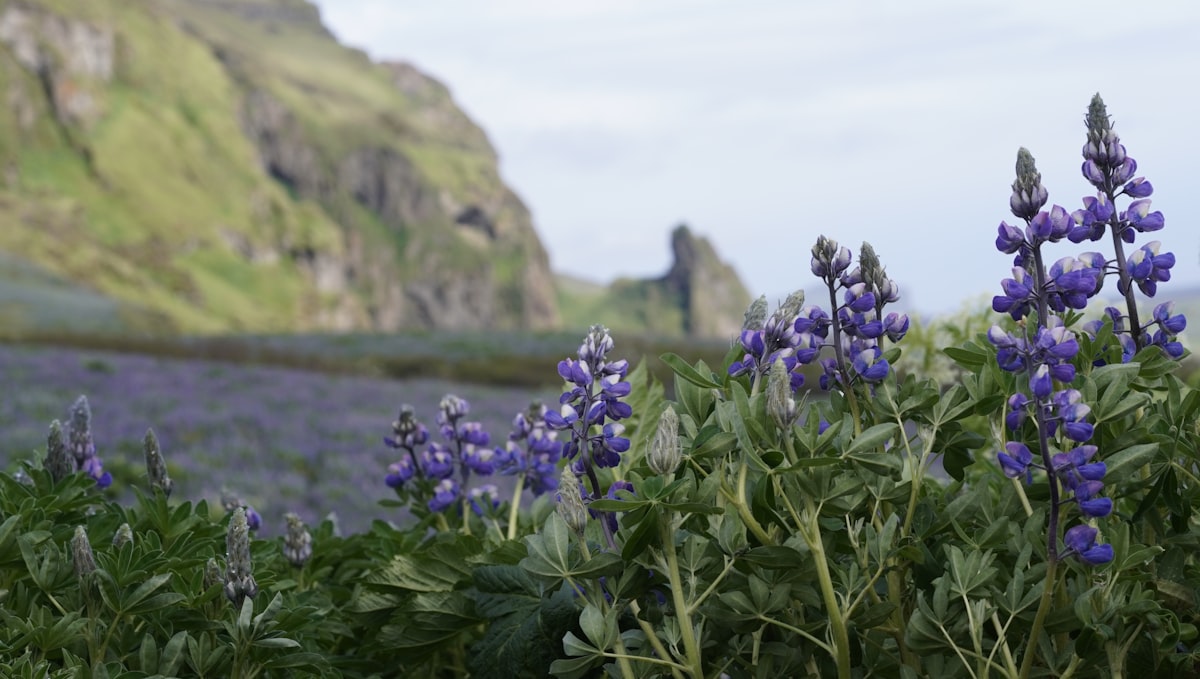
- ↑Nootka lupine fields beginning to bloom across the south (peak in June): purple carpets against volcanic black sand
- ↑Near-midnight sun by late May: 20+ hours of light without peak July crowds or prices
- ↑Puffins active along the Westfjords and Snæfellsnes peninsula; birdlife at its most diverse
Sacrifices
- ↓F-roads (highland interior) not yet opened by the road authority — Landmannalaugar inaccessible
- ↓Temperatures still cool (10°C high) — not a beach destination in any sense
- ↓Some tourist infrastructure still on reduced winter schedules in early May
June#10▾
Gains
- ↑Midnight sun: the sun barely sets at summer solstice (Jun 21) — surreal 2am photography in full light
- ↑Secret Solstice music festival (mid-June): international acts on a glacier and inside a volcano
- ↑All highland F-roads now open: Landmannalaugar, Þórsmörk, and the interior accessible for the first time
Sacrifices
- ↓Accommodation prices peak — budget options in Reykjavik at their most expensive of the year
- ↓Crowds building fast: Golden Circle and Blue Lagoon noticeably busy, key spots requiring advance booking
- ↓No aurora is possible — nights never get dark enough for sightings until late August at the absolute earliest
July#12▾
Gains
- ↑Warmest temperatures of the year (14°C): most comfortable conditions for hiking and outdoor activities
- ↑All roads and trails fully open: full Laugavegur Trail, Fimmvörðuháls, and Kjölur highland route accessible
- ↑Puffins at maximum numbers at Westman Islands — largest puffin colony in the world fully active
Sacrifices
- ↓Peak prices across the board: accommodation, car hire, tours, and flights all at annual maximums
- ↓Most popular sites — Seljalandsfoss, Skógafoss, Jökulsárlón — crowded throughout the day
- ↓No aurora whatsoever; midnight sun means the sky never darkens
August#11▾
Gains
- ↑Reykjavik Pride (first week of August): the largest per-capita Pride celebration in the world; parade fills the city
- ↑Warmth of July continues with slightly lower prices and crowds as the season shoulders off
- ↑First aurora sightings can occur late August as nights begin to darken — a rare chance to see both midnight sun and aurora in one trip
Sacrifices
- ↓Still expensive: summer premium persists through August, flights especially costly
- ↓Highland F-roads begin to close again from late August — window for interior driving narrows
- ↓Rainfall increases (62mm vs 52mm in July) — weather becomes more changeable toward month end
September#1▾
Gains
- ↑Aurora borealis returns from early September as nights grow long enough — first sightings of the new season
- ↑Autumn colours (yellows, reds, oranges across the highlands) peak in September — uniquely photogenic landscapes
- ↑Reykjavik Marathon (mid-September); crowds significantly lower than July–August, prices 25–30% below peak
Sacrifices
- ↓Temperatures drop quickly (10°C high); warm layers essential and weather windows shorter
- ↓Highland F-roads closing progressively through September — some interior routes blocked by late month
- ↓Aurora is back but not yet at winter frequency — nights still shorter than January–March
October#6▾
Gains
- ↑Aurora season well established with long dark nights — multiple sighting opportunities per week on clear nights
- ↑Prices 35–40% below summer peak; car hire and accommodation at genuinely competitive rates
- ↑Very low tourist volumes: waterfalls, geothermal pools, and coastal roads largely uncrowded
Sacrifices
- ↓Wettest month of the year (86mm) — rain and wind frequent; outdoor plans require flexibility
- ↓Short days (5.8h sunshine) limit sightseeing hours; landscape photography window narrow
- ↓Most F-roads and highland routes fully closed for the season
November#8▾
Gains
- ↑Aurora windows increasing as nights approach their longest — multiple sighting chances per week
- ↑Cheapest month for accommodation and flights after the October dip
- ↑Genuine winter Iceland atmosphere with almost no other tourists at key sites
Sacrifices
- ↓Only 3.5 hours of sunshine daily — sightseeing is severely restricted; what you see you see in the dark
- ↓Cold and wet: wind chill, ice, and heavy rain make outdoor time challenging
- ↓Limited tourism services: some guesthouses, tour operators, and restaurants on reduced winter hours
December#9▾
Gains
- ↑Reykjavik Christmas: festive markets, 13 Icelandic Yule Lads visiting through December, cosy bar and restaurant scene
- ↑New Year's Eve bonfire-and-fireworks tradition unlike anywhere in Europe — entire city lights up simultaneously at midnight
- ↑Aurora borealis on virtually every clear night — darkest month gives maximum sighting potential
Sacrifices
- ↓Christmas and New Year weeks drive prices up sharply — not the budget-friendly rates of October–November
- ↓Only 2.2 hours of sunshine at the solstice: the darkest you will ever experience anywhere in Europe
- ↓Popular New Year accommodation books out months in advance; last-minute options limited
How this is calculated
Climate data
Open Meteo ERA5
30-year normals (1991–2020). Temperature, rainfall, sunshine, humidity.
Price & crowd
Tourism research
Seasonal pricing from tourism authority data. Directional — compares months within a destination only.
Personalisation
Weighted scoring
Your priorities change the weights. Budget-first users get different results than weather-first users.
Share this result
September is the best time to visit Iceland
Travel timing updates
New destinations and timing guides, when they land.
No spam. Unsubscribe anytime.