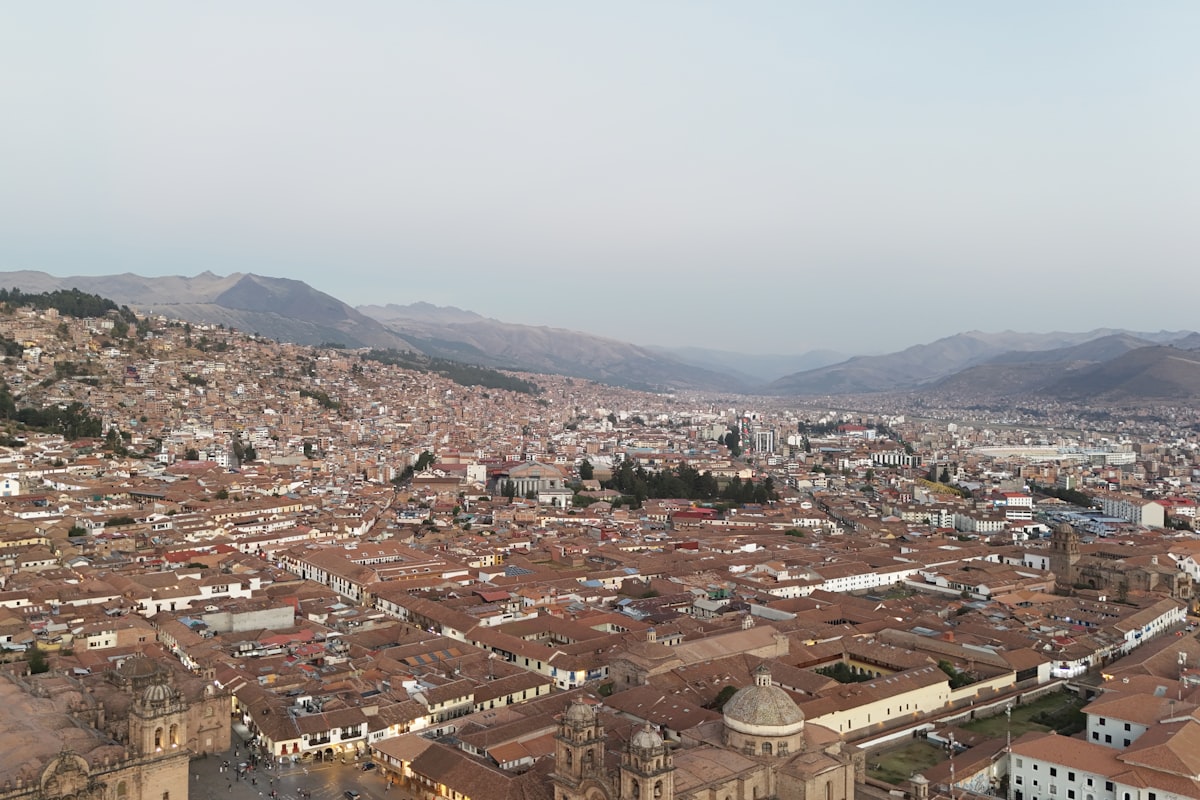
Cusco · Andrea Salinas / Unsplash
Peru · South America
Best time to visit Cusco
May
May scores highest overall — reliable weather and strong local atmosphere. Set your priorities below to personalise this result.
What matters most to you?
All 12 months — click any to expand
May
Andrea Salinas / Unsplash
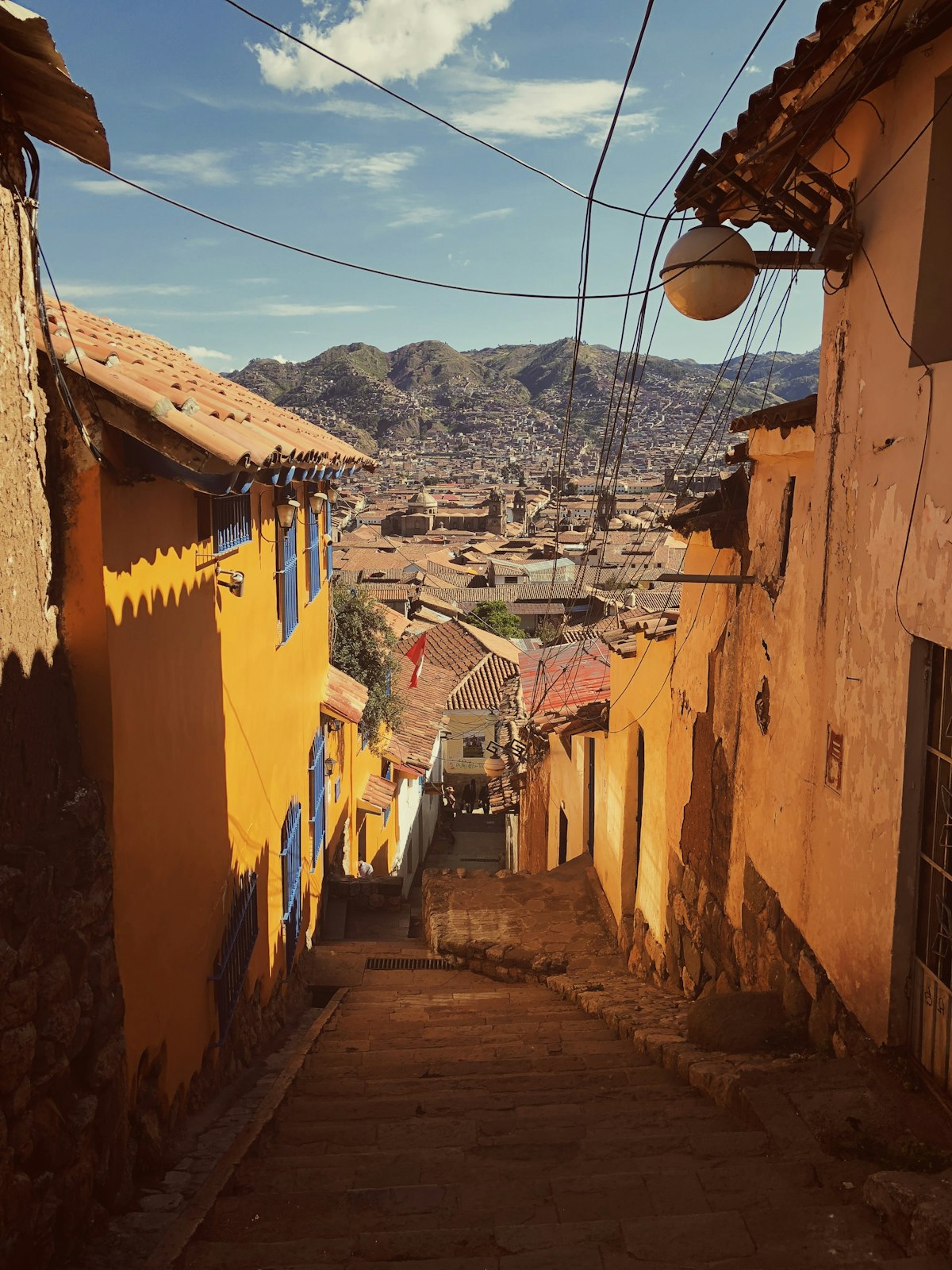
The dry season arrives — clear skies, the Inca Trail fully open, and Machu Picchu at its most reliably beautiful.
20°C
High
4°C
Low
44mm
Rain
7.8h
Sun/day
What you gain
- ↑Dry season proper begins: 44mm of rain is minimal, skies are consistently clear, and the mountain views from Machu Picchu and the Sacred Valley are sharp and unobscured
- ↑Inca Trail permits are still available in May (unlike the July–August peak when they sell out months ahead) — the optimal window for hiking with full conditions and manageable crowds
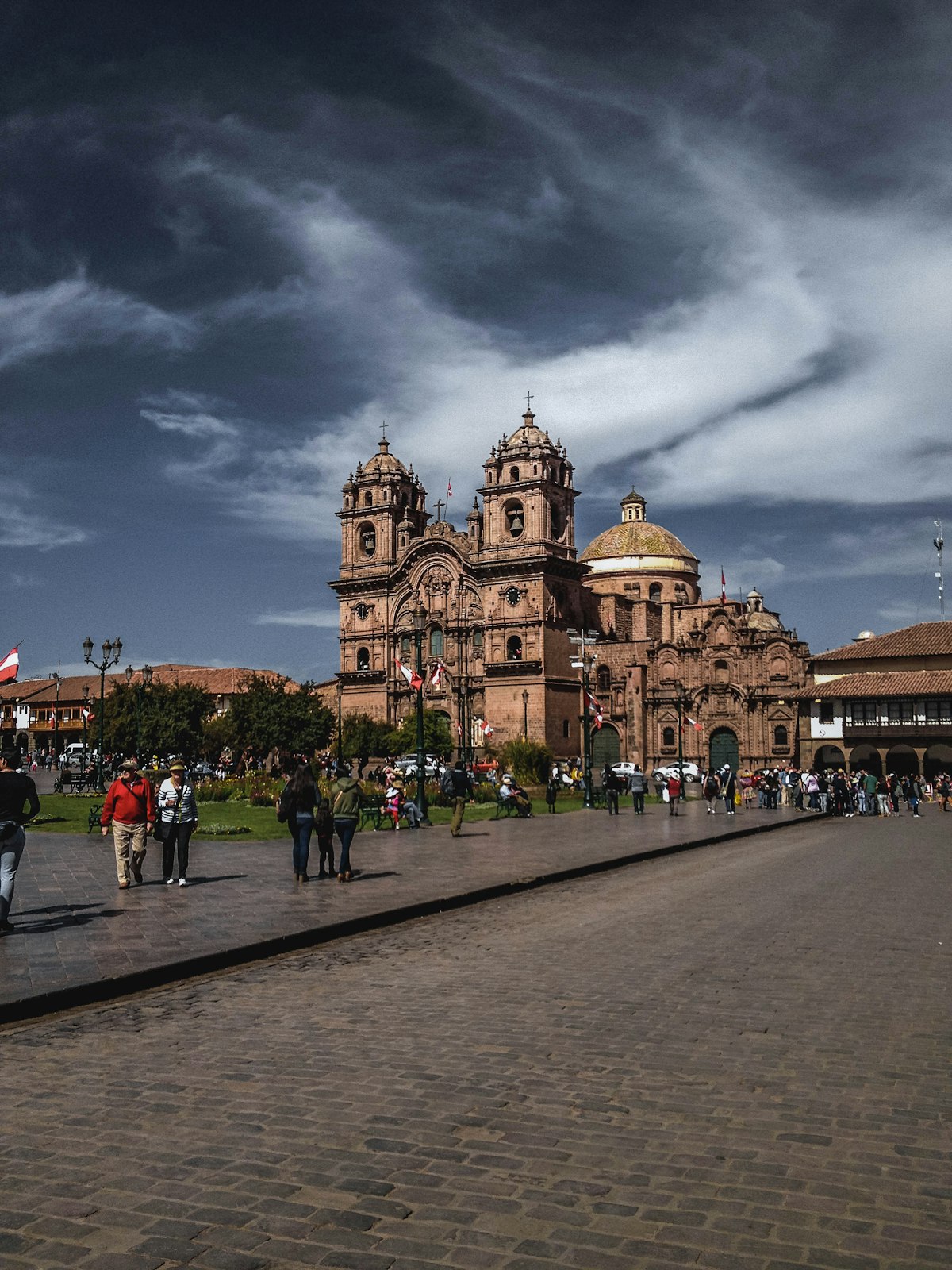
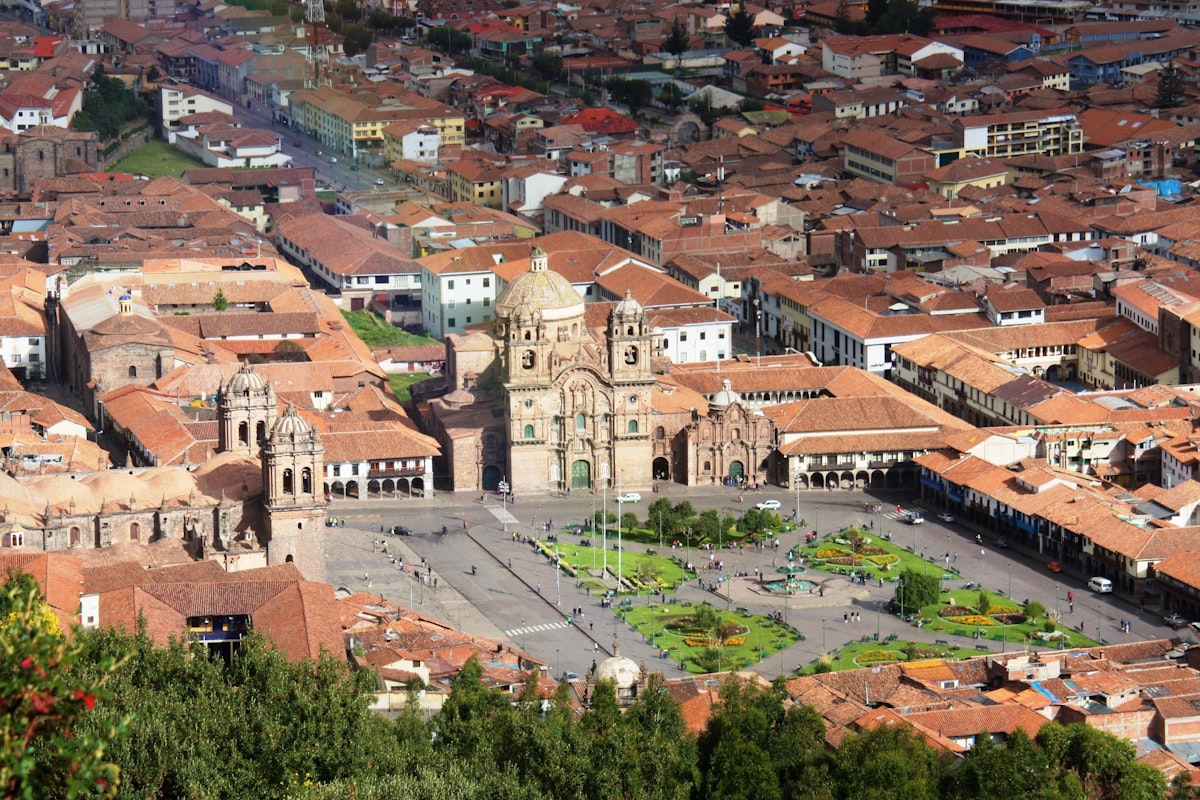
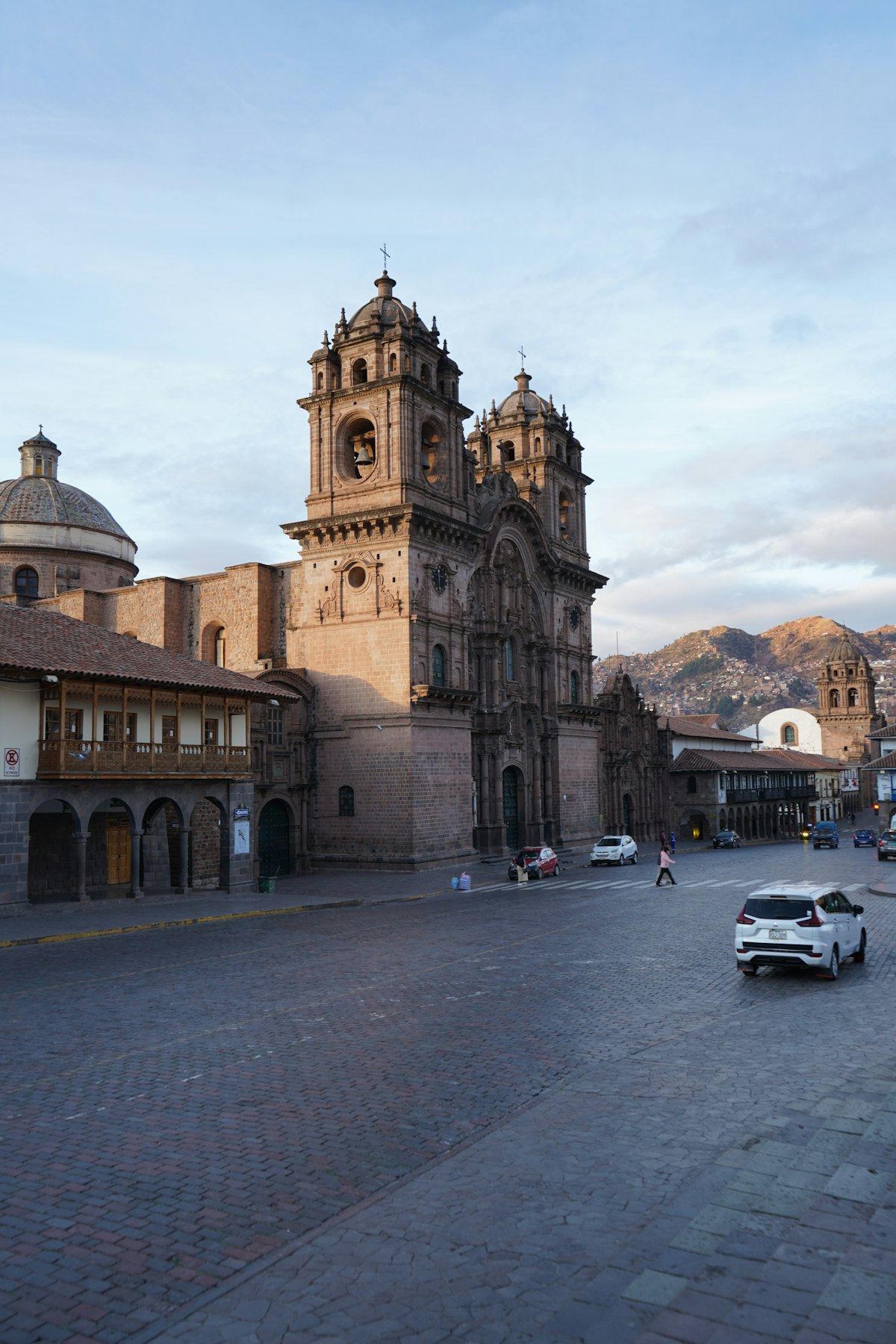
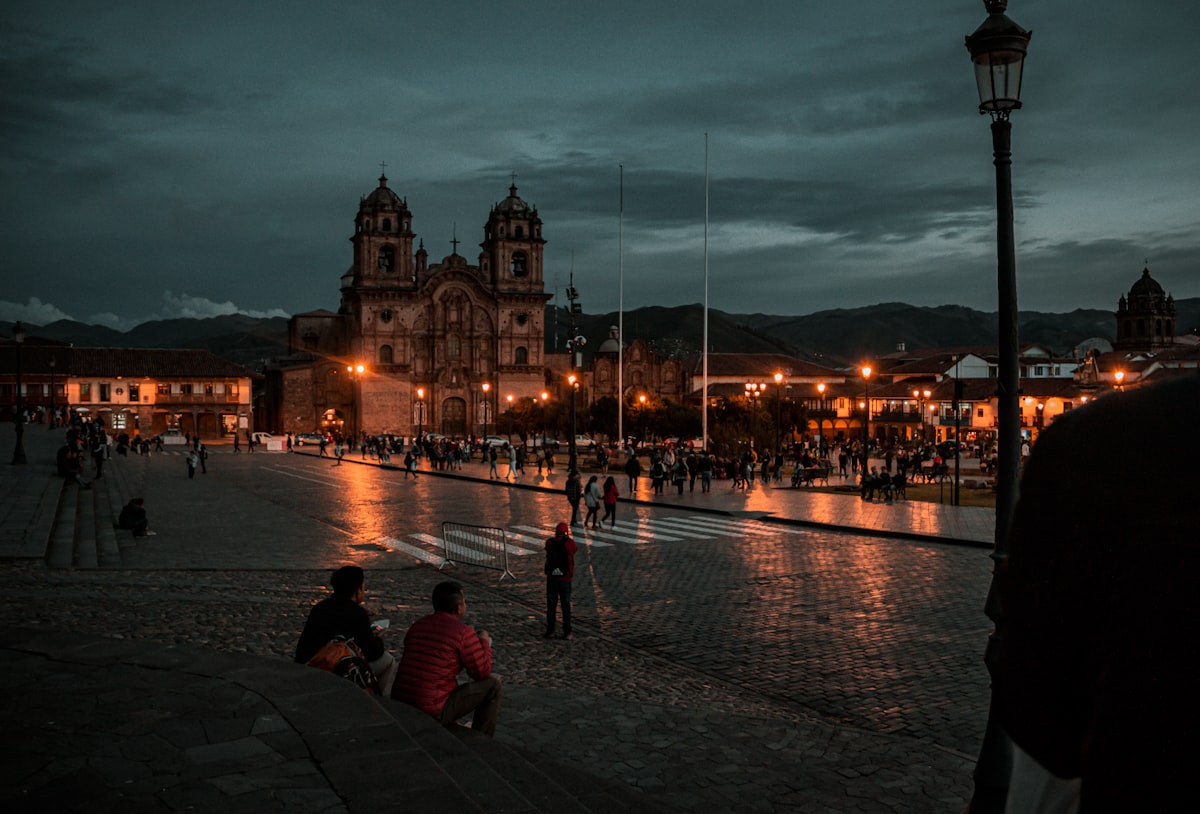
- ↑Corpus Christi (late May or June, date varies) — one of Cusco's most dramatic colonial-Andean festivals, with elaborate effigies of saints paraded through the Plaza de Armas
What you sacrifice
- ↓Nights are cold (4°C) and can catch visitors off guard; altitude at 3,400m intensifies the chill — warm layers are non-negotiable
- ↓Prices begin rising as the dry season is recognised; May is still moderate but more expensive than the wet-season months
- ↓Inca Trail permits for the popular Classic Trail sell out in advance — book at least two to three months ahead for May departures
May scores highest overall — reliable weather and strong local atmosphere. Set your priorities below to personalise this result.
May
The dry season arrives — clear skies, the Inca Trail fully open, and Machu Picchu at its most reliably beautiful.
20°C
High
44mm
Rain
7.8h
Sun
- ↑Dry season proper begins: 44mm of rain is minimal, skies are consistently clear, and the mountain views from Machu Picchu and the Sacred Valley are sharp and unobscured
- ↑Inca Trail permits are still available in May (unlike the July–August peak when they sell out months ahead) — the optimal window for hiking with full conditions and manageable crowds
- ↑Corpus Christi (late May or June, date varies) — one of Cusco's most dramatic colonial-Andean festivals, with elaborate effigies of saints paraded through the Plaza de Armas
- ↓Nights are cold (4°C) and can catch visitors off guard; altitude at 3,400m intensifies the chill — warm layers are non-negotiable
- ↓Prices begin rising as the dry season is recognised; May is still moderate but more expensive than the wet-season months
- ↓Inca Trail permits for the popular Classic Trail sell out in advance — book at least two to three months ahead for May departures
Top travel windows
★ BestMay
Best overall
Highest combined score
20°C
High
44mm
Rain
7.8h
Sun
February
Best for value
Lowest prices & fees
19°C
High
161mm
Rain
4.1h
Sun
February
Fewest crowds
Quietest month
19°C
High
161mm
Rain
4.1h
Sun
Breakdown by priority
Best for weather
July
19°C high · 13mm rain · 8.3hrs sun/day
Best for budget
February
The lowest prices of the year for accommodation across Cusco — genuinely budget-level rates at properties that charge three times as much in July
Fewest crowds
February
Machu Picchu remains accessible by train from Aguas Calientes; the site is as uncrowded as it ever gets, and the cloud-wreathed ruins in mist have a very particular drama
Worst time to visit
February
The Inca Trail closes entirely in February for annual maintenance — the classic four-day trek is not an option under any circumstances this month
Where to stay in Cusco
All neighbourhoods →San Pedro Market Area
Local Cusco at its most unfiltered — the San Pedro market, budget street food, and everyday Peruvian life.
7/10
Central
8/10
Walk
8/10
Transit
Miraflores / Wanchaq
Modern Cusco where locals actually live — malls, clinics, and everyday life with a fraction of the tourist density.
5/10
Central
7/10
Walk
9/10
Transit
Also exploring
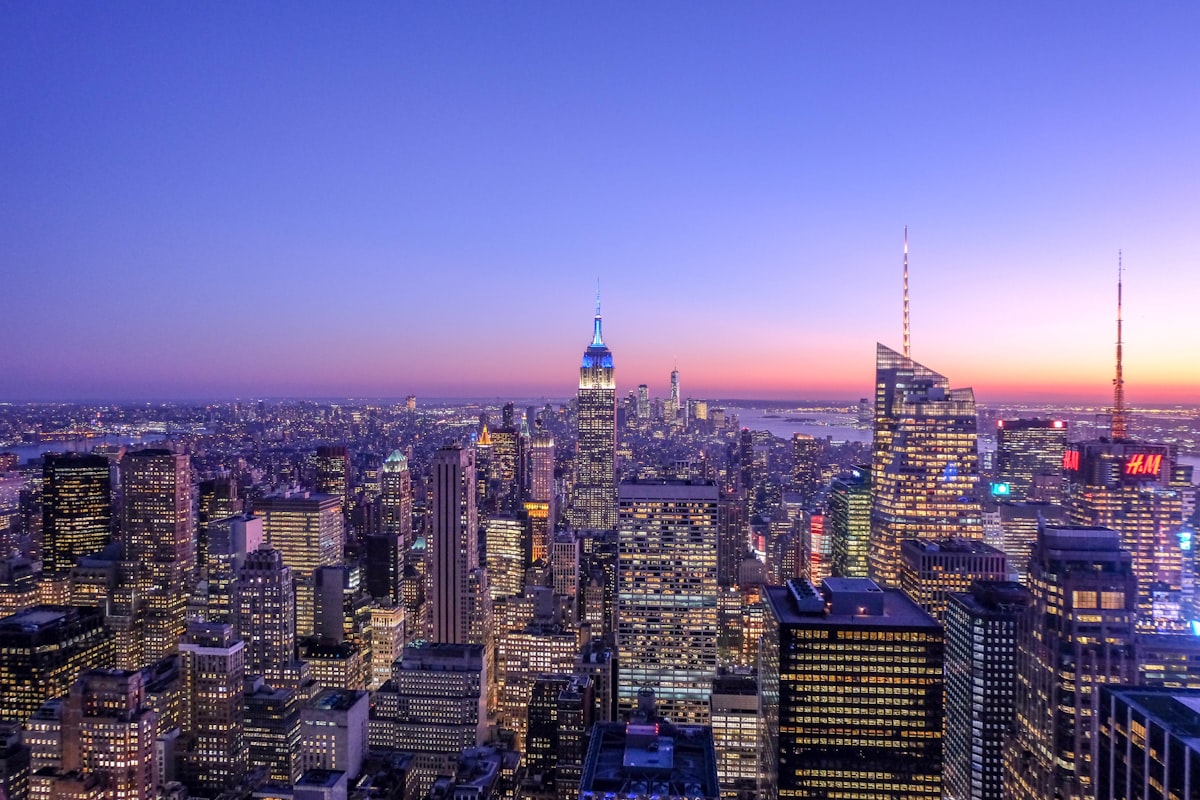
New York
USA
A city that never fully quiets — but its personality shifts dramatically by season, from sweltering humid summers to crisp autumn perfection to blizzard-prone winters.
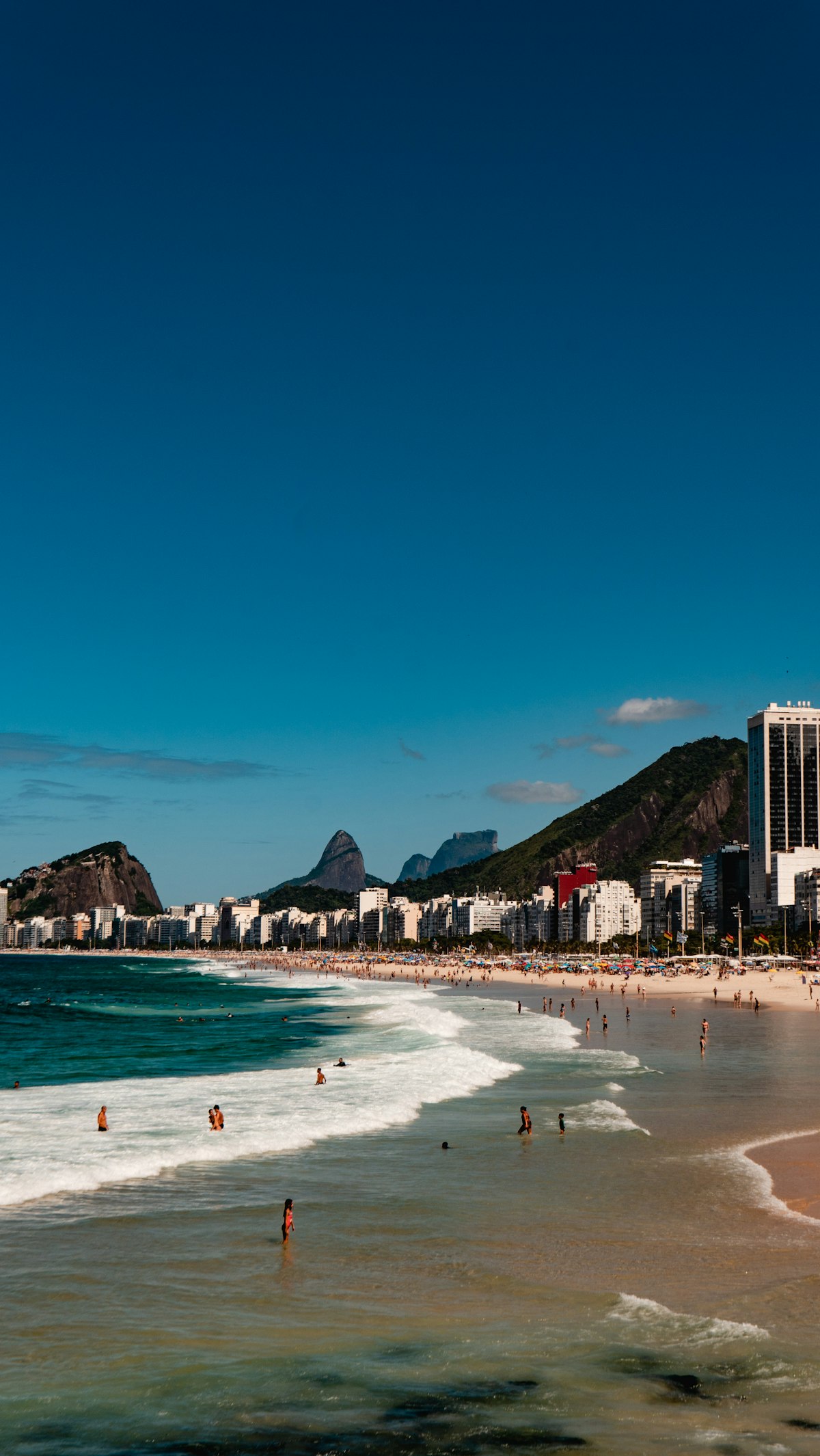
Rio de Janeiro
Brazil
A Southern Hemisphere city where summer (December–March) brings Carnival and 264mm of rain simultaneously, and the real sweet spot is the dry Southern winter — June to September — when most travellers don't think to come.
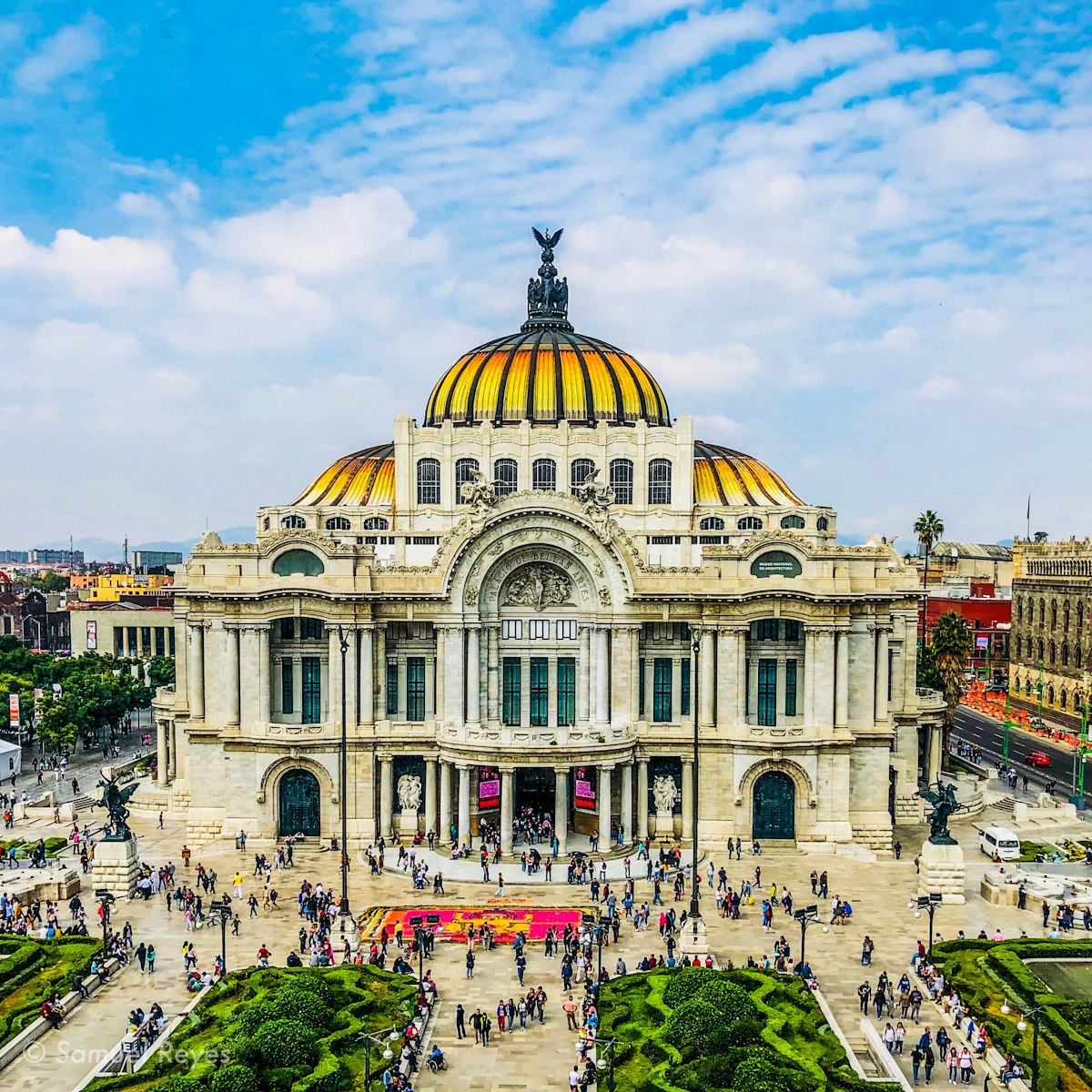
Mexico City
Mexico
A highland metropolis at 2,240 metres where the altitude tempers the heat to perpetual spring in the dry months, Día de Muertos transforms Mixquic and Azcapotzalco into one of the world's great ceremonies, and the October–April dry season gives the clearest conditions for exploring what is genuinely one of the planet's finest food, museum, and architecture cities.
Worth knowing
May scores highest overall. July is the most crowded month — avoid if you can. See crowd-free ranking →
Month by month breakdown
January#10▾
Gains
- ↑Machu Picchu is still accessible by train from Aguas Calientes — the ruins do not close and the site is significantly less crowded than the July–August peak
- ↑Hotel prices in Cusco are at their most affordable; budget and mid-range options represent genuine value compared to the May–September premium
- ↑The altiplano landscape is lush and dramatically green in the wet season — a very different and photogenic version of the Andes compared to the dry brown months
Sacrifices
- ↓Heavy afternoon rain is reliable daily — 147mm across the month; outdoor itineraries need to finish by early afternoon or include indoor contingencies
- ↓The Inca Trail (classic 4-day hike to Machu Picchu) is open but conditions are muddy and slippery; serious hikers generally avoid January
- ↓Sunshine drops to 4.5 hours daily; the mountains are frequently shrouded in cloud, and conditions for photography and high-altitude walks are challenging
February#11▾
Gains
- ↑The lowest prices of the year for accommodation across Cusco — genuinely budget-level rates at properties that charge three times as much in July
- ↑Machu Picchu remains accessible by train from Aguas Calientes; the site is as uncrowded as it ever gets, and the cloud-wreathed ruins in mist have a very particular drama
- ↑Carnaval (usually February) — water fights, processions, and local Andean festivities that are entirely authentic and not tourist-oriented
Sacrifices
- ↓The Inca Trail closes entirely in February for annual maintenance — the classic four-day trek is not an option under any circumstances this month
- ↓The wettest month of the year: 161mm with near-daily heavy afternoon and overnight rain; sunshine averages only 4.1 hours daily
- ↓Landslides occasionally disrupt the Aguas Calientes train line in very wet years — always check conditions and have contingency plans when visiting Machu Picchu in February
March#9▾
Gains
- ↑Rainfall drops from the February peak (132mm vs 161mm) and sunshine hours begin recovering — mornings are increasingly usable for outdoor sites including Sacsayhuamán and Pisac
- ↑The Inca Trail reopens after its February closure, though conditions remain muddy; alternative treks including Salkantay and Lares are viable and much quieter than high season
- ↑Very affordable pricing continues — mid-March to late April is genuinely good value for travellers who can accept some rain risk
Sacrifices
- ↓Still heavy rainfall at 132mm: afternoon downpours remain the pattern and outdoor planning needs an early start with indoor backup
- ↓The Inca Trail, while open, is muddy and slippery — most operators prefer dry-season departures for safety and experience quality
- ↓Overcast skies dominate the landscape photography; the famous mountain views from Machu Picchu are frequently cloud-obscured
April#4▾
Gains
- ↑Rainfall falls dramatically to 79mm — still possible but not the daily certainty of January–March; morning weather is reliably clear and afternoons are manageable
- ↑Sunshine hours recover to 6.2 daily, making outdoor sites genuinely rewarding: Machu Picchu views clear, Sacred Valley walks viable, Inca Trail conditions improving significantly
- ↑Easter week (Semana Santa) in Cusco is one of the great religious spectacles in South America — processions through the historic centre with colonial effigies carried through cobblestone streets
Sacrifices
- ↓Still a transitional month: some afternoons bring rain, and the drier second half of April is more reliable than the first
- ↓Easter week itself (dates vary annually) drives hotel prices up and draws more visitors — book ahead if your dates coincide
- ↓Nights remain cold at 6°C; altitude acclimatisation typically takes 1–2 full days regardless of how fit you are
May#1▾
Gains
- ↑Dry season proper begins: 44mm of rain is minimal, skies are consistently clear, and the mountain views from Machu Picchu and the Sacred Valley are sharp and unobscured
- ↑Inca Trail permits are still available in May (unlike the July–August peak when they sell out months ahead) — the optimal window for hiking with full conditions and manageable crowds
- ↑Corpus Christi (late May or June, date varies) — one of Cusco's most dramatic colonial-Andean festivals, with elaborate effigies of saints paraded through the Plaza de Armas
Sacrifices
- ↓Nights are cold (4°C) and can catch visitors off guard; altitude at 3,400m intensifies the chill — warm layers are non-negotiable
- ↓Prices begin rising as the dry season is recognised; May is still moderate but more expensive than the wet-season months
- ↓Inca Trail permits for the popular Classic Trail sell out in advance — book at least two to three months ahead for May departures
June#2▾
Gains
- ↑Inti Raymi (June 24) — the Festival of the Sun, re-enacted at the Sacsayhuamán ruins above Cusco; tens of thousands gather for a ceremony of extraordinary cultural and visual power, one of the most impressive indigenous festivals in the Americas
- ↑Peak dry season: only 22mm of rain and 8.1 sunshine hours daily; conditions are as close to perfect as Cusco gets, with crystalline mountain air and consistent blue-sky days
- ↑The atmosphere in Cusco during the Inti Raymi week is electric — the whole city celebrates, restaurants and bars run to capacity, and the streets around the Plaza de Armas have a festive energy that is unique to this window
Sacrifices
- ↓The most expensive month of the year: hotel prices for Inti Raymi week can be 3–4× the low-season rate; book accommodation six months ahead or more for any property near the centre
- ↓Inca Trail permits for June sell out up to six months in advance — this is not a last-minute destination for hikers; plan and book as far ahead as possible
- ↓Nights drop to 2°C — the driest and sunniest conditions come with the coldest nights of the year; sleeping at altitude in winter requires preparation
July#5▾
Gains
- ↑July is the single driest month of the year: only 13mm of rain, 8.3 sunshine hours daily, and the clearest mountain views in the calendar — conditions for Machu Picchu photography and high-altitude trekking are unmatched
- ↑Inca Trail is fully operational in optimal dry conditions; the classic hike is at its most rewarding, with clear passes and stunning Andean views that have made it famous
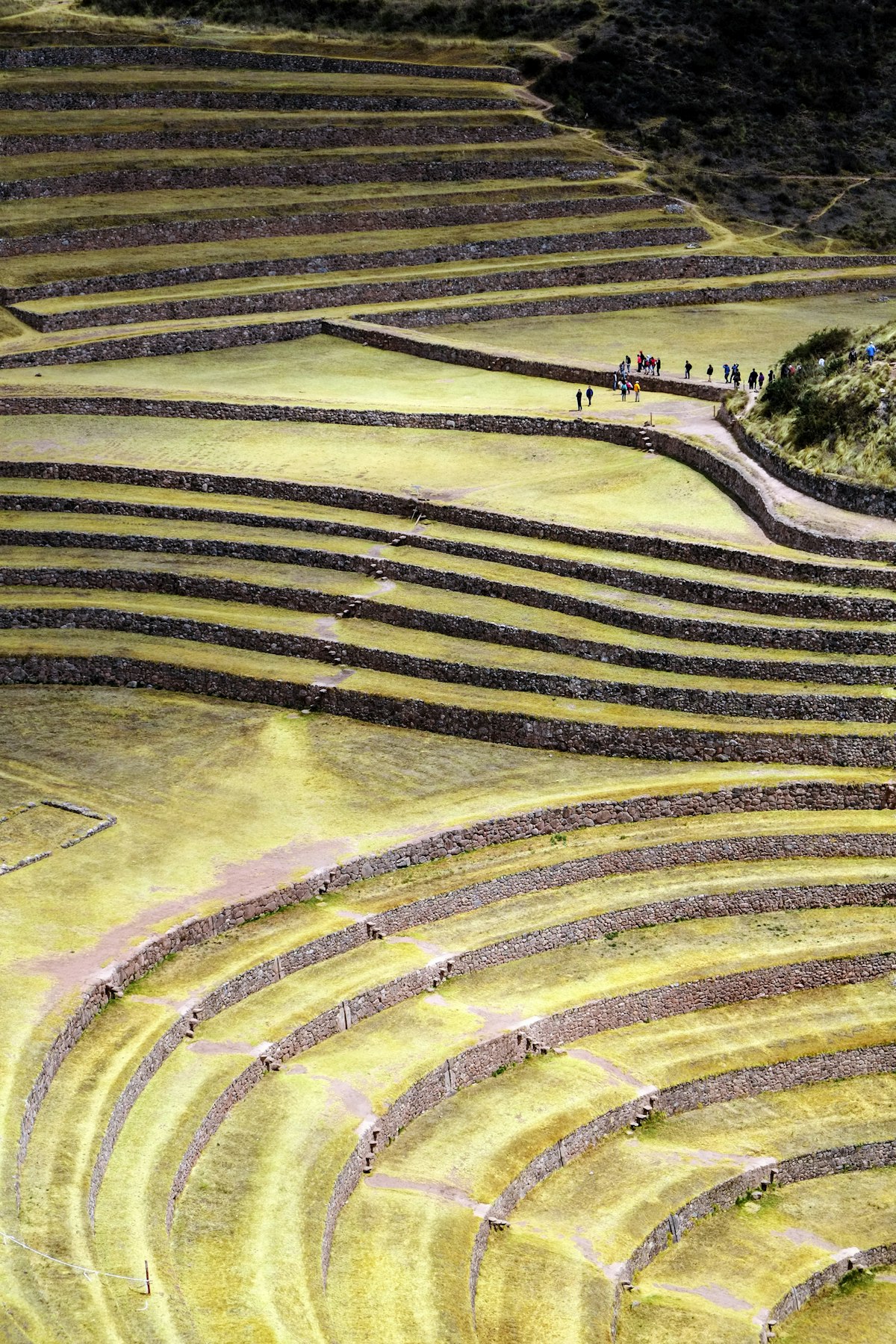
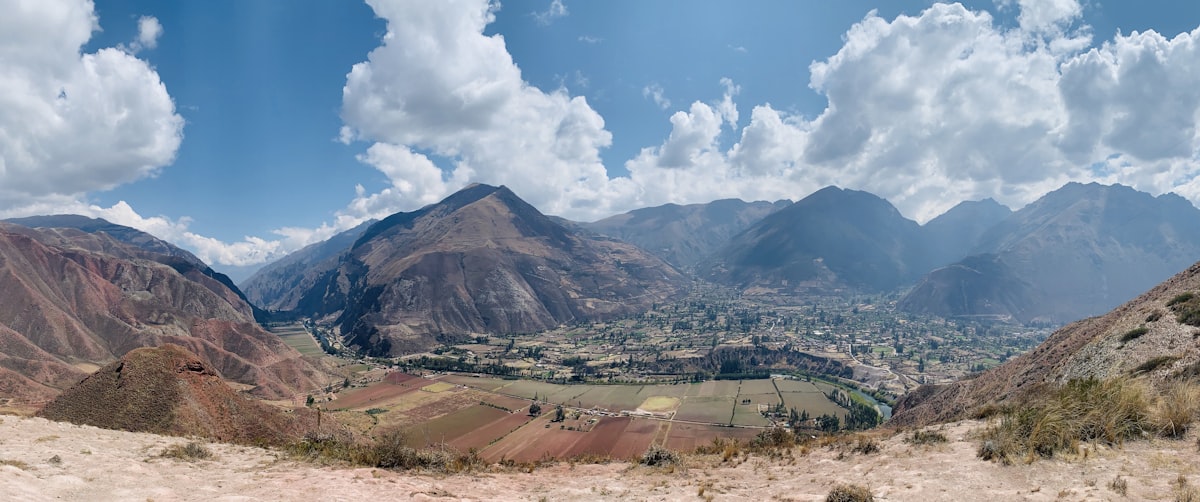
- ↑The Sacred Valley is at its most atmospheric: Pisac market, Ollantaytambo ruins, and the Moray salt terraces are all fully accessible under reliable blue skies
Sacrifices
- ↓Peak season, peak prices: Cusco hotels are at their most expensive, Machu Picchu entrance requires advance booking (timed-entry slots fill weeks ahead), and the Inca Trail permits sold out months ago
- ↓Machu Picchu is at maximum permitted capacity — expect queues at the entry gates, crowded sunrise viewpoints, and a more managed, less intimate experience
- ↓Cold nights (2°C) at altitude require proper gear; the thermal contrast between sunny days (19°C) and freezing nights is significant and catches underprepared visitors off guard
August#7▾
Gains
- ↑Near-identical weather to July: 23mm rainfall, 8.0 sunshine hours, and clear skies across virtually every day — the dry season remains in full effect
- ↑Slightly easier to get Machu Picchu timed-entry tickets than in July, particularly for late August — the absolute peak begins to ease
- ↑Inca Trail permits for August are sold out well in advance but alternative treks (Salkantay, Lares, Choquequirao) operate in perfect conditions
Sacrifices
- ↓Hotel prices remain at their annual peak; August is still firmly high season and the discounts of September have not yet arrived
- ↓Machu Picchu crowd levels are essentially identical to July — the site is managed at capacity and a truly uncrowded experience is not available at any price point
- ↓Inca Trail Classic permits have been sold out for months — any booking at this stage will be for an alternative trail
September#3▾
Gains
- ↑September retains essentially the same excellent dry-season weather as July–August (only 40mm rain, 7.5 sunshine hours) but the school holiday crowds have returned home and prices drop significantly
- ↑Machu Picchu timed-entry slots are much more easily booked; the site is quieter than peak season and the experience is meaningfully more atmospheric
- ↑Inca Trail Classic permits are available — September is one of the best months to book and hike without the scramble of peak-season competition
Sacrifices
- ↓The very tail of the dry season; by late September occasional afternoon clouds begin to build, hinting at the transition — weather is still excellent but July clarity is starting to wane
- ↓Hotel prices, while lower than July–August, are still notably higher than the wet-season trough; September is a sweet spot, not a bargain
- ↓Altitude acclimatisation is unavoidable at 3,400m — budget at least a full day in Cusco before any physical activity, however fit you are
October#6▾
Gains
- ↑Only 63mm of rain and 6.8 sunshine hours — more variable than the peak dry season but still predominantly clear mornings and manageable afternoons for outdoor sites
- ↑Accommodation pricing has retreated from peak levels; good-value options are available across all tiers without advance planning pressure
- ↑Machu Picchu entry tickets and Inca Trail permits are bookable without the months-ahead pressure of July–August
Sacrifices
- ↓The transitional wet season is approaching: afternoon rain becomes increasingly common through October, and some days feel more like the wet season than the dry
- ↓Landscape is beginning to dry out; the lush green of January–March is gone but the wet season's dramatic cloudscapes have not yet fully arrived
- ↓The most interesting event calendar is in June (Inti Raymi) or February (Carnaval) — October is pleasant but lacks a standout festival
November#8▾
Gains
- ↑Crowds are minimal and prices are affordable — the combination of unpredictable weather and quiet season creates a genuinely unhurried experience at Machu Picchu and the Sacred Valley sites
- ↑Mornings are often clear before the afternoon rain builds; an early start allows most outdoor sites to be visited comfortably
- ↑The landscape is greening up as the wet season takes hold — a vivid, photogenic contrast to the dry-season brown
Sacrifices
- ↓87mm of rain concentrated in heavy afternoon downpours is enough to disrupt outdoor plans; a flexible itinerary is essential
- ↓Sunshine has dropped to 5.8 hours daily and the mountain views from Machu Picchu are cloud-obscured on a significant proportion of days
- ↓The Inca Trail is open but muddier and less rewarding than the dry season; serious hikers will want to wait for May or September
December#12▾
Gains
- ↑Christmas in Cusco is celebrated with genuine warmth — the Plaza de Armas is decorated, midnight Mass at the cathedral is atmospheric, and the city has a festive energy distinct from tourist performance
- ↑Machu Picchu is accessible by train and less crowded than the dry-season peak; the wet-season mist around the ruins creates a mysterious photographic atmosphere
- ↑Accommodation rates are mid-range rather than peak — December visitors pay less than the July–August crowd for a city that is genuinely beautiful even in rain
Sacrifices
- ↓Heavy rainfall at 123mm; afternoon and evening rain is the norm, and the famous mountain views are frequently obscured by cloud
- ↓Sunshine averages only 4.8 hours daily — outdoor time is best maximised with early-morning starts before the clouds build
- ↓The Inca Trail is open but wet-season conditions make it uncomfortable; most serious trekkers choose the dry season for any multi-day hike
How this is calculated
Climate data
Open Meteo ERA5
30-year normals (1991–2020). Temperature, rainfall, sunshine, humidity.
Price & crowd
Tourism research
Seasonal pricing from tourism authority data. Directional — compares months within a destination only.
Personalisation
Weighted scoring
Your priorities change the weights. Budget-first users get different results than weather-first users.
Share this result
May is the best time to visit Cusco
Travel timing updates
New destinations and timing guides, when they land.
No spam. Unsubscribe anytime.