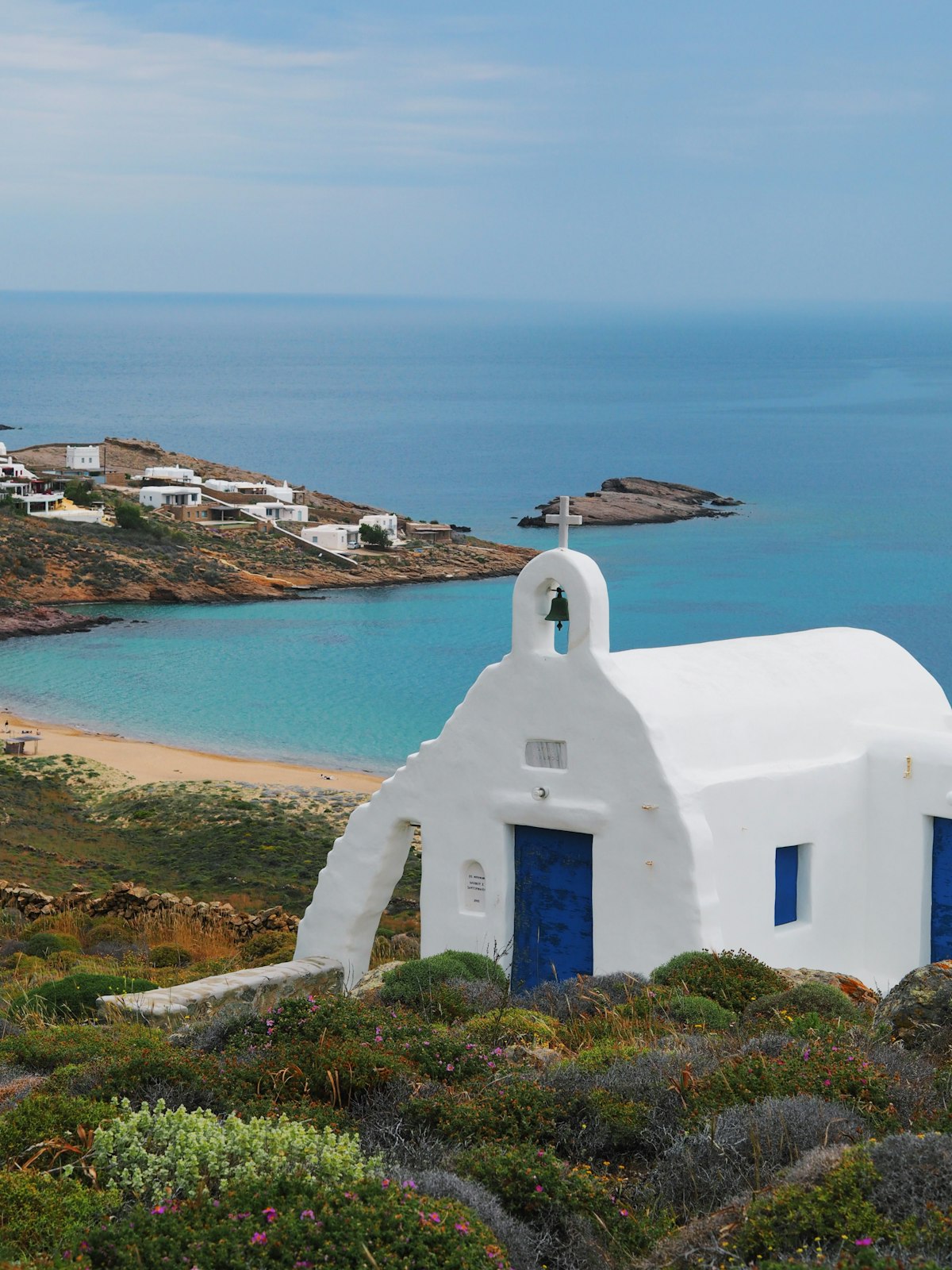
Showing: Jun · Alex Korolkoff / Unsplash
Greece · Southern Europe
Best time to visit Mykonos
June
Jun scores highest overall — reliable weather and strong local atmosphere. Set your priorities below to personalise this result.
What matters most to you?
All 12 months — click any to expand
Jun
Alex Korolkoff / Unsplash
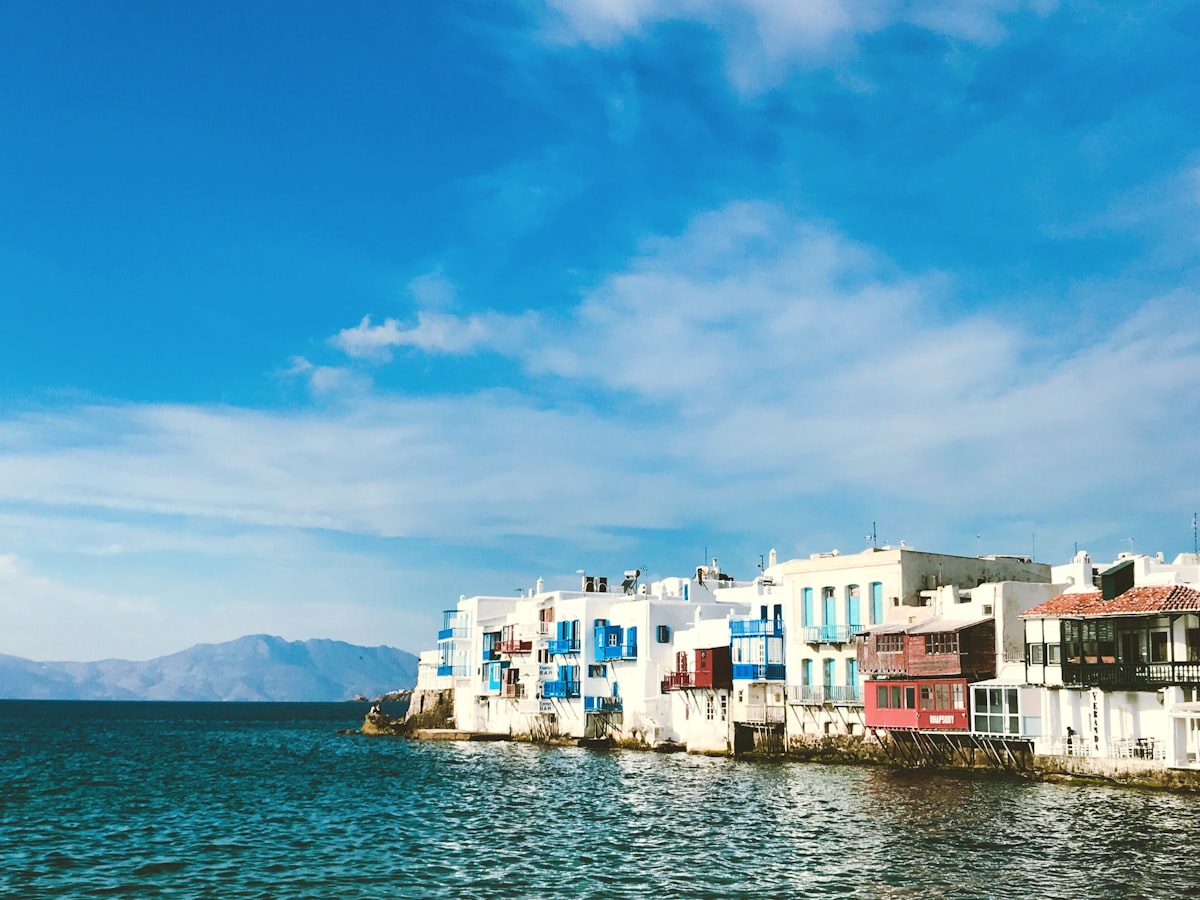
The sweet spot — perfect Mediterranean summer, Mykonos Gay Pride, and the season at full energy before July's peak.
27°C
High
20°C
Low
5mm
Rain
10.8h
Sun/day
What you gain
- ↑Mykonos Gay Pride (mid-June) is one of the largest and most celebrated Pride events in Greece — the island's cosmopolitan identity is on full display, with parties, parades, and a genuinely inclusive atmosphere across Chora and the beaches
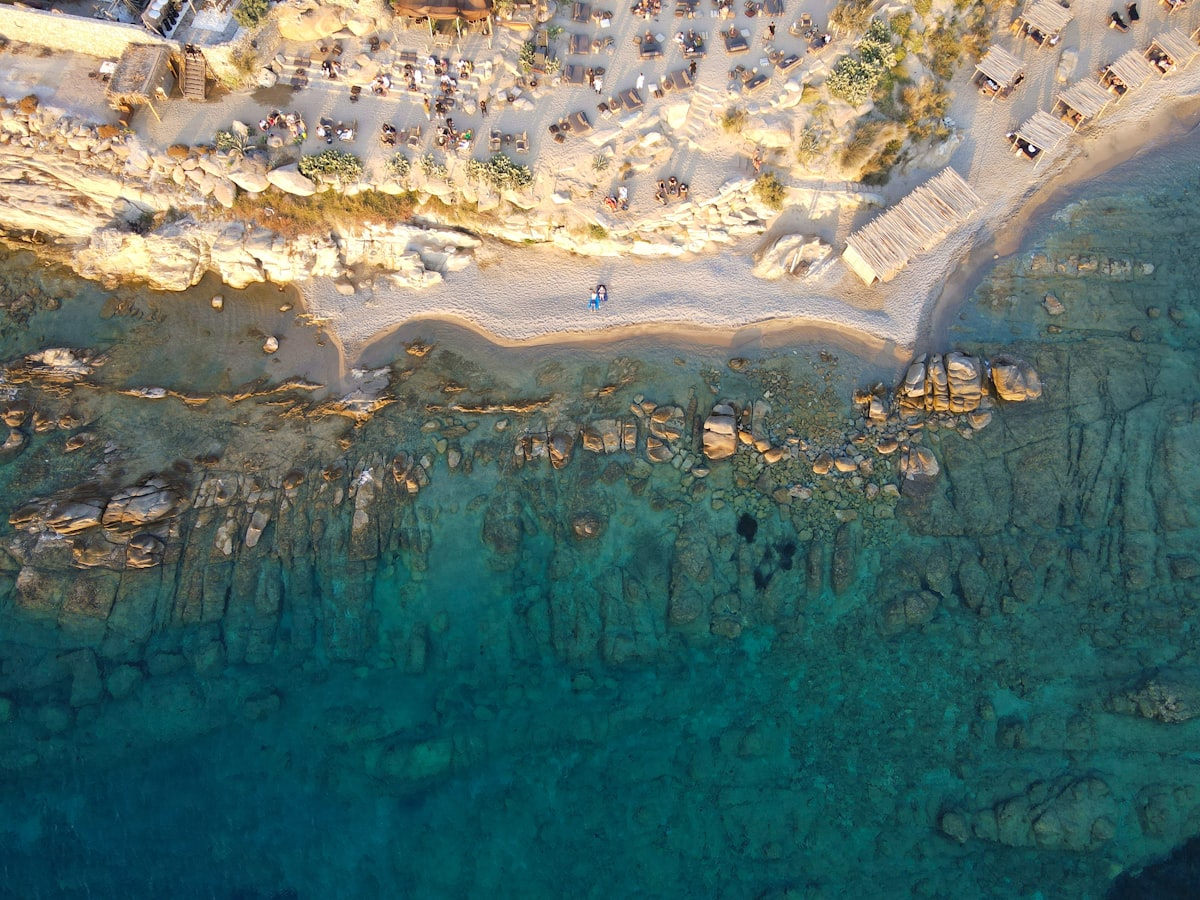
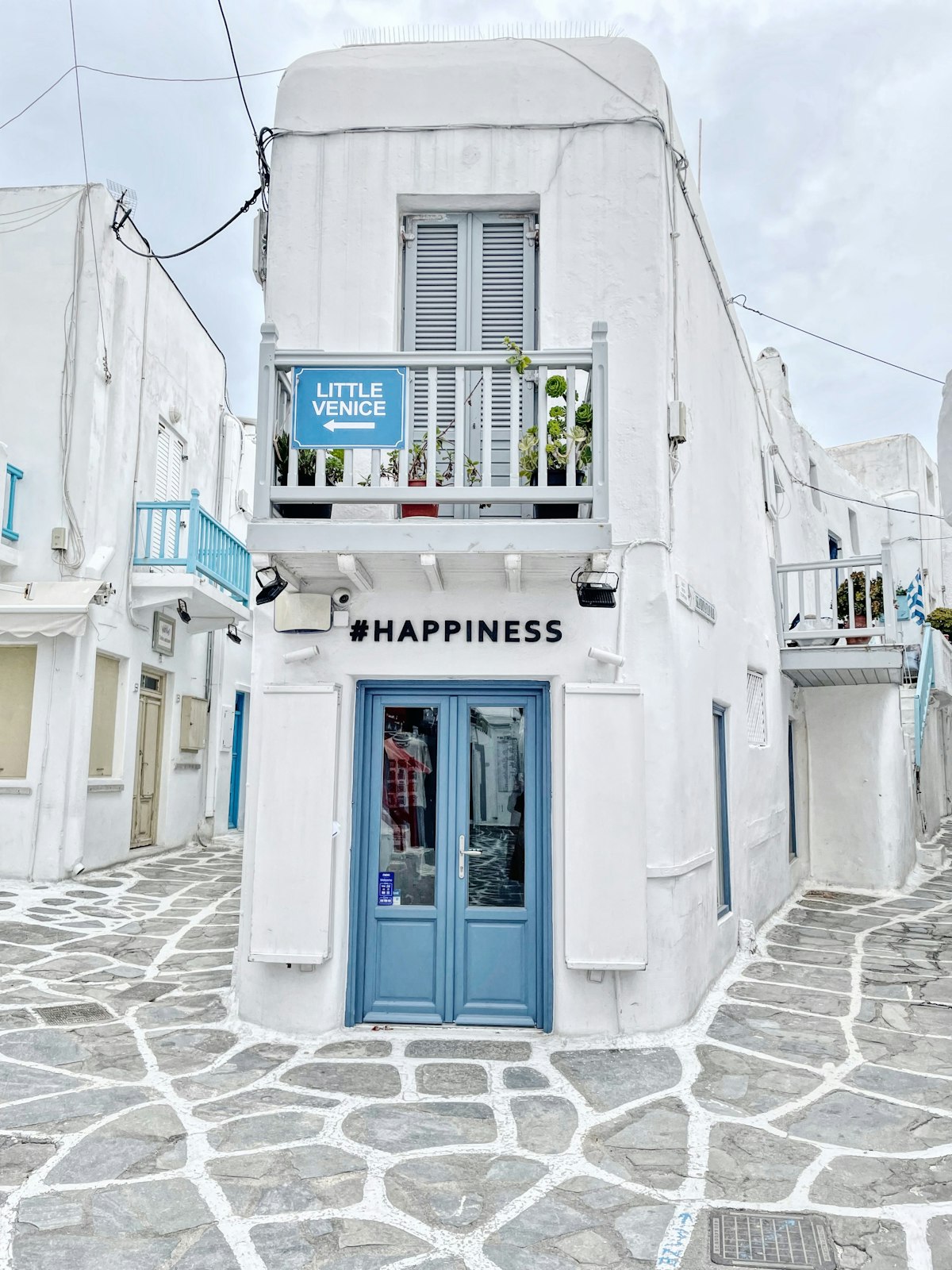
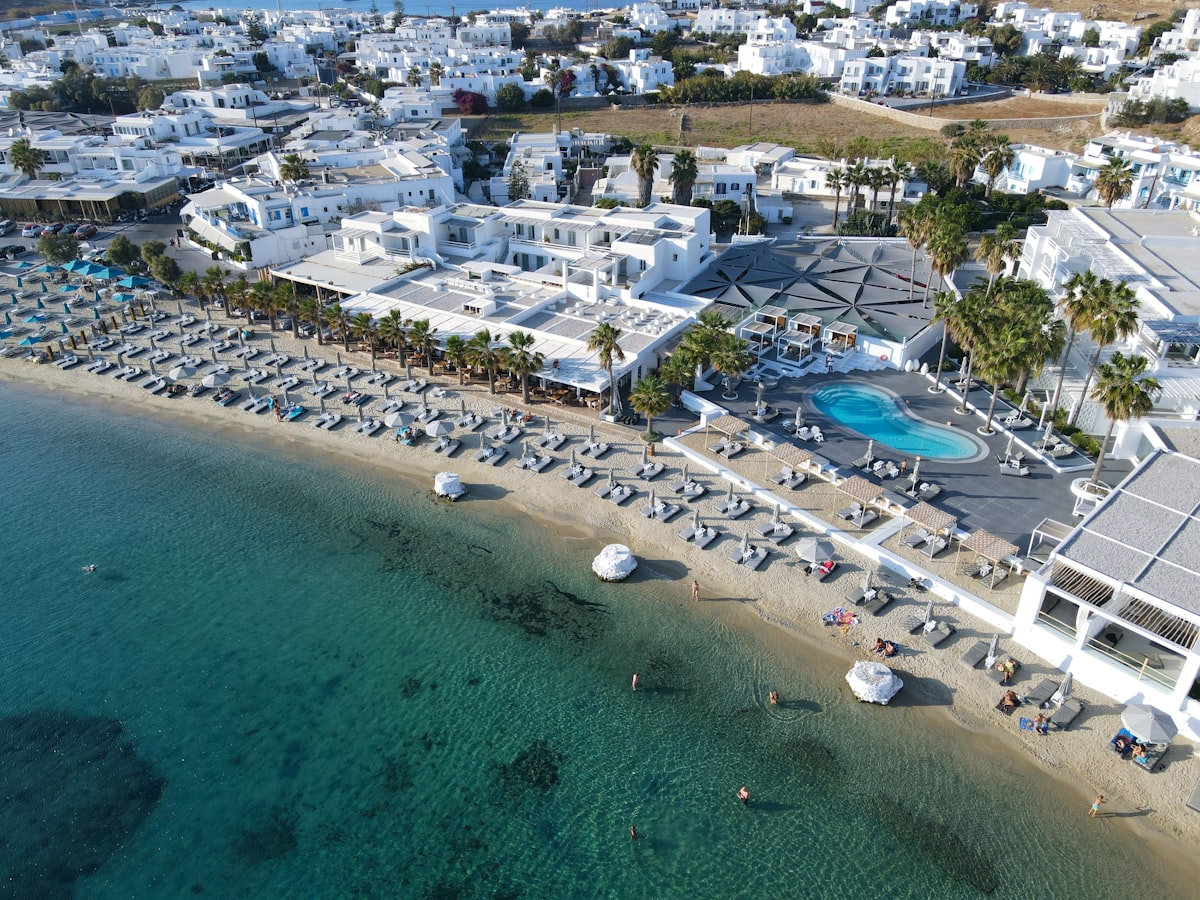
- ↑Ideal weather: 27°C highs, 10.8 sunshine hours, almost zero rain, and sea temperature at 22–23°C — everything works; beach mornings, Chora afternoon exploration, and evening cocktails at Little Venice at sunset are all perfect
- ↑The season is fully open and buzzing, but the truly extreme July–August crowds and prices haven't arrived yet — restaurants take bookings, taxis are available, and beach clubs have space
What you sacrifice
- ↓Prices are firmly in the moderate-to-expensive tier — June is no longer shoulder season, and Mykonos is never cheap; accommodation requires booking well in advance
- ↓The Meltemi wind begins in June and can blow hard enough to make open-water boat trips uncomfortable and sand-on-beach conditions challenging on exposed beaches
- ↓The island is busy enough that spontaneous restaurant dining or last-minute hotel choices are difficult — everything worth doing needs advance planning
Jun scores highest overall — reliable weather and strong local atmosphere. Set your priorities below to personalise this result.
Jun
The sweet spot — perfect Mediterranean summer, Mykonos Gay Pride, and the season at full energy before July's peak.
27°C
High
5mm
Rain
10.8h
Sun
- ↑Mykonos Gay Pride (mid-June) is one of the largest and most celebrated Pride events in Greece — the island's cosmopolitan identity is on full display, with parties, parades, and a genuinely inclusive atmosphere across Chora and the beaches
- ↑Ideal weather: 27°C highs, 10.8 sunshine hours, almost zero rain, and sea temperature at 22–23°C — everything works; beach mornings, Chora afternoon exploration, and evening cocktails at Little Venice at sunset are all perfect
- ↑The season is fully open and buzzing, but the truly extreme July–August crowds and prices haven't arrived yet — restaurants take bookings, taxis are available, and beach clubs have space
- ↓Prices are firmly in the moderate-to-expensive tier — June is no longer shoulder season, and Mykonos is never cheap; accommodation requires booking well in advance
- ↓The Meltemi wind begins in June and can blow hard enough to make open-water boat trips uncomfortable and sand-on-beach conditions challenging on exposed beaches
- ↓The island is busy enough that spontaneous restaurant dining or last-minute hotel choices are difficult — everything worth doing needs advance planning
Top travel windows
★ BestJune
Best overall
Highest combined score
27°C
High
5mm
Rain
10.8h
Sun
February
Best for value
Lowest prices & fees
13°C
High
47mm
Rain
5h
Sun
March
Fewest crowds
Quietest month
15°C
High
38mm
Rain
5.8h
Sun
Breakdown by priority
Best for weather
June
27°C high · 5mm rain · 10.8hrs sun/day
Best for budget
February
The cheapest accommodation you will ever find on Mykonos — the handful of open guesthouses price for locals and long-term renters, not tourists
Fewest crowds
March
Greek Orthodox Easter (date varies — often March or April) is the most important celebration in the Greek calendar; Mykonos marks it with candlelit midnight services and lamb feasts that have nothing to do with tourism
Worst time to visit
February, January, December
The island remains almost entirely shut — the same closure of bars, restaurants, and hotels that defines January continues through February with minimal change
Where to stay in Mykonos
All neighbourhoods →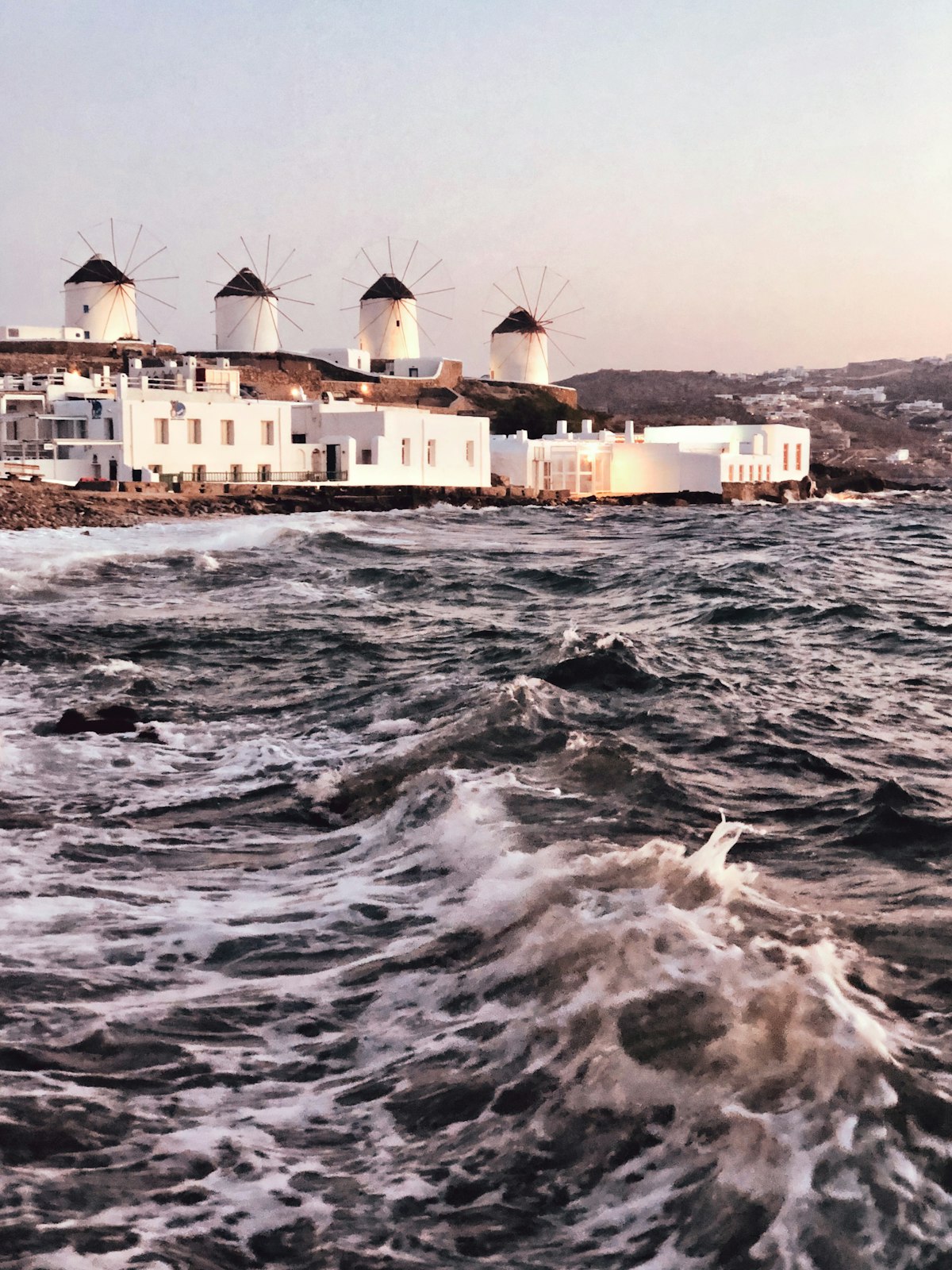
Mykonos Town / Chora
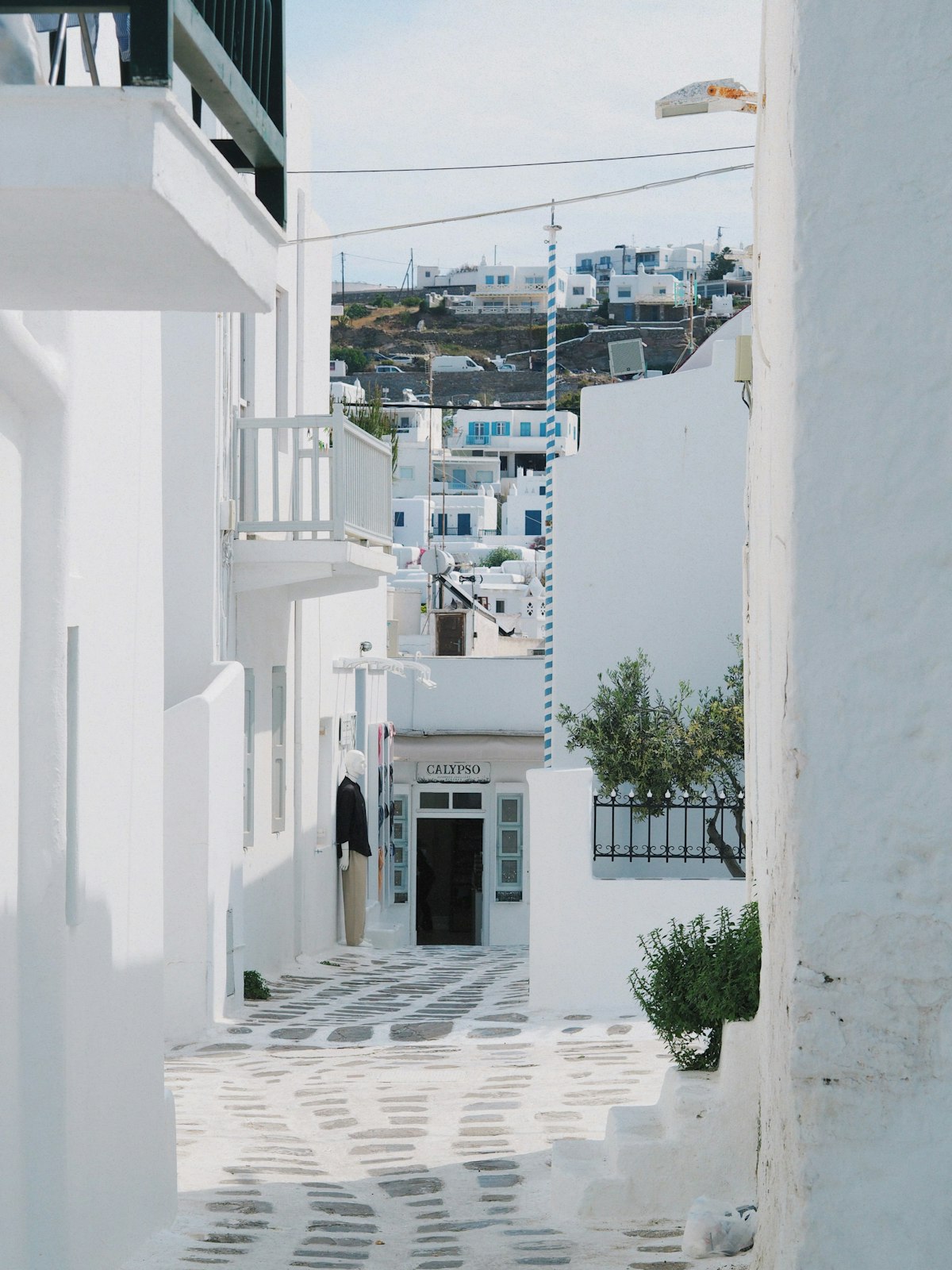
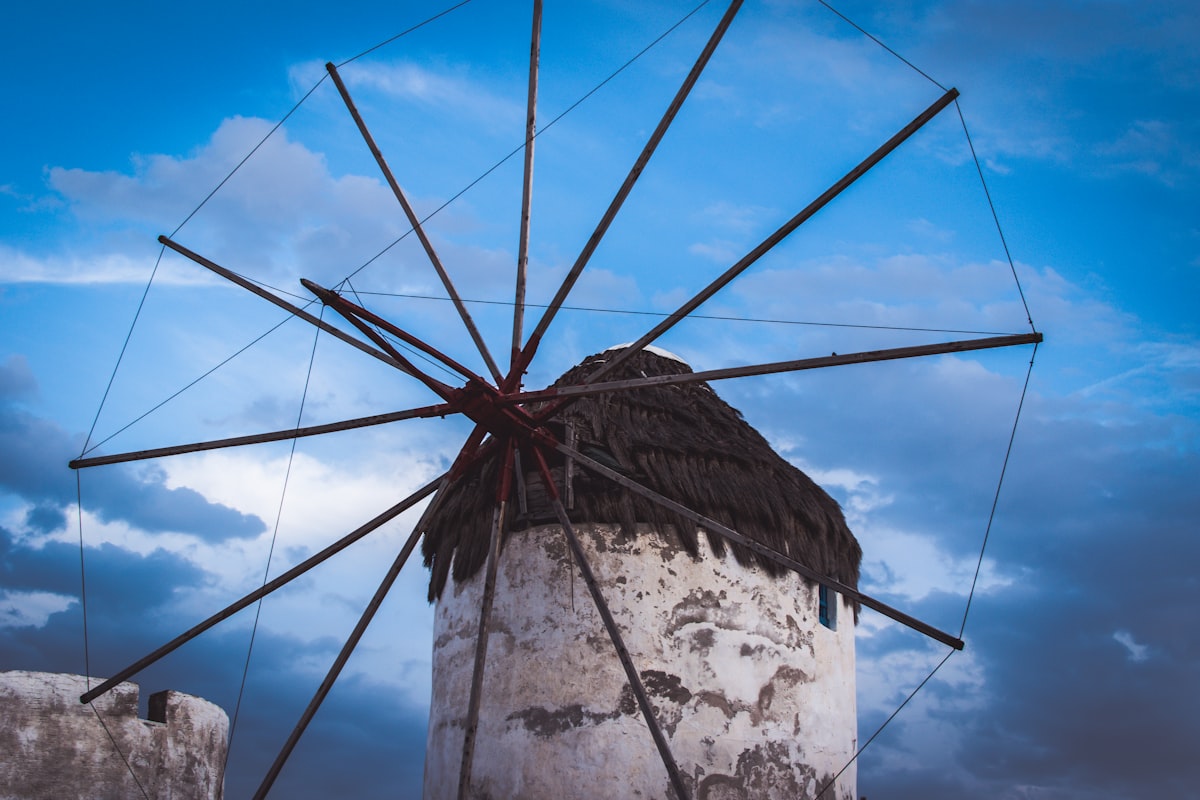
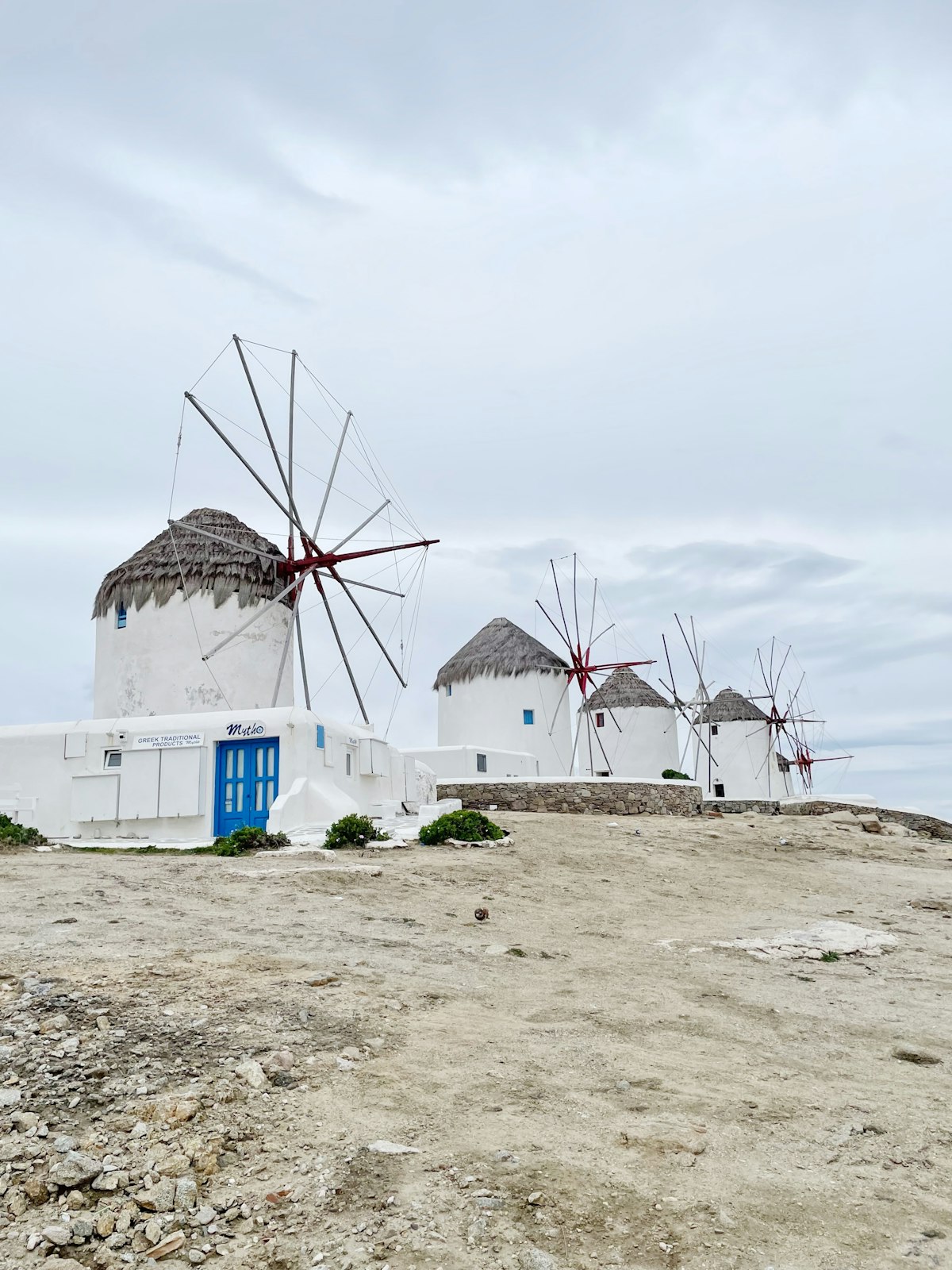
The iconic whitewashed heart of Mykonos — windmills, Little Venice, and the Matoyianni luxury strip.
10/10
Central
9/10
Walk
7/10
Transit
Ano Mera
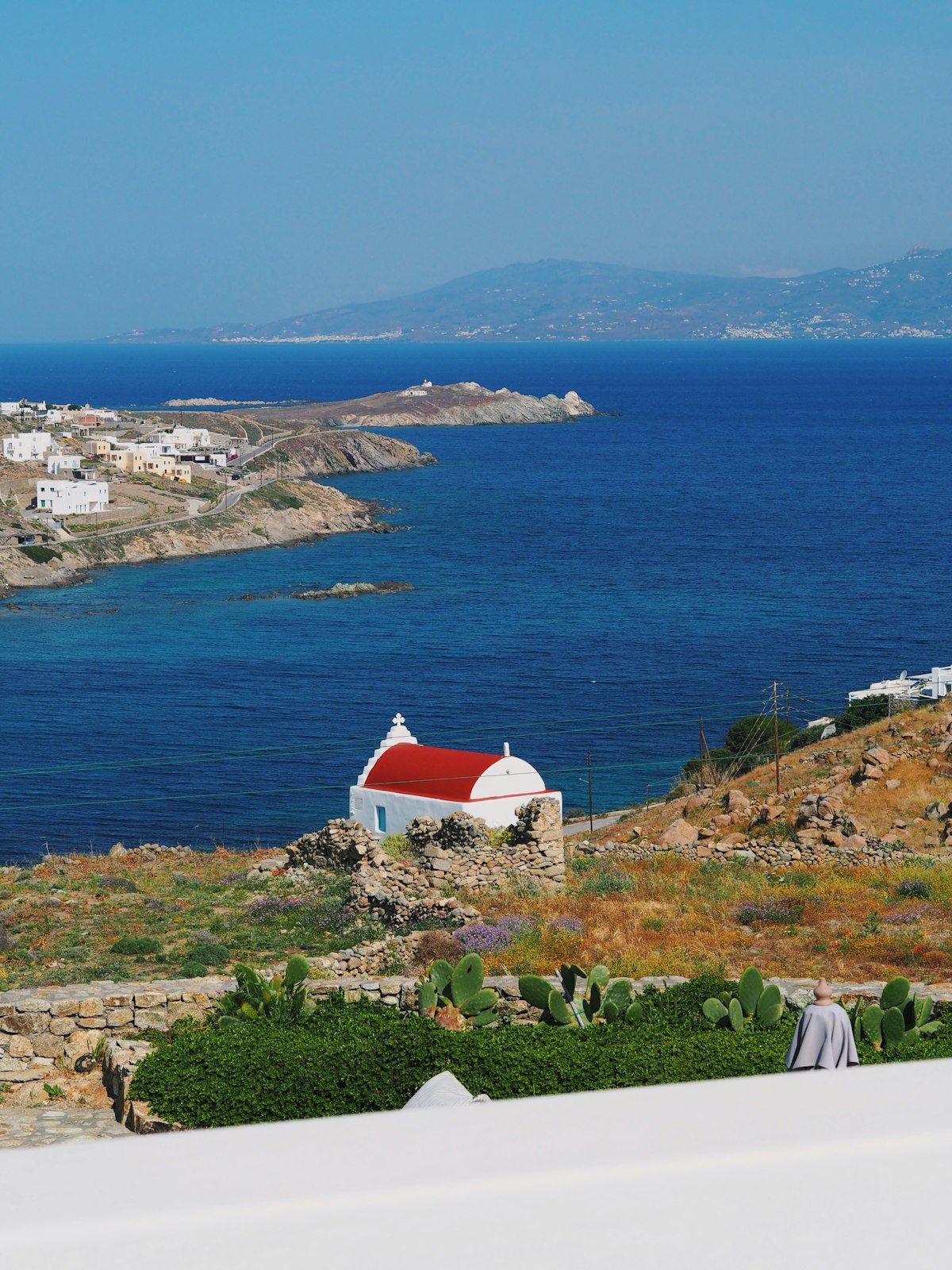
The only non-tourist part of Mykonos — inland village life, the Panagia Tourliani monastery, and local tavernas.
3/10
Central
6/10
Walk
4/10
Transit
Also exploring
Lisbon
Portugal
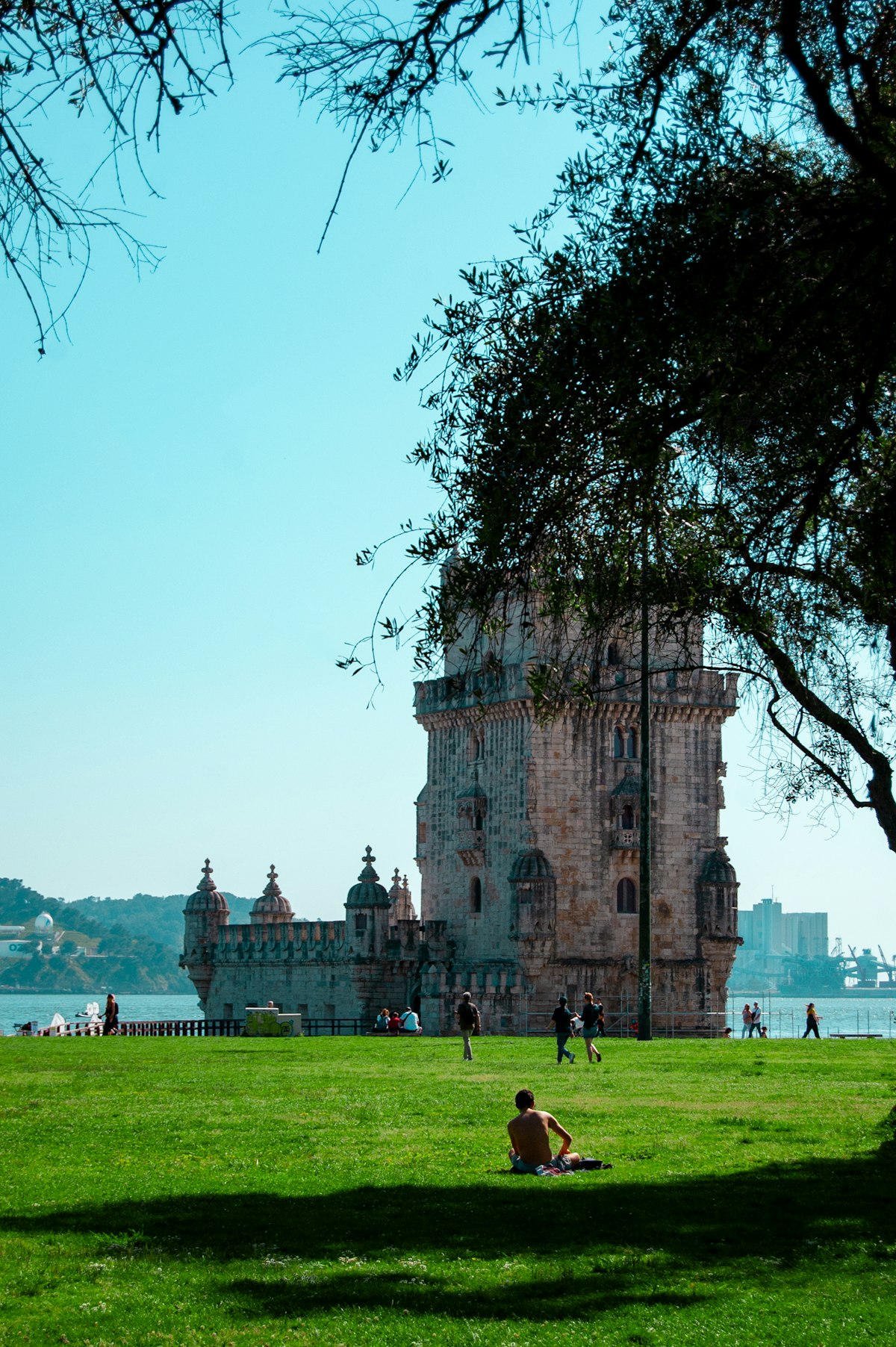
A sun-drenched Atlantic capital where tram lines weave through hilltop neighbourhoods and prices stay genuinely affordable by Western European standards.
Barcelona
Spain
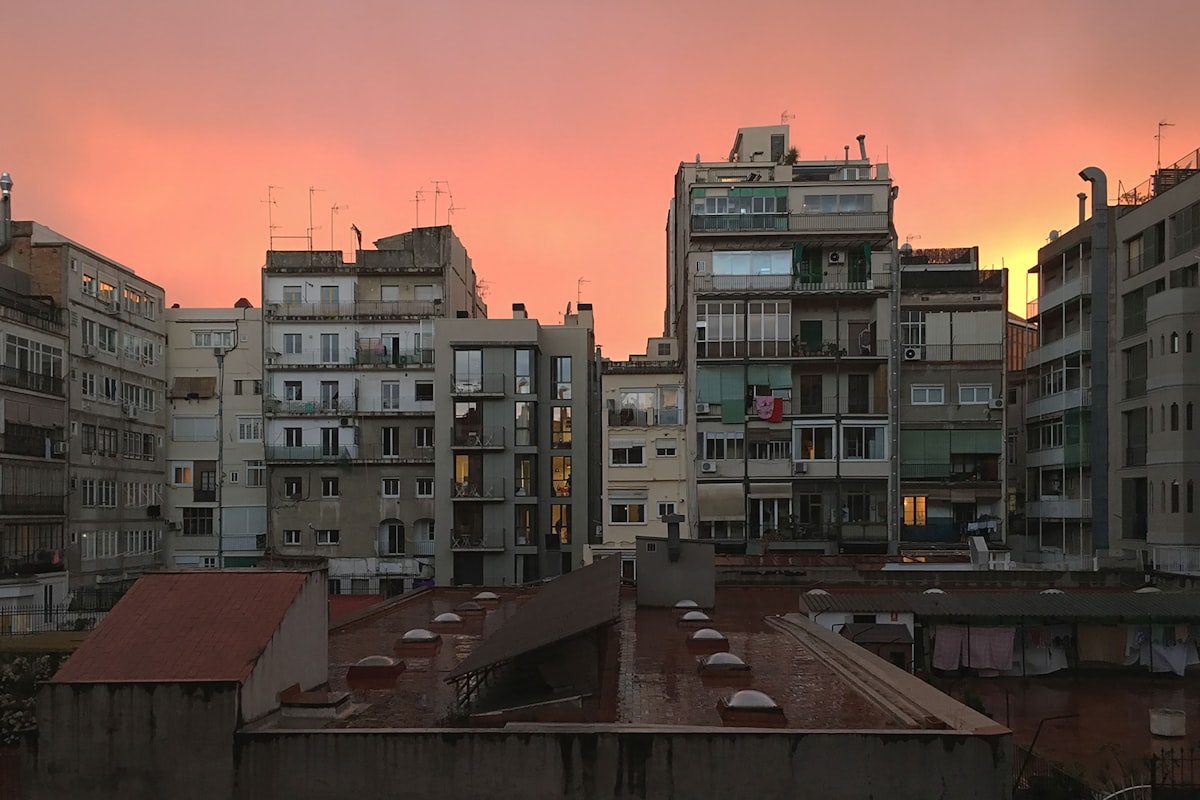
A Mediterranean city that runs on architecture, food markets, and beach culture — with a tourism problem that makes timing absolutely critical.
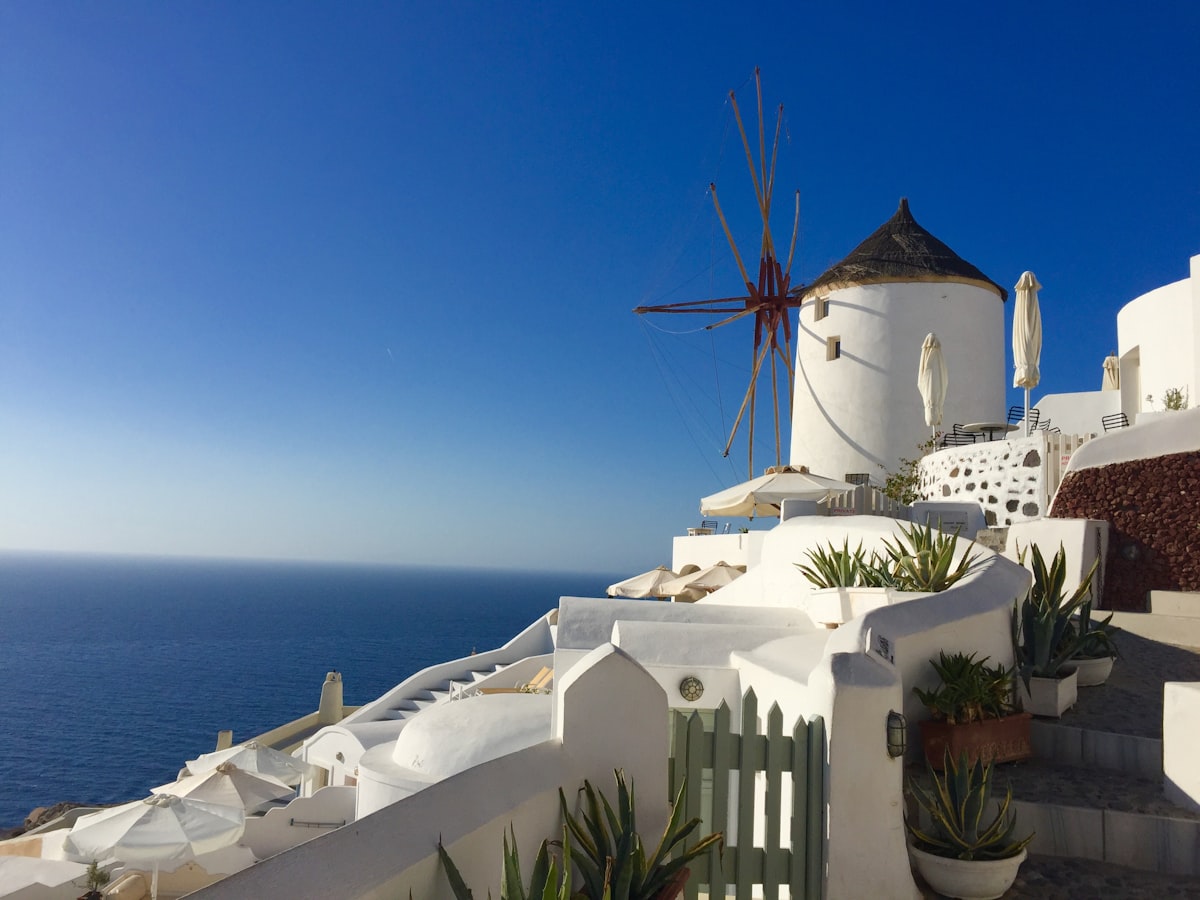
Santorini
Greece
The caldera sunsets and white-washed cliffside villages are real — but so is a tourism infrastructure that was never designed for 3 million annual visitors.
Worth knowing
June scores highest overall. August is the most crowded month — avoid if you can. See crowd-free ranking →
Month by month breakdown
January#11▾
Gains
- ↑Absolute solitude on one of the Mediterranean's most celebrated islands — the windmills and Little Venice without a single tourist in sight
- ↑The handful of year-round tavernas in Chora serve genuine Greek home cooking at local prices, a version of Mykonos that doesn't exist in summer
- ↑If you genuinely want isolation and authentic Cycladic island life, January delivers it completely
Sacrifices
- ↓Most hotels, restaurants, beach clubs, and bars are closed — not reduced hours, but physically shuttered for the season; accommodation options are extremely limited
- ↓Weather is cool and unpredictable — 13°C highs with only 4.5 sunshine hours daily and periodic rain; this is not beach weather by any stretch
- ↓The atmosphere that makes Mykonos famous — nightlife, beach energy, Little Venice cocktail bars, Matoyianni street scene — does not exist in January
February#9▾
Gains
- ↑Greek Orthodox Easter preparations begin in late February with small local ceremonies — a glimpse of the island's religious and cultural life that is invisible in the crowded summer months
- ↑Sunshine hours tick up slightly from January and rainfall eases — winter walks along the coastal path to the windmills are genuinely atmospheric in solitude
- ↑The cheapest accommodation you will ever find on Mykonos — the handful of open guesthouses price for locals and long-term renters, not tourists
Sacrifices
- ↓The island remains almost entirely shut — the same closure of bars, restaurants, and hotels that defines January continues through February with minimal change
- ↓Cool and often windy: the Cyclades in winter means grey skies and gusty conditions; the Meltemi doesn't blow but winter winds are not gentle
- ↓If you're visiting for the Mykonos experience — beach, nightlife, cosmopolitan energy — February offers essentially none of it
March#7▾
Gains
- ↑Greek Orthodox Easter (date varies — often March or April) is the most important celebration in the Greek calendar; Mykonos marks it with candlelit midnight services and lamb feasts that have nothing to do with tourism
- ↑Sunshine hours improve meaningfully to 5.8 daily and temperatures reach 15°C — outdoor exploration of Chora, the archaeological sites, and the port area is comfortable and pleasant
- ↑A few pioneering restaurants and cafés reopen in late March, signalling the start of a transition period; prices are still low-season
Sacrifices
- ↓Most of the season infrastructure — the beach clubs, the major bars, the famous clubs at Paradise and Super Paradise — remains closed until May or June
- ↓Water is too cold for swimming (16–17°C sea temperature) and beaches are deserted; this is not a beach trip yet
- ↓The atmosphere is transitional rather than fully formed — more open than January but still not the Mykonos anyone visits for
April#4▾
Gains
- ↑Mykonos Town (Chora) in April is genuinely beautiful without the summer crush — Matoyianni street, Little Venice, and the windmill hill are walkable and photogenic without navigating crowds
- ↑Greek Orthodox Easter (if it falls in April) transforms the island with candlelit midnight celebrations, fireworks, and communal lamb roasts — a deeply authentic Greek experience
- ↑The island's restaurants and bars are reopening; you get the Mykonos experience at a fraction of the summer price, with 18°C weather that's comfortable for sightseeing
Sacrifices
- ↓Sea temperature is still 17–18°C — swimmable for the hardy, but most visitors won't want to; beach clubs are opening but still quiet and not fully operational
- ↓The famous nightlife venues at Paradise and Super Paradise are either not yet open or operating in limited capacity — the full club season hasn't started
- ↓Some premium hotels are still in pre-season mode with limited services; the widest range of accommodation choices opens in May–June
May#2▾
Gains
- ↑Near-perfect weather: 23°C highs, 9.2 sunshine hours daily, minimal rainfall, and the sea warming to a swimmable 20–21°C — every activity is available at comfortable temperatures
- ↑The full island is operational — hotels, restaurants, beach clubs, and nightlife venues are all open, but crowds are a fraction of what July and August bring; you can actually walk Matoyianni at your own pace
- ↑Mykonos Gay Pride falls in June but preparations energise the island; May is when the cosmopolitan, inclusive crowd that defines modern Mykonos starts arriving in earnest
Sacrifices
- ↓Prices have moved firmly off low-season and into moderate — no longer budget, though still significantly below the July–August peak
- ↓Some of the major beach club headline DJ events are scheduled from June onwards; May is active but not at the peak club calendar intensity
- ↓Water is warming but not yet at the 24–25°C of peak summer — some beach days will feel more refreshing than warm
June#1▾
Gains
- ↑Mykonos Gay Pride (mid-June) is one of the largest and most celebrated Pride events in Greece — the island's cosmopolitan identity is on full display, with parties, parades, and a genuinely inclusive atmosphere across Chora and the beaches
- ↑Ideal weather: 27°C highs, 10.8 sunshine hours, almost zero rain, and sea temperature at 22–23°C — everything works; beach mornings, Chora afternoon exploration, and evening cocktails at Little Venice at sunset are all perfect
- ↑The season is fully open and buzzing, but the truly extreme July–August crowds and prices haven't arrived yet — restaurants take bookings, taxis are available, and beach clubs have space
Sacrifices
- ↓Prices are firmly in the moderate-to-expensive tier — June is no longer shoulder season, and Mykonos is never cheap; accommodation requires booking well in advance
- ↓The Meltemi wind begins in June and can blow hard enough to make open-water boat trips uncomfortable and sand-on-beach conditions challenging on exposed beaches
- ↓The island is busy enough that spontaneous restaurant dining or last-minute hotel choices are difficult — everything worth doing needs advance planning
July#6▾
Gains
- ↑Cavo Paradiso, Super Paradise, and Paradise Beach clubs are running their full summer programmes — international DJs, all-day beach parties, and the nightlife energy that defines Mykonos's global reputation; if this is what you're visiting for, July delivers it completely
- ↑Summer at its most intense: 29°C, essentially zero rain, 11.5 sunshine hours, and sea temperature at 24–25°C — perfect beach conditions when the Meltemi isn't blowing
- ↑The island's cosmopolitan season peaks — celebrity sightings are common, the yacht scene at the Old Port is extraordinary, and Little Venice at sunset is as beautiful as anywhere in the Mediterranean
Sacrifices
- ↓Peak pricing across the board: hotels at their highest rates, restaurants with mandatory minimums, beach club sun beds costing as much as a night's accommodation elsewhere in Greece; July in Mykonos requires a significant budget
- ↓Crowds are intense — Matoyianni street is packed shoulder to shoulder in evenings, Paradise Beach is wall-to-wall sunbeds, and queues for restaurants, ATMs, and ferries are routine
- ↓The Meltemi wind blows consistently and strongly through July — it cools the heat but makes sailing and exposed beach days unpleasant; south-facing beaches are sheltered but north-facing ones can be near-unusable
August#8▾
Gains
- ↑August is when Mykonos is most fully itself: the beach club scene at Paradise and Super Paradise is at maximum intensity, the Old Port yacht scene is extraordinary, and the island's international reputation for excess and celebration is entirely justified
- ↑Weather is perfection on paper: 30°C, virtually no rain, and sea temperature at 26°C; the days on Ornos or Agios Ioannis beach with a cocktail and clear Aegean water are genuinely spectacular
- ↑The Assumption of Mary (August 15) is the most important Greek Orthodox summer festival — celebrated across the island with a procession and a distinctly Greek atmosphere amid the international party crowd
Sacrifices
- ↓The most expensive month: hotel rates are at their annual maximum, popular restaurants require reservations made weeks ahead, and even basic tavernas price for the peak season; budget travellers have essentially no viable options
- ↓Crowds reach their absolute peak — Mykonos Town in the evenings is overwhelmingly busy, airport chaos is common, and moving around the island efficiently requires planning every step
- ↓Meltemi winds continue at full strength through August — the signature challenge of a Mykonos peak-season visit; exposed beaches can be rough and sailing trips may be cancelled
September#3▾
Gains
- ↑The Meltemi winds ease significantly in September — sea conditions are calmer for boat trips to Delos and around the island, and exposed beaches that were challenging in July and August become enjoyable again
- ↑Weather remains excellent: 27°C highs, 9.5 sunshine hours, sea temperature still at 24–25°C — every bit as warm as June but with the summer crowds beginning to dissipate
- ↑Prices begin to soften from the August peak while the full season remains open — clubs, beach clubs, and restaurants are all operating but with more room to breathe; the island feels more manageable
Sacrifices
- ↓Still expensive — September is firmly high season in Mykonos; the price relief from August is meaningful but this is not a budget month
- ↓The most famous club events wind down through September; if you're visiting specifically for the major DJ programmes at Paradise Beach, check event calendars carefully as headline nights taper off
- ↓Crowds are high throughout September, particularly in early September when the summer transition hasn't yet occurred; school holiday end pushes some demand but the island remains busy
October#5▾
Gains
- ↑October temperatures of 22°C with 7 sunshine hours are excellent for sightseeing — exploring Chora's lanes, walking to the windmills, and taking the ferry to the ancient island of Delos are all pleasant without summer heat or crowds
- ↑Prices drop significantly from the September level — hotels, restaurants, and the remaining open bars are all more accessible; this is genuinely affordable Mykonos by the island's standards
- ↑Sea temperature is still around 22°C in early October — late-season swimming on emptier beaches is genuinely pleasant, and beach clubs that remain open are uncrowded
Sacrifices
- ↓The season is closing: beach clubs and nightlife venues begin shutting for winter through October, and by late October the island's cosmopolitan energy has substantially diminished
- ↓Rainfall returns — 38mm across the month with occasional autumn storms; the predictable Mediterranean summer of July–August has ended
- ↓Delos archaeological site access (a key Mykonos day trip) is weather-dependent for the boat crossing — choppy autumn seas can disrupt plans
November#10▾
Gains
- ↑If you specifically want to experience a Greek Cycladic island without a single tourist, November delivers it — the whitewashed lanes of Chora, the windmills, and the coastal paths are entirely yours
- ↑The handful of year-round local tavernas serve honest Greek food at prices that have nothing to do with the summer tourist economy
- ↑Hotel prices hit their annual floor — the handful of properties that stay open charge rates that bear no resemblance to summer; a unique opportunity to access the island's best addresses at a fraction of their peak cost
Sacrifices
- ↓The vast majority of Mykonos's restaurants, bars, beach clubs, and hotels are physically closed for the season — the island is not reduced, it is shut; this is a fundamentally different place from what draws visitors in summer
- ↓Weather is deteriorating: 17°C with 58mm of rain and only 5.2 sunshine hours; the famous sunsets over Little Venice exist but require patience and tolerance for grey days
- ↓There is no atmosphere to speak of — no nightlife, no cosmopolitan energy, no beach scene; visiting in November requires accepting that the appeal is purely the landscape and the solitude
December#12▾
Gains
- ↑Greek Christmas and New Year are celebrated with genuine warmth in the local community — small religious ceremonies, local gatherings, and the authentic Cycladic winter that tourists never see
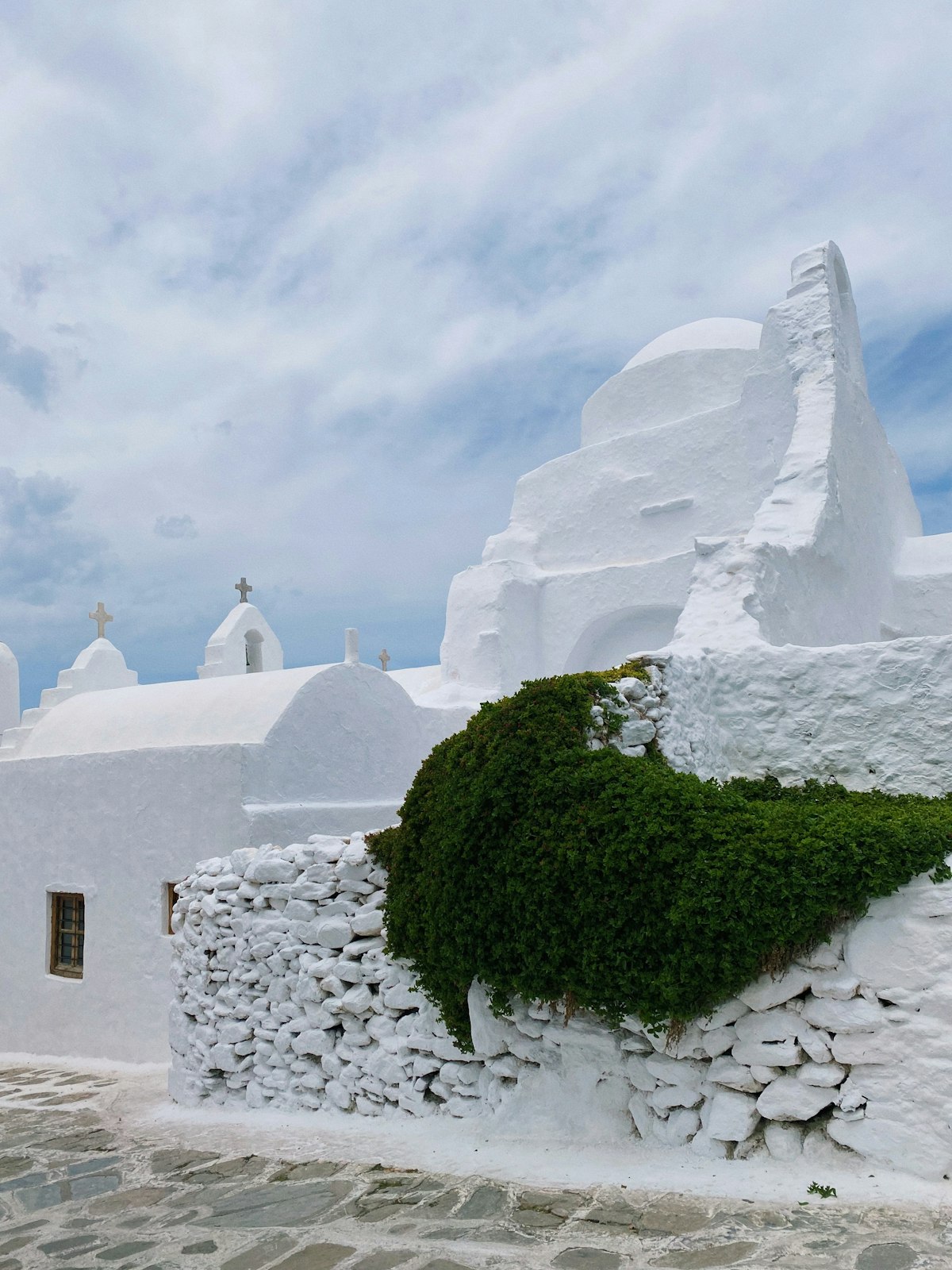
- ↑The island's architectural beauty — the windmills, the whitewashed lanes, the Paraportiani church — is unchanged by season; winter photography without a single tourist in frame is remarkably atmospheric
- ↑Absolute minimal prices on the island's few open properties; December in Mykonos costs less than a budget Greek island in peak season
Sacrifices
- ↓This is the coldest and wettest month of the year — 14°C highs, 62mm of rain, and only 4.3 sunshine hours; the Mediterranean magic of summer is entirely absent
- ↓The island is as closed as it gets — only a small fraction of businesses operate year-round; December visitors must plan around very limited food and accommodation choices
- ↓The festive energy that makes December worthwhile in many destinations does not exist in Mykonos — there are no Christmas markets, no winter nightlife, no special events; the island is simply quiet
How this is calculated
Climate data
Open Meteo ERA5
30-year normals (1991–2020). Temperature, rainfall, sunshine, humidity.
Price & crowd
Tourism research
Seasonal pricing from tourism authority data. Directional — compares months within a destination only.
Personalisation
Weighted scoring
Your priorities change the weights. Budget-first users get different results than weather-first users.
Share this result
June is the best time to visit Mykonos
Travel timing updates
New destinations and timing guides, when they land.
No spam. Unsubscribe anytime.