Kraków · Unsplash / Unsplash
Poland · Eastern Europe
Best time to visit Kraków
May
May scores highest overall — reliable weather and strong local atmosphere. Set your priorities below to personalise this result.
What matters most to you?
All 12 months — click any to expand
May
Unsplash / Unsplash
The finest month in Kraków — ideal weather, the city's cultural calendar at peak, and crowds still manageable.
20°C
High
10°C
Low
69mm
Rain
6.5h
Sun/day
What you gain
- ↑Kraków Film Festival (late May) brings international cinema, outdoor screenings, and genuine cultural energy to a city already buzzing with spring
- ↑The Lajkonik costume parade rehearsals and Corpus Christi preparations begin; May is when Kraków's tradition of medieval pageantry becomes visible
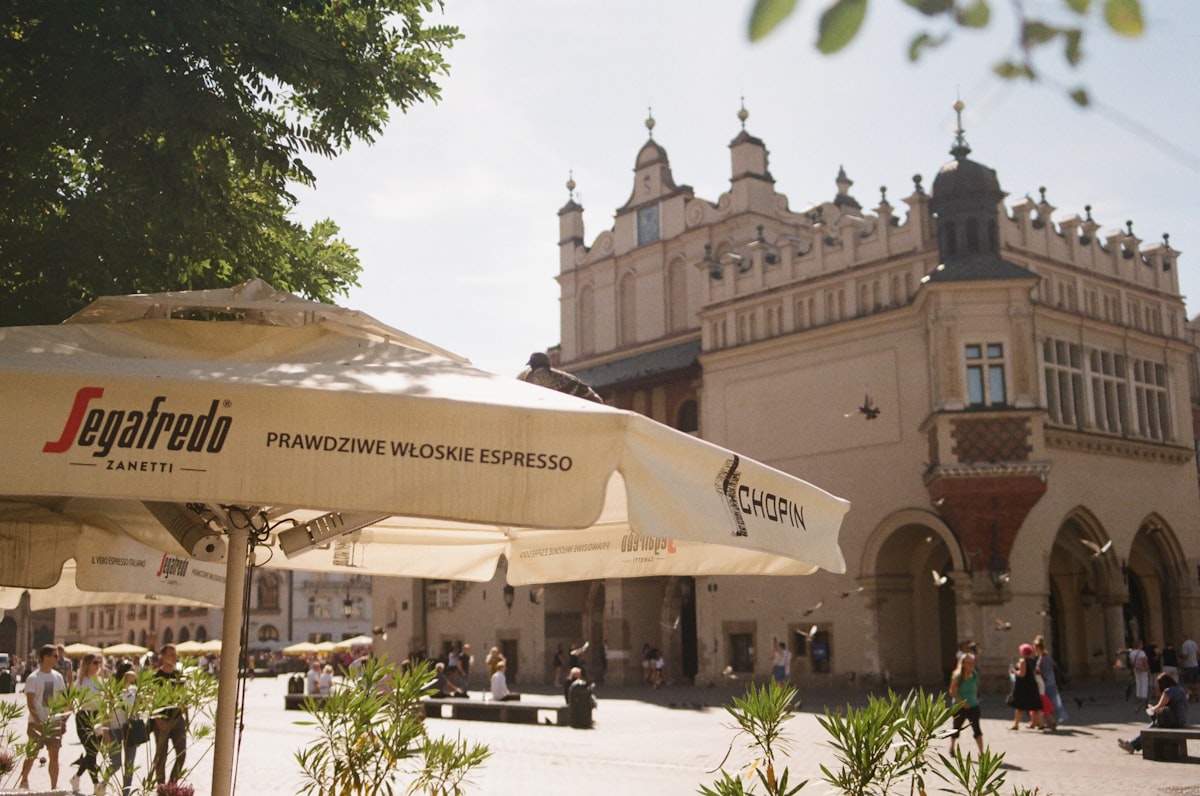
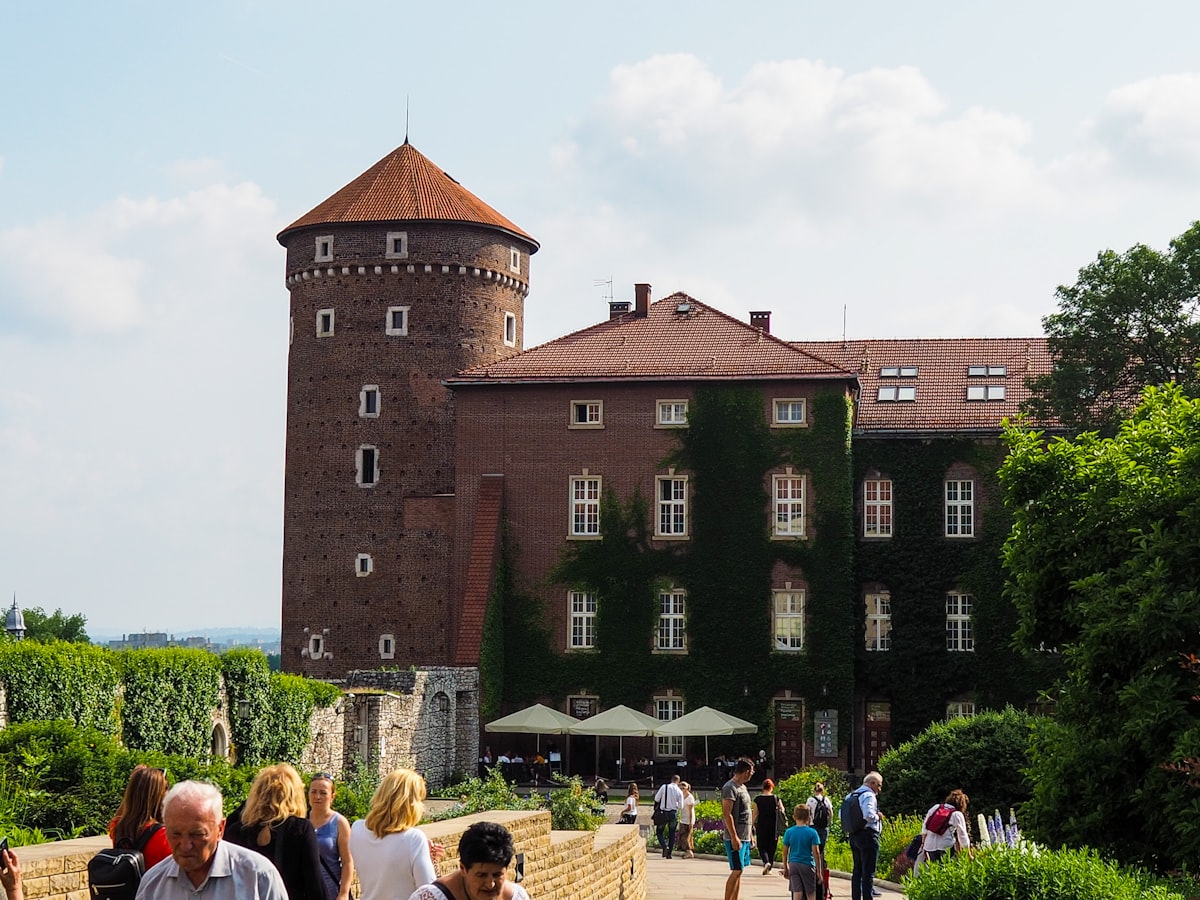
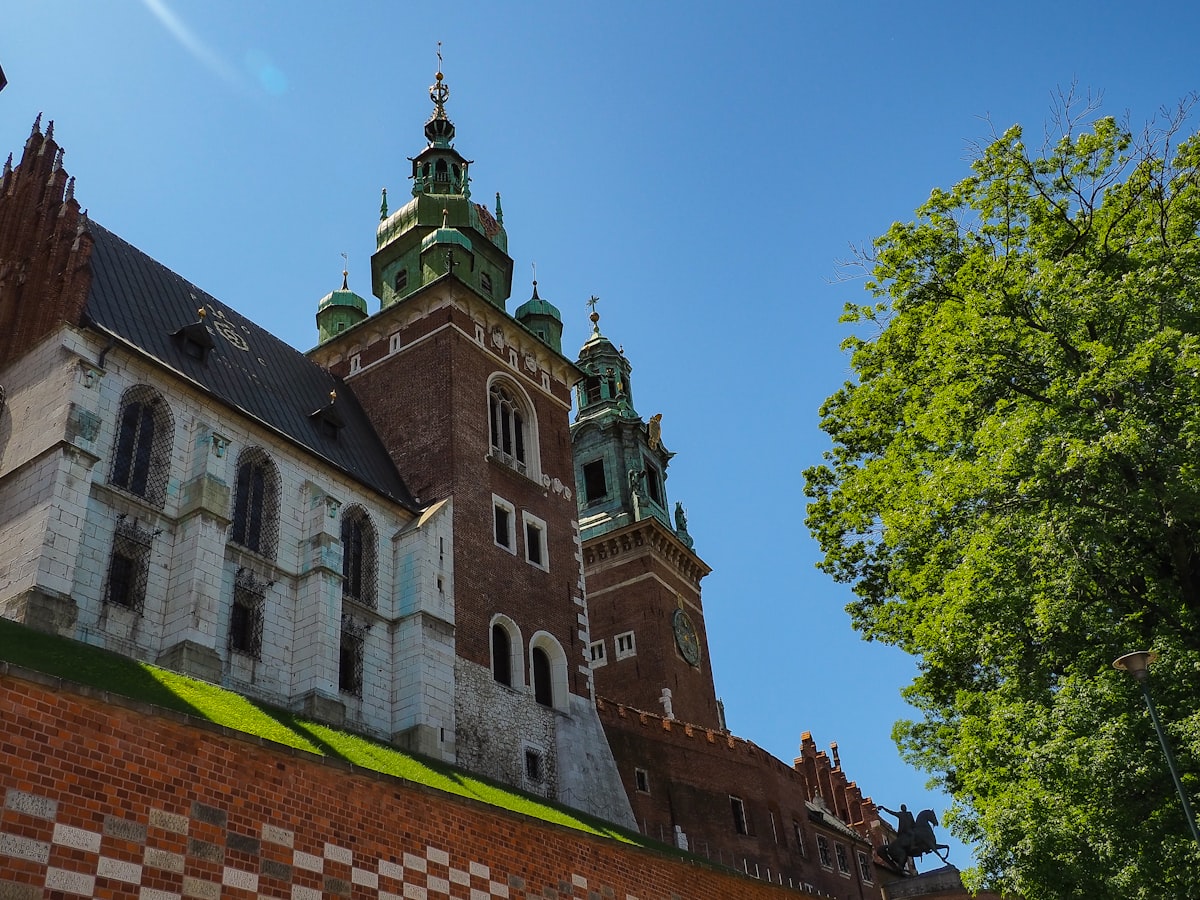
- ↑Perfect sightseeing weather at 20°C — warm enough for long days on Rynek Główny, cool enough for walking the full Planty park ring and climbing Wawel Hill without discomfort
What you sacrifice
- ↓May is a Polish long-weekend month (Constitution Day May 3rd) and Polish domestic tourism peaks; expect the city to be busy on those specific weekends
- ↓Accommodation prices reach the moderate tier — still excellent value versus Western Europe, but no longer the bargain of winter
- ↓Rainfall increases to 69mm; morning weather can be fine while afternoon thunderstorms roll in — afternoons in museums and covered markets are a sensible contingency plan
May scores highest overall — reliable weather and strong local atmosphere. Set your priorities below to personalise this result.
May
The finest month in Kraków — ideal weather, the city's cultural calendar at peak, and crowds still manageable.
20°C
High
69mm
Rain
6.5h
Sun
- ↑Kraków Film Festival (late May) brings international cinema, outdoor screenings, and genuine cultural energy to a city already buzzing with spring
- ↑The Lajkonik costume parade rehearsals and Corpus Christi preparations begin; May is when Kraków's tradition of medieval pageantry becomes visible
- ↑Perfect sightseeing weather at 20°C — warm enough for long days on Rynek Główny, cool enough for walking the full Planty park ring and climbing Wawel Hill without discomfort
- ↓May is a Polish long-weekend month (Constitution Day May 3rd) and Polish domestic tourism peaks; expect the city to be busy on those specific weekends
- ↓Accommodation prices reach the moderate tier — still excellent value versus Western Europe, but no longer the bargain of winter
- ↓Rainfall increases to 69mm; morning weather can be fine while afternoon thunderstorms roll in — afternoons in museums and covered markets are a sensible contingency plan
Top travel windows
★ BestMay
Best overall
Highest combined score
20°C
High
69mm
Rain
6.5h
Sun
February
Best for value
Lowest prices & fees
4°C
High
29mm
Rain
2.6h
Sun
February
Fewest crowds
Quietest month
4°C
High
29mm
Rain
2.6h
Sun
Breakdown by priority
Best for weather
May
20°C high · 69mm rain · 6.5hrs sun/day
Best for budget
February
Budget pricing continues at its annual lowest; a comfortable hotel within walking distance of Rynek Główny costs a fraction of comparable European capitals
Fewest crowds
February
Budget pricing continues at its annual lowest; a comfortable hotel within walking distance of Rynek Główny costs a fraction of comparable European capitals
Worst time to visit
January
Average high of 2°C with frequent sub-zero nights; outdoor sightseeing requires real winter clothing and tolerance for genuine cold
Where to stay in Kraków
All neighbourhoods →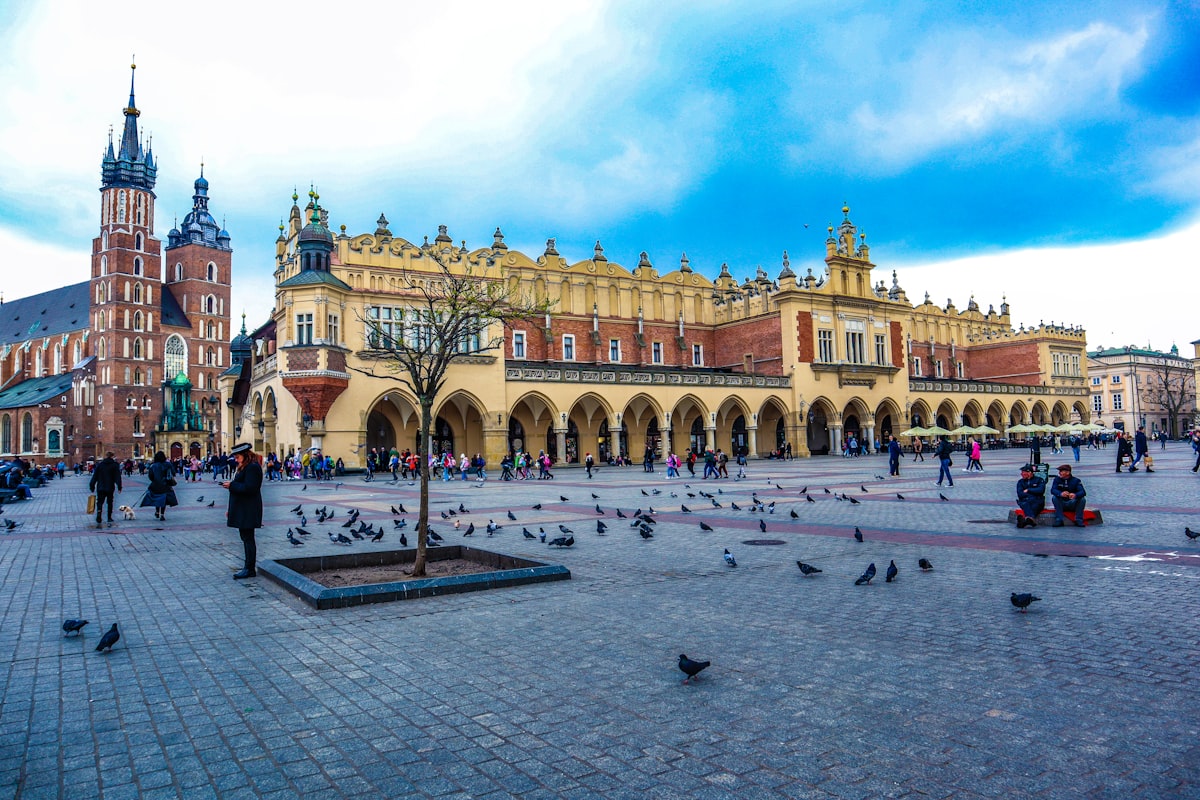
Old Town / Rynek Główny
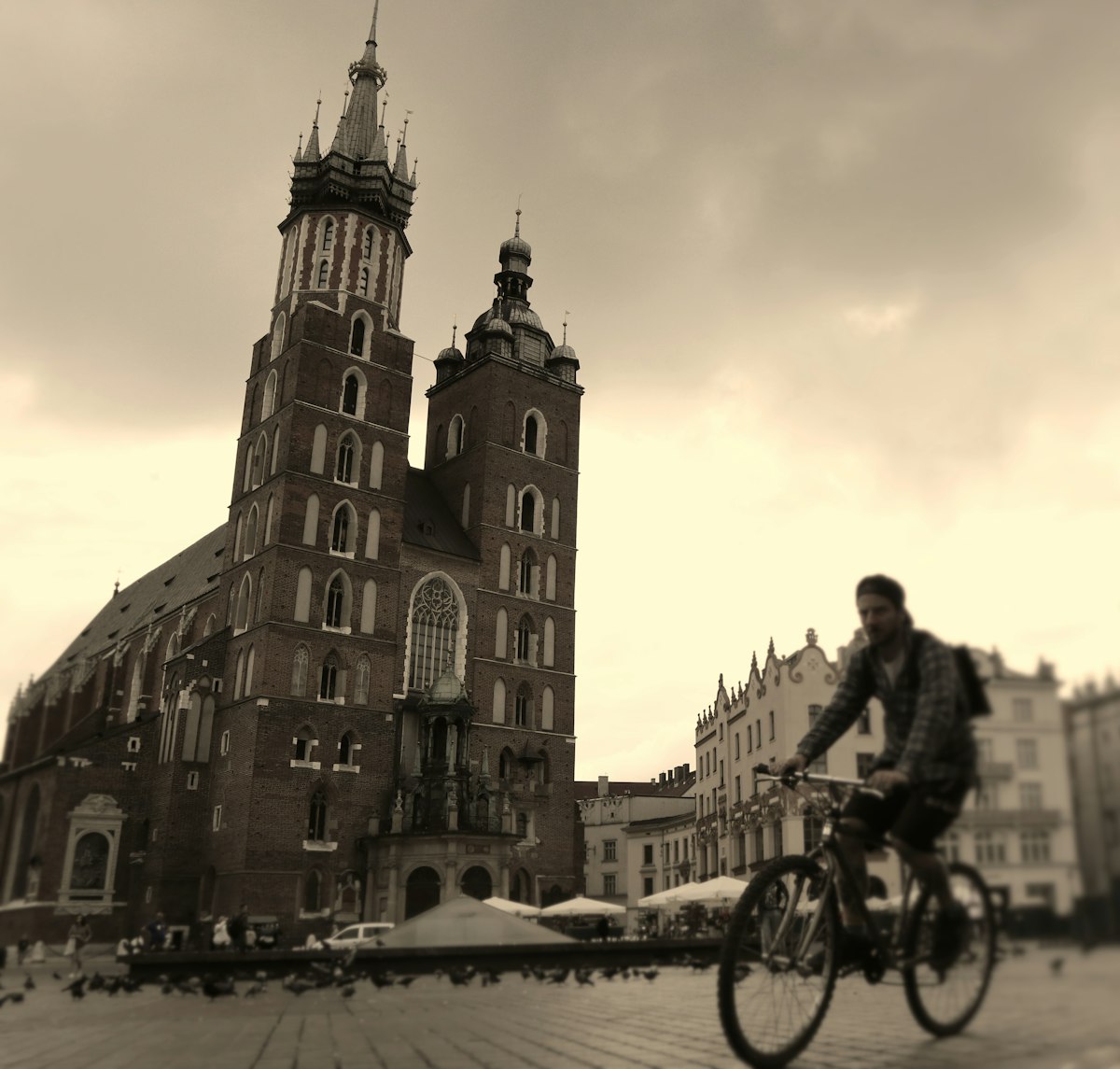
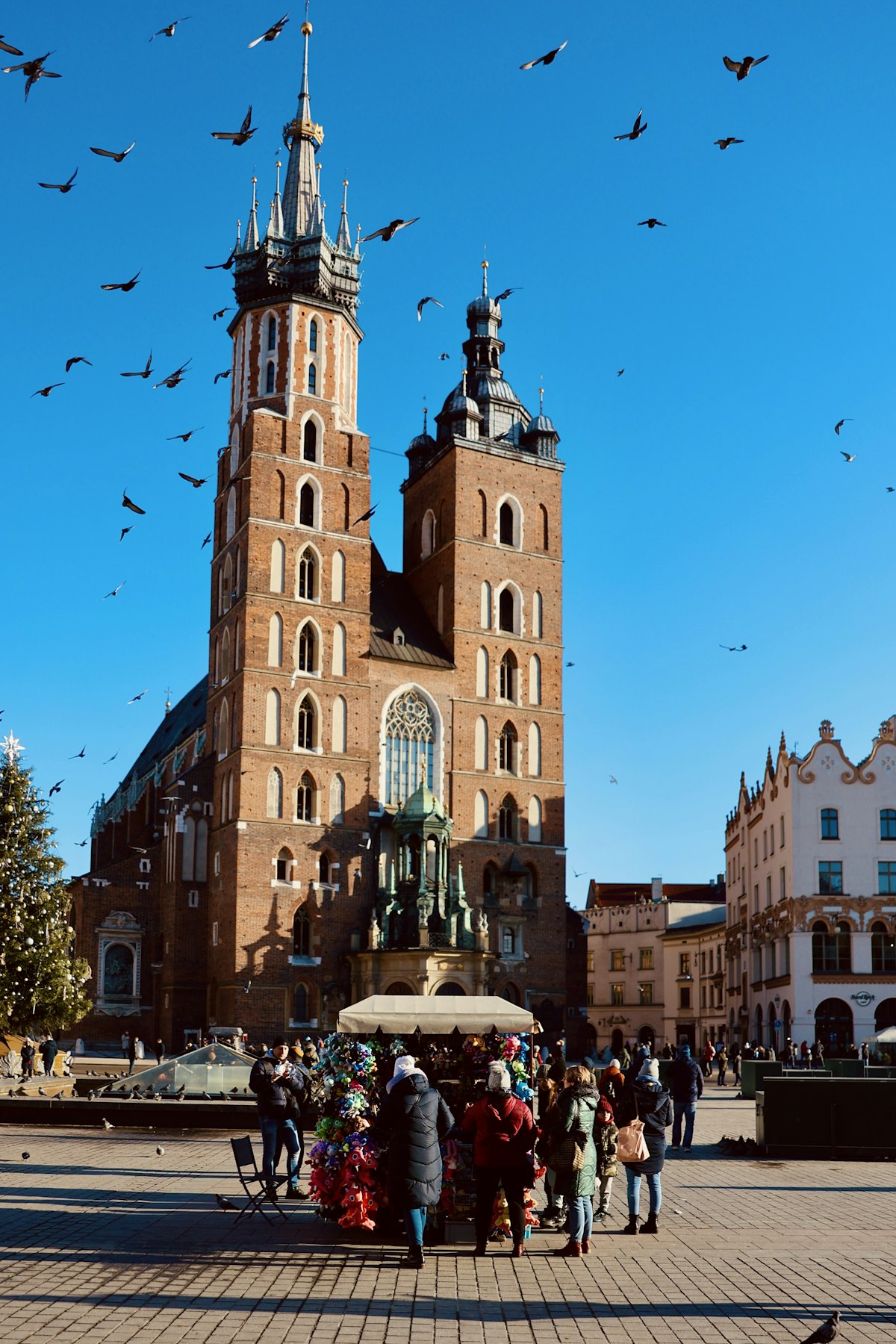
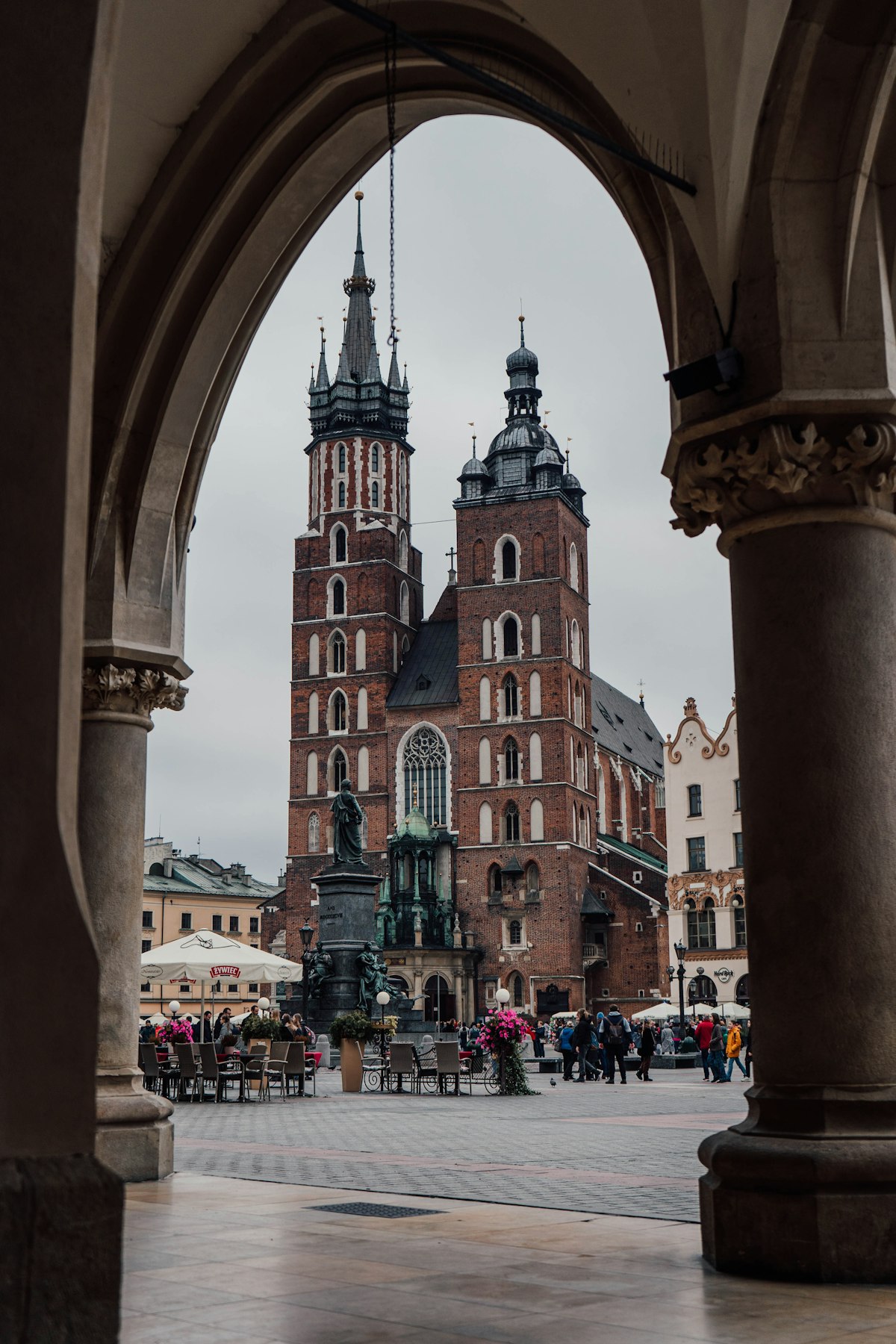
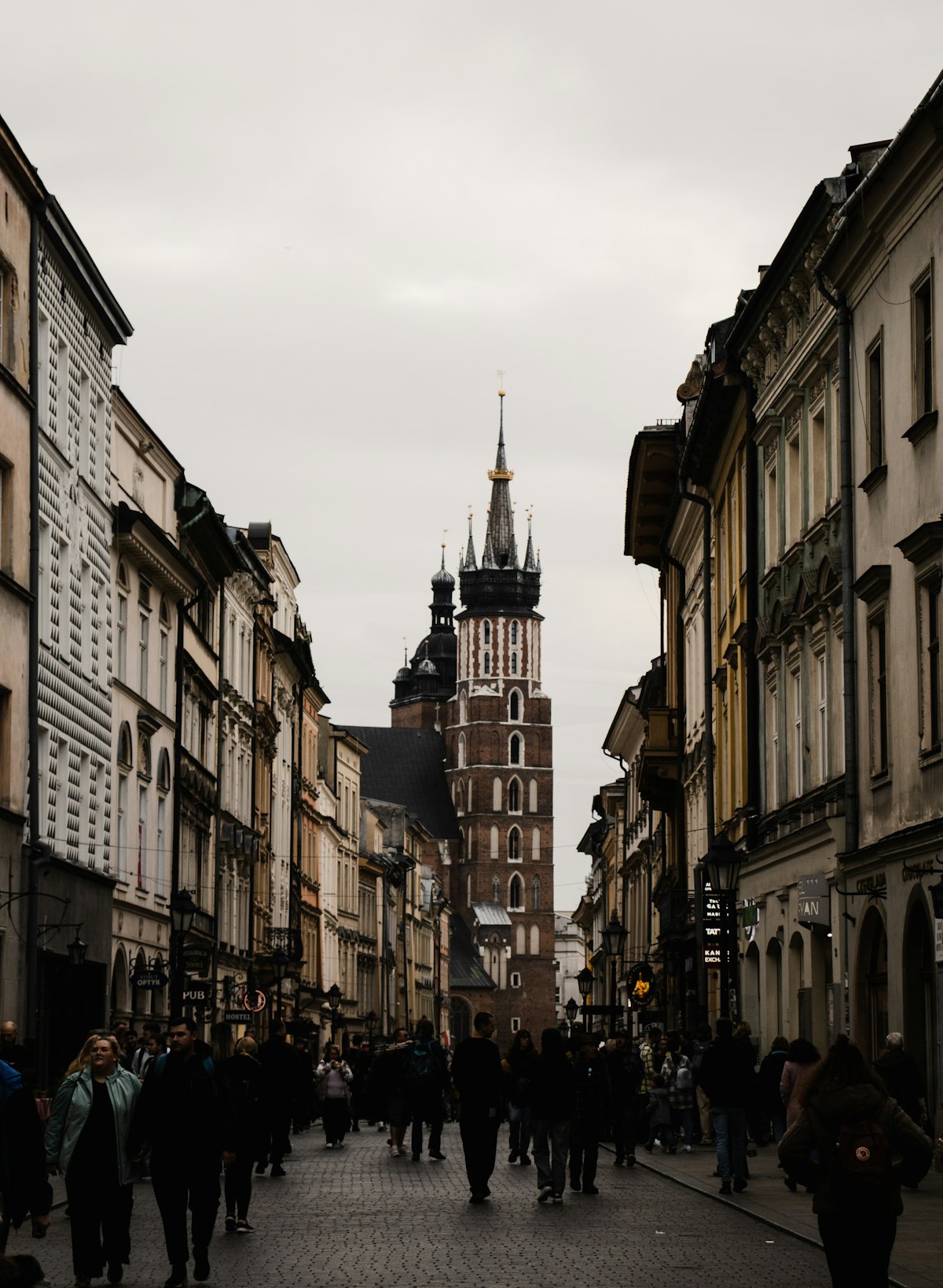
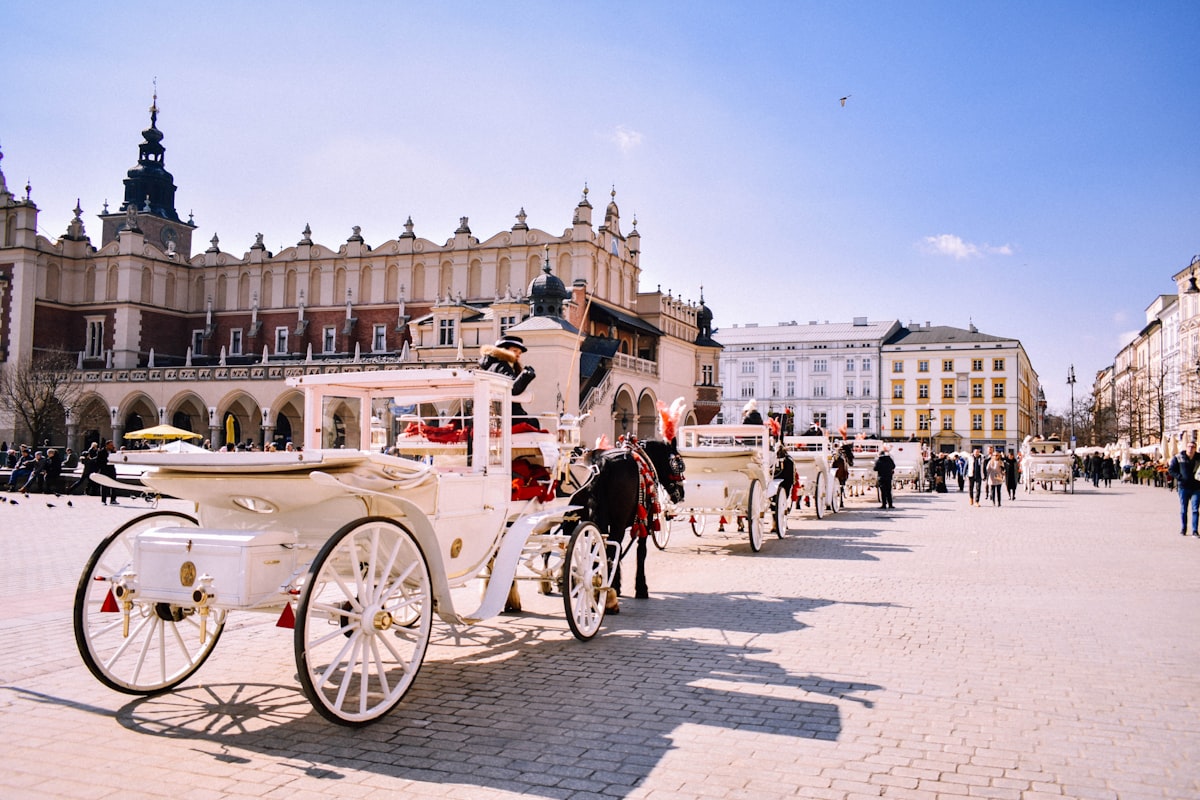
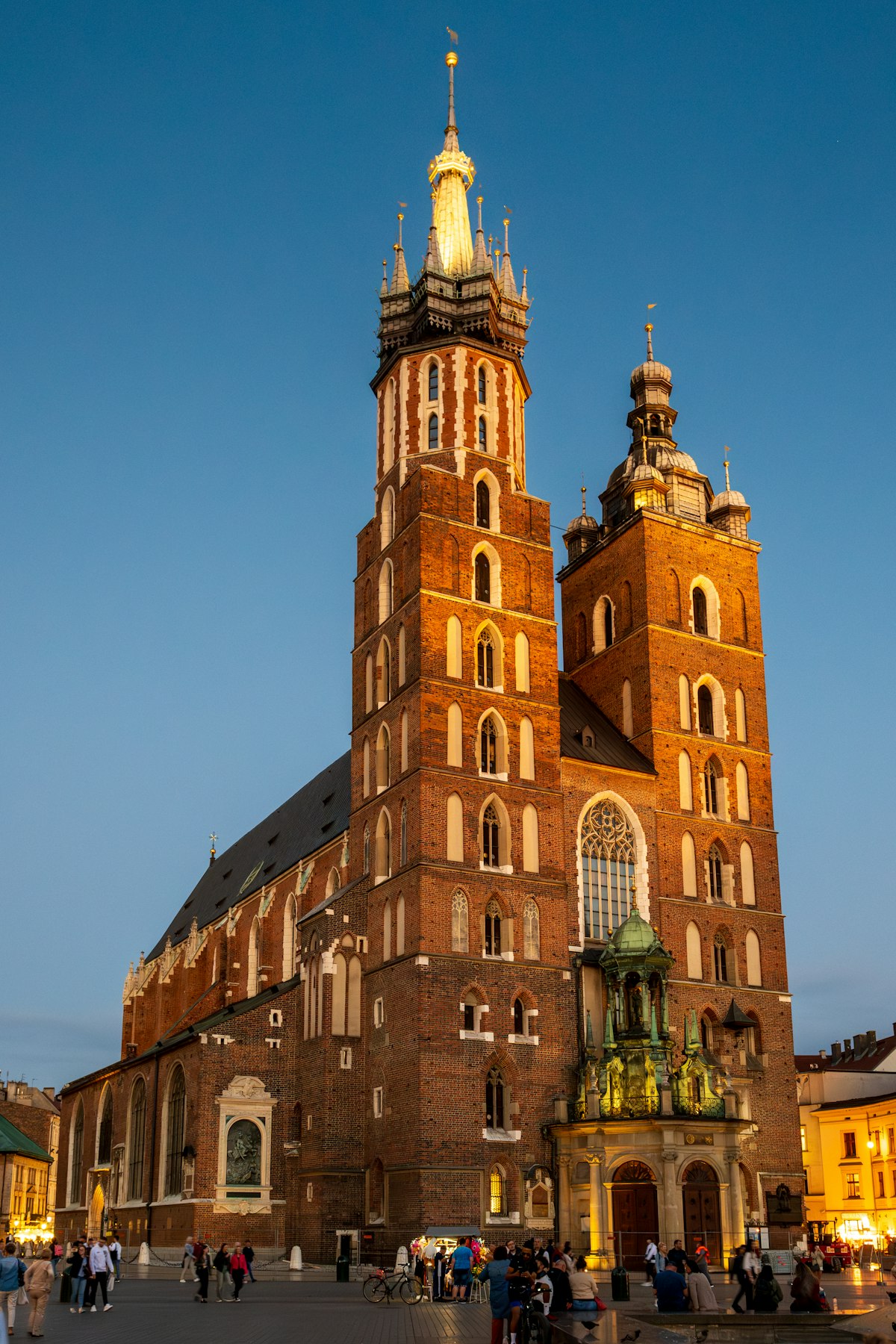
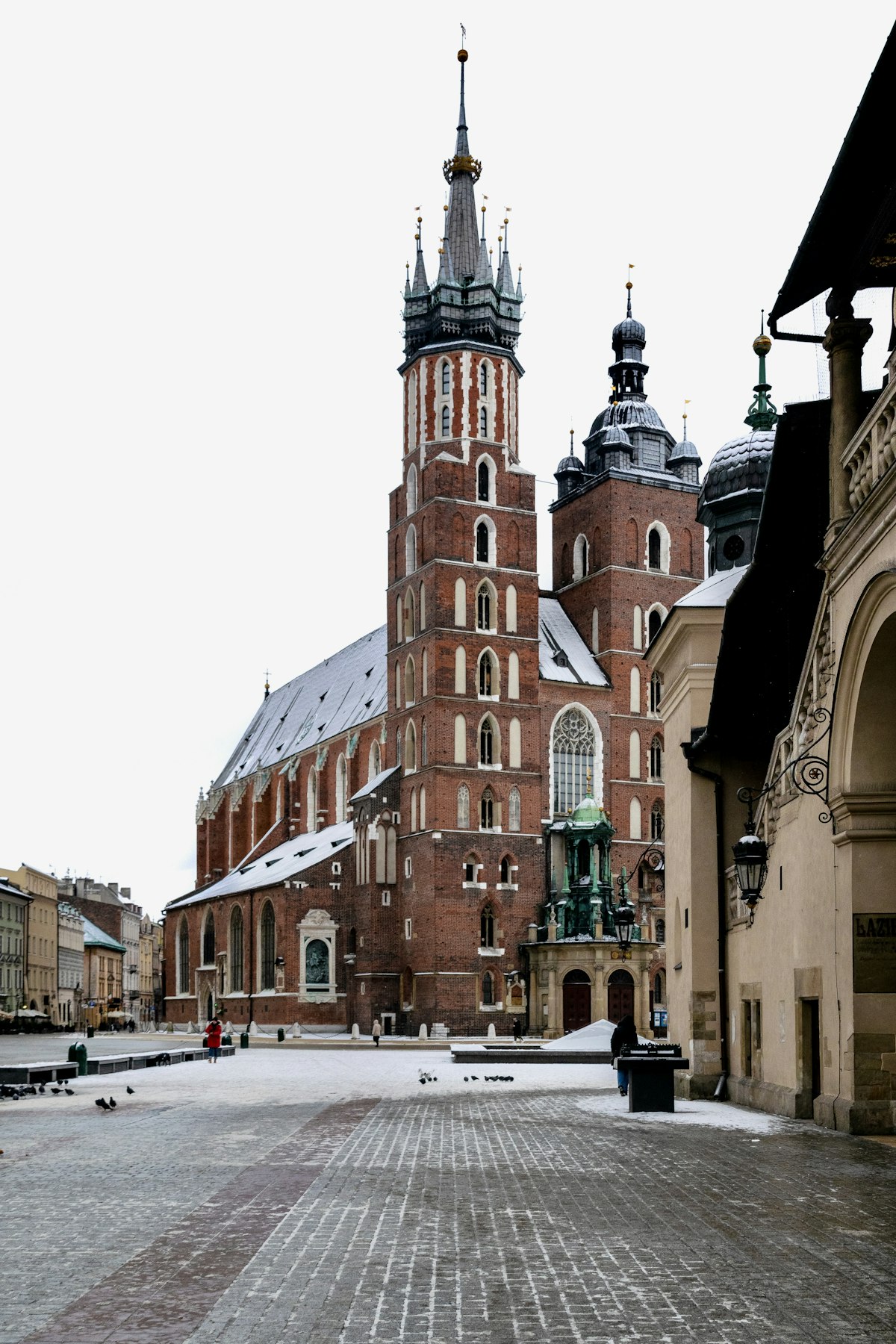
The finest medieval market square in Europe — St Mary's Basilica, the Cloth Hall, and the beating heart of the city.
10/10
Central
10/10
Walk
8/10
Transit
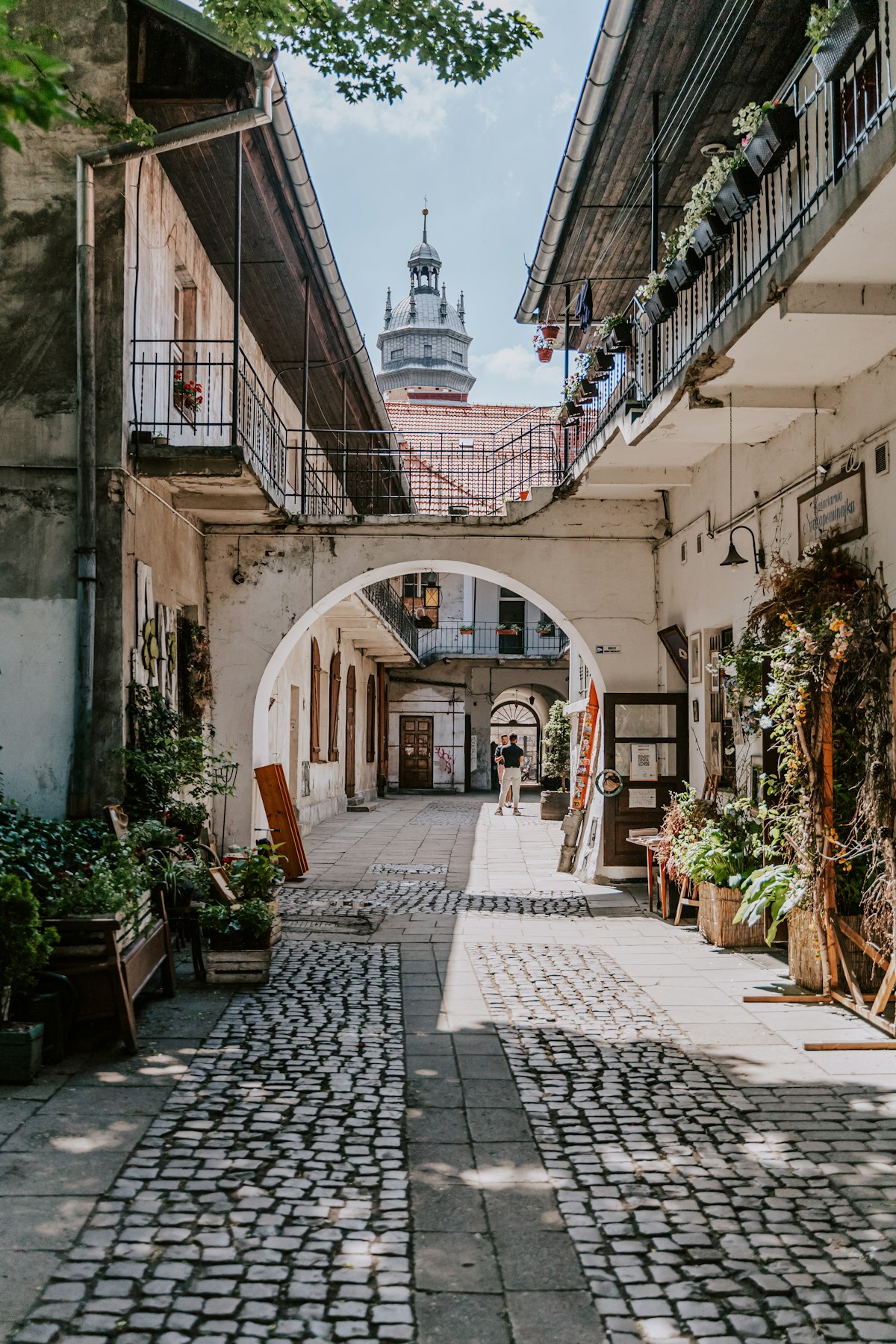
Kazimierz
The old Jewish quarter reborn as Kraków's best neighbourhood — bohemian bars, excellent restaurants, and real cultural depth.
7/10
Central
9/10
Walk
7/10
Transit
Also exploring
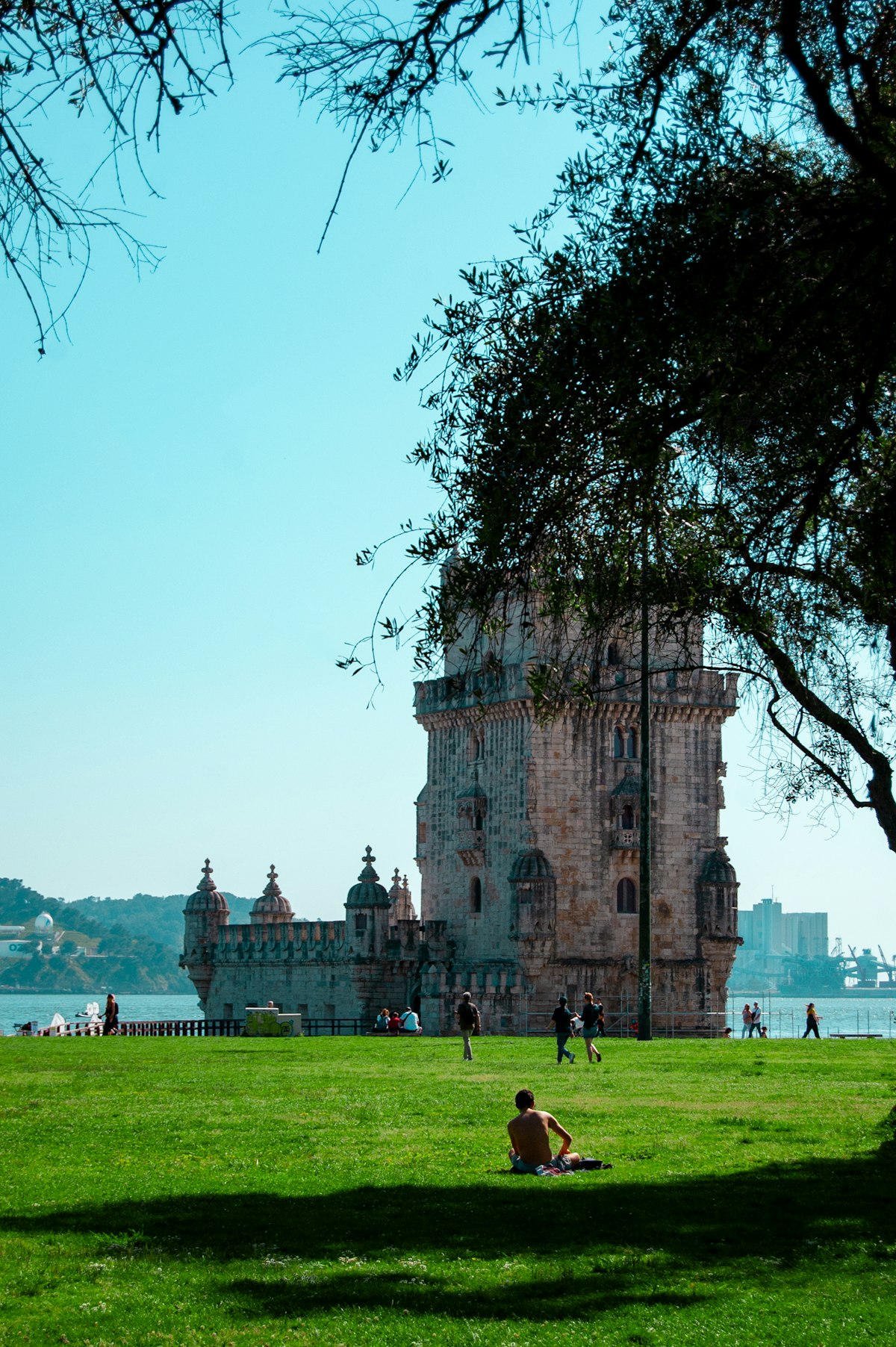
Lisbon
Portugal
A sun-drenched Atlantic capital where tram lines weave through hilltop neighbourhoods and prices stay genuinely affordable by Western European standards.
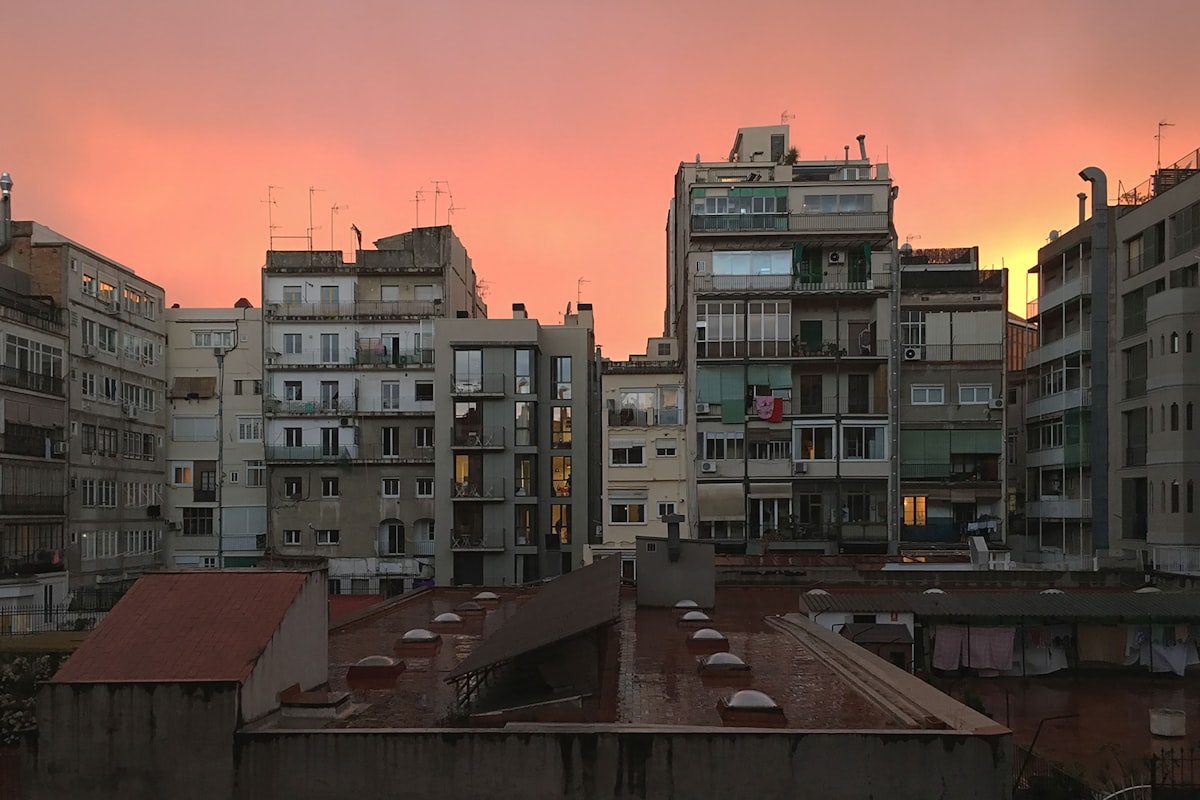
Barcelona
Spain
A Mediterranean city that runs on architecture, food markets, and beach culture — with a tourism problem that makes timing absolutely critical.
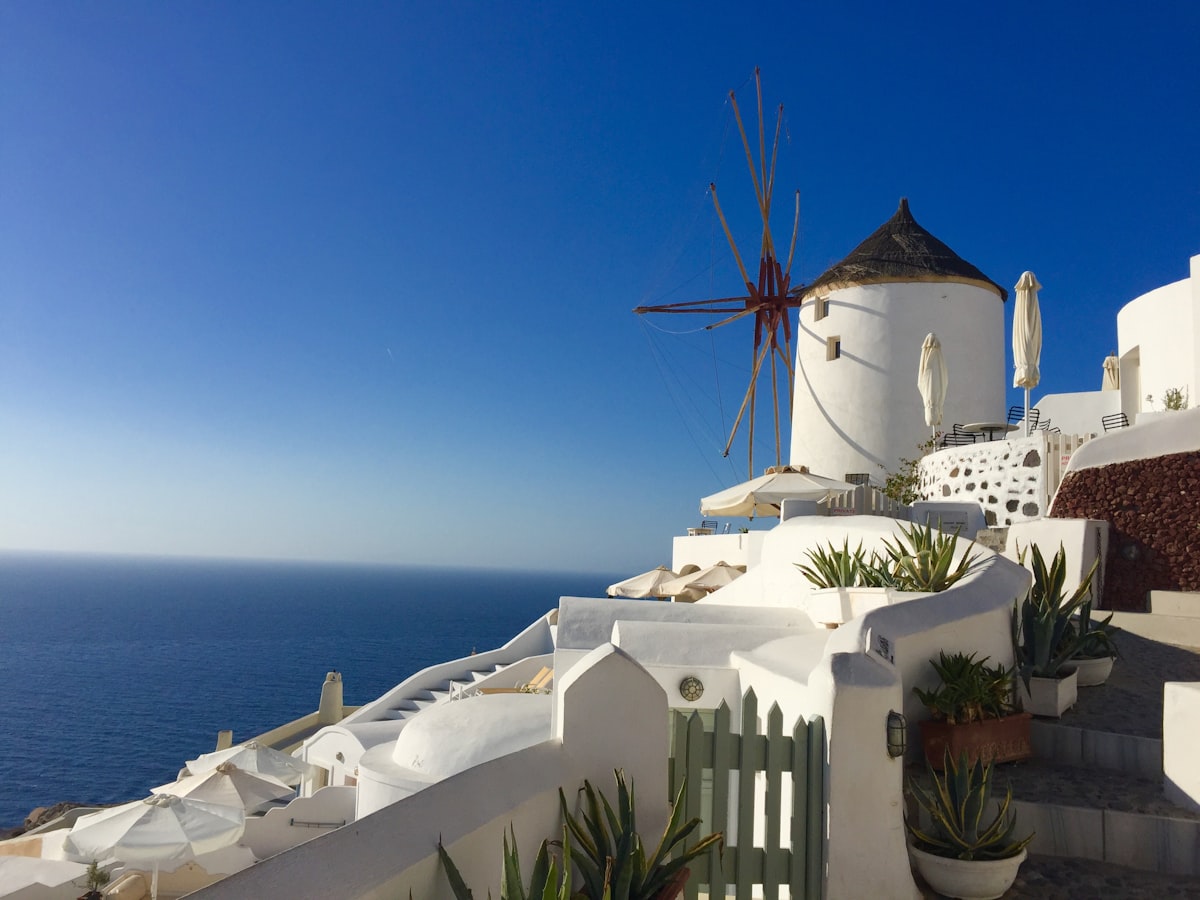
Santorini
Greece
The caldera sunsets and white-washed cliffside villages are real — but so is a tourism infrastructure that was never designed for 3 million annual visitors.
Worth knowing
May scores highest overall. July is the most crowded month — avoid if you can. See crowd-free ranking →
Month by month breakdown
January#12▾
Gains
- ↑Kraków in deep winter is astonishingly cheap — accommodation and restaurants at their annual low, PLN stretches furthest now
- ↑The tourist crowds that swamp Rynek Główny in summer are entirely absent; Wawel Castle, the Cloth Hall, and the Jewish quarter are genuinely empty
- ↑Orthodox Christmas atmosphere lingers into January and the city's historic churches — St Mary's Basilica, Wawel Cathedral — are at their most contemplative and accessible
Sacrifices
- ↓Average high of 2°C with frequent sub-zero nights; outdoor sightseeing requires real winter clothing and tolerance for genuine cold
- ↓Only 1.8 sunshine hours per day — grey skies are the norm, photography is difficult, and the city's famous coloured facades lose their warmth
- ↓The event calendar is nearly empty; January is genuinely the quietest month in the city's year
February#9▾
Gains
- ↑Budget pricing continues at its annual lowest; a comfortable hotel within walking distance of Rynek Główny costs a fraction of comparable European capitals
- ↑Sunshine hours tick up to 2.6 daily — on clear days the snow-dusted rooftops and Wawel Castle against a pale sky are genuinely beautiful
- ↑Carnival (Fat Thursday, Tłusty Czwartek) brings the Polish tradition of gorging on pączki doughnuts citywide — a small but genuine local festivity
Sacrifices
- ↓Still cold enough to require a proper winter coat; the Vistula river and surrounding areas can feel bleak in grey weather
- ↓Most tourist services — boat trips on the Vistula, horse-drawn carriages — are operating at reduced schedules or closed
- ↓No major events drive atmosphere; February is a time for the city's indoor spaces rather than its famous public spaces
March#7▾
Gains
- ↑Prices remain in the low tier but the city shakes off winter; café terraces begin opening on Rynek Główny and Kazimierz's bars come back to life
- ↑Crowds remain minimal — early March visits to Wawel Castle and the State Rooms often feel almost private, without the summer queuing
- ↑Easter preparations begin in late March (if Easter falls early); the Polish tradition of Śmigus-Dyngus (water throwing on Easter Monday) is a genuinely joyful local event
Sacrifices
- ↓Weather is unreliable — warm days can flip to cold winds within hours; layering is essential and rain is possible in any week
- ↓Some attractions begin extended summer hours only from April; March still operates on reduced winter schedules for some sites
- ↓The city is reviving but not yet at full energy; the outdoor market stalls and full al fresco scene only really arrives in May
April#4▾
Gains
- ↑Mild temperatures of 15°C and increasing sunshine make April the first month where Rynek Główny feels like the magnificent outdoor living room it becomes in summer
- ↑The Kraków Film Festival preparations and the spring cultural calendar get underway — gallery openings, theatre performances, and the city's arts scene at full capacity
- ↑If Easter falls in April, the city's palm Sunday processions and market celebrations on Rynek Główny are among Poland's most atmospheric seasonal events
Sacrifices
- ↓Rainfall increases to 45mm across the month; April showers are real and a packable rain jacket is essential
- ↓Prices tick up from the winter floor — still very affordable by European standards but no longer rock-bottom
- ↓The Wawel Castle grounds and State Rooms begin filling up with visitors; booking ahead for the Royal Apartments is advisable
May#1▾
Gains
- ↑Kraków Film Festival (late May) brings international cinema, outdoor screenings, and genuine cultural energy to a city already buzzing with spring
- ↑The Lajkonik costume parade rehearsals and Corpus Christi preparations begin; May is when Kraków's tradition of medieval pageantry becomes visible
- ↑Perfect sightseeing weather at 20°C — warm enough for long days on Rynek Główny, cool enough for walking the full Planty park ring and climbing Wawel Hill without discomfort
Sacrifices
- ↓May is a Polish long-weekend month (Constitution Day May 3rd) and Polish domestic tourism peaks; expect the city to be busy on those specific weekends
- ↓Accommodation prices reach the moderate tier — still excellent value versus Western Europe, but no longer the bargain of winter
- ↓Rainfall increases to 69mm; morning weather can be fine while afternoon thunderstorms roll in — afternoons in museums and covered markets are a sensible contingency plan
June#2▾
Gains
- ↑Lajkonik parade (early June) — Kraków's oldest festival, a medieval costumed procession from Zwierzyniec Monastery to Rynek Główny; nothing more specific to this city exists
- ↑Dragon Parade through the Old Town and Jewish Culture Festival in Kazimierz (running into July) overlap in June, making the city feel like one continuous celebration
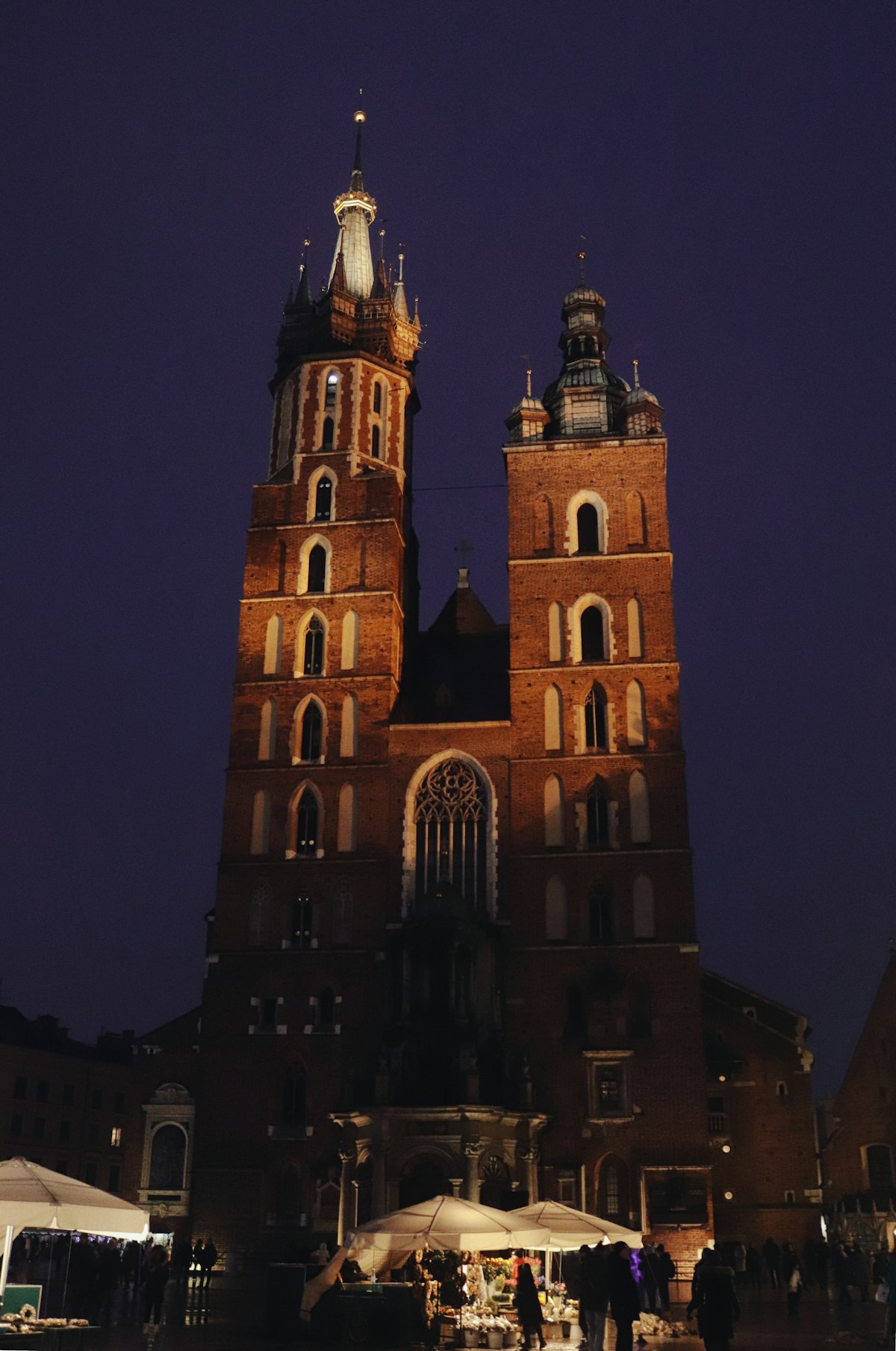
- ↑Long summer evenings of 23°C with 7.2 sunshine hours daily; Rynek Główny at dusk with St Mary's Basilica illuminated and the square full of life is Kraków at its most photogenic
Sacrifices
- ↓The most event-heavy month means accommodation must be booked well ahead — June weekends fill up fast, particularly around the Dragon Parade and Jewish Culture Festival
- ↓Rainfall climbs to 81mm; summer afternoon storms are common and can be intense, though they usually pass within an hour
- ↓International tourist crowds arrive in earnest; the Rynek Główny becomes genuinely packed during peak festival days
July#8▾
Gains
- ↑The Jewish Culture Festival continues into early July — the finest event of its kind in Europe, with concerts, workshops, and the extraordinary finale concert on Szeroka Street in Kazimierz
- ↑Warmest weather of the year at 24°C; the longest days make it possible to cram in Wawel, the Old Town, Kazimierz, and a Vistula riverbank evening in a single long day
- ↑The full spectrum of Kraków's outdoor scene is open: river cruises, boat trips to Tyniec Abbey, open-air cinema, and the Kazimierz bar terraces all operating at maximum
Sacrifices
- ↓The most crowded month: Rynek Główny is packed throughout the day and evening; queue times for Wawel State Rooms can be 60–90 minutes without pre-booked tickets
- ↓Prices hit their annual peak — accommodation costs 2–3× the January rate for equivalent rooms; the budget-destination appeal of Kraków largely disappears in peak season
- ↓Rainfall peaks at 91mm; July thunderstorms can be dramatic and sudden, sending the market-square crowd scattering at short notice
August#11▾
Gains
- ↑August retains July's warmth (24°C) but rainfall eases slightly to 77mm; statistically a marginally more reliable month for outdoor plans
- ↑Assumption Day (August 15th) is a major Polish public holiday; churches across the Old Town and Wawel Cathedral hold special services and the city has a distinct local feel on that day
- ↑The full summer restaurant and bar scene continues; Kazimierz's courtyards and the Rynek Główny cafés are at their most atmospheric in evening light
Sacrifices
- ↓Crowds remain at their annual peak alongside July — Wawel Castle and the main Old Town sights require pre-booked tickets; spontaneous visits will involve long queues
- ↓Prices stay at their highest; August is not the time to discover Kraków's famous affordability
- ↓European school holiday period brings the heaviest concentration of family tour groups; the structured-tour dynamic is at its most visible in August
September#3▾
Gains
- ↑September is the strongest month in Kraków's calendar for first-time visitors: 19°C days, post-peak crowds, and prices falling back from the July-August peak while the city is fully operational
- ↑Autumn light transforms the city — late-afternoon gold on the Cloth Hall and Wawel Castle is photographically stunning in September in a way the flat summer light isn't
- ↑Early Jazz Autumn festival (late September, one of Poland's longest-running jazz events) fills the city's clubs and venues; Kazimierz in particular is very good in September
Sacrifices
- ↓Nights become noticeably cooler from mid-September; evenings on Rynek Główny require a jacket after 8pm
- ↓Some outdoor attractions begin operating reduced hours from mid-September as the season winds down
- ↓Rainfall at 55mm is moderate; September can bring persistent grey spells alongside its excellent clear days
October#5▾
Gains
- ↑Autumn foliage in Planty Park (the ring of gardens around the Old Town) is genuinely beautiful in October; the walk around the Old Town perimeter is at its most attractive
- ↑Prices drop meaningfully from the summer peak — October represents strong value, particularly for accommodation, where good hotels return to affordable rates
- ↑The city is quiet enough that the Rynek Główny regains its dignity; a morning coffee in the square without the tourist deluge is a genuinely pleasant experience
Sacrifices
- ↓Sunshine drops to 3.9 hours daily and overcast days dominate; October's colour comes with persistent grey skies
- ↓Temperatures fall to 13°C by day; evenings are cold and the outdoor café season is essentially over
- ↓The event calendar is quieter than the May–June and December peaks; October is Kraków at its most everyday rather than its most festive
November#10▾
Gains
- ↑All Saints' Day (November 1st) is one of the most distinctive Polish traditions; the Rakowicki Cemetery and other Kraków cemeteries are covered in thousands of candles — a genuinely affecting sight unlike anything in Western Europe
- ↑Prices revert fully to their winter lows; November is one of the cheapest months in the city's calendar for accommodation and restaurants
- ↑The museums and interior attractions — the National Museum, the Czartoryski Museum with its Leonardo da Vinci painting, Schindler's Factory — are uncrowded and fully accessible
Sacrifices
- ↓Only 2.1 sunshine hours per day is brutal; the city is grey and often damp, and the famous architecture loses most of its visual appeal under November overcast
- ↓Temperatures average just 6°C by day with near-freezing nights; outdoor sightseeing requires full winter gear
- ↓The mood of the city shifts; November is a month for Kraków residents rather than visitors, and the tourist infrastructure is deliberately minimal
December#6▾
Gains
- ↑Kraków Christmas Market at Rynek Główny (throughout December) is consistently ranked among Europe's finest — the combination of the Gothic backdrop, the Cloth Hall, St Mary's Basilica, and the Polish craft and food stalls is genuinely outstanding
- ↑The annual Szopka competition (Nativity scene contest, held first Thursday of December) sees extraordinary handcrafted miniature Kraków-themed cribs displayed in the square — a UNESCO-listed tradition unique to this city
- ↑The cold concentrates the festive atmosphere: mulled wine, roasted chestnuts, and the amber glow of the market lights against the medieval square create something that feels impossible to replicate in a warmer climate
Sacrifices
- ↓The coldest month: 2°C average high with frequent sub-zero temperatures and occasional snow; outdoor time requires serious layering
- ↓Christmas market period brings significant visitor numbers — accommodation prices rise to the moderate tier and the square is busy during peak market hours (afternoons and evenings)
- ↓Daylight is at its shortest — only 1.6 sunshine hours daily means the city operates primarily in darkness or artificial light
How this is calculated
Climate data
Open Meteo ERA5
30-year normals (1991–2020). Temperature, rainfall, sunshine, humidity.
Price & crowd
Tourism research
Seasonal pricing from tourism authority data. Directional — compares months within a destination only.
Personalisation
Weighted scoring
Your priorities change the weights. Budget-first users get different results than weather-first users.
Share this result
May is the best time to visit Kraków
Travel timing updates
New destinations and timing guides, when they land.
No spam. Unsubscribe anytime.