Showing: Sep · Unsplash / Unsplash
Georgia · Caucasus
Best time to visit Tbilisi
September
Sep scores highest overall — reliable weather and strong local atmosphere. Set your priorities below to personalise this result.
What matters most to you?
All 12 months — click any to expand
Sep
Unsplash / Unsplash
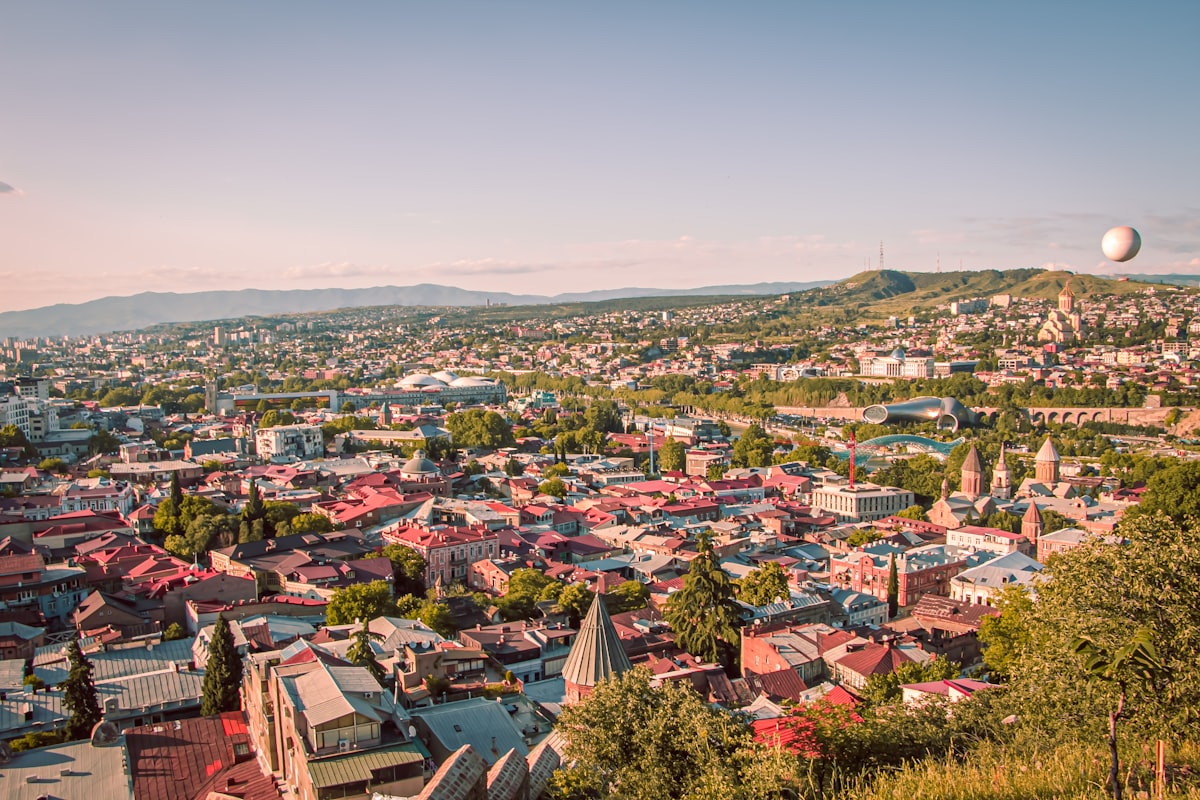
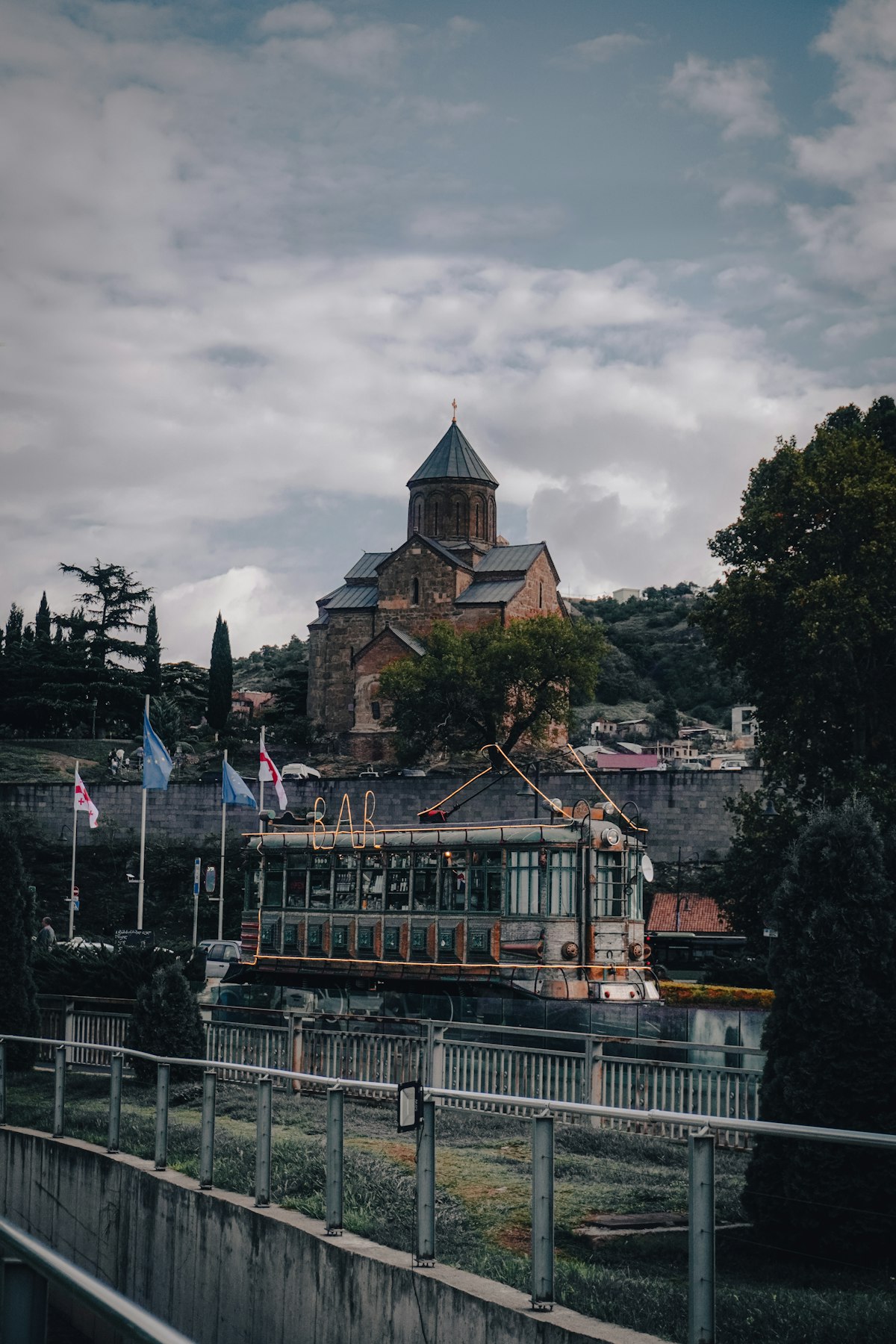
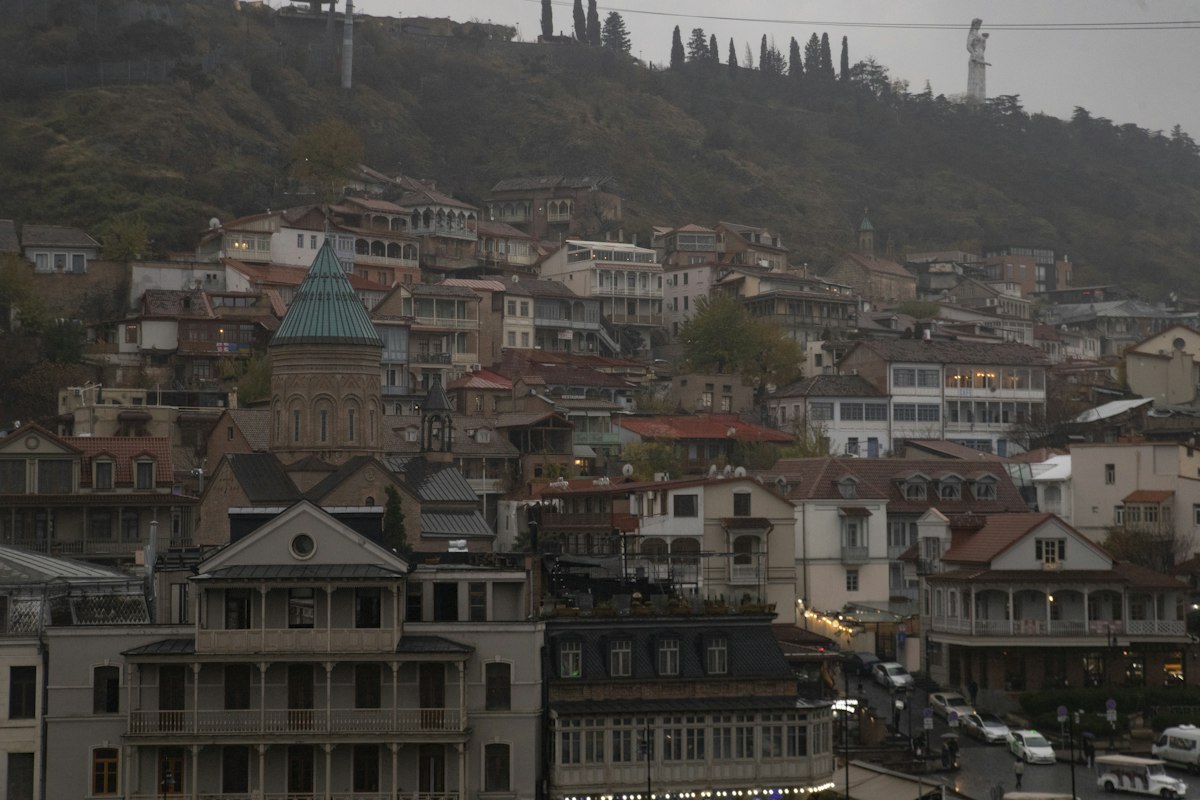
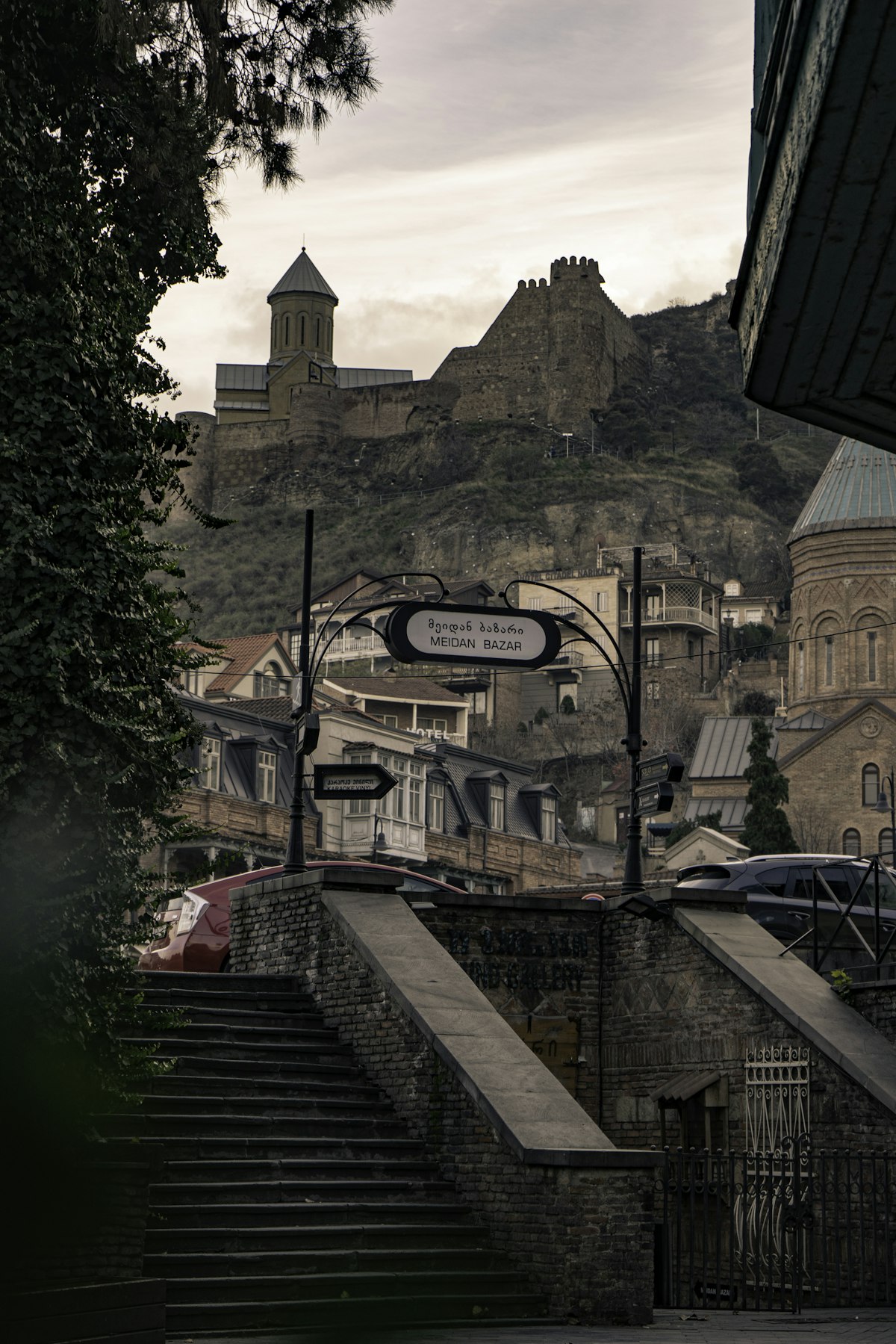
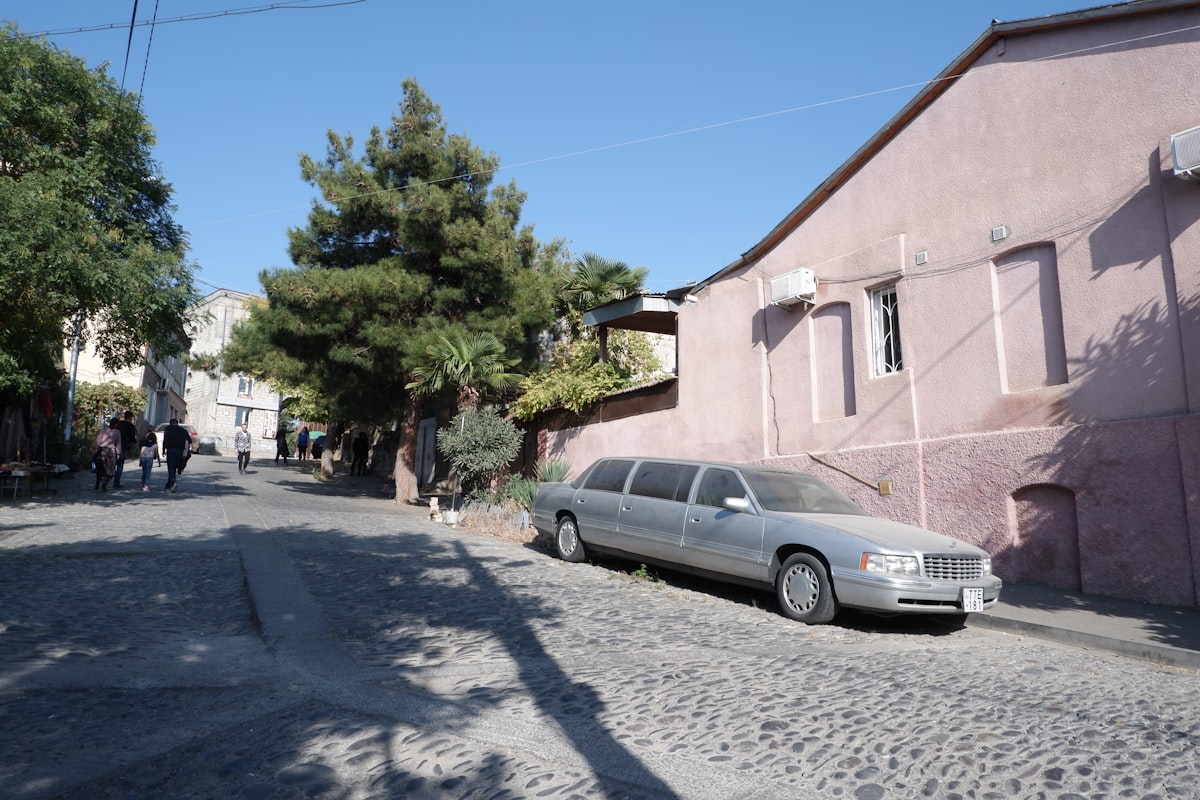
The grape harvest arrives — Rtveli season makes September the most culturally charged month in the Georgian year.
26°C
High
15°C
Low
42mm
Rain
7.6h
Sun/day
What you gain
- ↑Rtveli (grape harvest) begins in Kakheti from mid-September; vineyard visits and harvest participation are available throughout the month — this is the most important event in Georgian agricultural and cultural life, 8,000 years in practice
- ↑Weather perfects itself: 26°C with 7.6 sunshine hours and minimal rainfall; everything the city offers is available without the July and August heat making outdoor activity uncomfortable
- ↑Prices ease meaningfully from the summer peak while the city is fully operational; September is one of the best value months relative to what's on offer
What you sacrifice
- ↓Kakheti gets crowded during Rtveli and accommodation in the wine region must be booked well ahead for harvest weekends — day-tripping from Tbilisi is the pragmatic approach
- ↓September remains a popular travel month; visitor numbers are still moderately high, particularly around the harvest festival weekends
- ↓Nights become noticeably cooler from mid-September, requiring a layer for evening terrace dining
Sep scores highest overall — reliable weather and strong local atmosphere. Set your priorities below to personalise this result.
Sep
The grape harvest arrives — Rtveli season makes September the most culturally charged month in the Georgian year.
26°C
High
42mm
Rain
7.6h
Sun
- ↑Rtveli (grape harvest) begins in Kakheti from mid-September; vineyard visits and harvest participation are available throughout the month — this is the most important event in Georgian agricultural and cultural life, 8,000 years in practice
- ↑Weather perfects itself: 26°C with 7.6 sunshine hours and minimal rainfall; everything the city offers is available without the July and August heat making outdoor activity uncomfortable
- ↑Prices ease meaningfully from the summer peak while the city is fully operational; September is one of the best value months relative to what's on offer
- ↓Kakheti gets crowded during Rtveli and accommodation in the wine region must be booked well ahead for harvest weekends — day-tripping from Tbilisi is the pragmatic approach
- ↓September remains a popular travel month; visitor numbers are still moderately high, particularly around the harvest festival weekends
- ↓Nights become noticeably cooler from mid-September, requiring a layer for evening terrace dining
Top travel windows
★ BestSeptember
Best overall
Highest combined score
26°C
High
42mm
Rain
7.6h
Sun
January
Best for value
Lowest prices & fees
6°C
High
25mm
Rain
3.2h
Sun
January
Fewest crowds
Quietest month
6°C
High
25mm
Rain
3.2h
Sun
Breakdown by priority
Best for weather
September
26°C high · 42mm rain · 7.6hrs sun/day
Best for budget
January
Prices are at their absolute floor across the year; accommodation, restaurants, and wine are extraordinary value when the tourist infrastructure is at minimum capacity
Fewest crowds
January
Prices are at their absolute floor across the year; accommodation, restaurants, and wine are extraordinary value when the tourist infrastructure is at minimum capacity
Where to stay in Tbilisi
All neighbourhoods →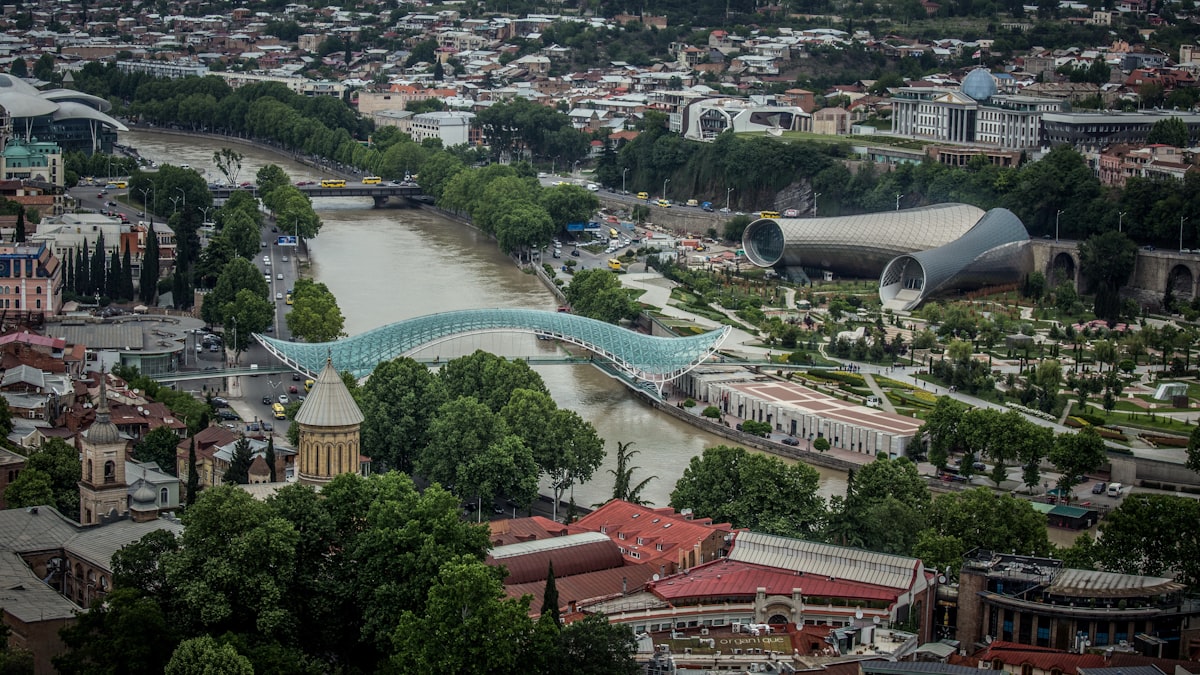
Rustaveli Avenue
Tbilisi's civic spine — the National Museum, Opera House, and Parliament all on one wide 19th-century boulevard.
10/10
Central
9/10
Walk
10/10
Transit
Vera
Tbilisi's best neighbourhood for independent restaurants and natural wine bars — where younger Georgians and expats eat.
7/10
Central
8/10
Walk
7/10
Transit
Also exploring
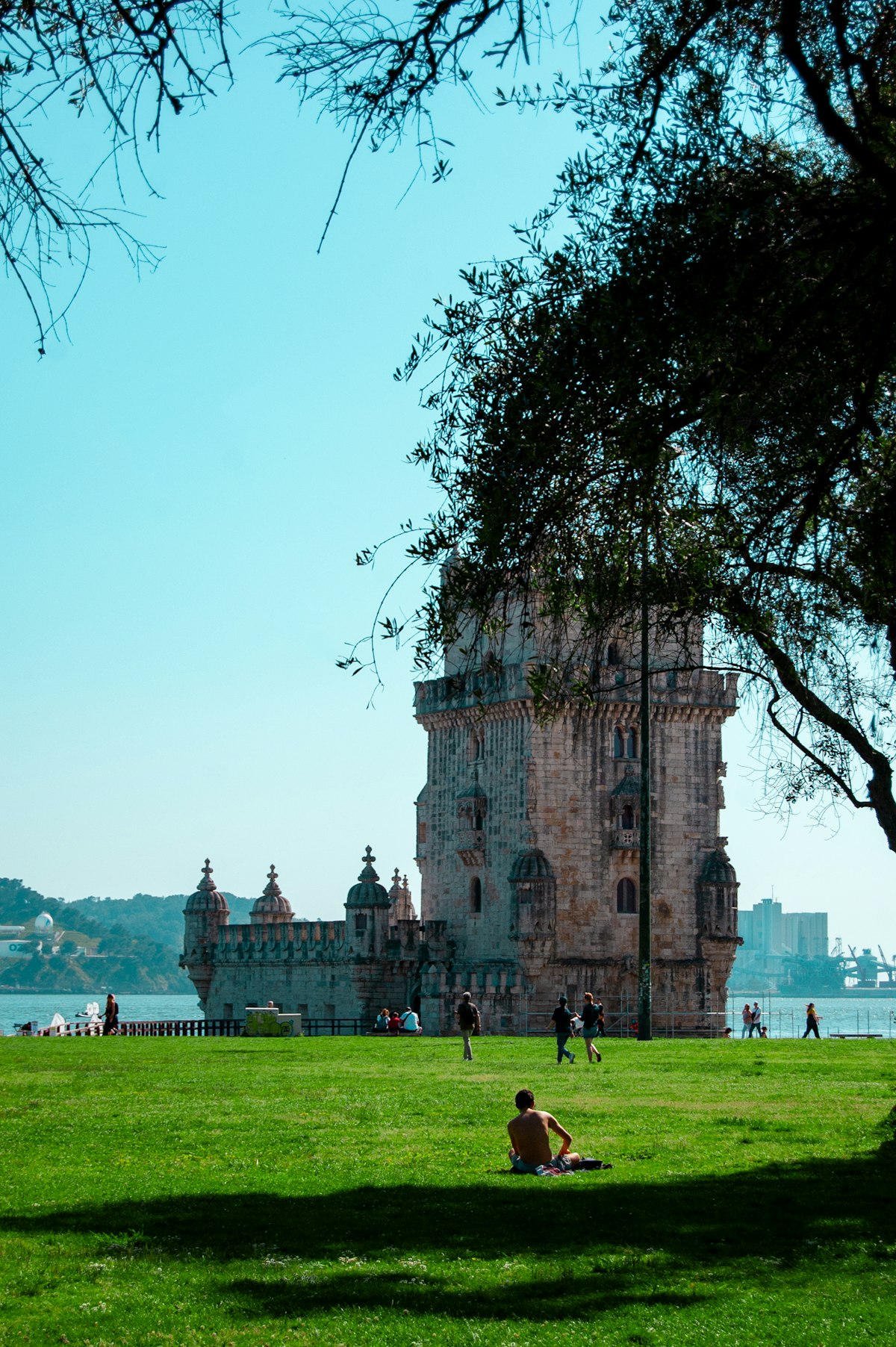
Lisbon
Portugal
A sun-drenched Atlantic capital where tram lines weave through hilltop neighbourhoods and prices stay genuinely affordable by Western European standards.
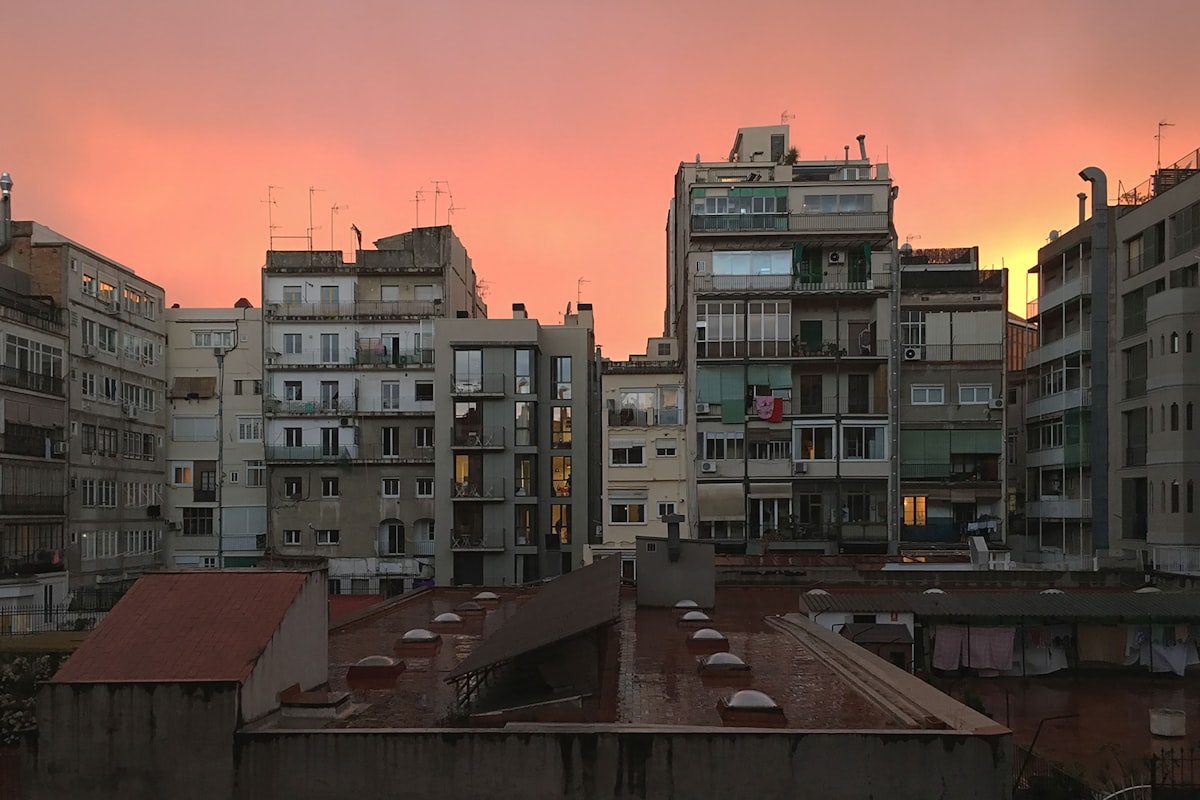
Barcelona
Spain
A Mediterranean city that runs on architecture, food markets, and beach culture — with a tourism problem that makes timing absolutely critical.
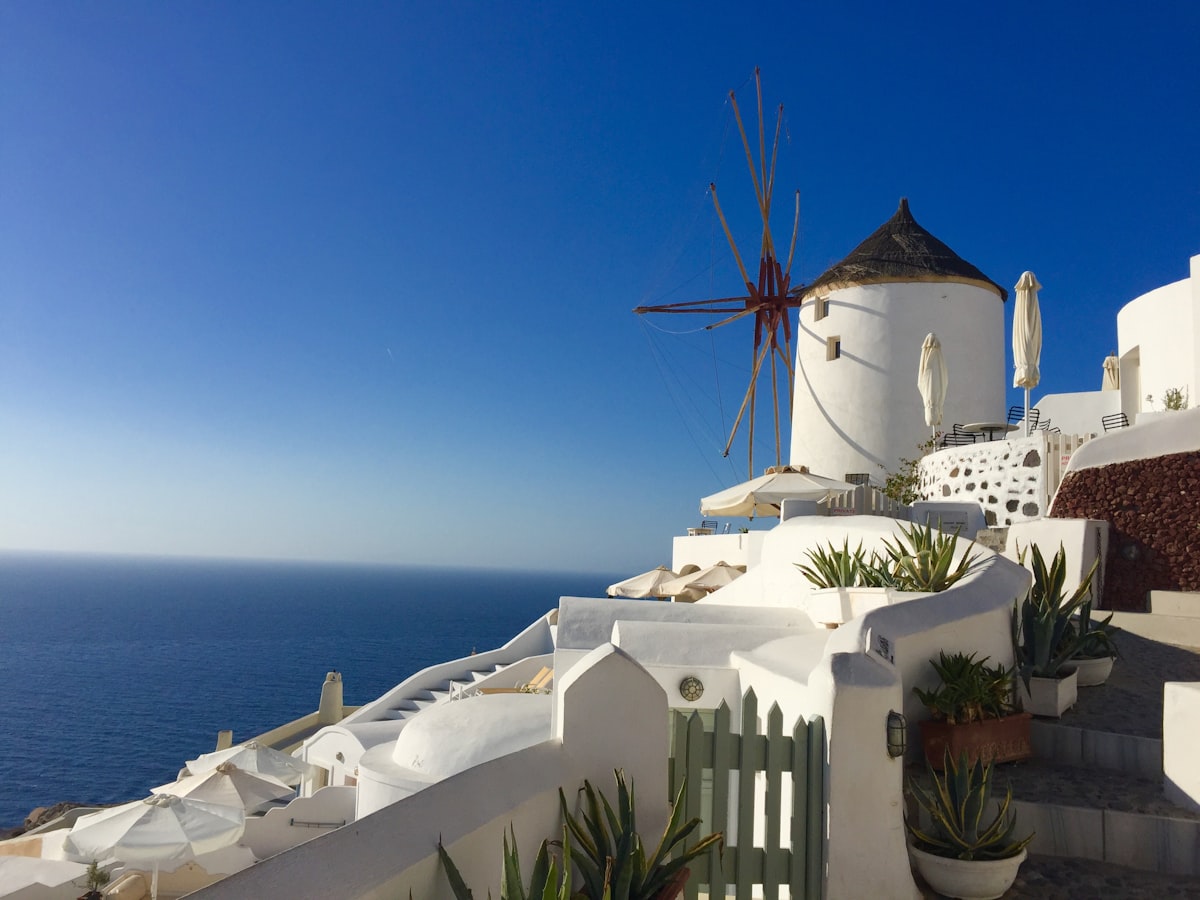
Santorini
Greece
The caldera sunsets and white-washed cliffside villages are real — but so is a tourism infrastructure that was never designed for 3 million annual visitors.
Worth knowing
September scores highest overall. July is the most crowded month — avoid if you can. See crowd-free ranking →
Month by month breakdown
January#6▾
Gains
- ↑Orthodox Christmas (January 7th) is the most important religious celebration in the Georgian calendar — Alilo processions through Tbilisi's streets are genuinely atmospheric and open to visitors; the city has a devotional warmth that secular Christmas elsewhere lacks
- ↑Prices are at their absolute floor across the year; accommodation, restaurants, and wine are extraordinary value when the tourist infrastructure is at minimum capacity
- ↑The sulphur baths of Abanotubani are at their most appealing in January — soaking in 35°C mineral water while it's cold outside is one of Tbilisi's great pleasures, and bathing houses are unhurried and quiet
Sacrifices
- ↓Average high of just 6°C with near-freezing nights; Old Tbilisi's steep cobbled streets and staircases become genuinely hazardous after ice or frost
- ↓Only 3.2 sunshine hours daily and frequent overcast skies; the wooden balconied houses of Abanotubani photograph poorly in grey January light
- ↓Many smaller wine bars and seasonal restaurants are closed or operating reduced hours; the full breadth of Tbilisi's food and drink scene isn't available
February#7▾
Gains
- ↑Rock-bottom prices continue; February is arguably the best month for budget travellers who want to understand what Tbilisi actually costs when it's not performing for visitors
- ↑Sunshine hours tick up to 4.0 daily and the worst of winter's grey is easing; clear days bring the first views of the Caucasus foothills behind the city
- ↑The sulphur baths, the Dry Bridge flea market (operating year-round), and the city's wine bars are all operating without queues or crowds of any kind
Sacrifices
- ↓February is genuinely cold; 8°C average high and near-freezing nights mean the outdoor café culture that defines Tbilisi in warmer months doesn't exist yet
- ↓No significant events on the calendar after Orthodox Christmas passes; February is the quietest month in the city's cultural year
- ↓Some of the rooftop bars and terrace restaurants that make Tbilisi so enjoyable in spring and autumn are closed until April
March#5▾
Gains
- ↑March mornings in Tbilisi are often clear and mild by mid-month; the Mother Georgia statue and Narikala Fortress are accessible hikes without the summer heat
- ↑The full restaurant and wine bar scene resumes in March; terraces open and the natural wine bars of Vera and Sololaki start operating their full hours
- ↑Prices remain well below the spring and autumn peak; March is good value even by Tbilisi's generous standards
Sacrifices
- ↓March is the start of the rainy season; 47mm across the month with variable weather means days can turn from warm and clear to cold and wet quickly
- ↓The Mtkvari River runs high and fast in March snowmelt; the riverside walks are less appealing in wet conditions
- ↓The cultural calendar is thin until Easter approaches; March is pleasant but not event-driven
April#3▾
Gains
- ↑Orthodox Easter (date varies, often April) is the most atmospheric event in the Georgian Orthodox calendar — midnight services at Sameba Cathedral and Metekhi Church are extraordinary spectacles open to respectful visitors
- ↑Spring wine festivals begin appearing throughout April; the Georgian tradition of qvevri (clay vessel) wine is best experienced through the small producers who attend these events
- ↑Near-ideal sightseeing weather at 18°C; the Narikala Fortress hike, the cable car to Mtatsminda, and the sulphur bath district are all in prime condition for exploration
Sacrifices
- ↓April is Tbilisi's wettest spring month; 65mm with variable weather means days require flexibility — mornings often fine, afternoons potentially rainy
- ↓Orthodox Easter week brings Georgian domestic visitors to Tbilisi in significant numbers; accommodation in Old Town fills up for the holy weekend
- ↓Prices begin rising from the winter floor; April is still affordable but the rock-bottom winter rates are gone
May#4▾
Gains
- ↑Possibly Tbilisi's finest month: 23°C, 7.4 sunshine hours, and the city fully operational after winter; the rooftop bars, terrace restaurants, and café culture all make sense in May
- ↑The Sololaki and Vera neighbourhoods are at their most attractive in spring — flowering trees against crumbling balconied facades is the quintessential Tbilisi aesthetic, fully realised in May
- ↑Wine tours to Kakheti (Georgia's wine region, 2 hours east) are excellent in May before the summer heat sets in; day-trip options are plentiful and well-operated
Sacrifices
- ↓May can bring heavy spring rainfall; 77mm means rainy days are possible and outdoor plans need contingencies
- ↓International visitor numbers start climbing in May; the most popular sites — Narikala, Abanotubani, Rustaveli Avenue — are noticeably busier than in winter
- ↓Prices have moved up from their winter low; May is affordable by European standards but not at the rock-bottom level of January and February
June#8▾
Gains
- ↑The most sunshine of any month: 8.6 hours daily; Tbilisi in summer light, with the ochre and rose facades of the balconied houses, is the city at its most photogenic
- ↑Rainfall drops significantly to 58mm after the spring; June is drier than May and the risk of a ruined outdoor day is lower
- ↑Long summer evenings mean the rooftop bars and terraces of Vera, Sololaki, and the Old Town operate well into the night — the social scene peaks in June
Sacrifices
- ↓28°C average high with hot afternoons; midday sightseeing in the Old Town and up to Narikala becomes genuinely uncomfortable — early morning or evening exploration is significantly more pleasant
- ↓Tourist numbers are solidly at their summer peak; the more popular bars in Sololaki and the sulphur bath district get crowded on weekend evenings
- ↓Accommodation prices at moderate level — not expensive by European standards, but no longer the extraordinary value of the low season
July#11▾
Gains
- ↑The driest month of the year at just 38mm; outdoor plans are almost never disrupted by rain in July
- ↑The city's rooftop and terrace scene is fully operational; outdoor dining at Tbilisi's better restaurants is genuinely pleasant in the evening heat
- ↑Night visits to the Narikala Fortress and the old town by the Metekhi Church are magical in July — the heat of the day has passed, the city is lit and alive, and it requires no jacket
Sacrifices
- ↓31°C with persistent heat; the Old Town's uphill walks and the fortress stairs are serious exertion in the midday hours — restructure the day around morning, evening, and cool interiors in the afternoon
- ↓International visitor peak in July; accommodation prices are at their highest for the year and the most popular wine bars and restaurants in Sololaki book up at weekends
- ↓The sulphur baths are somewhat less appealing in 31°C ambient heat — the contrast that makes them magical in winter is largely absent
August#12▾
Gains
- ↑Consistently dry weather: just 35mm across the month and 8.9 sunshine hours daily; August is dependably fine with virtually no rain to disrupt plans
- ↑Late August signals the beginning of Rtveli preparations — the grape harvest in Kakheti starts in some vineyards by late August and the entire city feels the approaching wine season
- ↑The Tbilisi Open Air music festival (if scheduled for August) brings Georgian and international music to the Mtatsminda Park area
Sacrifices
- ↓Temperature matches July's 31°C peak — the same heat management challenges apply; those sensitive to heat should wait until September
- ↓August is when the European tourist season and the Georgian summer holiday overlap; the combination produces the most crowded version of the city
- ↓Accommodation prices remain at or near peak; budget-conscious visitors should note that August and July are the two most expensive months in Tbilisi's calendar
September#1▾
Gains
- ↑Rtveli (grape harvest) begins in Kakheti from mid-September; vineyard visits and harvest participation are available throughout the month — this is the most important event in Georgian agricultural and cultural life, 8,000 years in practice
- ↑Weather perfects itself: 26°C with 7.6 sunshine hours and minimal rainfall; everything the city offers is available without the July and August heat making outdoor activity uncomfortable
- ↑Prices ease meaningfully from the summer peak while the city is fully operational; September is one of the best value months relative to what's on offer
Sacrifices
- ↓Kakheti gets crowded during Rtveli and accommodation in the wine region must be booked well ahead for harvest weekends — day-tripping from Tbilisi is the pragmatic approach
- ↓September remains a popular travel month; visitor numbers are still moderately high, particularly around the harvest festival weekends
- ↓Nights become noticeably cooler from mid-September, requiring a layer for evening terrace dining
October#2▾
Gains
- ↑Tbilisoba festival (early October) is Tbilisi's biggest annual celebration: music, crafts, dancing, and food across the Old Town, celebrating the city's founding — the atmosphere is genuinely local and festive rather than staged for tourists
- ↑Rtveli continues into October in higher-altitude vineyards; the combination of the harvest season and Tbilisoba makes October the most culturally rich month in the Georgian calendar
- ↑Autumn light transforms the city; the warm ochre and red tones of the old buildings become extraordinary in October light, and the vine leaves turning on the balconied facades add to the palette
Sacrifices
- ↓Tbilisoba weekend brings significant domestic Georgian visitors to the city; accommodation books up early for the festival weekend and transport within the Old Town is restricted
- ↓Rainfall increases back to 48mm after the dry summer; October can bring grey spells between the clear autumn days
- ↓Evenings cool sharply; outdoor terrace dining requires a jacket by mid-month and the rooftop bar season is drawing to a close
November#10▾
Gains
- ↑Post-Tbilisoba and post-harvest crowds evaporate in November; the sulphur baths, the Old Town wine bars, and the Sololaki cafés return to a normal pace that feels genuinely local
- ↑Prices drop from the October peak; November is significantly more affordable than September and October while the city remains fully operational
- ↑The new vintage of Georgian natural wine arrives in November; the wine bars of Vera and Sololaki serve the year's qvevri releases and it is a good time to taste widely
Sacrifices
- ↓Weather deteriorates: 11°C average high with increasing rain and grey days; the outdoor lifestyle that defines Tbilisi in warmer months retreats inside
- ↓Sunshine drops to 4.0 hours daily; the Old Town's photogenic facades need direct light to show properly and overcast November denies it more often than not
- ↓The cultural calendar is sparse after Tbilisoba; November is quiet in a way that appeals to some but may frustrate visitors expecting the animated city of October
December#9▾
Gains
- ↑New Year is celebrated with real enthusiasm in Tbilisi; Rustaveli Avenue hosts outdoor celebrations and the Georgian New Year tradition (Alilo processions begin in the days before Christmas) gives December a distinctive festive character
- ↑The sulphur baths of Abanotubani are at their finest in December cold — the contrast between the frigid outside air and the 35–42°C mineral spring baths is exactly what they were designed for; private bathing rooms are available and affordable
- ↑Prices are among the year's lowest; December (outside of New Year week) is one of the best months to understand Tbilisi's extraordinary budget credentials — a genuinely excellent meal with good Georgian wine remains very cheap
Sacrifices
- ↓Only 3.1 sunshine hours daily; December Tbilisi spends most of its time under grey skies, and the city's considerable visual beauty is substantially reduced without direct light
- ↓New Year's Eve pushes accommodation prices sharply upward in the Old Town and near Rustaveli Avenue; book ahead or choose the days either side of the 31st
- ↓Cold nights with temperatures near freezing; the old buildings of Sololaki and Abanotubani are not known for efficient heating, and some smaller guesthouses can be genuinely cold in the early morning
How this is calculated
Climate data
Open Meteo ERA5
30-year normals (1991–2020). Temperature, rainfall, sunshine, humidity.
Price & crowd
Tourism research
Seasonal pricing from tourism authority data. Directional — compares months within a destination only.
Personalisation
Weighted scoring
Your priorities change the weights. Budget-first users get different results than weather-first users.
Share this result
September is the best time to visit Tbilisi
Travel timing updates
New destinations and timing guides, when they land.
No spam. Unsubscribe anytime.