Showing: Oct · Benjamin Dillon / Unsplash
Japan · East Asia
Best time to visit Osaka
October
Oct scores highest overall — reliable weather and good value. Set your priorities below to personalise this result.
What matters most to you?
All 12 months — click any to expand
Oct
Benjamin Dillon / Unsplash
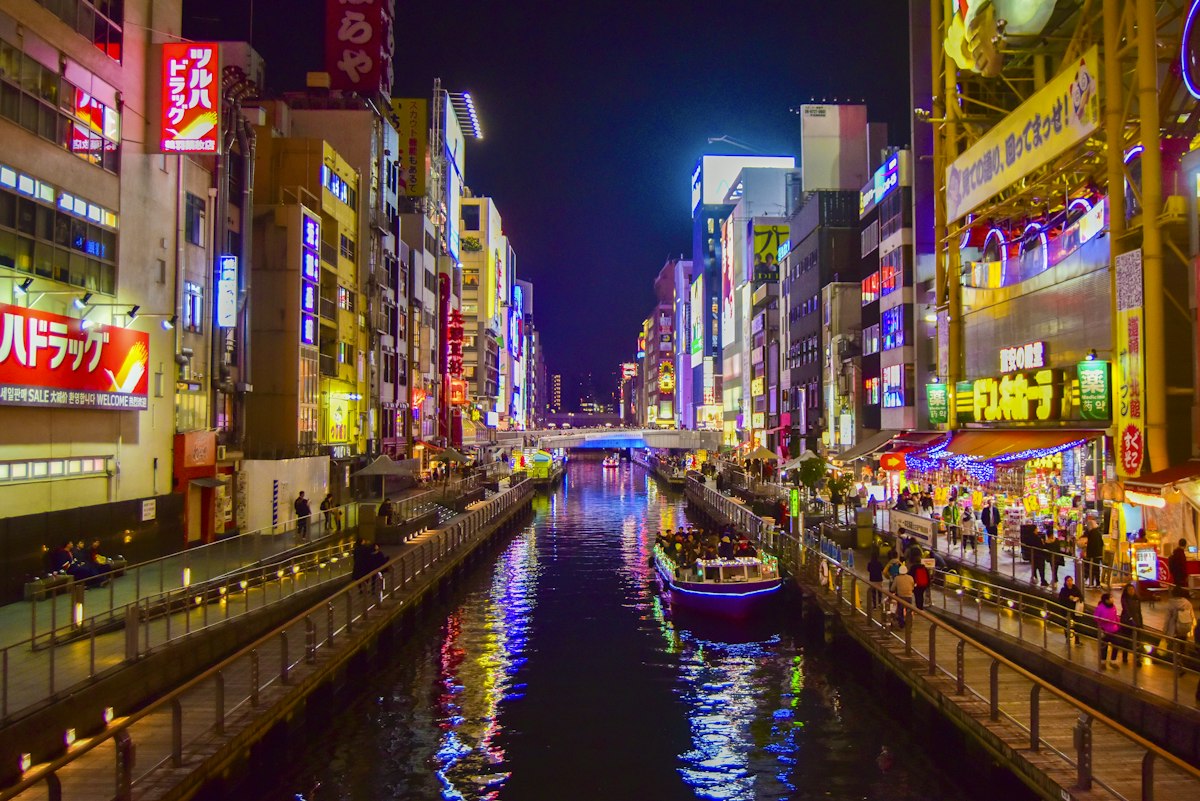
Osaka's second-best month — excellent weather, Osaka Marathon, and the city quietly settling into its best season.
22°C
High
15°C
Low
112mm
Rain
6.3h
Sun/day
What you gain
- ↑Near-ideal conditions: 22°C highs with low humidity and genuine sunshine — the most comfortable weather in Osaka's year outside of April, without April's cherry blossom crowds
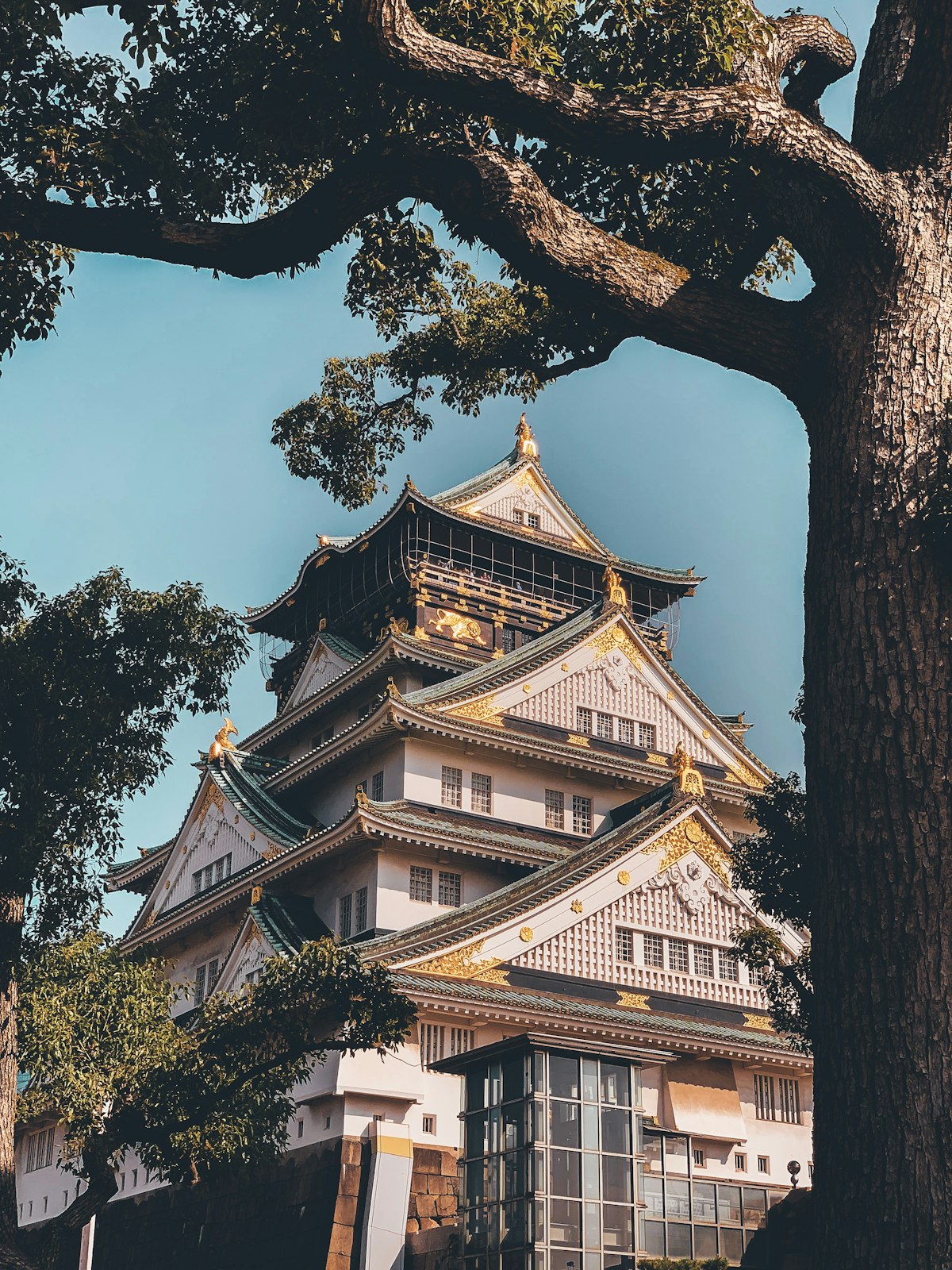
- ↑Osaka Marathon (late October) brings a festive weekend to the city, with the race course passing Osaka Castle and Dotonbori; worth timing around even as a spectator
- ↑Prices are in the affordable tier — a meaningful gap below the spring peak; October is Osaka's best value-to-experience month
What you sacrifice
- ↓Autumn foliage is still arriving in October — the famous red maple season at nearby temples peaks in November; October visitors get good weather but not the full colour display
- ↓112mm of rainfall means occasional wet days; October weather in Osaka can still produce a rainy week, though typhoon risk drops significantly from September
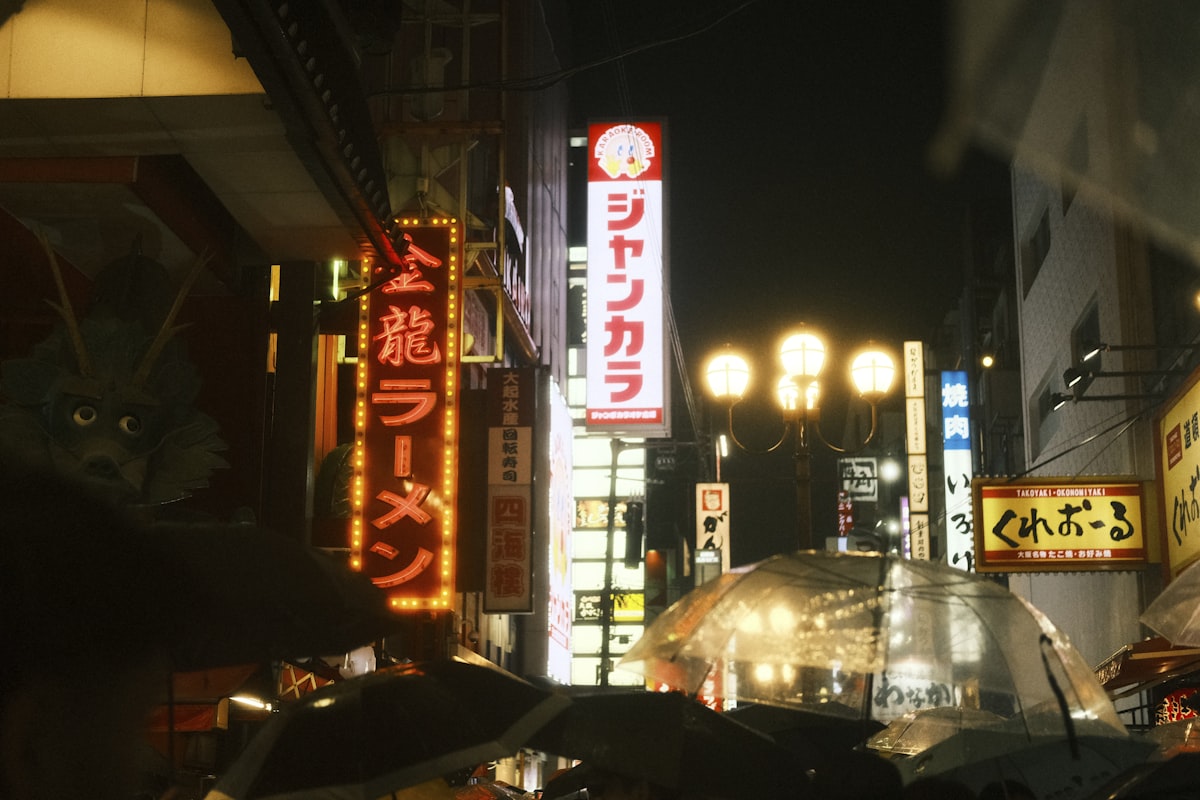
- ↓International visitor numbers are climbing again after the summer lull; Dotonbori and Kuromon Market are busier than June-September
Oct scores highest overall — reliable weather and good value. Set your priorities below to personalise this result.
Oct
Osaka's second-best month — excellent weather, Osaka Marathon, and the city quietly settling into its best season.
22°C
High
112mm
Rain
6.3h
Sun
- ↑Near-ideal conditions: 22°C highs with low humidity and genuine sunshine — the most comfortable weather in Osaka's year outside of April, without April's cherry blossom crowds
- ↑Osaka Marathon (late October) brings a festive weekend to the city, with the race course passing Osaka Castle and Dotonbori; worth timing around even as a spectator
- ↑Prices are in the affordable tier — a meaningful gap below the spring peak; October is Osaka's best value-to-experience month
- ↓Autumn foliage is still arriving in October — the famous red maple season at nearby temples peaks in November; October visitors get good weather but not the full colour display
- ↓112mm of rainfall means occasional wet days; October weather in Osaka can still produce a rainy week, though typhoon risk drops significantly from September
- ↓International visitor numbers are climbing again after the summer lull; Dotonbori and Kuromon Market are busier than June-September
Top travel windows
★ BestOctober
Best overall
Highest combined score
22°C
High
112mm
Rain
6.3h
Sun
January
Best for value
Lowest prices & fees
9°C
High
45mm
Rain
5.4h
Sun
January
Fewest crowds
Quietest month
9°C
High
45mm
Rain
5.4h
Sun
Breakdown by priority
Best for weather
October
22°C high · 112mm rain · 6.3hrs sun/day
Best for budget
January
Hotels and flights are at their cheapest after the New Year rush subsides — a significant saving in a city already cheaper than Tokyo
Fewest crowds
January
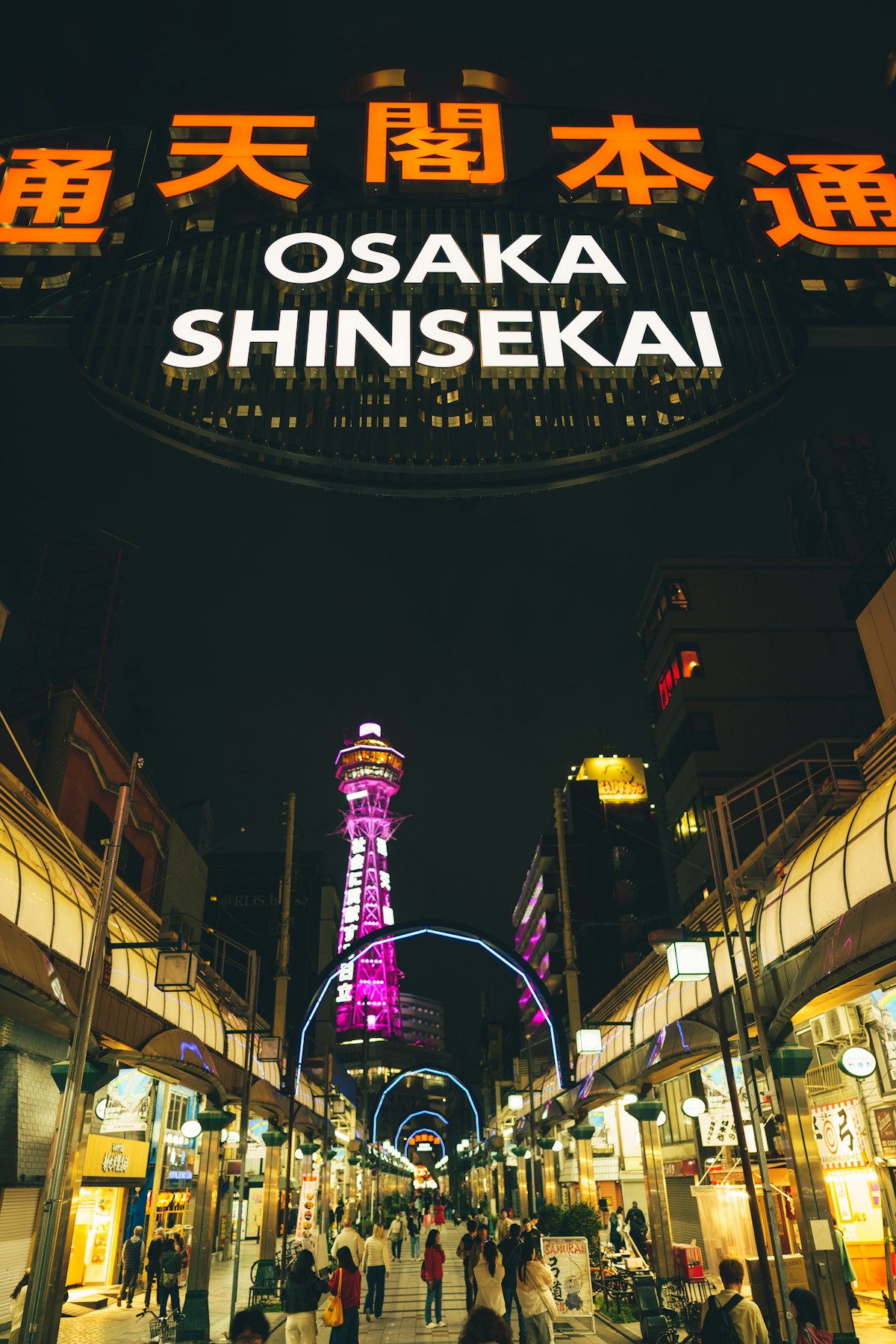
Crowds are genuinely thin: Dotonbori, Osaka Castle, and Shinsekai are all navigable without the shoulder-to-shoulder pressure of peak season
Where to stay in Osaka
All neighbourhoods →Namba / Dotonbori
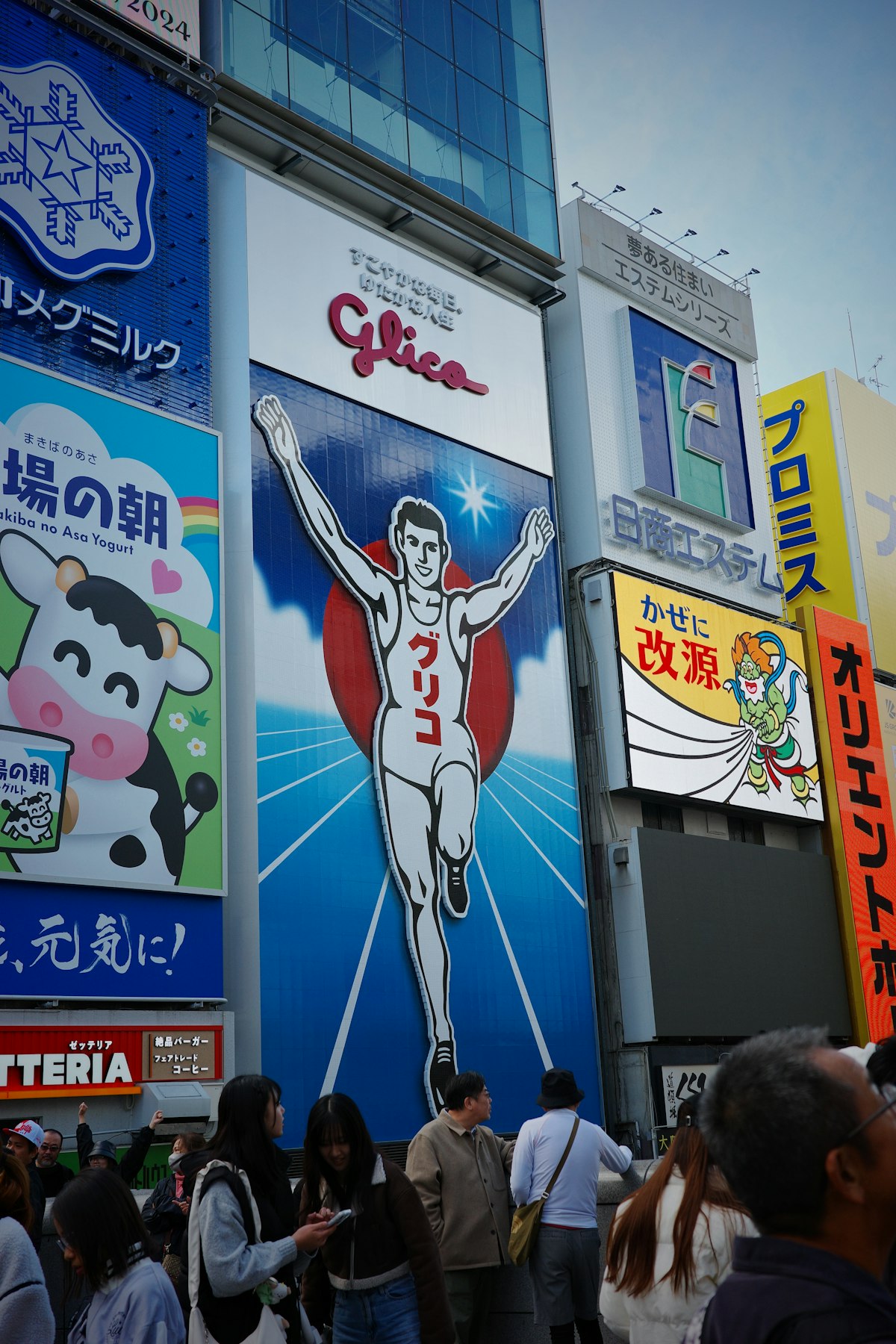
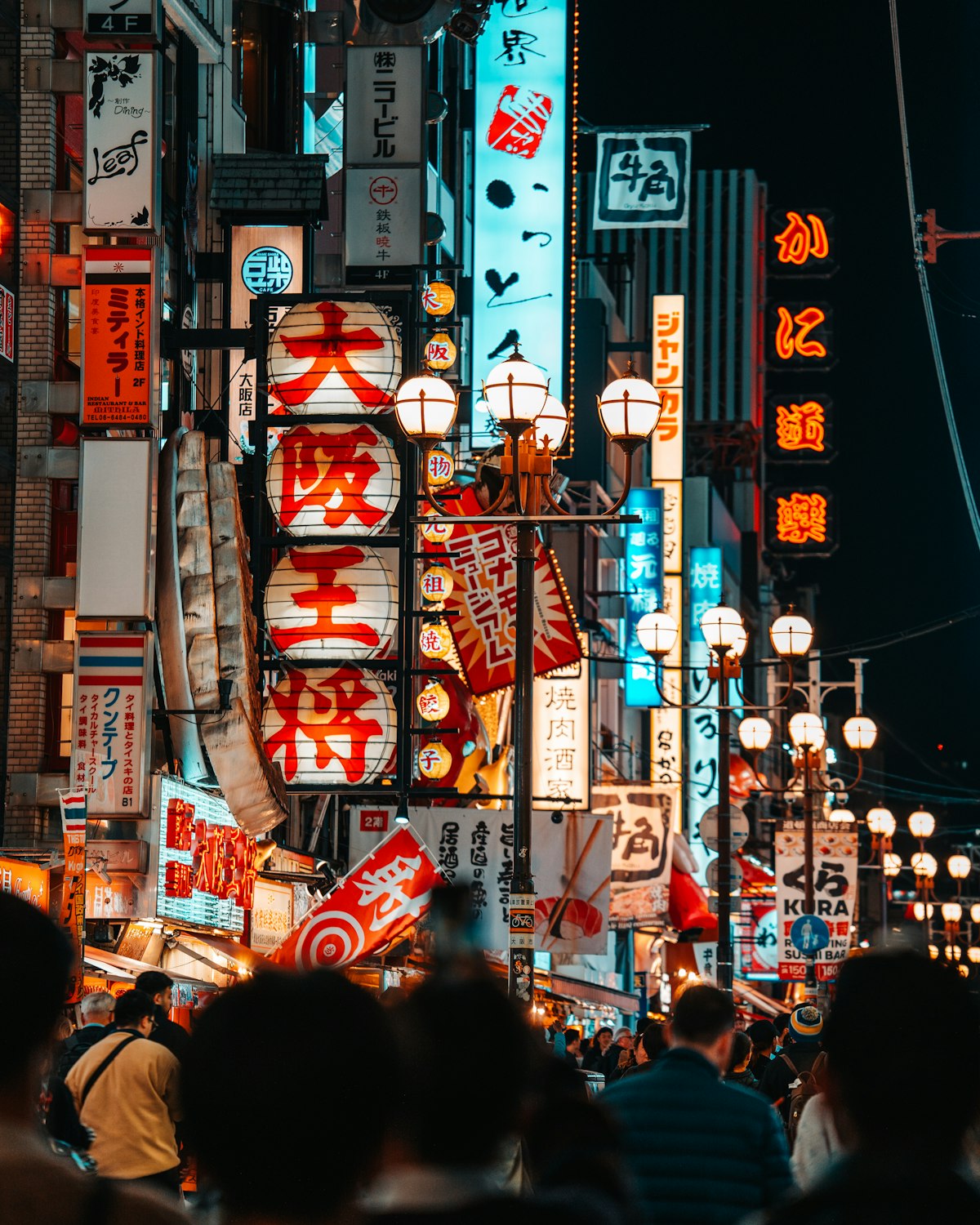
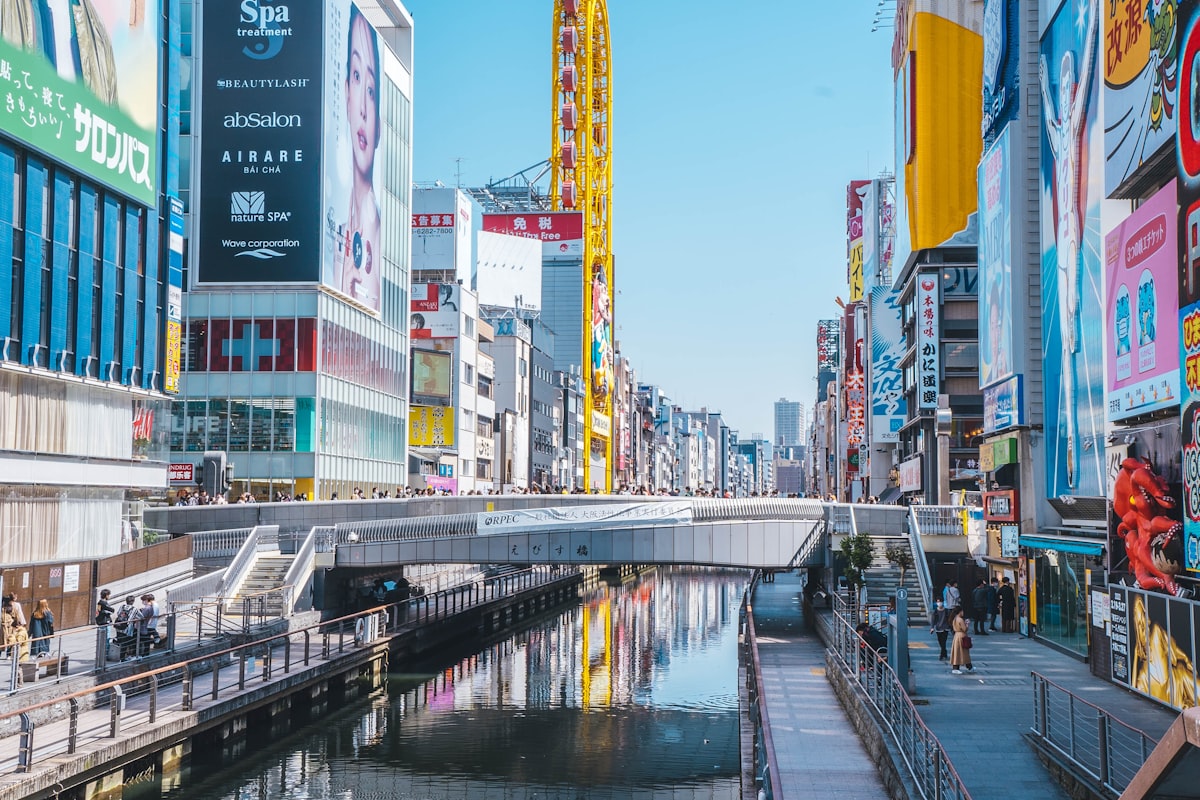
The eating and nightlife heart of Osaka — the Glico Running Man, takoyaki stalls, and wall-to-wall izakayas.
10/10
Central
10/10
Walk
9/10
Transit
Umeda / Kita
Osaka's business and shopping district — Osaka Station, skyscraper rooftop views, and less tourist pressure than Namba.
8/10
Central
8/10
Walk
10/10
Transit
Also exploring
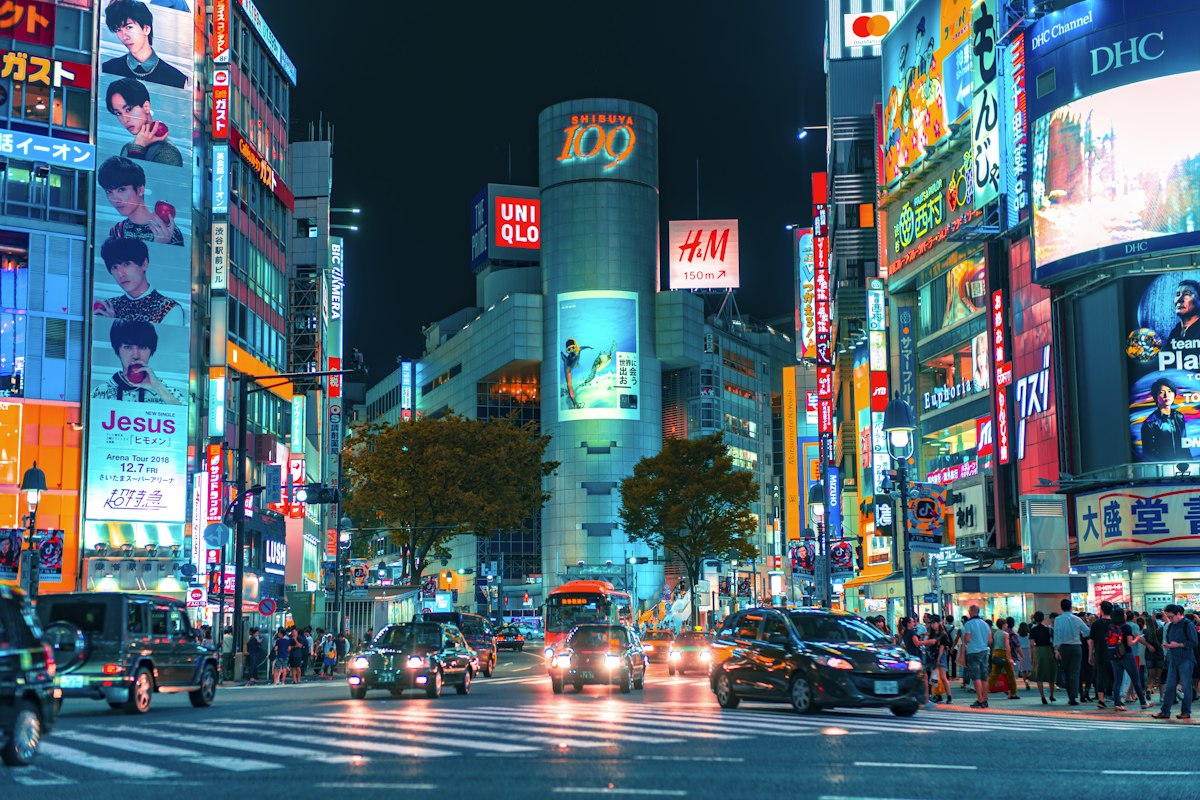
Tokyo
Japan
A city of dramatic seasonal contrasts — cherry blossom crowds, oppressive summer humidity, and golden autumn foliage — where the wrong timing can make or break the trip.
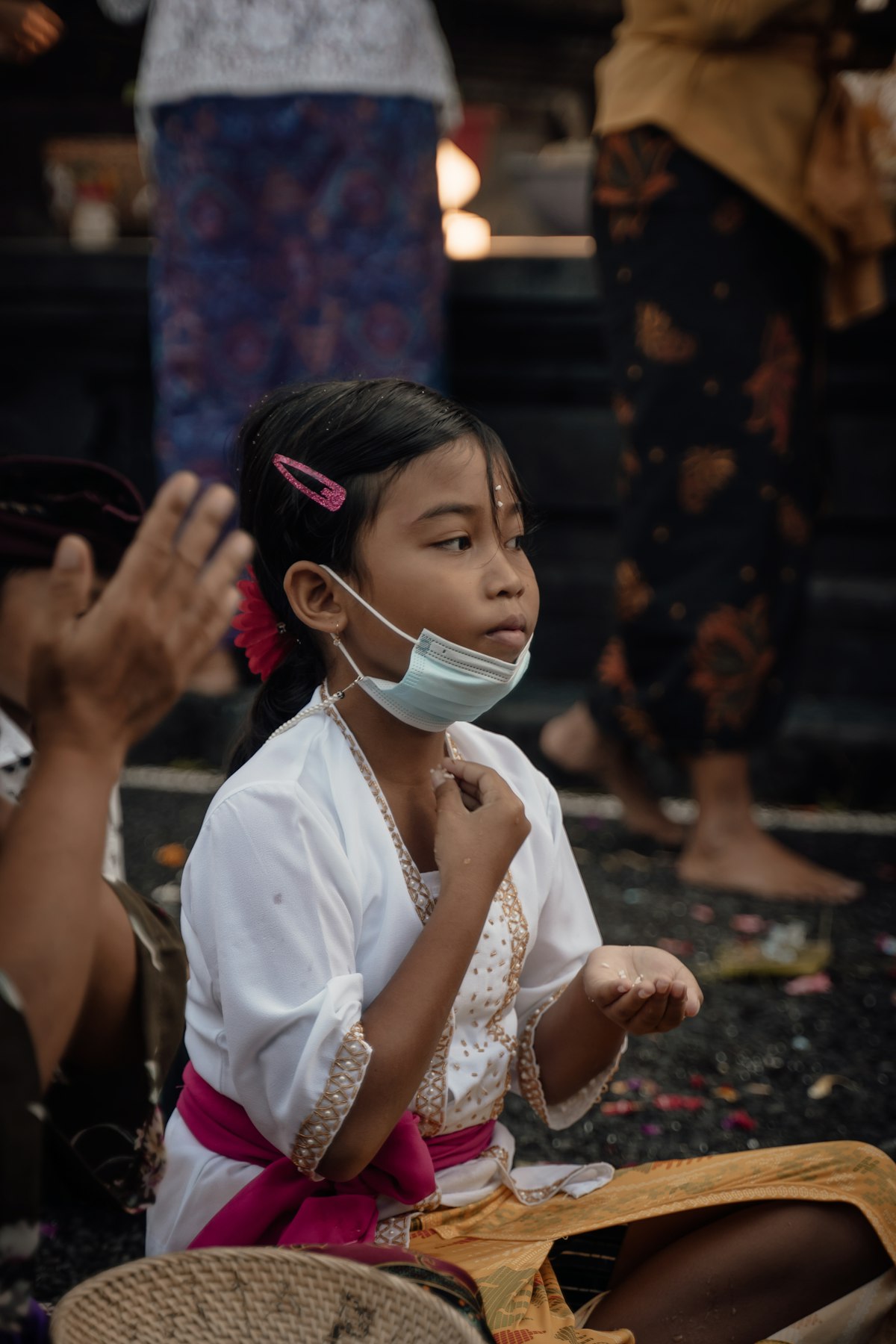
Bali
Indonesia
A Hindu island of rice terraces, temple ceremonies, and surf breaks where the monsoon makes timing genuinely binary — the difference between dry and wet season is not subtle.
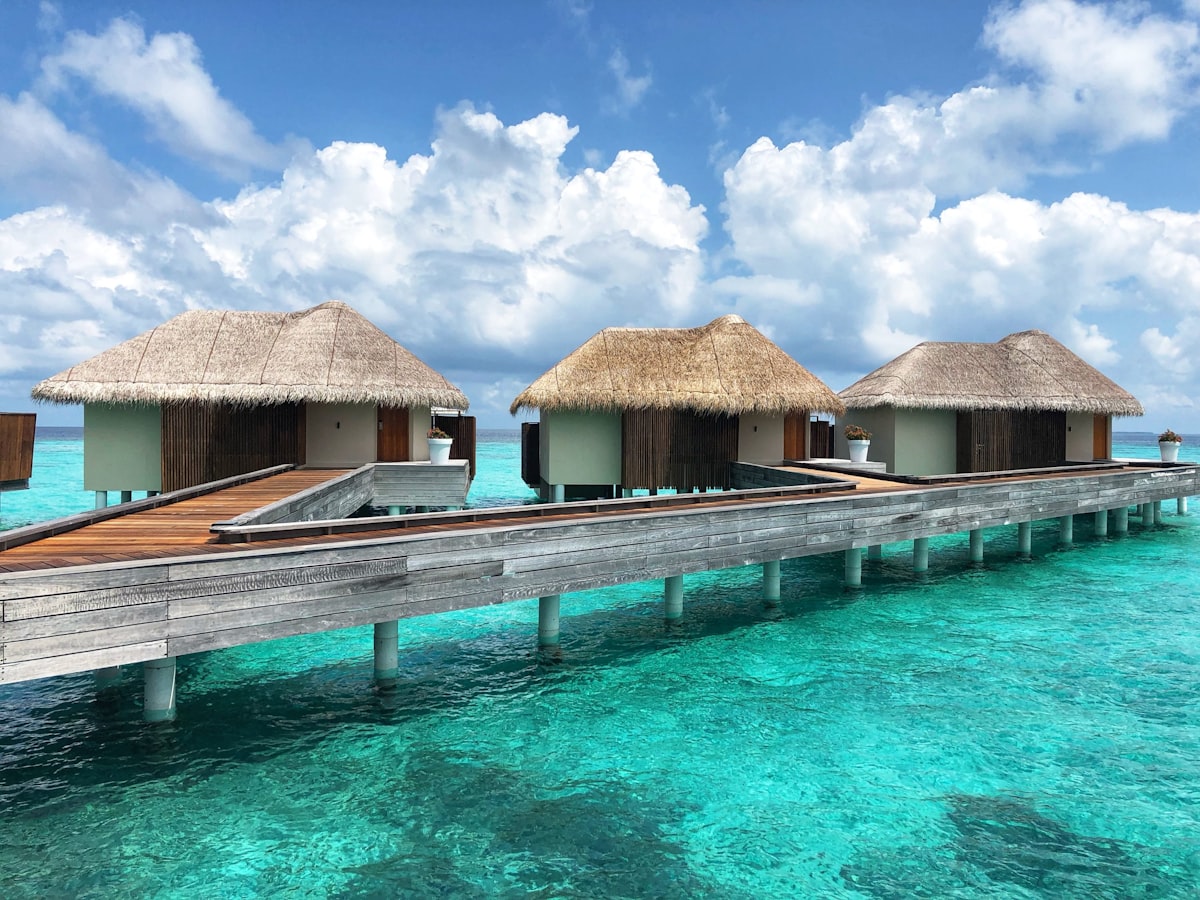
Maldives
Maldives
A destination defined almost entirely by its monsoon calendar — the difference between the NE dry season (November–April) and SW wet season (May–October) is not subtle and shapes every aspect of the experience.
Worth knowing
October scores highest overall. May is the most crowded month — avoid if you can. See crowd-free ranking →
Month by month breakdown
January#5▾
Gains
- ↑New Year (Hatsumode) at Sumiyoshi Taisha brings one of Osaka's most atmospheric shrine visits — the ancient procession grounds are genuinely spectacular in January calm
- ↑Hotels and flights are at their cheapest after the New Year rush subsides — a significant saving in a city already cheaper than Tokyo
- ↑Crowds are genuinely thin: Dotonbori, Osaka Castle, and Shinsekai are all navigable without the shoulder-to-shoulder pressure of peak season
Sacrifices
- ↓Cold is real: 9°C highs mean layering is essential and outdoor sightseeing at Osaka Castle Park requires warm preparation
- ↓The Dotonbori street food scene is best enjoyed when you can linger — January temperatures make that less comfortable than spring or autumn
- ↓January 1–3 sees major national closures: many restaurants, shops, and smaller attractions are shut for Oshougatsu (New Year)
February#9▾
Gains
- ↑February remains the budget window: hotels are at their annual low and the city is unhurried; ideal for a concentrated Dotonbori and Shinsekai food crawl without the crowds
- ↑Setsubun (February 3) marks the beginning of spring by the old calendar — bean-throwing ceremonies at Tennoji and other temples are an authentic local spectacle
- ↑Museum visits — the Osaka Museum of History and the National Museum of Ethnology — make perfect cold-weather days without tourist queues
Sacrifices
- ↓Cold weather continues: 10°C highs and occasional sleet make February the least comfortable outdoor month in Osaka's calendar
- ↓The event calendar is quiet; February lacks the cherry blossom draw of March or the festival energy of summer
- ↓Shorter daylight hours limit the window for outdoor sightseeing before Dotonbori's neon becomes the more compelling evening backdrop
March#3▾
Gains
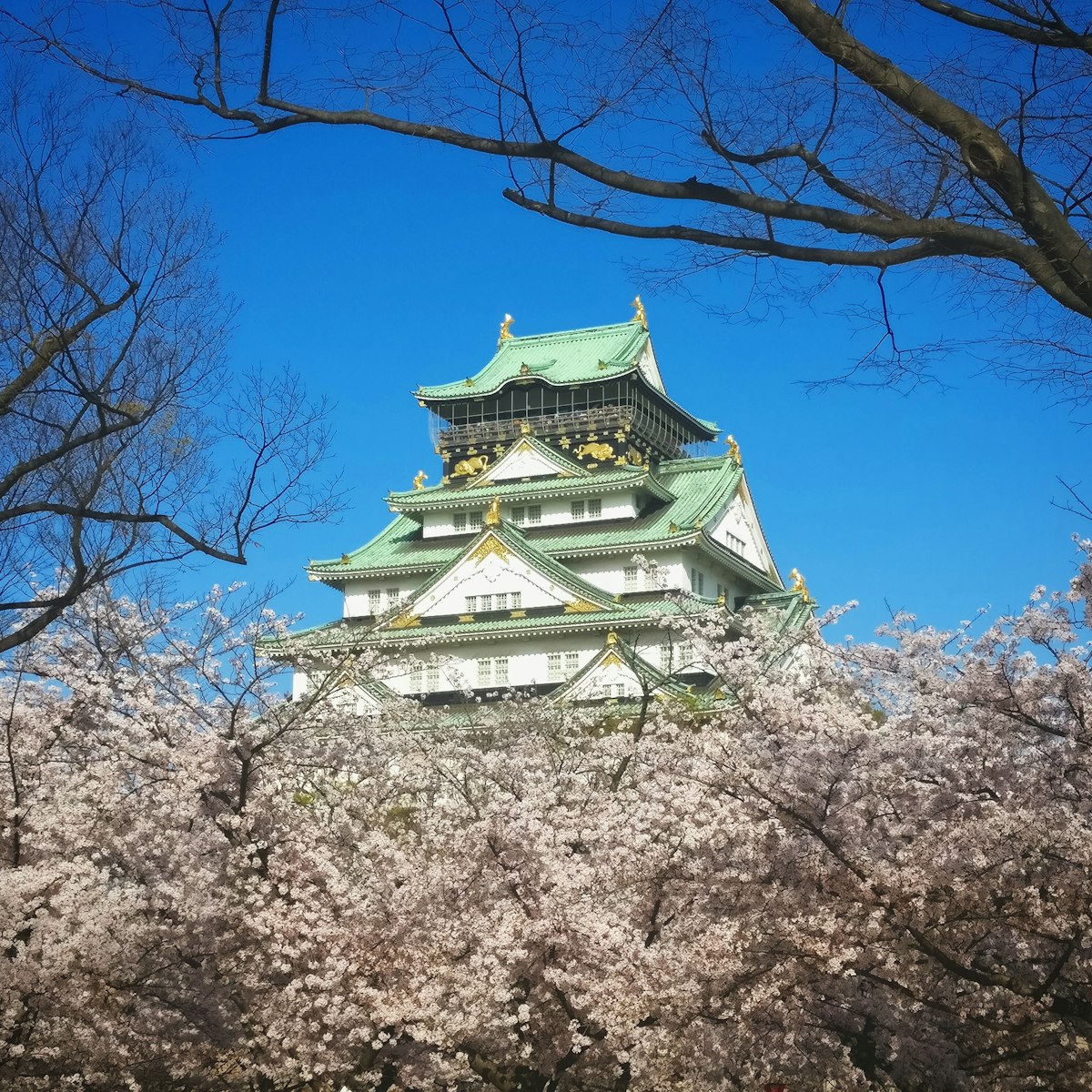
- ↑Cherry blossoms (late March, date varies annually) at Osaka Castle Park are extraordinary — over 600 trees frame the castle keep in pink; one of Japan's finest sakura settings and not yet as internationally known as Kyoto's Maruyama Park
- ↑Hanami (blossom-viewing picnics) are a genuinely communal experience; joining the crowds under the trees at Osaka Castle with convenience store bento is a defining Japanese moment
- ↑Temperatures become pleasantly mild — 14°C highs make walking between Namba, Shinsaibashi, and Nakanoshima entirely comfortable for the first time since autumn
Sacrifices
- ↓Peak sakura weekend brings Osaka's biggest single crowd of the year to the castle park — arrive before 9am or after 5pm to avoid the worst of it
- ↓Hotels book out weeks in advance for late March; prices rise sharply for the blossom period and planning ahead is essential
- ↓March rainfall picks up (104mm) and the weather around blossom time is notoriously unpredictable — some years the peak hits a cold, rainy week
April#2▾
Gains
- ↑Near-ideal sightseeing weather: 20°C highs with low humidity mean Osaka's outdoor attractions — Osaka Castle grounds, Nakanoshima riverside, Tennoji Park — are at their absolute best
- ↑Golden Week begins late April (April 29) — while it brings crowds, it also brings the festive energy of a city celebrating collectively; izakayas and street stalls are at their most vibrant
- ↑The Glico Running Man and Dotonbori after dark are best experienced in comfortable evening temperatures — April delivers this without the summer humidity
Sacrifices
- ↓Golden Week (late April through early May) is Japan's busiest domestic travel period — hotels in Namba and Umeda fill quickly and prices spike for the holiday window
- ↓Cherry blossoms are finishing by early April; if late blooms are still the draw, timing is everything and a missed peak is disappointing
- ↓Osaka remains considerably busier than January-February; the quiet of the winter shoulder season is gone
May#8▾
Gains
- ↑Golden Week (late April through early May) fills Dotonbori and Shinsaibashi with a festive energy unique to this period — Japan collectively at play, street stalls doing roaring trade, izakayas packed
- ↑Weather is warm and reliably pleasant: 25°C with moderate humidity is close to ideal for the full Osaka experience — castle grounds, Shinsekai, and long evening food crawls
- ↑Post-Golden Week (mid-to-late May) offers an underrated window: good weather, prices normalising, and the summer crowds not yet arrived
Sacrifices
- ↓Golden Week (May 3–5 peak) is Japan's busiest travel period: Osaka Castle, Dotonbori, and Universal Studios Japan operate at capacity; advance booking is non-negotiable
- ↓Hotel rates during Golden Week are at or near their annual peak — comparable to cherry blossom season; prices drop quickly after May 5
- ↓Rail travel during Golden Week is heavily booked; Shinkansen seats to/from Osaka require reservations made weeks in advance
June#11▾
Gains
- ↑Hotels drop to affordable pricing: June is one of Osaka's better value months and the city is noticeably less crowded than the spring or summer festival period
- ↑Osaka's indoor food culture is completely weather-proof: Kuromon Ichiba Market, ramen and takoyaki shops, and izakayas are just as excellent whether it's raining or not
- ↑Nakanoshima's riverside cafes and museum district are uncrowded — the Museum of Oriental Ceramics and National Museum of Art are never better attended than in June
Sacrifices
- ↓Tsuyu (rainy season) brings 185mm across the month with persistent grey skies and heavy humidity — outdoor plans are fundamentally constrained
- ↓The combination of 29°C heat and 74% humidity is uncomfortable for extended outdoor exploration; sweat is unavoidable even in light rain
- ↓No major events anchor the month; the Tenjin Matsuri of July and cherry blossoms of spring are both outside the June window
July#6▾
Gains
- ↑Tenjin Matsuri (July 24–25) is one of Japan's three greatest festivals: portable shrine processions, 3,000 people in traditional costume, a boat procession on the Okawa River with fireworks over the city — unmissable if your timing aligns
- ↑Summer in Osaka unlocks the city's rooftop bar culture and outdoor dining terraces — the heat and humidity are offset by cold Asahi draft beer and yakitori smoke on warm evenings
- ↑Fireworks festivals (hanabi) at various venues around Osaka throughout July are genuine spectacles, free to watch, and very Japanese in the best sense
Sacrifices
- ↓Hot and humid: 33°C highs with 76% humidity make extended outdoor sightseeing genuinely taxing; plan outdoor activities for early morning and return to air conditioning by midday
- ↓Tenjin Matsuri weekend (July 25) brings the biggest crowds of summer — Nakanoshima and Tenmabashi station area become extremely congested
- ↓Rainy season (tsuyu) typically overlaps with early July: 185mm of rain means heavy downpours are regular, even as the festival calendar heats up
August#12▾
Gains
- ↑Obon (mid-August) brings the city's most culturally charged week: ancestral memorial observances, Bon Odori street dancing in neighbourhood squares, and lantern-floating ceremonies at temples
- ↑Rain eases from July's tsuyu peak: 102mm is heavy by any normal standard but noticeably drier than June-July, and sunshine hours are at their summer best at 7.1 daily
- ↑Osaka's summer festival circuit is in full swing: neighbourhood matsuri, outdoor beer gardens, and the summer stall culture that makes Dotonbori even more theatrical than usual
Sacrifices
- ↓The hottest month of the year at 34°C highs — genuine heat stress risk for those unacclimatised; schedule everything outdoor before 11am and after 5pm
- ↓Domestic school holidays push hotel prices to moderate-expensive and fill Universal Studios Japan, Kaiyukan Aquarium, and Osaka Castle to capacity
- ↓Obon week (August 13–16) means many small family-run restaurants and traditional shops close for the holiday period
September#7▾
Gains
- ↑Kishiwada Danjiri Matsuri (mid-September, typically third weekend) sees massive wooden festival floats pulled at speed through narrow streets by hundreds of participants — genuinely extraordinary and unlike any other festival in Japan
- ↑Osaka Marathon weekend (October, but registrations and build-up in September) adds a running culture energy to the city; the course passes Dotonbori and Osaka Castle
- ↑Temperatures start dropping from the August peak; late September at 29°C is meaningfully more comfortable than August's 34°C
Sacrifices
- ↓September sees Osaka's second highest annual rainfall at 160mm — typhoon season means some weekends bring heavy rain and occasional travel disruption
- ↓Still humid: 73% humidity combined with 29°C means the post-summer relief is gradual rather than immediate
- ↓Kishiwada Danjiri Matsuri is in Kishiwada city (30 minutes south of Osaka by Nankai Line) rather than central Osaka — a day trip rather than a walkable event
October#1▾
Gains
- ↑Near-ideal conditions: 22°C highs with low humidity and genuine sunshine — the most comfortable weather in Osaka's year outside of April, without April's cherry blossom crowds
- ↑Osaka Marathon (late October) brings a festive weekend to the city, with the race course passing Osaka Castle and Dotonbori; worth timing around even as a spectator
- ↑Prices are in the affordable tier — a meaningful gap below the spring peak; October is Osaka's best value-to-experience month
Sacrifices
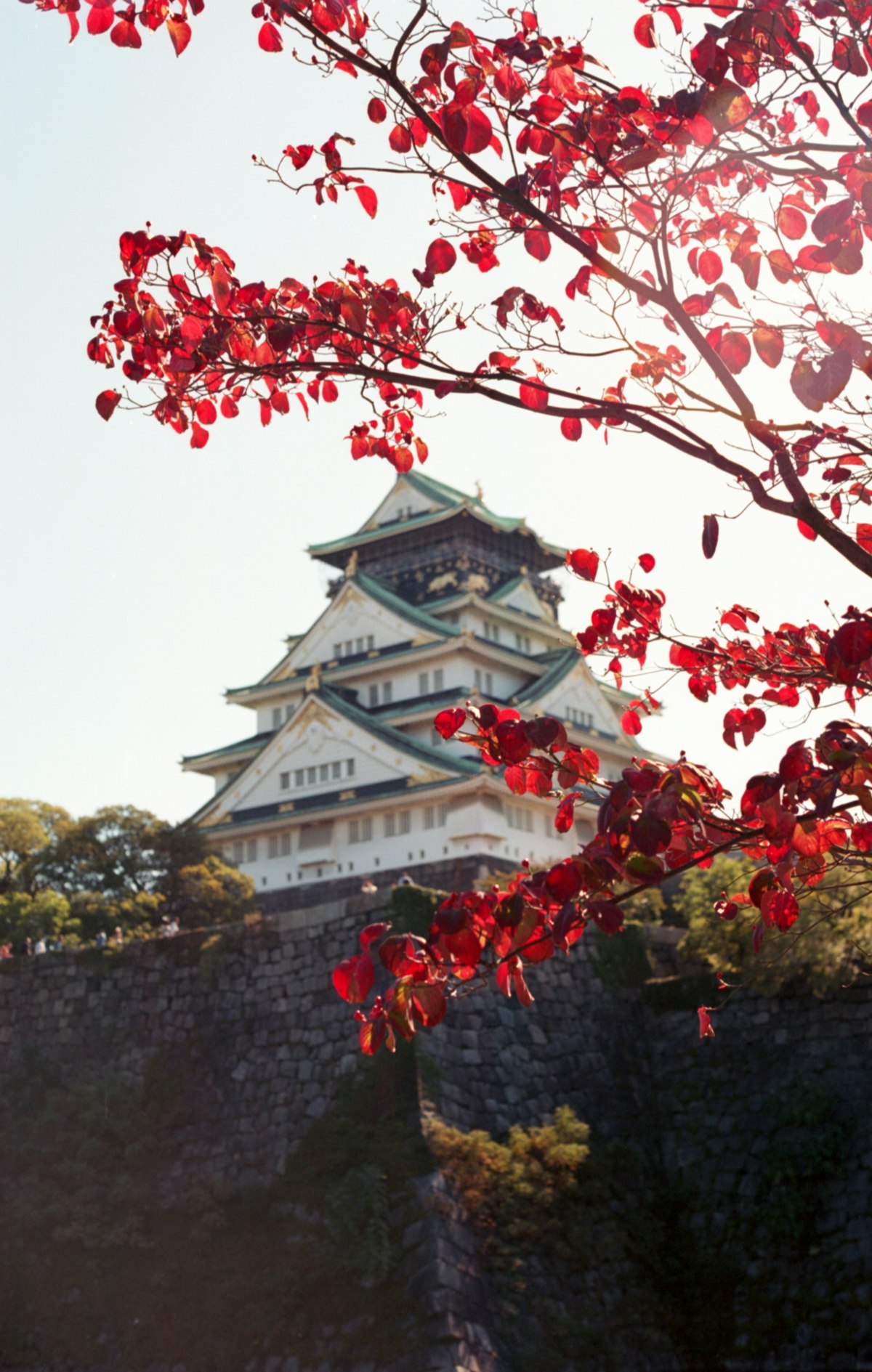
- ↓Autumn foliage is still arriving in October — the famous red maple season at nearby temples peaks in November; October visitors get good weather but not the full colour display
- ↓112mm of rainfall means occasional wet days; October weather in Osaka can still produce a rainy week, though typhoon risk drops significantly from September
- ↓International visitor numbers are climbing again after the summer lull; Dotonbori and Kuromon Market are busier than June-September
November#4▾
Gains
- ↑Autumn foliage (koyo) at Osaka Castle Park and Minoh Park (45 minutes north) peaks in mid-to-late November — vivid red maples against castle stonework are the equal of Kyoto without Kyoto's extreme crowds
- ↑Dry, cool, and bright: 16°C with 68mm of rain is the most comfortable combination for extended outdoor walking; food crawls through Namba and Shinsekai are genuinely pleasant
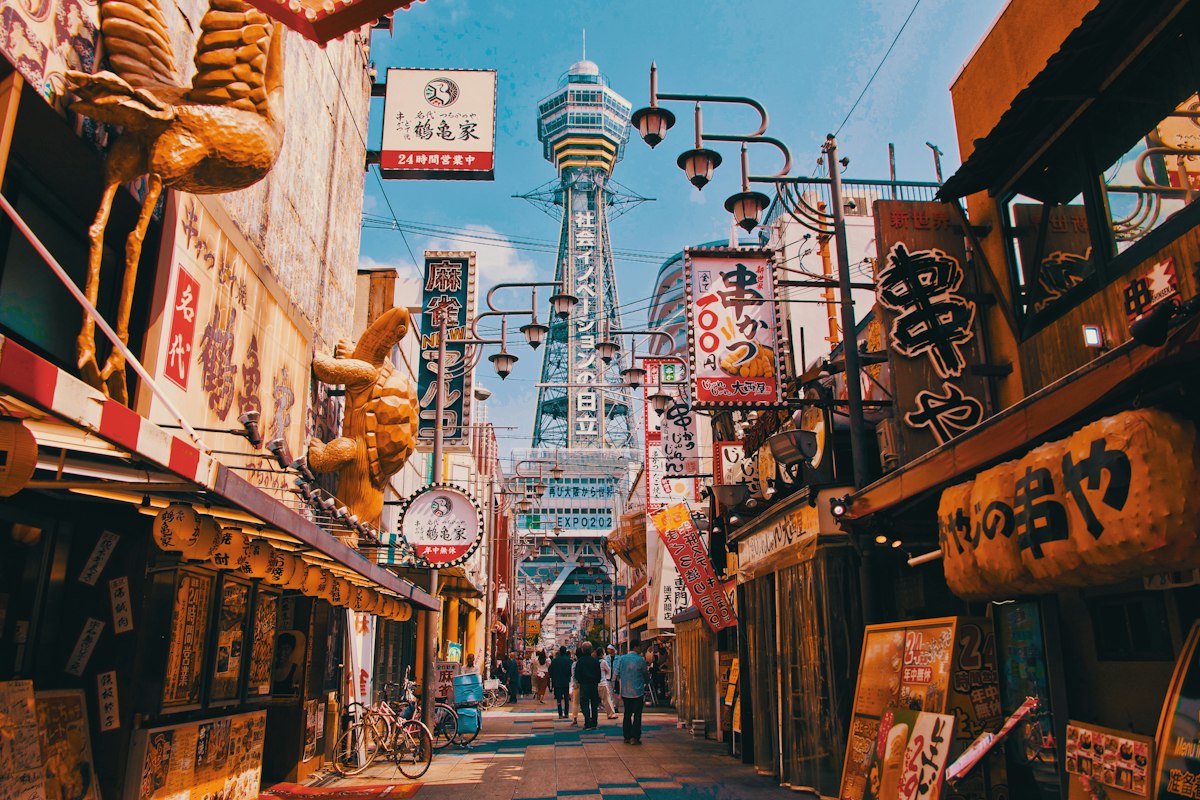
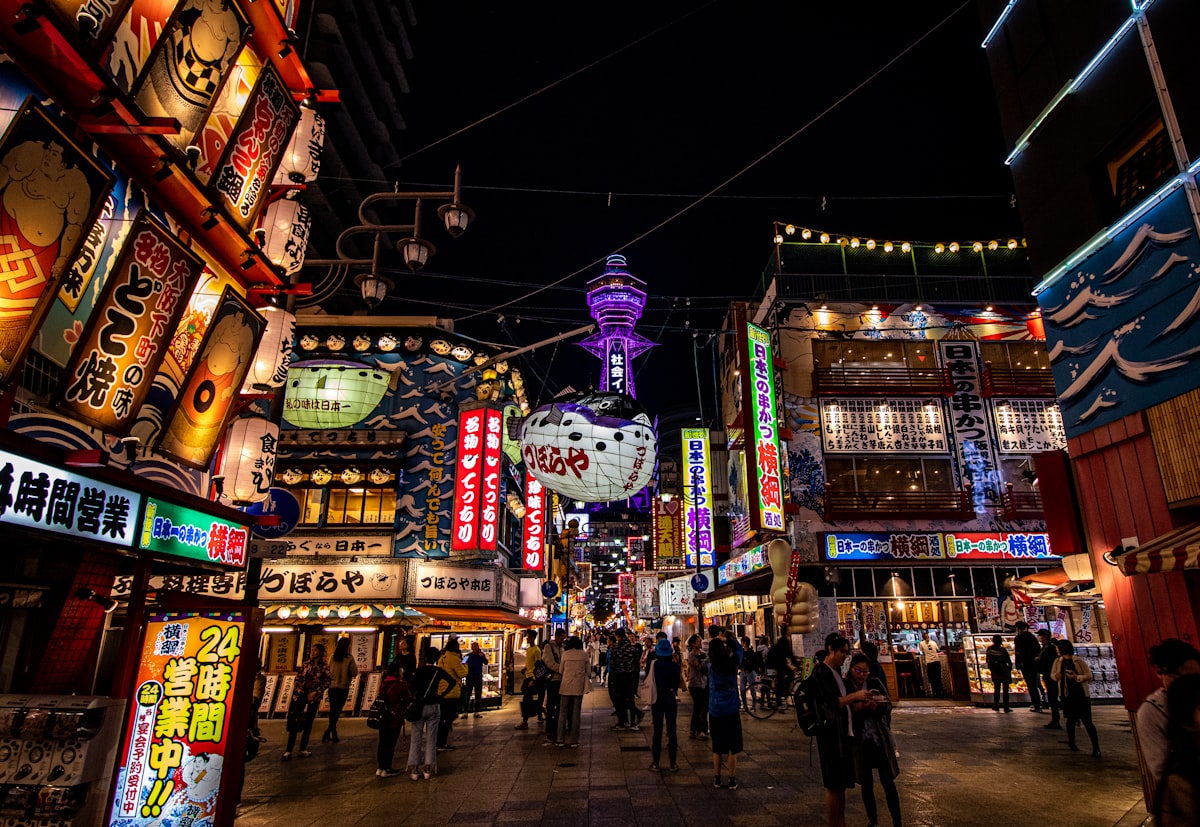
- ↑Osaka's izakaya and kushikatsu culture is best experienced in cool weather — November evenings in Shinsekai, warming yourself with deep-fried skewers and sake, are a defining Osaka experience
Sacrifices
- ↓International visitor numbers are now at their autumn peak; Osaka Castle and Dotonbori are meaningfully busier than October, though still manageable with early starts
- ↓Prices begin rising from October's affordable tier as the autumn foliage season draws visitors — particularly for hotels near the castle
- ↓Daylight shortens noticeably: outdoor sightseeing time is compressed compared to summer months
December#10▾
Gains
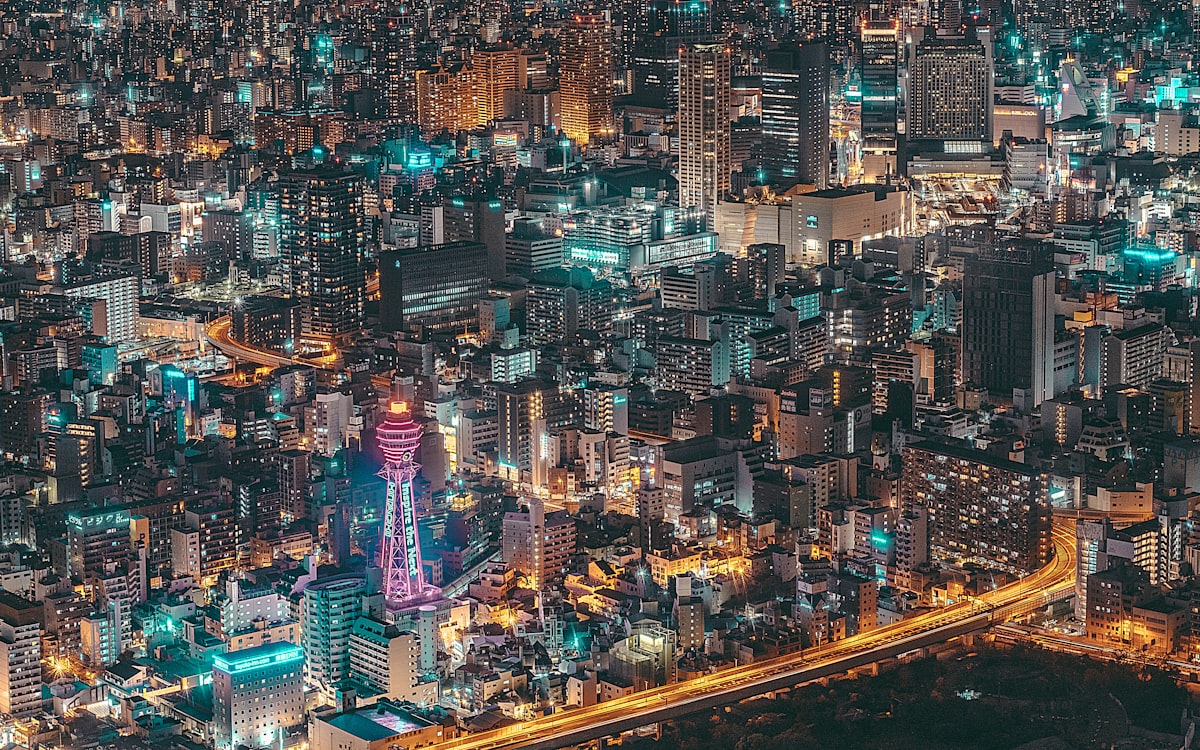
- ↑Winter illuminations transform Osaka: Namba Parks, Nakanoshima, and the Umeda Sky Building are lit for the season — less famous than Tokyo's Omotesando lights but far less crowded
- ↑December is the peak month for Osaka's comfort food culture: takoyaki, hot pot, fugu (blowfish season), and year-end drinking parties (bonenkai) fill the izakayas with celebratory energy
- ↑Dry winter weather (51mm) and low humidity make December one of the more pleasant months for city walking — cold but clear, and Osaka Castle grounds covered in winter light are genuinely beautiful
Sacrifices
- ↓Cold is real but manageable at 11°C — layering is essential and outdoor food stall browsing in Dotonbori becomes a teeth-chattering rather than leisurely affair by nightfall
- ↓Christmas week and New Year's Eve see hotels fill and prices rise; the New Year (Oshougatsu) period itself triggers the annual closure wave
- ↓Shorter days: sunset before 5pm compresses the window for outdoor exploration to the morning and early afternoon
How this is calculated
Climate data
Open Meteo ERA5
30-year normals (1991–2020). Temperature, rainfall, sunshine, humidity.
Price & crowd
Tourism research
Seasonal pricing from tourism authority data. Directional — compares months within a destination only.
Personalisation
Weighted scoring
Your priorities change the weights. Budget-first users get different results than weather-first users.
Share this result
October is the best time to visit Osaka
Travel timing updates
New destinations and timing guides, when they land.
No spam. Unsubscribe anytime.