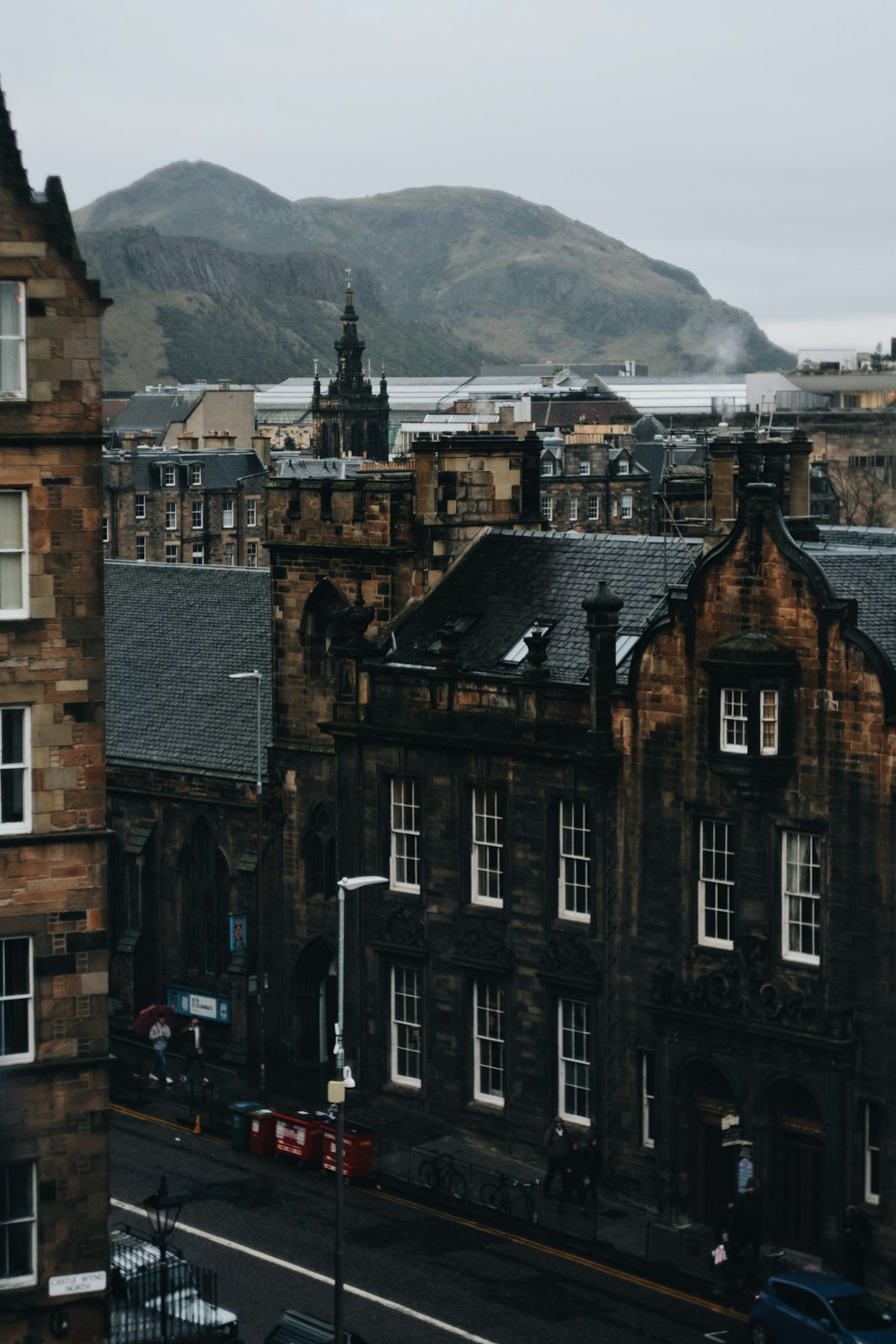
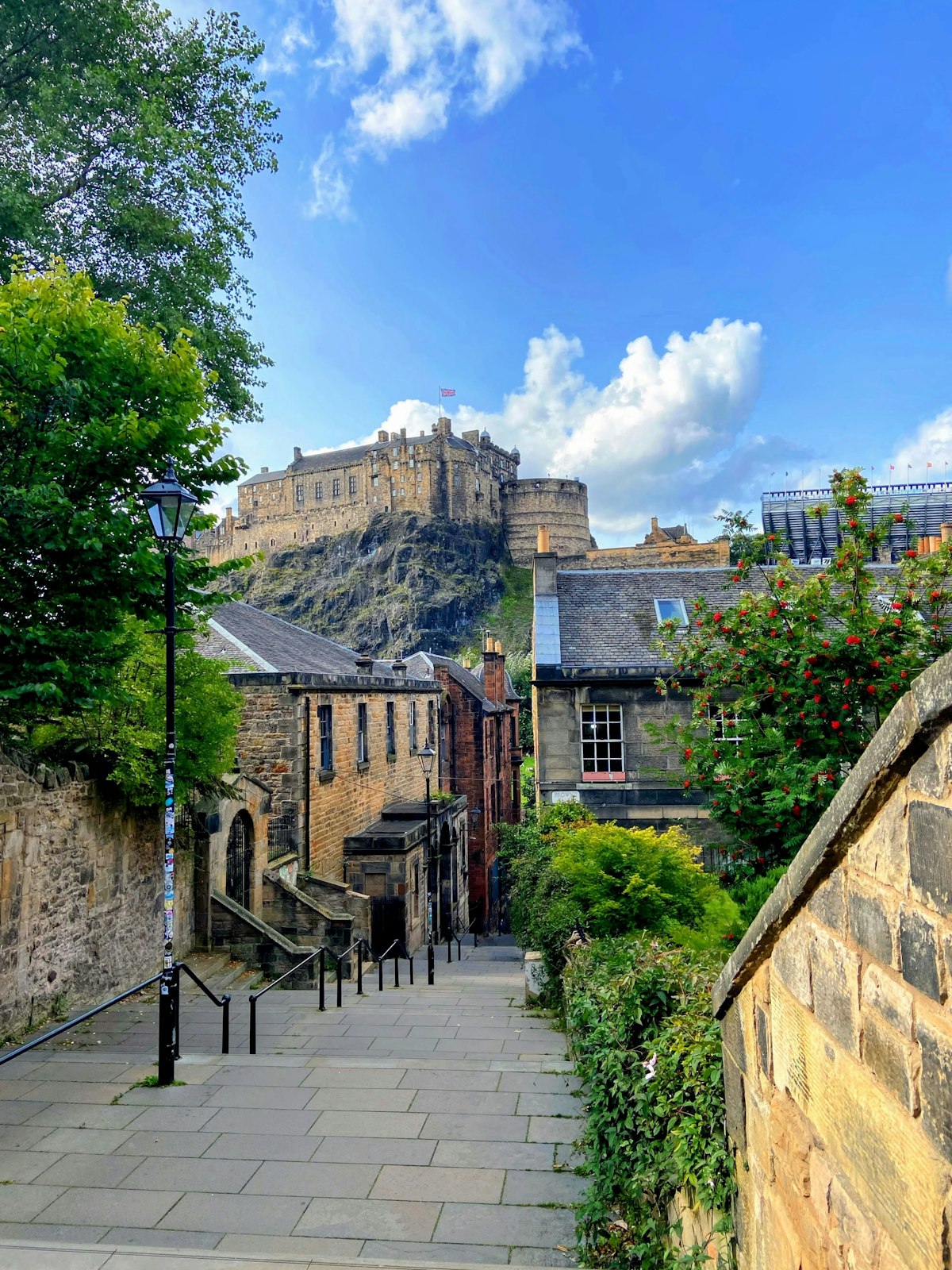
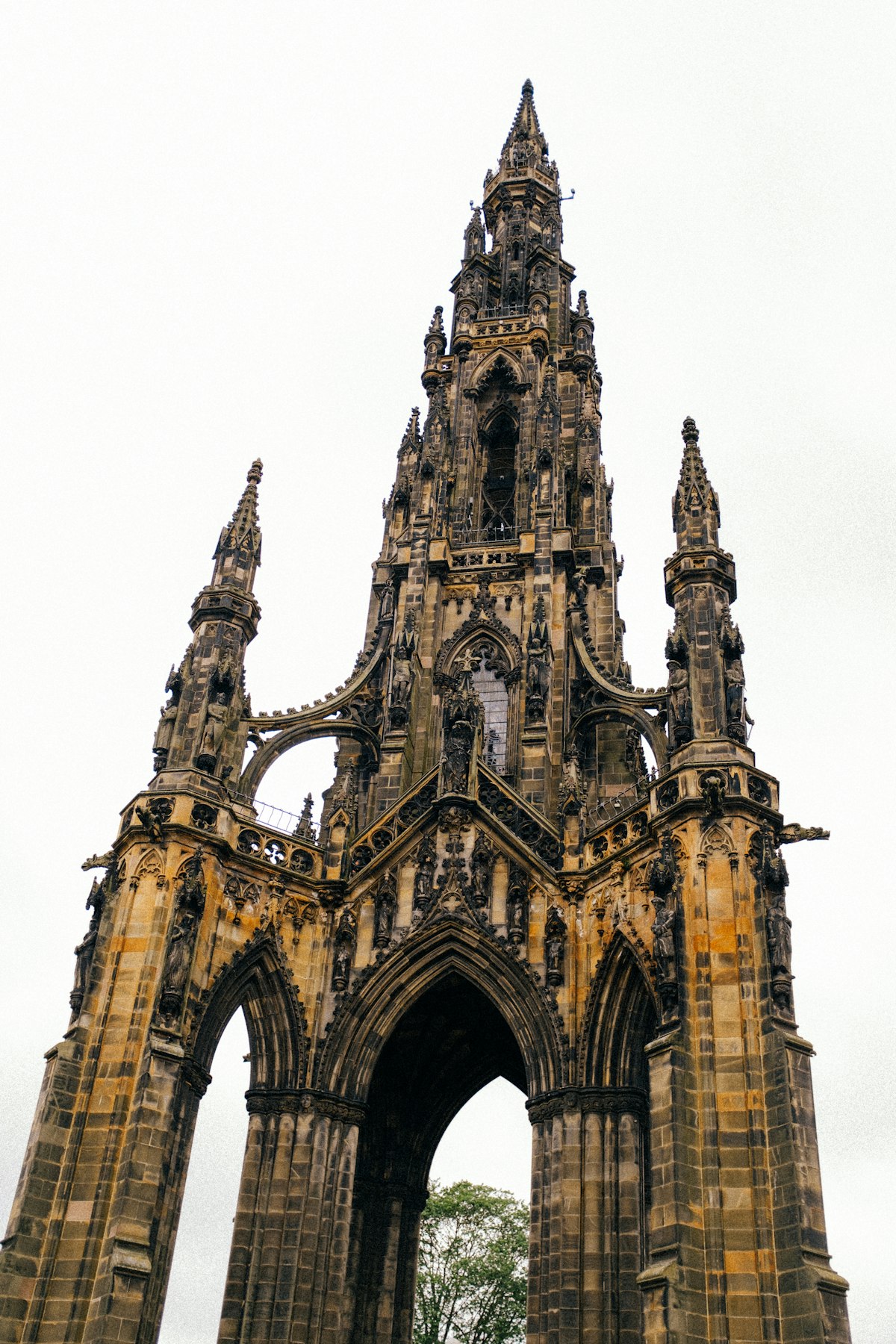
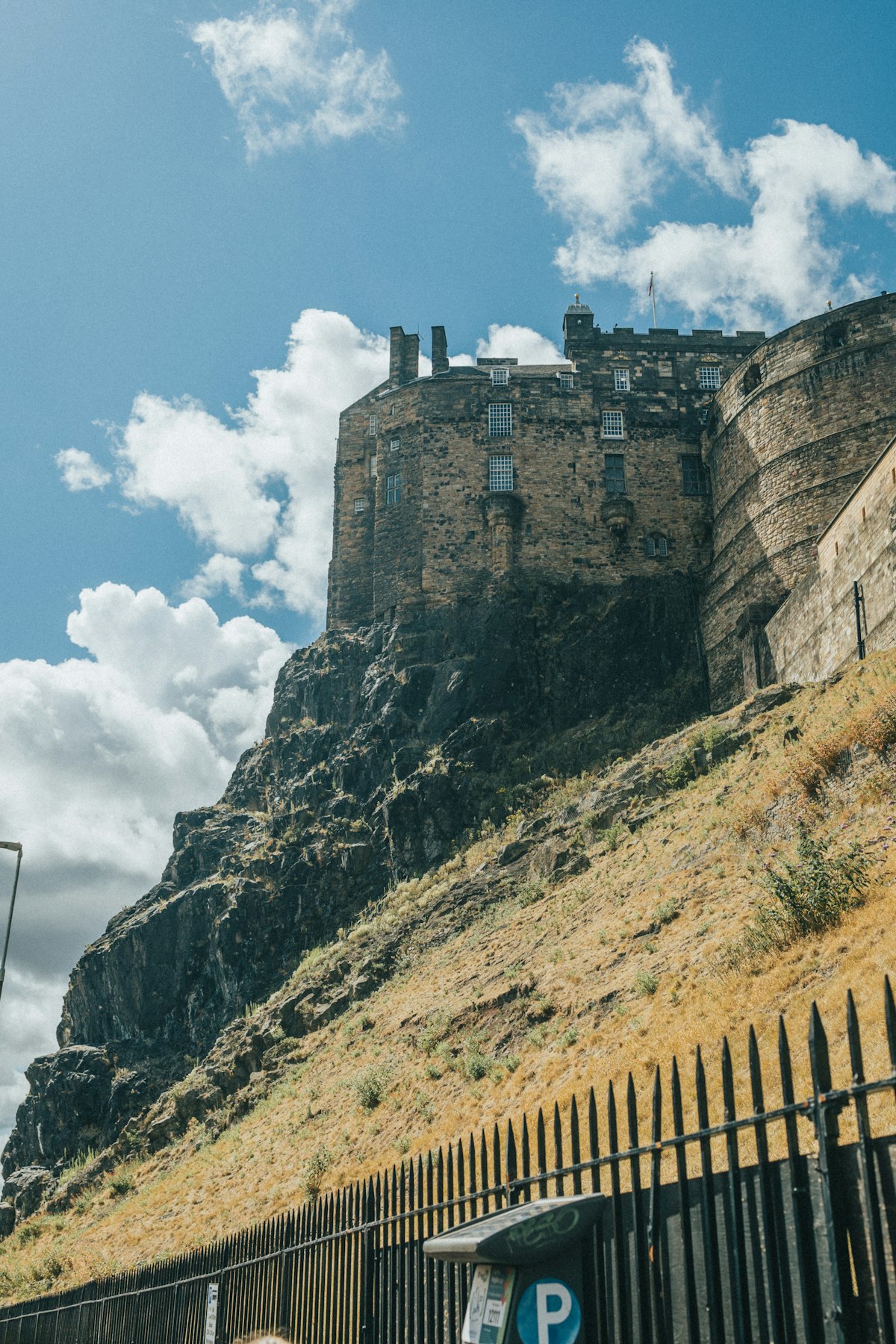
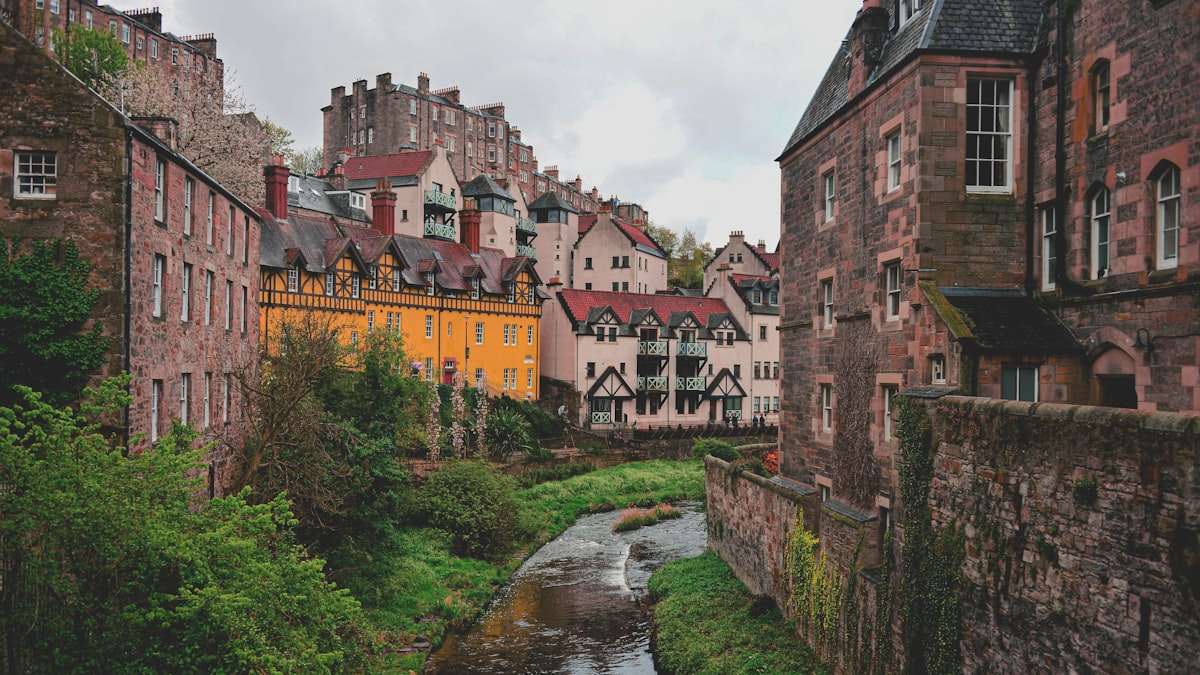
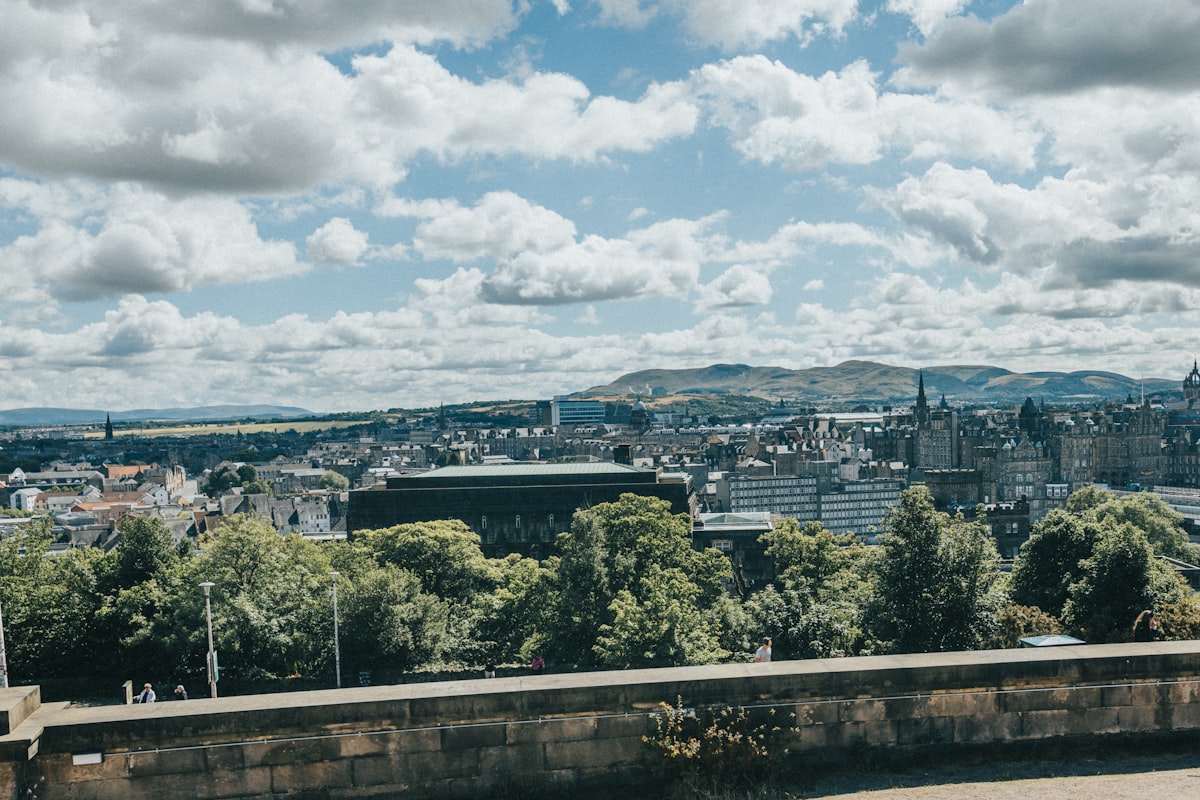
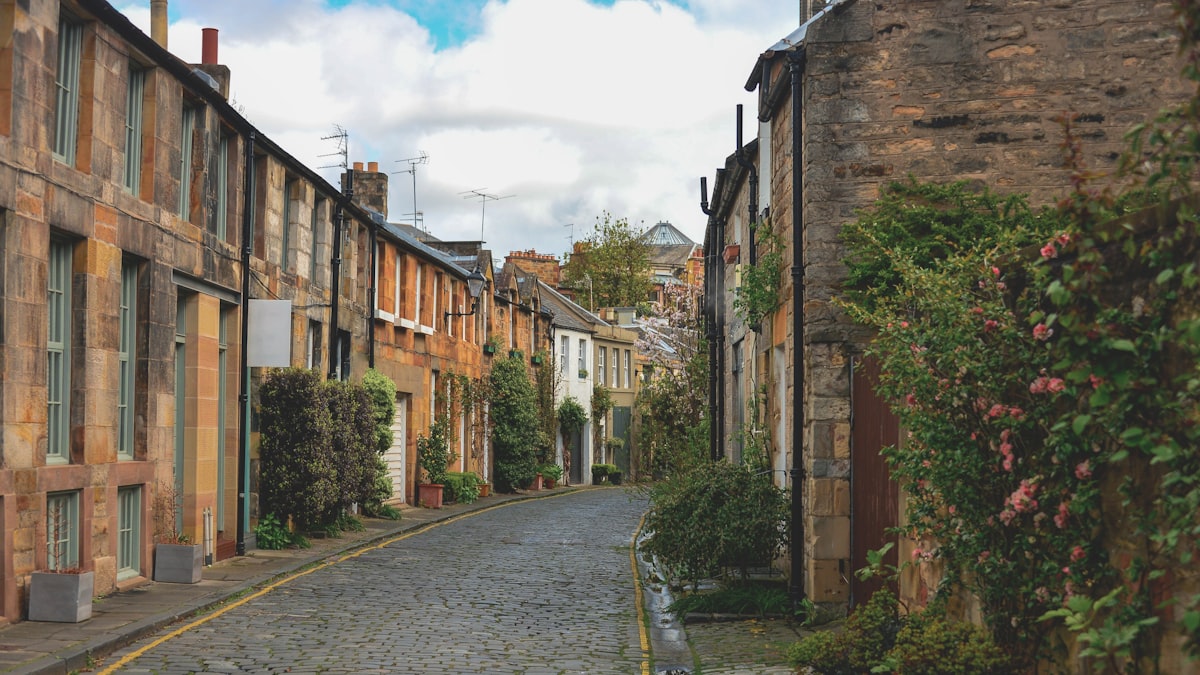
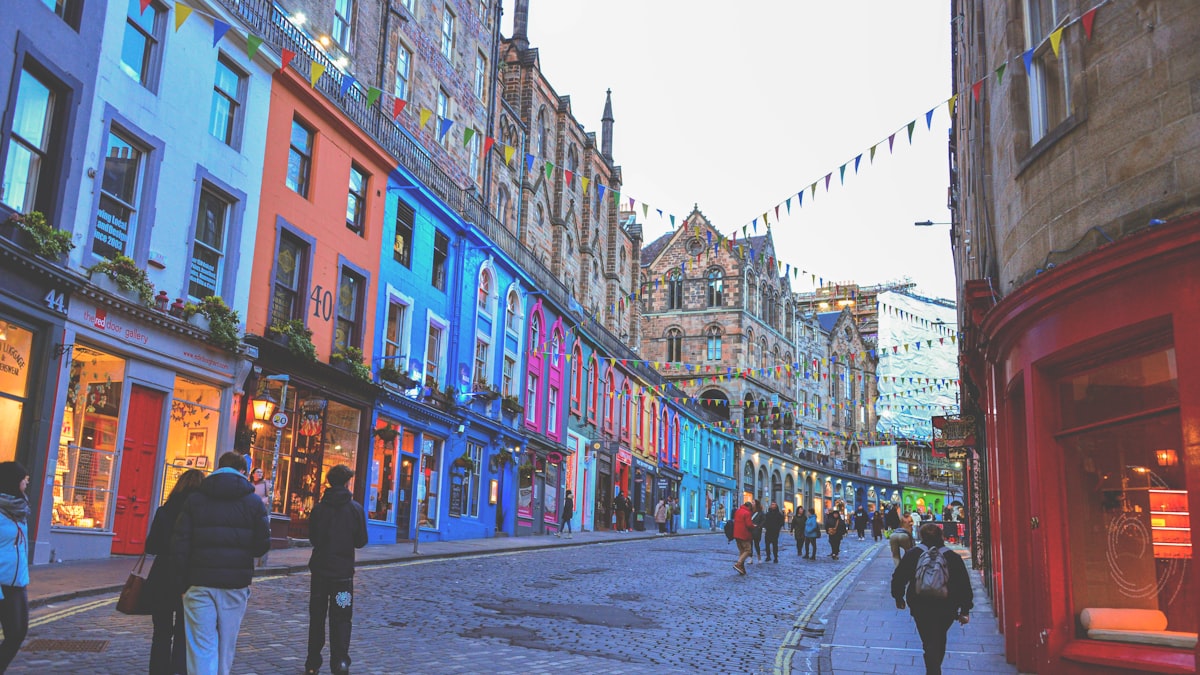
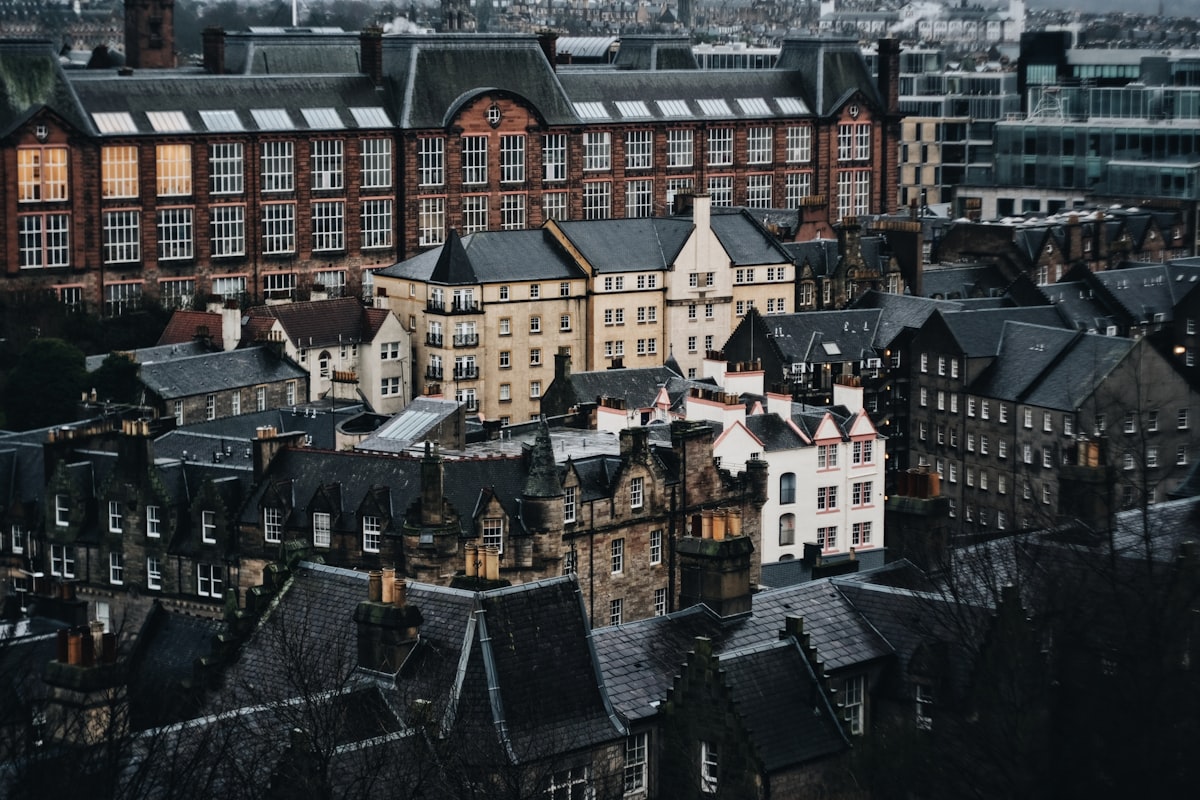

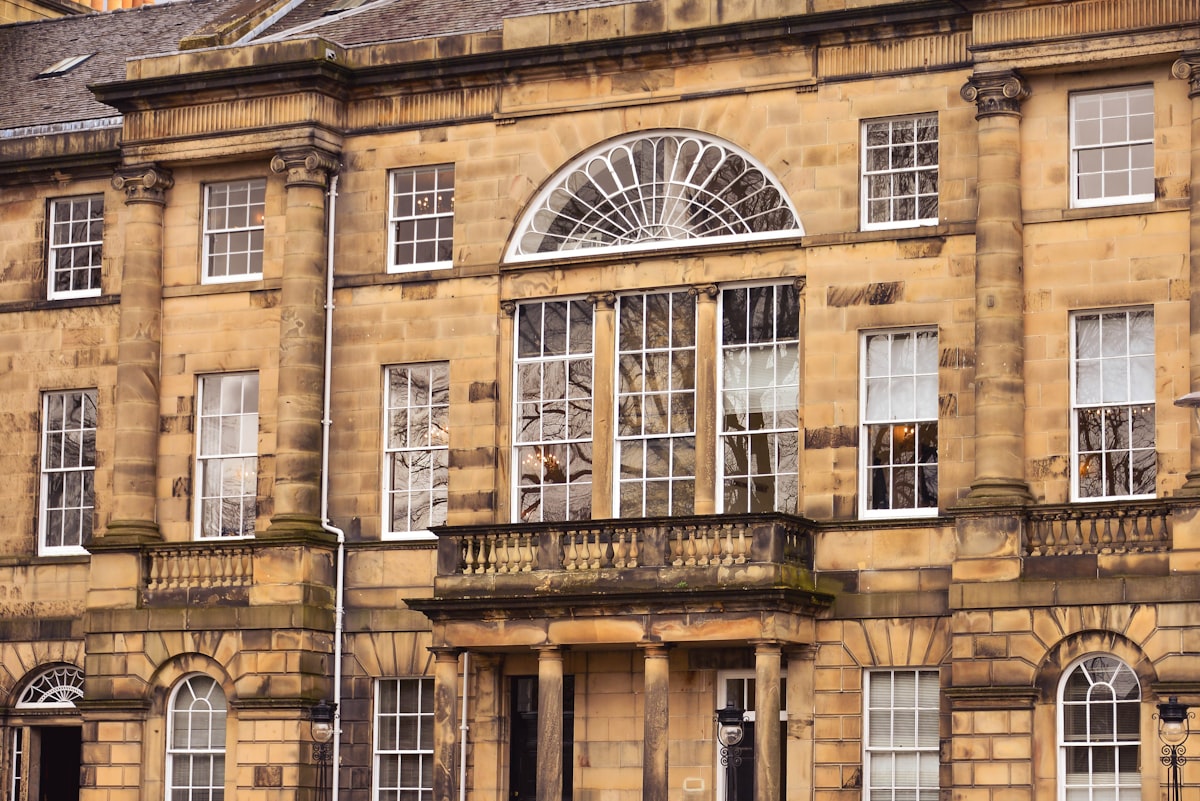
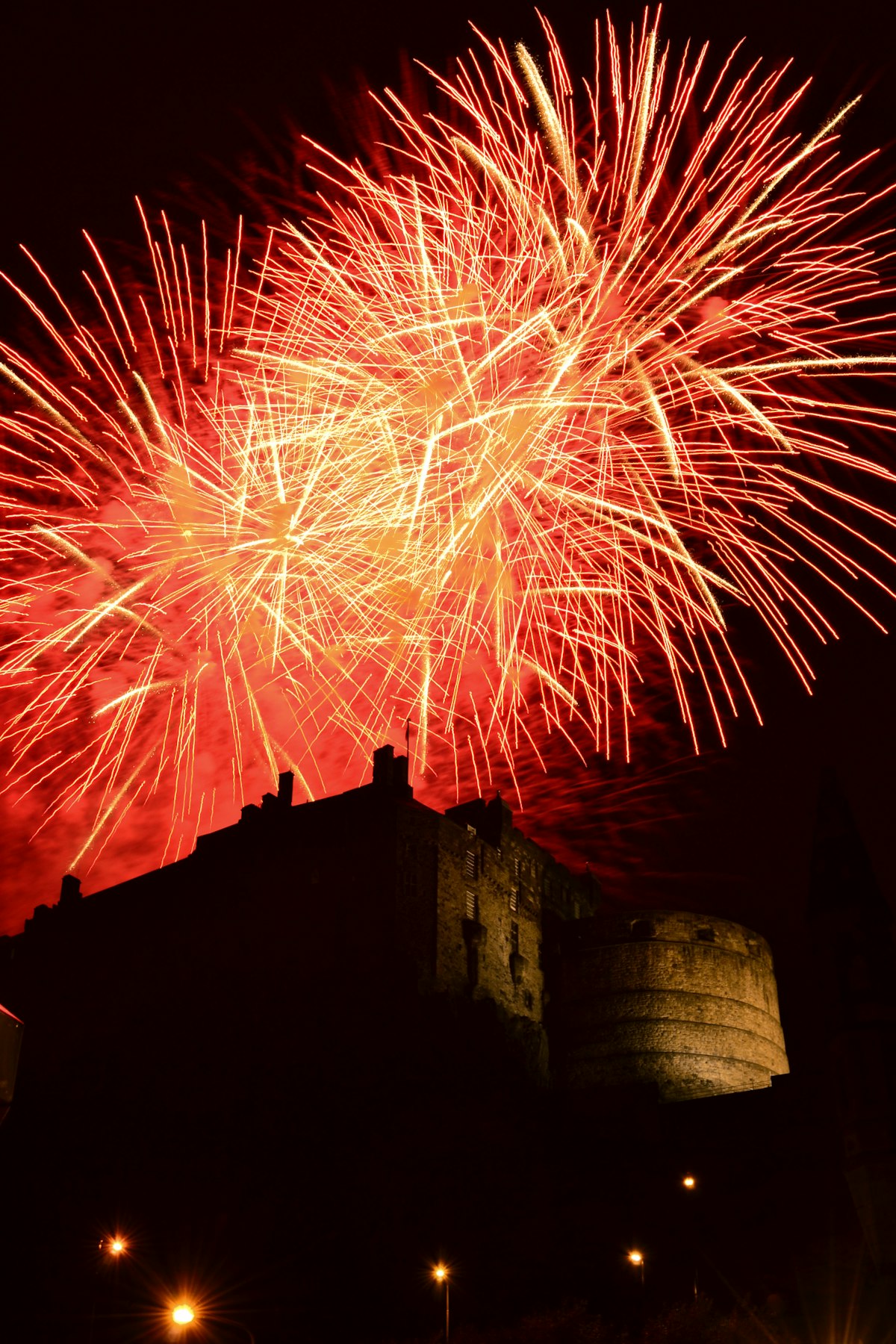
Edinburgh · Iuliia Isakova / Unsplash
Scotland · Northern Europe
Best time to visit Edinburgh
May
May scores highest overall — reliable weather and good value. Set your priorities below to personalise this result.
What matters most to you?
All 12 months — click any to expand
May
Iuliia Isakova / Unsplash
Edinburgh's most pleasant surprise — genuinely mild, long days, and the city at its most liveable before the Fringe transforms it.
15°C
High
7°C
Low
52mm
Rain
6.5h
Sun/day
What you gain
- ↑The best weather-to-crowd ratio in Edinburgh's year: 15°C, 6.5 sunshine hours daily, and the city still at low season crowd levels — Arthur's Seat, the Royal Mile, and the Water of Leith walkway all enjoyed in relative peace
- ↑The Royal Botanic Garden in May is at its peak — rhododendrons, flowering trees, and immaculate lawns that the cold winter months make impossible to appreciate; free to enter
- ↑Edinburgh's restaurants and Leith's dining scene are bookable without August-level planning; the city's outstanding food scene (the greatest concentration of Michelin-starred restaurants per capita in the UK) is at its most accessible
What you sacrifice
- ↓Prices begin climbing from the spring floor; May is affordable but noticeably more expensive than January–March
- ↓The weather, while improved, remains distinctly Scottish — cold snaps and grey weeks can arrive at any point through May; pack for variable conditions
- ↓No headline events: May is the city between its main festival peaks; excellent for the city itself but not an event-driven visit
May scores highest overall — reliable weather and good value. Set your priorities below to personalise this result.
May
Edinburgh's most pleasant surprise — genuinely mild, long days, and the city at its most liveable before the Fringe transforms it.
15°C
High
52mm
Rain
6.5h
Sun
- ↑The best weather-to-crowd ratio in Edinburgh's year: 15°C, 6.5 sunshine hours daily, and the city still at low season crowd levels — Arthur's Seat, the Royal Mile, and the Water of Leith walkway all enjoyed in relative peace
- ↑The Royal Botanic Garden in May is at its peak — rhododendrons, flowering trees, and immaculate lawns that the cold winter months make impossible to appreciate; free to enter
- ↑Edinburgh's restaurants and Leith's dining scene are bookable without August-level planning; the city's outstanding food scene (the greatest concentration of Michelin-starred restaurants per capita in the UK) is at its most accessible
- ↓Prices begin climbing from the spring floor; May is affordable but noticeably more expensive than January–March
- ↓The weather, while improved, remains distinctly Scottish — cold snaps and grey weeks can arrive at any point through May; pack for variable conditions
- ↓No headline events: May is the city between its main festival peaks; excellent for the city itself but not an event-driven visit
Top travel windows
★ BestMay
Best overall
Highest combined score
15°C
High
52mm
Rain
6.5h
Sun
February
Best for value
Lowest prices & fees
7°C
High
44mm
Rain
2.8h
Sun
February
Fewest crowds
Quietest month
7°C
High
44mm
Rain
2.8h
Sun
Breakdown by priority
Best for weather
May
15°C high · 52mm rain · 6.5hrs sun/day
Best for budget
February
Budget prices continue: the full hotel and restaurant market at winter rates, with the flexibility of no-advance-booking required for almost anything
Fewest crowds
February
Six Nations rugby (February–March): Scotland's home matches at Murrayfield fill the city with a specific kind of festive energy that has nothing to do with tourism — Leith's pubs and the Grassmarket the morning of a match are an Edinburgh experience worth planning a trip around
Where to stay in Edinburgh
All neighbourhoods →Stockbridge
Edinburgh's village within a city — the Sunday market, the Water of Leith walkway, and the neighbourhood Edinburghers actually choose to live in.
6/10
Central
9/10
Walk
6/10
Transit
Morningside / Bruntsfield
Quiet residential Edinburgh south of the Meadows — excellent independent coffee, the Bruntsfield Links, and zero tourists.
5/10
Central
8/10
Walk
7/10
Transit
Also exploring
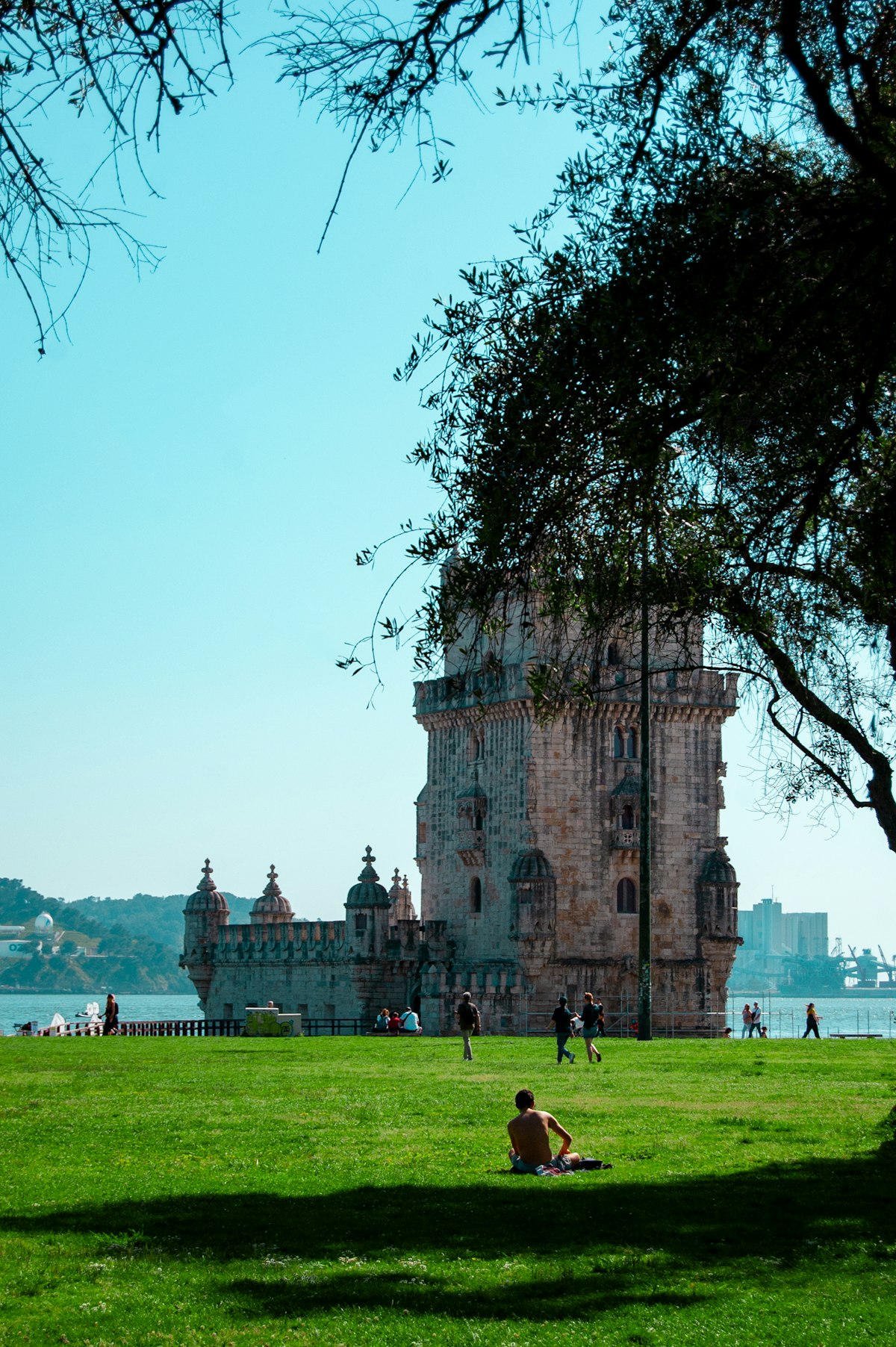
Lisbon
Portugal
A sun-drenched Atlantic capital where tram lines weave through hilltop neighbourhoods and prices stay genuinely affordable by Western European standards.
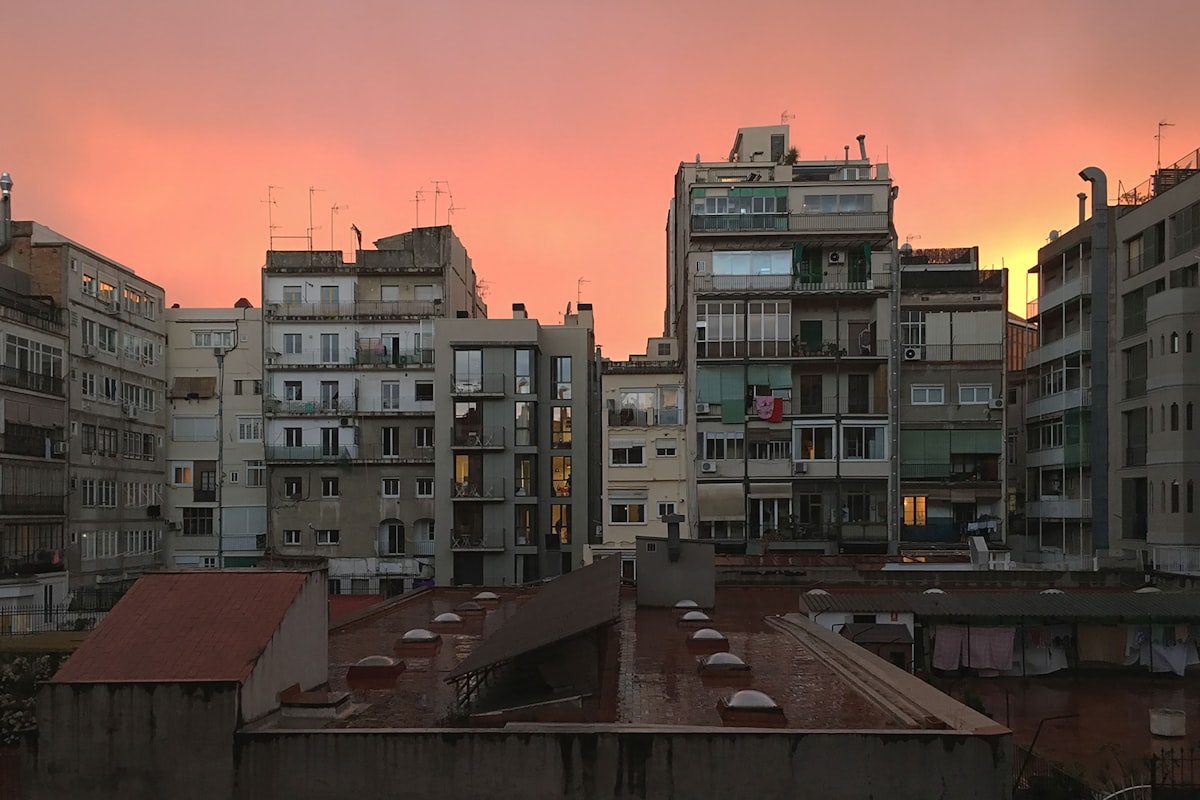
Barcelona
Spain
A Mediterranean city that runs on architecture, food markets, and beach culture — with a tourism problem that makes timing absolutely critical.
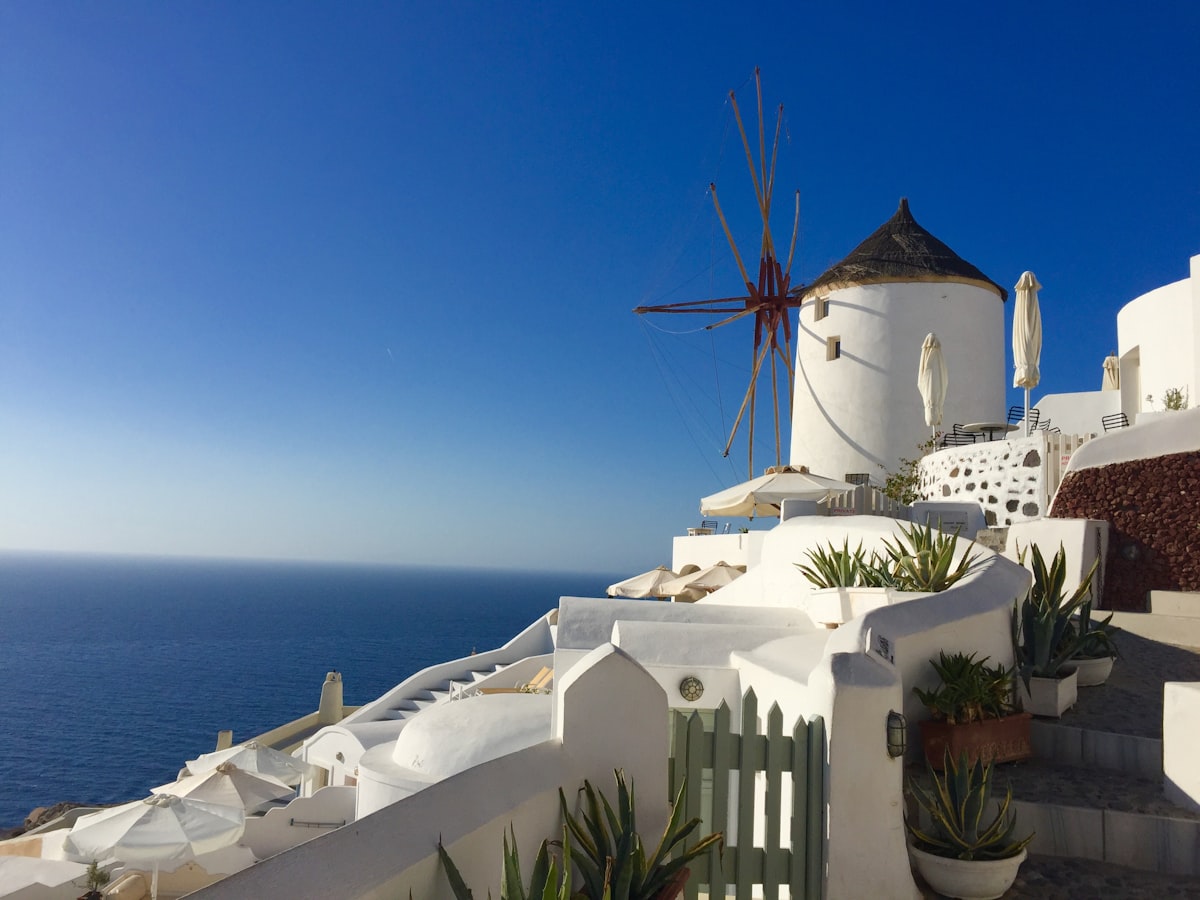
Santorini
Greece
The caldera sunsets and white-washed cliffside villages are real — but so is a tourism infrastructure that was never designed for 3 million annual visitors.
Worth knowing
May scores highest overall. August is the most crowded month — avoid if you can. See crowd-free ranking →
Month by month breakdown
January#9▾
Gains
- ↑Annual price floor: hotels in the Old Town at a fraction of their August rates, restaurants bookable on the day, and the entire city accessible without queuing for anything
- ↑The National Museum of Scotland, the Scottish National Gallery, and Edinburgh Castle's interior are all at their most explorable without summer crowds; the permanent collections rarely get the attention they deserve
- ↑Edinburgh's pub culture is at its most genuinely Scottish in January: the Royal Mile pubs, the Grassmarket bars, and Leith's waterfront are all locals-only affairs with an atmospheric quality the summer tourist season erases
Sacrifices
- ↓Cold, grey, and dark: average highs of 7°C, only 2 sunshine hours daily, and frequent rain and wind that make outdoor sightseeing on Arthur's Seat and Calton Hill genuinely uncomfortable
- ↓The event calendar is effectively empty after Hogmanay; January is the city at its quietest and for some travellers, its least exciting
- ↓Short days — dark by 4pm — severely compress the window for outdoor photography and exploration of the castle esplanade and the Royal Mile
February#7▾
Gains
- ↑Six Nations rugby (February–March): Scotland's home matches at Murrayfield fill the city with a specific kind of festive energy that has nothing to do with tourism — Leith's pubs and the Grassmarket the morning of a match are an Edinburgh experience worth planning a trip around
- ↑Rainfall actually decreases from January — at 44mm, February is one of Edinburgh's drier months, and occasional clear days deliver extraordinary low winter light over the castle and the Firth of Forth
- ↑Budget prices continue: the full hotel and restaurant market at winter rates, with the flexibility of no-advance-booking required for almost anything
Sacrifices
- ↓Still firmly winter: 7°C, 2.8 sunshine hours, and a cold that feels more penetrating than the numbers suggest due to Edinburgh's wind; layering is non-optional
- ↓Scotland home match weekends push hotel prices upward for those specific nights; the city is also more crowded and lively, which is either a gain or a sacrifice depending on your preference
- ↓The garden areas — Princes Street Gardens, the Royal Botanic Garden — are bare and uninviting; Edinburgh's green spaces are at their worst
March#6▾
Gains
- ↑Sunshine hours climb meaningfully to 3.8 daily and temperatures edge toward 9°C — the first days that reward a walk up Arthur's Seat or a full circuit of the Royal Mile without misery
- ↑Six Nations concludes in March; if Scotland have a home final round, the city's atmosphere is extraordinary regardless of the result
- ↑Budget prices persist through March; this is the last genuinely cheap month before Easter and the spring shoulder season begin to lift rates
Sacrifices
- ↓Weather remains unpredictable and cold — Edinburgh's spring is reluctant; a warm March day can be followed by sleet and a 40mph wind off the Firth
- ↓Easter (if it falls in late March) brings short but significant price spikes for the holiday weekend; check dates when planning
- ↓The city's outdoor culture — the café terraces, the Meadows park scene, the Leith waterfront — is still mostly dormant; Edinburgh doesn't fully wake up until May
April#2▾
Gains
- ↑The daffodils in Princes Street Gardens below the castle are one of Edinburgh's great seasonal sights — a dense yellow carpet under the volcanic rock in April light that photographs almost implausibly well
- ↑April is one of Edinburgh's driest months at 41mm — clear days arrive with genuine frequency and the extended daylight (sunset past 8pm) allows proper outdoor exploration of Arthur's Seat, Calton Hill, and the Water of Leith walkway
- ↑Good value: affordable hotel pricing with noticeably more accommodation options at reasonable rates than the months that follow
Sacrifices
- ↓Easter week pushes prices sharply upward and brings a significant visitor spike to the castle and the Royal Mile; if avoiding crowds, mid-April is preferable to the Easter holiday week
- ↓Still cool — 12°C is pleasant for walking but not outdoor café or terrace weather; Edinburgh's summer warmth is still two months away
- ↓The Fringe, the Military Tattoo, and the International Festival are distant; April offers the city rather than its headline events
May#1▾
Gains
- ↑The best weather-to-crowd ratio in Edinburgh's year: 15°C, 6.5 sunshine hours daily, and the city still at low season crowd levels — Arthur's Seat, the Royal Mile, and the Water of Leith walkway all enjoyed in relative peace
- ↑The Royal Botanic Garden in May is at its peak — rhododendrons, flowering trees, and immaculate lawns that the cold winter months make impossible to appreciate; free to enter
- ↑Edinburgh's restaurants and Leith's dining scene are bookable without August-level planning; the city's outstanding food scene (the greatest concentration of Michelin-starred restaurants per capita in the UK) is at its most accessible
Sacrifices
- ↓Prices begin climbing from the spring floor; May is affordable but noticeably more expensive than January–March
- ↓The weather, while improved, remains distinctly Scottish — cold snaps and grey weeks can arrive at any point through May; pack for variable conditions
- ↓No headline events: May is the city between its main festival peaks; excellent for the city itself but not an event-driven visit
June#3▾
Gains
- ↑The longest days of the year: Edinburgh at midsummer stays light until nearly 10:30pm — the castle esplanade, Princes Street, and the Meadows park in the golden hour light of a June evening are genuinely extraordinary
- ↑Best weather of the year: 17°C, 6.8 sunshine hours daily, and only 54mm of rain — the full outdoor Edinburgh of Arthur's Seat climbs, Old Town walking, and alfresco pub gardens is viable
- ↑Prices are moderate rather than peak — June sits between the affordable spring and the extortionate August; the best combination of pleasant weather and manageable costs
Sacrifices
- ↓Crowds begin building noticeably on the Royal Mile and around the castle; the medieval Old Town's narrow closes and wynds are enjoyable but no longer empty
- ↓Hotel prices have risen substantially from spring; June is no longer cheap, and July–August bookings being filled by Fringe-anticipating visitors reduces availability
- ↓Scottish summer weather caveat: 17°C is the average high, but a cool, wet week is entirely possible — June is better than October but Edinburgh summers are never guaranteed
July#4▾
Gains
- ↑The warmest month of the year at 19°C — Edinburgh's summer is mild rather than hot, but July delivers the most reliable outdoor conditions; Arthur's Seat, the Pentland Hills, and the East Lothian coast are all at their most viable
- ↑Fringe anticipation is palpable throughout July: performers scout venues, early previews appear, the city's pub basements and church halls begin to transform — there is an energy building that is unique to this city at this time
- ↑The Military Tattoo rehearsals on the castle esplanade are audible across the Old Town in the final weeks of July; the approach of August is Edinburgh's most exciting atmospheric moment
Sacrifices
- ↓Hotel prices are well into expensive territory — the combination of school summer holidays and Fringe forward-bookers pushes rates significantly above June levels
- ↓Crowds on the Royal Mile are substantial and Fringe venues are being constructed in every available public space; parts of the Old Town feel like a construction site preparing for a festival
- ↓Popular Leith restaurants and Old Town pubs require booking further ahead than most of the year; the hospitality industry is gearing up for its busiest month
August#10▾
Gains
- ↑Edinburgh Festival Fringe (entire month) is the world's largest arts festival with over 3,500 shows across 300 venues — comedy, theatre, dance, circus, and spoken word across every pub basement, church hall, and purpose-built venue in the city; the sheer scale and quality of what is available for the price of a pint is unmatched anywhere
- ↑Royal Edinburgh Military Tattoo on the castle esplanade (every night of August) — massed pipe bands, military displays, and fireworks against the backdrop of Edinburgh Castle lit up at night; one of the great theatrical spectacles in the world and entirely worth the ticket price
- ↑Edinburgh International Festival (concurrent with the Fringe) brings the world's finest orchestras, opera companies, and theatre ensembles to the city's major venues — the combination of highbrow and the gloriously unpretentious Fringe means the city's cultural offering in August is genuinely incomparable
Sacrifices
- ↓Peak prices across every category without exception: hotels at 3–4× their January rates, popular restaurants requiring advance booking of weeks, and accommodation effectively sold out for the busiest Fringe weekends if you haven't planned months ahead
- ↓The Royal Mile is the most crowded street in Britain in August — flyerers, performers, queues for shows, and tourist density that can make navigating the Old Town feel like a different city from the Edinburgh of every other month
- ↓August in Edinburgh can be cold and grey; the weather does not reliably match the festive atmosphere — 19°C is the average but a cold, wet Fringe week is historically not unusual; bring layers regardless
September#8▾
Gains
- ↑The transition from Fringe-peak to post-Fringe normal happens in the first week of September: prices drop noticeably, the Royal Mile clears, and the city's restaurants and pubs return to being genuinely enjoyable rather than perpetually overloaded
- ↑Weather remains mild at 16°C — early autumn in Edinburgh can deliver some of the year's most atmospheric days, with low clear light, the smell of the first frosts approaching, and Arthur's Seat in early autumn colour
- ↑The city's cultural institutions (the National Museum, the Scottish National Gallery, the Modern Art galleries) resume their normal pace with excellent programming but without August-level visitor pressure
Sacrifices
- ↓The event energy of August disappears completely and quickly; September can feel flat for those who arrived for the festival atmosphere
- ↓Prices, while lower than August's peaks, remain at moderate levels in early September; the real bargains return in October and November
- ↓Autumn weather begins to assert itself in late September — rain increases and temperatures start their long descent toward winter
October#5▾
Gains
- ↑Autumn colour on Arthur's Seat and along the Water of Leith walkway from Stockbridge to the Dean Village is at its most dramatic in October; the city's volcanic and Georgian architecture against autumn foliage is one of Edinburgh's finest visual combinations
- ↑Budget-adjacent pricing returns for accommodation and restaurants — October rates are dramatically below August's peaks, and the city's best restaurants are bookable within a week's notice
- ↑The Old Town, the closes off the Royal Mile, and Edinburgh Castle are all explorable without summer crowd pressure; the medieval atmosphere of the city is most accessible in the quieter autumn months
Sacrifices
- ↓Weather deteriorates meaningfully: 13°C, 3.5 sunshine hours, and increasing rainfall make sustained outdoor exploration less comfortable; a good waterproof jacket is essential
- ↓School half-term in late October brings a short but noticeable visitor spike with families; prices nudge upward for that single week
- ↓The long summer evenings are gone; dark arrives by 6pm in October and earlier still through November
November#11▾
Gains
- ↑Budget prices return fully — November is the second-cheapest month after January; the entire accommodation and dining market is available at low-season rates with no competition from tourists
- ↑The whisky bars, the Royal Mile pubs, and the Grassmarket's firelit interiors are at their most atmospheric in November; Edinburgh's indoor culture — its literary cafés, its bookshops, its pub sessions — is genuinely excellent when the city turns inward
- ↑Hogmanay ticket sales open in November and the city begins to gear up for December; there is a low-key festive anticipation building through the month
Sacrifices
- ↓Cold (9°C), grey, and dark: the shortest days of the year approach and Edinburgh in November requires mental commitment to the indoor culture the city does best
- ↓Only 2.3 sunshine hours daily and a high chance of wind-driven rain make outdoor sightseeing genuinely uncomfortable; Arthur's Seat and the open hillsides are for the hardy
- ↓The event calendar is the quietest of the year — some excellent one-off theatre and music programming, but nothing approaching the festival scale that defines the city
December#12▾
Gains
- ↑Hogmanay (December 31 into January 1) is world-famous and entirely justified: the street party down the Royal Mile and into Princes Street holds 80,000 people, the torchlight procession on the 30th winds through the Old Town, and the midnight fireworks from Edinburgh Castle are among the most spectacular New Year celebrations anywhere — an event worth building a trip entirely around
- ↑Edinburgh Christmas market (November through December) on Princes Street and in the Mound below the castle is the finest Christmas market in Britain: wooden chalets, proper Scottish produce, mulled wine, and the castle floodlit above it all in the winter dark
- ↑The city's festive atmosphere transforms the cold into something cosy rather than merely grey; the warm interiors of the pubs, the December atmosphere in the Old Town, and the Hogmanay build-up give Edinburgh a December energy that rivals its August
Sacrifices
- ↓Hogmanay requires planning 3–6 months in advance: tickets for the street party, accommodation for December 30–31, and restaurant bookings for New Year's Eve are all in fierce competition across the world market
- ↓Peak-adjacent prices throughout December: hotels reflect the Hogmanay demand well before New Year itself, and Christmas week is the most expensive December period outside of the New Year nights
- ↓Cold and dark throughout: 7°C, under 2 sunshine hours daily, and Edinburgh's Atlantic wind make outdoor exploration genuinely testing; Hogmanay night itself is reliably cold and requires serious layering
How this is calculated
Climate data
Open Meteo ERA5
30-year normals (1991–2020). Temperature, rainfall, sunshine, humidity.
Price & crowd
Tourism research
Seasonal pricing from tourism authority data. Directional — compares months within a destination only.
Personalisation
Weighted scoring
Your priorities change the weights. Budget-first users get different results than weather-first users.
Share this result
May is the best time to visit Edinburgh
Travel timing updates
New destinations and timing guides, when they land.
No spam. Unsubscribe anytime.