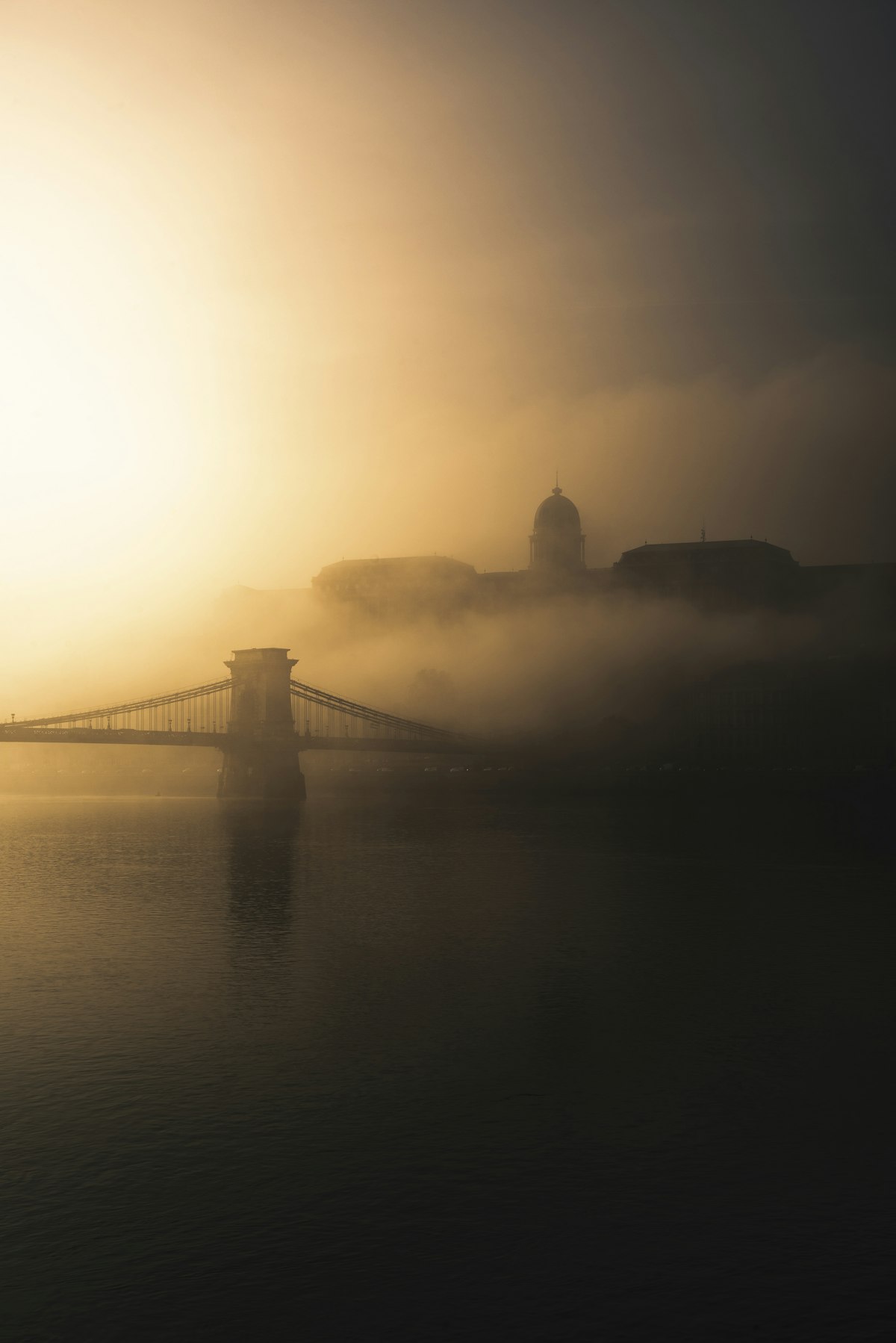
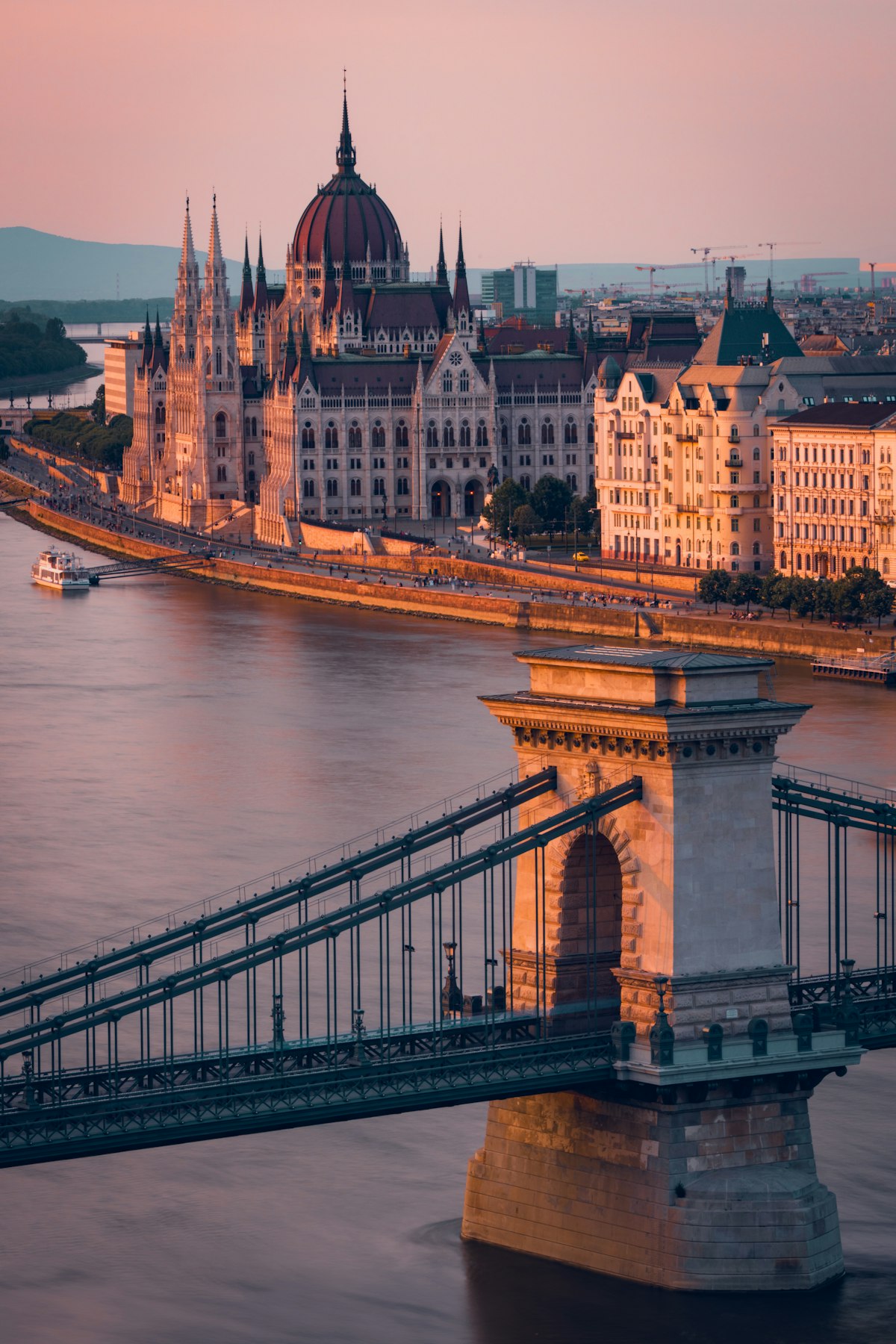
Showing: Apr · Mihály Köles / Unsplash
Hungary · Eastern Europe
Best time to visit Budapest
April
Apr scores highest overall — reliable weather and good value. Set your priorities below to personalise this result.
What matters most to you?
All 12 months — click any to expand
Apr
Mihály Köles / Unsplash
Budapest Spring Festival, pleasant warmth, and tourist numbers not yet at summer pressure — this is the ideal month.
17°C
High
8°C
Low
42mm
Rain
6.1h
Sun/day
What you gain
- ↑Budapest Spring Festival (typically April) brings world-class classical music, opera, and dance to the city's grand venues — the State Opera House, the Palace of Arts, and historic churches all host performances that would sell out in Vienna or Prague; tickets remain accessible
- ↑Weather is near-ideal for sightseeing: 17°C with 6+ hours of sunshine, outdoor café season in full swing, and Buda Castle Hill is genuinely pleasant for the long walk up and around the ramparts
- ↑Comfortable shoulder pricing while the city is fully operational — this is the best combination of value, weather, and manageable crowds in Budapest's calendar
What you sacrifice
- ↓April rainfall of 42mm means occasional wet days that interrupt outdoor plans; the weather is excellent on balance but not guaranteed
- ↓Budapest Spring Festival creates some hotel demand and prices reflect the cultural season; no longer the budget depths of winter
- ↓Easter week sees a noticeable uptick in visitors, particularly from neighbouring Central European countries; the most popular sights get noticeably busier
Apr scores highest overall — reliable weather and good value. Set your priorities below to personalise this result.
Apr
Budapest Spring Festival, pleasant warmth, and tourist numbers not yet at summer pressure — this is the ideal month.
17°C
High
42mm
Rain
6.1h
Sun
- ↑Budapest Spring Festival (typically April) brings world-class classical music, opera, and dance to the city's grand venues — the State Opera House, the Palace of Arts, and historic churches all host performances that would sell out in Vienna or Prague; tickets remain accessible
- ↑Weather is near-ideal for sightseeing: 17°C with 6+ hours of sunshine, outdoor café season in full swing, and Buda Castle Hill is genuinely pleasant for the long walk up and around the ramparts
- ↑Comfortable shoulder pricing while the city is fully operational — this is the best combination of value, weather, and manageable crowds in Budapest's calendar
- ↓April rainfall of 42mm means occasional wet days that interrupt outdoor plans; the weather is excellent on balance but not guaranteed
- ↓Budapest Spring Festival creates some hotel demand and prices reflect the cultural season; no longer the budget depths of winter
- ↓Easter week sees a noticeable uptick in visitors, particularly from neighbouring Central European countries; the most popular sights get noticeably busier
Top travel windows
★ BestApril
Best overall
Highest combined score
17°C
High
42mm
Rain
6.1h
Sun
January
Best for value
Lowest prices & fees
4°C
High
37mm
Rain
2.1h
Sun
January
Fewest crowds
Quietest month
4°C
High
37mm
Rain
2.1h
Sun
Breakdown by priority
Best for weather
September
23°C high · 36mm rain · 6.5hrs sun/day
Best for budget
January
Hotel rates at their annual floor — Budapest is already excellent value by Western European standards; in January that value is exceptional, with four-star properties available at rates that feel almost implausible
Fewest crowds
January
Thermal baths are at their most atmospheric in winter: Széchenyi's outdoor pools steaming against freezing air is one of Budapest's most distinctive and memorable experiences, and January crowds are minimal
Where to stay in Budapest
All neighbourhoods →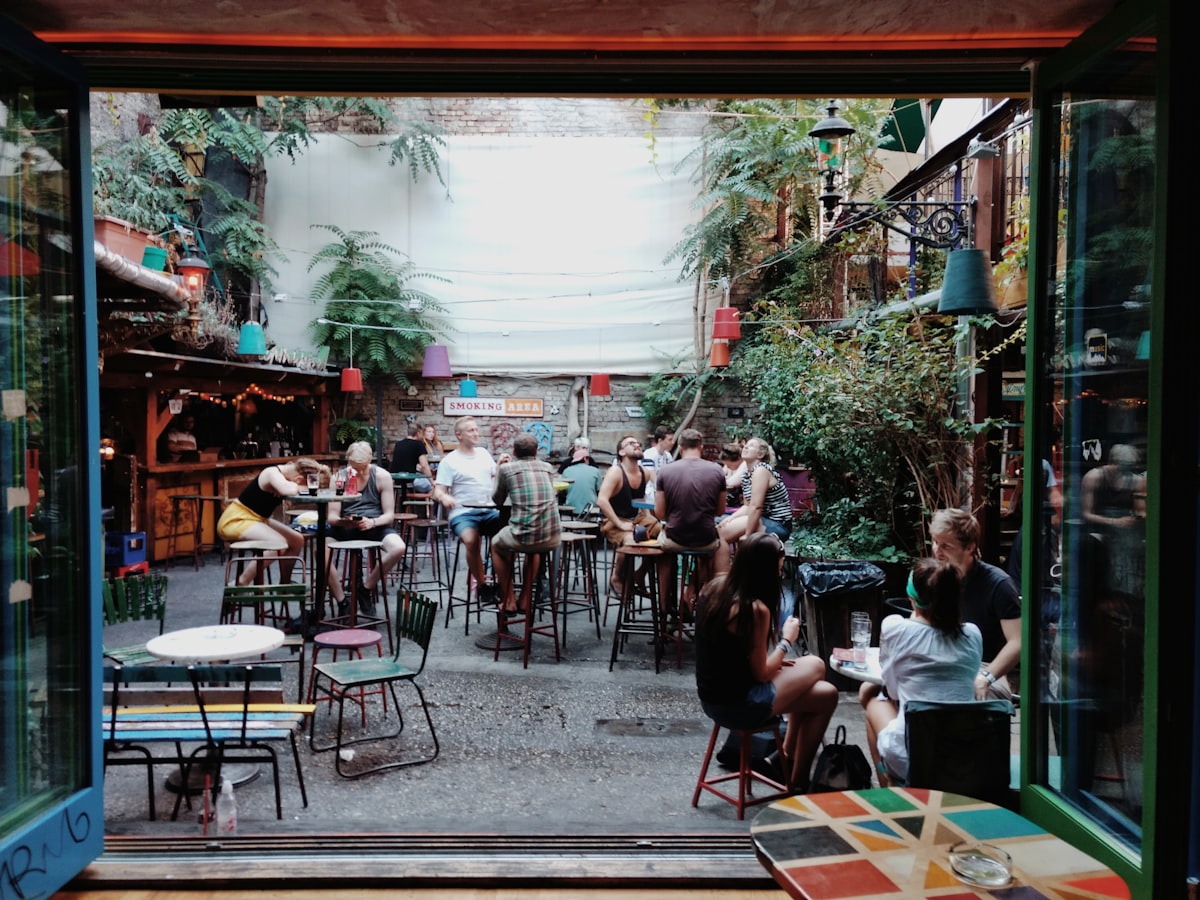
Jewish Quarter / District VII
Ruin bars, the Dohány Street Synagogue, and the best nightlife in Central Europe — this is the real Budapest.
8/10
Central
9/10
Walk
8/10
Transit
Pest Inner City / Belváros
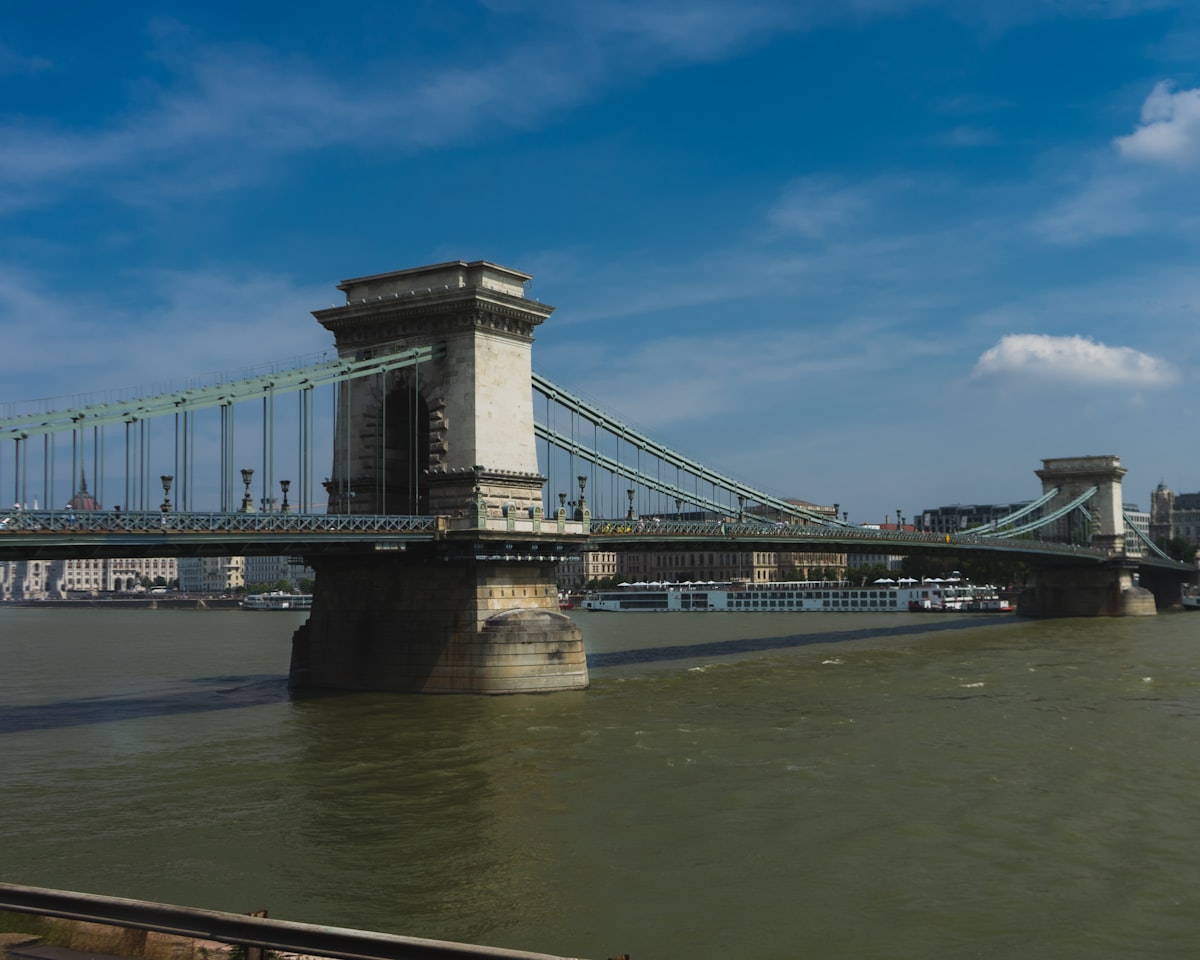
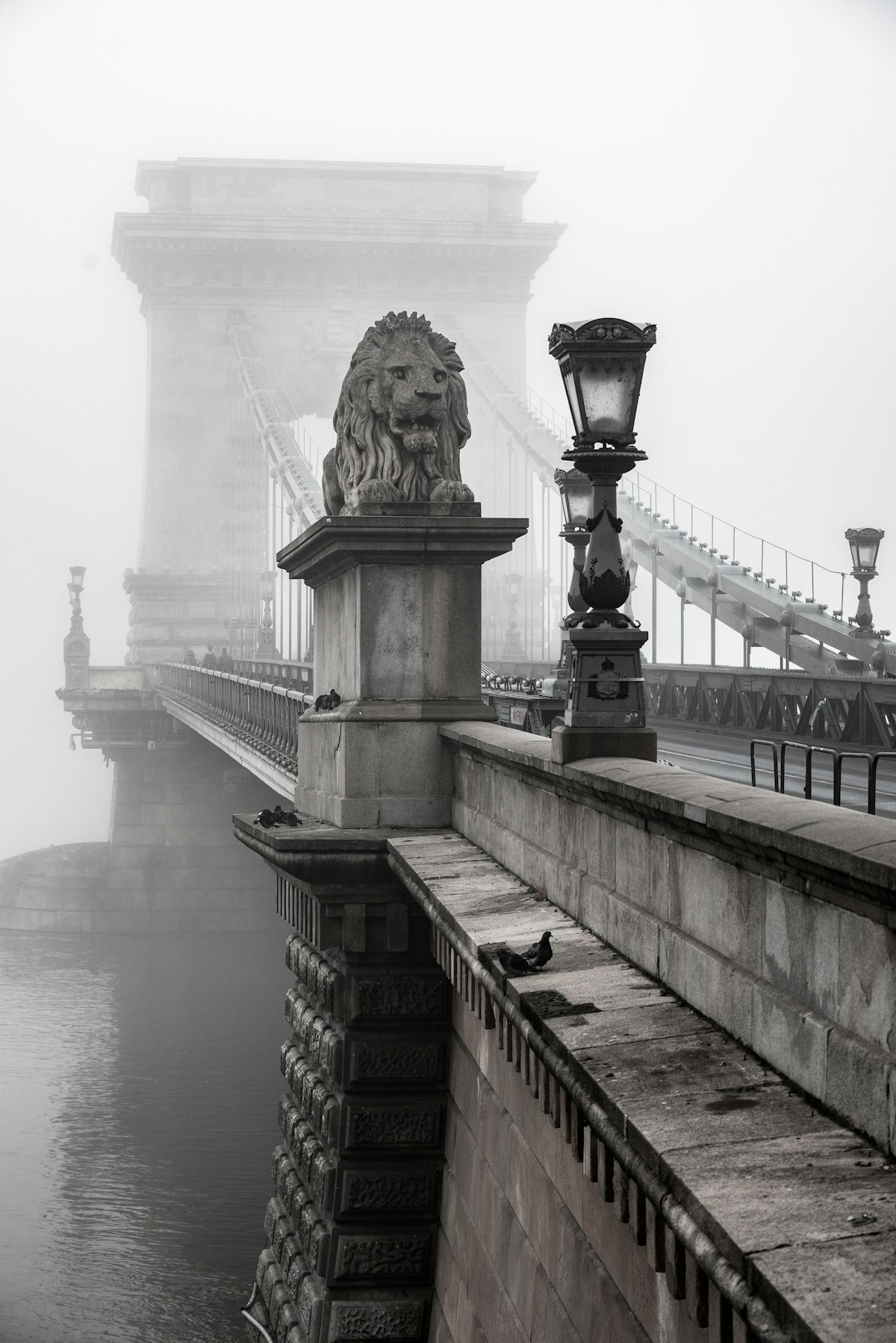
The Chain Bridge, main hotels, and shopping — practical, central, and thoroughly mainstream.
10/10
Central
9/10
Walk
9/10
Transit
Also exploring
Lisbon
Portugal
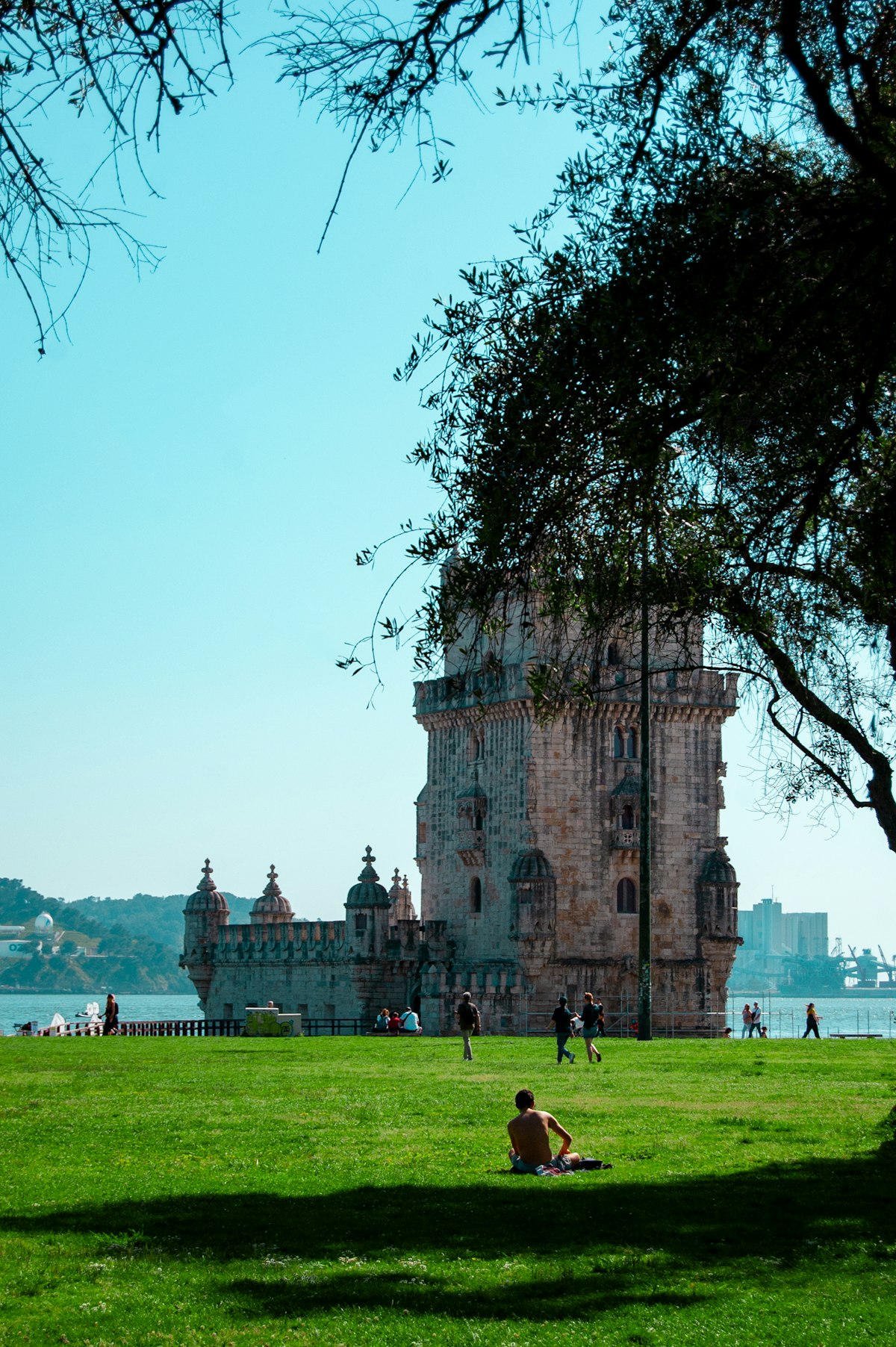
A sun-drenched Atlantic capital where tram lines weave through hilltop neighbourhoods and prices stay genuinely affordable by Western European standards.
Barcelona
Spain
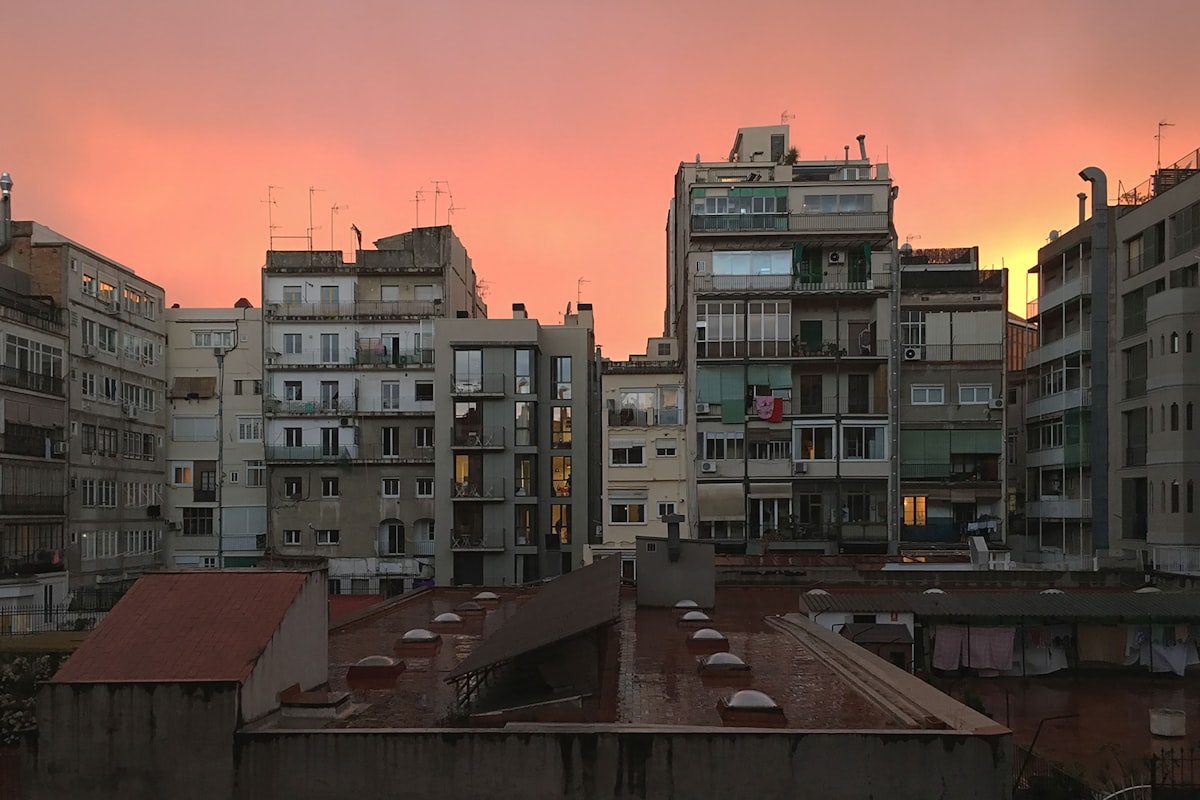
A Mediterranean city that runs on architecture, food markets, and beach culture — with a tourism problem that makes timing absolutely critical.
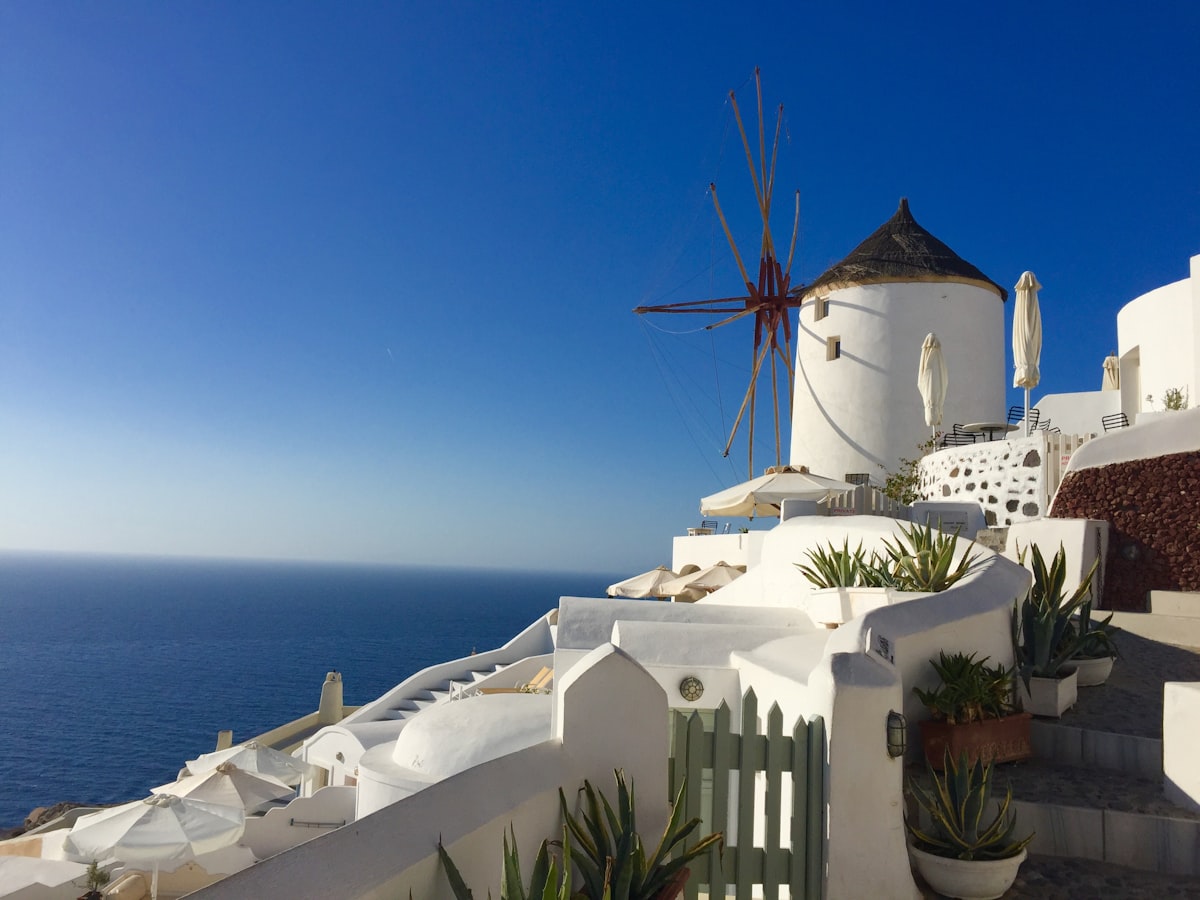
Santorini
Greece
The caldera sunsets and white-washed cliffside villages are real — but so is a tourism infrastructure that was never designed for 3 million annual visitors.
Worth knowing
April scores highest overall. August is the most crowded month — avoid if you can. See crowd-free ranking →
Month by month breakdown
January#9▾
Gains
- ↑Hotel rates at their annual floor — Budapest is already excellent value by Western European standards; in January that value is exceptional, with four-star properties available at rates that feel almost implausible
- ↑Thermal baths are at their most atmospheric in winter: Széchenyi's outdoor pools steaming against freezing air is one of Budapest's most distinctive and memorable experiences, and January crowds are minimal
- ↑The ruin bars, caves, and indoor markets operate normally regardless of temperature — Budapest's indoor culture is genuinely world-class and requires no warm weather
Sacrifices
- ↓Sub-zero nights and 4°C average highs: Budapest in January is cold in a way that makes long outdoor sightseeing genuinely uncomfortable; Castle Hill and the Danube promenade are best in short doses
- ↓Only 2.1 sunshine hours daily and the possibility of ice on cobblestones on Castle Hill — outdoor photography of the city's spectacular architecture is limited by grey skies and early darkness
- ↓The event calendar is almost empty; Budapest in January is a city for thermal baths, goulash, and low-cost exploration rather than festivals or atmosphere
February#10▾
Gains
- ↑February is statistically the driest month in Budapest: 34mm means crisp, clear winter days with good light for photographing the Parliament building and Chain Bridge without crowds
- ↑Budget pricing continues; restaurants serving traditional Hungarian cuisine — lángos, fisherman's soup, pörkölt — are operating for locals at local prices
- ↑The thermal bath circuit (Széchenyi, Rudas, Lukács) without any queues — a genuinely leisurely experience compared to summer's tourist pressure
Sacrifices
- ↓Cold persists: sub-zero nights remain possible and 6°C highs require warm layering for any outdoor exploration
- ↓Limited daylight and grey skies — February in Budapest can feel dreary despite its low precipitation; the city's grandeur is harder to appreciate in flat light
- ↓No events or festivals; February is purely about the city itself at its quietest
March#5▾
Gains
- ↑Temperature climbs meaningfully from February: 11°C highs and 4.6 sunshine hours daily make outdoor sightseeing viable and increasingly pleasant by month's end
- ↑Still budget pricing — March sits in the transition zone between winter floor and spring shoulder; excellent value before the April-May uplift
- ↑Castle Hill, the Danube promenade, and the Parliament building exterior are all accessible without crowds and in increasingly good light conditions
Sacrifices
- ↓Early March can still produce cold snaps with overnight frost; mid-March is reliably improving but not consistently pleasant enough for purely outdoor itineraries
- ↓The major event calendar hasn't started — Budapest Spring Festival is typically in April; March is a quiet month without the spring season's cultural draw
- ↓Some café terraces and outdoor market stalls are not yet operational; the city's outdoor hospitality culture hasn't fully emerged
April#1▾
Gains
- ↑Budapest Spring Festival (typically April) brings world-class classical music, opera, and dance to the city's grand venues — the State Opera House, the Palace of Arts, and historic churches all host performances that would sell out in Vienna or Prague; tickets remain accessible
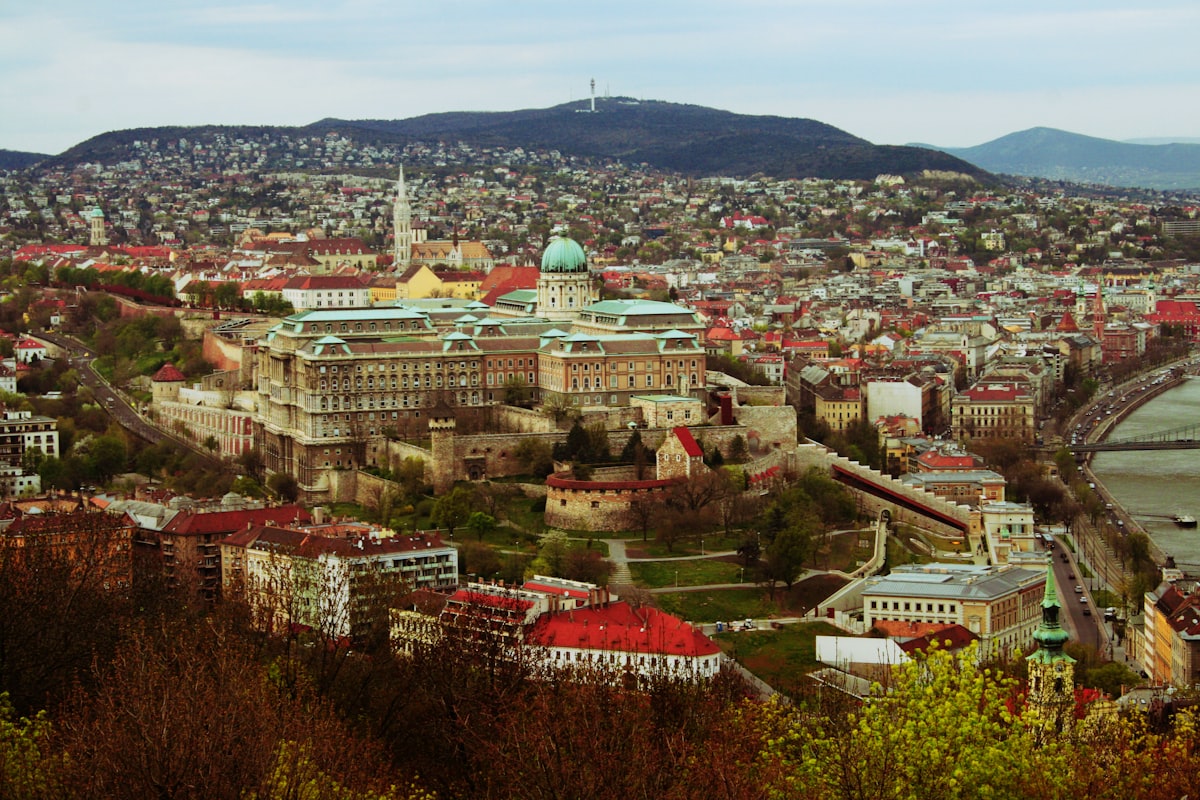
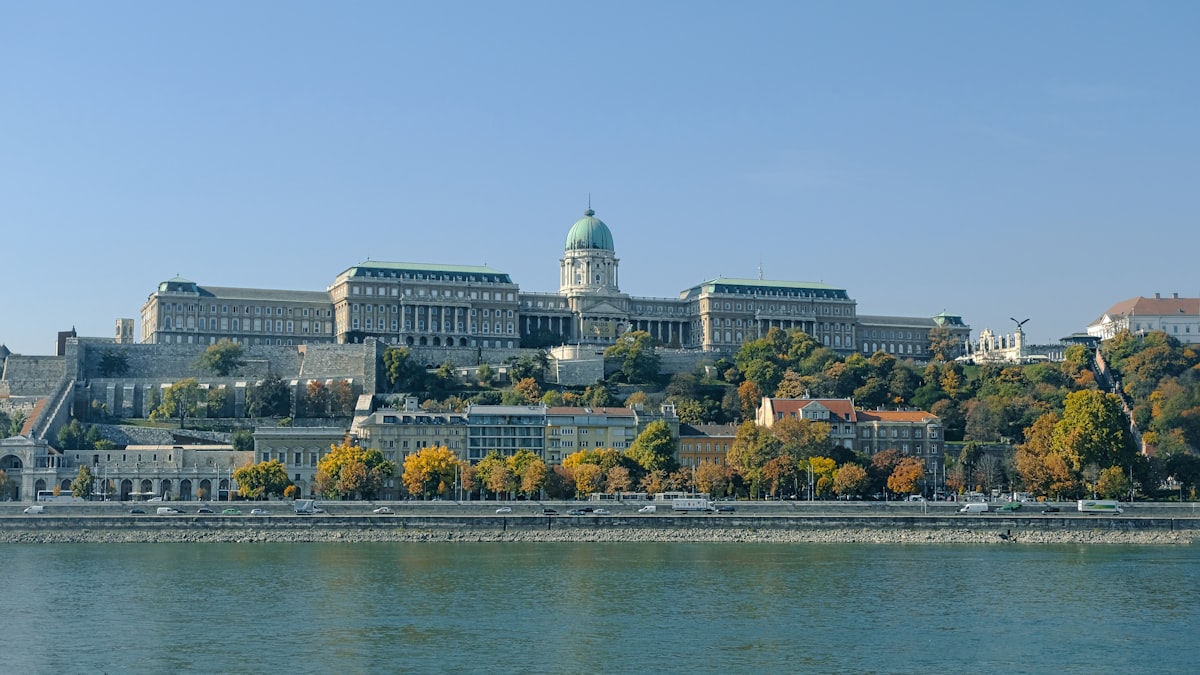
- ↑Weather is near-ideal for sightseeing: 17°C with 6+ hours of sunshine, outdoor café season in full swing, and Buda Castle Hill is genuinely pleasant for the long walk up and around the ramparts
- ↑Comfortable shoulder pricing while the city is fully operational — this is the best combination of value, weather, and manageable crowds in Budapest's calendar
Sacrifices
- ↓April rainfall of 42mm means occasional wet days that interrupt outdoor plans; the weather is excellent on balance but not guaranteed
- ↓Budapest Spring Festival creates some hotel demand and prices reflect the cultural season; no longer the budget depths of winter
- ↓Easter week sees a noticeable uptick in visitors, particularly from neighbouring Central European countries; the most popular sights get noticeably busier
May#3▾
Gains
- ↑Near-perfect sightseeing conditions: 22°C average highs, 7.4 sunshine hours, and outdoor Budapest is fully alive — Margaret Island gardens, the Danube riverbank promenade, and Gellért Hill all reward the effort in May
- ↑The outdoor pool culture begins: Széchenyi's outdoor thermal pools in 22°C warmth, without August's tourist pressure, is one of Budapest's most underrated experiences
- ↑The full hospitality season is operational — wine bars, rooftop terraces, and the Jewish Quarter's courtyard restaurants all running at capacity; Budapest in May has a genuine city energy without summer's excess
Sacrifices
- ↓Prices are in moderate territory and rising; May is no longer the value proposition of April but still meaningfully cheaper than summer peak
- ↓54mm of May rainfall means afternoon thunderstorms are possible; the generally excellent weather comes with occasional interruptions
- ↓Crowds are building — popular sights like Fisherman's Bastion and the Parliament exterior are busier than spring's opening months
June#6▾
Gains
- ↑The longest days and most reliable sunshine: 8.2 hours of sun daily with warm evenings make Budapest's outdoor culture — rooftop bars over the Danube, ruin bar courtyards, terrace dining on Andrássy Avenue — operate at its best
- ↑Gellért Hill and Castle Hill walks are at their most rewarding: panoramic views over the city with summer foliage and the Parliament building catching afternoon light
- ↑Budapest Pride (typically late June/July) brings an energetic and welcoming festival atmosphere to the city centre; the Hungarian political context makes the event particularly significant and participatory
Sacrifices
- ↓26°C is warm enough to make Castle Hill climbs genuinely tiring in the afternoon; the city's hills and cobblestones demand early-morning starts for outdoor sightseeing in summer
- ↓Prices are at summer levels: hotels and restaurants more expensive than the April-May sweet spot, with the busiest period (August Sziget) still to come
- ↓Tourist pressure is building on all the major sights — Parliament tours, Fisherman's Bastion, and the Széchenyi thermal baths all require advance booking or early-morning visits
July#12▾
Gains
- ↑Budapest Pride (often spanning late June into July) makes the Jewish Quarter and city centre particularly vibrant and celebratory
- ↑The driest major summer month: 43mm of July rain is minimal and sunshine peaks at 8.7 hours; outdoor Budapest is at its most reliable and photogenic
- ↑Outdoor thermal bathing at Széchenyi is at its best weather-wise — 28°C air temperature with the thermal pools is the archetypal Budapest summer experience
Sacrifices
- ↓28°C is legitimately hot for walking the Castle District and climbing Gellért Hill in the afternoon; sightseers in July suffer on the exposed hilltops in ways that April and October visitors do not
- ↓Peak season pricing across all categories: hotels, thermal bath entry fees, and restaurants are at or near their annual maximum
- ↓The city is crowded everywhere that matters — Parliament tours, Fisherman's Bastion, Széchenyi Baths — with tourist pressure approaching levels that degrade the experience
August#11▾
Gains
- ↑Sziget Festival (typically second week of August) draws 500,000 visitors over six days to Óbudai Island — over 1,000 performances on 60 stages spanning music, theatre, circus, and art; an extraordinary concentration of culture in an island setting on the Danube; one of the best music festivals in Europe and worth building a trip around
- ↑Formula-E and various summer events add to a month with more going on than any other in Budapest's calendar
- ↑August evenings — warm, long, and the terrace bars and ruin bars operating at peak energy — capture the Budapest atmosphere that defines the city's international reputation
Sacrifices
- ↓The most expensive month of the year without exception: Sziget week pushes hotel prices to extraordinary levels in the city centre; booking months in advance is not optional
- ↓The most crowded month: Sziget visitors, peak summer tourism, and festival logistics make the city genuinely difficult to navigate without advance planning for everything
- ↓If you are not attending Sziget, August's high prices and crowds offer nothing over June or early July; come specifically for the festival or choose another month
September#2▾
Gains
- ↑Wine festivals and harvest events (Budapest Wine Festival, typically mid-September at the Buda Castle) celebrate Hungarian wine culture with international producers and tastings in one of the world's most dramatic vineyard-view settings
- ↑Post-Sziget prices normalise and crowds drop sharply from August — the same city, the same thermal baths, the same Parliament views, but at moderate pricing and without summer's tourist crush
- ↑The best weather combination: 23°C average highs with 6.5 sunshine hours and only 36mm of rain; warm enough for outdoor terraces, cool enough for comfortable Castle Hill walks, and drier than any summer month
Sacrifices
- ↓Prices have recovered from their summer peak but September is not the budget opportunity of winter or early spring
- ↓The outdoor pool season at Széchenyi is winding toward its September close for the outdoor sections; the thermal baths remain excellent but the summer experience is ending
- ↓Early September still carries Sziget aftermath crowds; the first two weeks can feel busier than they look statistically
October#4▾
Gains
- ↑Affordable pricing with genuinely pleasant weather: 17°C allows outdoor sightseeing in comfort while prices have dropped from summer without reaching winter floor levels
- ↑The city is uncrowded at the major sights — Parliament tours, Fisherman's Bastion, and Széchenyi thermal baths accessible without advance booking or long waits
- ↑Autumn light on the Danube and the red-and-gold foliage in Városliget park around the Széchenyi Baths building makes for some of the year's best photography conditions
Sacrifices
- ↓Daylight shortens noticeably through October: by month's end evenings arrive early and outdoor activities need to start mid-morning to maximise usable daylight
- ↓39mm of autumn rain with increasing chance of overcast days — weather is good on average but the risk of a sustained grey period is higher than in September
- ↓The event calendar is quieter after September's wine festivals; October is mainly about the city itself rather than a specific event
November#8▾
Gains
- ↑Budget pricing returns: hotels and restaurants at near-winter floor prices while the city remains fully functional; an ideal month for those who want value and don't mind the cold
- ↑Thermal baths are once again at their most atmospheric — Széchenyi's outdoor pools in 9°C air temperature, with the neo-baroque building lit against grey skies, is a different and arguably more memorable experience than the summer version
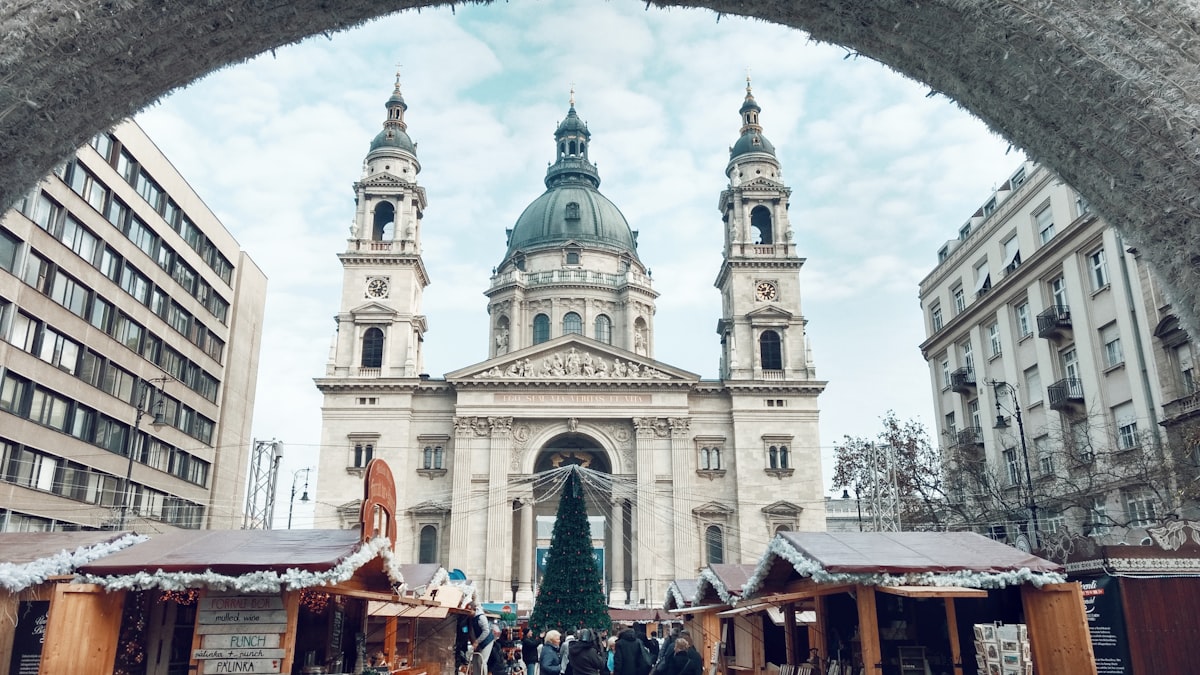
- ↑Christmas markets begin appearing in late November at Vörösmarty Square and St. Stephen's Basilica — early-season, uncrowded, and with the city's Christmas atmosphere just beginning to establish itself
Sacrifices
- ↓Only 2.4 sunshine hours daily and average highs of 9°C — outdoor sightseeing in November Budapest requires genuine cold-weather commitment
- ↓The city's best outdoor experiences — wine festivals, riverside promenades, hilltop walks — are meaningfully less rewarding in grey November conditions
- ↓Castle Hill in particular is bleak in November; the dramatic views over the Danube are there but harder to enjoy when the wind is cold and the light is flat
December#7▾
Gains
- ↑Vörösmarty Square Christmas market is among Central Europe's finest — Hungarian craft stalls, kürtőskalács (chimney cake), mulled wine, and a setting framed by the grand architecture of Pest's inner city; genuinely excellent and less commercialised than many Western European equivalents
- ↑St. Stephen's Basilica Christmas market (December) adds a second major market venue, with the illuminated basilica façade as backdrop and a distinctly local atmosphere with Hungarian food producers and artisans
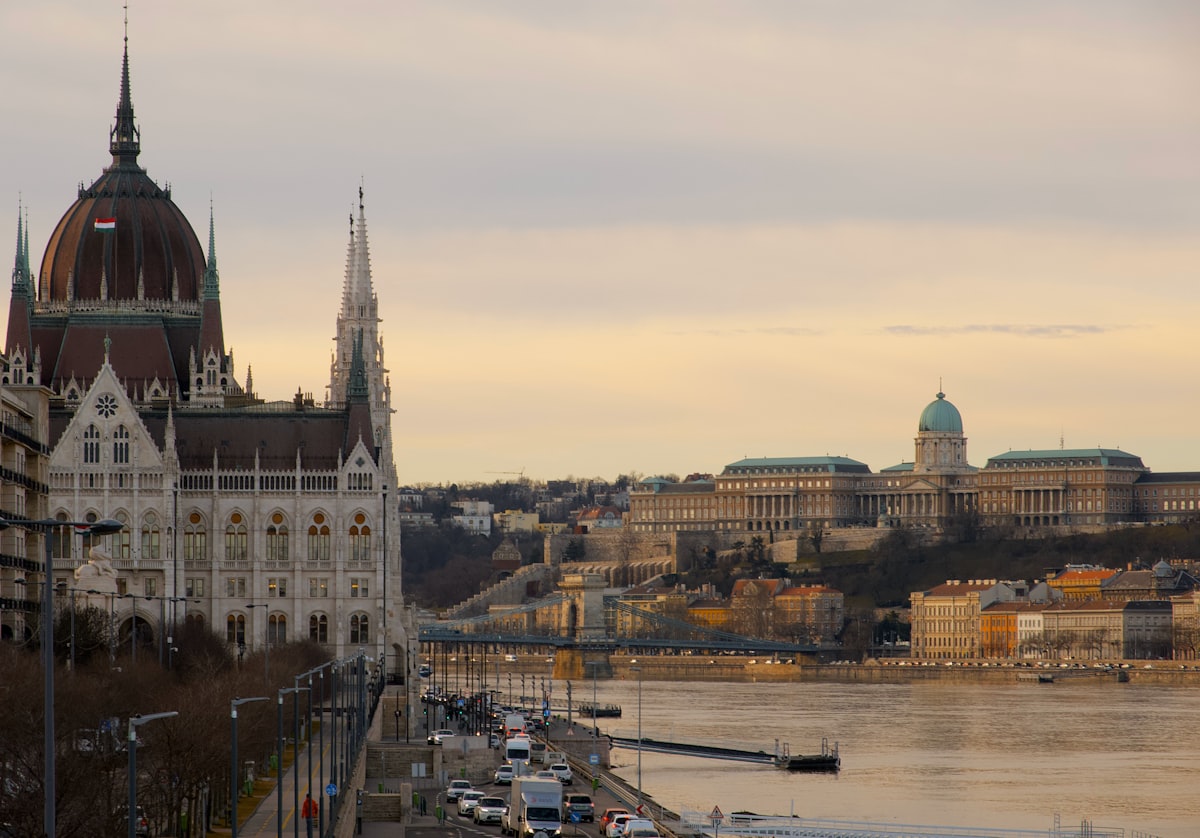
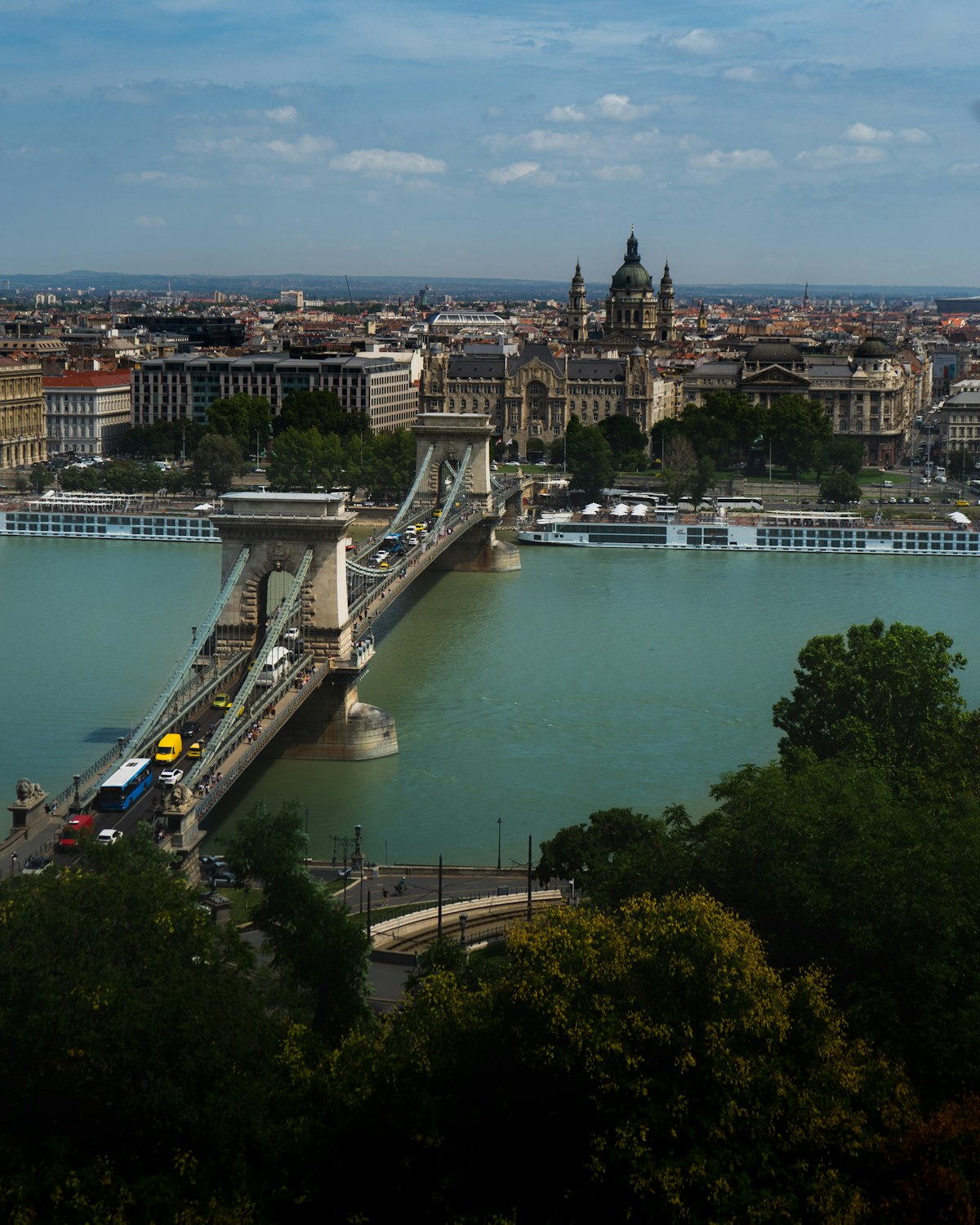
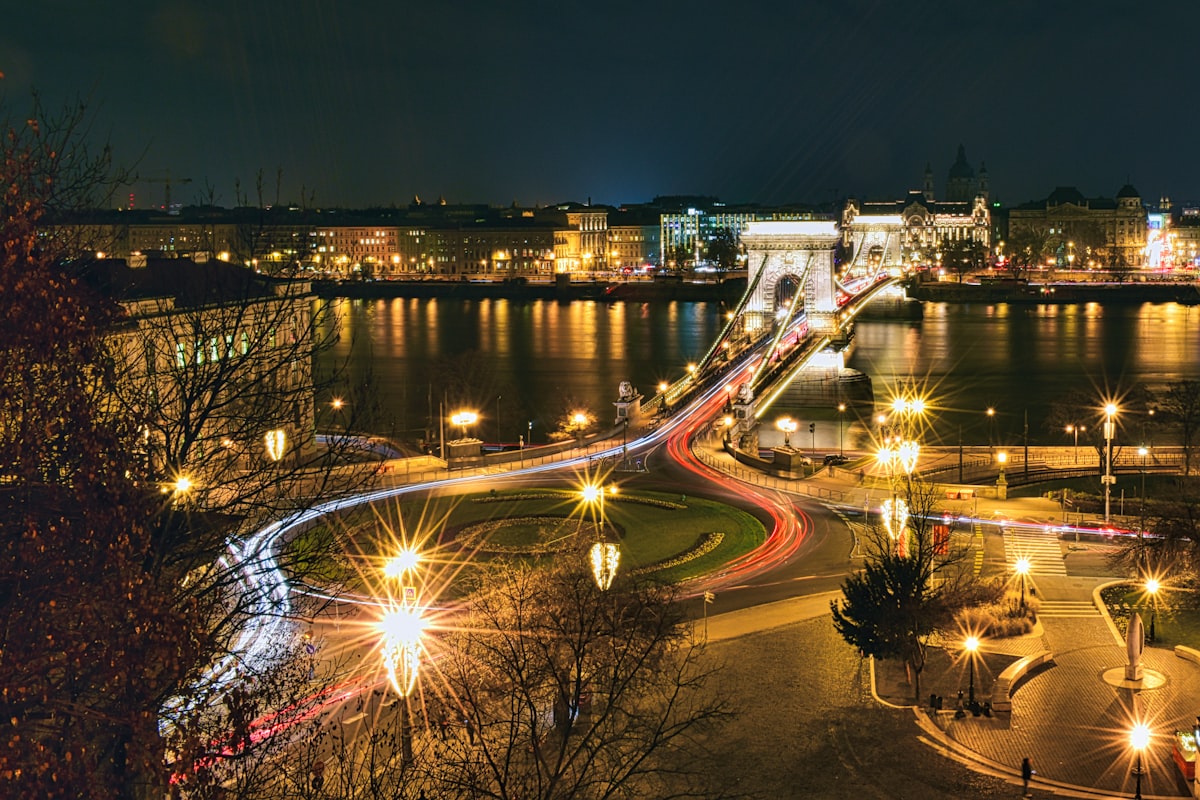
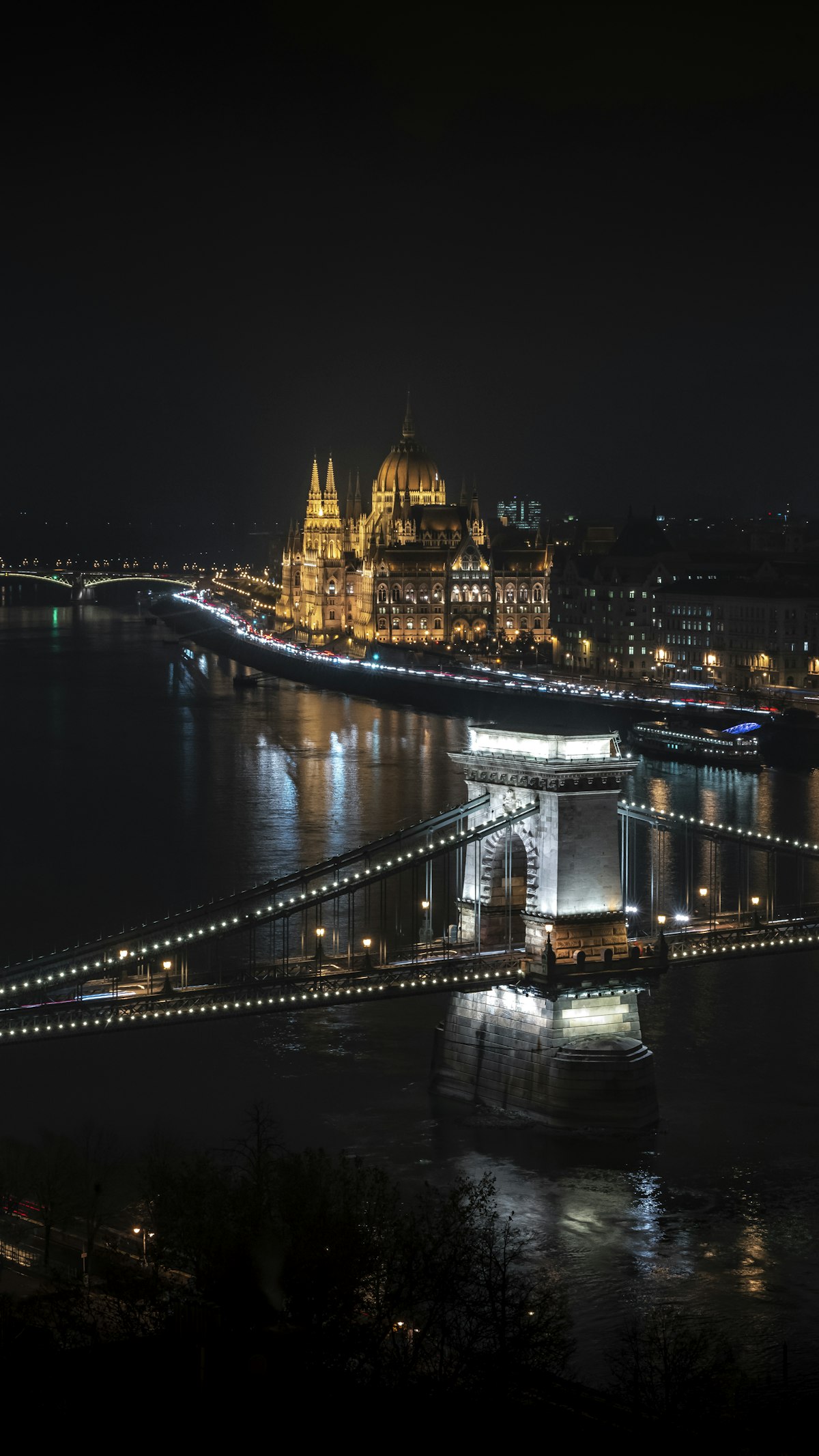
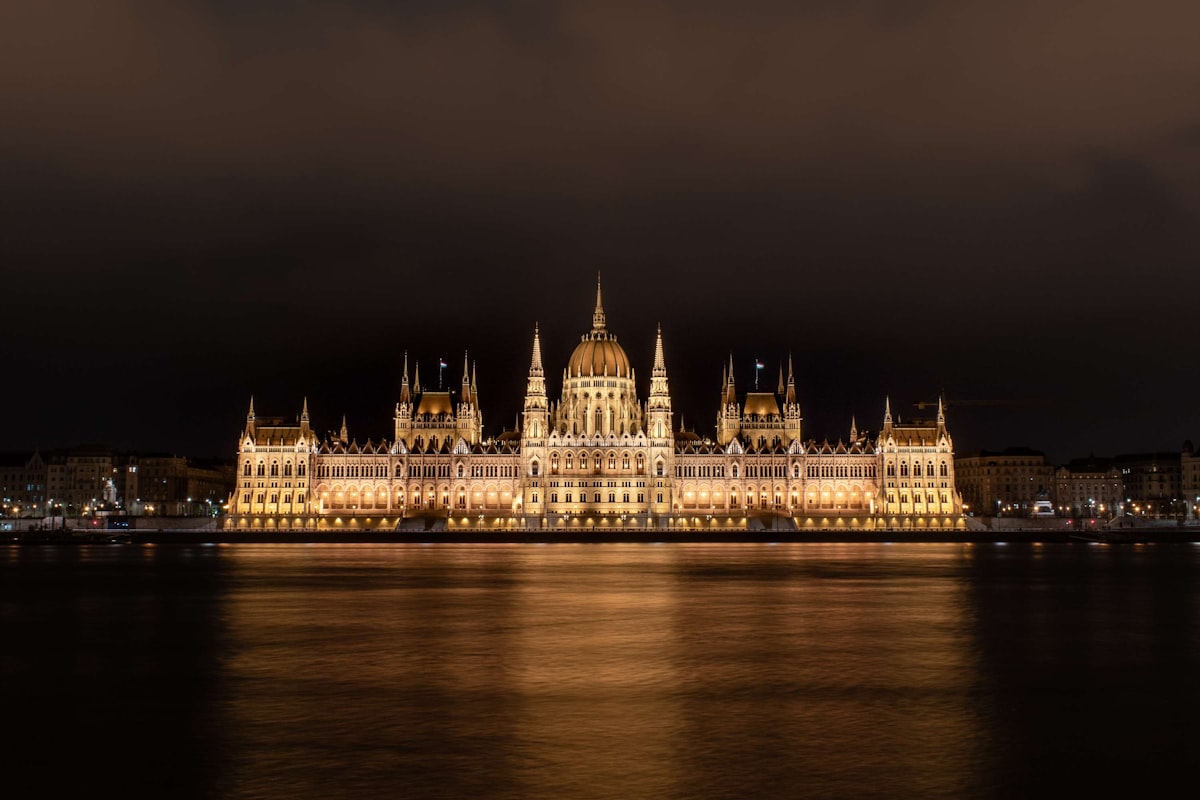
- ↑The Parliament building and Chain Bridge illuminated in frost or light snow is one of the most dramatic winter cityscapes in Europe; Budapest in December is genuinely beautiful in a way that justifies the cold
Sacrifices
- ↓December is not budget territory: Christmas market season draws significant visitor numbers from Austria, Germany, and beyond, pushing prices toward moderate from the November floor
- ↓Only 1.8 sunshine hours daily — darker than November and consistently cold; sightseeing outside the Christmas market circuit requires genuine winter enthusiasm
- ↓Possible snow and ice on Buda Castle Hill cobblestones make the hilltop attractions more difficult to access safely; thermal baths and indoor experiences take precedence
How this is calculated
Climate data
Open Meteo ERA5
30-year normals (1991–2020). Temperature, rainfall, sunshine, humidity.
Price & crowd
Tourism research
Seasonal pricing from tourism authority data. Directional — compares months within a destination only.
Personalisation
Weighted scoring
Your priorities change the weights. Budget-first users get different results than weather-first users.
Share this result
April is the best time to visit Budapest
Travel timing updates
New destinations and timing guides, when they land.
No spam. Unsubscribe anytime.