Showing: Jul · Mona Miller / Unsplash
Sri Lanka · South Asia
Best time to visit Sri Lanka
July
Jul scores highest overall — good value and manageable crowds. Set your priorities below to personalise this result.
What matters most to you?
All 12 months — click any to expand
Jul
Mona Miller / Unsplash
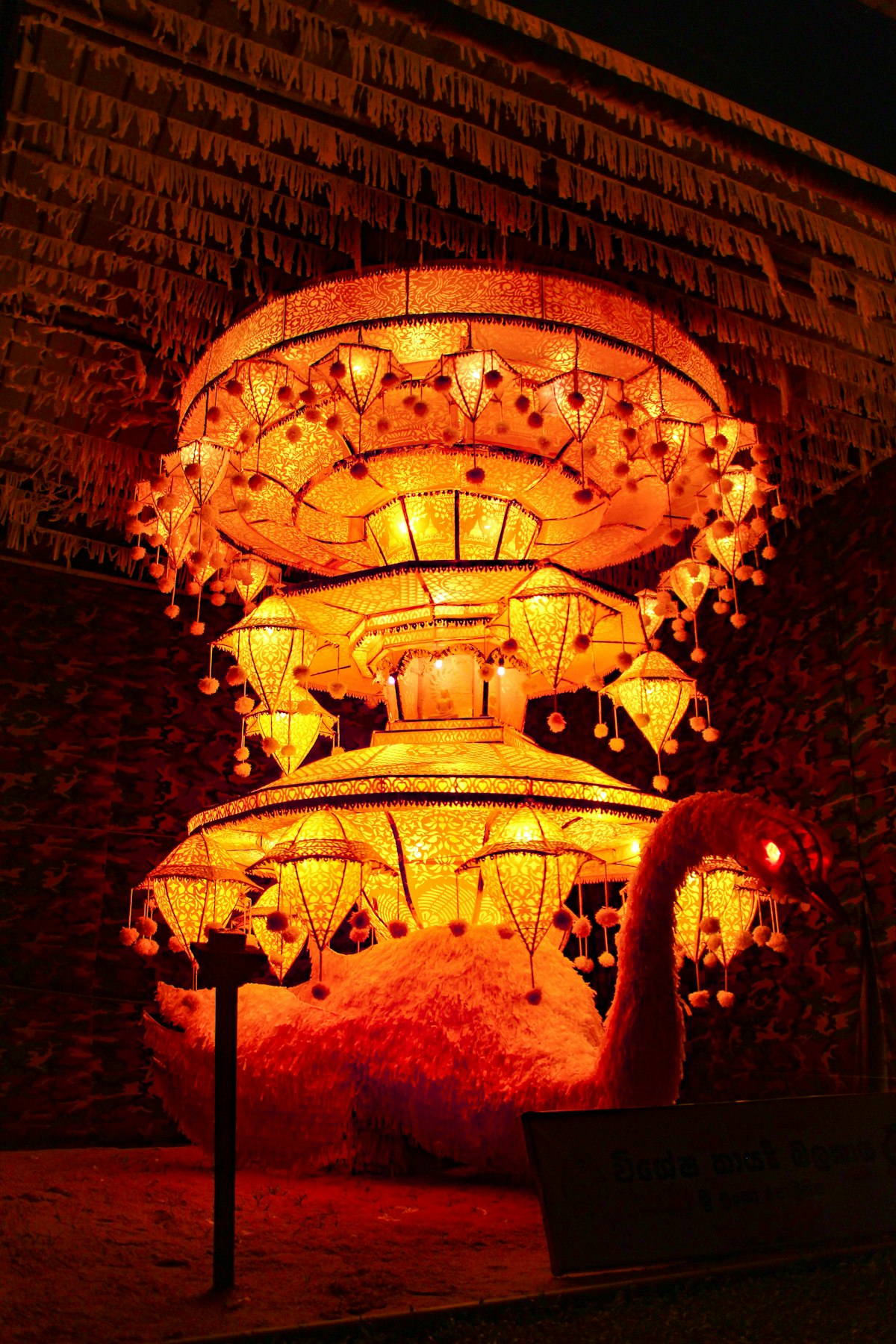
Kandy Esala Perahera — the most spectacular Buddhist procession in Asia, with elephants, fire dancers, and drummers.
30°C
High
25°C
Low
136mm
Rain
6.5h
Sun/day
What you gain
- ↑Esala Perahera in Kandy (July/August, 10 nights leading to the full moon) is the most extraordinary festival in Sri Lanka and one of the great spectacles of Asia — the full perahera with over 100 adorned elephants, fire dancers, whip crackers, and Kandyan drummers processesing through the streets is a genuinely once-in-a-lifetime experience
- ↑West coast rainfall eases to 136mm — still the rainy season, but significantly better than May and June; the Cultural Triangle can be visited with acceptable conditions
- ↑Arugam Bay surf season is at full peak — the A-Bay main point break is firing consistently and the east coast village atmosphere is at its most lively
What you sacrifice
- ↓Kandy accommodation books out weeks in advance for Perahera nights — prices for hotels in Kandy itself spike dramatically during the festival; book months ahead or base yourself outside the city
- ↓West coast beaches (Galle, Mirissa) are still in monsoon conditions — the south coast is not where you want to focus your time
- ↓The monsoon means hill country views from the Ella train can be obscured by cloud; mornings are clearer than afternoons
Jul scores highest overall — good value and manageable crowds. Set your priorities below to personalise this result.
Jul
Kandy Esala Perahera — the most spectacular Buddhist procession in Asia, with elephants, fire dancers, and drummers.
30°C
High
136mm
Rain
6.5h
Sun
- ↑Esala Perahera in Kandy (July/August, 10 nights leading to the full moon) is the most extraordinary festival in Sri Lanka and one of the great spectacles of Asia — the full perahera with over 100 adorned elephants, fire dancers, whip crackers, and Kandyan drummers processesing through the streets is a genuinely once-in-a-lifetime experience
- ↑West coast rainfall eases to 136mm — still the rainy season, but significantly better than May and June; the Cultural Triangle can be visited with acceptable conditions
- ↑Arugam Bay surf season is at full peak — the A-Bay main point break is firing consistently and the east coast village atmosphere is at its most lively
- ↓Kandy accommodation books out weeks in advance for Perahera nights — prices for hotels in Kandy itself spike dramatically during the festival; book months ahead or base yourself outside the city
- ↓West coast beaches (Galle, Mirissa) are still in monsoon conditions — the south coast is not where you want to focus your time
- ↓The monsoon means hill country views from the Ella train can be obscured by cloud; mornings are clearer than afternoons
Top travel windows
★ BestJuly
Best overall
Highest combined score
30°C
High
136mm
Rain
6.5h
Sun
May
Best for value
Lowest prices & fees
31°C
High
371mm
Rain
5.5h
Sun
May
Fewest crowds
Quietest month
31°C
High
371mm
Rain
5.5h
Sun
Breakdown by priority
Best for weather
February
31°C high · 69mm rain · 9hrs sun/day
Best for budget
May
Budget prices on the west coast circuit — accommodation and tours at their cheapest of the year; the Cultural Triangle and hill country can be visited on excellent value rates despite monsoon rain
Fewest crowds
May
Vesak (Buddhist full moon, typically May) transforms Colombo and every town in Sri Lanka — lanterns, illuminated pandals, and free food stalls everywhere; one of Asia's most moving religious events
Worst time to visit
October
The inter-monsoon period brings heavy rain across both coasts and the interior — 348mm in October is the second-highest month in the year; neither the west coast nor the east coast is reliably good
Where to base yourself in Sri Lanka
All regions →Kandy & the Hill Country
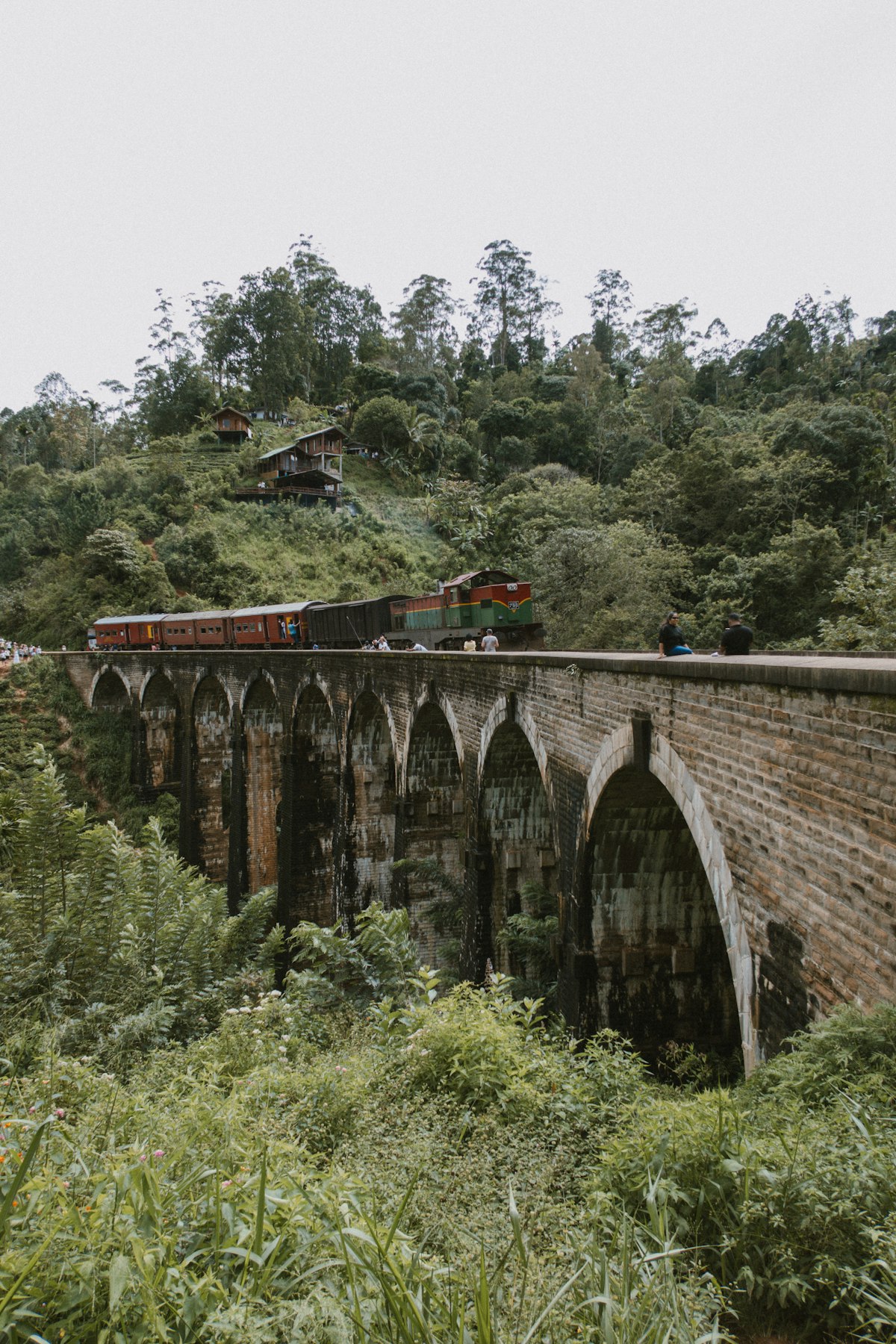
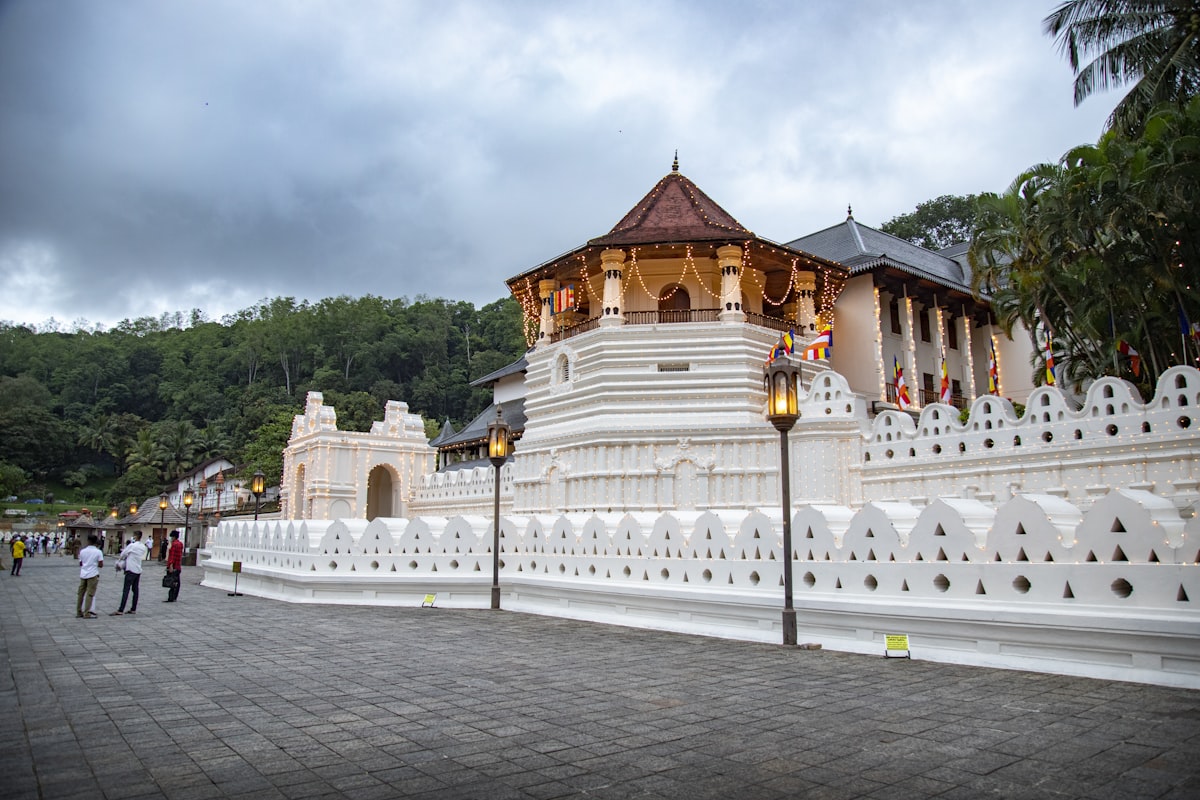
The cultural heart of Sri Lanka — the Temple of the Tooth, the world's most scenic train, and Ella's nine arches.
9/10
Central
8/10
Walk
9/10
Transit
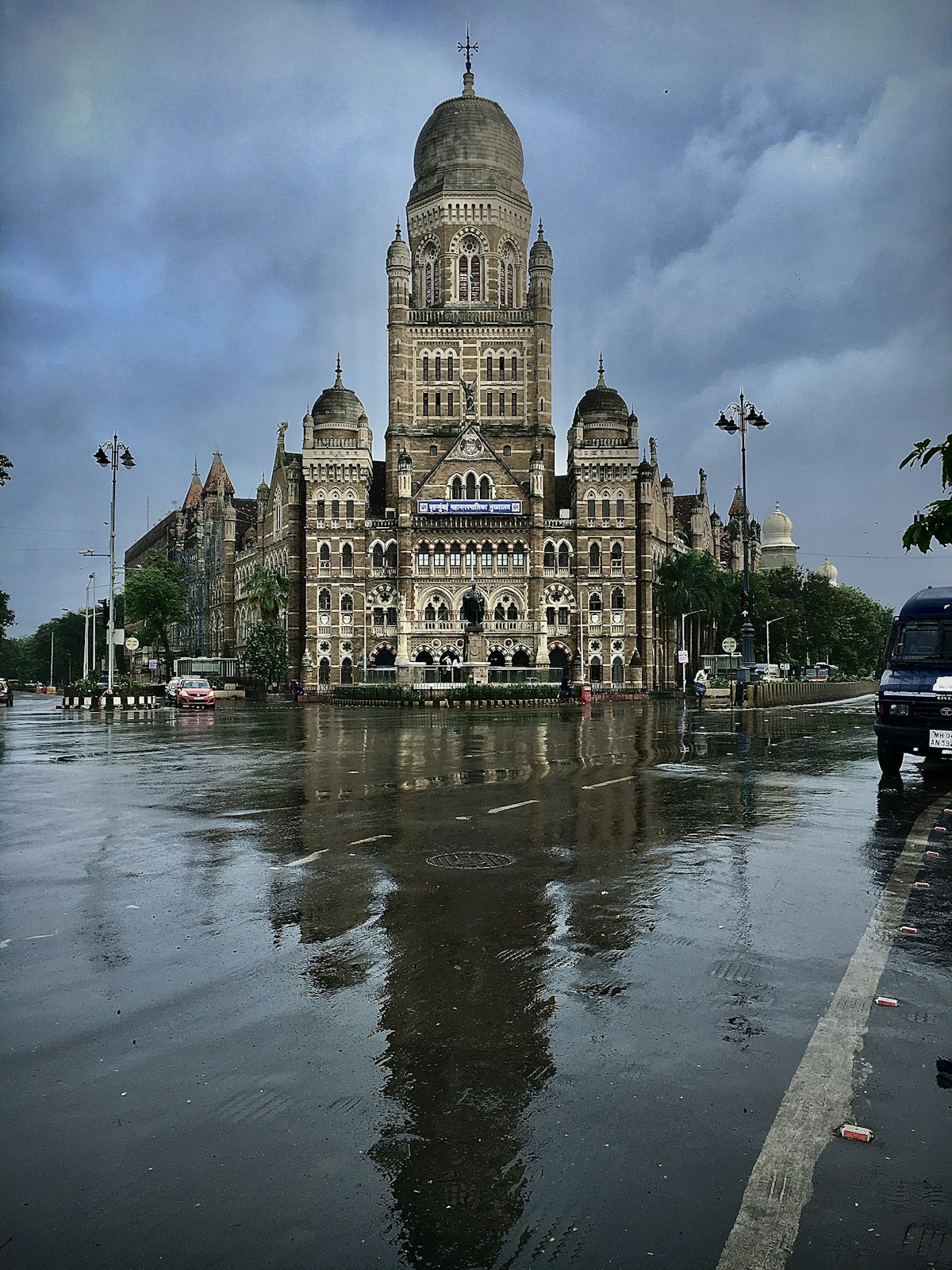
Colombo & West Coast
The gateway city — colonial museums, excellent restaurants, and beach towns a short train ride south.
7/10
Central
6/10
Walk
10/10
Transit
Also exploring
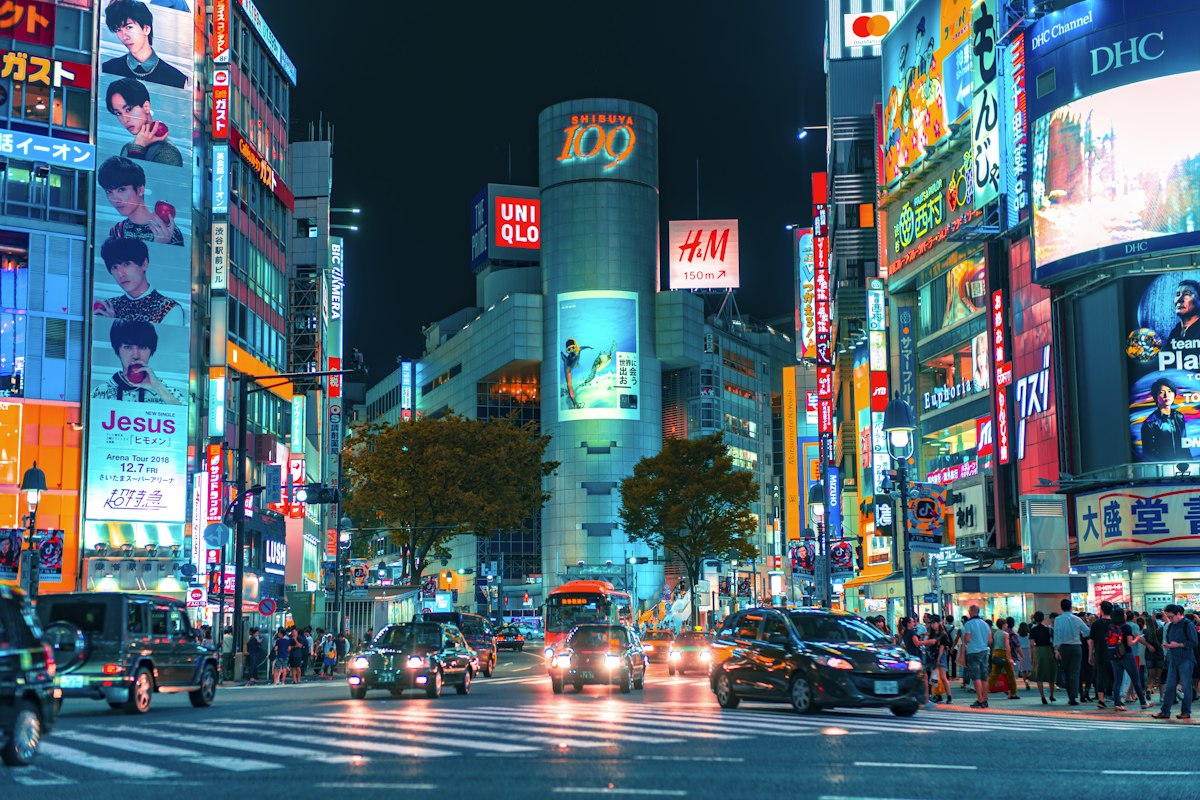
Tokyo
Japan
A city of dramatic seasonal contrasts — cherry blossom crowds, oppressive summer humidity, and golden autumn foliage — where the wrong timing can make or break the trip.
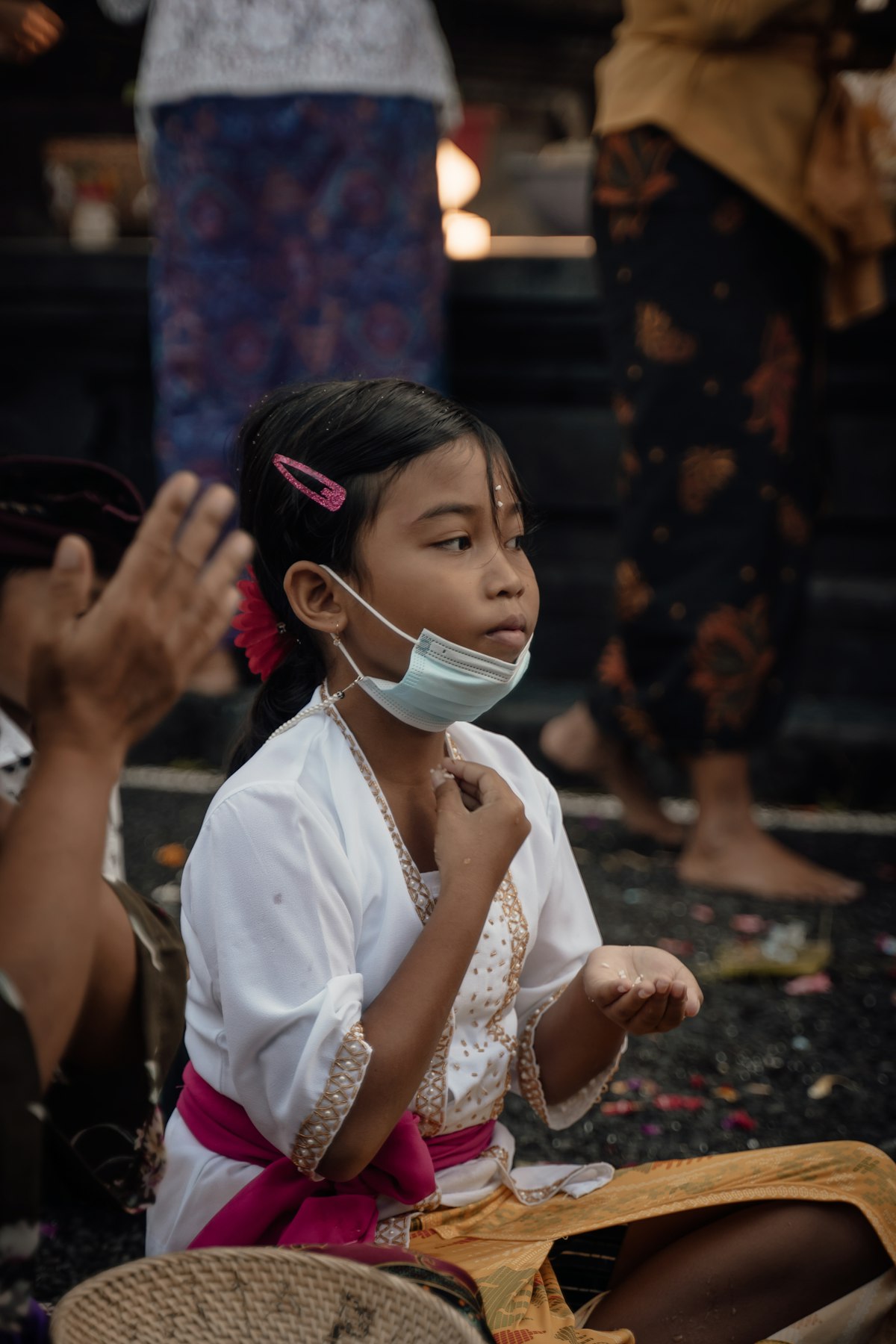
Bali
Indonesia
A Hindu island of rice terraces, temple ceremonies, and surf breaks where the monsoon makes timing genuinely binary — the difference between dry and wet season is not subtle.
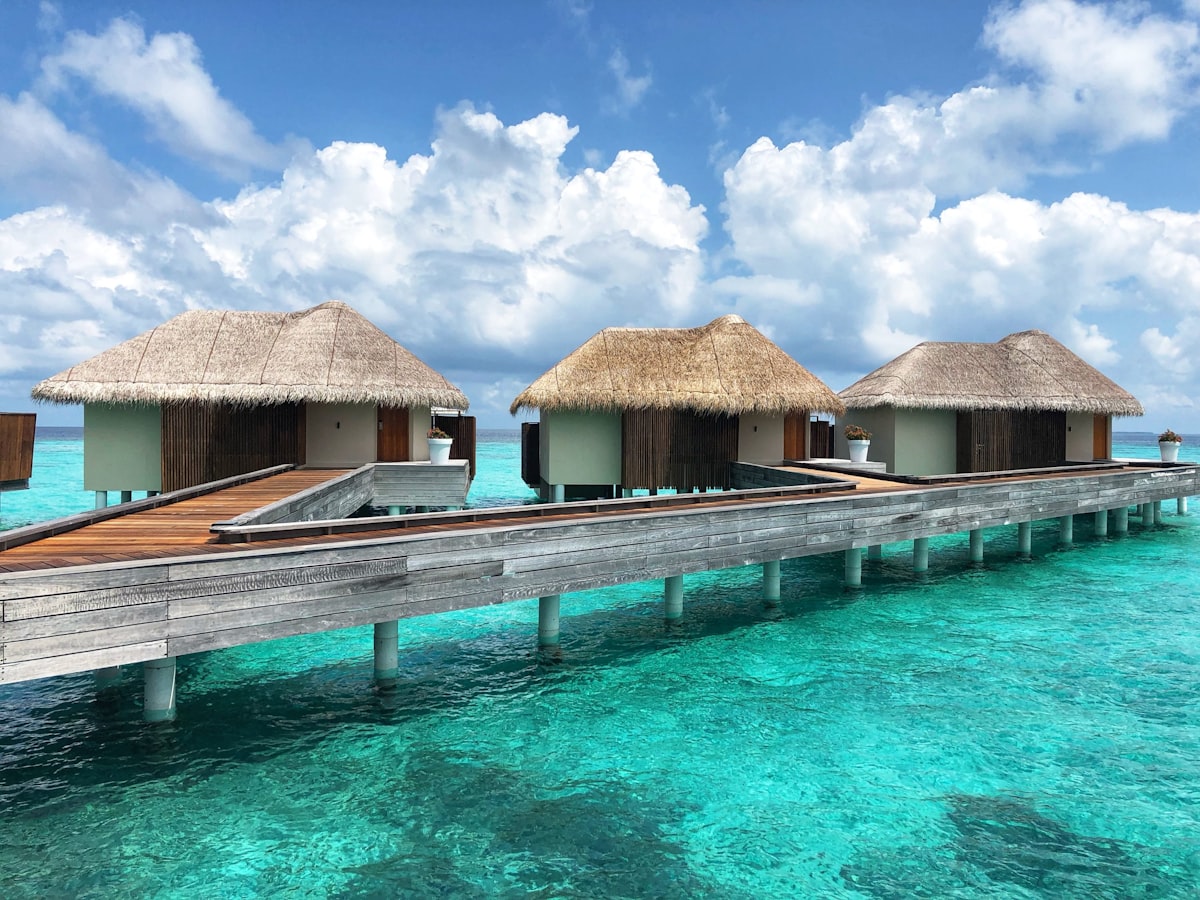
Maldives
Maldives
A destination defined almost entirely by its monsoon calendar — the difference between the NE dry season (November–April) and SW wet season (May–October) is not subtle and shapes every aspect of the experience.
Worth knowing
July scores highest overall. January is the most crowded month — avoid if you can. See crowd-free ranking →
Month by month breakdown
January#9▾
Gains
- ↑Driest and sunniest month on the west and south coast — Galle Fort, Unawatuna, and Mirissa are in near-perfect beach condition with 89mm of rain and 8.5 sunshine hours daily
- ↑Whale watching season in Mirissa is at its peak: blue whales and sperm whales are reliably sighted on morning boats from the south coast
- ↑Yala National Park is at its best — dry conditions concentrate wildlife around waterholes and leopard sightings are more frequent than any other month
Sacrifices
- ↓Peak season prices: flights, beach hotels in Galle and Mirissa, and safari lodges near Yala are at annual highs — book months ahead
- ↓The most crowded month in the west/south circuit — Galle Fort's lanes and Mirissa beach are busy throughout the day
- ↓The east coast (Arugam Bay, Trincomalee) is in its NE monsoon period — that region is best avoided this month
February#5▾
Gains
- ↑February is the driest month of the year on the west and south coast — just 69mm of rainfall and the highest sunshine hours (9.0 daily) in the entire calendar
- ↑Ideal conditions for the full Sri Lanka circuit: the Cultural Triangle (Sigiriya, Dambulla, Anuradhapura), the Hill Country (Ella, Nuwara Eliya), and the south coast beaches all accessible at their best
- ↑Whale watching from Mirissa remains excellent and crowds are slightly easing from the January peak — still the premium season, but beginning to breathe
Sacrifices
- ↓Still expensive across the board — February is widely recognised as the best weather month, so accommodation and flights reflect that premium
- ↓Popular sites like Sigiriya and Galle Fort still see significant visitor volumes; early morning visits are essential
- ↓Hill country nights in Ella and Nuwara Eliya are noticeably cool — pack layers, particularly for dawn train journeys
March#10▾
Gains
- ↑Weather on the west and south coast is still very good — 147mm is moderate by Sri Lankan standards and skies remain predominantly sunny with good beach days
- ↑Crowds begin easing from the January–February peak; the Cultural Triangle and hill country are less congested and accommodation is more available
- ↑Temperatures are warming and the sea is calm along the south coast — good conditions for snorkelling at Hikkaduwa and diving around Pigeon Island (north) before the monsoon builds
Sacrifices
- ↓Rainfall is rising noticeably compared to February — afternoon showers are increasingly common across the southwest, particularly in the hill country
- ↓Prices remain in the expensive tier — this is still high season by most measures, and beachfront properties haven't yet dropped to shoulder rates
- ↓The SW monsoon begins arriving from late May, so March represents a window of still-good weather; flexibility on specific coastal days is wise
April#3▾
Gains
- ↑Sinhala and Tamil New Year (April 13–14) is one of Sri Lanka's most important cultural celebrations — rituals, traditional games, sweetmeats, and a genuine sense of communal joy across the entire island
- ↑Prices drop sharply from the peak season high — affordable accommodation across the west coast circuit and hill country, with the Cultural Triangle still very accessible
- ↑The hill country (Ella, Nuwara Eliya) remains beautiful — rain falls mainly on the coast and the mountains stay relatively clear with dramatic misty mornings
Sacrifices
- ↓West coast beach weather is declining — 231mm of rain and increasing cloud cover means south coast beaches like Mirissa are no longer reliable for swimming and sunbathing
- ↓The New Year period (April 13–14 and the days around it) sees domestic travel surge — buses, trains, and guesthouses in the hill country are busy with Sri Lankan families
- ↓The east coast is not yet at its best either, making April a transitional month where the Cultural Triangle and hill country are the strongest choices
May#4▾
Gains
- ↑Vesak (Buddhist full moon, typically May) transforms Colombo and every town in Sri Lanka — lanterns, illuminated pandals, and free food stalls everywhere; one of Asia's most moving religious events
- ↑The east coast (Arugam Bay surf break, Trincomalee's beaches) opens into its prime season as the SW monsoon brings dry conditions to the east — a completely different Sri Lanka becomes accessible
- ↑Budget prices on the west coast circuit — accommodation and tours at their cheapest of the year; the Cultural Triangle and hill country can be visited on excellent value rates despite monsoon rain
Sacrifices
- ↓The southwest monsoon hits Colombo, Galle, Mirissa, and the south coast hard: 371mm is the heaviest month of the year — beaches are rough, seas are dangerous for swimming, and outdoor plans are frequently disrupted
- ↓The west coast circuit is at its worst; if your itinerary is based on Galle Fort and south coast beaches, this is the month to avoid
- ↓Overcast skies and humidity are relentless on the west side — 5.5 sunshine hours and persistent cloud cover are the reality
June#7▾
Gains
- ↑Arugam Bay on the east coast is in full swing — consistently good surf, warm water, a laid-back surf village atmosphere, and essentially no international tourists; one of Asia's best-value beach months
- ↑Trincomalee and the east coast beaches (Nilaveli, Uppuveli) are at their sunniest and calmest — ideal for snorkelling, diving, and whale shark season in the bay
- ↑Rock-bottom prices across the west coast and hill country — the Cultural Triangle (Sigiriya, Dambulla) and Ella train journey are entirely possible to do in monsoon conditions and at a fraction of high-season cost
Sacrifices
- ↓The west and south coast remains firmly in monsoon — 224mm on Colombo and Galle means the classic south coast circuit is still largely rained out; beach days are not reliable
- ↓International tourist numbers are at their annual lowest, which brings a quieter atmosphere but also reduced services on the west coast and occasional restricted opening of attractions
- ↓The hill country experiences significant cloud and rain, affecting visibility for the famous Ella-to-Kandy train journey; misty rather than spectacular
July#1▾
Gains
- ↑Esala Perahera in Kandy (July/August, 10 nights leading to the full moon) is the most extraordinary festival in Sri Lanka and one of the great spectacles of Asia — the full perahera with over 100 adorned elephants, fire dancers, whip crackers, and Kandyan drummers processesing through the streets is a genuinely once-in-a-lifetime experience
- ↑West coast rainfall eases to 136mm — still the rainy season, but significantly better than May and June; the Cultural Triangle can be visited with acceptable conditions
- ↑Arugam Bay surf season is at full peak — the A-Bay main point break is firing consistently and the east coast village atmosphere is at its most lively
Sacrifices
- ↓Kandy accommodation books out weeks in advance for Perahera nights — prices for hotels in Kandy itself spike dramatically during the festival; book months ahead or base yourself outside the city
- ↓West coast beaches (Galle, Mirissa) are still in monsoon conditions — the south coast is not where you want to focus your time
- ↓The monsoon means hill country views from the Ella train can be obscured by cloud; mornings are clearer than afternoons
August#2▾
Gains
- ↑West coast conditions are noticeably improving — 109mm is the lowest rainfall since March, and the south coast is beginning to emerge from the monsoon; Galle Fort is increasingly pleasant to explore
- ↑East coast (Arugam Bay, Trincomalee) remains in its prime dry season — the surf is consistent and accommodation is available at highly competitive rates
- ↑Esala Perahera in Kandy can fall in August depending on the lunar calendar — if it does, the same spectacular opportunity as July applies at the same spike in Kandy hotel prices
Sacrifices
- ↓The west coast is improving but not fully clear — beach swimming and snorkelling on the south coast are still variable; this is a month of transition rather than established dry weather
- ↓If the Perahera falls in August, Kandy accommodation is again at a premium and requires advance planning
- ↓Afternoon showers remain common across most of the island; morning activities are significantly more reliable than afternoon ones
September#6▾
Gains
- ↑Arugam Bay surf season continues into September — the east coast is still dry and the surf point break is one of the best in Asia; a final opportunity before the NE monsoon begins building from October
- ↑Budget prices across the island — September is the quietest international-visitor month, making it one of the best-value times to visit Sigiriya, Dambulla, and Anuradhapura with almost no crowds
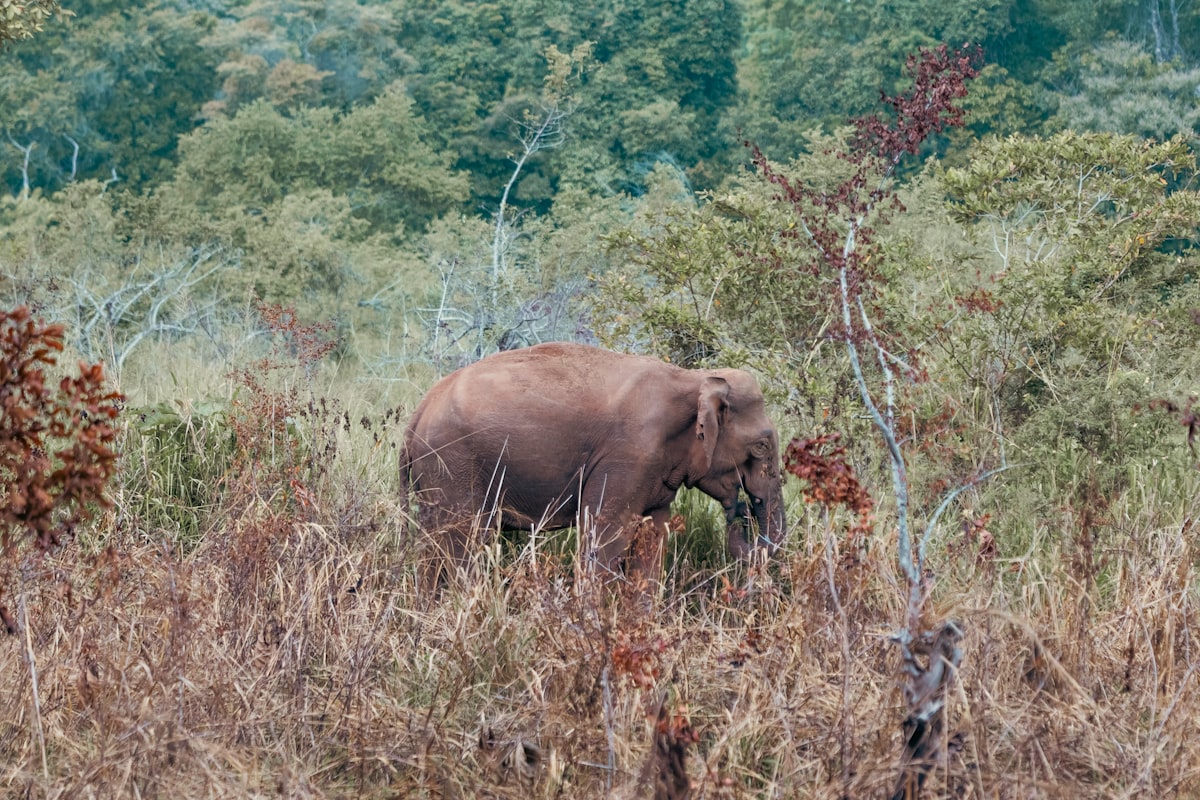
- ↑Yala and Udawalawe national parks are accessible with good wildlife conditions building as the dry season approaches; elephant sightings at Udawalawe are excellent year-round
Sacrifices
- ↓The west coast has not yet fully emerged from its monsoon period — 160mm means the south coast (Galle, Mirissa) is still unreliable for beach days and the sea can be rough
- ↓This is a transitional month: neither coast is at its peak simultaneously, making itinerary planning less straightforward than the clear peak seasons
- ↓The inter-monsoon period brings unpredictable heavy rain to the hill country and the north — flexible plans are essential
October#11▾
Gains
- ↑The absolute lowest prices of the year — flights, accommodation, and tours across Sri Lanka are at their cheapest in October; the Cultural Triangle can be done on a genuine budget with major sites nearly empty
- ↑Sigiriya, Dambulla Cave Temple, and Anuradhapura are accessible despite the rain — the ancient ruins look dramatic in stormy light and you will be sharing them with almost no other visitors
- ↑October marks the very end of Arugam Bay surf season before the NE monsoon closes the east coast — a final chance for the east coast on bargain rates
Sacrifices
- ↓The inter-monsoon period brings heavy rain across both coasts and the interior — 348mm in October is the second-highest month in the year; neither the west coast nor the east coast is reliably good
- ↓The NE monsoon is beginning to build, hitting the north and east; the SW monsoon is withdrawing from the south but has not yet cleared; the island is in transition and weather is unpredictable
- ↓Not the month for beach-focused travel or the south coast circuit — October is only really viable for those prioritising the inland Cultural Triangle with rain resilience and budget flexibility
November#12▾
Gains
- ↑The west and south coast is emerging from the SW monsoon — by late November, Galle Fort and the south coast beaches are becoming viable again and early-season prices are considerably more moderate than the December–March peak
- ↑The Cultural Triangle is fully accessible and beginning to see the return of good weather — Sigiriya at dawn in November is a dramatically different experience from the mid-season crowds
- ↑Yala National Park opens and begins its best safari season — the dry conditions post-monsoon and water levels in the park concentrate wildlife in ways that make November surprisingly good for leopard sightings
Sacrifices
- ↓The NE monsoon has arrived and is hitting the north and east coast hard — Trincomalee, Arugam Bay, and Jaffna are all in their wet season; the east coast is now firmly closed for beach activities
- ↓November still carries 315mm of rainfall nationally — the west coast is improving but not yet reliable; early-month visitors may experience frustrating weather before the seasonal switch completes
- ↓Prices are rising from the October trough as the season visibly approaches; the best value window is narrowing
December#8▾
Gains
- ↑The west and south coast opens fully in December — Galle Fort, Mirissa, Hikkaduwa, and the south circuit are all back to excellent conditions with skies clearing progressively from the monsoon
- ↑Yala National Park is in its prime safari season: the post-monsoon dry period concentrates animals around water sources and the park's Sri Lankan leopard population is highly active; sunrise safaris are exceptional
- ↑Whale watching from Mirissa resumes for its best season — December through April is the prime blue whale and sperm whale window, and early-season boats have fewer competitors
Sacrifices
- ↓Christmas and New Year weeks push prices to near-peak levels — beachfront guesthouses in Mirissa and Unawatuna, as well as Galle Fort hotels, book out weeks in advance
- ↓Rainfall at 186mm is still moderate in early December before easing — the season is opening but the first two weeks can still bring occasional heavy showers
- ↓Colombo and the main coastal route becomes noticeably busier as the high season surges; traffic on the Southern Expressway and the beach towns requires patience during holiday weeks
How this is calculated
Climate data
Open Meteo ERA5
30-year normals (1991–2020). Temperature, rainfall, sunshine, humidity.
Price & crowd
Tourism research
Seasonal pricing from tourism authority data. Directional — compares months within a destination only.
Personalisation
Weighted scoring
Your priorities change the weights. Budget-first users get different results than weather-first users.
Share this result
July is the best time to visit Sri Lanka
Travel timing updates
New destinations and timing guides, when they land.
No spam. Unsubscribe anytime.