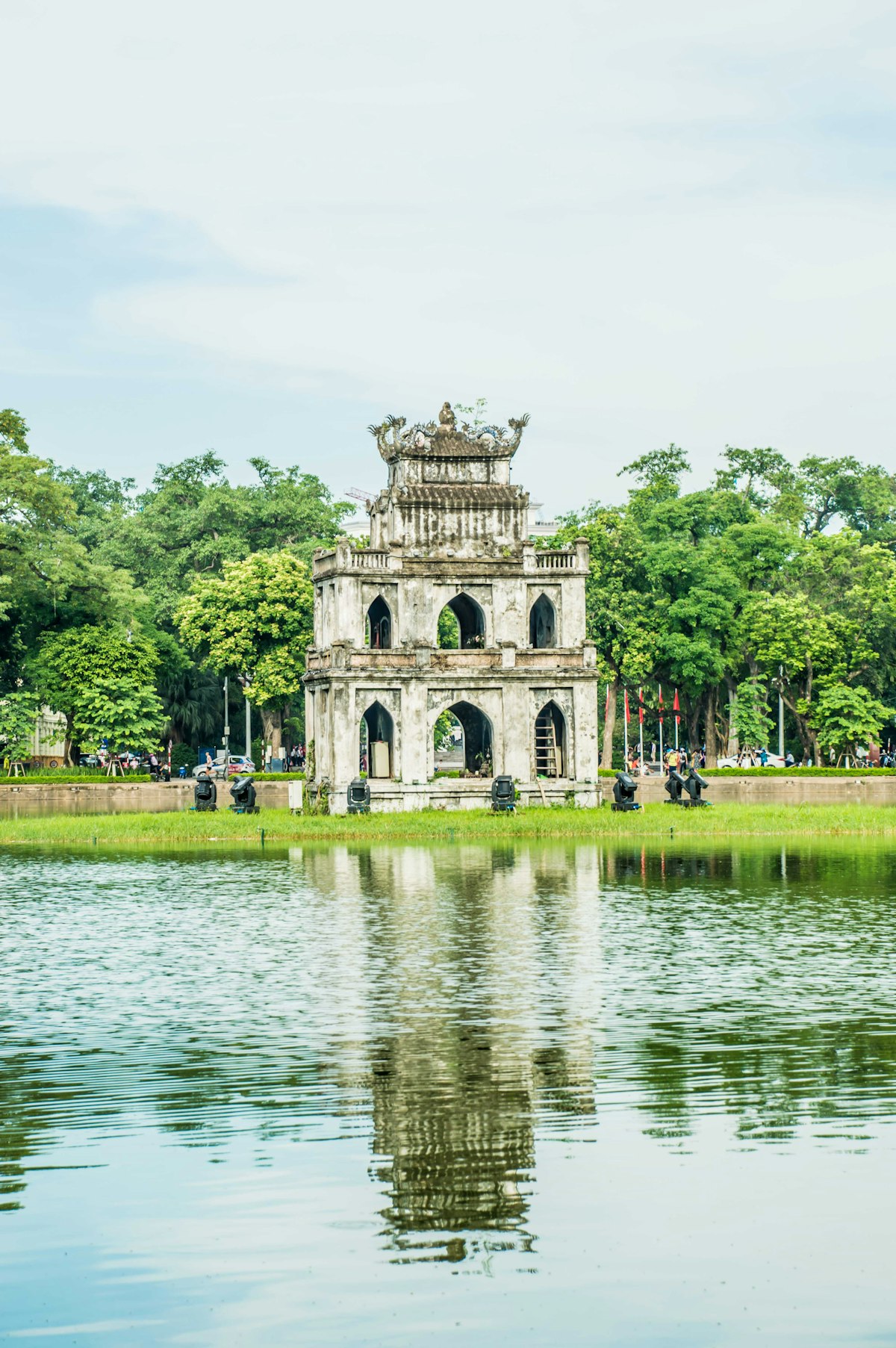
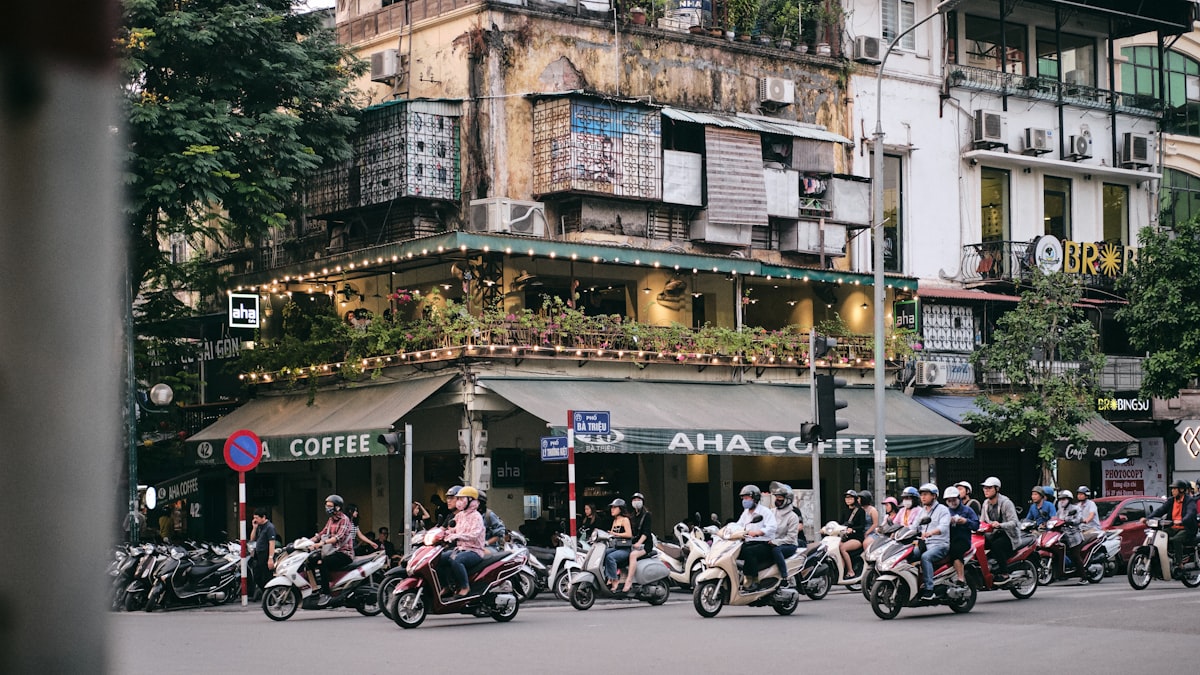
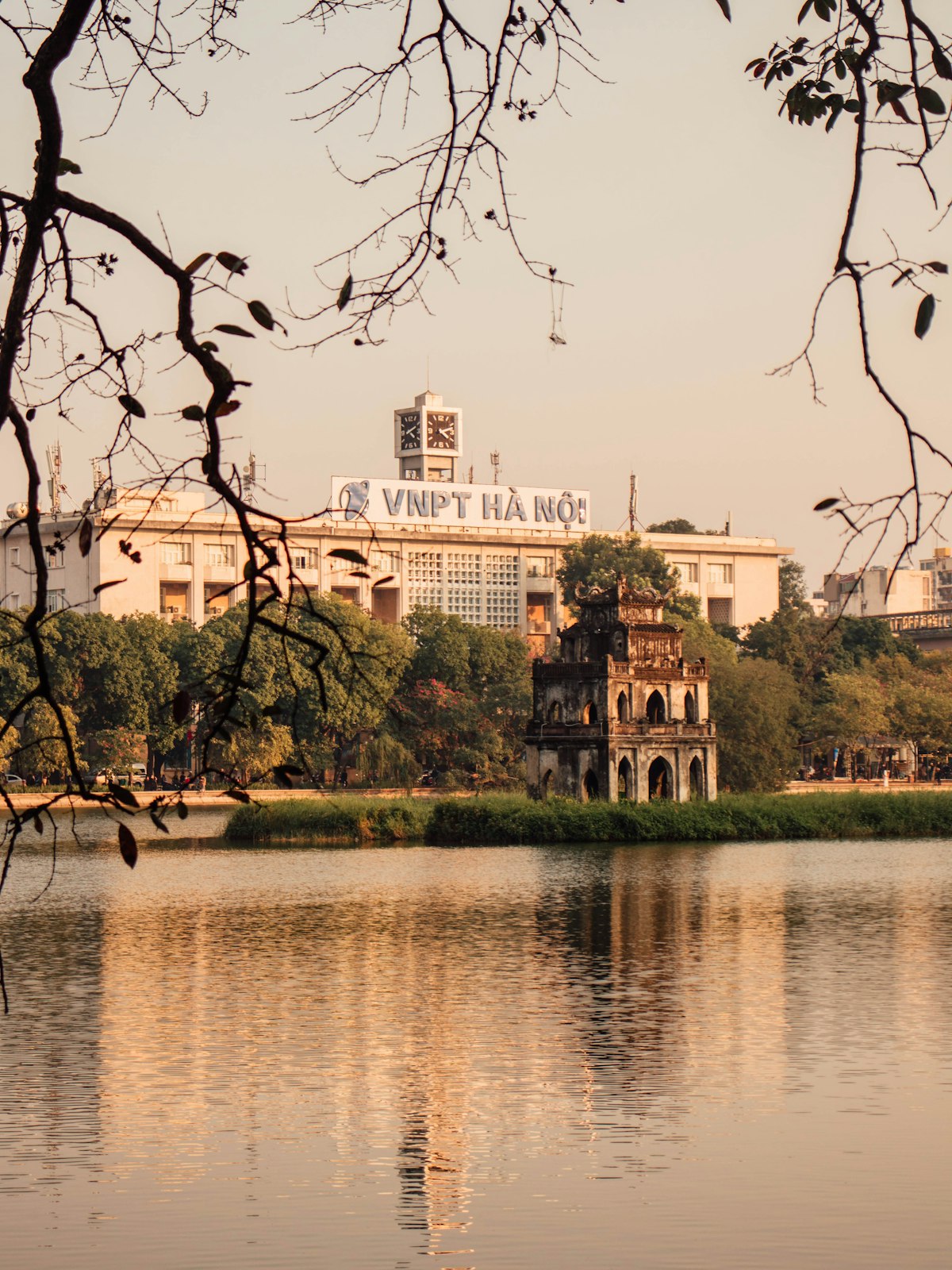
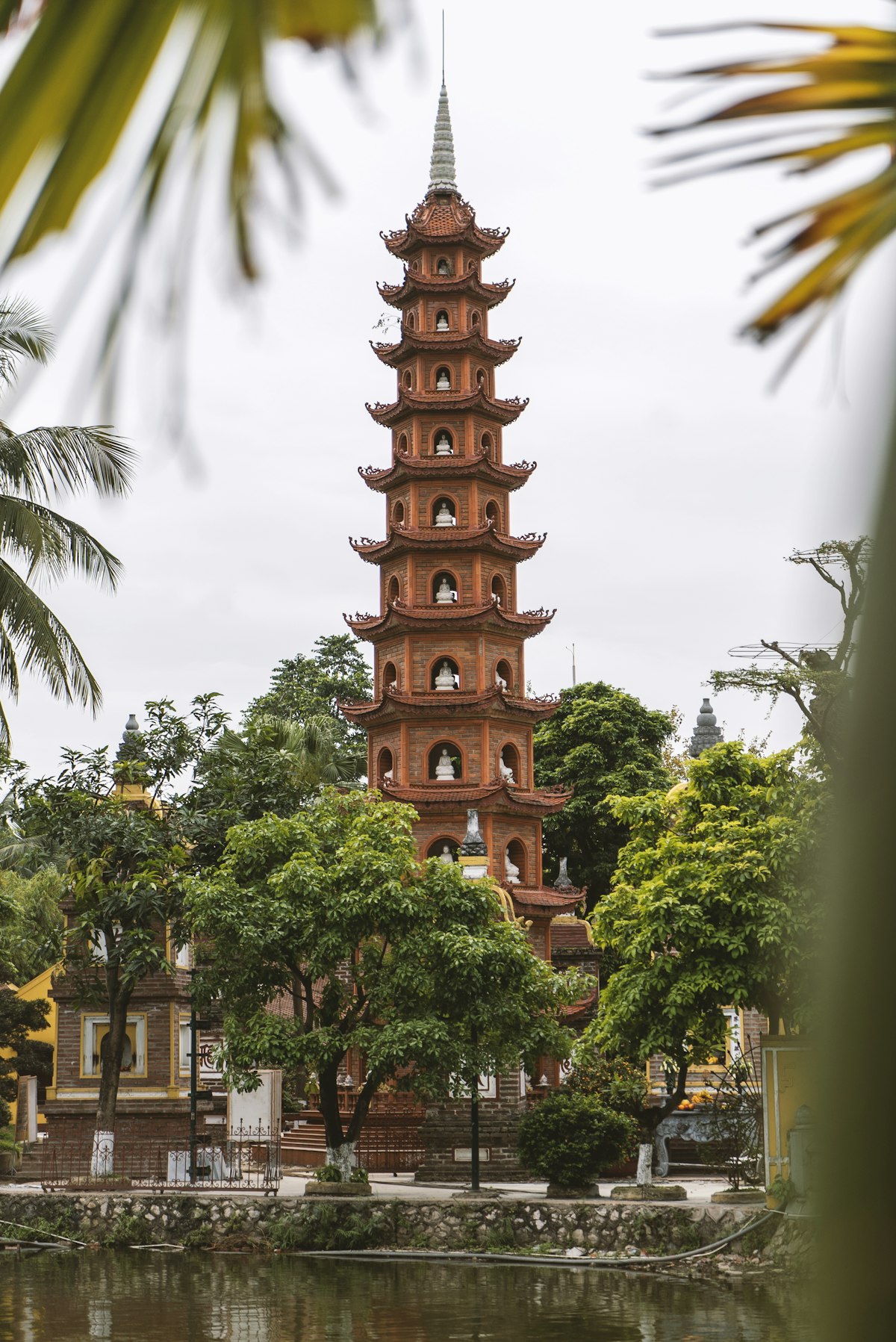
Showing: Apr · Eden Constantino / Unsplash
Vietnam · Southeast Asia
Best time to visit Hanoi
April
Apr scores highest overall — reliable weather and good value. Set your priorities below to personalise this result.
What matters most to you?
All 12 months — click any to expand
Apr
Eden Constantino / Unsplash
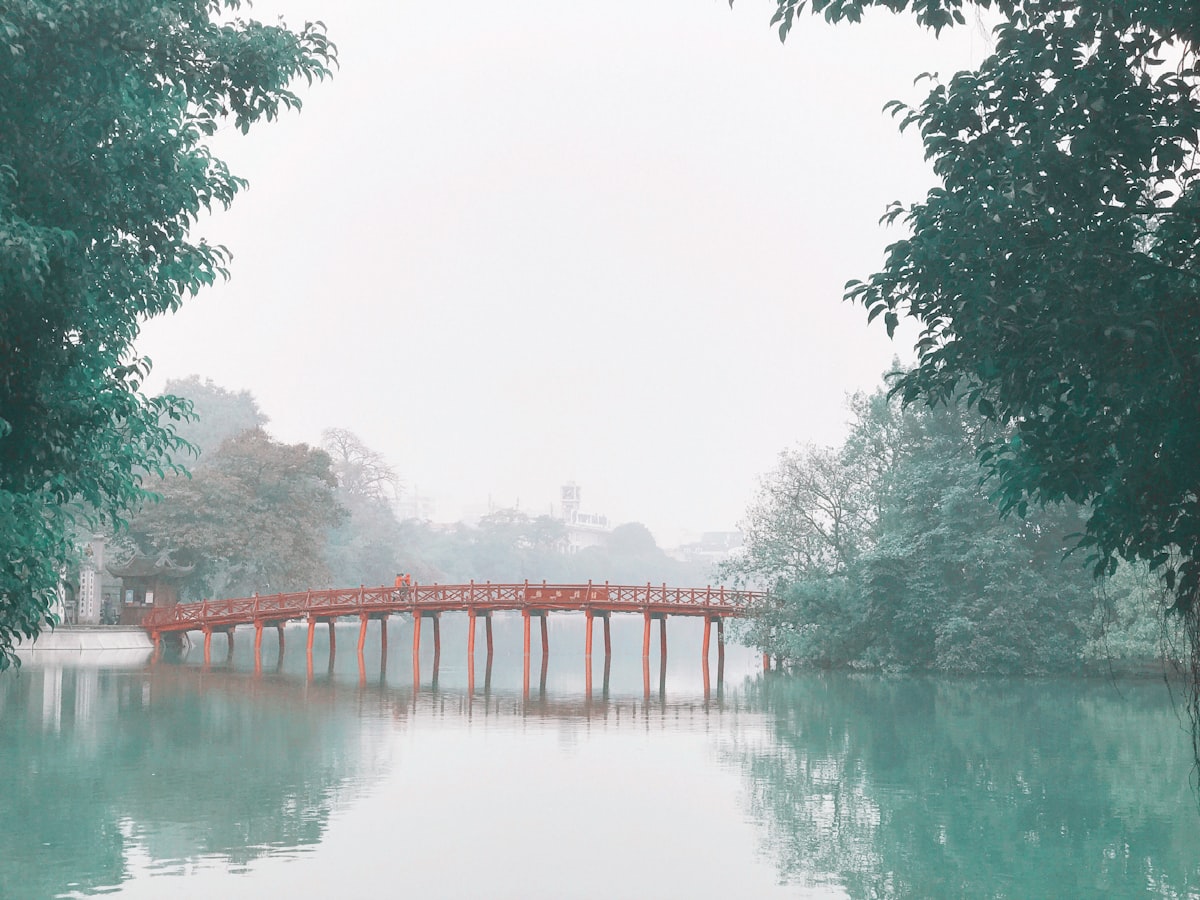
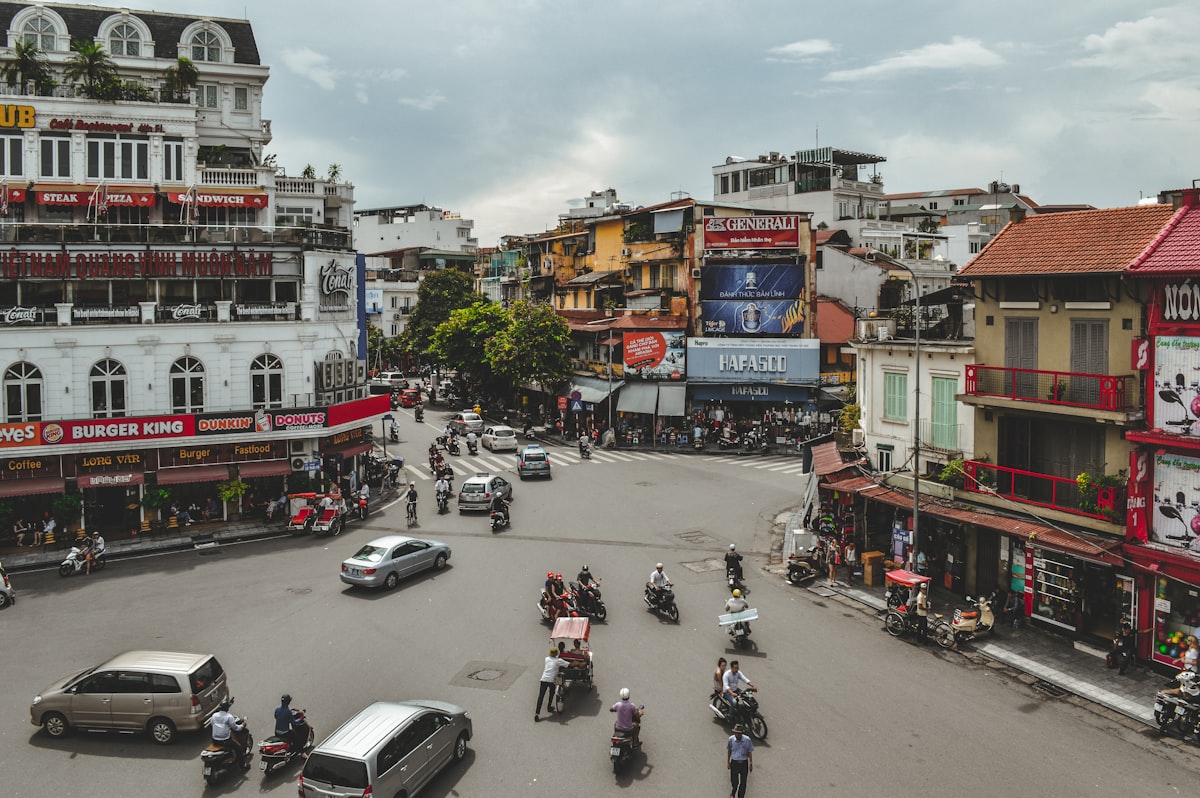
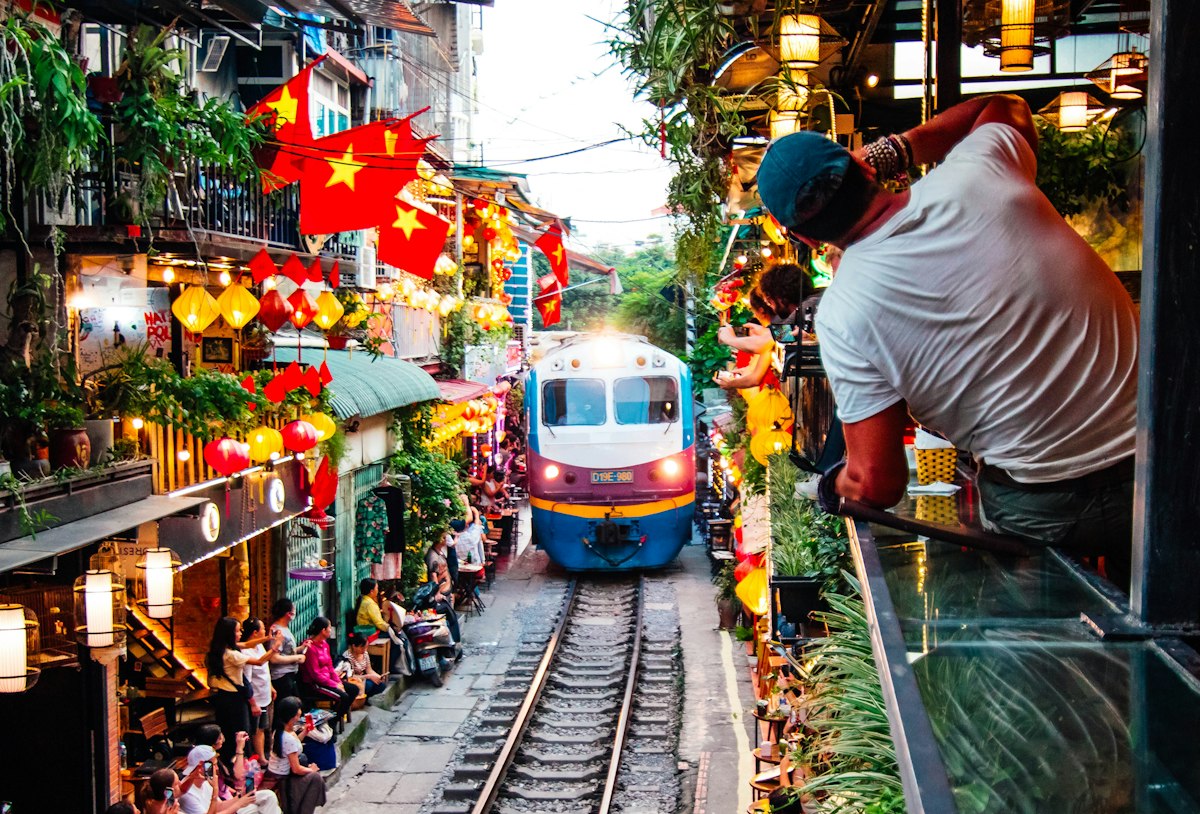
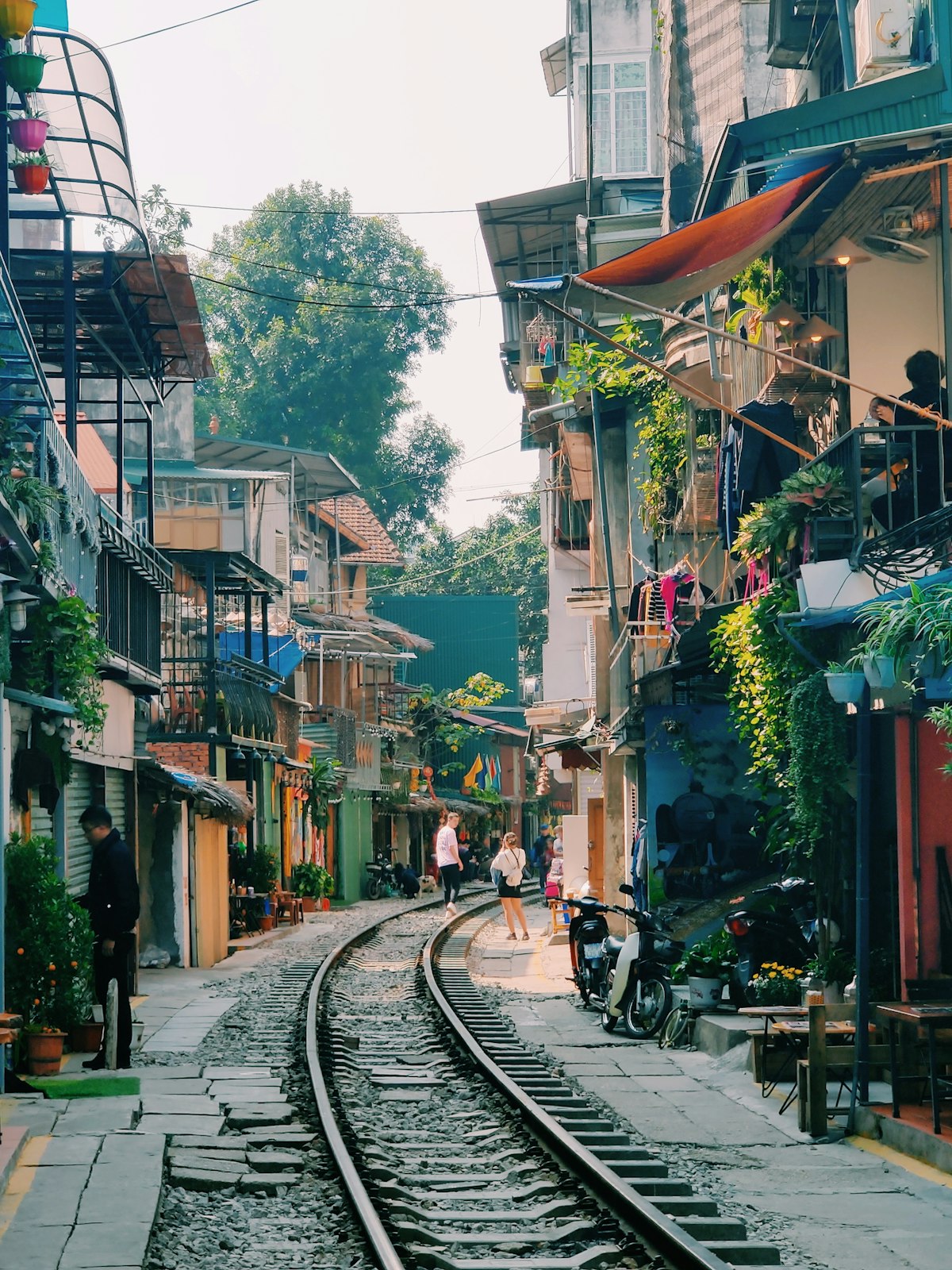
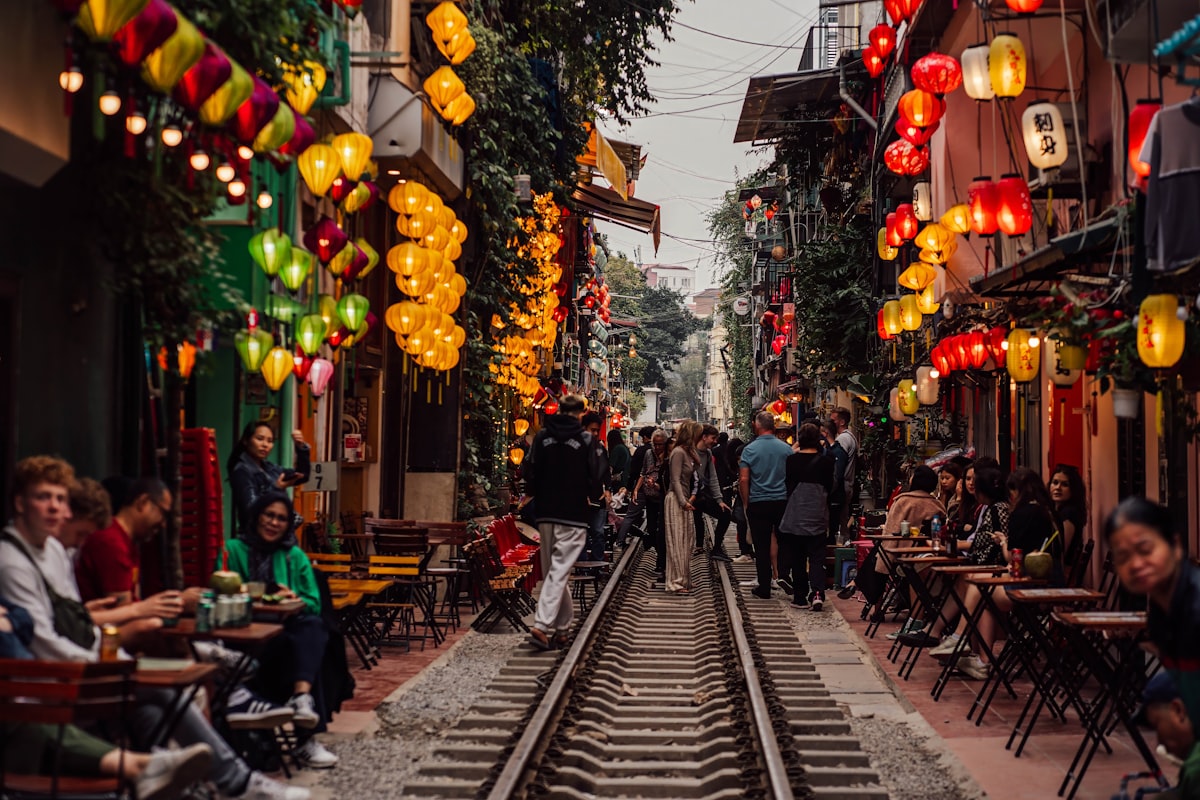
The best weather month — warm, sunny, low crowds, and the Old Quarter at its most photogenic.
26°C
High
20°C
Low
88mm
Rain
5.5h
Sun/day
What you gain
- ↑April is the joint-best weather month in Hanoi: 26°C, 5.5 sunshine hours, and light rather than heavy rain — the Old Quarter is comfortable to explore for a full day without the humidity and heat of summer
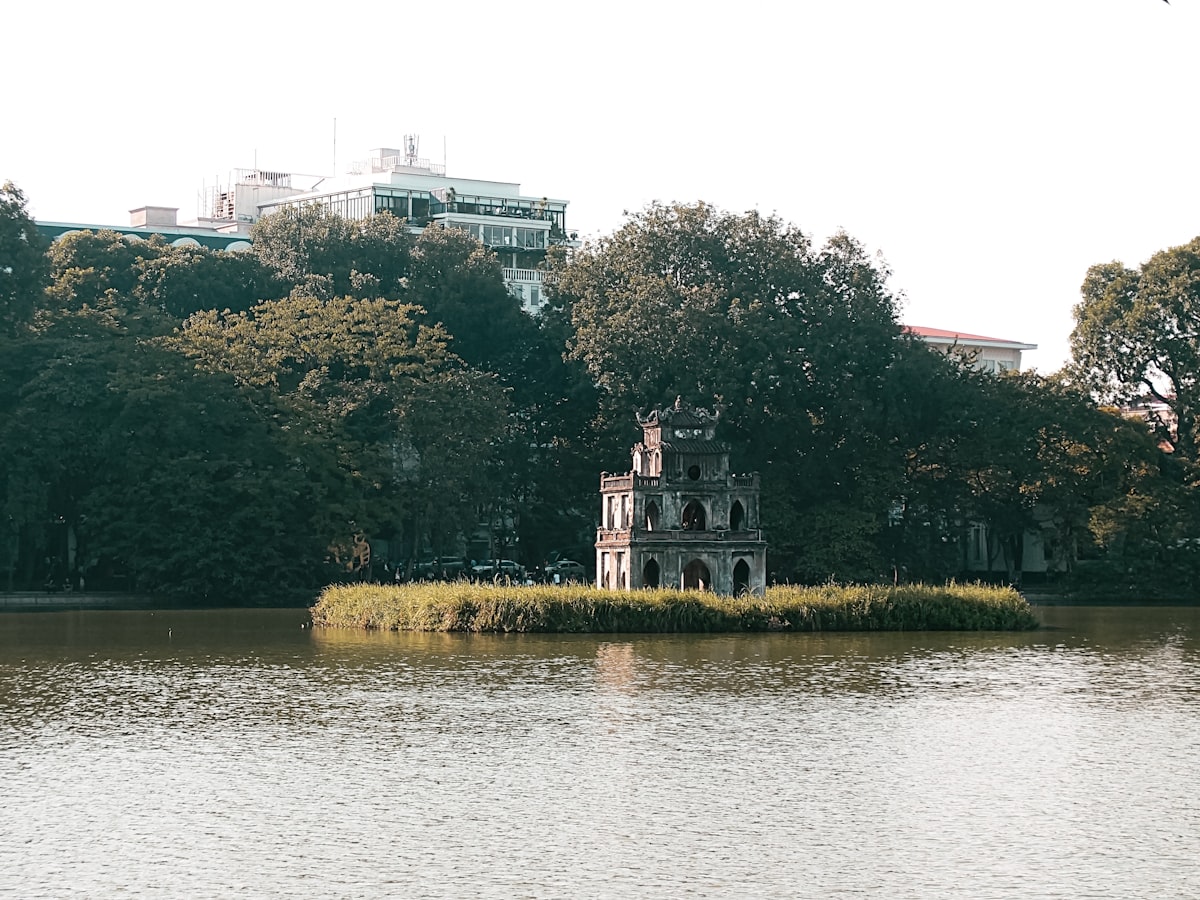
- ↑Crowds are at their annual low outside the peak seasons; the Ngoc Son Temple at Hoan Kiem Lake and the Temple of Literature can be visited without congestion
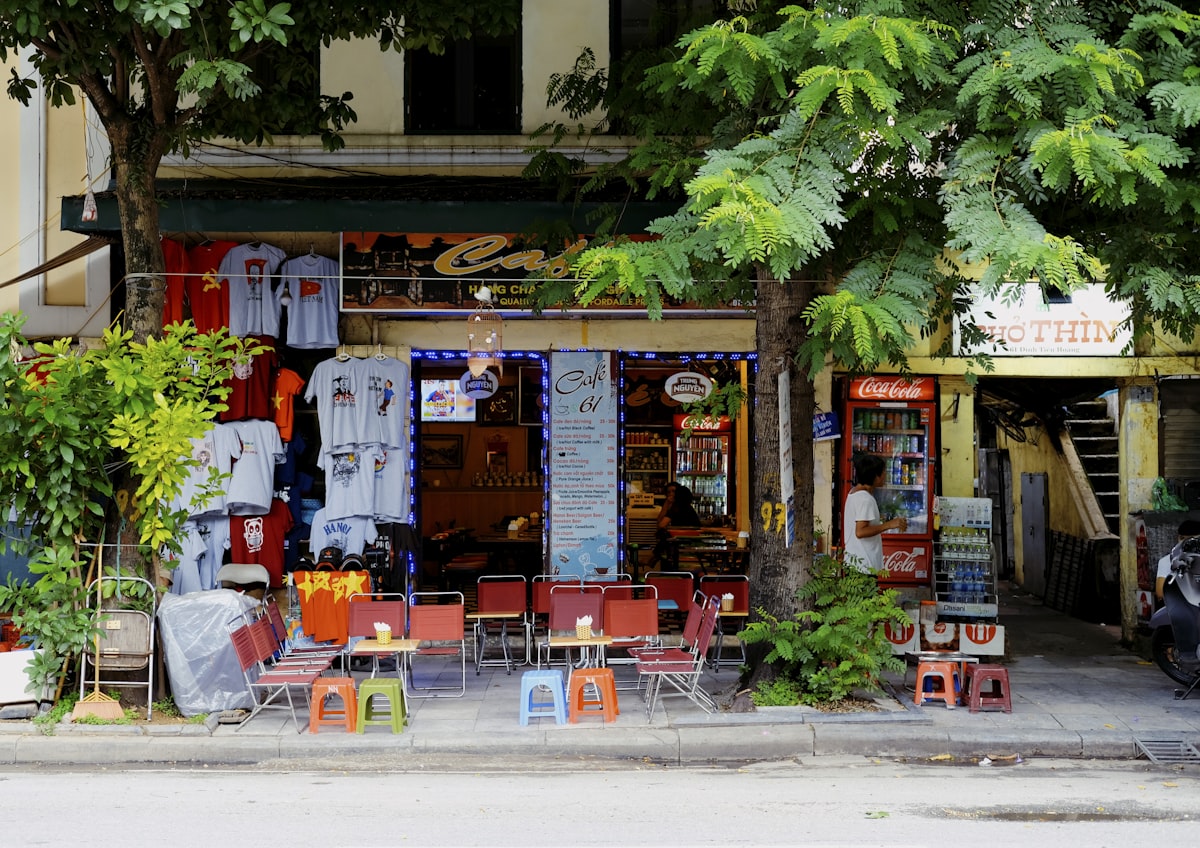
- ↑The Hanoi street food scene operates at full strength in ideal outdoor temperatures: bún chả, phở, and bánh mì from pavement stalls in the Old Quarter are best enjoyed at exactly this temperature
What you sacrifice
- ↓Rainfall increases to 88mm — light but present; afternoon showers are possible; carry a small umbrella or poncho
- ↓April is starting to become more popular as word of the good weather spreads; hotels fill faster than in February-March and prices begin edging upward
- ↓The heat is building toward summer levels by late April — daytime sightseeing between 11am and 3pm can already feel warm
Apr scores highest overall — reliable weather and good value. Set your priorities below to personalise this result.
Apr
The best weather month — warm, sunny, low crowds, and the Old Quarter at its most photogenic.
26°C
High
88mm
Rain
5.5h
Sun
- ↑April is the joint-best weather month in Hanoi: 26°C, 5.5 sunshine hours, and light rather than heavy rain — the Old Quarter is comfortable to explore for a full day without the humidity and heat of summer
- ↑Crowds are at their annual low outside the peak seasons; the Ngoc Son Temple at Hoan Kiem Lake and the Temple of Literature can be visited without congestion
- ↑The Hanoi street food scene operates at full strength in ideal outdoor temperatures: bún chả, phở, and bánh mì from pavement stalls in the Old Quarter are best enjoyed at exactly this temperature
- ↓Rainfall increases to 88mm — light but present; afternoon showers are possible; carry a small umbrella or poncho
- ↓April is starting to become more popular as word of the good weather spreads; hotels fill faster than in February-March and prices begin edging upward
- ↓The heat is building toward summer levels by late April — daytime sightseeing between 11am and 3pm can already feel warm
Top travel windows
★ BestApril
Best overall
Highest combined score
26°C
High
88mm
Rain
5.5h
Sun
★ BestApril
Best for value
Lowest prices & fees
26°C
High
88mm
Rain
5.5h
Sun
★ BestApril
Fewest crowds
Quietest month
26°C
High
88mm
Rain
5.5h
Sun
Breakdown by priority
Best for weather
April
26°C high · 88mm rain · 5.5hrs sun/day
Best for budget
April
The Hanoi street food scene operates at full strength in ideal outdoor temperatures: bún chả, phở, and bánh mì from pavement stalls in the Old Quarter are best enjoyed at exactly this temperature
Fewest crowds
April
Crowds are at their annual low outside the peak seasons; the Ngoc Son Temple at Hoan Kiem Lake and the Temple of Literature can be visited without congestion
Worst time to visit
August
318mm of rain is Hanoi's wettest month of all — daily deluges can last for hours, flooding streets that drain slowly; choosing accommodation on higher ground or with covered access matters
Where to stay in Hanoi
All neighbourhoods →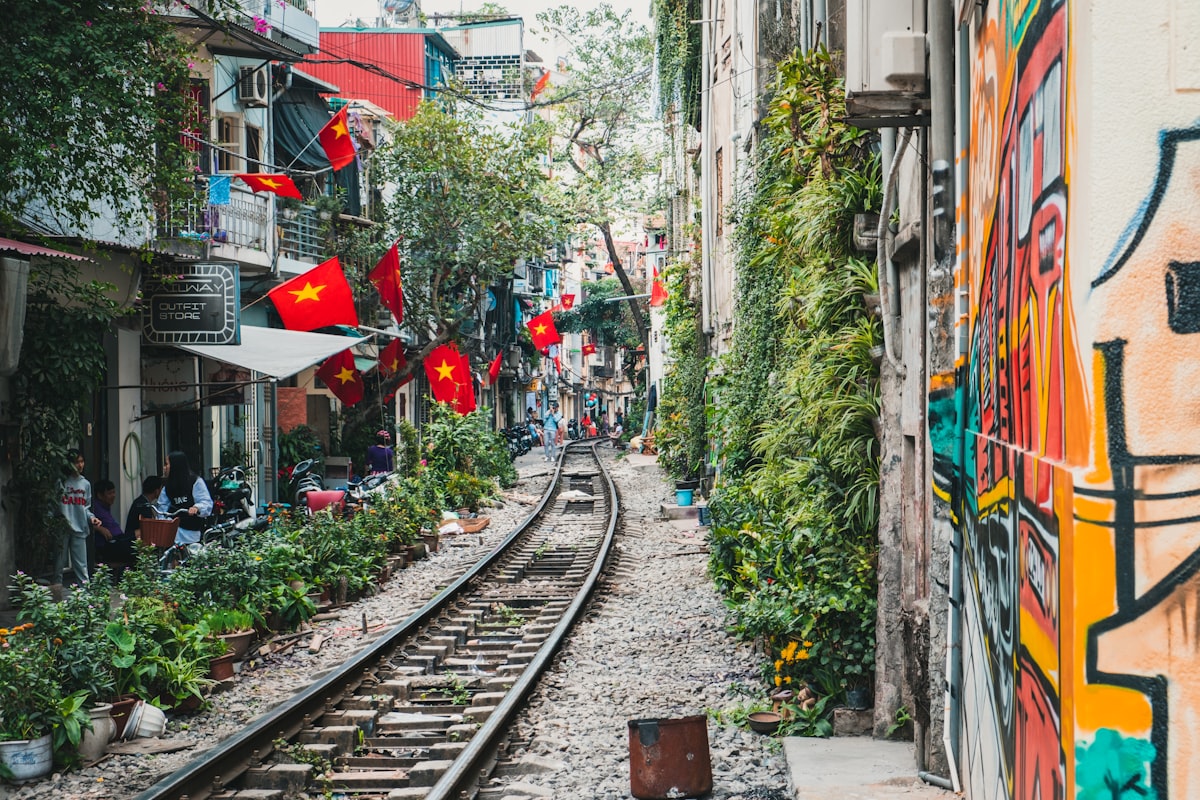
Old Quarter / Hoan Kiem
The 36 ancient guild streets, Hoan Kiem Lake, and the irreplaceable heart of Hanoi — touristy but unmissable.
10/10
Central
10/10
Walk
7/10
Transit
French Quarter
Colonial boulevards, the Hanoi Opera House, and the Sofitel Metropole — Hanoi's most elegant neighbourhood.
9/10
Central
8/10
Walk
7/10
Transit
Also exploring
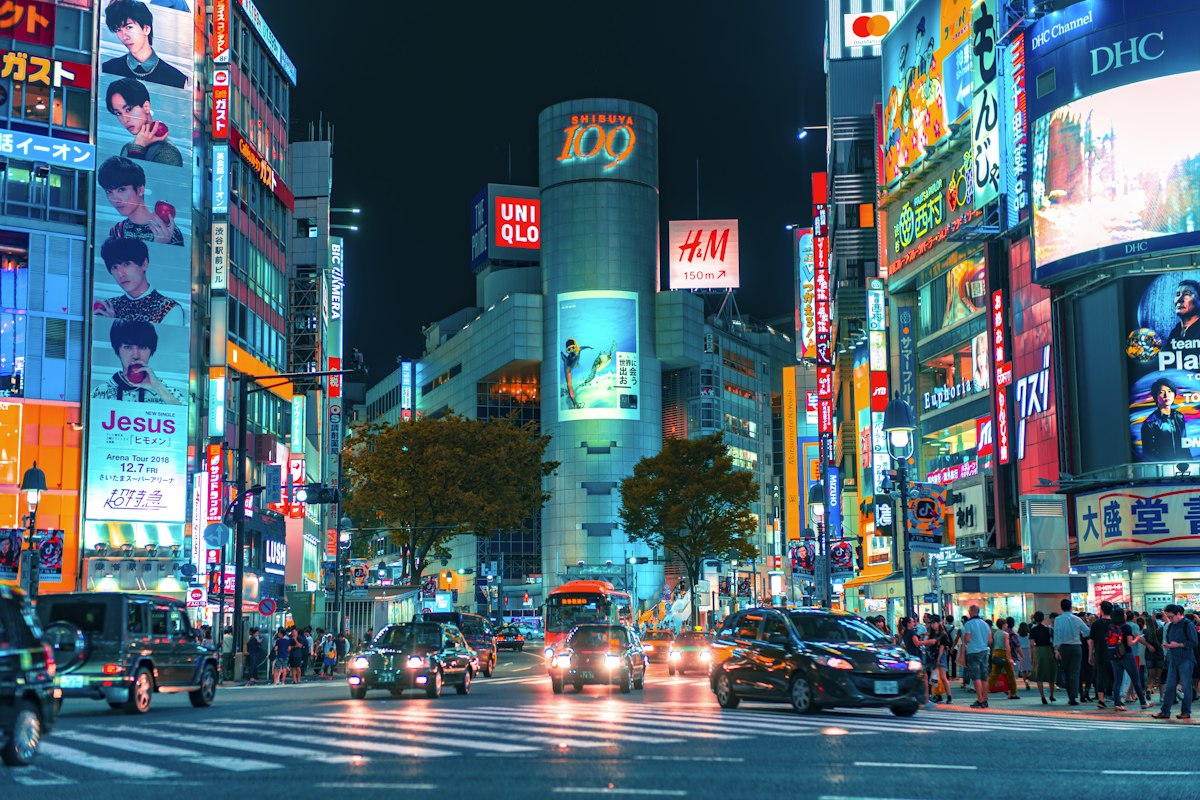
Tokyo
Japan
A city of dramatic seasonal contrasts — cherry blossom crowds, oppressive summer humidity, and golden autumn foliage — where the wrong timing can make or break the trip.
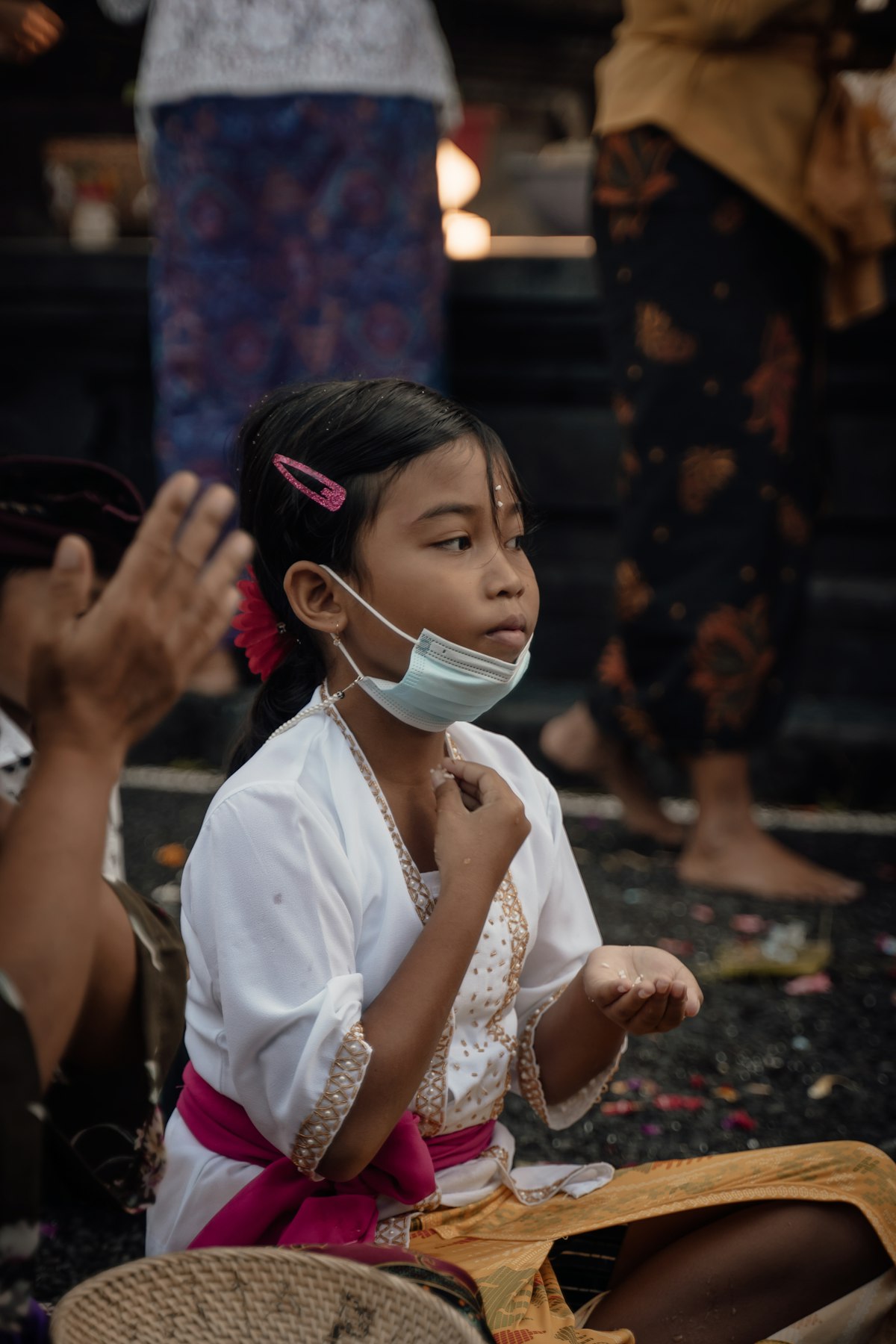
Bali
Indonesia
A Hindu island of rice terraces, temple ceremonies, and surf breaks where the monsoon makes timing genuinely binary — the difference between dry and wet season is not subtle.
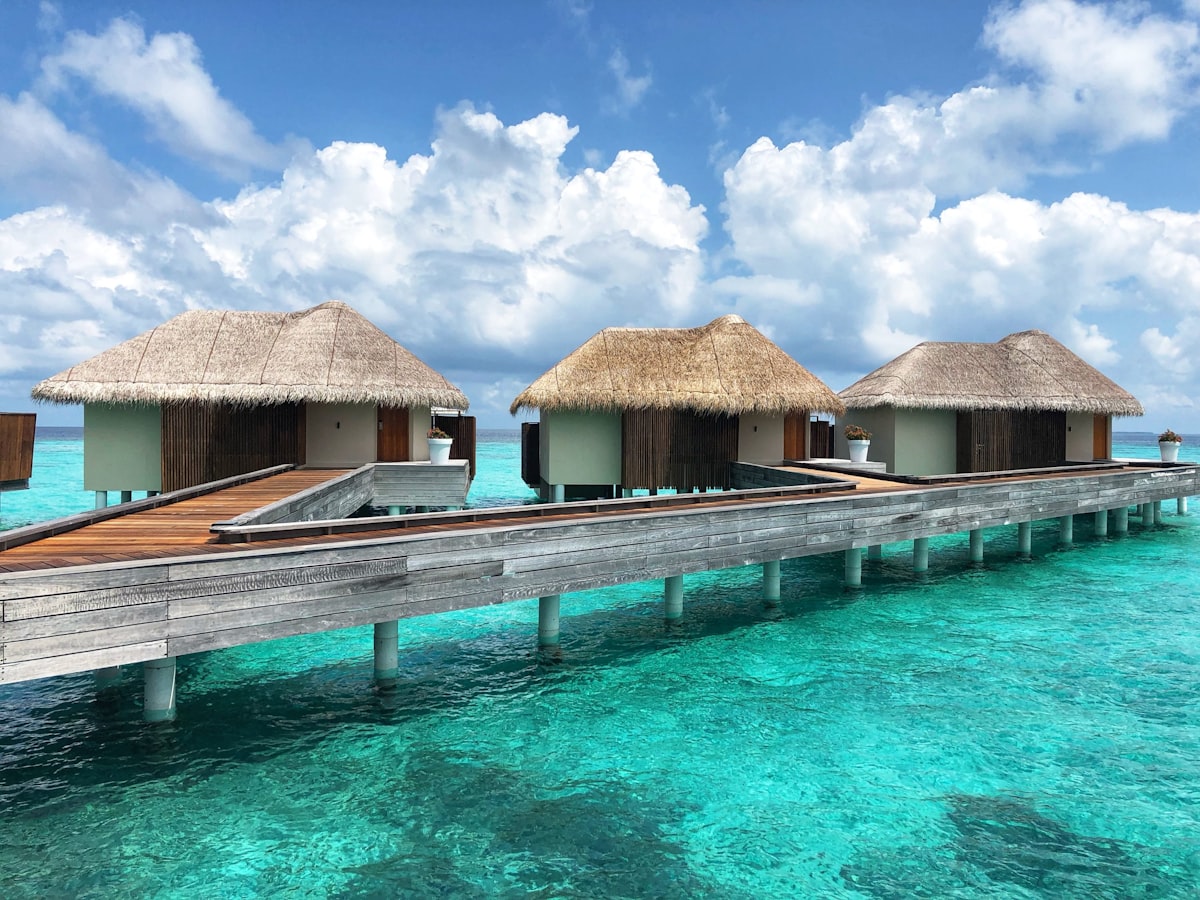
Maldives
Maldives
A destination defined almost entirely by its monsoon calendar — the difference between the NE dry season (November–April) and SW wet season (May–October) is not subtle and shapes every aspect of the experience.
Worth knowing
April scores highest overall. February is the most crowded month — avoid if you can. See crowd-free ranking →
Month by month breakdown
January#7▾
Gains
- ↑Tet (Lunar New Year, late January or early February) preparations dominate the month: Hang Ma Street fills with lanterns and decorations, peach blossom trees appear throughout the Old Quarter, and Hoan Kiem Lake hosts evening flower markets — the most visually spectacular seasonal transformation in Hanoi
- ↑Rainfall is minimal at 18mm — the driest and coolest period of the year means comfortable walking without heat or rain; a cardigan and a good pair of shoes is all you need
- ↑The city's cafe culture reaches peak appeal: Hanoians drink their signature egg coffee (cà phê trứng) while the mist hangs over the Old Quarter — genuinely atmospheric in a way that no other Southeast Asian capital manages
Sacrifices
- ↓Only 2.5 sunshine hours daily — January is the gloomiest month in Hanoi's calendar; the famous skyline and street scenes are best photographed in soft overcast light, but blue-sky photographs require patience
- ↓At 18°C average high, Hanoi is genuinely cool by Southeast Asian standards — pack a layer for evenings; this surprises visitors who arrive expecting tropical warmth
- ↓If Tet falls in January, most restaurants, shops, and attractions close for 1–2 weeks surrounding the holiday; beautiful but logistically difficult for unprepared travellers
February#5▾
Gains
- ↑Tet (Lunar New Year, typically February) is the most important event in the Vietnamese calendar — Hanoi is decorated on a scale that makes Christmas in Europe look restrained; peach blossoms, kumquat trees, and lanterns cover every street in the Old Quarter
- ↑The Hoan Kiem Lake area and the streets around the Old Quarter are closed to traffic on Tet Eve and the following days — walking through an almost traffic-free Hanoi is a once-in-a-lifetime experience
- ↑Fireworks displays over Hoan Kiem Lake on Tet Eve are spectacular; the atmosphere in the days surrounding the New Year is unlike anything else in Southeast Asia
Sacrifices
- ↓The city effectively closes for 1–2 weeks: most restaurants, shops, and services are shut; travellers must stock up on food before Tet begins or rely on hotel restaurants
- ↓Hanoi residents largely leave the city to return to family; the streets are eerily quiet in the days around the New Year itself — extraordinary but unsettling if unexpected
- ↓Hotel prices rise significantly during Tet week; the city's accommodation is under pressure from returning diaspora and domestic travellers
March#2▾
Gains
- ↑Temperatures recover to a comfortable 22°C and light drizzle replaces the January-February mist — the Old Quarter streets are best explored in this temperate window before summer heat arrives
- ↑Prices are in the affordable range after Tet; hotels and tours are available without advance booking and at reasonable rates
- ↑The city returns to full operating capacity after the Tet closure — street food stalls, markets, and restaurants are all running; the Dong Xuan Market is at its most active
Sacrifices
- ↓Sunshine hours remain low at 3.5 daily — March maintains Hanoi's characteristic overcast, misty quality; pleasant for walking but limiting for photography
- ↓Humidity is building toward summer levels even as the temperature is moderate; the combination can feel clammy despite the relatively cool air
- ↓No major events in March; the city is operating normally rather than at its most festive or charged
April#1▾
Gains
- ↑April is the joint-best weather month in Hanoi: 26°C, 5.5 sunshine hours, and light rather than heavy rain — the Old Quarter is comfortable to explore for a full day without the humidity and heat of summer
- ↑Crowds are at their annual low outside the peak seasons; the Ngoc Son Temple at Hoan Kiem Lake and the Temple of Literature can be visited without congestion
- ↑The Hanoi street food scene operates at full strength in ideal outdoor temperatures: bún chả, phở, and bánh mì from pavement stalls in the Old Quarter are best enjoyed at exactly this temperature
Sacrifices
- ↓Rainfall increases to 88mm — light but present; afternoon showers are possible; carry a small umbrella or poncho
- ↓April is starting to become more popular as word of the good weather spreads; hotels fill faster than in February-March and prices begin edging upward
- ↓The heat is building toward summer levels by late April — daytime sightseeing between 11am and 3pm can already feel warm
May#9▾
Gains
- ↑Sunshine hours reach their annual peak at 6.5 daily despite the rain — Hanoi in May has the most morning sunshine of any month; visit outdoor sites like the Ho Chi Minh Mausoleum and Tran Quoc Pagoda before noon
- ↑Prices remain affordable and the city is not overcrowded — a reasonable value window before international summer travel peaks
- ↑The city's café culture is fully operational and the Old Quarter's evening street scene is active; Hanoi's informal social life is at its most visible
Sacrifices
- ↓Rainfall reaches 188mm — heavy afternoon downpours that can last for hours; the Old Quarter's narrow streets flood quickly after heavy rain
- ↓At 31°C with 83% humidity, the heat and humidity combination becomes uncomfortable; outdoor sightseeing requires early starts and strategic shelter
- ↓The gap between morning sunshine and afternoon rain narrows — planning a full day around it requires flexibility
June#11▾
Gains
- ↑Hanoi in the rain is still Hanoi — the Old Quarter streets with rain bouncing off the rooftops and vendors sheltering under awnings is an authentic and evocative experience
- ↑Prices are affordable and international tourist numbers are lower; the city's museums (Vietnam Museum of Ethnology, Ho Chi Minh Museum) are excellent in any weather and uncrowded
- ↑Evening street life is active whenever the rain pauses — the Old Quarter's beer corners (bia hơi) at the intersection of Luong Ngoc Quyen and Ta Hien are at their most social
Sacrifices
- ↓239mm of rain in June — afternoon downpours are routine and sometimes violent; outdoor plans require contingency at all times
- ↓At 32°C and 83% humidity the heat is persistent; air conditioning is not just comfort but a practical necessity, limiting the appeal of street exploration
- ↓Summer heat means the city's open-air attractions (Hoan Kiem Lake walks, West Lake cycling, Old Quarter wandering) are most viable only before 10am and after 5pm
July#12▾
Gains
- ↑Evening Hanoi in July is genuinely excellent: the heat eases after 6pm, the Old Quarter's night markets and bia hơi culture is at its most vibrant, and street food stalls operate until midnight
- ↑The summer heat accelerates the rhythm of Hanoi's outdoor café culture; rooftop bars around the Old Quarter and Hoan Kiem Lake fill with a mix of locals and travellers after dark
- ↑Prices remain affordable — hotel rooms in the French Quarter and around Hoan Kiem Lake are available without advance booking
Sacrifices
- ↓288mm of rain makes July the wettest month in Hanoi's year — sustained downpours, flash flooding in the Old Quarter's streets, and daily disruption to outdoor plans
- ↓33°C average high with 83% humidity is the hottest and most uncomfortable combination in Hanoi's calendar; daytime sightseeing is punishing
- ↓The combination of heat and heavy rain means July is structurally inferior to every other month in Hanoi — no events, no weather advantages, nothing that is genuinely best in July
August#10▾
Gains
- ↑Mid-Autumn Festival (Tet Trung Thu) preparations begin in August — Hang Ma Street starts filling with mooncakes, lanterns, and traditional toys; a preview of the Old Quarter's most colourful transformation
- ↑Despite the heavy rain, Hanoi's indoor culture is superb: the Vietnam Museum of Ethnology is one of Southeast Asia's finest, and the city's café scene is the best reason to be stuck indoors anywhere in the region
- ↑Prices are at their most affordable among the summer months — hotel rates are competitive and street food costs are at their lowest
Sacrifices
- ↓318mm of rain is Hanoi's wettest month of all — daily deluges can last for hours, flooding streets that drain slowly; choosing accommodation on higher ground or with covered access matters
- ↓Sunshine hours drop to 5.5 — overcast skies dominate the morning before the daily rain arrives; the blue-sky Hanoi of autumn and spring photographs is absent
- ↓The heat (32°C / 84% humidity) remains at its summer maximum even as the rain intensifies — the combination of wet and hot is Hanoi at its most challenging
September#4▾
Gains
- ↑Mid-Autumn Festival (Tet Trung Thu) falls in September or October — Hang Ma Street becomes one of the most visually spectacular streets in Southeast Asia, densely packed with illuminated lanterns, mooncakes, and traditional masks; a genuine must-see event
- ↑The Old Quarter during the festival week is alive with children's processions, lion dances, and communal lantern lighting ceremonies around Hoan Kiem Lake — the atmosphere rivals Tet for emotional impact
- ↑Prices remain affordable as the rain keeps crowds lower than the festival deserves — a genuinely underrated time to visit Hanoi
Sacrifices
- ↓258mm of rain means the Mid-Autumn Festival itself takes place in wet conditions; processions continue despite rain but the experience requires waterproof preparation
- ↓Still in the summer heat zone at 31°C and 83% humidity — daytime city walking between festival events is uncomfortable
- ↓The exact date of the festival moves with the lunar calendar; confirm dates before booking and ensure you are present for the key evening on the full moon
October#3▾
Gains
- ↑Temperatures fall to a very comfortable 29°C and humidity begins dropping — the best autumn weather makes Old Quarter exploration viable throughout the day for the first time since April
- ↑Mid-Autumn Festival can fall in early October (lunar calendar dependent) — if so, the Hang Ma Street and Hoan Kiem Lake celebrations are the highlight of the Hanoi calendar
- ↑The city's café culture and restaurant scene are at their most social in October: Hanoians take to the streets in the pleasant evenings; the West Lake area and French Quarter restaurants fill with locals
Sacrifices
- ↓198mm of rain means October still brings heavy downpours — not as relentless as August, but afternoon rain remains a reliable disruption to outdoor plans
- ↓Prices are beginning to rise with the improving weather; October is no longer the budget season of the summer months
- ↓The combination of still-frequent rain and tourist awareness of the good autumn weather means popular hotels book out faster than at any summer month
November#6▾
Gains
- ↑November is one of the two best months in Hanoi's calendar alongside April: 25°C, light rain, and low humidity make walking the 36 streets of the Old Quarter, cycling around West Lake, and visiting the Temple of Literature genuinely enjoyable all day
- ↑The transition to the cool season begins in late November — Hanoians start wearing jackets and the city takes on a more contemplative character; the street food scene shifts to warming soups (bún bò Huế, bún riêu, and a thousand phở varieties)
- ↑Tourist numbers are rising from the summer lows but not yet at the December-February peak — popular sites are accessible without long queues
Sacrifices
- ↓Sunshine hours (5.2 daily) are lower than in May and June despite the better overall conditions — overcast skies are frequent, which is pleasant for walking but less so for photography
- ↓Prices are moderate and rising — November is no longer the value season but the quality justifies it
- ↓The transition from warm to cool can feel unpredictable week to week; packing layers for both 25°C days and 15°C evenings is required
December#8▾
Gains
- ↑December is comfortably cool at 20°C with minimal rain — the Old Quarter in cool weather with rising mist over Hoan Kiem Lake is one of the most atmospheric urban experiences in Southeast Asia
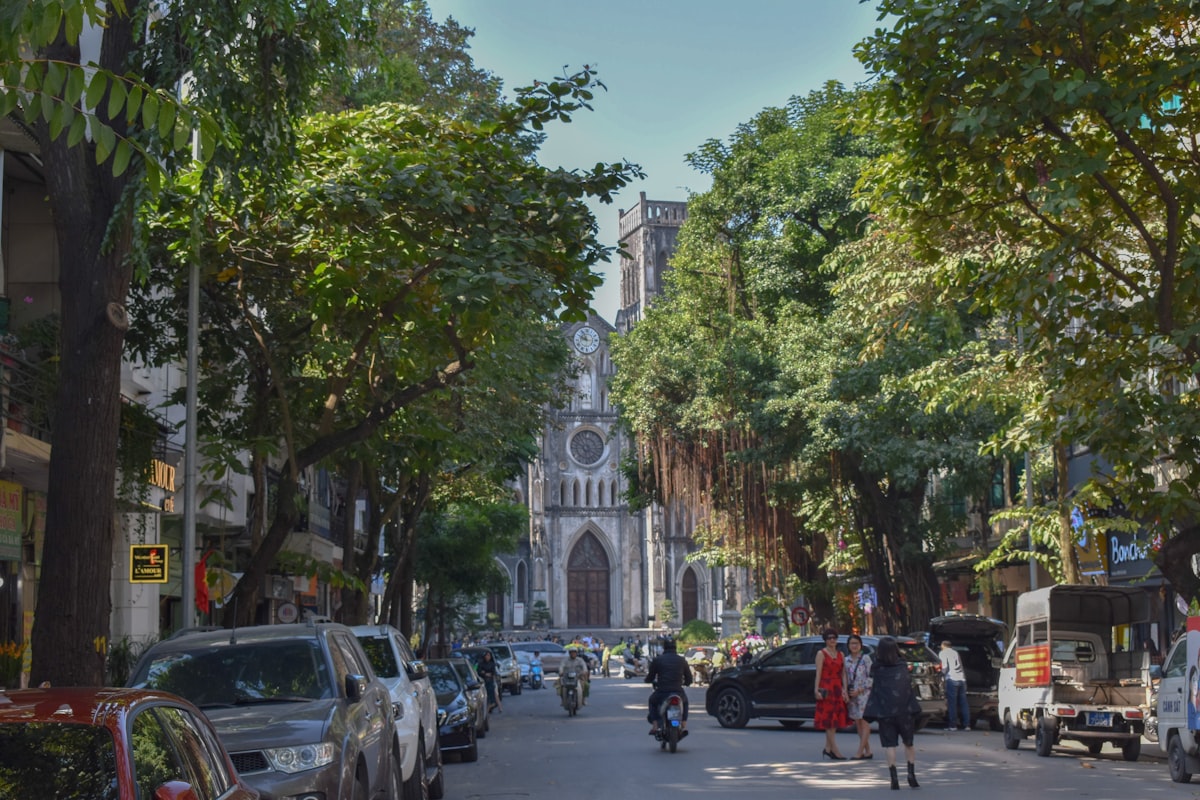
- ↑Christmas in Hanoi is a surprisingly festive affair: the French Quarter's cathedral (St Joseph's) is lit up and the surrounding streets fill with young Hanoians celebrating; a very different Christmas atmosphere, entirely Vietnamese in character
- ↑The city's phở culture is at its most appropriate in December — a bowl of phở bò at 7am in 15°C weather in the Old Quarter is one of the definitive Hanoi experiences
Sacrifices
- ↓Sunshine hours drop to 3.0 daily and the sky is frequently overcast — the grey mist over Hoan Kiem Lake is atmospheric on day one and less welcome by day five
- ↓At 20°C (and 14°C at night), Hanoi is significantly colder than the rest of Southeast Asia; visitors arriving from tropical destinations often underpack
- ↓The city is building toward the Tet peak that begins in January — hotel prices start rising from mid-December as forward bookings for the festive season arrive
How this is calculated
Climate data
Open Meteo ERA5
30-year normals (1991–2020). Temperature, rainfall, sunshine, humidity.
Price & crowd
Tourism research
Seasonal pricing from tourism authority data. Directional — compares months within a destination only.
Personalisation
Weighted scoring
Your priorities change the weights. Budget-first users get different results than weather-first users.
Share this result
April is the best time to visit Hanoi
Travel timing updates
New destinations and timing guides, when they land.
No spam. Unsubscribe anytime.