Zanzibar
Stone Town
Unsplash / Unsplash
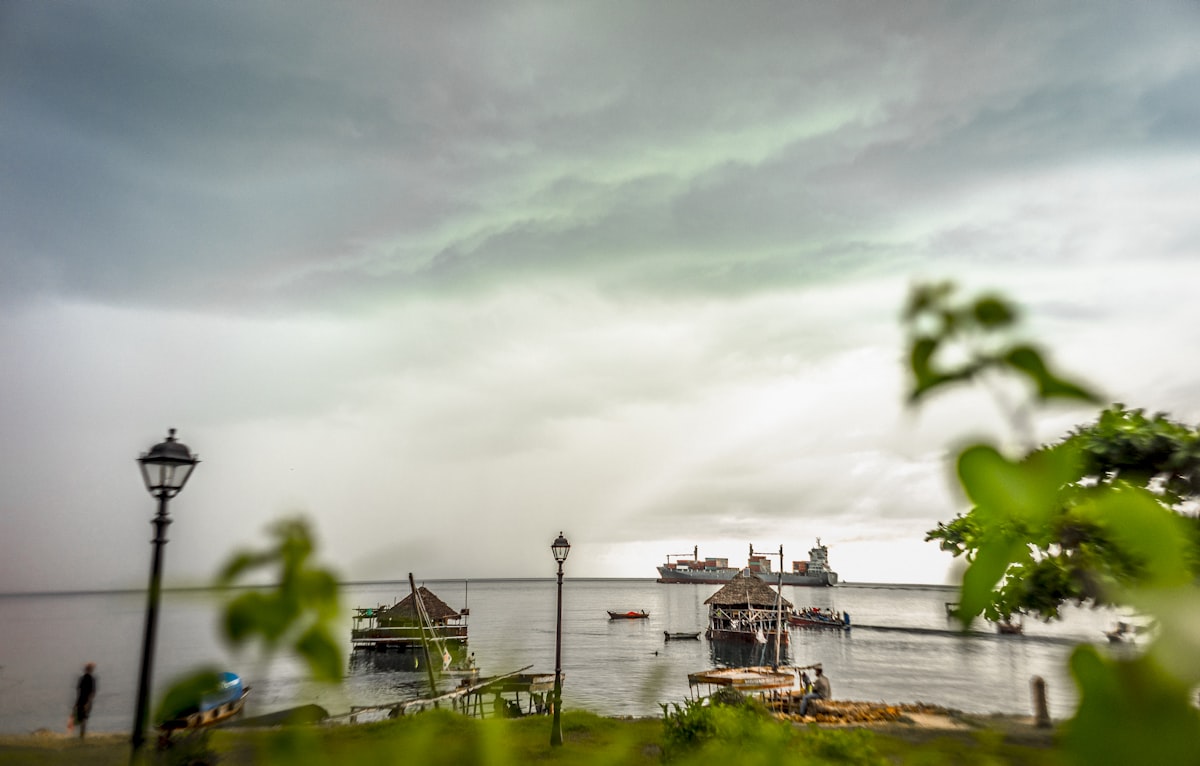
The UNESCO-listed heart of Zanzibar — carved wooden doors, the old slave market, Freddie Mercury's birthplace, and a spice-scented labyrinth of Swahili streets.
Stone Town is one of the finest surviving examples of Swahili coastal trading architecture in East Africa: a dense urban labyrinth of coral-stone houses, narrow alleys, and elaborately carved wooden doors that reflect the convergence of Arab, Persian, Indian, and African cultures that made Zanzibar the dominant trading entrepôt of the western Indian Ocean for four centuries. The UNESCO World Heritage designation encompasses the entire old city, and the Old Fort (built in 1699), the Palace Museum, and the former slave market — now a cathedral — tell the full complexity of the island's history. This is also where Farrokh Bulsara, who became Freddie Mercury, was born in 1946, and a small museum in his family house serves the pilgrimage.
Scores
Walkability
Transit
Price
Local feel
Nightlife
Family-friendly
Centrality
What you gain
- ↑The most culturally rich urban environment in the western Indian Ocean — the carved-door streetscapes, the call to prayer echoing between coral-stone buildings, and the fish market at dawn create an atmosphere that no beach resort can replicate; essential for any Zanzibar visit
- ↑The best and most affordable food on the island: Forodhani Gardens night market serves fresh seafood, Zanzibar pizza, and sugarcane juice from sunset; the best lobster in East Africa costs less than a beer in most European capitals
- ↑Central logistics base — all ferries from Dar es Salaam and Pemba Island arrive at Stone Town, and it is the natural first night before dispersing to the beaches
What you sacrifice
- ↓Stone Town's alleyways are a genuine maze — getting lost is inevitable and occasionally frustrating; offline maps are essential and the heat inside the dense urban fabric is more intense than on the beach
- ↓The beach experience is limited from Stone Town itself — the town beach is not swimming-quality, and reaching the good beaches requires a 45-minute drive north or east; Stone Town is a cultural base, not a beach base
- ↓Persistent touts and spice-tour salesmen on the main tourist routes, particularly around the port and the Old Fort; the persistent attention can be tiring on a first day
Best for
Avoid if
Other Zanzibar neighbourhoods
The kite surfing capital of East Africa — a wide lagoon, consistent southeast trade winds, and a more local and budget-friendly east coast.
The remote southwest — dolphin watching at dawn, the oldest mosque on the island, and a pace of life that the north coast abandoned a decade ago.
The north coast sunset strip — the best swimming beaches year-round, the most lively beach bar scene, and the dhow fishing village that still functions.
Know where to stay — now find when to go.
Best time to visit Zanzibar →