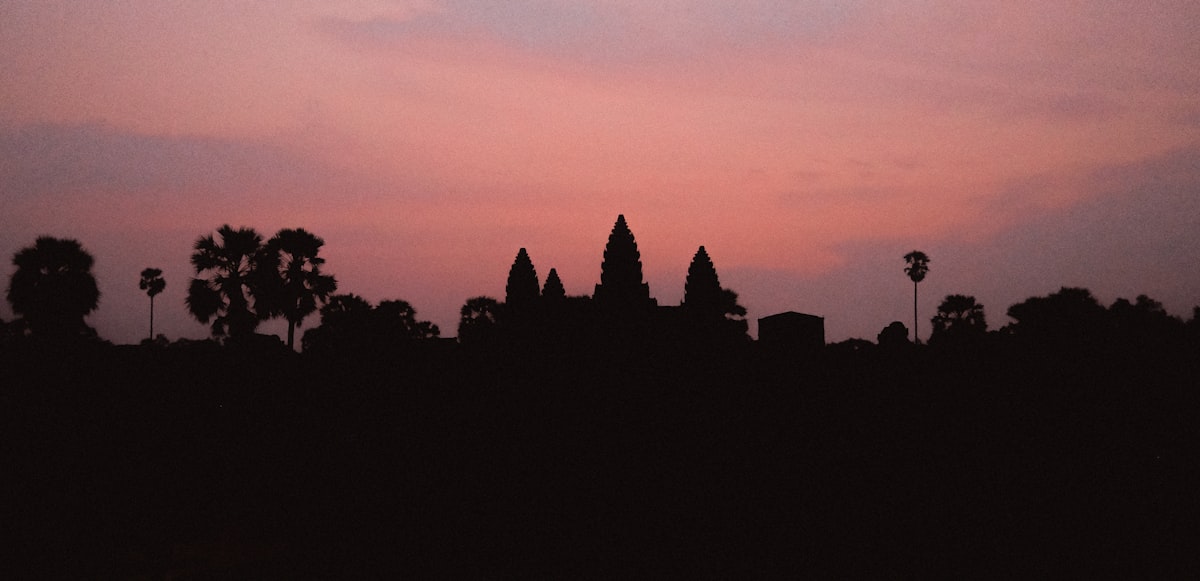
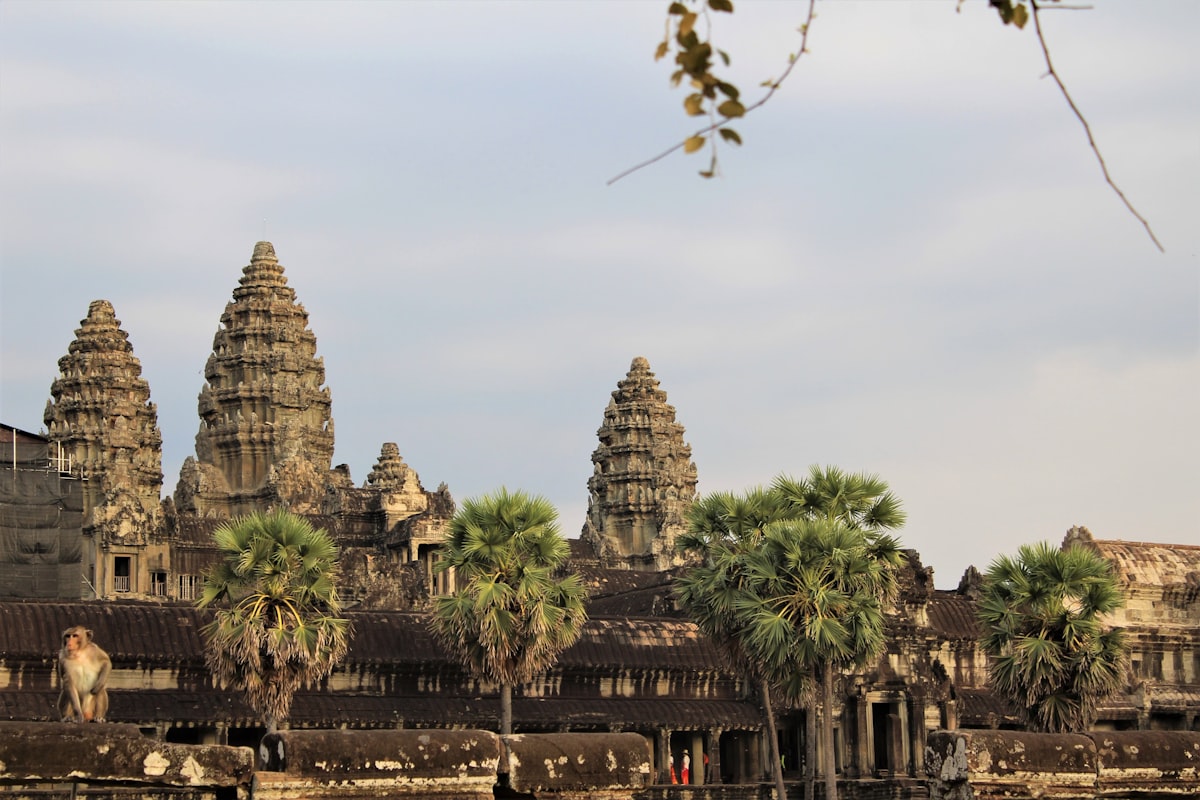
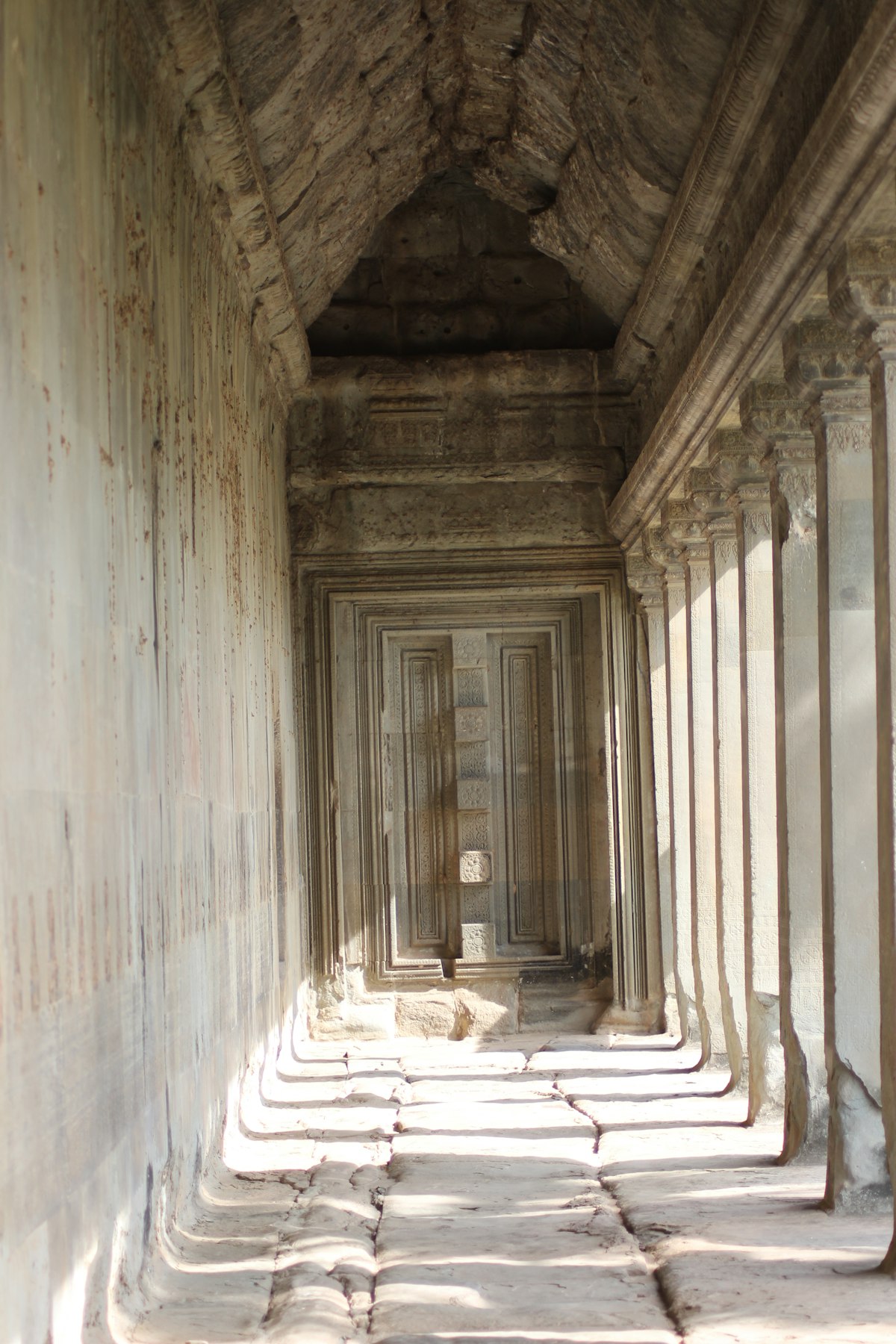
Showing: Nov · Unsplash / Unsplash
Cambodia · Asia Pacific
Best time to visit Siem Reap
November
Nov scores highest overall — reliable weather and strong local atmosphere. Set your priorities below to personalise this result.
What matters most to you?
All 12 months — click any to expand
Nov
Unsplash / Unsplash
Dry season begins — the best value month; Angkor accessible, lush from the rains, and growing.
29°C
High
20°C
Low
60mm
Rain
8h
Sun/day
What you gain
- ↑The most underrated month in Siem Reap: dry season conditions returning, temples still green and atmospheric from the rains, and accommodation at shoulder prices
- ↑Bon Om Touk Water Festival (if not in October): the boat racing on the Siem Reap River and the fireworks over Angkor are the most spectacular free event in Cambodia
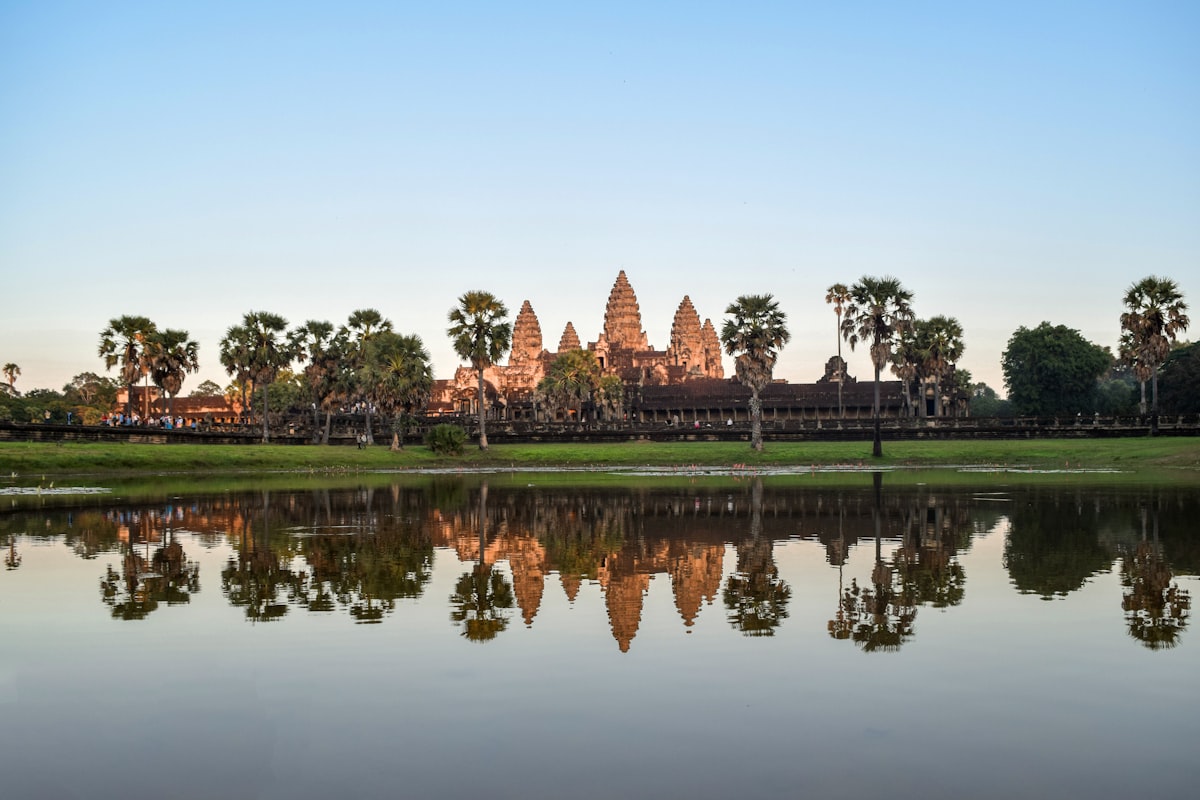
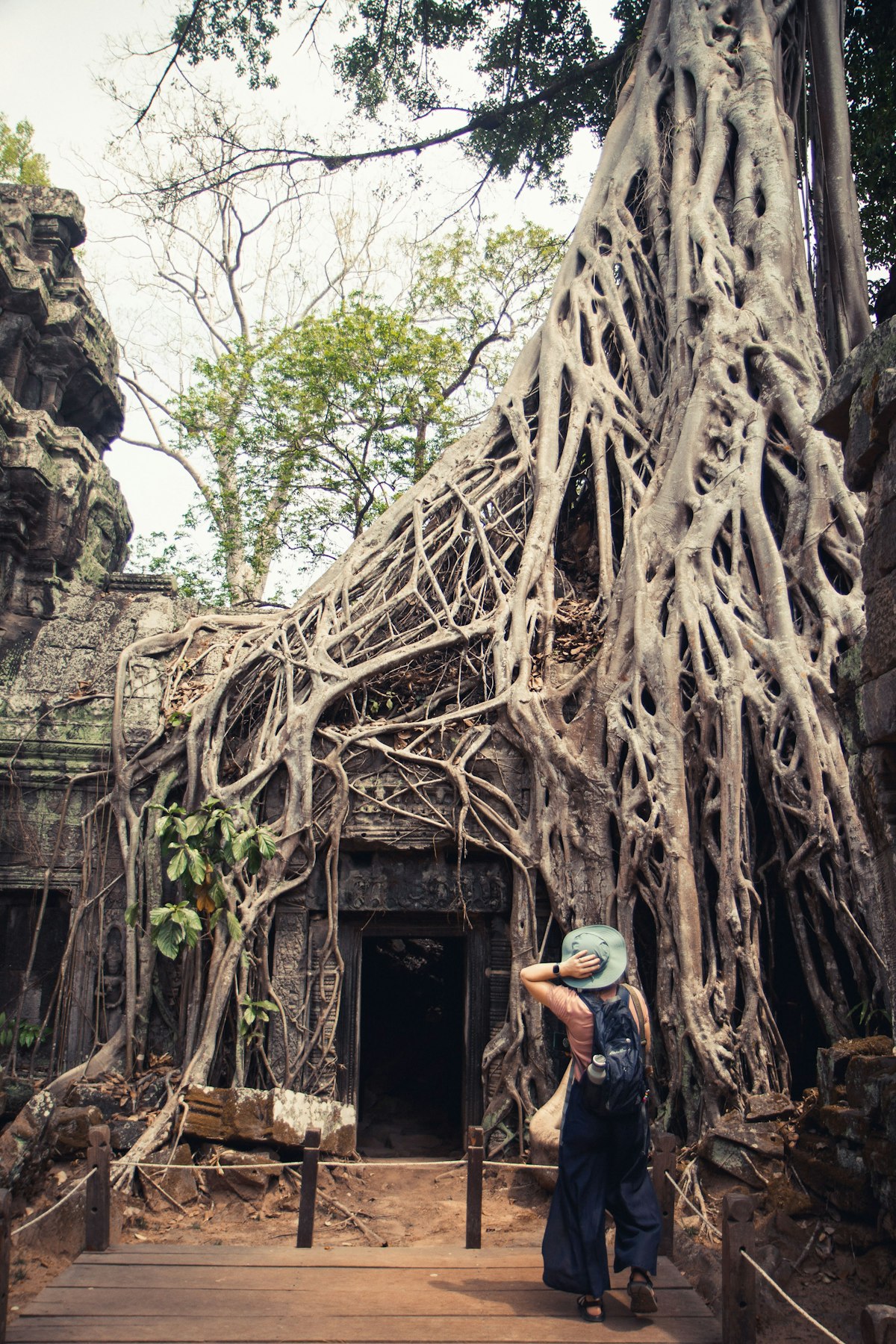
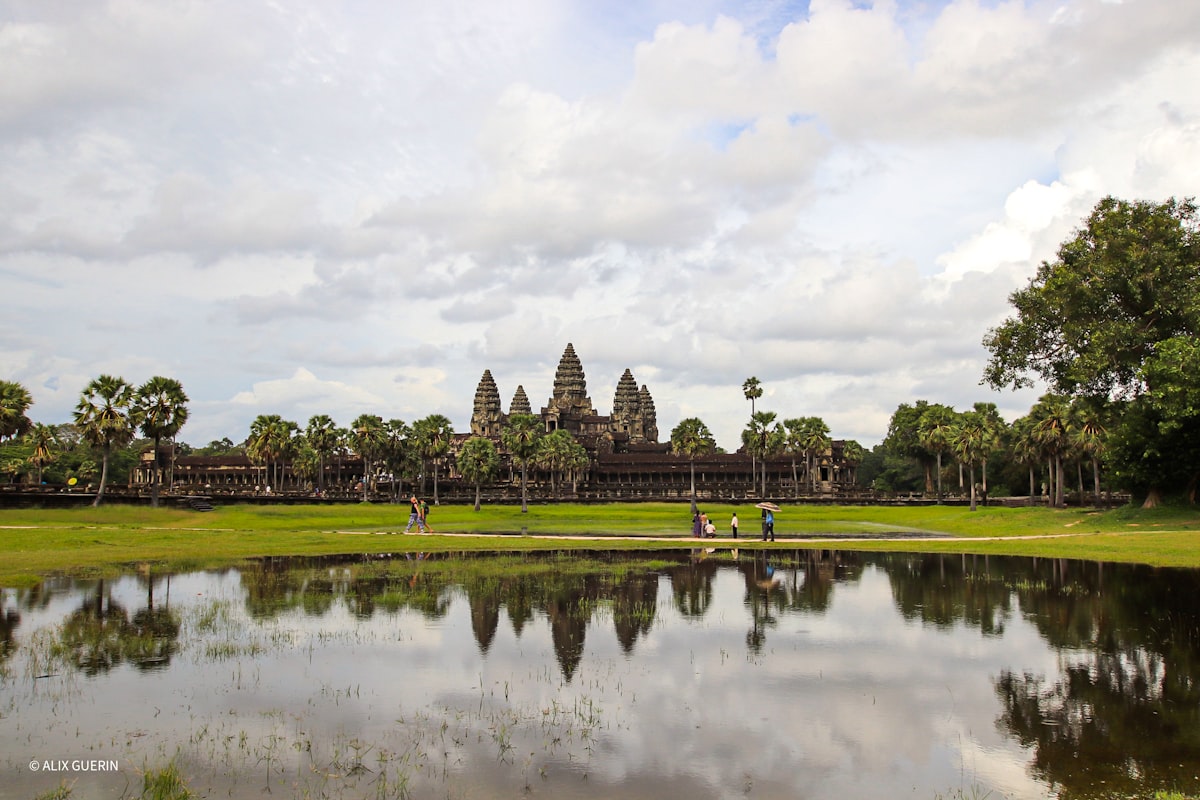
- ↑Temple vegetation at its most dramatic — Ta Prohm's tree roots glistening, Angkor Wat's moat full, jungle paths lush — without July's rain disruption
What you sacrifice
- ↓Early November still transitional: rain can return for multi-day stretches, particularly in the first week as the dry season is not yet fully established
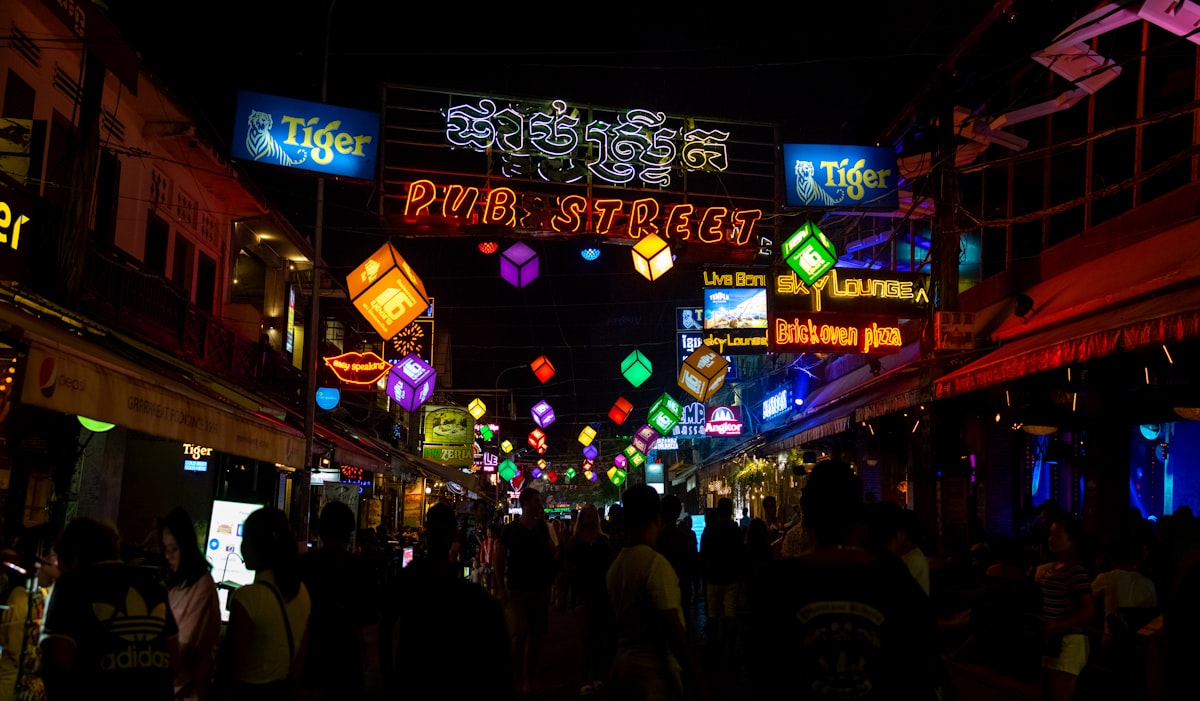
- ↓Visitor numbers rising toward December peak: Siem Reap's Pub Street, riverside restaurants, and tuk-tuk drivers at higher demand than September
- ↓Water Festival timing uncertainty: planning around it requires checking the lunar calendar date each year
Nov scores highest overall — reliable weather and strong local atmosphere. Set your priorities below to personalise this result.
Nov
Dry season begins — the best value month; Angkor accessible, lush from the rains, and growing.
29°C
High
60mm
Rain
8h
Sun
- ↑The most underrated month in Siem Reap: dry season conditions returning, temples still green and atmospheric from the rains, and accommodation at shoulder prices
- ↑Bon Om Touk Water Festival (if not in October): the boat racing on the Siem Reap River and the fireworks over Angkor are the most spectacular free event in Cambodia
- ↑Temple vegetation at its most dramatic — Ta Prohm's tree roots glistening, Angkor Wat's moat full, jungle paths lush — without July's rain disruption
- ↓Early November still transitional: rain can return for multi-day stretches, particularly in the first week as the dry season is not yet fully established
- ↓Visitor numbers rising toward December peak: Siem Reap's Pub Street, riverside restaurants, and tuk-tuk drivers at higher demand than September
- ↓Water Festival timing uncertainty: planning around it requires checking the lunar calendar date each year
Top travel windows
★ BestNovember
Best overall
Highest combined score
29°C
High
60mm
Rain
8h
Sun
July
Best for value
Lowest prices & fees
31°C
High
175mm
Rain
5.5h
Sun
September
Fewest crowds
Quietest month
31°C
High
210mm
Rain
5h
Sun
Breakdown by priority
Best for weather
February
31°C high · 8mm rain · 9.5hrs sun/day
Best for budget
July
Budget prices persist throughout: all accommodation categories at their lowest rates, and tour guides available at reduced wet-season rates
Fewest crowds
September
The absolute lowest visitor numbers at Angkor: September is statistically the emptiest month across all temple zones
Where to stay in Siem Reap
All neighbourhoods →Pub Street Area
The tourist hub — bars, restaurants, tuk-tuks, and everything you need within walking distance.
9/10
Central
9/10
Walk
5/10
Transit
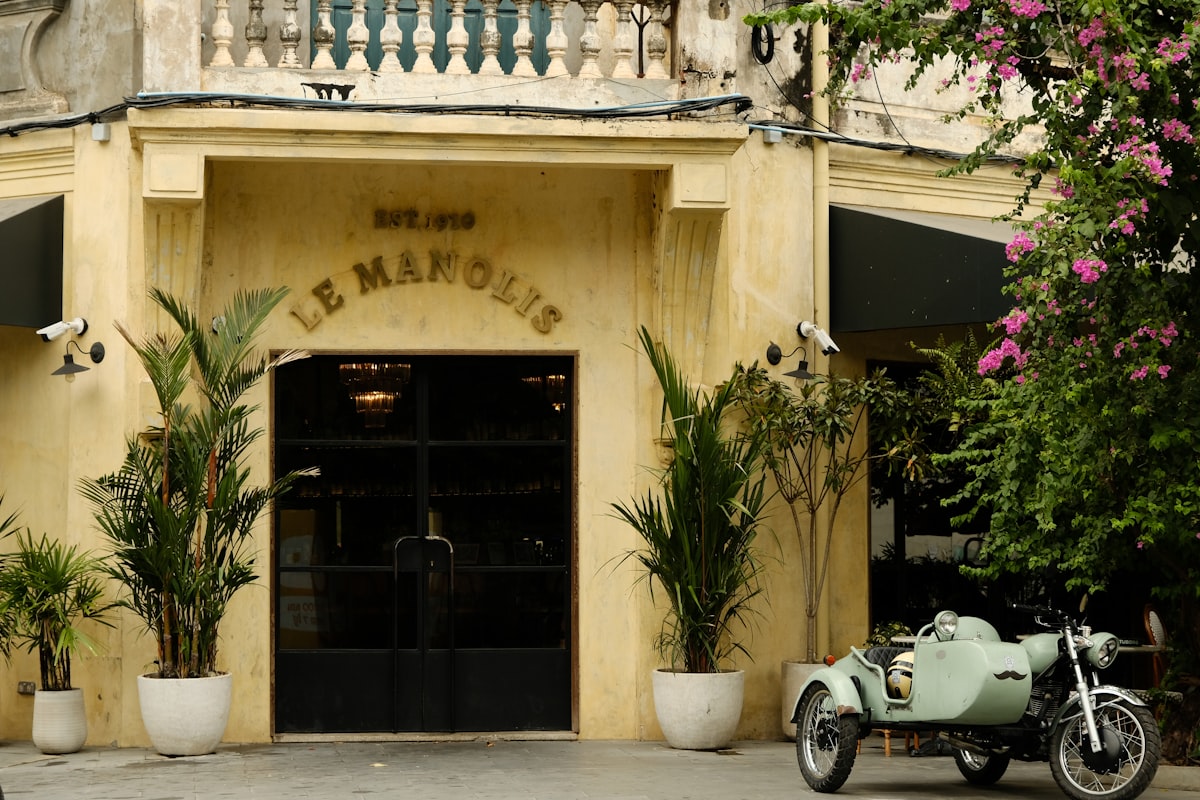
Siem Reap Riverside
French colonial architecture along the river — quieter, more refined, and 5 minutes from Pub Street.
7/10
Central
8/10
Walk
5/10
Transit
Also exploring
Tokyo
Japan
A city of dramatic seasonal contrasts — cherry blossom crowds, oppressive summer humidity, and golden autumn foliage — where the wrong timing can make or break the trip.
Bali
Indonesia
A Hindu island of rice terraces, temple ceremonies, and surf breaks where the monsoon makes timing genuinely binary — the difference between dry and wet season is not subtle.
Maldives
Maldives
A destination defined almost entirely by its monsoon calendar — the difference between the NE dry season (November–April) and SW wet season (May–October) is not subtle and shapes every aspect of the experience.
Worth knowing
November scores highest overall. February is the most crowded month — avoid if you can. See crowd-free ranking →
Month by month breakdown
January#5▾
Gains
- ↑17°C nights and 29°C days with low humidity: the most physically comfortable temperatures of the year for Angkor's stone corridors and jungle paths
- ↑Only 10mm of rain: sunrise at Angkor Wat is almost guaranteed clear; the reflection pool before the main gate mirrors the towers in still water
- ↑Angkor Thom and the Bayon face in cool morning light: January allows extended walking tours of all temple zones without heat exhaustion
Sacrifices
- ↓Peak season prices across Siem Reap: guesthouses and hotels at their January-February maximum; the 3-day Angkor pass (US$62) remains fixed but accommodation adds significantly to costs
- ↓Most crowded period at Angkor Wat's famous sunrise viewpoint — arrive by 05:00 to guarantee a front position at the reflection pool
- ↓Book tuk-tuk drivers and day tour guides at least 24 hours ahead; walk-in service is difficult during peak season
February#2▾
Gains
- ↑Statistically the driest month of the year: 8mm of rainfall with 9.5 hours of sunshine per day gives the best photographic light across all of Angkor's temple zones
- ↑Chinese New Year typically falls in January or February, bringing festive atmosphere to Siem Reap's Pub Street and night market area
- ↑Temperatures remain comfortable at 18–31°C with low humidity — full-day temple touring on foot is genuinely enjoyable
Sacrifices
- ↓February is high demand globally: accommodation prices match January's peak, and boutique guesthouses on Siem Reap Riverside often fully booked weeks ahead
- ↓Angkor Wat sunrise viewpoint at its absolute busiest: Chinese New Year week brings the largest single visitor influx of the season
- ↓Ta Prohm, Angkor Thom, and Preah Khan all significantly crowded from 08:00 to 14:00 — early starts and late afternoon visits essential
March#7▾
Gains
- ↑International visitor numbers begin to thin from their January–February peak while conditions remain dry and clear
- ↑Accommodation prices dropping 15–20% from peak season: the same guesthouses available with same-day booking where February required advance planning
- ↑All temple zones accessible and rewarding — by late March, Angkor Wat sunrise has significantly fewer visitors than two months prior
Sacrifices
- ↓Temperatures rising toward 33°C with increasing heat by mid-morning: the cool-dawn comfort of January is gone, and pacing temple tours requires shade and hydration breaks
- ↓Pre-monsoon heat can feel oppressive at the top of Angkor Wat's steep central towers; physically demanding for anyone not accustomed to Southeast Asian heat
- ↓March is still busy by Siem Reap standards: the tuk-tuk and tour guide economy is at full operation, and the Pub Street bar scene at peak volume
April#4▾
Gains
- ↑Khmer New Year (April 13–15): Cambodia's most important festival, celebrated with water fights, traditional games, and Buddhist temple ceremonies across the country — the most culturally immersive week in Siem Reap
- ↑Accommodation prices at moderate levels: good value compared to January–February peak, with walk-in availability during non-Khmer New Year weeks
- ↑First occasional rains bring relief from the heat: brief afternoon showers reduce temperature and are not long enough to disrupt full-day temple tours
Sacrifices
- ↓35°C daily highs: April is the hottest month of the year and Angkor's stone corridors and open courtyards are genuinely punishing from 10:00 to 16:00
- ↓Khmer New Year week brings domestic Cambodian tourism surge: the temples are busy with local visitors, which adds cultural authenticity but also crowds
- ↓Water fights during Khmer New Year mean staying dry in Siem Reap's streets is impossible — embrace it or stay indoors
May#10▾
Gains
- ↑Prices dropping 25–35% below peak season: budget guesthouses near Pub Street at under US$15, mid-range riverside properties at US$30–50 per night
- ↑Angkor's temple complex goes strikingly green: the moats fill, the jungle around Ta Prohm floods with lush growth, and the stone-and-foliage combination is more dramatic than the dry season
- ↑Visitor numbers dropping to low season: Ta Prohm and Banteay Srei accessible without queues, tuk-tuk drivers available immediately
Sacrifices
- ↓130mm of rain, mostly heavy afternoon downpours: sunrise at Angkor Wat is less reliable and sometimes cloud-obscured; bring a waterproof outer layer for afternoon temple touring
- ↓Paths inside some temple complexes can become muddy and slippery in heavy rain: less suitable for elderly visitors or young children
- ↓Some remote temples on unpaved roads become difficult to reach in the worst rain weeks; access limited to paved-road complexes
June#9▾
Gains
- ↑Lowest accommodation prices of the year: guesthouses near Pub Street available from US$8–12, riverside boutique hotels from US$20–30 — the entire price stack collapses
- ↑Angkor Wat's outer moat is full and reflecting: the flooded causeway and lush vegetation give the complex an entirely different character from dry-season postcard images
- ↑The temple complex is genuinely quiet: mornings at Angkor Thom and Ta Prohm with barely a dozen other visitors — extraordinary access for those who accept the rain
Sacrifices
- ↓165mm of rain with heavy multi-hour downpours: plan every day around a 2–4 hour afternoon rain window; temple itineraries require flexibility
- ↓Heat and humidity combined at 32°C/82%: even the cooler rain days feel heavy and damp — the physical environment is demanding
- ↓Pub Street and the Siem Reap nightlife quieter than dry season; some bar operators reduce hours during the lowest tourism months
July#8▾
Gains
- ↑The temple complex under monsoon conditions is extraordinarily atmospheric: mist rising from stone corridors, tree roots glistening, the jungle at its most vivid green
- ↑Budget prices persist throughout: all accommodation categories at their lowest rates, and tour guides available at reduced wet-season rates
- ↑Virtually no foreign tourist crowd at any temple in the Angkor complex: Ta Prohm, Preah Khan, and Banteay Kdei walkable without another Western visitor in sight
Sacrifices
- ↓175mm of rain — the wettest month of the year: heavy downpours are the defining experience, and any outdoor plan must be held loosely
- ↓Some temple areas experience localised flooding: certain paths and interior rooms inaccessible on the worst rain days
- ↓Mosquito activity peaks in the wet season: appropriate protection (DEET, long sleeves at dawn/dusk) is non-optional at Angkor's jungle temples
August#11▾
Gains
- ↑Angkor's moats and reservoir at maximum capacity: the western Baray (ancient reservoir) visible in rare conditions, and the outer moat reflecting the towers in still pre-rain mornings
- ↑Accommodation prices at or near the year's low: the wet season budget window is consistent across July and August
- ↑Siem Reap's local food scene — Khmer noodles, fish amok, lok lak — at its most authentic in the neighbourhood restaurants outside the Pub Street tourist zone
Sacrifices
- ↓180mm of rainfall: August matches July as the wettest pair of months in Siem Reap; sustained heavy rain is the norm rather than the exception
- ↓Outer moat causeway at Angkor Wat can be slippery and partially flooded on the worst days; check conditions before planning sunrise visits
- ↓Humidity at 84%: physical exertion in the temples (climbing Angkor Wat's steep towers, scrambling at Beng Mealea) is genuinely exhausting
September#12▾
Gains
- ↑The absolute lowest visitor numbers at Angkor: September is statistically the emptiest month across all temple zones
- ↑Budget prices at their maximum: the entire accommodation range from dormitory to boutique is at or near annual lows
- ↑For those willing to work around rain, solo access to Angkor's most atmospheric corners is unmatched at any other time of year
Sacrifices
- ↓210mm of rain — the single wettest month: persistent and heavy downpours interrupt outdoor plans more severely than any other month
- ↓Some roads to outlying temples (Beng Mealea, Koh Ker) may be flooded or impassable in wet years; check current conditions locally
- ↓The least atmospheric and least comfortable month for Siem Reap's town life: Pub Street quiet, restaurants operating at reduced service, few other travellers to encounter
October#3▾
Gains
- ↑Bon Om Touk (Water Festival): occurring late October or early November depending on the lunar calendar — three days of boat races on the Tonle Sap River, the largest festival in Cambodia, drawing over a million people
- ↑Rain beginning its retreat: the second half of October brings noticeably longer dry windows and the first signs of the approaching dry season
- ↑Accommodation still at budget rates while the Water Festival delivers a genuinely unique cultural experience — the combination of low prices and major festival is the best-value event in the Siem Reap calendar
Sacrifices
- ↓240mm of rain — October is the single wettest month, even wetter than September: the Water Festival celebrations happen in the rain, not under guaranteed sunshine
- ↓Water Festival week draws very large domestic crowds to Siem Reap and Phnom Penh; accommodation in both cities is difficult to find during the festival days
- ↓Angkor still receiving significant rain in early October: temple touring in the first two weeks involves mud, slippery stairs, and heavy afternoon downpours
November#1▾
Gains
- ↑The most underrated month in Siem Reap: dry season conditions returning, temples still green and atmospheric from the rains, and accommodation at shoulder prices
- ↑Bon Om Touk Water Festival (if not in October): the boat racing on the Siem Reap River and the fireworks over Angkor are the most spectacular free event in Cambodia
- ↑Temple vegetation at its most dramatic — Ta Prohm's tree roots glistening, Angkor Wat's moat full, jungle paths lush — without July's rain disruption
Sacrifices
- ↓Early November still transitional: rain can return for multi-day stretches, particularly in the first week as the dry season is not yet fully established
- ↓Visitor numbers rising toward December peak: Siem Reap's Pub Street, riverside restaurants, and tuk-tuk drivers at higher demand than September
- ↓Water Festival timing uncertainty: planning around it requires checking the lunar calendar date each year
December#6▾
Gains
- ↑Dry season in full swing with 18°C nights: cool enough for comfortable dawn starts at Angkor Wat's reflection pool without the oppressive heat of April
- ↑Christmas in Siem Reap: Western visitors create a festive atmosphere across Pub Street and the Riverside; bar events and special dinners throughout the month
- ↑All temple zones fully accessible and at their clear-sky photographic best — the December light on Angkor Wat's sandstone facade is exceptional
Sacrifices
- ↓Accommodation prices back at peak levels: December matches January for rates, and the Christmas–New Year week commands a further premium
- ↓Angkor Wat sunrise viewpoint at full capacity from Christmas week: arrive by 04:30–05:00 to access the reflection pool without being blocked by the crowd
- ↓Advance booking essential for December arrivals: good guesthouses on Siem Reap Riverside are fully booked weeks ahead
How this is calculated
Climate data
Open Meteo ERA5
30-year normals (1991–2020). Temperature, rainfall, sunshine, humidity.
Price & crowd
Tourism research
Seasonal pricing from tourism authority data. Directional — compares months within a destination only.
Personalisation
Weighted scoring
Your priorities change the weights. Budget-first users get different results than weather-first users.
Share this result
November is the best time to visit Siem Reap
Travel timing updates
New destinations and timing guides, when they land.
No spam. Unsubscribe anytime.