Showing: Feb · Unsplash / Unsplash
Colombia · Americas
Best time to visit Cartagena
February
Feb scores highest overall — reliable weather and strong local atmosphere. Set your priorities below to personalise this result.
What matters most to you?
All 12 months — click any to expand
Feb
Unsplash / Unsplash
The driest month with Carnaval — perfect Caribbean weather and Colombia's biggest street party.
31°C
High
23°C
Low
8mm
Rain
8.5h
Sun/day
What you gain
- ↑Carnaval de Barranquilla (80km north, early February): Colombia's most famous carnival is accessible by bus or driver, and Cartagena runs its own parallel festivities
- ↑8mm of rain: February is statistically the driest month on the Caribbean coast — Angélica María weather, as Colombians say
- ↑The old city at its most festive: live music, street food, and outdoor bars energised by the carnival season
What you sacrifice
- ↓Carnaval week brings additional visitors to the region: accommodation fills rapidly and prices rise accordingly
- ↓Heat can feel more intense in February without the sea breeze of January: midday in the walled city requires shade
- ↓Carnaval de Barranquilla itself is 1.5 hours from Cartagena — access requires planning and transport, not a walk out the hotel door
Feb scores highest overall — reliable weather and strong local atmosphere. Set your priorities below to personalise this result.
Feb
The driest month with Carnaval — perfect Caribbean weather and Colombia's biggest street party.
31°C
High
8mm
Rain
8.5h
Sun
- ↑Carnaval de Barranquilla (80km north, early February): Colombia's most famous carnival is accessible by bus or driver, and Cartagena runs its own parallel festivities
- ↑8mm of rain: February is statistically the driest month on the Caribbean coast — Angélica María weather, as Colombians say
- ↑The old city at its most festive: live music, street food, and outdoor bars energised by the carnival season
- ↓Carnaval week brings additional visitors to the region: accommodation fills rapidly and prices rise accordingly
- ↓Heat can feel more intense in February without the sea breeze of January: midday in the walled city requires shade
- ↓Carnaval de Barranquilla itself is 1.5 hours from Cartagena — access requires planning and transport, not a walk out the hotel door
Top travel windows
★ BestFebruary
Best overall
Highest combined score
31°C
High
8mm
Rain
8.5h
Sun
June
Best for value
Lowest prices & fees
31°C
High
115mm
Rain
6.5h
Sun
June
Fewest crowds
Quietest month
31°C
High
115mm
Rain
6.5h
Sun
Breakdown by priority
Best for weather
February
31°C high · 8mm rain · 8.5hrs sun/day
Best for budget
June
Budget hotel rates throughout the walled city and Bocagrande: June is among the most affordable months for accommodation in Cartagena
Fewest crowds
June
The old town almost entirely free of cruise-ship groups and international tourists — authentic local Cartagena at its most accessible
Where to stay in Cartagena
All neighbourhoods →Getsemaní
The barrio outside the walls — once rough, now the hippest neighbourhood in Colombia, and still half the price of the old city.
7/10
Central
9/10
Walk
4/10
Transit
Ciudad Amurallada (Walled City)
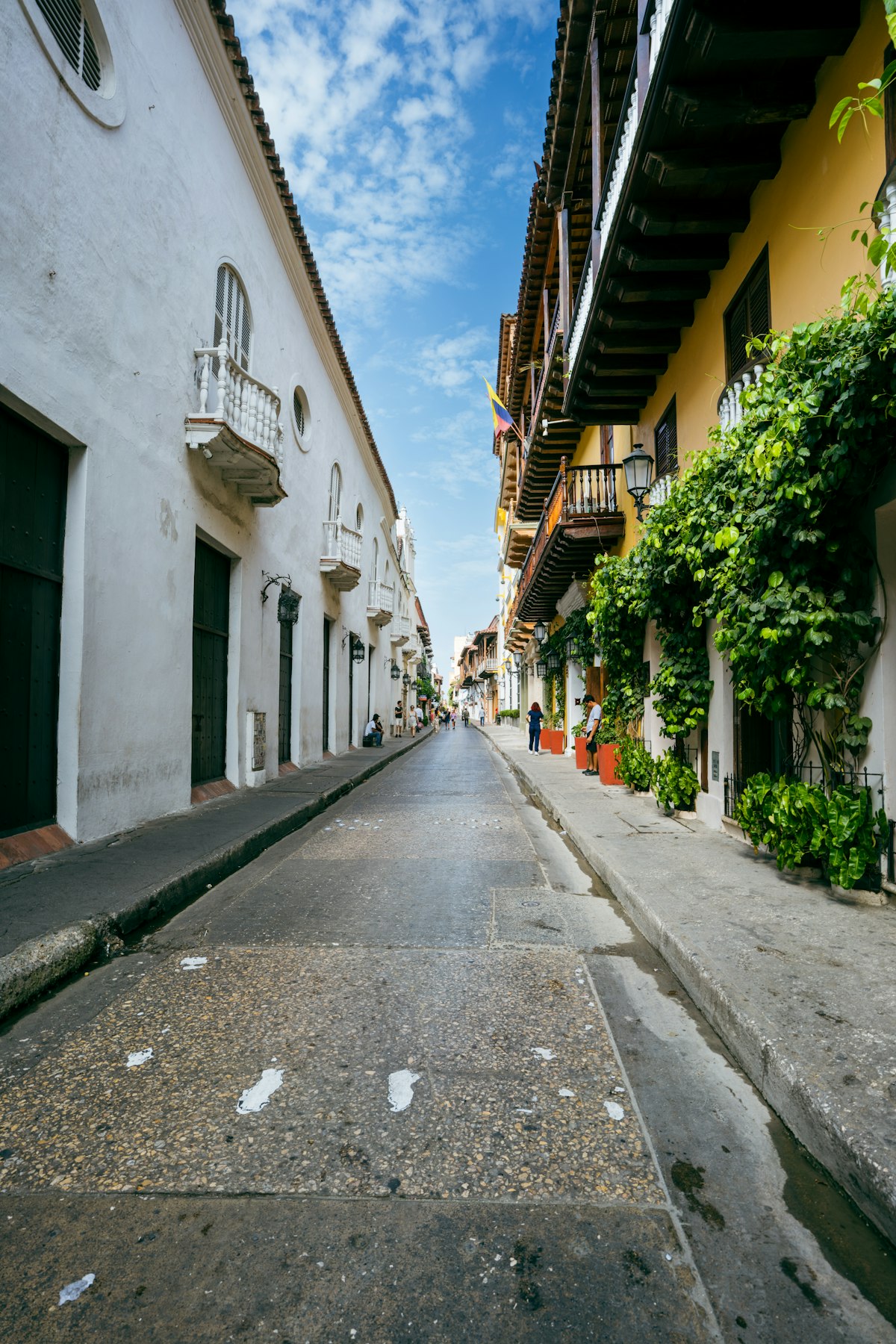
The UNESCO walled city — the most beautiful historic centre in Latin America, and the most expensive place to sleep in it.
10/10
Central
10/10
Walk
4/10
Transit
Also exploring

New York
USA
A city that never fully quiets — but its personality shifts dramatically by season, from sweltering humid summers to crisp autumn perfection to blizzard-prone winters.
Rio de Janeiro
Brazil
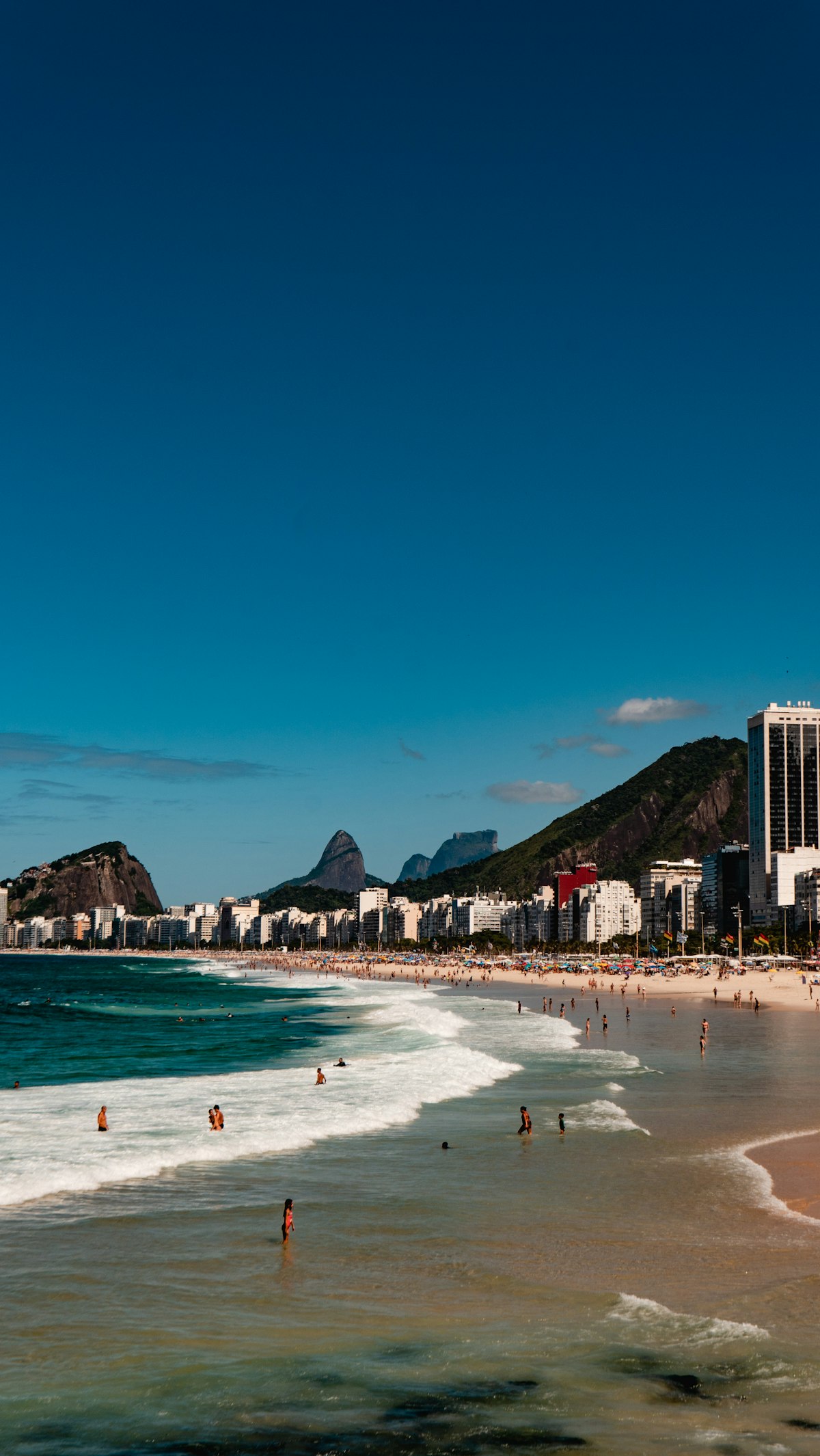
A Southern Hemisphere city where summer (December–March) brings Carnival and 264mm of rain simultaneously, and the real sweet spot is the dry Southern winter — June to September — when most travellers don't think to come.
Mexico City
Mexico
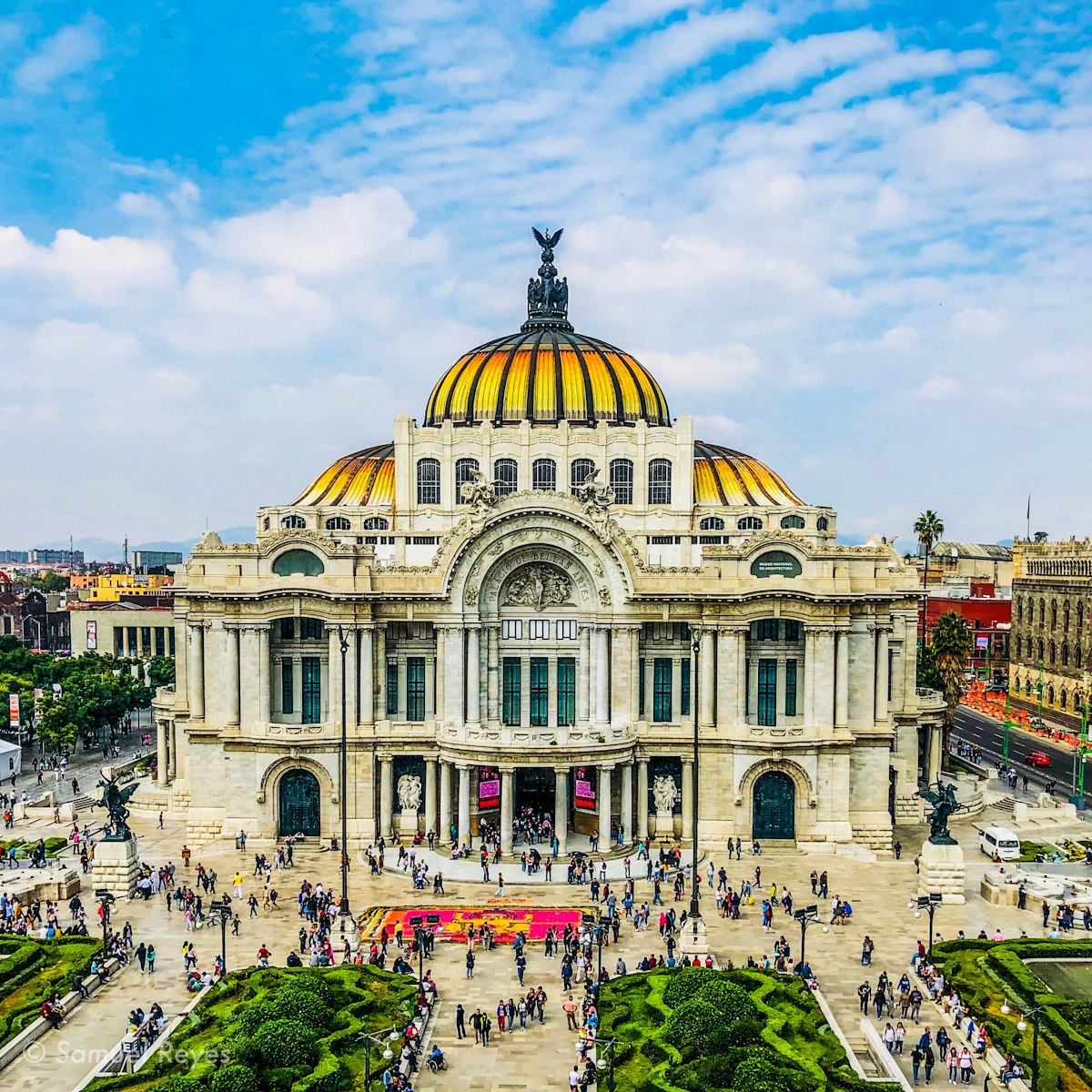
A highland metropolis at 2,240 metres where the altitude tempers the heat to perpetual spring in the dry months, Día de Muertos transforms Mixquic and Azcapotzalco into one of the world's great ceremonies, and the October–April dry season gives the clearest conditions for exploring what is genuinely one of the planet's finest food, museum, and architecture cities.
Month by month breakdown
January#4▾
Gains
- ↑Only 10mm of rain in the entire month: the most reliable sunshine of the year makes every day in the old city a postcard
- ↑Sea conditions ideal for boat trips to the Rosario Islands and Barú beach — flat water and full-capacity day trips every day
- ↑Warm breezes off the Caribbean keep the 31°C heat comfortable by Cartagena standards; evenings cool pleasantly for outdoor dining
Sacrifices
- ↓High season accommodation across the walled city and Bocagrande at elevated rates — advance booking essential for better properties
- ↓Cruise ships dock throughout the week, flooding the old city's narrow colonial streets with organised groups from 10:00 to 16:00 daily
- ↓The most popular beach transfers and water taxis to Barú book out; Playa Blanca crowded at weekends
February#1▾
Gains
- ↑Carnaval de Barranquilla (80km north, early February): Colombia's most famous carnival is accessible by bus or driver, and Cartagena runs its own parallel festivities
- ↑8mm of rain: February is statistically the driest month on the Caribbean coast — Angélica María weather, as Colombians say
- ↑The old city at its most festive: live music, street food, and outdoor bars energised by the carnival season
Sacrifices
- ↓Carnaval week brings additional visitors to the region: accommodation fills rapidly and prices rise accordingly
- ↓Heat can feel more intense in February without the sea breeze of January: midday in the walled city requires shade
- ↓Carnaval de Barranquilla itself is 1.5 hours from Cartagena — access requires planning and transport, not a walk out the hotel door
March#2▾
Gains
- ↑Prices returning to moderate after the February peak: many walled-city hotels at 15–20% below their January rates
- ↑Near-zero rain and 9+ hours of sunshine: the Rosario Islands and Barú beach trips operating flawlessly through the month
- ↑The walled city less congested than peak season: colonial streets walkable without the January cruise-ship crowd surge
Sacrifices
- ↓Temperatures reaching 32°C make midday outdoor exploration increasingly demanding — the city is best at 07:00–10:00 and after 17:00
- ↓Some accommodation properties already implementing Easter pricing if Holy Week falls in March
- ↓The Caribbean heat is consistent regardless of month — shade, sunscreen, and hydration remain non-optional
April#3▾
Gains
- ↑30mm of rain is spread over several brief afternoon showers that typically clear within an hour — outdoors plans rarely cancelled
- ↑Accommodation prices at their most affordable in the dry season: 20–30% below January peak with wide availability
- ↑The walled city at a comfortable volume: fewer cruise ships mid-April and the international peak easing off
Sacrifices
- ↓First showers of the year beginning: occasional afternoon storms are brief but can interrupt boat trips to the islands
- ↓Easter week (Semana Santa) if it falls in April: domestic Colombian tourism floods Cartagena with additional visitors and prices spike
- ↓Temperature with higher humidity than earlier months: the combination feels heavier, particularly at midday in the old city
May#7▾
Gains
- ↑Accommodation prices drop 25–35% below dry-season peak: mid-range and boutique hotels in the walled city available at budget-adjacent rates
- ↑The old city significantly less crowded: cruise ship schedules thin out and international tourism retreats, returning the colonial streets to their local character
- ↑Morning hours (07:00–11:00) typically dry and ideal for the walled city, Castillo San Felipe, and Getsemaní exploration before afternoon rains
Sacrifices
- ↓Afternoon rainstorms arrive reliably from 14:00–17:00 and are often heavy: boat trips to Barú or the Rosario Islands face cancellation risk
- ↓Humidity at 82% makes 31°C feel significantly more oppressive than dry-season temperatures; comfortable only in air-conditioned spaces midday
- ↓Some beach-club operators on Barú reduce service in the wet season; the island experience degrades compared to January–April
June#9▾
Gains
- ↑Budget hotel rates throughout the walled city and Bocagrande: June is among the most affordable months for accommodation in Cartagena
- ↑The old town almost entirely free of cruise-ship groups and international tourists — authentic local Cartagena at its most accessible
- ↑Getsemaní's bars and neighbourhood life operate at their genuine local pace without the tourist crowd of the dry season
Sacrifices
- ↓115mm of rain with heavy daily downpours, often multi-hour: the colourful facades of the old city look beautiful in the wet but outdoor plans are consistently disrupted
- ↓Boat services to Rosario Islands and Barú beach often cancelled or limited: the main reason to visit Cartagena's beaches is largely off the table
- ↓Oppressive humidity of 84% with constant heat: the old city's narrow streets trap warm damp air that makes the July–September window genuinely uncomfortable
July#6▾
Gains
- ↑The veranillo (little dry spell) gives July slightly better conditions than June: more sunny mornings and a lower chance of prolonged afternoon rain
- ↑Colombian summer holidays bring some domestic visitors, giving the walled city more life than June without dry-season crowds
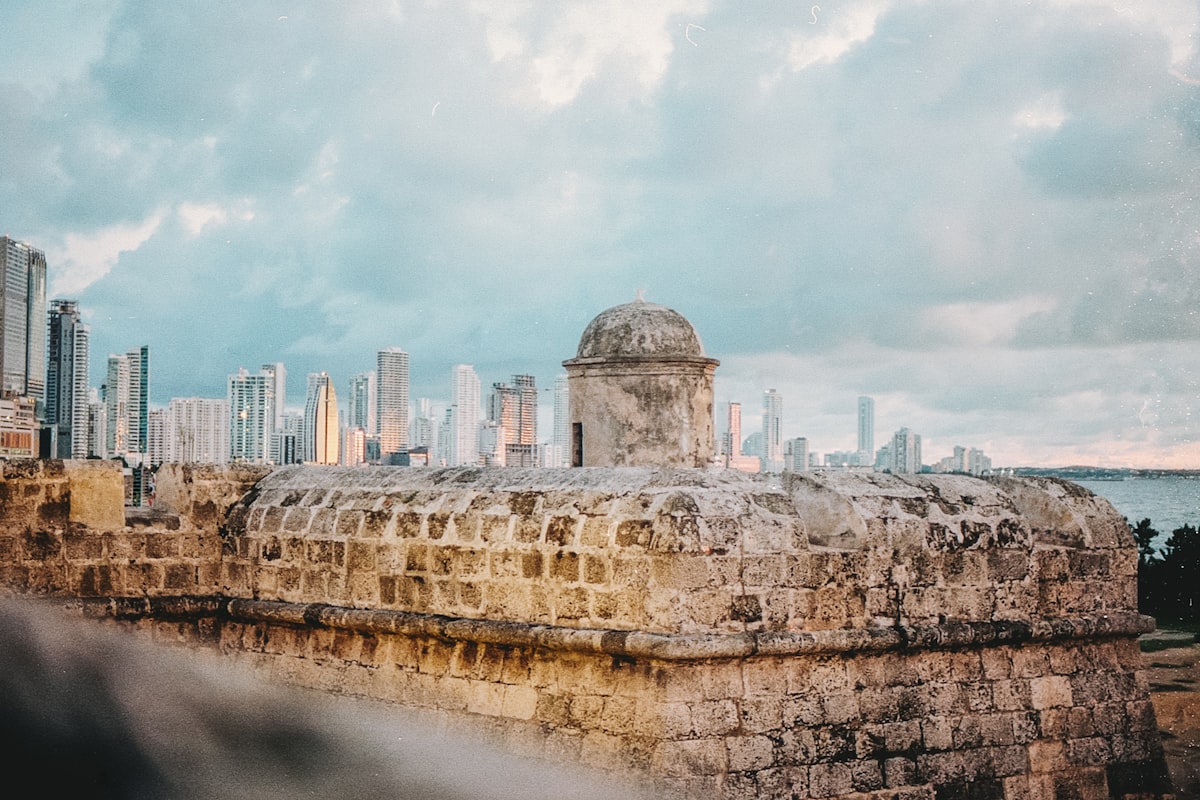
- ↑Castillo San Felipe and the city walls accessible and very quiet — wander the battlements with virtually no other tourists
Sacrifices
- ↓100mm of rain still makes this an unreliable month: the veranillo is real but not guaranteed, and heavy rain days still occur regularly
- ↓Island boat trips remain weather-dependent: trips to Rosario Islands available but subject to cancellation on rough days
- ↓Heat and humidity persist at 31°C/83%: the physical environment is demanding regardless of the rain improvement over June
August#12▾
Gains
- ↑Accommodation continues at budget rates: the walled city's boutique hotels available at 40% below dry-season prices
- ↑The most genuinely local version of the old city: Getsemaní's corner tiendas, street food, and neighbourhood squares without foreign visitors
- ↑Morning exploration windows of 2–3 hours before rain arrives can be remarkably productive — and completely uncrowded
Sacrifices
- ↓Rain reliably returns in August after the July veranillo: afternoon downpours resume at higher volume than July
- ↓Atlantic hurricane season active from August: while Cartagena is rarely directly hit, tropical storms regularly bring extended rain periods
- ↓High humidity of 84% persisting through all hours: the walled city in August is not physically comfortable for prolonged outdoor time
September#10▾
Gains
- ↑Lowest accommodation prices of the year: the best boutique hotels in the walled city at 50–60% below January rates
- ↑The old city virtually empty of foreign visitors: Cartagena at its most authentic and local
- ↑Castillo San Felipe, the city walls, and Getsemaní street art accessible without a single tour group
Sacrifices
- ↓135mm of rain — the wettest month on the Caribbean coast: extended multi-day rain events are common and outdoor plans are frequently cancelled entirely
- ↓Atlantic hurricane season at its most active peak: September has the highest statistical risk of tropical storm impact on Cartagena and the surrounding coast
- ↓Boat services to the Rosario Islands and Barú beach suspended or severely disrupted; the Caribbean sea experience largely unavailable
October#11▾
Gains
- ↑The cheapest accommodation month of the year: boutique walled-city hotels at their absolute minimum rates
- ↑Cartagena at its emptiest: the UNESCO old town without tour groups or cruise passengers is a different city entirely
- ↑Short dry morning windows give access to the old city's architecture and street life in a quiet that never exists in dry season
Sacrifices
- ↓145mm of rain — the single wettest month: persistent heavy downpours are the dominant feature of any October itinerary
- ↓Hurricane risk peaks: while the city itself has strong infrastructure, approaching storms cancel flights and create multi-day disruption windows
- ↓Humidity at 86%: the ambient air is heavy and warm regardless of whether it is currently raining, making comfortable outdoor time very limited
November#8▾
Gains
- ↑Rain dropping sharply from October's peak: the transition to dry season means morning windows expand and afternoon storms become shorter and less frequent
- ↑Accommodation prices still moderate — 20–30% below dry-season peak with good availability for the approaching high season
- ↑Boat services to Rosario Islands and Barú resuming toward month end as seas calm: the Caribbean beach experience returning
Sacrifices
- ↓Early November still wet: the transition from rainy to dry season is gradual and rain remains likely throughout, particularly in the first two weeks
- ↓The city not yet at its December best: some restaurants and beach clubs are still running reduced wet-season service
- ↓Tourism starting to build toward December: the old city's comfortable quiet of October will be gone by December
December#5▾
Gains
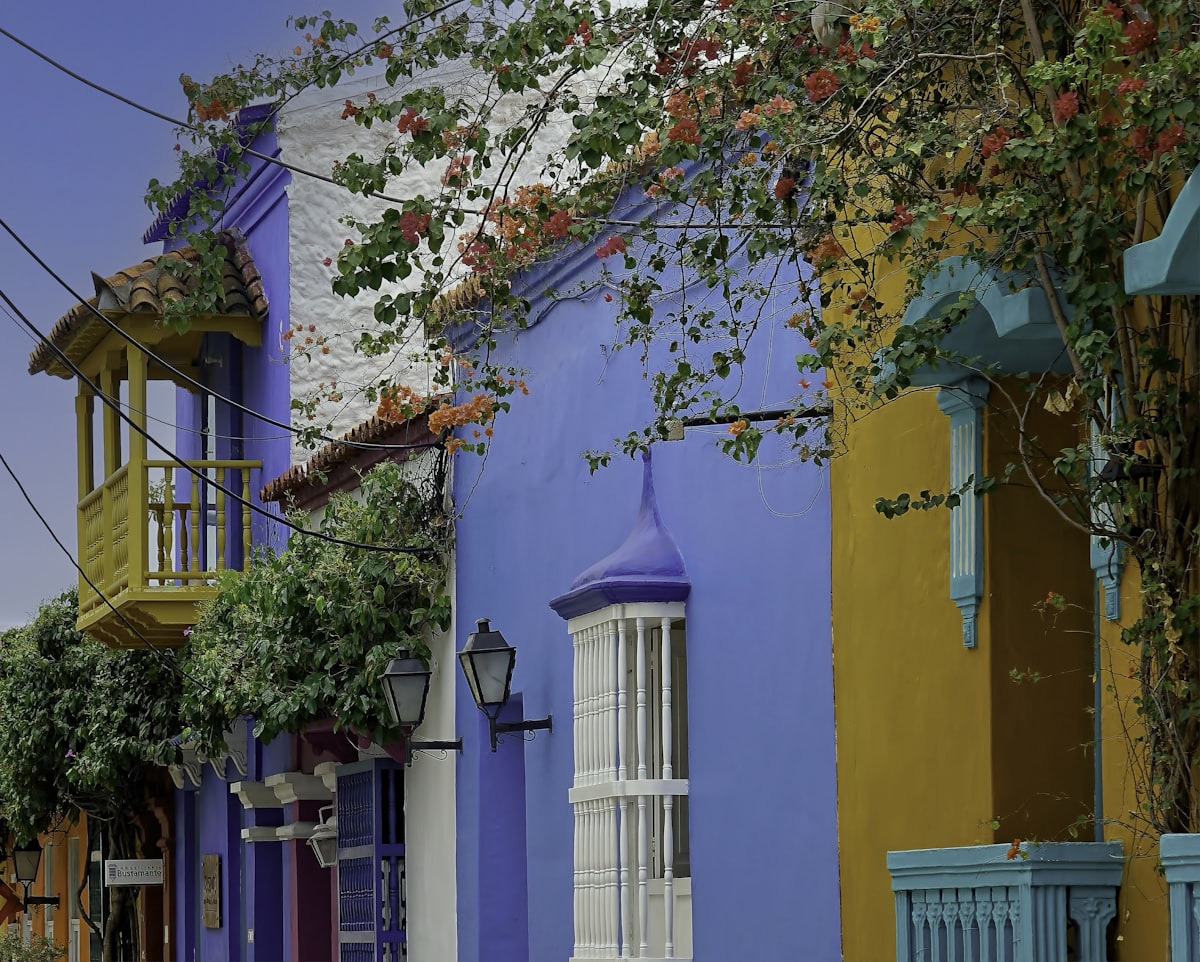
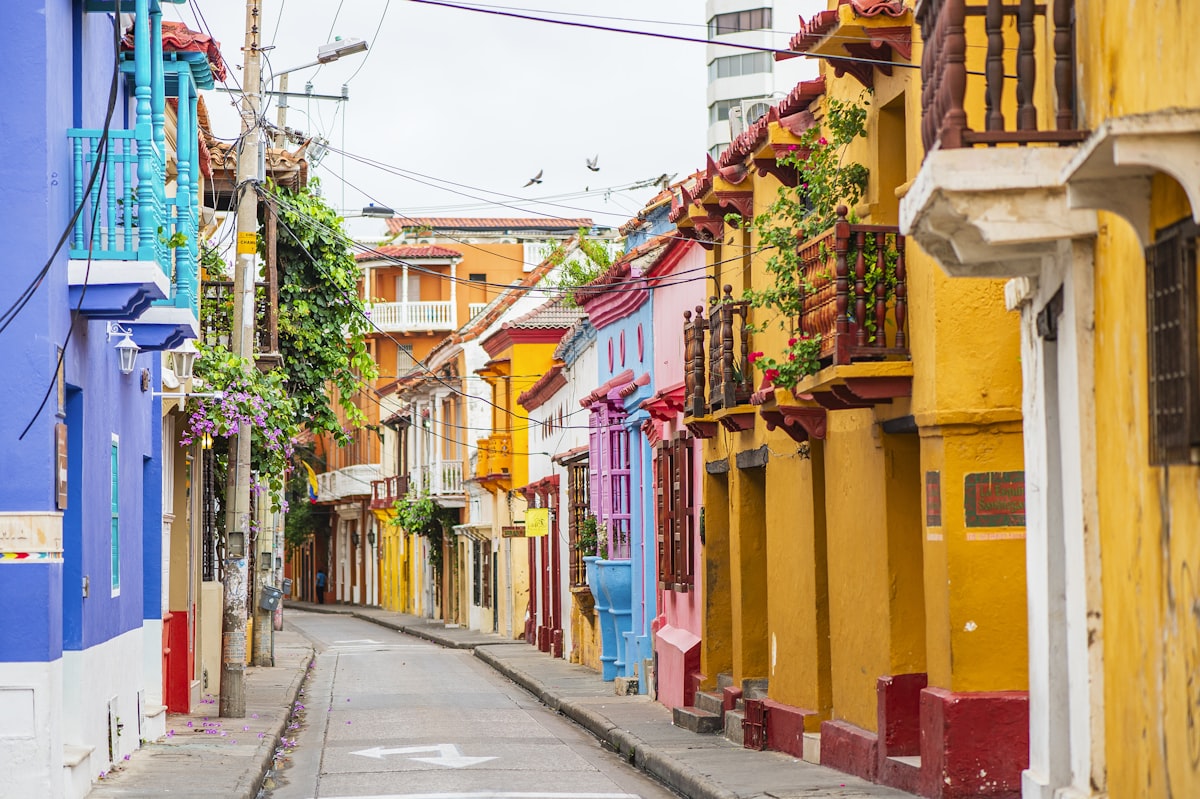
- ↑Dry season fully underway from mid-December: the brilliantly painted old city streets in Caribbean sunshine are the image people travel from across the world to see
- ↑Christmas and New Year celebrations throughout the walled city and Getsemaní: open-air parties, live music, and the Cartagena Film Festival in mid-November carrying into December energy
- ↑Sea conditions excellent again: boat trips to Rosario Islands and Barú running daily, beaches at their best for the holiday period
Sacrifices
- ↓December accommodation prices surge: Christmas week and New Year in the walled city command the highest rates of the year, often double November
- ↓The walled city floods with international visitors and Colombian holiday crowds: colonial streets packed, restaurants fully booked weeks ahead
- ↓New Year in Cartagena is spectacular but extremely busy — spontaneous access to the best events and restaurants requires planning well in advance
How this is calculated
Climate data
Open Meteo ERA5
30-year normals (1991–2020). Temperature, rainfall, sunshine, humidity.
Price & crowd
Tourism research
Seasonal pricing from tourism authority data. Directional — compares months within a destination only.
Personalisation
Weighted scoring
Your priorities change the weights. Budget-first users get different results than weather-first users.
Share this result
February is the best time to visit Cartagena
Travel timing updates
New destinations and timing guides, when they land.
No spam. Unsubscribe anytime.