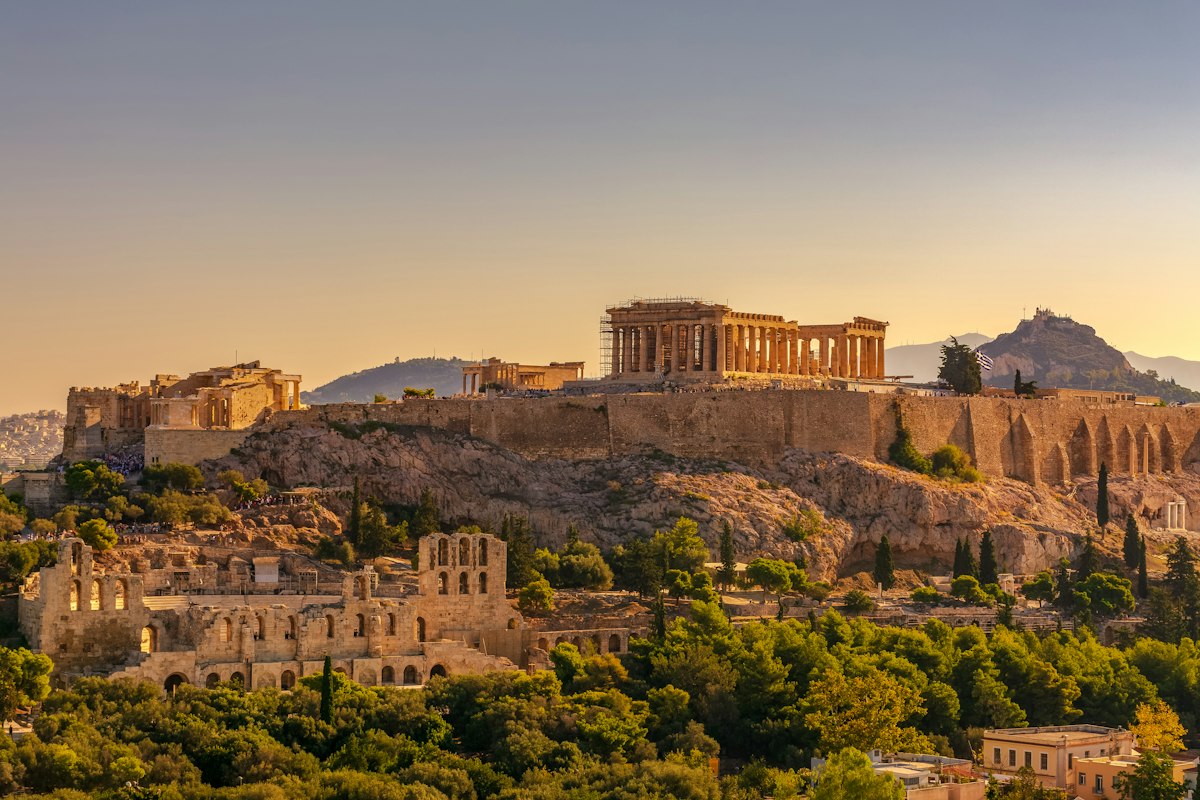
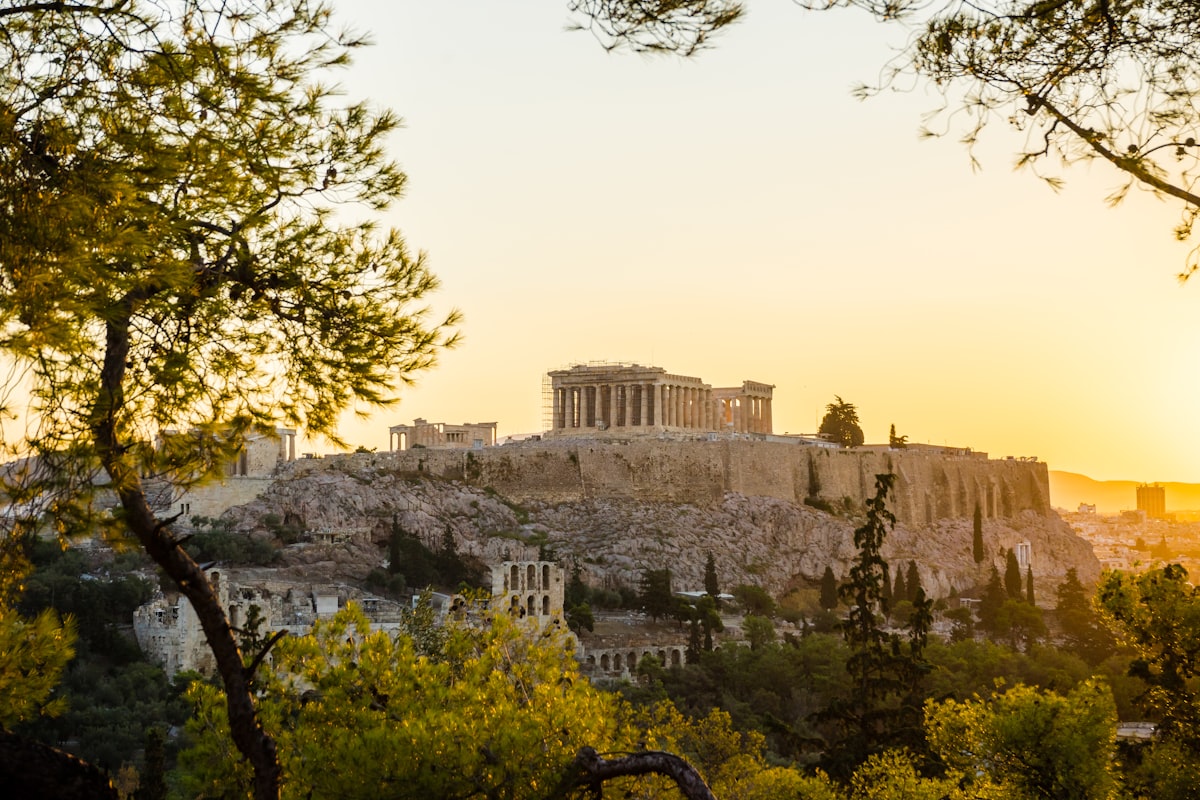
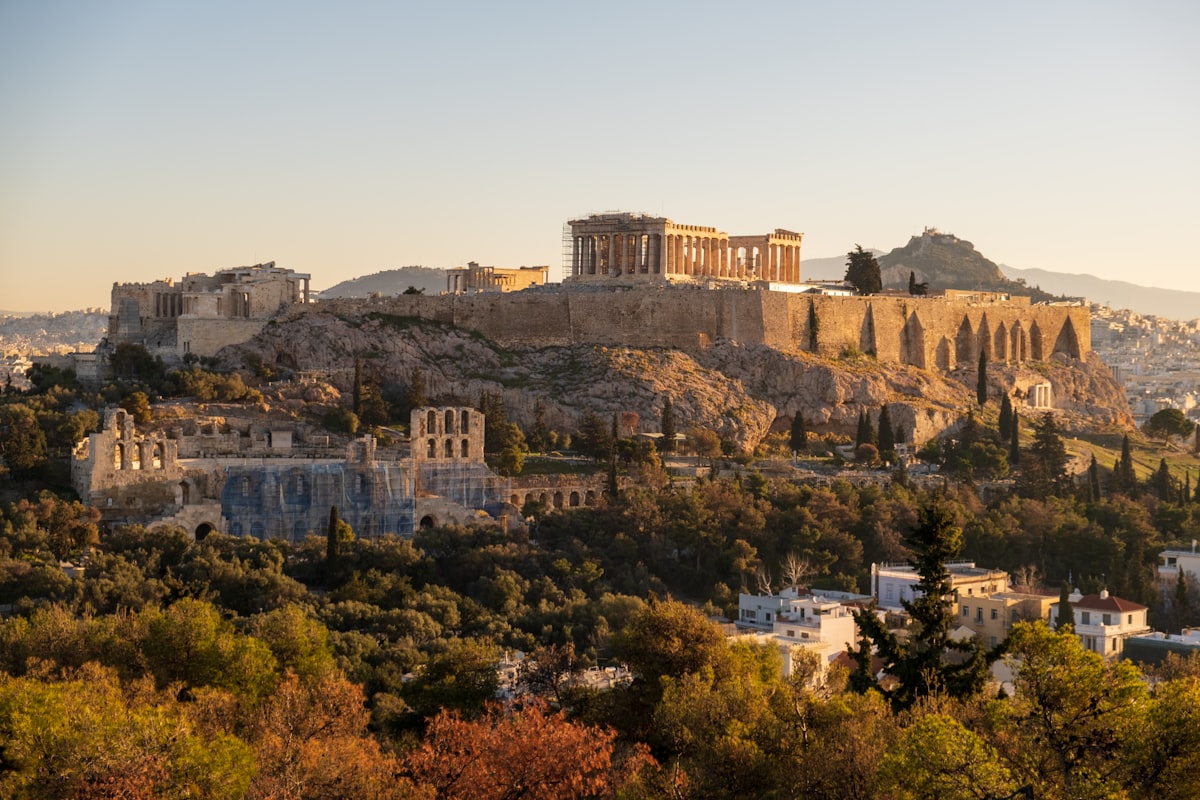
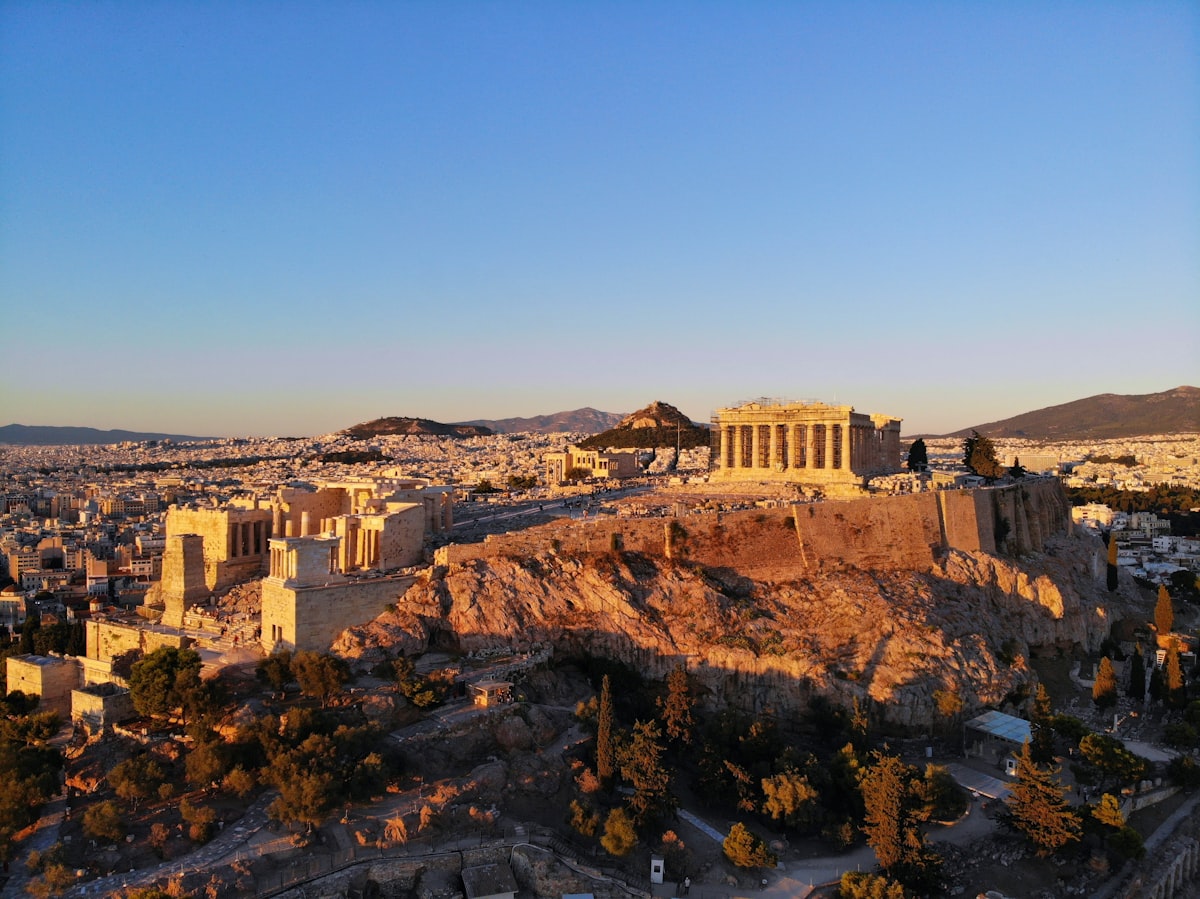
Showing: Apr · Unsplash / Unsplash
Greece · Southern Europe
Best time to visit Athens
April
Apr scores highest overall — reliable weather and good value. Set your priorities below to personalise this result.
What matters most to you?
All 12 months — click any to expand
Apr
Unsplash / Unsplash
Outstanding timing: warm, dry, affordable, and Easter transforms the city if the dates align.
20°C
High
12°C
Low
24mm
Rain
8h
Sun/day
What you gain
- ↑Greek Orthodox Easter (variable date, often April): the biggest event in the Greek calendar — midnight candlelit processions, lamb on the spit on Easter Sunday, extraordinary community atmosphere in every neighbourhood
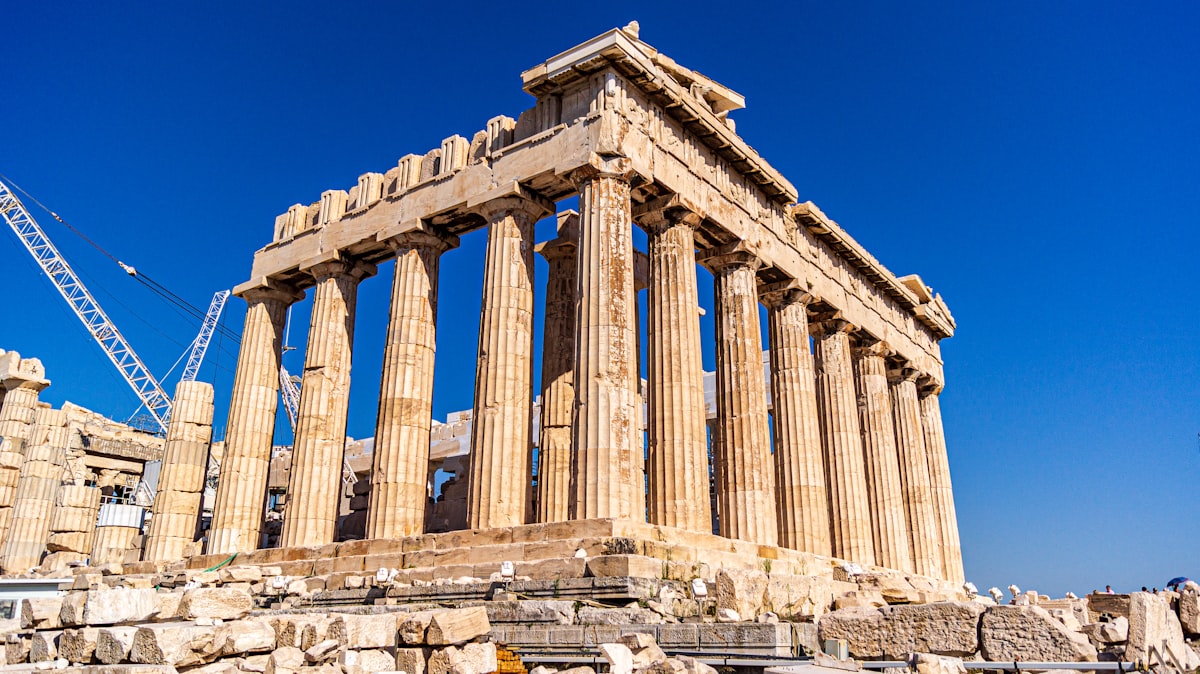
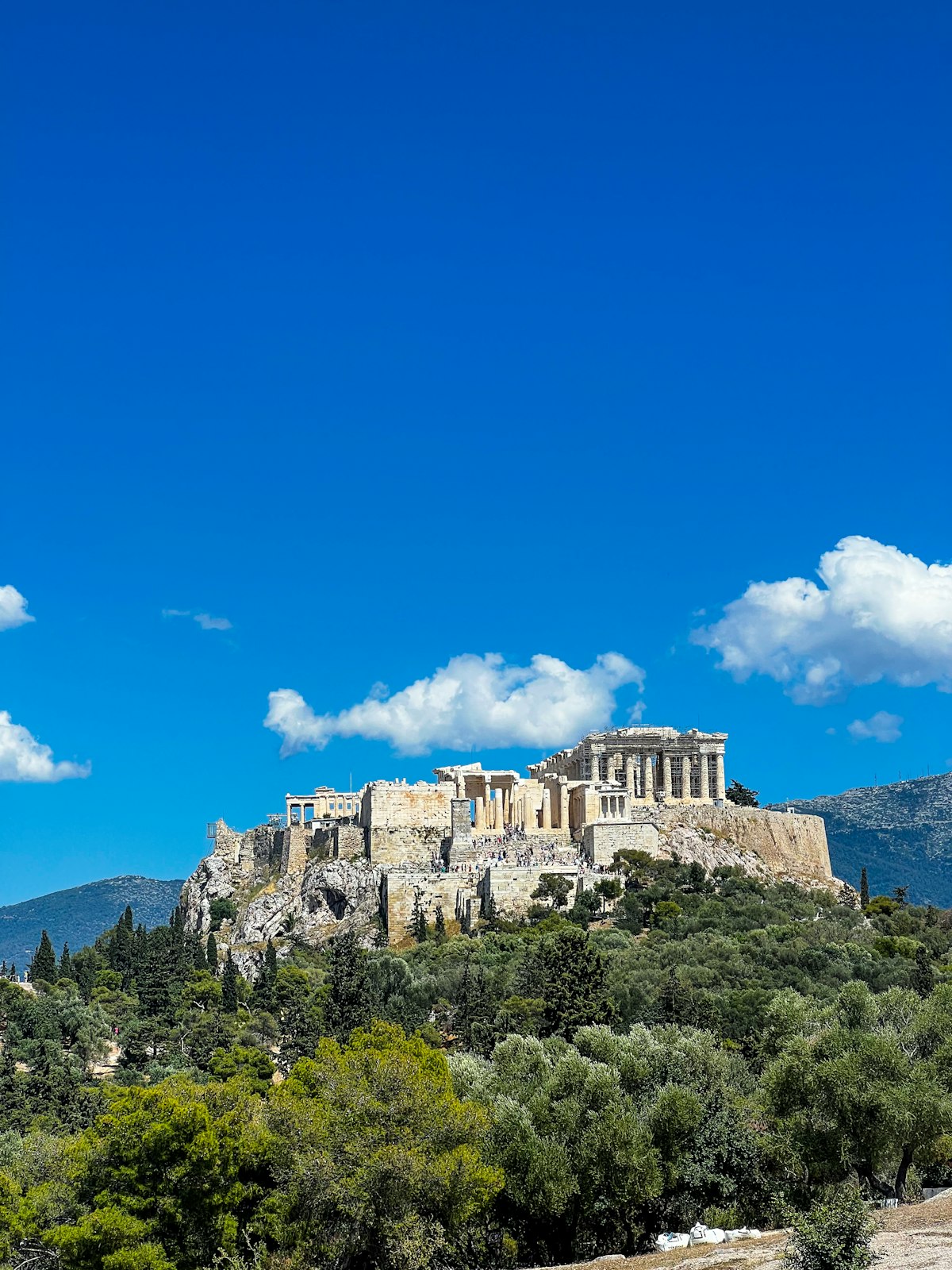
- ↑20°C with 8 hours of sun and only 24mm of rain — comfortable for all-day outdoor sightseeing at the Acropolis and Agora
- ↑Prices still well below summer: good hotels at 40–50% less than June rates, uncrowded tavernas with attentive service
What you sacrifice
- ↓Easter week accommodation books out months in advance — late planners will be priced out or displaced
- ↓Easter Sunday itself: most restaurants and shops close; plan meals carefully
- ↓The shoulder season crowd is growing — Monastiraki and Plaka noticeably busier on weekends than in winter
Apr scores highest overall — reliable weather and good value. Set your priorities below to personalise this result.
Apr
Outstanding timing: warm, dry, affordable, and Easter transforms the city if the dates align.
20°C
High
24mm
Rain
8h
Sun
- ↑Greek Orthodox Easter (variable date, often April): the biggest event in the Greek calendar — midnight candlelit processions, lamb on the spit on Easter Sunday, extraordinary community atmosphere in every neighbourhood
- ↑20°C with 8 hours of sun and only 24mm of rain — comfortable for all-day outdoor sightseeing at the Acropolis and Agora
- ↑Prices still well below summer: good hotels at 40–50% less than June rates, uncrowded tavernas with attentive service
- ↓Easter week accommodation books out months in advance — late planners will be priced out or displaced
- ↓Easter Sunday itself: most restaurants and shops close; plan meals carefully
- ↓The shoulder season crowd is growing — Monastiraki and Plaka noticeably busier on weekends than in winter
Top travel windows
★ BestApril
Best overall
Highest combined score
20°C
High
24mm
Rain
8h
Sun
January
Best for value
Lowest prices & fees
13°C
High
61mm
Rain
4.5h
Sun
November
Fewest crowds
Quietest month
18°C
High
62mm
Rain
5h
Sun
Breakdown by priority
Best for weather
October
23°C high · 51mm rain · 7hrs sun/day
Best for budget
January
Accommodation at its cheapest: budget hotels from €40–60, high-end options at a fraction of summer rates
Fewest crowds
November
Prices fall sharply: hotels and restaurants operating for the local market, not for tourists — the real Athens comes back to the surface
Where to stay in Athens
All neighbourhoods →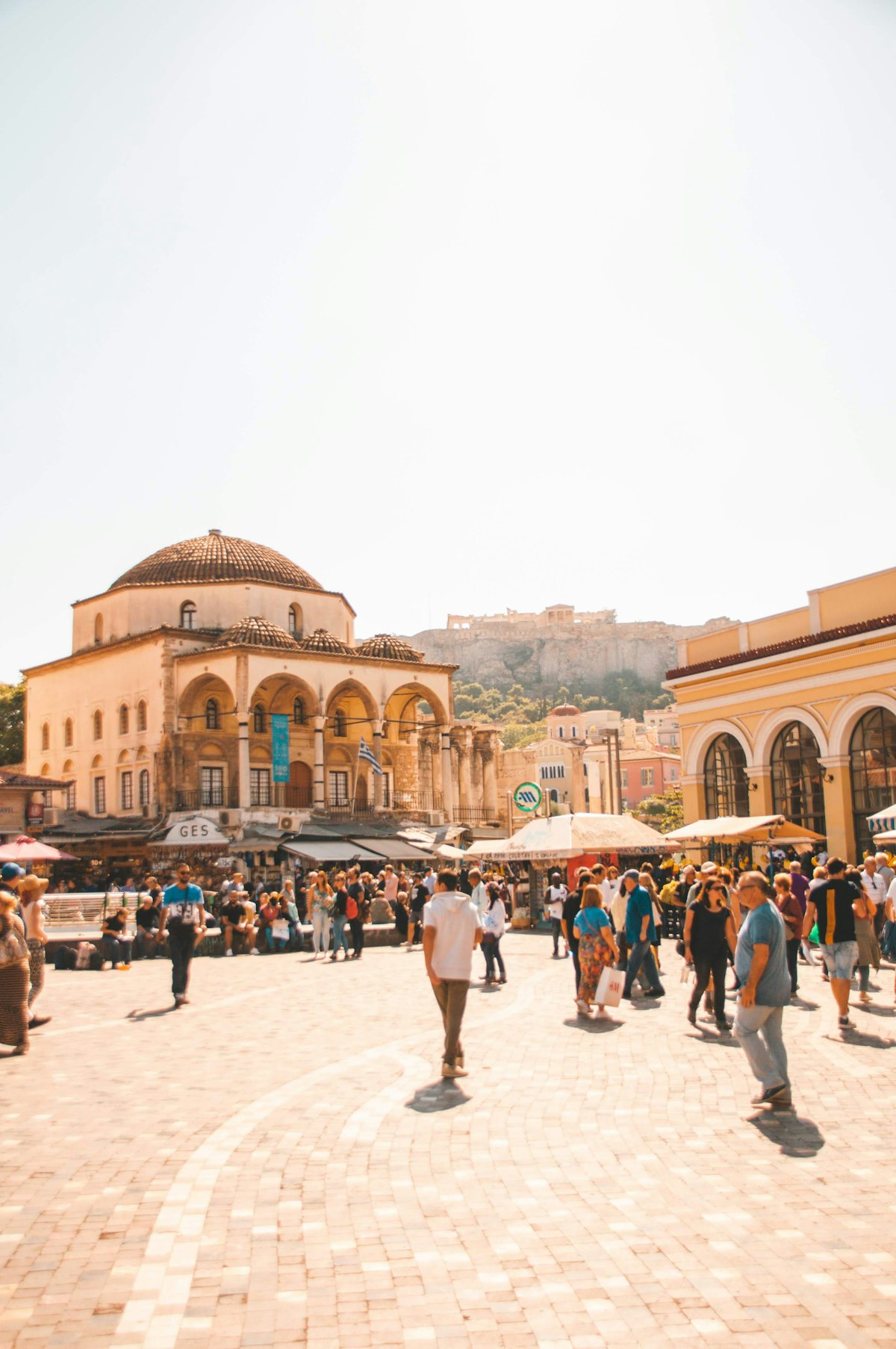
Monastiraki
Flea market meets rooftop cocktail bars — gritty, central, loud, and very well connected.
9/10
Central
9/10
Walk
9/10
Transit
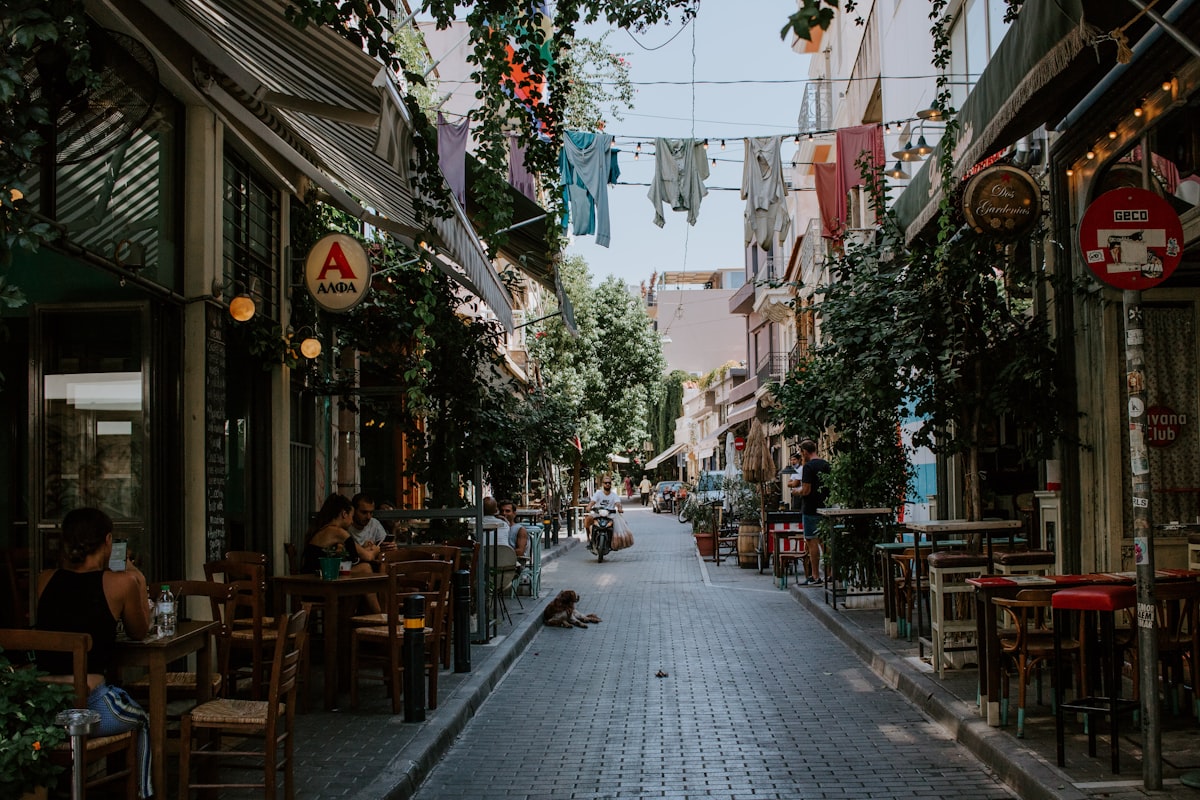
Koukaki / Makrygianni
The local neighbourhood south of the Acropolis — where Athenians actually live, eat, and drink.
6/10
Central
8/10
Walk
7/10
Transit
Also exploring
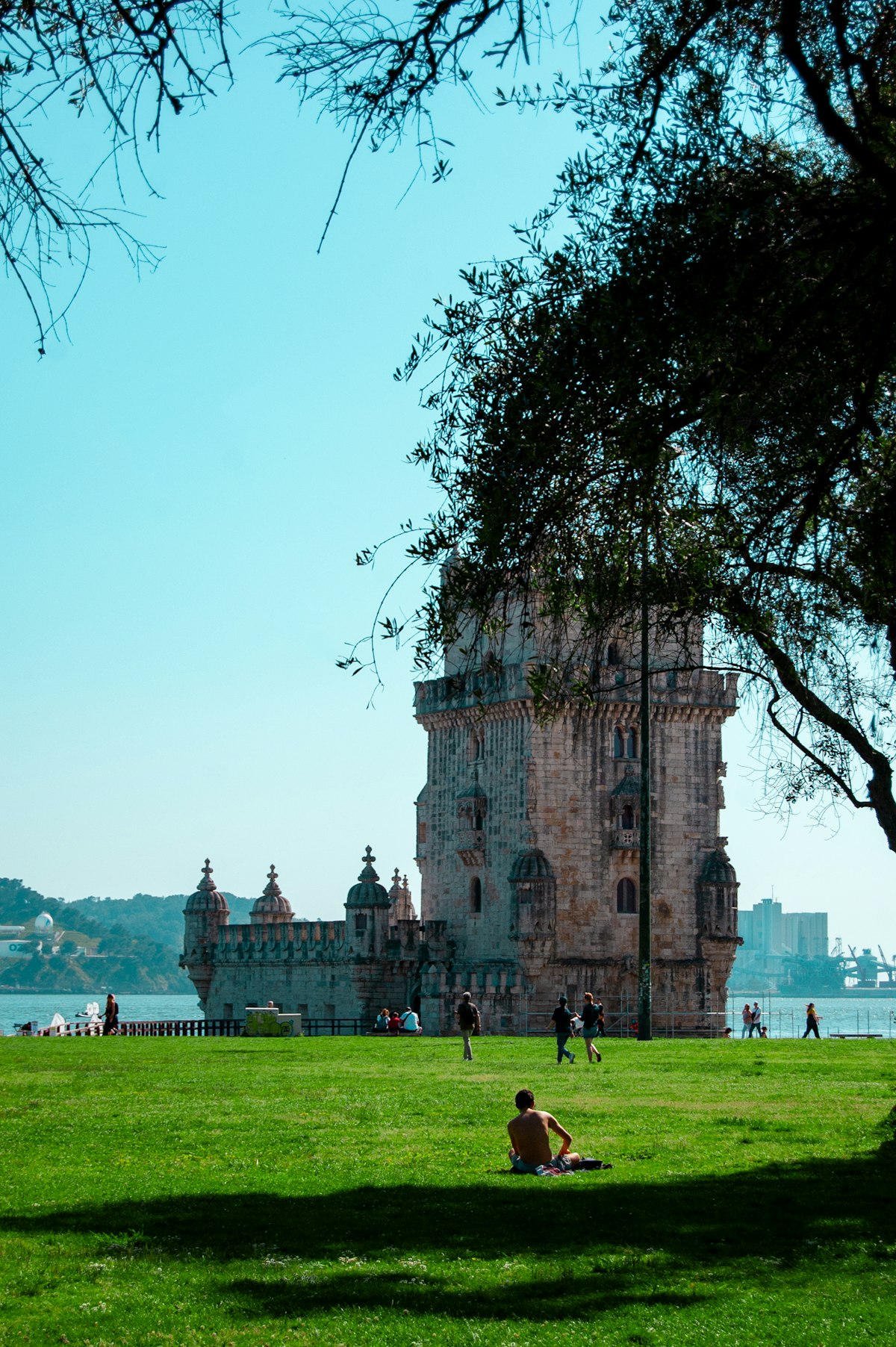
Lisbon
Portugal
A sun-drenched Atlantic capital where tram lines weave through hilltop neighbourhoods and prices stay genuinely affordable by Western European standards.
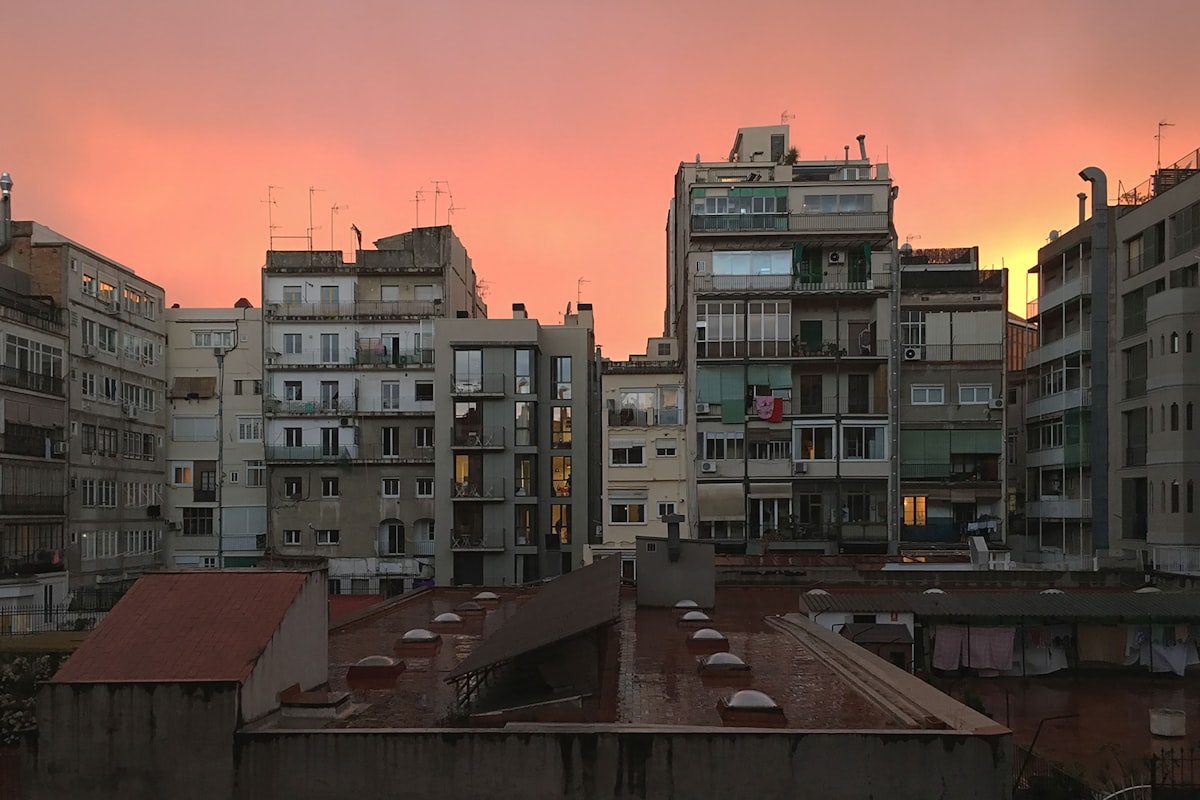
Barcelona
Spain
A Mediterranean city that runs on architecture, food markets, and beach culture — with a tourism problem that makes timing absolutely critical.
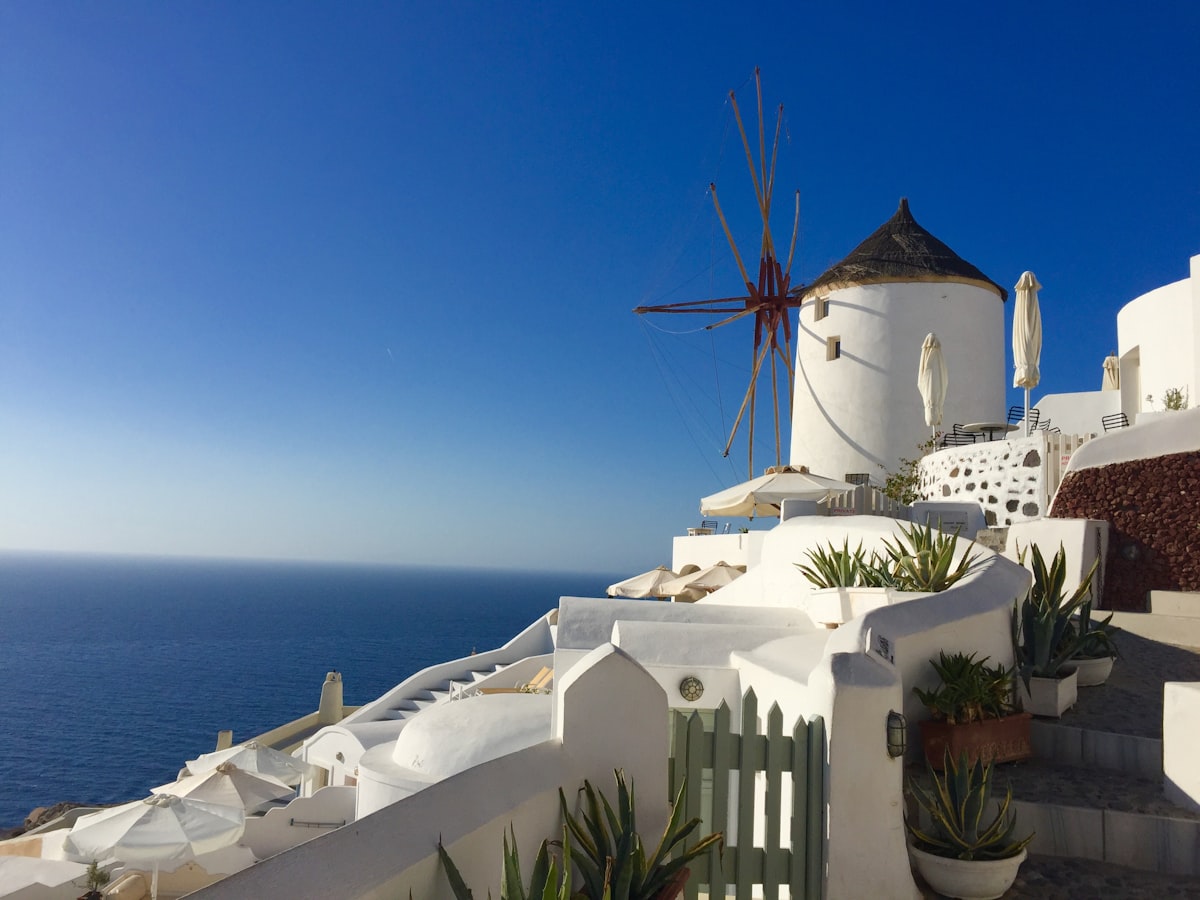
Santorini
Greece
The caldera sunsets and white-washed cliffside villages are real — but so is a tourism infrastructure that was never designed for 3 million annual visitors.
Worth knowing
April scores highest overall. July is the most crowded month — avoid if you can. See crowd-free ranking →
Month by month breakdown
January#8▾
Gains
- ↑The Acropolis and Parthenon with almost no other tourists — the reality that millions of August visitors never see
- ↑Accommodation at its cheapest: budget hotels from €40–60, high-end options at a fraction of summer rates
- ↑National Archaeological Museum and Acropolis Museum fully accessible without queues or crowds
Sacrifices
- ↓Cold and frequently overcast, with 61mm of rain and only 4.5 hours of daily sun
- ↓Outdoor dining and rooftop bars closed for the season
- ↓Some smaller cafés and tavernas in tourist-heavy Plaka run reduced hours or close entirely
February#9▾
Gains
- ↑All the major archaeological sites accessible with zero queuing and minimal other visitors
- ↑Athens' neighbourhood café culture — Exarcheia, Koukaki, Kolonaki — operating entirely for locals
- ↑Apokries (Greek Carnival) falls in late February or early March, adding local festivity to the streets
Sacrifices
- ↓14°C highs and regular rain make street-life and outdoor Athens uncomfortable
- ↓Limited daylight (5 hours of sun) constrains sightseeing time at outdoor sites
- ↓Fewer tour operators running day trips to Cape Sounion and surrounding sites
March#5▾
Gains
- ↑Greek Independence Day (25 March): military parade at Syntagma and genuine patriotic atmosphere across the city
- ↑Easter preparation begins in Orthodox churches — the most important religious season in Greece, with beautiful candlelit evening services
- ↑Acropolis hill increasingly photogenic as wildflowers emerge on the rocky slopes
Sacrifices
- ↓Still cool at 16°C with occasional rain — outdoor dining is hit-or-miss
- ↓Easter week, if it falls in March, temporarily spikes accommodation prices and fills hotels
- ↓Some seasonal tour boats to the Saronic Islands not yet operating
April#1▾
Gains
- ↑Greek Orthodox Easter (variable date, often April): the biggest event in the Greek calendar — midnight candlelit processions, lamb on the spit on Easter Sunday, extraordinary community atmosphere in every neighbourhood
- ↑20°C with 8 hours of sun and only 24mm of rain — comfortable for all-day outdoor sightseeing at the Acropolis and Agora
- ↑Prices still well below summer: good hotels at 40–50% less than June rates, uncrowded tavernas with attentive service
Sacrifices
- ↓Easter week accommodation books out months in advance — late planners will be priced out or displaced
- ↓Easter Sunday itself: most restaurants and shops close; plan meals carefully
- ↓The shoulder season crowd is growing — Monastiraki and Plaka noticeably busier on weekends than in winter
May#3▾
Gains
- ↑25°C, 9.5 hours of sun, almost no rain — ideal conditions for the Acropolis, Ancient Agora, and Cape Sounion day trip without heat stress
- ↑Athens Epidaurus Festival programme often launches in late May, with open-air performances beginning at the ancient Odeon of Herodes Atticus
- ↑The full city is operating: rooftop bars, outdoor tavernas, sunset terraces in Anafiotika — all at their best before crowds peak
Sacrifices
- ↓Prices have climbed meaningfully since April — 30–40% higher, and the tourist-to-local ratio in Plaka shifting noticeably
- ↓The Acropolis now requires booking tickets in advance; same-day entry increasingly unreliable from mid-month
- ↓Popular rooftop bars (A for Athens, This Is Athens) filling up by early evening — book ahead
June#10▾
Gains
- ↑Athens Epidaurus Festival in full swing: open-air theatre under the stars at the ancient Odeon of Herodes Atticus — one of the great cultural experiences in Europe
- ↑11 hours of daily sun and virtually no rain; evenings warm enough for outdoor dining until midnight
- ↑The extended daylight means the Acropolis golden hour stretches to 21:00 — the most photogenic light of the year
Sacrifices
- ↓Prices 60–80% above spring rates; high-season hotel premiums now firmly in effect
- ↓Cruise ships docking at Piraeus flood the Plaka and Monastiraki with day-trippers from 09:00 to 17:00 daily
- ↓30°C heat makes midday Acropolis visits genuinely unpleasant — early morning entry (08:00 opening) is essential
July#11▾
Gains
- ↑Athens Epidaurus Festival at full programme: multiple weekly performances of ancient Greek tragedy and comedy in their original setting
- ↑Almost no rain whatsoever (3mm total) — reliable weather for every outdoor plan
- ↑Evenings in the Monastiraki rooftop bars remain genuinely spectacular despite the crowds below
Sacrifices
- ↓Ground-level temperatures regularly exceed 40°C — the exposed limestone of the Acropolis is a heat trap that makes midday visits dangerous without significant water and shade
- ↓Cruise ship day-tripper traffic peaks: some days see 8,000–10,000 visitors on the Acropolis Rock — the site's 20,000 daily cap is routinely hit by noon
- ↓Peak-season pricing across the board: mid-range hotels at summer premiums, tourist-menu restaurants in Plaka charging three times neighbourhood rates
August#12▾
Gains
- ↑Assumption of the Virgin (15 August): a national holiday with special Orthodox church services and a local festivity that persists beneath the tourist layer
- ↑Athens Epidaurus Festival continues through August — the full programme of outdoor theatre running until month end
- ↑Greeks themselves return to Athens after summer travel, briefly reviving neighbourhood life in Koukaki and Exarcheia
Sacrifices
- ↓33°C with 52% humidity and 11 hours of direct sun: the Acropolis in August is a serious endurance test without an 08:00 first-entry strategy and 2 litres of water minimum
- ↓Plaka restaurants and streets at maximum capacity; the tourist-to-local ratio in the historic centre is at its most extreme
- ↓The August 15 national holiday sees many locally-owned restaurants close, leaving only tourist-facing operations open
September#4▾
Gains
- ↑29°C and 9 hours of sun — optimal for the Acropolis, the Ancient Agora, and the National Gardens without any risk of heat exhaustion
- ↑Cruise traffic drops noticeably after the first week; the Plaka recovers something of its neighbourhood character from mid-month
- ↑Athens Epidaurus Festival final performances: late September outdoor theatre in cooling evening air is genuinely one of the best experiences Greece offers
Sacrifices
- ↓Prices lag behind the crowd reduction: September still carries June-level pricing in most hotels and restaurants
- ↓The first occasional autumn rains arrive in the final week — nothing severe, but outdoor plans need contingency
- ↓Acropolis pre-booking still essential; the site hasn't emptied enough to risk same-day entry
October#2▾
Gains
- ↑23°C and the city noticeably emptier: the Acropolis in October light is extraordinary, the ancient stone warm against blue autumn sky, queues a fraction of summer
- ↑Oxi Day (28 October): a genuine national holiday with military parade and patriotic atmosphere across the city — far more local than tourist
- ↑Full city still operational: all restaurants, museums, and sites open with shorter queues and more attentive service
Sacrifices
- ↓51mm of rain brings the first meaningful autumn showers — outdoor sightseeing needs flexibility and a rain layer
- ↓Prices haven't fully dropped to shoulder levels yet: still moderate, not cheap
- ↓Sunset comes earlier from mid-October, compressing outdoor photography windows
November#6▾
Gains
- ↑The National Archaeological Museum and Acropolis Museum at their most accessible: no pre-booking, no queues, ability to spend as long as you want in front of any exhibit
- ↑Prices fall sharply: hotels and restaurants operating for the local market, not for tourists — the real Athens comes back to the surface
- ↑The cooler weather is ideal for the city's neighbourhood walks: Exarcheia, Psyrri, Metaxourgeio reveal themselves without summer crowds
Sacrifices
- ↓62mm of rain and only 5 hours of sun make outdoor sightseeing at the Acropolis a grey, occasionally wet experience
- ↓Some seasonal outdoor restaurants and rooftop bars have closed for winter
- ↓The atmosphere is quieter: street life, evening energy, and the outdoor dining culture that defines summer Athens is dormant
December#7▾
Gains
- ↑Syntagma Square Christmas tree and lights draw Athenians rather than tourists — the city in its domestic, uncurated mode
- ↑The Acropolis and all major sites completely uncrowded: you can stand alone in front of the Parthenon on a December morning
- ↑Budget travellers' best Athens window: accommodation prices at annual lows, local tavernas at neighbourhood prices
Sacrifices
- ↓75mm of rain and only 4 hours of daily sun make December the worst weather month — outdoor Athens is genuinely uncomfortable
- ↓Christmas Eve and Christmas Day closures affect restaurants and some sites — research opening hours in advance
- ↓The short days (sunset by 17:00) leave very limited time for outdoor photography at the Acropolis in decent light
How this is calculated
Climate data
Open Meteo ERA5
30-year normals (1991–2020). Temperature, rainfall, sunshine, humidity.
Price & crowd
Tourism research
Seasonal pricing from tourism authority data. Directional — compares months within a destination only.
Personalisation
Weighted scoring
Your priorities change the weights. Budget-first users get different results than weather-first users.
Share this result
April is the best time to visit Athens
Travel timing updates
New destinations and timing guides, when they land.
No spam. Unsubscribe anytime.