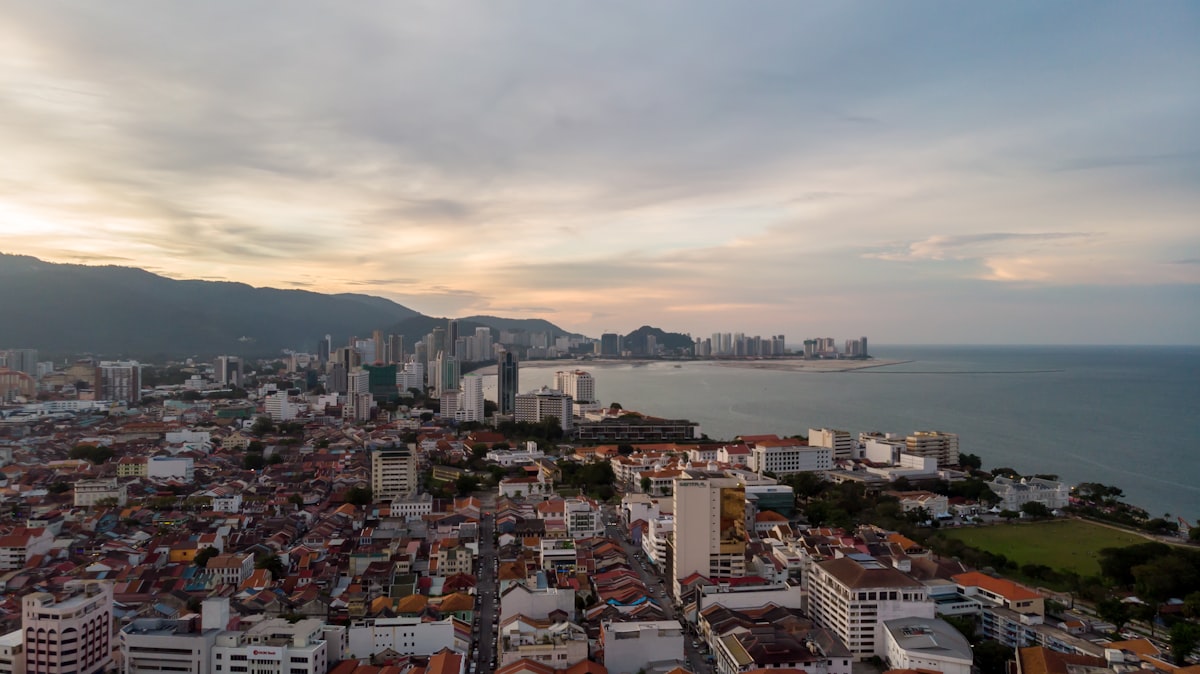
Showing: Feb · Unsplash / Unsplash
Malaysia · Asia Pacific
Best time to visit Penang
February
Feb scores highest overall — reliable weather and good value. Set your priorities below to personalise this result.
What matters most to you?
All 12 months — click any to expand
Feb
Unsplash / Unsplash
The driest and most festive month — Thaipusam and Chinese New Year together.
32.2°C
High
24.1°C
Low
58mm
Rain
8.4h
Sun/day
What you gain
- ↑February is statistically the driest month in Penang (58mm) and often the sunniest. The combination of excellent weather and major festivals makes it arguably the single best month to visit.
- ↑Thaipusam at the Nattukotai Chettiar Temple on Waterfall Road is one of the most extraordinary Hindu festivals in Southeast Asia: devotees in trance carry kavadi (steel frames pierced through skin) up the temple steps, surrounded by drums, chanting, and incense. The procession through George Town on the eve of the festival is genuinely breathtaking and open to respectful visitors.
- ↑Chinese New Year falls in late January or February: the clan houses on Armenian Street, the Khoo Kongsi clan temple on Cannon Square, and the waterfront jetties are all illuminated and celebrated. George Town during CNY is one of Southeast Asia's greatest urban festivals.
What you sacrifice
- ↓The overlap of Thaipusam and Chinese New Year (when they fall close together) makes February the most visited month of the year — accommodation must be booked very far ahead, and prices for quality heritage guesthouses can double.
- ↓Street congestion during festival processions makes certain parts of the old town difficult to navigate by car or tuk-tuk — though the compact walkability of George Town makes this manageable on foot.
Feb scores highest overall — reliable weather and good value. Set your priorities below to personalise this result.
Feb
The driest and most festive month — Thaipusam and Chinese New Year together.
32.2°C
High
58mm
Rain
8.4h
Sun
- ↑February is statistically the driest month in Penang (58mm) and often the sunniest. The combination of excellent weather and major festivals makes it arguably the single best month to visit.
- ↑Thaipusam at the Nattukotai Chettiar Temple on Waterfall Road is one of the most extraordinary Hindu festivals in Southeast Asia: devotees in trance carry kavadi (steel frames pierced through skin) up the temple steps, surrounded by drums, chanting, and incense. The procession through George Town on the eve of the festival is genuinely breathtaking and open to respectful visitors.
- ↑Chinese New Year falls in late January or February: the clan houses on Armenian Street, the Khoo Kongsi clan temple on Cannon Square, and the waterfront jetties are all illuminated and celebrated. George Town during CNY is one of Southeast Asia's greatest urban festivals.
- ↓The overlap of Thaipusam and Chinese New Year (when they fall close together) makes February the most visited month of the year — accommodation must be booked very far ahead, and prices for quality heritage guesthouses can double.
- ↓Street congestion during festival processions makes certain parts of the old town difficult to navigate by car or tuk-tuk — though the compact walkability of George Town makes this manageable on foot.
Top travel windows
★ BestFebruary
Best overall
Highest combined score
32.2°C
High
58mm
Rain
8.4h
Sun
March
Best for value
Lowest prices & fees
33.1°C
High
96mm
Rain
8.1h
Sun
March
Fewest crowds
Quietest month
33.1°C
High
96mm
Rain
8.1h
Sun
Breakdown by priority
Best for weather
February
32.2°C high · 58mm rain · 8.4hrs sun/day
Best for budget
March
The post-Chinese New Year lull means prices drop significantly and George Town returns to its everyday rhythm. This is when the city is most genuine: hawker centres at Gurney Drive and New Lane running full capacity, heritage shophouses with their shutters open, and no festival pricing on accommodation.
Fewest crowds
March
The post-Chinese New Year lull means prices drop significantly and George Town returns to its everyday rhythm. This is when the city is most genuine: hawker centres at Gurney Drive and New Lane running full capacity, heritage shophouses with their shutters open, and no festival pricing on accommodation.
Where to stay in Penang
All neighbourhoods →George Town Heritage Quarter
The UNESCO core — clan temples, shophouses, street art, and the finest hawker food in Southeast Asia.
10/10
Central
10/10
Walk
7/10
Transit
Little India & Kampung Kolam
The Tamil and Chettiar quarter — banana leaf curries, flower garlands, and Deepavali at full intensity.
8/10
Central
9/10
Walk
7/10
Transit
Also exploring
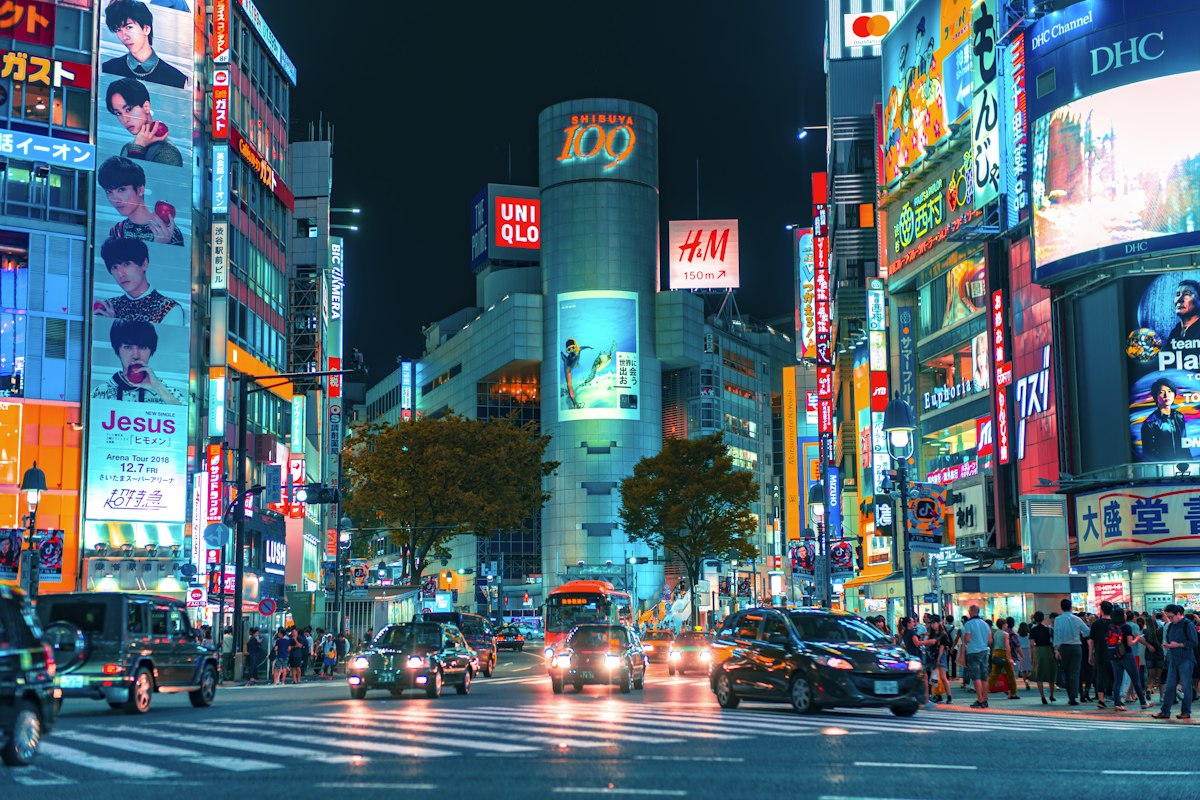
Tokyo
Japan
A city of dramatic seasonal contrasts — cherry blossom crowds, oppressive summer humidity, and golden autumn foliage — where the wrong timing can make or break the trip.
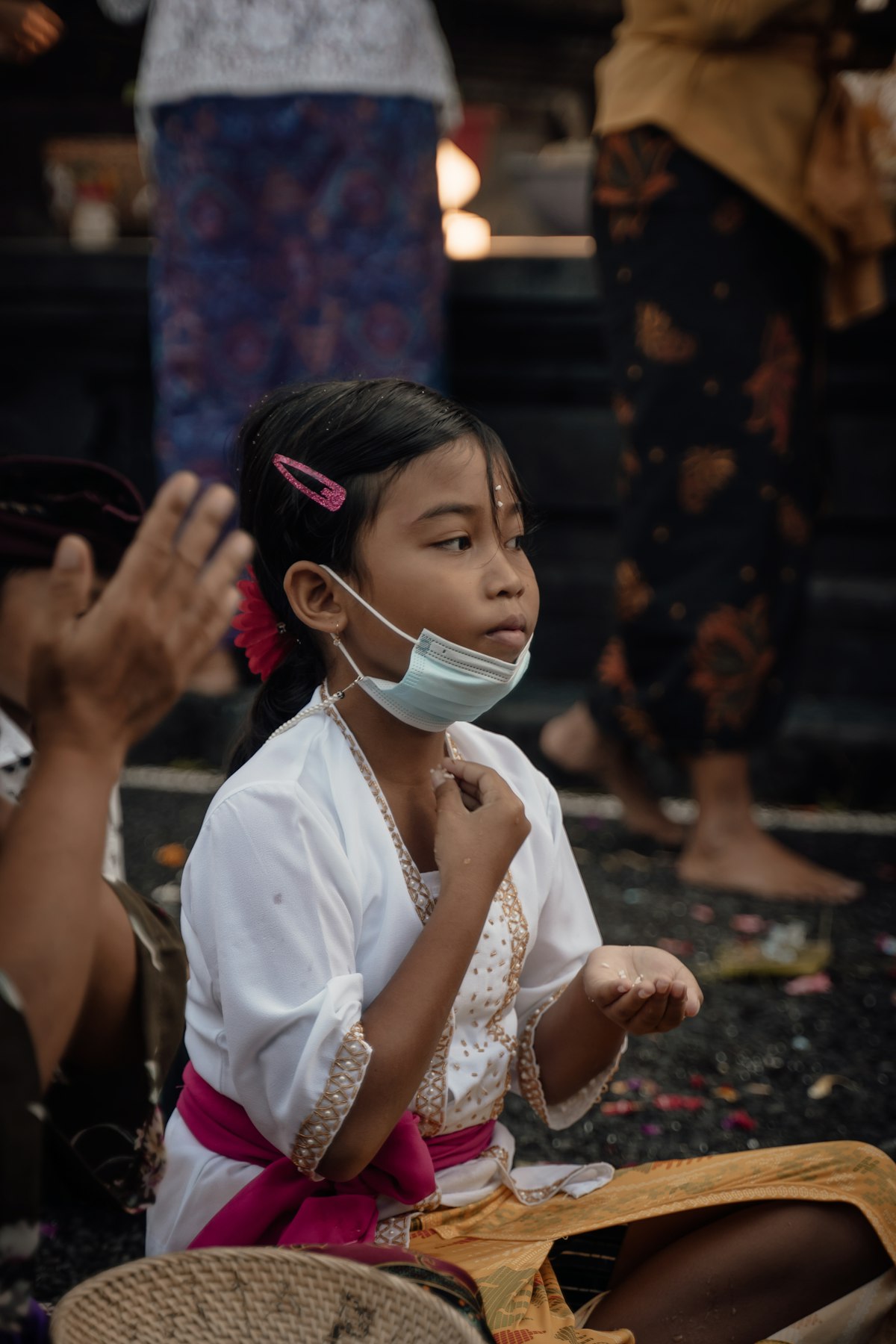
Bali
Indonesia
A Hindu island of rice terraces, temple ceremonies, and surf breaks where the monsoon makes timing genuinely binary — the difference between dry and wet season is not subtle.
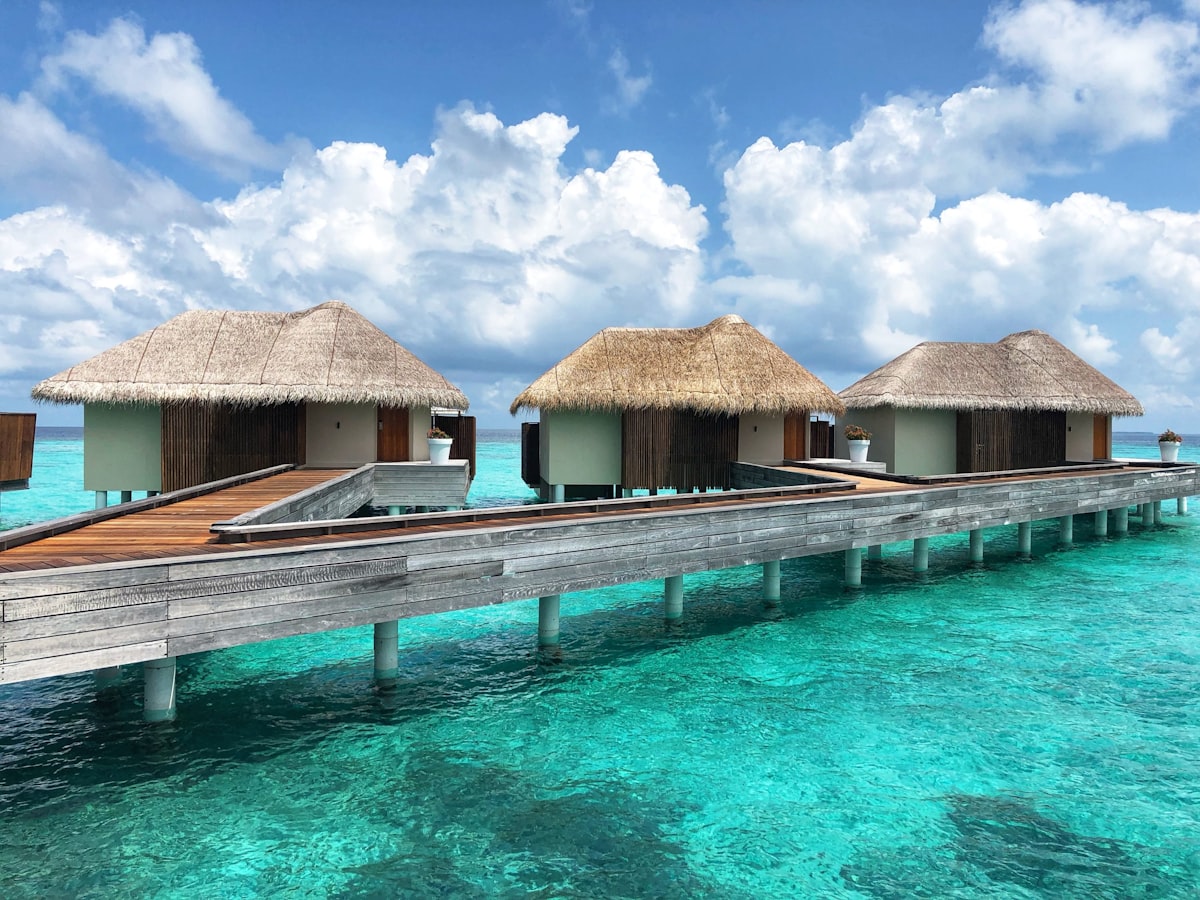
Maldives
Maldives
A destination defined almost entirely by its monsoon calendar — the difference between the NE dry season (November–April) and SW wet season (May–October) is not subtle and shapes every aspect of the experience.
Worth knowing
February scores highest overall. July is the most crowded month — avoid if you can. See crowd-free ranking →
Month by month breakdown
January#2▾
Gains
- ↑January sits in the dry window when both monsoons have passed — 68mm of rain is low for Penang, and the afternoons often stay clear. This is genuinely the best weather the island produces: 31°C, low humidity by local standards (76%), and consistent sunshine.
- ↑Chinese New Year preparations transform George Town's historic core: clan jetties hung with lanterns, temples fragrant with incense, and the claypot shops on Penang Road stacked with mandarin oranges and festive goods. The Chew Jetty and Tan Jetty on the waterfront are spectacular during the lead-up.
- ↑Street food in January is at its freshest and most diverse: hawker stalls at Gurney Drive, Lorong Selamat (the best char kway teow in Penang, according to almost everyone who has eaten it), and the Kimberley Street night market are fully operational and energised.
Sacrifices
- ↓Accommodation prices spike for Chinese New Year week specifically — book 2–3 months ahead if your dates overlap with the festival, when George Town hotels and heritage guesthouses fill completely.
- ↓Some hawker stalls and family businesses close for up to a week during the Chinese New Year break — part of the city's festive character, but worth planning around if you have specific eating goals.
February#1▾
Gains
- ↑February is statistically the driest month in Penang (58mm) and often the sunniest. The combination of excellent weather and major festivals makes it arguably the single best month to visit.
- ↑Thaipusam at the Nattukotai Chettiar Temple on Waterfall Road is one of the most extraordinary Hindu festivals in Southeast Asia: devotees in trance carry kavadi (steel frames pierced through skin) up the temple steps, surrounded by drums, chanting, and incense. The procession through George Town on the eve of the festival is genuinely breathtaking and open to respectful visitors.
- ↑Chinese New Year falls in late January or February: the clan houses on Armenian Street, the Khoo Kongsi clan temple on Cannon Square, and the waterfront jetties are all illuminated and celebrated. George Town during CNY is one of Southeast Asia's greatest urban festivals.
Sacrifices
- ↓The overlap of Thaipusam and Chinese New Year (when they fall close together) makes February the most visited month of the year — accommodation must be booked very far ahead, and prices for quality heritage guesthouses can double.
- ↓Street congestion during festival processions makes certain parts of the old town difficult to navigate by car or tuk-tuk — though the compact walkability of George Town makes this manageable on foot.
March#3▾
Gains
- ↑The post-Chinese New Year lull means prices drop significantly and George Town returns to its everyday rhythm. This is when the city is most genuine: hawker centres at Gurney Drive and New Lane running full capacity, heritage shophouses with their shutters open, and no festival pricing on accommodation.
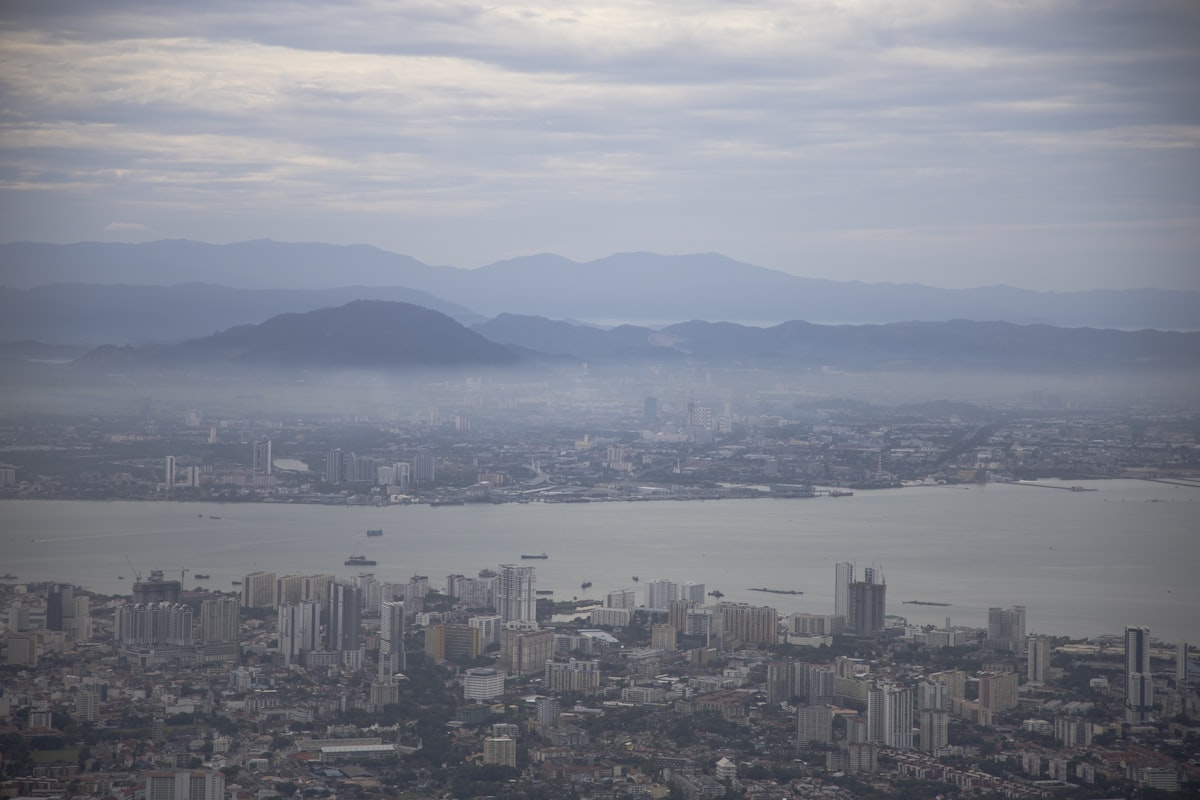
- ↑Penang Hill is at its most pleasant for the morning walk or funicular ride: temperatures at the summit (1,000m altitude) are 10°C cooler than the city — around 23°C — and the views over George Town and the Strait of Malacca are exceptional in the clearer weather.
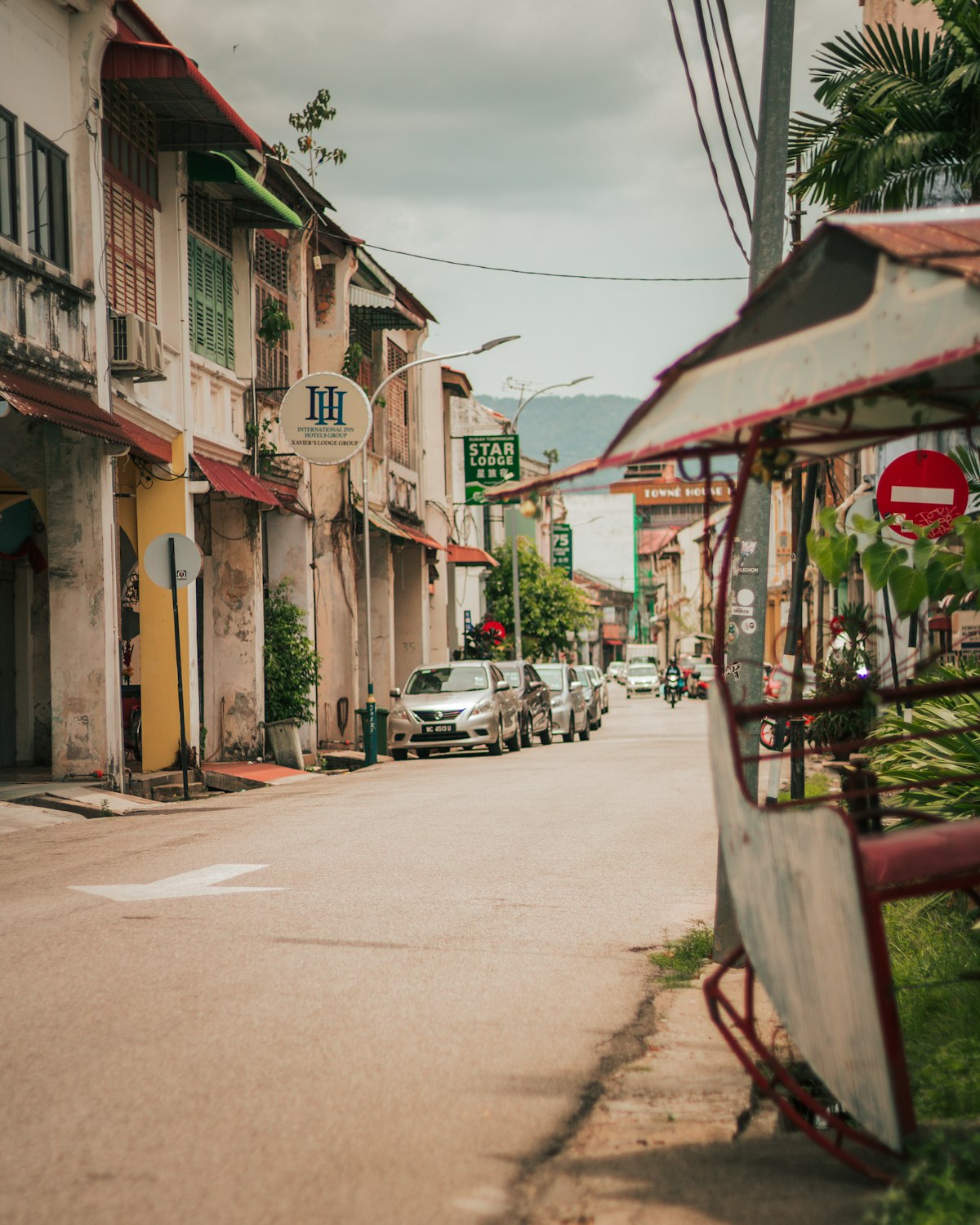
- ↑The street art circuit through George Town — Ernest Zacharevic's 'Boy on Bike' on Armenian Street, 'Children on a Bicycle' on Ah Quee Street — is most comfortably done in the morning hours before the day's heat builds, and March mornings are reliably clear.
Sacrifices
- ↓Rain begins increasing from February's minimum: 96mm across the month, mostly in late afternoon downpours. Not disruptive but worth planning around if you have outdoor activities scheduled.
- ↓Heat builds through March: 33°C highs mean midday in the medina-equivalent shophouse streets is hot, and the lack of shade on some streets makes afternoon exploration uncomfortable.
April#6▾
Gains
- ↑April marks the beginning of the southwest monsoon, but the pattern is predictable: clear mornings with heavy afternoon downpours of 30–60 minutes. A hawker breakfast before 9am, morning street art walking, and retreating to air-conditioned kopitiam (coffee shop) culture in the afternoon is the optimal strategy.
- ↑Prices drop to their annual floor: this is the cheapest month to stay in Penang, with heritage guesthouses in the UNESCO core available at rates that feel remarkable for the quality of the accommodation.
- ↑Kopitiam culture — the old-school Chinese coffee shops serving kopi-o (black coffee with caramelised sugar), half-boiled eggs, and toast with kaya — is best absorbed slowly in the rain, and April gives you the perfect excuse to do so.
Sacrifices
- ↓Rainfall jumps to 157mm — the most significant weather shift of the year. Afternoon beach visits to Batu Ferringhi become unreliable, and outdoor markets can be disrupted.
- ↓The heat (33.5°C) combined with rising humidity (79%) makes midday walking genuinely uncomfortable. The city is best experienced early morning and late evening in April.
May#12▾
Gains
- ↑Penang's hawker food is entirely weather-independent: the covered Gurney Drive Hawker Centre, the Lorong Selamat char kway teow stall, and the Air Itam asam laksa market (the original, under the Kek Lok Si temple road) are all fully operational regardless of rain. Food-focused trips are as good as any other month.
- ↑The Wesak Day celebration (May, date varies with Buddhist calendar) at the Dhammikarama Burmese Buddhist Temple and Mahindarama Theravada Temple brings processions with floats and lanterns through the streets — a peaceful and beautiful festival open to visitors.
- ↑Budget accommodation at its cheapest: May is the low season trough, and quality guesthouses along Love Lane and Muntri Street are available at prices that make Penang one of Southeast Asia's great value destinations.
Sacrifices
- ↓May averages 186mm of rainfall — the wettest stretch of the year. Afternoon rain is almost guaranteed, and some days deliver sustained rain from midday onward. Batu Ferringhi beach loses its appeal significantly.
- ↓The combination of heat and humidity (80%) is oppressive midday: the shophouse streets with limited shade demand early starts and afternoon retreats.
June#8▾
Gains
- ↑Rainfall drops from the May peak: 124mm is still significant but the pattern becomes more intermittent, with better stretches of clear days. The morning hours are frequently excellent — bright, hot, and dry.
- ↑Malaysian school holidays (typically mid-June through July) bring domestic tourism to Penang, which energises the night markets, street food scene, and evening activity along Gurney Drive and the waterfront esplanade.
- ↑The Penang International Food Festival preparation season: street food stalls often introduce seasonal specialities, and the foodie community is in full swing. Guides, supper clubs, and food tours operate actively.
Sacrifices
- ↓School holidays also mean Penang's own population competing for tables at the most famous hawker stalls — the queue for the Lorong Selamat char kway teow can exceed 30 minutes on weekend evenings.
- ↓Domestic tourism inflates hotel prices from their April-May floor, though international visitor levels remain moderate.
July#4▾
Gains
- ↑The George Town Festival (July–August) is one of Southeast Asia's finest urban arts festivals: international visual art, theatre, music, and dance installations spread across the UNESCO heritage zone. Venues include colonial shophouses, clan temples, and street corners — a genuinely innovative programme each year.
- ↑July sits in a relative dry spell within the SW monsoon: 107mm across the month with more sunny days and fewer full-day rain events than May-June. Beach visits to Batu Ferringhi are more reliable.
- ↑The Hungry Ghost Festival (late July to August, date varies with lunar calendar) is one of the most atmospheric events in Chinese cultural life: offerings burned on the streets, temporary stages erected for Chinese opera, and the Getai variety shows performed for the unseen audience of wandering spirits. George Town during Hungry Ghost is unlike anywhere else in the world.
Sacrifices
- ↓International visitors for the George Town Festival push accommodation prices up from June levels — not dramatically, but the budget floor is higher in July.
- ↓Heat and humidity remain relentless: 32.5°C and 78% humidity require acclimatisation and a strategy of early starts and cool retreats.
August#5▾
Gains
- ↑The Hungry Ghost Festival peaks in August: the streets of George Town fill with smoking incense, paper offerings, and the distinctive sound of Getai performances. The Teochew clan associations along Chulia Street and the Hokkien communities around the Khoo Kongsi are particularly involved — this is living culture, not performance for tourists.
- ↑The George Town Festival continues into August: the range of artistic programming in the second month often includes the most acclaimed international productions of the programme.
- ↑Penang International Food Festival preparations begin: August sees the island's food community at its most inventive, with pop-up collaborations and special menus appearing across the city.
Sacrifices
- ↓The monsoon reasserts: 115mm across the month means afternoon rain remains a near-daily occurrence. Batu Ferringhi beach is inconsistent.
- ↓August school holidays for both Malaysian and Singapore families make Gurney Drive and popular hawker centres very busy on weekend evenings — queues at the most famous stalls extend significantly.
September#9▾
Gains
- ↑September sits between the SW and NE monsoon transitions: the festival crowds have gone, prices are low, and the hawker stalls are entirely yours. A serious food-focused trip with unlimited time at the best stalls is most achievable in September.
- ↑The Mid-Autumn Festival (Mooncake Festival) falls in September or October — lantern processions and mooncake stalls appear across Penang's Chinese neighbourhoods, and the Chew Jetty and Clan Jetty communities celebrate with particular enthusiasm.
- ↑Penang's interior and hill area are at their greenest: the botanical gardens near Penang Hill, the nutmeg orchards around Balik Pulau, and the forested interior trails all benefit from the monsoon moisture.
Sacrifices
- ↓Rainfall increases sharply to 145mm — the transition to the NE monsoon means some days deliver sustained rain rather than the predictable afternoon bursts of the SW monsoon.
- ↓Sunshine hours drop to 6.9 per day — overcast skies are more frequent, and the light quality for photography diminishes compared to the January-February dry season.
October#10▾
Gains
- ↑The Penang International Food Festival in October is the best platform to experience the full breadth of Penang's food culture: cooking competitions, guided hawker tours, special menus at traditional kopitiams, and evening food trails through George Town's heritage streets. For food-focused visitors, this is the calendar event.
- ↑Deepavali preparations begin in October in Little India on Penang Road and Queen Street: flower garlands, oil lamp displays, and the fragrance of Indian sweets from the Komala Vilas and Hameediyah restaurants. The illuminated decorations are beautiful.
- ↑Accommodation at budget floor — October is among the cheapest months, and quality heritage guesthouses on Love Lane are available at exceptional value.
Sacrifices
- ↓October is the second wettest month (171mm) and the NE monsoon is properly established. Days of persistent rain are not unusual, and outdoor plans require genuine flexibility.
- ↓Batu Ferringhi beach is not reliable: seas roughen with the NE monsoon and the beach itself can be littered after heavy rains.
November#11▾
Gains
- ↑Deepavali (usually November) transforms Little India on Penang Road and Queen Street into one of Southeast Asia's most spectacular Hindu festivals: 3am oil lamp ceremonies, rangoli floor art, and the smell of rose water and jasmine garlands through the pre-dawn streets. The celebration at the Nagarathar community temples is open to respectful visitors.
- ↑Despite the rain, hawker culture is at full operation and prices are at their lowest. A Penang trip focused entirely on eating — from the prawn mee soup at Lorong Selamat to the Nyonya kueh at Joo Hooi café — is entirely viable at November prices.
- ↑The NE monsoon brings relatively cooler and breezier conditions (30.8°C feels noticeably more comfortable than the September heat at similar rainfall) — the air quality improves with the rain.
Sacrifices
- ↓184mm of rain is the wettest month of the year alongside October — days of persistent rain are frequent. The beach is firmly off the agenda.
- ↓Some evening street events and outdoor markets are disrupted by rain; the covered food courts take over as the primary social venues.
December#7▾
Gains
- ↑December marks the end of the NE monsoon: rainfall drops from November's peak to a manageable 98mm, and the morning hours become reliably clear. Christmas and New Year decorations on Penang Road and the colonial street facades of George Town add a festive layer to the UNESCO ambiance.
- ↑The George Town World Heritage Incorporated festival events in December include heritage walks, traditional craft demonstrations, and evening performances in the Khoo Kongsi and other clan temples — programming that celebrates the living culture of the UNESCO site.
- ↑Western visitors arriving for the Christmas-New Year window find Penang an ideal base: inexpensive, warm, food-obsessed, and culturally rich in a way that differentiates it entirely from Bali or Bangkok at the same time of year.
Sacrifices
- ↓Christmas and New Year weeks push accommodation prices up from the October-November floor: the best heritage guesthouses book out, and Airtime Hostel, Campbell House, and similar quality options require advance planning.
- ↓International visitor numbers increase noticeably — the street art circuit and Clan Jetty waterfront are busier than in the quieter shoulder months.
How this is calculated
Climate data
Open Meteo ERA5
30-year normals (1991–2020). Temperature, rainfall, sunshine, humidity.
Price & crowd
Tourism research
Seasonal pricing from tourism authority data. Directional — compares months within a destination only.
Personalisation
Weighted scoring
Your priorities change the weights. Budget-first users get different results than weather-first users.
Share this result
February is the best time to visit Penang
Travel timing updates
New destinations and timing guides, when they land.
No spam. Unsubscribe anytime.