Showing: Feb · Unsplash / Unsplash
Tanzania · East Africa
Best time to visit Tanzania
February
Feb scores highest overall — reliable weather and strong local atmosphere. Set your priorities below to personalise this result.
What matters most to you?
All 12 months — click any to expand
Feb
Unsplash / Unsplash
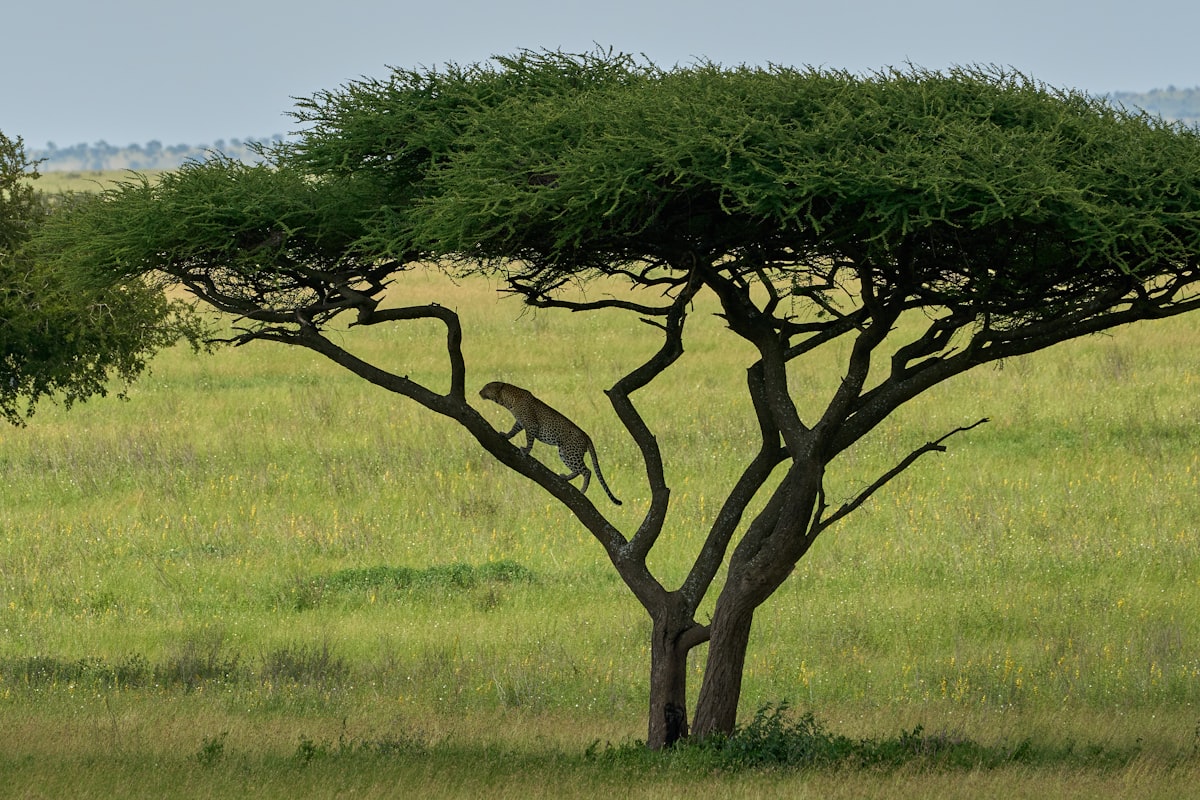
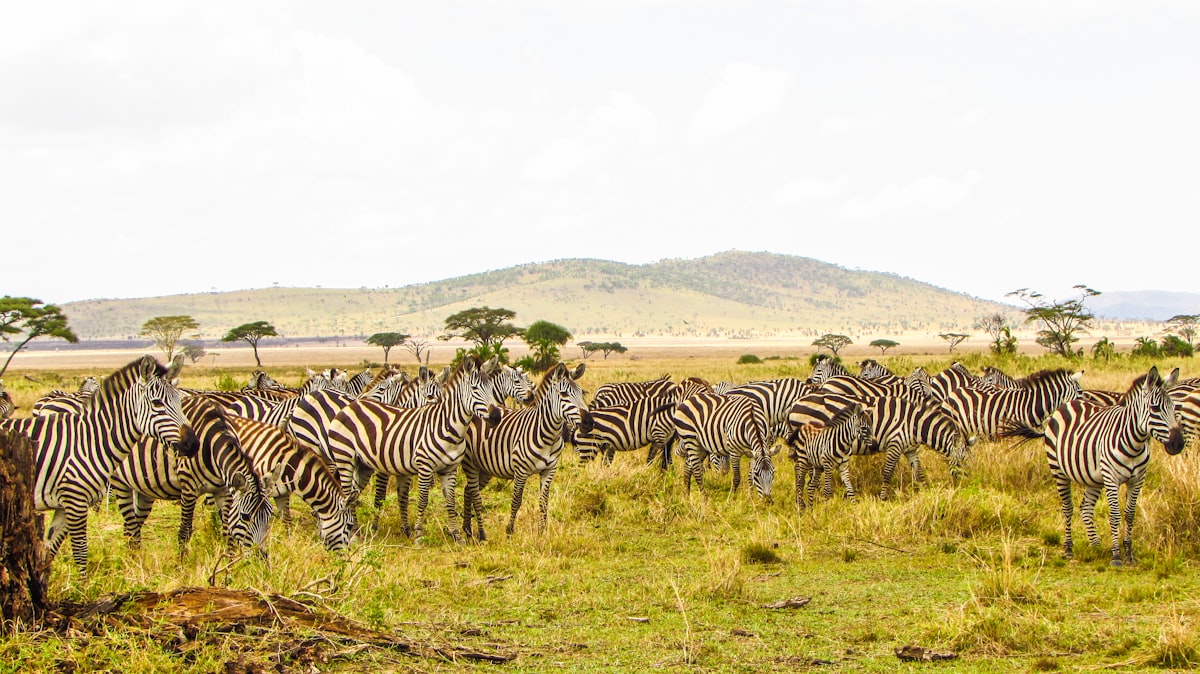
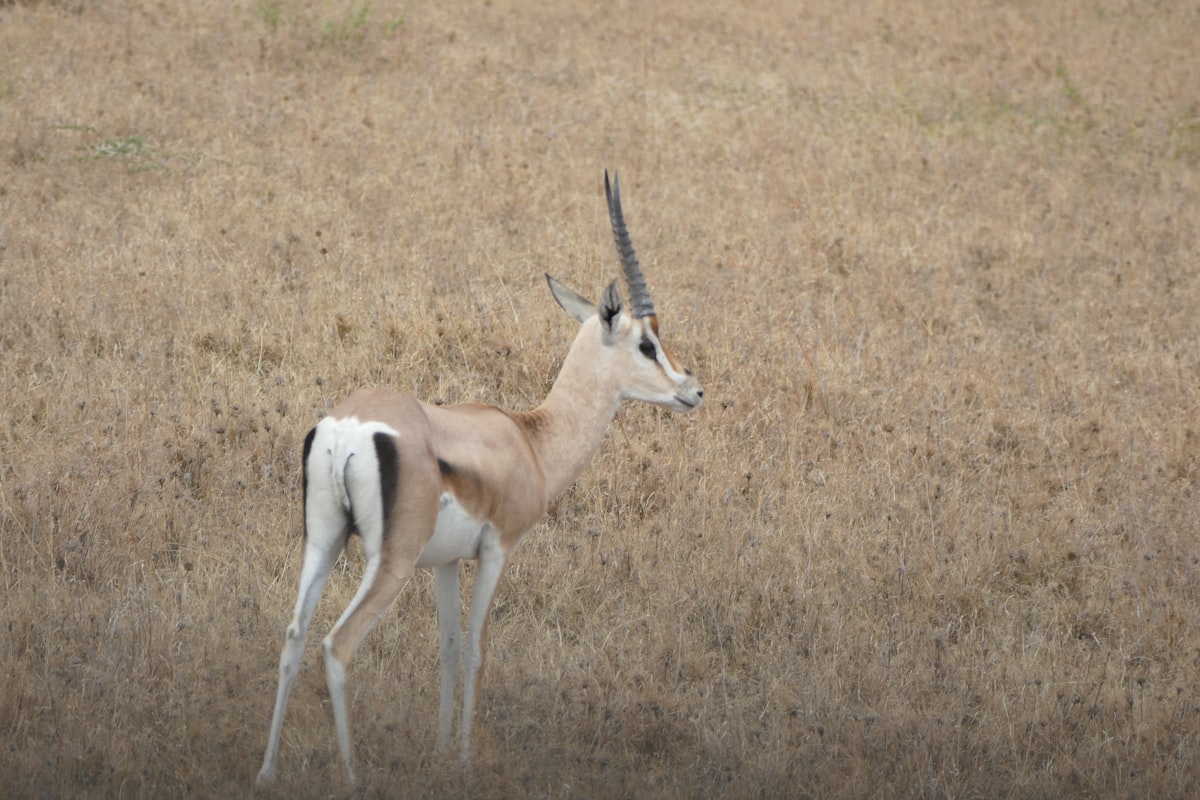
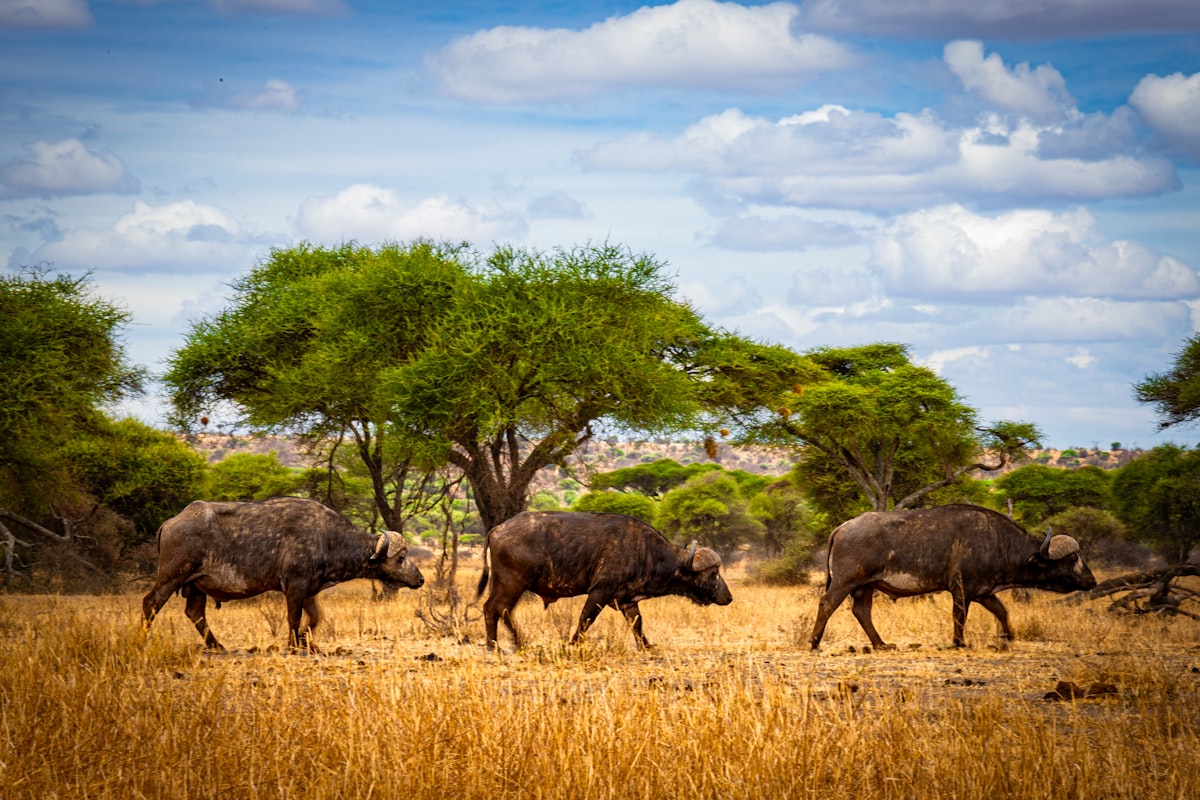
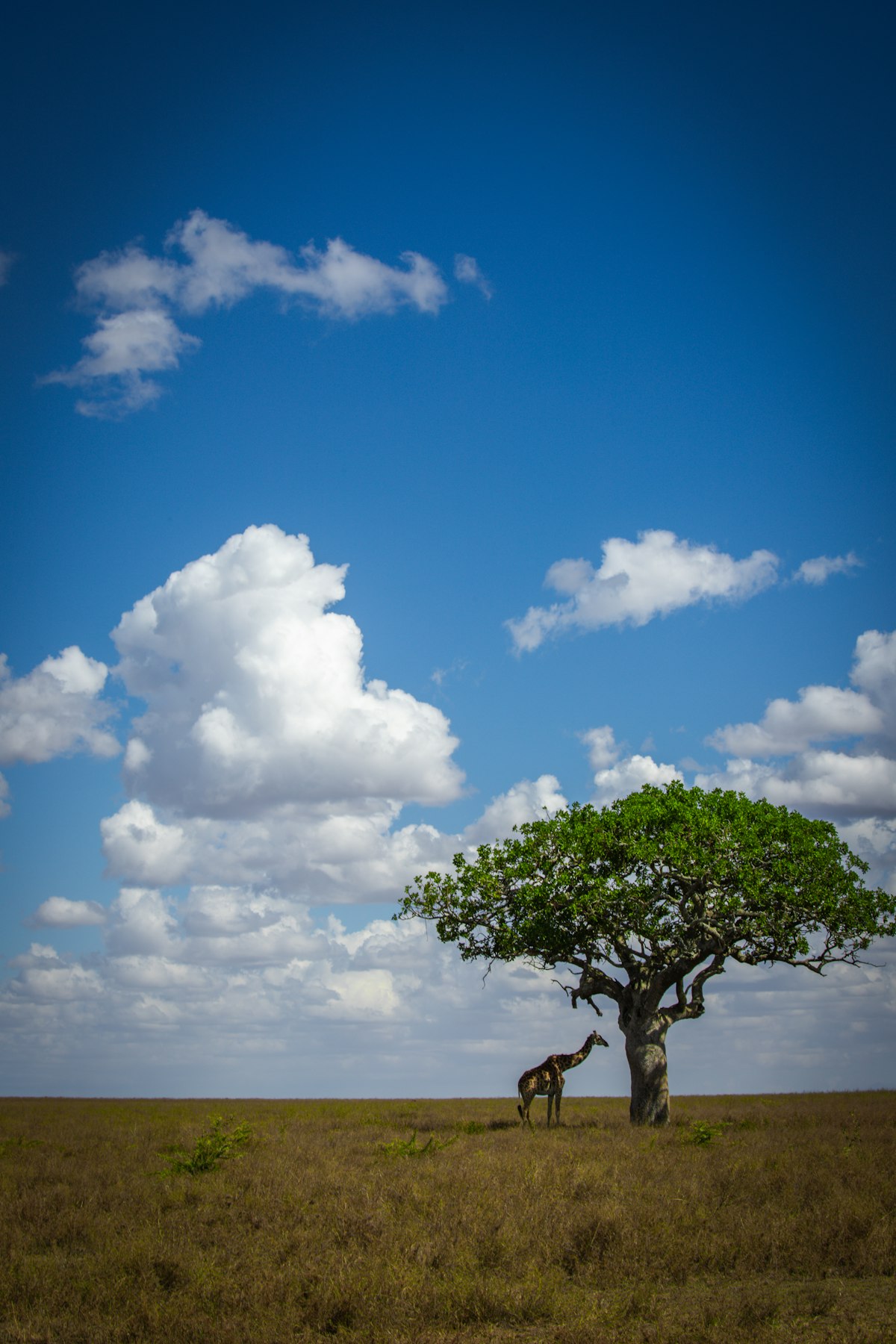
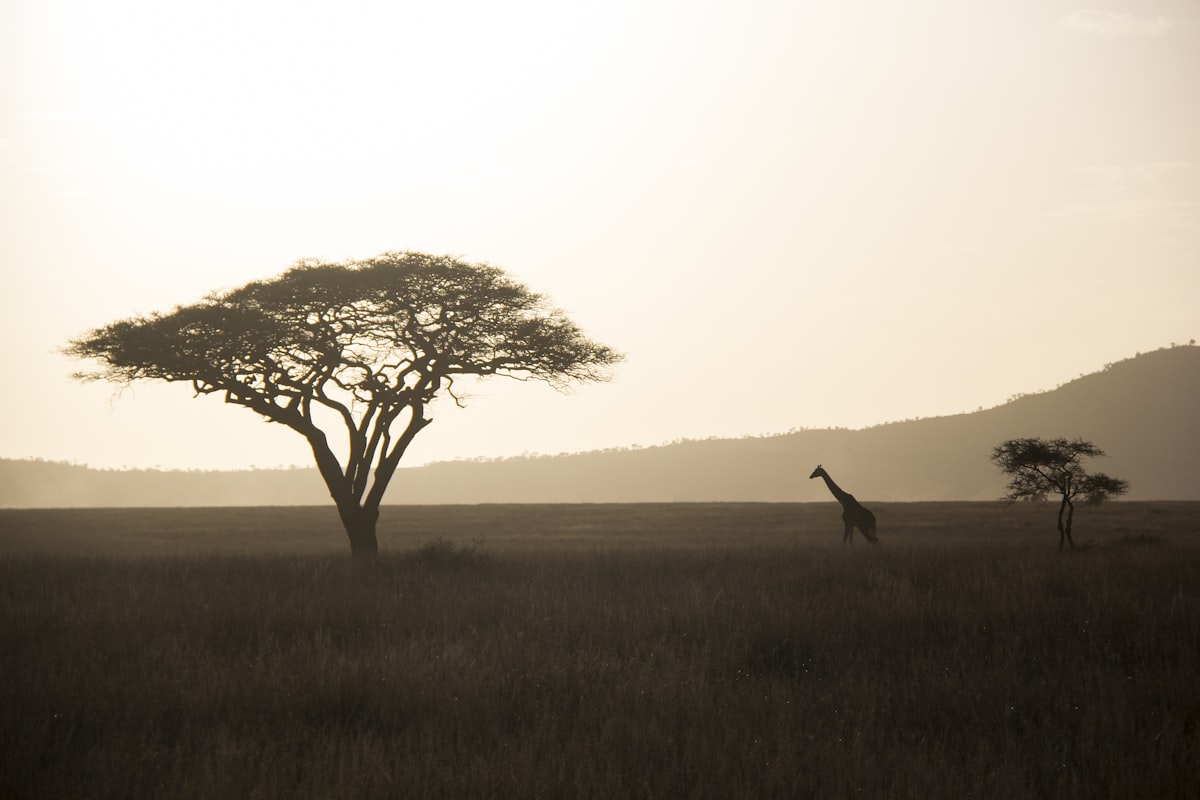
Peak calving season — the Serengeti's most dramatic predator activity and the finest wildlife photography month.
29°C
High
14°C
Low
65mm
Rain
8.5h
Sun/day
What you gain
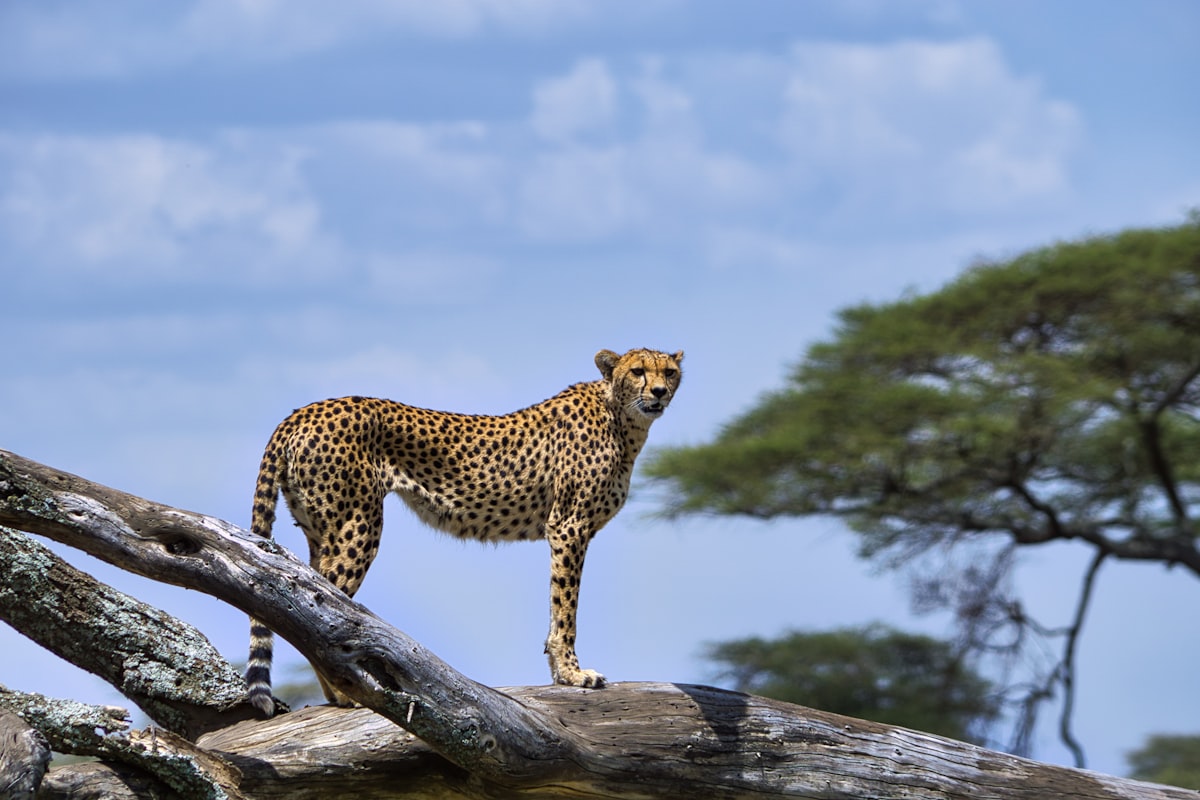
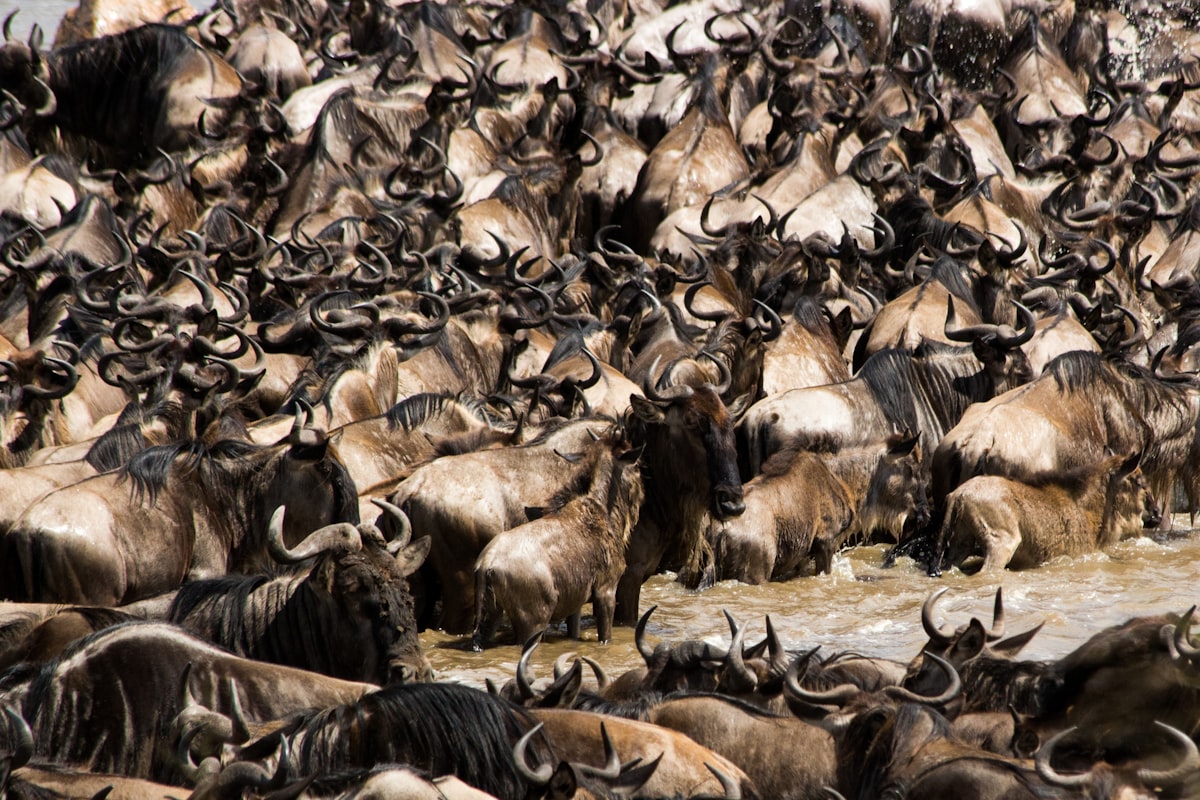
- ↑February is the peak of wildebeest calving season: the concentrated births in Ndutu and the Ngorongoro Conservation Area draw the largest single-point density of predators in the Serengeti ecosystem; lion prides, leopard, cheetah, wild dog, and hyena all converge on the calving grounds, and game drives in the Ndutu woodlands offer multi-predator sightings in a single morning
- ↑The green Serengeti landscape during the short dry season is at its most photogenic in February: the golden grass mixed with post-rain green, the dramatic skies between dry and wet patterns, and the full animal population (all species present before the migration begins moving north) create the richest biodiversity month of the year
- ↑Ngorongoro Crater in February: the world's largest intact caldera holds a resident population of all Big Five species year-round, but February sees the highest density of big cats actively hunting at the wildebeest calving grounds near the crater floor; the descent into the crater at dawn in February is the finest single-day wildlife experience Tanzania offers
What you sacrifice
- ↓February's calving fame means the Ndutu area is the busiest part of Tanzania's safari circuit during this month — multiple vehicles around a predator-prey interaction are common; while regulations limit simultaneous vehicles at kills, the experience is not solitary
- ↓Accommodation in the Ndutu area (the small number of mobile camps permitted to operate within the Ndutu Conservation Area) books 6–12 months in advance for February; standard Serengeti lodges outside the zone have availability but miss the concentrated action
- ↓The long rains typically begin in mid-to-late March — some February rain forecasts can be inaccurate, and very occasionally the long rains arrive early; cloud cover during the first showers reduces photographic light quality
Feb scores highest overall — reliable weather and strong local atmosphere. Set your priorities below to personalise this result.
Feb
Peak calving season — the Serengeti's most dramatic predator activity and the finest wildlife photography month.
29°C
High
65mm
Rain
8.5h
Sun
- ↑February is the peak of wildebeest calving season: the concentrated births in Ndutu and the Ngorongoro Conservation Area draw the largest single-point density of predators in the Serengeti ecosystem; lion prides, leopard, cheetah, wild dog, and hyena all converge on the calving grounds, and game drives in the Ndutu woodlands offer multi-predator sightings in a single morning
- ↑The green Serengeti landscape during the short dry season is at its most photogenic in February: the golden grass mixed with post-rain green, the dramatic skies between dry and wet patterns, and the full animal population (all species present before the migration begins moving north) create the richest biodiversity month of the year
- ↑Ngorongoro Crater in February: the world's largest intact caldera holds a resident population of all Big Five species year-round, but February sees the highest density of big cats actively hunting at the wildebeest calving grounds near the crater floor; the descent into the crater at dawn in February is the finest single-day wildlife experience Tanzania offers
- ↓February's calving fame means the Ndutu area is the busiest part of Tanzania's safari circuit during this month — multiple vehicles around a predator-prey interaction are common; while regulations limit simultaneous vehicles at kills, the experience is not solitary
- ↓Accommodation in the Ndutu area (the small number of mobile camps permitted to operate within the Ndutu Conservation Area) books 6–12 months in advance for February; standard Serengeti lodges outside the zone have availability but miss the concentrated action
- ↓The long rains typically begin in mid-to-late March — some February rain forecasts can be inaccurate, and very occasionally the long rains arrive early; cloud cover during the first showers reduces photographic light quality
Top travel windows
★ BestFebruary
Best overall
Highest combined score
29°C
High
65mm
Rain
8.5h
Sun
May
Best for value
Lowest prices & fees
23°C
High
165mm
Rain
5.5h
Sun
April
Fewest crowds
Quietest month
24°C
High
280mm
Rain
5h
Sun
Breakdown by priority
Best for weather
July
22°C high · 18mm rain · 8.5hrs sun/day
Best for budget
May
May is the second cheapest month in Tanzania and the accommodation rates are often negotiable further beyond published rates — permanent tented camps and lodges with very low occupancy will offer reductions on longer stays; a 7-night Tanzania stay in late May can cost less than 2 nights in July at equivalent properties
Fewest crowds
April
April delivers the absolute lowest camp and lodge rates of the year — properties that remain open offer extraordinary value for visitors with specific research interests; budget travellers who can operate in rain-season conditions will find Tanzania's finest camps at prices that simply do not exist in July
Worst time to visit
April
280mm of rain in April is the highest of any month: the Serengeti's unpaved roads become deeply rutted and impassable during sustained rain events, and many seasonal camps (particularly mobile tented camps that move with the migration) close entirely from April through May; a limited selection of permanent lodges remain open with reduced wildlife drive activity
Where to base yourself in Tanzania
All regions →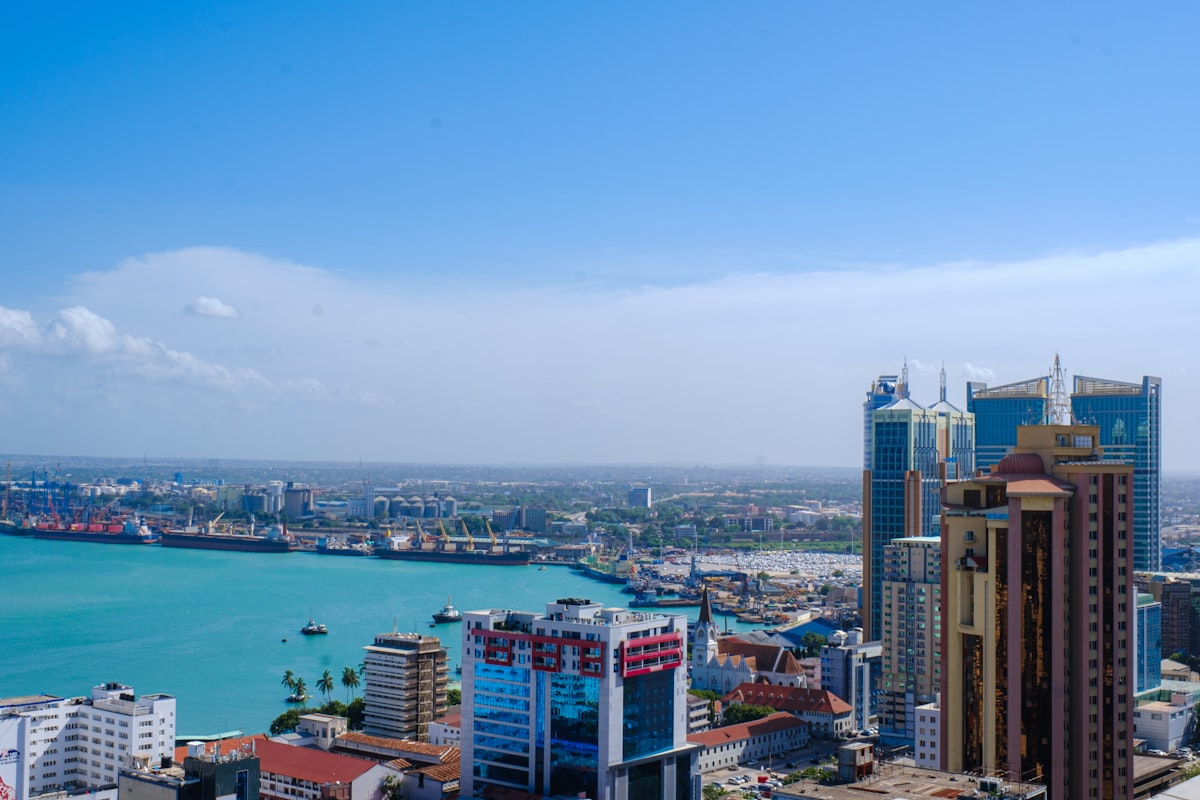
Dar es Salaam & Coast
The gateway city — a coastal East African metropolis, the Mafia Island marine park, and the ferry connections to Zanzibar and Pemba.
6/10
Central
6/10
Walk
9/10
Transit
Ngorongoro Conservation Area
The world's largest intact volcanic caldera — a self-contained Eden with the highest wildlife density of any African park.
9/10
Central
2/10
Walk
7/10
Transit
Also exploring
Marrakech
Morocco
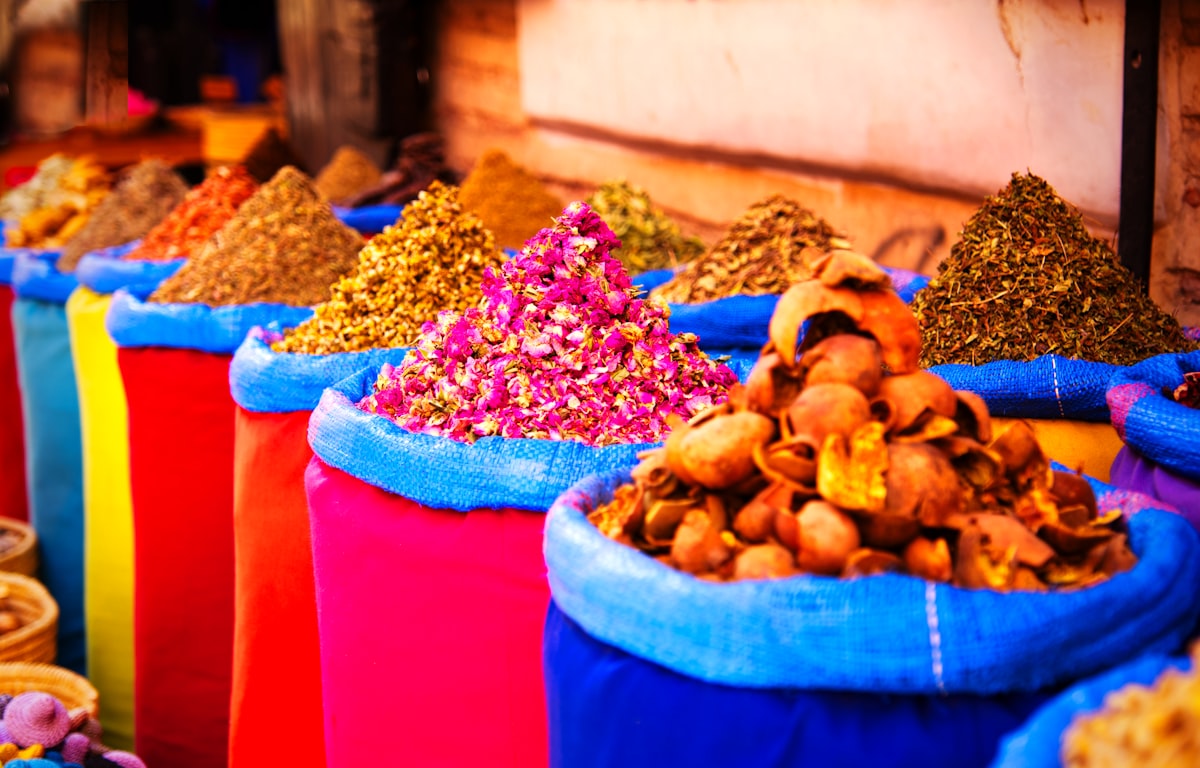
A city of medieval medina markets, orange groves, and Atlas Mountain views where summer heat is genuinely dangerous and spring timing is everything.
Cape Town
South Africa
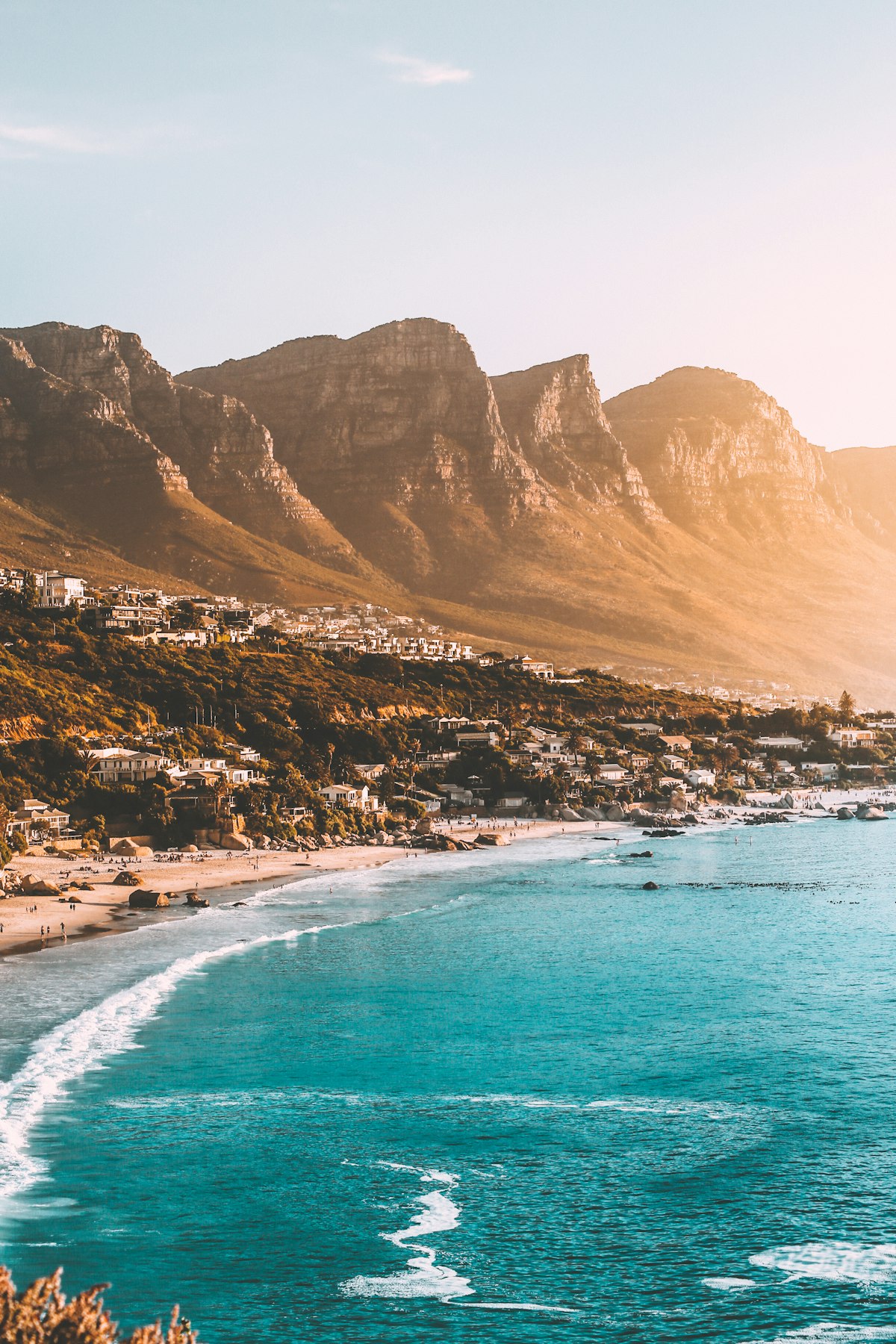
Africa's most dramatic city — where timing means choosing between the dry, sunny austral summer (November–March) for beaches and hiking, and the cooler winter months when southern right whales arrive in False Bay and the wildflowers transform the West Coast.
Zanzibar
Tanzania
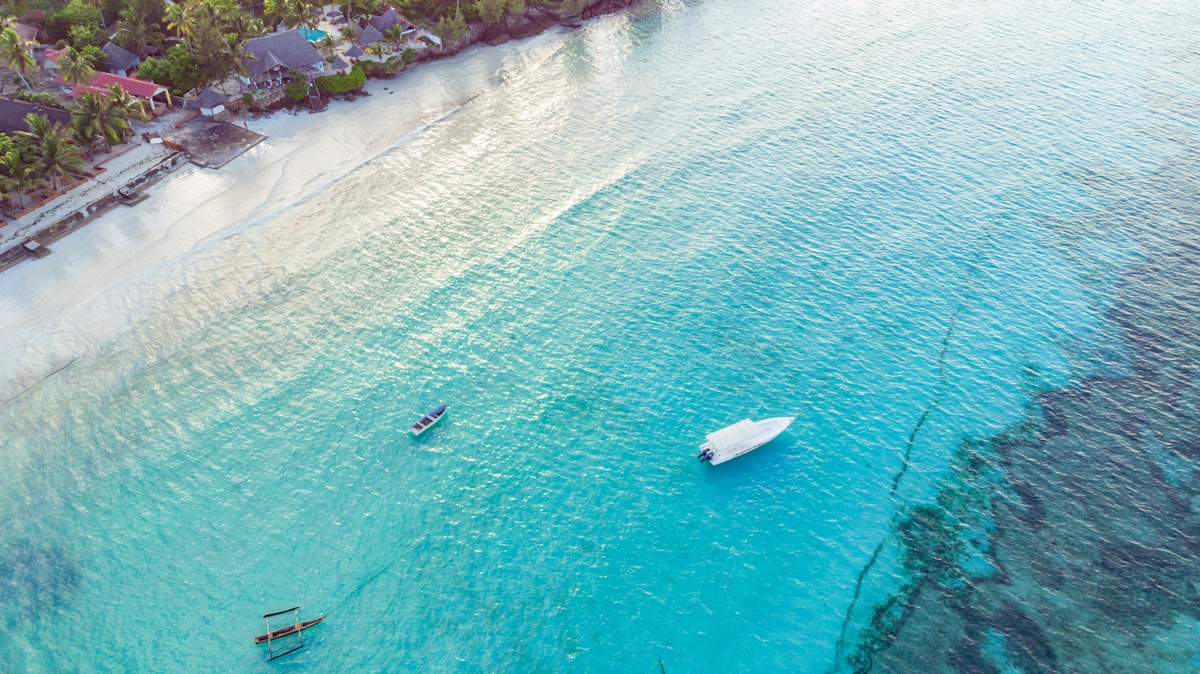
A UNESCO-listed Swahili trading city, world-class kite surfing, whale shark encounters, and Indian Ocean beaches — Tanzania's island extension is one of Africa's most compelling destinations, shaped by two distinct rainy seasons that divide the year sharply into when to go and when not to.
Worth knowing
February scores highest overall. July is the most crowded month — avoid if you can. See crowd-free ranking →
Month by month breakdown
January#6▾
Gains
- ↑Wildebeest calving season (January–February) in the Ndutu area of the Southern Serengeti and Ngorongoro Conservation Area is one of the wildlife world's most extraordinary events: 400,000–500,000 calves are born in a compressed 3-week window, and the attendant predator activity — lion prides working the calving grounds, cheetah sprinting after day-old calves, hyena in packs — creates safari footage and experiences that the July migration crossings cannot replicate
- ↑January weather is excellent for safari: the short dry spell between the November short rains and the March long rains delivers clear skies, 8 sunshine hours, and warm days at 28°C; the Serengeti plains remain green from the November rains and the photographic light is soft and golden
- ↑Kilimanjaro climbing conditions are good in January — the mountain is technically climbable year-round, but January's warm, clear weather (Machame and Marangu routes are clear between rains) makes the final summit push through the high-altitude snowfields less demanding than the April–May wet period
Sacrifices
- ↓January is a mid-season pricing month: not the budget window of April–May, nor the peak prices of July–August; camp and lodge rates are moderate, but the most celebrated properties (Four Seasons Serengeti, &Beyond Klein's Camp) still require advance booking
- ↓Short rains can occasionally extend into early January — while the classic rainy season is November, late starters mean January can see some afternoon showers in the Serengeti's southern reaches; they rarely last long and don't significantly affect game drives
- ↓The calving action is concentrated in Ndutu (south-west Serengeti/Ngorongoro) rather than spread across the full ecosystem — visitors who focus on northern Serengeti circuits in January may find fewer dramatic predator interactions than those who specifically track the calving herds south
February#1▾
Gains
- ↑February is the peak of wildebeest calving season: the concentrated births in Ndutu and the Ngorongoro Conservation Area draw the largest single-point density of predators in the Serengeti ecosystem; lion prides, leopard, cheetah, wild dog, and hyena all converge on the calving grounds, and game drives in the Ndutu woodlands offer multi-predator sightings in a single morning
- ↑The green Serengeti landscape during the short dry season is at its most photogenic in February: the golden grass mixed with post-rain green, the dramatic skies between dry and wet patterns, and the full animal population (all species present before the migration begins moving north) create the richest biodiversity month of the year
- ↑Ngorongoro Crater in February: the world's largest intact caldera holds a resident population of all Big Five species year-round, but February sees the highest density of big cats actively hunting at the wildebeest calving grounds near the crater floor; the descent into the crater at dawn in February is the finest single-day wildlife experience Tanzania offers
Sacrifices
- ↓February's calving fame means the Ndutu area is the busiest part of Tanzania's safari circuit during this month — multiple vehicles around a predator-prey interaction are common; while regulations limit simultaneous vehicles at kills, the experience is not solitary
- ↓Accommodation in the Ndutu area (the small number of mobile camps permitted to operate within the Ndutu Conservation Area) books 6–12 months in advance for February; standard Serengeti lodges outside the zone have availability but miss the concentrated action
- ↓The long rains typically begin in mid-to-late March — some February rain forecasts can be inaccurate, and very occasionally the long rains arrive early; cloud cover during the first showers reduces photographic light quality
March#10▾
Gains
- ↑The first half of March (before the long rains fully establish) can still offer good safari conditions: the calving season extends, wildebeest herds are beginning their preliminary northward drift, and the predator density on the Serengeti remains high; an early-March trip catches the season's tail before the rains shut down road access
- ↑Green season pricing begins in March — lodge and camp rates drop from the February moderate level toward April's budget prices; early-March visitors can sometimes find a pricing window between peak demand and the quality deterioration that the rains bring
- ↑Birdlife in March is exceptional: the long rains bring migratory species that use the Serengeti ecosystem as a staging ground, and the transition period between dry and wet brings the highest bird diversity of the year to the marshes around Lake Manyara and the Serengeti kopjes
Sacrifices
- ↓The long rains (Masika) typically establish by mid-March — 135mm across the month is concentrated in the second half, and by late March the Serengeti's murram roads can become impassable to standard 4WD vehicles; mobile safari camps in the ecosystem begin moving to higher ground and some close entirely
- ↓The wildebeest migration begins moving northward but is not yet at the Mara River crossing (that happens July–August) — a March visit sees the movement beginning but misses both the February calving drama and the July river crossings; the transition period has less clear-cut wildlife event quality than either end of the spectrum
- ↓Kilimanjaro becomes significantly less accessible in March — the high-altitude storm frequency increases, summit days see cloud cover, and the summit trails are wet and cold below the snowfield; March is specifically not recommended for Kilimanjaro climbing
April#12▾
Gains
- ↑April delivers the absolute lowest camp and lodge rates of the year — properties that remain open offer extraordinary value for visitors with specific research interests; budget travellers who can operate in rain-season conditions will find Tanzania's finest camps at prices that simply do not exist in July
- ↑The landscapes of April's Serengeti and Ngorongoro are extraordinarily photogenic in the brief clear windows: the lush green plains, the rain-washed acacia canopies, and the flamingo flocks on Lake Natron at their densest create landscape images that the bone-dry July ecosystem cannot produce
- ↑Dar es Salaam's coastal culture is less affected by the interior rains — the city and its beaches remain operational, and April is a good month to focus on coastal Tanzania (combined with a Zanzibar extension) rather than the northern safari circuit
Sacrifices
- ↓280mm of rain in April is the highest of any month: the Serengeti's unpaved roads become deeply rutted and impassable during sustained rain events, and many seasonal camps (particularly mobile tented camps that move with the migration) close entirely from April through May; a limited selection of permanent lodges remain open with reduced wildlife drive activity
- ↓Wildlife visibility is significantly lower in the long rains: animals seek shelter in woodland and vegetation, the grass has grown long enough to conceal cats and smaller species, and the herds have dispersed across the wet-season grazing grounds rather than concentrating at water sources
- ↓Kilimanjaro is at its most dangerous and uncomfortable in April: the mountain is subjected to its heaviest snowfall and most frequent electrical storms; the summit trails are icier, slower, and more physically demanding; April is specifically the worst month for an attempt
May#11▾
Gains
- ↑May is the second cheapest month in Tanzania and the accommodation rates are often negotiable further beyond published rates — permanent tented camps and lodges with very low occupancy will offer reductions on longer stays; a 7-night Tanzania stay in late May can cost less than 2 nights in July at equivalent properties
- ↑Late May sees the first signs of the dry season approaching: rainfall begins to ease, the Serengeti roads start to recover, and a small number of mobile camps begin setting up for the June dry season arrival; late-May visits can capture improving conditions at still-low prices
- ↑Arusha and northern Tanzania's highland towns (Moshi, Karatu) are cooler and more comfortable in May than in the searing heat of January–March; for mountaineering preparation and trekking in the montane forests below the Kilimanjaro snowfields, May's cooler temperatures are physically preferable to July's cold summit nights combined with hot lower slopes
Sacrifices
- ↓165mm of rain with only 5.5 sunshine hours daily continues the sustained wet-season safari limitations — game drives on muddy tracks in 4WD vehicles are possible but limited in range; the full Serengeti circuit and Ngorongoro Crater floor access are often restricted to a few passable routes
- ↓The northern migration has stalled or reversed — wildebeest and zebra are scattered across the wet-season grazing grounds in dispersed patterns that make concentrated game viewing less rewarding than either the calving season or the dry-season crossing months
- ↓Mosquito populations peak in the weeks after the long rains, and malaria transmission is at its highest from April through June; prophylaxis, repellent, and long-sleeved clothing for evening activities are non-negotiable
June#5▾
Gains
- ↑The dry season arrives in earnest in June: 35mm of rain, 8 sunshine hours daily, and the rapidly recovering Serengeti road network allow access to the full ecosystem; the wildebeest migration has completed its northward journey from the southern calving grounds and is now concentrated in the Western Corridor and beginning the crossing into the Masai Mara ecosystem
- ↑Ngorongoro Crater game drives are at their finest in June — the crater floor dries out after the rains, the long grass recedes, and the resident wildlife population (resident lions, elephant herds, buffalo, and the crater's black rhino population) becomes more visible than in the wet months; the crater rim viewpoints are now reliably clear for photography
- ↑Kilimanjaro climbing season opens fully in June — the summit routes are drying out, the snowfields are firm, and the weather window for summit day is at its widest; June is the beginning of the best climbing months (June through October), with daytime temperatures on the lower slopes cool and comfortable at 22°C
Sacrifices
- ↓Prices jump from May's budget level to expensive as the dry season opens — the best camps in the Serengeti and Ngorongoro book up fast for the July–August peak, and June is the last month with reasonable availability before the full allocation of top-tier accommodation is reserved for the peak migration season
- ↓Early June can still see residual cloud cover from the rains — the Serengeti's photographic light, while improving, is not yet as sharp and golden as July–August; morning mist can persist at Ngorongoro Crater rim well into the morning
- ↓The migration river crossings — the Mara River at the Tanzania-Kenya border — begin but are not yet at maximum intensity in June; the first crossings occur but the concentration of wildebeest numbers at crossing points builds through July toward its August peak
July#2▾
Gains
- ↑The Mara River crossings of July and August are the most dramatic wildlife spectacle on Earth: herds of 1–2 million wildebeest and 200,000 zebra press up against the Mara River, working themselves into a frenzy before the leaders plunge in; the waiting crocodiles, the chaos of the crossing, and the extraordinary density of big cats on both banks create sightings that no other wildlife destination in the world can replicate
- ↑Peak dry season delivers the finest photographic conditions of the year: 8.5 sunshine hours, clear air, minimal dust, and the game-drive tracks fully accessible create the definitive Tanzania safari experience — the Big Five are simultaneously accessible in the Serengeti, and animal density at the river and permanent water sources is extraordinary
- ↑Kilimanjaro in July offers the most reliable summit conditions: clear summit mornings (success rate above 90% for fit trekkers on the 7-day Machame route), firm snowfields, and the extraordinary experience of watching the sun rise over the African continent from 5,895m
Sacrifices
- ↓July and August are Tanzania's peak season by a significant margin — all-inclusive camp rates at the best properties in the Mara River area (Singita Grumeti, &Beyond Serengeti Under Canvas, Nomad Tanzania's camps) reach US$1,500–3,000 per person per night; budget travellers have limited quality options in peak migration season
- ↓The Mara River crossing positions attract multiple safari vehicles — popular crossing points can see 20–40 vehicles waiting for hours before a crossing occurs; while regulations limit proximity to crossings, the experience is not intimate; exclusive private conservancies on the Tanzanian side (which require expensive camp stays) have stricter vehicle limits
- ↓July nights at altitude (Ngorongoro Crater rim at 2,286m, Arusha at 1,400m) are cold by East African standards — 9°C at night requires warm layers that most sun-holiday travellers don't pack; the temperature differential between the crater floor and rim (6–8°C difference) is dramatic
August#3▾
Gains
- ↑August is arguably the finest single month for the Mara River crossings: the wildebeest numbers in the northern Serengeti reach their maximum, the river is at its dryest and therefore crossed most frequently (smaller banks = shorter swim = higher frequency), and the crocodile ambushes are at peak intensity; the crossing point at Kogatende in the northern Serengeti is the most visited but the least-visited crossing at Sand River on the Kenya border can offer more intimate experiences
- ↑The longest sunshine hours of the year (9 hours daily) combined with the lowest humidity (62%) create the finest photographic conditions in Tanzania: the golden-hour windows at dawn and dusk produce the classic open-savannah big-cat images that define the destination, and the clear atmosphere means telephoto shots across open distances retain full quality
- ↑Elephant movement in August is concentrated around the remaining water sources — the Seronera River in the central Serengeti, the waterholes in Ngorongoro, and the Sand River at the border see daily elephant family groups in a predictable pattern that makes close-range, unhurried observation easier than in the wet-season dispersed population
Sacrifices
- ↓Peak season pricing identical to July: the most celebrated camps in the northern Serengeti require booking 12–18 months in advance for August, and the best positions at Kogatende crossing points fill similarly; arriving without advance planning in August will result in staying in lodges outside the migration zone and day-tripping to the crossing points, which is significantly less immersive
- ↓Dust is a significant factor in the dry season by August — the heavily driven tracks around the Mara River crossing points generate dust that settles on camera equipment, clothing, and the interior of open safari vehicles; a sealed camera bag and a dust cloth are essential
- ↓Nights are the coldest of the year by Tanzanian standards: 10°C in Arusha, colder at altitude; the Ngorongoro Crater overnight temperature can drop below 5°C; safari visitors who arrive expecting tropical warmth throughout are frequently surprised by Tanzanian winter nights
September#4▾
Gains
- ↑September continues the Mara River crossing season but with the wildebeest herds beginning their southward return — the dynamic changes from the frenzied northward crossings of July–August to a more spread-out return movement; crossing activity continues but the vehicle density at popular points begins to ease, and some crossing positions that were inaccessible with 40 vehicles now have 6–8 vehicles for a full session
- ↑Prices ease from the July–August peak: while still expensive, September's camp rates are 10–25% below the August ceiling, and availability at the best properties that was impossible in August becomes possible for late bookers with flexibility; September–October are the best months for late-decision safari planning
- ↑Kilimanjaro in September combines the tail of the prime climbing season with the approaching short rains — summit conditions remain excellent in September, the mountain is somewhat quieter than July–August (slightly shorter queues at the crater rim), and the air begins to warm on the lower slopes
Sacrifices
- ↓The drama of the northward crossing migration — the massed herds pressing against the riverbank, the leaders plunging under duress, the chaos of thousands crossing simultaneously — is less likely in September as the return crossing is more spread out and opportunistic; the Great Migration is still occurring but the concentrated spectacle is past its peak
- ↓Some northern Serengeti migration-season camps begin to demobilise or move south for the calving season in September–October; confirm specific camp dates of operation before booking, particularly for late-September visits
- ↓The first signs of the short rains (vuli) can appear in late September in some years — while actual rain is minimal (28mm), occasional afternoon cloud build-up can affect photographic light quality in the late afternoon
October#7▾
Gains
- ↑October is the transition month as the Serengeti ecosystem shifts from dry-season concentration to the approaching wet-season dispersal — the wildebeest herds return to the Southern Serengeti in advance of the calving season, and the resident predator population in the Seronera and Ndutu areas increases as the prey returns; game drives in central Serengeti in October can rival July in close-range cat sightings
- ↑The short rains (vuli) typically begin around October in coastal Tanzania and the islands — Dar es Salaam and the ferry connection to Zanzibar remain operational, and the first rains create the lush October/November landscape that is Zanzibar's most beautiful version
- ↑Prices are in their shoulder drop between dry-season peak and the budget January–May period — October offers good-quality safari conditions at post-peak pricing that is substantially more affordable than July–August without the rains of April–May
Sacrifices
- ↓The short rains (vuli) can arrive in October on the eastern coast and begin creeping inland toward Arusha — some October visits see the first afternoon showers arriving in the northern circuit, softening the perfect dry-season conditions toward the end of the month
- ↓The migration is in a transitional state in October — neither at the drama of the July crossings nor the concentrated calving of February; safari visitors who specifically plan around either event will need to time carefully
- ↓Kilimanjaro prime season is ending: the mountain is still climbable and October success rates remain good, but the approaching short rains increase the probability of summit-day cloud cover; the first two weeks of October are preferable to the last two
November#9▾
Gains
- ↑November's short rains (vuli) are different in character from the long rains of April–May: they tend to be shorter in duration, often clearing within an hour, and do not create the sustained road closures of the Masika period; experienced safari operators continue game drives around the shower pattern with reasonable success
- ↑Wildebeest are now concentrated in the southern Serengeti pre-calving staging grounds — a November visit to the Ndutu area finds the herds beginning to accumulate ahead of the January–February calving season, and the attendant predator activity builds accordingly throughout the month
- ↑Lake Manyara's flamingo population and birdlife are at their most spectacular in November: the short rains create ideal conditions for wading bird feeding, and the tree-climbing lions of Manyara are most active in the November vegetation growth
Sacrifices
- ↓88mm of rain across November with afternoon showers creates some of the same accessibility challenges as the long rains on a smaller scale — the Serengeti's dry-season access tracks become muddy, and the most remote areas of the Ngorongoro Conservation Area become difficult to reach in standard vehicles
- ↓Many migration-season camps have closed or moved south, and the November Serengeti operates primarily from permanent lodges rather than mobile tented camps; the intimate bush camping experience that defines peak-season Tanzania is less available
- ↓Kilimanjaro is in its most challenging window from November through February: the short rains create wet and cold conditions on the mountain's lower slopes, and the summit snowfields are at their most icy and demanding; only experienced high-altitude trekkers should attempt the mountain in November
December#8▾
Gains
- ↑December marks the short rains ending and a return to the short dry season (the Juliet) that extends into January–February — the Serengeti roads begin to recover, sunshine hours improve from November's 7.0 to 7.5, and game drives in the Ndutu area (pre-calving wildebeest concentration) begin to deliver good results again
- ↑Ngorongoro Crater is excellent in December: the crater floor dries out from the November rains, the resident animal populations are highly visible in the short grass, and the Christmas holiday season brings high-quality visitors who provide a sociable camp atmosphere without the July peak crowd levels
- ↑Christmas and New Year in a luxury Serengeti tented camp — dining under the stars, night game drives by spotlight, and the sound of lions at dawn — is the most distinctive Christmas-break experience available anywhere on Earth; the quality properties (Singita, &Beyond, Asilia) deliver full-service festive programmes at a premium that is remarkable by any standard
Sacrifices
- ↓Christmas and New Year week pushes prices to near July–August peak levels for the finest properties — families and couples treating a luxury East Africa safari as their annual holiday push demand for December 20–January 5 into peak territory
- ↓The early December transition period (first two weeks) can still carry residual short-rain weather — the vuli doesn't always end cleanly on a specific date, and early December visits should be prepared for afternoon showers before the dry window fully establishes
- ↓The Great Migration calving season has not yet begun (calving peaks January–February) — December's wildlife story is primarily about big cat activity in the Seronera and Ndutu areas as the herds stage; spectacular but not the single concentrated wildlife event that February or July delivers
How this is calculated
Climate data
Open Meteo ERA5
30-year normals (1991–2020). Temperature, rainfall, sunshine, humidity.
Price & crowd
Tourism research
Seasonal pricing from tourism authority data. Directional — compares months within a destination only.
Personalisation
Weighted scoring
Your priorities change the weights. Budget-first users get different results than weather-first users.
Share this result
February is the best time to visit Tanzania
Travel timing updates
New destinations and timing guides, when they land.
No spam. Unsubscribe anytime.