Showing: Jun · Unsplash / Unsplash
Colombia · Americas
Best time to visit Bogotá
June
Jun scores highest overall — reliable weather and good value. Set your priorities below to personalise this result.
What matters most to you?
All 12 months — click any to expand
Jun
Unsplash / Unsplash
Second dry season opens — clear skies, the Ciclovía at its best, and international visitors start arriving.
19°C
High
7°C
Low
50mm
Rain
6.1h
Sun/day
What you gain
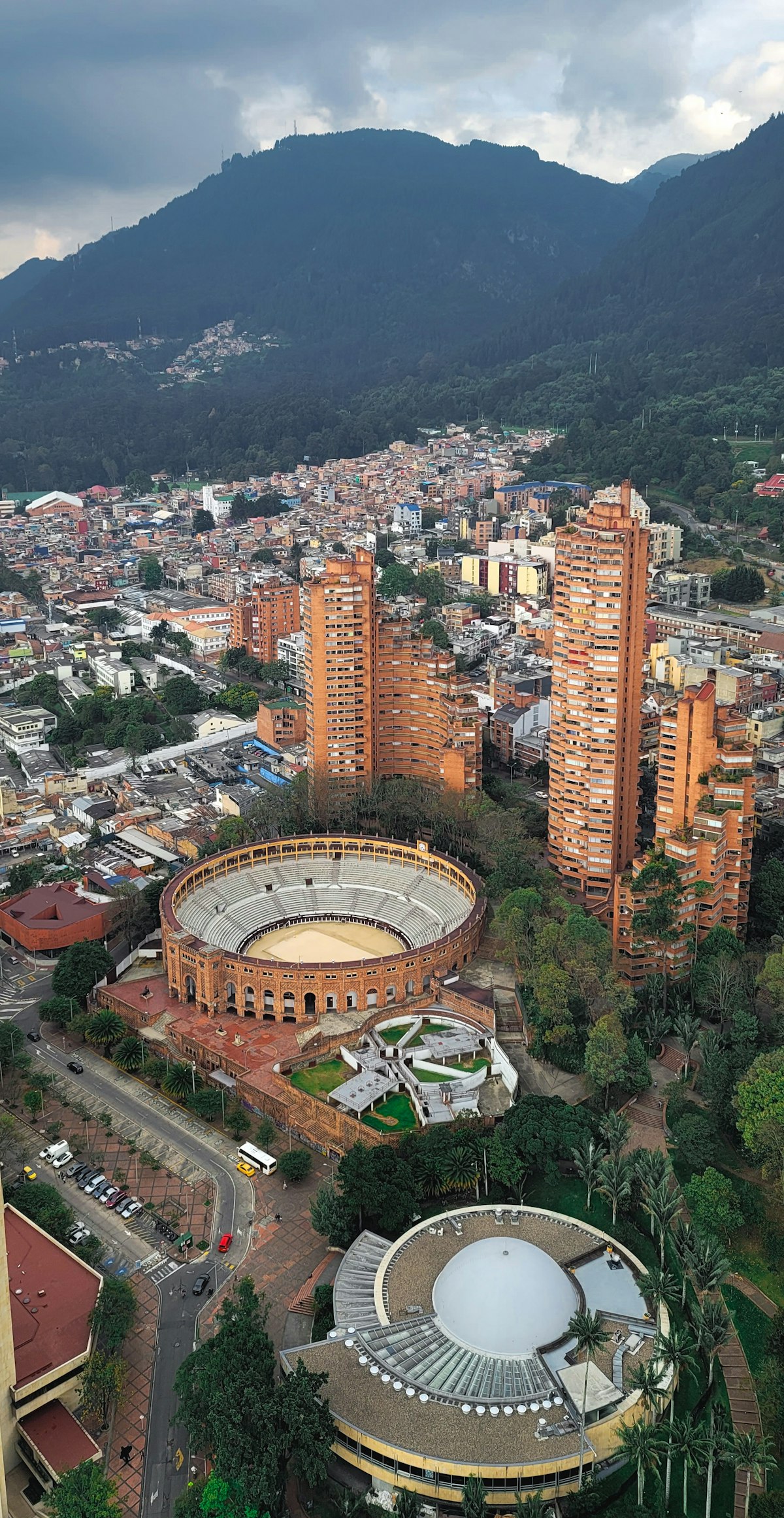
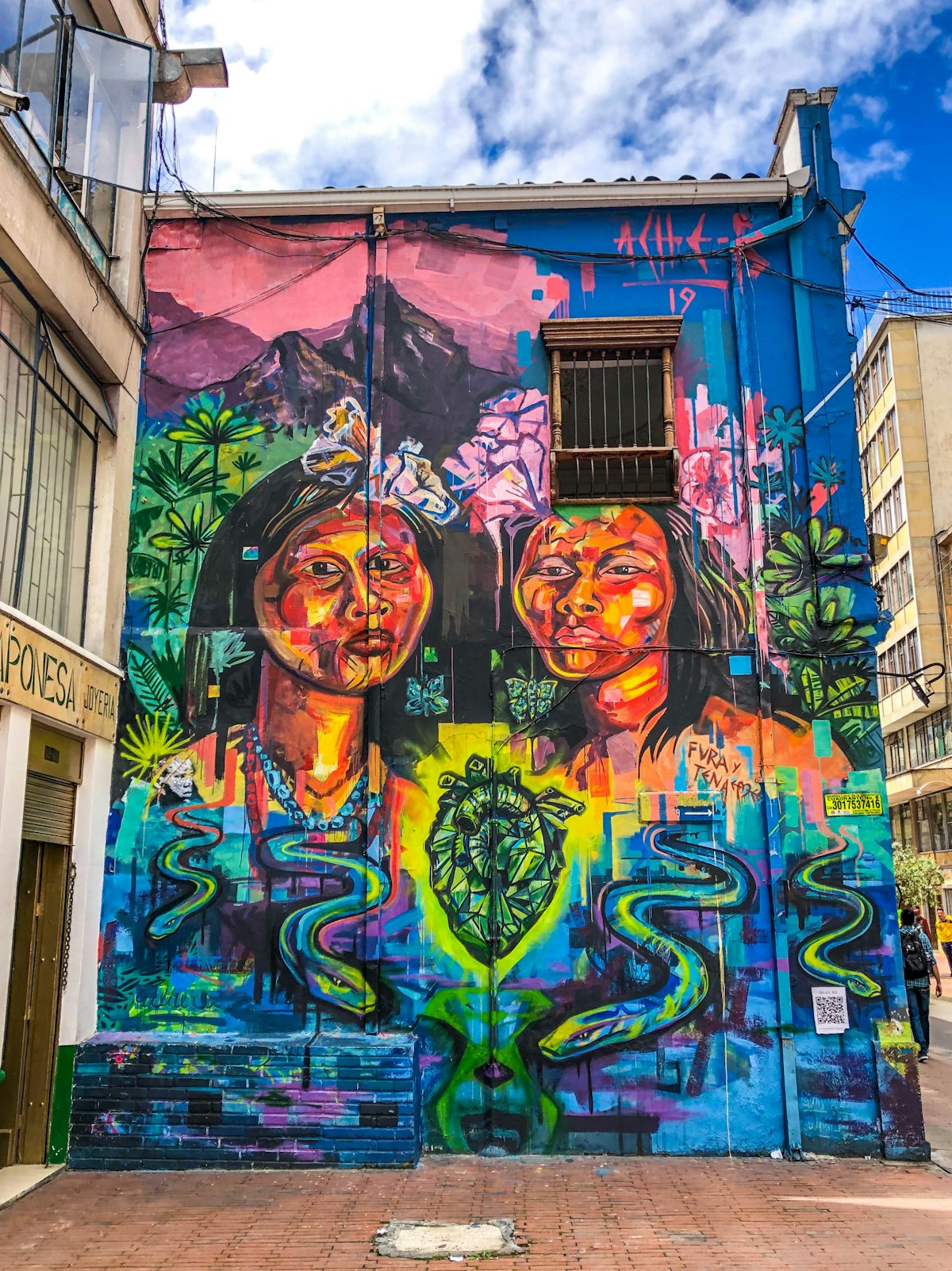
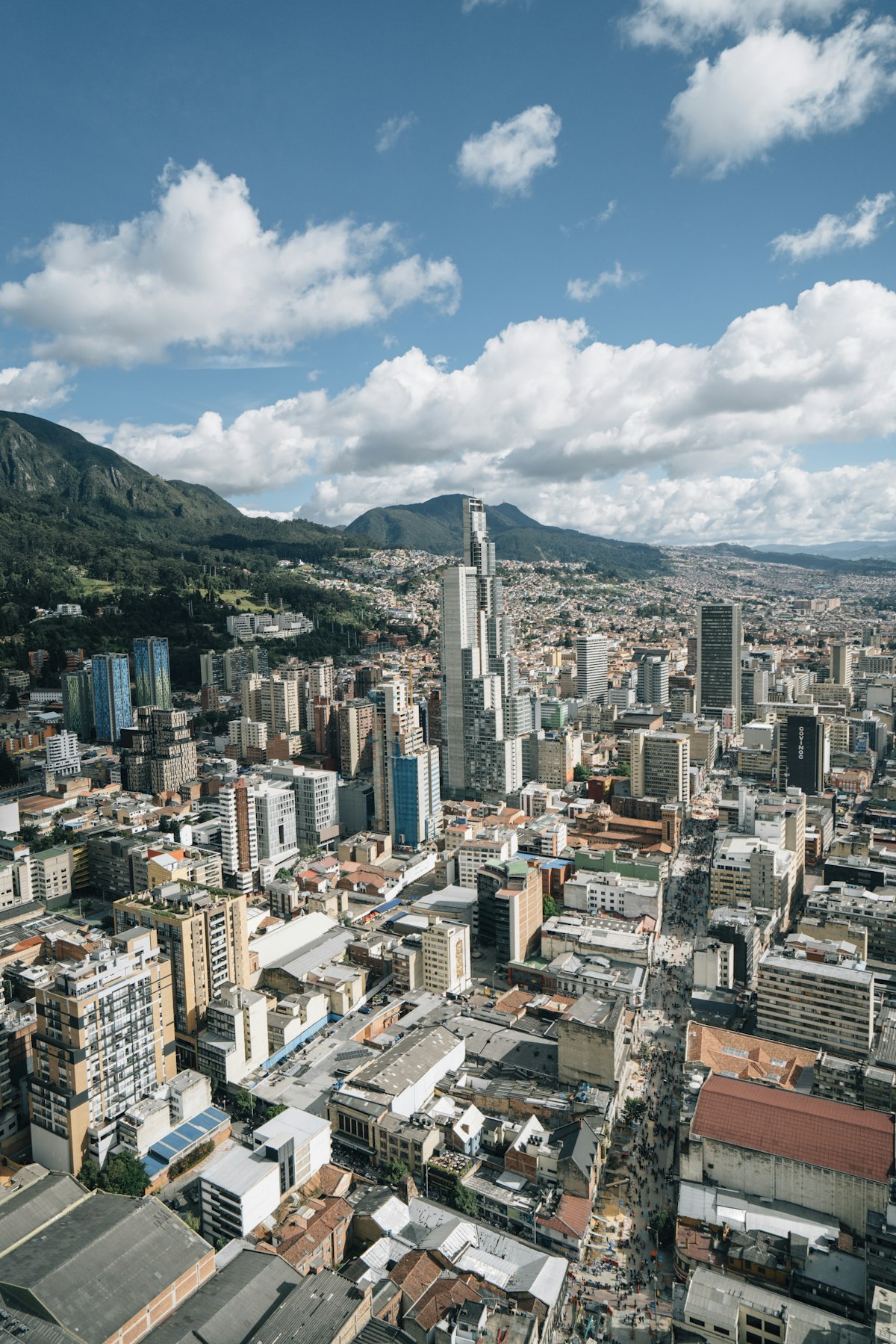
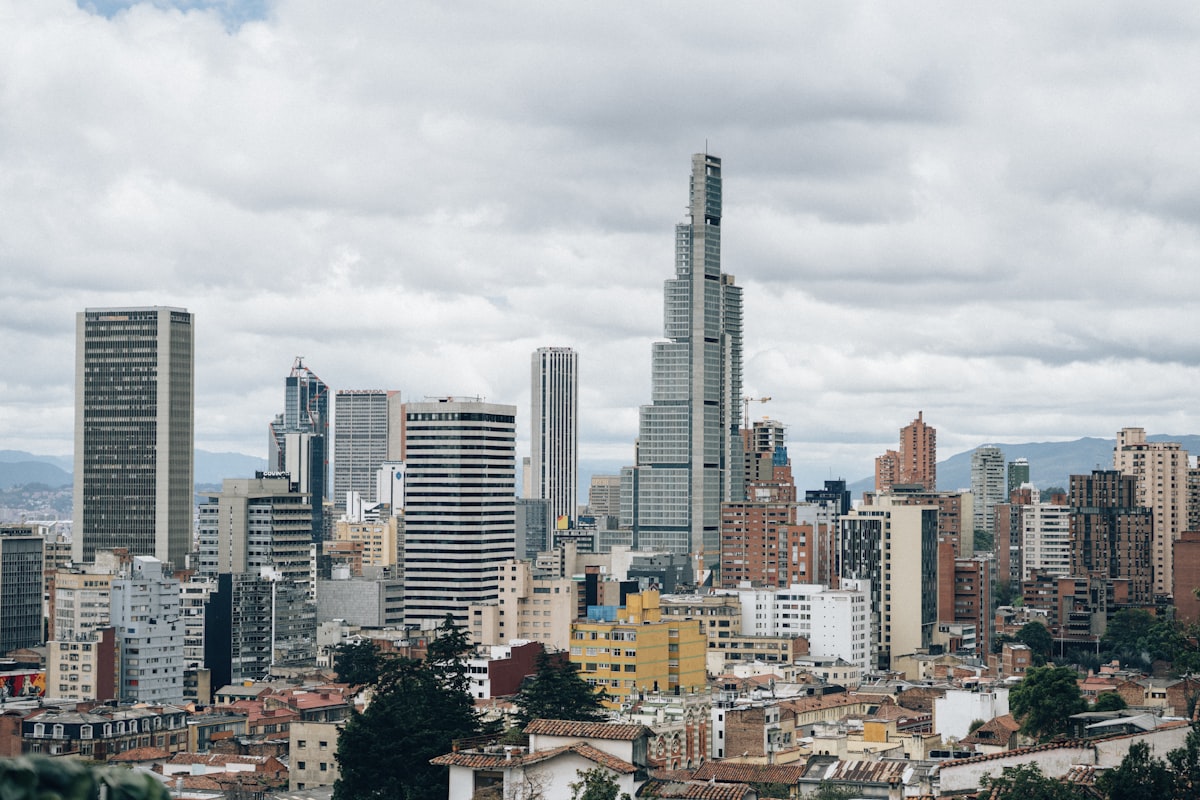
- ↑June marks the opening of Bogotá's second dry season (June–August) and the city is at its most photogenic and most comfortable. The Ciclovía on Sunday mornings in June sunshine — with the Andes visible to both east and west and the city's famous street art along the Séptima route — is the quintessential Bogotá experience. Rent a bicycle from one of the stands near the Parque de la 93 or Parque Nacional.
- ↑The Bogotá Philharmonic and the Teatro Colón (Colombia's national opera house, built in 1895 and magnificently restored) programme their best performances for the dry season months when audiences travel most easily. Tickets are extraordinarily affordable by international standards.
- ↑June is an excellent month for the day trip to Medellín (45 minutes by domestic flight; 8 hours by bus through coffee country). Medellín's Feria de las Flores (Flower Festival) takes place in August and visitors in June catch the city in its relaxed non-festival form. The cable car to Parque Arví, the Botero Plaza, and the Comunas street art of Santo Domingo are best explored without the August crowds.
What you sacrifice
- ↓International visitor numbers increase in the dry season and the most celebrated restaurants (Leo, Criterion) require more advance notice. Prices rise slightly from the wet-season floor but remain very reasonable by international standards.
- ↓The Bogotá Half Marathon (July) generates some traffic disruption and accommodation pressure in the surrounding weeks.
Jun scores highest overall — reliable weather and good value. Set your priorities below to personalise this result.
Jun
Second dry season opens — clear skies, the Ciclovía at its best, and international visitors start arriving.
19°C
High
50mm
Rain
6.1h
Sun
- ↑June marks the opening of Bogotá's second dry season (June–August) and the city is at its most photogenic and most comfortable. The Ciclovía on Sunday mornings in June sunshine — with the Andes visible to both east and west and the city's famous street art along the Séptima route — is the quintessential Bogotá experience. Rent a bicycle from one of the stands near the Parque de la 93 or Parque Nacional.
- ↑The Bogotá Philharmonic and the Teatro Colón (Colombia's national opera house, built in 1895 and magnificently restored) programme their best performances for the dry season months when audiences travel most easily. Tickets are extraordinarily affordable by international standards.
- ↑June is an excellent month for the day trip to Medellín (45 minutes by domestic flight; 8 hours by bus through coffee country). Medellín's Feria de las Flores (Flower Festival) takes place in August and visitors in June catch the city in its relaxed non-festival form. The cable car to Parque Arví, the Botero Plaza, and the Comunas street art of Santo Domingo are best explored without the August crowds.
- ↓International visitor numbers increase in the dry season and the most celebrated restaurants (Leo, Criterion) require more advance notice. Prices rise slightly from the wet-season floor but remain very reasonable by international standards.
- ↓The Bogotá Half Marathon (July) generates some traffic disruption and accommodation pressure in the surrounding weeks.
Top travel windows
★ BestJune
Best overall
Highest combined score
19°C
High
50mm
Rain
6.1h
Sun
September
Best for value
Lowest prices & fees
18°C
High
92mm
Rain
4.6h
Sun
September
Fewest crowds
Quietest month
18°C
High
92mm
Rain
4.6h
Sun
Breakdown by priority
Best for weather
June
19°C high · 50mm rain · 6.1hrs sun/day
Best for budget
September
Prices drop meaningfully in September — hotels and domestic flights are at their most affordable and the restaurant scene is accessible without advance booking.
Fewest crowds
September
September brings the return of rain and, with it, very low international tourist volumes. The city becomes primarily local and the transformation is appealing — the TransMilenio at rush hour, the weekend family culture at the Parque Simón Bolívar, the evening restaurant scene in La Macarena where tables are full of Bogotanos rather than visitors. September is an excellent month to experience the city on its own terms.
Where to stay in Bogotá
All neighbourhoods →La Candelaria
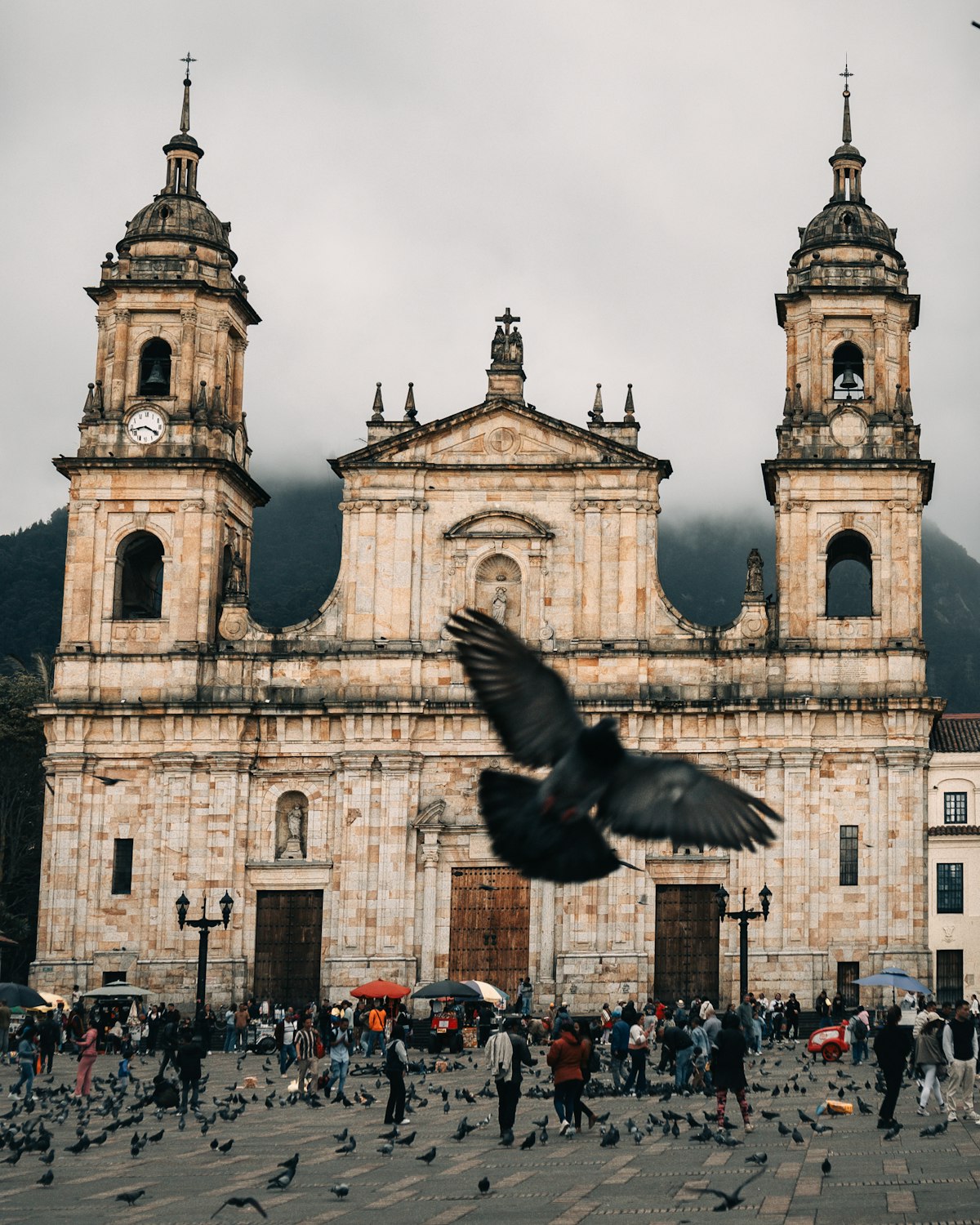
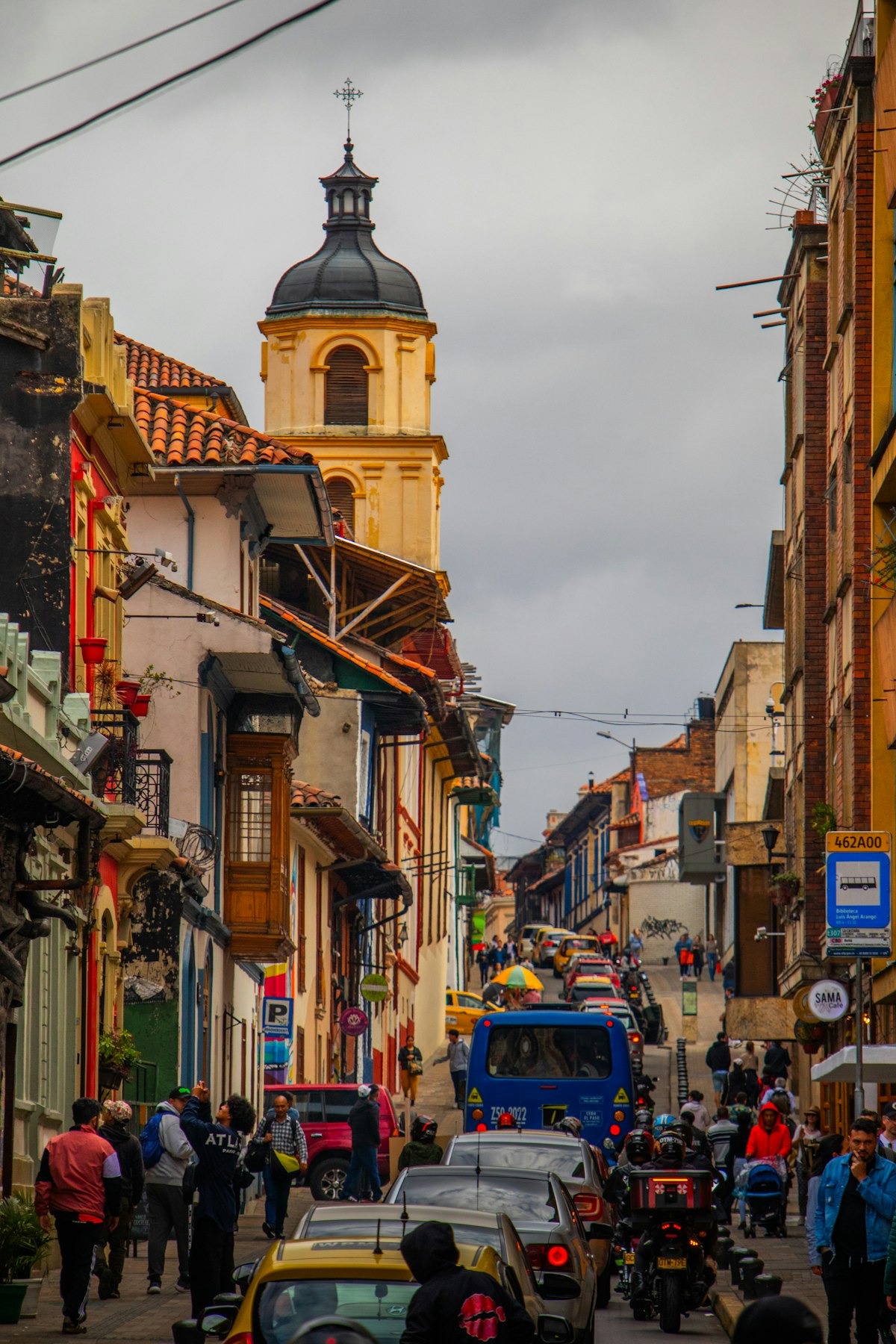
Bogotá's colonial heart — the Gold Museum, Botero Museum, and 500 years of Colombian history within a few walkable blocks.
10/10
Central
9/10
Walk
8/10
Transit
La Macarena
Bogotá's creative neighbourhood — galleries, independent restaurants, and the city's most interesting design and art scene.
7/10
Central
9/10
Walk
8/10
Transit
Also exploring
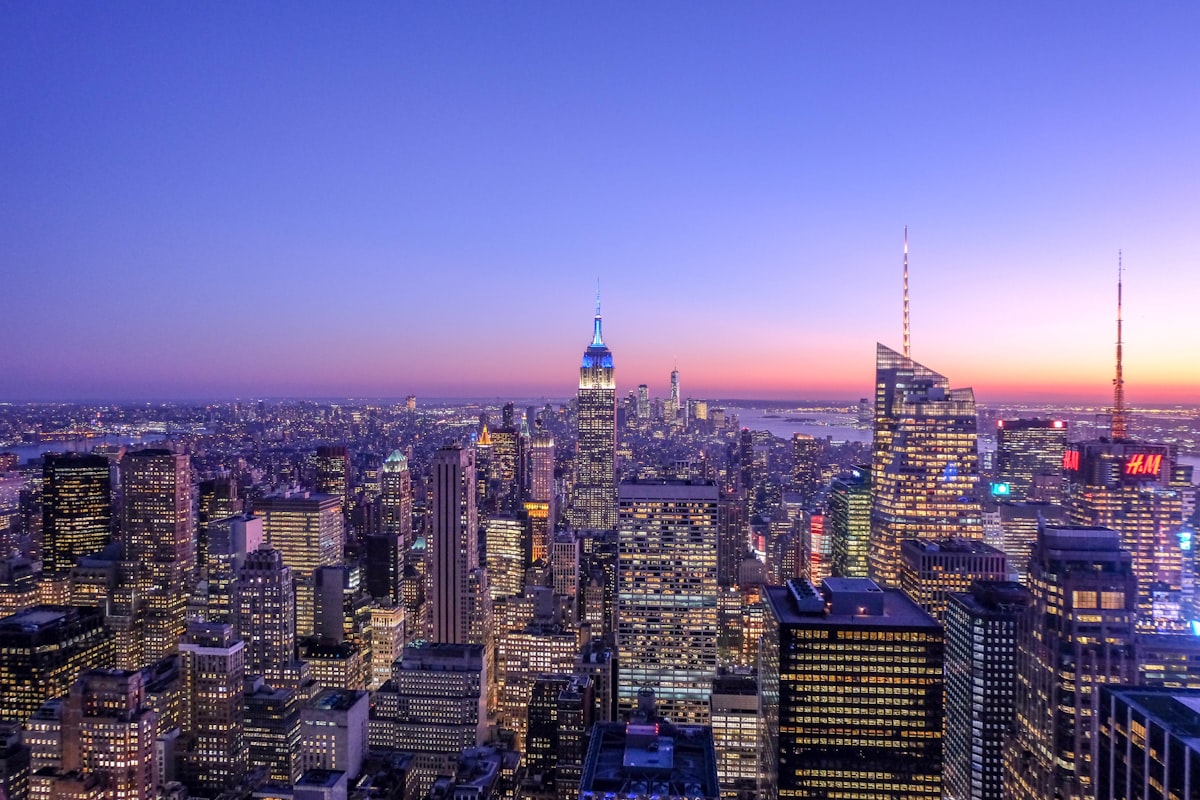
New York
USA
A city that never fully quiets — but its personality shifts dramatically by season, from sweltering humid summers to crisp autumn perfection to blizzard-prone winters.
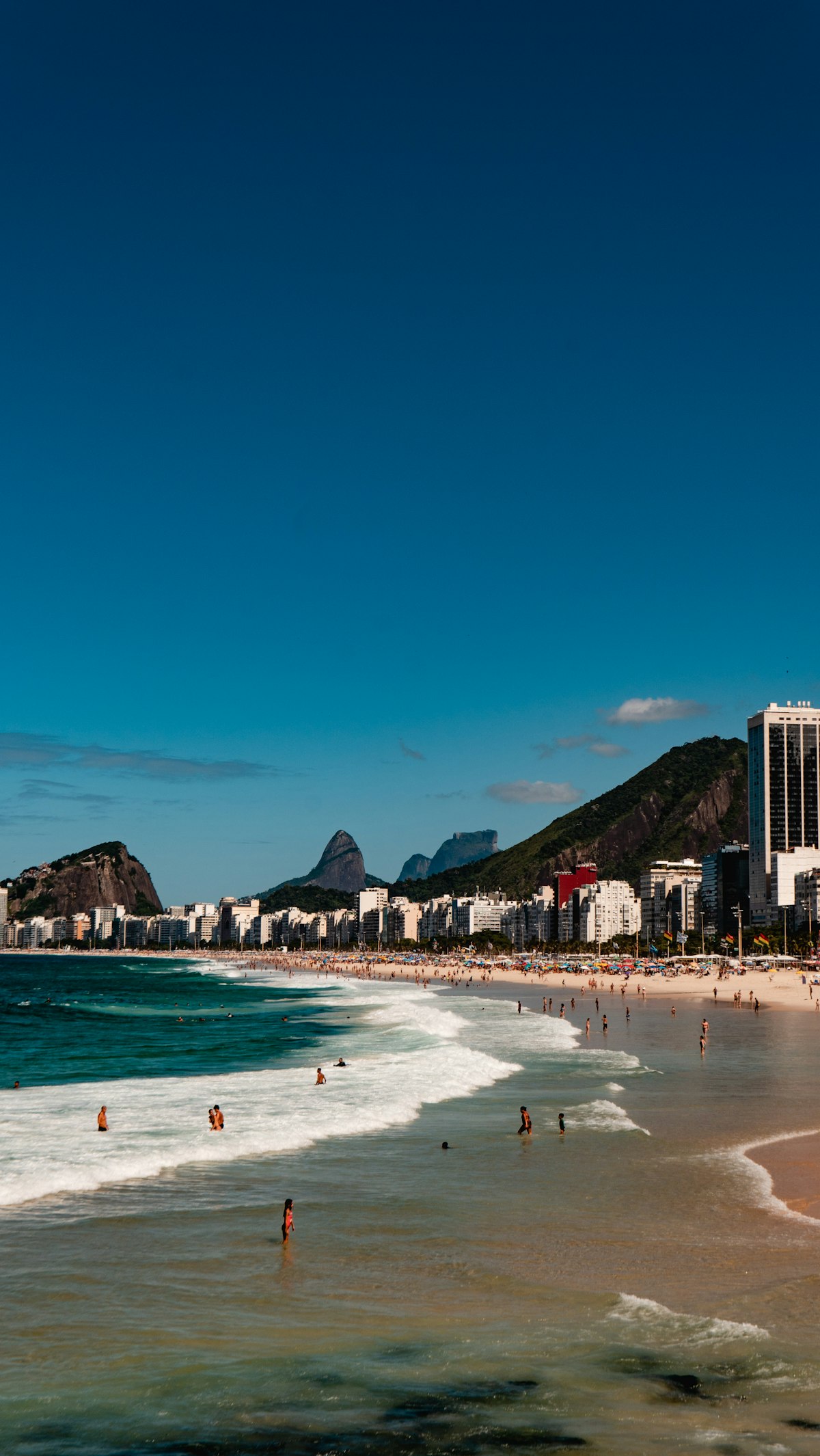
Rio de Janeiro
Brazil
A Southern Hemisphere city where summer (December–March) brings Carnival and 264mm of rain simultaneously, and the real sweet spot is the dry Southern winter — June to September — when most travellers don't think to come.
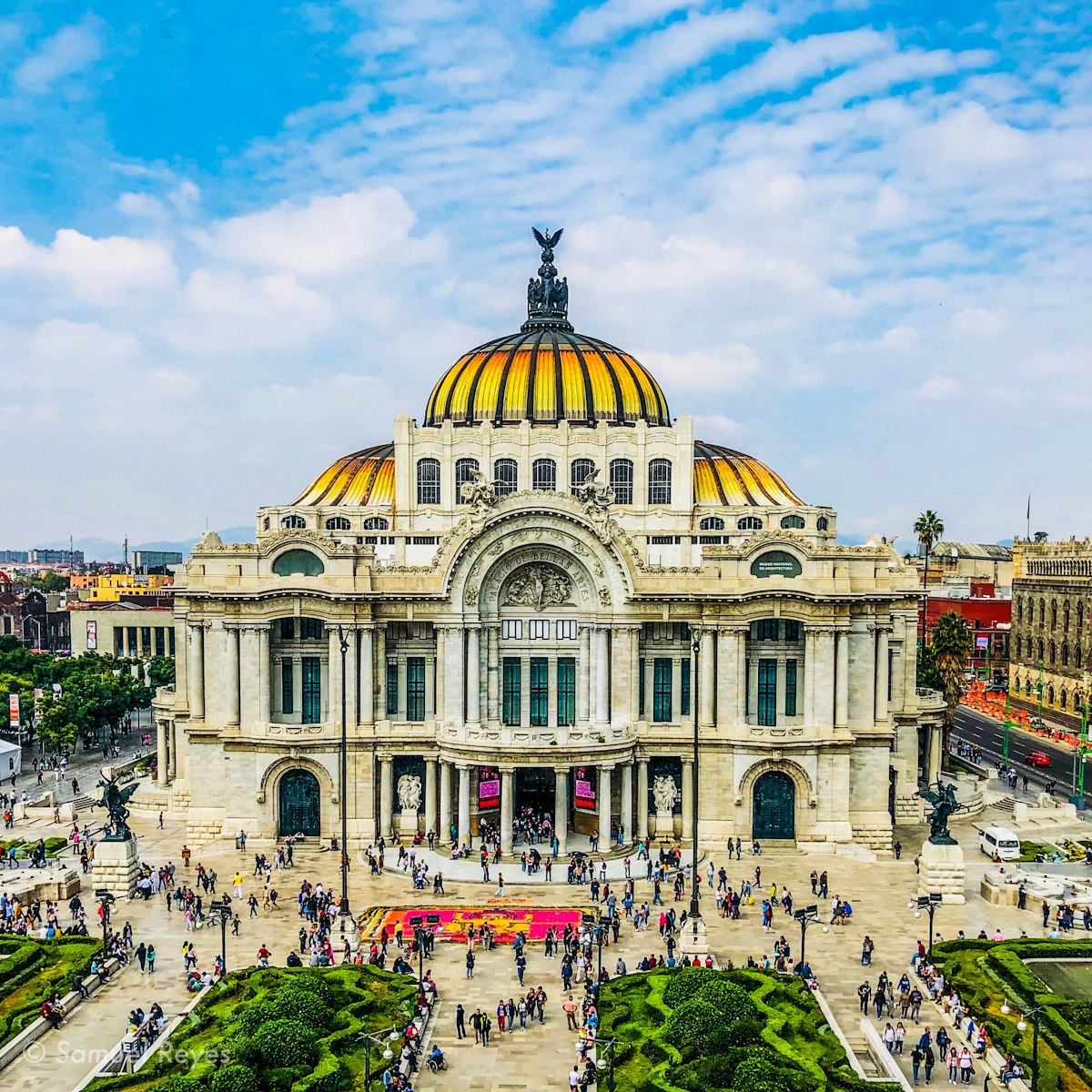
Mexico City
Mexico
A highland metropolis at 2,240 metres where the altitude tempers the heat to perpetual spring in the dry months, Día de Muertos transforms Mixquic and Azcapotzalco into one of the world's great ceremonies, and the October–April dry season gives the clearest conditions for exploring what is genuinely one of the planet's finest food, museum, and architecture cities.
Worth knowing
June scores highest overall. December is the most crowded month — avoid if you can. See crowd-free ranking →
Month by month breakdown
January#6▾
Gains
- ↑January is one of Bogotá's two dry seasons (the other being June–August). At 2,600m, the altitude means temperatures never exceed 20°C even in the warmest conditions — a permanent spring that allows all-day outdoor activity without the heat that limits other South American cities. The Gold Museum (Museo del Oro), with its 55,000 pre-Columbian gold pieces, and the Botero Museum (free entry) in the Candelaria neighbourhood are exceptional in the dry-season light streaming through their windows.
- ↑The Ciclovía — Bogotá's famous weekly event in which 120km of the city's main arteries close to vehicles and open to cyclists, runners, and pedestrians — operates year-round every Sunday from 7am to 2pm. In January's dry-season sunshine it is one of the great urban experiences in South America: 2 million participants per Sunday, food stalls, musicians, and entire families on bicycles across the city.
- ↑January is relatively cheap — international tourism to Bogotá peaks in the dry seasons but the city remains affordable compared to any European or North American equivalent. The food scene — including Leo (Leonor Espinosa's flagship, ranked among the World's 50 Best), Criterion (French-Colombian), and the neighbourhood restaurants of La Macarena — is accessible with reasonable advance booking.
Sacrifices
- ↓January's 42mm of rainfall, while low compared to the wet season, still means occasional afternoon showers — Bogotá's high altitude and mountain geography mean brief showers can develop at any time of year. The dry season is relatively (not absolutely) dry.
- ↓The altitude (2,600m) affects visitors differently: some experience soroche (altitude sickness) within the first 24–48 hours, with symptoms including headache, shortness of breath, and fatigue. The standard advice — drink coca tea, rest, avoid alcohol for the first day — works for most visitors, but those with heart or respiratory conditions should consult a doctor before visiting.
February#5▾
Gains
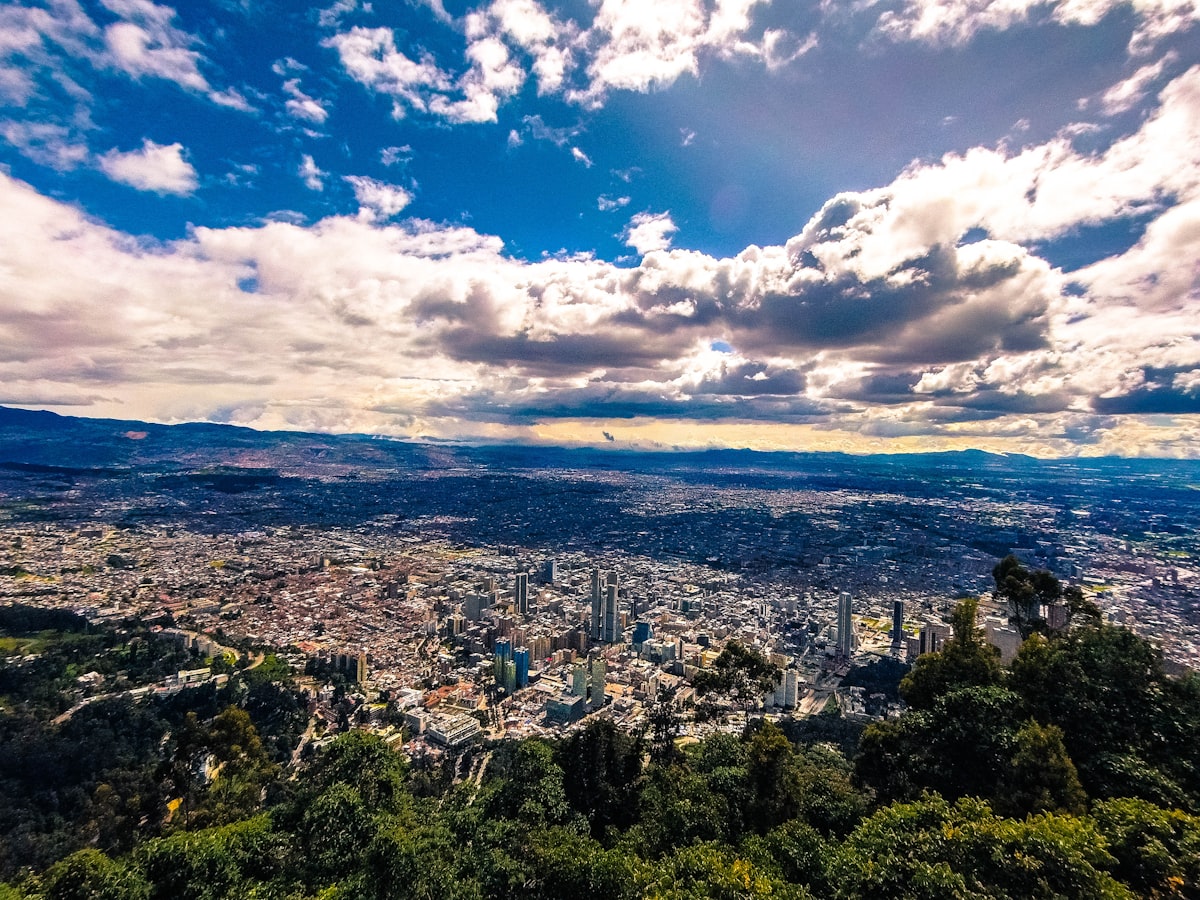
- ↑February maintains the dry season conditions that make Bogotá most comfortable. The clear days in February give excellent views of the Monserrate mountain (3,152m) that looms over the Candelaria historic centre — the funicular or cable car to the summit provides one of the finest panoramas of any South American capital. On a clear February morning, the vast horizontal extent of Bogotá across the Savanna stretching to the mountain ranges east and west is striking.
- ↑The Usaquén neighbourhood — a colonial-era village absorbed into the north of the city — holds its famous Sunday artisan market year-round, but February's good weather makes it particularly pleasant. Antiques, leather goods, handwoven textiles, and very good brunch at the neighbourhood cafés. The neighbourhood's colonial church and the cobblestone streets have been preserved amid the surrounding modern district.
Sacrifices
- ↓February rainfall (55mm) is slightly higher than January — the tail of the first dry season beginning to see increasing moisture. Showers arrive without much warning in the afternoons and a light rain jacket is advisable at all times of year in Bogotá.
- ↓The city has a persistent security perception issue that does not fully reflect the actual safety of its improved tourist areas (Usaquén, La Macarena, Candelaria, Zona Rosa). Visitors should take sensible precautions — avoid ostentatious displays of expensive equipment, use Uber or InDriver rather than hailing taxis on the street, and ask hotel staff about current neighbourhood recommendations.
March#7▾
Gains
- ↑The transition into Bogotá's first rainy season (March–May) turns the surrounding Andean hillsides a vivid, saturated green. The savanna landscape — largely dry brown-gold in the dry season — fills in and the Monserrate and Guadalupe mountains behind the Candelaria are verdant and dramatic. The showers typically come in concentrated afternoon bursts, leaving mornings clear and fresh.
- ↑Prices in March are among the lowest of the year — between the January dry-season and the June dry-season peaks. The restaurant scene continues: Celele (Caribbean-Colombian ingredients), Amor Perfecto coffee bar (Bogotá's best single-origin roastery), and the graffiti art tour of La Macarena neighbourhood are all excellent in any weather.
Sacrifices
- ↓March's 88mm of rainfall is a meaningful step up from the dry season. Afternoon downpours can be sudden and heavy — Bogotá's altitude means cloud builds quickly over the mountains and showers arrive with less warning than lower-altitude cities. Mornings are generally clear and dry; afternoon outdoor plans should be flexible.
- ↓The first wet season can affect day trip timing: the road to the Cocora Valley (Valle del Cocora, the wax palm forest outside Salento in the coffee region, 6–7 hours by bus) involves mountain roads that can be challenging after heavy rain.
April#11▾
Gains
- ↑April is the wettest month of the first rainy season but Bogotá's rain has a distinctive character: it typically falls in the afternoon and early evening, leaving mornings clear and fresh. A morning at the Gold Museum (arriving at 9am before the school groups), followed by a walk through the Candelaria and a lunch at La Puerta Falsa (a tiny colonial-era café serving changua — milk and egg soup — since 1816) is entirely unaffected by the afternoon rain.
- ↑The city's world-class art scene — the MAMBO (Museo de Arte Moderno de Bogotá), the Galería Santa Fe, and the independent galleries of La Macarena — is excellent in rainy months when outdoor activities take second place. Bogotá has quietly developed one of South America's most significant contemporary art scenes.
Sacrifices
- ↓April's 115mm of rainfall, concentrated in the afternoon and evening, means that sunset viewpoints (the Monserrate summit, the Andrés Carne de Res rooftop in Chia, or the views from Chapinero Alto) are frequently cloud-obscured in the late day.
- ↓The first rainy season increases the city's traffic congestion — rain dramatically slows the TransMilenio bus rapid transit and private transport. Build extra time into any appointment.
May#8▾
Gains
- ↑May sits at the transition between the first wet season and the second dry season. The heavy afternoon rains of April begin to ease and the mornings extend into the early afternoon before clouds build. The surrounding Sabana de Bogotá — the vast high-altitude plateau in which the city sits — is at maximum green and the weekend escapes to small towns like Villa de Leyva (three hours north, a beautifully preserved colonial town) or Zipaquirá (with its underground Salt Cathedral, a genuinely extraordinary subterranean cathedral carved into a working salt mine) are at their most scenic.
- ↑The Bogotá restaurant scene is particularly accessible in May: a post-rainy-season crowd at the Zona Rosa and the Chicó neighbourhood restaurants and bars is less international-tourist-heavy and more local. The hip café corridor along Calle 67 in Chapinero Alto — home to Azahar coffee, Café Quindío, and several excellent pan de bono bakeries — is at its most relaxed.
Sacrifices
- ↓May still sees significant rainfall (98mm) and weather unpredictability. Planning outdoor day trips requires checking the mountain road conditions, which can become waterlogged after sustained rain.
- ↓The gap between rainy and dry season means some weeks alternate between good stretches and rainy periods. Pack layers and a reliable rain jacket.
June#1▾
Gains
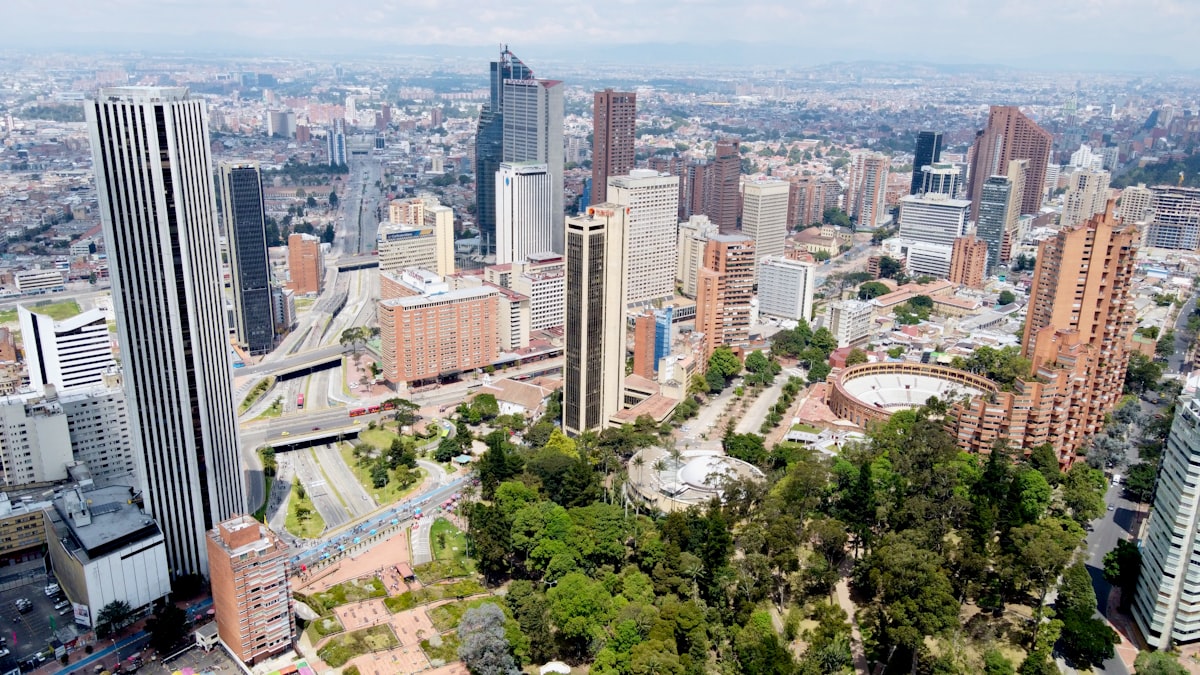
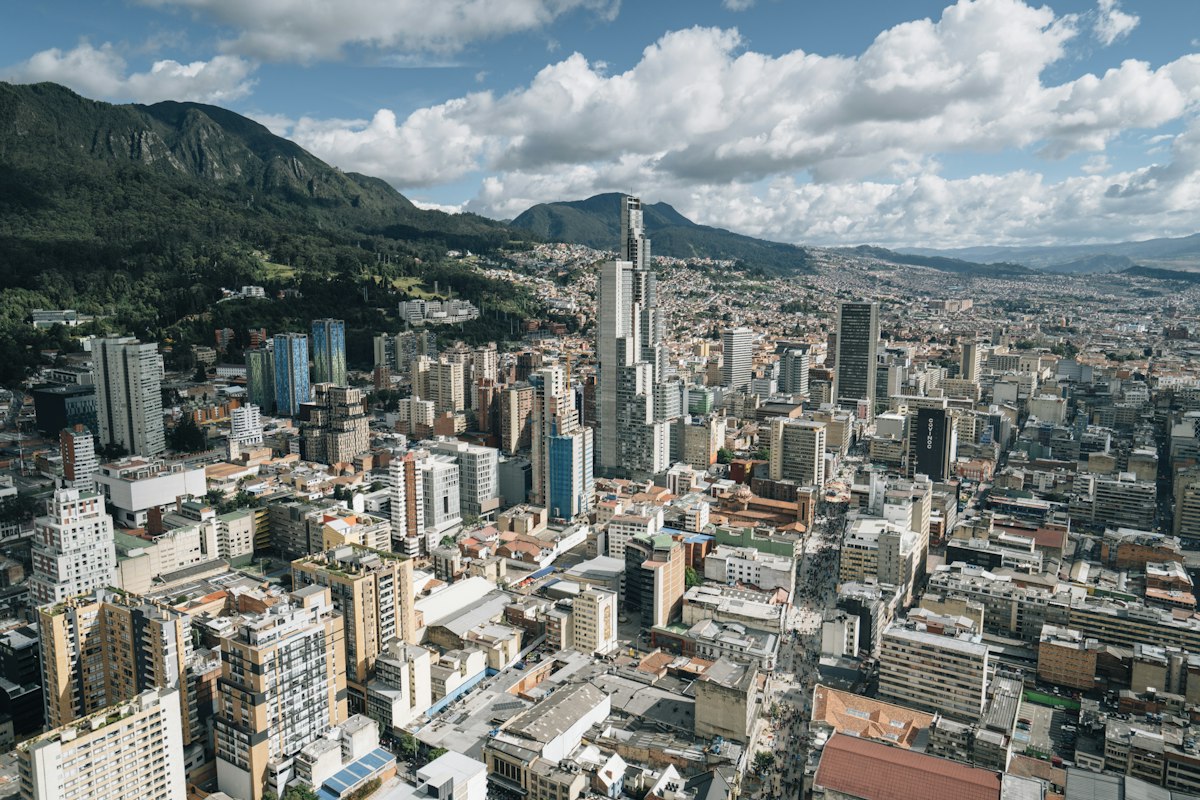
- ↑June marks the opening of Bogotá's second dry season (June–August) and the city is at its most photogenic and most comfortable. The Ciclovía on Sunday mornings in June sunshine — with the Andes visible to both east and west and the city's famous street art along the Séptima route — is the quintessential Bogotá experience. Rent a bicycle from one of the stands near the Parque de la 93 or Parque Nacional.
- ↑The Bogotá Philharmonic and the Teatro Colón (Colombia's national opera house, built in 1895 and magnificently restored) programme their best performances for the dry season months when audiences travel most easily. Tickets are extraordinarily affordable by international standards.
- ↑June is an excellent month for the day trip to Medellín (45 minutes by domestic flight; 8 hours by bus through coffee country). Medellín's Feria de las Flores (Flower Festival) takes place in August and visitors in June catch the city in its relaxed non-festival form. The cable car to Parque Arví, the Botero Plaza, and the Comunas street art of Santo Domingo are best explored without the August crowds.
Sacrifices
- ↓International visitor numbers increase in the dry season and the most celebrated restaurants (Leo, Criterion) require more advance notice. Prices rise slightly from the wet-season floor but remain very reasonable by international standards.
- ↓The Bogotá Half Marathon (July) generates some traffic disruption and accommodation pressure in the surrounding weeks.
July#2▾
Gains
- ↑July is mid dry-season in Bogotá and conditions are excellent. The clear days offer the city's best mountain views and the Ciclovía draws its highest attendances of the year. The Bogotá Half Marathon (typically last Sunday of July) is one of the largest running events in South America and brings an international community of athletes to the city — the race route through the Chicó and Usaquén neighbourhoods is genuinely beautiful.
- ↑The city's cultural program is at its most active in July: the Luis Caballero, Botero, and Maloka museums all programme their major exhibitions for the dry-season audience, and the street food culture of La Macarena — arepas de choclo, oblea wafers with dulce de leche, fresh jugo de mora — is at its most energetic in the dry, cool weather.
Sacrifices
- ↓International visitor numbers at their second dry-season peak: the most popular restaurants require booking and hotels in the Zona Rosa and Chicó cost more than in the wet season, though Bogotá remains affordable by global standards.
- ↓The dry season wind — the brisa — picks up in July and can make the Ciclovía and outdoor events feel cool despite the sunshine. Layers are essential: the temperature can drop suddenly from 19°C to 10°C when cloud comes over Monserrate.
August#3▾
Gains
- ↑August is the best month for day trips and excursions from Bogotá. The Cocora Valley (Salento, 6–7 hours south) — with its UNESCO-listed forest of wax palms (Colombia's national tree) rising to 60m on the misty valley slopes — is at its most accessible in the dry season. The coffee farms (fincas cafeteras) around Salento and Filandia are in the late harvest season and offer excellent single-origin tastings.
- ↑The Villa de Leyva colonial town (three hours north, population 8,000, one of the finest preserved colonial ensembles in South America) is at its best in August's clear weather. The Plaza Mayor — reportedly the largest public square in Colombia — is paved in the original colonial cobblestones and lined with whitewashed buildings unchanged since the 16th century.
Sacrifices
- ↓August is the end of the dry season window and some years the second rainy season begins slightly early. Check forecasts for the Cocora Valley and mountain roads before day trips — early September rains can arrive in the last days of August in some years.
- ↓Bogotá's Colombian school holiday period (typically July and August for state schools) means the city's parks, museums, and popular spots are busier with domestic families. The Gold Museum and Monserrate cable car can have significant queues on weekends.
September#4▾
Gains
- ↑September brings the return of rain and, with it, very low international tourist volumes. The city becomes primarily local and the transformation is appealing — the TransMilenio at rush hour, the weekend family culture at the Parque Simón Bolívar, the evening restaurant scene in La Macarena where tables are full of Bogotanos rather than visitors. September is an excellent month to experience the city on its own terms.
- ↑The Hay Festival de Bogotá takes place in October but September brings the literary and intellectual pre-festival energy to the Candelaria bookshops and cultural centres. The Feria Internacional del Libro (International Book Fair) in April and the Hay Festival are the city's two major literary events, and September marks the run-up period.
- ↑Prices drop meaningfully in September — hotels and domestic flights are at their most affordable and the restaurant scene is accessible without advance booking.
Sacrifices
- ↓September's 92mm of rainfall is concentrated in the afternoon and evening. Morning activities are generally clear but afternoon outdoor plans — the Monserrate summit, the rooftop views from the W Hotel in Chicó, the Ciclovía (held in any weather, though with lower attendance in rain) — need flexibility.
- ↓The second rainy season can make some mountain day trips challenging. Roads to Villa de Leyva and the coffee region should be checked after heavy rain.
October#10▾
Gains
- ↑The Hay Festival de Bogotá (typically third week of October) is among the most important literary events in the Spanish-speaking world. Authors, thinkers, and public intellectuals from across Latin America, Spain, and internationally fill the Candelaria and Parque de los Periodistas venues for five days of talks, readings, and debates. Many events are free or very cheap. The festival brings a distinctly energised, international intellectual atmosphere to the city — unusually cosmopolitan for October.
- ↑The city is very cheap in October — the combination of the rainy season and the specific reputation of October weather means hotel rates and international flights are at their lowest alongside September. For visitors happy to work around the afternoon rain, October offers extraordinary value.
- ↑The Botero Museum and the Gold Museum — both free and both world-class — are at their quietest in October. The Botero Museum holds the largest public collection of Fernando Botero's own work plus his donated collection of international masters (Picasso, Degas, Renoir, Chagall), all free of charge, all available without queuing.
Sacrifices
- ↓October's 128mm is Bogotá's wettest month of the year. The afternoon and evening downpours are the heaviest of the rainy season and can cause localised flooding in lower-lying areas of the city. The Monserrate cable car and funicular may suspend operations during very heavy rain. Afternoon outdoor activities are genuinely unreliable.
- ↓The Hay Festival week sees accommodation prices spike in the Candelaria and La Macarena areas, and the surrounding streets are busier with festival visitors. Book accommodation early if visiting during Hay Festival.
November#12▾
Gains
- ↑November is the second month of the second rainy season and shares the budget benefits of October without the Hay Festival crowds. The museum quarter of the Candelaria — the Gold Museum, Botero, Museo de Bogotá, and the Museo de la Independencia — is genuinely uncrowded. A full day of museum-going in Bogotá in November costs almost nothing and covers a span of South American history from pre-Columbian gold work through to contemporary art.
- ↑The neighbourhood restaurants and coffee bars of La Macarena (Calle 26, between the Cementerio Central and the MAMBO museum) are at their most local and relaxed in November. This is the city's design, art, and independent restaurant neighbourhood — the Bogotá equivalent of Palermo Soho in Buenos Aires — and is best experienced outside the peak visitor season.
Sacrifices
- ↓November's 110mm of rainfall continues the rainy season pattern. Afternoon showers are the norm. The Ciclovía runs every Sunday in any weather and attendance reflects the conditions — a rainy November Sunday brings far fewer participants than a dry July Sunday.
- ↓Some of the most popular day trips from Bogotá — the Cocora Valley, Zipaquirá — can be affected by mountain road conditions after sustained rain. Check conditions before booking transport.
December#9▾
Gains
- ↑December marks the return of the first dry season and Bogotá's Christmas is among South America's most elaborate. The Alumbrado Navideño — a city-wide illumination that turns parks, boulevards, and public spaces into a Festival of Lights — runs from early December through January 6 (Epiphany). The Parque de la 93 in Chicó, the Parque Simón Bolívar, and the Paseo de los Libertadores in the north of the city are transformed. The combination of eternal spring temperatures (18°C) and outdoor Christmas lights is entirely unlike a northern hemisphere Christmas and uniquely pleasant.
- ↑Colombian Christmas traditions include novenas (nine days of communal prayer and celebration, December 16–24), aguardiente (anise-spirit) sharing, natillera (corn pudding), and the Noche de Velitas (December 7) when millions of candles and paper lanterns light every window and balcony in Colombia simultaneously. In Bogotá it is genuinely overwhelming in scale.
- ↑The Ciclovía on Christmas Day and New Year's Day draws exceptional attendance — the city turns out for the car-free streets with particular enthusiasm on holidays.
Sacrifices
- ↓December brings the first surge of domestic family tourism for Christmas. Hotels in the Zona Rosa and Chicó fill for Christmas week (December 23–31) and prices rise accordingly. The Noche de Velitas on December 7 and the Noche Buena on December 24 cause significant traffic disruption.
- ↓Some businesses and government offices close for extended periods around Christmas and New Year, reducing the practicalities of city exploration. The immigration office and large administrative operations effectively shut from December 20 through January 3.
How this is calculated
Climate data
Open Meteo ERA5
30-year normals (1991–2020). Temperature, rainfall, sunshine, humidity.
Price & crowd
Tourism research
Seasonal pricing from tourism authority data. Directional — compares months within a destination only.
Personalisation
Weighted scoring
Your priorities change the weights. Budget-first users get different results than weather-first users.
Share this result
June is the best time to visit Bogotá
Travel timing updates
New destinations and timing guides, when they land.
No spam. Unsubscribe anytime.