Bogotá
La Candelaria
Unsplash / Unsplash
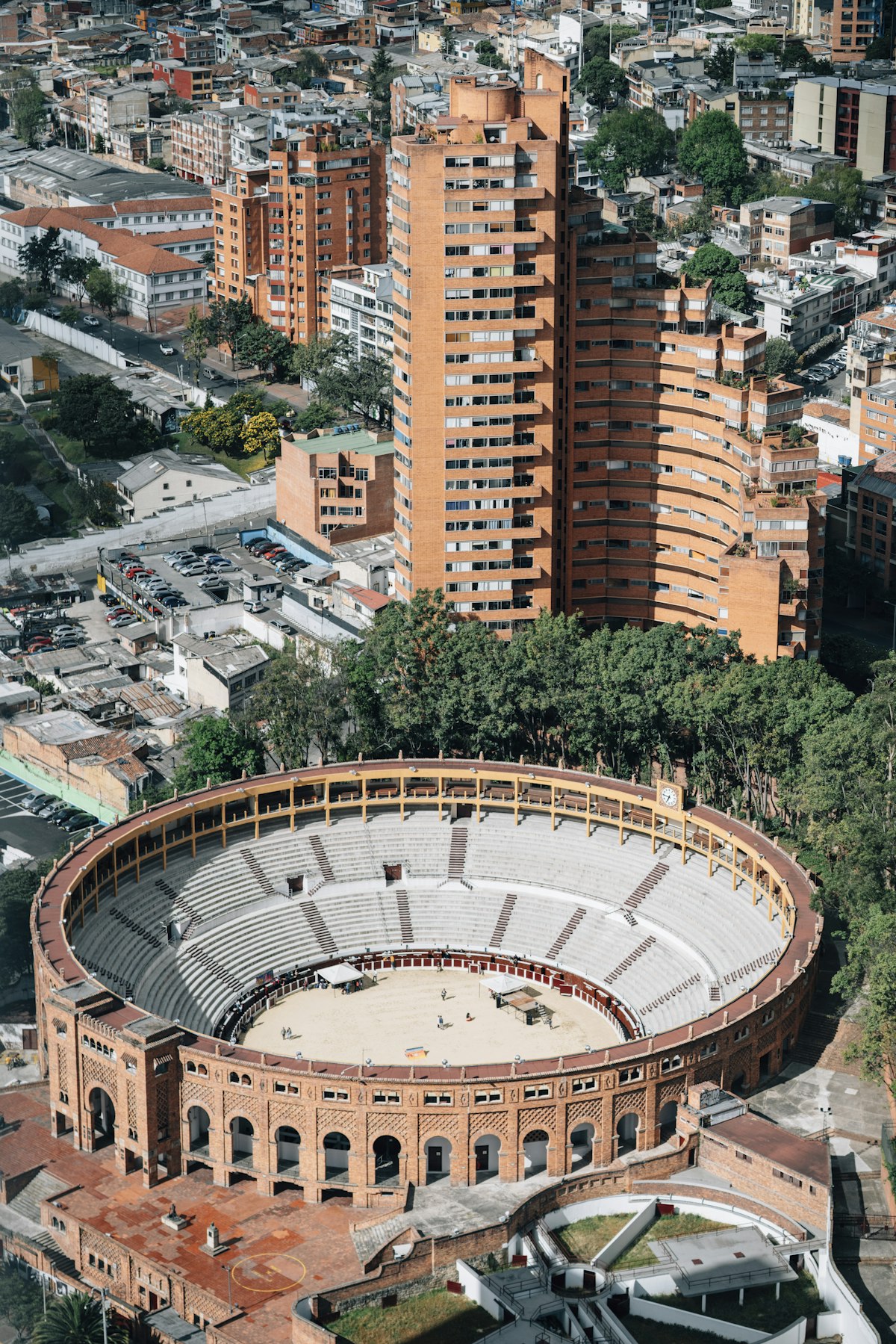
Bogotá's colonial heart — the Gold Museum, Botero Museum, and 500 years of Colombian history within a few walkable blocks.
La Candelaria is the historic core of Bogotá, founded in 1538 by Gonzalo Jiménez de Quesada on the Muisca settlement of Bacatá. The neighbourhood contains the greatest concentration of colonial architecture, museums, and historical significance in Colombia: the Museo del Oro (Gold Museum) with 55,000 pre-Columbian gold pieces; the Museo Botero (free, and one of South America's finest collections); the Casa de Nariño (presidential palace); the Plaza de Bolívar with its bronze equestrian statue; the Catedral Primada de Colombia; and the Palacio de Justicia. The streets follow the original colonial grid and the facades — some restored, some crumbling — range from whitewashed colonial beauty to vivid street art commissioned by the city's Urban Art programme.
Scores
Walkability
Transit
Price
Local feel
Nightlife
Family-friendly
Centrality
What you gain
- ↑The Museo del Oro is one of the world's great museums of pre-Columbian culture — 55,000 gold, ceramic, and textile pieces from the Muisca, Calima, Zenú, Tairona, and other Andean cultures, displayed in a purpose-built museum that is genuinely world-class. The centrepiece is the Balsa Muisca (the golden raft that gave rise to the El Dorado legend): 19.5cm of solid gold craftsmanship so detailed that individual figures hold vessels and oars. Admission is roughly $3 USD.
- ↑The Botero Museum at Calle 11 #4-41 is entirely free and holds the largest collection of Fernando Botero's own work anywhere in the world (123 of his sculptures and paintings) alongside his personal collection of donated works by Picasso, Degas, Renoir, Monet, Chagall, and Dalí. In terms of quality per dollar, it is the finest free museum in South America.
- ↑The Hay Festival de Bogotá (October) centres on the Candelaria and the Parque de los Periodistas — attending events in the historic square settings, with colonial architecture as backdrop, adds considerable atmosphere to an already exceptional literary festival.
What you sacrifice
- ↓La Candelaria has significant petty crime risk — pickpocketing, phone snatching, and occasional muggings are reported, particularly on the streets between the major museums and toward the south. Travel with only what you need, avoid using phones conspicuously, and ask your accommodation about current street conditions.
- ↓Accommodation options in the Candelaria are limited to hostels and budget guesthouses — there are no quality mid-range or luxury hotels within the historic core itself. Visitors who want comfortable accommodation stay in La Macarena, Usaquén, or Zona Rosa and visit the Candelaria on day trips.
Best for
Avoid if
Other Bogotá neighbourhoods
Bogotá's creative neighbourhood — galleries, independent restaurants, and the city's most interesting design and art scene.
The hillside neighbourhood above the city — altitude views, Bogotá's LGBTQ+ hub, and the best coffee scene in Colombia.
A colonial village absorbed into Bogotá's north — Sunday artisan market, cobblestone streets, and the most charming neighbourhood in the city.
Know where to stay — now find when to go.
Best time to visit Bogotá →