Showing: Feb · Unsplash / Unsplash
Dominican Republic · Caribbean
Best time to visit Dominican Republic
February
Feb scores highest overall — reliable weather and strong local atmosphere. Set your priorities below to personalise this result.
What matters most to you?
All 12 months — click any to expand
Feb
Unsplash / Unsplash
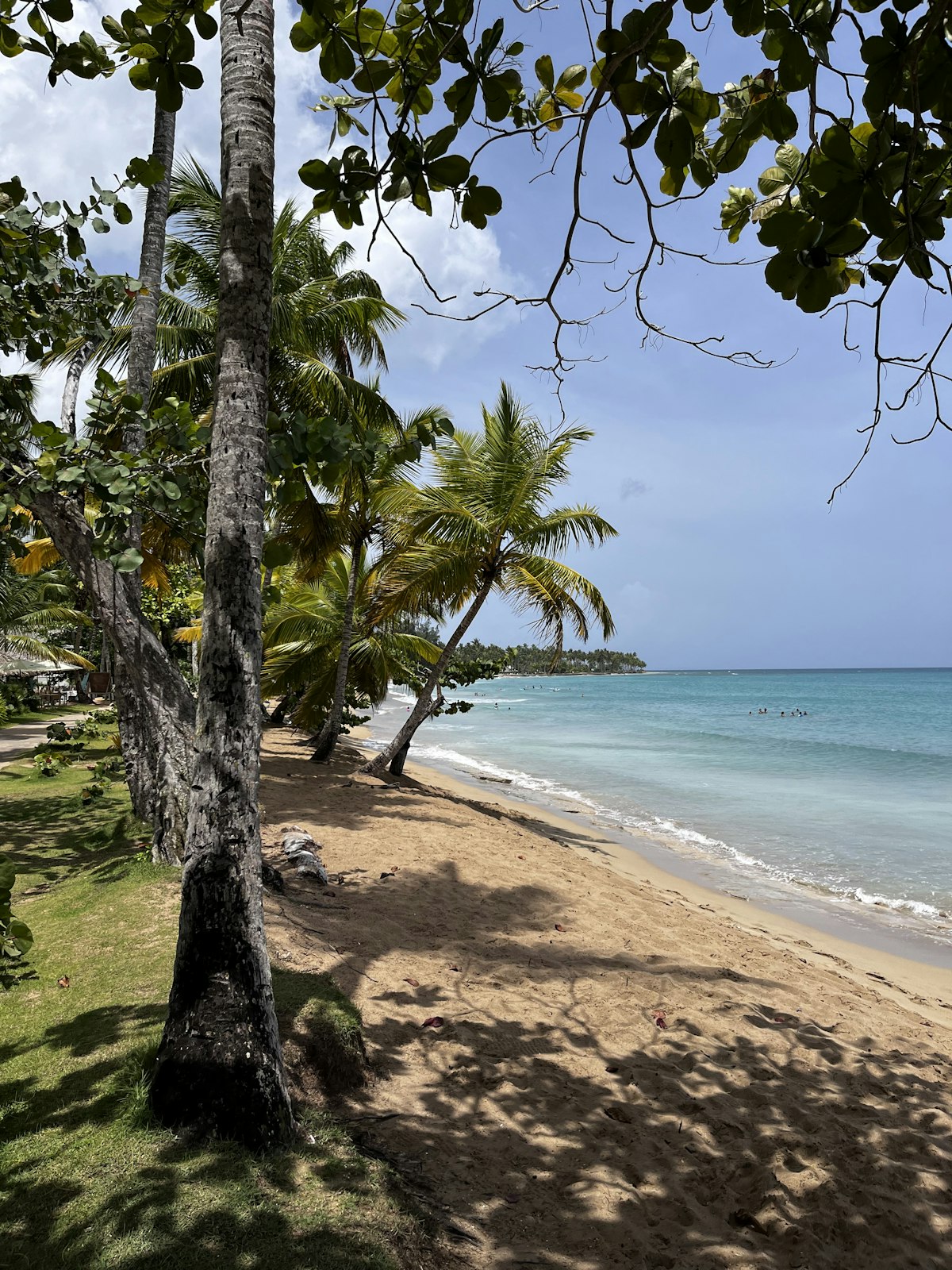
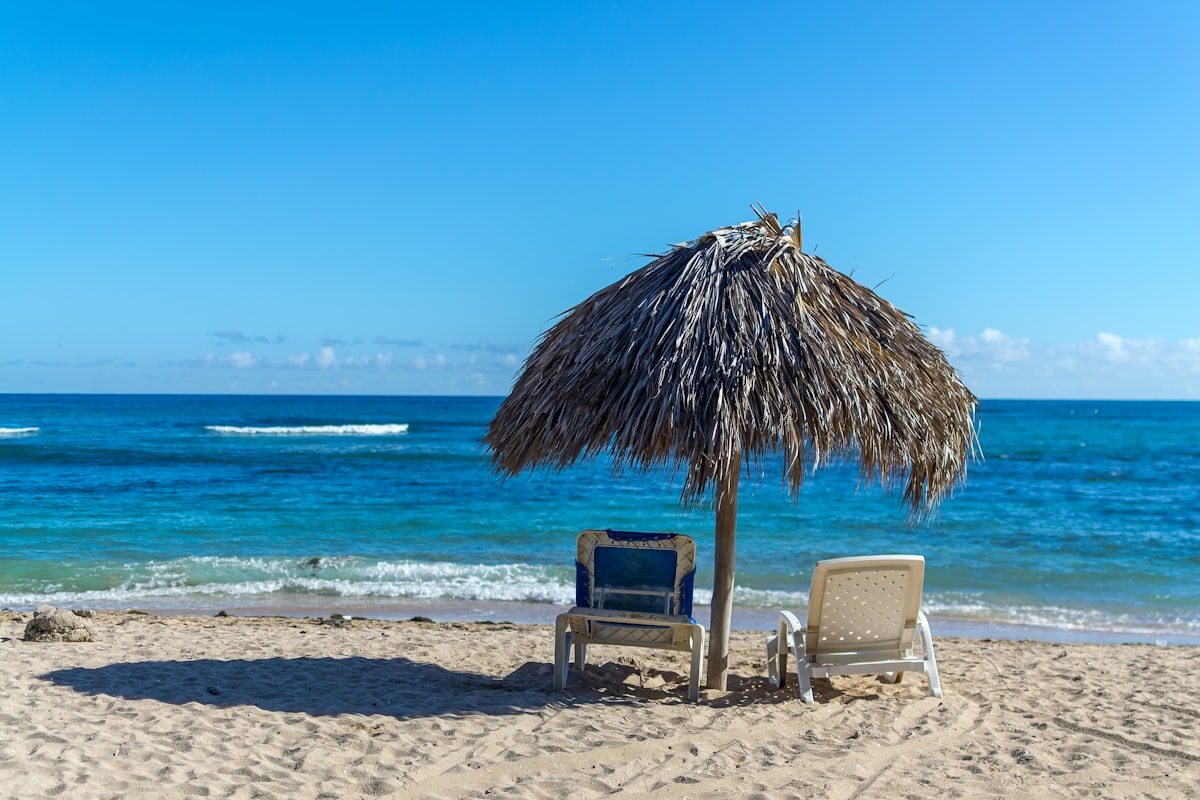
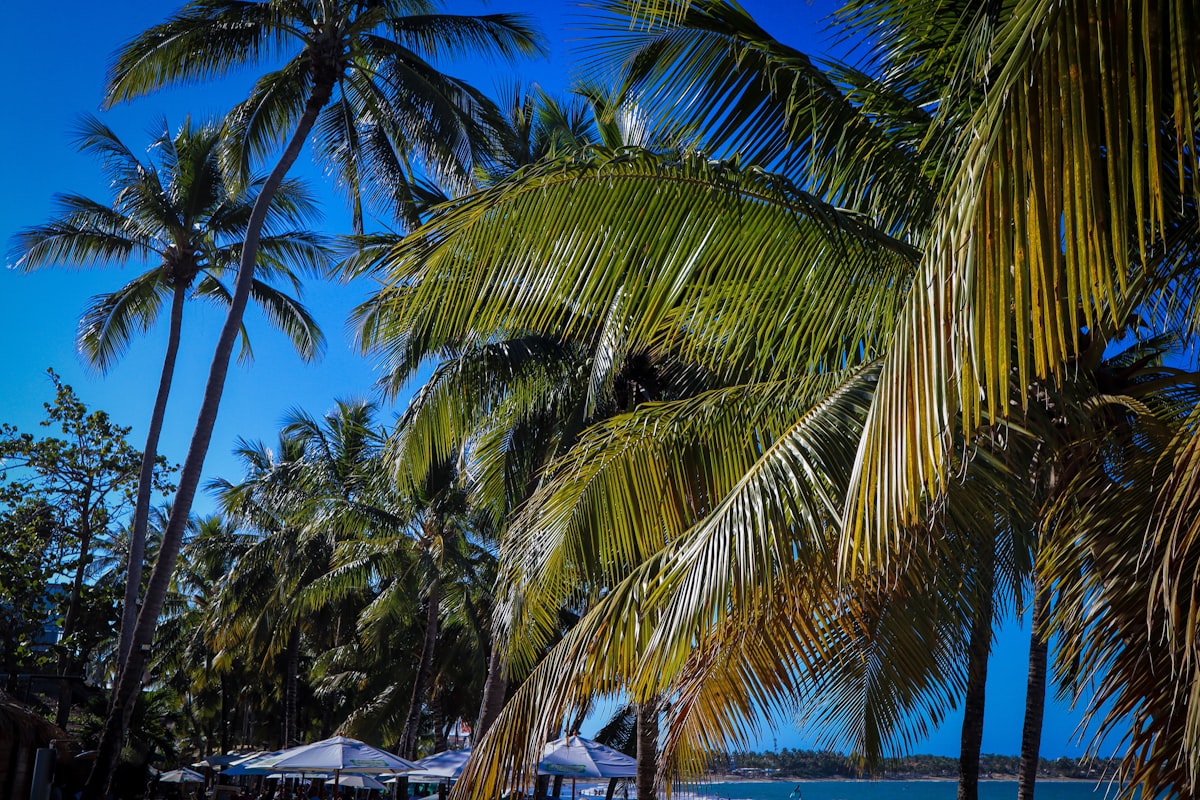
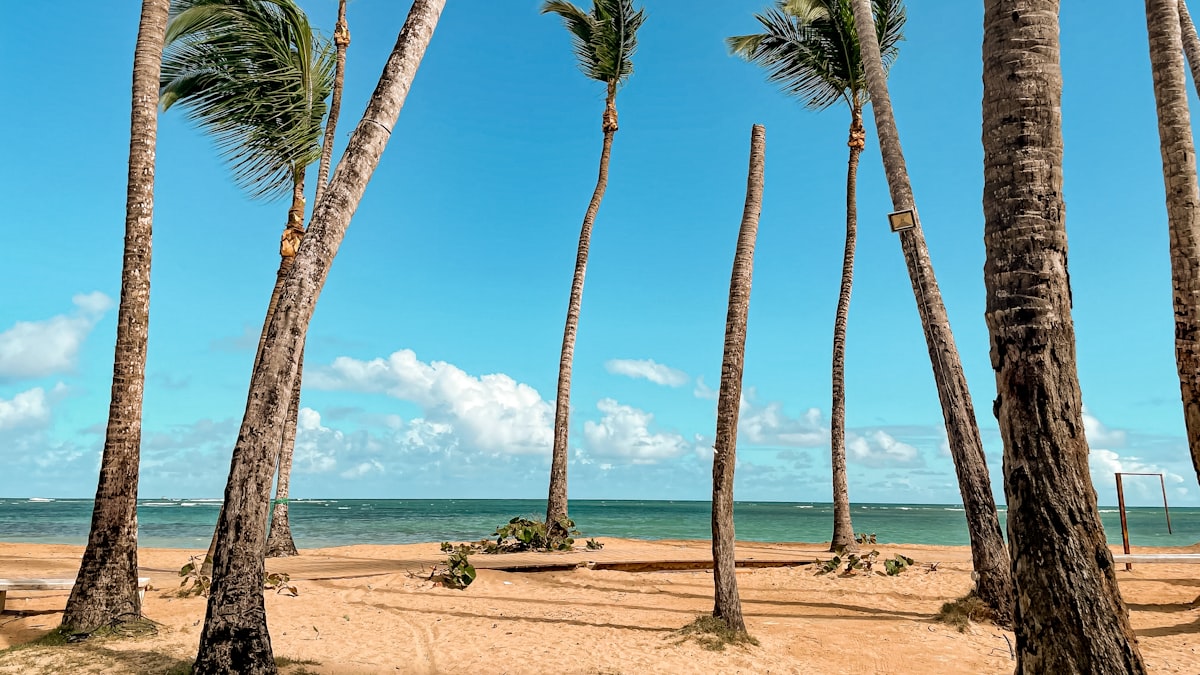
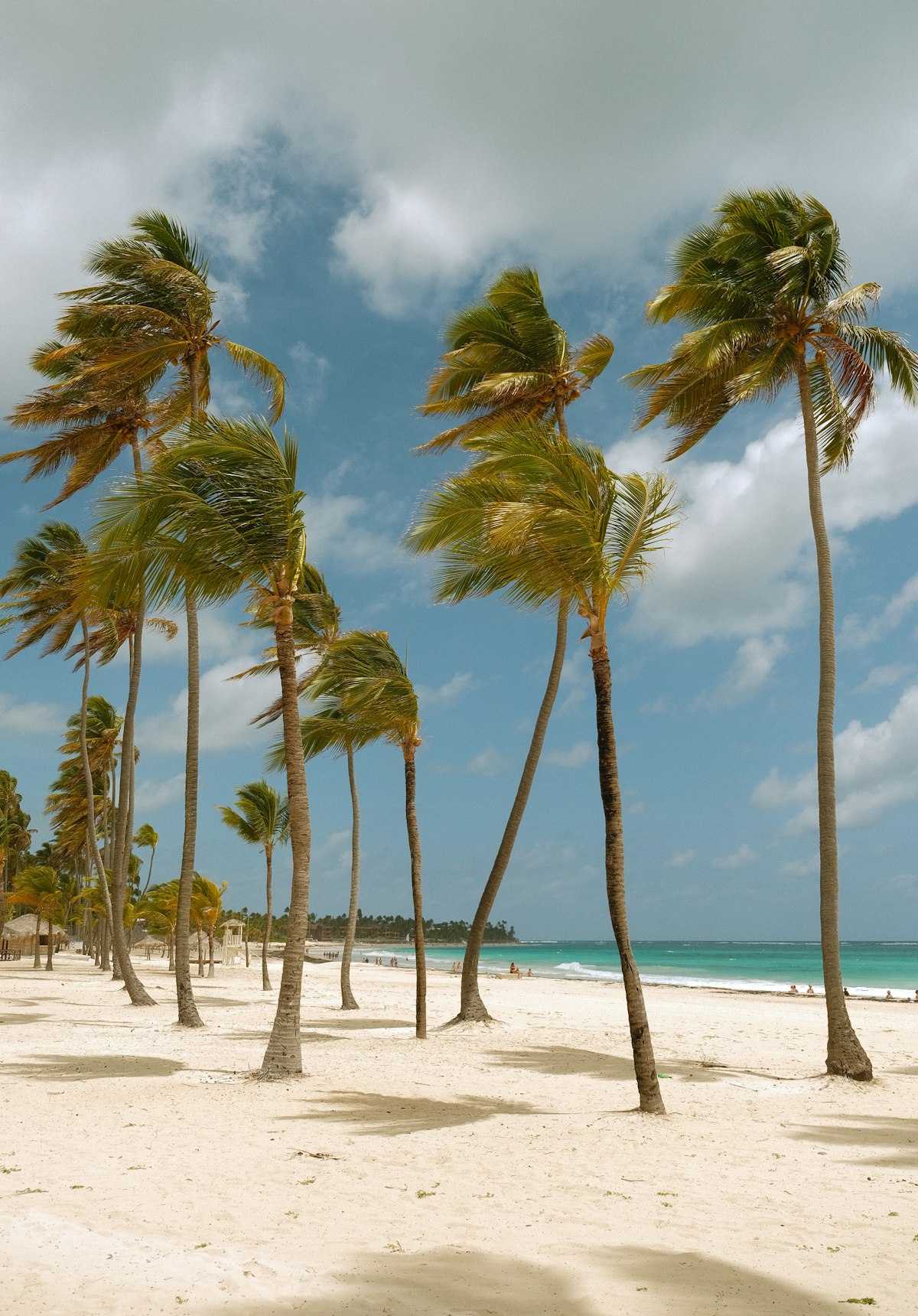
The driest month and Caribbean Carnival peak — the finest combination of weather and culture the DR offers.
28°C
High
20°C
Low
48mm
Rain
8.5h
Sun/day
What you gain
- ↑Dominican Republic Carnival is among the largest and most elaborate in the Caribbean — the La Vega Carnival (every Sunday in February) is the most famous: huge processions of diablo cojuelo (limping devil) masks, elaborate costumes built over months, and music that fills the city streets from afternoon to midnight; February weekends in La Vega are a genuine cultural experience rather than a tourist spectacle
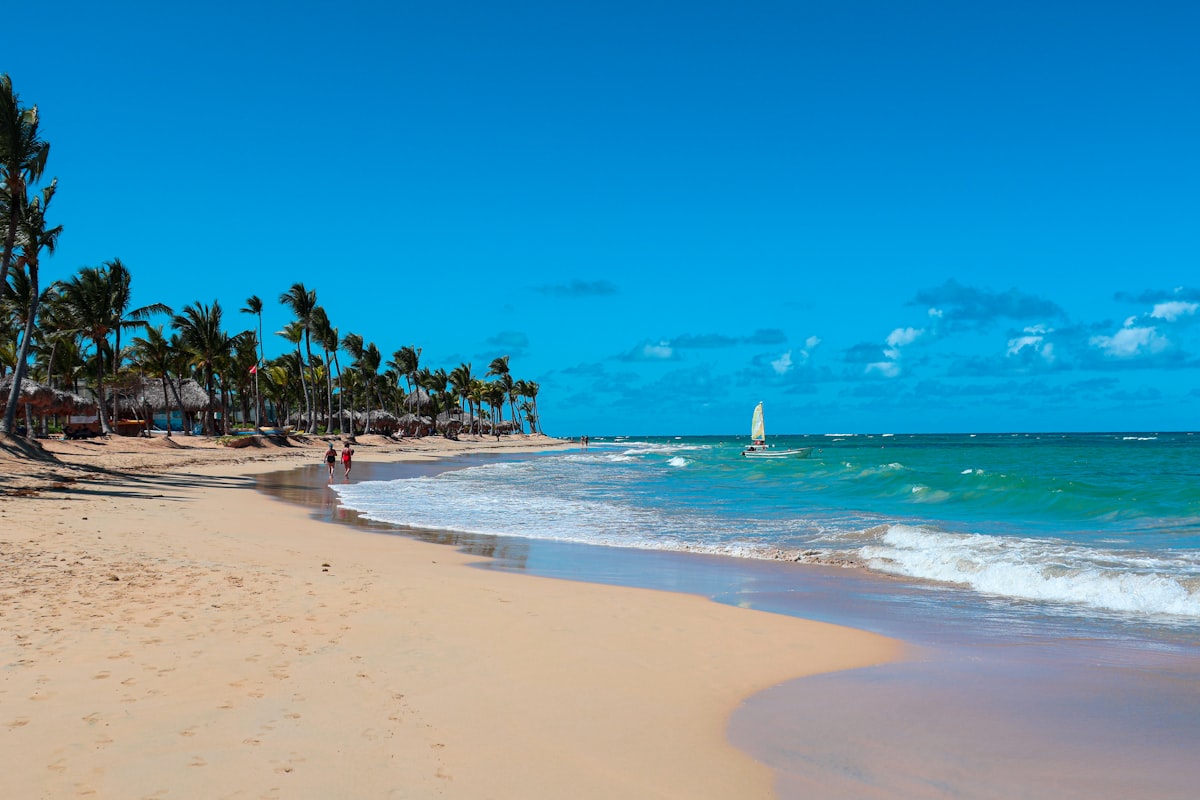
- ↑February is statistically the driest month of the year: 48mm and 8.5 sunshine hours daily make it the most reliable beach month in the DR, and the Punta Cana coast is at its most consistently perfect — conditions for kiteboarding at Cabarete on the north coast are also at their seasonal best in February
- ↑Whale watching in Samaná Bay peaks in February — the 3,000 humpbacks are at their most active, and February boat tours have the highest probability of witnessing competitive male behaviour (heat runs, lunge-feeding, and aerial displays) that January tours may miss
What you sacrifice
- ↓Carnival weekends push La Vega accommodation to capacity weeks in advance — if attending the Carnival, book lodging months ahead; Santo Domingo also has significant Carnival activity and fills similarly
- ↓Valentine's Day week adds demand pressure across the resort coast — couples-focused packages at Punta Cana all-inclusive properties are in high demand, and romantic room categories (swim-up suites, overwater bungalows at premium resorts) require very advance booking
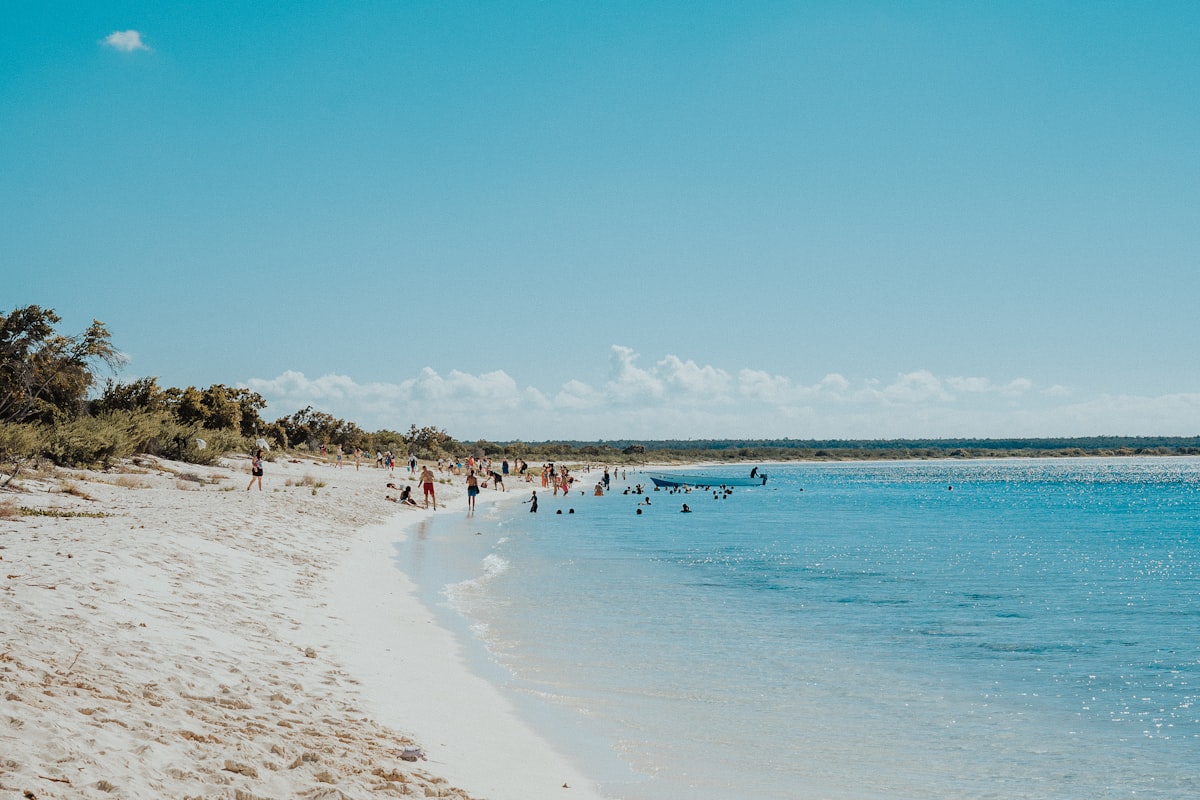
- ↓Beach crowds remain high through February — the Carnival visitors overlapping with the regular winter sun tourism creates the busiest atmosphere of the year at the main resort beaches
Feb scores highest overall — reliable weather and strong local atmosphere. Set your priorities below to personalise this result.
Feb
The driest month and Caribbean Carnival peak — the finest combination of weather and culture the DR offers.
28°C
High
48mm
Rain
8.5h
Sun
- ↑Dominican Republic Carnival is among the largest and most elaborate in the Caribbean — the La Vega Carnival (every Sunday in February) is the most famous: huge processions of diablo cojuelo (limping devil) masks, elaborate costumes built over months, and music that fills the city streets from afternoon to midnight; February weekends in La Vega are a genuine cultural experience rather than a tourist spectacle
- ↑February is statistically the driest month of the year: 48mm and 8.5 sunshine hours daily make it the most reliable beach month in the DR, and the Punta Cana coast is at its most consistently perfect — conditions for kiteboarding at Cabarete on the north coast are also at their seasonal best in February
- ↑Whale watching in Samaná Bay peaks in February — the 3,000 humpbacks are at their most active, and February boat tours have the highest probability of witnessing competitive male behaviour (heat runs, lunge-feeding, and aerial displays) that January tours may miss
- ↓Carnival weekends push La Vega accommodation to capacity weeks in advance — if attending the Carnival, book lodging months ahead; Santo Domingo also has significant Carnival activity and fills similarly
- ↓Valentine's Day week adds demand pressure across the resort coast — couples-focused packages at Punta Cana all-inclusive properties are in high demand, and romantic room categories (swim-up suites, overwater bungalows at premium resorts) require very advance booking
- ↓Beach crowds remain high through February — the Carnival visitors overlapping with the regular winter sun tourism creates the busiest atmosphere of the year at the main resort beaches
Top travel windows
★ BestFebruary
Best overall
Highest combined score
28°C
High
48mm
Rain
8.5h
Sun
October
Best for value
Lowest prices & fees
30°C
High
175mm
Rain
7h
Sun
October
Fewest crowds
Quietest month
30°C
High
175mm
Rain
7h
Sun
Breakdown by priority
Best for weather
February
28°C high · 48mm rain · 8.5hrs sun/day
Best for budget
October
October is the wettest month of the year but hurricane risk decreases meaningfully after the middle of the month — late October bookings in the DR can capture very low prices while the worst of the hurricane season has passed
Fewest crowds
October
The mountain interior of the DR is extraordinary in October: the waterfalls at Jarabacoa, the high-altitude pine forests of the Cordillera Central, and the organic coffee and cacao farms are all at their most lush and operating at their quietest; a DR trip focused on interior nature rather than beaches is most rewarding in October
Worst time to visit
September
148mm of rain and 7.0 sunshine hours represent the worst beach weather of the year — sustained rainy periods lasting several days are possible, and the heavy daily showers in September are qualitatively different from the brief afternoon showers of July; beach holidays in September require accepting that beach days will be limited
Where to base yourself in Dominican Republic
All regions →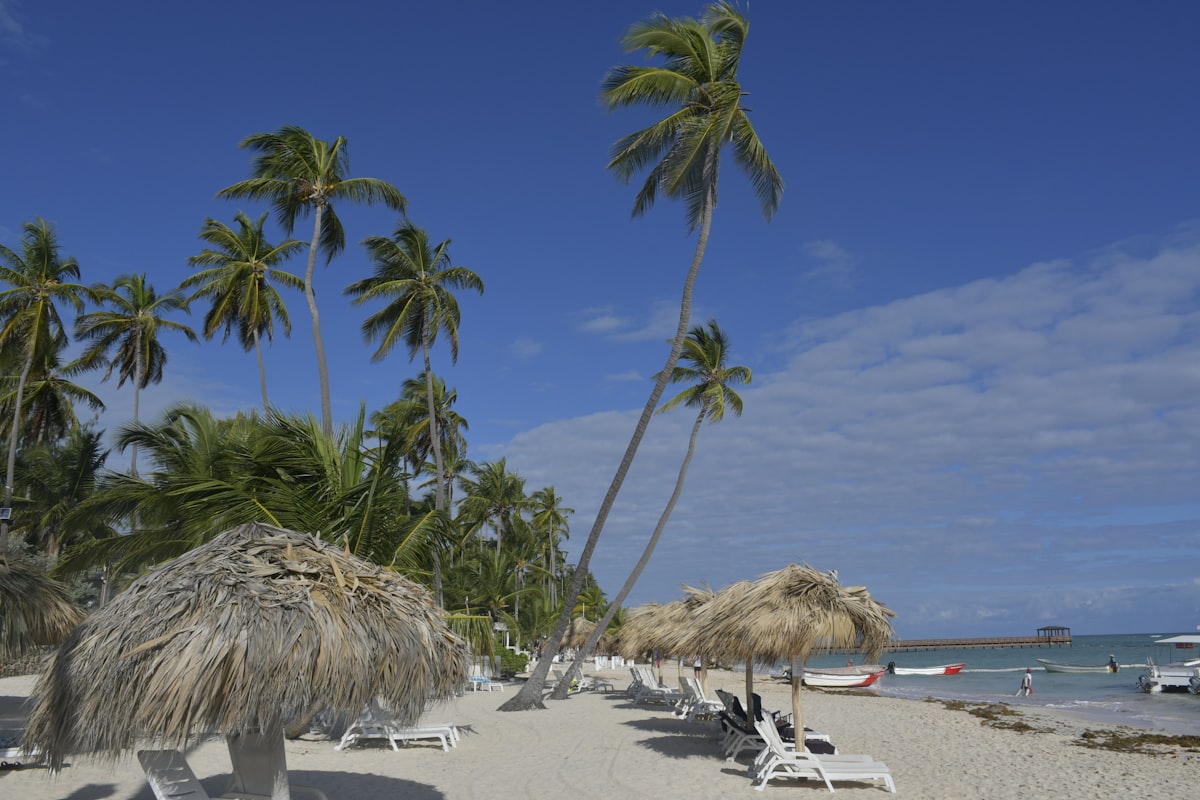
Santo Domingo
The oldest European city in the Americas — a UNESCO colonial zone with the first cathedral, palace, and university of the New World.
7/10
Central
7/10
Walk
7/10
Transit
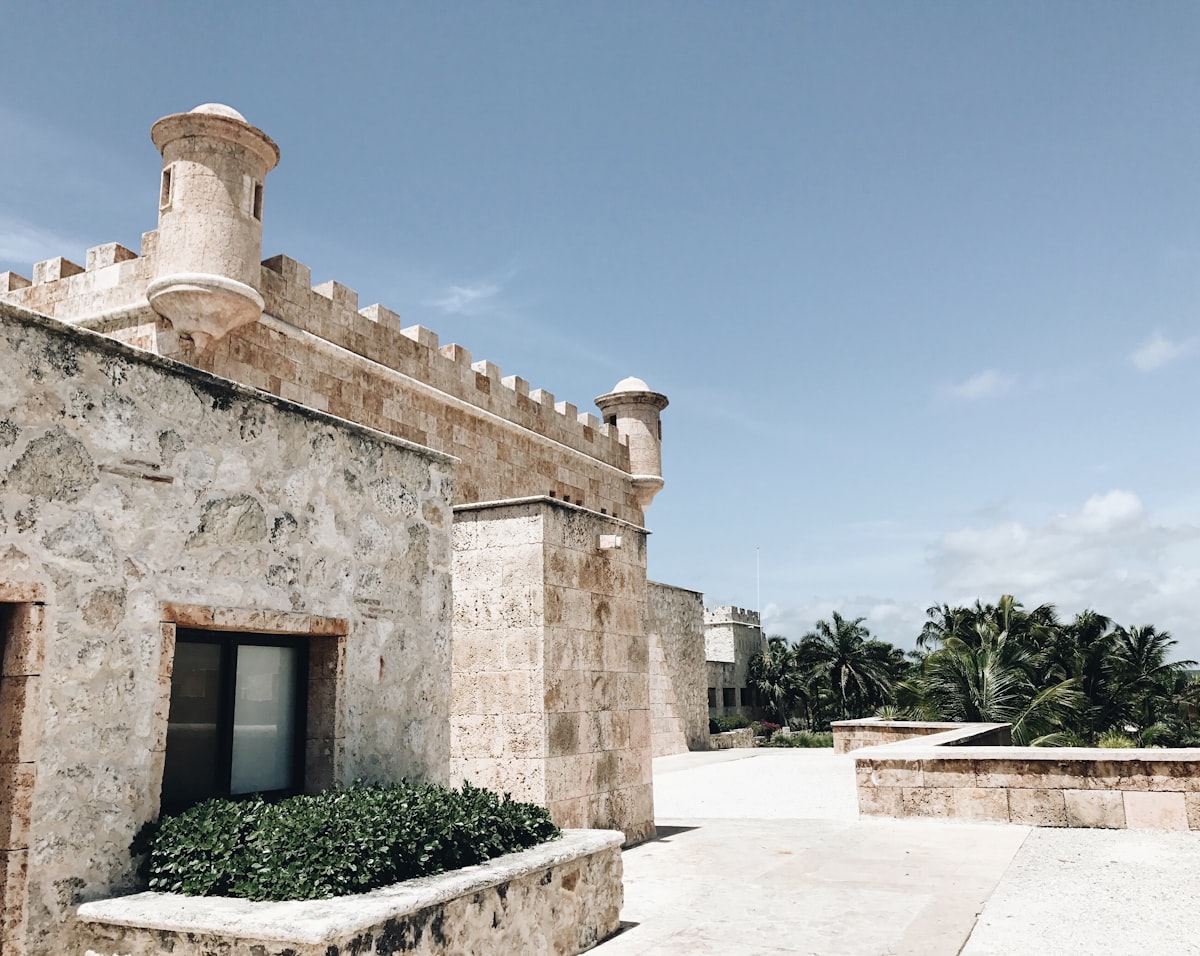
Samaná Peninsula
Humpback whale watching capital of the Atlantic — a forested peninsula with boutique lodges, Los Haitises, and the most natural face of the DR.
7/10
Central
5/10
Walk
4/10
Transit
Also exploring
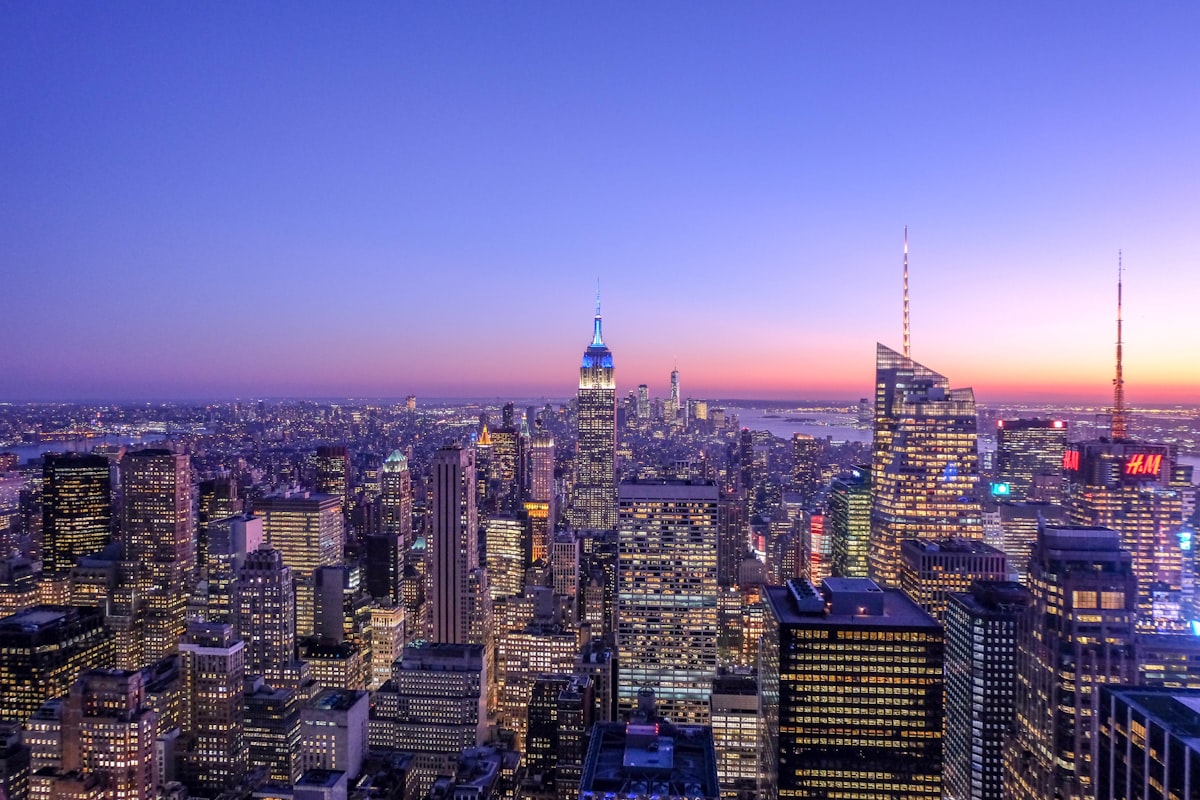
New York
USA
A city that never fully quiets — but its personality shifts dramatically by season, from sweltering humid summers to crisp autumn perfection to blizzard-prone winters.
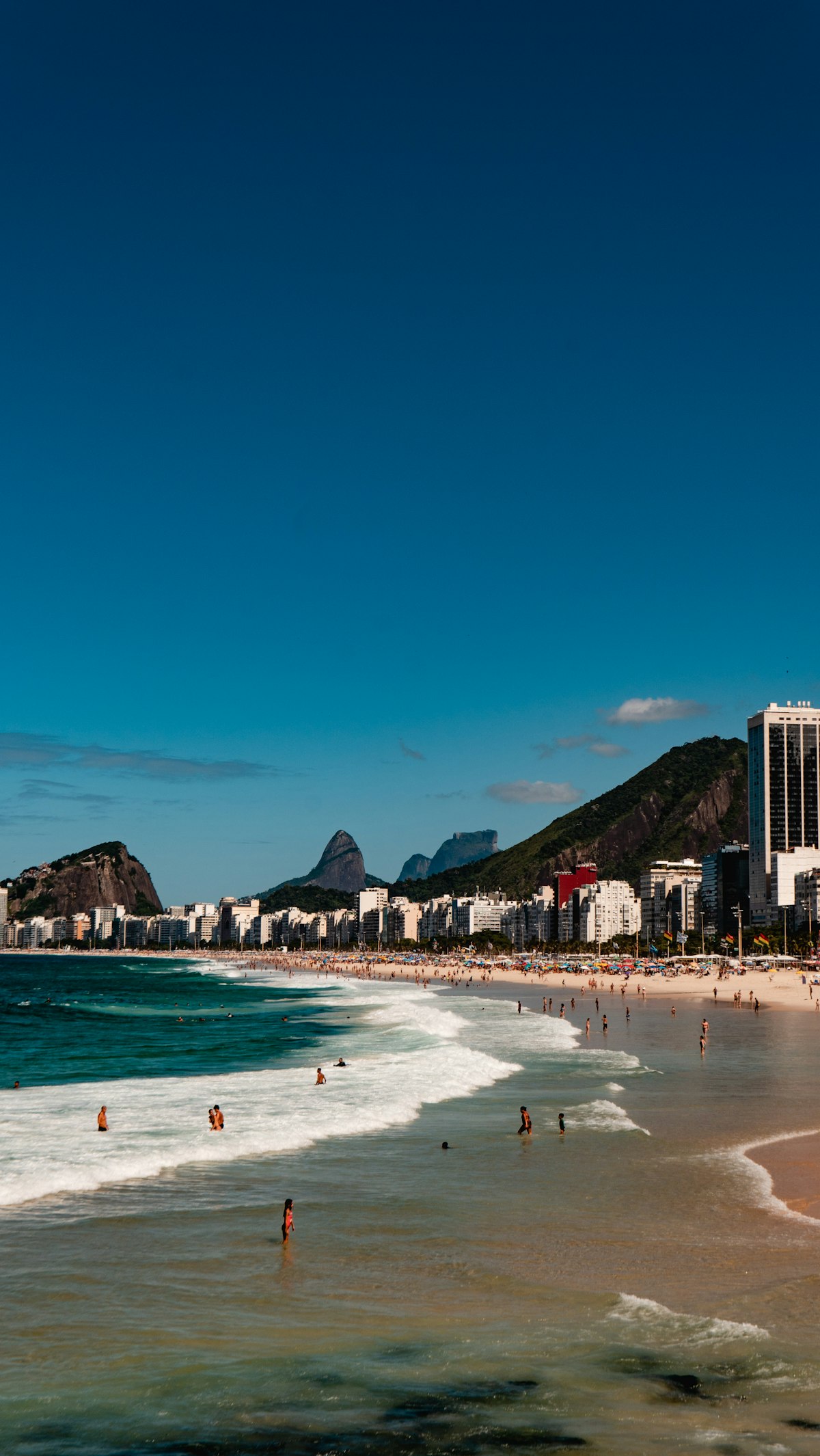
Rio de Janeiro
Brazil
A Southern Hemisphere city where summer (December–March) brings Carnival and 264mm of rain simultaneously, and the real sweet spot is the dry Southern winter — June to September — when most travellers don't think to come.
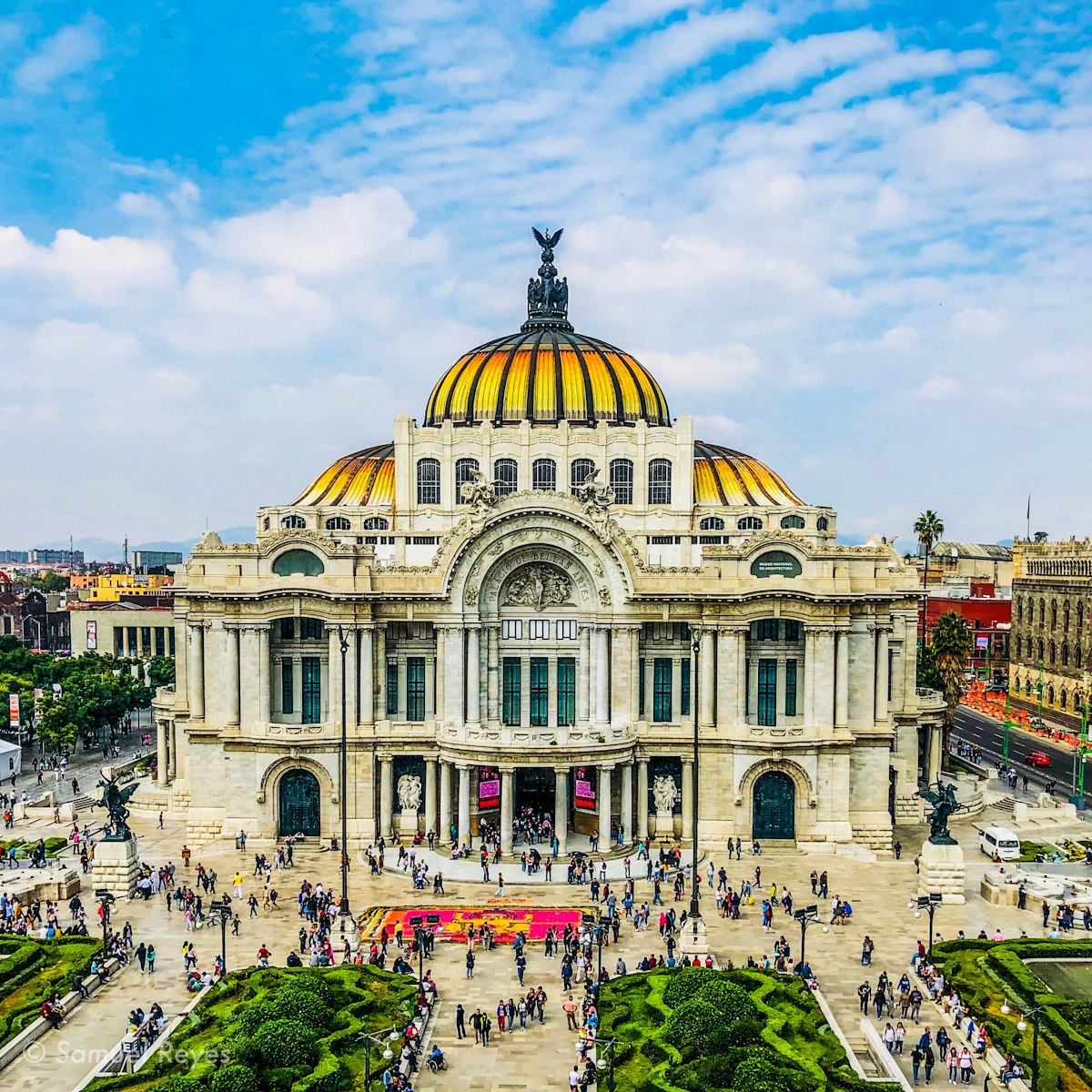
Mexico City
Mexico
A highland metropolis at 2,240 metres where the altitude tempers the heat to perpetual spring in the dry months, Día de Muertos transforms Mixquic and Azcapotzalco into one of the world's great ceremonies, and the October–April dry season gives the clearest conditions for exploring what is genuinely one of the planet's finest food, museum, and architecture cities.
Worth knowing
February scores highest overall. January is the most crowded month — avoid if you can. See crowd-free ranking →
Month by month breakdown
January#9▾
Gains
- ↑January marks the start of humpback whale season in Samaná Bay (January–March) — 3,000 North Atlantic humpbacks migrate to the warm waters of the Samaná Peninsula to breed, and boat tours from Las Terrenas and Samaná town offer some of the most accessible whale watching in the Atlantic; breaches, pectoral fin slaps, and underwater song are reliably observed from the boats
- ↑Peak dry season weather: 8 sunshine hours daily and just 55mm of rain across the month deliver the classic Caribbean experience — clear blue water on the Punta Cana resort coast, predictable beach days, and consistent conditions for water sports from windsurfing to kiteboarding
- ↑January is among the best months for Punta Cana's offshore diving and snorkelling — water visibility is at its clearest of the year in the dry season, and the reef systems off Catalina Island and La Caleta are at their most accessible
Sacrifices
- ↓Peak season pricing: January is among the most expensive months in the DR, with resort prices matching or exceeding other Caribbean destinations; all-inclusive packages on the Punta Cana coast require booking 2–3 months in advance for quality properties
- ↓Crowds at the most famous beaches: Playa Bávaro and the Punta Cana resort strip are at full capacity in January, and independent beach access between the all-inclusive properties is limited without a hotel booking
- ↓The post-New Year crowd carries through the first two weeks of January before softening slightly in the second half of the month; the Christmas-New Year peak is the most expensive and crowded of the year
February#1▾
Gains
- ↑Dominican Republic Carnival is among the largest and most elaborate in the Caribbean — the La Vega Carnival (every Sunday in February) is the most famous: huge processions of diablo cojuelo (limping devil) masks, elaborate costumes built over months, and music that fills the city streets from afternoon to midnight; February weekends in La Vega are a genuine cultural experience rather than a tourist spectacle
- ↑February is statistically the driest month of the year: 48mm and 8.5 sunshine hours daily make it the most reliable beach month in the DR, and the Punta Cana coast is at its most consistently perfect — conditions for kiteboarding at Cabarete on the north coast are also at their seasonal best in February
- ↑Whale watching in Samaná Bay peaks in February — the 3,000 humpbacks are at their most active, and February boat tours have the highest probability of witnessing competitive male behaviour (heat runs, lunge-feeding, and aerial displays) that January tours may miss
Sacrifices
- ↓Carnival weekends push La Vega accommodation to capacity weeks in advance — if attending the Carnival, book lodging months ahead; Santo Domingo also has significant Carnival activity and fills similarly
- ↓Valentine's Day week adds demand pressure across the resort coast — couples-focused packages at Punta Cana all-inclusive properties are in high demand, and romantic room categories (swim-up suites, overwater bungalows at premium resorts) require very advance booking
- ↓Beach crowds remain high through February — the Carnival visitors overlapping with the regular winter sun tourism creates the busiest atmosphere of the year at the main resort beaches
March#7▾
Gains
- ↑March is the final month of humpback whale season — late-March sightings in Samaná are less frequent than January–February but still reliable; visiting in the first two weeks of March captures both the whale season's end and the best dry weather before spring rains arrive
- ↑The resort beaches remain excellent in March: 8.5 sunshine hours and 50mm of rainfall mean the Punta Cana coast continues its peak-season weather conditions, and the beaches are slightly less crowded than January–February peak
- ↑Spring temperatures warming toward 29°C make March ideal for active tourism — mountain biking and quad-biking in Jarabacoa's central highlands, canyoning at Damajagua's 27 cascades (waterfall slides), and whale shark encounters (on their return journey north) in the Caribbean side
Sacrifices
- ↓US and Canadian spring break (mid-March to early April) sends large groups to Punta Cana — the all-inclusive resort atmosphere during spring break is distinctly college-focused and can be at odds with couples or family travel expectations
- ↓Prices remain elevated from peak season through most of March — the dry season pricing doesn't soften until the rains begin in May; March represents good weather at still-high prices
- ↓Whale shark sightings off the north coast in March are possible but not guaranteed — the DR is on their migration path but it is a seasonal passing rather than a reliable congregation
April#2▾
Gains
- ↑April is the last genuinely dry month before the rainy season — 68mm of rain is spread across occasional afternoon showers rather than sustained wet periods, and beach days on the Punta Cana coast remain reliably excellent; the tropical afternoon shower pattern (rain 30–60 minutes, sun returns) is characteristic and manageable
- ↑Easter week brings domestic Dominican and Cuban-American visitors to the beaches in large numbers, but the surrounding weeks are among the calmest of the year — mid-April outside Easter represents an excellent value sweet spot with dry weather and moderate prices
- ↑Snorkelling and diving conditions around Catalina Island and the coral reefs of the south coast are at their best in April before the rainy season increases runoff and reduces visibility
Sacrifices
- ↓Easter week is a significant domestic holiday peak — Dominicans travel internally in large numbers, and the most popular beaches near Santo Domingo (Boca Chica, Juan Dolio) become extremely crowded; the Punta Cana resort coast is better insulated but still sees increased demand
- ↓Rainfall increases noticeably in April: 68mm with 75% humidity begins to feel meaningfully more tropical than March, and the Samaná Peninsula's jungle roads and hiking trails become muddier; the lush green landscape that April rain creates is beautiful, but mosquito awareness becomes more important
- ↓The whale season has definitively ended — Samaná Bay is returned to local fishing activity and the tour boats have shifted to general excursion and diving trips
May#4▾
Gains
- ↑May marks the start of low season pricing — all-inclusive resort rates drop 30–50% from peak season, and direct flights from North America and Europe soften significantly; May offers the same Caribbean beach experience as January at a fraction of the cost for flexible travellers
- ↑Lush landscape at its most vibrant: the rains of May–October create the extraordinarily green interior of the DR — the coffee and cacao highlands around Jarabacoa and Constanza, the Samaná Peninsula's coconut forest, and the Los Haitises National Park mangrove system are at their most photogenic in the rainy months
- ↑The Punta Cana coast (southeast) receives significantly less rainfall than the north coast — the Coral Coast and Punta Cana remain largely sunny even in the rainy season due to their leeward position, and resort guests often experience better weather than the all-island statistics suggest
Sacrifices
- ↓Rain is now a regular feature across most of the island — the north coast (Cabarete, Sosúa, Puerto Plata) receives disproportionate rain in May as trade winds push moisture against the mountainous north shore; kiteboarding in Cabarete is possible but wind patterns become less predictable
- ↓Hurricane season officially begins June 1 but tropical system activity can start as early as May — while the DR sits on the southern edge of the primary hurricane belt, tropical storms can affect weather patterns in May particularly on the north coast
- ↓Some seasonal operations and excursion companies reduce schedules in May; whale watching tours have ended for the year and some Samaná-based activities scale back for the low season
June#5▾
Gains
- ↑Hurricane season is active but statistical risk for the DR remains low in June — the country's geography (particularly the east coast around Punta Cana) provides relative protection from direct strikes, and the low-season pricing is not fully matched to the actual risk differential; value-seeking travellers accept the theoretical risk for meaningful savings
- ↑Cabarete's windsurfing and kiteboarding conditions: the north coast trade winds blow most reliably from June through August, and Cabarete's surf schools and board rental operations are at full capacity serving the international windsport community; the beach bar scene at Cabarete is at its most energetic in summer
- ↑Santo Domingo's Colonial Zone (the oldest European city in the Americas, UNESCO-listed) is best explored outside the peak tourist season — the cobblestone streets, Alcázar de Colón, and the Ozama fortress complex are navigable without the winter sun-seeker crowd, and guided history tours are bookable at short notice
Sacrifices
- ↓June sees meaningful rainfall across most of the island — while individual showers are typically short and the sun returns, sustained overcast periods can last 2–3 days on the north and south coasts; beach plans require flexibility
- ↓US school summer holidays bring increased North American tourism beginning mid-June — the low-season pricing that characterised early June begins to edge upward as summer demand builds, particularly at family-friendly all-inclusive properties
- ↓Humidity climbs to 80% in June — the temperature is no higher than May but the combination of heat and moisture feels more oppressive; air-conditioned accommodation becomes less optional
July#3▾
Gains
- ↑July is one of the driest months of the rainy season — 102mm compared to 115mm in May and 148mm in September; the east-coast resort corridor around Punta Cana/Bávaro benefits from the rain shadow of the central mountain range and typically receives far less rainfall than the island average
- ↑Punta Cana Merengue Festival (July) brings live outdoor merengue concerts, dance performances, and street food events to the resort area — one of the more genuinely cultural events on the east coast, and free to attend
- ↑The July sunshine of 8.0 hours daily is actually better than May or June — anticyclonic conditions can bring extended sunny spells even in the rainy season, and the Punta Cana coast can deliver runs of near-perfect days in July that belie the month's technical rainy-season status
Sacrifices
- ↓US Independence Day (July 4) and European school summer holidays push demand upward from mid-July — the all-inclusive properties fill with American families and European package tourists, and prices edge toward the moderate range rather than the low-season affordable of May–June
- ↓North coast weather is more variable in July — Cabarete and Puerto Plata receive more rain than the south-east coast, and kite and windsurfing sessions can be interrupted by squalls; the east coast is the more reliable choice in July
- ↓The Samaná Peninsula is noticeably wetter in July than the resort coast and is at its most challenging for jungle hikes and waterfall excursions — flash flooding can make some routes temporarily impassable
August#11▾
Gains
- ↑European summer holiday demand keeps the all-inclusive resort sector occupied, but independent travellers find August excellent for negotiated rates — smaller guesthouses and boutique hotels outside the Punta Cana resort corridor offer their lowest rates, and the Samaná Peninsula has good value accommodation for those comfortable with rain-season conditions
- ↑Santo Domingo Merengue Festival (late July to early August) extends into August at the Malecón seafront — free outdoor concerts, dance events, and cultural installations line the city's waterfront promenade in what is the most festive the capital city gets
- ↑Los Haitises National Park is most rewarding in the rainy months — the mangrove kayaking, limestone cave paintings, and frigate bird colonies are spectacular year-round, but the August vegetation is at its most lush and the waterfalls that feed the bay are running at full volume
Sacrifices
- ↓August is the DR's highest-risk hurricane month: statistically more Atlantic storms and hurricanes form or pass through the region in August than any other month; while direct hits on the DR are not annually common, the risk is real and travel insurance with hurricane clauses is strongly advisable
- ↓Rain is now a consistent daily event across the island — sustained morning overcast and afternoon downpours characterise August on the north and east coasts; beach holidays are possible but require rain-tolerance and interior activities as fallback
- ↓The heat-humidity combination (32°C/80%) is at its most intense in August — the DR in August feels meaningfully different from December, and all outdoor activity outside beach and water is best done early morning
September#12▾
Gains
- ↑September delivers the absolute lowest prices of the year across the DR — all-inclusive packages from North America drop to their annual floor, boutique hotels are bookable at significantly reduced rack rates, and flights reach their cheapest point; budget-conscious travellers who can tolerate the rain and accept the hurricane risk will find extraordinary value
- ↑The country is almost entirely tourist-free in September — popular sites across Santo Domingo, Samaná, and even the Punta Cana beaches have a genuine local-only atmosphere; this is the most honest and un-touristic face of Dominican life
- ↑Local Dominican festivals and community events are more accessible in September than at any other time — without international visitors, the bachata and merengue evenings in local bars, the colmados (corner stores with outdoor tables), and the beachside dominoes culture are genuinely welcoming rather than performance
Sacrifices
- ↓148mm of rain and 7.0 sunshine hours represent the worst beach weather of the year — sustained rainy periods lasting several days are possible, and the heavy daily showers in September are qualitatively different from the brief afternoon showers of July; beach holidays in September require accepting that beach days will be limited
- ↓September is peak Atlantic hurricane season: the statistical risk of a tropical storm or hurricane track affecting the DR is at its highest in September; serious travellers who visit in September require full travel insurance with cancellation and weather coverage
- ↓Many resorts operate reduced services in September — staff take leave, some restaurants within all-inclusive properties close, pools and beach services operate on reduced hours; the full-service resort experience is not available in September regardless of what the brochure says
October#10▾
Gains
- ↑October is the wettest month of the year but hurricane risk decreases meaningfully after the middle of the month — late October bookings in the DR can capture very low prices while the worst of the hurricane season has passed
- ↑The mountain interior of the DR is extraordinary in October: the waterfalls at Jarabacoa, the high-altitude pine forests of the Cordillera Central, and the organic coffee and cacao farms are all at their most lush and operating at their quietest; a DR trip focused on interior nature rather than beaches is most rewarding in October
- ↑Santiago's cultural scene — the second-largest city and the cultural heart of the Cibao valley — is accessible without competition in October; the Monument to the Heroes of the Restoration, the local art galleries, and the tobacco factory tours that define Santiago's identity are best explored outside peak season
Sacrifices
- ↓October's 175mm is the highest monthly rainfall in the DR — sustained rain events and flash flooding can affect roads and travel plans; a hire car in October is inadvisable without 4WD, and low-lying roads near the Samaná coast and the Los Haitises lagoon system can flood
- ↓The tourism infrastructure is at minimum capacity: some properties close entirely for annual maintenance in September–October, and it is worth confirming that specific hotels and resorts are open before booking for this month
- ↓The Dominican Merengue Festival season is over — October has no major scheduled events, and the combination of rain and low tourism creates the quietest atmosphere of the year
November#6▾
Gains
- ↑November is when the DR transitions back to good weather — rainfall drops from October's 175mm to 80mm, sunshine hours improve, and the resort beaches return to reliable usable condition; November visitors enjoy near-dry-season beach quality at pre-peak-season pricing
- ↑The Atlantic hurricane season officially ends November 30 — November visitors face minimal tropical storm risk compared to August–October while still benefiting from rates below the December–April peak; it represents the best late-season value window
- ↑Kiteboarding and windsurfing at Cabarete: November marks the return of consistent trade winds to the north coast after the weather-disrupted summer; the north coast kite season runs October through January, and November is the first reliable month for strong, consistent kite wind after the hurricane season interruption
Sacrifices
- ↓Prices begin climbing back toward peak levels in November as the winter sun season gathers momentum — the affordable rates of September–October are behind, and the best Punta Cana resorts are booking up for the December–April peak
- ↓The first two weeks of November can still see lingering rain from the tail of the hurricane season — the weather transition is gradual rather than sharp, and early-November visits should allow for a few wet days
- ↓Thanksgiving week (fourth Thursday of November) triggers the first significant North American demand spike of the winter season — accommodation at popular Punta Cana resorts during Thanksgiving fills quickly
December#8▾
Gains
- ↑December is the official start of the DR's main tourist season: 58mm of rainfall, 7.5 sunshine hours, and reliable blue-sky beach days return to the Punta Cana coast; the combination of Caribbean warmth and Christmas-New Year celebrations creates the most festive atmosphere of the year
- ↑Christmas and New Year at Punta Cana resorts is genuinely spectacular: outdoor pool parties, live merengue and bachata bands, traditional Dominican Christmas food (pasteles, pernil, hallacas), and midnight New Year events that run until dawn create a celebration with no European equivalent for warmth and energy
- ↑Water sports conditions recover fully in December — kiteboarding at Cabarete is in full swing with consistent trade winds, offshore diving around Catalina Island and the Monte Cristi coral reef system has excellent visibility in the dry season, and the resort beach water sports are at full operational capacity
Sacrifices
- ↓Christmas week (December 23–January 2) is the most expensive travel period in the DR — all-inclusive packages from North America and Europe are at annual peak prices, and quality rooms require booking 3–4 months ahead; last-minute availability for Christmas week essentially doesn't exist
- ↓The Dominican Republic's New Year is a multi-day celebration — not just December 31 but the surrounding days are treated as festive; while this creates energy, it also means road congestion, elevated prices, and a party atmosphere that not all visitors want
- ↓The first weeks of December can still see residual cloudiness before the dry season fully establishes; early December (first two weeks) is better than late November but not as reliably sunny as January–February
How this is calculated
Climate data
Open Meteo ERA5
30-year normals (1991–2020). Temperature, rainfall, sunshine, humidity.
Price & crowd
Tourism research
Seasonal pricing from tourism authority data. Directional — compares months within a destination only.
Personalisation
Weighted scoring
Your priorities change the weights. Budget-first users get different results than weather-first users.
Share this result
February is the best time to visit Dominican Republic
Travel timing updates
New destinations and timing guides, when they land.
No spam. Unsubscribe anytime.