Showing: Jul · Unsplash / Unsplash
Kenya · Africa & Middle East
Best time to visit Kenya
July
Jul scores highest overall — reliable weather and strong local atmosphere. Set your priorities below to personalise this result.
What matters most to you?
All 12 months — click any to expand
Jul
Unsplash / Unsplash
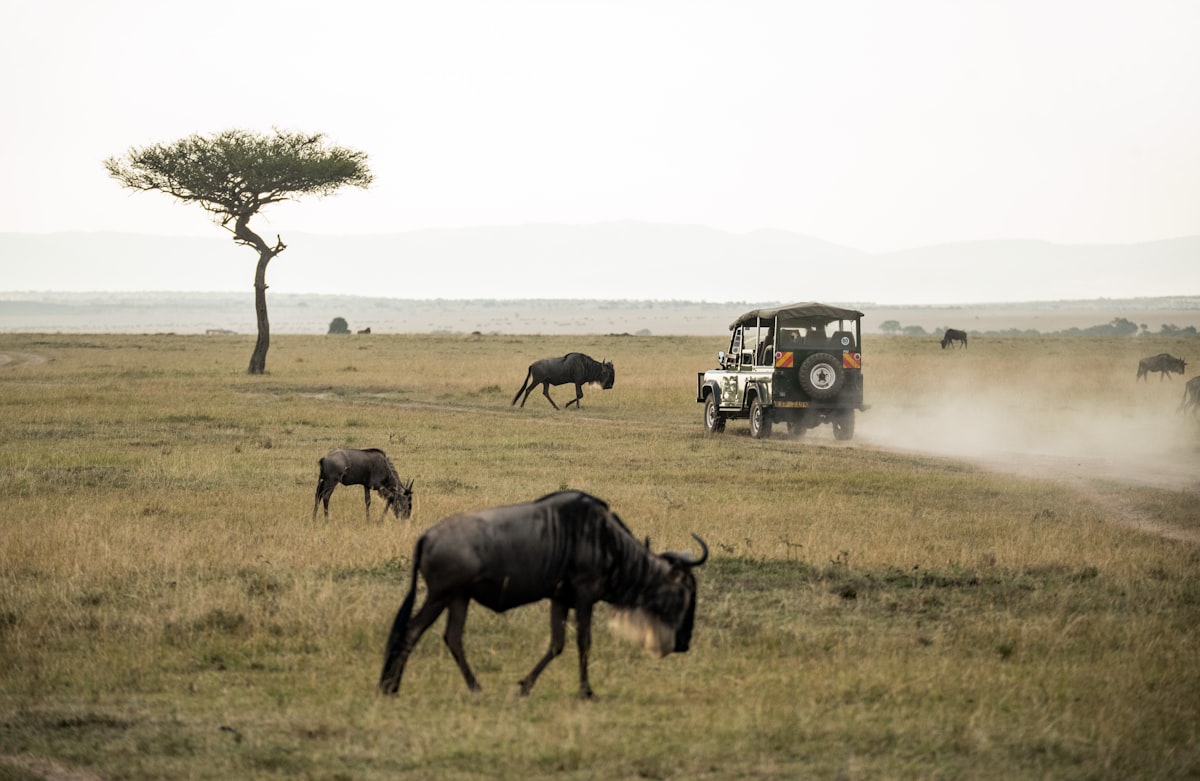
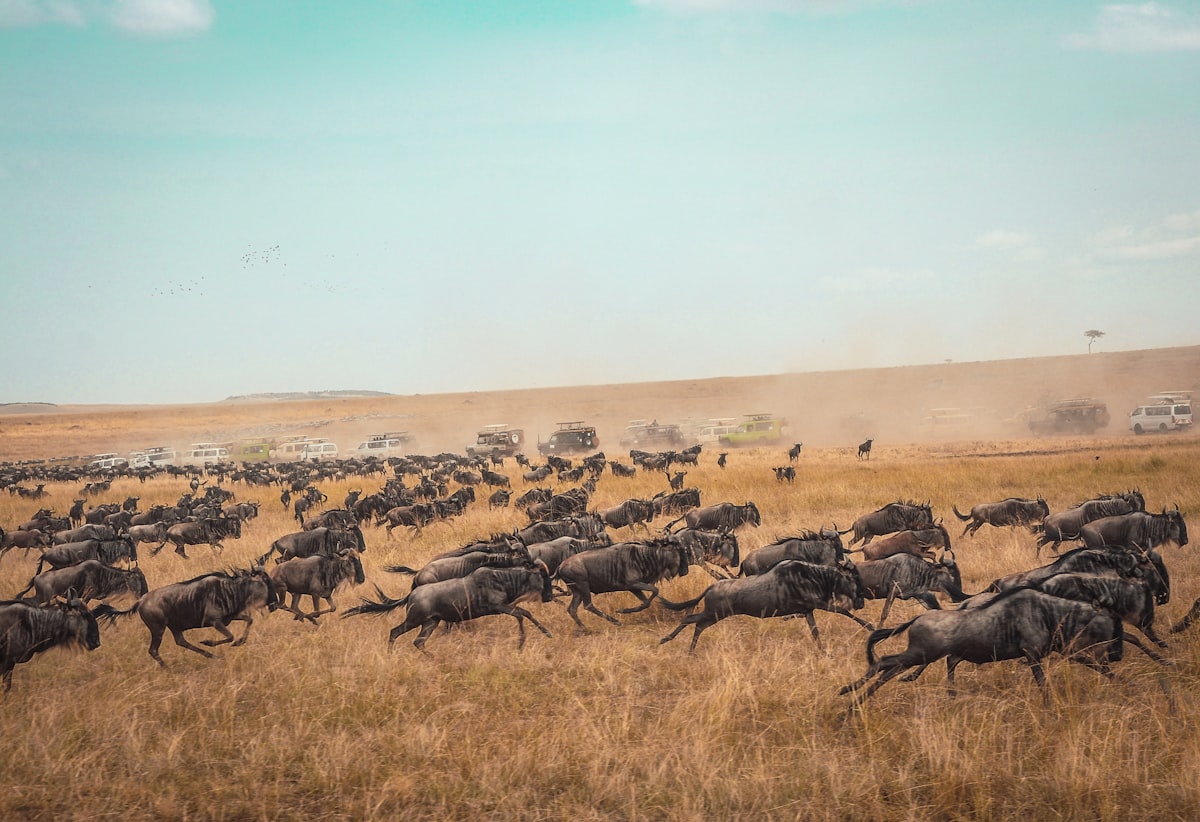
The Great Migration peaks — 1.5 million wildebeest and the most spectacular river crossings.
23.4°C
High
11.5°C
Low
24mm
Rain
8.7h
Sun/day
What you gain
- ↑July is the month Kenya exists for in the global travel imagination. The Great Migration river crossings begin in earnest: the Mara River crossing points — Crossing No. 1 in the Mara Triangle, Lookout Hill, and the Serena crossing — host wildebeest plunging into the river in groups of thousands, with Nile crocodiles (some over 5 metres long) intercepting the herd mid-water. A single crossing event can last 2–4 hours and involve 50,000–200,000 animals. There are no guarantees on timing — crossings occur based on wildebeest instinct and predator pressure — but July is the peak month for crossing frequency.
- ↑The Maralal International Camel Derby (typically late July, Maralal town in Samburu County) is one of East Africa's most extraordinary cultural and sporting events — amateur and professional camel racing drawing participants from across Kenya and internationally. The surrounding Samburu landscape, distinct from the Mara, hosts elephants, reticulated giraffes, and Grevy's zebra.
- ↑July conditions across the entire Mara ecosystem are ideal for photography: dry, clear skies, short dry-season grass providing maximum visibility, and animal concentrations at permanent water sources. The cold mornings (11°C) require layering for 6am game drives but the mid-morning light — clear, golden, and flat — is spectacular for photography.
What you sacrifice
- ↓July is Kenya's most expensive month. Premium Mara camps (Angama Mara, Mahali Mzuri, AndBeyond Bateleur Camp) charge $1,000–$1,500pppn fully inclusive. Even mid-range camps with less-than-perfect locations run $400–$600pppn. Booking 6–12 months in advance is advised for the best camps — the most desirable river-adjacent positions sell out by March for July.
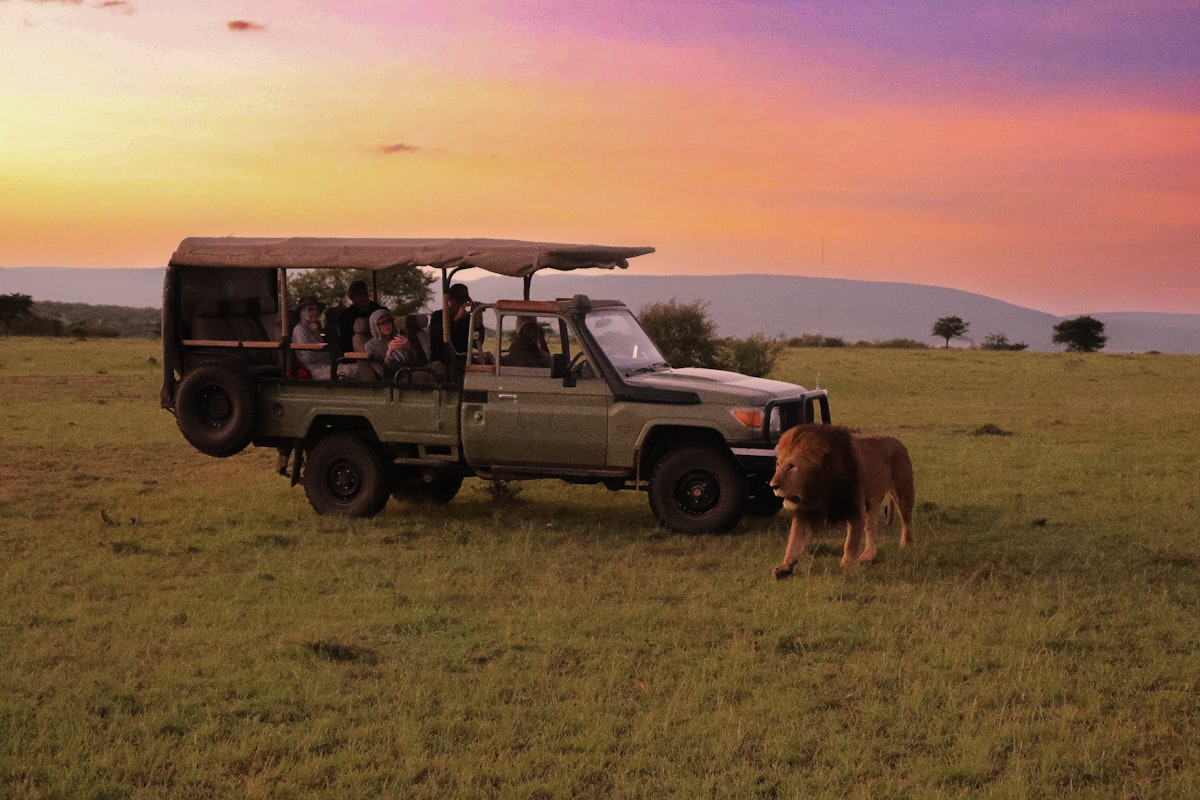
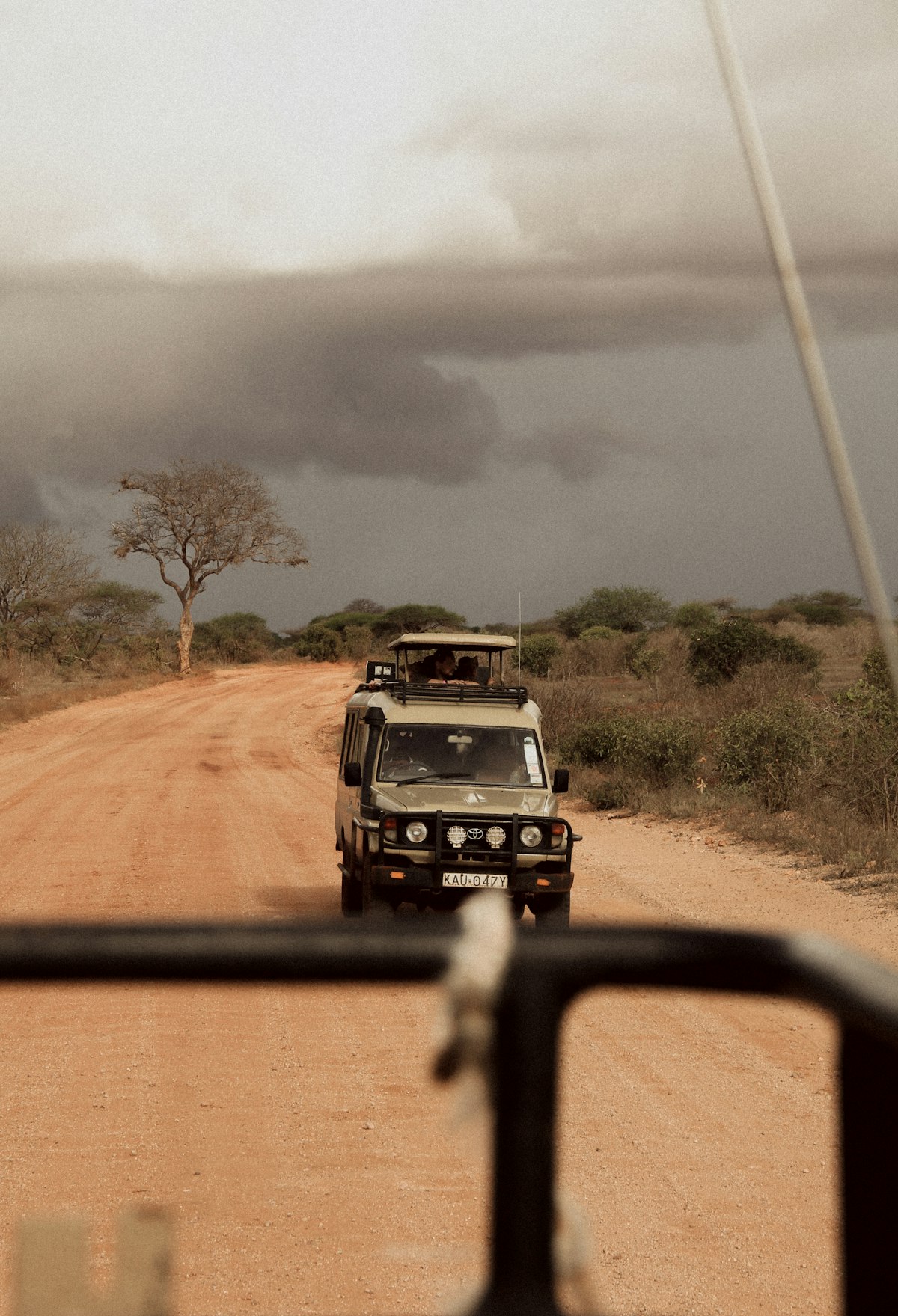
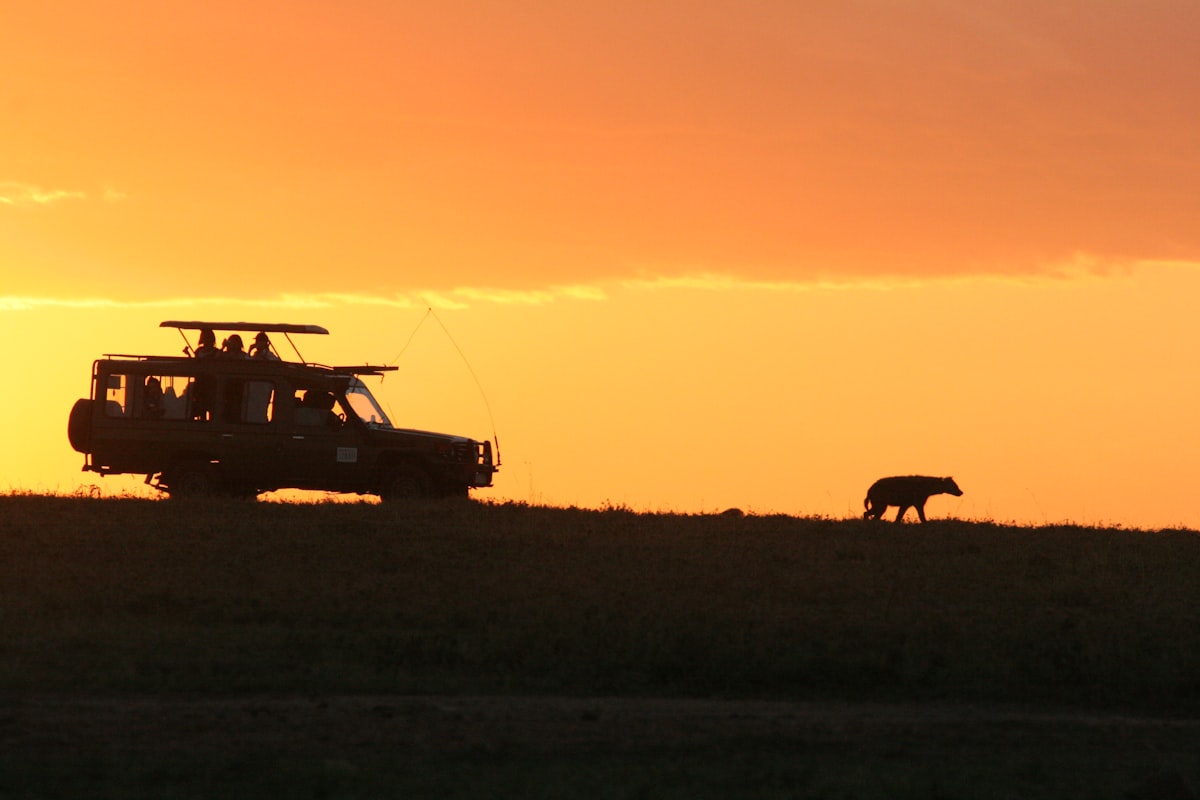
- ↓The Masai Mara in July is crowded by African safari standards — multiple vehicles converging on predator sightings and crossing events is a reality. At popular crossing points, the vehicle concentration can feel at odds with the wilderness experience. This is mitigated in the conservancies (Olare-Motorogi, Naboisho, Ol Kinyei) which impose vehicle limits per sighting.
Jul scores highest overall — reliable weather and strong local atmosphere. Set your priorities below to personalise this result.
Jul
The Great Migration peaks — 1.5 million wildebeest and the most spectacular river crossings.
23.4°C
High
24mm
Rain
8.7h
Sun
- ↑July is the month Kenya exists for in the global travel imagination. The Great Migration river crossings begin in earnest: the Mara River crossing points — Crossing No. 1 in the Mara Triangle, Lookout Hill, and the Serena crossing — host wildebeest plunging into the river in groups of thousands, with Nile crocodiles (some over 5 metres long) intercepting the herd mid-water. A single crossing event can last 2–4 hours and involve 50,000–200,000 animals. There are no guarantees on timing — crossings occur based on wildebeest instinct and predator pressure — but July is the peak month for crossing frequency.
- ↑The Maralal International Camel Derby (typically late July, Maralal town in Samburu County) is one of East Africa's most extraordinary cultural and sporting events — amateur and professional camel racing drawing participants from across Kenya and internationally. The surrounding Samburu landscape, distinct from the Mara, hosts elephants, reticulated giraffes, and Grevy's zebra.
- ↑July conditions across the entire Mara ecosystem are ideal for photography: dry, clear skies, short dry-season grass providing maximum visibility, and animal concentrations at permanent water sources. The cold mornings (11°C) require layering for 6am game drives but the mid-morning light — clear, golden, and flat — is spectacular for photography.
- ↓July is Kenya's most expensive month. Premium Mara camps (Angama Mara, Mahali Mzuri, AndBeyond Bateleur Camp) charge $1,000–$1,500pppn fully inclusive. Even mid-range camps with less-than-perfect locations run $400–$600pppn. Booking 6–12 months in advance is advised for the best camps — the most desirable river-adjacent positions sell out by March for July.
- ↓The Masai Mara in July is crowded by African safari standards — multiple vehicles converging on predator sightings and crossing events is a reality. At popular crossing points, the vehicle concentration can feel at odds with the wilderness experience. This is mitigated in the conservancies (Olare-Motorogi, Naboisho, Ol Kinyei) which impose vehicle limits per sighting.
Top travel windows
★ BestJuly
Best overall
Highest combined score
23.4°C
High
24mm
Rain
8.7h
Sun
May
Best for value
Lowest prices & fees
26.1°C
High
155mm
Rain
6.1h
Sun
May
Fewest crowds
Quietest month
26.1°C
High
155mm
Rain
6.1h
Sun
Breakdown by priority
Best for weather
July
23.4°C high · 24mm rain · 8.7hrs sun/day
Best for budget
May
May sees the Long Rains begin to taper from their April peak. By mid-to-late May, sunny windows become longer and more frequent. This is an excellent time to visit the Kenyan coast — Diani Beach and Watamu are transitioning from the hot, calm season toward the arrival of the SE trade winds. The sea is warm (27°C), reefs are visible, and accommodation prices are at their annual coast lows.
Fewest crowds
May
May sees the Long Rains begin to taper from their April peak. By mid-to-late May, sunny windows become longer and more frequent. This is an excellent time to visit the Kenyan coast — Diani Beach and Watamu are transitioning from the hot, calm season toward the arrival of the SE trade winds. The sea is warm (27°C), reefs are visible, and accommodation prices are at their annual coast lows.
Where to base yourself in Kenya
All regions →Nairobi
The safari capital — excellent restaurants, Nairobi National Park, and the gateway to every ecosystem.
9/10
Central
5/10
Walk
10/10
Transit
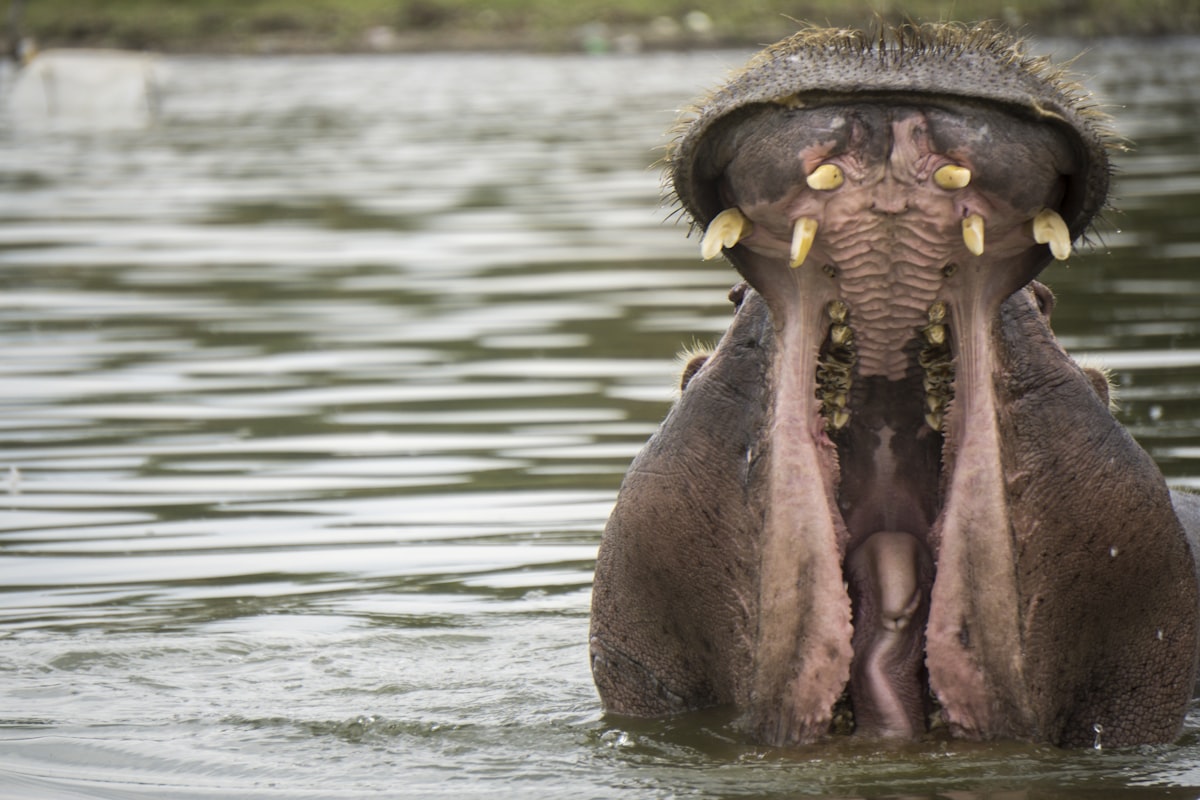
Lake Naivasha
The Rift Valley's freshwater gem — hippos, 400 bird species, Hell's Gate gorge cycling, and the perfect Nairobi day-two.
7/10
Central
4/10
Walk
8/10
Transit
Also exploring
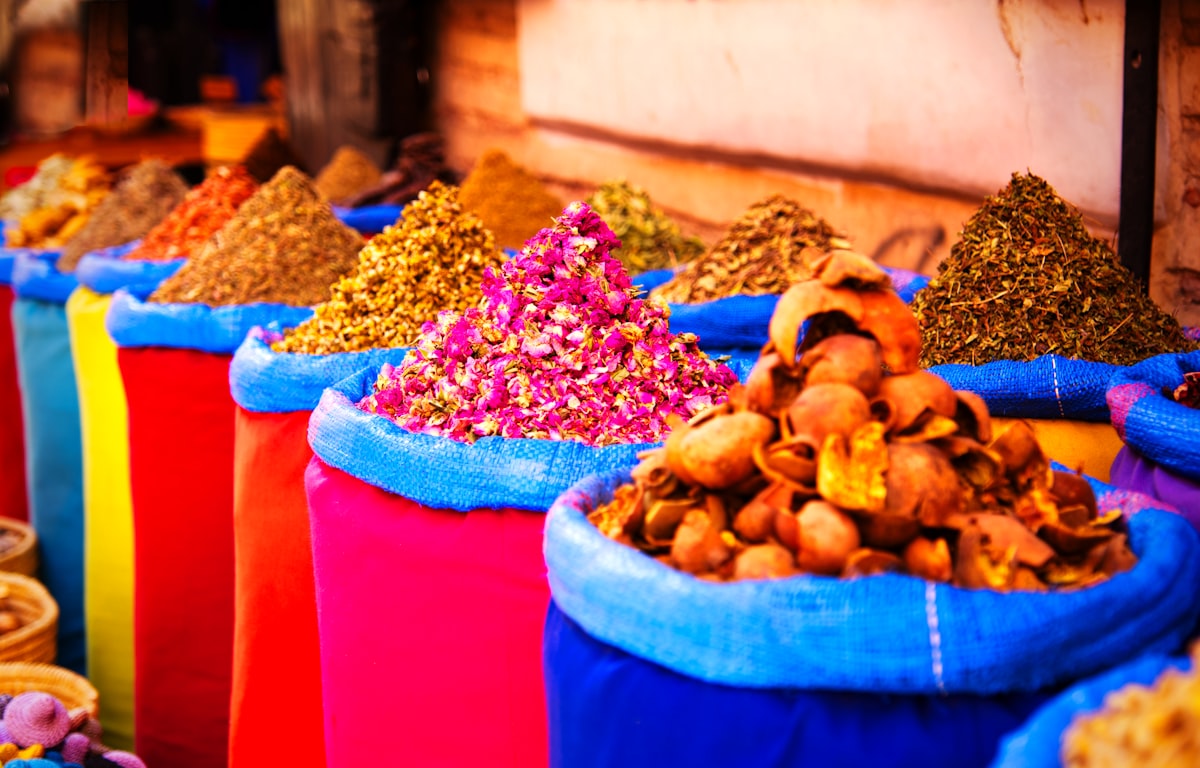
Marrakech
Morocco
A city of medieval medina markets, orange groves, and Atlas Mountain views where summer heat is genuinely dangerous and spring timing is everything.
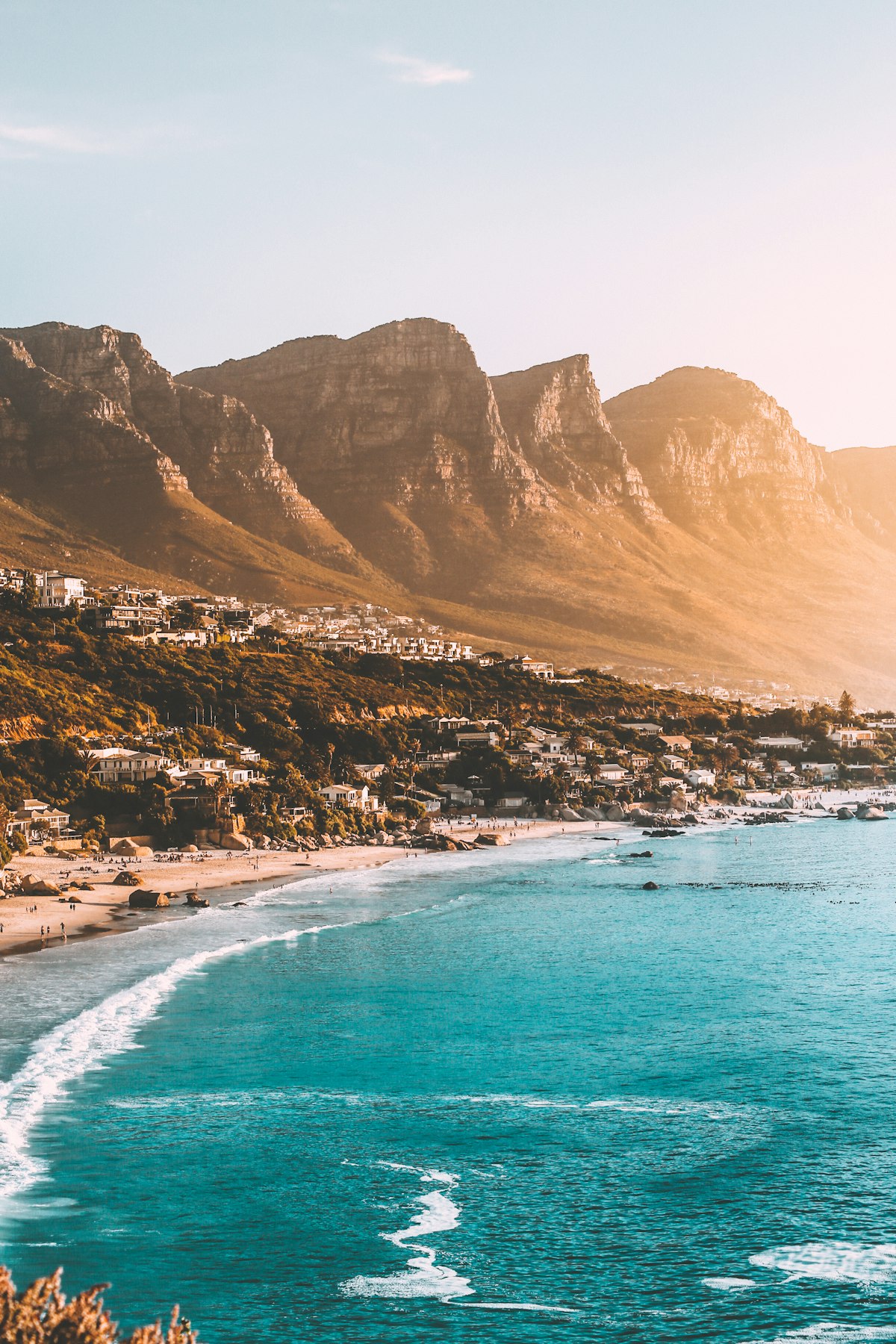
Cape Town
South Africa
Africa's most dramatic city — where timing means choosing between the dry, sunny austral summer (November–March) for beaches and hiking, and the cooler winter months when southern right whales arrive in False Bay and the wildflowers transform the West Coast.
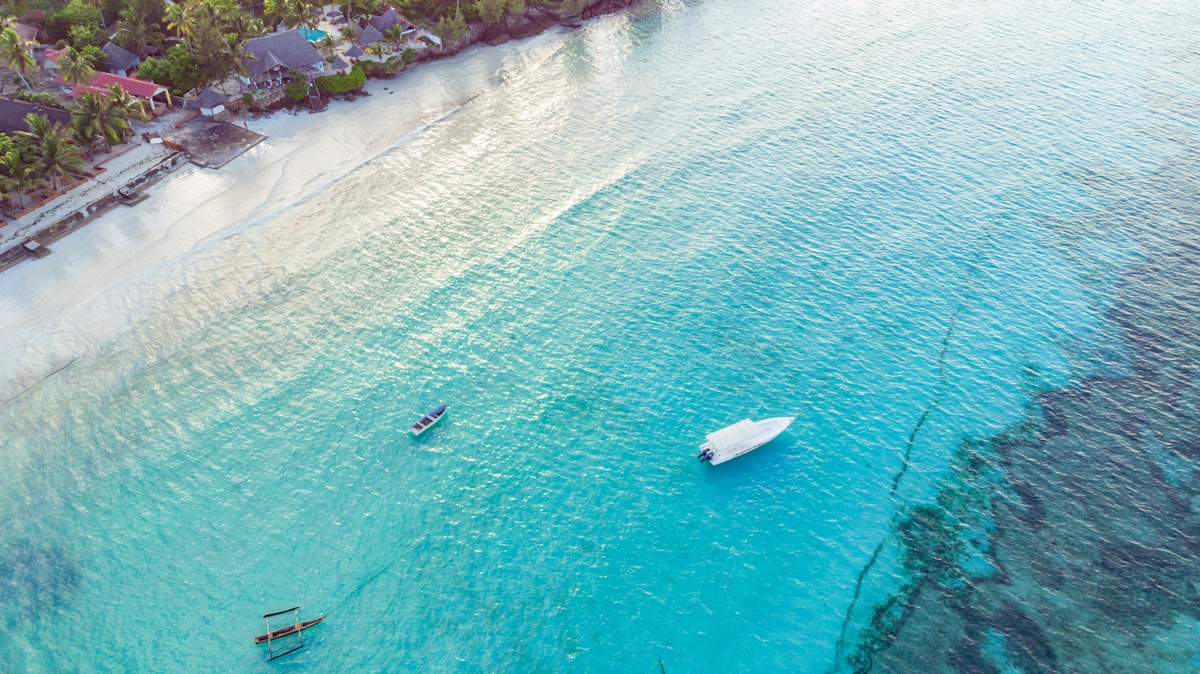
Zanzibar
Tanzania
A UNESCO-listed Swahili trading city, world-class kite surfing, whale shark encounters, and Indian Ocean beaches — Tanzania's island extension is one of Africa's most compelling destinations, shaped by two distinct rainy seasons that divide the year sharply into when to go and when not to.
Month by month breakdown
January#3▾
Gains
- ↑January sits in Kenya's long dry season and delivers excellent game viewing conditions across the Masai Mara, Amboseli, and Samburu. Vegetation is short, water sources are concentrated, and animals cluster at rivers and watering holes. Lion prides and cheetah are highly visible in the open savanna of the Mara ecosystem.
- ↑Wildebeest calving season runs from approximately December to February, peaking in January in the southern Serengeti just across the Tanzanian border. While the actual calving grounds are in Tanzania, the wildebeest herds begin their northward build-up in the Mara Triangle and the knock-on effect on predator behaviour — particularly cheetah and wild dog activity — is spectacular and visible on the Kenyan side.
- ↑Nairobi in January is at its most comfortable as a city base: altitude-moderated temperatures (Nairobi sits at 1,795m, so daytime highs reach 26–28°C rather than the lowland 35°C), a dry season, and the full complement of restaurants and cultural venues operating. Karen and the Nairobi suburb dining scene is excellent year-round; the January atmosphere is relaxed and residential.
Sacrifices
- ↓January is high season across the Mara ecosystem and prices reflect it. Premium camps in the Masai Mara — Angama Mara, Mahali Mzuri (Richard Branson's camp), Sanctuary Olonana — run $800–$1,200 per person per night fully inclusive. Mid-range tented camps range from $300–$500pppn. Self-drive is not permitted in the Mara conservancies; all game drives require a camp vehicle and driver-guide.
- ↓The Diani Beach and Mombasa Coast are in their hottest, most humid period (28–30°C, 75% humidity) in January — not unpleasant, but not the cool-breeze beach experience the coast offers in July. The Indian Ocean is warm for swimming but jellyfish can be present in number.
February#6▾
Gains
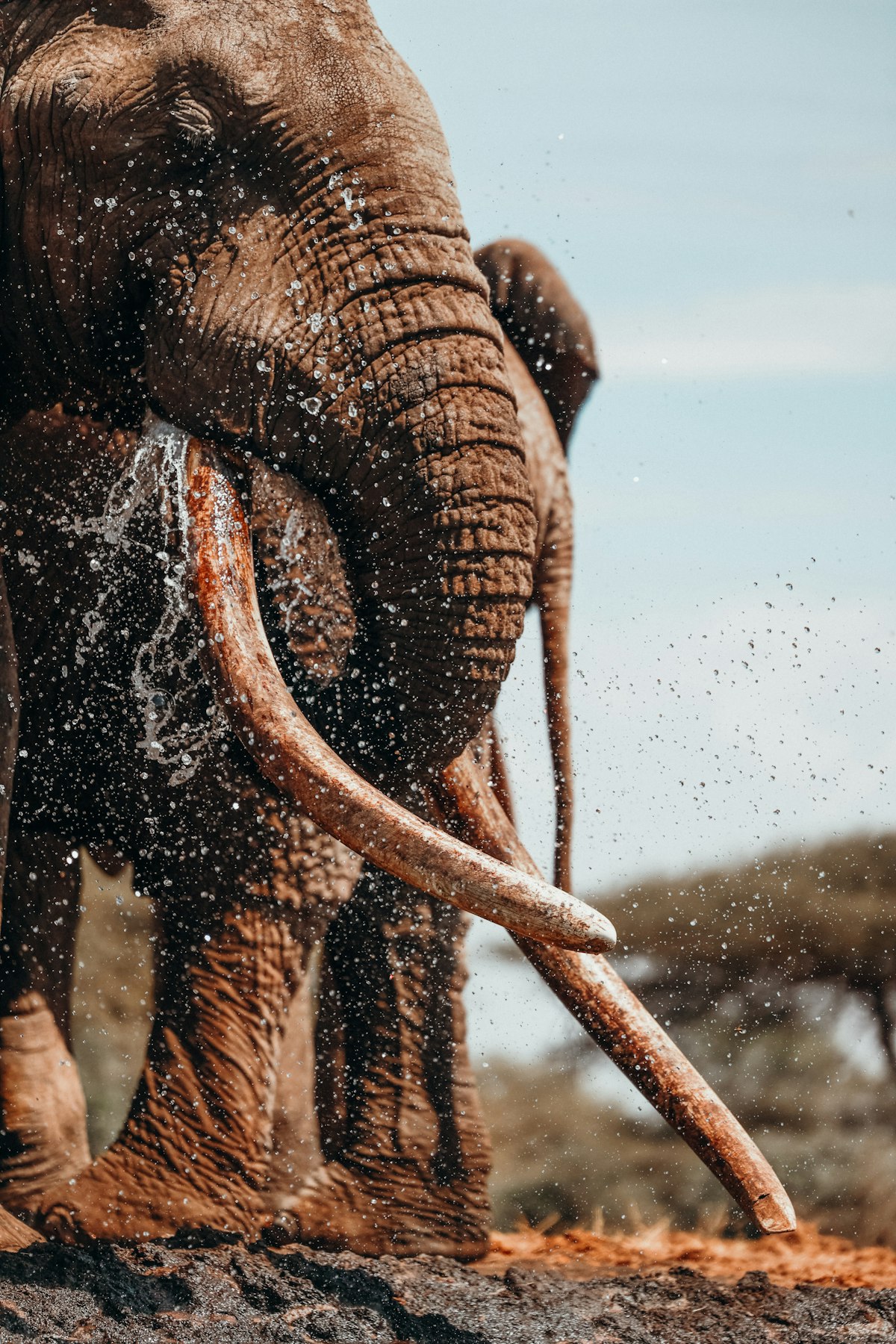
- ↑February is exceptional for Amboseli National Park. The dry season concentrates elephants — Amboseli hosts one of the largest free-ranging elephant populations in Africa, with over 1,600 individuals — around the swamps at the base of Mt. Kilimanjaro. February's clear skies give the best views of Kilimanjaro's snow-capped summit across the savanna, a view so iconic it defines the visual vocabulary of African wildlife photography.
- ↑The Masai Mara in February is quiet relative to July–October, with excellent game viewing conditions — short dry-season grass, clear skies, and predator concentrations. February is considered one of the best months for big cat sightings: the Mara's lion prides are territorial and visible, and the resident cheetah coalition known as the Tano Bora (five males) has historically operated in the Mara North area.
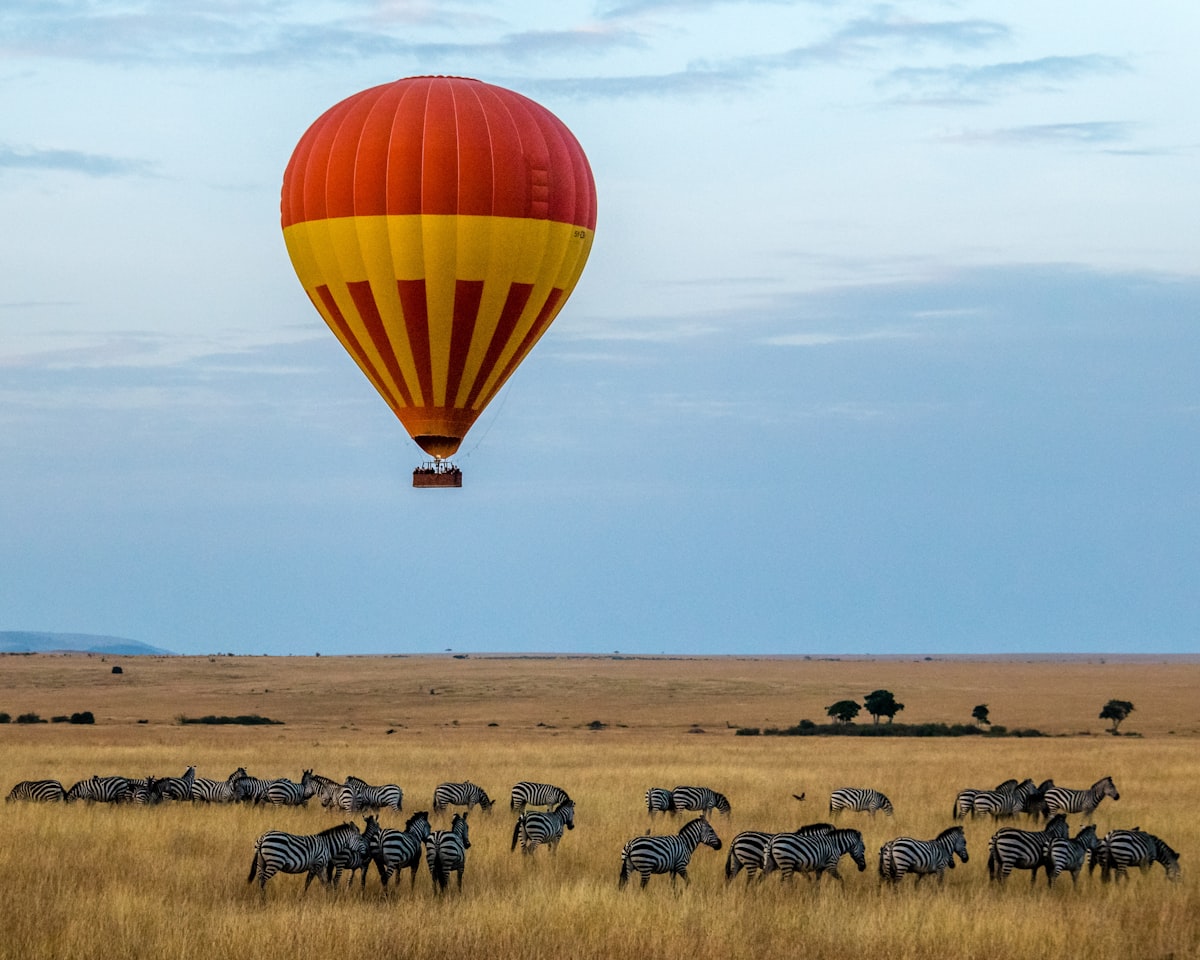
- ↑Hot air balloon safaris over the Mara (from operators like Governors' Balloon Safaris, operating since 1976) are at their most spectacular in the dry season when the grass is short and animal concentrations are high. A typical 45-minute sunrise flight covers 20–30 km of savanna at tree height, followed by a champagne bush breakfast.
Sacrifices
- ↓February remains high-season pricing across the premium Mara camps. The distinction from January is negligible — budget $350–$600pppn for mid-range tented camps in the main Masai Mara reserve and Mara North and Olare-Motorogi conservancies.
- ↓The Kenyan coast in February is in transition: hot, humid, and lacking the reliable SE trade wind that makes the coast ideal in July–September. Diani Beach is beautiful but the beach experience is best later in the year.
March#10▾
Gains
- ↑March marks the beginning of Kenya's Long Rains, but also a significant shoulder-season price reduction. Mid-range Mara camps drop to $200–$350pppn; some premium camps offer 20–30% reductions for advance bookings during this period. For budget-conscious safari travellers, March and April represent the best access window for camps that are otherwise financially inaccessible.
- ↑The landscape transforms in March. The arrival of rain turns the golden savanna vivid green, and the annual migration of lesser flamingos to Lake Nakuru and Lake Bogoria intensifies as the soda lakes fill. Lake Nakuru's flamingo concentrations — occasionally numbering over a million birds — are best visited during and after rains.
- ↑Nairobi itself is largely unaffected by the Long Rains in terms of practicality. The city's restaurant and cultural scene is fully operational, and the Nairobi National Park — uniquely positioned within the city boundary — has excellent game viewing with no impact from tourist crowds.
Sacrifices
- ↓Game drives in the Masai Mara become more challenging in March as the rains arrive. Tall grass makes predators harder to spot and road conditions on the laterite tracks in the Mara can deteriorate rapidly — 4WD vehicles are essential and some roads to remote camps become impassable after heavy rain events.
- ↓The Long Rains (March–May) bring daily rainfall, typically as afternoon thunderstorms. Mornings are often clear and game drives are productive in the early hours, but afternoon activities are regularly disrupted. Photography conditions — all-important for wildlife trips — are more difficult under overcast skies.
April#12▾
Gains
- ↑April is Kenya's lowest-price month for safaris. Premium camps that cost $800–$1,200pppn in peak season drop to $300–$500, some offering all-inclusive family packages at rates that make Kenya financially accessible for the first time. Nairobi's boutique hotels — the Hemingways Nairobi, The Norfolk Hotel — have their best availability of the year.
- ↑The Laikipia Plateau (Ol Pejeta, Lewa Wildlife Conservancy) holds up better in the rains than the Mara, with firmer ground and less dramatic grass growth. April is one of the best months to see rhino in Kenya — Ol Pejeta has the largest eastern black rhino sanctuary in the world and over 130 individuals.
Sacrifices
- ↓April is statistically Kenya's wettest month in Nairobi (185mm) and the Masai Mara. The combination of heavy rains and saturated ground makes the famous Mara tracks dangerous and sometimes impassable for days at a time. Several Mara camps close entirely in April and May — many operate a June-to-October-November season only. Check camp operating schedules before booking.
- ↓Wildlife photography in April is compromised by heavy overcast, tall grass obscuring small predators, and the tendency of animals to shelter in vegetation during rain. The great open-savanna scenes that define Mara photography are essentially unavailable in April.
May#11▾
Gains
- ↑May sees the Long Rains begin to taper from their April peak. By mid-to-late May, sunny windows become longer and more frequent. This is an excellent time to visit the Kenyan coast — Diani Beach and Watamu are transitioning from the hot, calm season toward the arrival of the SE trade winds. The sea is warm (27°C), reefs are visible, and accommodation prices are at their annual coast lows.
- ↑Kenya's tea country around Kericho (the largest tea estate region in Africa) is at its most lush and intensely green in May, with the rolling hills of the Rift Valley escarpment looking implausibly photogenic. A drive from Nairobi to Kericho and back via the Rift Valley viewpoint is one of the country's great scenic routes.
Sacrifices
- ↓The Masai Mara remains difficult in May. Rains persist through most of the month, road conditions are poor, and several premium camps are either closed or operating on restricted programming. The great wildebeest herds are still south of the border in Tanzania's Serengeti and will not begin arriving in the Mara in numbers until late June.
- ↓May's combination of warmth and humidity (70%) makes Nairobi feel more tropical than its altitude suggests. Some travellers find the overcast, damp conditions in May less energising than the crisp winter dry season that follows.
June#2▾
Gains
- ↑June marks the resumption of Kenya's long dry season and the reopening of most Masai Mara camps after the long rains. Road conditions rapidly recover, the grass begins to dry, and the first advance columns of wildebeest from Tanzania's Serengeti begin pushing north into the Mara Triangle. By late June, herds of 50,000–200,000 animals are visible in the Mara Triangle — the advance guard of the full July–September migration.
- ↑Nairobi in June is at its most pleasant — cool, clear, and dry, with the altitude (1,795m) keeping temperatures at a perfect 22–25°C. This is the city's cultural peak: the Nairobi Gallery, the Karen Blixen Museum (the original Out of Africa farmhouse), and the Giraffe Centre at Langata are all busy but not overwhelmed.
- ↑The Kenyan coast in June sees the SE trade winds pick up strongly. Diani Beach and Watamu receive reliable, cooling sea breezes that keep temperatures at 27–28°C without the April–May humidity. Indian Ocean snorkelling conditions at the Marine National Parks (Watamu, Malindi, Kisite-Mpunguti) are at their annual best from June.
Sacrifices
- ↓June prices are building toward peak season. Mid-range Mara camps climb back toward $350–$500pppn as the dry season begins and demand recovers. Premium camps approach their peak rates by late June.
- ↓The river crossings — the most dramatic moments of the Great Migration, when wildebeest plunge into the Mara River through crocodile-infested water — are not reliably occurring in June. Herds are building and moving but the defining crossing events are a July–September phenomenon.
July#1▾
Gains
- ↑July is the month Kenya exists for in the global travel imagination. The Great Migration river crossings begin in earnest: the Mara River crossing points — Crossing No. 1 in the Mara Triangle, Lookout Hill, and the Serena crossing — host wildebeest plunging into the river in groups of thousands, with Nile crocodiles (some over 5 metres long) intercepting the herd mid-water. A single crossing event can last 2–4 hours and involve 50,000–200,000 animals. There are no guarantees on timing — crossings occur based on wildebeest instinct and predator pressure — but July is the peak month for crossing frequency.
- ↑The Maralal International Camel Derby (typically late July, Maralal town in Samburu County) is one of East Africa's most extraordinary cultural and sporting events — amateur and professional camel racing drawing participants from across Kenya and internationally. The surrounding Samburu landscape, distinct from the Mara, hosts elephants, reticulated giraffes, and Grevy's zebra.
- ↑July conditions across the entire Mara ecosystem are ideal for photography: dry, clear skies, short dry-season grass providing maximum visibility, and animal concentrations at permanent water sources. The cold mornings (11°C) require layering for 6am game drives but the mid-morning light — clear, golden, and flat — is spectacular for photography.
Sacrifices
- ↓July is Kenya's most expensive month. Premium Mara camps (Angama Mara, Mahali Mzuri, AndBeyond Bateleur Camp) charge $1,000–$1,500pppn fully inclusive. Even mid-range camps with less-than-perfect locations run $400–$600pppn. Booking 6–12 months in advance is advised for the best camps — the most desirable river-adjacent positions sell out by March for July.
- ↓The Masai Mara in July is crowded by African safari standards — multiple vehicles converging on predator sightings and crossing events is a reality. At popular crossing points, the vehicle concentration can feel at odds with the wilderness experience. This is mitigated in the conservancies (Olare-Motorogi, Naboisho, Ol Kinyei) which impose vehicle limits per sighting.
August#4▾
Gains
- ↑August is arguably the single best month for witnessing the Great Migration river crossings. July has more unpredictability about crossing locations; by August, the main northern herds have established patterns across the Mara Triangle. Experienced guide teams have typically identified the most active crossing points and are positioned accordingly. A morning game drive in August in the Mara Triangle can witness multiple crossings within a 4-hour window.
- ↑Big cat activity in August is intense and highly predictable. The Mara's resident lion prides — Marsh Pride (subject of BBC's Big Cat Diary), Paradise Pride, and others — are territorial, fed, and visible. The cheetah coalition known locally as the Tano Bora frequently operates in the Mara North conservancy. Leopard sightings are most consistent in the Mara River woodland areas adjacent to the main reserve.
- ↑Diani Beach in August is at peak beach conditions. The SE trade winds provide a cooling breeze (27°C, much lower humidity than January), the Indian Ocean is calm, and world-class diving on the offshore reefs at Kisite-Mpunguti Marine National Park — one of Kenya's best-kept secrets — is available from day boats out of Shimoni.
Sacrifices
- ↓August is peak season in every dimension. Prices match or exceed July. The most popular Mara camps — particularly those with river views in the Mara Triangle — are fully booked 6–12 months ahead. Last-minute safari bookings in August are typically limited to inland camps with less desirable positions.
- ↓The Nairobi international airport (Jomo Kenyatta International) is at its annual capacity peak in August, with European summer holiday travellers and American private safari groups arriving simultaneously. The JKIA infrastructure has historically struggled with peak flows; allow generous connection times.
September#5▾
Gains
- ↑September sees the wildebeest herds at their maximum northern penetration — the full Mara ecosystem is occupied with 1.2–1.5 million animals. River crossings continue at the main points. By mid-September, some herds begin the southward drift back toward Tanzania, meaning multiple herds are moving simultaneously in different directions — creating uniquely dynamic game-viewing conditions.
- ↑The Nairobi Marathon (typically early October, but training and expo events start in late September) brings an athletic energy to Nairobi. The marathon course runs past the Nairobi National Park boundary — the only city marathon in the world where giraffes may be visible from the course.
- ↑Tourism begins to ease in September compared to July–August. European summer holiday travellers have returned home, and while the month remains high season, finding camp availability on shorter notice (4–6 weeks) becomes more realistic in the second half of the month.
Sacrifices
- ↓Premium camp prices remain near their July–August peak in September. The price relief relative to peak season is modest — premium camps drop $50–$100pppn at best. For significant savings, October and November deliver much better value.
- ↓The Short Rains (October–November) can arrive early — occasionally as late September downpours. These are not the sustained Long Rains of April, but they can affect road conditions and morning game drive visibility.
October#7▾
Gains
- ↑The Nairobi Marathon (typically held in late October) is East Africa's largest road race, drawing 20,000+ runners and substantial spectator numbers to a uniquely Kenyan sporting experience. The race is UNESCO-registered as a sustainable event and passes through the Uhuru Highway corridor with the Nairobi skyline visible throughout.
- ↑October is Amboseli's best month after the Mara migration season. The Short Rains bring the first fresh vegetation without the heavy rain of April, and Kilimanjaro's snow — having been partly reduced by the dry season — begins to be refreshed by early rains, restoring the iconic white-capped mountain backdrop.
- ↑Hotel prices in Nairobi and at the majority of Mara camps drop 20–30% from the July–September peak as the migration ends and European tourism slows. This is the best value-to-experience month for visitors not specifically targeting the Migration.
Sacrifices
- ↓The Great Migration has returned to Tanzania by October — the wildebeest herds have pushed south and the Mara is returning to its resident population of lions, elephants, giraffes, and resident zebra. This is excellent game viewing by global standards but not the 1.5-million-animal spectacle of July–August.
- ↓Short Rains in October are unpredictable — light in some years, more substantial in others. Game drives can be disrupted by afternoon rain, and road conditions at some more remote Mara camps can deteriorate quickly.
November#9▾
Gains
- ↑November is Kenya's second shoulder season, and for travellers who can tolerate some rain and are willing to work with the mornings-only good-light strategy, the price difference is substantial. Premium camps that ran at $1,000pppn in August are at $400–$550; mid-range camps at $200–$280pppn.
- ↑The Short Rains bring the landscape back to vivid green while maintaining more reliable daily sunshine windows than the Long Rains of March–May. Afternoons are typically the wet period; mornings are generally clear, and a 6am game drive in November can be excellent across Laikipia, Samburu, and Amboseli.
- ↑Samburu National Reserve in northern Kenya — home to species not found in the south (reticulated giraffe, Grevy's zebra, Somali ostrich, gerenuk) — is at its least crowded in November. The Ewaso Ng'iro River, which runs through Samburu, concentrates wildlife even during the rains and supports healthy crocodile and hippo populations.
Sacrifices
- ↓The Short Rains (November peak) mean reliable afternoon and evening rainfall — typically 2–4 hours of significant rain between noon and 4pm. Planning any visit around morning game drives (6am–11am) is the essential strategy, but this limits the flexibility of the itinerary.
- ↓Some camp properties at lower altitude (coast-adjacent, lowland Mara) experience genuine mud and road challenges in November. Checking current road conditions with camps 2 weeks before arrival is advisable.
December#8▾
Gains
- ↑December's Short Rains taper off through the month, and by mid-to-late December the dry season is effectively resuming. The landscape is still lush and green from the rains but the daily sunshine windows are long and reliable. This combination — green beauty plus clear light — is particularly attractive for photography.
- ↑Wildebeest calving season begins in the Serengeti in December, and the knock-on predator activity north of the border in the Mara ecosystem is already intensifying. December at the Mara is excellent for lion and hyena activity as predator opportunities multiply.
- ↑The Kenyan coast — Diani Beach and Watamu — is at its most pleasant in December. The Short Rains have ended, the SE trade winds are dissipating to a gentle coastal breeze, and water temperatures (26–27°C) and reef visibility are ideal. Christmas week on the Kenyan coast is a well-established tradition among Nairobi's expatriate community.
Sacrifices
- ↓Christmas week (December 22–January 2) drives significant price spikes across all categories. Premium Mara camps charge Christmas premiums of 20–40% above their standard December rate. The coast — Diani, Watamu, Malindi — is at its annual most expensive during the Christmas–New Year window and books out 4–6 months in advance.
- ↓Early December still sees the tail end of the Short Rains — typically light daily showers that ease through the month. Travellers arriving in the first week of December should pack for occasional rain even if the overall trend is toward dry.
How this is calculated
Climate data
Open Meteo ERA5
30-year normals (1991–2020). Temperature, rainfall, sunshine, humidity.
Price & crowd
Tourism research
Seasonal pricing from tourism authority data. Directional — compares months within a destination only.
Personalisation
Weighted scoring
Your priorities change the weights. Budget-first users get different results than weather-first users.
Share this result
July is the best time to visit Kenya
Travel timing updates
New destinations and timing guides, when they land.
No spam. Unsubscribe anytime.