Showing: Apr · Unsplash / Unsplash
Cape Verde · Africa & Middle East
Best time to visit Cape Verde
April
Apr scores highest overall — reliable weather and good value. Set your priorities below to personalise this result.
What matters most to you?
All 12 months — click any to expand
Apr
Unsplash / Unsplash
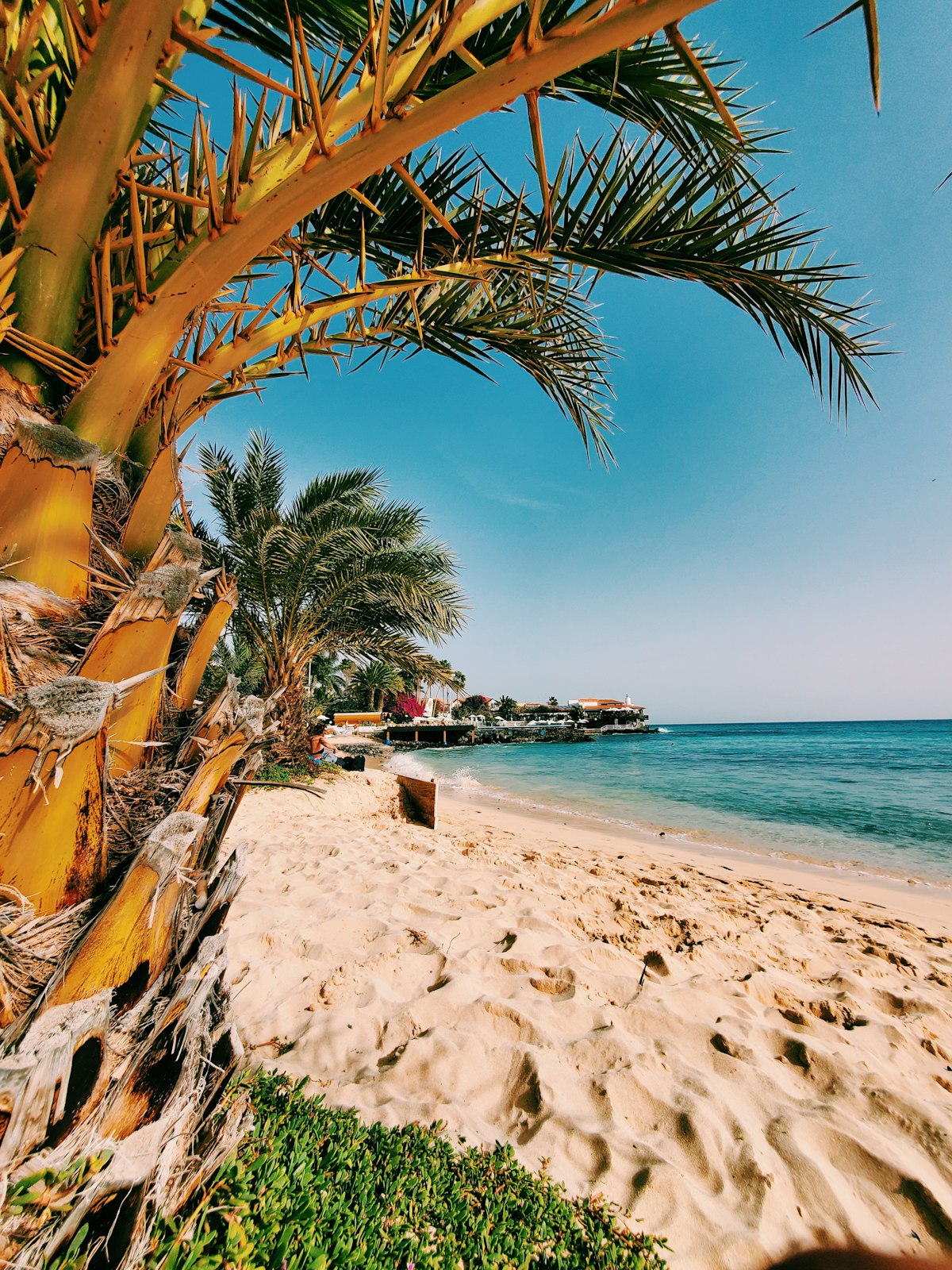
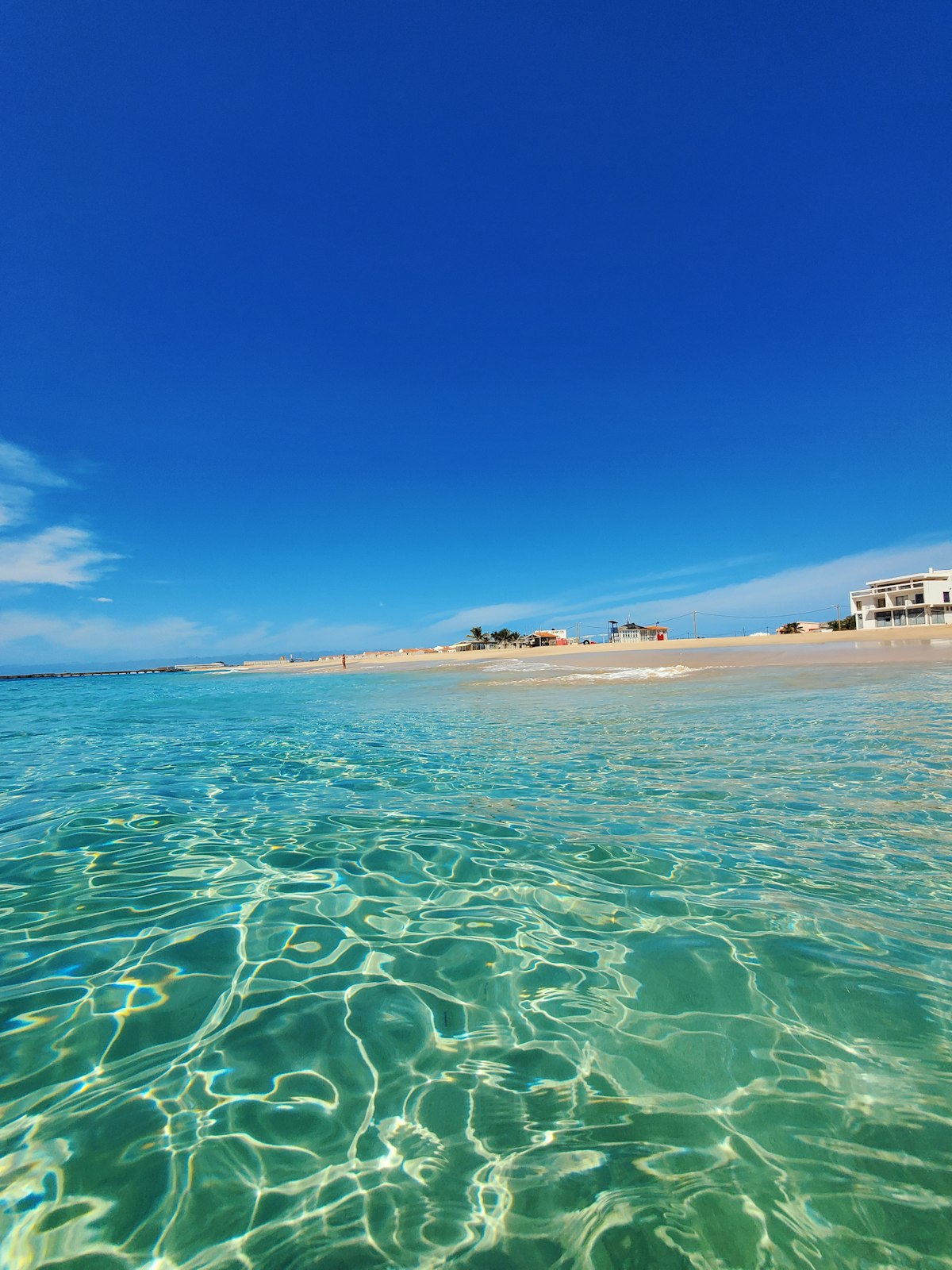
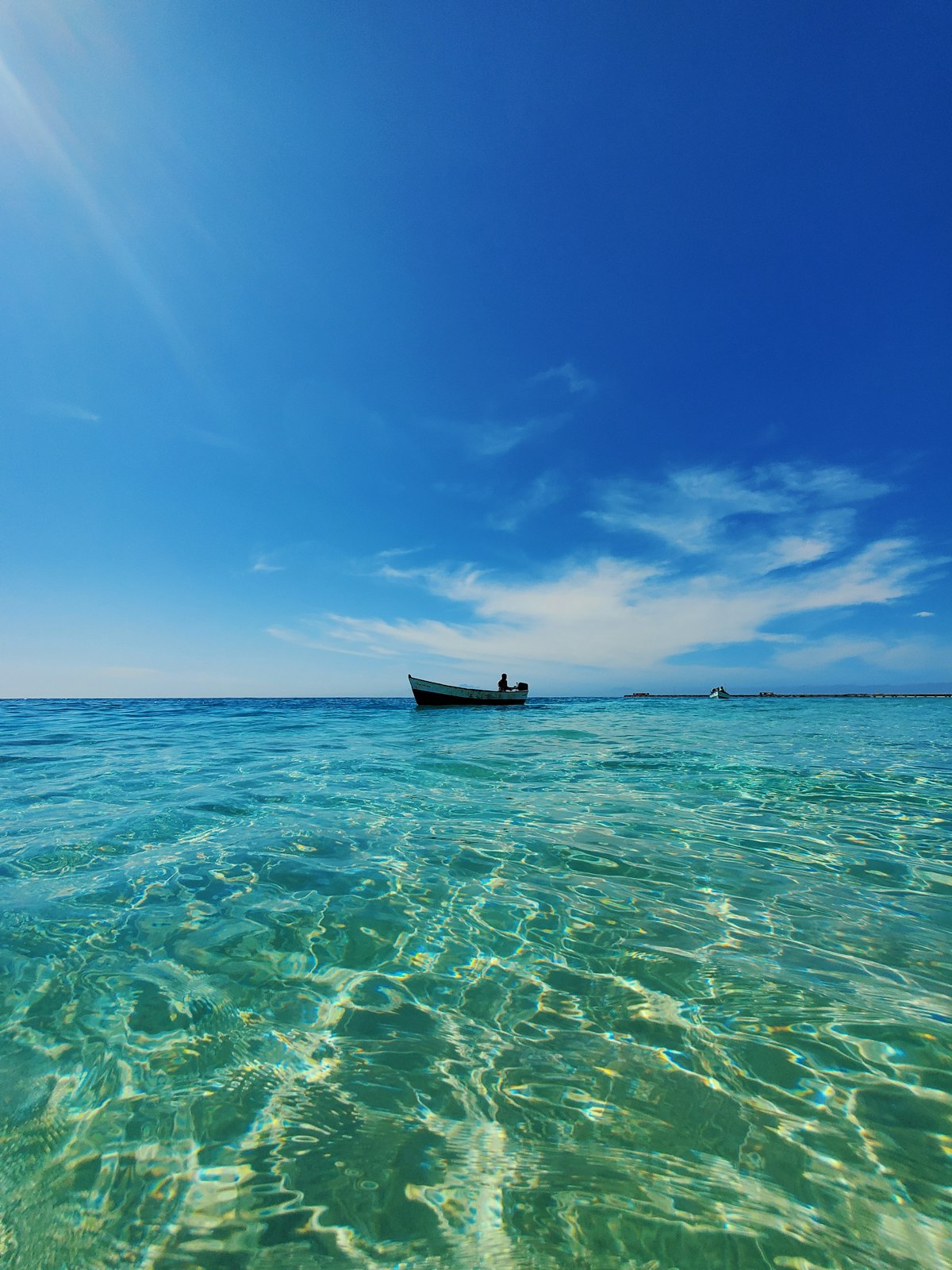
The quietest month with the best sunshine — an underrated gem for those in the know.
27.3°C
High
20.5°C
Low
1mm
Rain
9h
Sun/day
What you gain
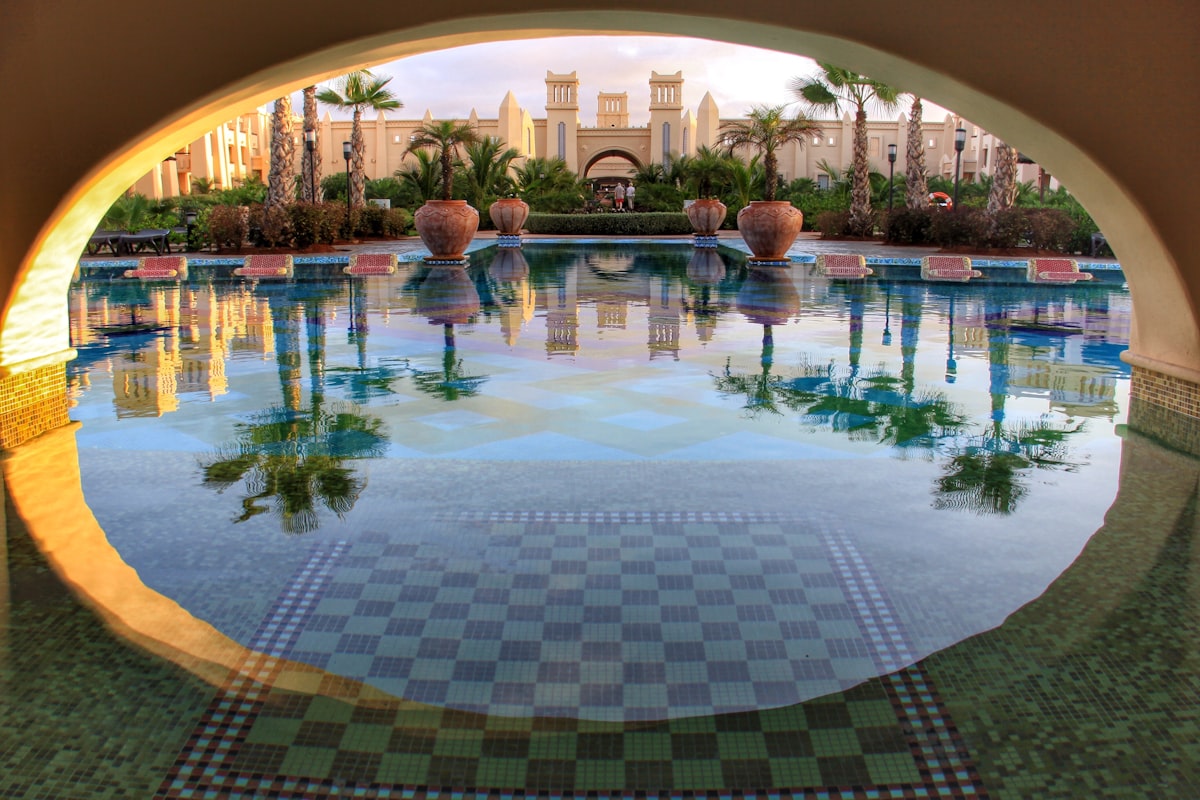
- ↑April sees the highest sunshine hours of the year (9.0 per day) and the lowest tourist volumes: European package tourism has wound down from the winter peak and hasn't yet been replaced by summer visitors. The Sal resort area is calm, prices are competitive, and the wind sports infrastructure is fully operational.
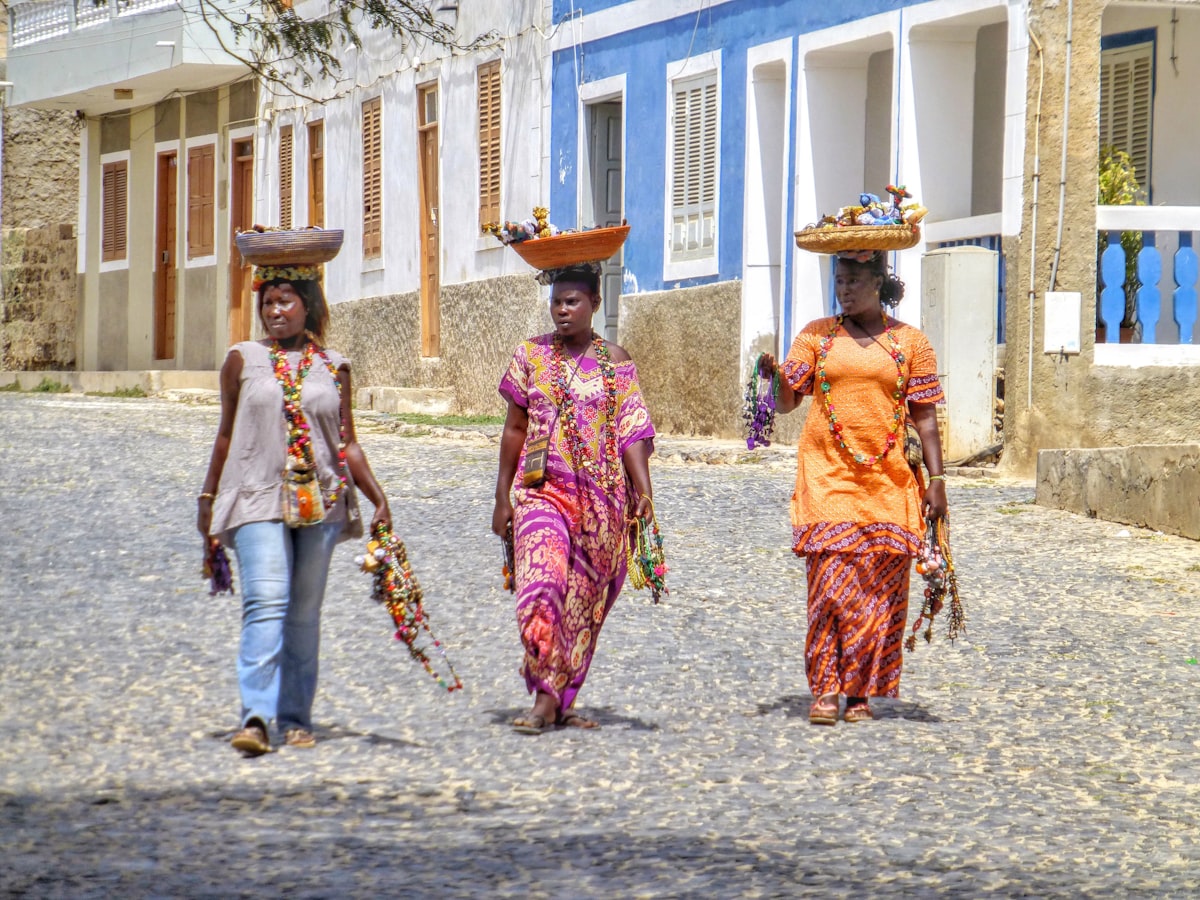
- ↑The Cidade Velha UNESCO site on Santiago island is best visited in April's dry season light: the ruined Portuguese colonial city (founded 1462) — the oldest European settlement in sub-Saharan Africa — has extraordinary atmosphere at the Pillory Square and the Cathedral ruins. The Saturday market on the road from Praia is a genuine cultural experience.
- ↑Hiking on Santo Antão in April is superb: the ribeiras are still green from the winter rains on the northern slopes, the Cova crater walks and the coastal trail from Ponta do Sol to Cruzinha are at their most comfortable temperature, and the accommodation in village quintas is essentially bookable on arrival.
What you sacrifice
- ↓Trade winds moderating from their January-February peak: kitesurfers and windsurfers will find April conditions excellent but less consistently powered than the winter prime months.
- ↓Some Mindelo music venues and cultural spaces run reduced programmes in April — the post-Carnival lull affects the cultural calendar on São Vicente.
Apr scores highest overall — reliable weather and good value. Set your priorities below to personalise this result.
Apr
The quietest month with the best sunshine — an underrated gem for those in the know.
27.3°C
High
1mm
Rain
9h
Sun
- ↑April sees the highest sunshine hours of the year (9.0 per day) and the lowest tourist volumes: European package tourism has wound down from the winter peak and hasn't yet been replaced by summer visitors. The Sal resort area is calm, prices are competitive, and the wind sports infrastructure is fully operational.
- ↑The Cidade Velha UNESCO site on Santiago island is best visited in April's dry season light: the ruined Portuguese colonial city (founded 1462) — the oldest European settlement in sub-Saharan Africa — has extraordinary atmosphere at the Pillory Square and the Cathedral ruins. The Saturday market on the road from Praia is a genuine cultural experience.
- ↑Hiking on Santo Antão in April is superb: the ribeiras are still green from the winter rains on the northern slopes, the Cova crater walks and the coastal trail from Ponta do Sol to Cruzinha are at their most comfortable temperature, and the accommodation in village quintas is essentially bookable on arrival.
- ↓Trade winds moderating from their January-February peak: kitesurfers and windsurfers will find April conditions excellent but less consistently powered than the winter prime months.
- ↓Some Mindelo music venues and cultural spaces run reduced programmes in April — the post-Carnival lull affects the cultural calendar on São Vicente.
Top travel windows
★ BestApril
Best overall
Highest combined score
27.3°C
High
1mm
Rain
9h
Sun
★ BestApril
Best for value
Lowest prices & fees
27.3°C
High
1mm
Rain
9h
Sun
★ BestApril
Fewest crowds
Quietest month
27.3°C
High
1mm
Rain
9h
Sun
Breakdown by priority
Best for weather
April
27.3°C high · 1mm rain · 9hrs sun/day
Best for budget
April
April sees the highest sunshine hours of the year (9.0 per day) and the lowest tourist volumes: European package tourism has wound down from the winter peak and hasn't yet been replaced by summer visitors. The Sal resort area is calm, prices are competitive, and the wind sports infrastructure is fully operational.
Fewest crowds
April
April sees the highest sunshine hours of the year (9.0 per day) and the lowest tourist volumes: European package tourism has wound down from the winter peak and hasn't yet been replaced by summer visitors. The Sal resort area is calm, prices are competitive, and the wind sports infrastructure is fully operational.
Where to base yourself in Cape Verde
All regions →São Vicente — Mindelo
Cape Verde's cultural capital — morna music, colonial architecture, and the finest carnival in the Atlantic.
6/10
Central
8/10
Walk
5/10
Transit
Santiago — Cidade Velha
The oldest European city in sub-Saharan Africa — a UNESCO World Heritage colonial ruin with extraordinary history.
3/10
Central
7/10
Walk
3/10
Transit
Also exploring
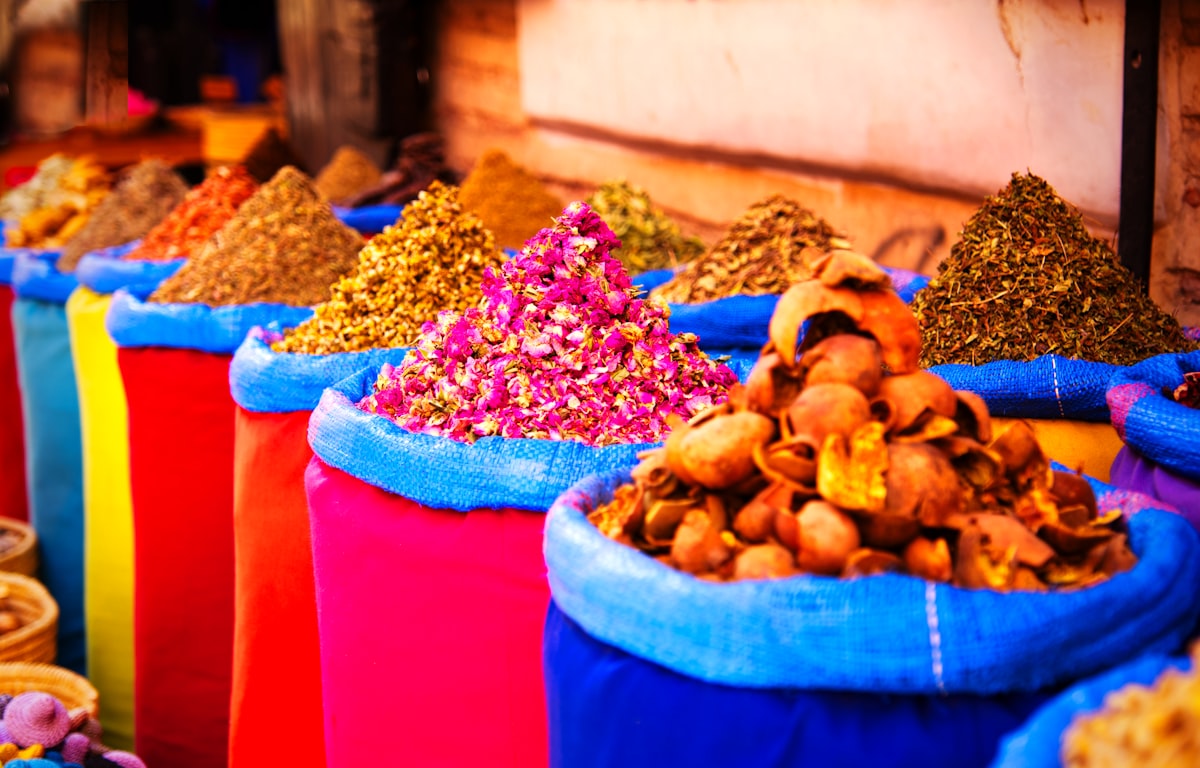
Marrakech
Morocco
A city of medieval medina markets, orange groves, and Atlas Mountain views where summer heat is genuinely dangerous and spring timing is everything.
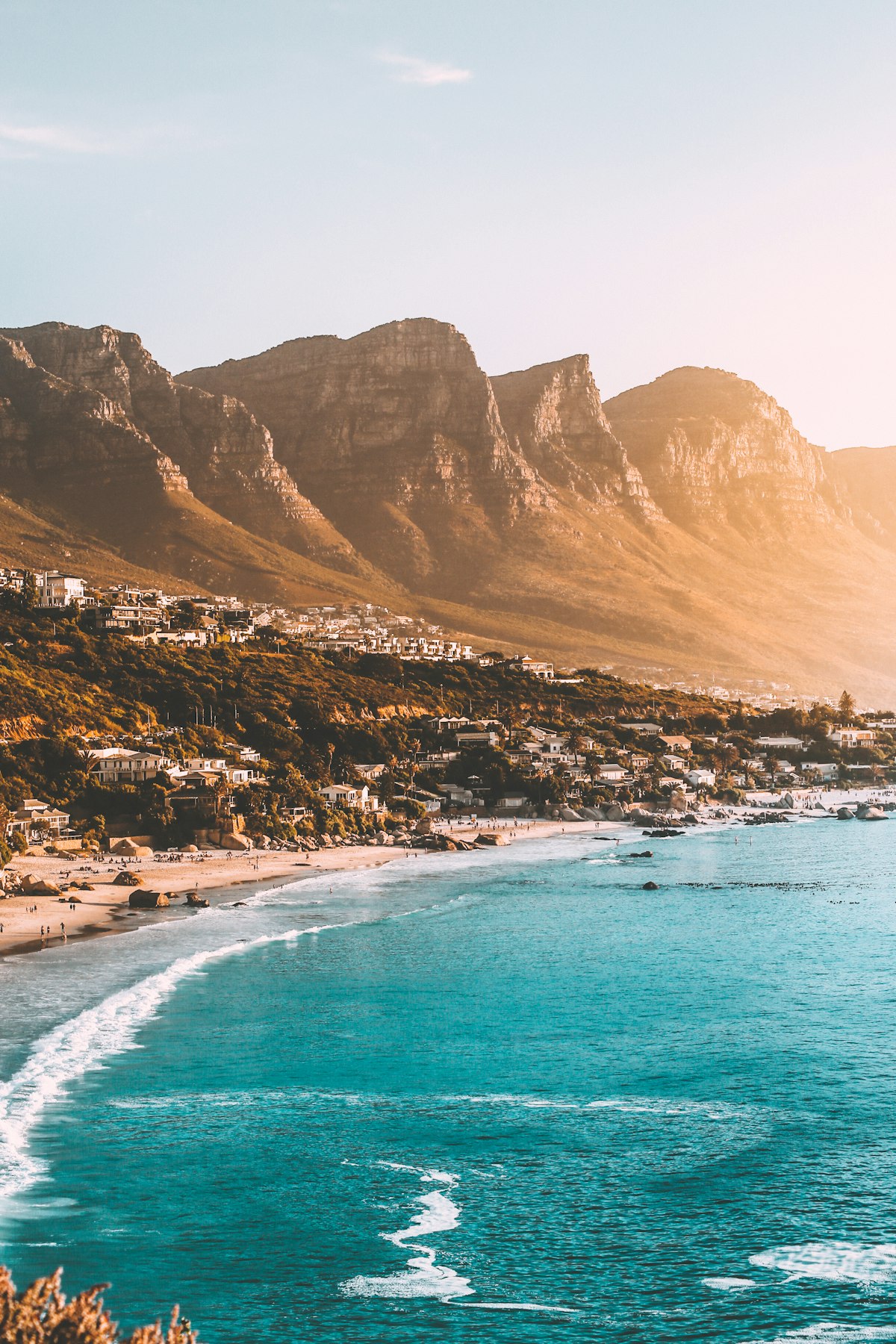
Cape Town
South Africa
Africa's most dramatic city — where timing means choosing between the dry, sunny austral summer (November–March) for beaches and hiking, and the cooler winter months when southern right whales arrive in False Bay and the wildflowers transform the West Coast.
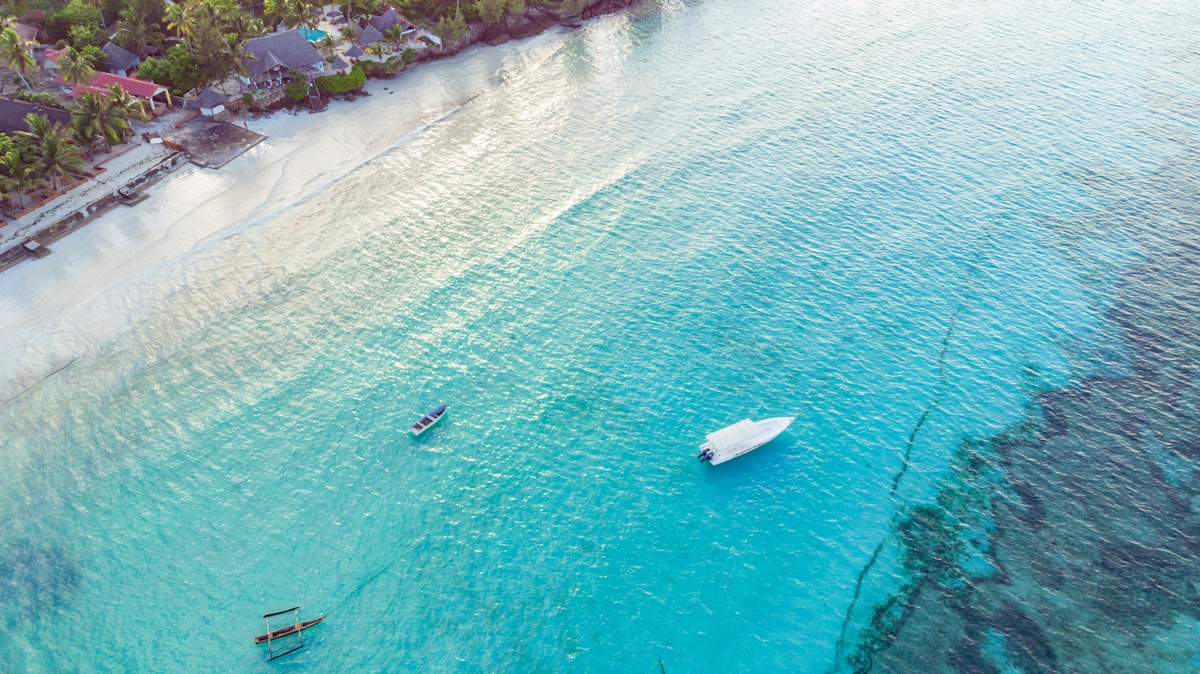
Zanzibar
Tanzania
A UNESCO-listed Swahili trading city, world-class kite surfing, whale shark encounters, and Indian Ocean beaches — Tanzania's island extension is one of Africa's most compelling destinations, shaped by two distinct rainy seasons that divide the year sharply into when to go and when not to.
Worth knowing
April scores highest overall. August is the most crowded month — avoid if you can. See crowd-free ranking →
Month by month breakdown
January#9▾
Gains
- ↑January is deep in the prime tourism season for the resort islands: Sal (Santa Maria) and Boa Vista deliver near-guaranteed sunshine (8.1 hours per day), warm swimming temperatures (23°C water), and almost no rain. For northern Europeans fleeing January cold, Cape Verde in January is among the best-value sun destinations reachable from London or Lisbon.
- ↑Trade winds in January are at their most consistent: the Sal kite beach at Kite Beach near Santa Maria delivers 6–7 Beaufort wind regularly, and the IKO-certified schools (Kite Evolution, ProCenter) run full schedules. Beginners and intermediates both thrive in January's reliable conditions.
- ↑Cal (Saharan dust) can occasionally drift across in January — it softens the light into a warm amber haze and produces extraordinary sunsets over the Atlantic. Not always present, but photogenic when it is.
Sacrifices
- ↓January is the peak tourist month for Sal and Boa Vista: package holiday resorts from the UK, Germany, and Portugal fill the all-inclusive hotels, and Santa Maria's beach strip is well-populated. This is not an off-the-beaten-track experience.
- ↓Accommodation prices are at their annual peak for the resort islands. São Vicente and Santo Antão remain reasonable, but Sal and Boa Vista command January premiums.
February#6▾
Gains
- ↑The Mindelo Carnival (São Vicente island, February or early March depending on the calendar) is the finest carnival outside Brazil and Trinidad in the Atlantic world: the city of 70,000 erupts into costumed processions, live morna and funaná music, and street dancing that continues for four days. Cesária Évora's music fills every bar along the waterfront, and the cultural energy of Cape Verde's creative capital is at its annual peak.
- ↑Sunshine increases very slightly from January and the islands feel at their most vivid in February's clear pre-harmattan light. The loggerhead turtle nesting beaches at Boa Vista's Curral Velho are active from February — guided night walks to watch nesting females are among the great wildlife experiences of the Atlantic islands.
- ↑Santo Antão hiking in February is outstanding: the dramatic ribeiras (valleys) of the Paul Valley and Cova crater are a different world from Sal's flat dunes — green-terraced valleys 300m deep, accessible only on foot or by local transport, with accommodation in village quintas for next to nothing.
Sacrifices
- ↓Mindelo Carnival draws large crowds from mainland Portugal and other Cape Verdean islands: accommodation in São Vicente must be booked many months ahead and prices spike significantly for the carnival week.
- ↓The resort islands (Sal, Boa Vista) are still at peak occupancy — no respite from January's package tourism concentration.
March#3▾
Gains
- ↑March is the optimal weather month for the archipelago: sunshine hours at their annual peak (8.8), virtually no rain (2mm), and temperatures ideal at 26°C. The Harmattan dust season is ending, and the air clarity in March is exceptional — the Santiago mountains are visible from Boa Vista on particularly clear days.
- ↑Post-Carnival pricing returns to normal levels on São Vicente, and the resort islands ease from their January-February peak as European school holidays end. This is the best-value month for a quality trip.
- ↑Whale watching season opens from March: humpback whales pass through Cape Verdean waters on their Atlantic migration, and the whale-watching boats operating from Santa Maria (Sal) and São Vicente run regular excursions with reliable sightings.
Sacrifices
- ↓March can bring occasional Calima (Saharan dust storm) events — days when visibility drops and fine red dust coats everything. These pass within 24–48 hours but can disrupt water sports and outdoor plans briefly.
- ↓The best wind sports conditions are ending: March trade winds are strong but beginning to moderate compared to the January-February peak. Kitesurfers wanting the most consistent wind should come January or February.
April#1▾
Gains
- ↑April sees the highest sunshine hours of the year (9.0 per day) and the lowest tourist volumes: European package tourism has wound down from the winter peak and hasn't yet been replaced by summer visitors. The Sal resort area is calm, prices are competitive, and the wind sports infrastructure is fully operational.
- ↑The Cidade Velha UNESCO site on Santiago island is best visited in April's dry season light: the ruined Portuguese colonial city (founded 1462) — the oldest European settlement in sub-Saharan Africa — has extraordinary atmosphere at the Pillory Square and the Cathedral ruins. The Saturday market on the road from Praia is a genuine cultural experience.
- ↑Hiking on Santo Antão in April is superb: the ribeiras are still green from the winter rains on the northern slopes, the Cova crater walks and the coastal trail from Ponta do Sol to Cruzinha are at their most comfortable temperature, and the accommodation in village quintas is essentially bookable on arrival.
Sacrifices
- ↓Trade winds moderating from their January-February peak: kitesurfers and windsurfers will find April conditions excellent but less consistently powered than the winter prime months.
- ↓Some Mindelo music venues and cultural spaces run reduced programmes in April — the post-Carnival lull affects the cultural calendar on São Vicente.
May#2▾
Gains
- ↑May is Cape Verde's secret: outstanding weather (1mm rain, 8.8 sunshine hours, 27.8°C), low crowds, and affordable prices across all the islands. The combination of warm but not-hot temperatures and consistent sunshine makes it the most comfortable month for walking the volcanic interior of Santo Antão or hiking Fogo's active caldera.
- ↑Fogo island in May is extraordinary: the 2,829m Pico do Fogo (most recently active in 2014) can be summited in a long day with a guide from Chã das Caldeiras village — the lunar landscape inside the caldera, with vineyards producing one of the world's most unusual wines from volcanic soil, is completely unlike anywhere else in Africa or the Atlantic.
- ↑Loggerhead turtle nesting on Boa Vista's beaches peaks from May through October: the protected beaches at Curral Velho and Morro de Areia host one of the largest loggerhead rookeries in the Atlantic, and the Turtle Foundation runs guided night watches at no cost to visitors.
Sacrifices
- ↓The trade winds are softer in May than the January-February window: reliable for competent kitesurfers but potentially frustrating for beginners who need consistent 5+ Beaufort wind.
- ↓June-September humidity begins creeping up — May is at the comfortable limit before the slightly muggier summer period on the wetter islands (Santiago, Santo Antão).
June#5▾
Gains
- ↑The Baía das Gatas Music Festival (São Vicente, typically June-August) is Cape Verde's premier international music event: an outdoor concert on the natural bay near Mindelo that draws Cape Verdean artists from the diaspora alongside international acts. Morna, funaná, coladeira, and batuque all feature — a genuine introduction to the musical richness of the islands.
- ↑Sea temperatures are warming through June: 24–25°C makes swimming off Sal and Boa Vista beaches exceptionally comfortable, and the underwater visibility for snorkelling around the São Vicente marine area and Sal's reefs is excellent.
- ↑Portuguese and international summer visitors arrive, but June is still before the peak: prices on the resort islands remain at the comfortable shoulder level, and quality all-inclusive options are bookable without the winter lead times.
Sacrifices
- ↓Humidity begins increasing as the Atlantic summer weather pattern establishes: 66% is still low by tropical standards, but the air feels slightly heavier than the spring months.
- ↓Trade winds can become more variable in June — some days the wind drops below comfortable kitesurfing threshold, though the consistent onshore breeze usually reasserts within 24 hours.
July#10▾
Gains
- ↑July is loggerhead turtle nesting peak on Boa Vista: the Turtle Foundation reports the highest nesting female counts of the year, and guided night watches offer the chance to see females hauling above the tide line to lay. The scale of the nesting activity is genuinely extraordinary — one of the Atlantic's most important loggerhead rookeries.
- ↑Sea temperatures at 25–26°C make July among the best months for swimming and snorkelling: the waters around Ilhéu do Sal Rei (Boa Vista) are crystal clear, and the whale sharks that occasionally appear off São Vicente from July onward add a rare snorkelling opportunity.
- ↑Cape Verdean cultural life is vivid in July: the Praia Music Festival on Santiago and the ongoing Baía das Gatas events on São Vicente make the islands feel animated beyond their resort function.
Sacrifices
- ↓July is the beginning of the expensive summer season: package holiday bookings from Portugal, UK, and Germany push Sal and Boa Vista resort prices toward their second peak (after January). Last-minute availability is limited.
- ↓The brief rainy season begins on the wetter islands (Santiago, Santo Antão) in July: not dramatic, but a few rain events per month on the mountains can interrupt hiking plans.
August#12▾
Gains
- ↑The hottest month: 29.5°C on the flat islands (Sal, Boa Vista) with sea temperatures at 26–27°C. Beach and water sports conditions are excellent on the resort islands despite the heat.
- ↑The Baía das Gatas festival peaks in August with its largest crowds and most international lineup: a weekend festival that draws the global Cape Verdean diaspora home and creates an extraordinary atmosphere on São Vicente.
- ↑Turtle nesting continues on Boa Vista in large numbers: August is the second-peak nesting month and hatchlings from July eggs are beginning to emerge — guided night watches offer the chance to see both adults nesting and hatchlings heading to sea.
Sacrifices
- ↓August is the second most expensive month (after January): summer school holiday prices from European markets push accommodation costs sharply up. Sal and Boa Vista resort hotels are fully booked weeks ahead.
- ↓The wetter islands (Santiago, Santo Antão) receive their highest rainfall: 22mm is modest, but the mountain areas can experience heavy showers that interrupt hiking. The contrast between dry Sal and wet Santiago is most pronounced in August.
- ↓The heat on the flat islands is genuine: 29.5°C without shade is uncomfortable midday, and the resort beach culture — sun loungers and cold drinks — is the appropriate response rather than exploration.
September#11▾
Gains
- ↑Turtle hatchlings emerge from Boa Vista beaches through September: the Turtle Foundation's night watches shift from nesting females to hatchling emergence events — watching a hundred tiny loggerheads navigate by moonlight toward the Atlantic is one of the most affecting wildlife experiences in the Atlantic world.
- ↑European school holidays end: crowds and prices ease from the August peak, and the resort infrastructure relaxes into a pleasant post-season calm. September on Sal feels appreciably quieter than August.
- ↑Trade winds begin reasserting as the Atlantic summer weather pattern modulates: September kitesurfing conditions improve from August's occasionally variable winds toward the more consistent autumn pattern.
Sacrifices
- ↓September is the technically wettest month on the flat islands (25mm, though still very dry by global standards): occasional brief rain events can interrupt beach plans, and the humidity (74%) is at the year's maximum.
- ↓Some summer event programming has ended: the music festivals and seasonal events of July-August are over, and the cultural calendar is quieter before the winter season ramps up.
October#4▾
Gains
- ↑October sits in the gap between summer and winter tourist seasons: prices are at their annual trough on the resort islands, the trade winds are returning to strength, and the weather is excellent (12mm rain, 7.8 sunshine hours). This is the best-value month for a kite surfing or wind sports trip.
- ↑Trade winds rebuilding from September means October wind conditions on Sal's Kite Beach and Boa Vista's Praia de Chaves approach the January-February prime: consistent 20–25 knot winds with flat water in the lagoon, choppy ocean swells on the windward side for wave riding.
- ↑Santo Antão hiking in October benefits from the tail end of the rainy season on the northern slopes: the Paul Valley and the Cova crater are greener than the spring months, the local coffee (Café Santo Antão is a genuine regional product) is harvested from October, and the village accommodation scene is quiet and authentic.
Sacrifices
- ↓Low season means reduced programming and some resort facilities operating at minimum capacity: not all restaurants in Santa Maria (Sal) are open daily in October, and boat excursions may require minimum passenger numbers.
- ↓Some lingering humidity from September (71%) makes the flat islands feel slightly heavier than the spring months at similar temperatures.
November#7▾
Gains
- ↑November is the opening of the winter season and is excellent: trade winds reaching their autumn strength, 8 sunshine hours, 5mm of rain, and temperatures at the most comfortable level of the year (27.5°C). It's warm enough for beach and water sports but cooler than the summer peak.
- ↑The kitesurfing and windsurfing world begins rediscovering Cape Verde in November: the Sal and Boa Vista conditions are consistently excellent, the international instructors return, and the water sports scene is energised without the January-February volume.
- ↑Mindelo's cultural life revives for the winter season: the music bars along the Laginha waterfront — Casa Café Mindelo, Sodade — are open, and the cultural centre programme includes film, theatre, and music events.
Sacrifices
- ↓Accommodation prices begin creeping back up from the October trough as the winter season establishes: good Sal beach hotels and Boa Vista resort properties require booking 4–6 weeks ahead for December onwards.
- ↓Whale watching doesn't begin until March — one of the signature November experiences (whales) requires waiting until the spring migration.
December#8▾
Gains
- ↑December is the beginning of Cape Verde's most culturally animated period: the Christmas season in Mindelo and Praia is celebrated with music (morna and funaná concerts through the month), colourful street decorations in both cities, and a festive energy that reflects the Portuguese and African influences in the Creole culture.
- ↑Trade winds are strengthening through December toward the January peak: kitesurfing conditions on Sal's Kite Beach are excellent and improving. For those who combine water sports with a beach holiday, December is outstanding value compared to January.
- ↑The warm December nights (20.8°C lows) and consistent sunshine make the islands ideal for the Christmas escape: watching the sun set over the Atlantic from Boa Vista's desert dunes while eating grogue (Cape Verdean sugarcane spirit) is a fundamentally different Christmas than northern Europe offers.
Sacrifices
- ↓Christmas and New Year weeks bring the year's second-highest prices: accommodation and flights from the UK and Portugal are at December peak pricing, and the best resort properties require booking many months ahead.
- ↓The resort character of Sal and Boa Vista is most pronounced in December: the all-inclusive hotels are fully operational and the beach strip at Santa Maria can feel generically resort-ish rather than authentically Cape Verdean. São Vicente and Santo Antão offer the cultural depth that the resort islands don't.
How this is calculated
Climate data
Open Meteo ERA5
30-year normals (1991–2020). Temperature, rainfall, sunshine, humidity.
Price & crowd
Tourism research
Seasonal pricing from tourism authority data. Directional — compares months within a destination only.
Personalisation
Weighted scoring
Your priorities change the weights. Budget-first users get different results than weather-first users.
Share this result
April is the best time to visit Cape Verde
Travel timing updates
New destinations and timing guides, when they land.
No spam. Unsubscribe anytime.