Showing: Oct · Unsplash / Unsplash
United States · North America
Best time to visit San Francisco
October
Oct scores highest overall — reliable weather and strong local atmosphere. Set your priorities below to personalise this result.
What matters most to you?
All 12 months — click any to expand
Oct
Unsplash / Unsplash
Warmest weather, two great free festivals, Fleet Week air show — October is the answer.
20.3°C
High
11.8°C
Low
28mm
Rain
7.8h
Sun/day
What you gain
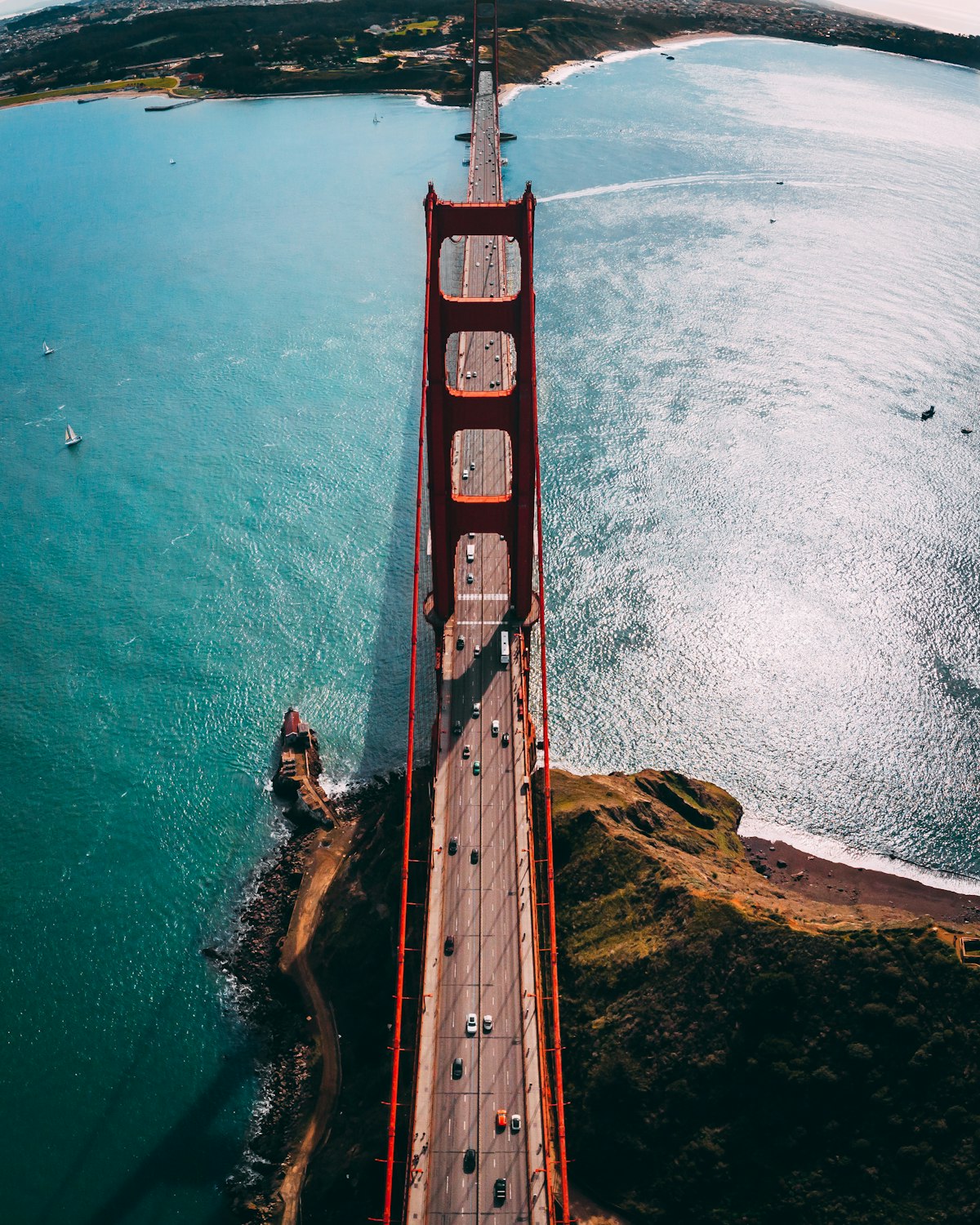
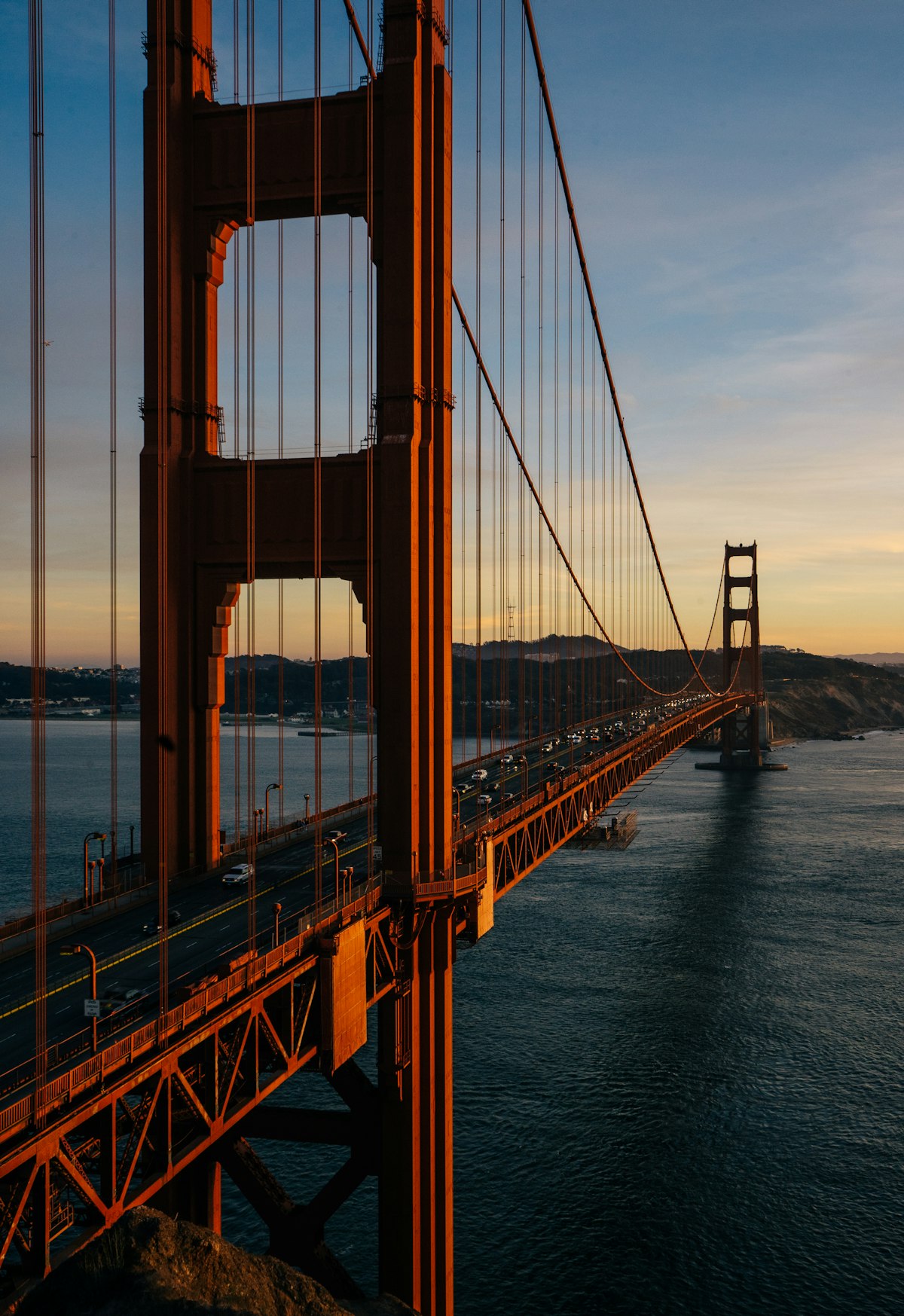
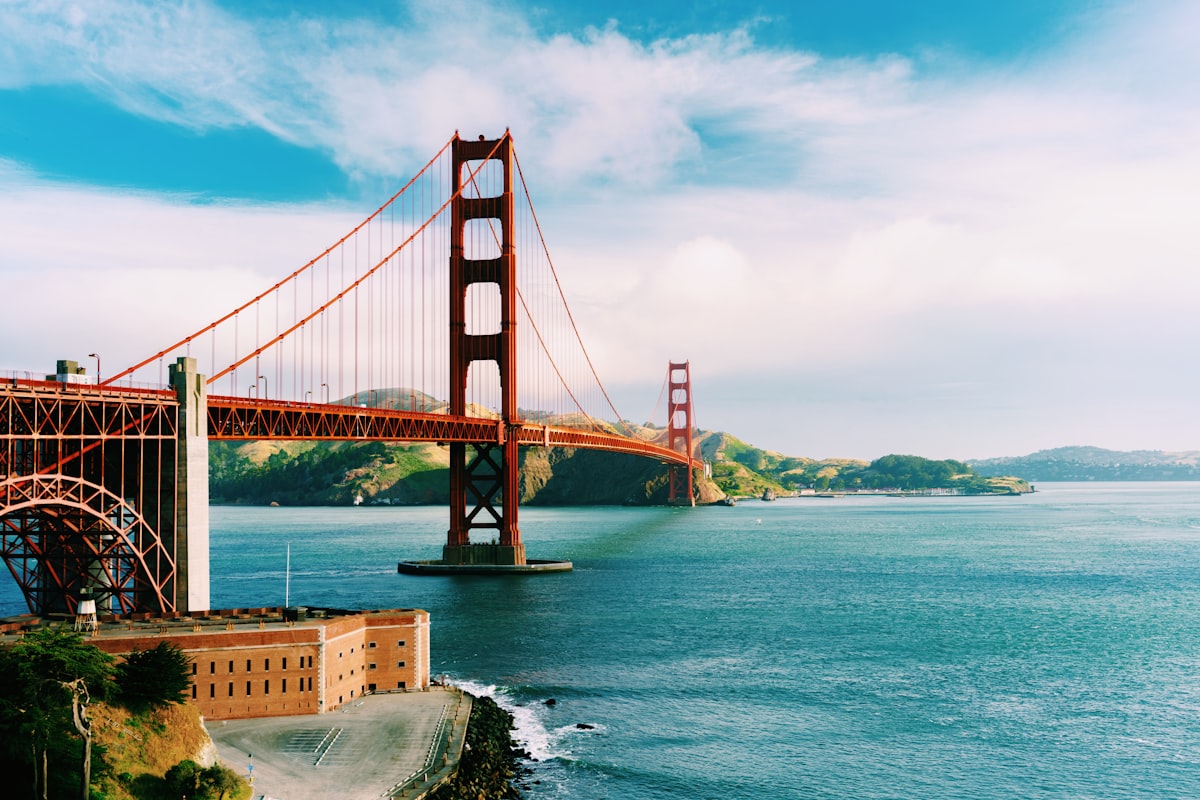
- ↑October brings Fleet Week (typically the second weekend), when the US Navy's Blue Angels fly formation demonstrations over the bay that are visible from virtually every north-facing vantage point in the city. The show is free to watch from Crissy Field, Fort Mason, Marina Green, and dozens of rooftops and hills. It's one of the few genuinely world-class free spectacles available in any major city — an F/A-18 in full afterburner over the Golden Gate Bridge is difficult to forget.
- ↑Hardly Strictly Bluegrass (first weekend of October, Golden Gate Park) is the other great October event — a free, three-day, multi-stage music festival that draws 750,000 people over the weekend. The late Warren Hellman's gift to the city is fully funded in perpetuity: no ticket required, no commercial sponsorship wall, just an extraordinary lineup (Steve Earle, Emmylou Harris, Hazel Miller) spread across six stages in the park. It remains one of the world's great music events that most people outside the Bay Area have never heard of.
- ↑October weather rivals September: 20°C average highs, low fog frequency, and the first very occasional rain shower that refreshes the air without causing disruption. The long clear evenings give the outdoor patios and rooftop bars of the Mission and Castro an atmosphere that summer's fog can't match.
What you sacrifice
- ↓Fleet Week weekend causes a significant accommodation spike in the Marina and North Beach areas — waterfront-adjacent hotels during that specific weekend book out fast and charge premium rates. Planning around or far from the waterfront mitigates this.
- ↓October is increasingly busy as word of SF's "second summer" spreads. The off-peak window is smaller than it used to be — tourists who have read that September-October is the best time mean it's no longer a secret.
Oct scores highest overall — reliable weather and strong local atmosphere. Set your priorities below to personalise this result.
Oct
Warmest weather, two great free festivals, Fleet Week air show — October is the answer.
20.3°C
High
28mm
Rain
7.8h
Sun
- ↑October brings Fleet Week (typically the second weekend), when the US Navy's Blue Angels fly formation demonstrations over the bay that are visible from virtually every north-facing vantage point in the city. The show is free to watch from Crissy Field, Fort Mason, Marina Green, and dozens of rooftops and hills. It's one of the few genuinely world-class free spectacles available in any major city — an F/A-18 in full afterburner over the Golden Gate Bridge is difficult to forget.
- ↑Hardly Strictly Bluegrass (first weekend of October, Golden Gate Park) is the other great October event — a free, three-day, multi-stage music festival that draws 750,000 people over the weekend. The late Warren Hellman's gift to the city is fully funded in perpetuity: no ticket required, no commercial sponsorship wall, just an extraordinary lineup (Steve Earle, Emmylou Harris, Hazel Miller) spread across six stages in the park. It remains one of the world's great music events that most people outside the Bay Area have never heard of.
- ↑October weather rivals September: 20°C average highs, low fog frequency, and the first very occasional rain shower that refreshes the air without causing disruption. The long clear evenings give the outdoor patios and rooftop bars of the Mission and Castro an atmosphere that summer's fog can't match.
- ↓Fleet Week weekend causes a significant accommodation spike in the Marina and North Beach areas — waterfront-adjacent hotels during that specific weekend book out fast and charge premium rates. Planning around or far from the waterfront mitigates this.
- ↓October is increasingly busy as word of SF's "second summer" spreads. The off-peak window is smaller than it used to be — tourists who have read that September-October is the best time mean it's no longer a secret.
Top travel windows
★ BestOctober
Best overall
Highest combined score
20.3°C
High
28mm
Rain
7.8h
Sun
February
Best for value
Lowest prices & fees
14°C
High
98mm
Rain
5.5h
Sun
February
Fewest crowds
Quietest month
14°C
High
98mm
Rain
5.5h
Sun
Breakdown by priority
Best for weather
October
20.3°C high · 28mm rain · 7.8hrs sun/day
Best for budget
February
Hotel and Airbnb prices remain at their annual low. Business travel (which inflates midweek rates significantly in tech-heavy San Francisco) is also below its peak, so the typical midweek premium is smaller in February than any other month.
Fewest crowds
February
February is often the month Lunar New Year falls, and San Francisco's Chinatown celebration is one of the largest outside Asia — the parade draws 100,000+ spectators along a route through downtown, with dragon dances, firecrackers, and floats. The surrounding community events (temple ceremonies, family dinners, market days) give the neighbourhood a festive atmosphere for the entire month.
Where to stay in San Francisco
All neighbourhoods →North Beach
City Lights bookstore, Vesuvio bar, Coit Tower, and the best espresso in SF — the Beat Generation still haunts these streets.
9/10
Central
9/10
Walk
7/10
Transit
Mission District
The Latino heartbeat of SF — best burritos in America, world-class murals, and the sunniest microclimate in the city.
7/10
Central
9/10
Walk
8/10
Transit
Also exploring
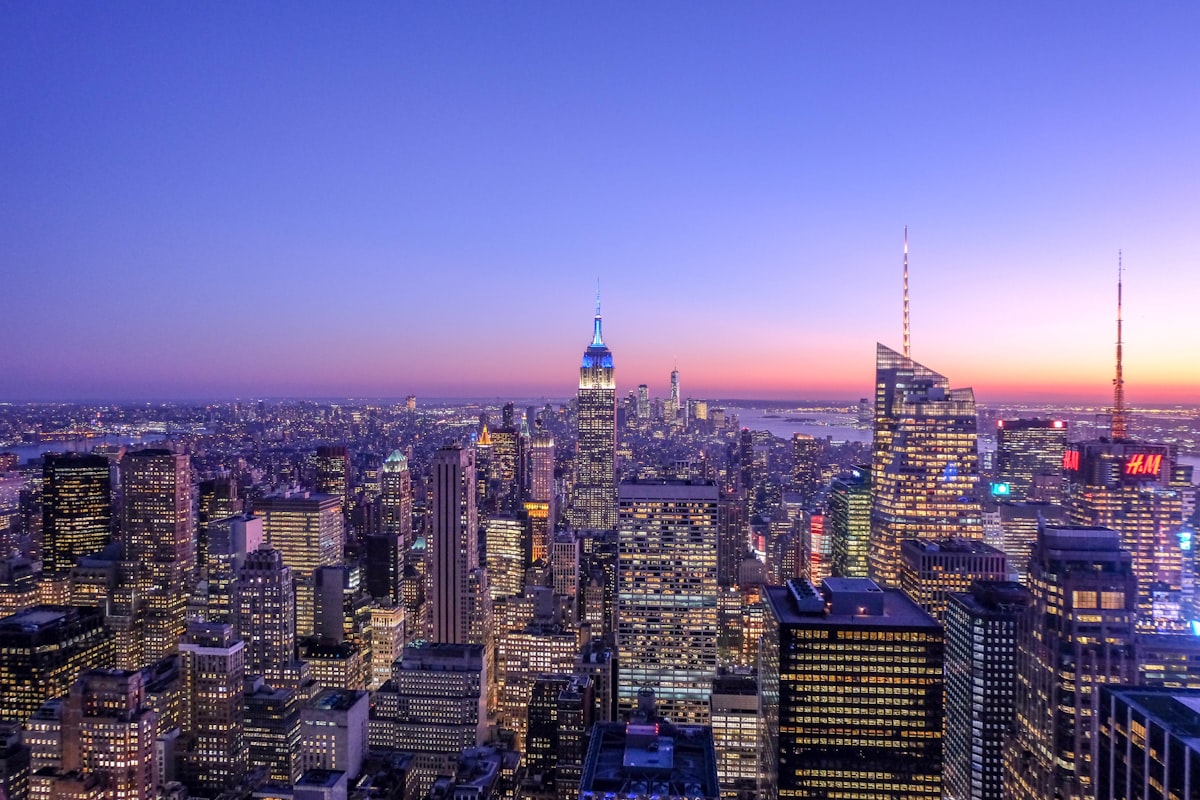
New York
USA
A city that never fully quiets — but its personality shifts dramatically by season, from sweltering humid summers to crisp autumn perfection to blizzard-prone winters.
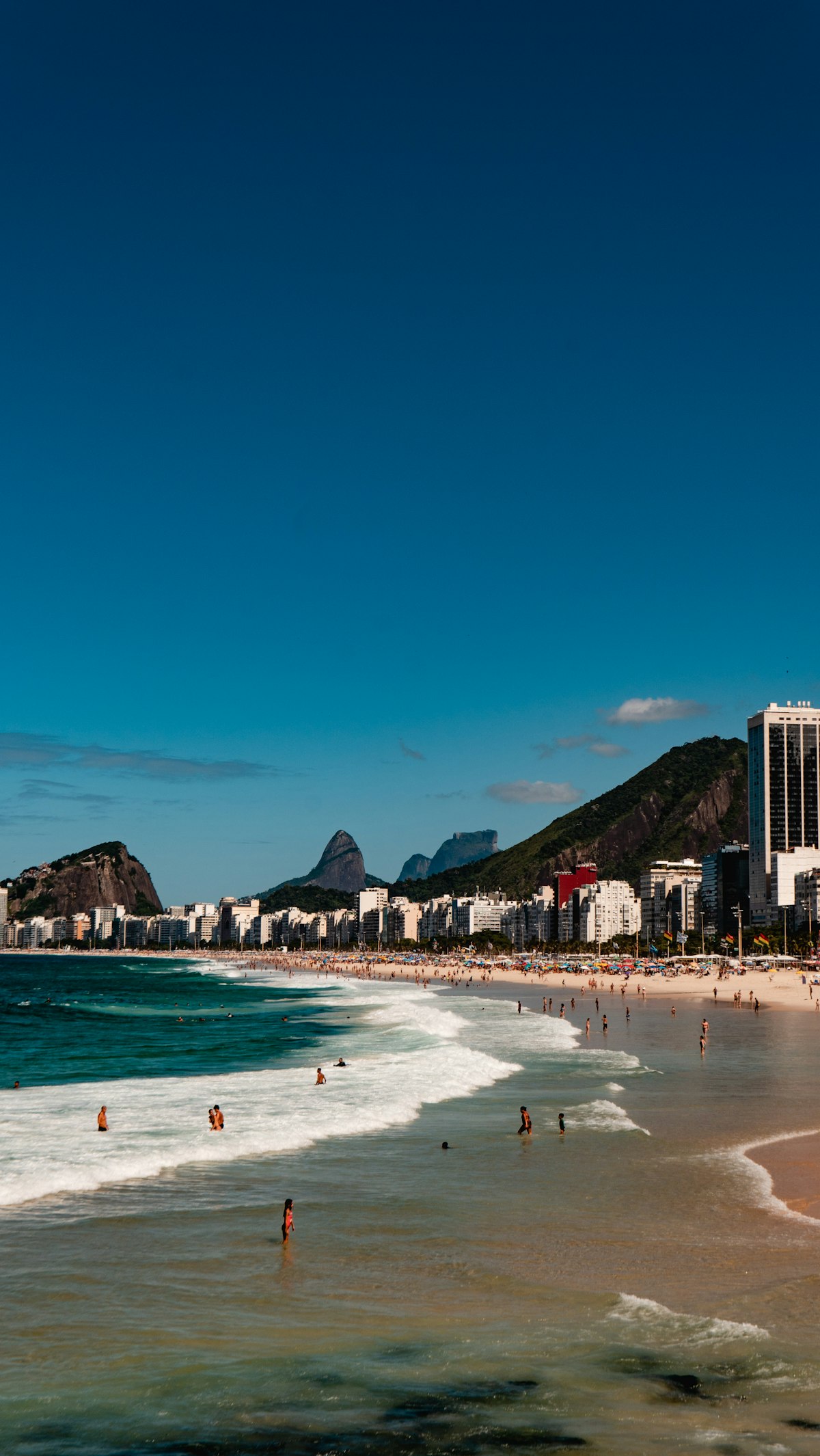
Rio de Janeiro
Brazil
A Southern Hemisphere city where summer (December–March) brings Carnival and 264mm of rain simultaneously, and the real sweet spot is the dry Southern winter — June to September — when most travellers don't think to come.
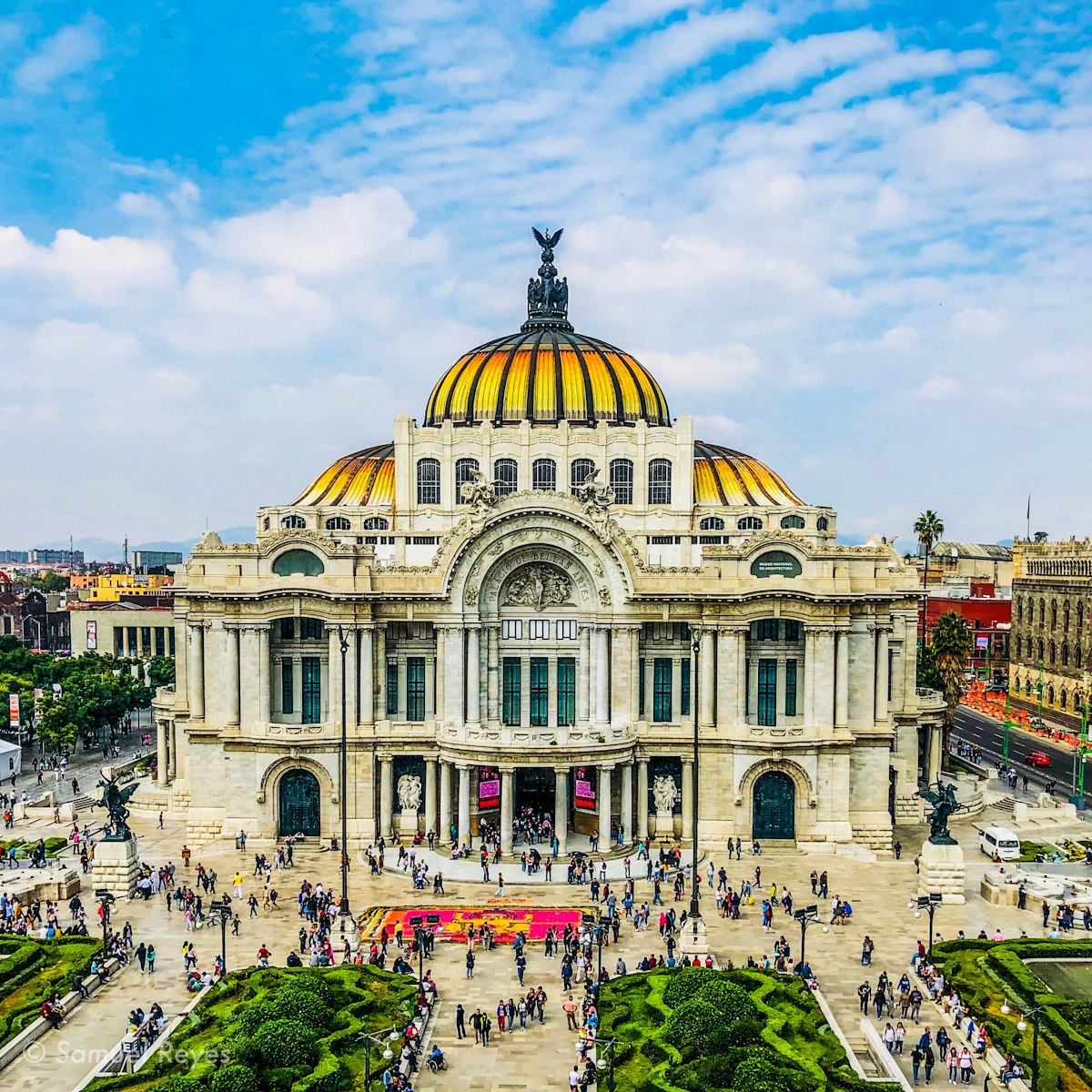
Mexico City
Mexico
A highland metropolis at 2,240 metres where the altitude tempers the heat to perpetual spring in the dry months, Día de Muertos transforms Mixquic and Azcapotzalco into one of the world's great ceremonies, and the October–April dry season gives the clearest conditions for exploring what is genuinely one of the planet's finest food, museum, and architecture cities.
Worth knowing
October scores highest overall. August is the most crowded month — avoid if you can. See crowd-free ranking →
Month by month breakdown
January#9▾
Gains
- ↑Hotel rates in January drop 40–50% below peak summer levels — a mid-range Union Square property that costs $350 in July can be found for under $200 in January. The city's most popular attractions, including Alcatraz tours, are bookable on a few days' notice rather than weeks. Museums like SFMOMA and the de Young operate at a fraction of summer capacity, making the collections feel genuinely accessible.
- ↑The restaurant scene is fully operational and staffed for locals rather than tourists. Legendary spots like Zuni Café, State Bird Provisions, and the Ferry Building Marketplace are easier to get into; reservations that require month-long lead times in the summer open up within days. San Francisco's food culture is year-round — rain has no effect on the city's culinary ambition.
- ↑Chinatown, the largest in North America, comes alive in January with Lunar New Year preparations — even before the official celebration, markets are stocked with seasonal goods, bakeries are producing nian gao, and the streets have an energy that is genuinely different from the rest of the year. If Lunar New Year falls in January, the parade and festival rank among the city's great annual events.
Sacrifices
- ↓January averages 112mm of rainfall — spread across roughly 12–14 rainy days, with occasional multi-day storms that make outdoor exploration uncomfortable. The famously scenic walks (Golden Gate, Lands End, Marin Headlands) are possible but unpleasant in sustained rain, and the bay views are frequently obscured by cloud.
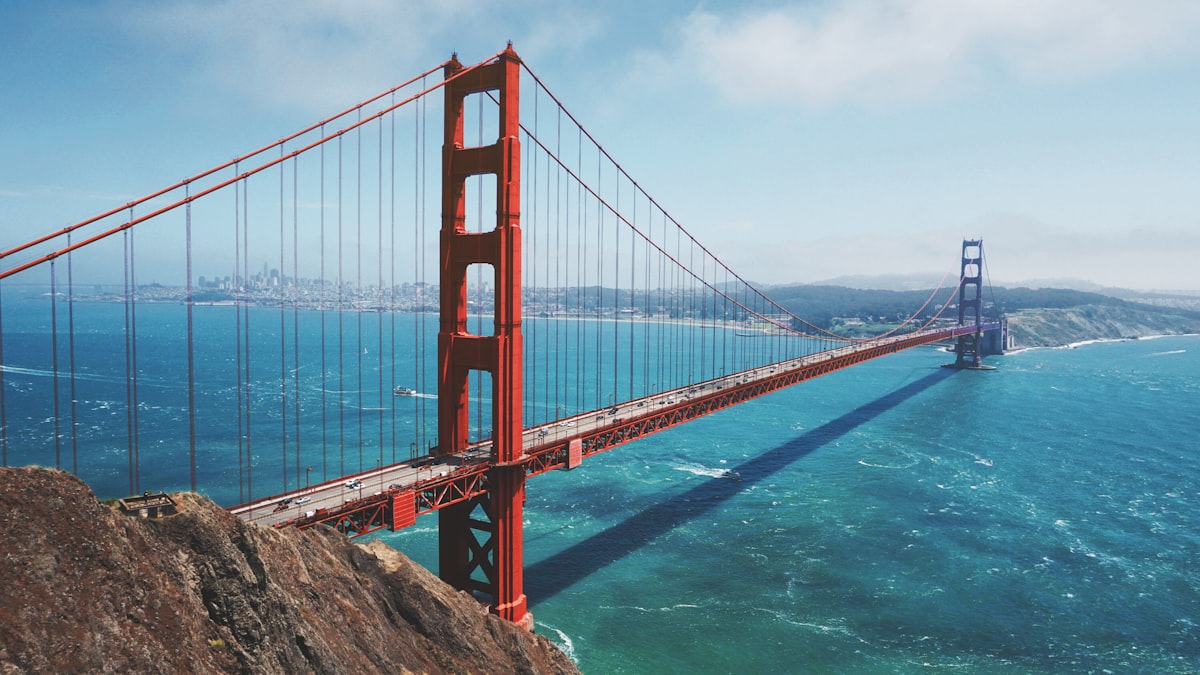
- ↓Golden Gate Bridge photography — one of the most photographed subjects in the world — is frequently compromised by fog and overcast conditions in January. Days when the bridge is fully visible are less common than in autumn.
February#7▾
Gains
- ↑February is often the month Lunar New Year falls, and San Francisco's Chinatown celebration is one of the largest outside Asia — the parade draws 100,000+ spectators along a route through downtown, with dragon dances, firecrackers, and floats. The surrounding community events (temple ceremonies, family dinners, market days) give the neighbourhood a festive atmosphere for the entire month.
- ↑Rainfall begins to ease compared to January, and clear days — particularly later in February — can be genuinely beautiful. The Marin Headlands are vivid green after winter rains, and the low-angled winter light at sunset produces some of the most dramatic Golden Gate photography of any month.
- ↑Hotel and Airbnb prices remain at their annual low. Business travel (which inflates midweek rates significantly in tech-heavy San Francisco) is also below its peak, so the typical midweek premium is smaller in February than any other month.
Sacrifices
- ↓Nearly 100mm of rain across the month means February is still a wet proposition, with storms arriving on Pacific fronts that can deliver 25–30mm in a single day. The hills of the Castro, Noe Valley, and Haight-Ashbury can be genuinely slippery underfoot in wet conditions.
- ↓February daylight is short — sunset occurs around 17:45 — which compresses the window for outdoor activities and golden-hour photography. The lack of daylight affects the mood of the city in a way that's more pronounced than in most US cities.
March#5▾
Gains
- ↑March marks the start of the dry-season transition. Rainfall drops to 72mm (roughly half of January's volume) and the frequency of sunny spells increases noticeably. The hills are still brilliantly green from winter rain, creating an unusually lush backdrop against the city's famous painted houses and bay views — a combination that disappears by May as the grass dries to California gold.
- ↑Crowds remain low and prices affordable: Alcatraz Night Tours are bookable with a week's notice, the Ferry Building Saturday market is attended by locals not tour groups, and the queue at Tartine Bakery — perennially one of the city's most discussed food destinations — is half the length it will be in summer.
- ↑The St. Patrick's Day parade (third Saturday in March) is one of the city's most enthusiastically attended civic events, with the Mission District Irish-American community and SoMa bars both fully engaged. The Irish-Latino cultural crossover in the Mission is a uniquely San Francisco experience.
Sacrifices
- ↓March is still a transitional month — week-long stretches of clear weather can be interrupted by late-season storms, and the microclimate variability between neighbourhoods means dressing for two weather systems in a single day remains necessary.
- ↓Evening temperatures drop to 9°C and below, making outdoor dining on the many patios and terraces uncomfortable without a coat. The city's indoor dining culture handles this well, but it's a real constraint on the alfresco experience.
April#3▾
Gains
- ↑April is one of the best months to visit San Francisco by almost every metric. Rainfall falls sharply to 36mm, sunshine averages nearly 8 hours daily, and the temperature is warm enough (16°C highs) for outdoor exploration without the paradoxical summer chill that Karl the Fog imposes on June–August. The Marin Headlands wildflower bloom is typically at its peak in April — hiking across the hills above Rodeo Beach with the bridge in the background on a clear day is one of the best experiences the Bay Area offers.
- ↑The Cherry Blossom Festival in Japantown (usually mid-to-late April, spanning two weekends) is one of the city's most characterful civic events. The festival attracts around 220,000 visitors over two weekends but is spread across the Post Street Japan Center area in a way that feels festive rather than overwhelming. Taiko drumming, Japanese food stalls, and the Grand Parade are genuinely excellent.
- ↑April is also when the city's bar and restaurant scene enters its spring stride. Outdoor parklets — the beloved SF dining decks built on converted parking spaces — are in full use, and the early evening light at 7:30pm sunset creates an atmosphere that the foggy summer months can't replicate.
Sacrifices
- ↓Tourism is climbing from winter lows — Alcatraz bookings now need 1–2 weeks advance notice for the preferred tours, and hotel prices are moving up from the off-season floor. April is still significantly cheaper than summer, but the budget window is narrowing.
- ↓April weather is still not guaranteed: a late storm system from the Pacific can deliver two or three grey, rainy days without warning, particularly in early April.
May#4▾
Gains
- ↑May is arguably the most reliable weather month in San Francisco. Rainfall is minimal (18mm, about two light showers all month), sunshine averages over 8 hours daily, and the Karl the Fog marine layer that blankets the city in summer hasn't yet established its pattern. Days are warm and clear in a way that July and August — the city's peak tourist months — almost never are. This is the month where the California postcard finally matches reality.
- ↑Cinco de Mayo (May 5) brings the Mission District to life with street food, music, and community events. The Mission is one of the city's most vibrant and authentic neighbourhoods year-round, but in early May it has an energy that rewards an afternoon wandering Valencia Street, Dolores Park, and the murals of Clarion Alley.
- ↑Dolores Park in the Mission is at its very best in May — sunny afternoons fill the terraced hillside lawn with locals, the view of the downtown skyline is exceptional, and the food trucks on the perimeter offer some of the city's best casual eating. This is the San Francisco experience that locals actually live.
Sacrifices
- ↓Prices and crowds are rising noticeably from the spring low. Memorial Day weekend (late May) triggers a significant surge in both hotel rates and visitor numbers — booking well in advance for that specific weekend is essential.
- ↓The hills' grass is drying from spring green to California golden-brown by late May, which changes the visual character of areas like Twin Peaks and the Marin Headlands significantly.
June#8▾
Gains
- ↑SF Pride (last weekend of June) is one of the largest LGBTQ+ celebrations in the world, drawing over 250,000 participants to the parade route along Market Street and hundreds of thousands more to Civic Center Plaza for the festival. The energy across the entire city is extraordinary — from the Dyke March on Saturday through the main parade Sunday, the streets of the Castro and SoMa have a warmth and joyfulness that is genuinely unlike any other San Francisco event.
- ↑Despite the fog, the Embarcadero, Ferry Building, and waterfront neighbourhood are well-positioned to catch afternoon sun even when the western neighbourhoods are socked in. The morning farmer's market at the Ferry Building is at full summer capacity — the best producers from the Bay Area all show up simultaneously.
- ↑Hardly Strictly Bluegrass festival preparations begin (though the event is in October), but summer concert season at venues like the Fillmore, Chase Center, and the Greek Theatre in Berkeley is in full swing. The Bay Area's music calendar is excellent from June onward.
Sacrifices
- ↓Karl the Fog — the marine layer that rolls in from the Pacific — is at its most persistent in June. The western half of the city (Sunset, Richmond, Ocean Beach, even much of the Castro) can sit under thick grey fog until noon or later, with temperatures hovering at 13–15°C. Visitors expecting California summer warmth are often genuinely shocked; packing a down jacket is not optional.
- ↓Hotel prices in June are among the highest of the year. Pride weekend specifically sees rates double or triple — a room that costs $250 in January can exceed $600 on Pride weekend. Book Pride accommodation six months in advance.
- ↓The tourist infrastructure is under significant strain by late June. Alcatraz sells out 2–3 weeks ahead, popular restaurants require reservations booked weeks in advance, and the waterfront areas feel decidedly overwhelmed.
July#12▾
Gains
- ↑July 4th fireworks over the bay, with barges positioned near the Embarcadero firing simultaneous displays visible from the waterfront, Crissy Field, and the hills of Marin, is a genuinely spectacular experience. The fireworks are synchronized and large-scale — significantly more impressive than most American cities. Positioning on the northern waterfront or on the Marin side of the bridge gives the best views.
- ↑Despite the fog, July has essentially no rain — the Bay Area's Mediterranean climate delivers a completely dry summer, which means outdoor plans are never rained out, just potentially fogged in until midday. Afternoon fog burn-off creates a distinctive golden light that photographers and filmmakers specifically seek.
- ↑The Embarcadero and Fisherman's Wharf area are at their most vibrant, with summer menus and the city's largest restaurant operation in full swing. For those who don't mind tourist density, the crab and sourdough combination at the wharf is a legitimate San Francisco experience.
Sacrifices
- ↓July is statistically the foggiest month in San Francisco. The western neighborhoods — where the best parks, ocean beaches, and residential character live — can see fog from morning until mid-afternoon. Temperatures average 17–18°C at the high end; on foggy days the actual experience feels like 13–14°C with a cold wind off the Pacific. This is simply the reality of the city's location, and it surprises the majority of July visitors.
- ↓Peak hotel prices: a room averaging $200 in January can easily exceed $400–450 in July, and desirable neighborhoods like Union Square, Nob Hill, and the Marina are often sold out weeks in advance. Airbnb prices follow the same pattern.
- ↓Alcatraz sells out the entire month well in advance. Botta-designed SFMOMA has queues. The Golden Gate Bridge Vista Point parking lot fills by 8am on weekends. The city functions, but the infrastructure is running at capacity.
August#11▾
Gains
- ↑Outside Lands Music Festival (typically second or third weekend of August) at Golden Gate Park is one of the premier US music festivals. Headliners in recent years have included Kendrick Lamar, The Killers, and SZA — the lineup is consistently excellent and the setting within Golden Gate Park, surrounded by eucalyptus and fog, is genuinely unique. Tickets sell out months in advance and cost $300–400 for a weekend pass, but the festival also has an exceptional food and wine program representing the best Bay Area producers.
- ↑Fog burn-off is slightly more reliable in August than July — afternoons are more consistently clear by 1–2pm, and the East Bay and San Jose reach genuine summer warmth (26–30°C) on the same days SF stays at 18°C. A BART trip across the bay for a warm-weather fix is a real strategy used by SF residents.
- ↑Late August sees slightly decreasing tourist pressure as European summer visitors depart and US school-year travel winds down — the second half of August is marginally less crowded than the first.
Sacrifices
- ↓Hotel prices remain at their annual peak in August, rivaling July. The combination of peak domestic travel and European summer vacations keeps rates elevated throughout the month, with no meaningful discount until after Labor Day.
- ↓Outside Lands weekend specifically causes a city-wide accommodation crunch — Golden Gate Park neighbourhood hotels and Airbnbs near the park are essentially inaccessible at reasonable prices during the festival weekend. Book those three days six months ahead.
- ↓The Karl the Fog marine layer remains active in August, particularly in the mornings — visitors staying in the Sunset or Richmond districts may experience significantly cooler and greyer conditions than those on the eastern, bay-facing side of the city.
September#2▾
Gains
- ↑September is unequivocally the best weather month in San Francisco. The fog retreats dramatically — the marine layer that dominates June through August dissipates as the Pacific High weakens and the temperature differential between sea and land reduces. Average highs reach 21°C with abundant sunshine and minimal wind. The "second summer" that Bay Area residents wait for all year begins: clear skies, warm afternoons, and the city finally matching what visitors imagined when they booked. This is the month to spend time at Ocean Beach, Crissy Field, and the outdoor restaurants of the Castro and Mission.
- ↑Post-Labor Day (first Monday of September), the tourist infrastructure immediately eases. Alcatraz is bookable 3–5 days in advance, hotel rates drop 20–30% from August peaks in the fortnight following Labor Day, and the feeling of the city noticeably shifts from tourist operation to local life. This transition is one of the most reliable improvements in any major US city.
- ↑Fleet Week preparations begin in October, but the air show rehearsal flights over the bay that happen in late September are freely visible from the Embarcadero. The Blue Angels practicing formation over the bay bridge is a genuinely thrilling and unexpected spectacle.
Sacrifices
- ↓September is still peak-adjacent on pricing — the week before Labor Day and during the long weekend itself sees hotel rates at near-August levels. The post-Labor Day drop is significant but doesn't quite reach spring pricing.
- ↓The city's tech conference season begins in September, which means Moscone Center events drive up midweek hotel rates and create localized demand in the SoMa and Union Square areas. Checking the conference calendar before booking dates can save significant money.
October#1▾
Gains
- ↑October brings Fleet Week (typically the second weekend), when the US Navy's Blue Angels fly formation demonstrations over the bay that are visible from virtually every north-facing vantage point in the city. The show is free to watch from Crissy Field, Fort Mason, Marina Green, and dozens of rooftops and hills. It's one of the few genuinely world-class free spectacles available in any major city — an F/A-18 in full afterburner over the Golden Gate Bridge is difficult to forget.
- ↑Hardly Strictly Bluegrass (first weekend of October, Golden Gate Park) is the other great October event — a free, three-day, multi-stage music festival that draws 750,000 people over the weekend. The late Warren Hellman's gift to the city is fully funded in perpetuity: no ticket required, no commercial sponsorship wall, just an extraordinary lineup (Steve Earle, Emmylou Harris, Hazel Miller) spread across six stages in the park. It remains one of the world's great music events that most people outside the Bay Area have never heard of.
- ↑October weather rivals September: 20°C average highs, low fog frequency, and the first very occasional rain shower that refreshes the air without causing disruption. The long clear evenings give the outdoor patios and rooftop bars of the Mission and Castro an atmosphere that summer's fog can't match.
Sacrifices
- ↓Fleet Week weekend causes a significant accommodation spike in the Marina and North Beach areas — waterfront-adjacent hotels during that specific weekend book out fast and charge premium rates. Planning around or far from the waterfront mitigates this.
- ↓October is increasingly busy as word of SF's "second summer" spreads. The off-peak window is smaller than it used to be — tourists who have read that September-October is the best time mean it's no longer a secret.
November#6▾
Gains
- ↑November represents the best value shoulder window between the high summer and the wettest winter months. Hotel rates drop noticeably after the first week — outside of Thanksgiving weekend (when rates spike and domestic travel surges), mid-November is among the cheapest periods of the year with weather still comfortably in the 16°C range.
- ↑Thanksgiving in San Francisco is a genuine experience — the city's food culture is exceptional and restaurants that would otherwise require month-in-advance booking open Thanksgiving menus with more availability. The Ferry Building Marketplace hosts a special Thanksgiving market that draws the city's best farmers and artisan food producers in the week leading up to the holiday.
- ↑The wave season on Ocean Beach begins in earnest in November, attracting serious surfers to one of the most powerful beach breaks on the West Coast. Watching the surf from the Cliff House or Land's End trail above the beach is spectacular in November swell season.
Sacrifices
- ↓Rain returns meaningfully in November — 75mm across the month means regular wet days, and the seasonal shift from the dry Mediterranean summer to the rainy season is unmistakable by mid-month. The outdoor café culture that defines September and October retreats significantly.
- ↓Thanksgiving weekend (fourth Thursday and surrounding days) is one of the most expensive and crowded travel weekends in the US. Hotels spike, airports are chaotic, and the city's visitor numbers temporarily surge in a way that November otherwise avoids.
December#10▾
Gains
- ↑Union Square Christmas tree and the surrounding retail district are genuinely festive in a way that suits the city's compact, walkable urban layout. The ice rink at Union Square (mid-November through January) draws locals and visitors alike, and the department store windows on Post and Geary are decorated with a craftsmanship that bigger cities have abandoned.
- ↑December, outside of Christmas week (Dec 22–Jan 2), offers solid value. The combination of rainy weather and post-Thanksgiving travel fatigue means mid-December hotel rates are often lower than equivalent October dates, with the same easy access to restaurants and attractions.
- ↑The Holiday Lights Boat Parade in Sausalito (just across the Golden Gate Bridge) and the lit-up ferries crossing the bay create an atmospheric winter maritime scene that is specific to San Francisco's bay geography and genuinely charming.
Sacrifices
- ↓December is a genuinely wet month — 95mm of rain spread across regular frontal systems means sustained periods of grey, windy, and wet weather that make outdoor exploration unpleasant. The windchill from Pacific fronts can push the effective temperature to 5–7°C on exposed hillsides and waterfront areas.
- ↓Christmas week (Dec 22–Jan 2) sees significant price increases and the return of tourist volumes that mid-December avoids. New Year's Eve fireworks over the bay are spectacular but draw large crowds to the Embarcadero.
How this is calculated
Climate data
Open Meteo ERA5
30-year normals (1991–2020). Temperature, rainfall, sunshine, humidity.
Price & crowd
Tourism research
Seasonal pricing from tourism authority data. Directional — compares months within a destination only.
Personalisation
Weighted scoring
Your priorities change the weights. Budget-first users get different results than weather-first users.
Share this result
October is the best time to visit San Francisco
Travel timing updates
New destinations and timing guides, when they land.
No spam. Unsubscribe anytime.