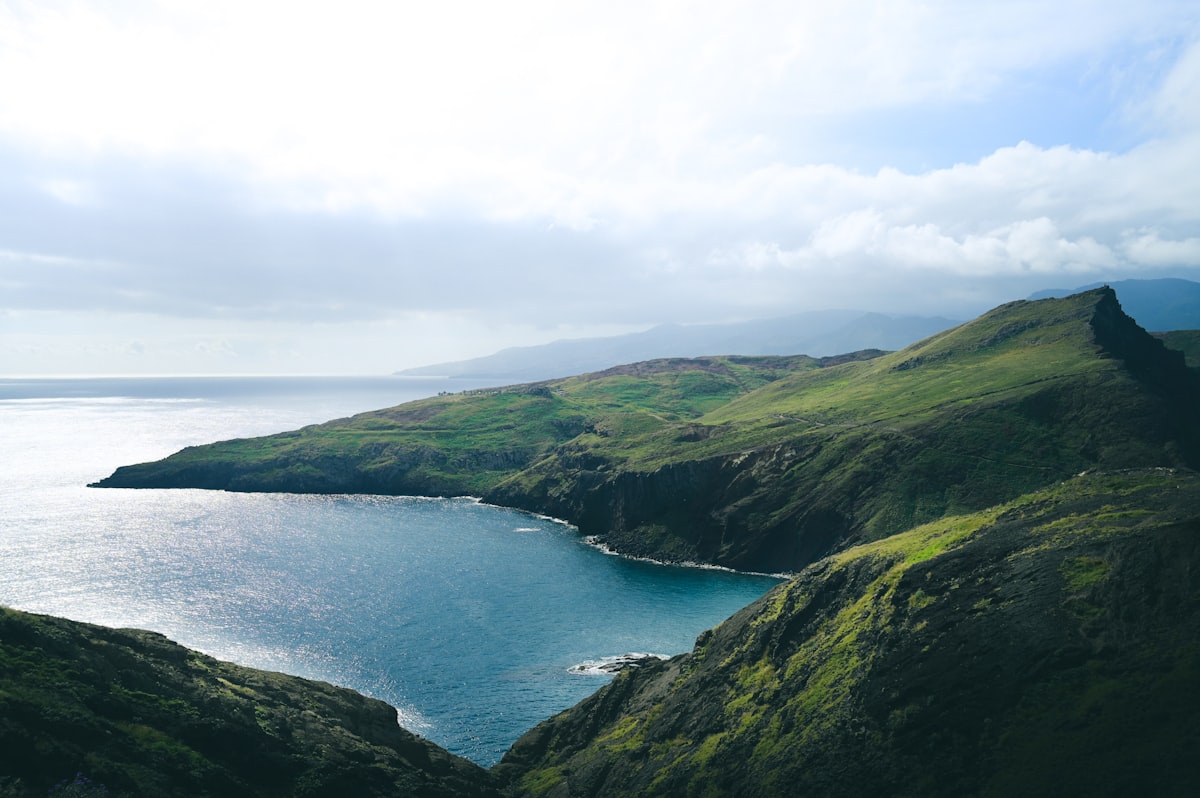
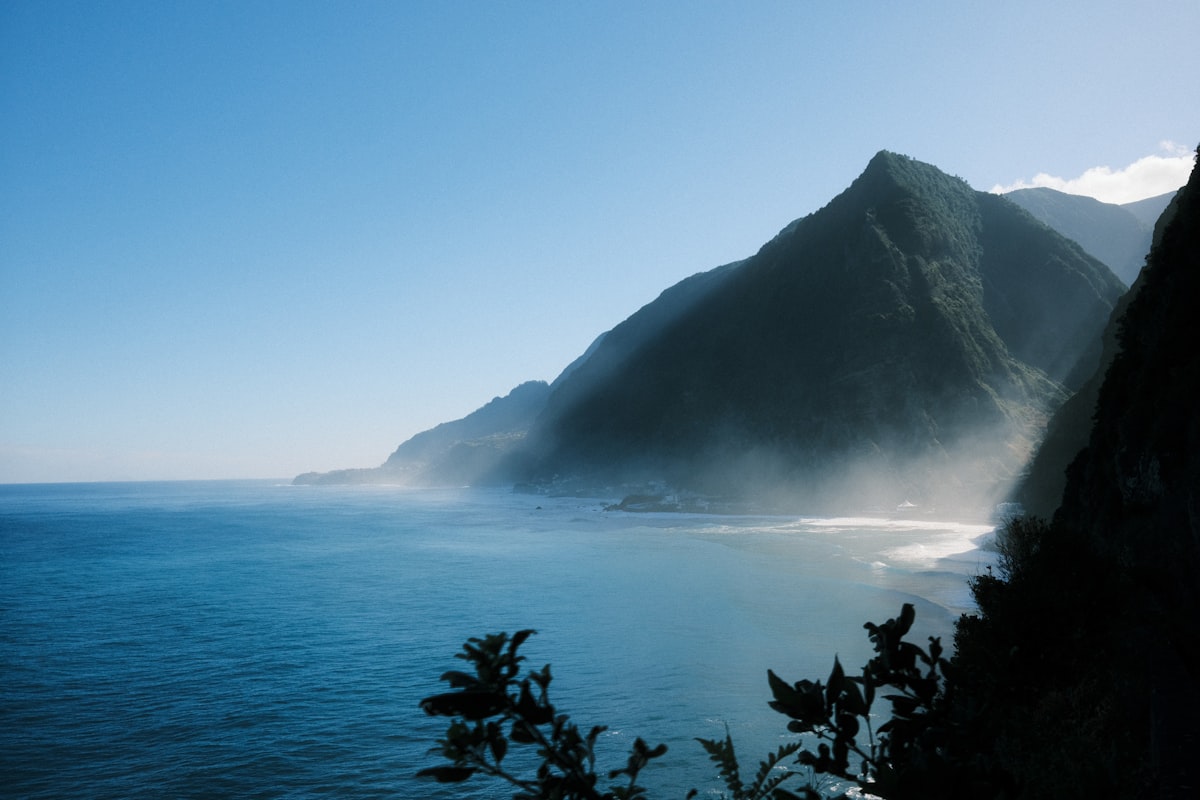
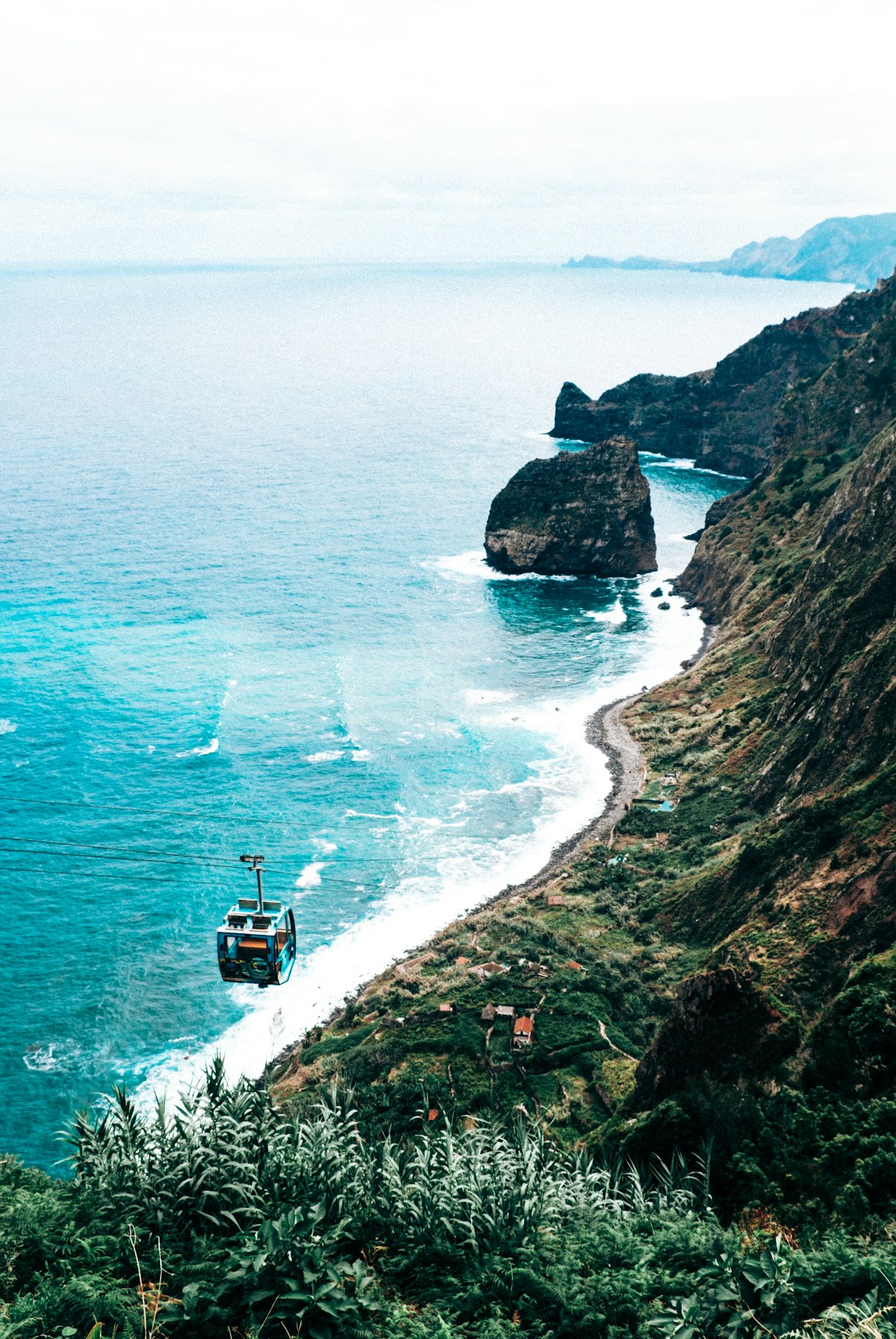
Showing: Sep · Unsplash / Unsplash
Portugal · Europe
Best time to visit Madeira
September
Sep scores highest overall — reliable weather and strong local atmosphere. Set your priorities below to personalise this result.
What matters most to you?
All 12 months — click any to expand
Sep
Unsplash / Unsplash
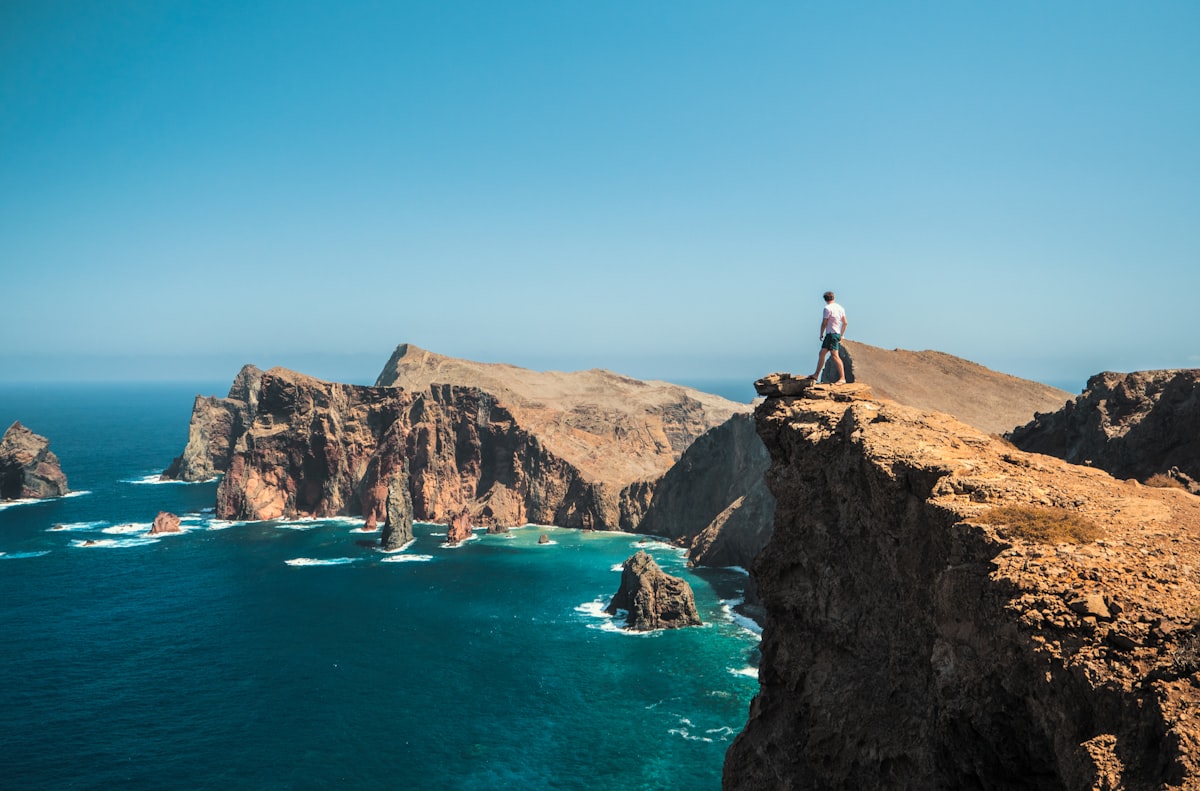
Wine Festival, warmest sea temps, and prices dropping — September is the sweet spot.
26.5°C
High
20°C
Low
30mm
Rain
7.8h
Sun/day
What you gain
- ↑The Madeira Wine Festival (first two weeks of September, centred on Funchal) is the island's most culturally rich annual event. The harvest treading in Estreito de Câmara de Lobos (visitors can participate), the wine parade through central Funchal, and the Blandy's and Henriques & Henriques lodge open days combine for a celebration that is genuinely rooted in the island's economy and culture rather than tourist artifice. Tastings of vintage Madeira — wine that can survive for a century in cask — are included in many festival events.
- ↑September sea temperatures peak at 24°C — the warmest of any month — while the summer crowds have diminished significantly after the first week of September. The beaches at Calheta and Machico, and the Porto Moniz rock pools, are at their most inviting with warm water and manageable visitor numbers.
- ↑The levada trails are returning to comfortable conditions after August's heat — September morning temperatures on the high routes (15–18°C at Pico Ruivo level) are ideal for walking, and the light is different from summer: lower angle, golden hour at a more accessible time of day for hikers.
What you sacrifice
- ↓September sees the first meaningful autumn rainfall returning — 30mm, compared to August's 5mm. This mostly manifests as occasional afternoon showers rather than sustained rain, but the transition from absolute summer dryness is noticeable. North coast trails can become temporarily muddy after heavier showers.
- ↓Wine Festival weekends specifically cause accommodation spikes — the festival is well-known in the Portuguese and British travel market, and Funchal hotel prices during the festival fortnight can be 30–40% above the surrounding weeks.
Sep scores highest overall — reliable weather and strong local atmosphere. Set your priorities below to personalise this result.
Sep
Wine Festival, warmest sea temps, and prices dropping — September is the sweet spot.
26.5°C
High
30mm
Rain
7.8h
Sun
- ↑The Madeira Wine Festival (first two weeks of September, centred on Funchal) is the island's most culturally rich annual event. The harvest treading in Estreito de Câmara de Lobos (visitors can participate), the wine parade through central Funchal, and the Blandy's and Henriques & Henriques lodge open days combine for a celebration that is genuinely rooted in the island's economy and culture rather than tourist artifice. Tastings of vintage Madeira — wine that can survive for a century in cask — are included in many festival events.
- ↑September sea temperatures peak at 24°C — the warmest of any month — while the summer crowds have diminished significantly after the first week of September. The beaches at Calheta and Machico, and the Porto Moniz rock pools, are at their most inviting with warm water and manageable visitor numbers.
- ↑The levada trails are returning to comfortable conditions after August's heat — September morning temperatures on the high routes (15–18°C at Pico Ruivo level) are ideal for walking, and the light is different from summer: lower angle, golden hour at a more accessible time of day for hikers.
- ↓September sees the first meaningful autumn rainfall returning — 30mm, compared to August's 5mm. This mostly manifests as occasional afternoon showers rather than sustained rain, but the transition from absolute summer dryness is noticeable. North coast trails can become temporarily muddy after heavier showers.
- ↓Wine Festival weekends specifically cause accommodation spikes — the festival is well-known in the Portuguese and British travel market, and Funchal hotel prices during the festival fortnight can be 30–40% above the surrounding weeks.
Top travel windows
★ BestSeptember
Best overall
Highest combined score
26.5°C
High
30mm
Rain
7.8h
Sun
January
Best for value
Lowest prices & fees
19.5°C
High
92mm
Rain
5.2h
Sun
January
Fewest crowds
Quietest month
19.5°C
High
92mm
Rain
5.2h
Sun
Breakdown by priority
Best for weather
September
26.5°C high · 30mm rain · 7.8hrs sun/day
Best for budget
January
Madeira hosts what is officially certified as the world's largest New Year's Eve fireworks display, launching from multiple points along the Funchal hillsides simultaneously. The display lasts over 8 minutes and is filmed for broadcast across Europe annually — the city's hotel infrastructure sells out months ahead for December 31, but early January visitors find the island transformed by post-celebration quiet and prices at their annual floor. Funchal's old town (Zona Velha) and the cable car to Monte are accessible without the crowds that build in spring.
Fewest crowds
January
Madeira hosts what is officially certified as the world's largest New Year's Eve fireworks display, launching from multiple points along the Funchal hillsides simultaneously. The display lasts over 8 minutes and is filmed for broadcast across Europe annually — the city's hotel infrastructure sells out months ahead for December 31, but early January visitors find the island transformed by post-celebration quiet and prices at their annual floor. Funchal's old town (Zona Velha) and the cable car to Monte are accessible without the crowds that build in spring.
Where to stay in Madeira
All neighbourhoods →Funchal
The island's vibrant capital — the cable car, the old town, the market, and the only real hotel choice.
10/10
Central
8/10
Walk
7/10
Transit
Santana & North Coast
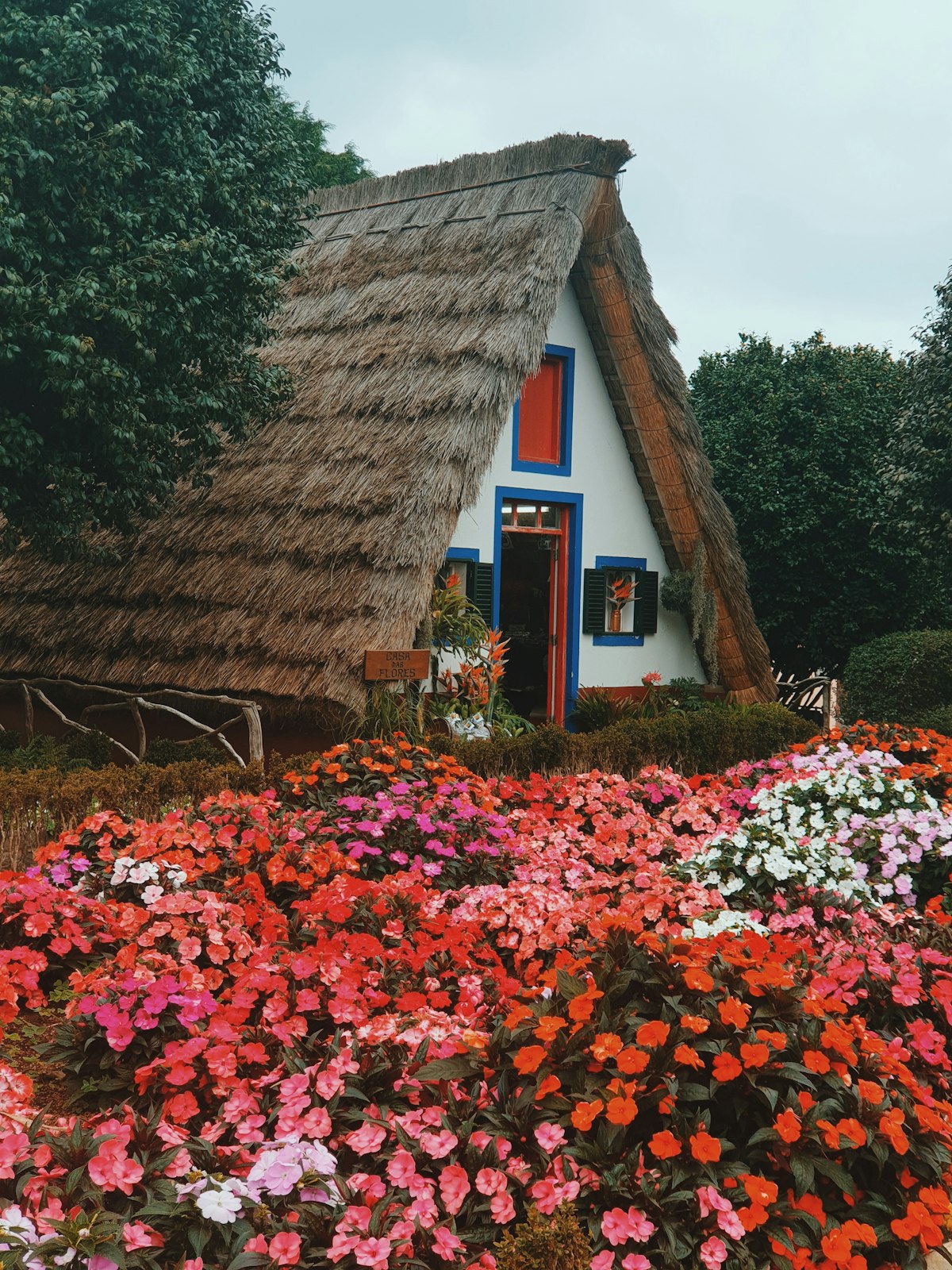
Traditional thatched A-frame houses, dramatic sea cliffs, and a genuinely greener, wilder island than the south.
3/10
Central
5/10
Walk
4/10
Transit
Also exploring
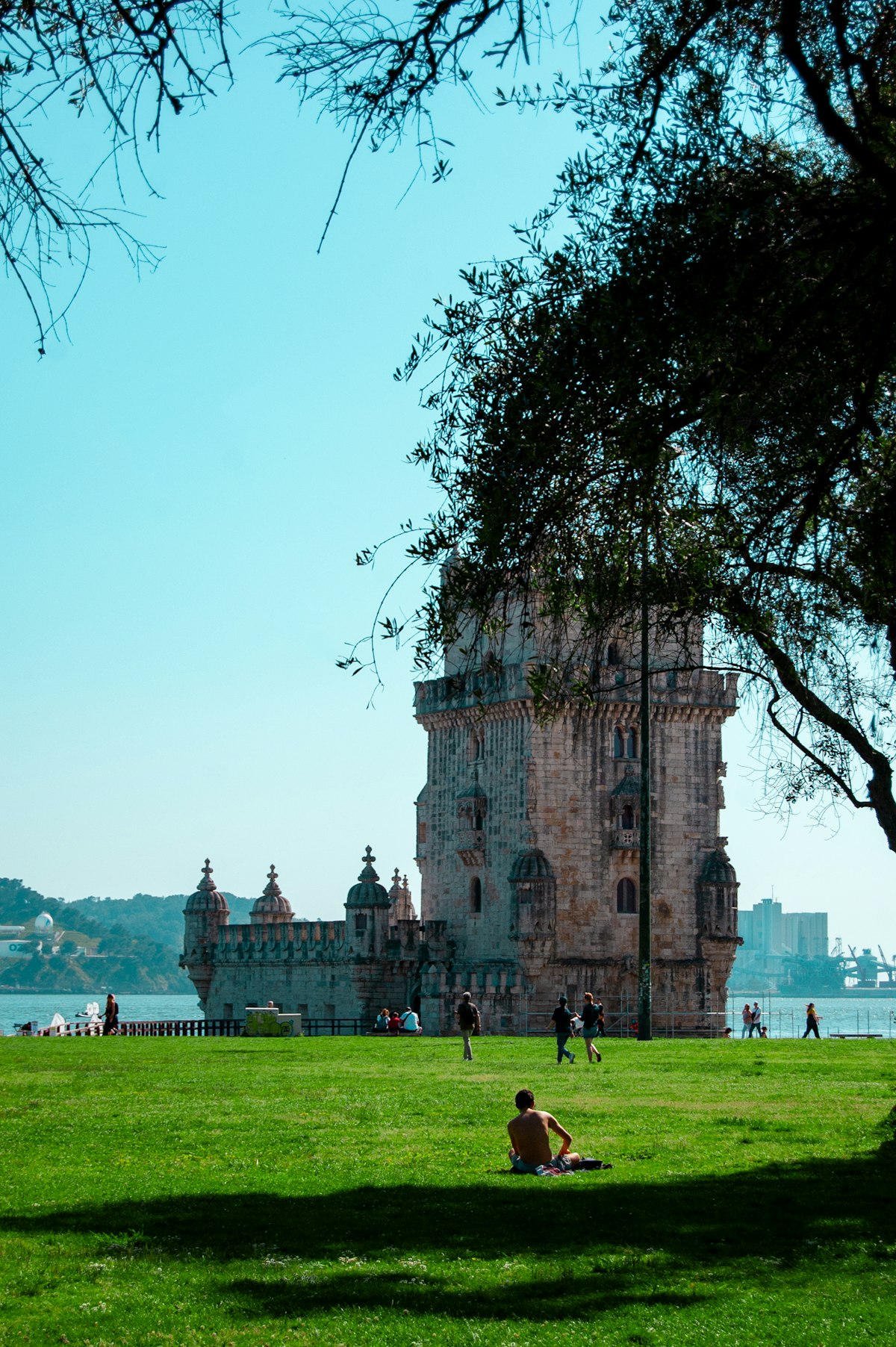
Lisbon
Portugal
A sun-drenched Atlantic capital where tram lines weave through hilltop neighbourhoods and prices stay genuinely affordable by Western European standards.
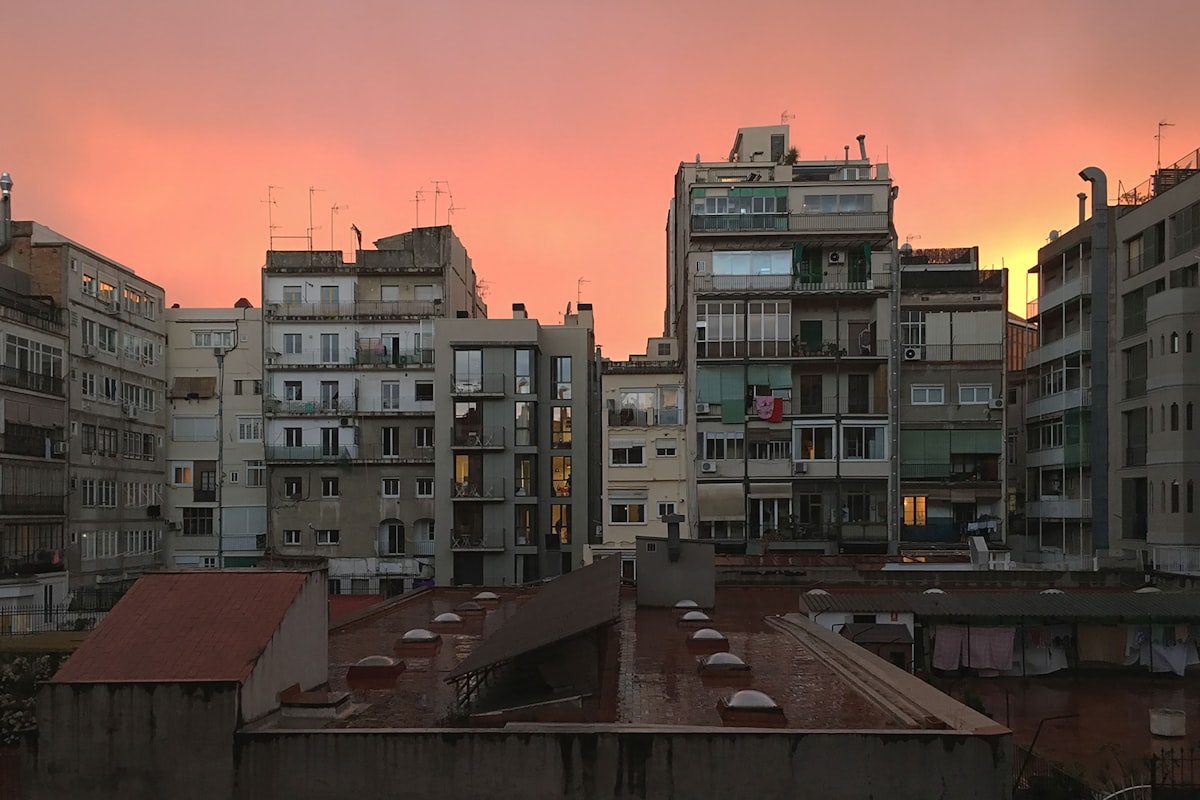
Barcelona
Spain
A Mediterranean city that runs on architecture, food markets, and beach culture — with a tourism problem that makes timing absolutely critical.
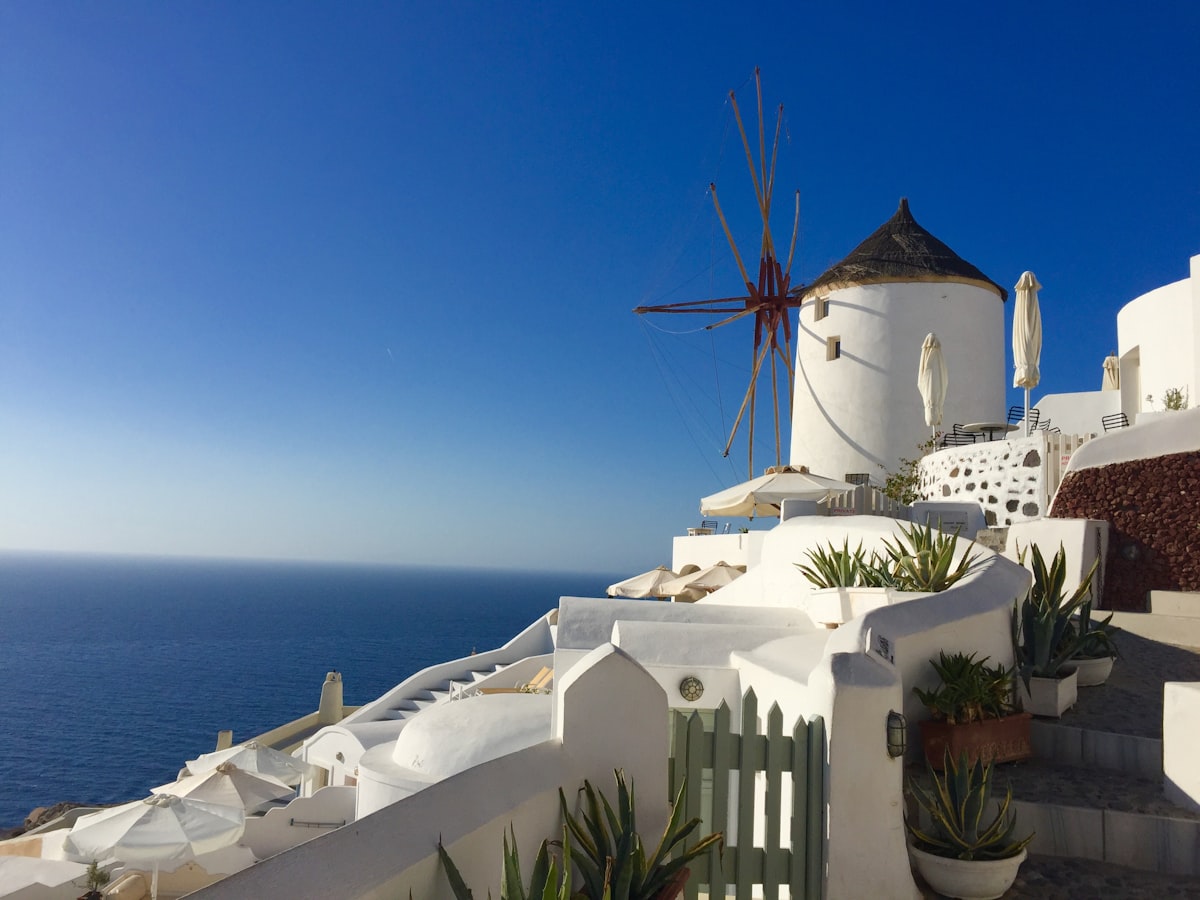
Santorini
Greece
The caldera sunsets and white-washed cliffside villages are real — but so is a tourism infrastructure that was never designed for 3 million annual visitors.
Worth knowing
September scores highest overall. August is the most crowded month — avoid if you can. See crowd-free ranking →
Month by month breakdown
January#3▾
Gains
- ↑Madeira hosts what is officially certified as the world's largest New Year's Eve fireworks display, launching from multiple points along the Funchal hillsides simultaneously. The display lasts over 8 minutes and is filmed for broadcast across Europe annually — the city's hotel infrastructure sells out months ahead for December 31, but early January visitors find the island transformed by post-celebration quiet and prices at their annual floor. Funchal's old town (Zona Velha) and the cable car to Monte are accessible without the crowds that build in spring.
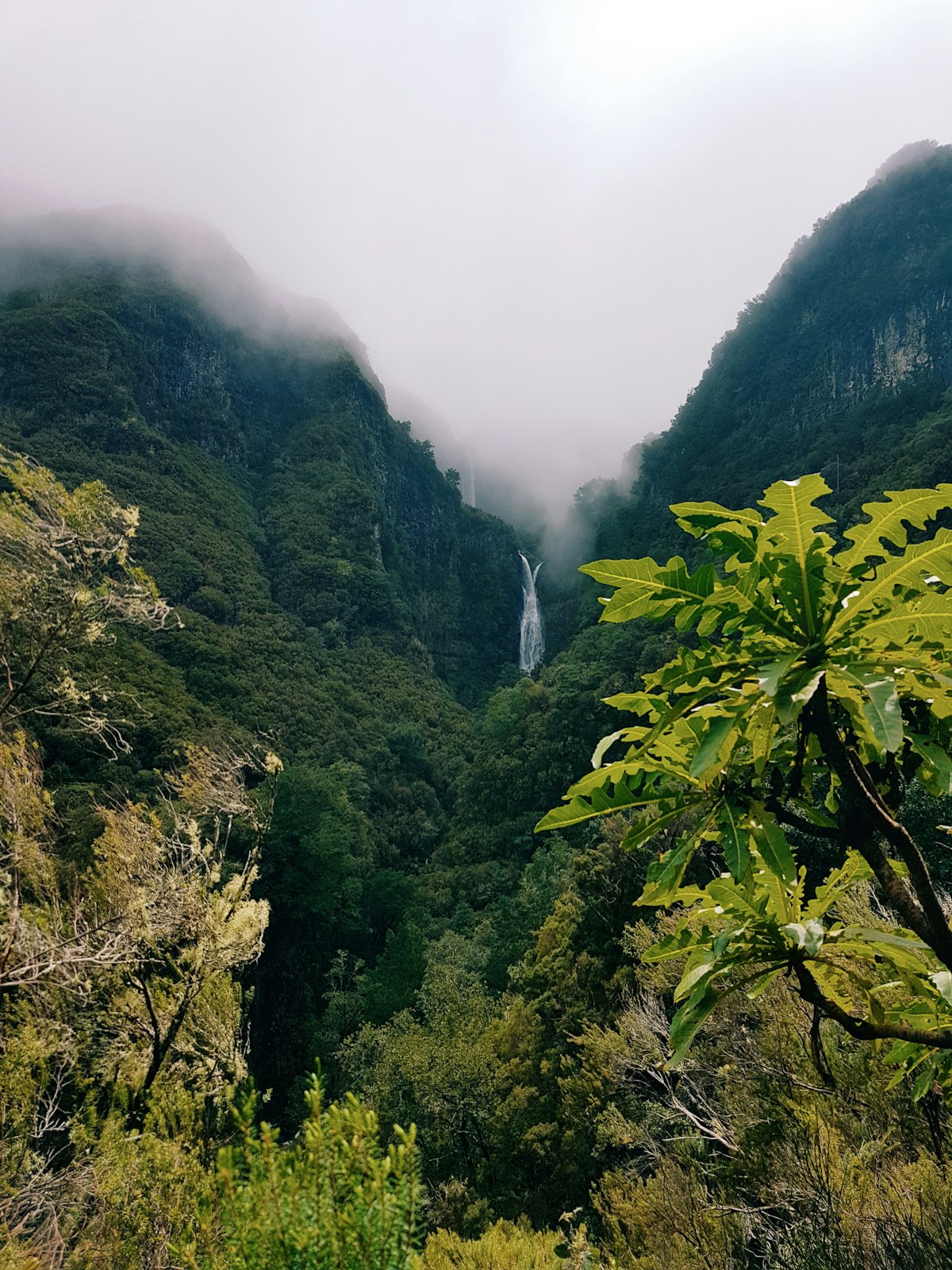
- ↑At 19–20°C on the south coast, Madeira in January is warmer than most of continental Europe in May. The subtropical Laurisilva (laurel forest) is at its most lush and atmospheric during the wet season — morning mist in the Rabacal valley and the levada walks around Fanal are genuinely ethereal, with ancient trees draped in moss and the paths empty of other walkers.
- ↑January hotel rates in Funchal are typically 40–50% below peak summer pricing. The island's tourist infrastructure is quieter but fully operational — restaurants, the casino, the Mercado dos Lavradores (workers' market), and the cable cars all run normally with wait times of minutes rather than the queues of April and summer.
Sacrifices
- ↓January sees Madeira's highest rainfall of the year — the south coast receives 92mm, but the north and mountains can see two to three times that volume. Levada walks in exposed northern areas can be genuinely hazardous after heavy rain, and trail closures occur. Checking trail conditions with local operators before setting out is essential.
- ↓Ocean swimming is possible but cool — water temperatures drop to around 19°C in January, which is comfortable for some but below the threshold of casual beach culture. The south coast beaches (Machico, Calheta) are swimmable but not warm.
February#4▾
Gains
- ↑Madeira Carnival (dates vary by Easter, typically February) is one of the most characterful carnival celebrations in the Portuguese world — the main Saturday parade through central Funchal features elaborate floats and costumes comparable in ambition if not scale to Rio. The Allegorical Parade and the Traje à Vontade (come-as-you-please) parade on Tuesday give the whole city a festive atmosphere for an entire week. Hotel prices spike for Carnival week itself but remain below summer peak.
- ↑February's improving sunshine (5.8 hours daily vs. January's 5.2) and slightly lower rainfall make it a meaningfully better month for outdoor activities than January. The almond trees in the Jardim da Serra area above Câmara de Lobos bloom white and pink in February — a spectacle specific to this microclimate that is one of the island's most beautiful seasonal events.
- ↑Whale watching season is excellent year-round in Madeira, but February sees Bryde's whales and sperm whales regularly spotted on 3-hour boat tours departing Funchal marina (around €55 per person). The calmer winter seas of the south-coast shelter mean dolphin encounters — common striped and bottlenose — are almost guaranteed.
Sacrifices
- ↓Rainfall remains meaningful at 78mm — March is the transition month, and February still delivers regular wet spells. The northern and mountain areas of the island are significantly wetter than the south coast figures suggest, and cloud can settle in the Rabacal plateau for days at a time.
- ↓Carnival week accommodation needs booking 2–3 months in advance for central Funchal, and the immediate post-Carnival period can feel anticlimactic as the island quietens suddenly after the festivities.
March#8▾
Gains
- ↑March represents the inflection point between Madeira's rainy season and its drier spring. Rainfall drops to 54mm and sunshine increases to 6.5 hours daily — enough to make the levada trail network consistently reliable. The PR1 Levada das 25 Fontes (Rabacal area), the PR13 Levada do Caldeirao Verde, and the iconic Pico do Arieiro to Pico Ruivo ridge walk are all accessible in March without the summer heat and crowding that affects the most popular routes by June.
- ↑Madeira's agricultural and botanical calendar is compelling in March — the Jardim Botânico da Madeira above Funchal is beginning its spring flush, with the island's exotic species collections (palms, proteas, bird-of-paradise flowers) at their peak colour. The hillside terraces above Câmara de Lobos are green and productive, and the island's market culture (Mercado dos Lavradores) stocks the full range of local tropical fruits.
- ↑Prices in March represent very good value — the island is busier than January but far below the April flower festival peak. A 4-star Funchal hotel that costs €380 in May can be found for €180-€220 in mid-March.
Sacrifices
- ↓March weather is variable — particularly early in the month — and the mountain areas remain subject to cloud and occasional rain. The Pico do Arieiro summit (1,818m) can be cloud-free in the valley and completely socked in on the same day, which is the reality of hiking on an island of this altitude.
- ↓Easter, when it falls in late March, brings a meaningful spike in Portuguese and Spanish domestic visitors — accommodation prices during Holy Week can double, and the Funchal cathedral area becomes crowded for processions.
April#2▾
Gains
- ↑The Madeira Flower Festival (typically late April, spanning one to two weekends) is the island's most spectacular annual event. The main Flower Carpet — a mosaic of flowers covering the central square of Funchal, assembled by local volunteers over 24 hours — draws international media coverage. The Allegorical Parade features floats entirely constructed from fresh flowers by local farming communities, and the city's boulevards are lined with flower displays along the entire route from early April. Hotel capacity is sold out for the festival weekends months in advance.
- ↑April weather is excellent by any European standard — 21°C average highs, 7.2 daily sunshine hours, and only 36mm of rainfall make this the first month where the south coast beaches become genuinely pleasant for sunbathing as well as swimming. Calheta's artificial golden sand beach and Machico's natural beach are both usable in April conditions.
- ↑The levada network is at its most rewarding in April: trails are clear after winter rain, water levels in the irrigation channels are high and flowing (which affects the scenery and photography significantly), and the walking temperatures of 15–21°C are ideal for long days. The Levada das 25 Fontes (8km round trip) is particularly beautiful with its natural pool and waterfall at the terminus.
Sacrifices
- ↓Flower Festival weekends cause the island's most significant annual accommodation crunch — central Funchal hotels book out entirely for the main parade weekend, and prices across the south coast increase 60–80% above base rates. Those not specifically attending the festival should consider slightly earlier or later dates.
- ↓Easter (when it falls in April) compounds the demand — Portuguese and British Easter holiday travel combined with Flower Festival visitors means April is genuinely busy, and Funchal's cable car and Monte Palace queues can reach 45–60 minutes on peak days.
May#5▾
Gains
- ↑May delivers the combination of good weather, accessible trails, and non-peak pricing that makes it arguably the single best month to visit Madeira. Temperatures reach 23°C on the south coast, sunshine averages 8 hours daily, and rainfall has reduced to scattered light showers. The full levada network is accessible, the sea temperature (21°C) is warm enough for comfortable swimming, and the Funchal restaurant and café culture is operating at full spring capacity.
- ↑The post-Flower Festival period in May is when Madeira's gardens are at their most diverse and colourful — the Monte Palace Tropical Garden above Funchal has over 100,000 plants across its terraces, and the formal gardens of the Quinta do Palheiro Ferreiro (dating to 1801) are considered among the finest gardens in Europe.
- ↑Birdwatching in May is excellent — Madeira's endemic species (Madeiran Firecrest, Laurel Pigeon, Zino's Petrel) are all active, and the Laurisilva UNESCO World Heritage forest at its most productive biologically. Guided birding walks from Funchal regularly produce all five endemic species in a half-day.
Sacrifices
- ↓May prices are meaningfully above the January–February low — a 4-star Funchal hotel that costs €180 in February will run €240–280 in May. Alcatrão levada walks near Funchal can be busy on weekends with local day-trippers as well as visitors.
- ↓The summer holiday crowds have not yet arrived, but British half-term (late May) brings a noticeable spike in family visitors and a corresponding jump in accommodation rates for that specific fortnight.
June#10▾
Gains
- ↑June brings Madeira's Festas de São João — the celebration of St John the Baptist with sardines, music, and street parties across the island. Unlike the more internationally famous Lisbon celebration of the same festival, Madeira's São João is genuinely local: neighbourhood associations set up communal grills in the streets, Poncha (the island's sugar cane spirit) flows freely, and the festivities are spread through the residential neighbourhoods of Funchal rather than concentrated in tourist zones.
- ↑Sea temperatures reach 22°C by June, making beach swimming genuinely warm. The Calheta artificial beach, the volcanic rock pools at Porto Moniz in the northwest, and the natural beach at Prainha near Canical in the east are all at their most inviting. Water sports operators — including surf schools at Paul do Mar and Jardim do Mar on the west coast — are in full season.
- ↑The Pico do Arieiro to Pico Ruivo ridge walk (11km, one of the most dramatic ridge walks in Europe) is best done in June through September for maximum likelihood of clear summit views — cloud inversions below the peaks are common, creating a sea-of-clouds effect from above that is exceptional.
Sacrifices
- ↓June is the beginning of Madeira's high season, and prices reflect it — 4-star Funchal hotels consistently exceed €300 per night, and the most sought-after quinta properties in the hills above Funchal are booked solid by April. The island's limited hotel inventory means last-minute summer planning is genuinely difficult.
- ↓The most popular levada routes (25 Fontes, Caldeirao Verde) see significantly higher trail traffic in June than in spring — parking at trailheads fills by 9am on weekends, and the combination of summer heat and trail density makes very early starts advisable.
July#12▾
Gains
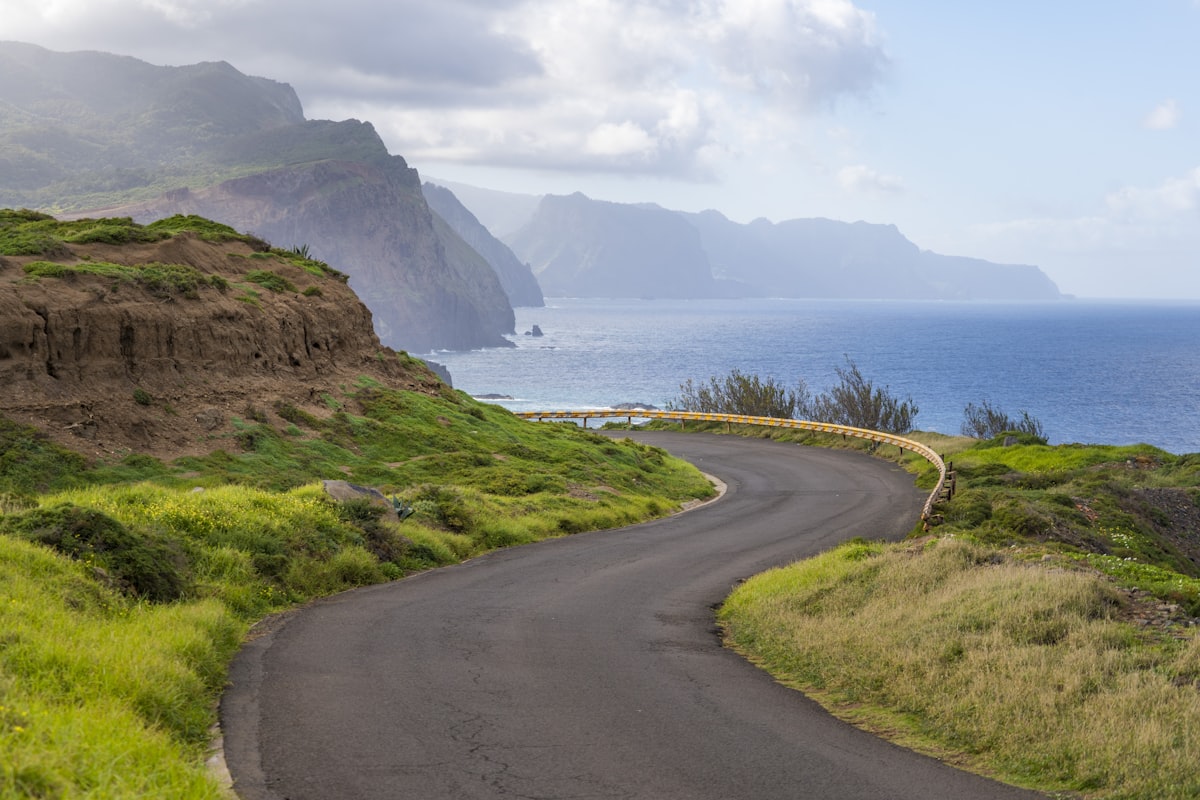
- ↑July is Madeira at its sunniest and warmest — sea temperatures reach 23°C, the south coast has near-zero rainfall, and the island's beach culture reaches its peak. The natural rock pools at Porto Moniz (northwest coast) are extraordinary in July: Atlantic swell fills the lava formation pools with clear seawater, creating a spectacle of spray and colour that draws visitors from Funchal for day trips. The drive itself along the north coast road is one of the most dramatic in Europe.
- ↑Evening culture in Funchal is at its most vibrant in July — the terrace restaurants of the Zona Velha (old town) are fully operational, the seafront Avenida do Mar promenade buzzes until midnight, and the weekly Mercado Agricola do Modelo night market operates Fridays. The Cristiano Ronaldo International Airport namesake's museum (born in Madeira) is unsurprisingly popular.
- ↑Diving season is excellent in July — water clarity is at its annual peak and sea temperatures are warm enough for comfortable extended dives without a thick wetsuit. The underwater volcanic formations off the south coast, including large cavern systems near Câmara de Lobos, are accessible through multiple licensed dive operators.
Sacrifices
- ↓July is Madeira's hottest month for hiking — the levada trails at valley level can reach 32–35°C by midday, making the most exposed routes genuinely uncomfortable and potentially dangerous without very early starts and adequate hydration. The high-altitude routes (Pico Ruivo, Pico do Arieiro) remain comfortable but trailhead parking and logistics are at their most complex.
- ↓Hotel prices are at or near their annual peak — average 4-star Funchal rates exceed €350 per night, and the island's limited accommodation supply means popular properties are fully committed. July is not the month to plan a last-minute Madeira trip.
August#11▾
Gains
- ↑The Madeira Wine Festival takes place in early September, but August is when the grape harvest begins in the island's terraced vineyards above Câmara de Lobos and Estreito de Câmara de Lobos. Visiting the Henriques & Henriques or Blandy's wine lodges in Funchal in late August captures this harvest energy, and the Wine Lodge Blandy's (est. 1811) offers tours of its Funchal cellars with tastings of vintage Madeira that can be 50+ years old.
- ↑Nossa Senhora do Monte Festival (August 15, Feast of the Assumption) is Madeira's most important religious event — pilgrims crawl on their knees up the steps to the Church of Our Lady of Monte, and the toboggan ride down from Monte (operated by carrinhos do Monte, traditional wicker sledges steered by men in white linen) is at its most atmospheric in the festival context.
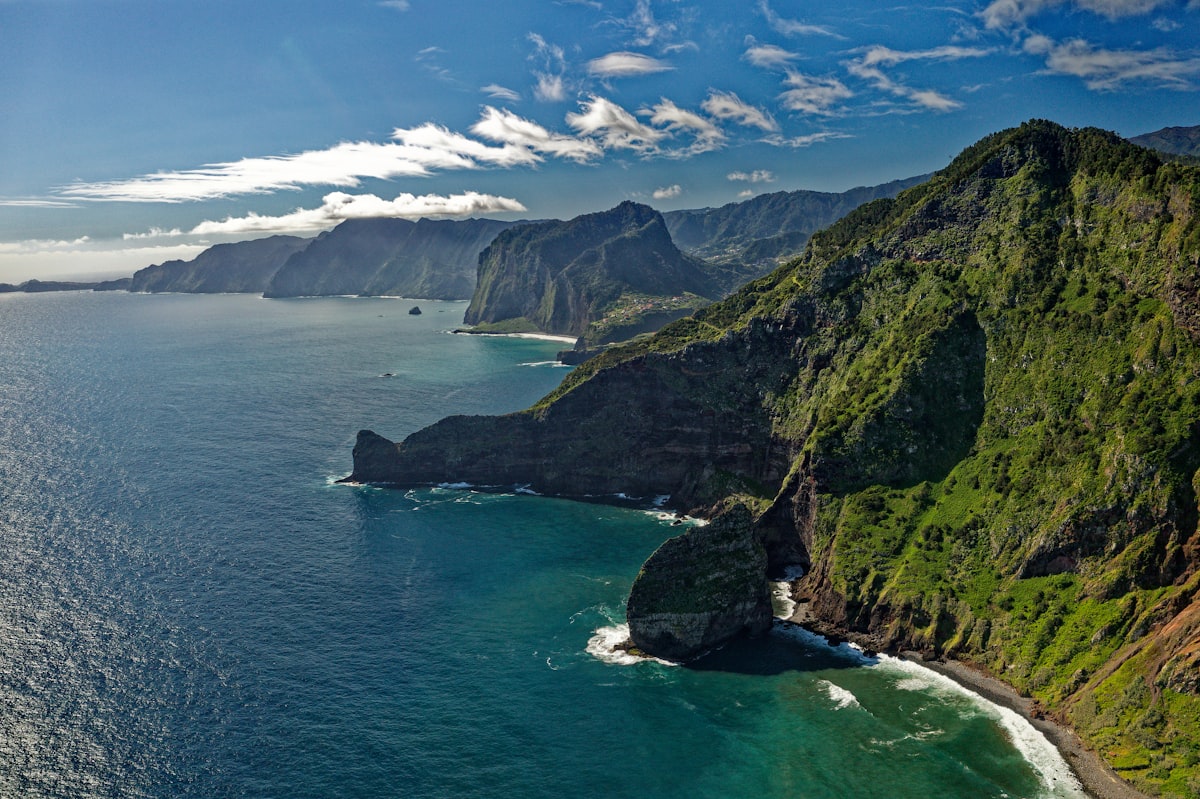
- ↑The sea in August is at its warmest (23–24°C) and the Atlantic swell at its calmest — catamaran day trips around the island's coastline, including the dramatic sea cliffs of the northwest (reachable only by boat), are at their most comfortable and frequently scheduled.
Sacrifices
- ↓August is definitively Madeira's peak tourism month — the combination of Portuguese national holidays, European summer vacations, and British summer travel creates the island's highest visitor density. Funchal's cable car (Teleférico da Madeira) queues can reach 1.5 hours on the busiest days, and popular restaurants require reservations made several days in advance.
- ↓Prices reach their annual maximum in August — accommodation costs 70–80% above the January baseline, and flight prices from London and Lisbon reflect peak demand. The value proposition of Madeira, so strong in winter and spring, largely disappears in August.
September#1▾
Gains
- ↑The Madeira Wine Festival (first two weeks of September, centred on Funchal) is the island's most culturally rich annual event. The harvest treading in Estreito de Câmara de Lobos (visitors can participate), the wine parade through central Funchal, and the Blandy's and Henriques & Henriques lodge open days combine for a celebration that is genuinely rooted in the island's economy and culture rather than tourist artifice. Tastings of vintage Madeira — wine that can survive for a century in cask — are included in many festival events.
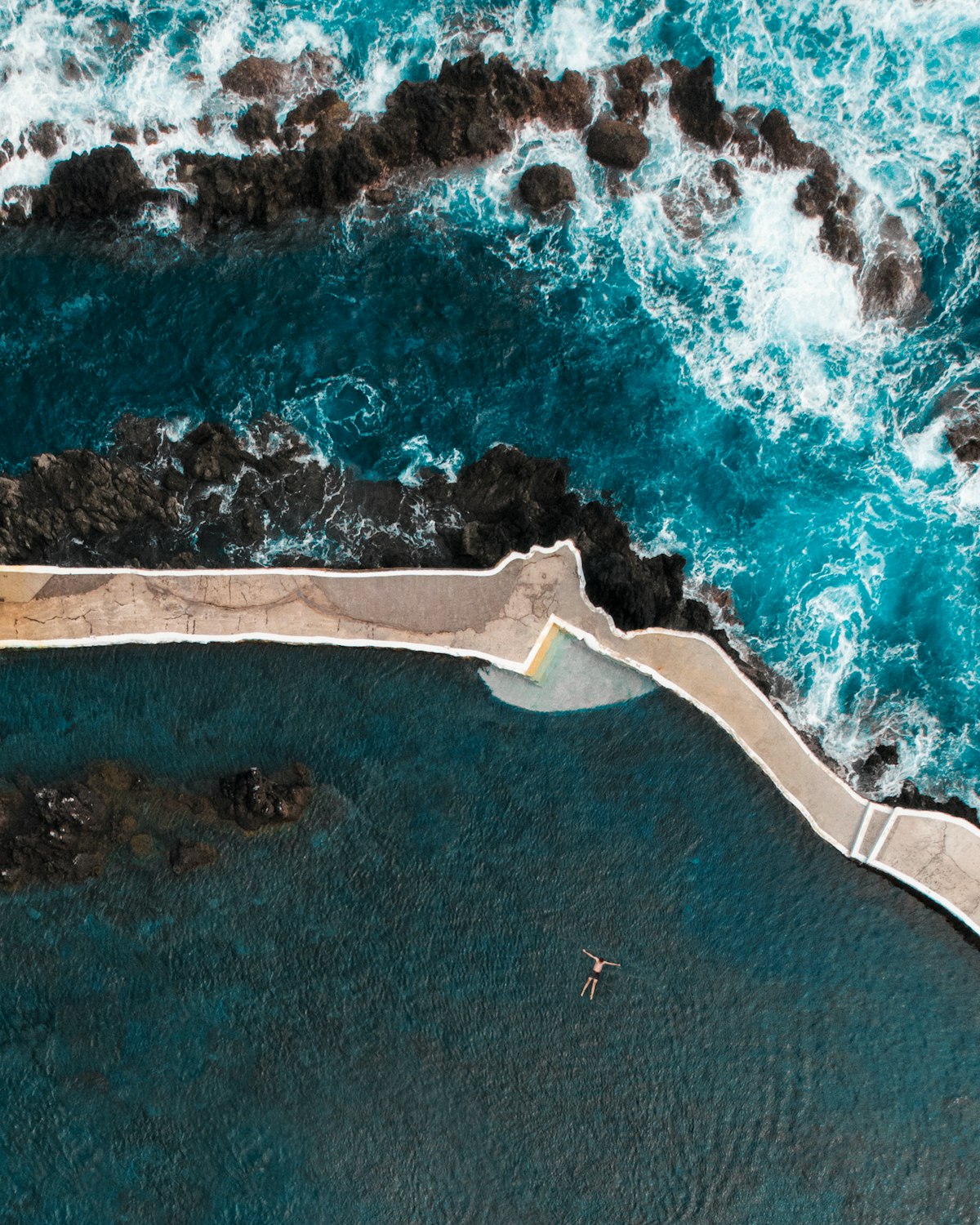
- ↑September sea temperatures peak at 24°C — the warmest of any month — while the summer crowds have diminished significantly after the first week of September. The beaches at Calheta and Machico, and the Porto Moniz rock pools, are at their most inviting with warm water and manageable visitor numbers.
- ↑The levada trails are returning to comfortable conditions after August's heat — September morning temperatures on the high routes (15–18°C at Pico Ruivo level) are ideal for walking, and the light is different from summer: lower angle, golden hour at a more accessible time of day for hikers.
Sacrifices
- ↓September sees the first meaningful autumn rainfall returning — 30mm, compared to August's 5mm. This mostly manifests as occasional afternoon showers rather than sustained rain, but the transition from absolute summer dryness is noticeable. North coast trails can become temporarily muddy after heavier showers.
- ↓Wine Festival weekends specifically cause accommodation spikes — the festival is well-known in the Portuguese and British travel market, and Funchal hotel prices during the festival fortnight can be 30–40% above the surrounding weeks.
October#7▾
Gains
- ↑October is one of Madeira's most underrated months. Temperatures are still warm (24°C average high), the sea remains swimmable at 23°C, and the summer crowds have departed entirely. The levada trails are uncrowded, the Funchal restaurants are operating for locals rather than peak-season tourists, and prices have dropped 30–40% from the summer high. This is the month experienced Madeira visitors recommend most enthusiastically.
- ↑The island's autumn light is extraordinary for photography — lower sun angle, frequent cloud-and-sun alternation that creates dramatic shadows across the terraced hillsides, and the early stages of the agricultural transition as the island's farmers prepare fields for winter crops. The Poiso area above Funchal and the entire Encumeada ridge offer exceptional October walking conditions.
- ↑October 5 (Portuguese Republic Day) and surrounding public holidays bring some local festival activity and a relaxed long-weekend atmosphere in Funchal that is characterful without the intensity of the main summer events.
Sacrifices
- ↓October rainfall increases significantly from September — 68mm versus 30mm — with the Atlantic weather systems that define the island's winter beginning to reassert themselves. Week-long dry spells are common, but so are 2–3 day wet periods that affect outdoor plans. The north and mountain areas receive substantially more rainfall than the south coast figures indicate.
- ↓Some seasonal beach establishments and water sports operators reduce hours or close in October as the season winds down. The Calheta beach area, in particular, becomes quieter and less serviced than in summer.
November#9▾
Gains
- ↑At 21°C average high with mild overnight temperatures, November in Madeira still significantly outperforms most of Europe. Northern European visitors arriving from grey, cold autumn are often struck by the genuine warmth and the continued subtropical garden bloom — the island's jacaranda trees, plumbago, and bougainvillea continue flowering in sheltered south coast locations throughout November.
- ↑November is the last month before Christmas bookings push prices up for the New Year fireworks rush. Hotels that cost €200 in November rise to €350–400 by mid-December and are sold out at any price for New Year's Eve itself. November represents the last genuinely affordable, uncrowded window before the island's signature end-of-year event.
- ↑The Laurisilva forest is at its most atmospheric in November — heavy rain has replenished the levada channels, mist sits in the valley floors of Rabacal and Fanal, and the ancient laurel trees are intensely green and draped in moisture. For those whose priority is the forest rather than beaches, November is one of the most evocative months to walk.
Sacrifices
- ↓November is Madeira's second-rainiest month, and the pattern of Atlantic frontal systems means multi-day periods of sustained rain are the norm rather than the exception. Planning outdoor activities requires flexibility and alternatives for wet days — Funchal's excellent museum infrastructure (Cristiano Ronaldo Museum, MUDAS contemporary art, the Natural History Museum in the Old Town) provides good indoor content.
- ↓Sea temperature has dropped to 21°C by November, which remains swimmable but is below the comfortable casual-swimming threshold for most visitors. Beaches are typically empty of swimmers even on dry days.
December#6▾
Gains
- ↑The Funchal New Year fireworks display (December 31) is the singular reason December belongs on this list despite its rainfall and moderate temperatures. Certified by Guinness World Records as the world's largest fireworks display (by land coverage — over 8km of simultaneous launches), it is filmed for broadcast by CNN, the BBC, and dozens of European networks. The entire city becomes a viewing platform — hillside houses illuminate their terraces, boats crowd the bay, and viewpoints from the Eira do Serrado above the Nuns' Valley deliver panoramic views of the display exploding from every hillside simultaneously. Hotels for December 31 sell out by August; many visitors book annually and return every year specifically for this event.
- ↑The Christmas season in Funchal is genuinely beautiful — the city's steep topography means the illuminations climb the hillsides, and the central Funchal Christmas market (Avenida Arriaga) is well-organised and stocked with Madeiran craft and food products. The island's 200+ years of British tourism influence means Christmas traditions are enthusiastically adopted and well-executed.
- ↑December temperatures (20°C average) mean the island is still dramatically warmer than most of Europe in winter — visitors arriving from Northern Europe or North America experience the subtropical garden setting and warm air as genuinely transformative after a cold Christmas at home.
Sacrifices
- ↓New Year accommodation in Funchal is extraordinarily expensive and requires booking months in advance. Properties with direct bay views for the fireworks command €800–1,500 per night for December 31, and even properties without views charge multiples of their normal rate. Early January is the budget alternative if the fireworks themselves are not the priority.
- ↓December rainfall (88mm) is significant, though the rainy days are not uniformly distributed — week-long clear spells are common in December, punctuated by Atlantic frontal passages. The island's winter rain is mostly overnight and morning, with afternoons often clearing.
How this is calculated
Climate data
Open Meteo ERA5
30-year normals (1991–2020). Temperature, rainfall, sunshine, humidity.
Price & crowd
Tourism research
Seasonal pricing from tourism authority data. Directional — compares months within a destination only.
Personalisation
Weighted scoring
Your priorities change the weights. Budget-first users get different results than weather-first users.
Share this result
September is the best time to visit Madeira
Travel timing updates
New destinations and timing guides, when they land.
No spam. Unsubscribe anytime.