Showing: Oct · Unsplash / Unsplash
Nepal · South Asia
Best time to visit Nepal
October
Oct scores highest overall — reliable weather and strong local atmosphere. Set your priorities below to personalise this result.
What matters most to you?
All 12 months — click any to expand
Oct
Unsplash / Unsplash
The finest month — crystal-clear skies, Dashain festival, and the most dramatic mountain views of the year.
24°C
High
11°C
Low
55mm
Rain
8h
Sun/day
What you gain
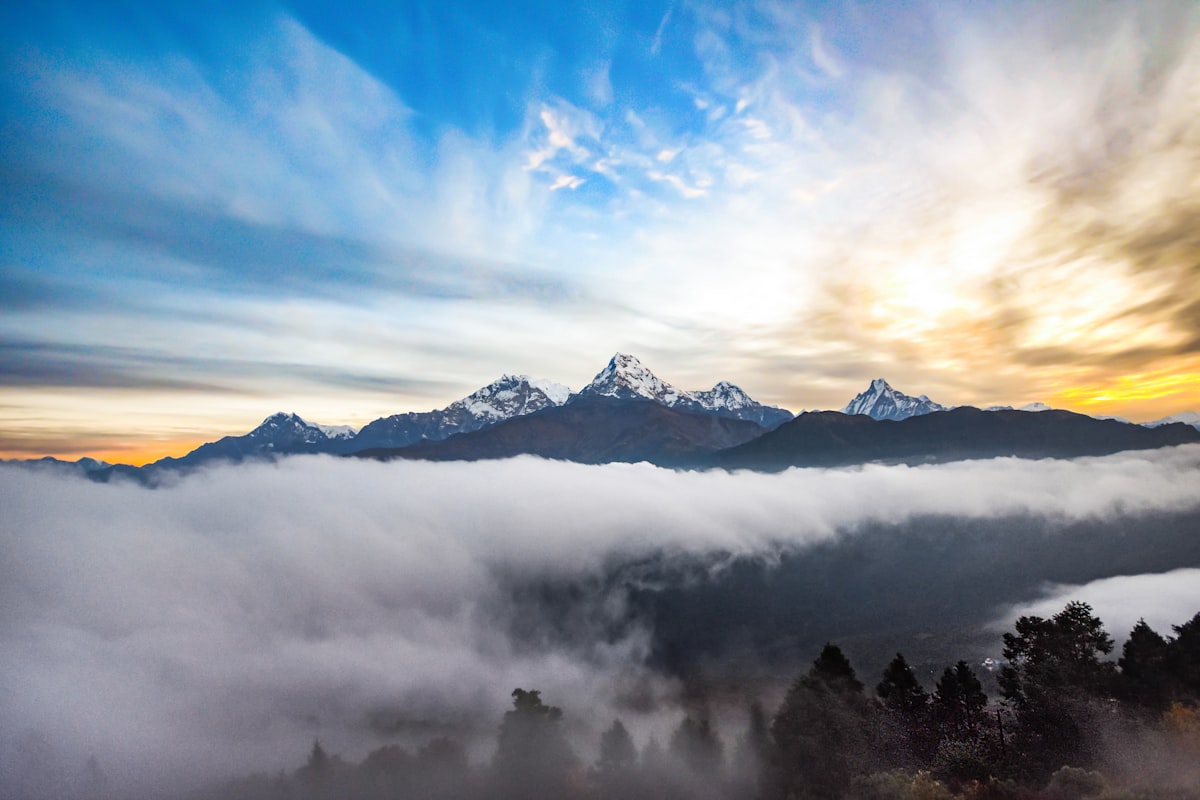
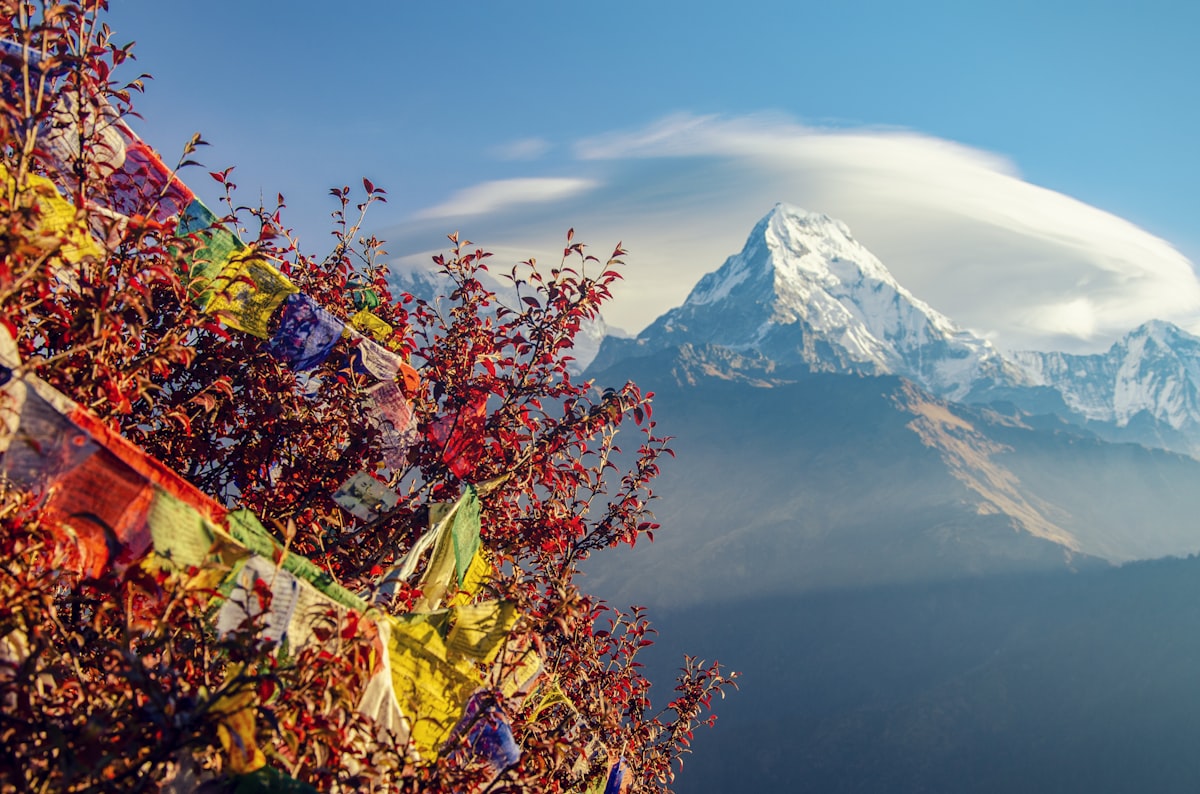
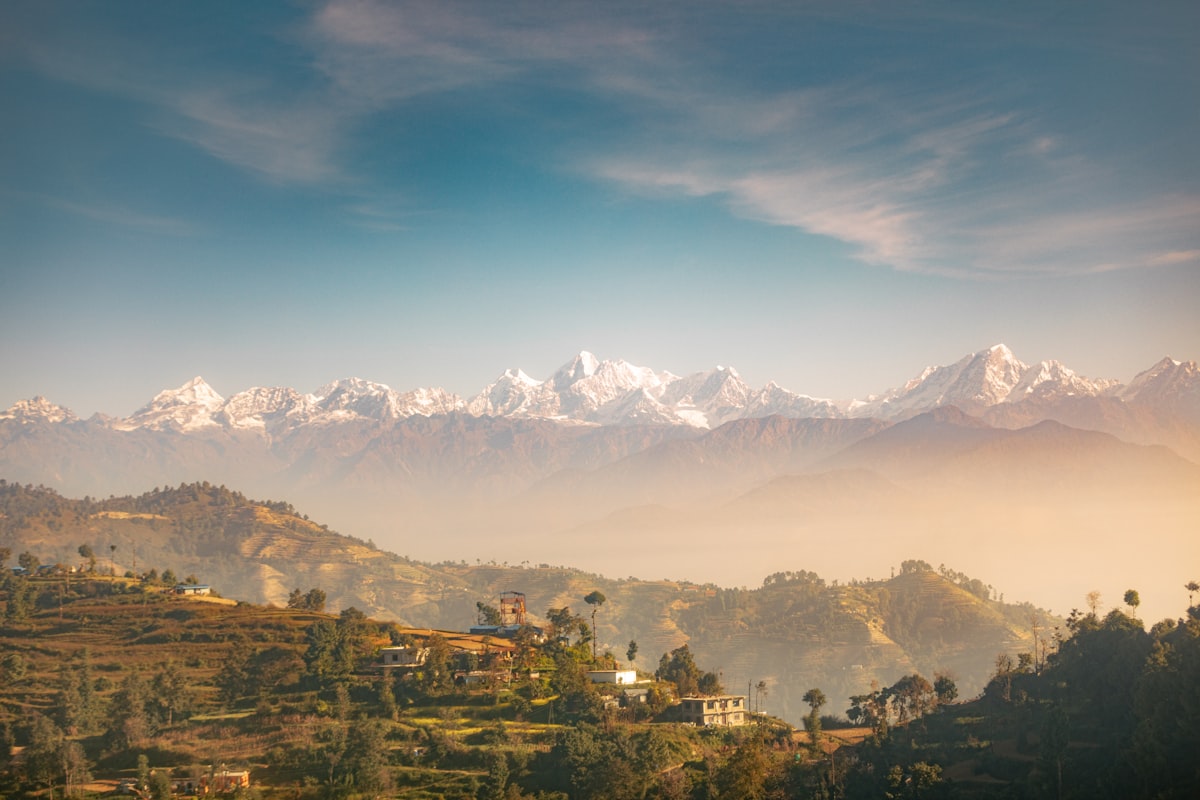
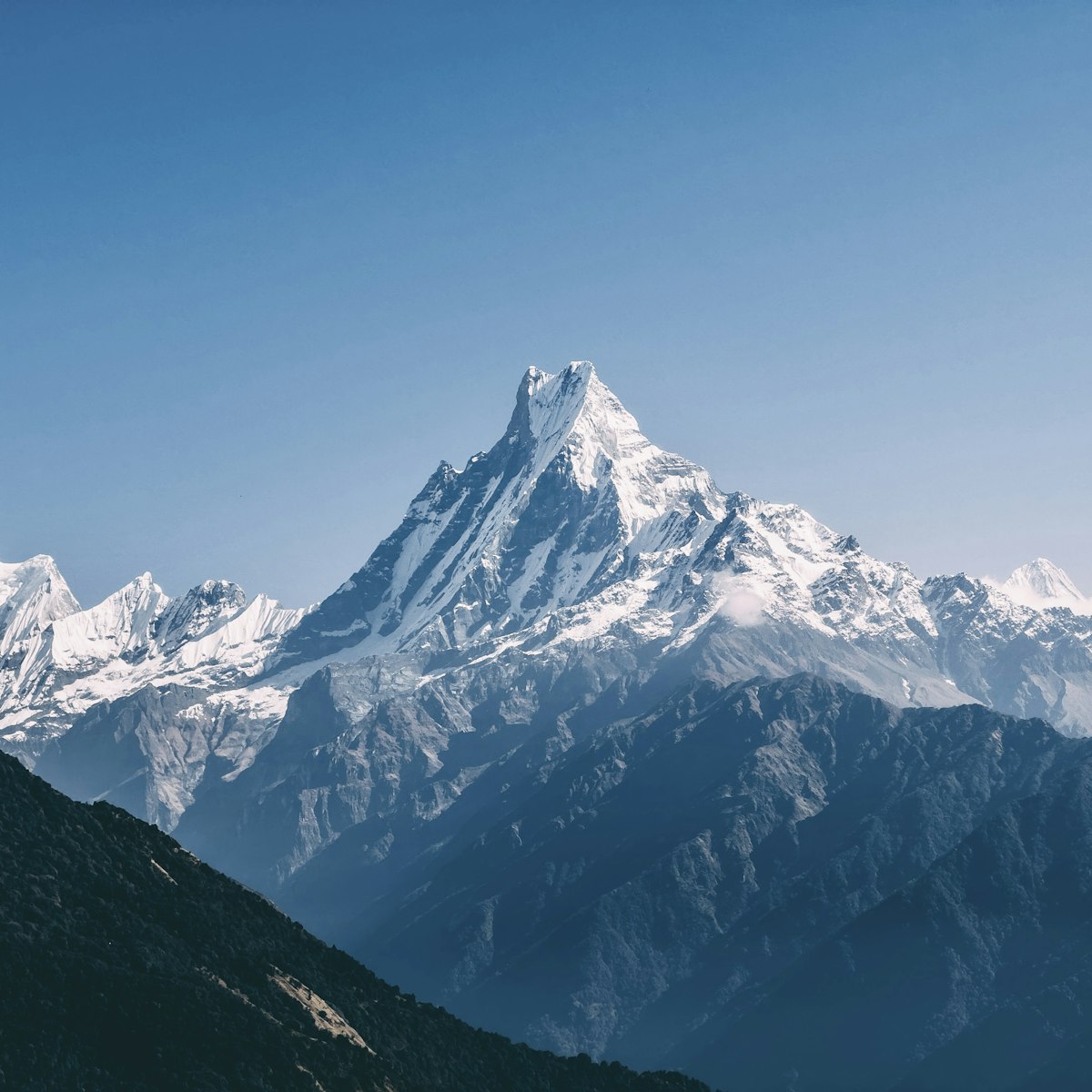
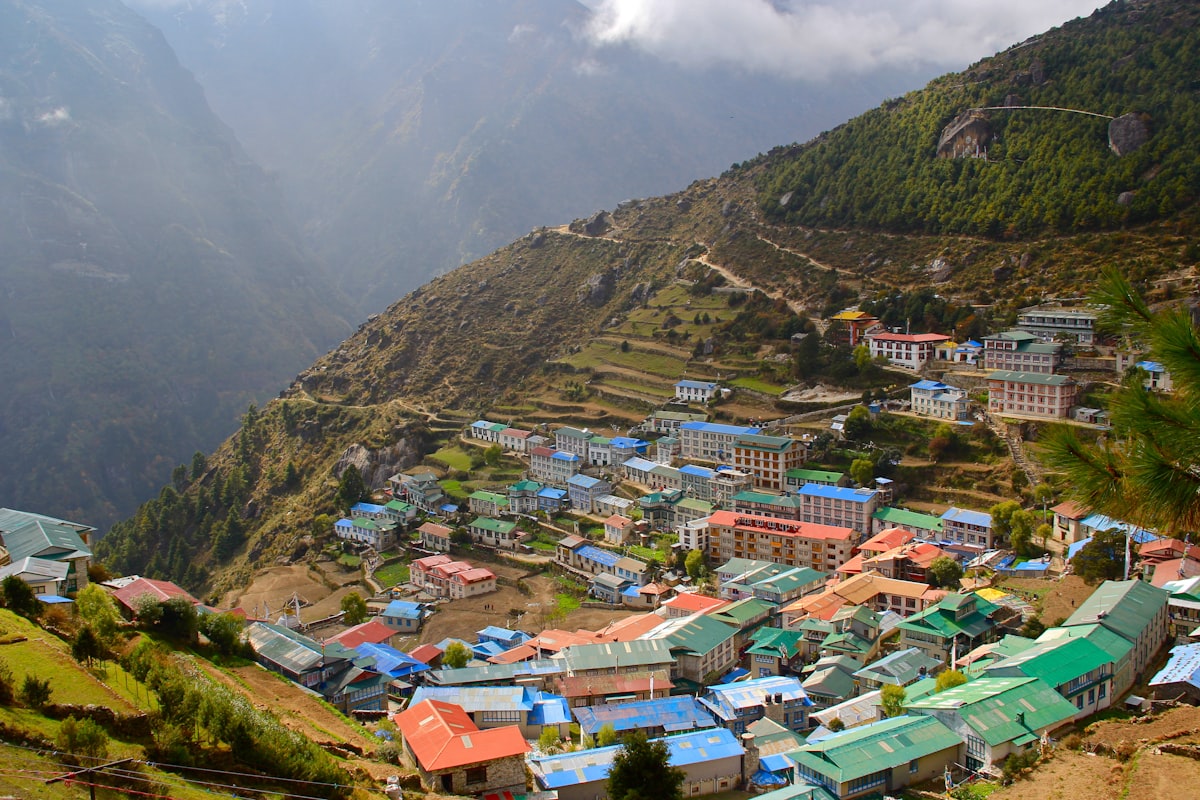
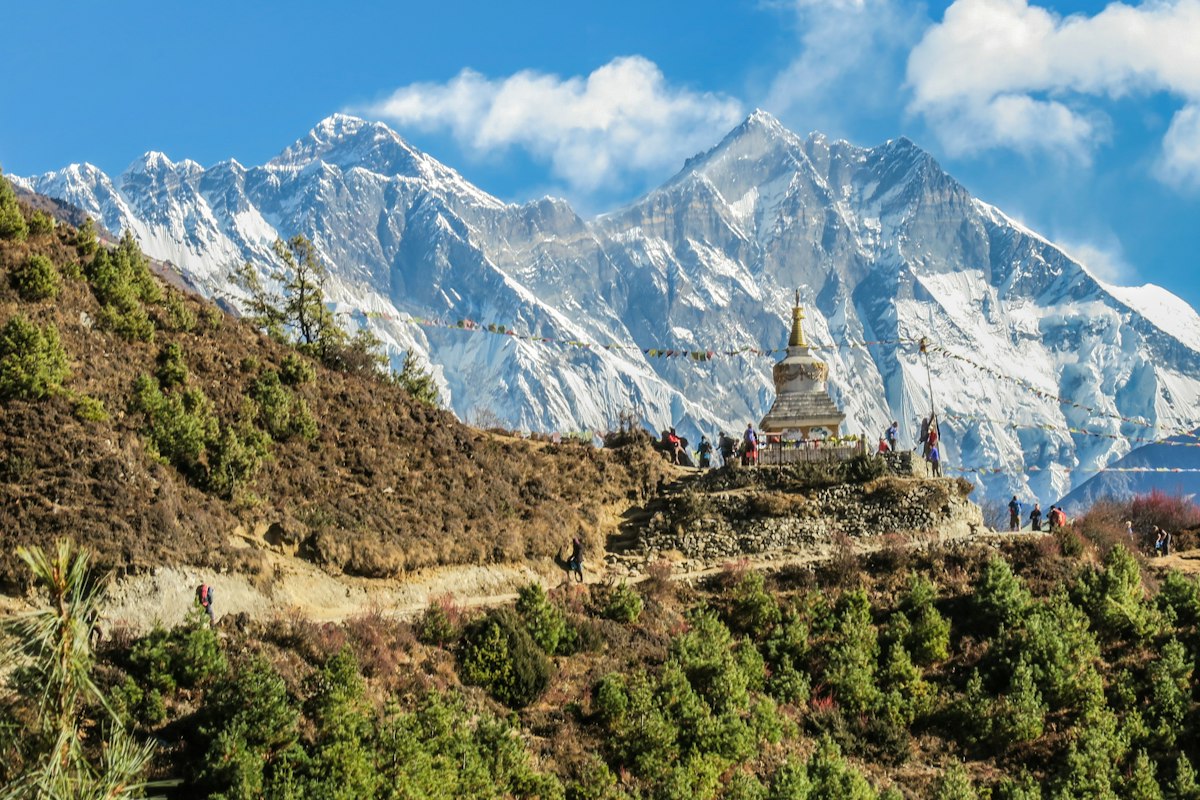
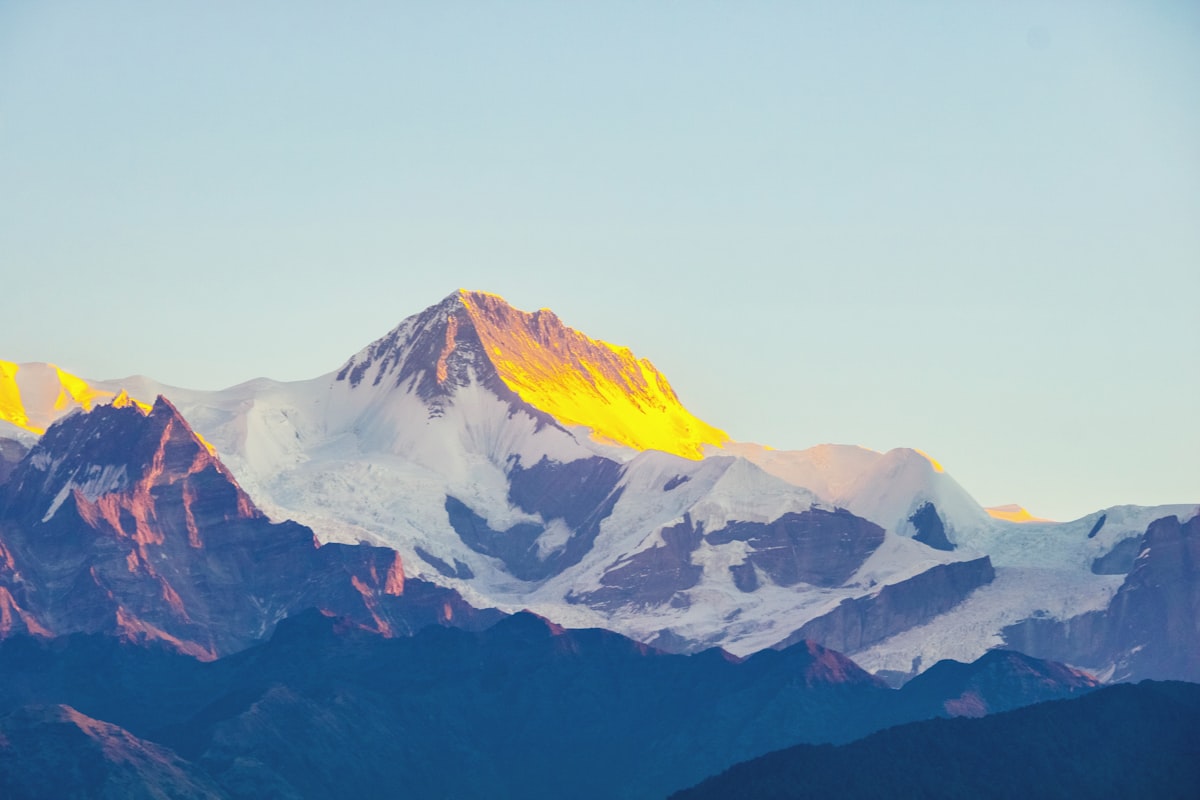
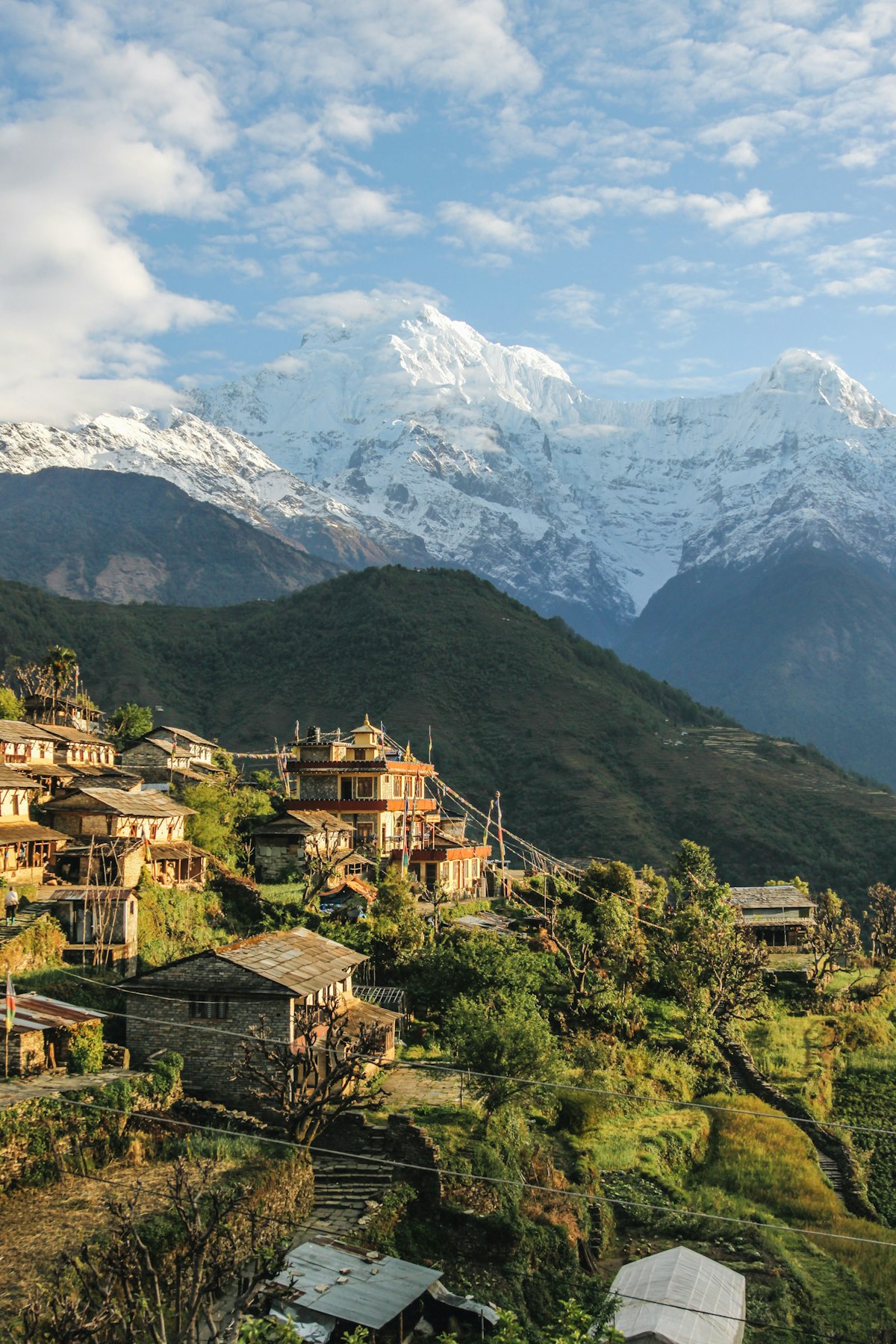
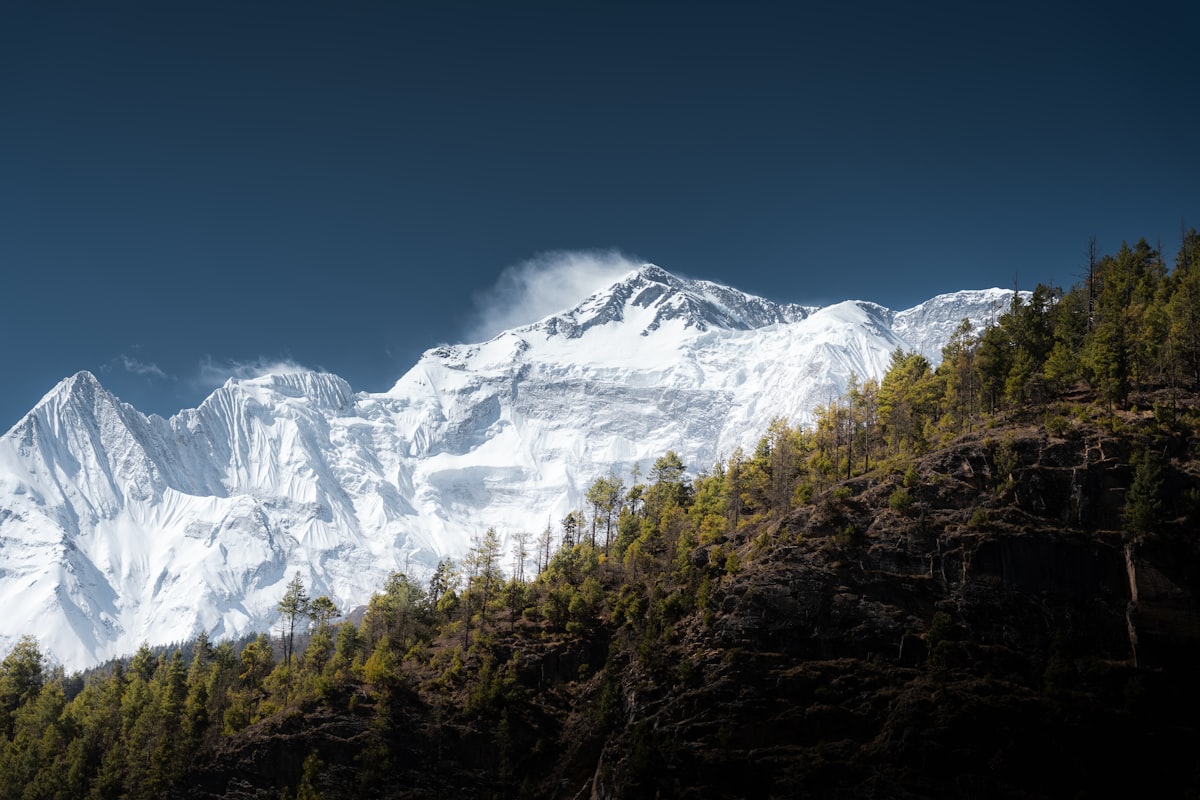
- ↑October delivers Nepal's most celebrated conditions: the monsoon has ended, the air has been washed clean, and the Himalayan panoramas — Everest from Kala Patthar, Annapurna from Poon Hill, Ganesh Himal from Nagarkot — are at their sharpest and most dramatic; photographers and trekkers specifically plan years around October visits
- ↑Dashain (Nepal's most important Hindu festival, date varies late September–October) transforms the country: a 10–15 day celebration featuring kite-flying, family reunions, animal sacrifices at Durbar Squares, and the blessing of children by elders with tika (coloured powder and yoghurt); the atmosphere in Kathmandu during Dashain is the most culturally charged of any month
- ↑Tihar (Festival of Lights, October–November, 5 days): Nepal's equivalent of Diwali, celebrated with oil lamp rows, the worship of crows, dogs, and cows, and the extraordinary Lakshmi Puja evening when the Kathmandu Valley is lit from every window with oil lamps and strings of lights; Tihar in Bhaktapur's medieval Durbar Square is one of the most visually beautiful cultural events in South Asia
What you sacrifice
- ↓October is the most competitive accommodation month in Nepal: the EBC route lodges in Namche Bazaar, Tengboche, and Gorak Shep book out weeks to months in advance; the Annapurna Circuit tea houses similarly fill rapidly; arriving without confirmed accommodation for the high-altitude stages of any circuit in October is inadvisable
- ↓October peak season pricing: tea house rates double or triple from monsoon prices, guides and porters charge premium rates, and permit prices for restricted areas are unchanged but the total trip cost is highest of any month
- ↓Dashain creates specific practical challenges: many Kathmandu shops, restaurants, and services close for 10 days around the festival; bank hours change, tourist taxis become harder to find as drivers return to their home villages, and logistics around the festival period require advance planning
Oct scores highest overall — reliable weather and strong local atmosphere. Set your priorities below to personalise this result.
Oct
The finest month — crystal-clear skies, Dashain festival, and the most dramatic mountain views of the year.
24°C
High
55mm
Rain
8h
Sun
- ↑October delivers Nepal's most celebrated conditions: the monsoon has ended, the air has been washed clean, and the Himalayan panoramas — Everest from Kala Patthar, Annapurna from Poon Hill, Ganesh Himal from Nagarkot — are at their sharpest and most dramatic; photographers and trekkers specifically plan years around October visits
- ↑Dashain (Nepal's most important Hindu festival, date varies late September–October) transforms the country: a 10–15 day celebration featuring kite-flying, family reunions, animal sacrifices at Durbar Squares, and the blessing of children by elders with tika (coloured powder and yoghurt); the atmosphere in Kathmandu during Dashain is the most culturally charged of any month
- ↑Tihar (Festival of Lights, October–November, 5 days): Nepal's equivalent of Diwali, celebrated with oil lamp rows, the worship of crows, dogs, and cows, and the extraordinary Lakshmi Puja evening when the Kathmandu Valley is lit from every window with oil lamps and strings of lights; Tihar in Bhaktapur's medieval Durbar Square is one of the most visually beautiful cultural events in South Asia
- ↓October is the most competitive accommodation month in Nepal: the EBC route lodges in Namche Bazaar, Tengboche, and Gorak Shep book out weeks to months in advance; the Annapurna Circuit tea houses similarly fill rapidly; arriving without confirmed accommodation for the high-altitude stages of any circuit in October is inadvisable
- ↓October peak season pricing: tea house rates double or triple from monsoon prices, guides and porters charge premium rates, and permit prices for restricted areas are unchanged but the total trip cost is highest of any month
- ↓Dashain creates specific practical challenges: many Kathmandu shops, restaurants, and services close for 10 days around the festival; bank hours change, tourist taxis become harder to find as drivers return to their home villages, and logistics around the festival period require advance planning
Top travel windows
★ BestOctober
Best overall
Highest combined score
24°C
High
55mm
Rain
8h
Sun
January
Best for value
Lowest prices & fees
18°C
High
20mm
Rain
6.5h
Sun
July
Fewest crowds
Quietest month
27°C
High
370mm
Rain
4h
Sun
Breakdown by priority
Best for weather
October
24°C high · 55mm rain · 8hrs sun/day
Best for budget
January
Lodge and permit prices are at their annual low: the government-mandated TIMS trekking permit and the Annapurna and Sagarmatha national park fees don't change, but lodge rates on the popular trekking circuits drop 30–50% from the October–November peak; a tea house trek in January is genuinely affordable
Fewest crowds
July
July is Nepal's cheapest month for accommodation and services: Kathmandu hotels, Pokhara lakeside guesthouses, and even the teahouses that remain open on accessible lower-altitude trails are at their absolute price floor; independent travellers comfortable with the rain and heat find Nepal in July remarkably affordable
Worst time to visit
July, August
370mm of rain is Nepal's highest monthly rainfall and the most significant barrier to outdoor activity: 4.0 sunshine hours daily means sustained cloud and persistent rain from morning through afternoon; even short walks between tea houses involve getting wet repeatedly, and the leeches on the lower forest trails reach their peak density
Where to base yourself in Nepal
All regions →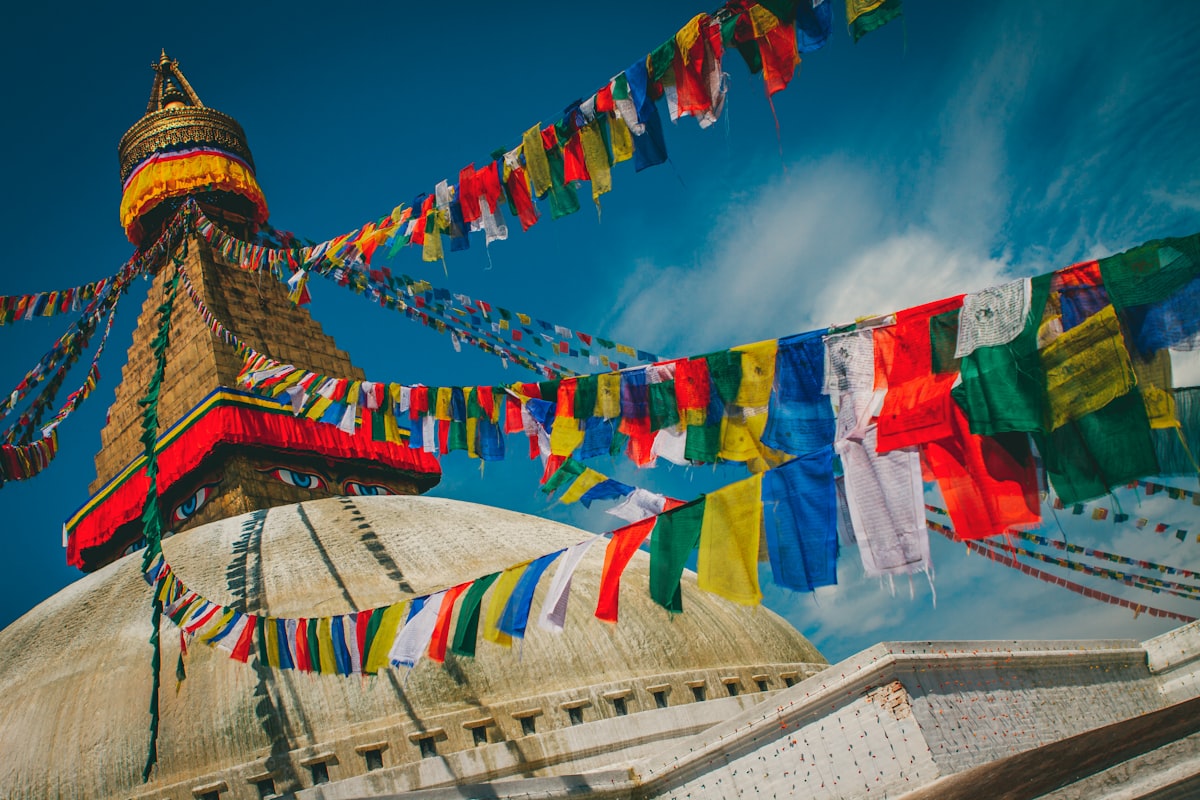
Kathmandu Valley
UNESCO World Heritage at every turn — Pashupatinath's cremations, Bouddhanath stupa, three Durbar Squares, and the chaotic spiritual energy of South Asia's most sacred city.
10/10
Central
7/10
Walk
7/10
Transit
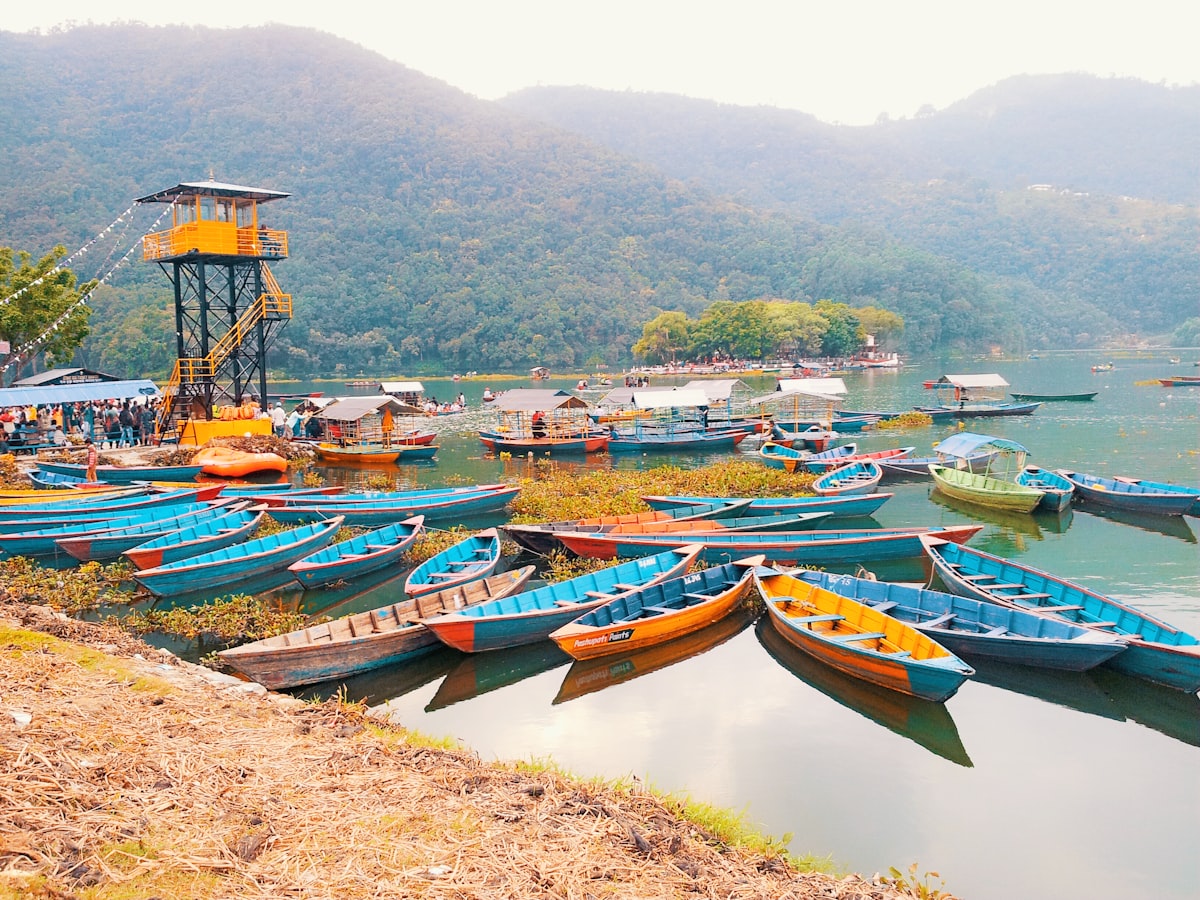
Pokhara
Nepal's second city — Phewa Lake, direct Annapurna views, world-class paragliding, and the most relaxed base for the Annapurna region.
8/10
Central
7/10
Walk
7/10
Transit
Also exploring
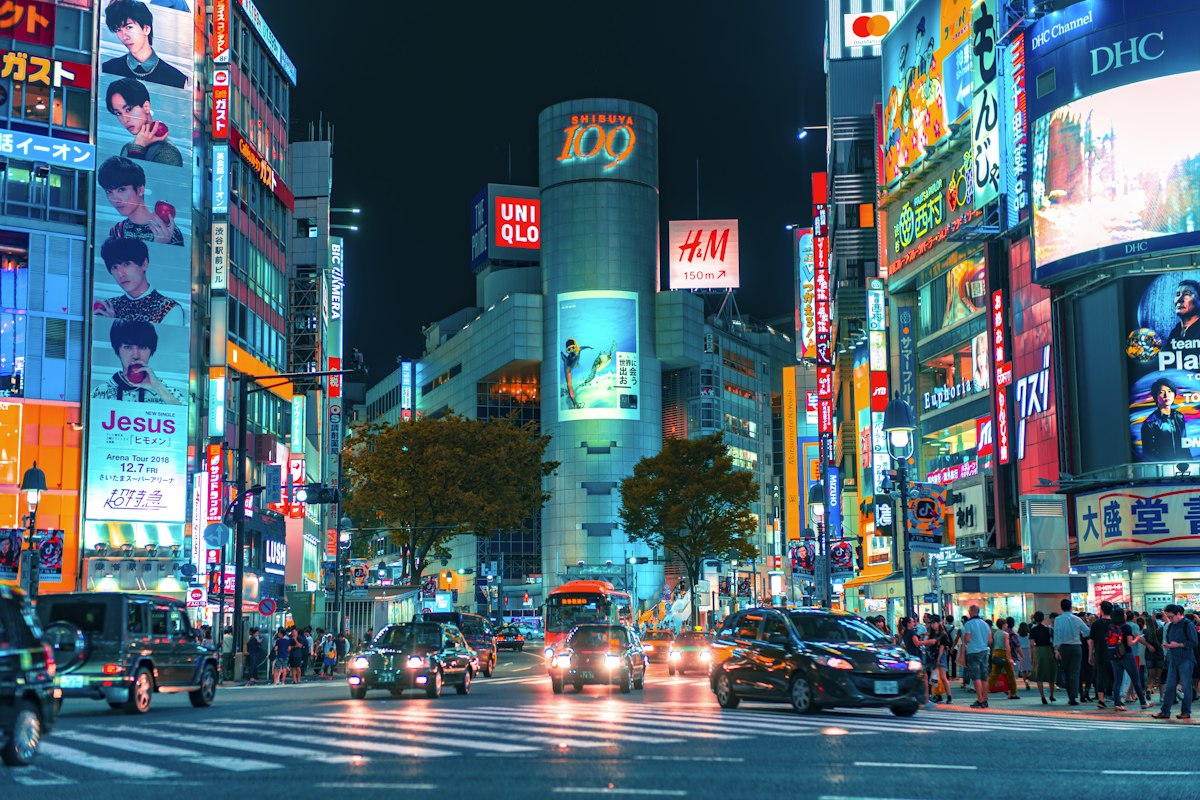
Tokyo
Japan
A city of dramatic seasonal contrasts — cherry blossom crowds, oppressive summer humidity, and golden autumn foliage — where the wrong timing can make or break the trip.
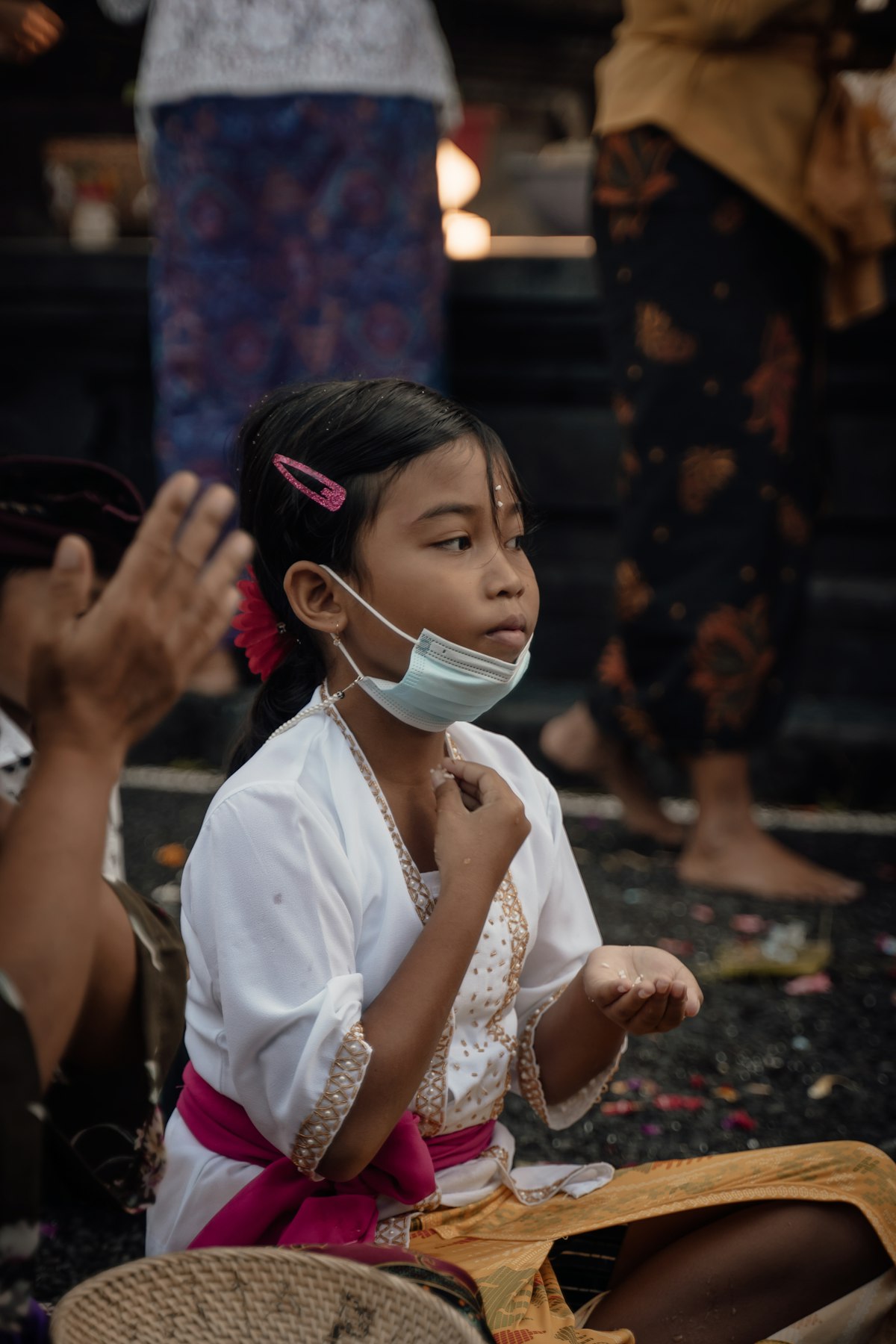
Bali
Indonesia
A Hindu island of rice terraces, temple ceremonies, and surf breaks where the monsoon makes timing genuinely binary — the difference between dry and wet season is not subtle.
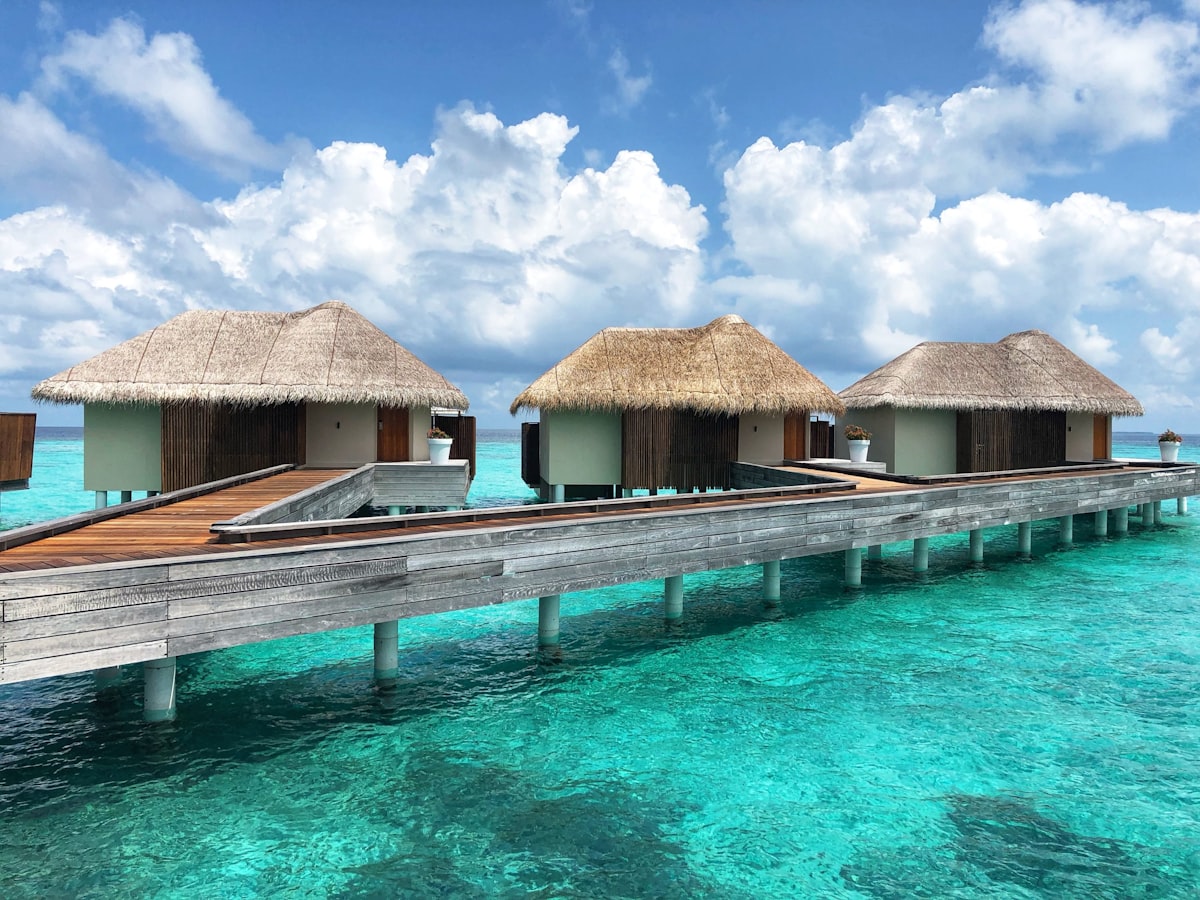
Maldives
Maldives
A destination defined almost entirely by its monsoon calendar — the difference between the NE dry season (November–April) and SW wet season (May–October) is not subtle and shapes every aspect of the experience.
Month by month breakdown
January#8▾
Gains
- ↑January delivers the clearest mountain views of the year: the monsoon has been over for months, winter precipitation is minimal (20mm across the full month), and the air quality is at its best — the Annapurna and Ganesh Himalaya massifs visible from Kathmandu's Nagarkot viewpoint are sharper and more defined in January than at any other time
- ↑Lodge and permit prices are at their annual low: the government-mandated TIMS trekking permit and the Annapurna and Sagarmatha national park fees don't change, but lodge rates on the popular trekking circuits drop 30–50% from the October–November peak; a tea house trek in January is genuinely affordable
- ↑Kathmandu and Pokhara are least crowded: the UNESCO temples of Pashupatinath, Bouddhanath, and Patan's Durbar Square are navigable without the group-tour density of October; Pokhara's lakeside restaurants and paragliding operations run with minimal queuing
Sacrifices
- ↓High-altitude passes are closed or require crampons and ice axe experience in January: the Thorong La on the Annapurna Circuit (5,416m) and the high passes of the Kanchenjunga and Dolpo circuits are impassable after heavy snowfall; only experienced winter mountaineers should attempt these routes
- ↓Kathmandu valley temperatures drop to 3°C at night and rarely exceed 18°C by day — the city is not cold by European winter standards but the older buildings and many guesthouses lack central heating, making evenings genuinely uncomfortable without multiple layers and a good sleeping bag
- ↓January air quality in Kathmandu is poor: the combination of cold weather, coal and wood burning for heating, and vehicle emissions creates winter smog that can obscure mountain views in the early morning and late afternoon despite the season's reputation for clarity
February#6▾
Gains
- ↑February marks the beginning of the pre-spring build-up: temperatures warm from January, the first red rhododendron blooms appear on the lower slopes of the Annapurna foothills, and the Poon Hill trail (the most accessible rhododendron forest in Nepal, 3,210m) begins its seasonal transformation from bare branches to colour
- ↑Losar (Tibetan New Year, date varies February–March) is the most important festival in Nepal's Buddhist communities: the celebrations at Bouddhanath Stupa in Kathmandu, Tengboche Monastery in the Everest region, and the Sherpa communities in the Solukhumbu district involve masked dances, butter lamp lighting, and monastery rituals that are among the most atmospheric cultural experiences in Asia
- ↑The trekking routes are quieter in February than in March–May or October–November: the main circuits are operational, lodges are open, and the trails have the calm, non-organised quality that the peak season's group tours disrupt; independent trekkers who want the trail largely to themselves find February an appealing window
Sacrifices
- ↓High passes remain closed or challenging in February: Thorong La on the Annapurna Circuit can have heavy snow in February, and guides with snow experience are advisable; the lower-altitude circuits (Annapurna Base Camp route, Poon Hill, Langtang Valley) are fine for prepared trekkers
- ↓30mm of rainfall in February includes occasional snow at elevations above 2,000m — the Annapurna sanctuary route above Chhomrong can be snowy and icy in sections, requiring micro-spikes and trekking poles; the footpath conditions are unpredictable and less well-maintained in the off-season
- ↓The February cold at altitude is the most challenging physical element: teahouse temperatures above 3,000m are governed by a single wood-burning stove in the dining room; sleeping in an unheated room at 4,000m with a 0°C outside temperature requires a quality sleeping bag rated to -10°C
March#3▾
Gains
- ↑March marks the opening of Nepal's primary spring trekking season: Thorong La on the Annapurna Circuit reopens as the snow conditions improve, the Everest Base Camp route becomes accessible to all fitness levels without winter equipment, and the rhododendron forests of the Annapurna and Langtang regions are at their most spectacular — forests of 30-metre red, pink, and white trees in full bloom at 2,000–3,500m
- ↑Holi (Festival of Colours, date varies February–March) is celebrated with particular energy in Nepal: Kathmandu's squares fill with water balloons and coloured powder, and the celebration is more participatory and less managed than the Indian equivalent; the Durbar Squares in Kathmandu and Bhaktapur are the finest settings
- ↑Mountain visibility is excellent in March: the pre-monsoon air is still clear and the morning views of the Annapurna massif from Poon Hill at 3,210m (a 3–4 day approach) deliver the most photographed mountain panorama in the world — 13 peaks over 7,000m visible simultaneously at dawn in a 180° arc
Sacrifices
- ↓March sees the beginning of the spring trekking crowd: the Annapurna and Everest circuits are filling up, and popular tea houses on the EBC route require advance booking from March; the independent, empty-trail experience of January–February is replaced by a more organised circuit atmosphere
- ↓Pre-monsoon weather in March can bring afternoon cloud and occasional showers — the clearest mountain views are always in the morning (dawn to 10am) before cloud builds; afternoon visibility deteriorates faster in March than in October–November
- ↓Spring can bring pre-monsoon dust and haze to the Kathmandu Valley: the combination of construction dust, vehicle emissions, and agricultural burning creates periodic poor visibility days in the valley that don't affect the mountain views above 2,500m
April#2▾
Gains
- ↑April is the peak month for Mount Everest attempts: the Khumbu Icefall is in its most stable spring condition, and the summit window between the jet stream and the pre-monsoon is typically widest in mid-May (preparation begins in April); the Everest Base Camp trek in April encounters the most dramatic activity of the climbing season — helicopter resupply missions, Sherpa teams moving equipment, and the electricity of the world's highest sporting event
- ↑The rhododendron forests at maximum bloom: April extends the March rhododendron season to higher elevations — the Ghorepani-Poon Hill circuit passes through forests at 2,000–3,500m that are at their fullest colour in the first two weeks of April; the combination of flowering forests, snow-capped mountains, and warm hiking temperatures makes April the finest month for the Annapurna day-hike circuits
- ↑Kathmandu temperatures at 27°C are ideal for temple exploration: the Pashupatinath temple complex (the most sacred Hindu site in Nepal), the medieval city of Bhaktapur Durbar Square, and the Tibetan Buddhist circuit of Bouddhanath are all most comfortable in April's warm, clear pre-monsoon weather
Sacrifices
- ↓April is the busiest month for the Everest Base Camp route: the combination of Everest climbing season and spring trekking peak fills the Namche Bazaar lodges and the Tengboche Monastery surrounds; the EBC trail above Namche has the highest density of trekkers of any month, and solo/independent walkers will share the path with guided groups from every continent
- ↓70mm of rain in April includes some afternoon showers above 3,500m — occasional afternoon cloud and the first pre-monsoon build-up can reduce afternoon mountain visibility; morning starts are essential for Poon Hill, Kala Patthar, and other viewpoint objectives
- ↓Spring trekking accommodation pricing is at its annual high: tea houses on the Annapurna Circuit and EBC route price significantly above the October–November peak, and the most popular lodges in Namche Bazaar require booking 2–4 weeks ahead
May#5▾
Gains
- ↑May is Everest summit month: the weather window typically opens between May 10–25, and the concentration of summit attempts in this period creates the most dramatic high-altitude activity visible from EBC and Kala Patthar; watching 40–50 headlamps moving up the SE Ridge through binoculars from the EBC moraine at 3am is one of the most extraordinary viewing experiences in Nepal
- ↑Lower altitude trekking circuits (Poon Hill, Annapurna Sanctuary, Langtang Valley) remain excellent in May: the pre-monsoon warm temperatures, the tail of the rhododendron season, and the increasing lushness as moisture builds create beautiful hiking conditions at elevations below 3,000m
- ↑Pokhara and the lakeside are at their most alive in May: the paragliding season extends through May with excellent thermal conditions, the Fewa Lake kayaking is at its most pleasant, and the restaurants and bars of Lakeside have a warm social energy that the October crowd creates but May captures without the peak-season price
Sacrifices
- ↓Monsoon-driven cloud build-up accelerates through May: mountain viewpoints above 4,000m become progressively obscured after 9–10am as afternoon cloud builds; the critical Kala Patthar view of Everest summit requires a 4am start for clear visibility, and some May weeks see the mountain invisible from Base Camp for days at a time
- ↓130mm of rain and 72% humidity represent a significant shift from April — the lower valleys and Kathmandu city are warm and humid, and afternoon showers become a daily reality; high-altitude circuits above 5,000m are still dry but the approach valleys become muddier
- ↓The Khumbu Icefall becomes increasingly unstable in May as temperatures rise: summit teams accelerate their activity to complete rotations before the icefall deteriorates; this creates a deadline-driven, high-energy atmosphere at EBC that is fascinating to observe but signals the approaching monsoon closure
June#10▾
Gains
- ↑The monsoon transforms Nepal's landscape into something visually extraordinary: the brown hillsides of the pre-monsoon become intensely green, the rivers run at full volume through the gorges, rice terraces on the hillsides around Pokhara are freshly planted and beautiful, and the vegetation density creates a Nepal that the dry-season trekker never sees
- ↑Kathmandu's UNESCO heritage sites are at their least crowded in June — Pashupatinath, Bouddhanath, and the Durbar Squares have almost no international tourists; the temples and their resident communities operate without the October-November group tour overlay, and Hindu pilgrims and local worshippers dominate the sacred spaces
- ↑The Upper Mustang region (beyond the main Himalayan range) sits in the rain shadow and remains trekable year-round: the lunar landscape of Lo Manthang, the ancient cave settlements, and the Tibetan Buddhist kingdom at Nepal's northern border are inaccessible to the casual visitor but available to permit holders (US$500 restricted area permit) throughout the monsoon
Sacrifices
- ↓250mm of rain and 5.5 sunshine hours represent the monsoon in full: the major trekking circuits are technically open but the leeches on the lower trails, the frequent bridge washouts, and the persistent rain make the EBC and Annapurna Circuit extremely unpleasant; most trekking agencies close their circuit operations from June through September
- ↓Mountain visibility is almost entirely absent during the monsoon: the Himalayan peaks are obscured by cloud for 80–90% of days between June and August; visitors to Nepal in June who expect to see the mountains will be disappointed
- ↓Infrastructure damage accumulates during the monsoon: landslides can close the main Kathmandu–Pokhara highway (sometimes for days), and the mountain road connections to trekking trailheads become unreliable; itinerary flexibility is essential
July#11▾
Gains
- ↑July is Nepal's cheapest month for accommodation and services: Kathmandu hotels, Pokhara lakeside guesthouses, and even the teahouses that remain open on accessible lower-altitude trails are at their absolute price floor; independent travellers comfortable with the rain and heat find Nepal in July remarkably affordable
- ↑The monsoon landscape of the Pokhara valley is at its most photogenic in July: the Phewa Lake reflects the green hillsides, the rivers feeding the lake are running white with snowmelt and rain, and the Annapurna range appears dramatically between cloud gaps at dawn before the day's cover builds; the contrast between the vivid green and the snowfield glimpses is unlike the dry-season browns
- ↑Janai Purnima (Hindu festival, July–August date varies): the annual thread-tying ceremony at Gosaikunda Lake and the Pashupatinath temple is a significant religious event; tens of thousands of Nepalese pilgrims ascend to the sacred Gosaikunda Lake (4,380m) on foot, and the procession along the route is an extraordinary cultural event
Sacrifices
- ↓370mm of rain is Nepal's highest monthly rainfall and the most significant barrier to outdoor activity: 4.0 sunshine hours daily means sustained cloud and persistent rain from morning through afternoon; even short walks between tea houses involve getting wet repeatedly, and the leeches on the lower forest trails reach their peak density
- ↓Landslides are at their most frequent in July: the combination of rain-saturated hillsides and Nepal's extremely steep terrain creates regular road closures, bridge collapses, and trail disruptions; the Kathmandu ring road and the Prithvi Highway to Pokhara can close for 24–48 hours after major events
- ↓The 88% humidity combined with 27°C temperatures create a suffocating heat in the Kathmandu Valley and the mid-hill regions; the combination of heat, humidity, and persistent rain makes July the most physically uncomfortable month for exploration
August#12▾
Gains
- ↑The rice terraces of the Kathmandu Valley, Pokhara, and the Annapurna foothills reach their most visually perfect state in August: freshly planted paddy fields in brilliant electric green, the mountain terracing following the contours of the hillsides at every elevation, and the monsoon mist creating a layered landscape that is Nepal's most photogenic agricultural scene
- ↑Krishna Janmashtami (August, date varies): the festival celebrating the birth of Lord Krishna brings the Patan Durbar Square temple complex to life with an overnight celebration; the festivities at the Krishna Mandir in Patan are among the most visually spectacular of any Hindu festival in Nepal
- ↑Budget accommodation at minimum rates: Kathmandu and Pokhara offer their cheapest available rooms in August, and independent travellers who specifically want to explore the Kathmandu Valley's cultural circuit (temples, museums, craft workshops) without trekking or mountain views find August a very affordable base
Sacrifices
- ↓Rain conditions are essentially identical to July: 345mm versus 370mm is not a meaningful difference, and the fundamental limitations on outdoor activity, mountain visibility, and road reliability apply equally to August
- ↓The mosquito population peaks in August — the combination of standing water, warm temperatures, and high humidity creates optimal conditions; malaria and dengue fever risk (both present in Nepal's terai lowlands, not in Kathmandu or the mountains) peaks in August; consult a travel health clinic before visiting
- ↓Many experienced trekking guides and high-altitude Sherpa teams are resting between the spring and autumn seasons in August — the supply of experienced guides for any adventurous activity is at its lowest, and those planning any autumn trek should make guide and porter arrangements before arrival
September#9▾
Gains
- ↑Indra Jatra (Kathmandu festival, September, date varies) is the city's most important festival: the eight-day celebration features the chariot procession of Kumari (the living goddess), masked dances of the demon god Indra, and the blessing ceremony for the President of Nepal at Hanuman Dhoka Durbar Square; the spectacle is extraordinary and is firmly in the Nepali cultural calendar rather than the tourist one
- ↑September rainfall eases from August's peak: 240mm versus 345mm represents a meaningful improvement, and the second half of September in particular sees clearer days beginning to appear; late-September mountain views from Nagarkot or Kakani above Kathmandu become possible for the first time since May
- ↑Trekking lodges begin reopening and restocking for the autumn season: September is when the teahouse operators return from their summer break, and the trails begin to be cleared of monsoon debris in preparation for October; visiting in late September places you at the very beginning of the opening-up atmosphere
Sacrifices
- ↓240mm of rain is still very heavy — September is not a comfortable trekking month, and leeches on the lower forest trails below 2,500m remain at high population; the trails from Birethanti to Ghorepani and from Salleri to Phaplu are particularly leech-affected in September
- ↓Mountain visibility in September improves from the August nadir but is still restricted by monsoon cloud: the dramatic Himalaya panoramas that define Nepal's appeal remain largely hidden until October's skies clear; September trips require accepting that mountain views are a bonus rather than a guarantee
- ↓The transition between monsoon and autumn can be unpredictable in timing: some years the monsoon extends well into October, pushing the clear autumn season later; September trekking requires plans flexible enough to adapt to extended rain
October#1▾
Gains
- ↑October delivers Nepal's most celebrated conditions: the monsoon has ended, the air has been washed clean, and the Himalayan panoramas — Everest from Kala Patthar, Annapurna from Poon Hill, Ganesh Himal from Nagarkot — are at their sharpest and most dramatic; photographers and trekkers specifically plan years around October visits
- ↑Dashain (Nepal's most important Hindu festival, date varies late September–October) transforms the country: a 10–15 day celebration featuring kite-flying, family reunions, animal sacrifices at Durbar Squares, and the blessing of children by elders with tika (coloured powder and yoghurt); the atmosphere in Kathmandu during Dashain is the most culturally charged of any month
- ↑Tihar (Festival of Lights, October–November, 5 days): Nepal's equivalent of Diwali, celebrated with oil lamp rows, the worship of crows, dogs, and cows, and the extraordinary Lakshmi Puja evening when the Kathmandu Valley is lit from every window with oil lamps and strings of lights; Tihar in Bhaktapur's medieval Durbar Square is one of the most visually beautiful cultural events in South Asia
Sacrifices
- ↓October is the most competitive accommodation month in Nepal: the EBC route lodges in Namche Bazaar, Tengboche, and Gorak Shep book out weeks to months in advance; the Annapurna Circuit tea houses similarly fill rapidly; arriving without confirmed accommodation for the high-altitude stages of any circuit in October is inadvisable
- ↓October peak season pricing: tea house rates double or triple from monsoon prices, guides and porters charge premium rates, and permit prices for restricted areas are unchanged but the total trip cost is highest of any month
- ↓Dashain creates specific practical challenges: many Kathmandu shops, restaurants, and services close for 10 days around the festival; bank hours change, tourist taxis become harder to find as drivers return to their home villages, and logistics around the festival period require advance planning
November#4▾
Gains
- ↑November is the second-finest trekking month and significantly calmer than October: the Dashain-Tihar crowd has dissipated, tea house rates have softened from the peak, and the clear mountain conditions continue uninterrupted — November is specifically recommended for the Annapurna Circuit as the Thorong La pass is reliably clear and the trail is less densely populated than in October
- ↑Mani Rimdu festival (Tengboche Monastery, October–November date varies): the 19-day Sherpa Buddhist ceremony culminating in masked dances and sacred performances at Tengboche is the most important festival in the Everest region; timing an EBC trek to coincide with Mani Rimdu creates an experience that connects the trekking culture with the spiritual foundation of the Sherpa communities
- ↑The Annapurna Circuit in November: the full circuit including Thorong La (5,416m) is accessible until late November; the trail is drier, colder, and less crowded than October, and the autumn colours on the lower oak and maple forests below Pisang and Manang add a visual dimension absent in October's already-bare upper valleys
Sacrifices
- ↓Temperatures drop sharply in November: high passes see night temperatures of -5°C to -15°C, and the EBC route above 4,000m requires full cold-weather gear; the pleasant daytime warmth is offset by genuinely cold mornings and evenings that require quality equipment
- ↓November is the final reliable month for high passes: the first significant snowfall typically arrives in late November or December on Thorong La; trekkers planning the high passes should aim for early-to-mid November to ensure clear access
- ↓Some higher-altitude teahouses begin to close in late November as the approaching winter reduces trekker numbers — facilities above 4,500m on both the EBC and Annapurna Circuit become more limited toward month's end
December#7▾
Gains
- ↑December is the driest month of the year: just 8mm of rain and 6.5 sunshine hours make the clear days extraordinarily clear; the Himalayan panoramas from Nagarkot, Sarangkot, and the lower circuit viewpoints have the sharpest winter clarity of any time outside the monsoon wash-out period
- ↑Lower-altitude circuits are excellent in December: Poon Hill (3,210m), the Langtang Valley (4,984m maximum), and the Manaslu Circuit's lower sections are all accessible; the trails are quiet, prices are low, and the combination of cold, clear weather with good mountain views creates a physically brisk trekking experience
- ↑Kathmandu Christmas celebrations are more extensive than expected: the tourist district of Thamel and the major hotel areas have full Christmas decoration and events, and New Year's Eve at Thamel is a significant local celebration that mixes Nepali and international cultures in the narrow lanes and courtyard bars
Sacrifices
- ↓High passes are closed or dangerous in December: Thorong La on the Annapurna Circuit typically closes by mid-to-late December after snowfall, and the Everest Base Camp route above 5,000m becomes icy and physically demanding without winter equipment; the full circuits are restricted to their lower sections
- ↓Kathmandu's December air quality is among the worst of the year: the combination of cold air trapping emissions in the valley, the increase in wood and coal burning for heating, and the vehicle emissions creates visible smog on many December mornings; the mountain views from the valley floor can be obscured despite the season's clear sky reputation
- ↓Teahouse temperatures at altitude in December are genuinely cold: the 3°C low temperatures in Kathmandu translate to -5°C at 3,000m and lower above that; heated dining rooms available only in the evening and sleeping rooms at 2°C or below require serious cold-weather sleeping bag investment
How this is calculated
Climate data
Open Meteo ERA5
30-year normals (1991–2020). Temperature, rainfall, sunshine, humidity.
Price & crowd
Tourism research
Seasonal pricing from tourism authority data. Directional — compares months within a destination only.
Personalisation
Weighted scoring
Your priorities change the weights. Budget-first users get different results than weather-first users.
Share this result
October is the best time to visit Nepal
Travel timing updates
New destinations and timing guides, when they land.
No spam. Unsubscribe anytime.