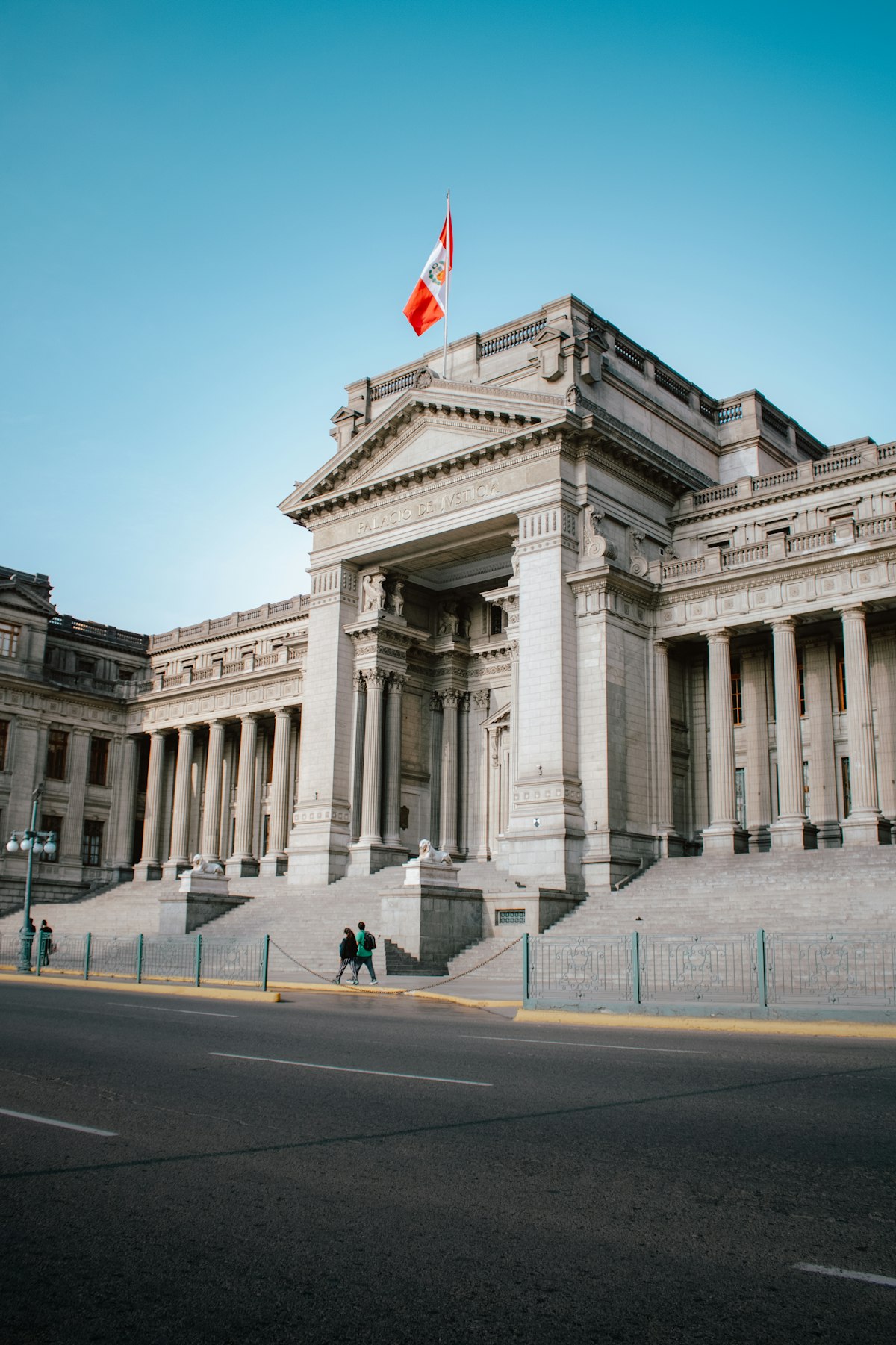
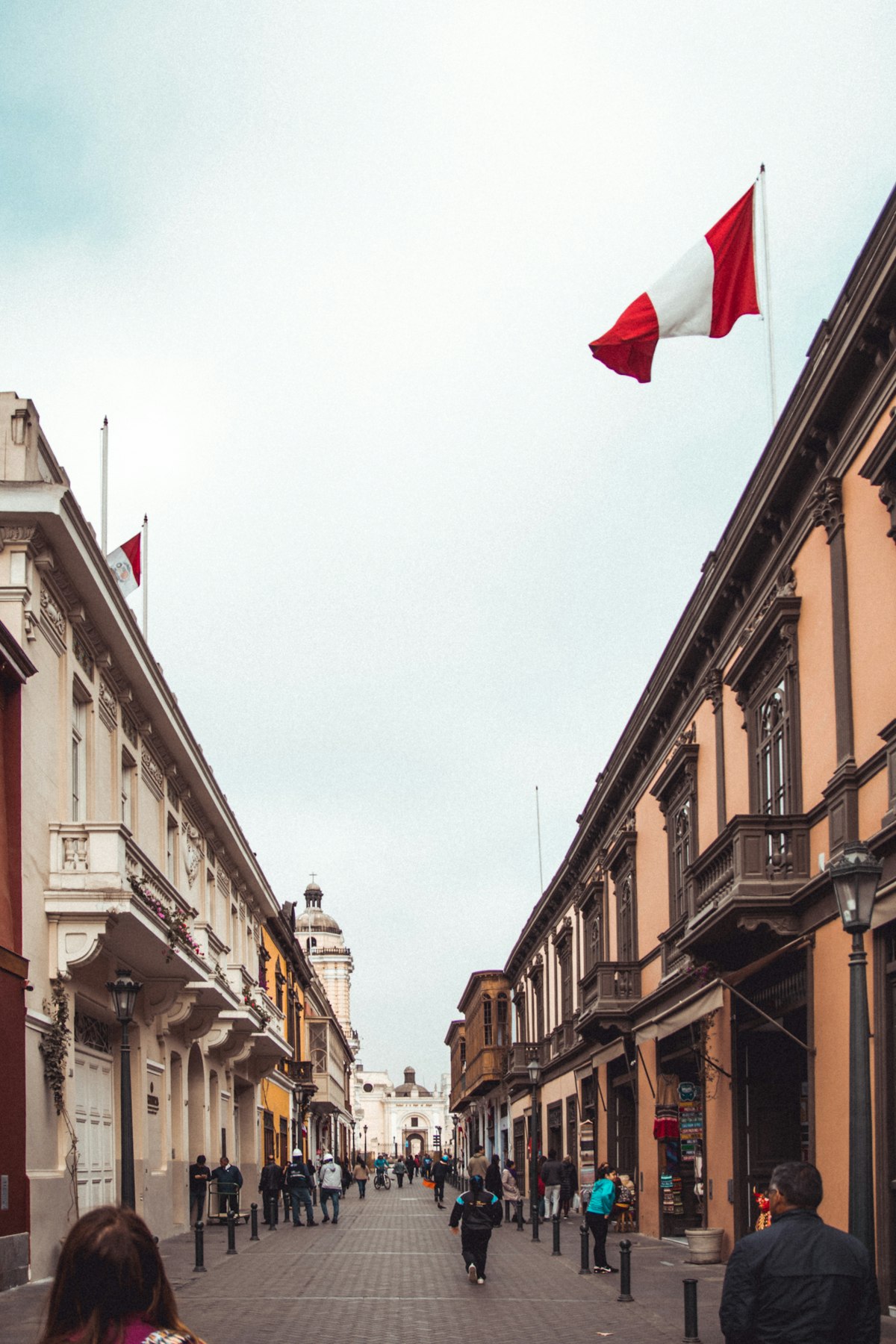
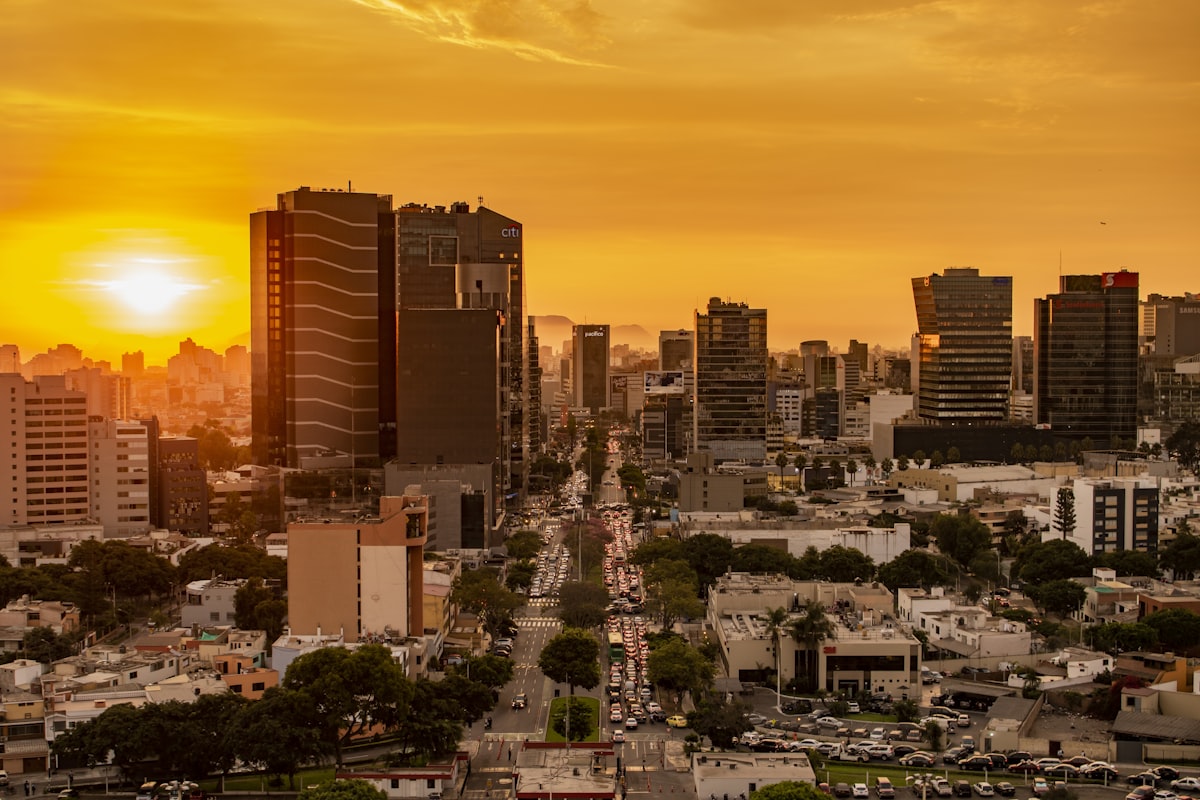
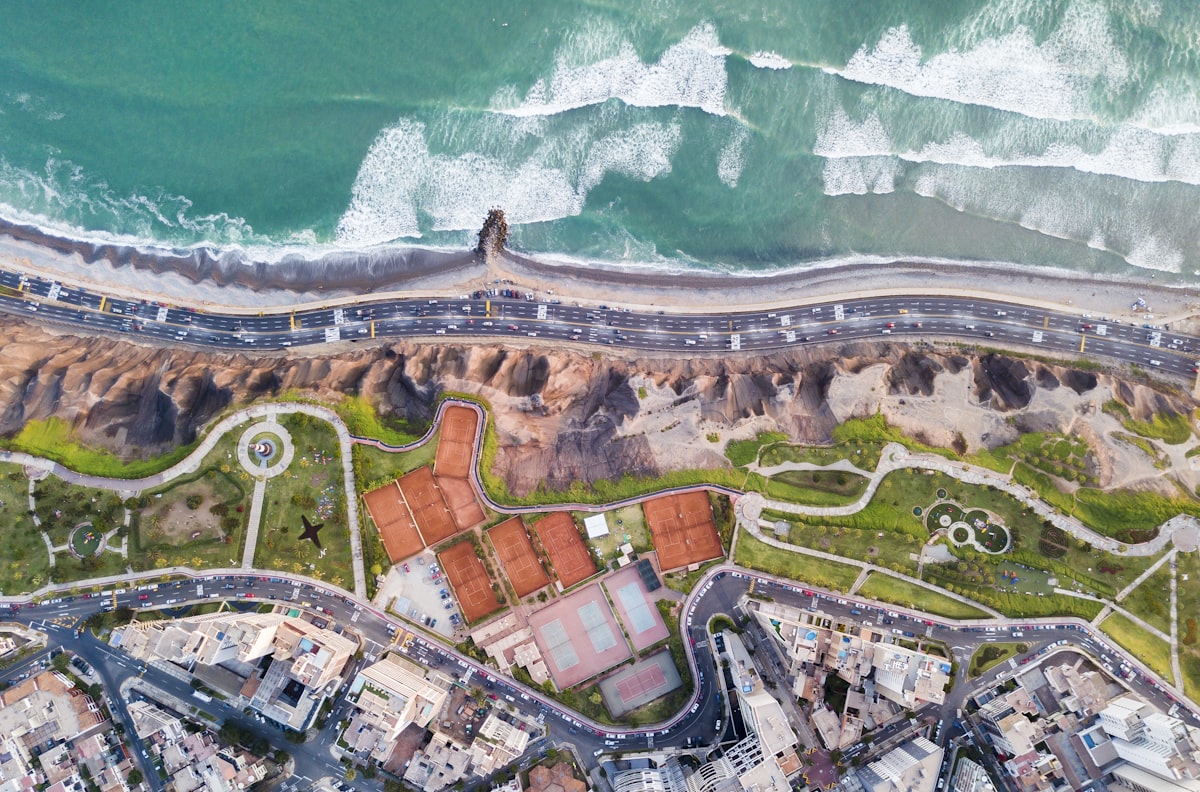
Showing: Feb · Unsplash / Unsplash
Peru · Americas
Best time to visit Lima
February
Feb scores highest overall — reliable weather and strong local atmosphere. Set your priorities below to personalise this result.
What matters most to you?
All 12 months — click any to expand
Feb
Unsplash / Unsplash
The warmest month of the year — peak ceviche season, and Lima's best beach weather.
27°C
High
20.8°C
Low
2mm
Rain
7.8h
Sun/day
What you gain
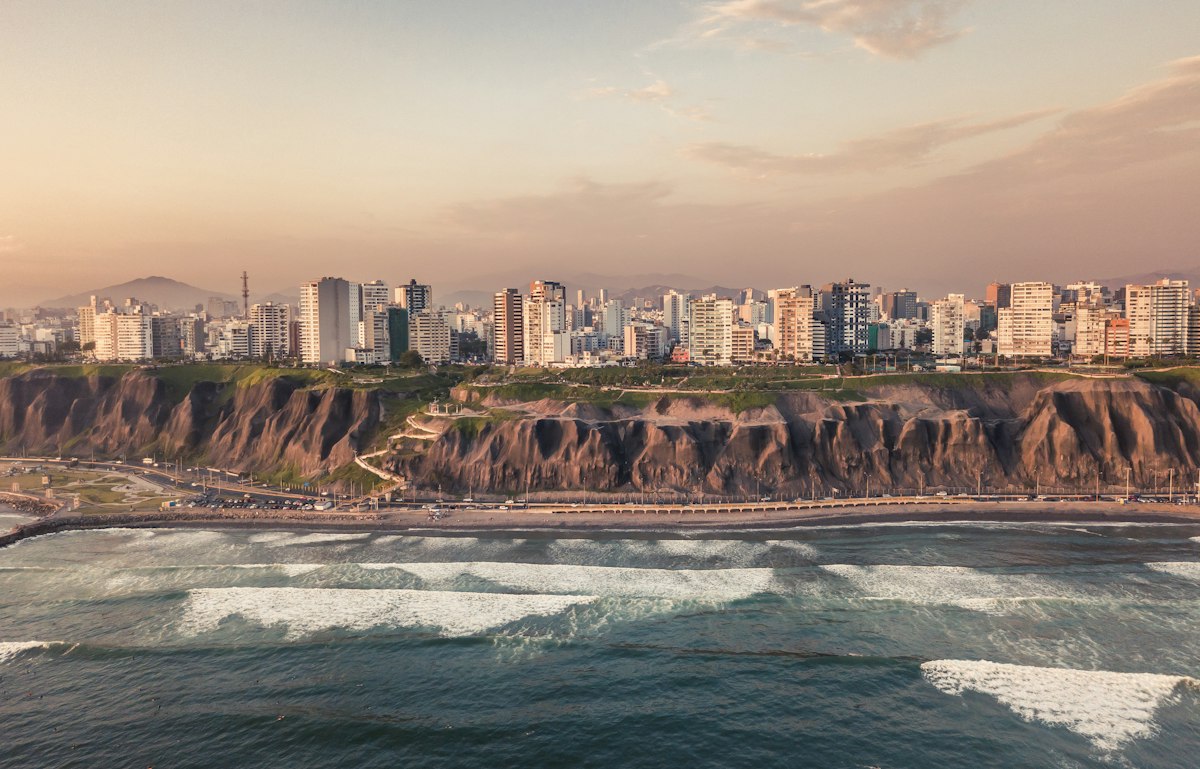
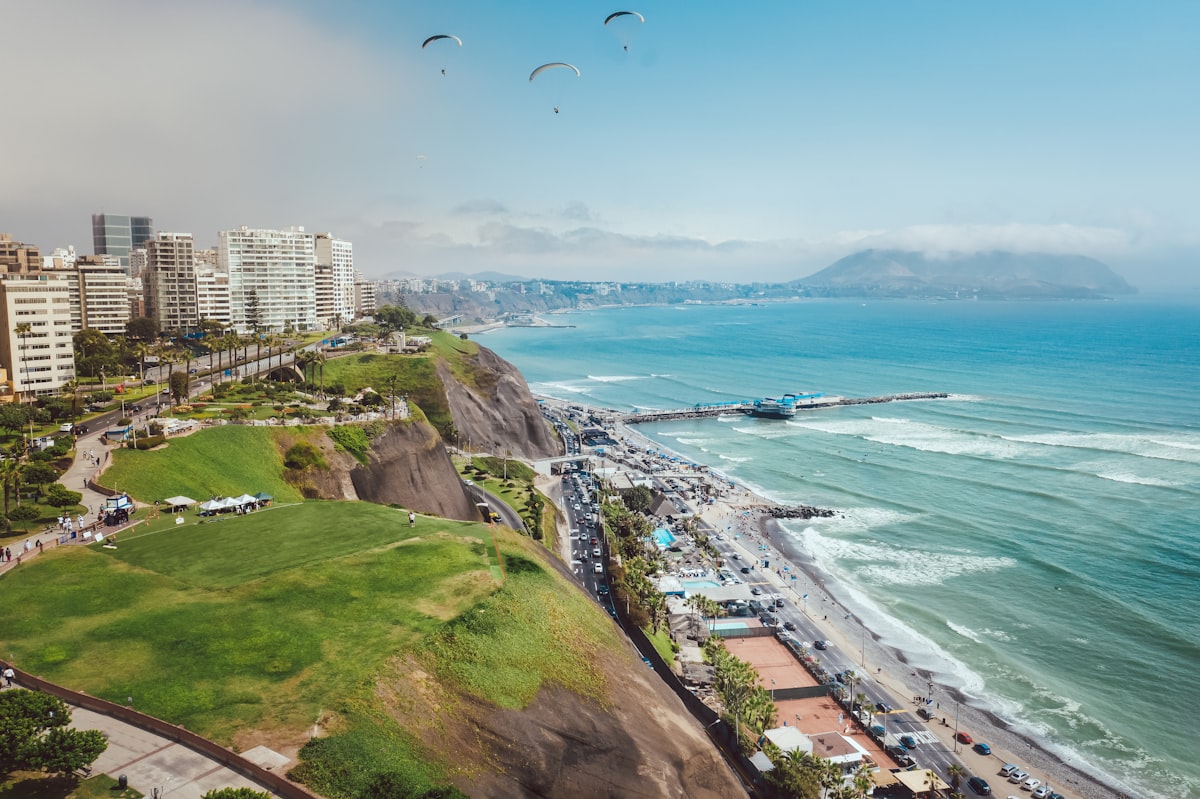
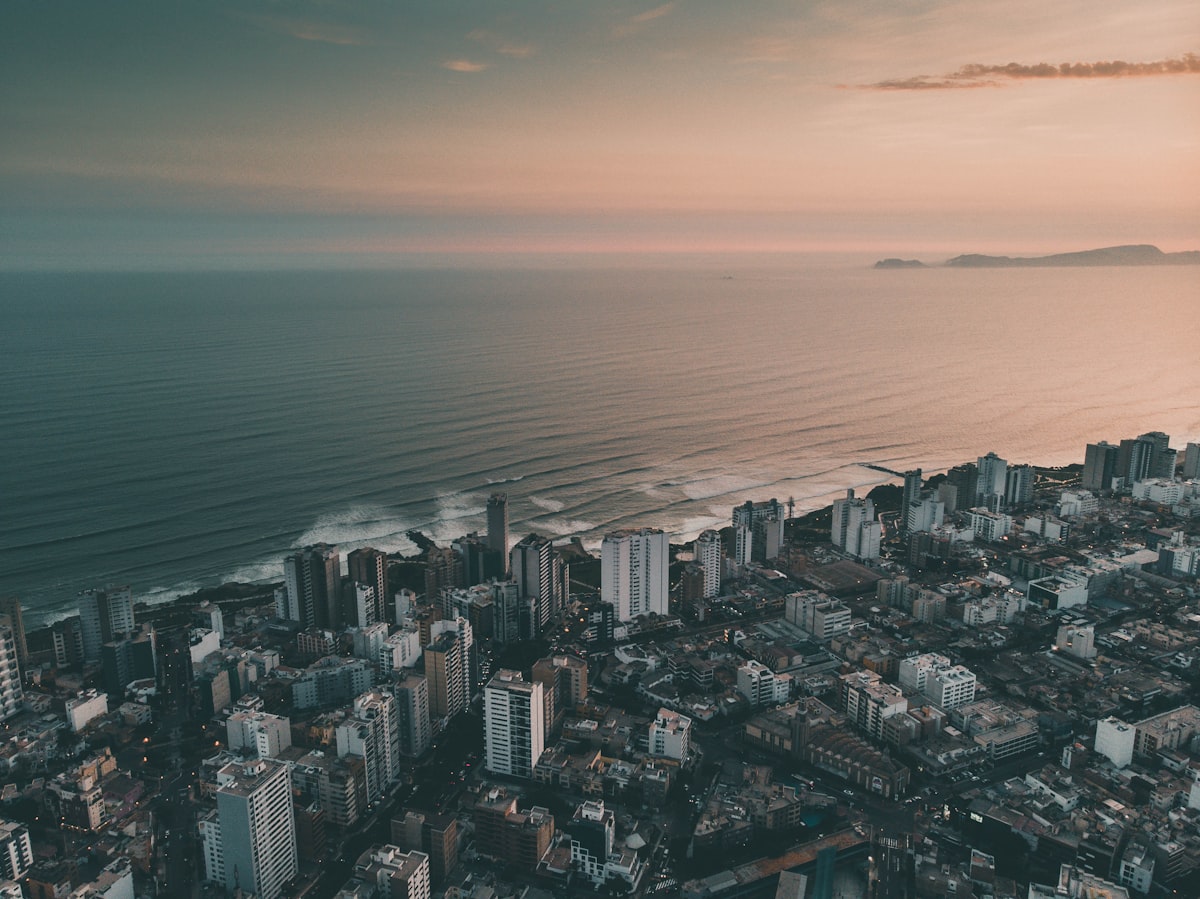
- ↑February is Lima's warmest month — 27°C average highs with the most sunshine of any month (7.8 hours daily) and the Pacific warming enough for genuine beach comfort. The combination of warm air, warm sea (22–23°C), and the southward tilt of the sun creates conditions that the rest of the year cannot replicate. The Miraflores beach clubs — La Rosa Náutica restaurant on its famous pier, the beach terrace at the Park Hotel — are operating at full capacity.
- ↑Carnival (Carnaval) falls in February or early March, and while Lima's version is more restrained than Barranquilla or Rio, the Barranco neighbourhood celebrates with particular enthusiasm — water balloon battles in the streets (a Peruvian carnival tradition called "mojadas"), street music, and the general festive irreverence that defines the southern Bohemian quarter at its most characterful. Carnival Sunday and Monday are neighbourhood events worth timing an itinerary around.
- ↑The best ceviche in Peru is available year-round in Lima, but the summer cevicherías on the Miraflores seafront (La Mar, El Mercado, Canta Rana) are at their most vibrant in February — outdoor seating, fresh fish from the Pacific markets, and the city's most focused expression of Peru's defining culinary export. A full ceviche lunch with leche de tigre cocktail and chicha morada drink costs PEN 45–70 per person.
What you sacrifice
- ↓February — particularly Carnival week — drives accommodation prices to their annual peak in Barranco and Miraflores. The combination of domestic high season and Carnival brings Lima's closest equivalent to peak tourism conditions.
- ↓The summer humidity (76%) in February makes the heat feel more oppressive than the raw temperature suggests — particularly in the inland districts (Lima Centro, San Isidro business corridor) where sea breezes don't penetrate as effectively as on the Miraflores clifftop.
Feb scores highest overall — reliable weather and strong local atmosphere. Set your priorities below to personalise this result.
Feb
The warmest month of the year — peak ceviche season, and Lima's best beach weather.
27°C
High
2mm
Rain
7.8h
Sun
- ↑February is Lima's warmest month — 27°C average highs with the most sunshine of any month (7.8 hours daily) and the Pacific warming enough for genuine beach comfort. The combination of warm air, warm sea (22–23°C), and the southward tilt of the sun creates conditions that the rest of the year cannot replicate. The Miraflores beach clubs — La Rosa Náutica restaurant on its famous pier, the beach terrace at the Park Hotel — are operating at full capacity.
- ↑Carnival (Carnaval) falls in February or early March, and while Lima's version is more restrained than Barranquilla or Rio, the Barranco neighbourhood celebrates with particular enthusiasm — water balloon battles in the streets (a Peruvian carnival tradition called "mojadas"), street music, and the general festive irreverence that defines the southern Bohemian quarter at its most characterful. Carnival Sunday and Monday are neighbourhood events worth timing an itinerary around.
- ↑The best ceviche in Peru is available year-round in Lima, but the summer cevicherías on the Miraflores seafront (La Mar, El Mercado, Canta Rana) are at their most vibrant in February — outdoor seating, fresh fish from the Pacific markets, and the city's most focused expression of Peru's defining culinary export. A full ceviche lunch with leche de tigre cocktail and chicha morada drink costs PEN 45–70 per person.
- ↓February — particularly Carnival week — drives accommodation prices to their annual peak in Barranco and Miraflores. The combination of domestic high season and Carnival brings Lima's closest equivalent to peak tourism conditions.
- ↓The summer humidity (76%) in February makes the heat feel more oppressive than the raw temperature suggests — particularly in the inland districts (Lima Centro, San Isidro business corridor) where sea breezes don't penetrate as effectively as on the Miraflores clifftop.
Top travel windows
★ BestFebruary
Best overall
Highest combined score
27°C
High
2mm
Rain
7.8h
Sun
June
Best for value
Lowest prices & fees
17.8°C
High
1mm
Rain
2h
Sun
May
Fewest crowds
Quietest month
20.5°C
High
1mm
Rain
3.5h
Sun
Breakdown by priority
Best for weather
February
27°C high · 2mm rain · 7.8hrs sun/day
Best for budget
June
June is the most popular month to visit Cusco, Machu Picchu, and the Sacred Valley — the Andean dry season delivers perfect trekking weather, and Inti Raymi (Festival of the Sun, June 24) is one of the great indigenous festivals of the Americas, celebrated at the Sacsayhuamán fortress above Cusco with costumed processions and ceremonial re-enactments involving thousands of performers. Most visitors transiting through Lima in June are en route to or from the Andean sites.
Fewest crowds
May
May is when experienced Lima visitors discover the city's winter personality — distinctly different from the summer version, but perfectly functional. The grey skies reduce the temperature to 20°C and create a European-autumn atmosphere over the clifftop parks and Barranco bohemian streets that is, in its way, more characterful than summer's photogenic clarity. The restaurants are quieter (easier bookings), the museum attendance is down (no queues at the Larco), and the overall city is more accessible.
Where to stay in Lima
All neighbourhoods →Barranco
Lima's bohemian soul — colonial mansions, the Bridge of Sighs, contemporary art, and the city's best nightlife.
7/10
Central
8/10
Walk
6/10
Transit
Miraflores
Lima's Pacific clifftop showcase — the Malecón, the best hotels, and the highest concentration of world-class restaurants.
8/10
Central
9/10
Walk
7/10
Transit
Also exploring
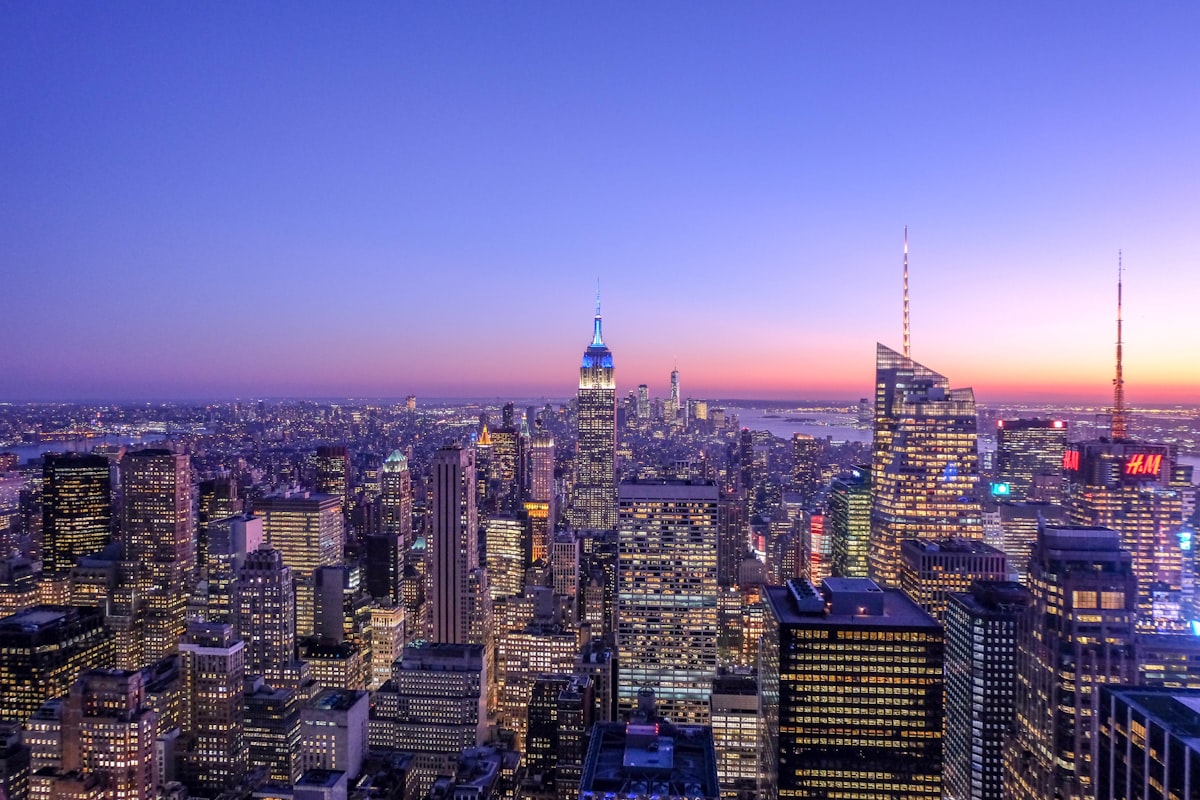
New York
USA
A city that never fully quiets — but its personality shifts dramatically by season, from sweltering humid summers to crisp autumn perfection to blizzard-prone winters.
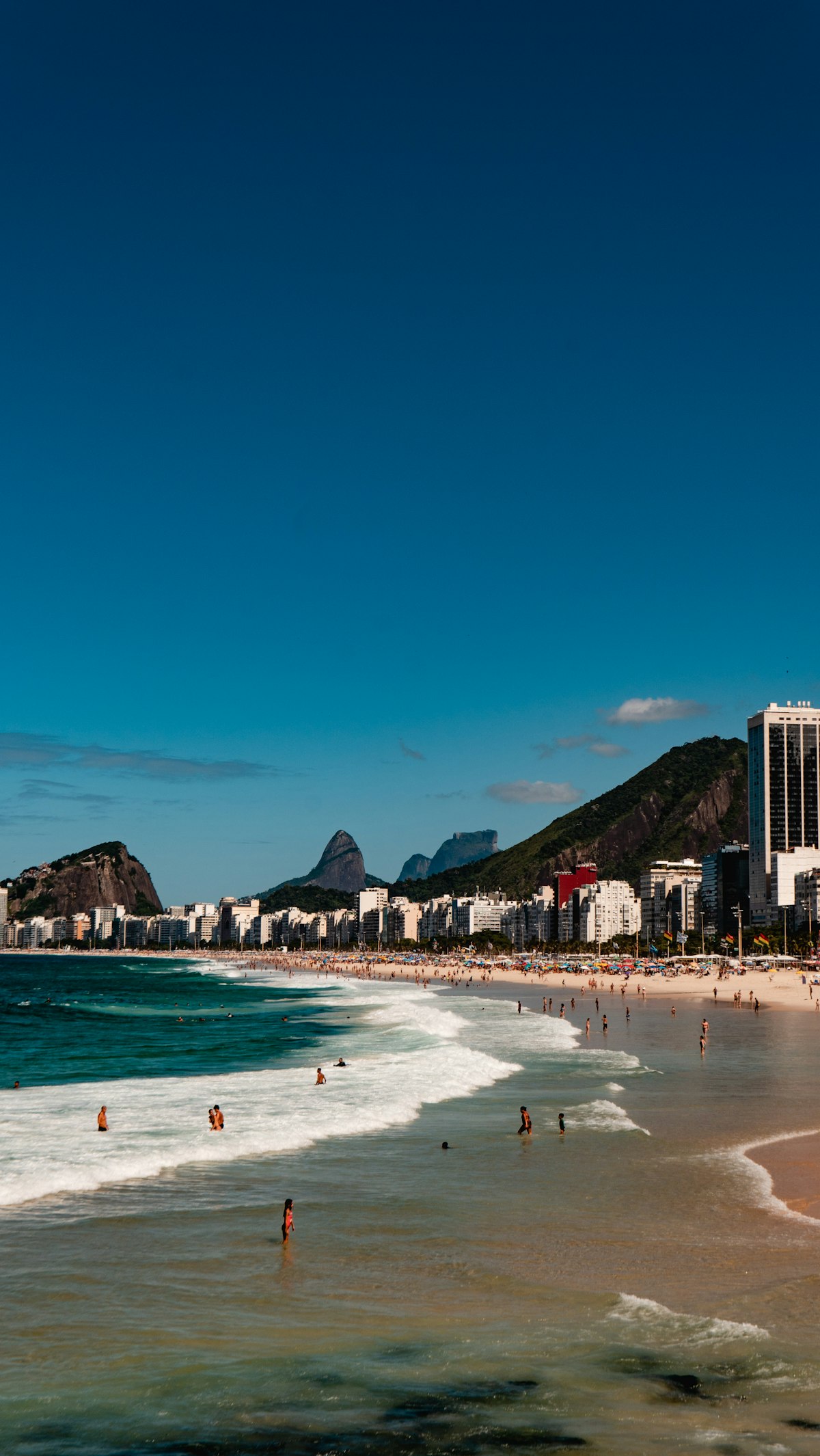
Rio de Janeiro
Brazil
A Southern Hemisphere city where summer (December–March) brings Carnival and 264mm of rain simultaneously, and the real sweet spot is the dry Southern winter — June to September — when most travellers don't think to come.
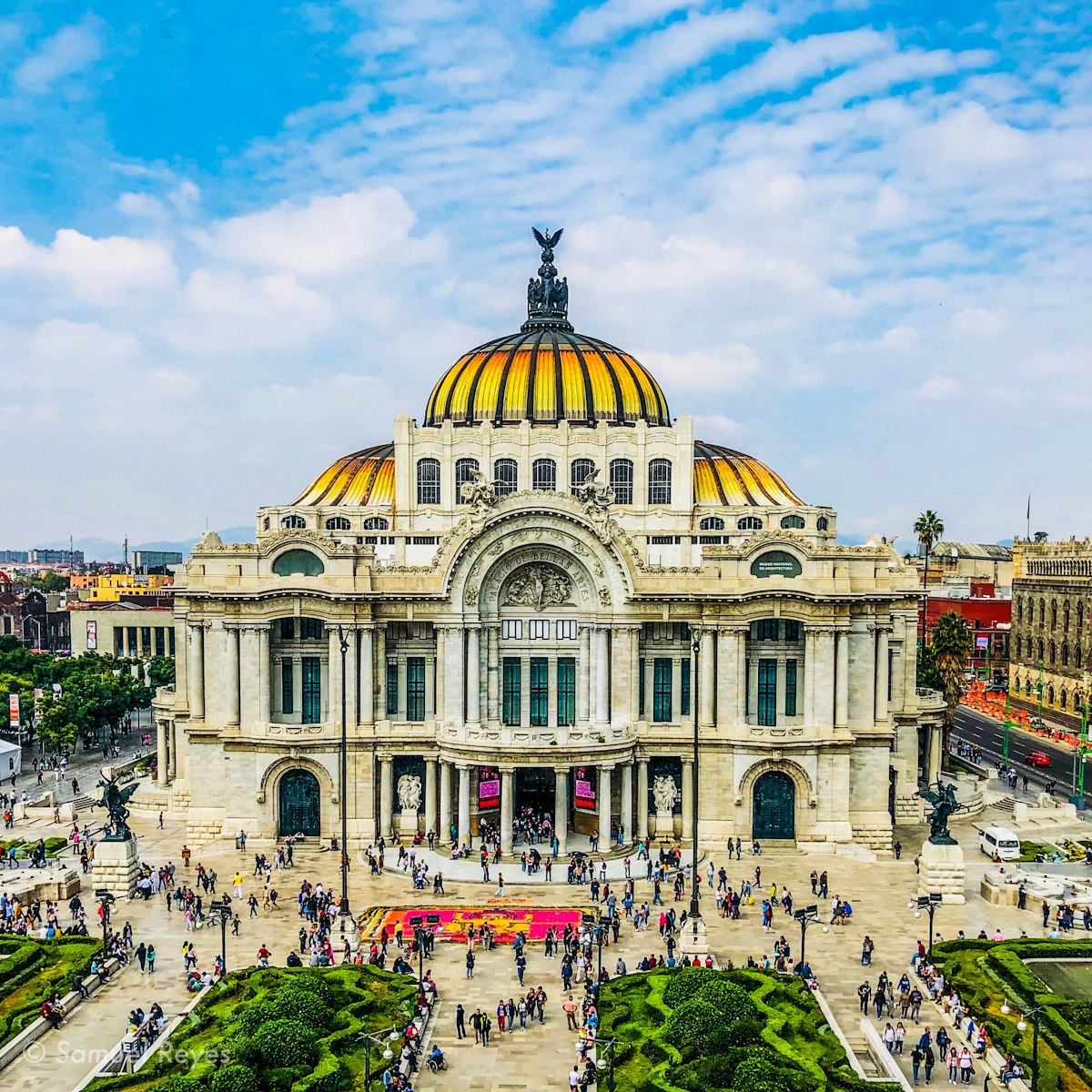
Mexico City
Mexico
A highland metropolis at 2,240 metres where the altitude tempers the heat to perpetual spring in the dry months, Día de Muertos transforms Mixquic and Azcapotzalco into one of the world's great ceremonies, and the October–April dry season gives the clearest conditions for exploring what is genuinely one of the planet's finest food, museum, and architecture cities.
Month by month breakdown
January#2▾
Gains
- ↑January is peak summer in Lima — 26°C average highs with genuine blue sky and 7.5 daily sunshine hours create a version of the city that most long-term visitors consider the real Lima, as opposed to the garúa-grey winter that covers most of June through November. The Miraflores clifftop boardwalk (the Malecón Cisneros, running 5km along the Pacific cliffs) is at its most spectacular in January sun, and the paragliders launching from Parque del Amor deliver the most photographed view in the city.
- ↑The beach culture at Miraflores Playa La Herradura and the beaches north of Callao reaches its annual peak in January. Water temperatures rise to 22°C — not tropical but comfortable for swimming — and the beach clubs and cevicherías along the coastal highway operate with a summer energy that encapsulates Peru's Pacific coast culture. Lima beach day trips cost PEN 15 by bus or PEN 35 by taxi.
- ↑Peru's Año Nuevo (New Year) celebrations continue through early January in Miraflores and Barranco — street food vendors, outdoor concerts, and the general festive momentum of the southern hemisphere's midsummer holiday season give the city an energy that carries through the month. The Larcomar shopping and dining complex on the Miraflores clifftop is at its most animated.
Sacrifices
- ↓January is Lima's domestic high season — Peruvian families from the interior cities (Cusco, Arequipa, Trujillo) visit Lima's beaches during their summer school holidays, which drives accommodation prices up in Miraflores and Barranco by 20–30% compared to the grey winter months. International tourist volumes are also at their annual peak as summer holiday visitors arrive from North America and Europe.
- ↓Lima's limited rainfall and perpetual Pacific influence mean even in summer the city isn't tropical — the humidity (77%) combined with sea breezes keeps the evenings cool (20°C lows), which is pleasant but means beach conditions are better in the afternoon than the morning, when the marine influence brings cool air off the Pacific.
February#1▾
Gains
- ↑February is Lima's warmest month — 27°C average highs with the most sunshine of any month (7.8 hours daily) and the Pacific warming enough for genuine beach comfort. The combination of warm air, warm sea (22–23°C), and the southward tilt of the sun creates conditions that the rest of the year cannot replicate. The Miraflores beach clubs — La Rosa Náutica restaurant on its famous pier, the beach terrace at the Park Hotel — are operating at full capacity.
- ↑Carnival (Carnaval) falls in February or early March, and while Lima's version is more restrained than Barranquilla or Rio, the Barranco neighbourhood celebrates with particular enthusiasm — water balloon battles in the streets (a Peruvian carnival tradition called "mojadas"), street music, and the general festive irreverence that defines the southern Bohemian quarter at its most characterful. Carnival Sunday and Monday are neighbourhood events worth timing an itinerary around.
- ↑The best ceviche in Peru is available year-round in Lima, but the summer cevicherías on the Miraflores seafront (La Mar, El Mercado, Canta Rana) are at their most vibrant in February — outdoor seating, fresh fish from the Pacific markets, and the city's most focused expression of Peru's defining culinary export. A full ceviche lunch with leche de tigre cocktail and chicha morada drink costs PEN 45–70 per person.
Sacrifices
- ↓February — particularly Carnival week — drives accommodation prices to their annual peak in Barranco and Miraflores. The combination of domestic high season and Carnival brings Lima's closest equivalent to peak tourism conditions.
- ↓The summer humidity (76%) in February makes the heat feel more oppressive than the raw temperature suggests — particularly in the inland districts (Lima Centro, San Isidro business corridor) where sea breezes don't penetrate as effectively as on the Miraflores clifftop.
March#3▾
Gains
- ↑March is a transition month that retains most of summer's appeal with softer pricing and crowds. At 26°C with 6.5 sunshine hours, the conditions for beach visits, clifftop walks, and outdoor dining are fully in place, while the domestic high season pressure of January–February has eased significantly. Hotel prices in Miraflores drop 15–20% from the February peak with no meaningful change in weather experience.
- ↑Lima's restaurant circuit — the core reason most food-focused travellers choose to visit — is fully operational year-round with zero seasonal variation. Central (Virgilio Martínez, repeatedly ranked in the World's 50 Best), Maido (Mitsuharu Tsumura's Nikkei cuisine), and Astrid y Gastón (Gastón Acurio's flagship) all require reservations booked weeks to months in advance regardless of season. March is marginally easier than January for booking.
- ↑The Parque Kennedy in Miraflores — the neighbourhood's central square, famous for its colony of resident cats (around 150 live in and around the park permanently) — is at its most pleasant in March evenings: street food vendors, live music on weekend nights, and the surrounding gallery and craft market stalls that give the park its cultural character.
Sacrifices
- ↓Sunshine hours begin declining in March (6.5 vs. February's 7.8) as the garúa season starts to build at the margins. The transition is gradual but the direction is unmistakable — from March forward the blue-sky days become less reliable and the Pacific haze begins encroaching on morning and evening light.
- ↓Easter (Semana Santa, when it falls in March or April) brings significant Peruvian domestic travel to Lima from the interior, causing hotel price surges and busy conditions in the historic centro. Holy Week processions in the Lima Centro (particularly the Señor de los Milagros procession, one of the largest Catholic processions in the Americas) are extraordinary to witness but cause significant traffic disruption.
April#6▾
Gains
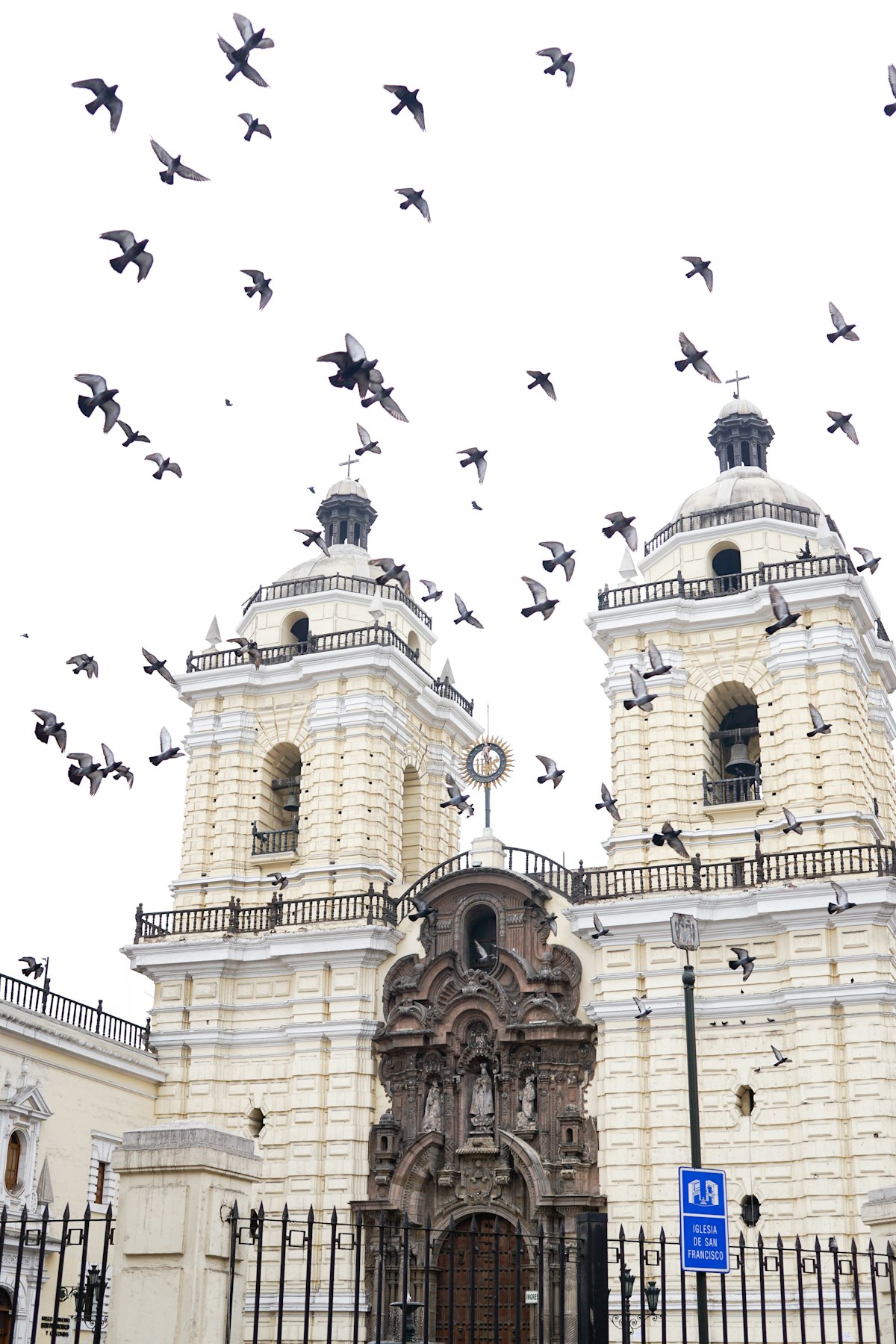
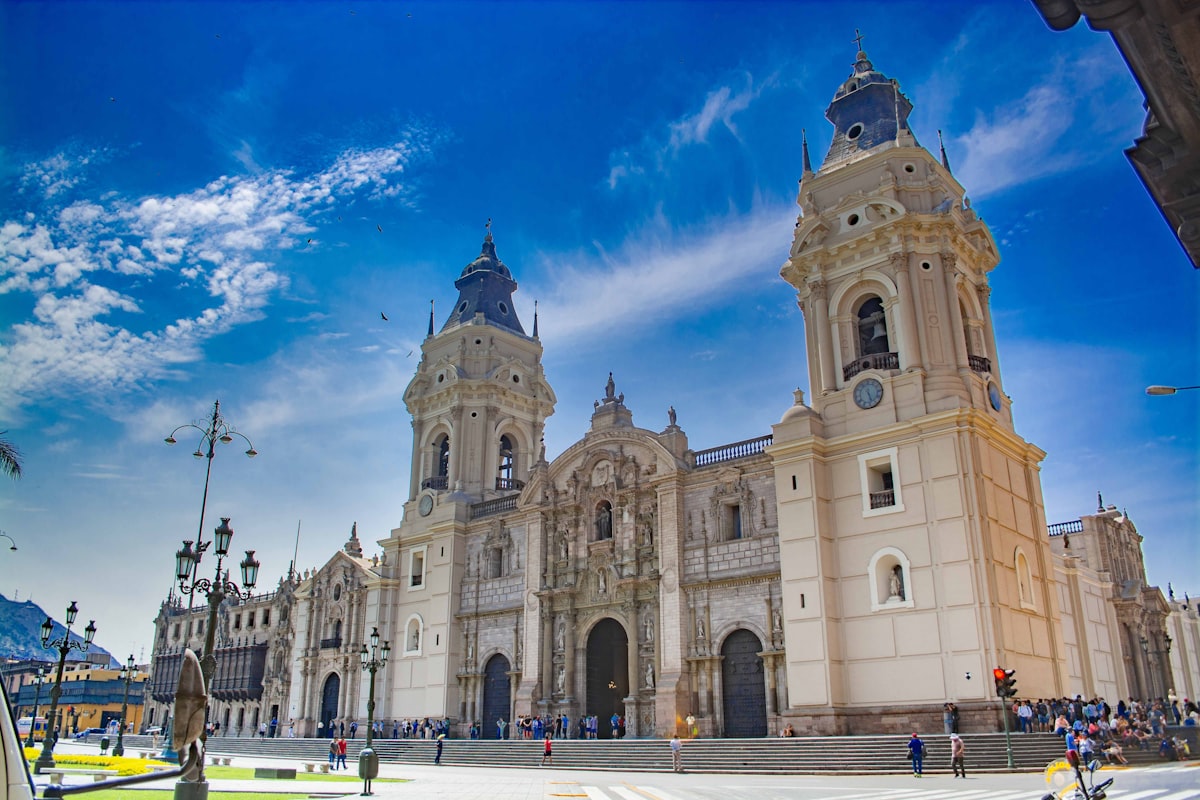
- ↑April represents the last month of meaningful sunshine (5 hours daily) before the garúa establishes itself fully. The temperature is comfortable — 23°C — and the cooler weather is in many ways more pleasant for walking and sightseeing than February's heat. The Lima historic centre (Plaza Mayor, the Cathedral, the Monastery of San Francisco with its 17th-century catacombs) and the Larco Museum (the finest collection of pre-Columbian Peruvian art in the world, including the famous erotic pottery collection) are all far less crowded in April than in summer.
- ↑Hotel prices drop meaningfully in April — Miraflores boutique hotels that cost USD 180 in January operate at USD 130–150 in April, and the accommodation supply loosens up significantly. April is a good value month for those whose priority is cultural tourism rather than beach weather.
- ↑The Miraflores food scene has no seasonal variation in quality — April is equally good as January for accessing Lima's extraordinary restaurant culture. The lime-cured fish of ceviche, the slow-cooked lamb stews of cau cau, and the pisco sour (the national cocktail, as fiercely contested between Peru and Chile as champagne between France and the rest of the world) are all perfectly available in April at any of the city's 50,000 restaurants.
Sacrifices
- ↓The garúa (Lima's characteristic Pacific sea mist) is establishing in April — overcast morning skies and an overall greying of the light are the beginning of a pattern that runs through to November. The dramatic Pacific views from the Miraflores Malecón are still available but increasingly shrouded in silver haze by morning.
- ↓Easter, when it falls in April, causes the same domestic travel disruption noted for March — processions in the Lima Centro are genuinely impressive but the surrounding logistical disruption requires planning.
May#8▾
Gains
- ↑May is when experienced Lima visitors discover the city's winter personality — distinctly different from the summer version, but perfectly functional. The grey skies reduce the temperature to 20°C and create a European-autumn atmosphere over the clifftop parks and Barranco bohemian streets that is, in its way, more characterful than summer's photogenic clarity. The restaurants are quieter (easier bookings), the museum attendance is down (no queues at the Larco), and the overall city is more accessible.
- ↑May 1 (Labour Day, Día del Trabajo) is a national public holiday with outdoor events and markets across Lima. The Artisan Fair at Parque Kennedy in Miraflores is excellent in May — Peruvian textiles (alpaca knits, hand-woven tapestries from Cusco, silver jewellery) at prices meaningfully below the tourist-season premium.
- ↑The Inca-era archaeological sites of the Lima metropolitan area — Huaca Pucllana (an adobe pyramid in the middle of Miraflores, open for evening candlelit tours from 7pm), Pachacamac (30km south, a major pre-Inca oracle and pilgrimage centre) — are significantly less crowded in May and can be properly appreciated without competing with tour groups.
Sacrifices
- ↓May's 3.5 sunshine hours daily represent the beginning of the grey season — the garúa is firmly established, and overcast skies are the overwhelming norm. Photography of Lima's architecture and clifftop scenery is significantly hampered by the perpetual diffuse light, and the beach experience that defines summer Lima is entirely over.
- ↓Sea temperatures begin declining (21°C in May, dropping toward 17°C by August) — the Pacific becomes genuinely cold for swimming in May, and the beach clubs close or reduce significantly.
June#10▾
Gains
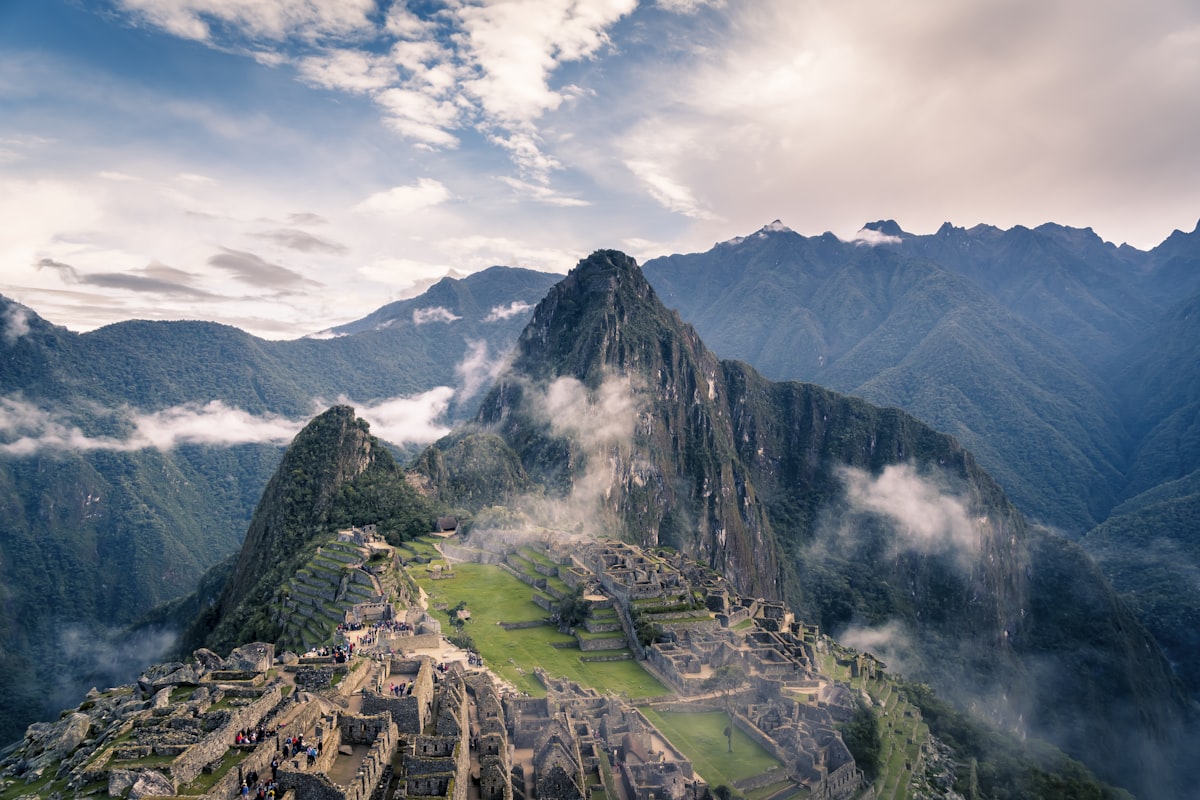
- ↑June is the most popular month to visit Cusco, Machu Picchu, and the Sacred Valley — the Andean dry season delivers perfect trekking weather, and Inti Raymi (Festival of the Sun, June 24) is one of the great indigenous festivals of the Americas, celebrated at the Sacsayhuamán fortress above Cusco with costumed processions and ceremonial re-enactments involving thousands of performers. Most visitors transiting through Lima in June are en route to or from the Andean sites.
- ↑Lima itself in June is at its cheapest — hotel prices in Miraflores drop to their annual lows, and the restaurant culture continues at full quality regardless of the grey skies. June is the month that experienced Lima-focused visitors choose specifically for value: the same extraordinary food scene at 30–40% below January prices, with the benefit of less crowded restaurant bookings.
- ↑The Peruvian winter in Lima (17°C, grey, no rain) is not cold — it is overcast and cool, which for visitors from hot climates can feel genuinely pleasant as a base for day trips and urban exploration. The Lima Centro churches, the MALI (Museo de Arte de Lima), and the Barranco arts district all function perfectly regardless of sun.
Sacrifices
- ↓Lima in June is at its most persistently grey — 2 sunshine hours daily, overcast from morning through evening, with the garúa sometimes reducing visibility and creating a mist that settles on the Miraflores parks. Visitors who came to Lima for the Pacific clifftop views and beach energy will be genuinely disappointed.
- ↓Pacific sea temperatures in June drop to 17°C — cold enough to be uncomfortable for most swimmers, making the beach beaches completely non-functional for recreational use. The surf at Miraflores and the south coast continues but is for experienced cold-water surfers only.
July#12▾
Gains
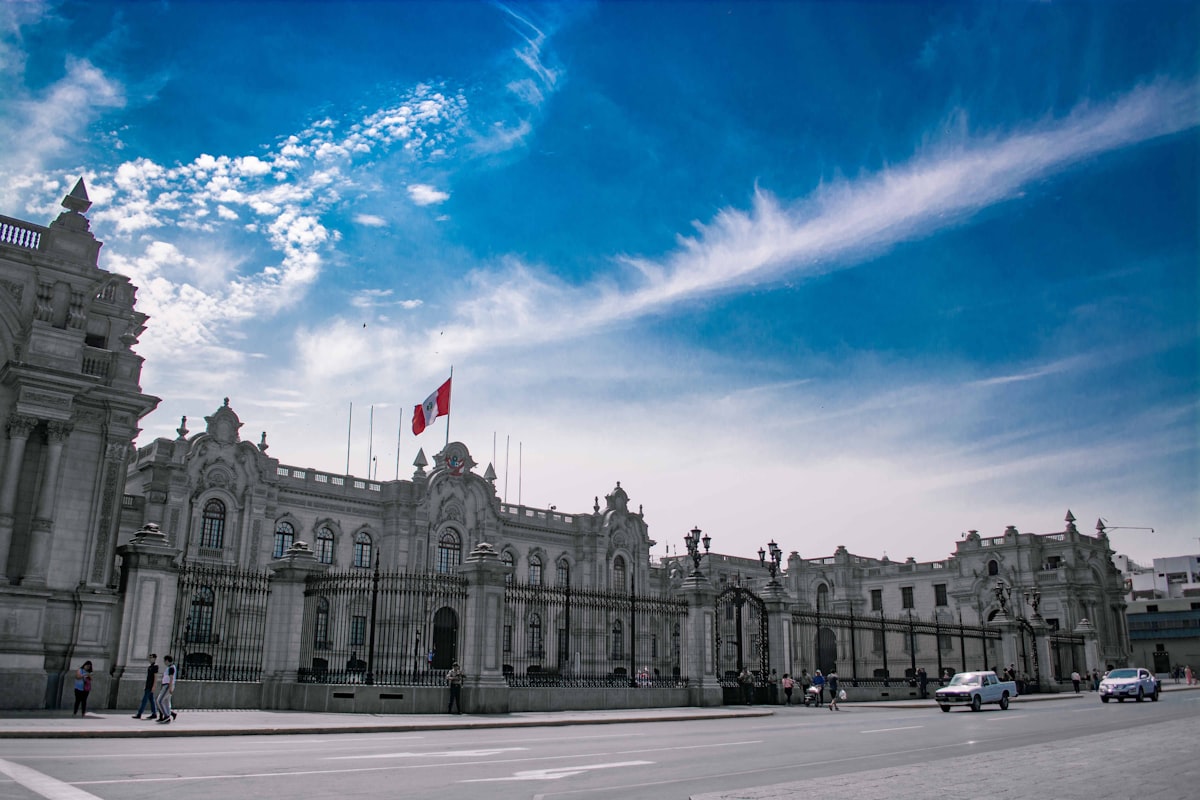
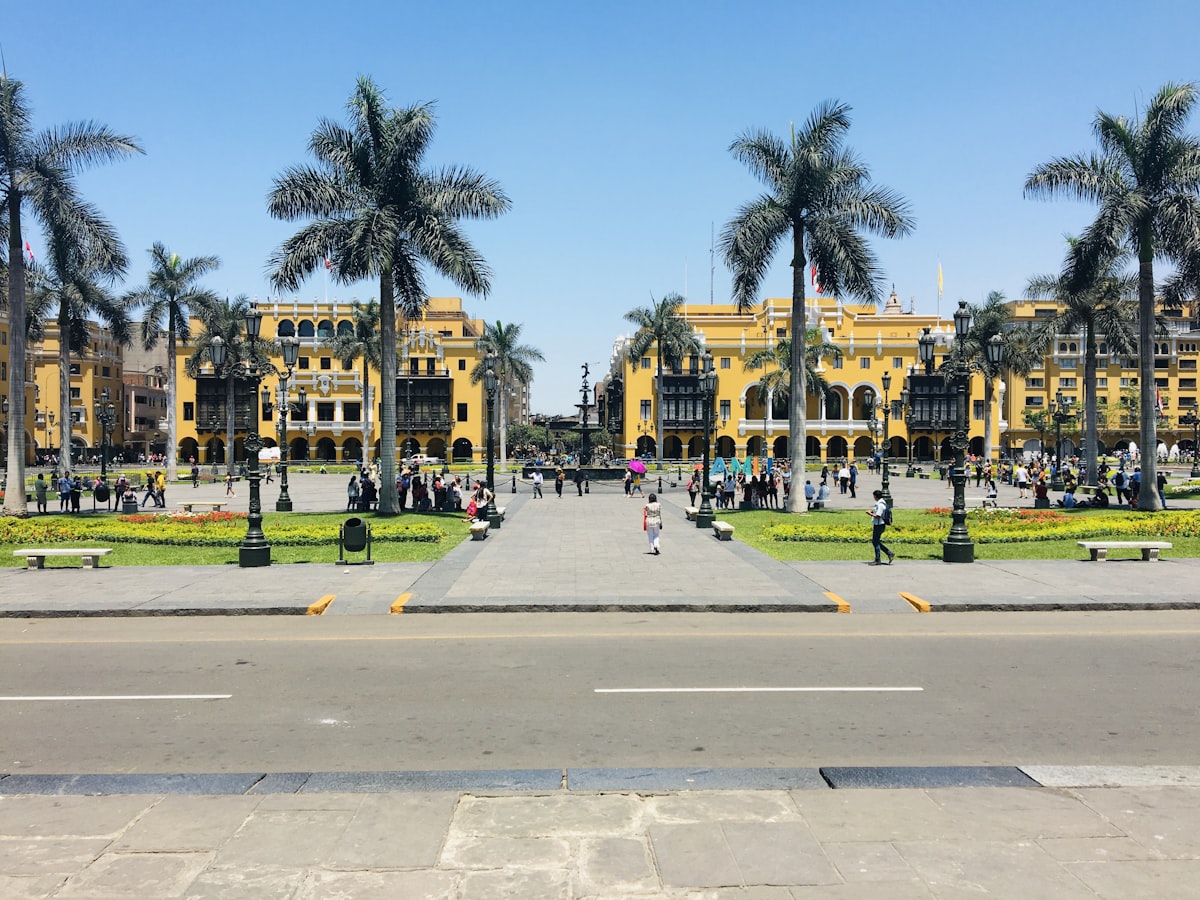
- ↑Peru's Fiestas Patrias (Independence Day, July 28–29) is the country's most important civic celebration — Lima's Plaza Mayor, the government palace, and the Lima Centro are the focus of military parades, cultural performances, and fireworks on July 28th. The celebration brings an extraordinary energy to the historic downtown that is genuinely moving to witness. Restaurant reservations for July 28–29 evenings in Miraflores and Barranco should be made 3–4 weeks in advance.
- ↑The Lima Marathon (typically late July) attracts participants from across South America and brings a competitive sports atmosphere to the Miraflores seafront and the residential streets of San Isidro. The city organises the race exceptionally well, and the marathon route along the Pacific Malecón is one of the most scenic urban running routes in the Americas.
- ↑July is when Mistura (Latin America's most celebrated food festival, typically August–September, but preparations begin in July) first becomes visible in the city — sponsor activations, restaurant special menus, and the general food-focused atmosphere that builds in Lima's culinary community in advance of the main event.
Sacrifices
- ↓July is Lima's cloudiest month — 1.8 sunshine hours daily, with the garúa at its most persistent and dense. The city is genuinely grey from dawn to dusk on most days, a condition that affects mood in a way that is more pronounced the longer a visit continues.
- ↓Fiestas Patrias weekend (July 27–29) causes significant accommodation price spikes and domestic travel surges — Lima hotel rates on July 28–29 can increase 40–50% as Peruvians from across the country gather in the capital. Book these specific dates far in advance.
August#7▾
Gains
- ↑Mistura (typically late August to mid-September in Lima's Parque de la Exposición or equivalent large venue) is the most important food festival in Latin America — 500,000 visitors attend over 10 days, with 200+ vendors from across Peru's extraordinary regional food geography. The festival's Gran Mercado section brings producers from every Peruvian region: Amazonian fruits and insects from Loreto, cured meats from Cajamarca, aji amarillo pastes and native potato varieties from Cusco. The central cooking demonstrations involve most of Peru's major chefs (Virgilio Martínez, Pía León, Gastón Acurio) cooking live for festival audiences. Day passes cost approximately PEN 30.
- ↑The grey Lima winter paradoxically suits the food-focused visit exceptionally well — the absence of beach temptation focuses attention on the culinary infrastructure that is the actual reason most sophisticated travellers choose Lima. Three meals a day of extraordinary Peruvian food from different cuisines (coastal ceviche, Amazonian jungle kitchens, Andean stews, Nikkei Japanese-Peruvian fusion) is the most concentrated gastronomic education available anywhere in the Americas.
- ↑August hotel prices remain affordable — the grey weather keeps leisure tourism down while the food festival creates demand only in the immediate Mistura period (book those specific days early). Overall, August is good value for the food-focused visitor who doesn't require beach conditions.
Sacrifices
- ↓August is one of Lima's most persistently grey months (matching July at 2 sunshine hours daily) — arriving expecting any version of the summer Lima is a recipe for disappointment. The city is cool (17°C), overcast, and damp from the garúa mist. This is Lima's longest unbroken grey spell.
- ↓Mistura's enormous popularity means the festival venue and surrounding transport are overwhelmed on peak days (weekends) — arriving early in the morning (9–10am, when gates open) and leaving before the afternoon surge is the practical strategy.
September#9▾
Gains
- ↑September sees the tail end of Mistura and the very beginning of Lima's spring transition — sunshine hours begin their gradual increase (2.5 hours vs. August's 2.0), and the garúa starts to break for longer morning periods. By late September, the first genuinely clear afternoons of the year appear, creating a brief photographic window of late-summer light over Miraflores and Barranco that is deeply pleasant after months of grey.
- ↑The Vendimia (grape harvest) season in the Ica region (300km south of Lima, in the Pisco and Malbec wine valley) peaks in September — the Ica Vendimia Festival is an excellent day trip or overnight from Lima, with vineyard tastings and the opportunity to try pisco at source. The drive down the Pan-American Highway through the coastal desert is itself a striking landscape experience.
- ↑September hotel prices remain affordable — below Mistura weekend spikes (book those 3–4 weeks ahead), the month offers good value with slightly improving weather and the restaurant scene still at full capacity.
Sacrifices
- ↓September is still firmly within Lima's grey season — the improvement from August is real but gradual, and the overall skyscape remains predominantly overcast. The beach experience is still unavailable, and photography conditions are still far from the summer standard.
- ↓Mistura's final weekends in early September maintain the logistics pressures of the festival in August. After Mistura closes, the food scene returns to its normal rhythm, which is actually more accessible — no festival queues at La Mar or Maido, just the usual reservation process.
October#11▾
Gains
- ↑The Señor de los Milagros procession (October 18 and 28, with additional events throughout the month) is Lima's most significant religious event and one of the largest Catholic processions in the world. The purple-robed Brotherhood of Señor de los Milagros carries an enormous canvas painting of Christ through the Lima Centro streets attended by hundreds of thousands of participants — the combination of colonial architecture, incense, and the scale of popular devotion creates an atmosphere of genuine cultural significance. October is also when the associated street food vendors selling turrones (nougat sweets specific to this religious season) appear throughout the city.
- ↑Sunshine is genuinely returning in October — 3.8 hours daily is more than double July's minimum, and clear mornings appear with increasing frequency. The Miraflores Malecón begins recovering its visual character, and the paragliders return to Parque del Amor as the wind conditions improve.
- ↑October prices represent the best shoulder-season value — affordable accommodation (20–25% below January) with improving weather and the full restaurant and cultural infrastructure of Lima available. The combination of Señor de los Milagros cultural depth and growing sunshine makes October an underrated month.
Sacrifices
- ↓The Señor de los Milagros procession on October 18 and 28 causes significant traffic disruption in the Lima Centro and surrounding districts — routes are closed for hours, and navigation around the affected areas requires planning.
- ↓October is transitional rather than definitive — the sunshine is increasing but not yet reliable, and the garúa can still deliver overcast days without warning. It's not the summer Lima experience, but it's a meaningful step toward it.
November#4▾
Gains
- ↑November marks the clear end of the garúa season — sunshine hours (5.2 daily) exceed half the daylight hours, temperatures warm to 21°C, and the Pacific views from the Miraflores Malecón are restored for more days than not. The paragliding season is in full operation, the clifftop parks are populated by locals, and the beach clubs begin preparing for December's summer opening.
- ↑November hotel prices remain at shoulder-season levels despite the significantly improved weather — this timing gap (weather better, prices not yet summer-peak) makes November one of the best value months to visit Lima. A Miraflores boutique hotel at USD 140 rather than USD 185 for essentially the same outdoor conditions is a meaningful saving.
- ↑The Lima design and arts calendar is active in November — the Lima Art Week (typically November) brings gallery openings, art fairs, and cultural events across Miraflores, San Isidro, and Barranco. The Barranco district's gallery concentration (MATE museum, the MAC Lima contemporary art centre, the Municipality Gallery) is some of the best in South America and functions year-round but has particular November programming.
Sacrifices
- ↓November's improving weather is not yet fully reliable — cloudy periods and garúa mornings still occur, particularly early in the month. The full summer experience of Lima is still weeks away in November.
- ↓International tourist volumes begin building in November as Southern Hemisphere summer travel starts — hotel prices edge upward in the last weeks of November in anticipation of the December high season.
December#5▾
Gains
- ↑December is when the Lima that visitors imagined when they booked finally arrives — 24°C, 6.8 sunshine hours, and the Pacific clifftop in its most photogenic state. The Miraflores Malecón is beautiful again, the beach clubs reopen (La Punta in Callao, La Herradura, the beaches south toward Lurín), and the general outdoor culture of the city clicks back into the summer mode that disappeared in May.
- ↑Lima's Christmas celebrations are significant — the city's Roman Catholic culture produces genuine civic warmth in December, with Parque Kennedy and the Miraflores parks illuminated, restaurants offering special Christmas menus (the classic Peruvian Noche Buena dinner features lechón — roast suckling pig), and the New Year's Eve fireworks over the Pacific from the Miraflores clifftop.
- ↑The restaurant booking window relaxes slightly in December as the full international tourism surge of January hasn't yet materialised — Central, Maido, and Astrid y Gastón are still fully booked but with shorter lead times than January and February require.
Sacrifices
- ↓December prices begin the climb back toward January peak levels — hotel rates in Miraflores increase 15–25% from November as the holiday season demand arrives. Christmas week and New Year's Eve specifically command premium pricing, and restaurants on December 31 require reservations made weeks in advance.
- ↓The domestic travel surge from Andean regions to Lima's coast for the summer holidays begins in late December — beaches south of Lima and the Miraflores waterfront see noticeably higher Peruvian domestic visitor numbers in the final weeks of the month.
How this is calculated
Climate data
Open Meteo ERA5
30-year normals (1991–2020). Temperature, rainfall, sunshine, humidity.
Price & crowd
Tourism research
Seasonal pricing from tourism authority data. Directional — compares months within a destination only.
Personalisation
Weighted scoring
Your priorities change the weights. Budget-first users get different results than weather-first users.
Share this result
February is the best time to visit Lima
Travel timing updates
New destinations and timing guides, when they land.
No spam. Unsubscribe anytime.