Showing: Oct · Unsplash / Unsplash
Jordan · Middle East
Best time to visit Jordan
October
Oct scores highest overall — reliable weather and strong local atmosphere. Set your priorities below to personalise this result.
What matters most to you?
All 12 months — click any to expand
Oct
Unsplash / Unsplash
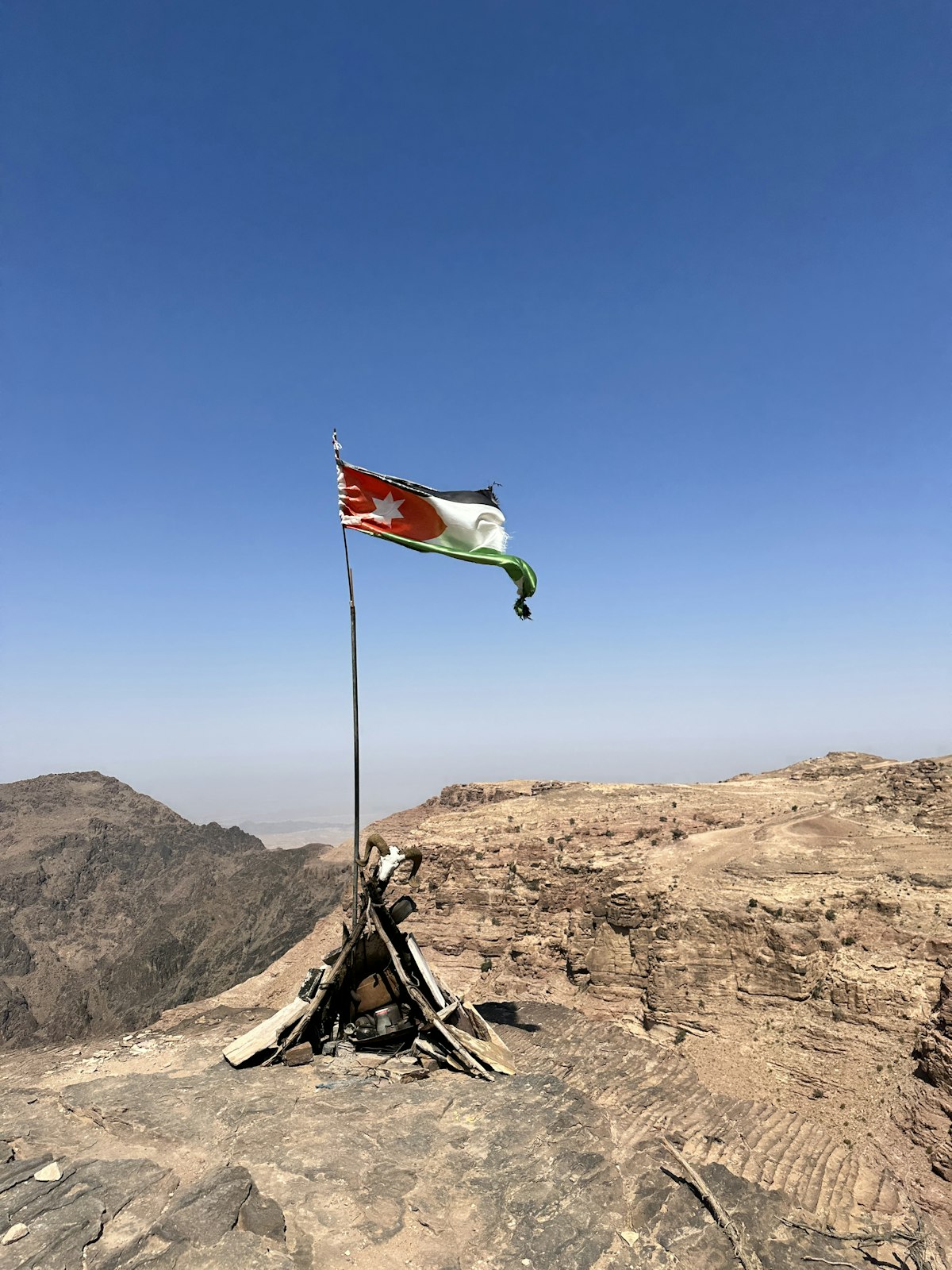
The finest month in Jordan — perfect temperature, clear skies, autumn colour in the highlands, and the most diverse visitor calendar.
26°C
High
15°C
Low
8mm
Rain
9.5h
Sun/day
What you gain
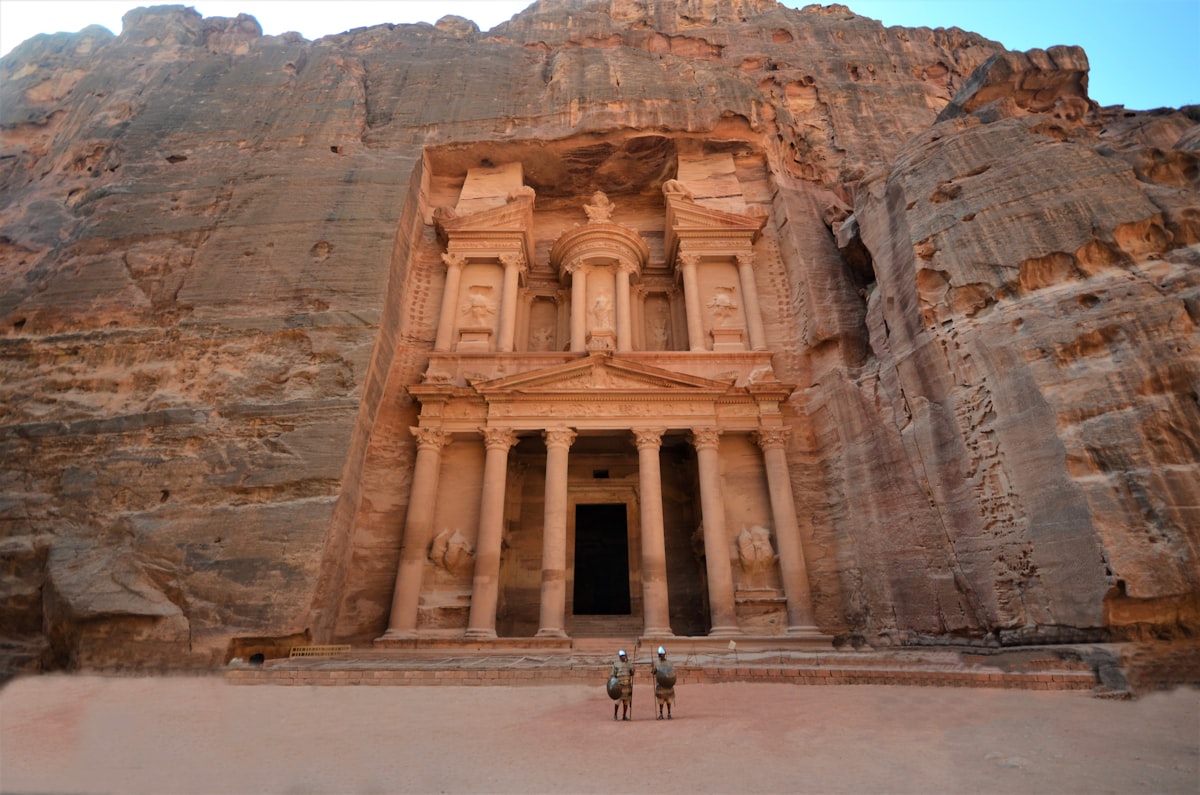
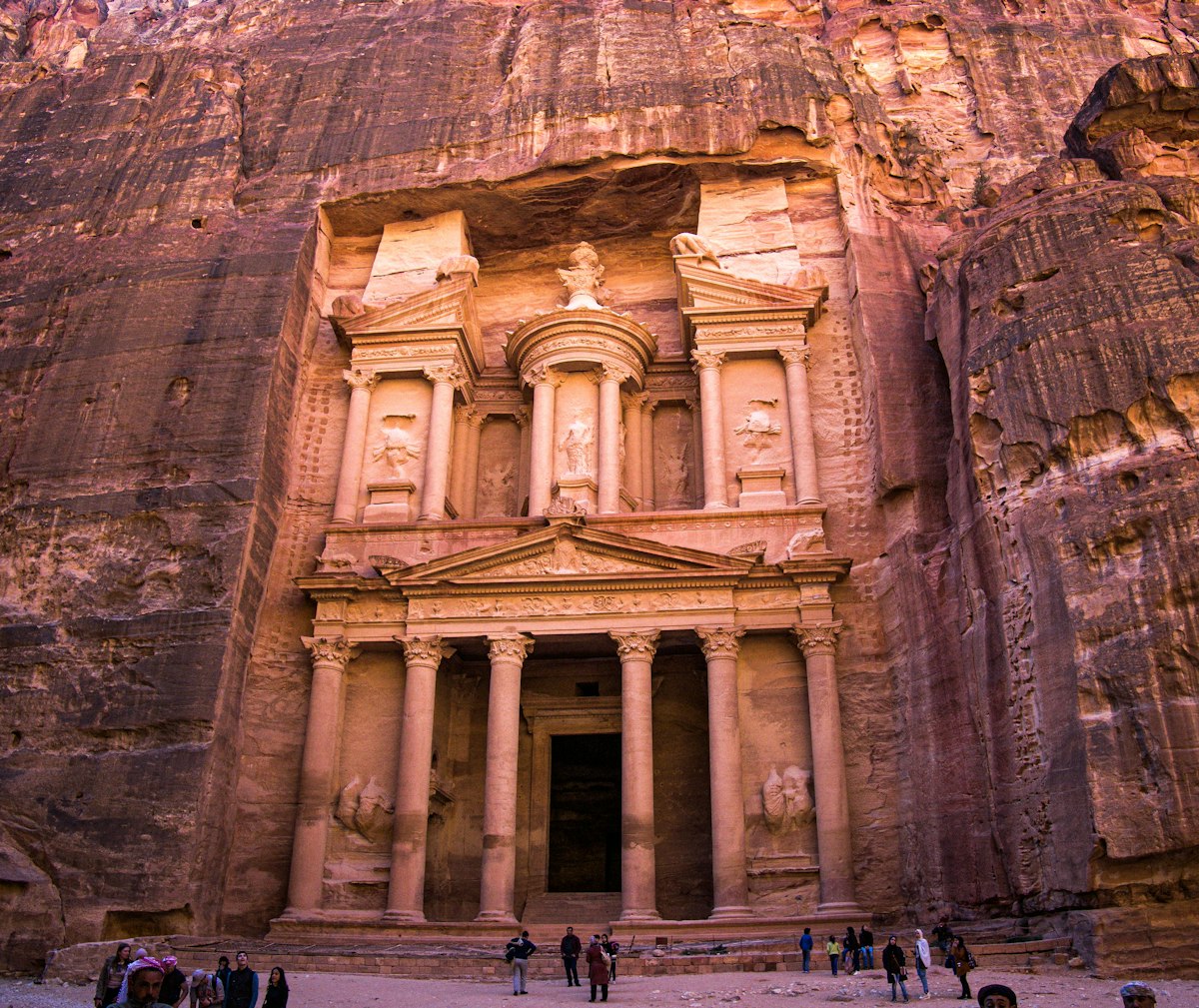
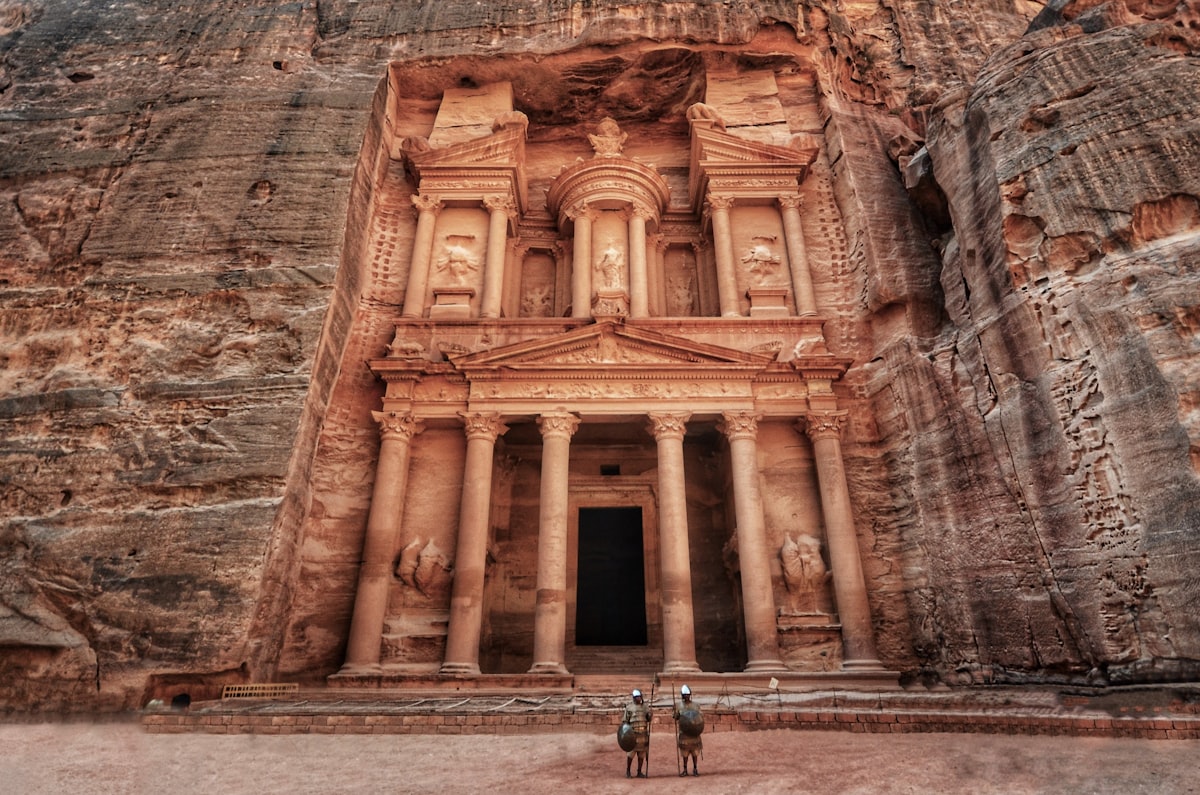
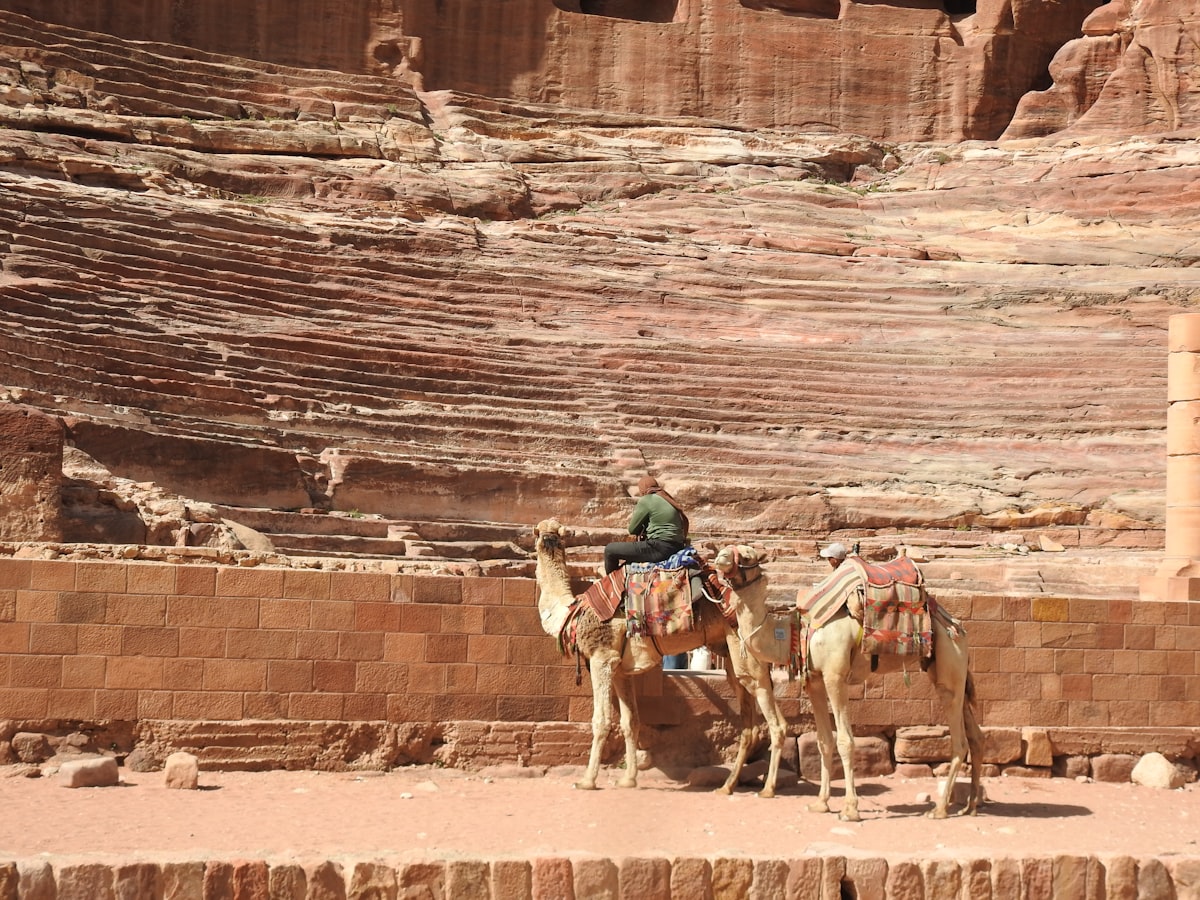
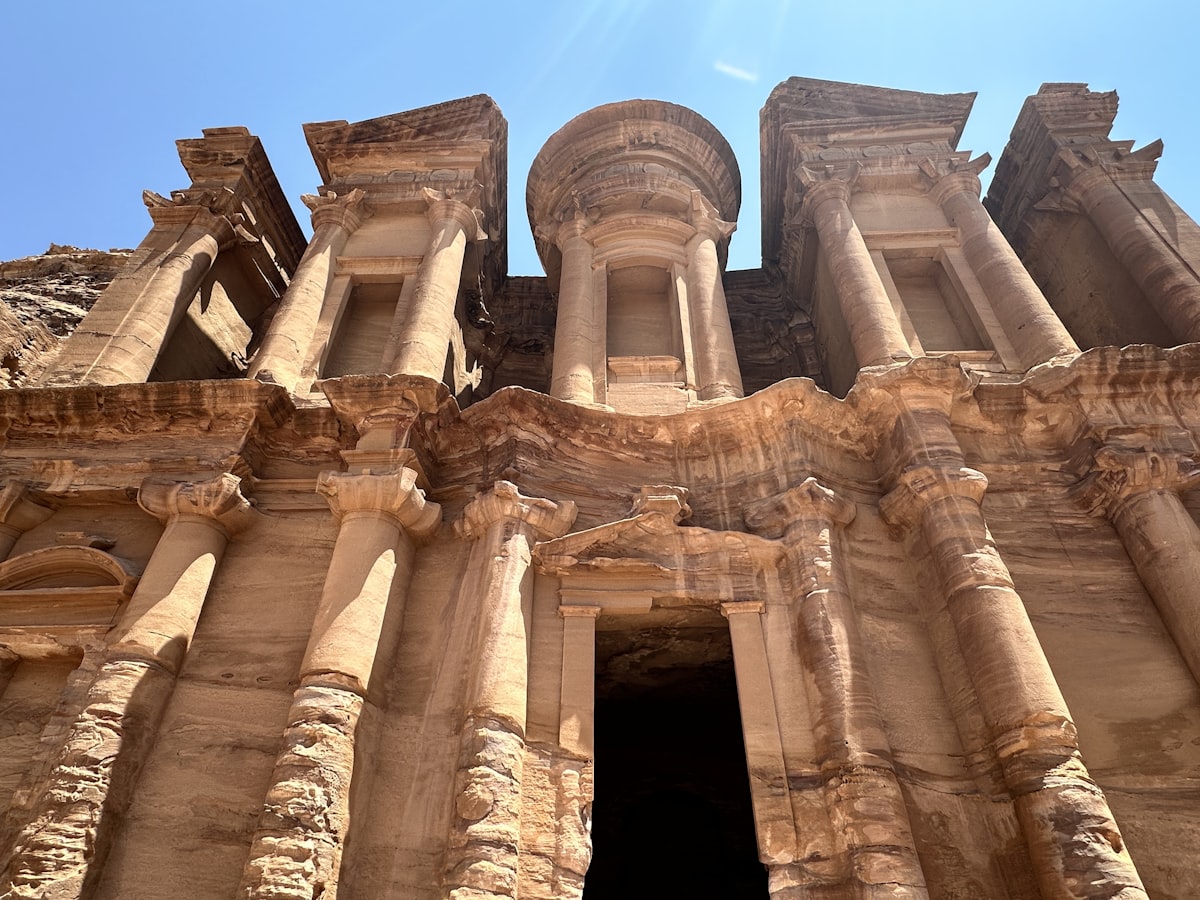
- ↑October is the month Jordan performs at its absolute best: 26°C days, 15°C nights in Wadi Rum (comfortable sleeping without extreme cold), virtually no rainfall, and the autumn light quality that makes rose-red sandstone photograph at maximum intensity — this is the month Petra's Treasury and the Wadi Rum landscape match their most circulated images
- ↑The Jordan Rally and cultural festivals concentrated in October and early November create an unusual atmosphere in Amman and the desert — the Wadi Rum Desert Marathon (held in October) and the Petra Night Marathon bring an athletic tourism community that combines with the standard heritage visitor in a way that gives the sites unusual energy
- ↑Dana Biosphere Reserve walking in October: the 75km Dana to Petra trail section is at its finest — waterfalls running from early rains, the wildlife (Nubian ibex, short-toed eagles on migration, and the endemic Blanford's fox) at their most active, and the canyon colours from deciduous oaks and wild olive in autumn change create a completely different Jordan landscape from the desert south
What you sacrifice
- ↓October is the busiest month in Jordan and prices reflect it — Wadi Rum bubble tents and luxury camps at their annual peak (US$250–400 per night), Petra gateway hotels book out months in advance, and the American and European tour group season is at full pace
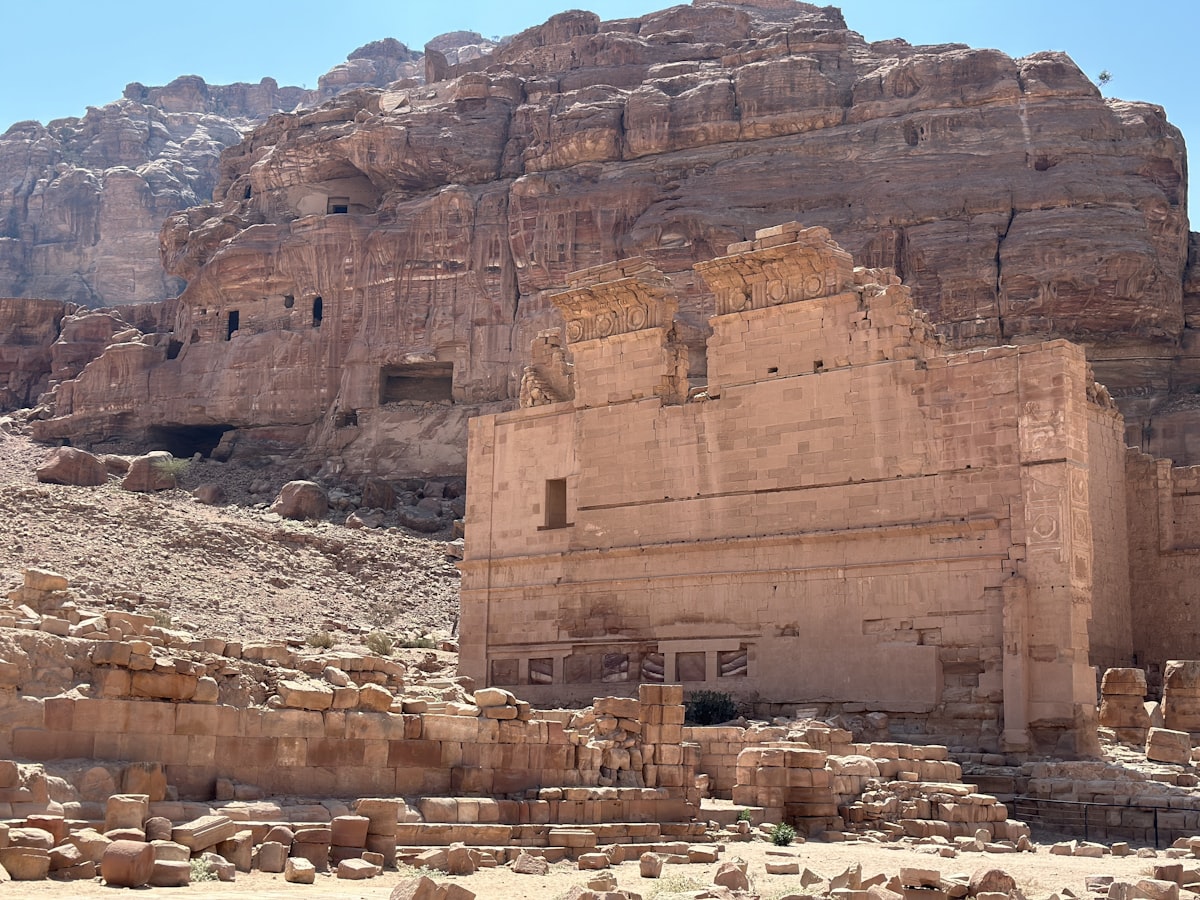
- ↓The Petra main thoroughfare in October peak is at its most crowded — the combination of tour groups, independent travellers, and the Jordan Pass popularity means the Treasury at 9–10am can have 800+ people in the frame; an early gate entry (before 7am) and an anti-clockwise route starting at the back of the site are essential tactics
- ↓Occasional early rains can cause temporary flash flood closures of the Siq in October — the risk is low but real; carry accommodation flexibility if visiting around rainfall events
Oct scores highest overall — reliable weather and strong local atmosphere. Set your priorities below to personalise this result.
Oct
The finest month in Jordan — perfect temperature, clear skies, autumn colour in the highlands, and the most diverse visitor calendar.
26°C
High
8mm
Rain
9.5h
Sun
- ↑October is the month Jordan performs at its absolute best: 26°C days, 15°C nights in Wadi Rum (comfortable sleeping without extreme cold), virtually no rainfall, and the autumn light quality that makes rose-red sandstone photograph at maximum intensity — this is the month Petra's Treasury and the Wadi Rum landscape match their most circulated images
- ↑The Jordan Rally and cultural festivals concentrated in October and early November create an unusual atmosphere in Amman and the desert — the Wadi Rum Desert Marathon (held in October) and the Petra Night Marathon bring an athletic tourism community that combines with the standard heritage visitor in a way that gives the sites unusual energy
- ↑Dana Biosphere Reserve walking in October: the 75km Dana to Petra trail section is at its finest — waterfalls running from early rains, the wildlife (Nubian ibex, short-toed eagles on migration, and the endemic Blanford's fox) at their most active, and the canyon colours from deciduous oaks and wild olive in autumn change create a completely different Jordan landscape from the desert south
- ↓October is the busiest month in Jordan and prices reflect it — Wadi Rum bubble tents and luxury camps at their annual peak (US$250–400 per night), Petra gateway hotels book out months in advance, and the American and European tour group season is at full pace
- ↓The Petra main thoroughfare in October peak is at its most crowded — the combination of tour groups, independent travellers, and the Jordan Pass popularity means the Treasury at 9–10am can have 800+ people in the frame; an early gate entry (before 7am) and an anti-clockwise route starting at the back of the site are essential tactics
- ↓Occasional early rains can cause temporary flash flood closures of the Siq in October — the risk is low but real; carry accommodation flexibility if visiting around rainfall events
Top travel windows
★ BestOctober
Best overall
Highest combined score
26°C
High
8mm
Rain
9.5h
Sun
January
Best for value
Lowest prices & fees
12°C
High
60mm
Rain
6.5h
Sun
January
Fewest crowds
Quietest month
12°C
High
60mm
Rain
6.5h
Sun
Breakdown by priority
Best for weather
October
26°C high · 8mm rain · 9.5hrs sun/day
Best for budget
January
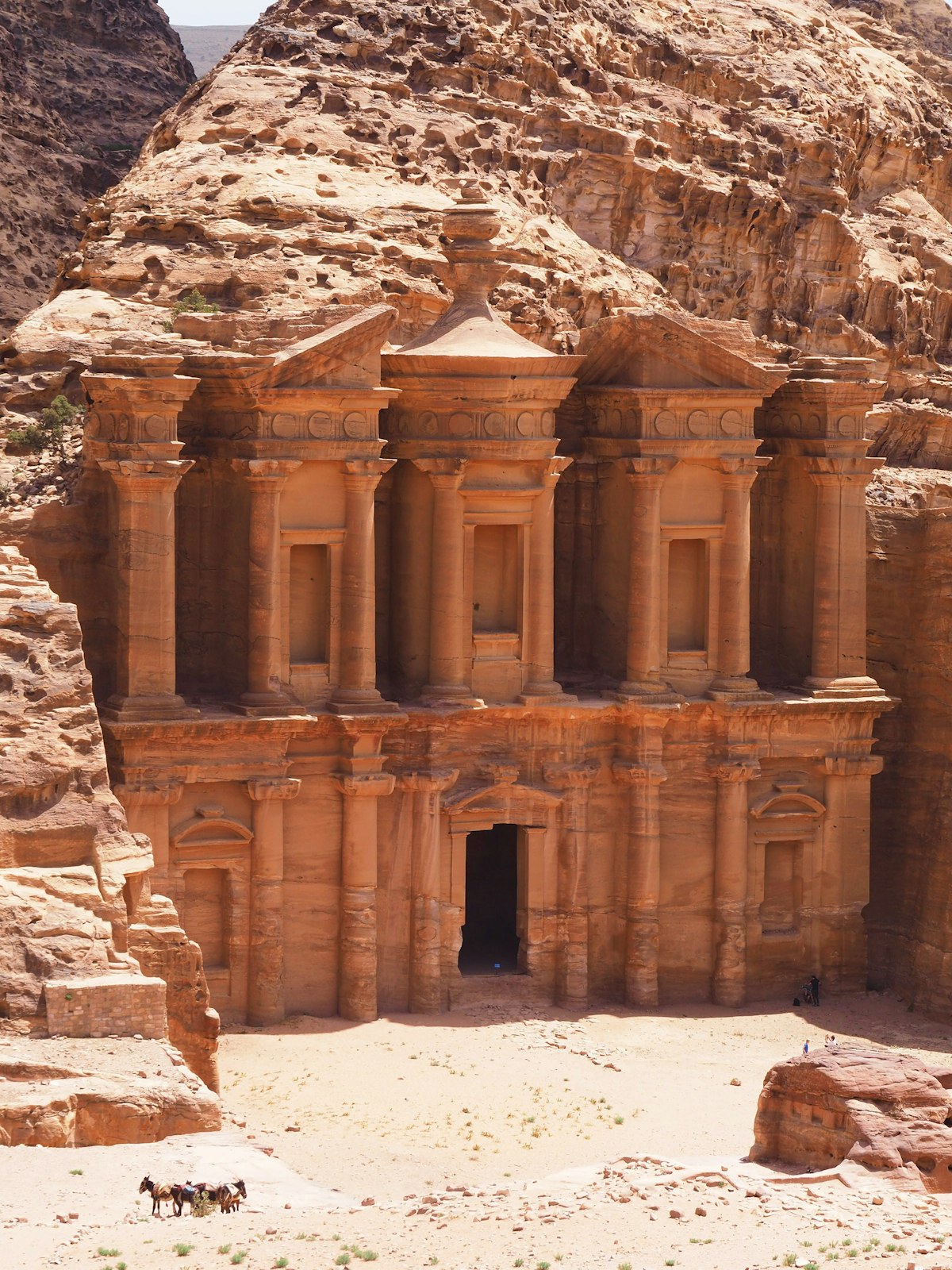
Petra in January is rarely crowded — the Treasury, the Siq, and the remote High Place of Sacrifice trail can be explored without the tour group density of spring; the cool temperatures (12°C) make the 8km full-day hike to the Monastery genuinely comfortable rather than the heat ordeal it becomes in summer
Fewest crowds
January
Petra in January is rarely crowded — the Treasury, the Siq, and the remote High Place of Sacrifice trail can be explored without the tour group density of spring; the cool temperatures (12°C) make the 8km full-day hike to the Monastery genuinely comfortable rather than the heat ordeal it becomes in summer
Where to stay in Jordan
All neighbourhoods →Amman
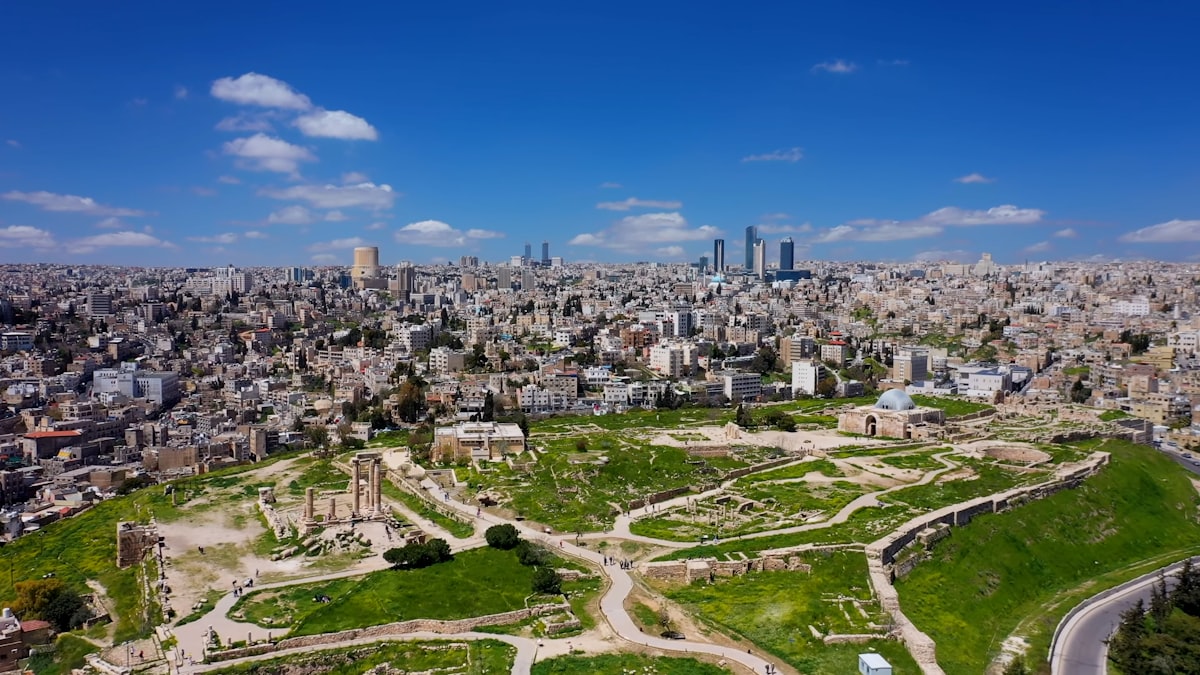
The Levantine capital — a city of seven hills, Ottoman souks, the Citadel above the Roman Theatre, and the finest food scene in the Arab world.
9/10
Central
6/10
Walk
6/10
Transit
Petra & the South
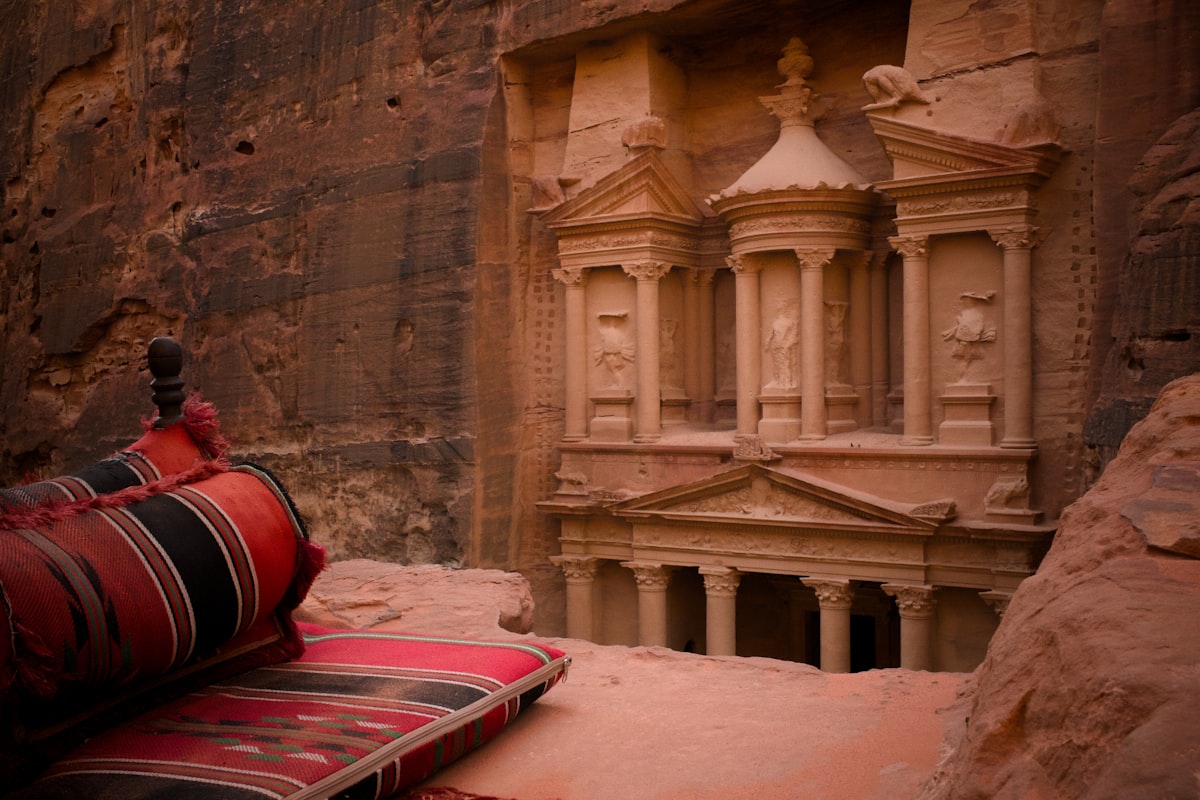
The rose-red city carved by the Nabataeans — the Siq, the Treasury, the Monastery, and one of the ancient world's most extraordinary urban achievements.
10/10
Central
5/10
Walk
5/10
Transit
Also exploring
Dubai
United Arab Emirates
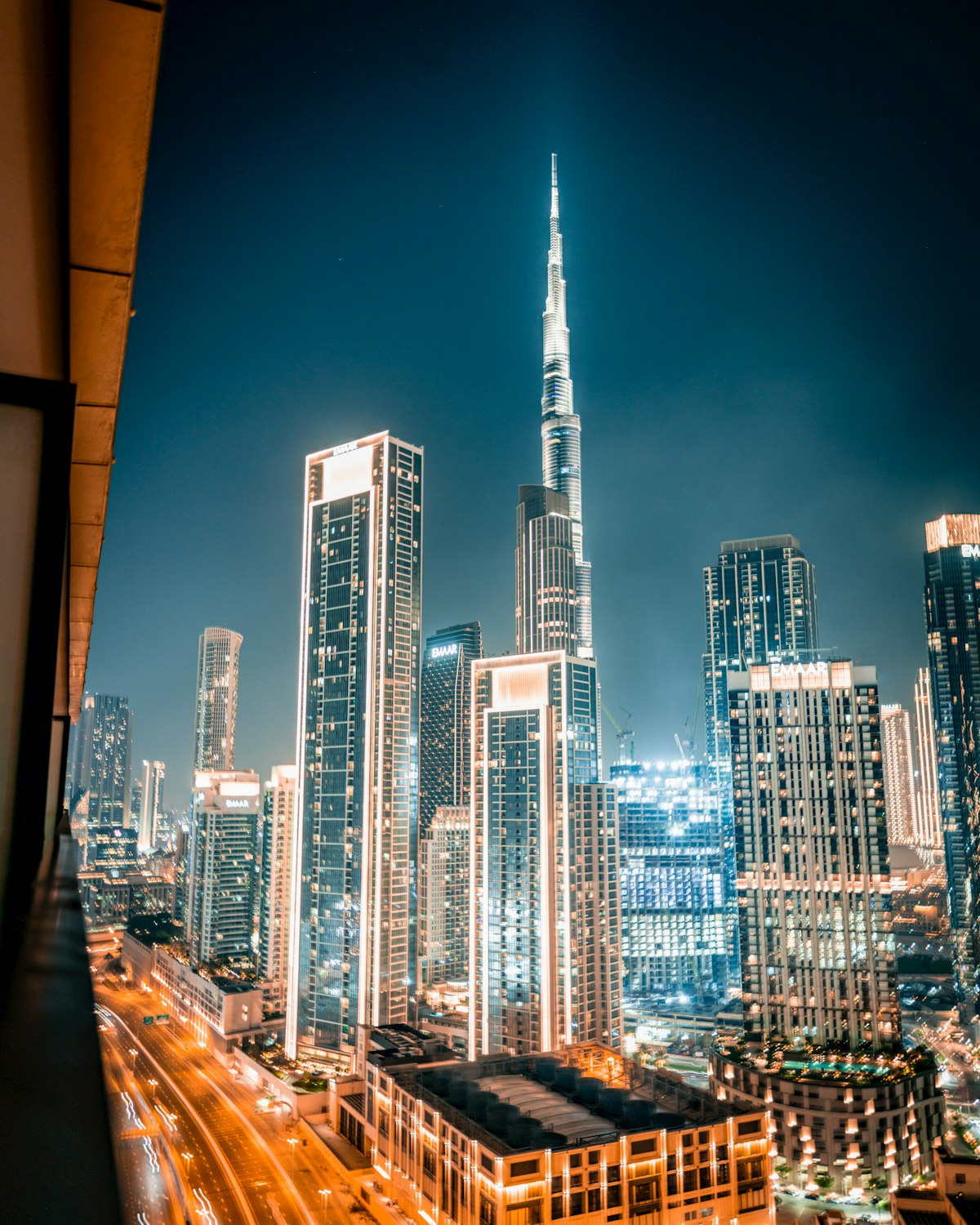
A city where timing is everything — the difference between October (perfect beach weather, outdoor dining, world-class events) and July (45°C, functionally unbearable outdoors) is the same destination with opposite verdicts.

Muscat
Oman
Arabia's most beautiful secret — turquoise fjords, dramatic wadis, the Sultan Qaboos Grand Mosque, frankincense souqs, and a hospitality culture more open and gracious than any other Gulf state.
Tel Aviv
Israel
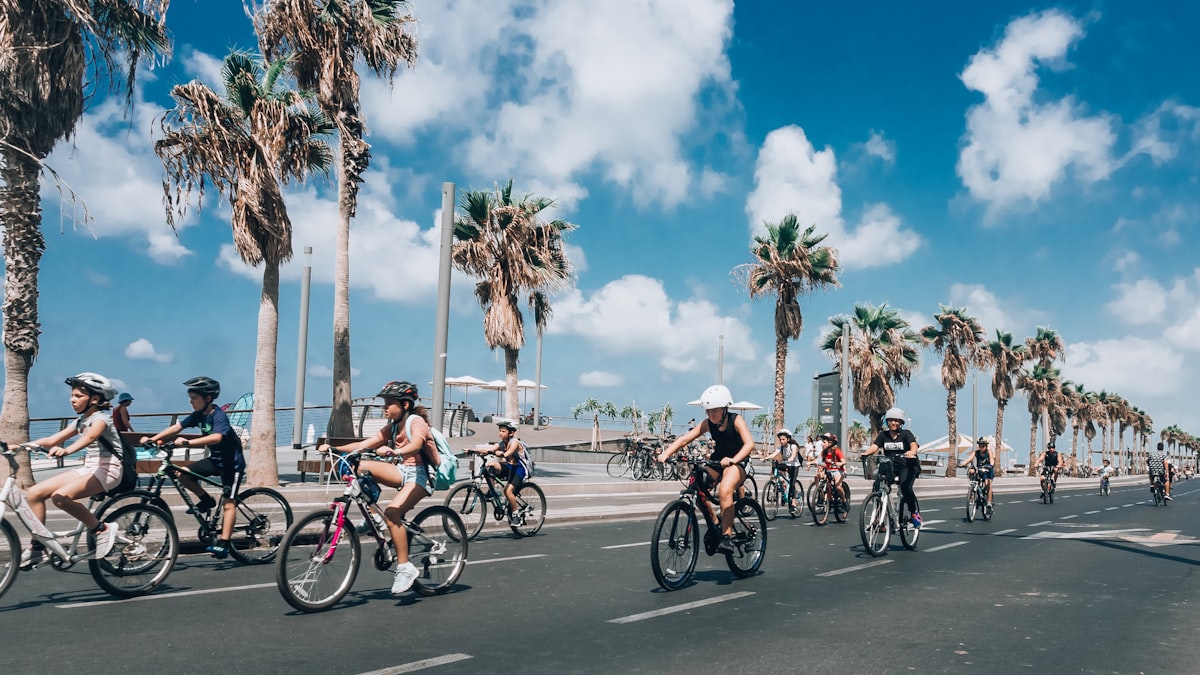
The Middle East's most surprising city — a secular, beach-facing metropolis where UNESCO Bauhaus architecture meets the best hummus of your life, a nightlife scene that doesn't blink until sunrise, and a Levantine food culture that's reshaping how the world thinks about vegetables.
Month by month breakdown
January#7▾
Gains
- ↑Petra in January is rarely crowded — the Treasury, the Siq, and the remote High Place of Sacrifice trail can be explored without the tour group density of spring; the cool temperatures (12°C) make the 8km full-day hike to the Monastery genuinely comfortable rather than the heat ordeal it becomes in summer
- ↑Occasional snowfall in Petra (the site sits at 900m elevation) transforms the rose-red cliffs and carved facades into an extraordinary combination of pink sandstone and white snow that no other month produces; a 1-in-3 chance in January, but those who catch it photograph one of the world's most singular heritage spectacles
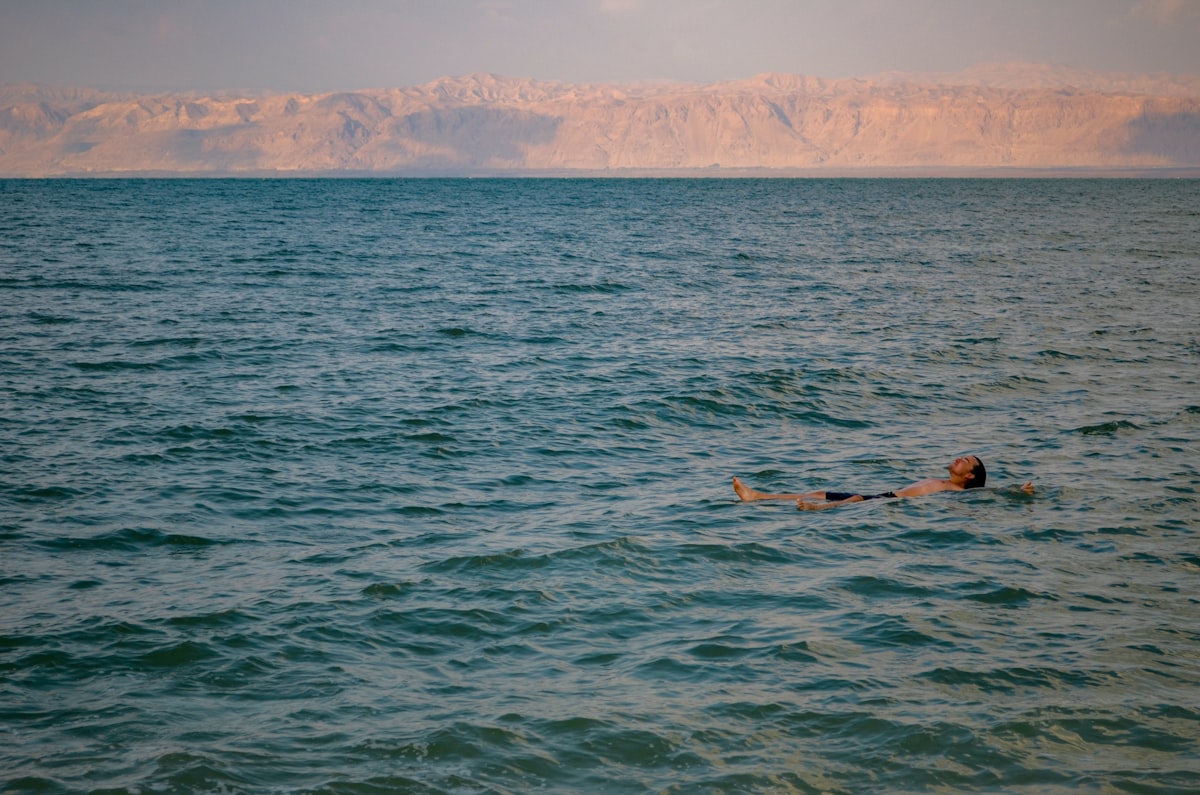
- ↑Dead Sea floating in winter: the 32°C mineral-dense water feels even more contrast-rich against the cool January air; the salt pans and surrounding mountains in winter light have a stark, austere quality more compelling than the summer haze
Sacrifices
- ↓Jordan in January can be genuinely cold at altitude — Petra at 900m and Wadi Rum at night (dropping to 0°C or below) require proper warm layers; the romantic idea of desert warmth does not apply to Jordanian winter nights
- ↓Wadi Rum camping is cold comfort in January: the luxury Bedouin camps are operational but nights under canvas in the desert require sleeping bags rated to -5°C, and the romantic stargazing is traded against genuinely cold temperature exposure
- ↓Some rainfall (60mm, dry by world standards) falls in winter — mostly brief heavy showers that can temporarily flood the Siq entrance to Petra; the site closes temporarily during active flash flooding and opens immediately after
February#8▾
Gains
- ↑Wild flowers begin to appear on the hillsides around Petra and in the Jordan Valley in late February — black irises (the Jordanian national flower), anemones, and cyclamens growing among the sandstone ruins give a colour contrast that does not exist in summer
- ↑February light in Wadi Rum has a quality specific to the post-winter desert: the dust has settled, the air is crystalline, and the sunset and sunrise colours on the Jebel Um Ishrin and Lawrence's Spring rock faces are at their most saturated
- ↑Prices remain low across all Jordan sites and accommodation — Petra's 1-day entry (JOD 50) is fixed regardless of season, but Wadi Rum camps drop 30–40% and Amman hotels are 20–30% cheaper than the April–May peak
Sacrifices
- ↓February is still within the wet season — rainfall can interrupt outdoor plans, and the Petra By Night candlelight walk (Mondays, Wednesdays, Thursdays) is occasionally cancelled due to rain
- ↓Temperatures in Wadi Rum at night remain cold — 0°C to 4°C is typical in February; genuine desert cold exposure requires preparation that many first-time Jordan visitors do not anticipate
- ↓The Dana Biosphere Reserve hiking trails can be muddy and slippery after rainfall; the canyon trails require careful footing in winter
March#4▾
Gains
- ↑Jordan's spring wildflower season peaks in March: the hillsides around Petra, the Dana Biosphere Reserve, and the Jordanian Highland trail are covered in iris, anemone, cyclamen, and poppies; the combination of ancient rose-red architecture and spring colour is uniquely compelling
- ↑Hiking conditions at all sites are at their annual best in March — 17°C days, minimal rain, and the physical pleasure of walking Petra's 8km full-day circuit without heat stress; the Wadi Rum desert scrambles and the Dana canyon descents are comfortable without requiring early morning starts
- ↑Dead Sea spa resorts offer spring packages at pre-peak prices — the combination of mild temperatures (Aqaba and the Dead Sea valley warm faster than highland Petra) and reduced crowds from the European tour season makes March the best value month for a luxury Jordan trip
Sacrifices
- ↓Crowds begin building in March as European school holiday groups and US tour operators start their Jordan seasons; Petra on busy spring weekends can feel more crowded than the winter months, though still significantly less than April–May
- ↓Some rainfall is still possible in March — the rainy season diminishes but does not end until April; pack a light waterproof layer
- ↓Accommodation prices start rising toward peak levels — book Wadi Rum camps and Petra gateway hotels at least 6–8 weeks in advance for March
April#2▾
Gains
- ↑April is the peak of Jordan's weather and experiential quality: 23°C days, virtually zero rainfall, 9 hours of sunshine, and the Wadi Rum desert at its most vivid; the famous Petra Treasury viewed at 8am in April light — rose-red sandstone against deep blue sky, with the shadow of the Siq still on the colonnaded street below — is the closest Jordan gets to the idealised image
- ↑Wadi Rum camping in April is the most comfortable desert experience in the Middle East calendar: sleeping under the stars with temperatures dropping to only 10°C at night (comfortable with a sleeping bag), Bedouin dinner cooked in the sand, and dawn breaking over the sandstone jebels with none of the heat that makes summer camping an ordeal
- ↑The Jordan Trail (675km long-distance walk from Umm Qais in the north to Aqaba on the Red Sea) is at its finest in April — trail conditions are optimal, wildflowers are at their tail end, and the 35-day full traverse or the 5-day Petra to Wadi Rum section are both at peak conditions
Sacrifices
- ↓April is peak season in Jordan — Petra's main thoroughfare can see 3,000–5,000 visitors on busy spring days, particularly around the Easter and Western European school holiday weeks; arriving at Petra's gate before 7am is essential to have the Siq and Treasury without crowds
- ↓Accommodation prices reach their annual high — Petra and Wadi Rum options book out 3–4 months in advance for April; last-minute bookings at reasonable prices are very difficult
- ↓Tour groups dominate the main sites in April — the Treasury, the Royal Tombs, and the main Petra basin are packed by 10am; itinerary planning must prioritise early starts and the less-visited sites (the Blue Cave, the High Place of Sacrifice, Little Petra) to escape the crowds
May#3▾
Gains
- ↑May sees the Easter and spring break crowds recede while weather remains outstanding — temperatures are warm enough to swim in the Dead Sea and Red Sea at Aqaba comfortably, but not yet the punishing heat of June–August
- ↑Wadi Rum stargazing in May is among the best in the world calendar: the desert has a 300-day-a-year clear sky average, light pollution is minimal, and the Milky Way core rises from the southern horizon by 11pm; the overnight Bedouin camps have roof terraces specifically designed for astronomy viewing
- ↑Aqaba and the Red Sea at its spring best: water temperature reaches 24°C, coral visibility is excellent, and the dive sites around the South Beach (Japanese Garden, Wreck of the Cedar Pride) are at their most accessible before summer heat discourages land activities
Sacrifices
- ↓By late May temperatures at Petra (900m) reach 28°C — the full-day hike to the Monastery (1,300m) is already physically demanding in the heat, and afternoon sun on the exposed trail is significant
- ↓The Dead Sea valley and Aqaba are already 35°C+ in May — the contrast between the highland sites and the rift valley heat means itinerary sequencing matters; visit Petra and Wadi Rum first (morning–afternoon) and use Dead Sea spa days in the late afternoon and evening
- ↓Ramadan falls in May in some years — when it does, daytime opening hours and food service at local restaurants are reduced; the atmosphere in Amman during Ramadan evenings is remarkable and worth experiencing, but logistics require planning
June#10▾
Gains
- ↑Zero rainfall and near-guaranteed sunshine for the entire month — Wadi Rum in June is a heat experience but the colours and light quality are extraordinary; sunset and sunrise visits bookend comfortable Bedouin camp evenings
- ↑Aqaba on the Red Sea coast reaches peak dive season in June — water clarity at its annual best (25–30m visibility), sea temperature 26–28°C, and the Aqaba Marine Park coral gardens in full summer bloom
- ↑Dead Sea resort prices drop below spring peak — a luxury spa night at a Sweimeh Dead Sea resort (normally US$250–350 in April) drops to US$180–220 in June, and the mineral baths and outdoor pools are most enjoyable in the evening when temperatures cool
Sacrifices
- ↓Daytime temperatures at Petra reach 33°C — the main Petra circuit (8km) in afternoon heat is genuinely punishing; Petra in June requires a 6am start to complete the Monastery hike before 11am; afternoon visits are not recommended
- ↓Amman's summer heat makes the city less pleasant for daytime sightseeing — the Citadel (Jabal al-Qal'a), the Roman Theatre, and the souks are best visited early morning; the city's cultural life continues but at reduced pace until Ramadan evenings bring it back to life
- ↓Gulf tourists flood the Jordan Valley and Aqaba region in June–August — the Dead Sea resorts shift to a Gulf family holiday character; the cultural diversity of the spring tourist mix gives way to a more homogeneous Gulf Arab family demographic
July#11▾
Gains
- ↑Aqaba diving in July: the Red Sea's warmest and clearest month — 28°C water temperature, 30m+ visibility, and the full complement of reef fish, sea turtles, and occasional whale sharks on the seasonal passes south of the marine reserve
- ↑Wadi Rum overnight in July at altitude: while daytime desert temperatures reach 40°C+, the high-elevation Bedouin camps in the Wadi Rum Protected Area see dramatic temperature drops after sunset — late evenings are comfortable and the Milky Way visibility at 3am in a zero-light-pollution desert is among the finest stargazing experiences on Earth
- ↑Jordan's summer lack of European and American tourists creates an unusual situation: the main sites are less crowded than spring, prices are lower, and the Bedouin camp operators are more attentive to the guests they have — a genuine trade-off against the heat
Sacrifices
- ↓July Petra in the afternoon is genuinely dangerous — 36°C in a canyon with reflective sandstone walls and no shade creates heat conditions that cause heat exhaustion in unprepared visitors; the site is visited responsibly only at the very start of the day (gates open 6am)
- ↓The Jordanian Rift Valley (Dead Sea, Wadi Arabah) reaches 40–44°C in July — these temperatures exceed safe outdoor activity thresholds; the Dead Sea float and spa experience works in early morning and evening only
- ↓July is the height of Gulf family holiday season in Jordan — beach hotels at Aqaba and Dead Sea resorts can be fully booked with Gulf visitors, and the character of the experience shifts from international adventure tourism to regional family resort
August#12▾
Gains
- ↑August offers the same desert stargazing conditions as July but with the Perseid meteor shower (August 11–13) peaking over Wadi Rum — viewing the Perseids from a Wadi Rum desert camp with zero light pollution is a genuinely rare experience; camps typically move their mattresses to the open sand for the peak night
- ↑Aqaba's underwater world is at maximum diversity in August: larger pelagic visitors (including barracuda schools and occasional hammerheads beyond the reef edge) use the Red Sea rift current, and the resident reef populations of napoleon wrasse, moray eels, and the famous Rainbow Reef anemonefish are all active
- ↑Petra By Night (candlelit Siq walk, Mon/Wed/Thu) in August heat is best approached as an evening experience rather than a full-day add-on — the 8–9pm start time means the daytime heat has dissipated, the Treasury is lit by 1,500 candles, and the lack of crowd activity later in the evening makes it one of Petra's most atmospheric experiences
Sacrifices
- ↓August is the peak heat month with temperatures matching July — the same warnings apply with greater force; Petra afternoon temperatures in the main basin and the Monastery trail reach 38–40°C and are not compatible with safe hiking
- ↓Dust storms (khamsin) can affect Jordan in late August — a regional dry wind bringing Saharan dust that reduces visibility and coats everything with fine orange powder; typically passes within 24–48 hours but disrupts outdoor photography and activities
- ↓The Dead Sea continues to shrink and salinity continues to increase — the northern shore (where the main resorts are located) is increasingly rocky and salt-crusted; entering the water at designated beach areas rather than directly from the shore is strongly recommended
September#6▾
Gains
- ↑Late September is the beginning of Jordan's second best season — temperatures drop from 36°C to 32°C and the humidity falls further; Petra begins to be walkable for a full day again by mid-September, and the Monastery hike in afternoon light becomes possible without heat exhaustion
- ↑September's light quality in Wadi Rum transitions from summer's harsh white to the golden autumn quality — the red and orange sandstone formations photograph best in September's angled light, and the combination of warm days (32°C) and comfortably cool nights (20°C) makes Wadi Rum camping pleasant again
- ↑Aqaba diving remains at peak quality through September — summer sea temperatures (28°C) persist, visibility remains excellent, and the Gulf family holiday crowd has largely returned home, leaving the dive sites and reef areas more accessible for international divers
Sacrifices
- ↓Early September still carries summer heat — the first two weeks of September are similar in character to August (36°C days) before the temperature drop in the third and fourth weeks; plan Petra hiking for the last 10 days of September if possible
- ↓Prices begin rising again from late September as European and American visitors return; book Wadi Rum camps and Petra gateway accommodation early for the October–November period if combining with a September arrival
- ↓The Dead Sea is at its saltiest and lowest level of the year in September after the summer evaporation season — the approach to the water is salt-rocky and the buoyancy is genuinely disorienting; read the entry protocols at the resort beach
October#1▾
Gains
- ↑October is the month Jordan performs at its absolute best: 26°C days, 15°C nights in Wadi Rum (comfortable sleeping without extreme cold), virtually no rainfall, and the autumn light quality that makes rose-red sandstone photograph at maximum intensity — this is the month Petra's Treasury and the Wadi Rum landscape match their most circulated images
- ↑The Jordan Rally and cultural festivals concentrated in October and early November create an unusual atmosphere in Amman and the desert — the Wadi Rum Desert Marathon (held in October) and the Petra Night Marathon bring an athletic tourism community that combines with the standard heritage visitor in a way that gives the sites unusual energy
- ↑Dana Biosphere Reserve walking in October: the 75km Dana to Petra trail section is at its finest — waterfalls running from early rains, the wildlife (Nubian ibex, short-toed eagles on migration, and the endemic Blanford's fox) at their most active, and the canyon colours from deciduous oaks and wild olive in autumn change create a completely different Jordan landscape from the desert south
Sacrifices
- ↓October is the busiest month in Jordan and prices reflect it — Wadi Rum bubble tents and luxury camps at their annual peak (US$250–400 per night), Petra gateway hotels book out months in advance, and the American and European tour group season is at full pace
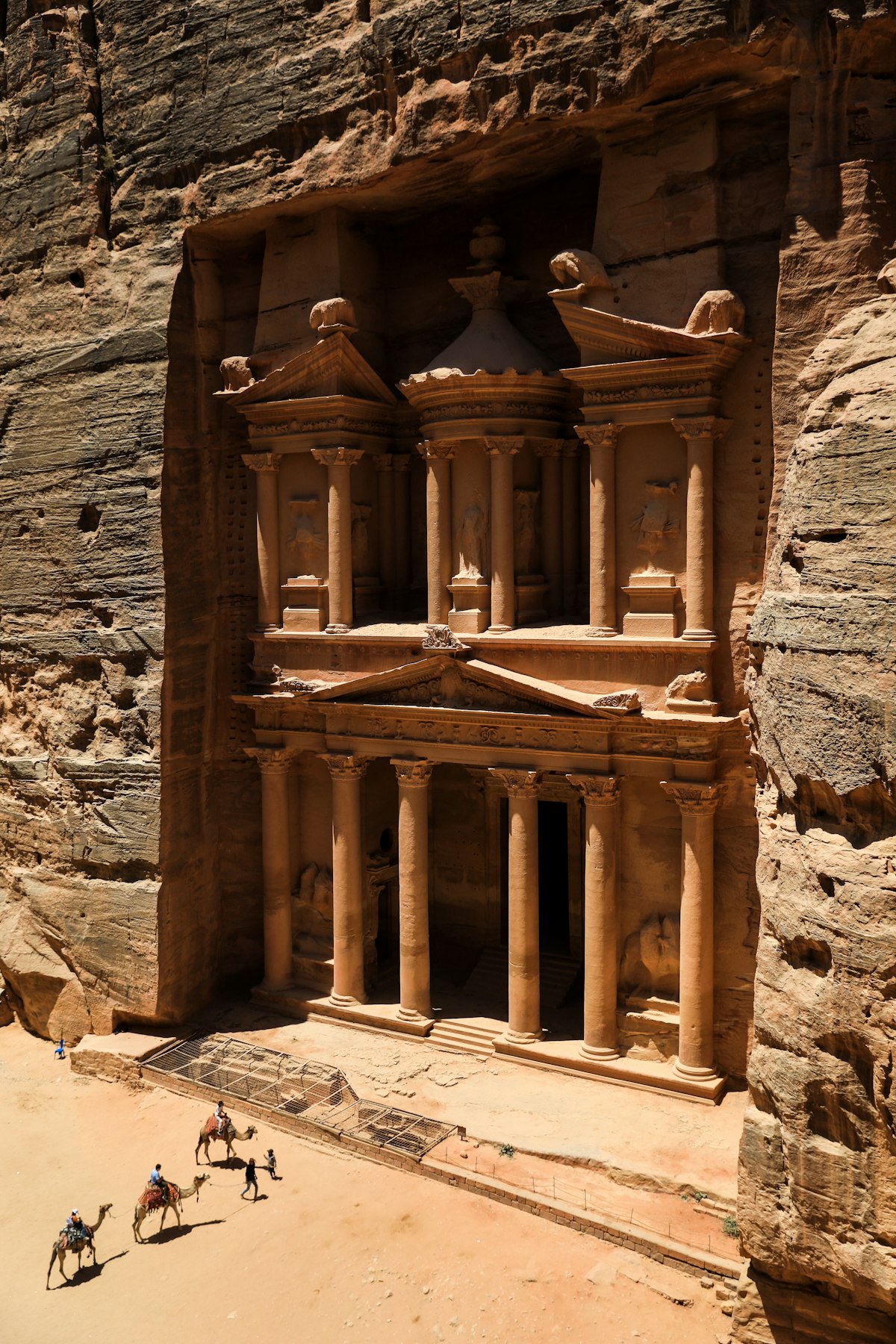
- ↓The Petra main thoroughfare in October peak is at its most crowded — the combination of tour groups, independent travellers, and the Jordan Pass popularity means the Treasury at 9–10am can have 800+ people in the frame; an early gate entry (before 7am) and an anti-clockwise route starting at the back of the site are essential tactics
- ↓Occasional early rains can cause temporary flash flood closures of the Siq in October — the risk is low but real; carry accommodation flexibility if visiting around rainfall events
November#5▾
Gains
- ↑November is the sweet spot for combining Petra, Wadi Rum, and the Dead Sea in a single week without the extreme crowd pressure of October — tours thin, prices drop 15–20%, and the 19°C days make full-day Petra hiking comfortable; the Monastery trail in November afternoon light is a very good experience
- ↑The first winter rains in November bring the highland vegetation back to life — the hillsides above Petra and around the Dana valley begin greening, the waterfalls in the Wadi Dana canyon resume flow, and the Feynan Ecolodge (off-grid, candlelit, Bedouin-run at the edge of the valley) is at its most atmospheric in autumn rain
- ↑Petra By Night in November carries extra atmosphere as the crowds thin and the candlelit Treasury setting feels more intimate — arriving 15 minutes before the 8:30pm start ensures a front-row seating position in the Treasury basin
Sacrifices
- ↓Rain becomes more significant in November — occasional heavy showers can temporarily close the Siq and the Petra canyon; while this is rarely more than a 2–3 hour disruption, it requires flexibility in day planning
- ↓Wadi Rum nights in November drop to 5–8°C — comfortable with sleeping bags but requiring genuine warm layers; the luxury bubble tents are heated and worth the price premium in November for stargazing without cold exposure
- ↓Aqaba water temperature drops below the ideal summer range to 24°C — still comfortable for diving, but the contrast with the June–September warmth is noticeable for swimmers; a 3mm wetsuit is advisable for extended dive time
December#9▾
Gains
- ↑December is among the quietest months in Jordan with the most favourable accommodation pricing — Wadi Rum camp bookings, Petra gateway hotels, and Amman properties at annual lows; the Jordan Pass (currently JOD 70 for 3+ sites including Petra multi-day entry) combined with low December accommodation pricing makes Jordan's best value accessible
- ↑Christmas in Madaba and Bethany-Beyond-the-Jordan: Jordan's Christian community (8% of population) celebrates Christmas in the ancient sites; Madaba's sixth-century Byzantine mosaic floor (depicting Jerusalem and the Holy Land) and the Bethany baptism site on the Jordan River are both more personally significant to visit in December than at any other time
- ↑The possibility of snow at Petra in December creates the most dramatic version of the rose-red city: the narrow Siq with snowflakes, the Treasury facade framed by white, and the total absence of crowds in a winter snowfall combine to create an experience that effectively never occurs in the months most tourists visit
Sacrifices
- ↓December rainfall is the highest outside January and February — heavy winter showers are possible and can close the Siq access temporarily; carry a day buffer in your itinerary
- ↓Cold nights at Wadi Rum (0–3°C) and Petra (5°C) require full winter gear; the desert romance experience works, but it works with proper thermal layers; minimalist packing is not appropriate
- ↓Shorter days (sunset at 4:45pm) compress the daytime hiking window — the full Petra day circuit (Treasury to Monastery and return) needs to begin by 7am to complete comfortably before the light fades
How this is calculated
Climate data
Open Meteo ERA5
30-year normals (1991–2020). Temperature, rainfall, sunshine, humidity.
Price & crowd
Tourism research
Seasonal pricing from tourism authority data. Directional — compares months within a destination only.
Personalisation
Weighted scoring
Your priorities change the weights. Budget-first users get different results than weather-first users.
Share this result
October is the best time to visit Jordan
Travel timing updates
New destinations and timing guides, when they land.
No spam. Unsubscribe anytime.