Showing: Jul · Unsplash / Unsplash
Jamaica · Caribbean
Best time to visit Jamaica
July
Jul scores highest overall — reliable weather and strong local atmosphere. Set your priorities below to personalise this result.
What matters most to you?
All 12 months — click any to expand
Jul
Unsplash / Unsplash
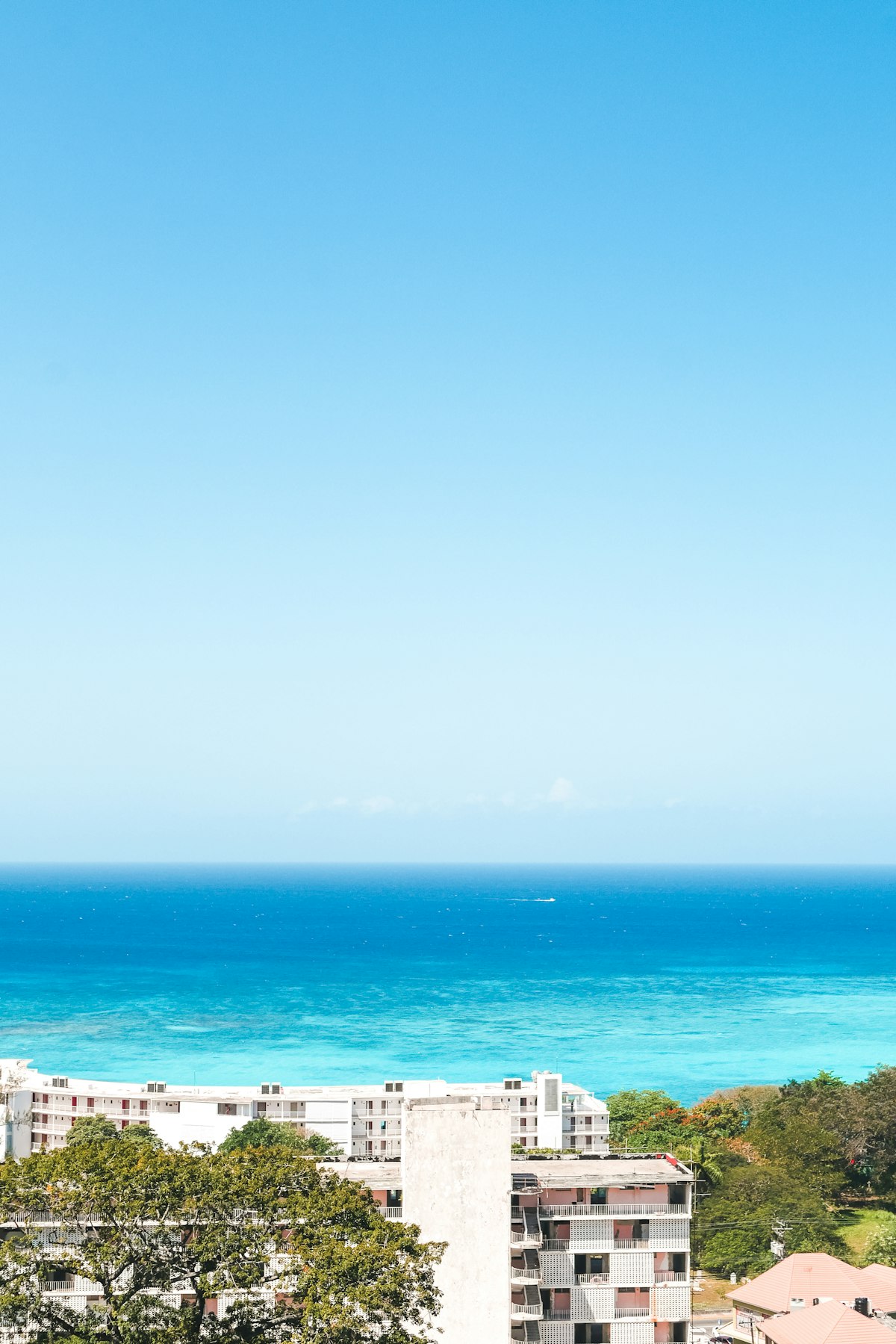
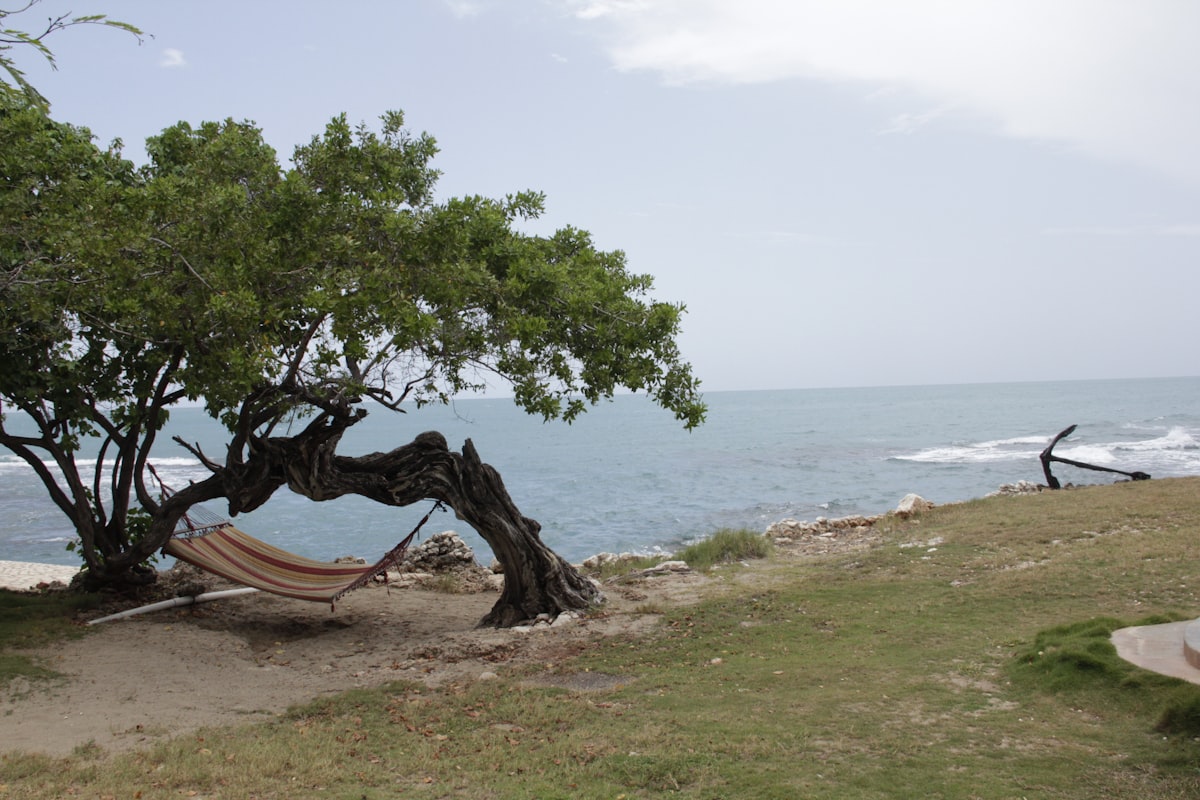
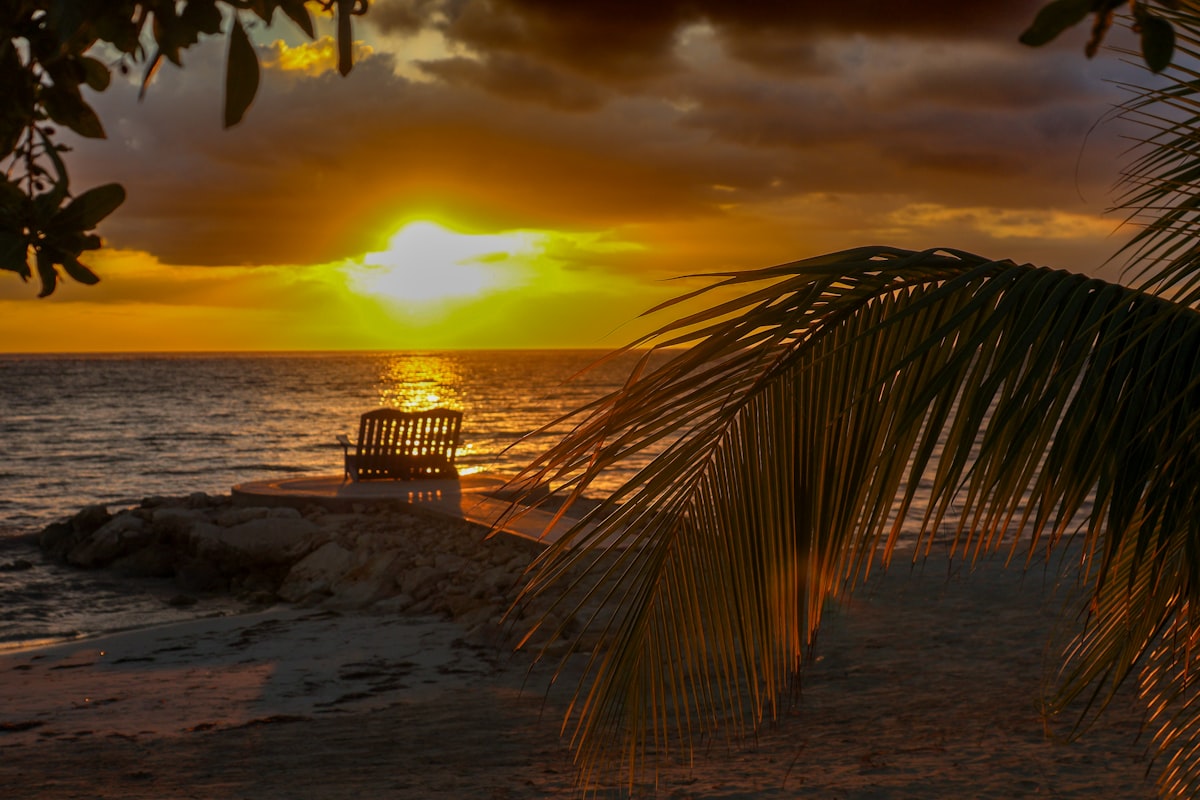
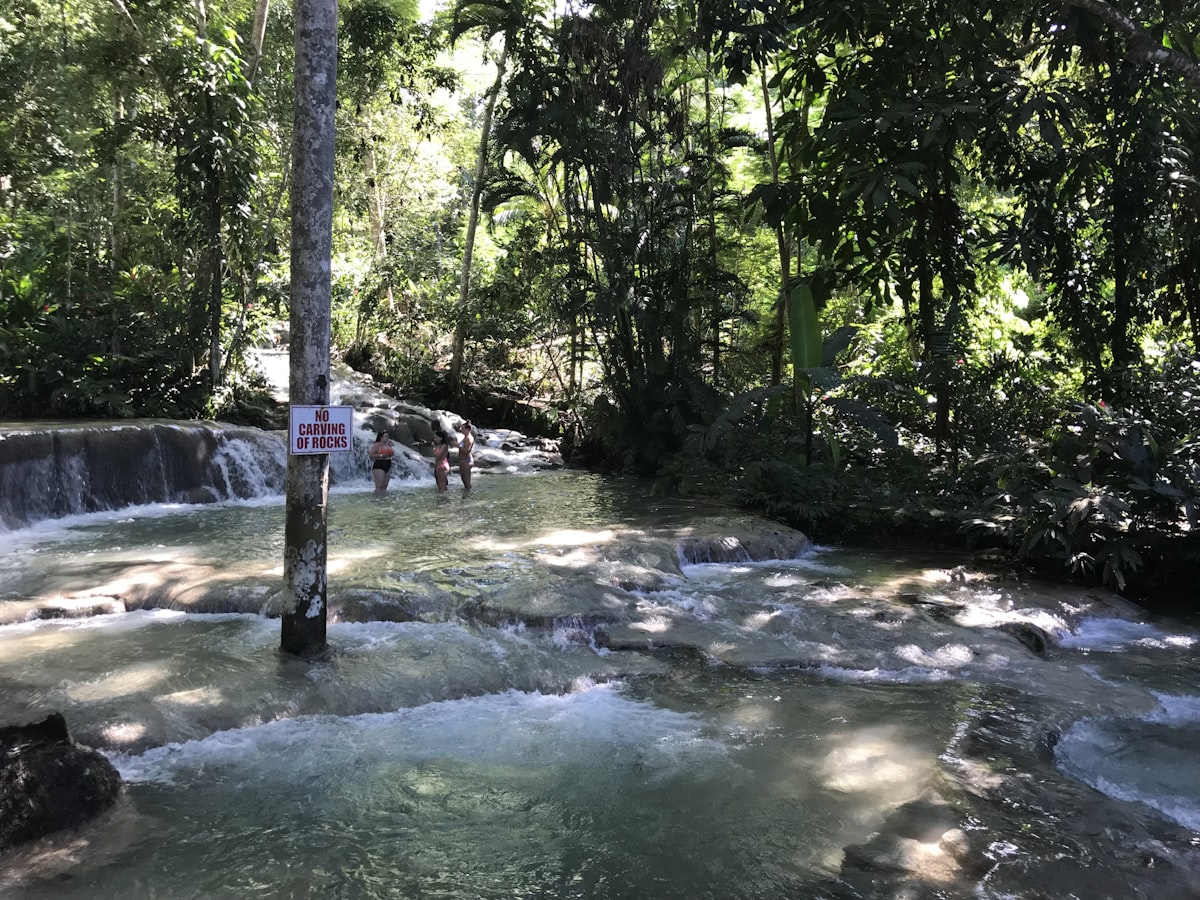
Reggae Sumfest month — mid-year dry spell, the world's greatest reggae festival, and Jamaica at its most alive.
32°C
High
25°C
Low
38mm
Rain
8.5h
Sun/day
What you gain
- ↑Reggae Sumfest (Montego Bay, third week of July) is the definitive Jamaican festival and one of the world's great music events — held at the Catherine Hall Entertainment Centre, the multi-night event features the biggest names in Jamaican dancehall and reggae alongside international acts; the Street Dance on the closing night is a free outdoor event on Gloucester Avenue that draws the entire city
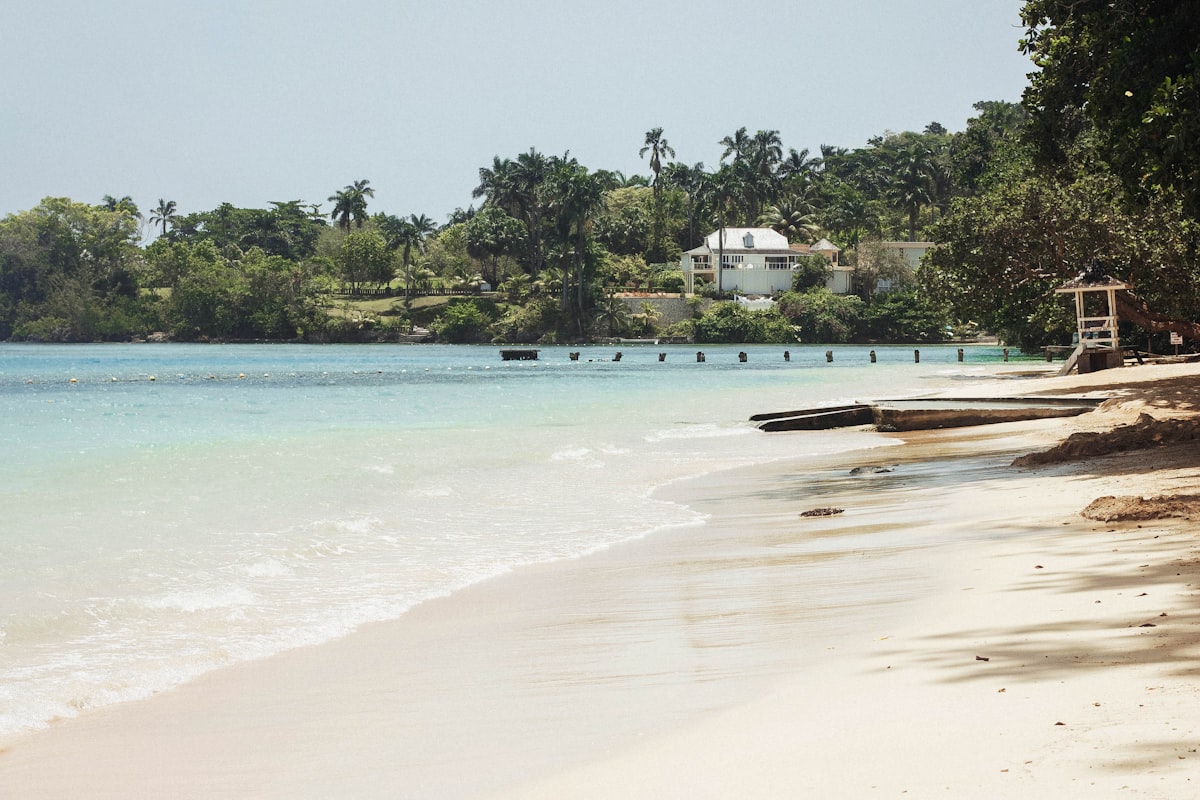
- ↑July is the driest month of the summer — a mid-year dry period (July into early August) drops rainfall to just 38mm, creating a genuine improvement in beach weather above May–June; Negril's Seven Mile Beach, normally spectacular in the dry season, is at its best in the mid-summer dry window
- ↑Emancipation Day (August 1) preparation events begin in late July — the cultural significance of emancipation in Jamaica is profound and the lead-up period in Mandeville, Spanish Town, and Kingston features authentic community events rather than tourist productions
What you sacrifice
- ↓Reggae Sumfest week: Montego Bay accommodation is fully booked 2–3 months in advance for the festival week, and prices spike to peak-season or above levels; if you are attending Sumfest, this is unavoidable and should be planned months ahead
- ↓Hurricane risk escalates in July — while still below the August–October peak, tropical systems move through the region with increasing frequency and the forecast monitoring that was advisory in June becomes genuinely important in July
- ↓Humidity at 80% combined with 32°C is the most uncomfortable weather combination in Jamaica — beach and water activities are fine, but inland hikes, sightseeing, and city exploration are best reserved for early morning and late afternoon
Jul scores highest overall — reliable weather and strong local atmosphere. Set your priorities below to personalise this result.
Jul
Reggae Sumfest month — mid-year dry spell, the world's greatest reggae festival, and Jamaica at its most alive.
32°C
High
38mm
Rain
8.5h
Sun
- ↑Reggae Sumfest (Montego Bay, third week of July) is the definitive Jamaican festival and one of the world's great music events — held at the Catherine Hall Entertainment Centre, the multi-night event features the biggest names in Jamaican dancehall and reggae alongside international acts; the Street Dance on the closing night is a free outdoor event on Gloucester Avenue that draws the entire city
- ↑July is the driest month of the summer — a mid-year dry period (July into early August) drops rainfall to just 38mm, creating a genuine improvement in beach weather above May–June; Negril's Seven Mile Beach, normally spectacular in the dry season, is at its best in the mid-summer dry window
- ↑Emancipation Day (August 1) preparation events begin in late July — the cultural significance of emancipation in Jamaica is profound and the lead-up period in Mandeville, Spanish Town, and Kingston features authentic community events rather than tourist productions
- ↓Reggae Sumfest week: Montego Bay accommodation is fully booked 2–3 months in advance for the festival week, and prices spike to peak-season or above levels; if you are attending Sumfest, this is unavoidable and should be planned months ahead
- ↓Hurricane risk escalates in July — while still below the August–October peak, tropical systems move through the region with increasing frequency and the forecast monitoring that was advisory in June becomes genuinely important in July
- ↓Humidity at 80% combined with 32°C is the most uncomfortable weather combination in Jamaica — beach and water activities are fine, but inland hikes, sightseeing, and city exploration are best reserved for early morning and late afternoon
Top travel windows
★ BestJuly
Best overall
Highest combined score
32°C
High
38mm
Rain
8.5h
Sun
October
Best for value
Lowest prices & fees
31°C
High
176mm
Rain
7h
Sun
October
Fewest crowds
Quietest month
31°C
High
176mm
Rain
7h
Sun
Breakdown by priority
Best for weather
February
30°C high · 15mm rain · 8.5hrs sun/day
Best for budget
October
October delivers the absolute lowest prices in Jamaica — room rates at properties that were charging US$400+ per night in January drop to US$80–120, and the island is effectively empty of international tourists; for those who specifically want local Jamaica without any tourist infrastructure, October is authentically local in a way no other month is
Fewest crowds
October
October delivers the absolute lowest prices in Jamaica — room rates at properties that were charging US$400+ per night in January drop to US$80–120, and the island is effectively empty of international tourists; for those who specifically want local Jamaica without any tourist infrastructure, October is authentically local in a way no other month is
Worst time to visit
September
99mm of rain and 83% humidity make September the most challenging month for beach holidays — sustained rain spells are more likely than in July, and beach days cannot be reliably planned more than one day ahead; the flexibility to change plans is essential
Where to base yourself in Jamaica
All regions →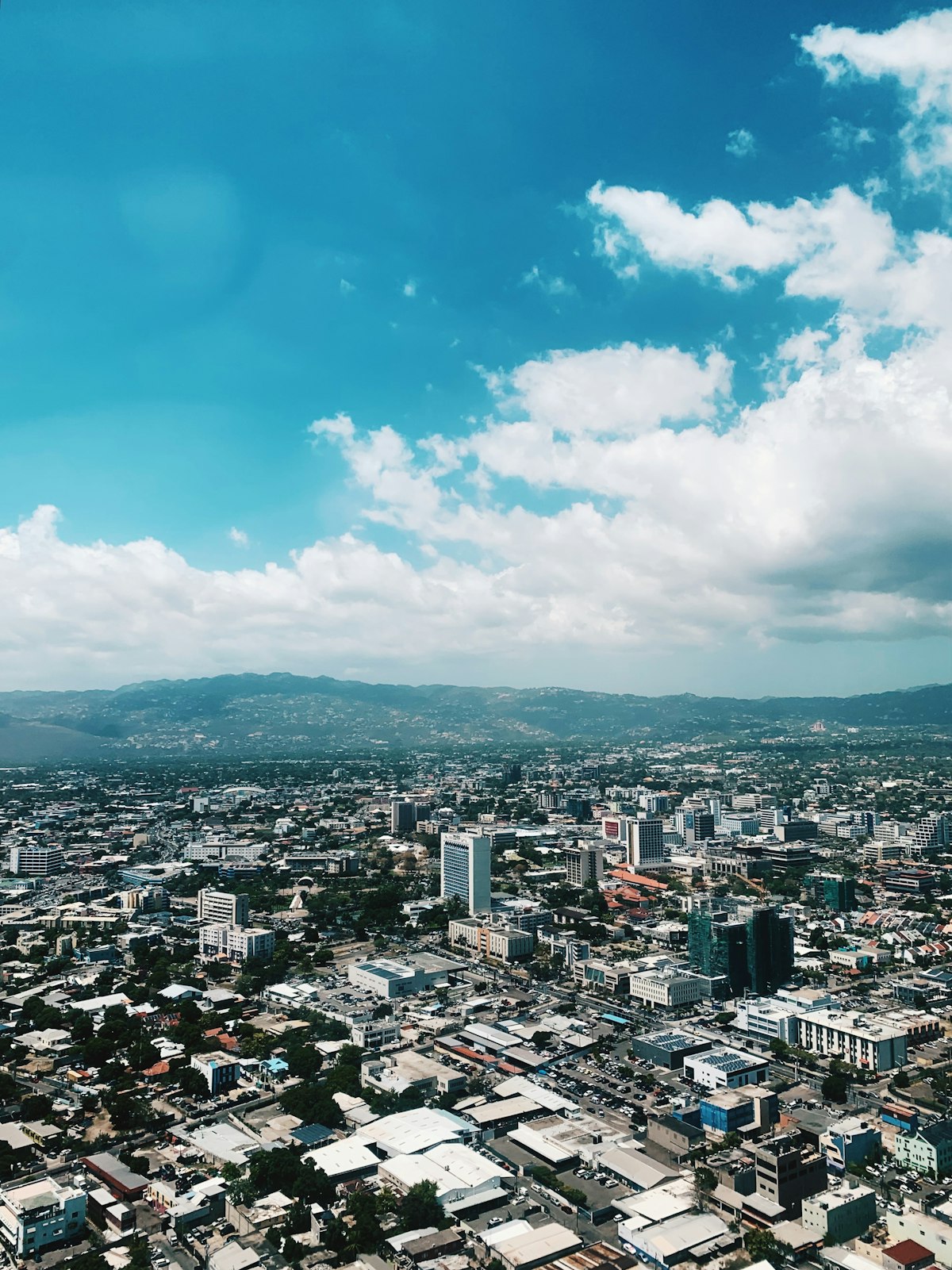
Kingston
The cultural capital — the Bob Marley Museum, Trench Town, the world's finest jerk pork, and the birthplace of reggae and dancehall.
5/10
Central
5/10
Walk
7/10
Transit
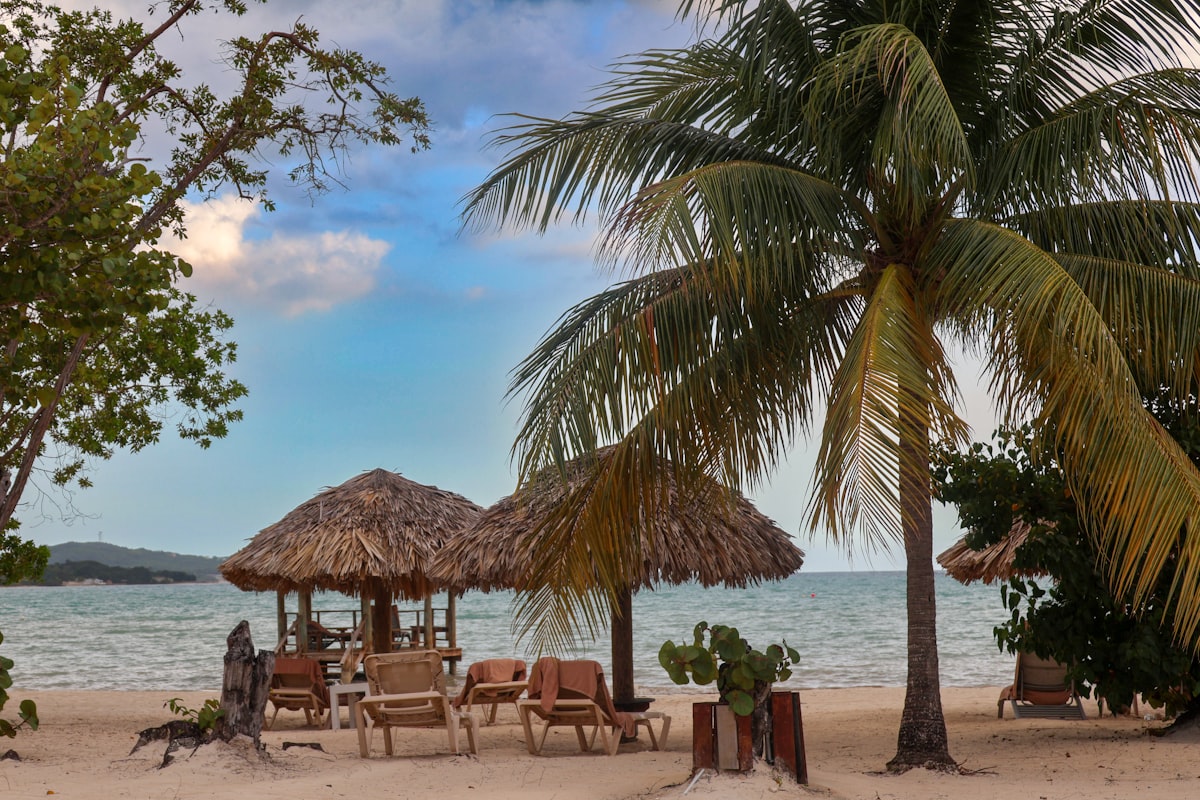
Ocho Rios
Dunn's River Falls, the Blue Lagoon, and the cruise ship stop that became Jamaica's adventure tourism capital.
8/10
Central
6/10
Walk
7/10
Transit
Also exploring
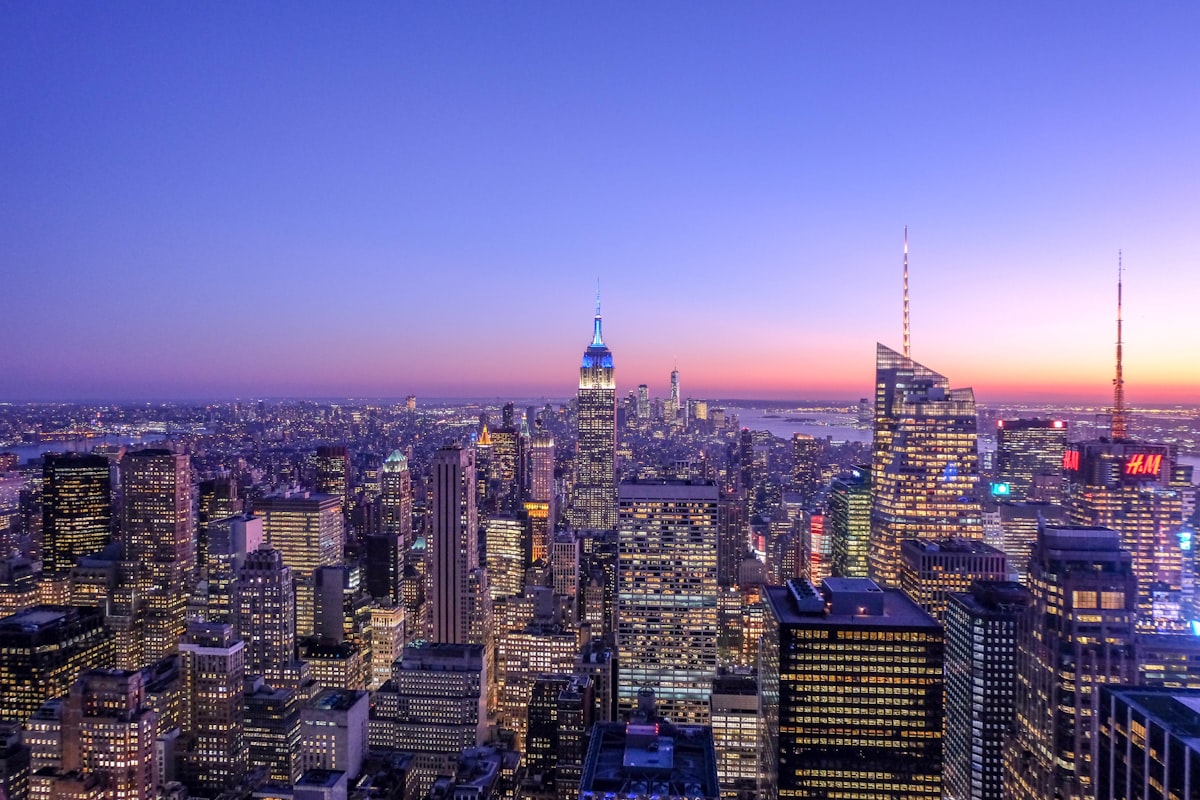
New York
USA
A city that never fully quiets — but its personality shifts dramatically by season, from sweltering humid summers to crisp autumn perfection to blizzard-prone winters.
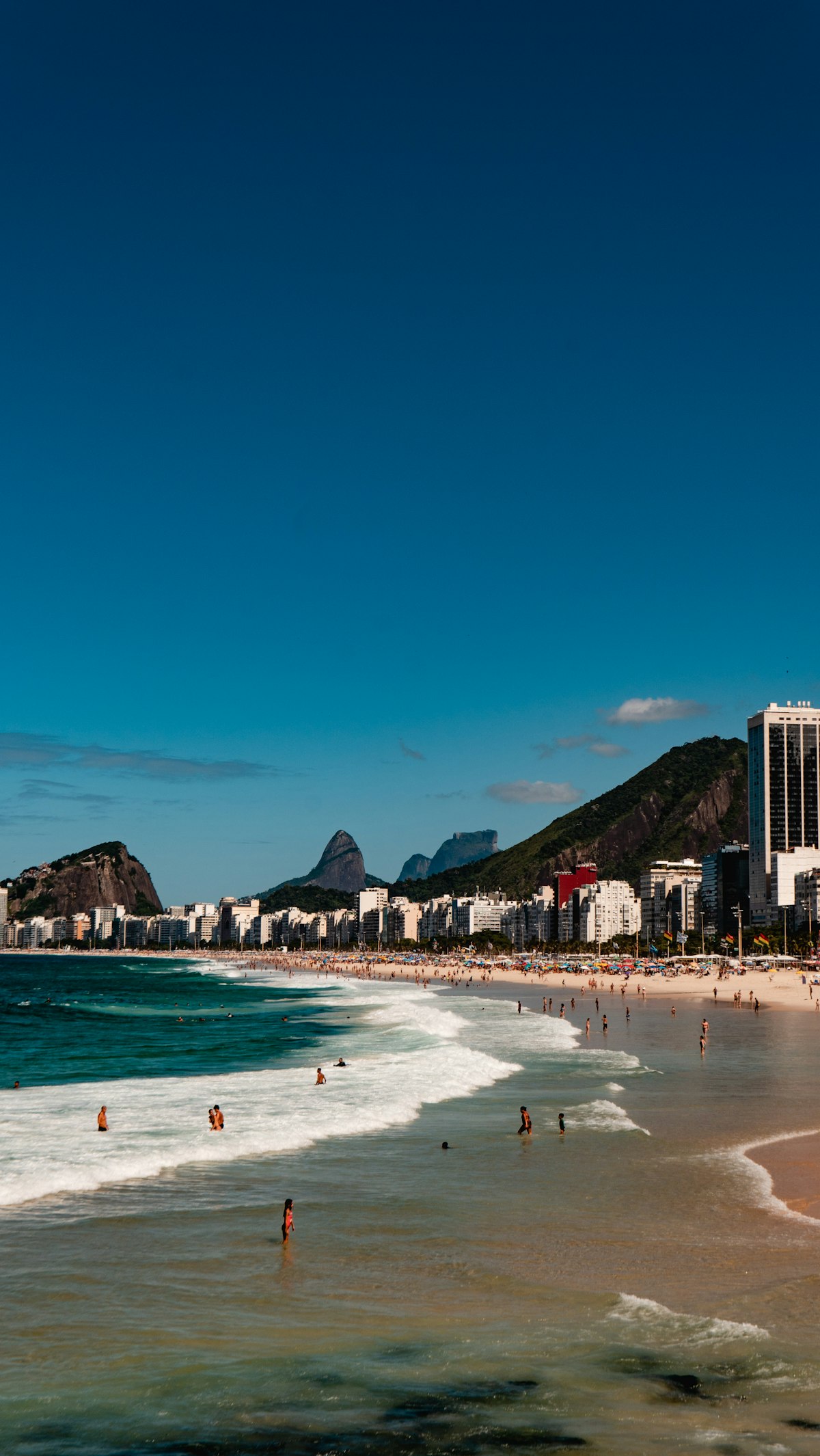
Rio de Janeiro
Brazil
A Southern Hemisphere city where summer (December–March) brings Carnival and 264mm of rain simultaneously, and the real sweet spot is the dry Southern winter — June to September — when most travellers don't think to come.
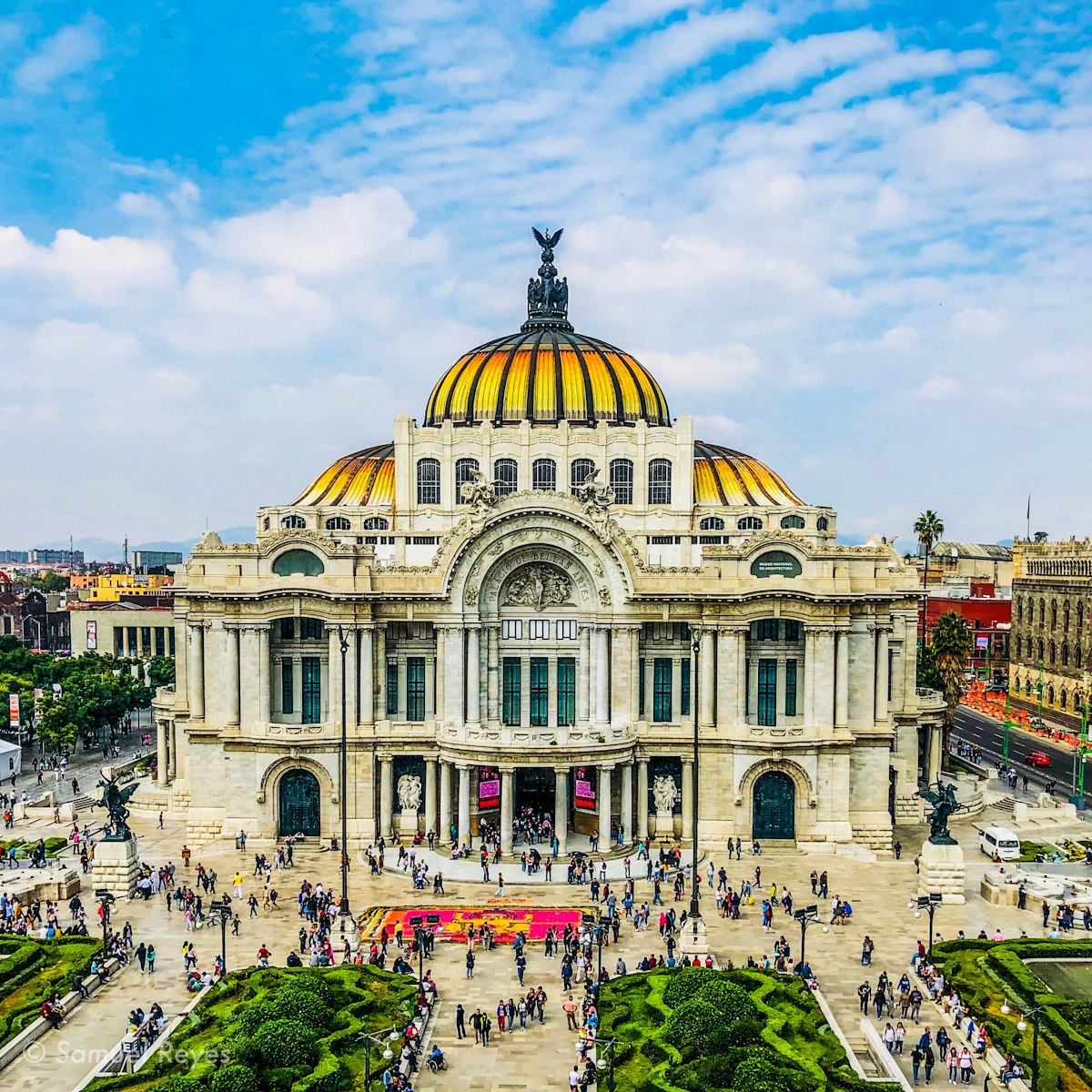
Mexico City
Mexico
A highland metropolis at 2,240 metres where the altitude tempers the heat to perpetual spring in the dry months, Día de Muertos transforms Mixquic and Azcapotzalco into one of the world's great ceremonies, and the October–April dry season gives the clearest conditions for exploring what is genuinely one of the planet's finest food, museum, and architecture cities.
Worth knowing
July scores highest overall. January is the most crowded month — avoid if you can. See crowd-free ranking →
Month by month breakdown
January#9▾
Gains
- ↑January is the heart of Jamaica's dry season: just 23mm of rainfall, 8 sunshine hours daily, and 30°C temperatures create the quintessential Caribbean experience — Negril's Seven Mile Beach is at its most inviting, the water visibility for snorkelling and diving is at its best, and the trade winds keep the heat pleasant without making it stifling
- ↑Reggae Month begins in late January (officially February, but the warm-up events start in the last week of January) — live music in Kingston's small clubs, tribute events at the Bob Marley Museum, and outdoor concerts in Montego Bay create a musical atmosphere specific to this period
- ↑Post-Christmas pricing softens in mid-to-late January from the New Year peak — the weeks of January 10–25 tend to offer better value than the surrounding holiday periods while maintaining peak-season weather
Sacrifices
- ↓January is peak season and the resort beaches in Montego Bay and Ocho Rios are at full capacity — beach club access and popular excursions (Dunn's River Falls, Blue Lagoon boat trips) require advance booking and have queuing even with tickets
- ↓All-inclusive resort prices and villa rentals in Negril are at their annual high in January — the same property costs 40–50% more than in May–June, and flight prices from North American cities reflect the demand from snowbird travellers
- ↓The most popular charter boat excursions and catamaran trips along the Negril coast operate on full-boat basis in January; spontaneous day-trip booking is difficult and the social atmosphere on shared boats can feel very resort-oriented
February#2▾
Gains
- ↑February is Jamaica's driest month: just 15mm of rainfall across the entire month and 8.5 sunshine hours daily deliver the most reliably perfect beach weather the island offers — Negril's Seven Mile Beach, Montego Bay's Doctor's Cave Beach, and the coves of Portland Parish are all at their absolute best
- ↑Reggae Month (February) transforms Kingston and Montego Bay — the Bob Marley Birthday Concert (February 6, Marley's birthdate) at the National Stadium and the One Love Music Festival draw international reggae artists and the most music-focused visitors of the year; the atmosphere of Reggae Month in Kingston is unlike anything else in the Caribbean
- ↑Water clarity peaks in February — the combination of minimal rainfall (reducing runoff and sediment) and optimal light creates the best conditions for diving and snorkelling at the Montego Bay Marine Park, the Negril Marine Park reef, and the Blue Lagoon off Boston Bay
Sacrifices
- ↓Reggae Month events fill Kingston and Montego Bay accommodation weeks in advance — the Bob Marley concert weekend (around February 6) is the single most in-demand accommodation period in the country; plan this specific trip many months ahead
- ↓Valentine's Day drives couples travel to Jamaica's most romantic properties — villa rentals in Negril and the boutique cliffside hotels above Rick's Café are booked out weeks before February 14 and command significant premiums
- ↓Despite being the best weather month, February is also peak season pricing — airfares and accommodation remain at their highest annual rates, and spontaneous or last-minute travel is expensive
March#4▾
Gains
- ↑March continues Jamaica's dry season: 22mm of rain and 8.5 sunshine hours are effectively identical to February's beach conditions at slightly softer prices — the second half of March (post-spring break) can represent the best value of the entire peak season
- ↑The Blue Mountains are at their most accessible in March before the spring rains arrive — the 7,402-foot Blue Mountain Peak hike, conducted most commonly as a 2am start to watch sunrise from the summit, is done in the clearest air conditions of the year; the coffee estates along the road to Section are in full harvest preparation
- ↑Negril's water temperature warms further in March toward 27°C, and the coral reef at the Negril Marine Park is at its most active — green sea turtles are present in the reef year-round but are most commonly observed in the calmer, clearer conditions of the dry season
Sacrifices
- ↓Spring break (mid-March to early April) brings a distinct North American party atmosphere to Montego Bay and Negril — the atmosphere skews young, loud, and alcohol-focused, and the beach clubs and resort areas take on an energy that couples and families often prefer to avoid; the second half of March after spring break ends is dramatically calmer
- ↓Prices remain in the moderate-to-expensive range through March — the dry season premium doesn't fully relax until April, and spring break demand keeps the most popular dates elevated
- ↓March is the busiest month for Dunn's River Falls (Ocho Rios) — the most iconic Jamaican tourist attraction, with hundreds of visitors climbing the 180-metre waterfall in a chain; arrive at opening (8:30am) to minimise the queue experience
April#3▾
Gains
- ↑April represents the transition from peak to shoulder season — prices soften from March levels while weather remains excellent: 8.5 sunshine hours, 46mm of rain, and the warmest temperatures of the dry season at 31°C make April beach conditions nearly identical to February at meaningfully reduced cost
- ↑Easter week is Jamaica's most festive domestic holiday — Jamaican families make for the beach, the outdoor bar and jerk chicken street culture is at its liveliest, and the combination of local and international visitors in April creates an authentically mixed atmosphere rare in the resort-dominated tourism calendar
- ↑Portland Parish and the north-east coast are most accessible in April — the Blue Lagoon at Port Antonio, the Reach Falls (accessible through a short river hike), and the Boston Bay jerk pork scene (arguably Jamaica's best jerk, eaten roadside at a zinc-roofed stall) are all better visited in the shoulder season without the high-season Montego Bay crowd
Sacrifices
- ↓Easter week (date varies, falls in March or April) pushes accommodation prices to brief peak levels and fills Jamaican beaches with domestic holiday-makers — Book specific Easter-week accommodation well in advance
- ↓April sees the first increase in rainfall from the dry season: 46mm across the month means more cloud cover and the occasional afternoon shower; beach days are still reliably good but less guaranteed than in January–March
- ↓Some seasonal villa rentals in Negril transition from peak-season to low-season pricing in April, which means some of the most sought-after properties take in fewer bookings and may have limited availability if you've left it late
May#5▾
Gains
- ↑May delivers the most dramatic price drop of the Jamaican calendar — all-inclusive resort rates fall 40–50% from the February peak, villa rentals in Negril and Port Antonio drop sharply, and flights from North America hit annual lows; the quality of the resort experience is unchanged but the price is not
- ↑The Jamaican interior is extraordinarily lush in May — the first rains of the year transform the Blue Mountains into an intensely green landscape, the waterfalls at YS Falls (Westmoreland) and Dunn's River reach their fullest volume, and the island's rivers and swimming holes (Laughing Waters near Ocho Rios, the Blue Lagoon at Port Antonio) are at their most impressive
- ↑The Punta Cana comparison: Jamaica's east-facing and north-facing beaches receive more rainfall in May than the Dominican Republic's Punta Cana coast — but the Negril and Montego Bay areas on Jamaica's west and north coasts are substantially drier than the island average and retain good beach weather in May
Sacrifices
- ↓May marks the start of the Caribbean hurricane season (June 1 officially, but tropical systems can form from mid-May) — while the risk to Jamaica specifically is not high in May, travel insurance with hurricane coverage becomes advisable from this point
- ↓Rain is now a genuine daily factor across most of the island — typical pattern is clear mornings followed by afternoon showers; morning excursions and activities are generally fine, but afternoon outdoor plans require flexibility
- ↓The resort beach infrastructure maintains full operation but the overall tourist population drops significantly — for those who enjoy a social beach atmosphere, May can feel noticeably quieter and less energetic than peak season
June#6▾
Gains
- ↑Negril and the west coast are noticeably drier than the island average in June — the rain shadow effect of the Blue Mountains means the leeward west coast receives significantly less of the Atlantic-driven rainfall; June visitors based in Negril can enjoy better beach conditions than the island-wide statistics suggest
- ↑Reggae music is in the air year-round in Jamaica, but June's live music circuit in Kingston's small clubs — the Dub Club, Café 77 on Red Hills Road, and the outdoor concerts at Emancipation Park — is most accessible when the tourist crowd has thinned and the local music culture dominates
- ↑The Rastafari pilgrimage sites around Kingston and the Blue Mountains are most accessible in June without the peak-season tours; the Pinnacle (the original Rastafari settlement), the Bobo Ashanti compound at Bull Bay, and the Marcus Garvey historical sites in St. Ann's Bay are best visited with a local guide arranged through the Jamaica Tourist Board
Sacrifices
- ↓Hurricane season is now officially active — June is technically low-risk for direct hits on Jamaica (the peak is August–October), but tropical depressions can pass south of the island and generate sustained rain even without making landfall; monitoring the weather forecast becomes a daily habit
- ↓June's 95mm is a significant rainfall month and the afternoon rain pattern can be heavy — extended shopping trips, waterfall excursions, and Blue Mountain hikes all require waterproof preparation
- ↓Some of the smaller beach restaurants and bars at Negril's Seven Mile Beach begin reduced hours in low season; the full range of beach bar, snorkel rental, and water taxi options from peak season is not available through June–September
July#1▾
Gains
- ↑Reggae Sumfest (Montego Bay, third week of July) is the definitive Jamaican festival and one of the world's great music events — held at the Catherine Hall Entertainment Centre, the multi-night event features the biggest names in Jamaican dancehall and reggae alongside international acts; the Street Dance on the closing night is a free outdoor event on Gloucester Avenue that draws the entire city
- ↑July is the driest month of the summer — a mid-year dry period (July into early August) drops rainfall to just 38mm, creating a genuine improvement in beach weather above May–June; Negril's Seven Mile Beach, normally spectacular in the dry season, is at its best in the mid-summer dry window
- ↑Emancipation Day (August 1) preparation events begin in late July — the cultural significance of emancipation in Jamaica is profound and the lead-up period in Mandeville, Spanish Town, and Kingston features authentic community events rather than tourist productions
Sacrifices
- ↓Reggae Sumfest week: Montego Bay accommodation is fully booked 2–3 months in advance for the festival week, and prices spike to peak-season or above levels; if you are attending Sumfest, this is unavoidable and should be planned months ahead
- ↓Hurricane risk escalates in July — while still below the August–October peak, tropical systems move through the region with increasing frequency and the forecast monitoring that was advisory in June becomes genuinely important in July
- ↓Humidity at 80% combined with 32°C is the most uncomfortable weather combination in Jamaica — beach and water activities are fine, but inland hikes, sightseeing, and city exploration are best reserved for early morning and late afternoon
August#10▾
Gains
- ↑Emancipation Day (August 1) and Independence Day (August 6) make the first week of August the most patriotically charged time in the Jamaican calendar — national celebrations include street dances, jerk festivals, cultural performances, and community events; the independence atmosphere is particularly vibrant in Kingston's New Kingston district and Spanish Town
- ↑US and European school holidays bring a summer demand surge that creates a social beach atmosphere reminiscent of peak season at Negril and Montego Bay — for those who want the beach energy of January but at slightly lower prices, early August before the hurricane-risk increase is a reasonable window
- ↑Blue Mountain coffee harvest preparation begins in August — some estates above Mavis Bank open for harvest-preview tours, and the combination of the mountainside escape from the coastal heat and the coffee culture makes an August Blue Mountain day trip a distinctive complement to the beach stay
Sacrifices
- ↓August is the hottest month of the year: 33°C with 82% humidity is genuinely oppressive outside of beach and water environments; urban exploration in Kingston and Ocho Rios during the middle of the day is physically demanding, and even Negril's breeze can struggle against the August heat
- ↓Hurricane risk is at its seasonal peak from mid-August: the statistical probability of a Caribbean hurricane affecting Jamaica is highest between August 15 and October 15; travel insurance with full hurricane and cancellation coverage is strongly recommended for August visits
- ↓The rain pattern from the mid-year dry (July) reactivates in August — 88mm is meaningfully more rain than July, and the reliability of a full beach day degrades from July's excellent window
September#12▾
Gains
- ↑September delivers the lowest prices outside of the October low — all-inclusive resorts drop to near their annual minimum, and boutique properties in Negril and Port Antonio offer rates that don't reflect the actual quality of the experience; September is the right month for those who need maximum value and have tolerance for weather uncertainty
- ↑The beaches are almost entirely tourist-free in September — locals have the island to themselves and the authentic Jamaican beach experience (sound systems, dominoes, jerk drums, rum punch at bar stools in the sea) is most accessible without the tourist overlay; Rick's Café at Negril is significantly less crowded and the cliff-diving atmosphere is at its most genuine
- ↑The north coast drive from Ocho Rios through Falmouth to Montego Bay is at its most photogenic in September — the combination of lush post-rain vegetation, dramatic coastal cliffs, and near-empty roads creates a road-trip experience that the peak season never delivers
Sacrifices
- ↓99mm of rain and 83% humidity make September the most challenging month for beach holidays — sustained rain spells are more likely than in July, and beach days cannot be reliably planned more than one day ahead; the flexibility to change plans is essential
- ↓September is statistically the second-most active month for Atlantic hurricanes — the combination of warm sea surface temperatures and optimal atmospheric conditions means monitoring the Caribbean weather forecast is a daily necessity; consider trip insurance with cancel-for-any-reason coverage
- ↓Most resort entertainment programmes, scheduled excursions, and group activities operate at minimum September scheduling — the full-service tourist Jamaica is not available in September regardless of price paid
October#11▾
Gains
- ↑October delivers the absolute lowest prices in Jamaica — room rates at properties that were charging US$400+ per night in January drop to US$80–120, and the island is effectively empty of international tourists; for those who specifically want local Jamaica without any tourist infrastructure, October is authentically local in a way no other month is
- ↑The Blue Mountains coffee harvest reaches its peak in October–November — the high-altitude farms above Mavis Bank and in the Cinchona Gardens area are in full picking activity, and visiting during harvest creates an agricultural and cultural experience that has nothing to do with beaches or resorts
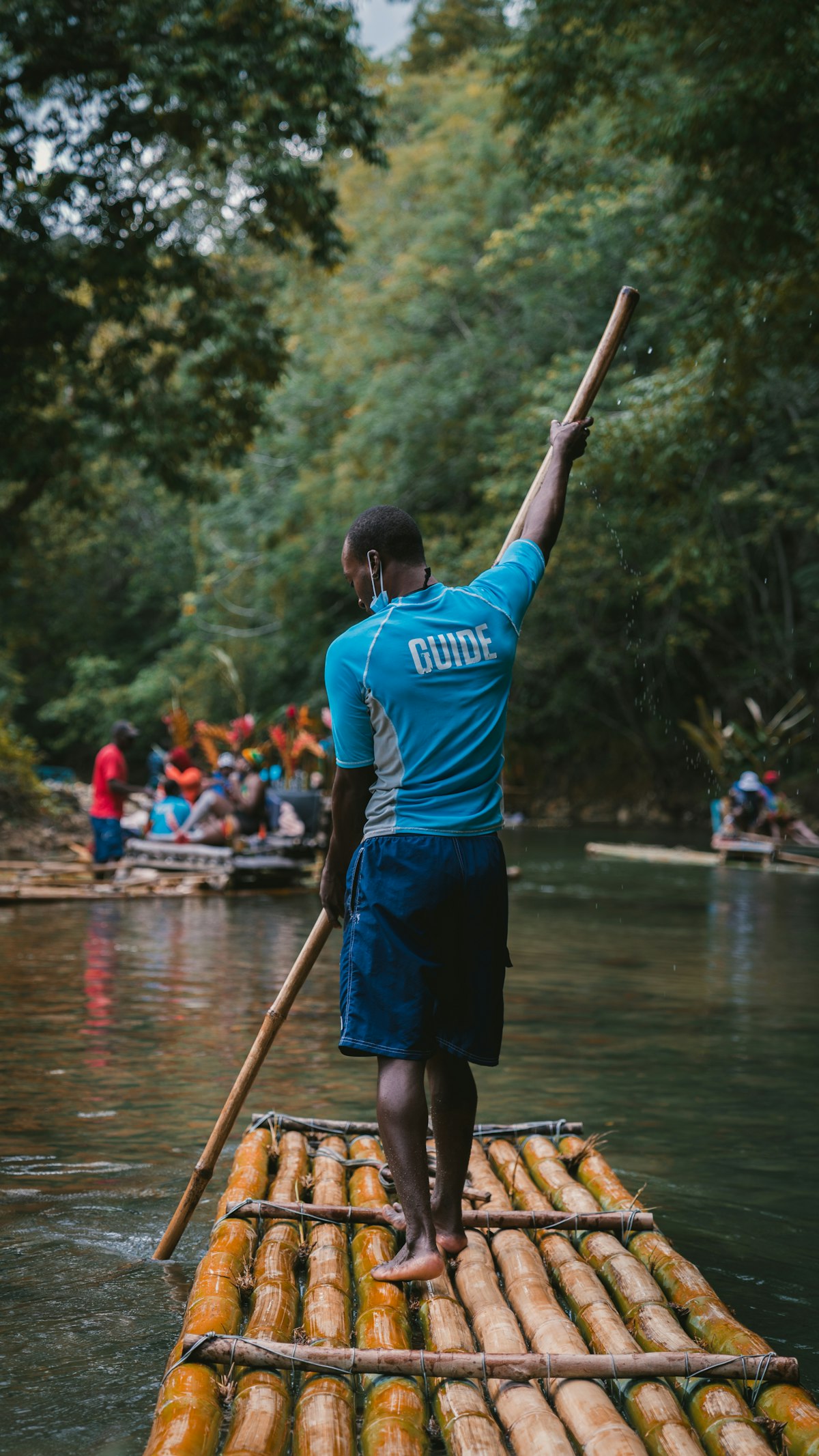
- ↑The Rio Grande river rafting experience (Port Antonio) operates year-round; October's high water levels from the rains make the bamboo-raft journey down the Rio Grande river particularly dramatic, with the jungle vegetation at its most intense and the river running fast through the gorge
Sacrifices
- ↓October is the wettest month in Jamaica with 176mm — the highest rainfall of the year creates sustained rainy periods, road flooding in low-lying areas, and the genuine possibility of multi-day overcast spells; beach holidays in October are not realistic and inland activities depend on terrain-specific conditions
- ↓Hurricane risk remains elevated throughout October: the Atlantic hurricane season peaks between August and October, and Jamaica has historically received direct impacts in October (Hurricane Gilbert, 1988; Hurricane Ivan, 2004); travel insurance is not optional
- ↓A significant number of smaller hotels, guesthouses, and non-resort restaurants close in September–October for annual maintenance; confirm specific properties are open before booking for October
November#7▾
Gains
- ↑The Atlantic hurricane season officially ends November 30, and the second half of November delivers meaningfully improving weather — rainfall drops from 176mm (October) to 71mm, sunshine hours improve, and the Negril and Montego Bay coasts begin to return to their dry-season reliability
- ↑Pre-Christmas pricing makes November one of the best value months for quality villa rentals — the boutique properties and private villas that peak at US$3,000–5,000 per week in January/February drop to US$1,000–1,500 in November; the same quality of property and service at a fraction of the cost
- ↑Thanksgiving week (last week of November) is the first significant demand pulse of the winter season — American families treat Jamaica as the warm-weather Thanksgiving destination, and the festive atmosphere created by US guests arriving with holiday spirit creates a pre-peak preview without the January prices
Sacrifices
- ↓Early November carries the tail of hurricane season — while the statistical risk decreases significantly after October 15, November is not risk-free; the first two weeks of November should be treated as shoulder-storm risk territory
- ↓The beach experience in November is improving but not yet at peak-season standard — beach bars and water sports operations are gradually reopening after their low-season closures, and the full infrastructure of December–April is not yet assembled
- ↓Prices begin climbing from the October low in November as the winter season demand builds — the ultra-cheap October rates are replaced by affordable-to-moderate November pricing that heads toward expensive by mid-December
December#8▾
Gains
- ↑December marks the full return of the dry season: 36mm of rainfall (dropping sharply from November's 71mm) and 8.0 sunshine hours re-establish the classic Caribbean beach conditions that make Jamaica's winter season its most popular; the trade wind breezes cool the 30°C heat to a comfortable beach temperature
- ↑Christmas at Negril is a genuinely unique experience — the Seven Mile Beach at sunset on Christmas Eve, with impromptu sound systems, jerk drums set up between the trees, and rum punch flowing from every beach bar, is a Caribbean Christmas that has nothing to do with the cold-weather version; the evening atmosphere is one of the most convivial in the Caribbean
- ↑The Grand Jamaica Run (Kingston road race, early December) and the Jamaica International Invitational track meet (National Stadium, late December–early January) reflect Jamaica's status as the world's most successful sprinting nation; attending a track event at the National Stadium with a full Jamaican crowd is a sporting experience unlike anything in the UK or North America
Sacrifices
- ↓Christmas week (December 22–January 2) is the most expensive period in Jamaica: villa rentals at Negril, cliff-top boutique hotels, and all-inclusive resort packages are at annual peak prices, and quality properties require booking 4–6 months in advance; last-minute Christmas travel is either extremely expensive or involves significant compromise on quality
- ↓New Year's Eve events at the beach resort properties charge entrance premiums and can feel more like a packaged event than a spontaneous celebration; Jamaicans themselves celebrate New Year loudly and energetically in domestic ways that often feel more genuine than the tourist-resort version
- ↓Early December (December 1–15) can still see residual rain from the November wet season — the dry season transition is gradual, and the first two weeks of December are wetter than peak January–February
How this is calculated
Climate data
Open Meteo ERA5
30-year normals (1991–2020). Temperature, rainfall, sunshine, humidity.
Price & crowd
Tourism research
Seasonal pricing from tourism authority data. Directional — compares months within a destination only.
Personalisation
Weighted scoring
Your priorities change the weights. Budget-first users get different results than weather-first users.
Share this result
July is the best time to visit Jamaica
Travel timing updates
New destinations and timing guides, when they land.
No spam. Unsubscribe anytime.